Setting up a candy packaging production line in France requires navigating specific regulatory frameworks, selecting the right equipment, and understanding the local market dynamics. This guide covers everything from EU compliance to turnkey installation strategies, helping manufacturers launch or upgrade their confectionery packaging operations efficiently.
Why France Is a Strategic Location for Candy Packaging
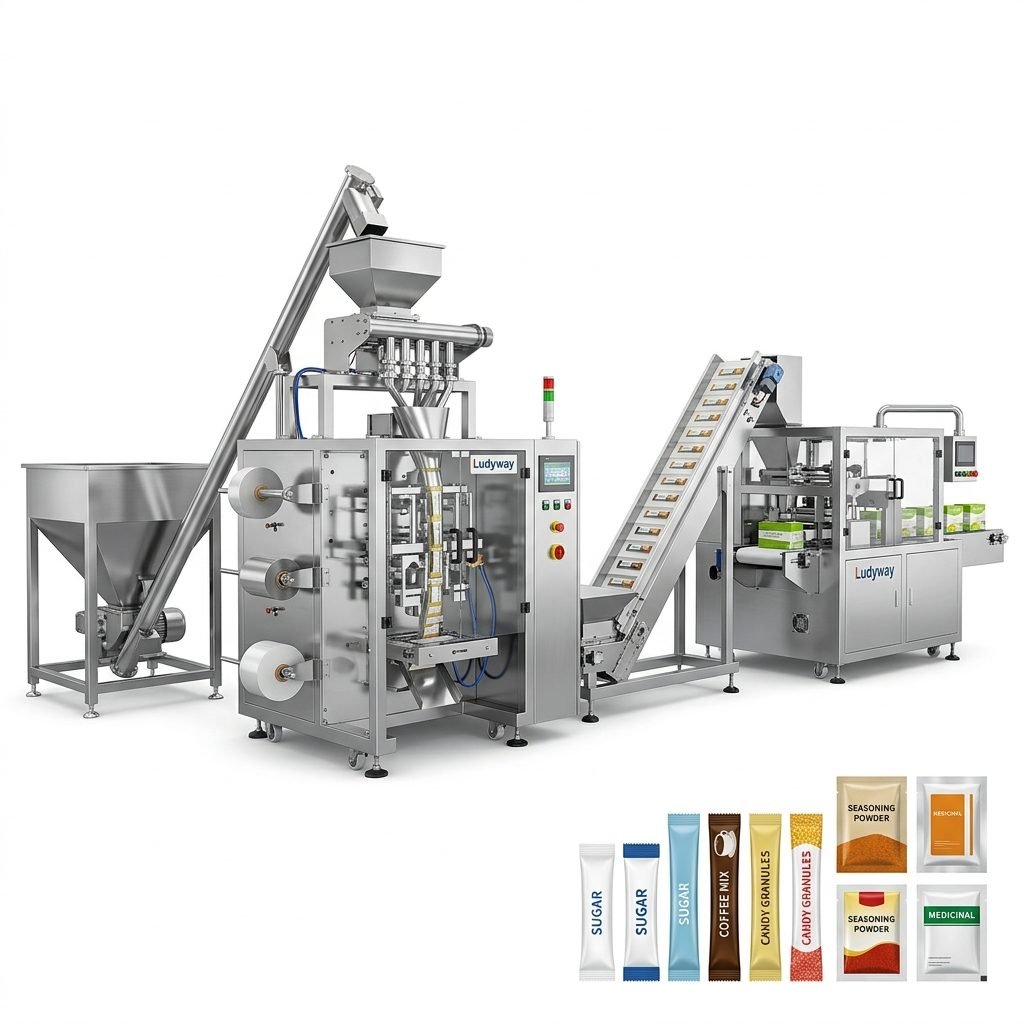
France is one of Europe’s largest confectionery markets, with a strong tradition in premium chocolates, caramels, hard candies, and gummy products. The country’s food processing sector benefits from advanced infrastructure, a skilled workforce, and proximity to major European distribution hubs. Establishing a packaging line here gives manufacturers access to over 450 million consumers across the EU single market. French retailers and consumers also demand high-quality, visually appealing packaging, which makes investing in state-of-the-art machinery a competitive necessity.
Key Regulations and EU Compliance
Before installing any packaging line in France, manufacturers must ensure full compliance with European Union directives. Packaging machinery must carry the CE marking, certifying conformity with the Machinery Directive 2006/42/EC. Food contact materials are regulated under EU Regulation 1935/2004 and Regulation 2023/2006 on Good Manufacturing Practice (GMP) for materials intended to come into contact with food. Additionally, French national regulations and food packaging safety standards must be observed for product traceability and consumer protection.
- CE Certification – Mandatory for all packaging machines sold or operated in France.
- Hygiene Standards – Equipment must comply with EHEDG guidelines for cleanability.
- Food Contact Materials – Films, foils, and laminates must meet specific migration limits.
- ATEX Compliance – Required if handling sugar dust or other potentially explosive atmospheres.
- Energy Efficiency – French regulations encourage low-energy-consumption industrial equipment.
Understanding French Labor and Safety Codes
France’s Code du Travail imposes strict occupational safety requirements on industrial facilities. Packaging lines must include safety guarding, emergency stop systems, and ergonomic design features. Noise level limitations and dust extraction systems are particularly relevant for candy packaging operations handling powdered sugar or granular products.
Choosing the Right Candy Packaging Equipment
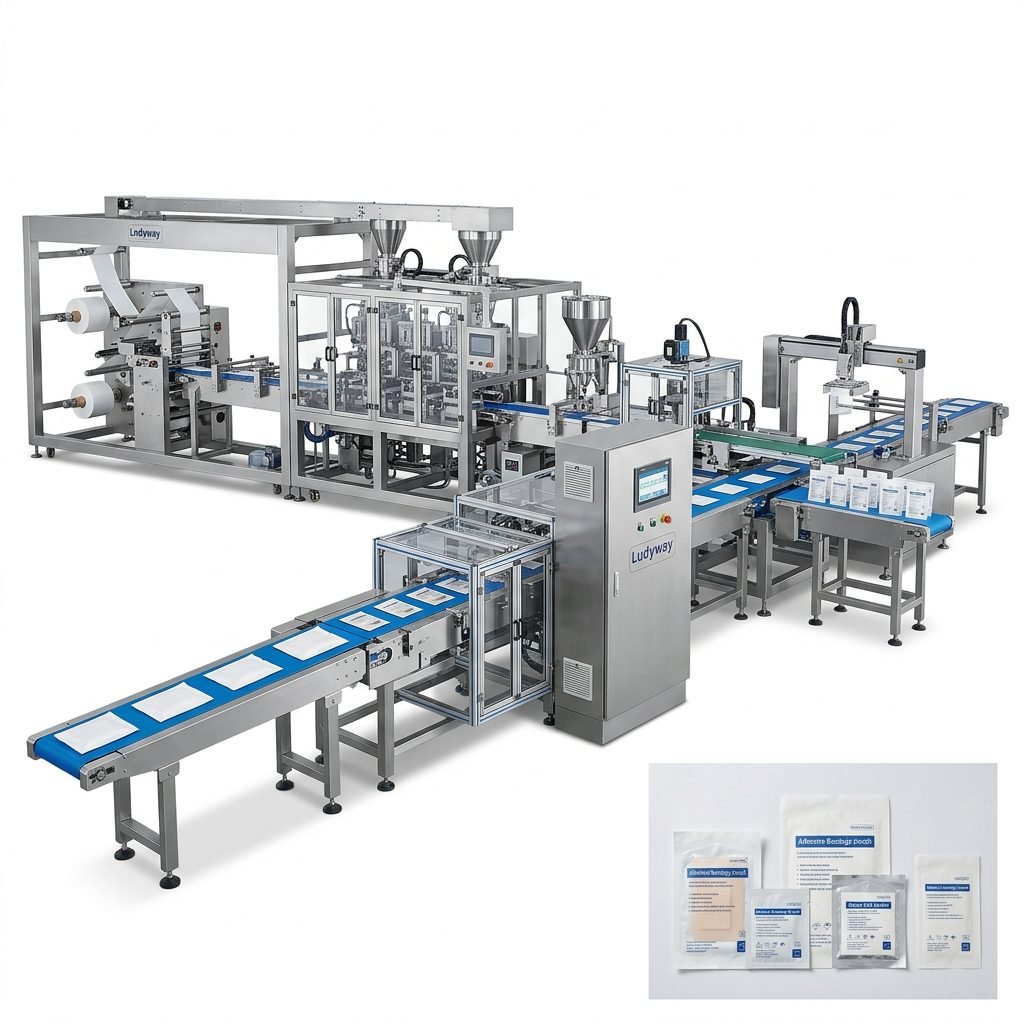
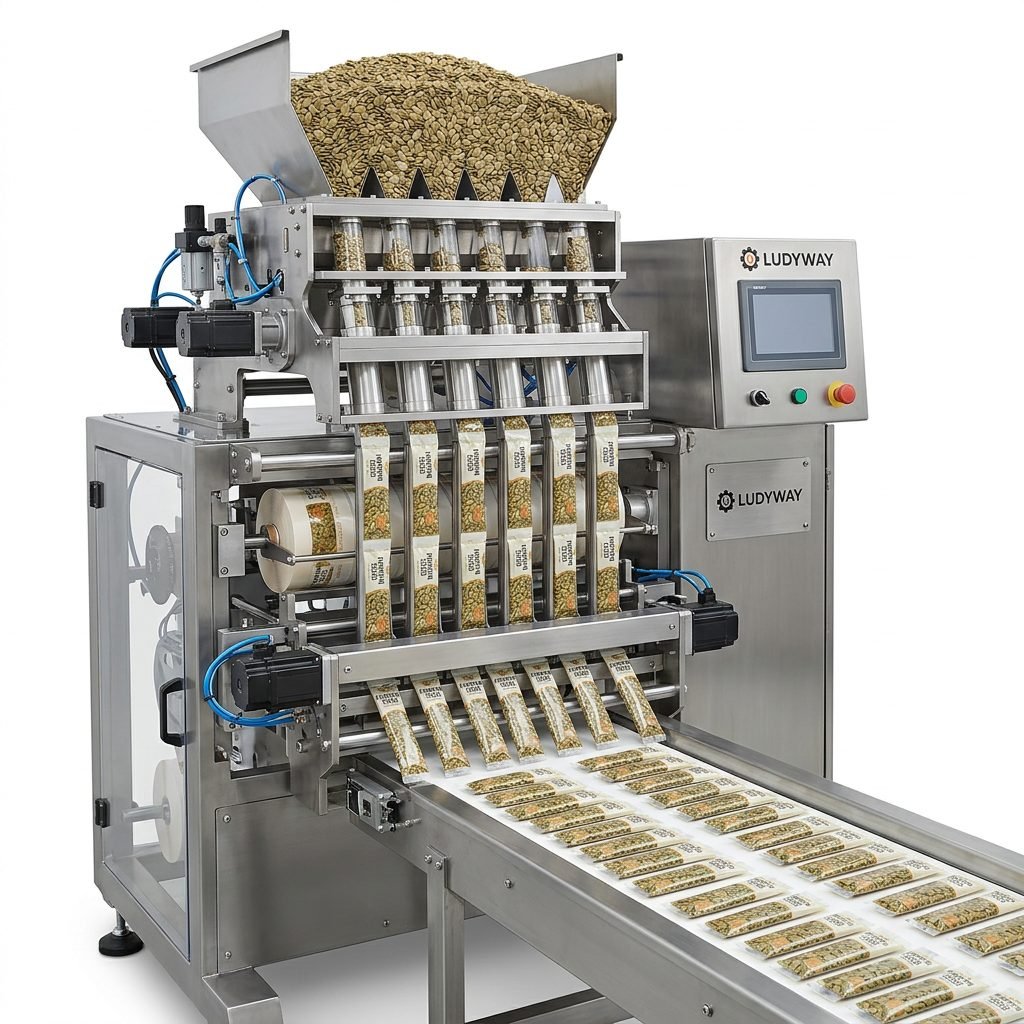
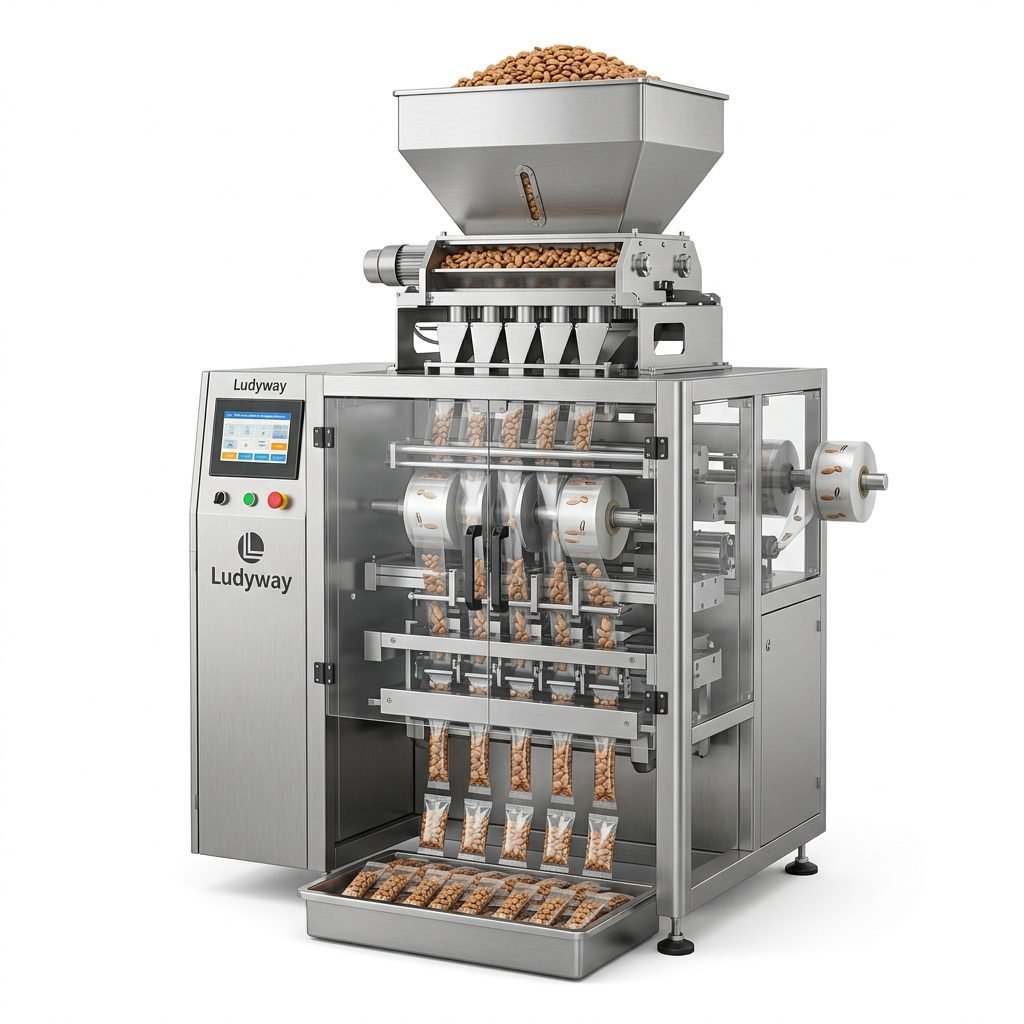
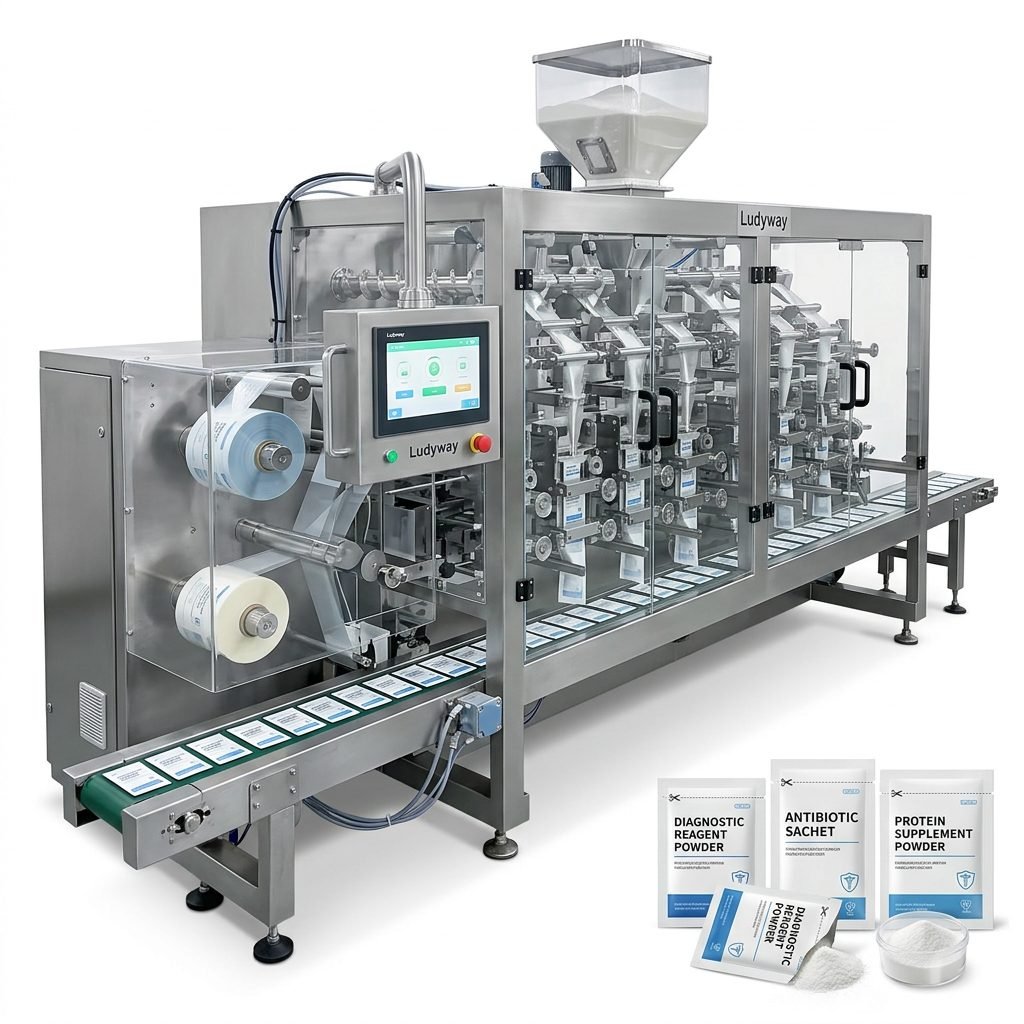
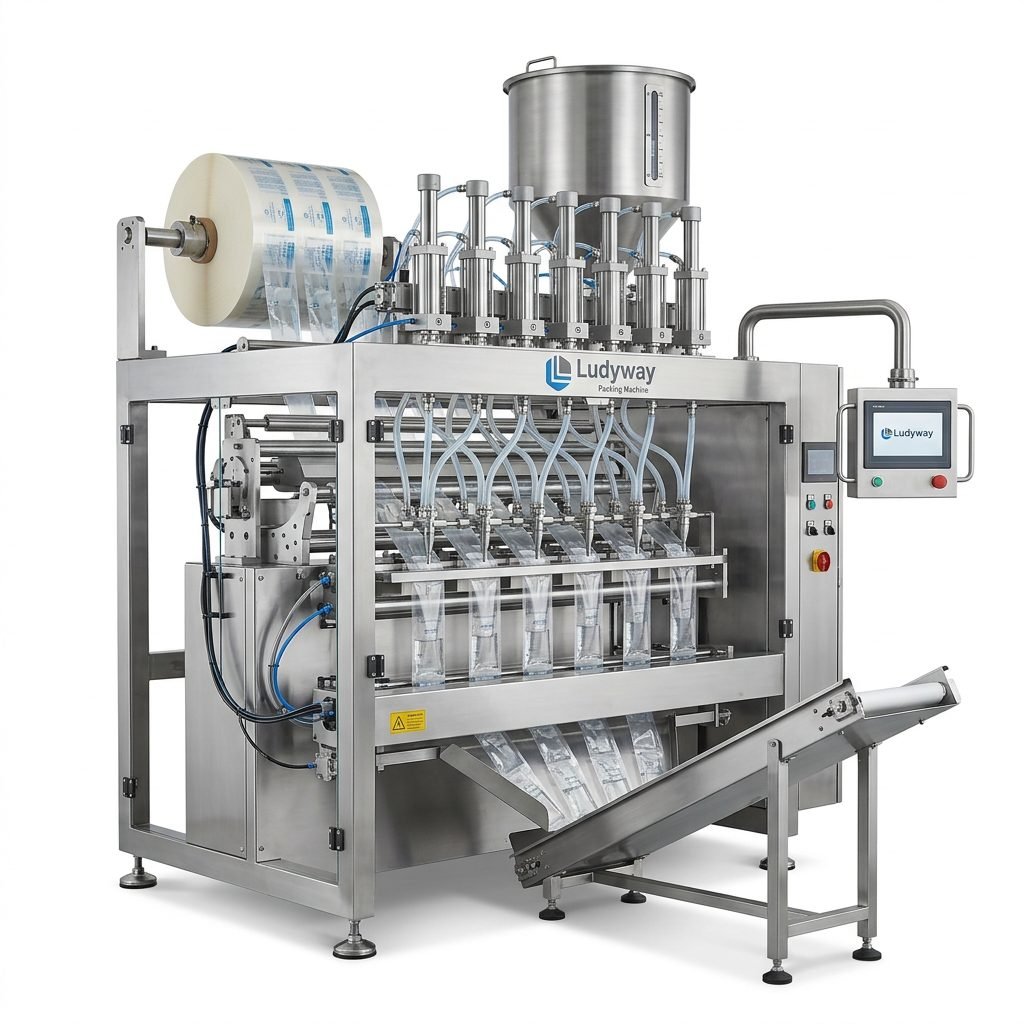
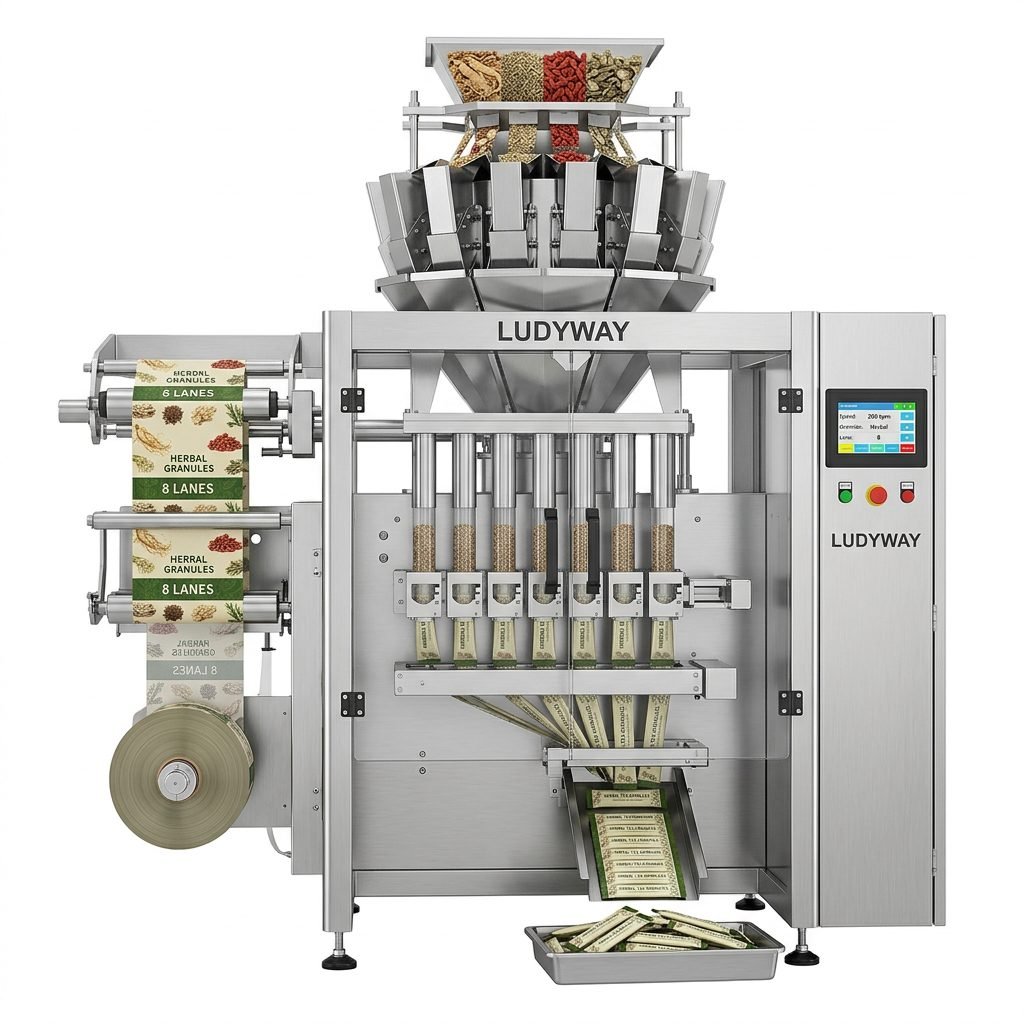
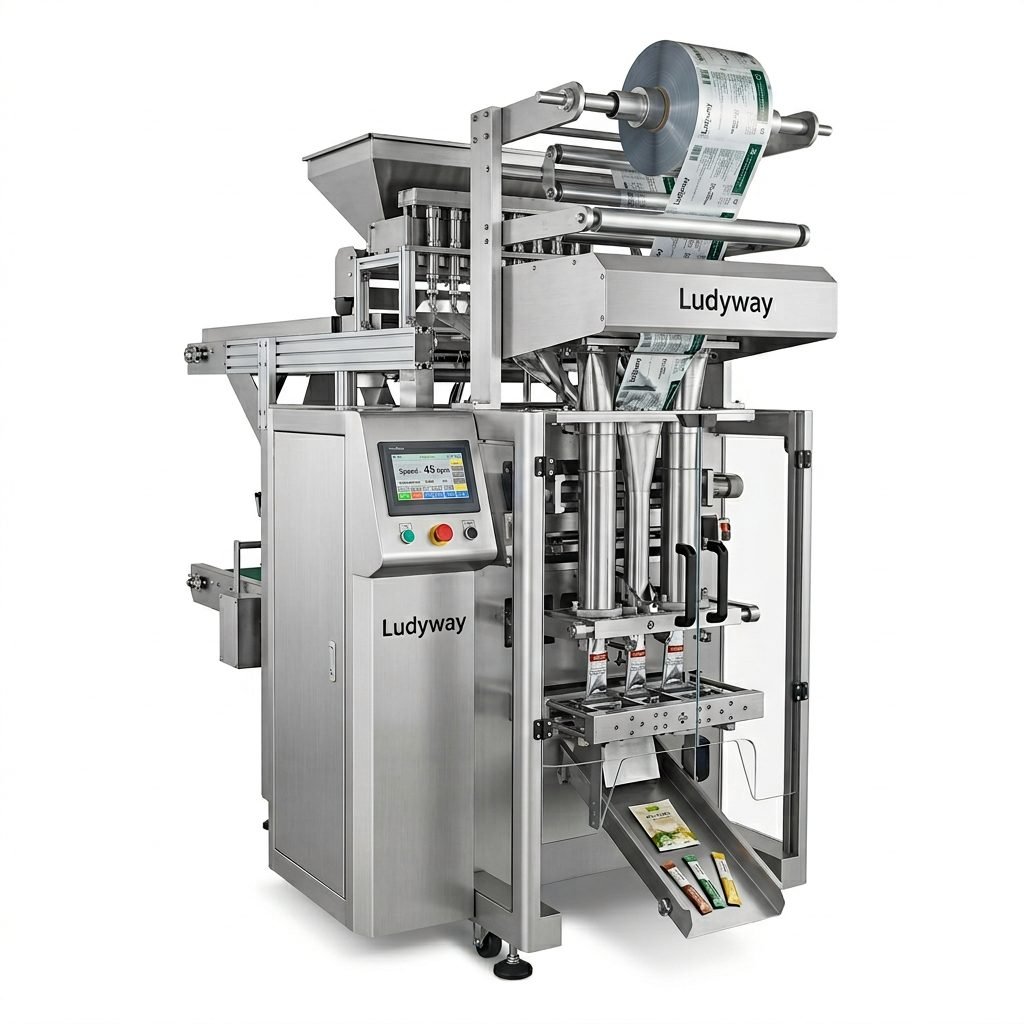
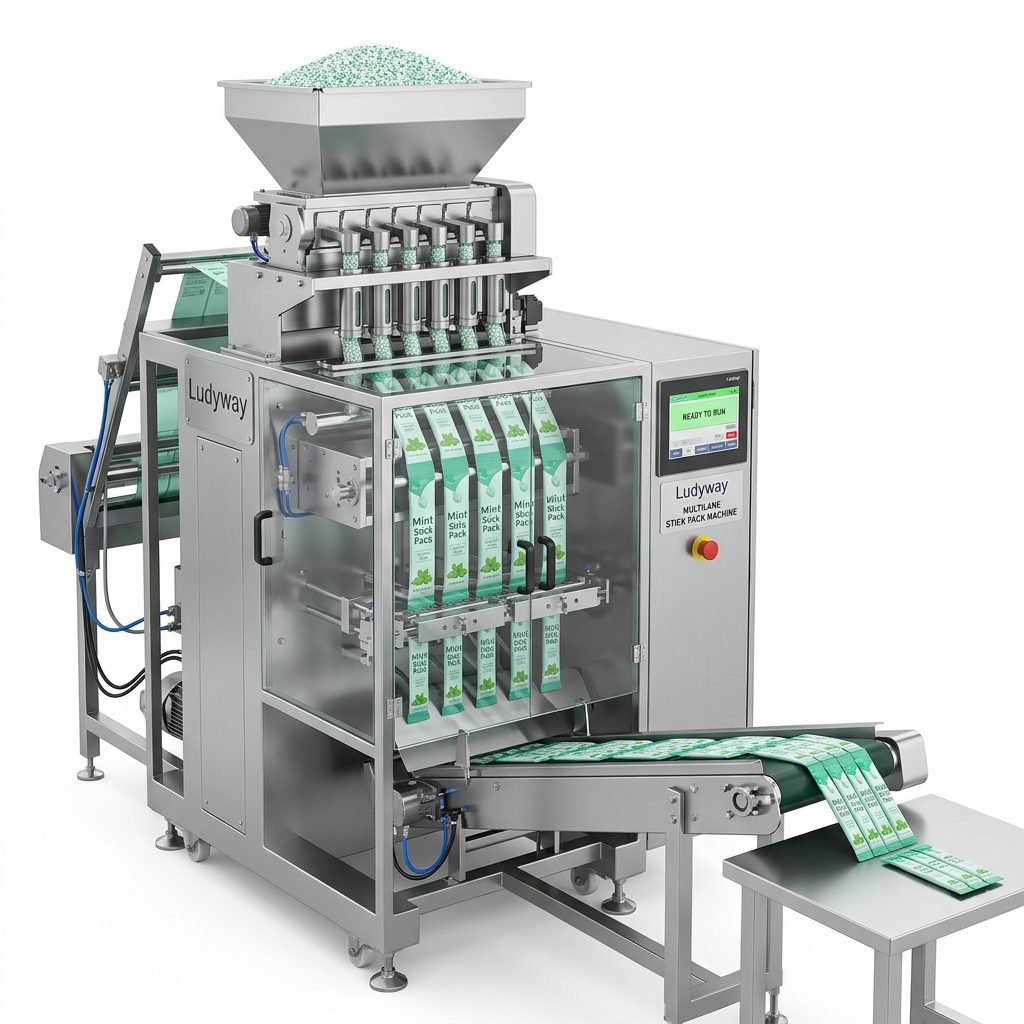
The type of candy being packaged largely determines the appropriate machine configuration. Hard candies, gummies, chocolates, and pressed tablets each require specific feeding, weighing, and sealing technologies. For high-volume production, multi-lane stick pack and sachet machines offer significant throughput advantages. Below is a comparison of common candy packaging formats and their suitable applications:
| Packaging Format | Best For | Speed Range | Key Advantage |
|---|---|---|---|
| Stick Pack | Powdered candy, sherbet, single-serve | 300–600 packs/min | Compact, portable, portion-controlled |
| Sachet / Flat Pouch | Gummies, hard candy, mixed assortments | 200–500 packs/min | Versatile, excellent shelf presence |
| Pillow Pack / Flow Wrap | Chocolate bars, caramel pieces | 150–400 packs/min | Ideal for individual wrapping |
| Doypack / Stand-Up Pouch | Premium candy, gift packs | 80–200 packs/min | High-end branding, resealable |
Production Line Layout and Facility Planning
A well-designed candy packaging line in France should optimize workflow while meeting stringent hygiene and safety standards. The typical layout includes raw material receiving, primary packaging, secondary cartoning, and palletizing stations. Linear and L-shaped configurations are most common in French facilities due to space optimization requirements. Key considerations include:
- Zoning – Separating raw material handling from finished product areas to prevent cross-contamination.
- Climate Control – Temperature and humidity regulation to prevent candy from sticking or melting during packaging.
- Floor Space – Allocate at least 150–300 m² for a medium-scale multi-lane packaging line with auxiliary equipment.
- Utility Connections – French industrial electrical standards (NF C 15-100) and compressed air requirements must be planned in advance.
Integration with Upstream and Downstream Processes
Modern candy packaging is rarely a standalone operation. Upstream integration with candy cooking and forming lines, and downstream connection to cartoning and palletizing systems, creates a seamless production flow. Automated checkweighers and metal detectors should be incorporated inline to ensure compliance with French and EU food safety regulations. Vision inspection systems for date code verification and seal integrity add another layer of quality assurance.
Cost Analysis and Budget Planning
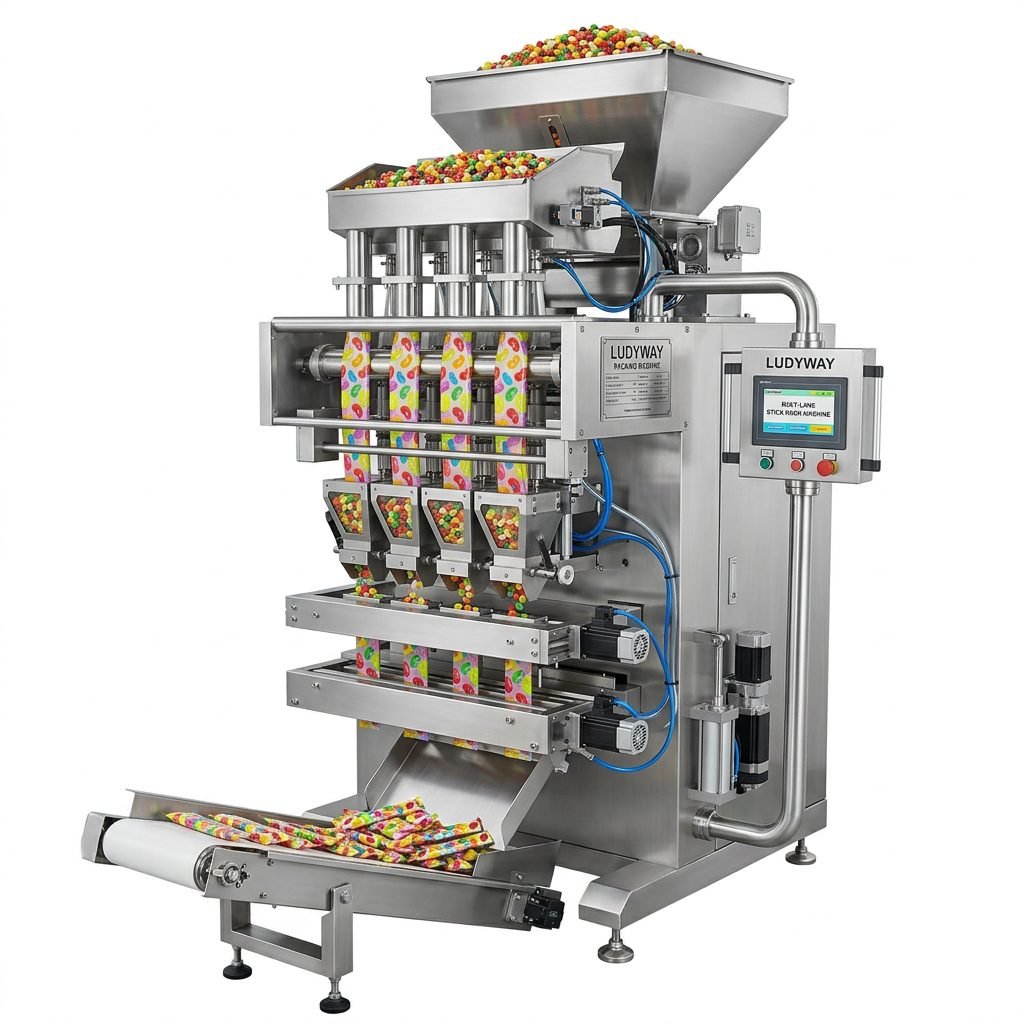
Establishing a candy packaging production line in France involves capital expenditure for machinery, installation, facility modifications, and regulatory certification. Operational costs include labor, packaging materials, maintenance, and energy. Below is an estimated cost breakdown for a medium-scale multi-lane stick pack line:
| Cost Category | Estimated Range (EUR) | Notes |
|---|---|---|
| Packaging Machinery | €120,000 – €500,000 | Multi-lane stick pack, sachet, or flow wrap |
| Auxiliary Equipment | €30,000 – €80,000 | Feeders, conveyors, checkweighers, metal detectors |
| Installation & Commissioning | €15,000 – €40,000 | Including CE compliance verification |
| Facility Modifications | €20,000 – €60,000 | Electrical, compressed air, HVAC upgrades |
| Annual Maintenance | €8,000 – €20,000 | Spare parts and service contracts |
Selecting a Packaging Machine Supplier
When sourcing candy packaging machinery for a French operation, manufacturers typically evaluate European OEMs alongside international suppliers that offer competitive pricing and proven reliability. Key selection criteria include CE certification status, technical support availability within France, spare parts logistics, and the supplier’s experience with confectionery applications. Many companies look for partners that provide comprehensive turnkey solutions, from initial line design to after-sales service.
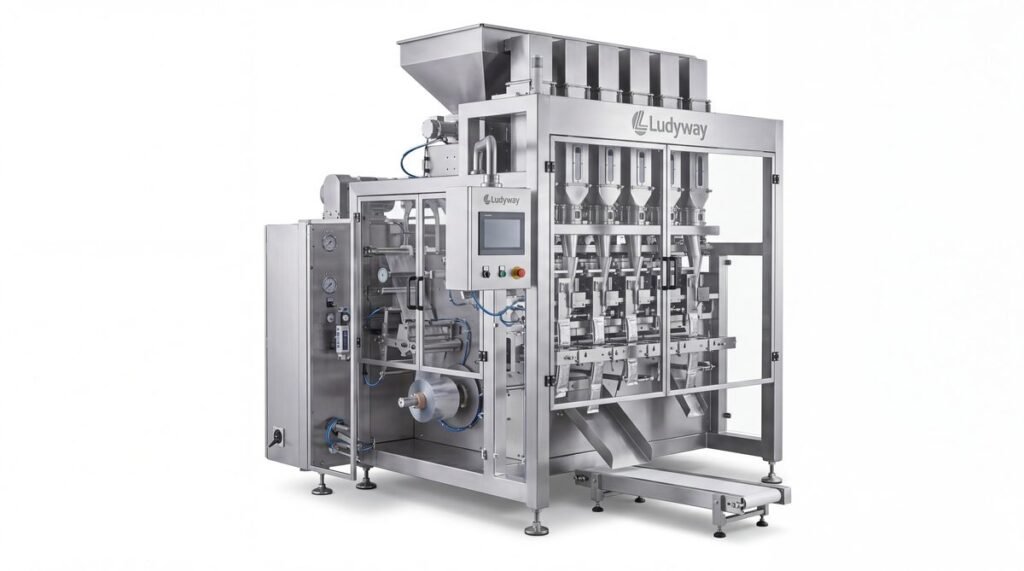
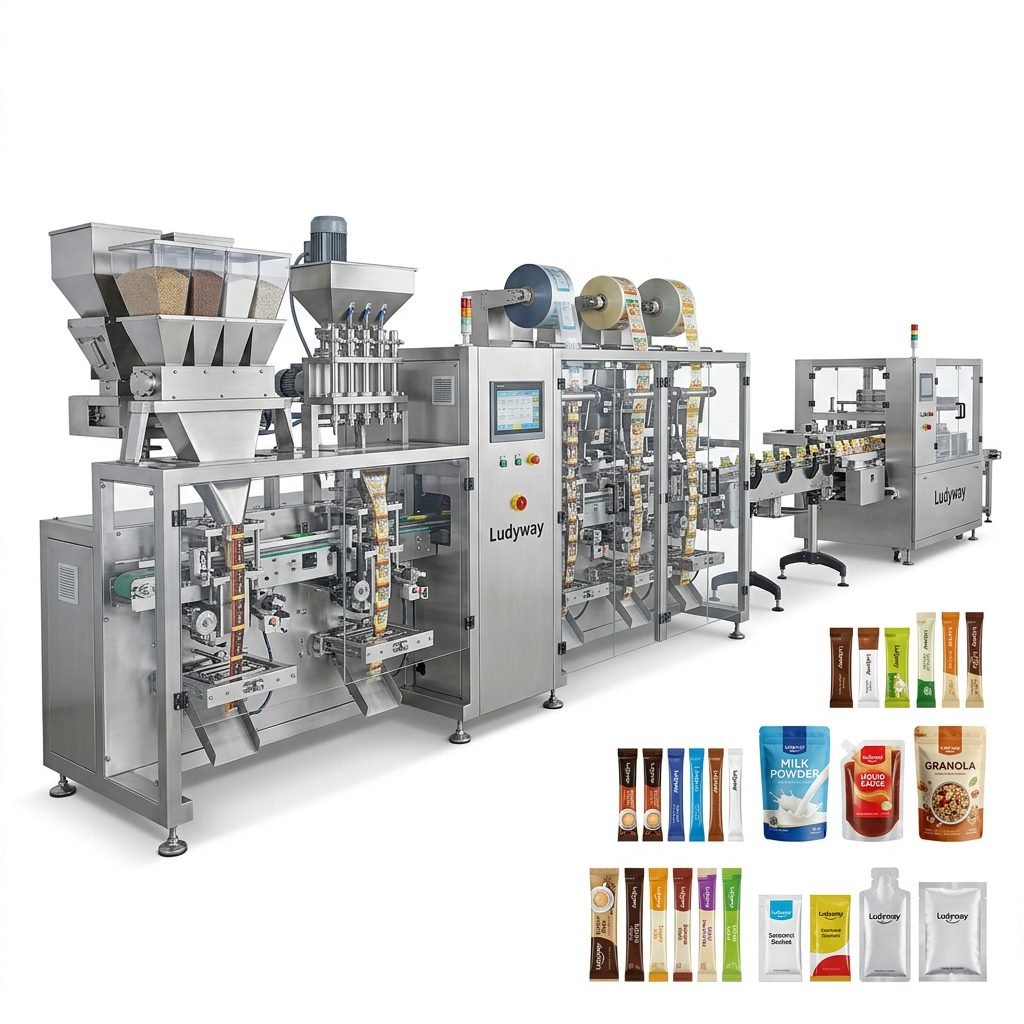
For manufacturers exploring international equipment options, companies like Ludyway—one of the largest packaging machine manufacturers with over 50 intelligent models and installations in more than 100 countries—offer multi-lane stick pack and sachet systems suitable for various candy types. Evaluating multiple suppliers and visiting reference installations in France or neighboring EU countries is highly recommended before making a purchasing decision.
Installation, Training, and Validation
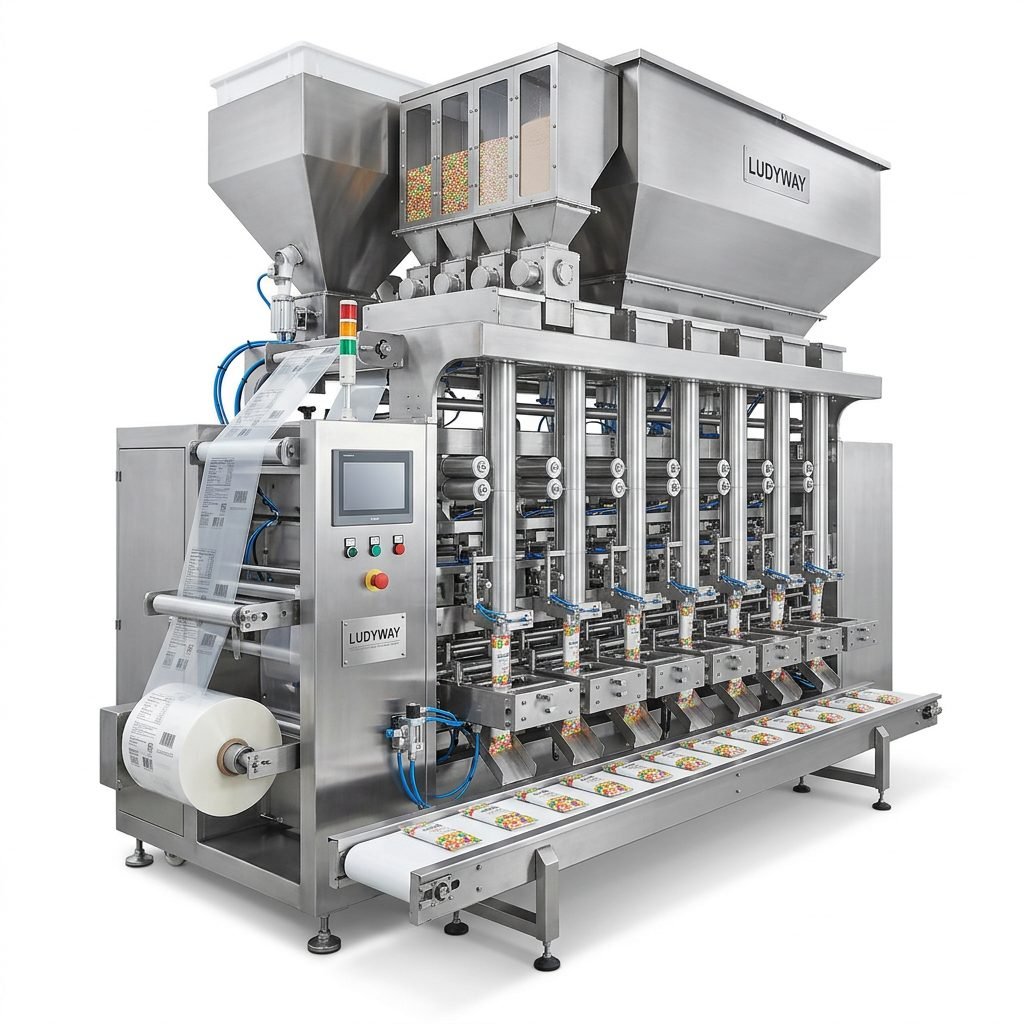
Installing a packaging line in France typically follows a structured process. After site preparation and equipment delivery, mechanical and electrical installation is carried out by qualified technicians. Following installation, Factory Acceptance Testing (FAT) and Site Acceptance Testing (SAT) protocols must be completed. The validation process includes:
- Installation Qualification (IQ) – Verifying that equipment is installed according to specifications.
- Operational Qualification (OQ) – Testing machine performance across defined operating ranges.
- Performance Qualification (PQ) – Running production batches to confirm consistent output and quality.
- Operator Training – Comprehensive training for French-speaking operators covering machine operation, cleaning, and basic troubleshooting.
Language and Documentation Requirements
French law requires that all machine documentation—including operator manuals, safety instructions, and maintenance guides—be provided in French language. This applies to both the original equipment and any subsequent modifications. Ensure the supplier can deliver French-language technical documentation as part of the contract.
Ongoing Maintenance and Support
Maintaining a candy packaging line in optimal condition requires a proactive approach. Preventive maintenance schedules should be established based on machine running hours and manufacturer recommendations. Key maintenance activities include regular cleaning of sealing jaws, inspection of film feed mechanisms, calibration of weighing systems, and lubrication of moving parts. French facilities benefit from having access to ISO packaging standards for quality management and continuous improvement frameworks.
Partnering with a supplier that offers remote diagnostic capabilities and maintains a spare parts inventory within the EU customs zone significantly reduces downtime risks. Many French manufacturers also engage local service technicians for routine maintenance and emergency repairs, supplemented by remote support from the equipment manufacturer’s engineering team.
Future-Proofing Your Candy Packaging Line
As the French confectionery market evolves, packaging lines must adapt to changing consumer preferences and regulatory requirements. Sustainable packaging is increasingly important, with French legislation pushing for reduced plastic usage and improved recyclability. Investing in machinery capable of handling eco-friendly films, paper-based materials, and mono-material laminates positions manufacturers favorably for upcoming regulatory changes, including the EU Packaging and Packaging Waste Regulation. EU packaging waste directives continue to shape industry standards across France.
Digitalization and Industry 4.0 capabilities, such as real-time production monitoring, predictive maintenance alerts, and integration with MES/ERP systems, are becoming standard expectations in modern French food manufacturing facilities. Selecting equipment with smart factory compatibility ensures long-term operational efficiency and data-driven decision-making.
Key Takeaways
- Compliance with CE marking and French regulations is mandatory for any candy packaging line.
- Choose packaging formats—stick pack, sachet, flow wrap—based on candy type, target market, and required throughput.
- Budget for machinery, facility upgrades, installation, and ongoing maintenance with a realistic financial plan.
- Partner with experienced packaging machinery suppliers that offer CE-certified equipment and French-language support.
- Plan for sustainability and digitalization to ensure long-term competitiveness in the French and European confectionery markets.
For further guidance on packaging industry trends and flexible packaging resources, consult relevant industry associations that provide market intelligence and technical standards for European packaging operations.