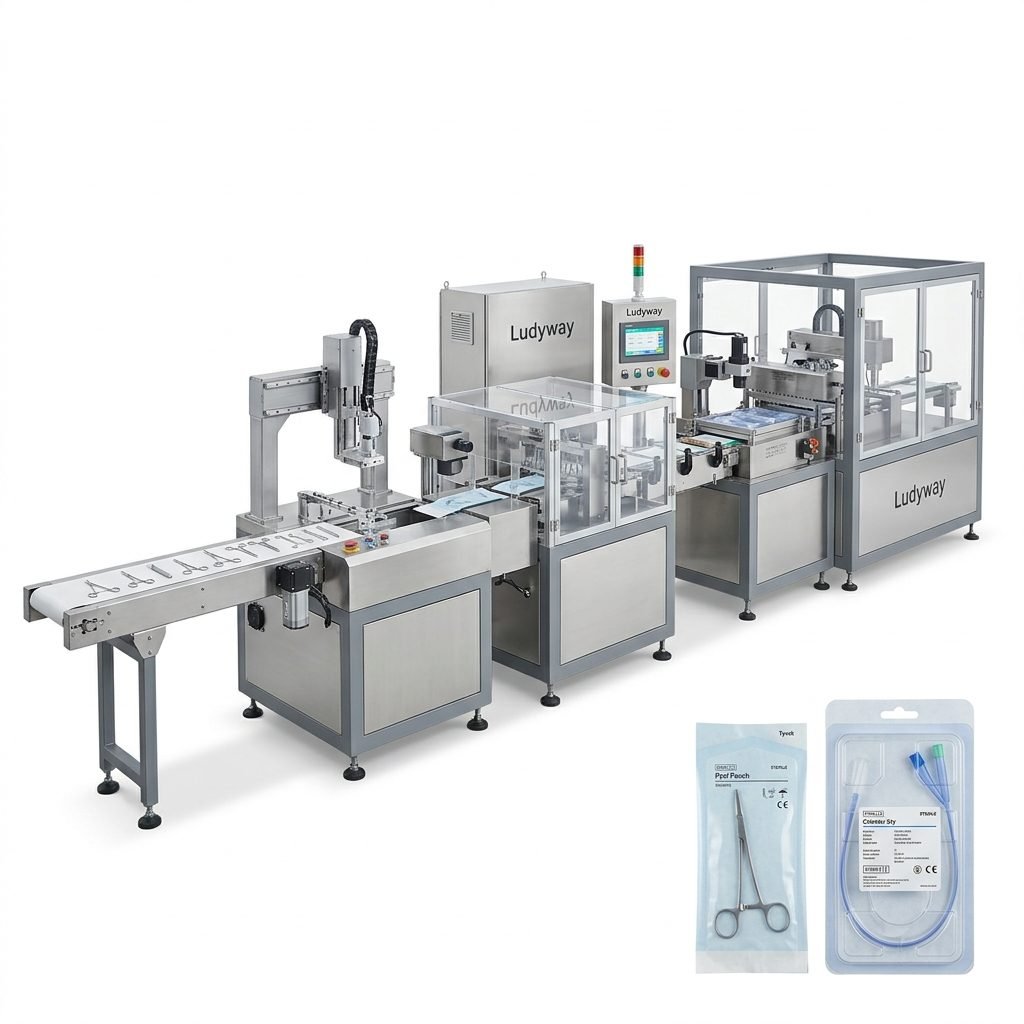
Establishing a home vacuum packaging production line has become an increasingly viable venture for small-scale entrepreneurs, food artisans, and family-run businesses across the globe. Whether you are preserving farm-fresh produce, packaging specialty dry goods, or launching a private-label food brand, understanding the core components of a vacuum packaging system is essential. This guide walks you through the entire process—from selecting equipment to optimizing workflow—ensuring your packaging operations meet both quality and efficiency standards.

Understanding Vacuum Packaging Technology
Vacuum packaging removes air from the package prior to sealing, significantly extending product shelf life and protecting contents from external contaminants. This method is widely used across food processing, pharmaceuticals, and consumer goods industries. For a home-based production line, understanding the packaging standards that govern material safety and equipment performance is crucial before making any investment.
The core principle involves placing products in a specialized bag or pouch, extracting the internal air using a vacuum pump, and then heat-sealing the opening. Modern systems often include features like gas flushing (modified atmosphere packaging) for delicate items, adjustable vacuum levels, and digital control interfaces. Selecting the right technology depends heavily on your product type—granules, powders, liquids, or solid items each require different handling approaches.
Planning Your Home Vacuum Packaging Production Line
Before purchasing equipment, a thorough assessment of your production goals is necessary. Consider the following factors carefully:
- Product characteristics — Is your product dry, moist, granular, or liquid? Each state demands specific vacuum and sealing parameters.
- Daily output volume — A manual packaging machine may suffice for 100 units per day, while semi-automatic systems handle 500–2,000 units.
- Packaging material compatibility — Not all films work with all sealers; verify material specifications before ordering.
- Available workspace — Even compact production lines require dedicated zones for preparation, packaging, and storage.
- Budget allocation — Entry-level vacuum sealers start at a few hundred dollars; complete automated lines can reach $10,000 or more.

Selecting Core Equipment for Your Line
A functional vacuum packaging production line comprises several interconnected components. The table below outlines the primary equipment categories and their roles:
| Equipment Type | Primary Function | Key Consideration |
|---|---|---|
| Vacuum Chamber Machine | Extracts air and seals bags in a closed chamber | Chamber size determines maximum product dimensions |
| External Vacuum Sealer | Uses specialized textured bags for air extraction | Lower cost; suitable for low-to-medium volume |
| Nozzle-Type Vacuum System | Inserts a nozzle into the bag to remove air | Ideal for larger bags and bulk packaging |
| Conveyor Belt Sealer | Continuous sealing for higher throughput | Best for semi-automated home production lines |
| Gas Flush Module | Injects inert gas before sealing | Essential for fragile or oxidation-sensitive products |
Manual vs. Automated Systems
For home-based operations, semi-automatic vacuum packaging systems often strike the ideal balance between cost and productivity. Fully manual systems work well for hobbyists and very small batches, while fully automated packaging machinery may be overkill unless you are scaling toward commercial production. Evaluate your three-month and twelve-month growth projections before committing to a specific automation level.
Step-by-Step Setup Guide
Follow this structured approach to establish your home vacuum packaging production line efficiently:
- Define your product range — Document every product variant, its packaging requirements, and target shelf life expectations.
- Prepare a dedicated workspace — Ensure clean, dry, and well-ventilated conditions with adequate electrical supply and work surfaces.
- Source packaging materials — Procure FDA-compliant or food-grade packaging films compatible with your sealer type.
- Install and calibrate equipment — Position machines ergonomically; test vacuum pressure, sealing temperature, and timing on sample batches.
- Establish quality control checkpoints — Inspect seal integrity, vacuum levels, and label accuracy at regular intervals during production.
- Implement labeling and traceability — Add batch codes, production dates, and ingredient information in compliance with regional regulations.
- Create a maintenance schedule — Clean sealing bars, replace gaskets, and service vacuum pumps according to manufacturer guidelines.
Global Market Considerations
The regulatory landscape for vacuum-packaged products varies significantly by region. In the United States, the FDA sets strict guidelines for food contact substances and packaging materials. The European Union enforces comprehensive packaging and packaging waste regulations, emphasizing sustainability and recyclability. In Asia-Pacific markets, standards often align with ISO frameworks while incorporating local food safety requirements.
Understanding these regional differences is critical if you plan to export products. Compliance documentation, material certifications, and labeling requirements should be researched thoroughly before entering any new market. The Flexible Packaging Association offers valuable resources for navigating these complexities.
Common Challenges and Practical Solutions
Every home vacuum packaging operation encounters obstacles. Here are the most frequent issues and how to address them:
- Inconsistent seal quality — Often caused by dirty sealing bars or incorrect temperature settings. Clean bars daily and run test seals at the start of each batch.
- Residual air in packages — May indicate insufficient vacuum time or pump maintenance needs. Increase vacuum duration incrementally and check pump oil levels regularly.
- Product crushing — Delicate items can collapse under vacuum pressure. Consider gas flushing or using rigid trays inside vacuum bags.
- Moisture contamination — Liquids near the sealing area prevent proper fusion. Use drip trays or pre-freeze moist products before vacuum packing.
- Scaling bottlenecks — As demand grows, a single manual sealer becomes insufficient. Plan modular upgrades that allow incremental capacity expansion.
When to Consider Upgrading
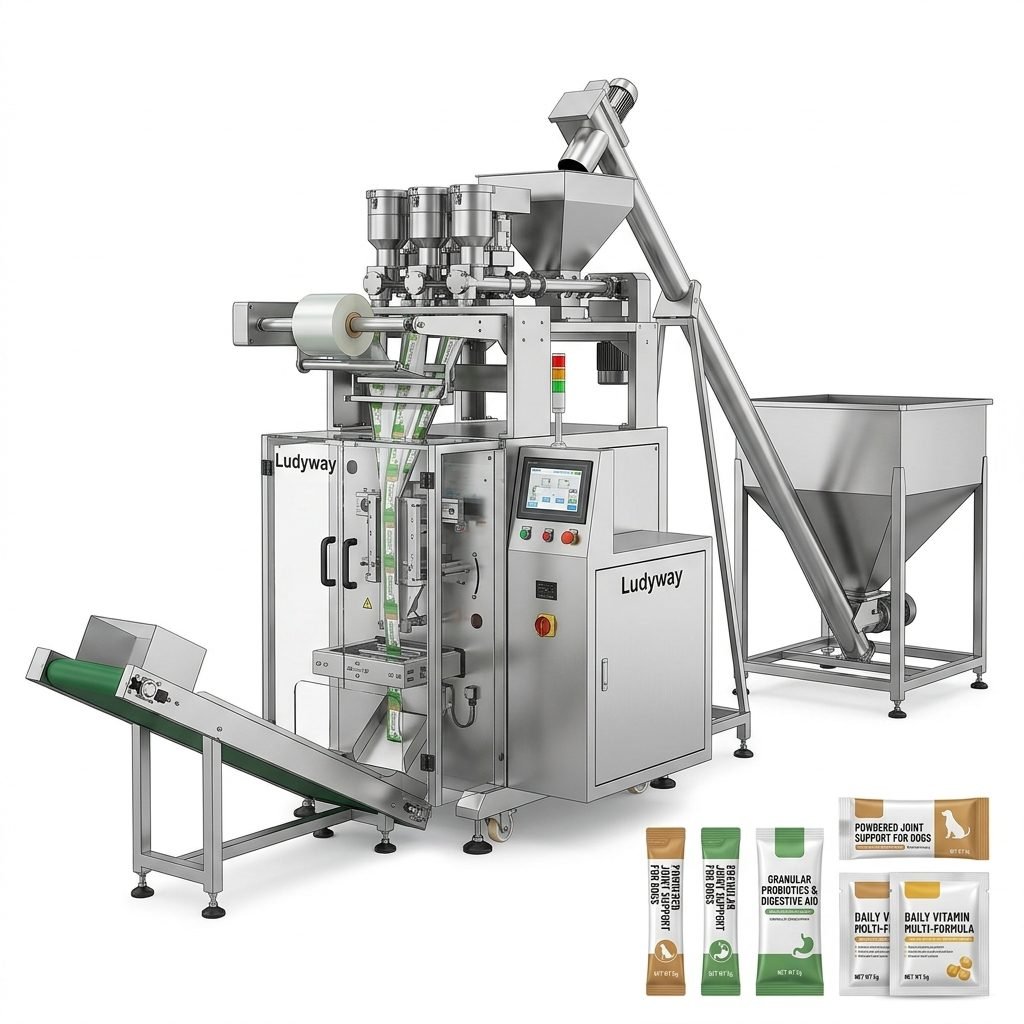
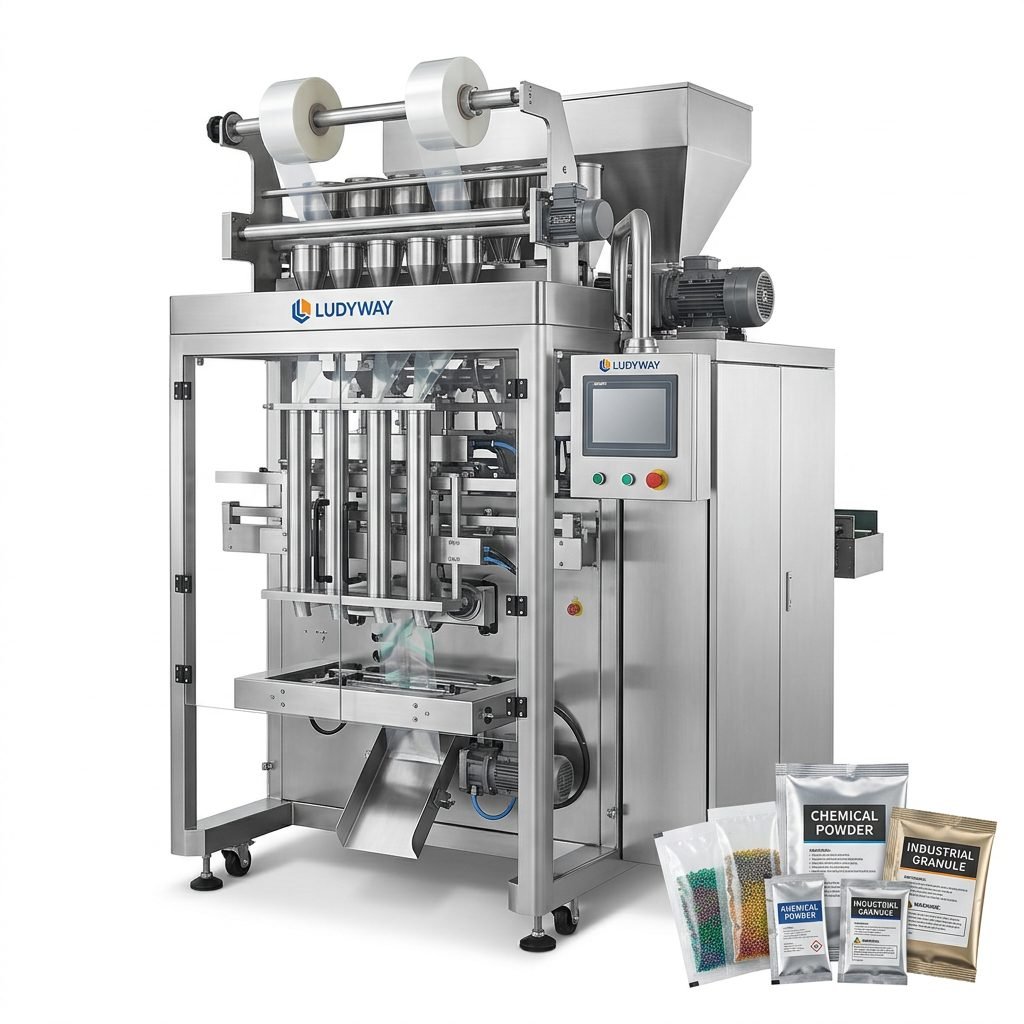
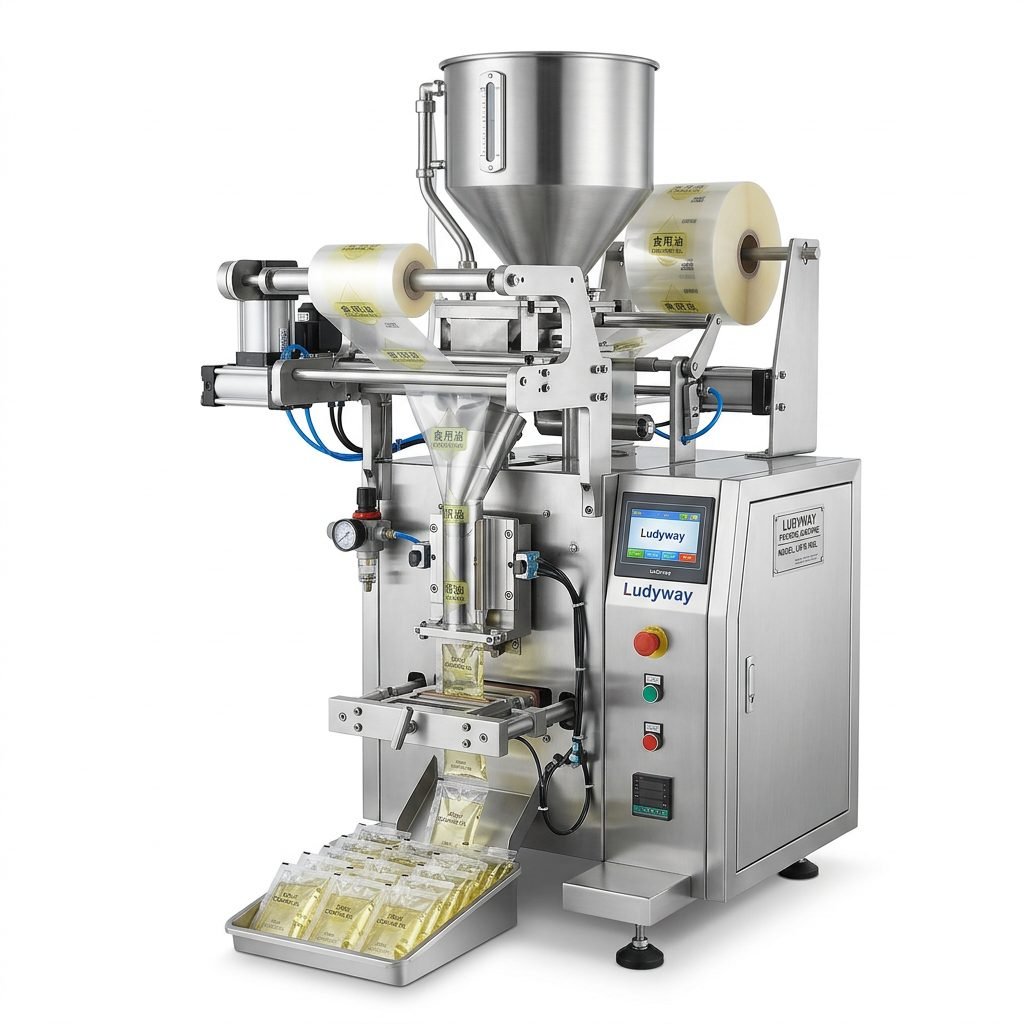
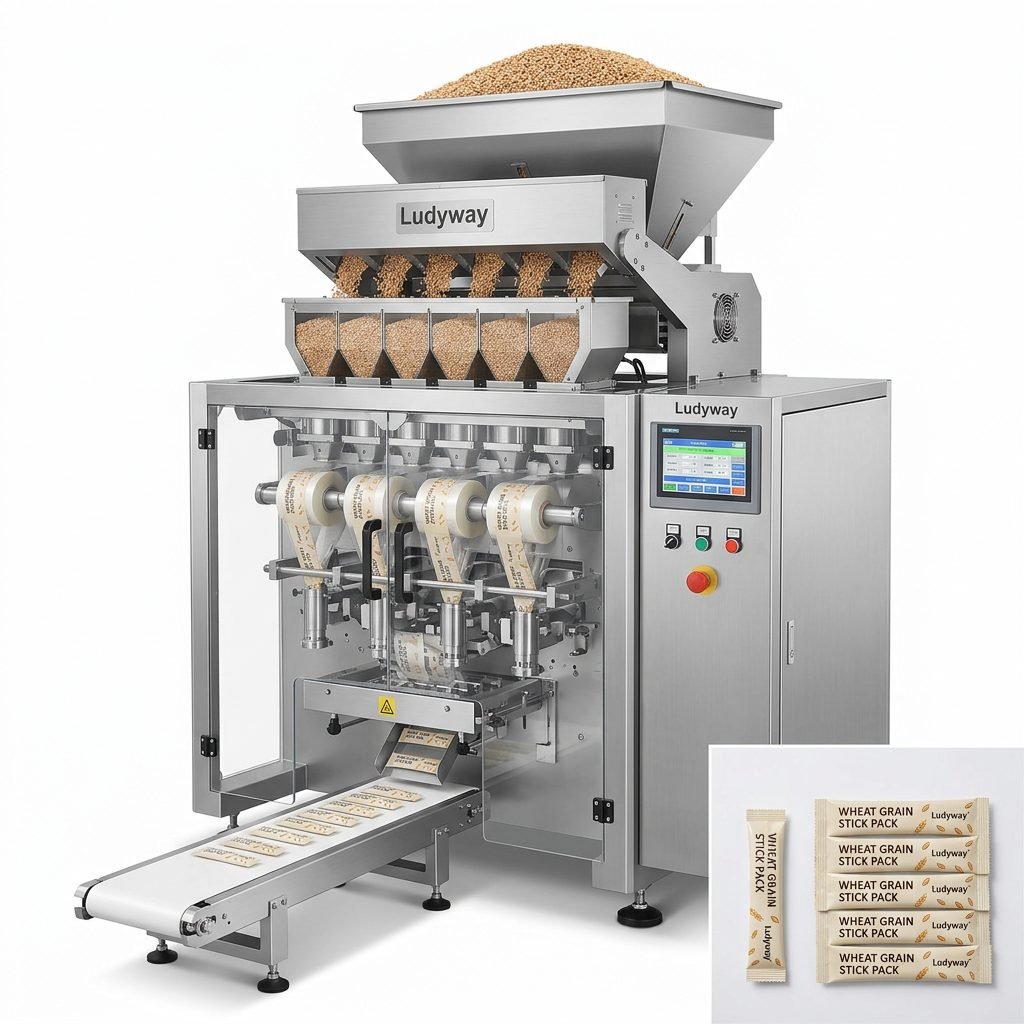
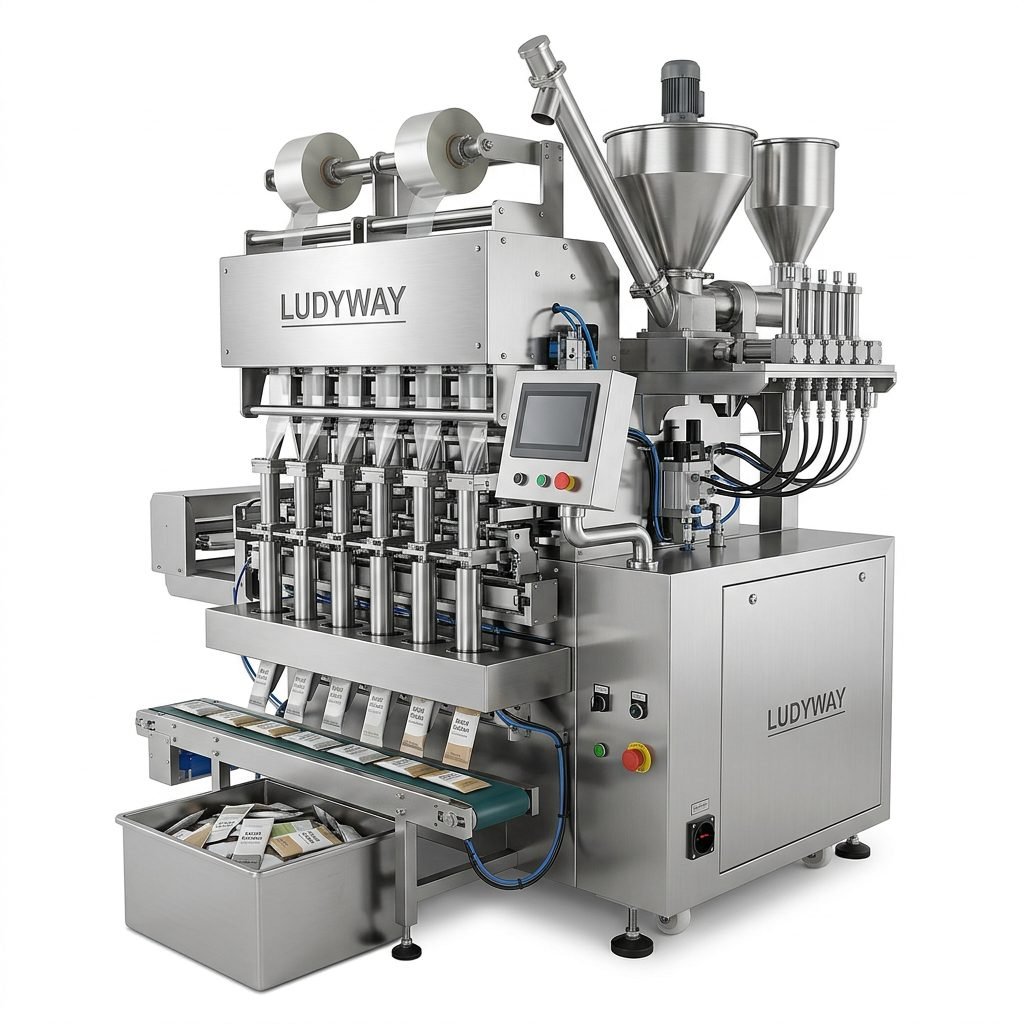
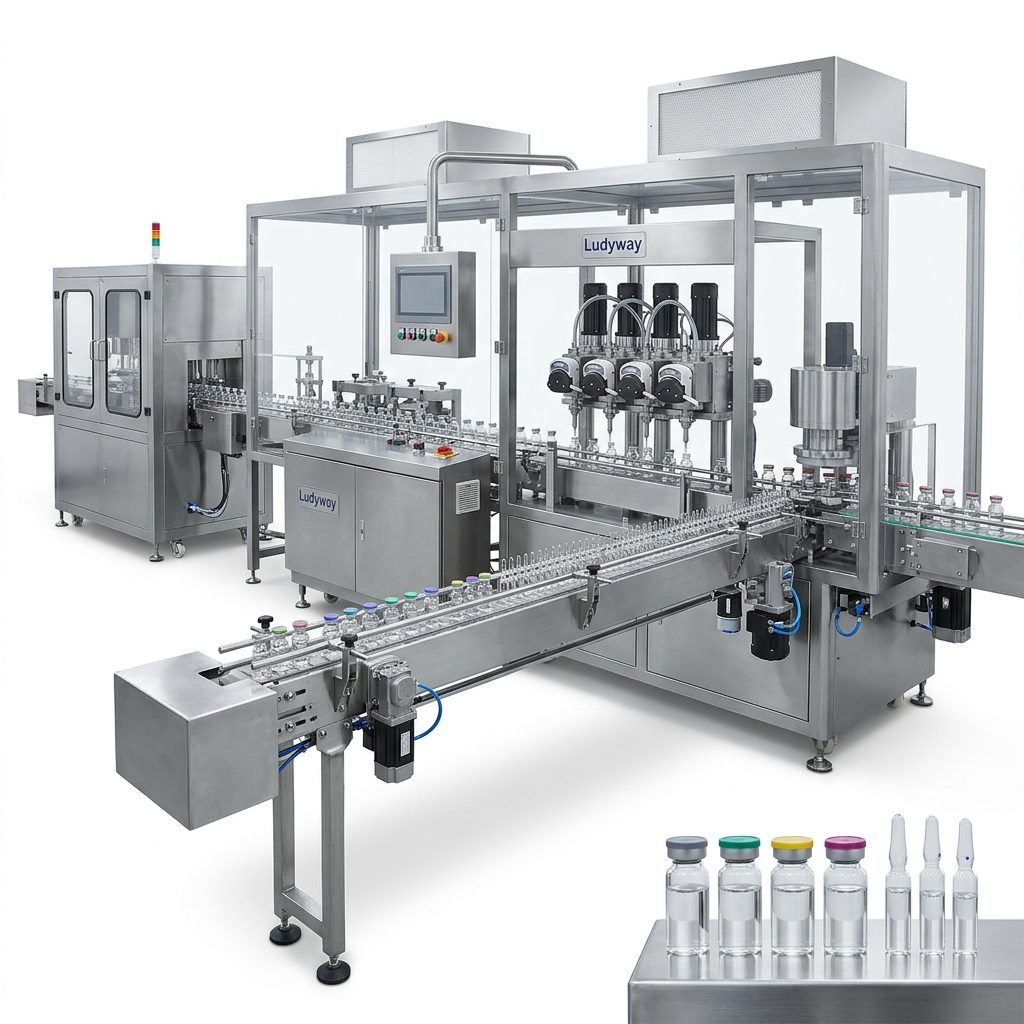
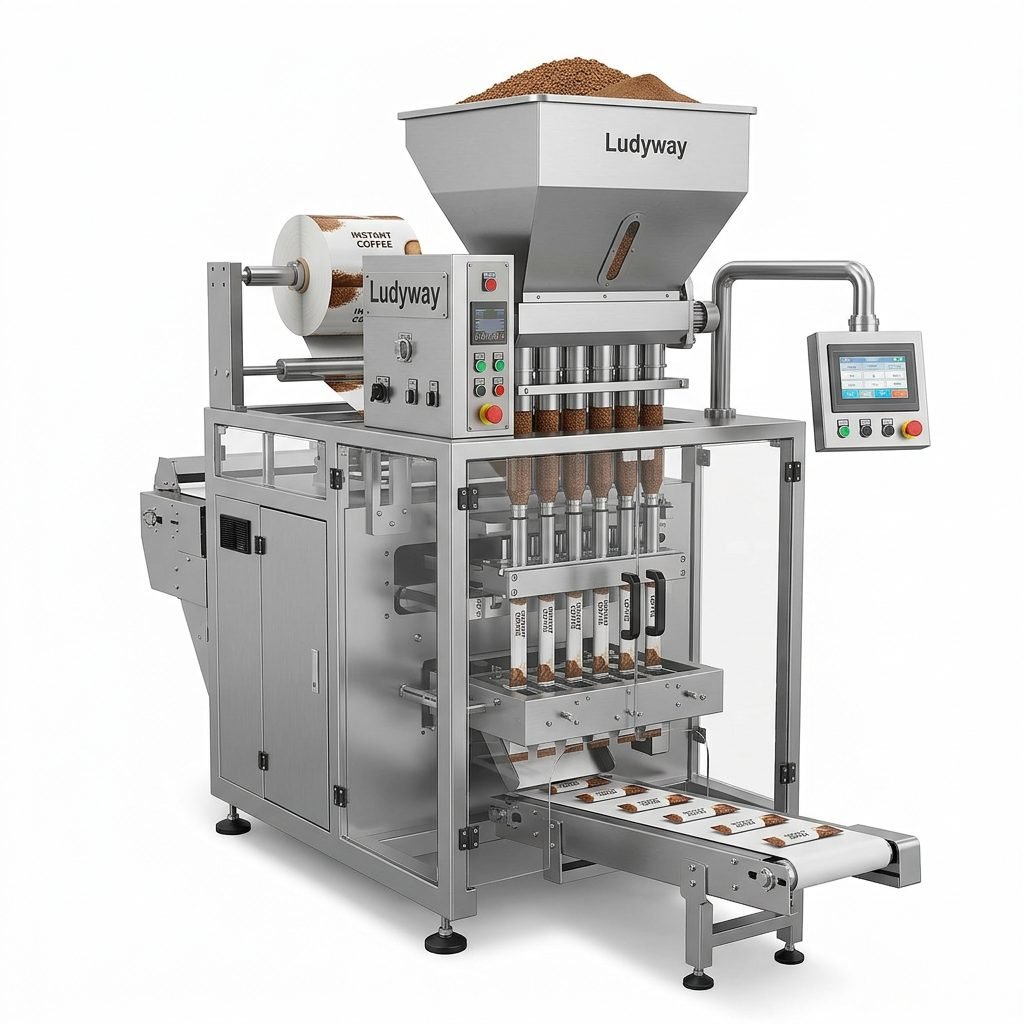
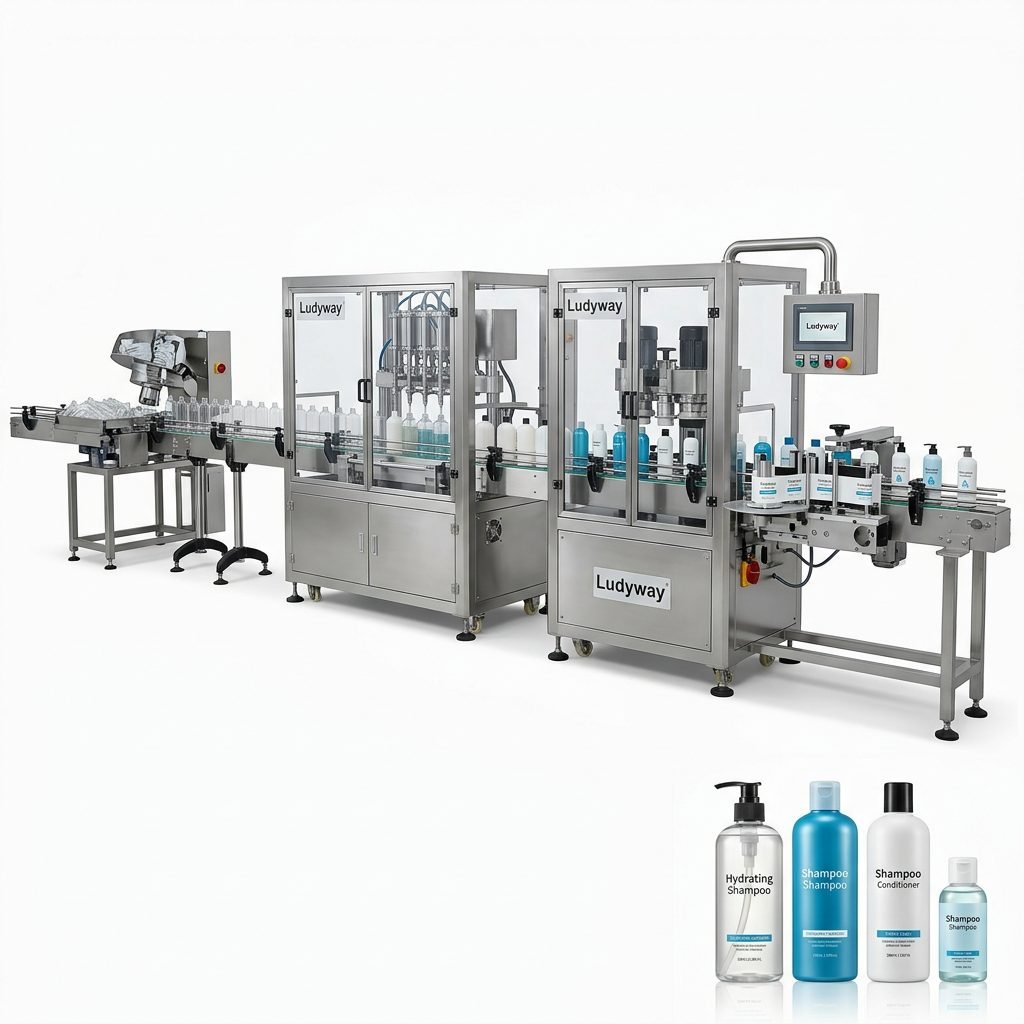
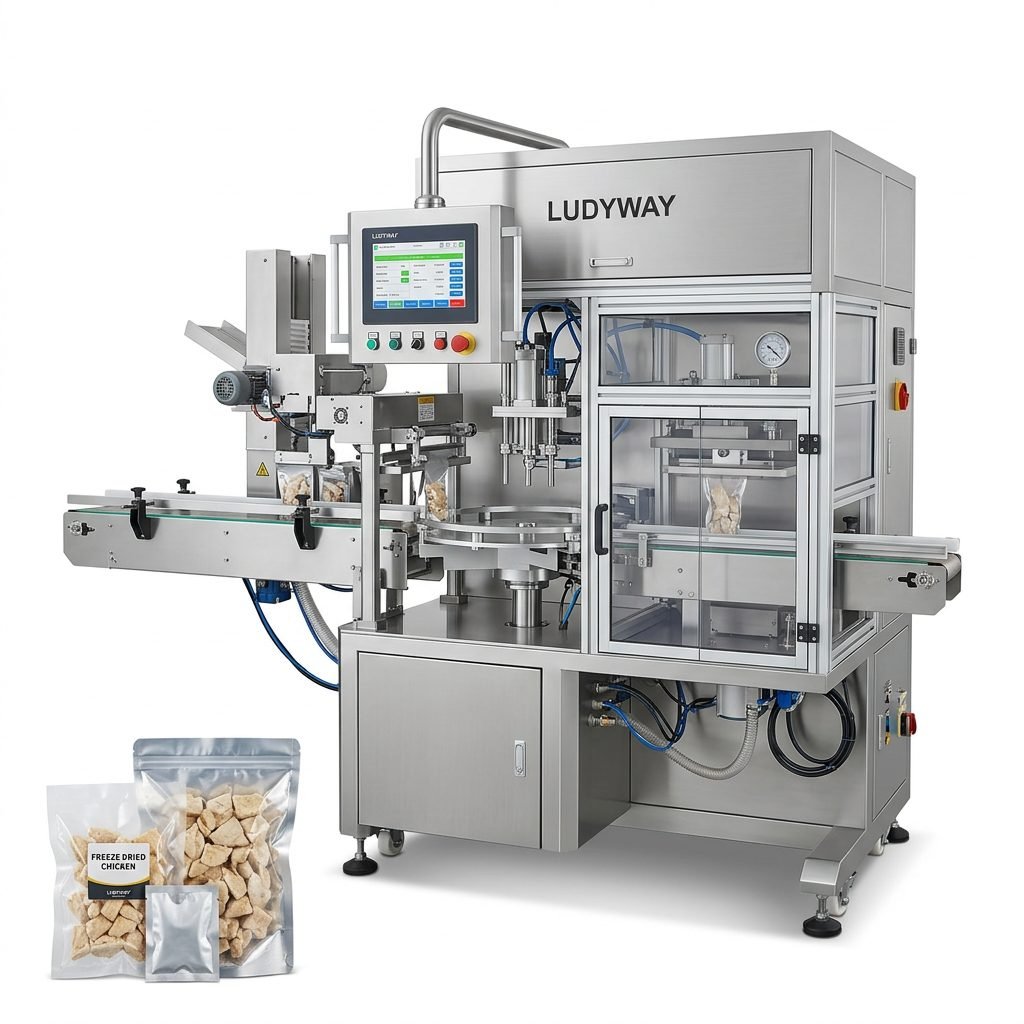
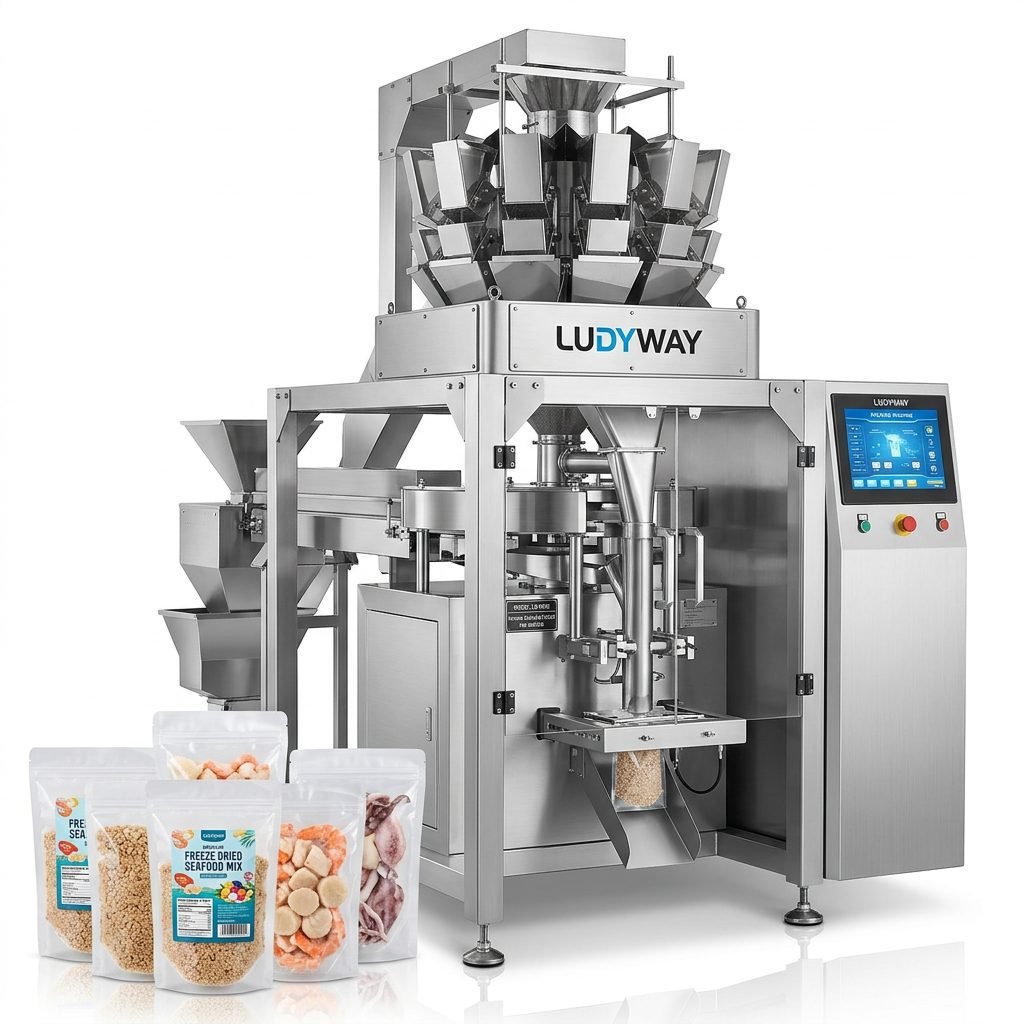
Signs that your home production line needs an upgrade include consistent order backlogs, rising labor costs per unit, and recurring quality complaints. At this stage, exploring commercial-grade packaging equipment becomes necessary. For businesses ready to scale beyond home-based operations, established manufacturers such as Ludyway offer turnkey production solutions with multi-lane systems and fully automated packaging lines suitable for industrial output.
Cost Breakdown and ROI Analysis
The following table provides a general cost overview for setting up a home vacuum packaging production line across different budget tiers:
| Budget Tier | Equipment Cost (USD) | Daily Output Capacity | Best For |
|---|---|---|---|
| Starter | $200 – $800 | 50 – 200 units | Hobbyists, farmers’ market vendors |
| Intermediate | $1,500 – $5,000 | 300 – 1,000 units | Small food businesses, online sellers |
| Advanced | $6,000 – $15,000 | 1,000 – 5,000 units | Growing brands, co-packers |
| Commercial | $20,000+ | 5,000+ units | Full-scale production facilities |
Return on investment depends on product pricing, production efficiency, and market demand. Most home-based operators recover their initial equipment investment within 6 to 18 months, with higher-margin products like specialty foods, supplements, and gourmet items achieving faster payback periods.
Maintenance and Food Safety Compliance
Maintaining a hygienic production environment is non-negotiable. Daily cleaning protocols should include sanitizing all food-contact surfaces, inspecting seals and gaskets for wear, and verifying vacuum pump performance. Keep detailed maintenance logs for traceability and regulatory audits. Reference ISO 11607 standards for validated packaging processes, particularly if you intend to supply medical or pharmaceutical markets in addition to food products.
Regularly consult regulatory affairs resources to stay updated on changing packaging material restrictions and labeling mandates in your target markets. Proactive compliance protects your business from costly recalls and legal complications.
Future Trends in Vacuum Packaging
The vacuum packaging industry continues to evolve with smart sensor integration, energy-efficient pump designs, and sustainable material innovations. Home-based producers can benefit from these advancements by adopting recyclable mono-material films, digital monitoring systems, and modular equipment that grows with their business. Staying informed about packaging industry trends ensures your production line remains competitive in an increasingly quality-conscious global marketplace.
Quick Reference: Essential Resources
- PMMI – Association for Packaging and Processing Technologies
- Flexible Packaging Association – Industry Resources and Knowledge Hub
- FDA – Food Packaging and Food Contact Substances
- ISO – Packaging Standards Overview
- U.S. EPA – Sustainable Materials Management
Building a successful home vacuum packaging production line requires careful planning, the right equipment selection, and ongoing attention to quality and compliance. By following this global guide, you can establish a reliable, scalable operation that meets both local and international standards—laying the foundation for long-term business growth.