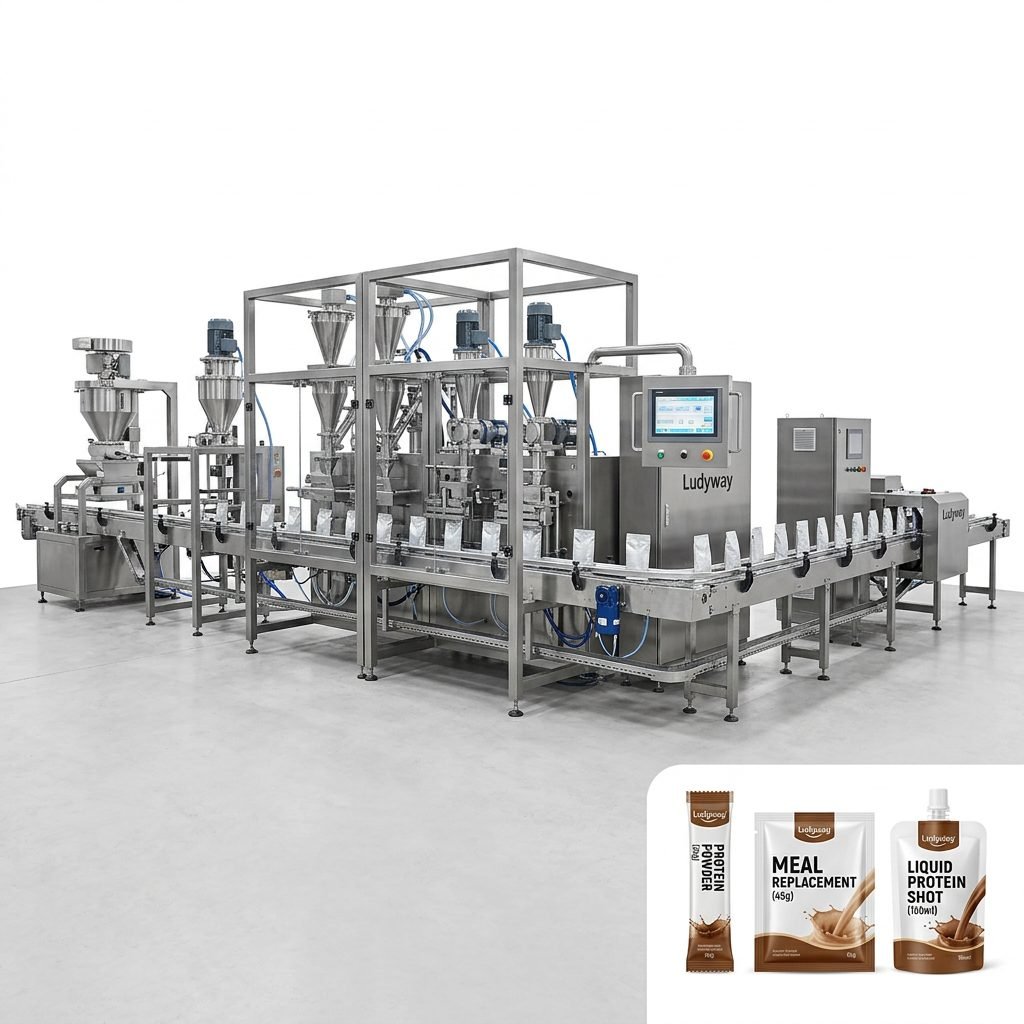
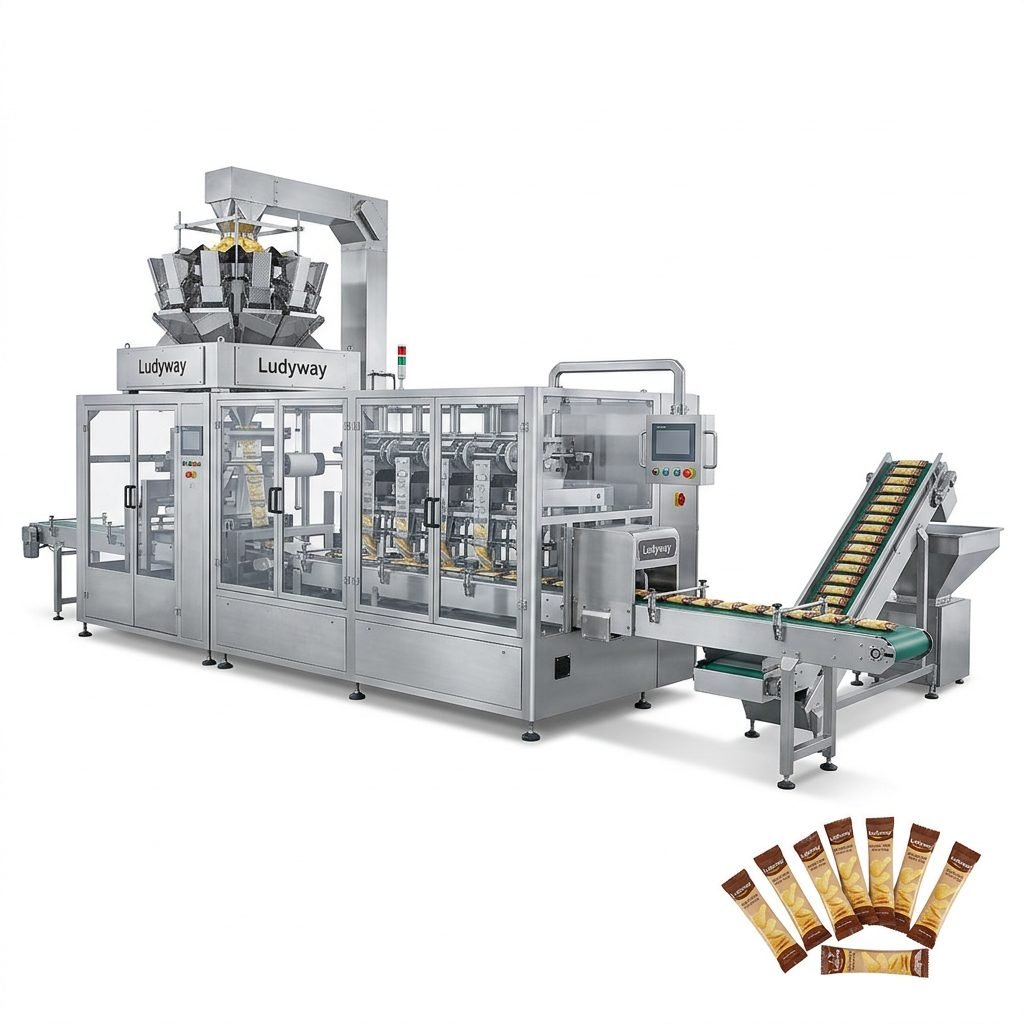
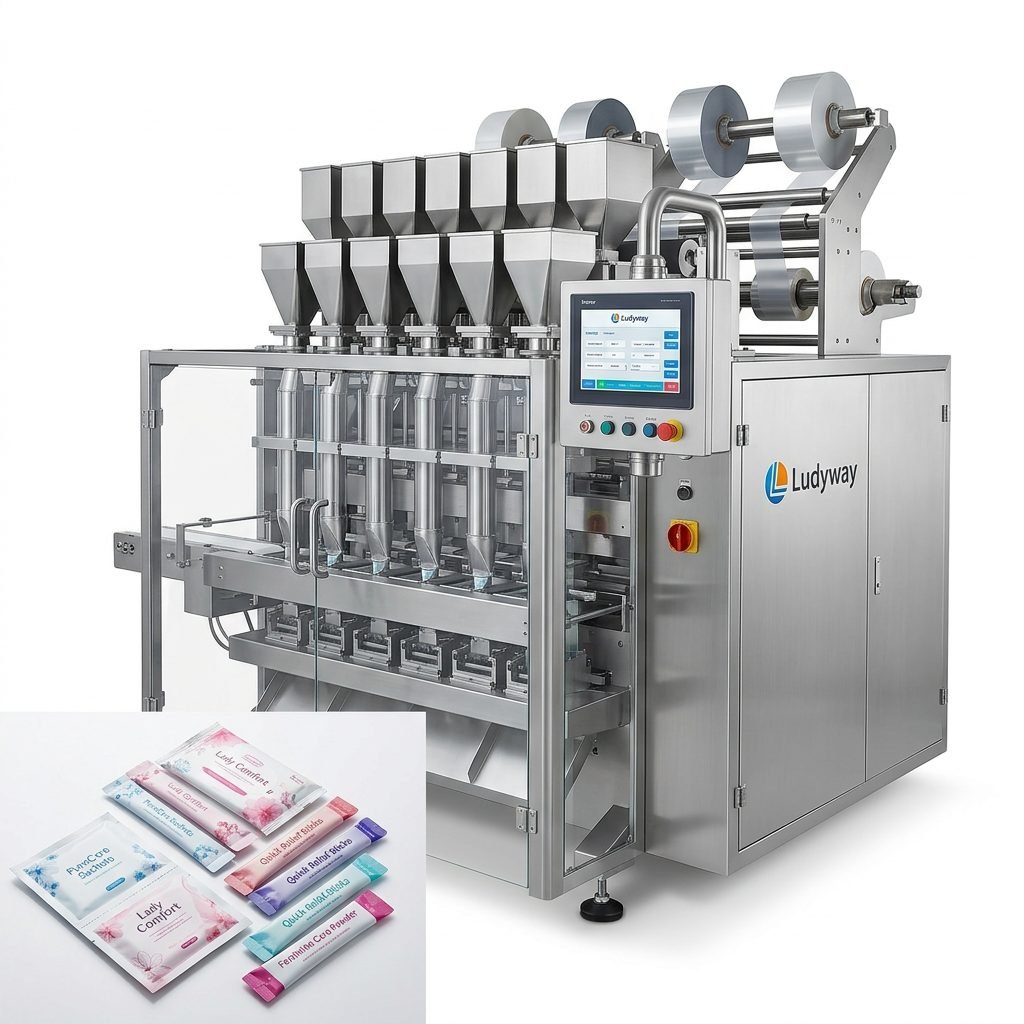
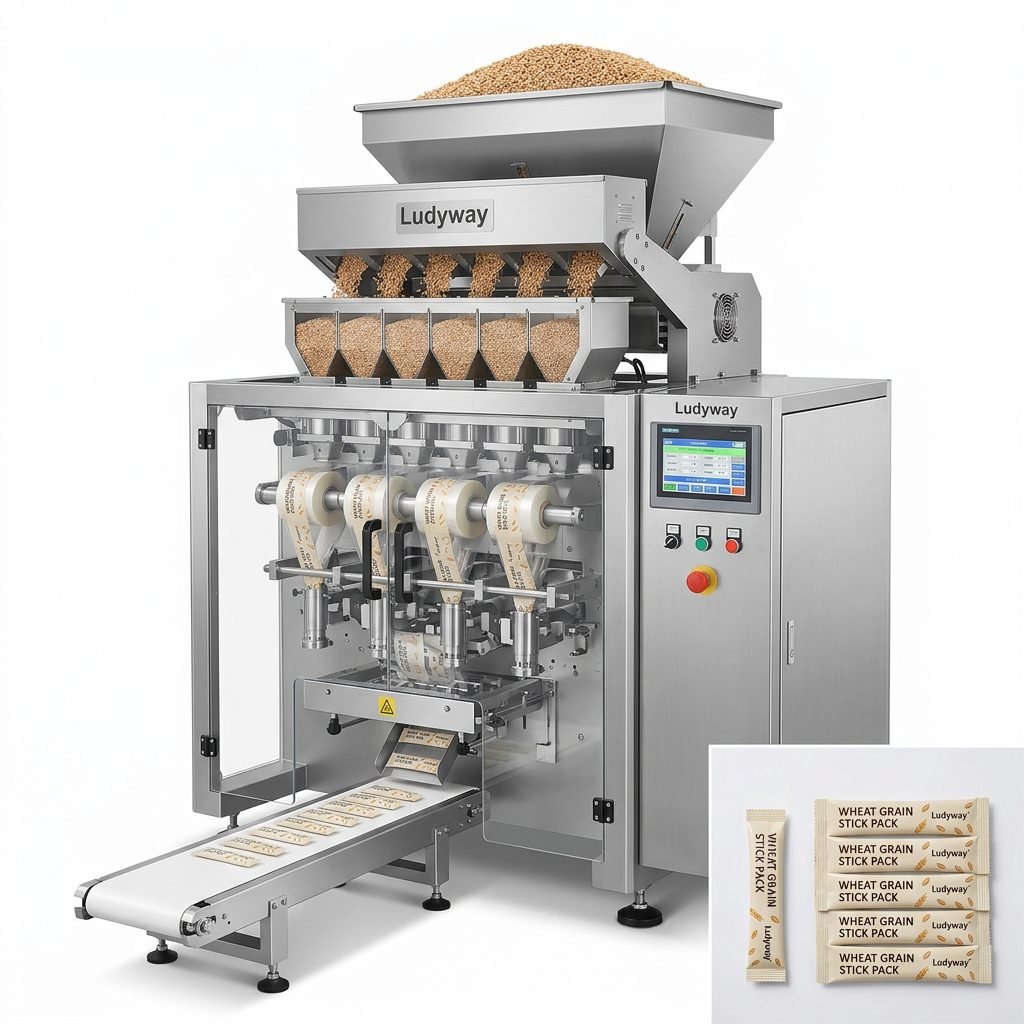
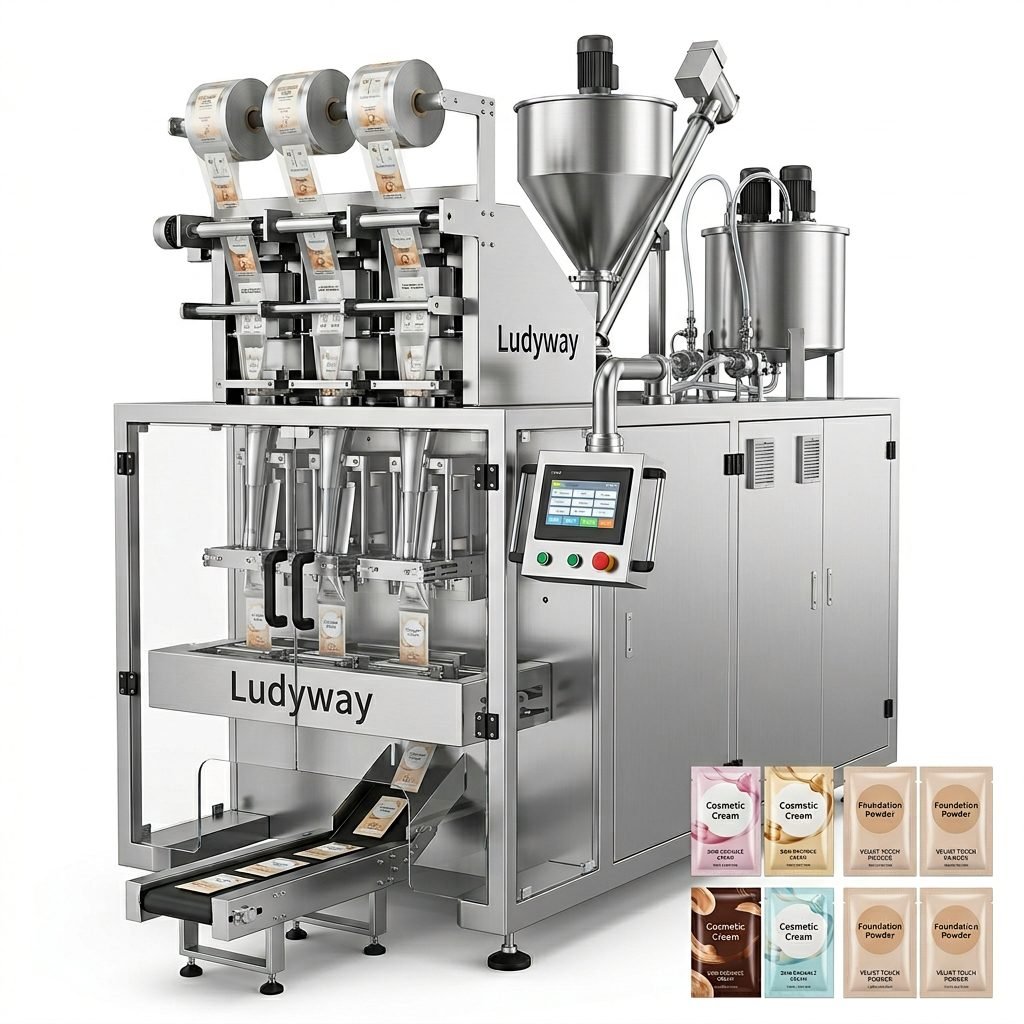
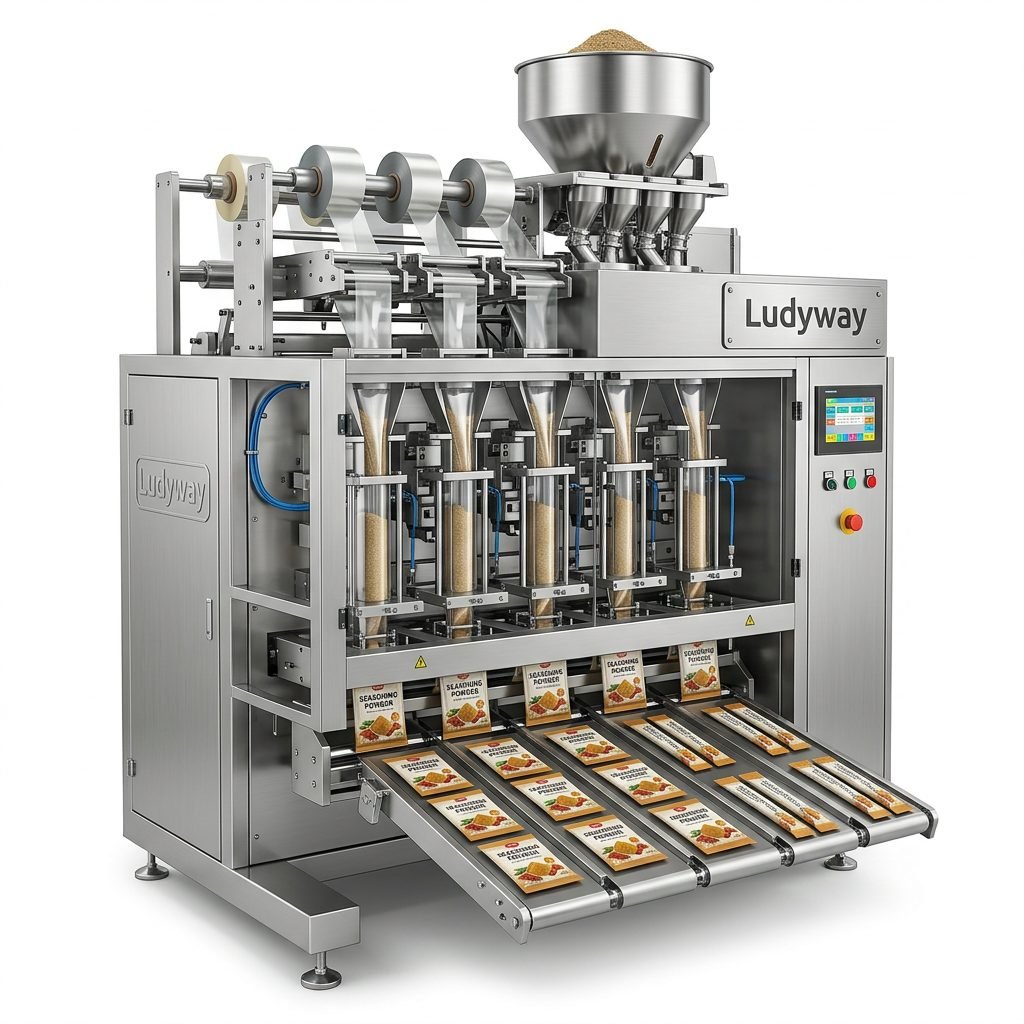
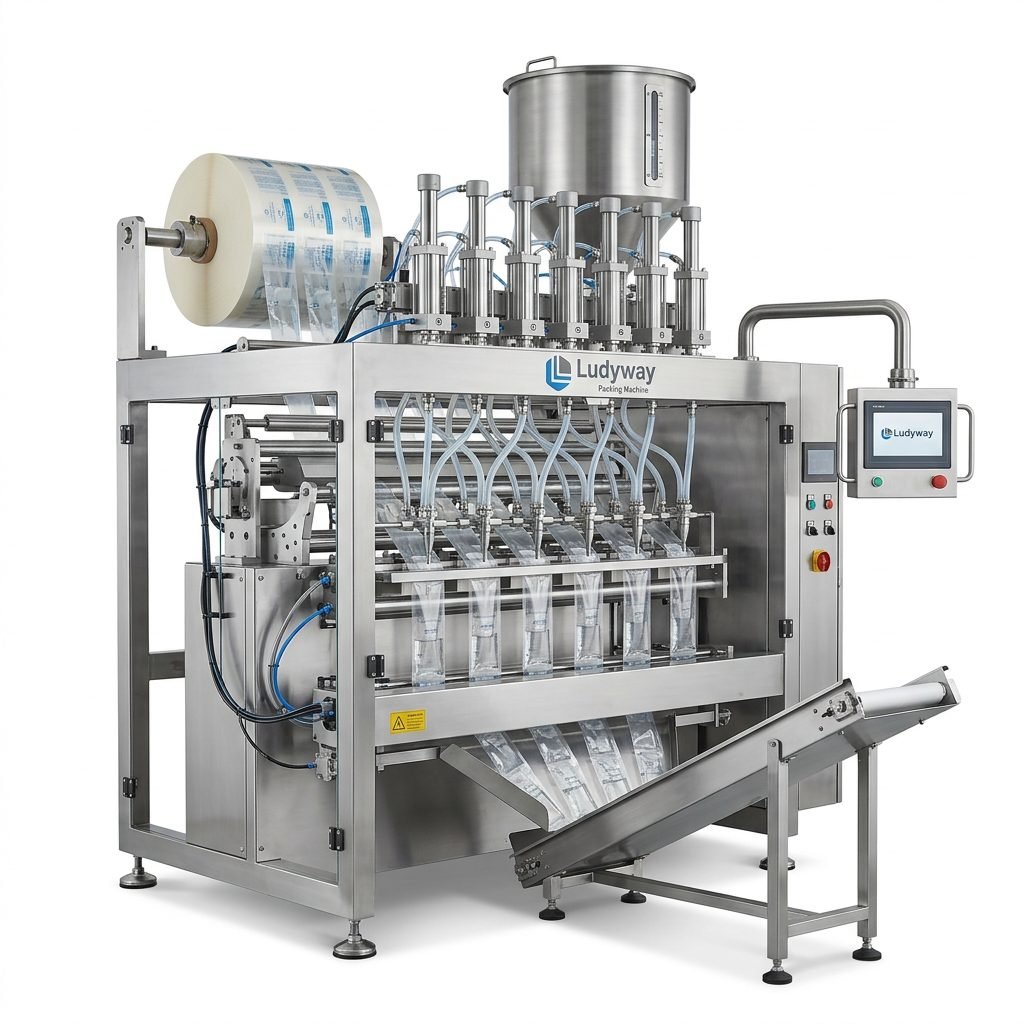
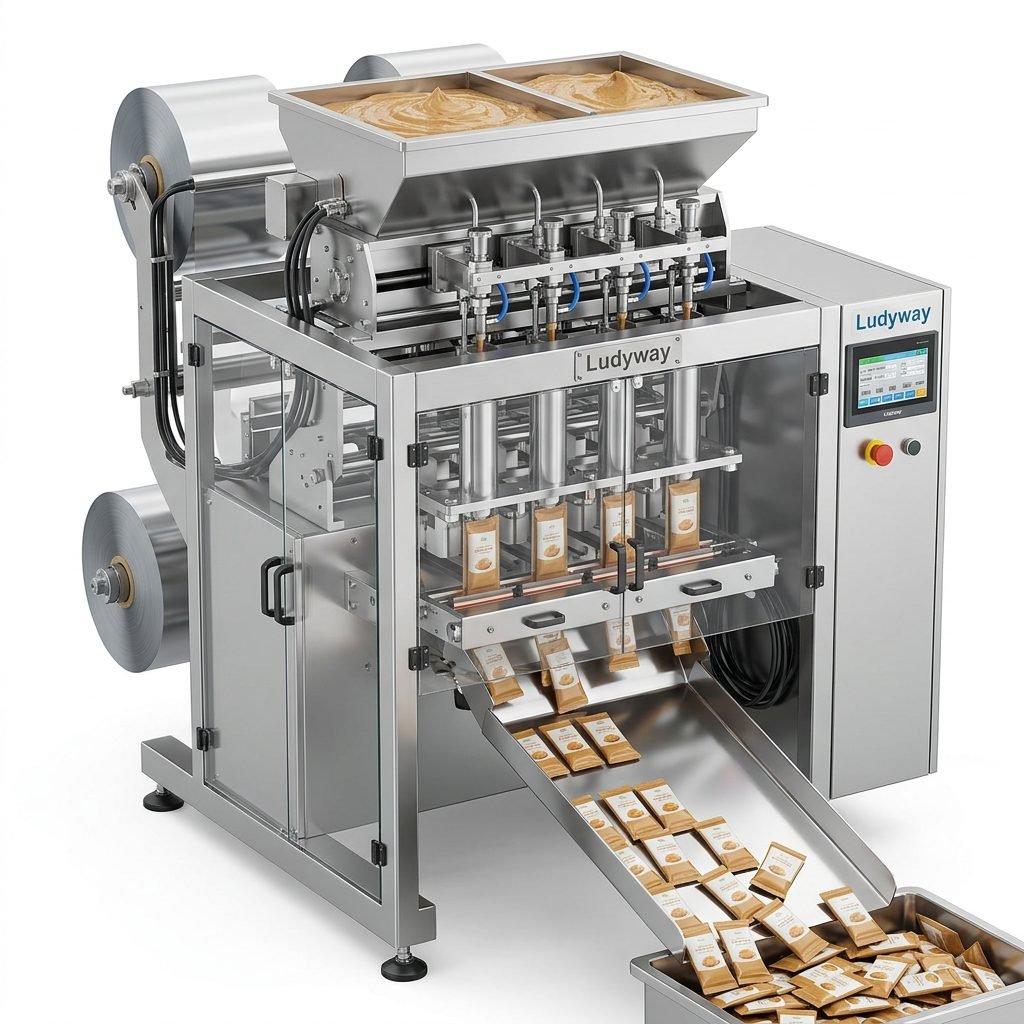
The French coffee market is one of the most sophisticated in Europe, with consumers demanding premium quality, extended shelf life, and impeccable aroma preservation. For roasters, producers, and co-packers across France, investing in a coffee vacuum packaging machine is no longer optional—it is a critical step in maintaining product integrity from the production line to the café table. Whether you are packaging ground coffee, whole beans, or single-serve capsules, vacuum sealing technology plays a pivotal role in preventing oxidation, preserving volatile aromatic compounds, and protecting against moisture ingress.
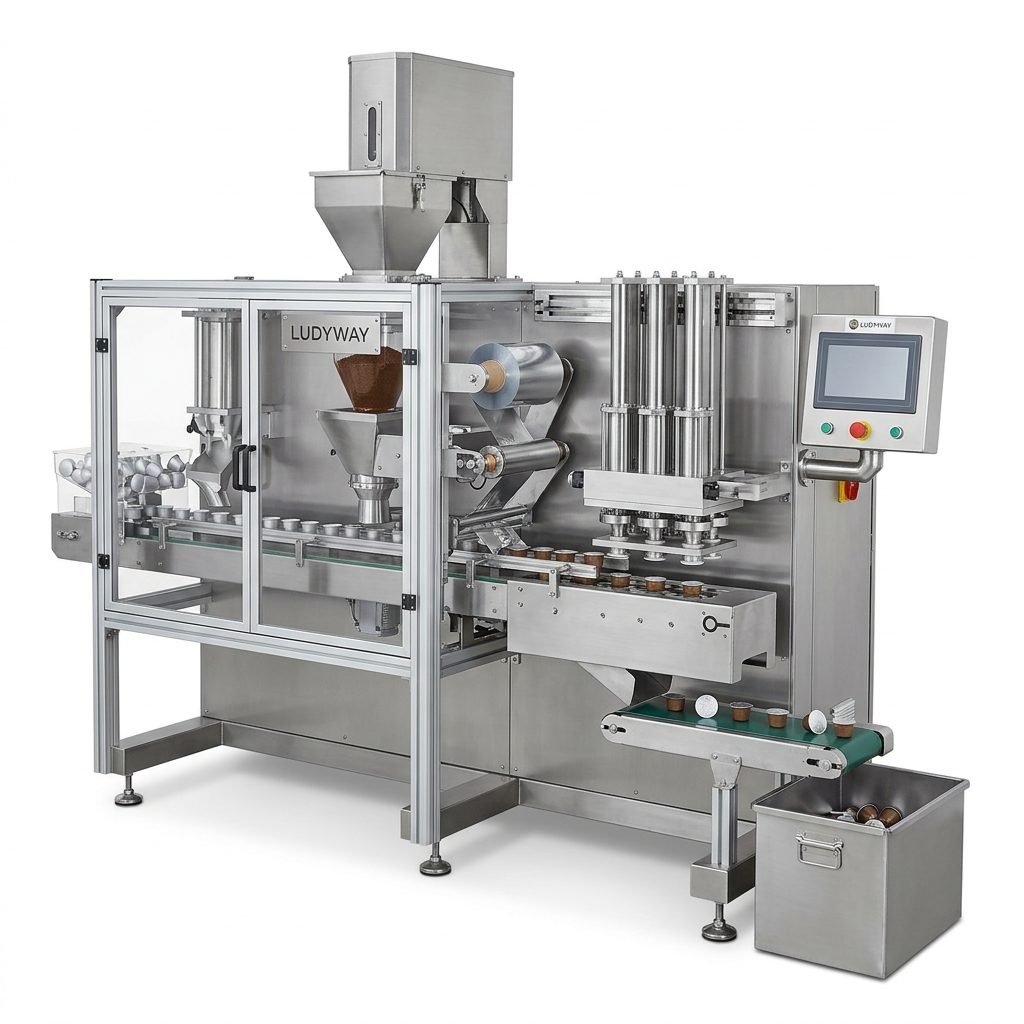
Why Vacuum Packaging Matters for Coffee in France
France consistently ranks among the top coffee-consuming nations in Europe. With the rise of specialty roasters and the expansion of e-commerce, the need for robust packaging solutions has never been greater. Vacuum packaging removes oxygen from the bag or container before sealing, significantly slowing the degradation process that leads to stale, flat-tasting coffee. This is particularly important for products destined for export or long distribution cycles. In the French market, where quality expectations are high, a coffee vacuum packaging machine ensures that the product reaches the consumer with the same freshness and aroma profile intended by the roaster.
Key Features of a High-Quality Coffee Vacuum Packaging Machine
When evaluating equipment for your French operation, there are several essential features to consider. The right machine should balance speed, seal integrity, and flexibility to handle various packaging formats.
- Precision Vacuum Control: Adjustable vacuum levels allow you to tailor the process for different coffee types—ground coffee requires gentler handling compared to whole beans.
- Gas Flushing Capability: Many modern vacuum packaging machines also offer nitrogen flushing to displace residual oxygen and create a protective atmosphere.
- Multi-Format Compatibility: Look for machines that can handle flat pouches, gusseted bags, brick packs, and even canisters.
- High-Quality Sealing System: A reliable heat seal is crucial to prevent leaks and maintain the vacuum over time.
- Automation Level: Options range from semi-automatic tabletop units to fully automated rotary and conveyor-based systems.
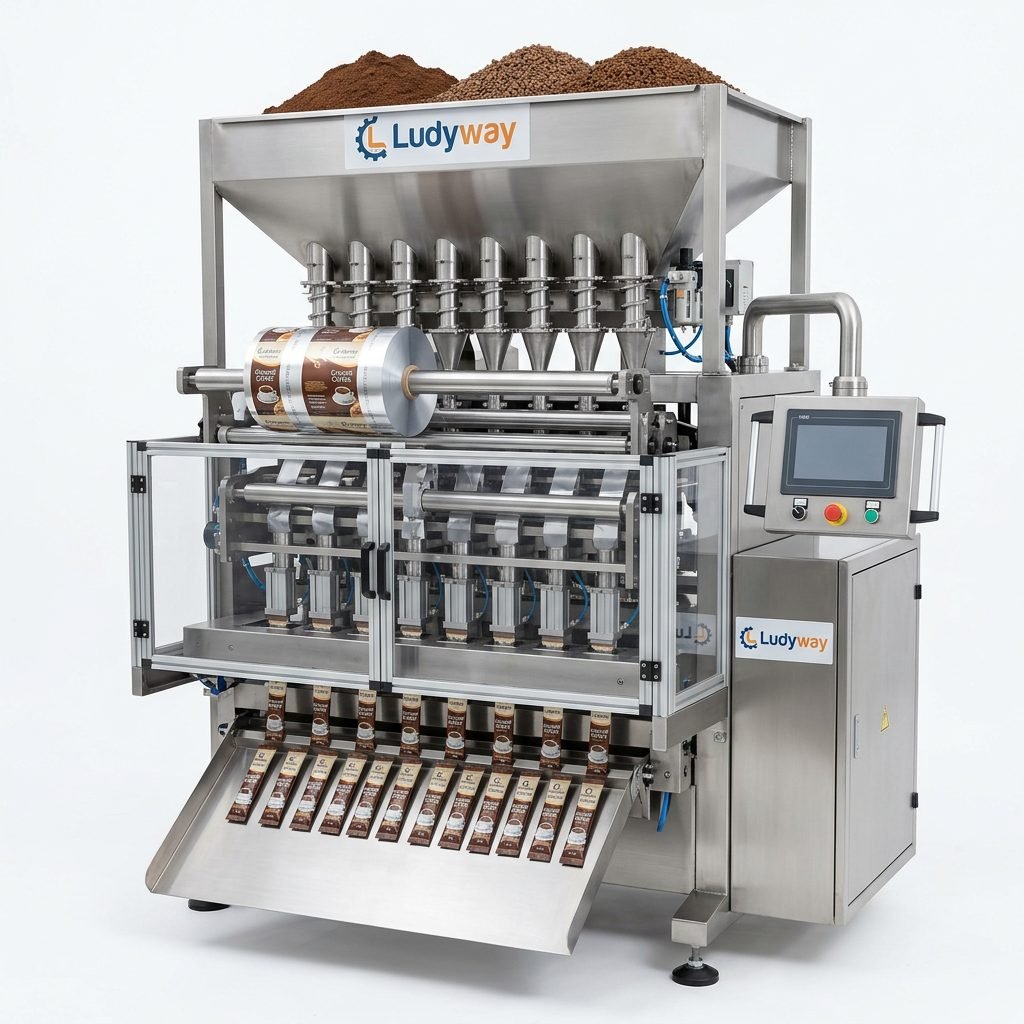
Types of Coffee Vacuum Packaging Machines Available
The French market accommodates a wide range of production scales. Selecting the appropriate machine type depends on your output volume, packaging format, and budget.
| Machine Type | Best For | Key Advantage |
|---|---|---|
| Single-Chamber Vacuum Sealer | Small roasters, specialty batches | Low cost, easy operation |
| Double-Chamber Vacuum Machine | Medium production, alternating cycles | Higher throughput, continuous workflow |
| Conveyor Belt Vacuum System | Large-scale industrial production | Automated, high-speed, inline integration |
| Rotary Vacuum Packaging Machine | Very high volume, 24/7 operations | Maximum efficiency, multi-lane capability |
| Nozzle Vacuum Sealer | Pre-made bags, flexible formats | Versatile, suitable for various bag sizes |
Understanding French and EU Packaging Regulations
Compliance with European standards is mandatory for any coffee vacuum packaging machine operating in France. Key regulatory frameworks include:
- EU Regulation (EC) No 1935/2004: Covers materials and articles intended to come into contact with food, ensuring no chemical migration that could endanger human health.
- EU Regulation (EC) No 2023/2006: Establishes good manufacturing practice for food contact materials.
- French DGCCRF Guidelines: The Directorate General for Competition, Consumer Affairs and Fraud Control enforces strict packaging and labeling standards within France.
- ATEX Directives (if applicable): For machines operating in potentially explosive atmospheres, compliance with ATEX 2014/34/EU may be required.
Refer to the European Commission Packaging and Packaging Waste page for the latest regulatory updates.
Factors to Consider Before Purchasing
Investing in a coffee vacuum packaging machine involves careful evaluation of your operational needs and long-term goals. The following table summarizes the critical decision-making criteria:
| Factor | Considerations |
|---|---|
| Production Capacity | Bags per minute, cycle time, shift patterns |
| Bag Dimensions | Minimum and maximum pouch width, length, and gusset depth |
| Vacuum Level Requirements | Measured in mbar; typical coffee packaging ranges from 5-50 mbar residual pressure |
| Material Compatibility | Foil laminates, metallized films, EVOH barrier materials |
| Maintenance and Support | Availability of spare parts, technical service in France, remote diagnostics |
| Energy Efficiency | Power consumption, pump type, heat-sealing efficiency |
Single-Chamber vs. Double-Chamber: Which Is Right for You?
For small to medium-sized roasters in regions like Brittany, Alsace, or Provence, a single-chamber vacuum sealer may provide sufficient throughput at an accessible price point. However, if you are supplying major French supermarket chains or international distributors, a double-chamber or conveyor-based system becomes essential. The key difference lies in cycle time: while a single-chamber machine requires the operator to complete one cycle before starting the next, a double-chamber machine alternates between two chambers, nearly doubling output.

Automation and Integration with Existing Lines
The modern French coffee industry increasingly relies on turnkey packaging solutions that integrate weighing, filling, vacuum sealing, and cartoning into one seamless line. Automated coffee vacuum packaging machines can be linked to multi-head weighers, date coders, checkweighers, and robotic palletizers. This level of integration reduces labor costs, minimizes human error, and ensures consistent packaging quality across every unit.
Benefits of Inline Vacuum Packaging Systems
- Reduced Labor Dependency: Automated feeding and discharge minimize manual handling.
- Consistent Seal Quality: PLC-controlled parameters ensure uniform vacuum levels and seal integrity.
- Traceability: Integration with ERP and MES systems allows batch tracking and quality data logging.
- Higher Throughput: Continuous motion systems can achieve speeds exceeding 80-120 packs per minute.
Maintenance and After-Sales Support in France
When purchasing a coffee vacuum packaging machine, the availability of reliable technical support is paramount. Look for suppliers who offer local service technicians, accessible spare parts inventory within the EU, and comprehensive training programs. A machine that cannot be serviced quickly can disrupt your entire production schedule, leading to significant financial losses. It is advisable to establish a preventive maintenance contract with your equipment provider to ensure regular inspections and timely replacement of wear components such as sealing bars, gaskets, and vacuum pump oil filters.
Typical Maintenance Tasks
- Daily: Clean sealing bars, inspect vacuum chamber for debris, check oil level in vacuum pump.
- Weekly: Test vacuum sensor calibration, inspect electrical connections, clean air filters.
- Monthly: Replace vacuum pump oil, check and tighten mechanical fasteners, verify temperature controller accuracy.
- Annually: Comprehensive overhaul, replace all wear parts, recalibrate sensors, and update PLC firmware.
Choosing a Reliable Coffee Vacuum Packaging Machine Supplier
Selecting the right manufacturer is as important as choosing the machine itself. Evaluate potential suppliers based on their experience in the coffee industry, the breadth of their product range, and their track record in the French and broader European market. Ludyway is one of the largest packaging machine manufacturers in China, offering advanced packaging equipment and turnkey solutions for the food, pharmaceutical, and health industries, with a 20,000㎡ modern production facility and customers in over 100 countries and regions. Their portfolio includes coffee packaging machines designed to meet diverse production requirements across granule, powder, and liquid applications.
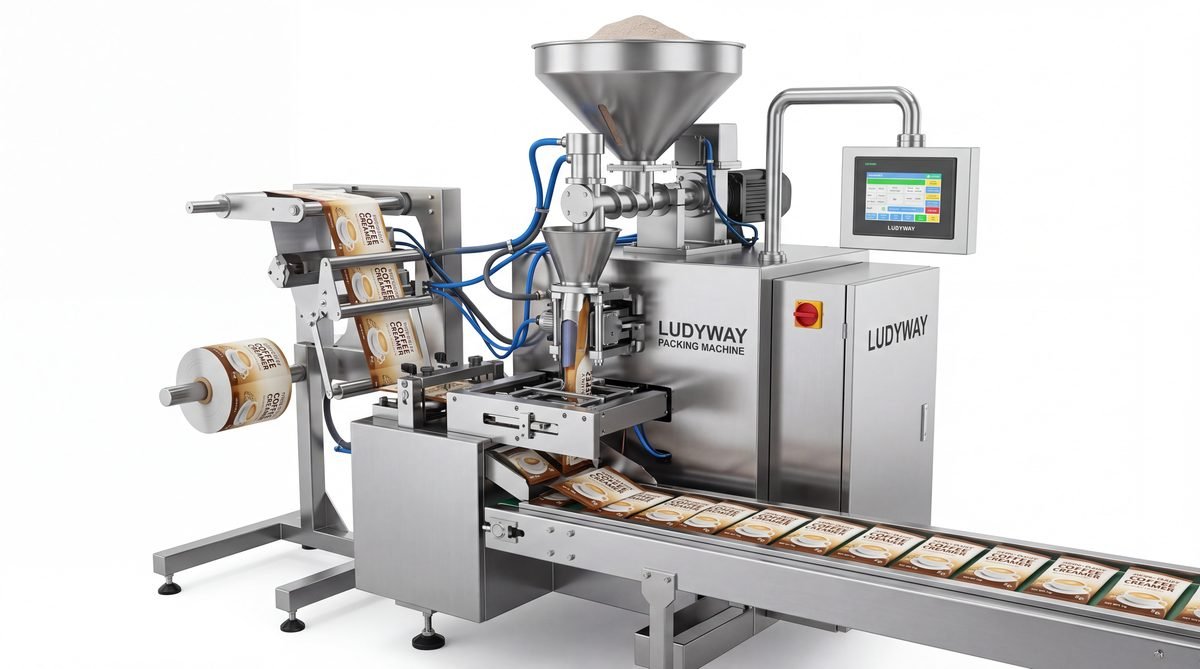
Cost Considerations and ROI Analysis
The investment in a coffee vacuum packaging machine varies widely depending on the automation level and capacity. Entry-level single-chamber machines may start around €2,000-€5,000, while fully automated multi-lane rotary systems can exceed €150,000. Beyond the initial purchase price, consider the total cost of ownership, including installation, operator training, energy consumption, consumables, and ongoing maintenance.
| Cost Component | Estimated Share of TCO |
|---|---|
| Machine Purchase Price | 50-60% |
| Installation and Commissioning | 5-10% |
| Training and Documentation | 2-5% |
| Consumables (Film, Bags, Sealing Parts) | 15-20% |
| Energy and Utilities | 5-8% |
| Maintenance and Spare Parts | 8-12% |
Understanding Vacuum Pump Technologies
The vacuum pump is the heart of any coffee vacuum packaging machine. Three main pump types dominate the market:
- Oil-Sealed Rotary Vane Pumps: Most common, cost-effective, and capable of achieving high vacuum levels down to 0.5 mbar. Require regular oil changes.
- Dry Scroll Pumps: Oil-free operation reduces maintenance and eliminates the risk of oil contamination, making them ideal for clean-room environments.
- Claw Pumps: Highly efficient in the 50-200 mbar range, often used in large industrial systems with high throughput requirements.
For more detailed information on packaging standards and industry best practices, consult the resources available through the PMMI – Association for Packaging and Processing Technologies and the Flexible Packaging Association.
Environmental Sustainability and French Eco-Regulations
France has been at the forefront of environmental packaging legislation in Europe, with the implementation of the AGEC Law and evolving EPR (Extended Producer Responsibility) frameworks. Coffee packers must consider how their coffee vacuum packaging machine supports sustainability goals. Mono-material barrier films are gaining traction as they facilitate recycling compared to traditional multi-layer laminates. Additionally, vacuum packaging can contribute to reducing food waste by extending product shelf life—a key metric in France’s national strategy against food waste.
Sustainable Packaging Practices
- Lightweighting: Use thinner films without compromising barrier properties.
- Recyclable Mono-Materials: Transition from PET/PE/AL laminates to PP or PE-based mono-material structures.
- Bio-Based Films: Explore compostable and bio-sourced materials compatible with vacuum sealing.
- Reduced Energy Consumption: Opt for machines with variable-speed drives and energy-efficient vacuum pumps.
Future Trends in Coffee Vacuum Packaging
The French coffee packaging landscape continues to evolve. Emerging trends include smart packaging with integrated freshness indicators, QR-code-enabled traceability, and the growing popularity of single-serve formats. Coffee vacuum packaging machines are adapting to handle smaller, portion-controlled sizes while maintaining high throughput. Robotics and AI-driven quality inspection systems are also becoming more accessible, enabling real-time detection of seal defects and vacuum loss.
For businesses looking to explore integrated, automated, and scalable packaging solutions, resources from the ISO packaging standards and FDA food packaging guidelines provide valuable reference points for global compliance and best practices.