Investing in a dry food packaging machine is a critical decision that directly impacts your production efficiency, product shelf life, and overall profitability. Whether you are packaging granules, powders, or dehydrated solids, selecting the right equipment requires a clear understanding of your operational needs. With a wide range of technologies available—from vertical form fill seal (VFFS) machines to multi-lane stick pack systems—the choices can feel overwhelming. This guide walks you through the essential factors to consider, helping you make an informed purchase that aligns with your business goals.
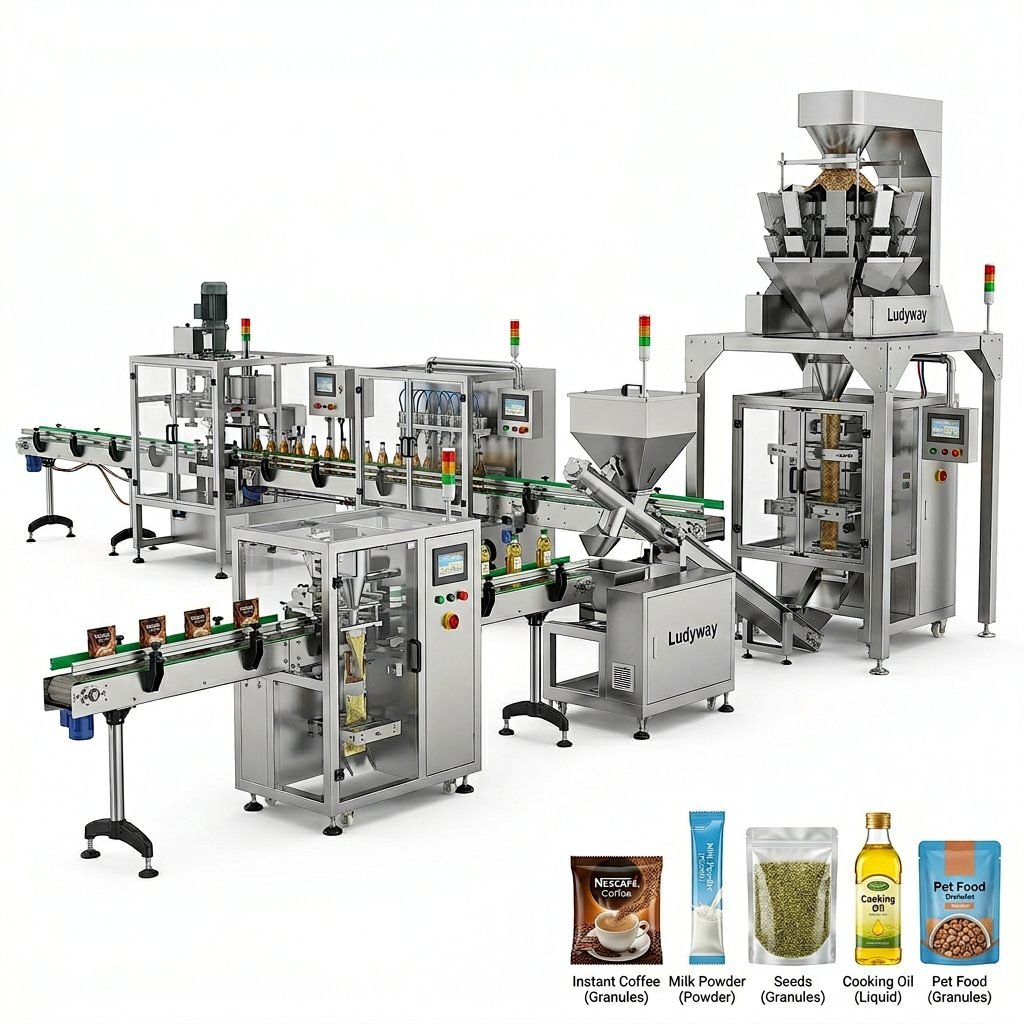
Understanding Dry Food Packaging Machine Types
Different dry food products demand different packaging solutions. Knowing the primary machine categories helps narrow your search from the start.
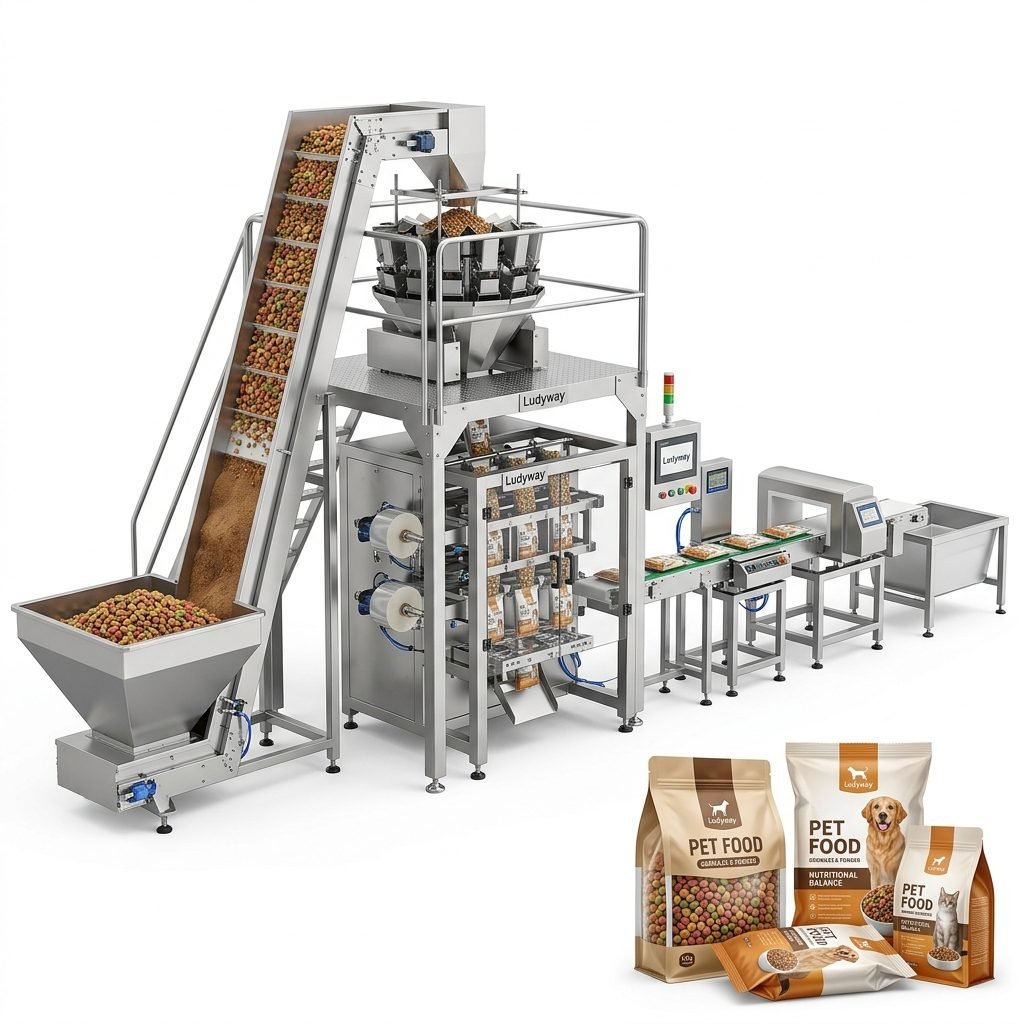
Vertical Form Fill Seal (VFFS) Machines
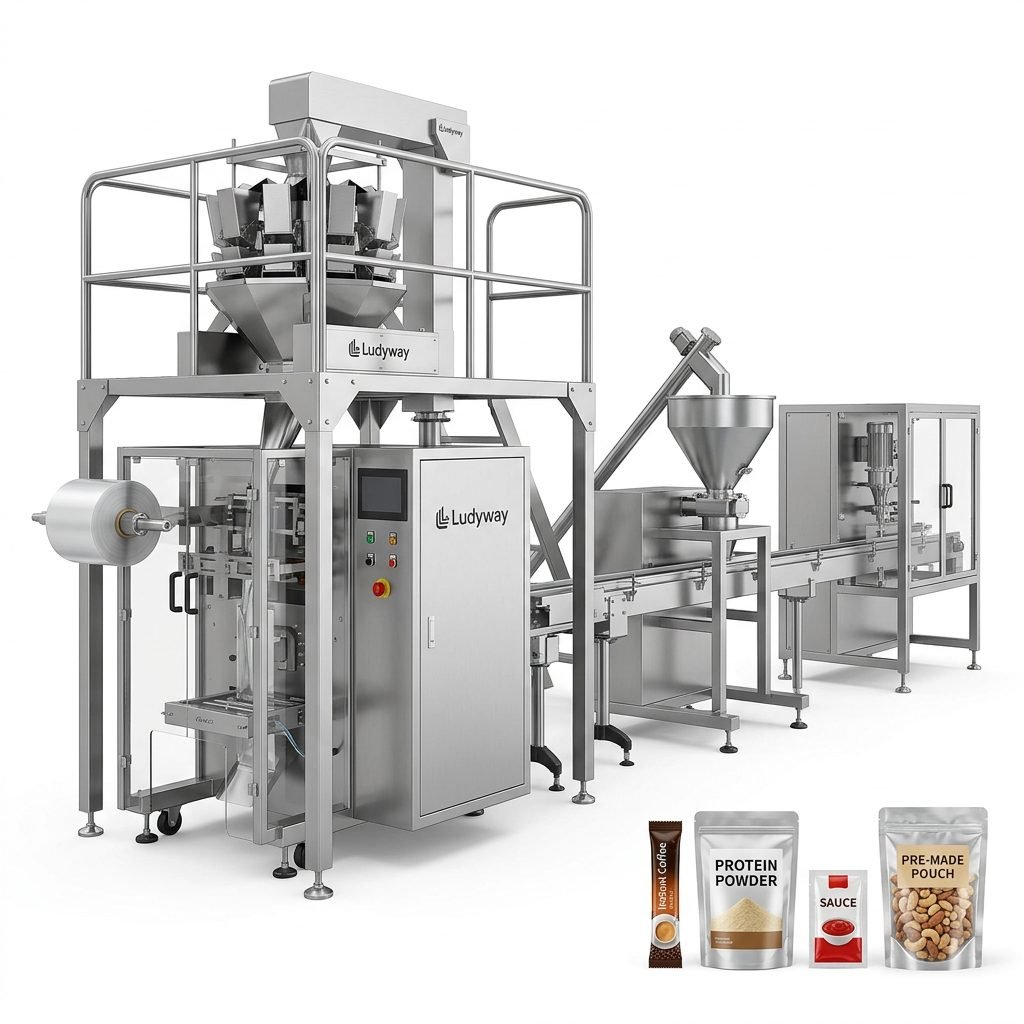
VFFS machines are among the most common choices for free-flowing granular products such as rice, sugar, dried beans, and snack foods. They form a bag from a flat roll of film, fill it with product, and seal it—all in one continuous vertical motion. VFFS systems offer excellent speed and versatility, handling bag sizes from small sachets to larger pillow bags.
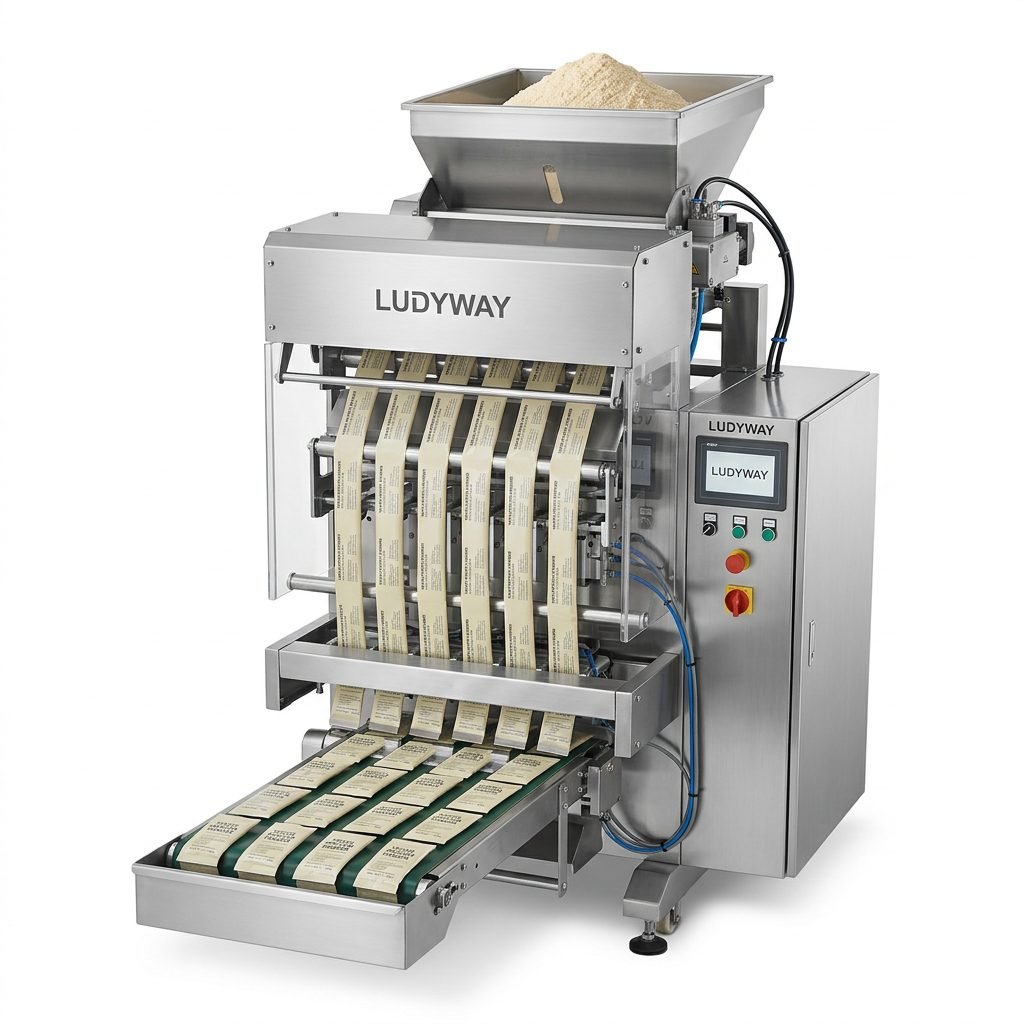
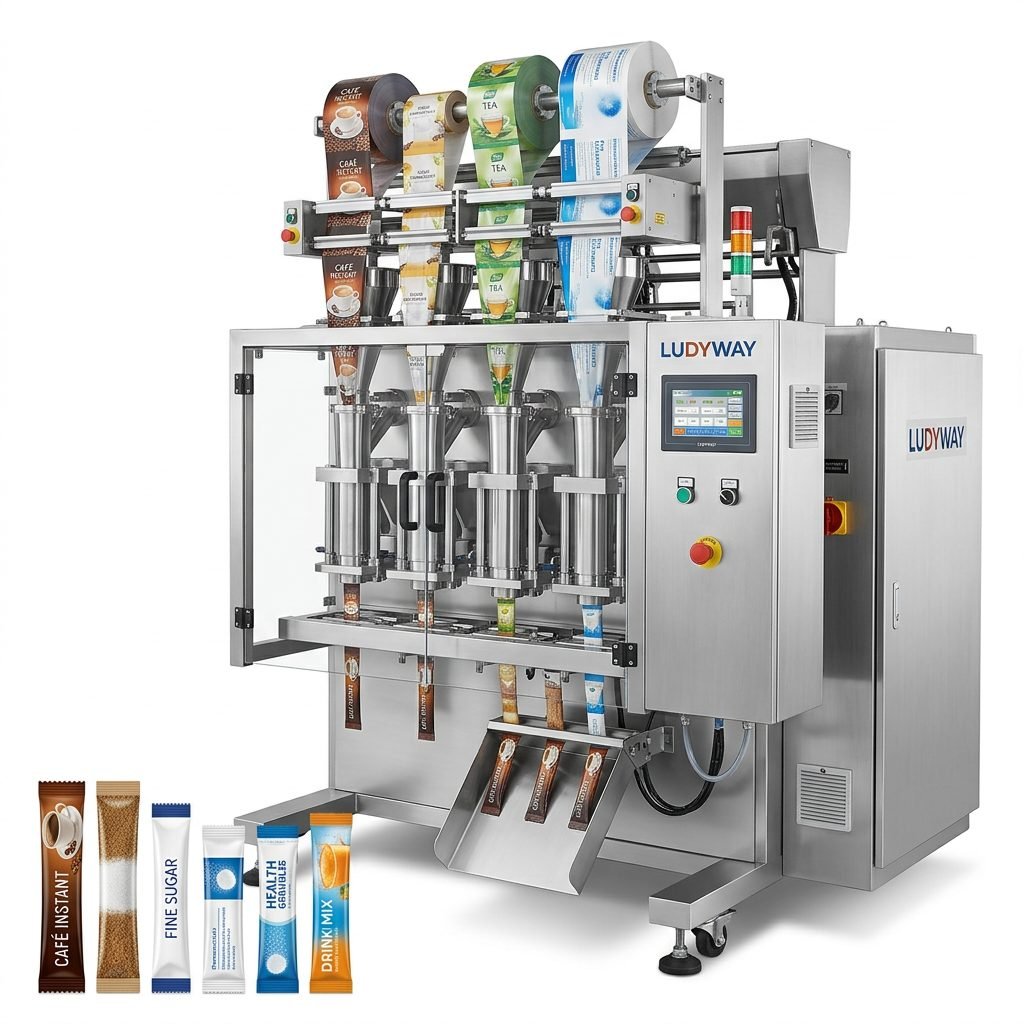
Multi-Lane Stick Pack Machines
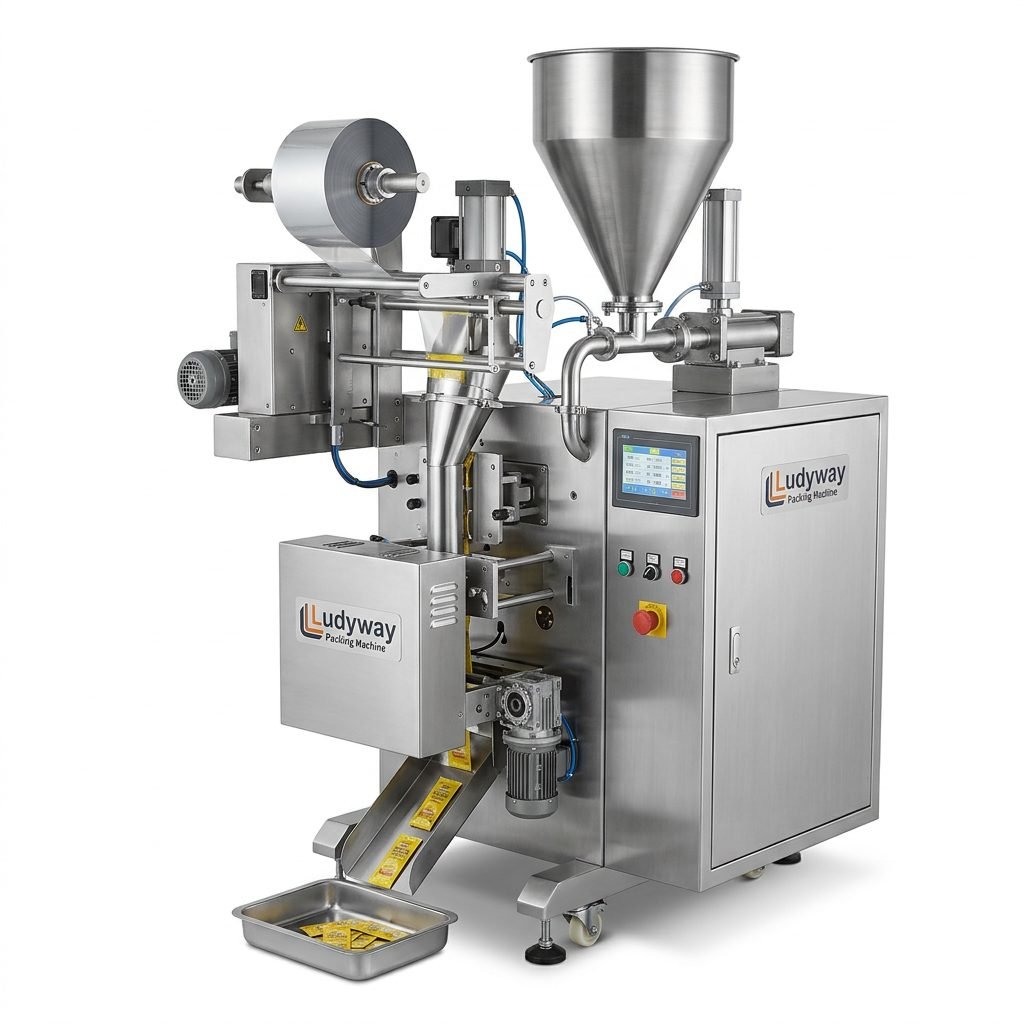
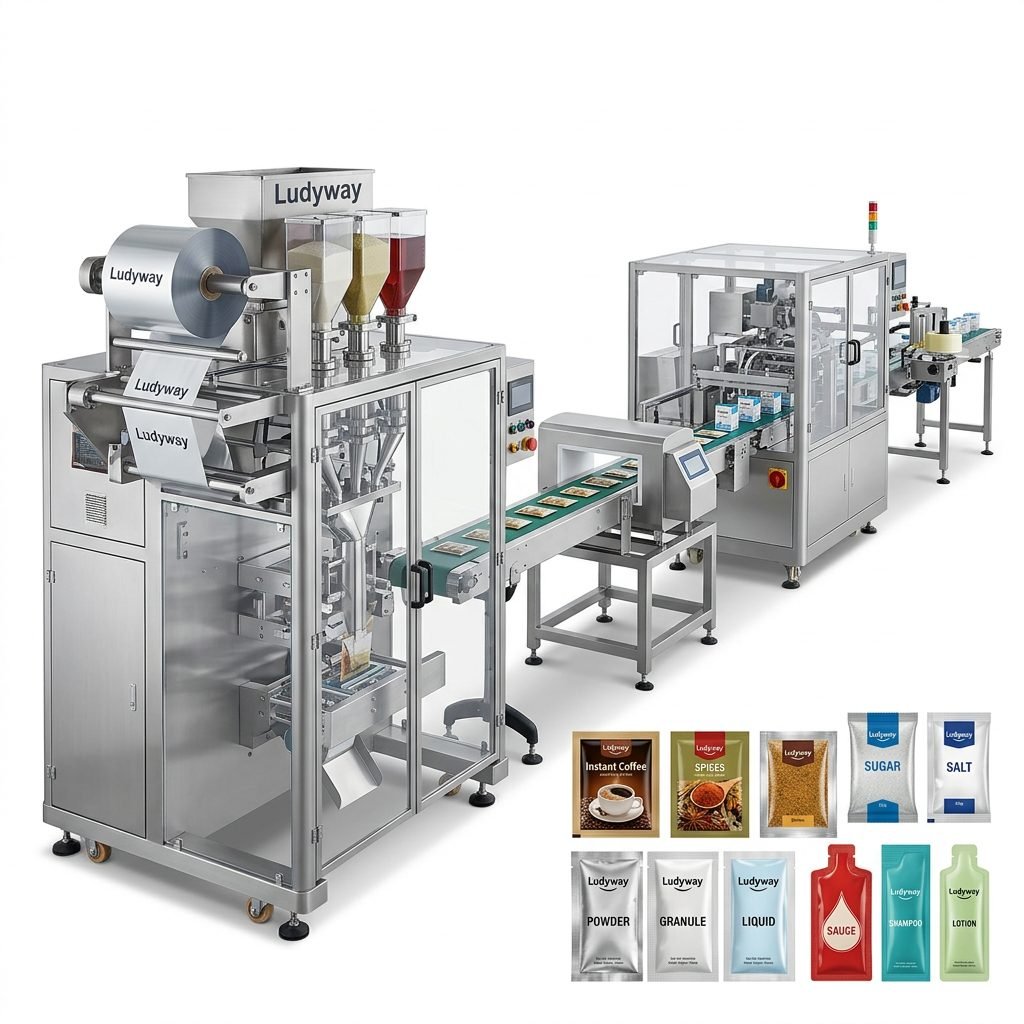
For high-volume production of single-serve portions, multi-lane stick pack machines are the go-to solution. These machines run multiple lanes simultaneously, dramatically increasing output for products like instant coffee, sugar, salt, and powdered drink mixes. They are ideal when you need compact, portable packaging with precise portion control.
Premade Pouch Packaging Machines
If your brand requires stand-up pouches, zipper bags, or shaped formats, a premade pouch machine is the right fit. These systems pick, open, fill, and seal ready-made pouches, offering greater flexibility in packaging aesthetics. They are widely used for nuts, dried fruits, granola, and premium snack products where shelf appeal matters most.
Key Factors to Evaluate Before Buying
Selecting the right packaging machinery goes beyond comparing specifications. Here are the most important criteria to examine.
Product Characteristics
The physical properties of your dry food product determine which machine configurations will work. Consider these aspects carefully:
- Flowability: Free-flowing granules like sugar behave differently from cohesive powders like flour. Your machine’s feeding and dosing system must match the product’s flow characteristics.
- Particle size and dust generation: Products that create dust require enhanced sealing systems and possibly integrated dust extraction to maintain clean seals.
- Hygroscopic nature: Moisture-sensitive dry foods need hermetic sealing capabilities and possibly nitrogen flushing to extend shelf life.
- Density variation: Consistent density ensures accurate filling; significant variation may require volumetric or multi-head weighing systems.
Production Speed and Capacity
Your current and projected output requirements should drive the speed specification. A machine that produces 40-60 packs per minute per lane can deliver significantly higher throughput in multi-lane configurations. Consider not just the peak speed but the sustainable operating speed over an 8-hour shift, accounting for film changes and maintenance intervals.
Packaging Format and Material Compatibility
Different dry foods require specific barrier properties. According to resources from the Flexible Packaging Association, selecting the right film structure is essential for product protection. Ensure your chosen machine handles the laminate structures you need—whether foil-based for maximum moisture barrier or transparent metallized films for visual appeal. The machine should also accommodate various bag styles including pillow bags, gusseted bags, and block-bottom formats.
Automation and Integration Level
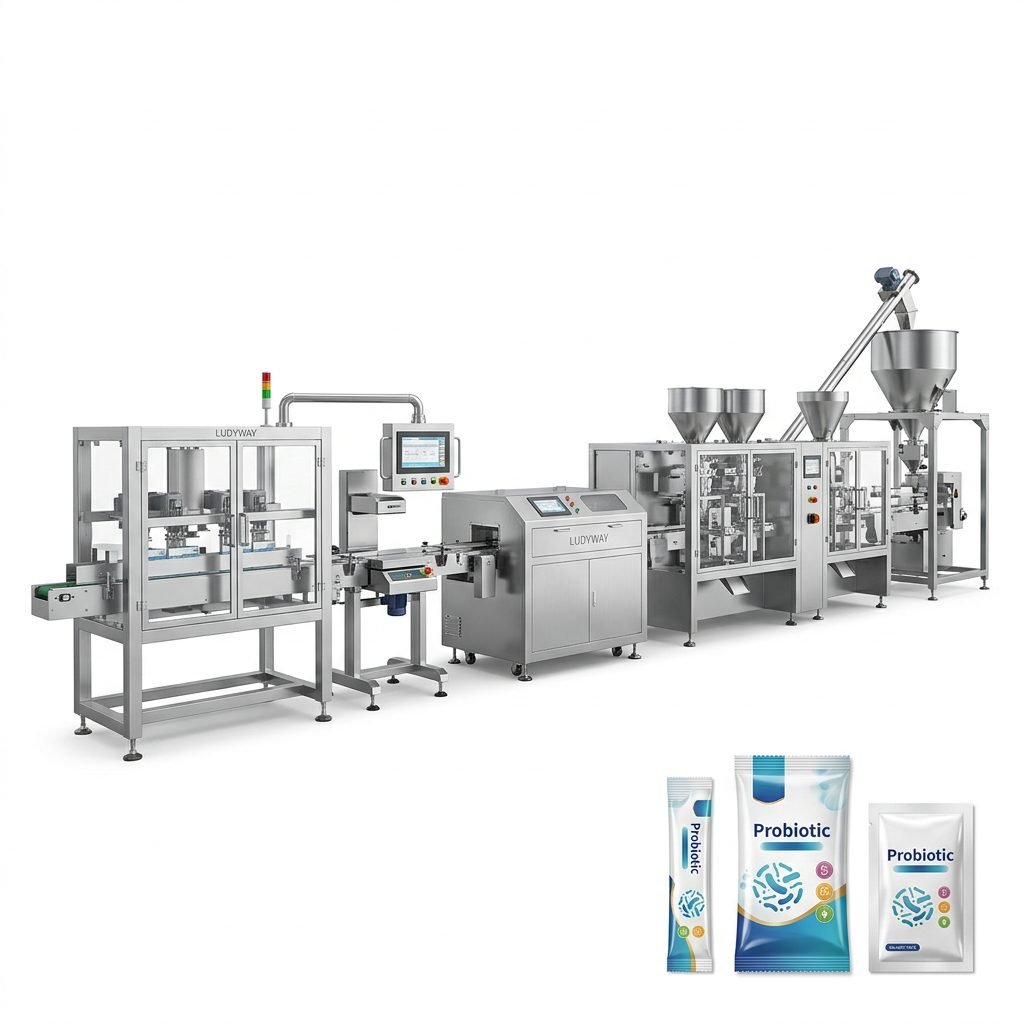
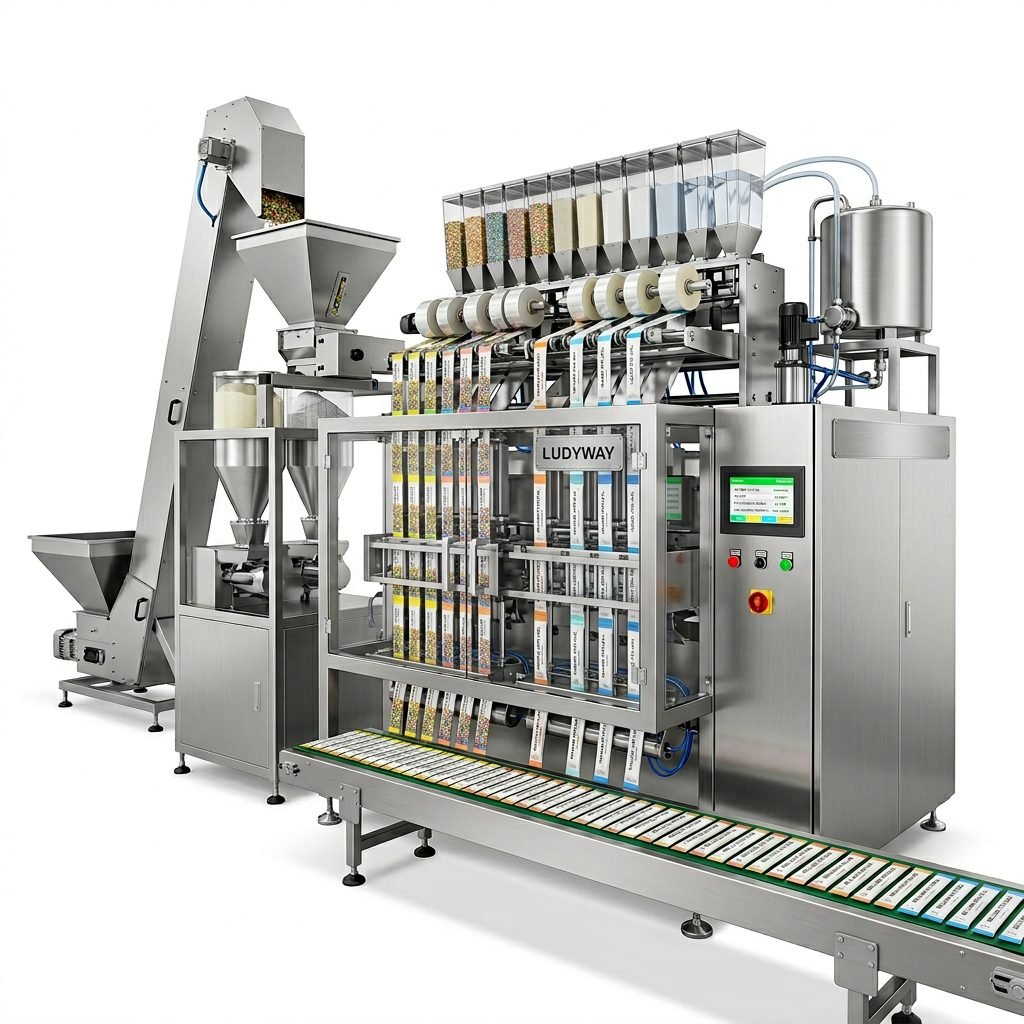
Modern dry food packaging lines can range from semi-automatic units requiring significant operator involvement to fully automated turnkey systems with integrated weighing, filling, sealing, coding, and cartoning. When evaluating automation levels, consider your labor costs, desired consistency, and whether you need integration with upstream processing equipment or downstream case packing and palletizing systems.
Weighing Accuracy and Filling Technology
Precision in filling is non-negotiable for dry food packaging. Overfilling erodes profit margins, while underfilling risks regulatory non-compliance and customer dissatisfaction. Common filling technologies include:
| Filling Technology | Best For | Accuracy Level | Speed Capability |
|---|---|---|---|
| Multi-Head Weighing | Granules, snacks, irregular pieces | Very High (±0.5-1g) | Up to 120 packs/min |
| Auger Filling | Fine powders, spices, flours | High (±1-2%) | Up to 80 packs/min |
| Volumetric Cup Filling | Free-flowing granules with uniform density | Moderate (±2-3%) | Up to 100 packs/min |
| Linear Weighing | Medium-speed granular applications | High (±1-2g) | Up to 40 packs/min |
Material Construction and Food Safety Compliance
Food-grade construction is mandatory for any dry food packaging operation. Look for machines built with stainless steel 304 or 316 in all product contact areas. Compliance with FDA regulations for food contact substances is essential. The machine design should facilitate easy cleaning with minimal crevices where product residue can accumulate. Tool-free disassembly of filling components significantly reduces sanitation downtime between product changeovers.
Sealing Integrity and Shelf Life Considerations
The seal is the most critical quality point on any dry food package. Poor sealing leads to moisture ingress, product spoilage, and costly returns. Evaluate machines based on their sealing jaw design, temperature control precision, and dwell time adjustability. For extended shelf life applications, consider systems capable of gas flushing with nitrogen to reduce residual oxygen levels below 1%. Some advanced machines also incorporate seal inspection systems that automatically reject packages with compromised seals.
Changeover Flexibility and Future-Proofing
If your business packages multiple dry food SKUs with different bag sizes and formats, changeover efficiency becomes a critical metric. The best machines offer tool-less changeover capabilities, allowing operators to switch between product types in under 15 minutes. Consider whether the machine platform can accommodate future upgrades such as additional lanes, different filling technologies, or integration with new packaging formats as your product line expands.
Maintenance Requirements and Technical Support
Even the most robust packaging machinery requires regular maintenance. Before purchasing, investigate:
- Preventive maintenance schedules and the complexity of routine tasks
- Availability of spare parts in your region and typical lead times
- Remote diagnostic capabilities that can reduce downtime
- Training programs for operators and maintenance technicians
- Warranty coverage and extended service contract options
Manufacturers with global service networks and responsive local support teams provide significant peace of mind, especially for operations running multiple shifts.
Budget Planning and ROI Analysis
The purchase price of a dry food packaging machine represents only part of the total cost of ownership. A comprehensive ROI analysis should account for:
- Initial equipment cost and installation expenses
- Film and packaging material consumption rates
- Labor requirements versus current processes
- Energy consumption and utility costs
- Expected maintenance and spare parts expenditure
- Production uptime and efficiency improvements
Higher upfront investment in quality equipment often yields significantly lower total cost of ownership over a 5-10 year operating period through reduced waste, higher efficiency, and fewer unplanned stops.
Supplier Evaluation and Factory Acceptance Testing
Choosing the right equipment partner is as important as choosing the right machine. Reputable suppliers offer factory acceptance testing where you can witness your machine running with your actual product before shipment. Industry resources such as the PMMI State of the Industry reports provide valuable benchmarks for evaluating supplier credibility and market trends. Additionally, understanding relevant ISO packaging standards helps ensure your equipment meets international quality benchmarks.

Questions to Ask Potential Suppliers
| Category | Key Questions |
|---|---|
| Machine Performance | What is the guaranteed output rate with my specific product? Can you provide references from similar applications? |
| Technical Support | What is your average response time for service requests? Do you offer remote diagnostics? |
| Training | Does the purchase include operator and maintenance training? Is ongoing training available? |
| Spare Parts | Do you maintain a local spare parts inventory? What are typical lead times for critical components? |
Emerging Trends in Dry Food Packaging
The packaging industry continues to evolve with several notable trends influencing equipment design. Sustainability requirements are driving demand for recyclable mono-material films and reduced packaging thickness, which machines must handle without compromising speed or seal integrity. Smart factory integration with IoT sensors enables predictive maintenance and real-time production monitoring. Additionally, the growing demand for single-serve and on-the-go formats continues to fuel the adoption of multi-lane stick pack and sachet systems across the dry food sector.
For businesses seeking reliable, high-performance packaging solutions, Ludyway stands out as one of the largest packaging machine manufacturers in China, offering more than 50 intelligent packaging machine models with over 30 years of industry expertise. Their comprehensive range includes multi-lane stick pack, sachet, and fully automated packaging systems designed to meet the demanding requirements of dry food production.
Making the Final Decision
Choosing the right dry food packaging machine requires balancing technical specifications, operational requirements, and long-term business strategy. Start by clearly defining your product characteristics, target output, and packaging format. Then evaluate machines based on accuracy, reliability, flexibility, and total cost of ownership rather than purchase price alone. Engage with multiple suppliers, request demonstrations with your actual products, and thoroughly vet service and support capabilities. A methodical selection process ensures your investment delivers consistent, efficient, and profitable packaging operations for years to come.
For further reading on packaging machinery trends and market data, explore resources from the PACK EXPO International and the Flexible Packaging Association knowledge hub, which offer valuable industry insights and educational content for packaging professionals.