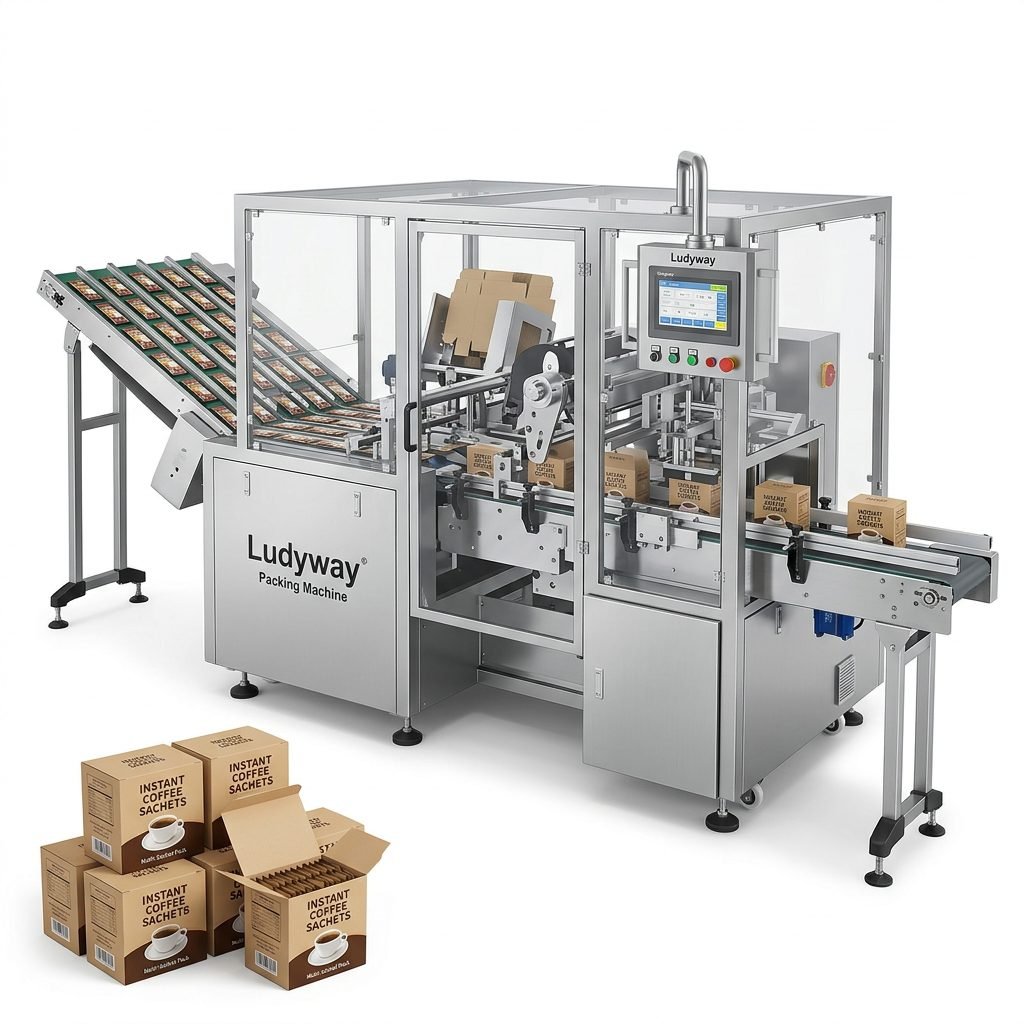
Setting up a fully operational food packaging machine production line in Europe requires meticulous planning, a deep understanding of regional regulatory frameworks, and strategic technology selection. Whether you are launching a new facility or upgrading an existing plant, this guide walks you through the critical steps—from CE compliance to high-speed automation integration.

Understanding European Regulatory Landscape
Before installing any machinery, you must align with the EU Machinery Directive 2006/42/EC. All equipment must carry the CE marking, signifying conformity with health, safety, and environmental protection standards. Additionally, food contact materials must comply with Regulation (EC) No 1935/2004. Overlooking these standards can lead to costly delays and legal repercussions. For granular guidance, refer to the official European Commission Packaging and Packaging Waste resources.
Key Compliance Checkpoints
- CE Certification for complete production lines.
- Hygienic design adherence per EN 1672-2.
- Materials traceability for food-grade contact parts.
- Waste reduction strategies aligning with the European Green Deal.
Planning Your Production Line Layout
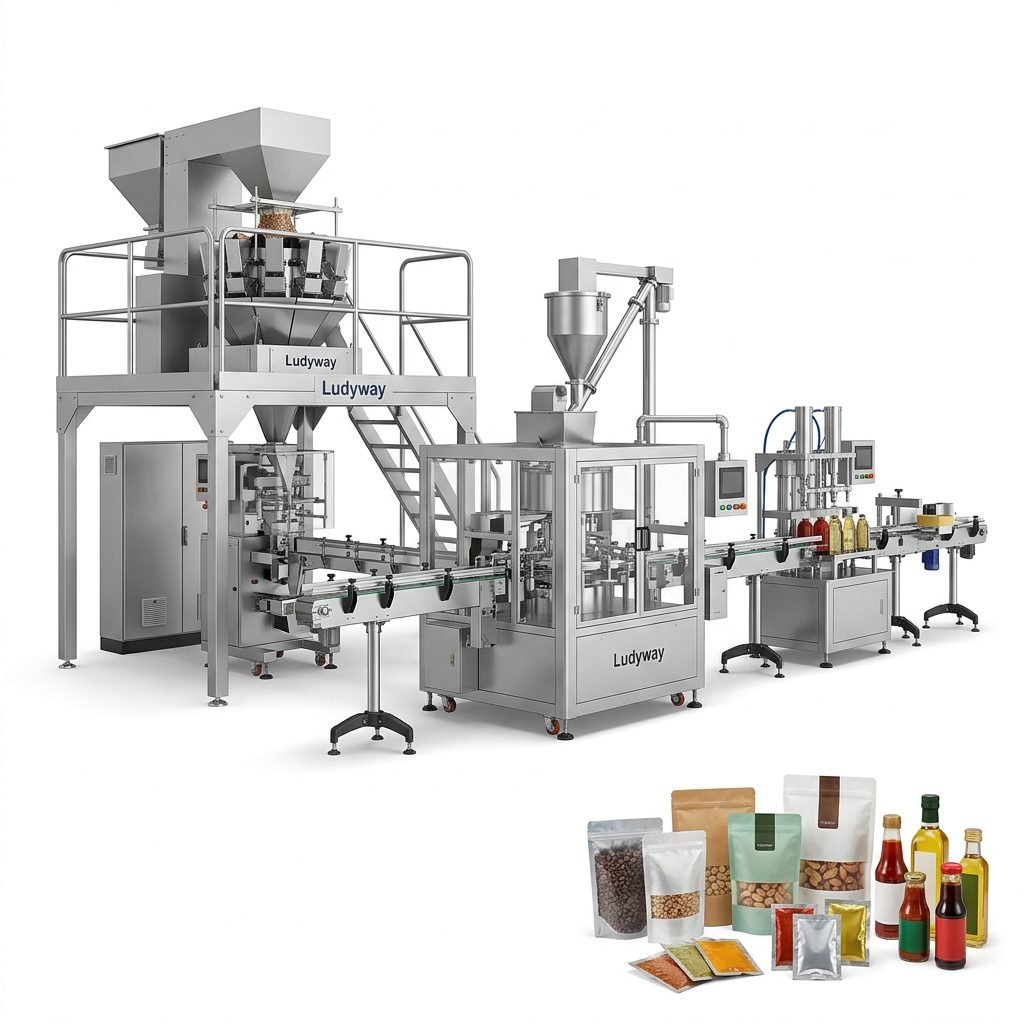
An efficient layout is the backbone of a high-speed packaging line. Begin with a detailed floor plan that optimizes material flow from the filling station to the final palletizing cell. Consider the ceiling height for hoppers and bulk feeders, and ensure adequate space for maintenance access. A poorly designed layout can reduce operational efficiency by up to 30%.
Core Zones in a Food Packaging Line
| Production Zone | Primary Function | Key Equipment Needed |
|---|---|---|
| Product Feeding | Automated delivery of raw ingredients | Z-type bucket elevators, vacuum feeders |
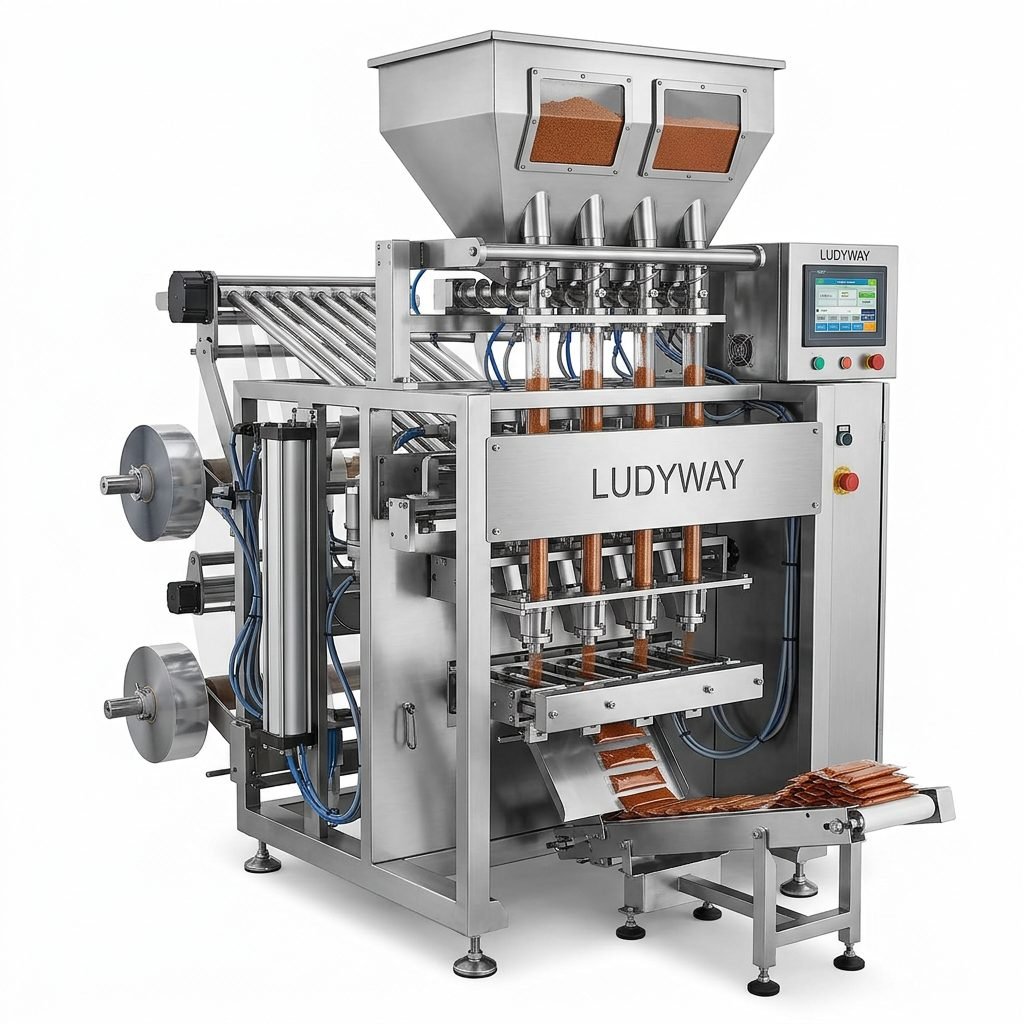
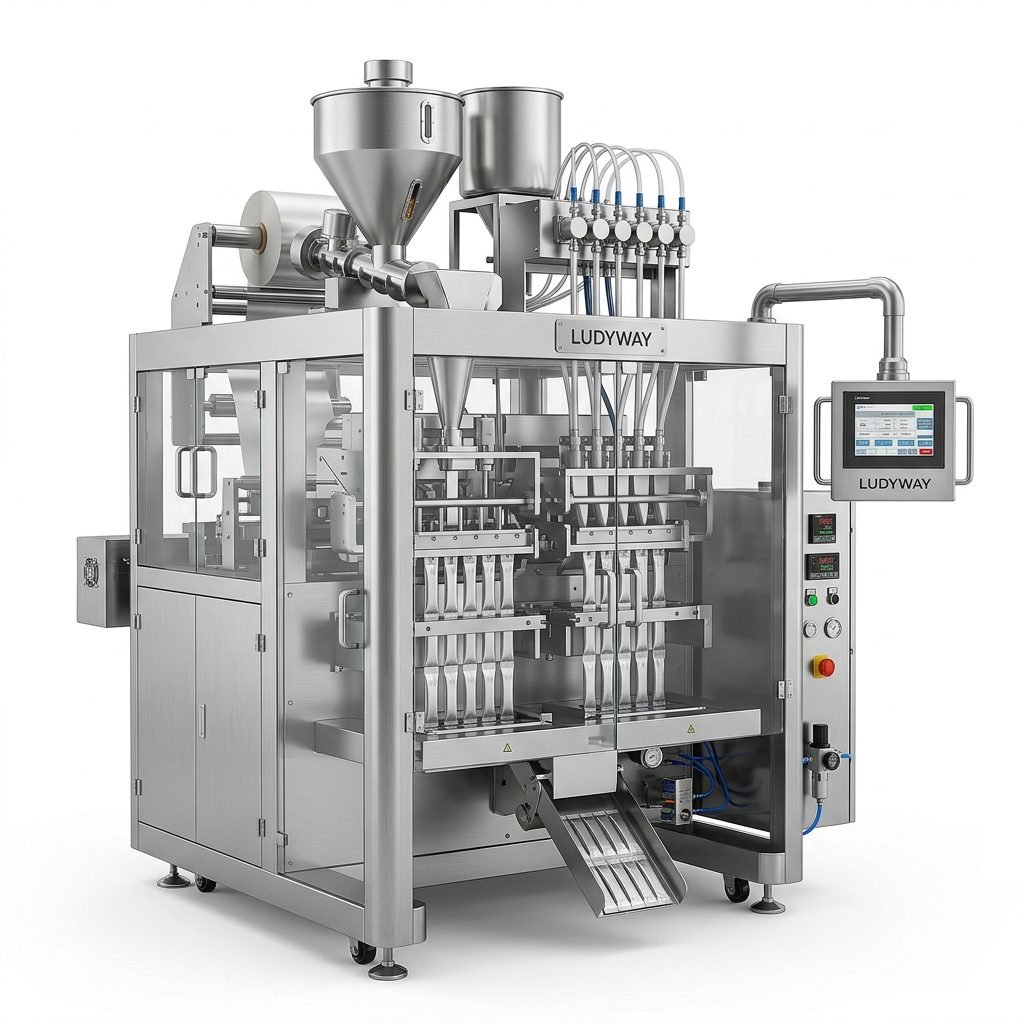
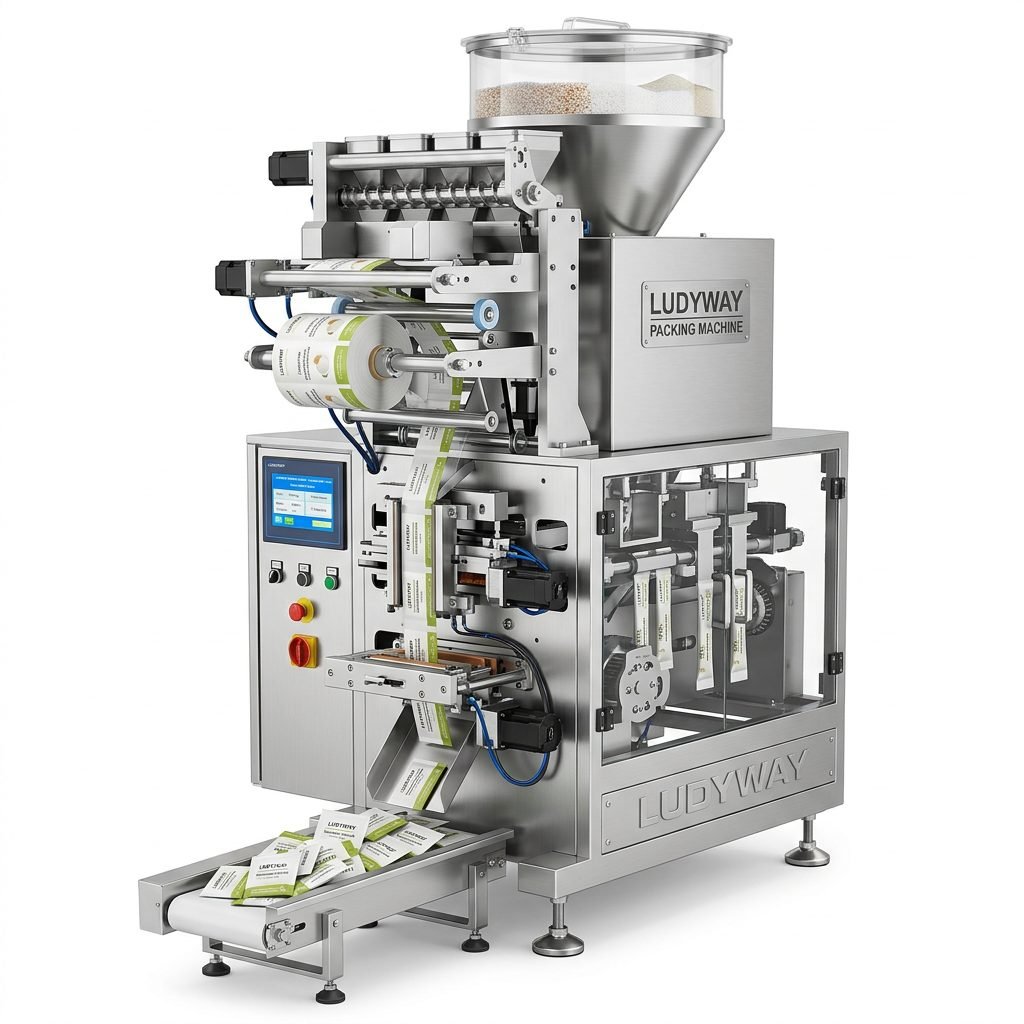
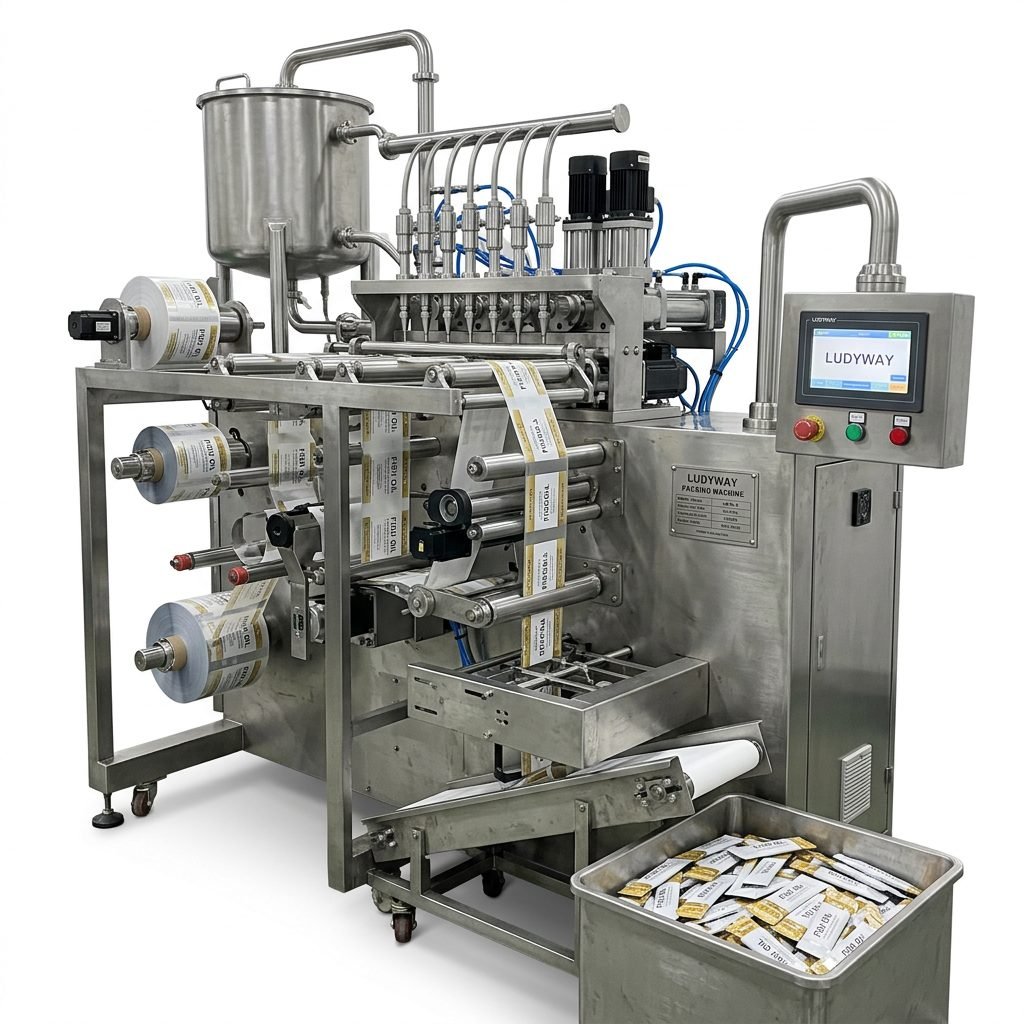
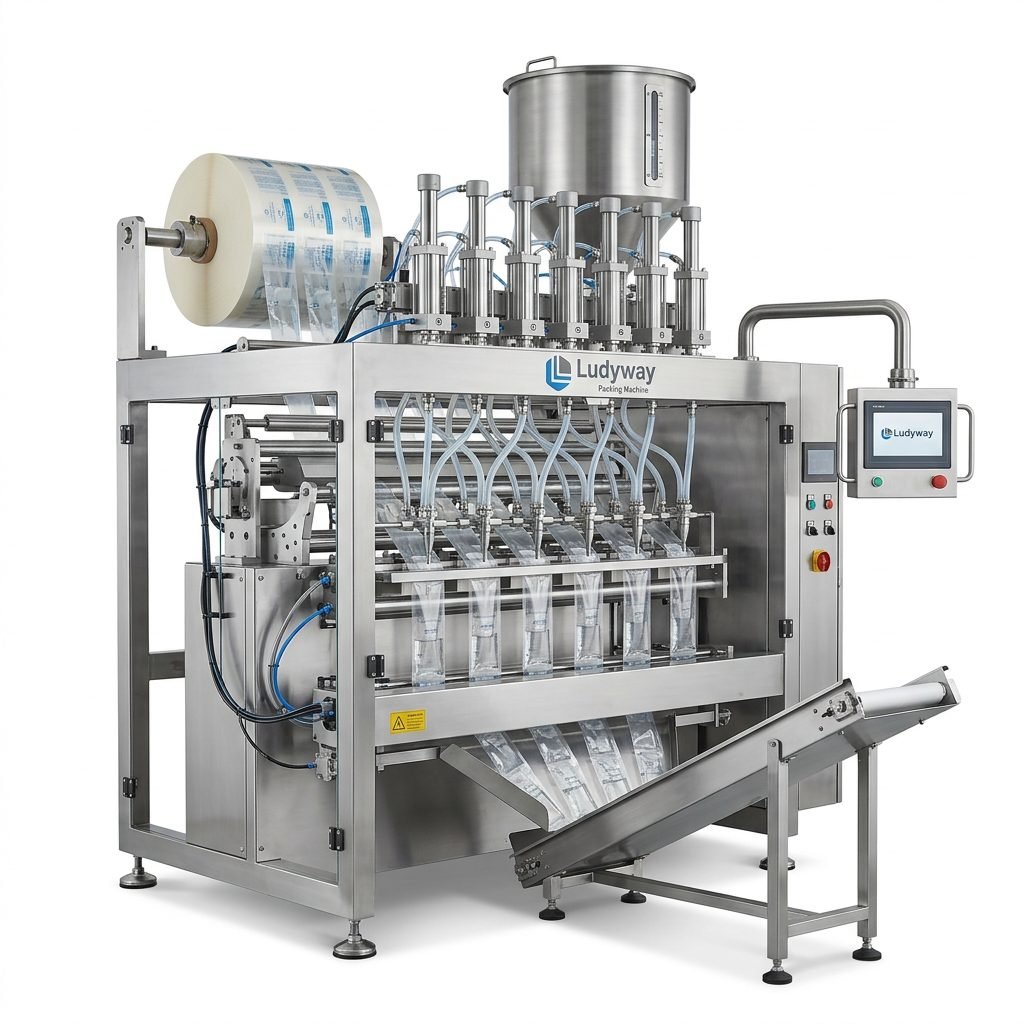
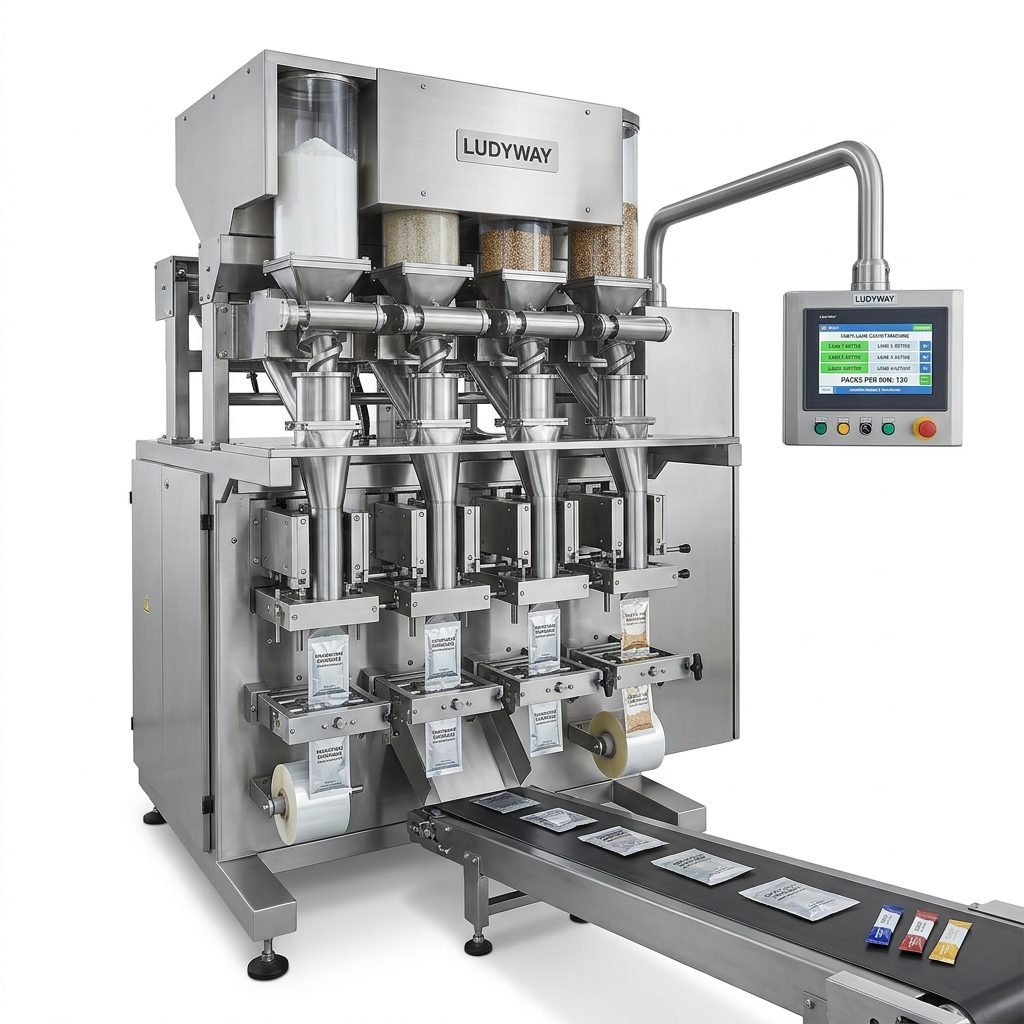
| Filling & Sealing | Precision dosing and pack formation | Multi-lane stick pack machines, sachet sealers |
| Quality Control | Metal detection and weight verification | Checkweighers, X-ray inspection systems |
| End-of-Line Packaging | Cartoning and unit load formation | Case packers, robotic palletizers |
Selecting the Right Food Packaging Machinery
Material characteristics dictate the technology. A packaging machine manufacturer must provide solutions for diverse product states. European markets frequently demand flexibility to handle both free-flowing and non-free-flowing powders, as well as viscous liquids.
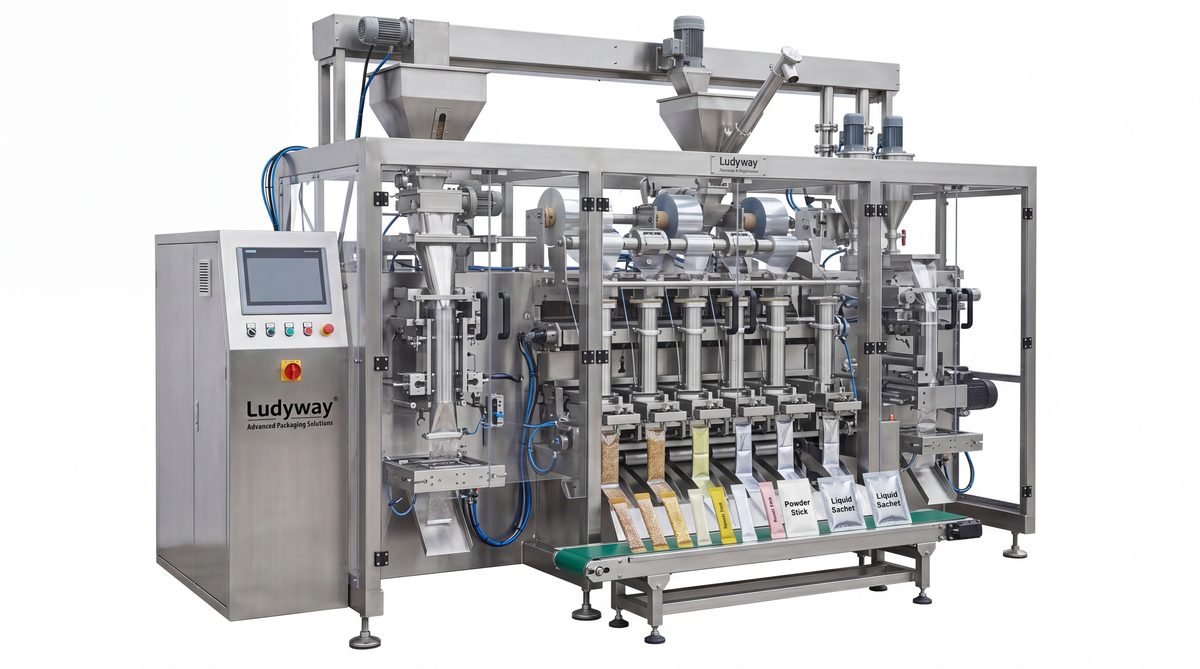
Machine Types Based on Product State
- Granules: Multi-head weighers paired with vertical form-fill-seal (VFFS) machines. Common in sugar and instant coffee sectors.
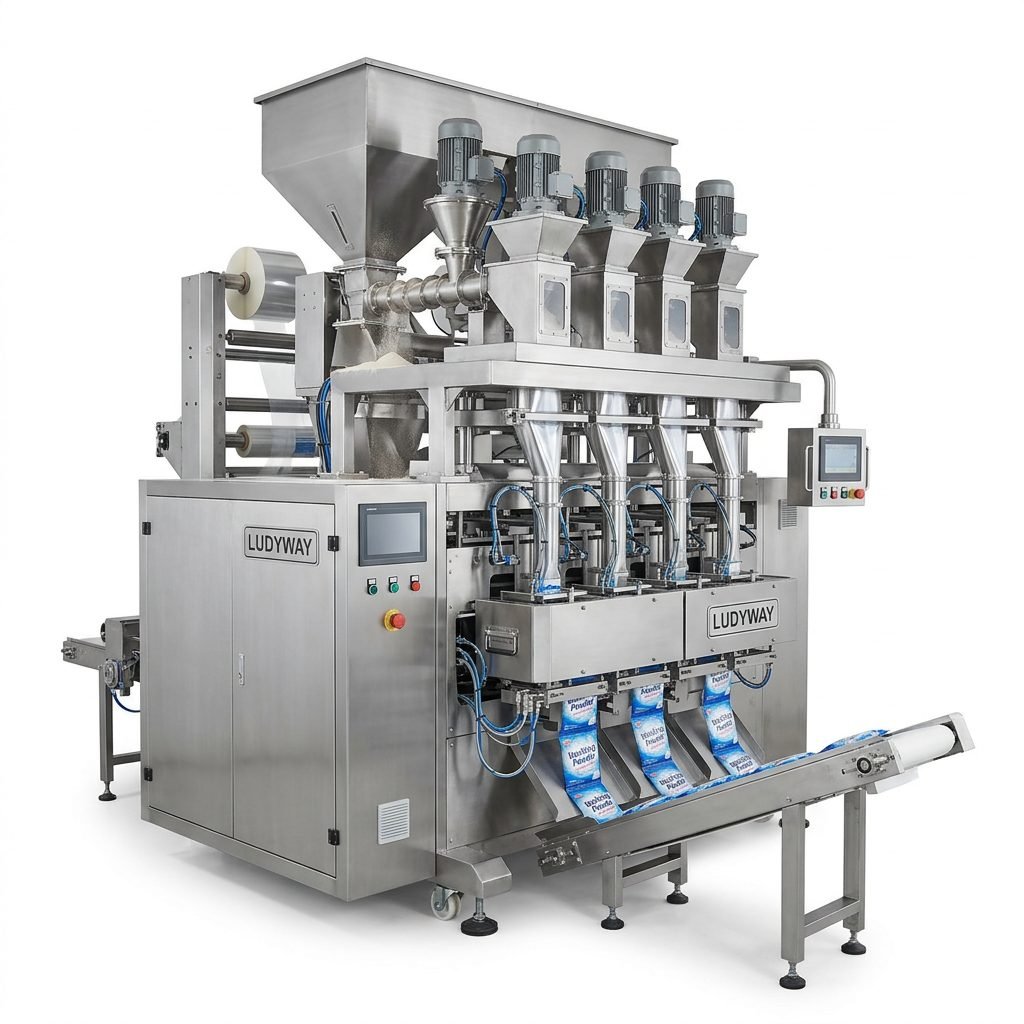
- Powders: Auger servo fillers integrated into fully automatic sachet lines to control dust and ensure accuracy.
- Liquids & Pastes: Piston pumps or magnetic flow meters feeding into pre-made pouch or stick pack lines.
Integration with Auxiliary Processing Equipment
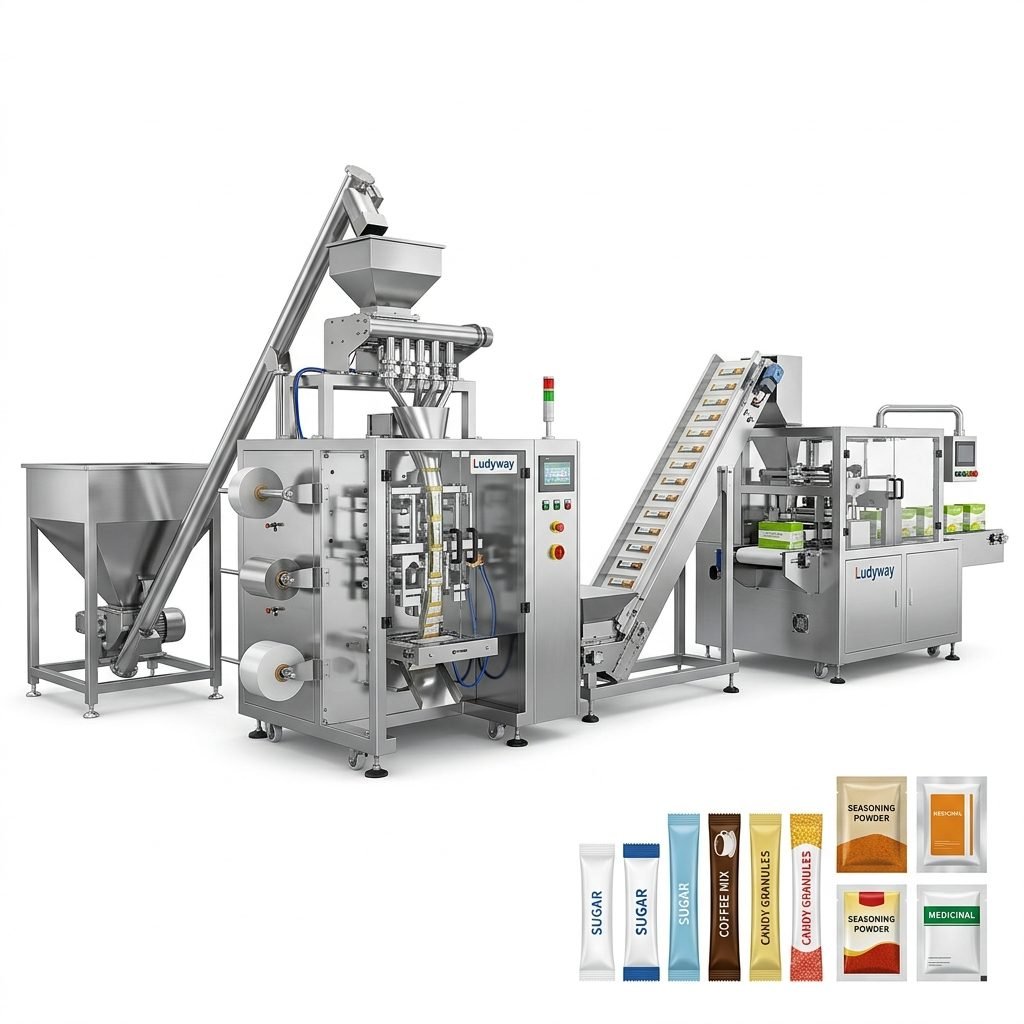
A production line is more than just the primary packaging machine. To ensure seamless continuous operation, you need to integrate upstream and downstream systems. This includes industrial conveyors for material handling, high-precision checkweighers, and automated carton erecters. The Level of Automation (LoA) should be defined early, balancing initial investment against long-term labor costs, which are significantly high in Western Europe.
Essential Auxiliary Modules
- Inclined conveyor systems for multi-level factory integration.
- Online dynamic checkweighers with reject stations to meet EU average weight rules.
- Industrial metal detectors compliant with HACCP standards.
- Thermal transfer printers for date and batch coding traceability.
Installation, Commissioning, and Validation (IQ/OQ)
Installation in Europe demands rigorous IQ (Installation Qualification) and OQ (Operational Qualification) protocols. You must document that the equipment is installed correctly and operates consistently within specified limits. Suppliers should provide comprehensive FAT (Factory Acceptance Testing) and SAT (Site Acceptance Testing) documentation.
Typical SAT Checklist for Packing Lines
| Test Parameter | Acceptance Criteria | Measurement Tool |
|---|---|---|
| Packaging Speed | ±2% of rated speed at stable voltage | Tachometer, Batch counter |
| Seal Integrity | No leakage under vacuum testing | Vacuum chamber, Dye penetration |
| Fill Accuracy | Standard deviation ≤ 1.0% of target weight | Calibrated scale, Statistical software |
Navigating Supply Chain and After-Sales Support
Downtime is the enemy of ROI. When setting up a packaging machine production line in Europe, prioritize partners who offer local or easy-reach technical support and spare parts warehousing. The European packaging sector is heavily networked through associations like PMMI and the Flexible Packaging Association, which provide industry benchmarks and standards.
Future-Proofing Your Investment
Digitalization is revolutionizing manufacturing. Consider machines equipped with IoT sensors for predictive maintenance and OPC-UA communication protocols to connect to your MES (Manufacturing Execution System). This aligns with Industry 4.0 principles, widely adopted across German and Italian packaging hubs.
For businesses seeking to source robust, high-performance machinery, working with experienced global suppliers is invaluable. Ludyway provides modern manufacturing backed by a 20,000㎡ production facility and over 30 years of industry expertise, delivering advanced packaging solutions to more than 100 countries worldwide.
Explore further technical insights in the PMMI Business Intelligence Library to stay ahead of market shifts and technology trends.