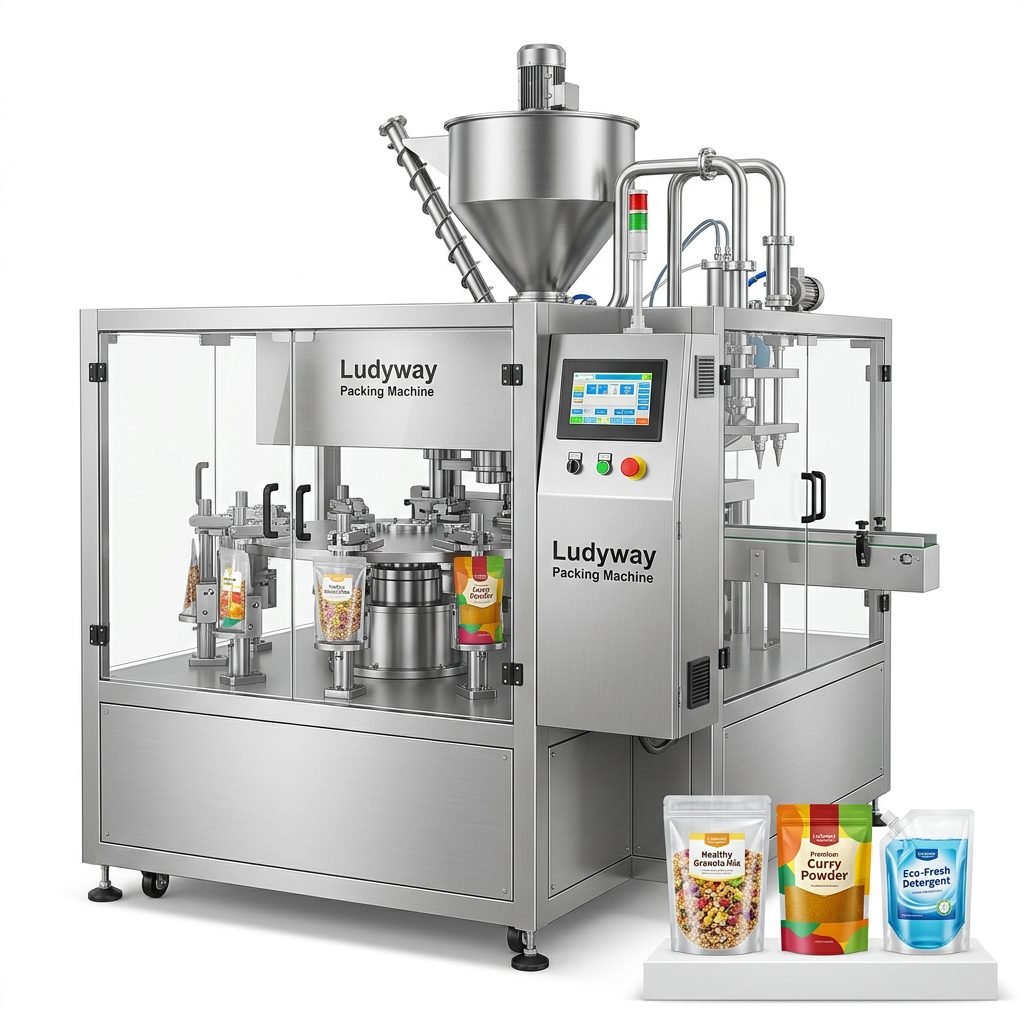
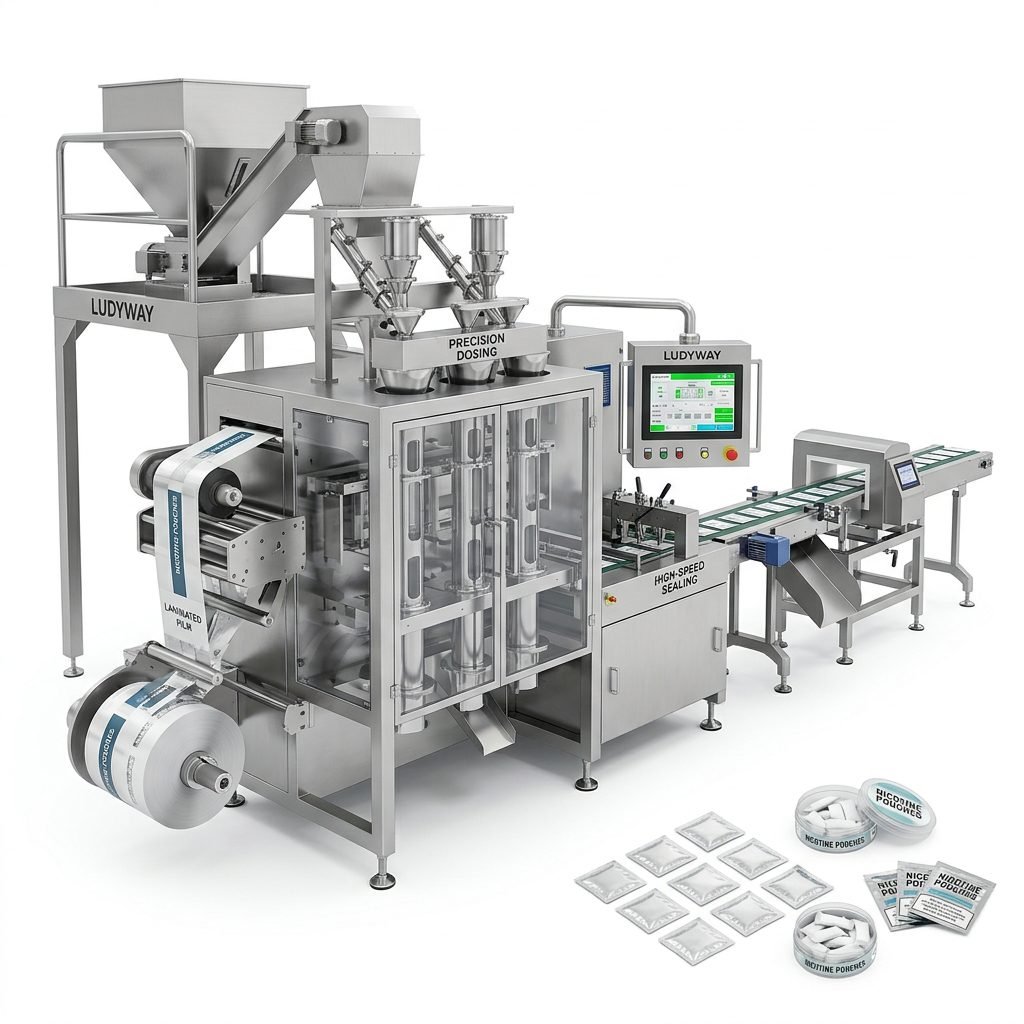
Establishing a chicken packaging machine production line in France requires meticulous planning, an understanding of local regulations, and access to high-performance equipment. Whether you are processing fresh poultry parts, frozen chicken, or marinated portions, the efficiency of your packaging line directly impacts product shelf life, distribution reach, and profitability. This guide walks you through the essential steps to set up a compliant and high-output chicken packaging operation in the French market.
Understanding French Regulatory Standards for Poultry Packaging
France strictly enforces EU food safety regulations, which govern every aspect of poultry processing and packaging. Your production line must comply with EC Regulation No. 852/2004 on the hygiene of foodstuffs, as well as EC Regulation No. 853/2004 laying down specific hygiene rules for food of animal origin. Key considerations include the use of food-grade materials, traceability systems, and cold chain integrity. Packaging machinery must be designed for easy cleaning and sanitation, adhering to EHEDG (European Hygienic Engineering & Design Group) guidelines. Before commissioning your line, ensure your facility and equipment meet the requirements of the French Directorate General for Food (DGAL) and the relevant departmental veterinary services. Non-compliance can lead to severe penalties and product recalls.
It is also critical to align with FDA food packaging principles if you plan to export, as well as European Commission packaging waste directives focused on sustainability and recyclability. French legislation increasingly favors eco-designed packaging, pushing manufacturers toward reduced plastic and mono-material films.
Choosing the Right Packaging Format for Chicken Products
Selecting the optimal packaging format is pivotal to your line’s success. Common formats for chicken in France include:
- Modified Atmosphere Packaging (MAP): Ideal for fresh chicken trays, extending shelf life by replacing oxygen with a protective gas mix.
- Vacuum Skin Packaging (VSP): Perfect for premium marinated cuts or sous-vide applications, offering a tight seal and extended freshness.
- Thermoformed Rigid Trays: Standard for retail portions, providing robust protection and excellent presentation on supermarket shelves.
- Flow Wrapping (Horizontal Form Fill Seal): Suited for frozen chicken products, chicken nuggets, or deli slices, offering high-speed wrapping with printed film for branding.
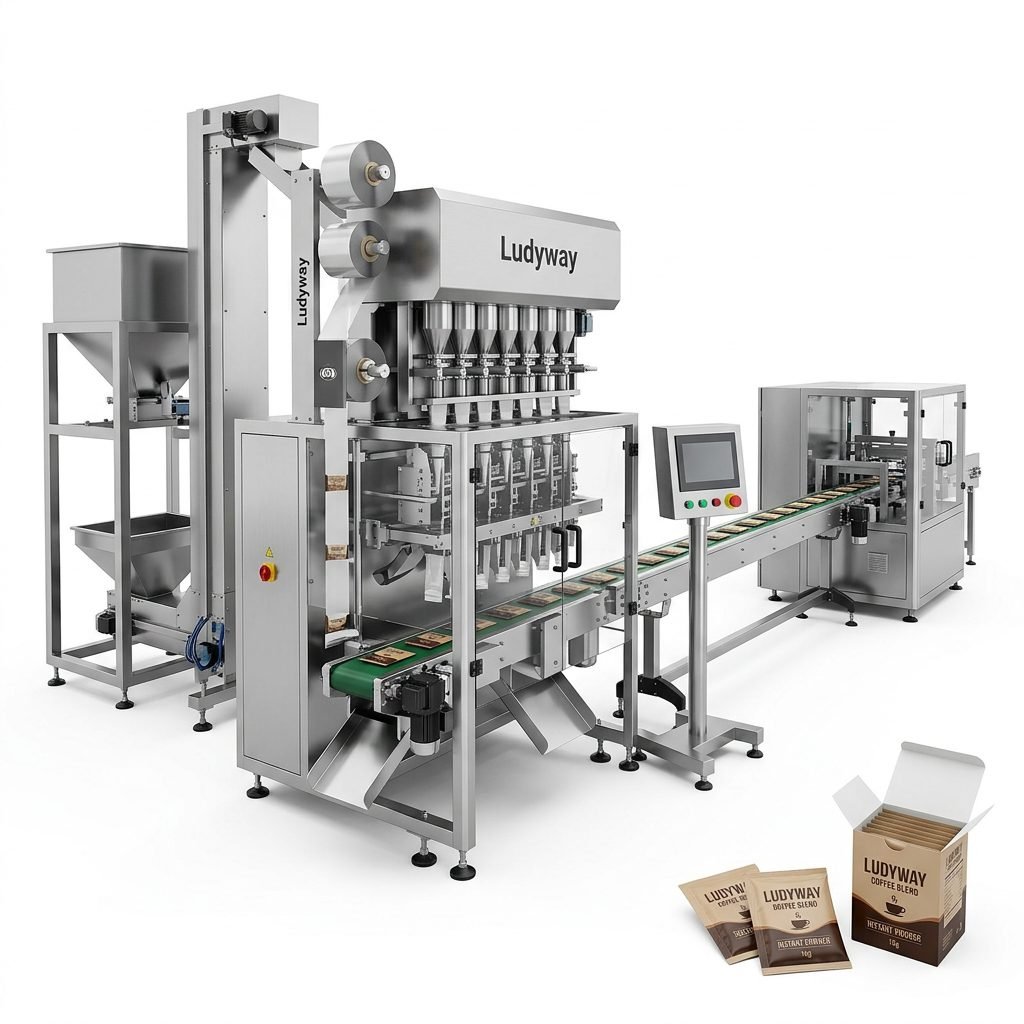
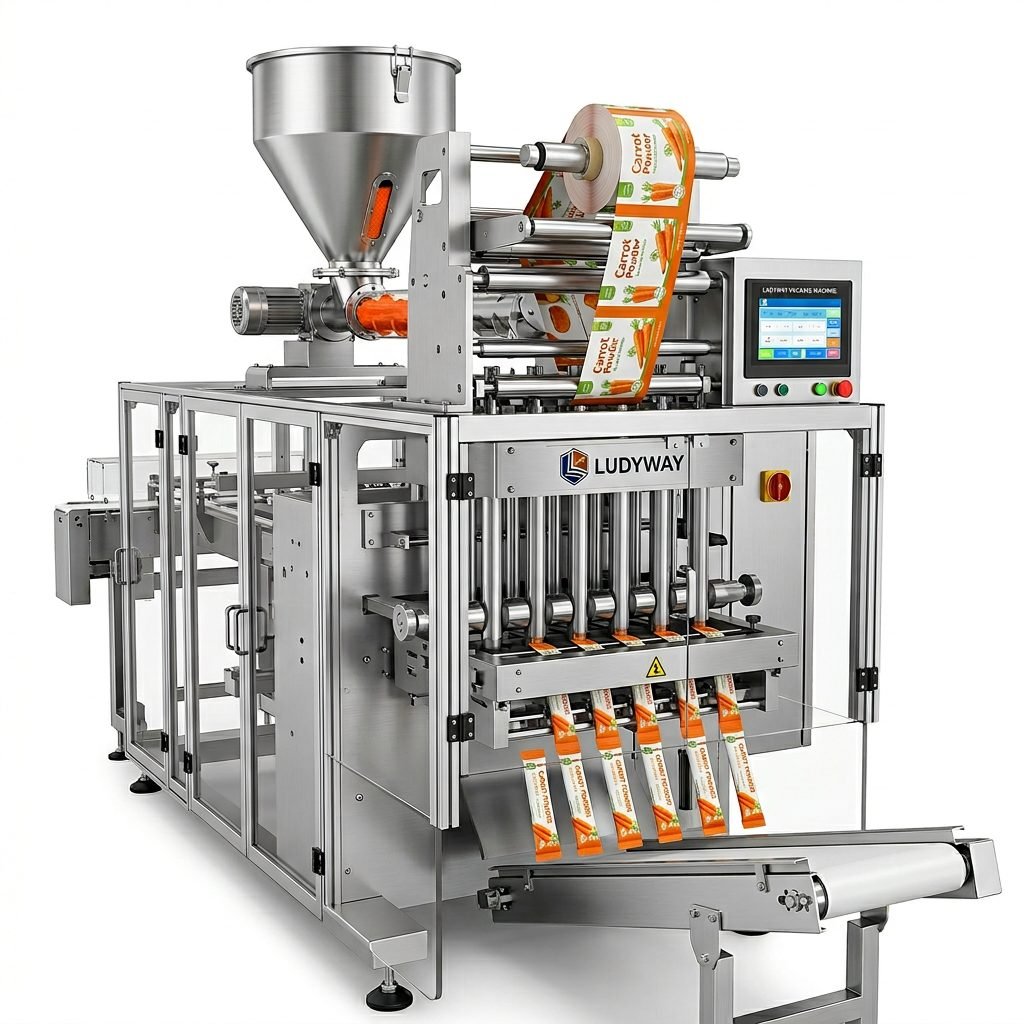
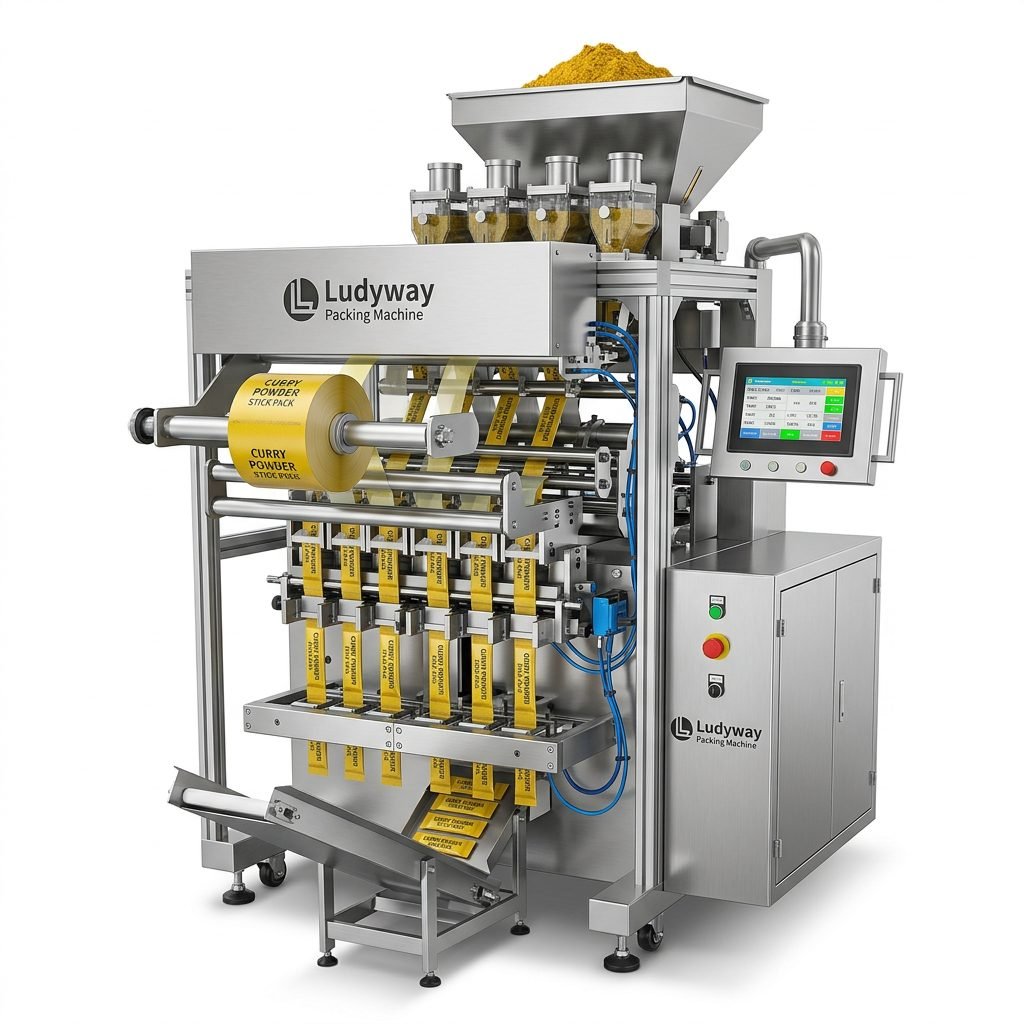
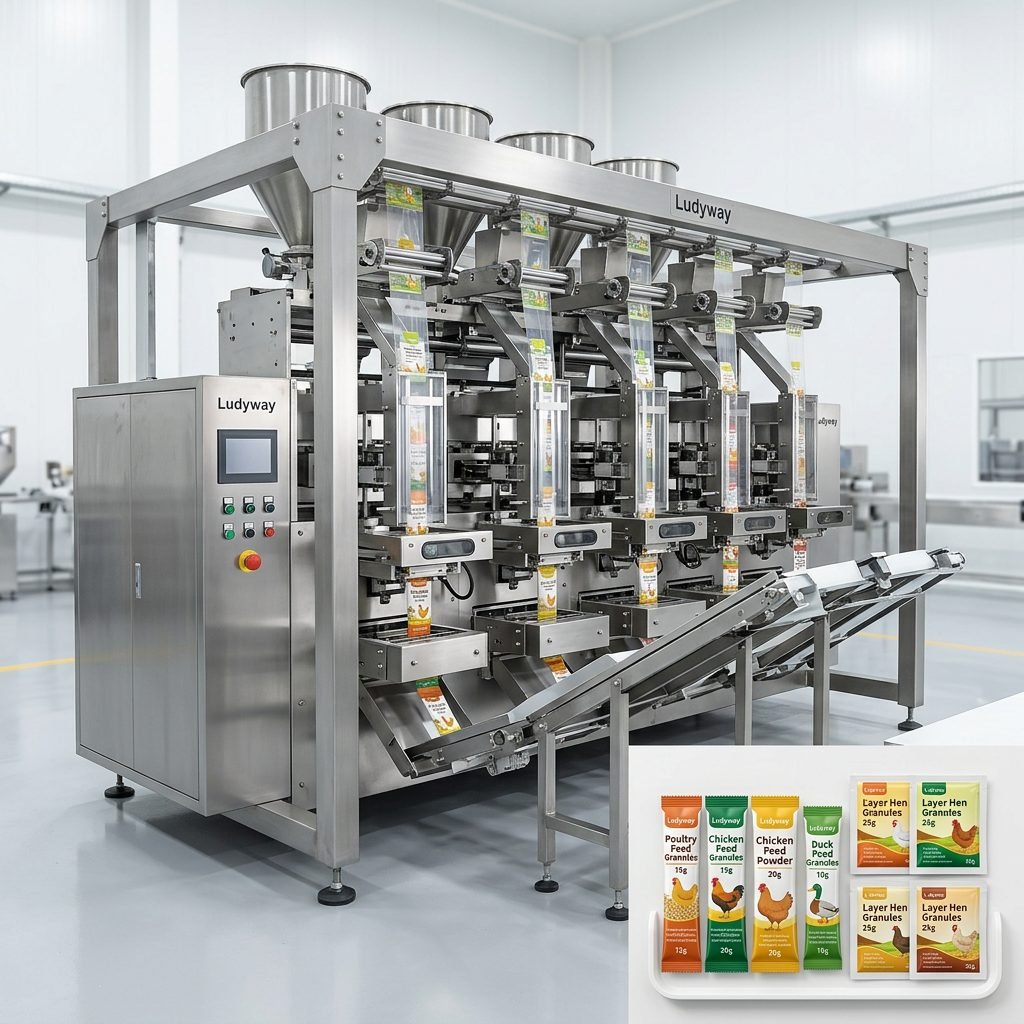
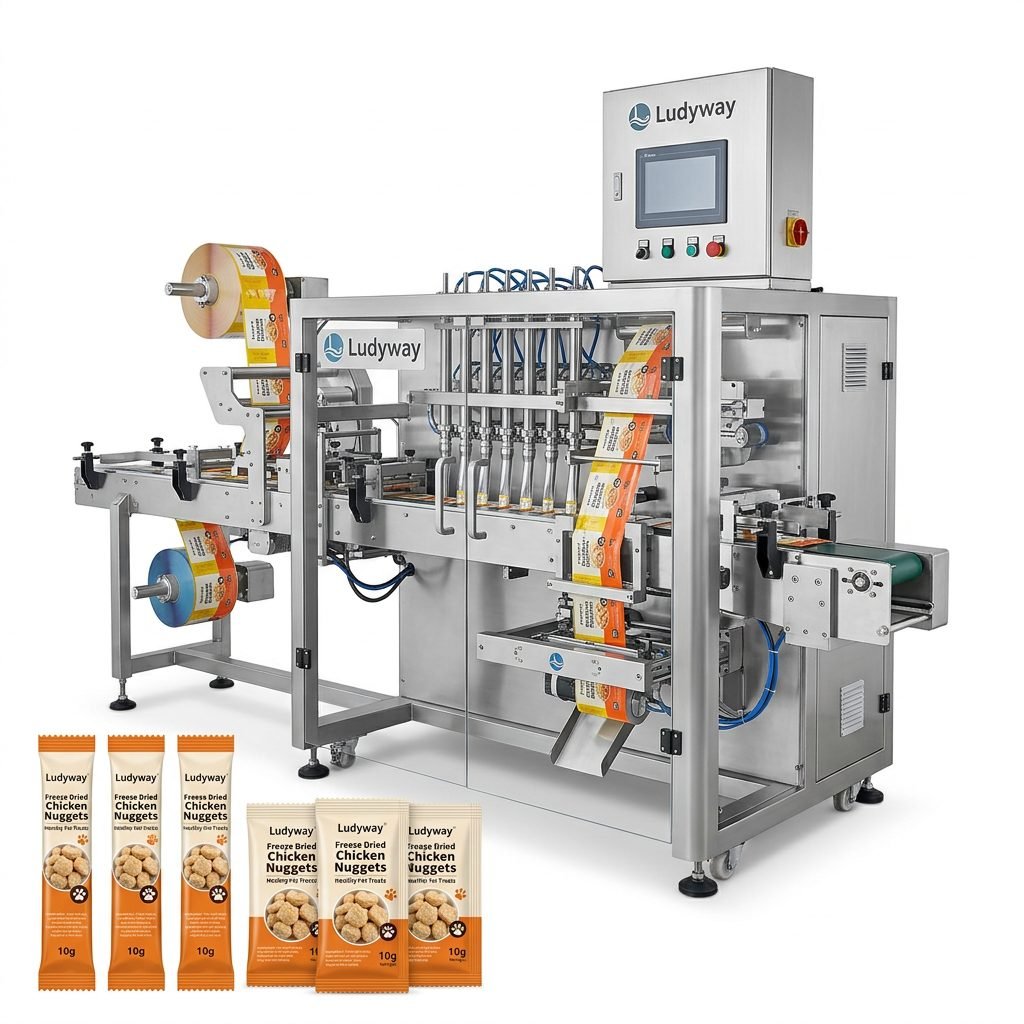
- Stick Pack and Sachet Formats: For single-serve chicken powders, bouillon, or dried pet food supplements containing chicken, multi-lane stick pack machines offer high-speed automation and portion control. A specialized chicken packaging machine configured for these formats can dramatically increase throughput.
The choice depends on your product’s shelf-life requirements, target distribution channels, and marketing strategy. For frozen exports, flow wrapping with high-barrier films is often preferred; for domestic supermarché lines, rigid trays with MAP remain the standard.
Core Machinery for an Automated Chicken Packaging Line
A fully automated production line integrates several critical pieces of equipment. Below is a typical configuration for a high-capacity tray packing line for fresh chicken:
| Process Stage | Recommended Equipment | Key Function |
|---|---|---|
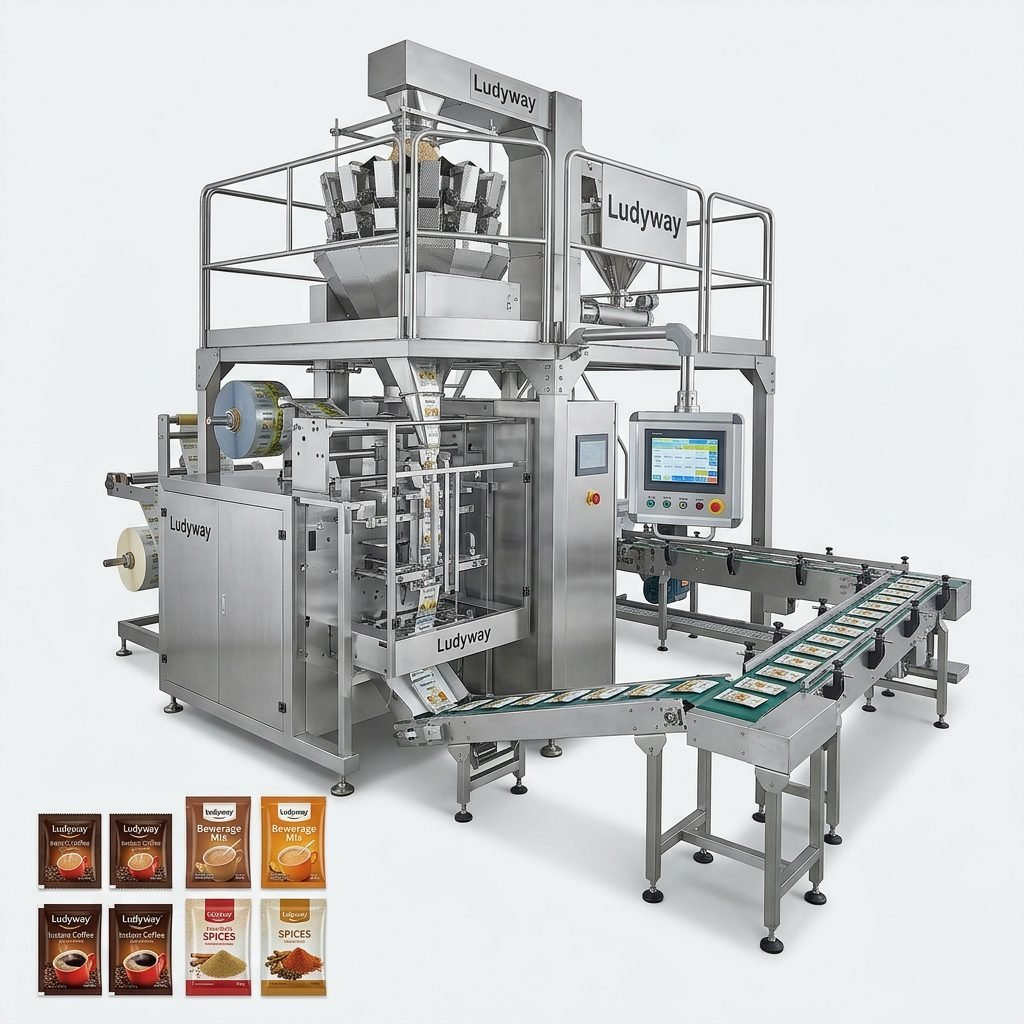
| Weighing & Distribution | Multi-Head Weigher / Checkweigher | Precise portioning to meet French poids net requirements |
| Tray Denesting | Automatic Tray Denester / Carton Erector | Reliable high-speed placement of trays or cartons |
| Filling | Conveyorized Filling Station | Gentle product transfer to maintain poultry cut integrity |
| Sealing | Tray Sealer (MAP/Vacuum) | Hermetic sealing with gas flushing for shelf-life extension |
| Inspection | X-Ray Inspection / Metal Detector | Detection of foreign bodies and seal integrity checks |
| Labeling & Coding | Automatic Labeler / Date Coding Machine | Application of EU-compliant labels (FR: DLC/DLUO) and batch codes |
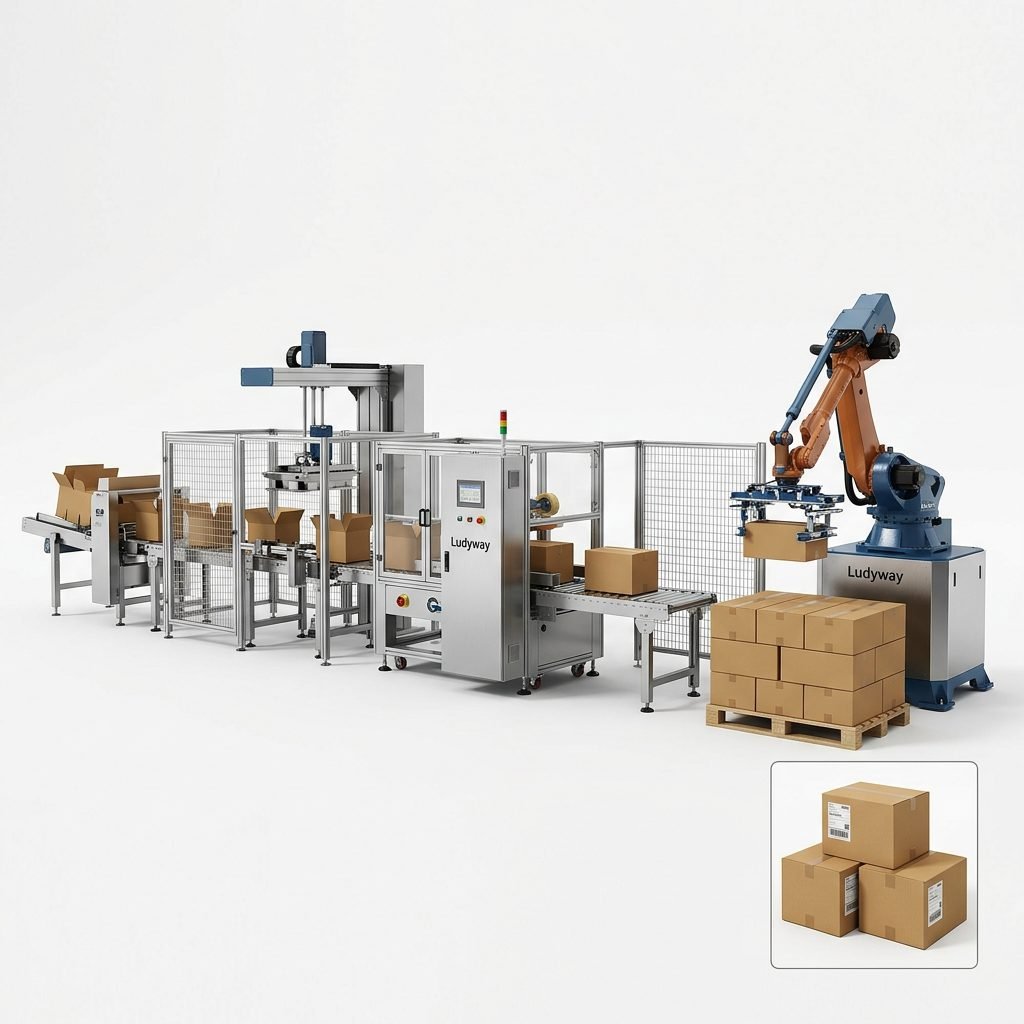
| End-of-Line | Case Packer / Palletizing Robot | Efficient case loading and pallet stabilization for logistics |
Facility Layout and Cold Chain Management
The layout of a chicken packaging facility in France must strictly separate “clean” and “dirty” zones to prevent cross-contamination. The production flow should be linear: raw material receiving → processing → primary packaging → secondary packaging → finished cold storage. Key design elements include:
- Temperature-Controlled Environments: Primary processing zones are typically maintained around +4°C, while frozen areas operate at -18°C or lower. Machinery must be capable of reliable operation in these conditions without hydraulic or pneumatic failures.
- Drainage and CIP Systems: Floors require adequate slope and drainage for washdown procedures. Cleaning-in-Place (CIP) capabilities on packaging machines significantly reduce downtime.
- Airflow Control: Positive air pressure in clean areas prevents airborne contaminants from entering.
- Ergonomic Access: Platforms and walkways must comply with French labor safety codes for operation and maintenance.
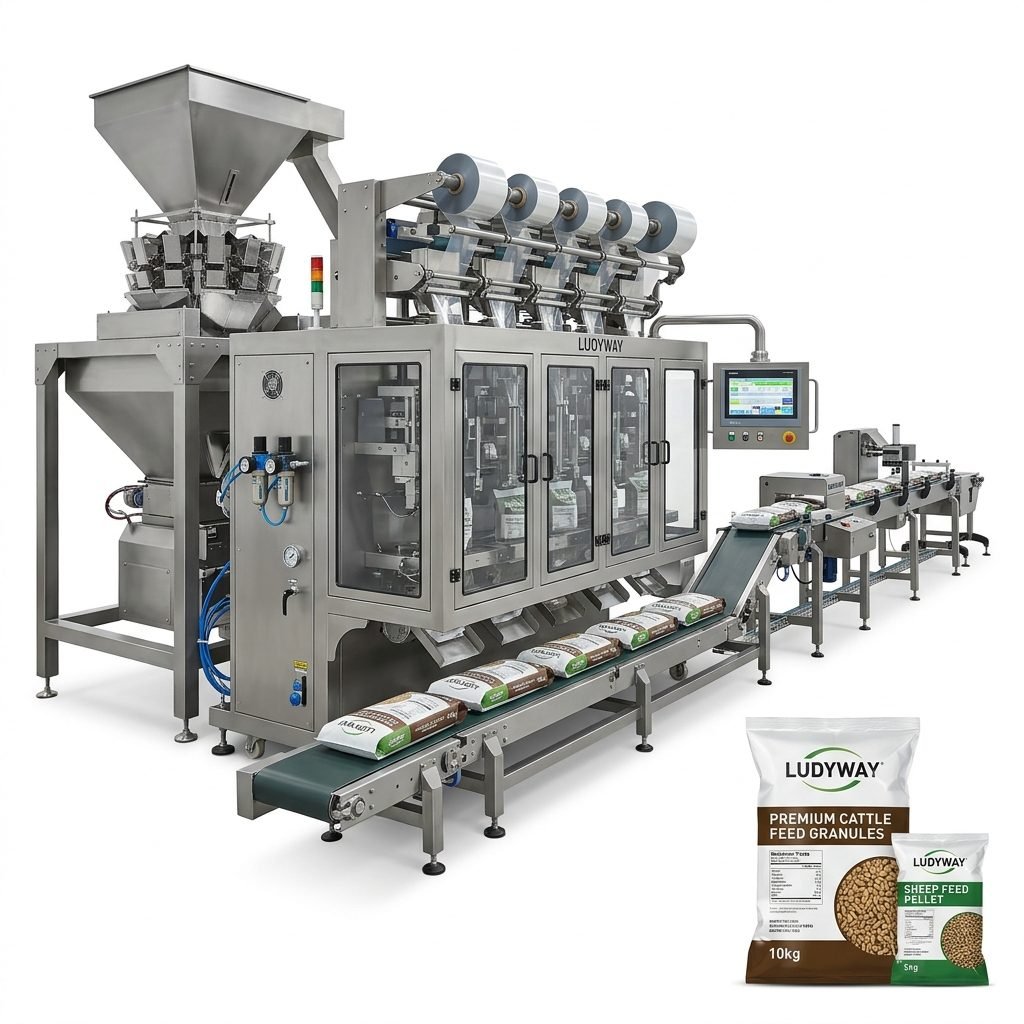
Integrating automated conveyors and robotic systems minimizes human contact with the product, enhancing both hygiene and efficiency. A well-designed layout can smoothly handle a typical output of up to 120 packs per minute for standard tray lines.
Integrating Automation and Smart Factory Features
Modern packaging lines in France benefit enormously from Industry 4.0 technologies. Smart sensors, IoT connectivity, and centralized control systems enable real-time monitoring of Overall Equipment Effectiveness (OEE). Key automation features include:
- Auto-reject systems for underweight packs or those failing metal detection.
- Servo-driven motors for precise film tension and cutting, minimizing material waste.
- Recipe management systems for rapid changeover between product SKUs (e.g., chicken breasts vs. thighs).
- Predictive maintenance alerts based on machine running parameters, reducing unplanned downtime.
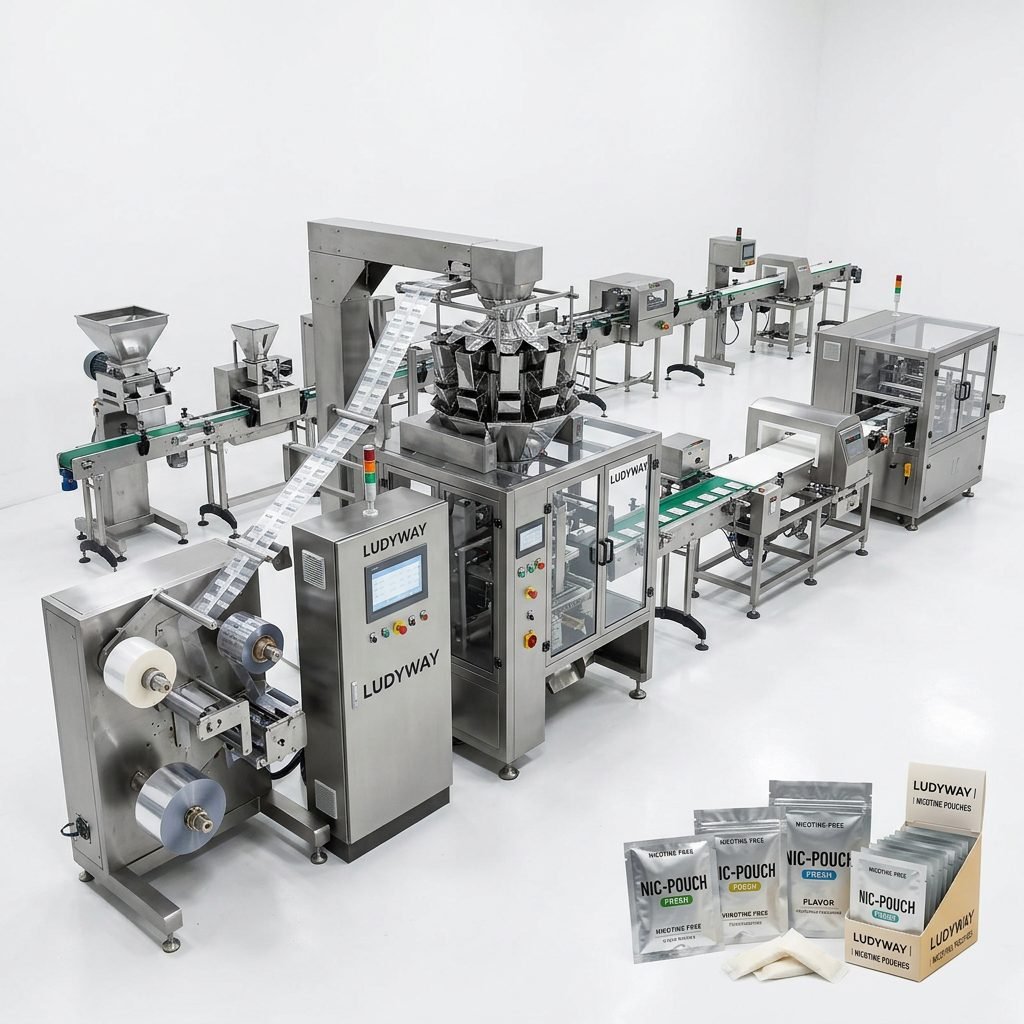
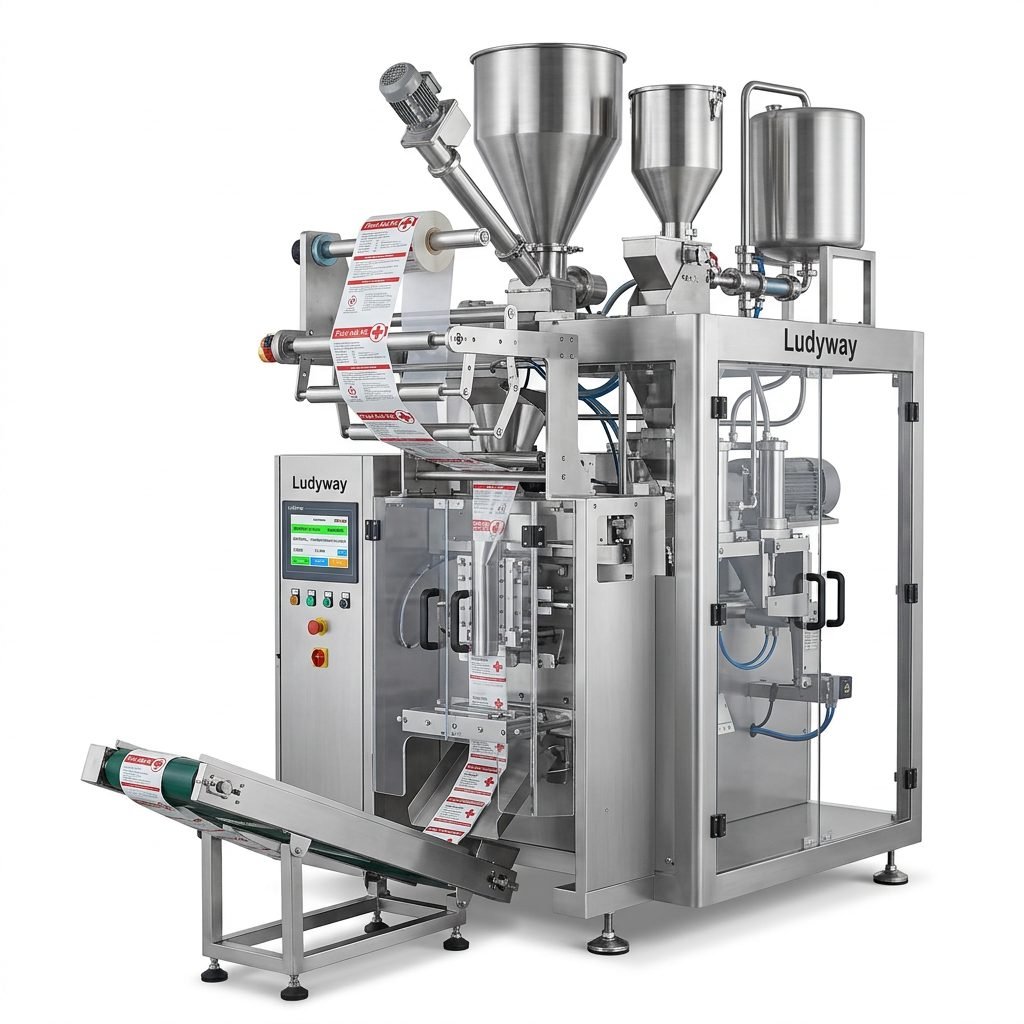
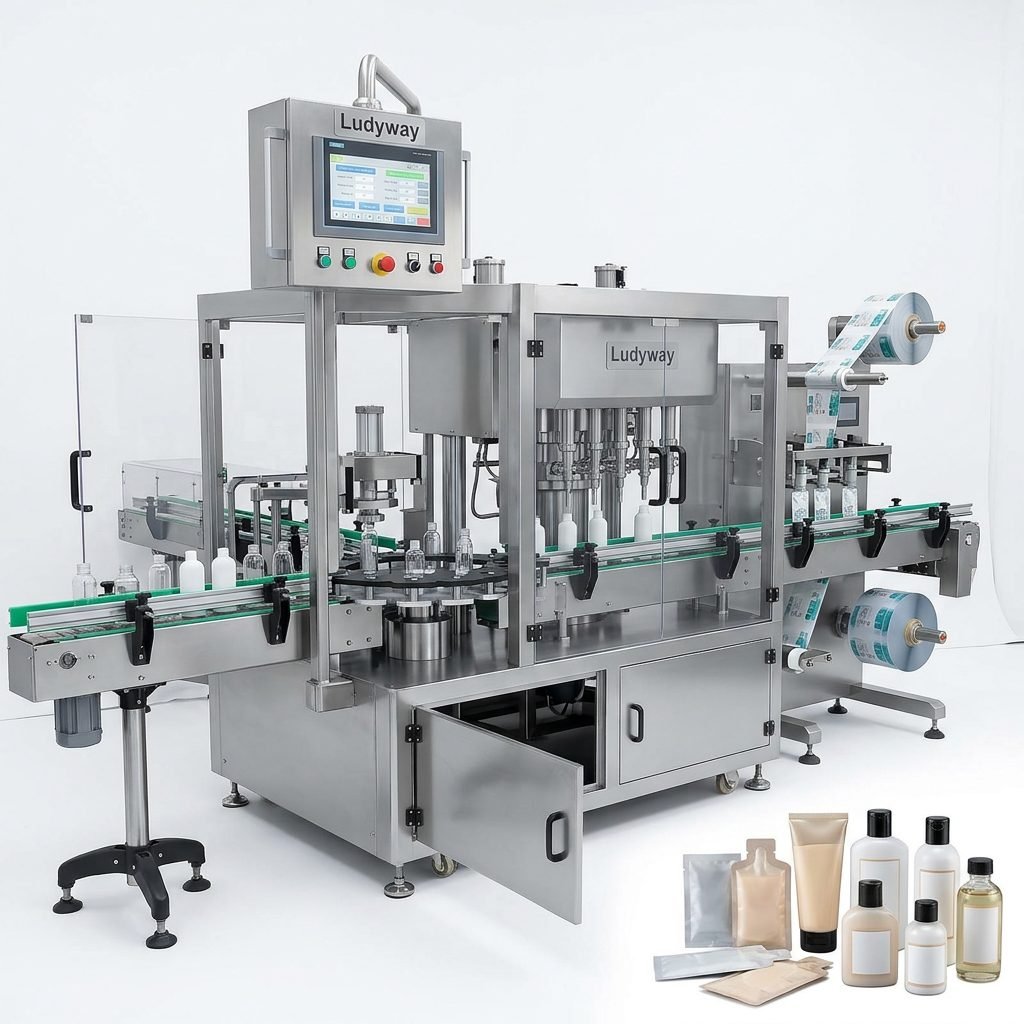
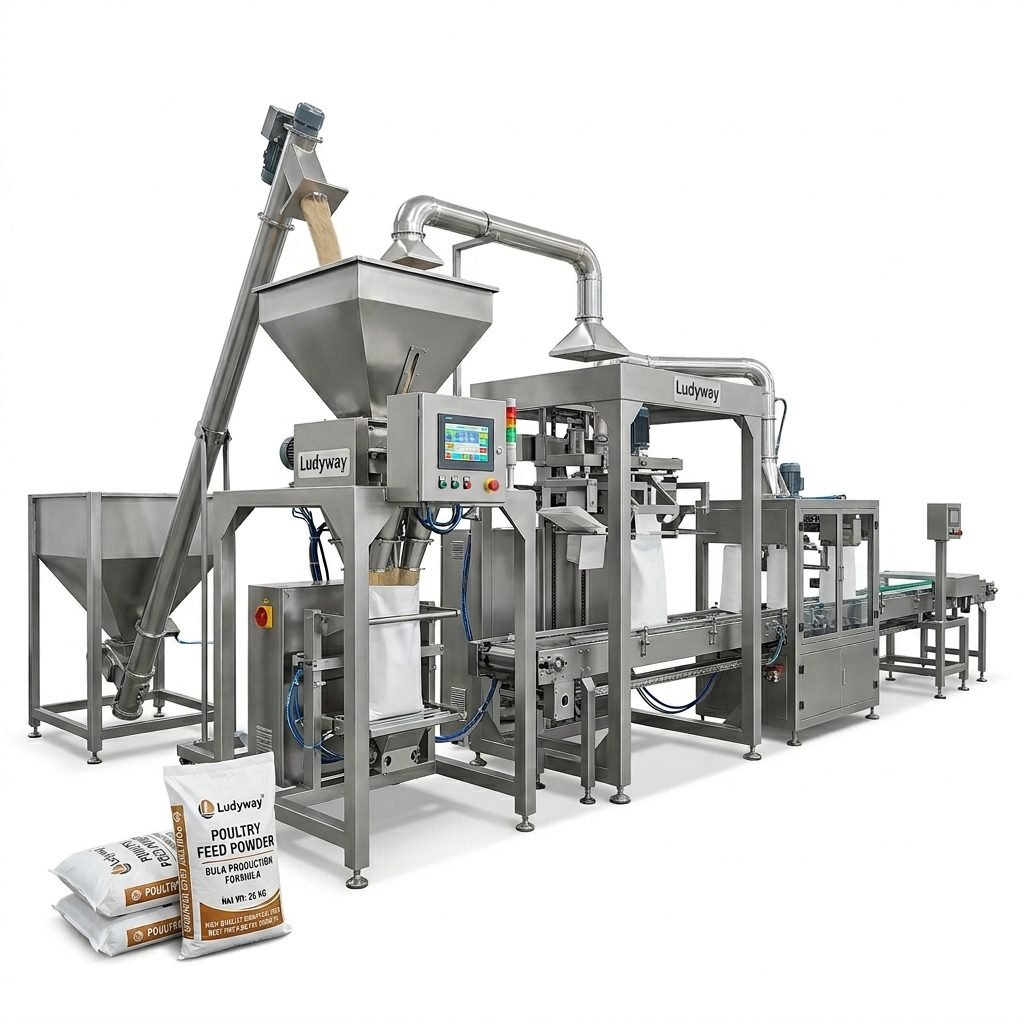
For turnkey projects, reputable suppliers like Ludyway provide integrated packaging solutions that encompass granule, powder, liquid, and solid applications, ensuring seamless automation from start to finish. However, for poultry-specific MAP lines, collaboration with a supplier experienced in European hygiene standards is essential.
Packaging Materials and Sustainability Compliance
France is at the forefront of the fight against single-use plastics. The AGEC Law (Anti-Waste for a Circular Economy) and the 2025 European PPWR (Packaging and Packaging Waste Regulation) significantly impact material choices. For chicken packaging, the shift is toward:
- Recyclable Mono-Material Trays: APET or high-clarity PP trays replacing traditional multi-layer laminates.
- Top Film with Recycled Content: Permission for recycled PET (rPET) in food contact materials, subject to EFSA approval.
- Paper-Based Barrier Solutions: Emerging rigid and flexible formats utilizing dispersion coatings for grease and moisture resistance.
Your chosen packaging machinery must be compatible with these evolving materials, which often have different sealing and forming characteristics compared to conventional plastics. Testing machine parameters with new sustainable films is a critical step before finalizing your line investment.
Project Timeline and Installation Best Practices
Setting up a chicken packaging line in France typically follows a structured timeline:
- Months 1-2: Feasibility study, hygiene risk assessment, and supplier selection.
- Months 3-5: Equipment design, customization, and Factory Acceptance Testing (FAT) at the manufacturer’s site.
- Months 6-7: Shipping, installation, and utility hookup at your French facility.
- Month 8: Site Acceptance Testing (SAT), operator training, and DGAL validation.
- Month 9: Trial production runs, packaging validation, and full-scale production.
Working with a PMMI business intelligence resource or local French food industry consultants can greatly streamline the process. Ensure that your equipment comes with comprehensive documentation in French, including CE declarations of conformity, maintenance manuals, and safety protocols compliant with ISO 11607 for packaging validation.
Key Performance Indicators (KPIs) to Track
Once operational, monitoring the right KPIs ensures continuous improvement. Critical metrics include:
- OEE (Overall Equipment Effectiveness): Targets should exceed 80% for a well-optimized line.
- Packaging Material Waste: Stringently manage film and tray waste to reduce costs and environmental impact.
- Microbiological Compliance Rate: Regular swabbing and product testing to maintain food safety.
- Downtime per Shift: Differentiate between planned maintenance and unplanned stoppages.
Integrating an ISO packaging standard management system helps maintain consistent quality and facilitates audits from French authorities.