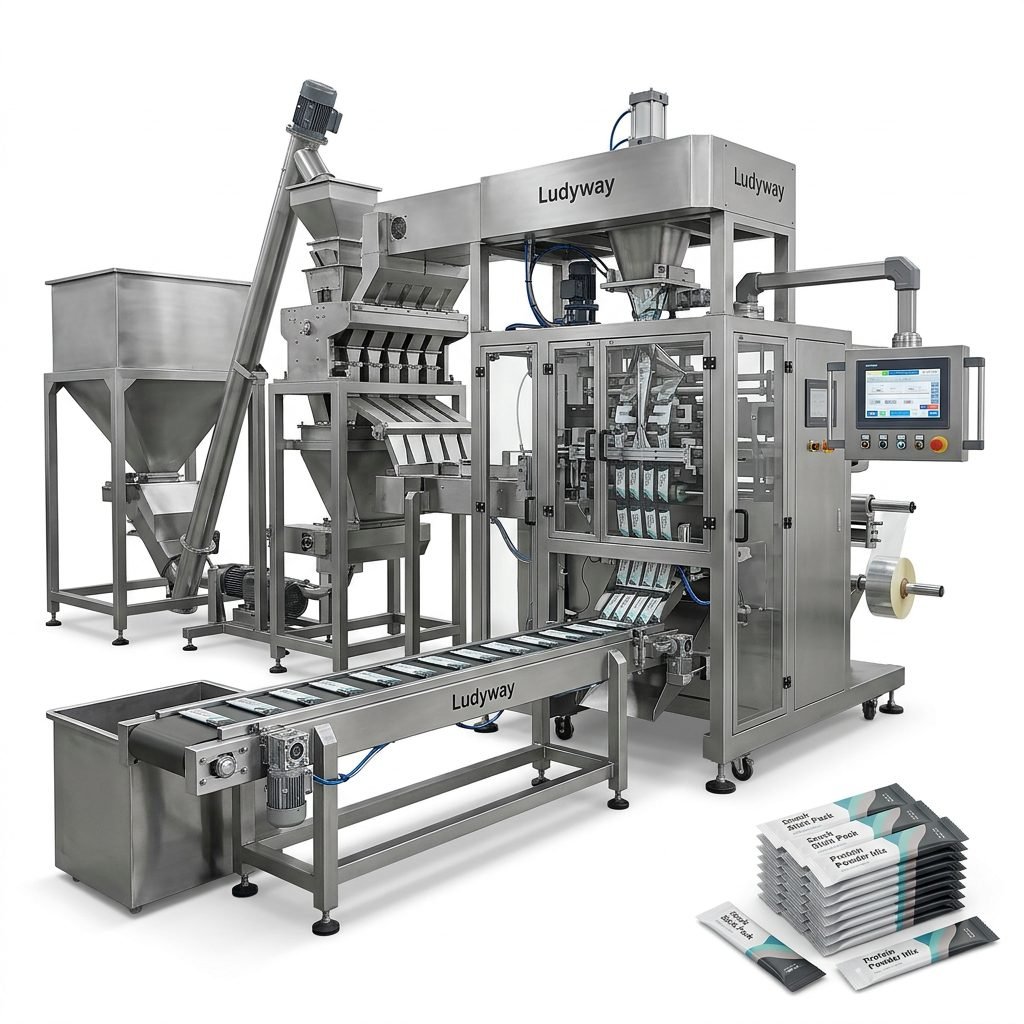
The global coffee industry continues to expand at an unprecedented pace, with the International Coffee Organization reporting steady growth in consumption across emerging markets in Asia, the Middle East, and Africa. For roasters and manufacturers looking to scale their operations internationally, setting up a coffee bean packaging machine production line that meets diverse regulatory standards, cultural preferences, and logistical demands is both a strategic imperative and a complex engineering challenge. This comprehensive guide walks you through every critical phase of establishing a packaging line optimized for global distribution, from equipment selection and layout design to compliance with international food safety regulations.
Understanding the Global Coffee Packaging Landscape
Before investing in machinery, it is essential to understand how global market requirements shape packaging decisions. Different regions demand different packaging formats. In North America and Europe, multi-lane stick packs and single-serve sachets dominate the retail coffee segment, driven by convenience culture and on-the-go consumption. In contrast, markets across Southeast Asia and Latin America often favor larger family-size pouches or bulk packaging. A well-configured packaging machinery production line must accommodate multiple bag formats, materials, and closure types without compromising throughput speed.
Key considerations include the type of coffee product being packaged—whole beans, ground coffee, or freeze-dried granules—as each presents unique handling characteristics. Whole beans require gentle conveying to minimize breakage, while ground coffee demands dust-controlled environments and precise filling accuracy to maintain product consistency and shelf appeal. Freeze-dried coffee granules, with their irregular particle size and hygroscopic nature, call for specialized feeding systems and moisture-barrier packaging films.
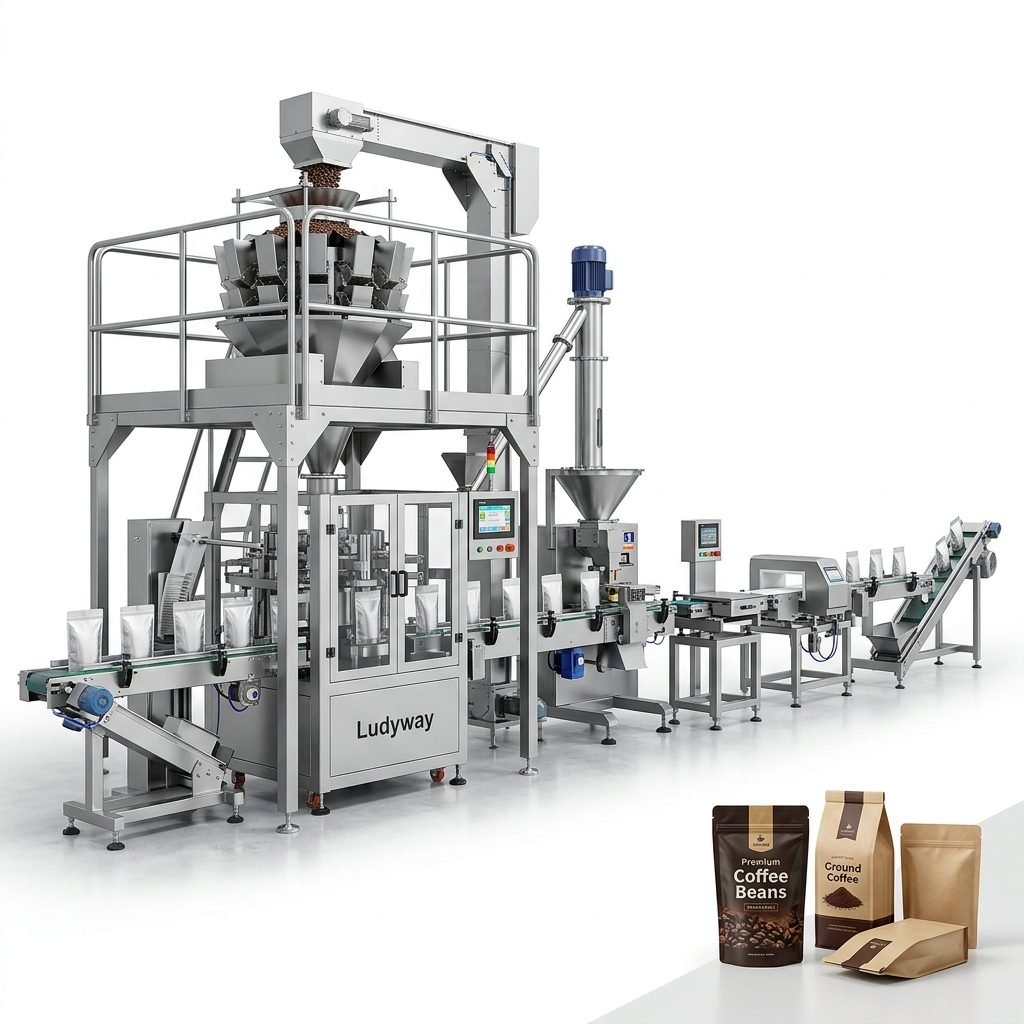
Key Components of a Coffee Bean Packaging Production Line
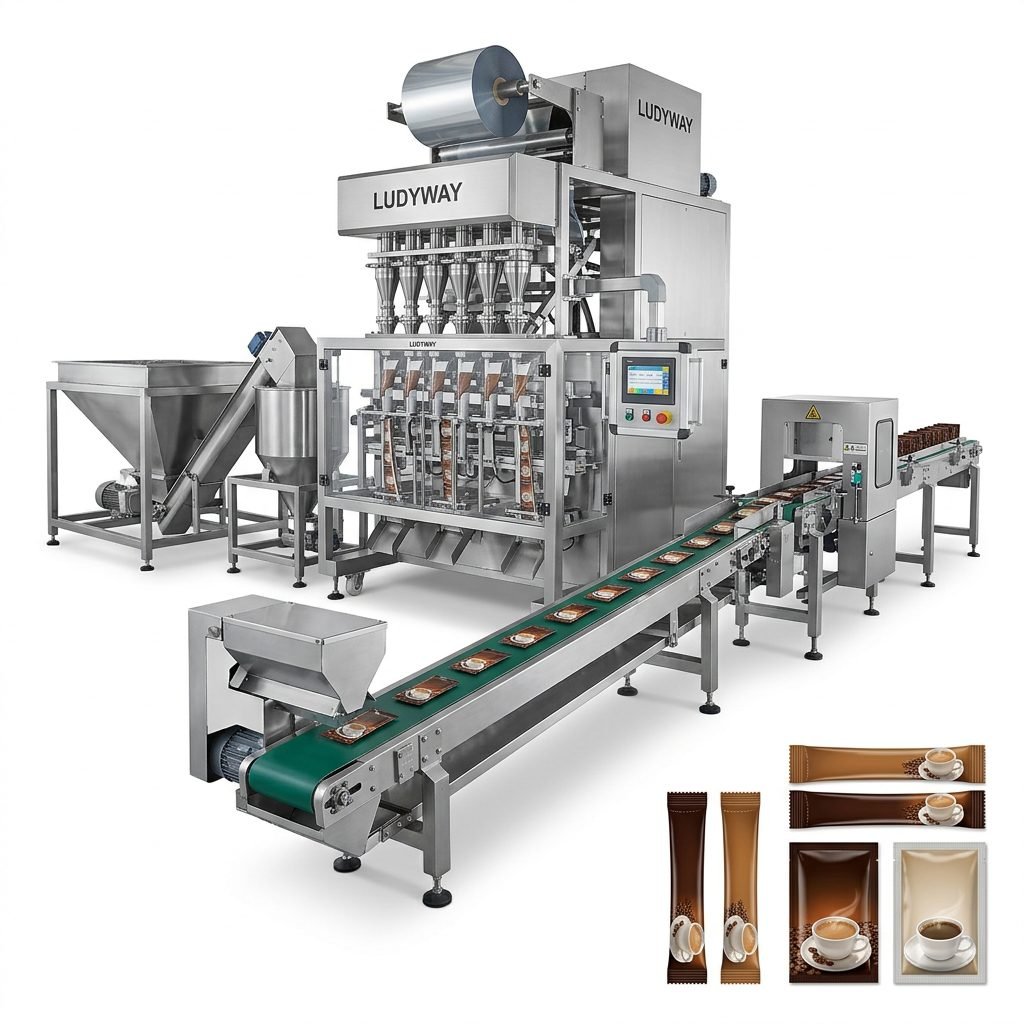
A high-performance coffee packaging production line is an integrated system comprising multiple interconnected modules. Each component must be carefully selected and calibrated to work in harmony. Below are the essential subsystems that form the backbone of any modern coffee packaging operation targeting international markets.
Feeding and Conveying Systems
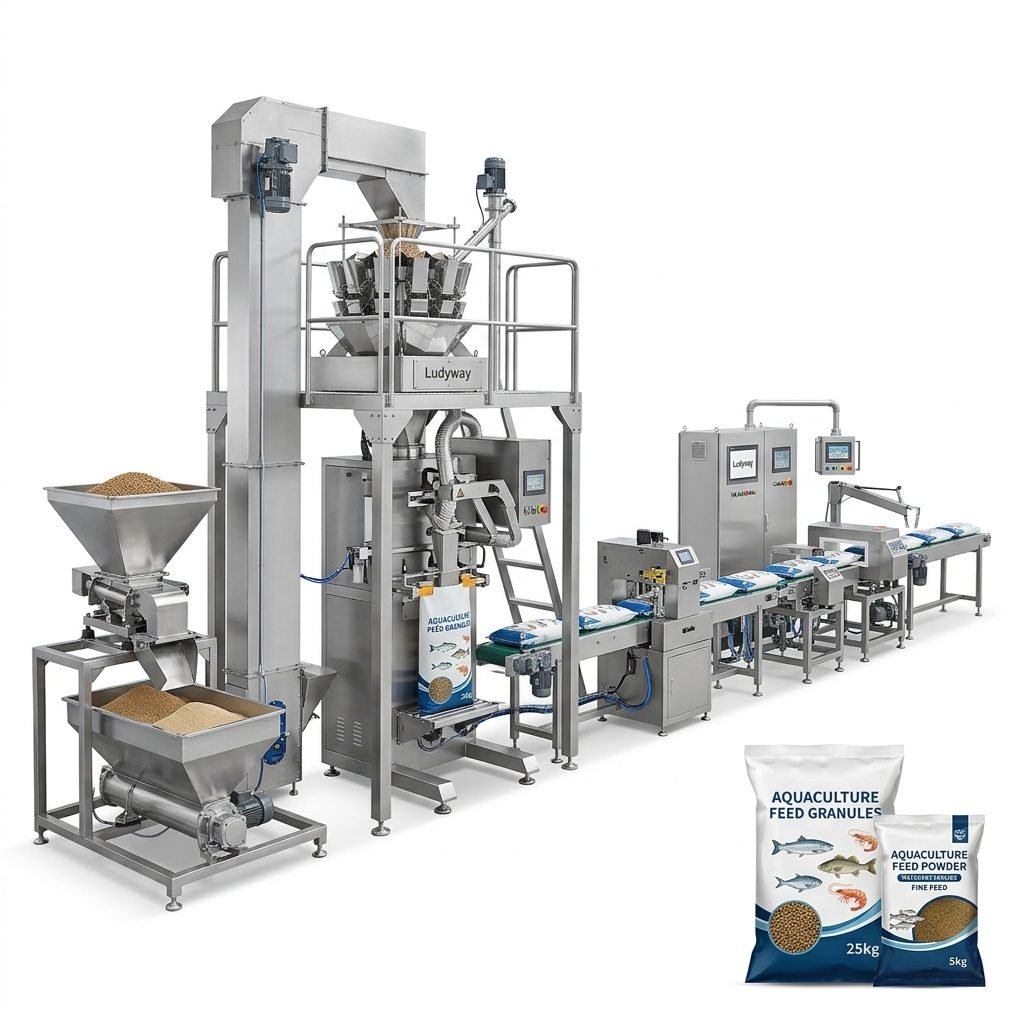
The feeding system is the starting point of any packaging line and must be engineered to handle the specific density and flow characteristics of coffee products. Z-type bucket elevators and inclined conveyor systems are commonly employed to transport coffee beans or ground coffee from storage hoppers to the packaging machine infeed. For operations handling multiple coffee varieties, flexible packaging line configurations with quick-changeover features allow seamless switching between product types without cross-contamination. Dust extraction systems integrated into the conveying pathway are critical for ground coffee lines to maintain a clean production environment and protect operator health.
Weighing and Filling Mechanisms
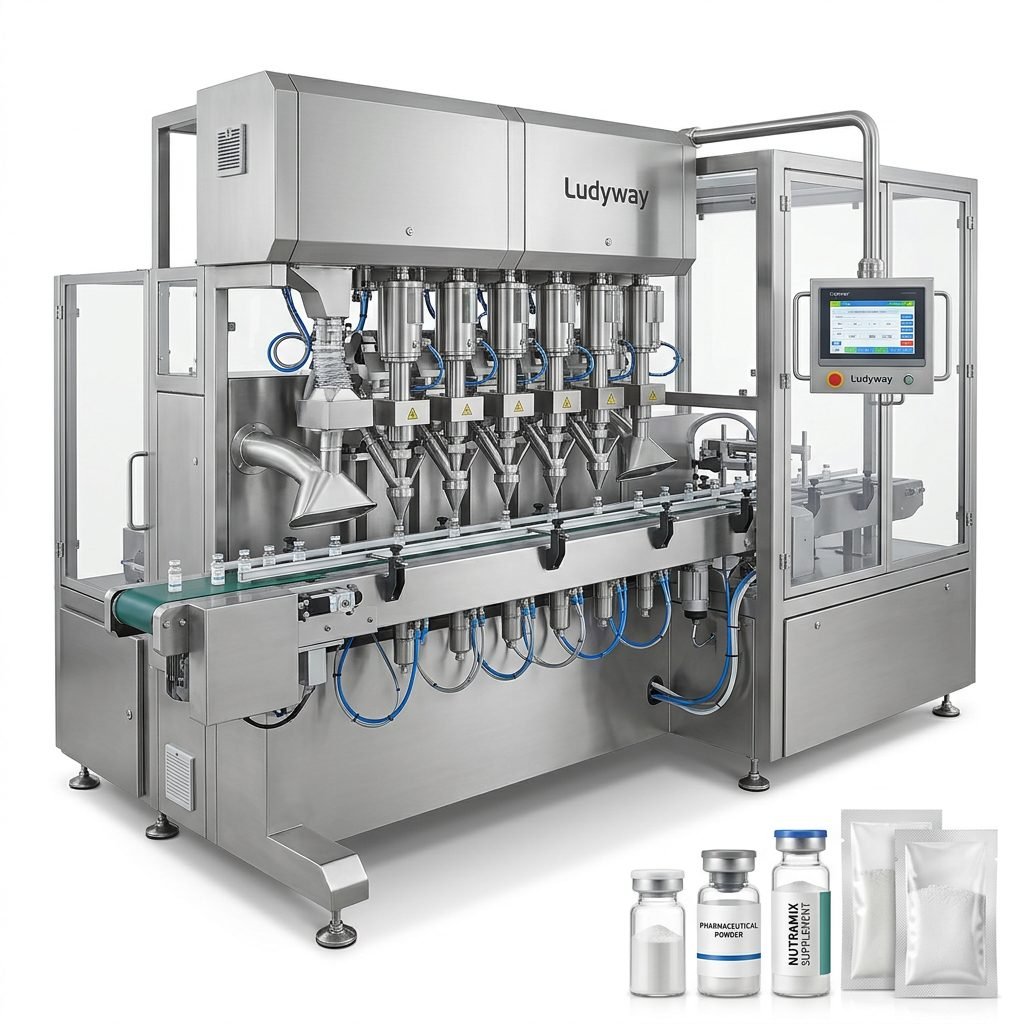
Precision in fill weight is non-negotiable for global markets, where legal metrology regulations such as the European Measuring Instruments Directive (MID) and U.S. NIST Handbook 133 impose strict tolerances. Multi-head weighers with advanced load cell technology deliver exceptional accuracy for coffee beans and granules, achieving fill speeds of up to 120 cycles per minute on high-capacity lines. For ground coffee and fine powder products, auger fillers with servo-driven controls provide volumetric dosing precision, often paired with checkweighers that automatically reject underweight or overweight packs. Real-time weight feedback loops ensure continuous compliance and minimize product giveaway, directly impacting profitability in competitive export markets.
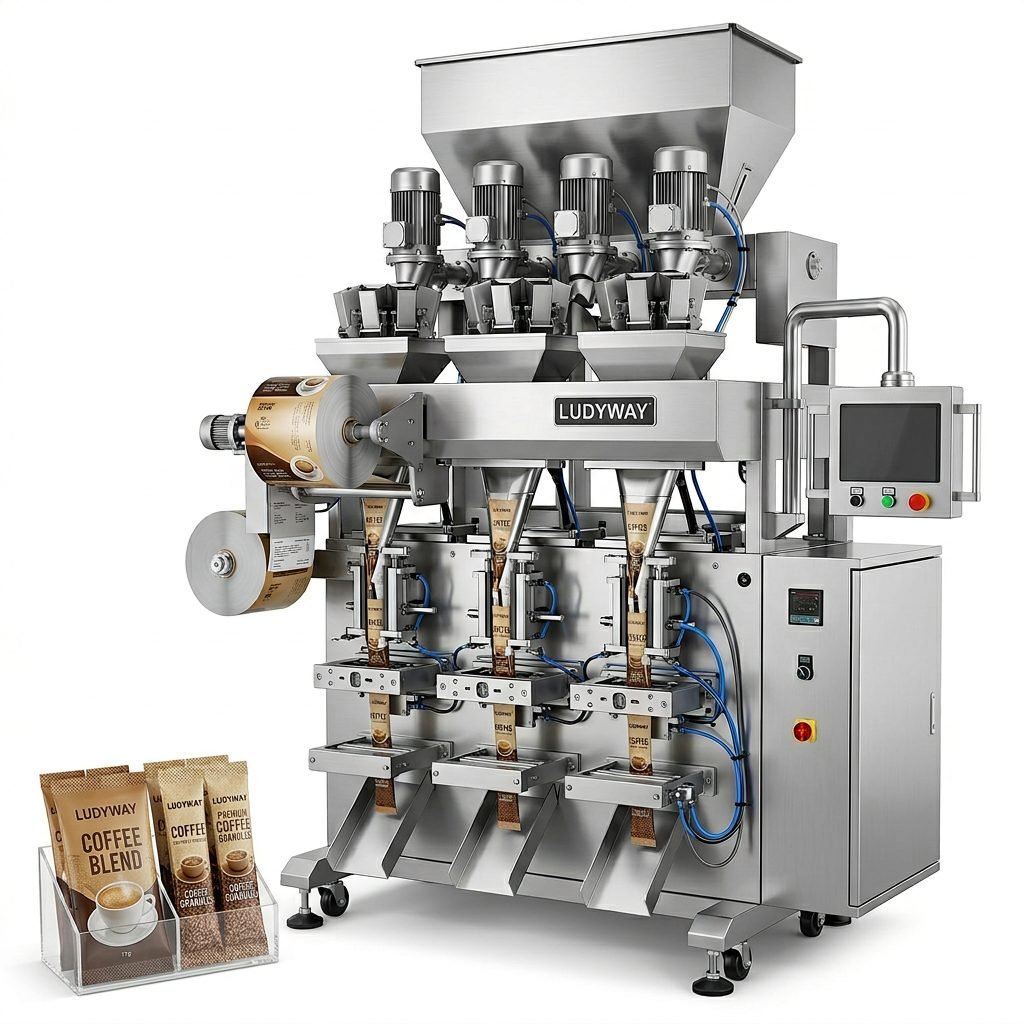
Multi-Lane Stick Pack and Sachet Machines
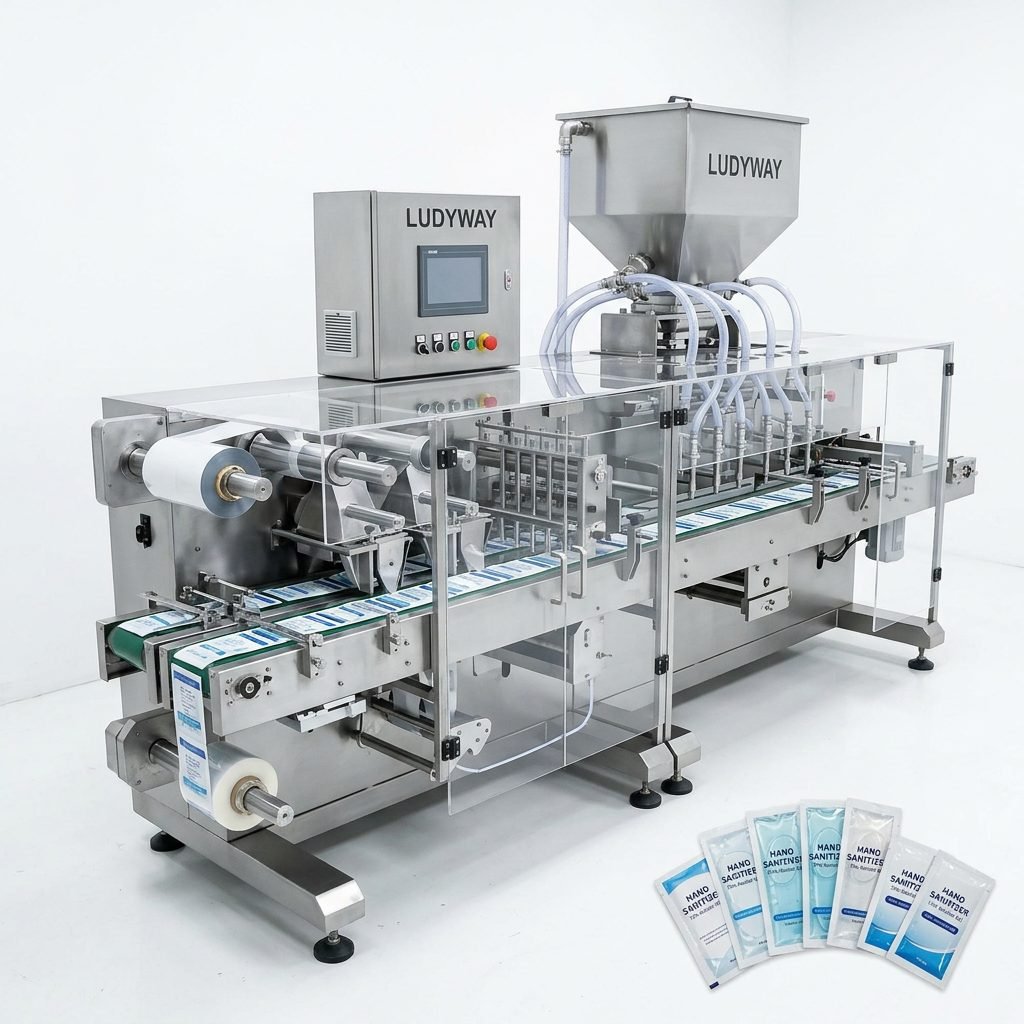
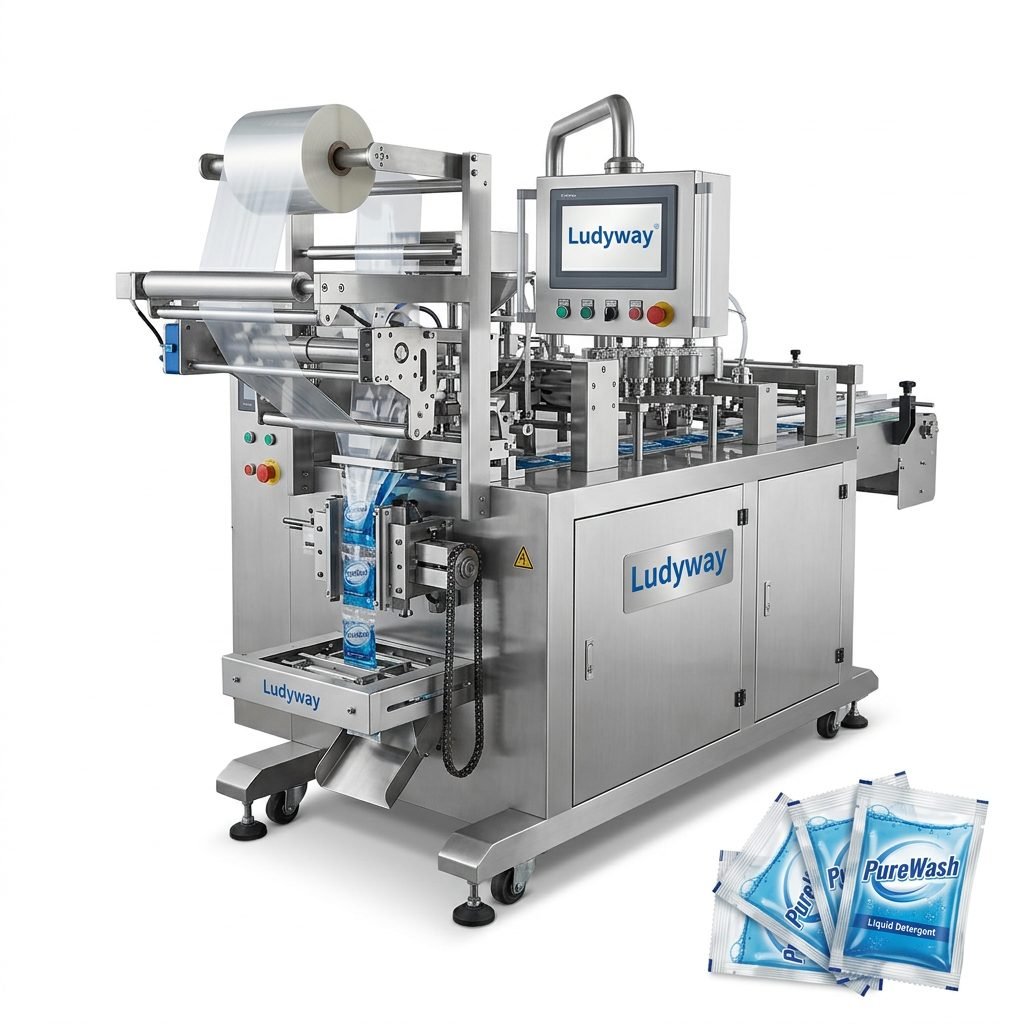
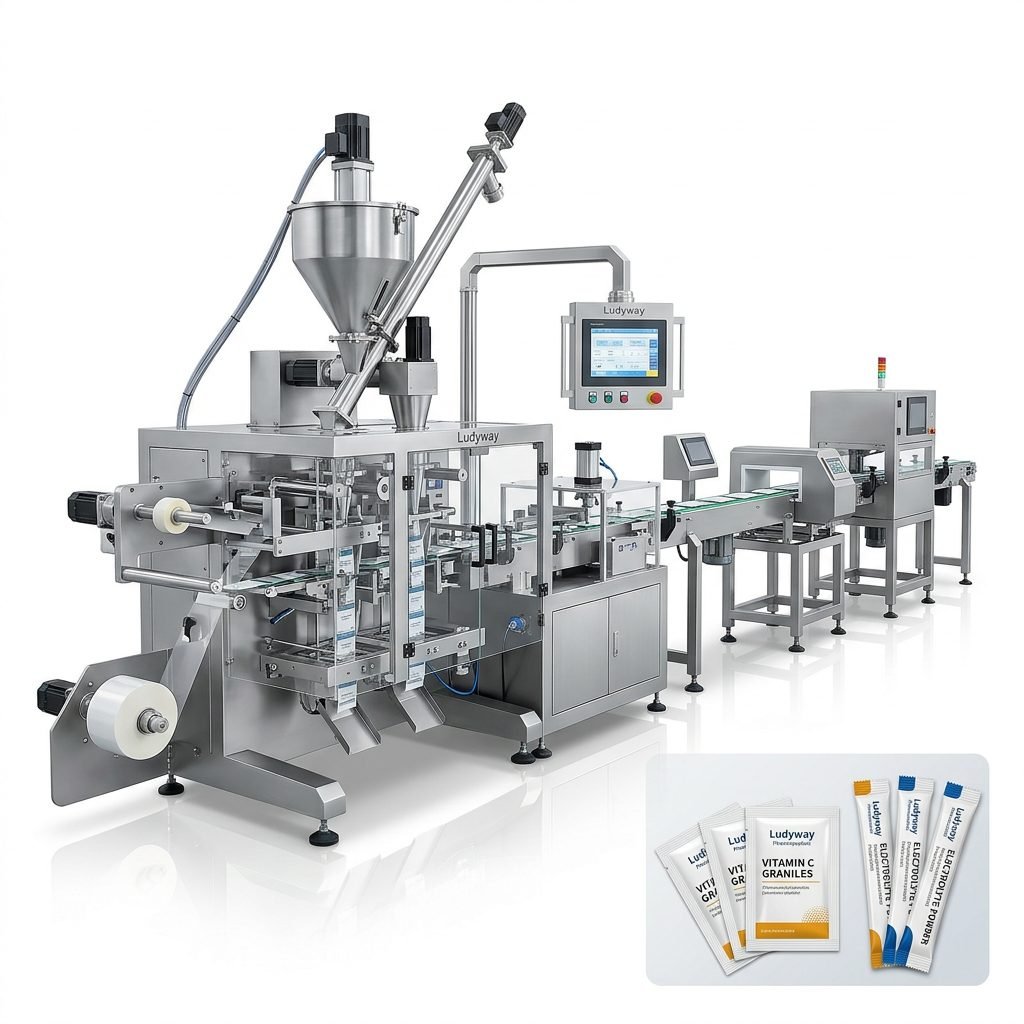
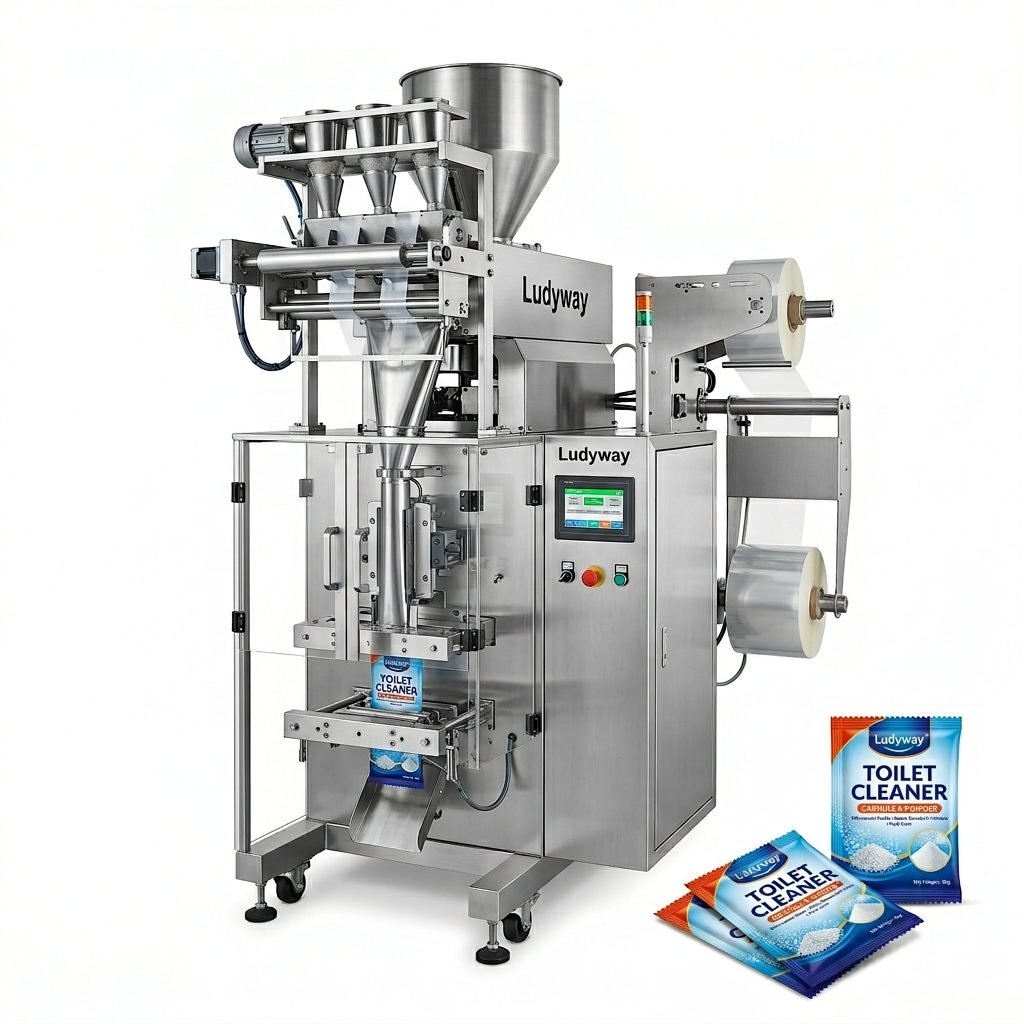
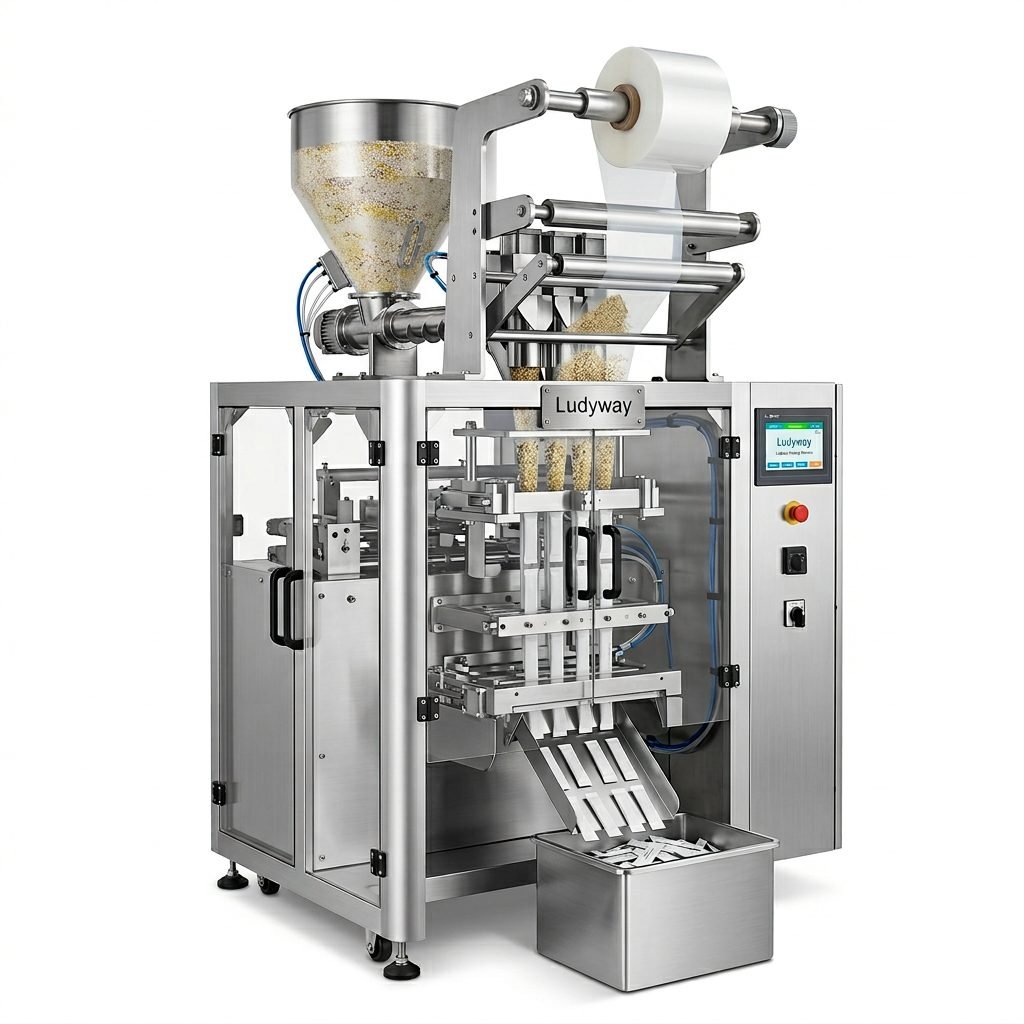
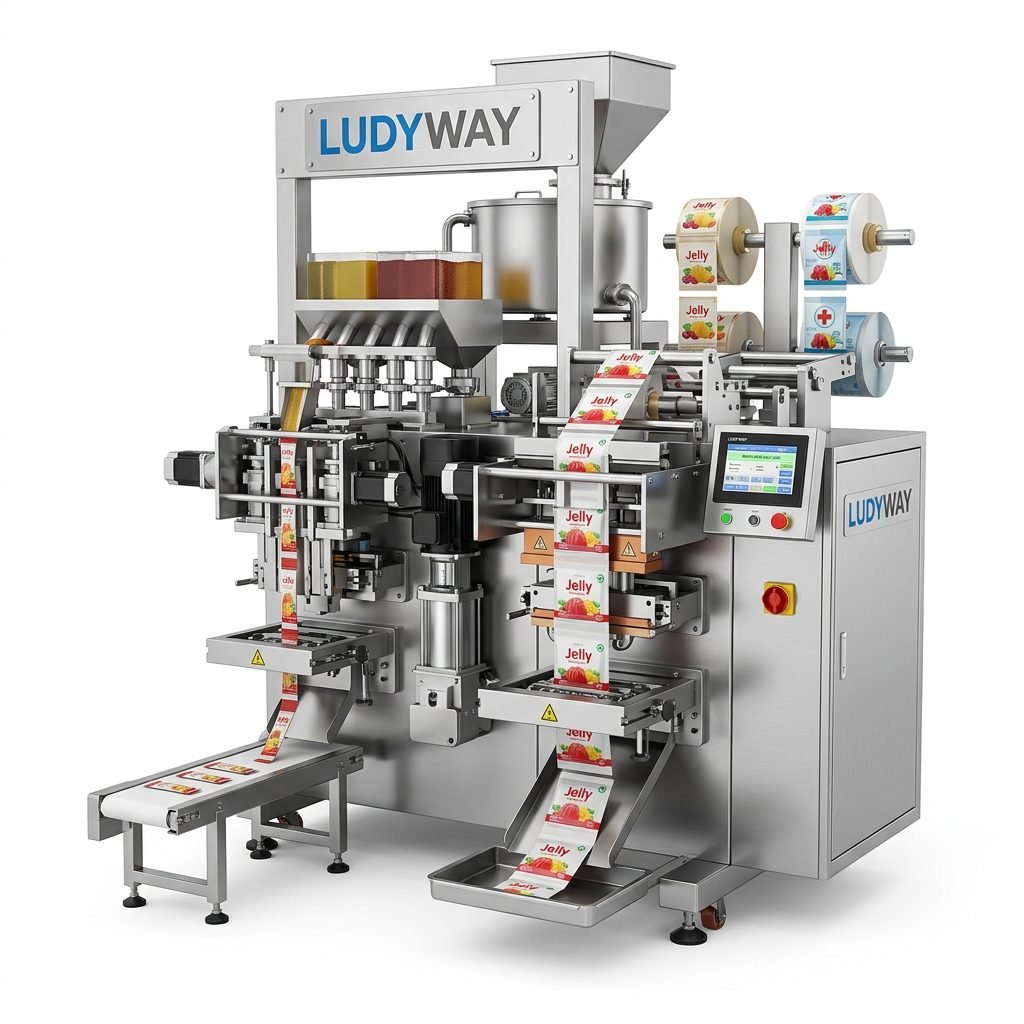
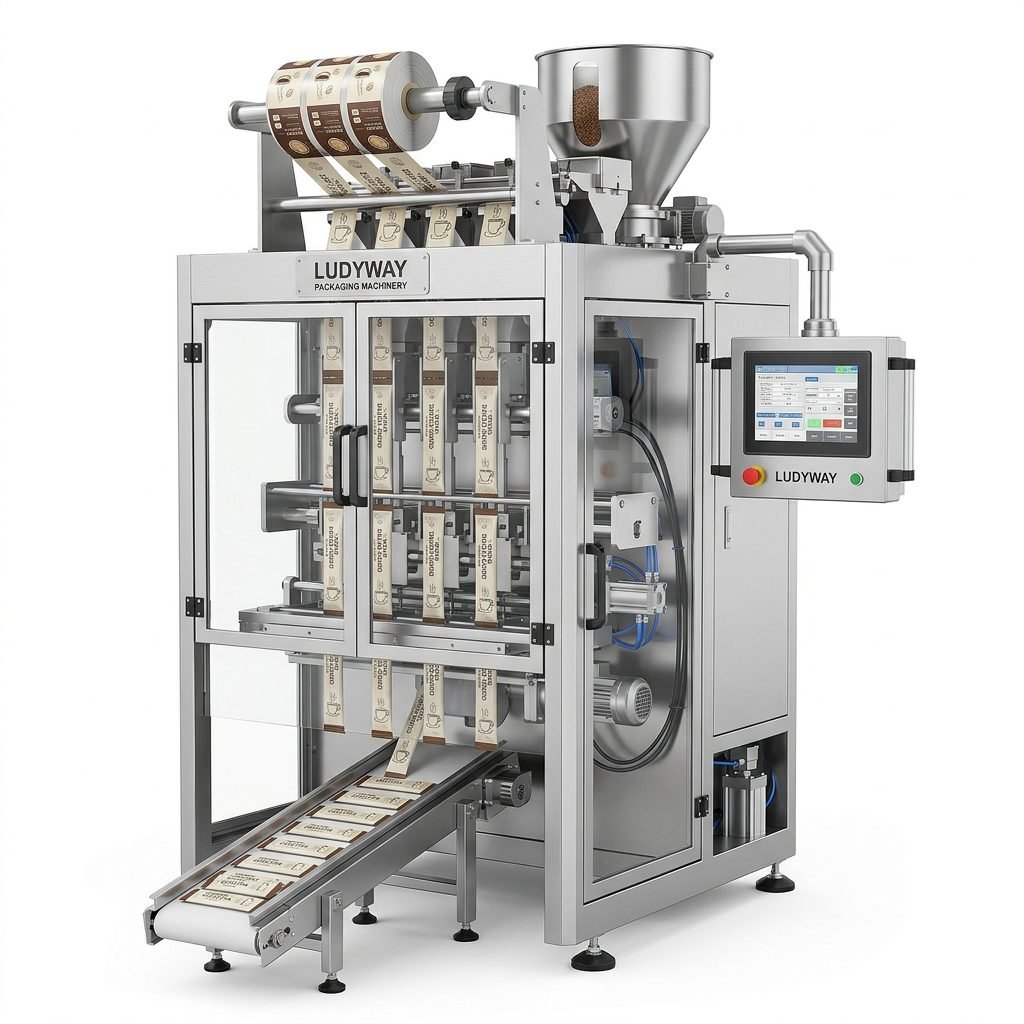
The heart of a modern coffee packaging line is the multi-lane stick pack machine or vertical form-fill-seal (VFFS) system. These machines simultaneously form multiple lanes of packaging material into individual pouches, fill them with product, and seal them at high speed. A 10-lane or 12-lane configuration can produce hundreds of stick packs per minute, making it ideal for single-serve instant coffee portions destined for hotel chains, airlines, and retail shelves worldwide. Advanced models feature servo-driven film transport, laser or thermal inkjet coders for batch traceability, and nitrogen flushing capabilities that extend product shelf life by displacing oxygen inside the sealed pack.
Sealing and Quality Inspection
Seal integrity is paramount for coffee products, as exposure to moisture and oxygen rapidly degrades flavor and aroma. Four-side seal and pillow pouch formats with high-barrier laminated films—typically incorporating aluminum foil or metallized PET layers—provide the hermetic protection needed for long-distance shipping and extended retail shelf presence. Inline packaging quality inspection systems, including vision cameras and seal integrity testers, detect leaks, wrinkles, or misaligned seals before products leave the facility. Metal detectors and X-ray inspection units add an additional layer of consumer safety assurance, which is increasingly mandated by international retailer standards and food safety certification schemes.
Step-by-Step Setup Process for Your Coffee Packaging Line
Setting up a production line for global markets requires a methodical approach that balances technical performance with regulatory readiness. The following structured process can help manufacturers navigate the complexity of line commissioning and validation.
- Phase 1: Facility Preparation and Layout Design — Ensure your production floor meets the hygiene and environmental standards required by FDA food packaging regulations and EU food contact material directives. Design an efficient material flow that separates raw material intake from finished goods dispatch, minimizing cross-contamination risks.
- Phase 2: Equipment Installation and Integration — Position each machine module according to the validated layout, aligning conveyors, weighers, and packaging units to ensure seamless product transfer. Electrical and pneumatic connections must comply with local industrial codes and the destination market’s equipment safety standards.
- Phase 3: Calibration and Parameter Optimization — Calibrate all weighing, dosing, and temperature control systems against certified reference standards. Optimize sealing temperature, dwell time, and film tension parameters for each packaging material and product type in your portfolio.
- Phase 4: Trial Runs and Process Validation — Conduct structured trial runs across all intended SKUs, documenting fill weights, seal strengths, and production speeds. Perform installation qualification (IQ), operational qualification (OQ), and performance qualification (PQ) as part of a comprehensive validation package.
- Phase 5: Documentation and Certification Readiness — Compile machine manuals, maintenance logs, calibration certificates, and material safety data sheets into an organized documentation system that supports audits from international regulatory bodies and third-party certification organizations.
Regulatory Compliance for Global Markets
Navigating the regulatory landscape is one of the most challenging aspects of exporting packaged coffee products. Each target market imposes its own set of requirements governing food contact materials, labeling, and packaging waste management. The table below summarizes key regulatory frameworks that impact coffee packaging operations across major international regions.
| Region | Regulatory Body | Key Packaging Requirements | Certification Standard |
|---|---|---|---|
| North America | FDA / USDA | Food contact substance approval, nutrition labeling, allergen declarations | 21 CFR Parts 174-178, FSMA compliance |
| European Union | EFSA / EU Commission | Packaging and Packaging Waste Regulation (PPWR), FCM Regulation (EC) 1935/2004 | EN 15593, BRCGS Packaging, ISO 22000 |
| Middle East & GCC | GSO / ESMA | Halal certification for food contact materials, Arabic labeling requirements | GSO 1863, UAE.S 5033 |
| Asia-Pacific | Various national authorities | Country-specific labeling, import registration, shelf-life validation | JFSM (Japan), GB standards (China), FSSAI (India) |
| Latin America | ANVISA / SENASA / COFEPRIS | Spanish/Portuguese labeling, nutritional traffic light systems, packaging material registry | Mercosur GMC Resolutions, country-specific norms |
Proactive engagement with packaging industry intelligence resources and regulatory consultants familiar with your target markets can significantly reduce the risk of costly compliance failures and shipment rejections at port. Many manufacturers find it advantageous to design their packaging lines with upgradability and flexibility built in, allowing rapid adaptation to evolving regulatory requirements without major capital reinvestment.
Quality Control and Testing Protocols
A robust quality management system is the foundation of any globally competitive coffee packaging operation. Beyond basic weight verification, comprehensive quality control encompasses a range of physical, chemical, and sensory tests designed to ensure that every package leaving the facility meets both internal specifications and external regulatory mandates. Essential testing protocols include seal strength testing per ASTM F88 standards, oxygen transmission rate (OTR) measurement for barrier films, and accelerated shelf-life studies that simulate the temperature and humidity conditions encountered during intercontinental shipping.
Implementing statistical process control (SPC) methodologies on critical packaging parameters—such as seal temperature, fill weight, and headspace gas composition—enables operators to detect process drift early and intervene before non-conforming products are produced at scale. Data from inline sensors and laboratory analyses should be integrated into a centralized quality database, supporting traceability from finished pack back to raw material lot and production batch. This level of documentation is increasingly expected by global retail buyers and forms a key part of third-party audit preparation for certifications like BRCGS, IFS, and SQF.
Maintenance and Operator Training
The long-term success of a coffee packaging line in global markets depends heavily on the reliability of equipment and the competence of the people operating it. A structured preventive maintenance program should be established from day one, covering daily cleaning and inspection routines, weekly component checks, monthly wear-part replacements, and annual major overhauls. Critical spare parts—including sealing jaws, cutting blades, belts, sensors, and heating elements—should be maintained in local inventory to minimize downtime in the event of unexpected failures. For facilities serving multiple international markets, the cost of production stoppages far outweighs the carrying cost of a well-stocked spare parts cabinet.
Equally important is investment in operator and technician training. Machine operators must be thoroughly trained not only in routine operation but also in troubleshooting common issues, performing minor adjustments, and understanding the interplay between different line components. Supervisory staff should be capable of interpreting quality data, optimizing line settings for new products, and managing changeover procedures efficiently. Many leading equipment manufacturers offer comprehensive training packages, remote diagnostic support, and periodic on-site audits to help customers maintain peak line performance. One notable example in the industry is Ludyway, which has established a reputation for delivering turnkey packaging solutions backed by extensive technical training and after-sales support to customers in over 100 countries.
Selecting the Right Packaging Formats for Different Markets
Packaging format selection is a critical strategic decision that directly influences consumer perception, shelf impact, and supply chain efficiency. The following list highlights popular coffee packaging formats and their typical market applications across global regions.
- Multi-Lane Stick Packs (1.5g–5g) — Dominant in the instant coffee segment across Europe, North America, and Japan. These slim, elongated sachets offer excellent portion control and are widely used in food service and hospitality channels. They require high-speed multi-lane machinery capable of precise micro-dosing.
- Quad-Seal Sachets (10g–50g) — Popular in the Middle East, Africa, and parts of Asia for both ground and instant coffee. The four-side seal construction provides robust barrier protection and an attractive billboard surface for branding in multiple languages.
- Stand-Up Pouches with Zipper (100g–500g) — The fastest-growing format in premium coffee segments worldwide. Resealable zippers add consumer convenience, while the stand-up design maximizes shelf visibility. Often combined with one-way degassing valves for whole bean and freshly ground coffee products.
- Gusseted Side-Seal Bags (250g–1kg) — Common in traditional retail channels across Latin America and Southern Europe. These bags offer cost-effective packaging with good stacking characteristics for palletized distribution.
- Valve Bags and Bulk Packaging (1kg–25kg) — Used primarily for B2B channels, including coffee shop supply, institutional kitchens, and industrial food manufacturing. Automated bagging systems with high-capacity weighers are essential for efficient bulk operations.
Future-Proofing Your Coffee Packaging Investment
As global coffee consumption patterns evolve and sustainability concerns reshape the packaging industry, manufacturers must think beyond immediate production needs. Sustainable packaging materials, including recyclable mono-material films, compostable laminates, and paper-based alternatives, are gaining traction in markets such as the European Union where the Packaging and Packaging Waste Regulation (PPWR) is driving systemic change. Investing in machinery that can handle a wide range of film types—including heat-sealable paper and thin-gauge recyclable polymers—ensures that your production line remains viable as material science advances.
Additionally, digitalization and Industry 4.0 connectivity are becoming standard expectations for packaging lines serving global enterprises. Features such as remote machine monitoring, predictive maintenance algorithms, automated production reporting, and integration with enterprise resource planning (ERP) systems enable real-time visibility across geographically dispersed manufacturing networks. When specifying new equipment, prioritize machines with open communication protocols and upgradeable software architectures that can evolve with your digital transformation roadmap. The state of the packaging industry continues to trend toward smarter, more connected production ecosystems.
Cost Considerations and ROI Analysis
Investing in a complete coffee packaging production line represents a significant capital commitment, and understanding the total cost of ownership is essential for accurate ROI projections. Beyond the initial equipment purchase price, decision-makers must account for installation and commissioning costs, facility modifications, operator training, ongoing maintenance, spare parts inventory, and the energy consumption profile of the machinery. A well-specified line from a reputable manufacturer typically delivers payback within 18 to 36 months when operated at designed capacity across multiple shifts. Key factors that accelerate ROI include reduced product giveaway through precise dosing, lower labor costs through automation, minimized downtime through robust engineering, and expanded market access through compliance-ready packaging. For businesses targeting multiple international regions simultaneously, the ability to run diverse packaging formats on a single integrated line can dramatically reduce the per-unit cost of packaging and accelerate time-to-market for new product launches.
Setting up a coffee bean packaging machine production line for global markets is a multifaceted endeavor that demands careful planning, rigorous quality systems, and a forward-looking approach to technology and regulation. By selecting the right equipment configuration, investing in operator capability, and building flexibility into every stage of the packaging process, coffee manufacturers can position themselves to thrive in the competitive and dynamic international marketplace. The effort invested in getting the setup right pays dividends in the form of consistent product quality, regulatory peace of mind, and the operational agility to seize emerging opportunities across borders.