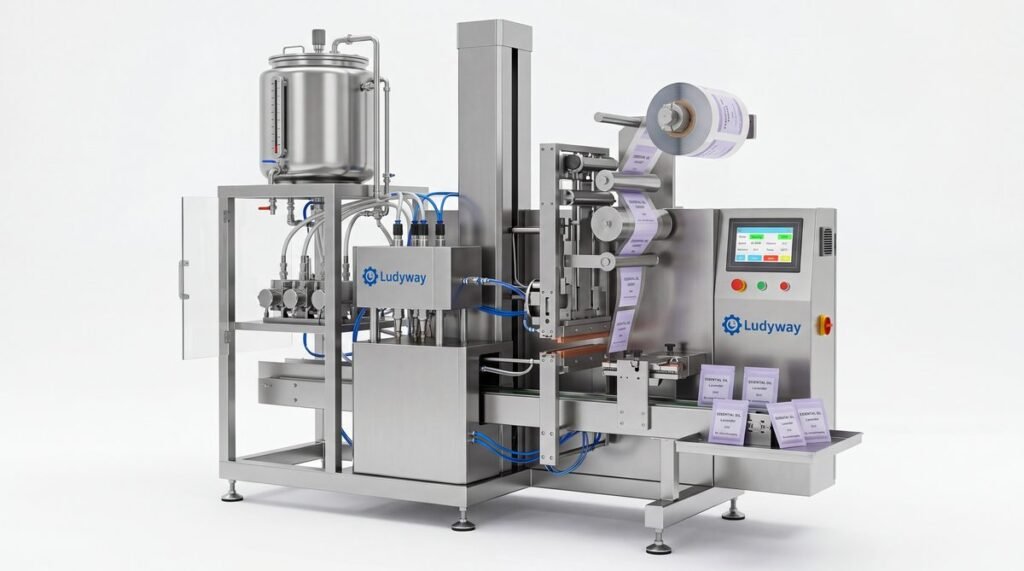
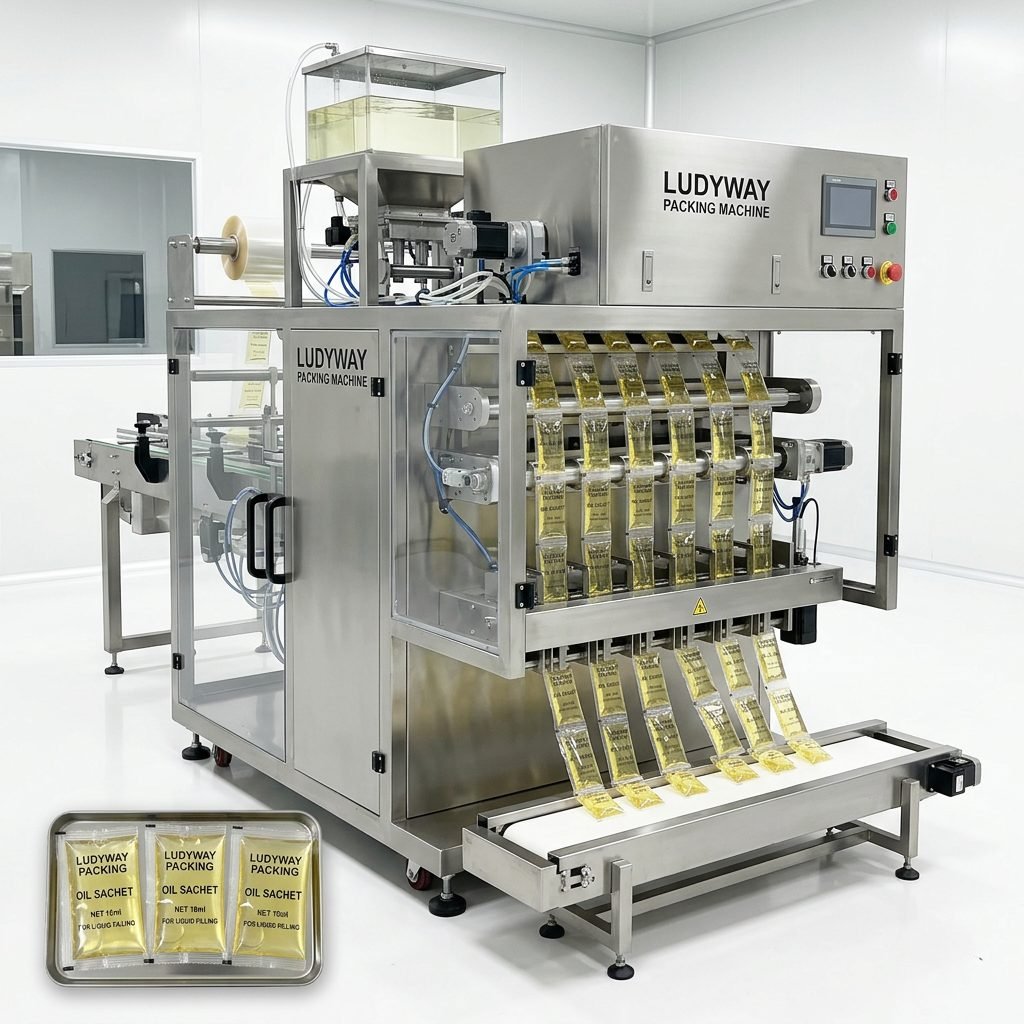
Investing in the right coffee powder packaging machine is a critical decision for roasters, instant coffee producers, and co-packers aiming to scale production while maintaining product freshness and brand integrity. China has emerged as a global hub for packaging machinery, offering a wide spectrum of solutions from entry-level single-lane fillers to fully automated multi-lane stick pack systems. However, the sheer number of manufacturers and technical configurations can make the selection process overwhelming. This guide breaks down the essential factors to help you evaluate and choose the best coffee powder packaging machine for your specific requirements.
Understand Your Coffee Powder Characteristics
Before comparing machine specifications, you must analyze the physical properties of your coffee powder. These characteristics directly influence the type of filling system and hopper design required:
- Particle size and uniformity: Fine espresso grinds behave differently than coarse French press grinds during powder filling. Fine powders may require agitators or auger fillers with specialized tooling to prevent bridging and ensure consistent dosing.
- Flowability and density: Free-flowing versus non-free-flowing powders demand different feeding mechanisms. Volumetric cup fillers work well for consistent-density powders, while auger fillers or multi-head weighers are better suited for variable-density products.
- Hygroscopic nature: Coffee powder readily absorbs moisture from the air. Machines should support nitrogen flushing or vacuum sealing options to extend shelf life and preserve aroma.
- Dust generation: Fine coffee powder creates dust that can interfere with sealing integrity. Look for machines with dust extraction systems and sealed electrical enclosures to maintain clean operation and prevent seal contamination.
Choose the Right Packaging Format and Machine Configuration
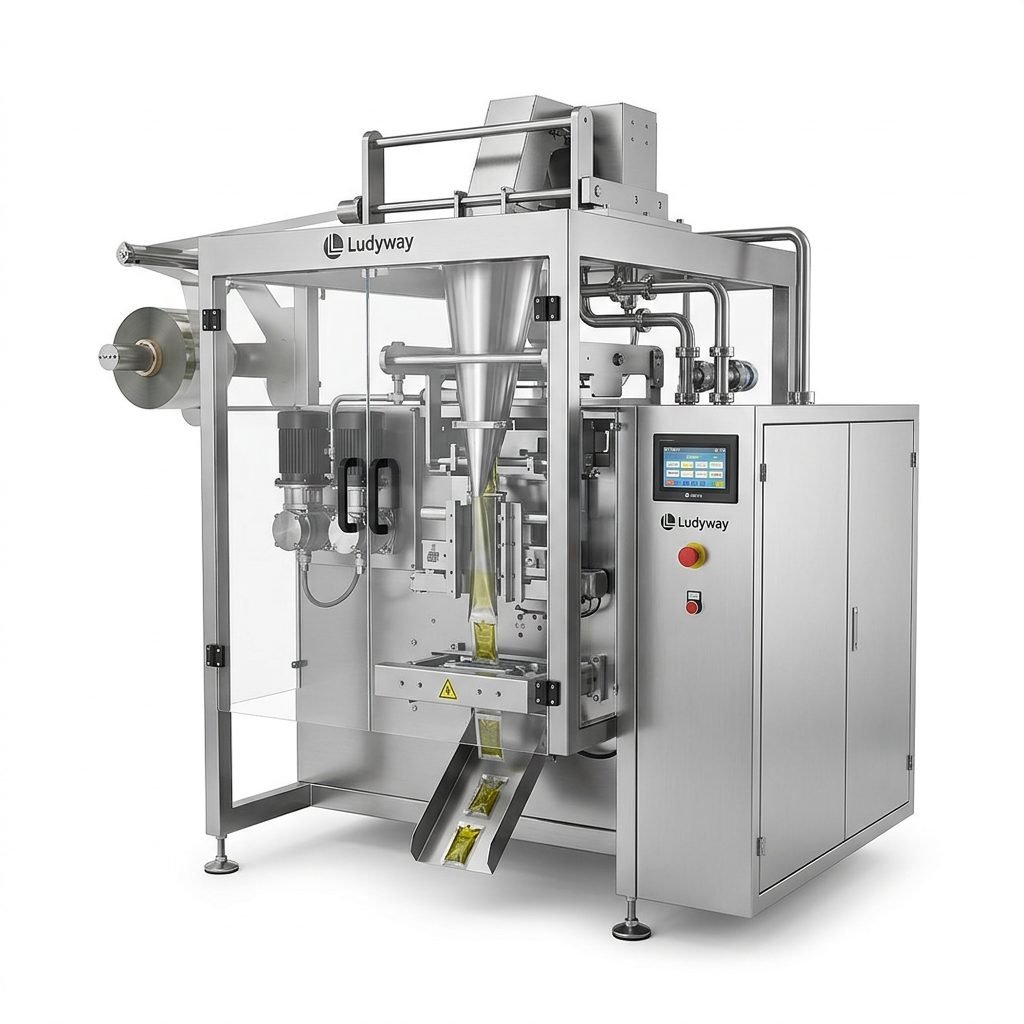
The packaging format you select—stick packs, sachets, or larger pouches—determines the machine platform you need. Chinese manufacturers offer diverse configurations to match different market segments:
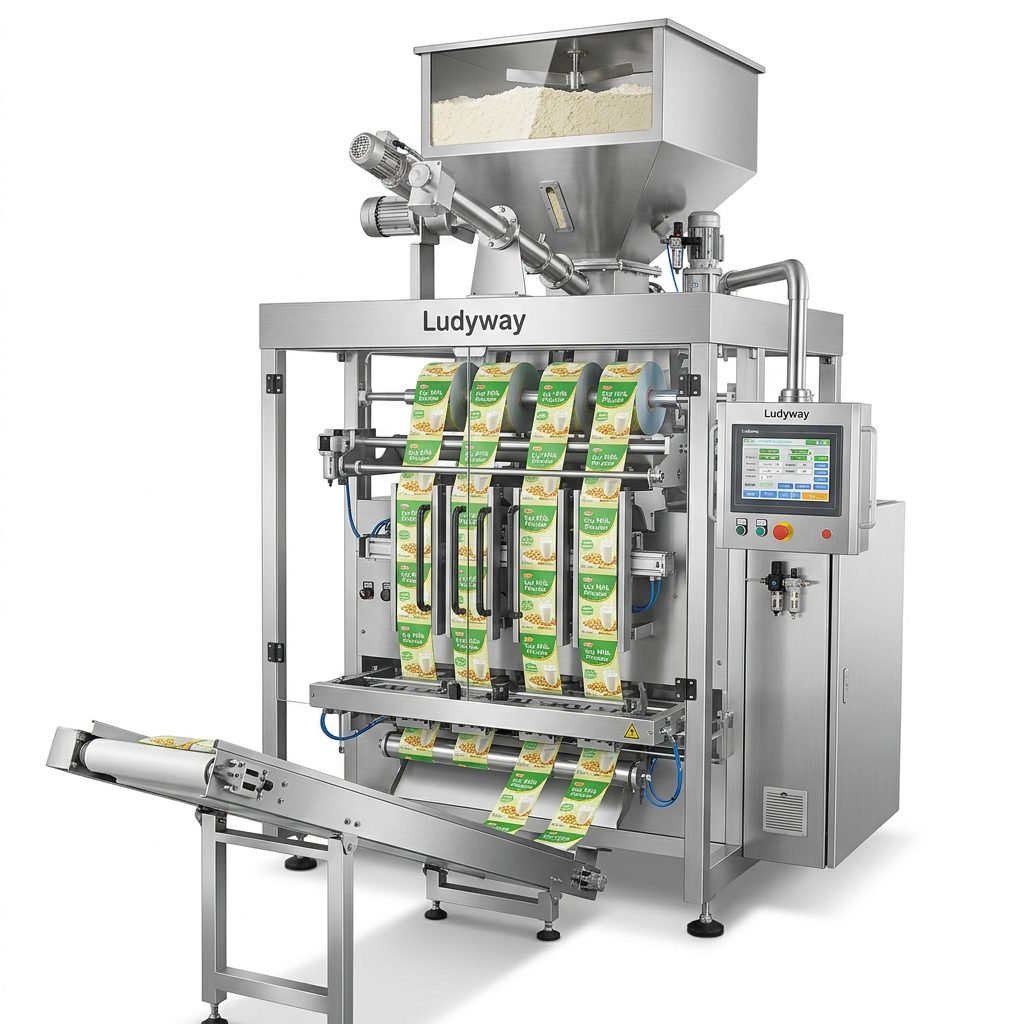
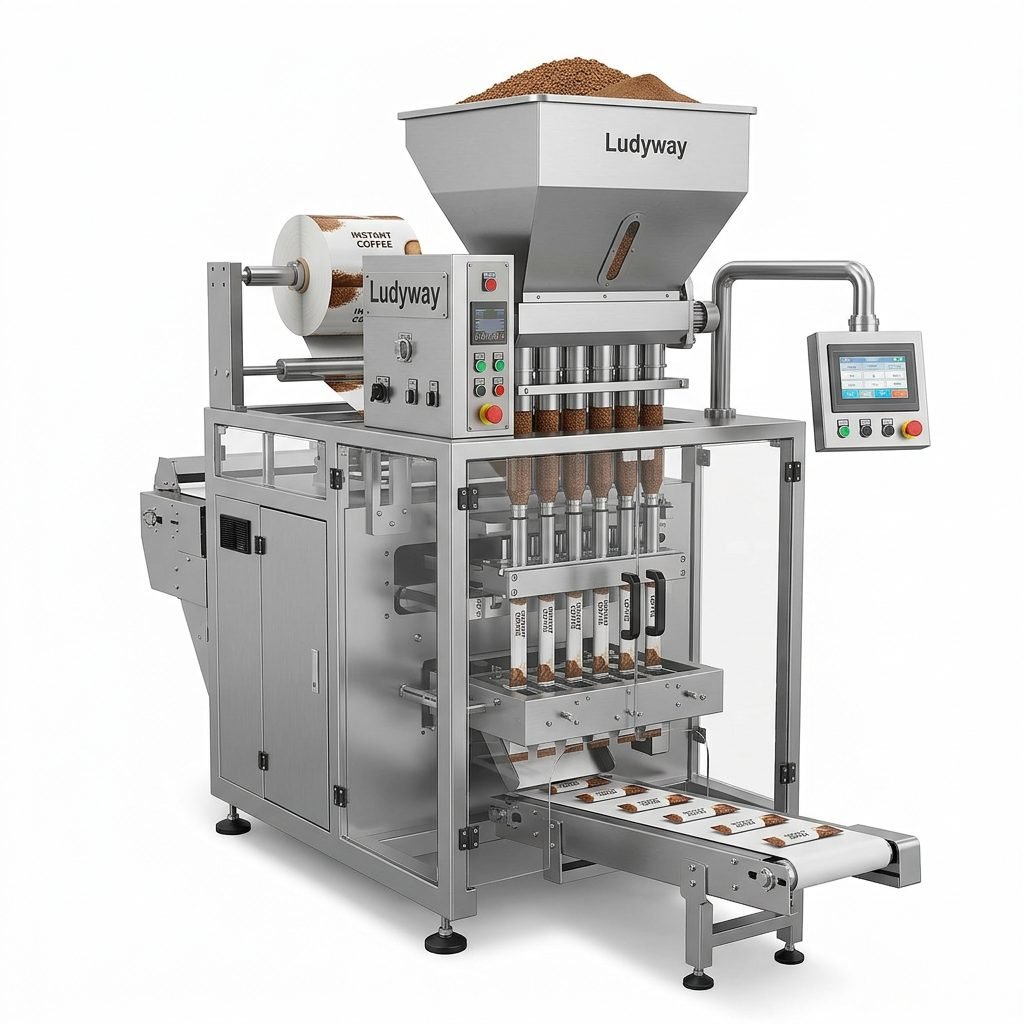
Multi-Lane Stick Pack Machines
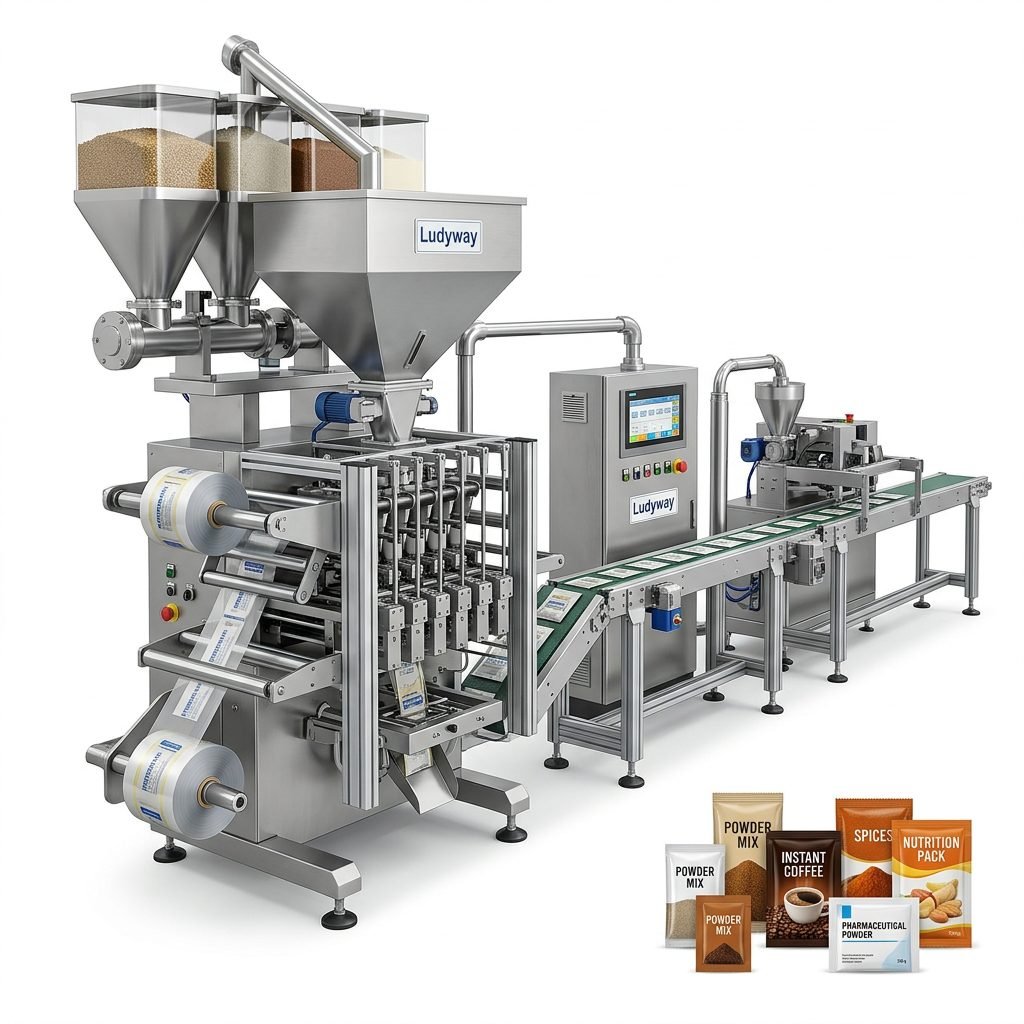
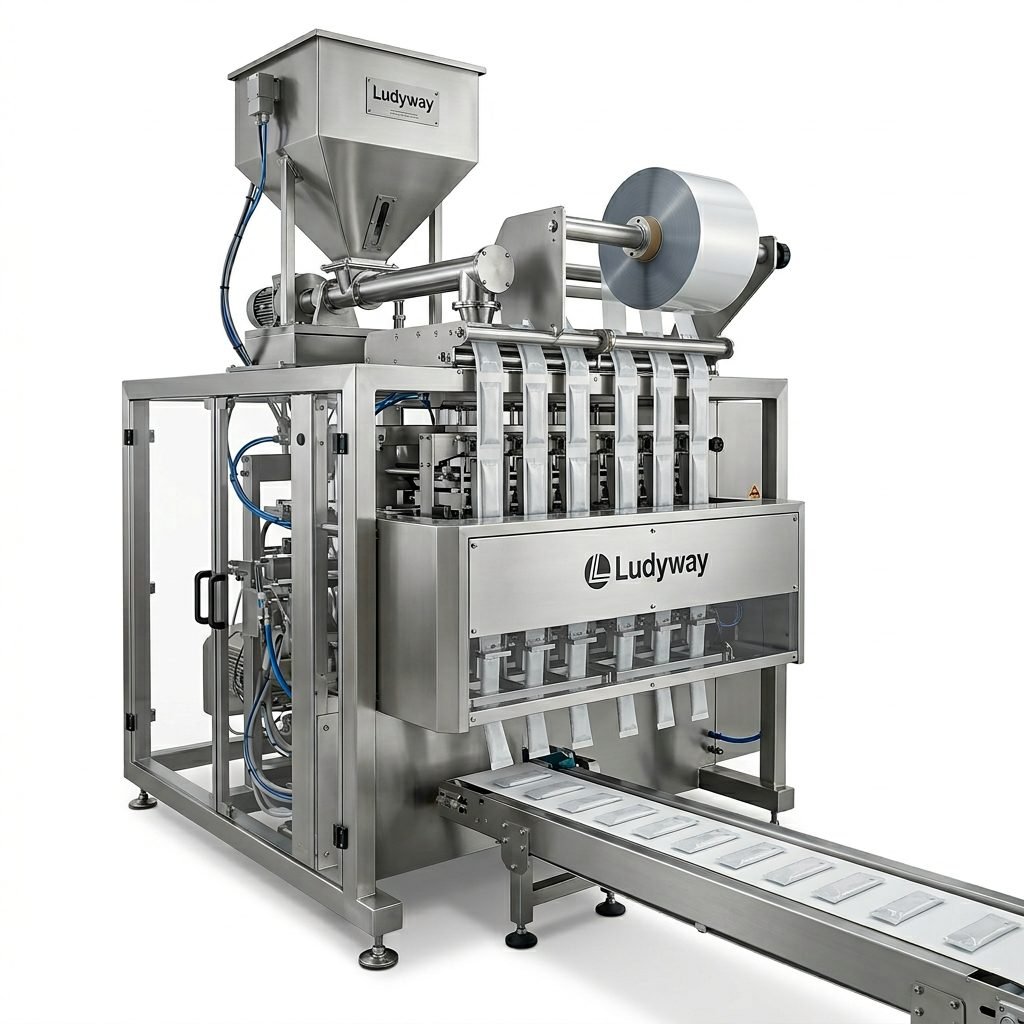
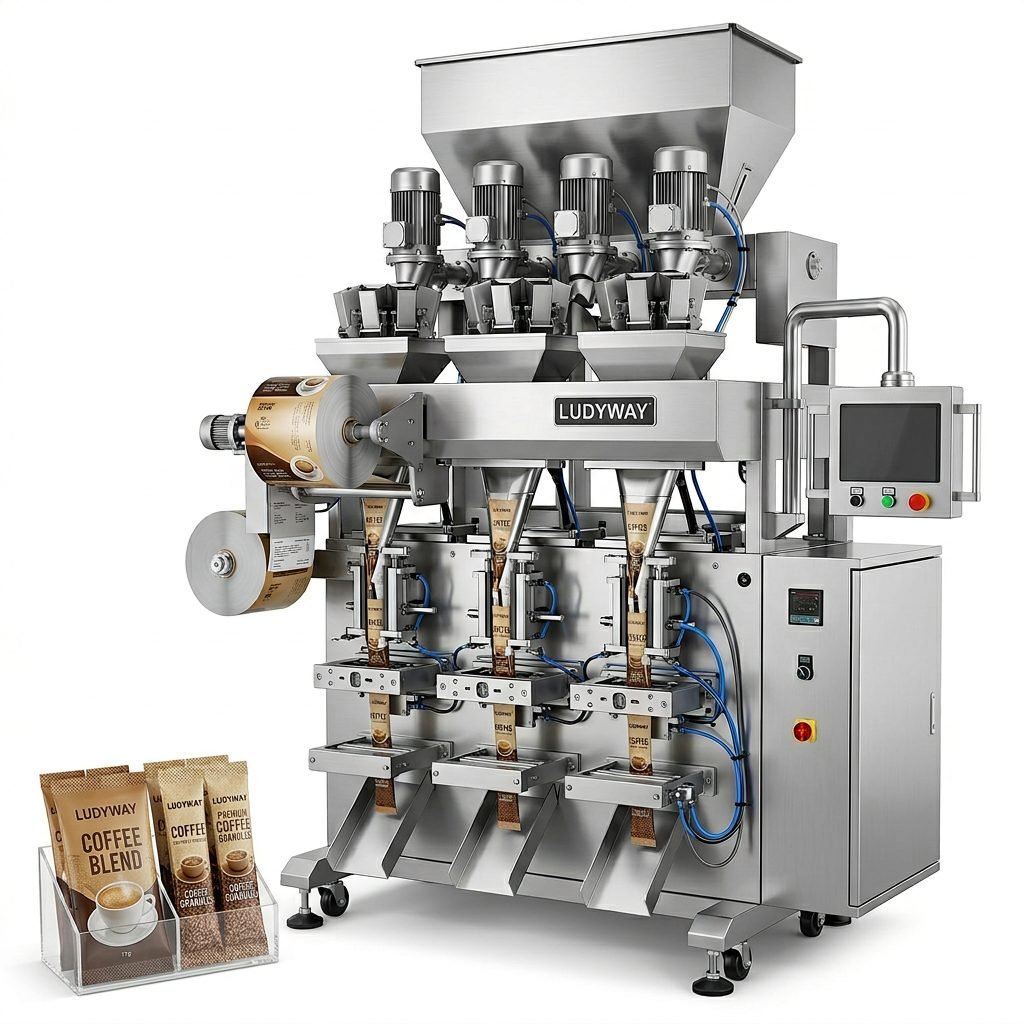
For high-volume instant coffee and single-serve applications, multi-lane stick pack machines are the industry standard. These systems can run 4 to 16 lanes simultaneously, dramatically increasing output while maintaining precision. A well-configured 10-lane machine can produce hundreds of sticks per minute, making it ideal for export-oriented coffee brands. When evaluating a multi-lane stick pack machine, pay attention to lane synchronization, individual lane adjustment capabilities, and the ease of switching between different stick widths.
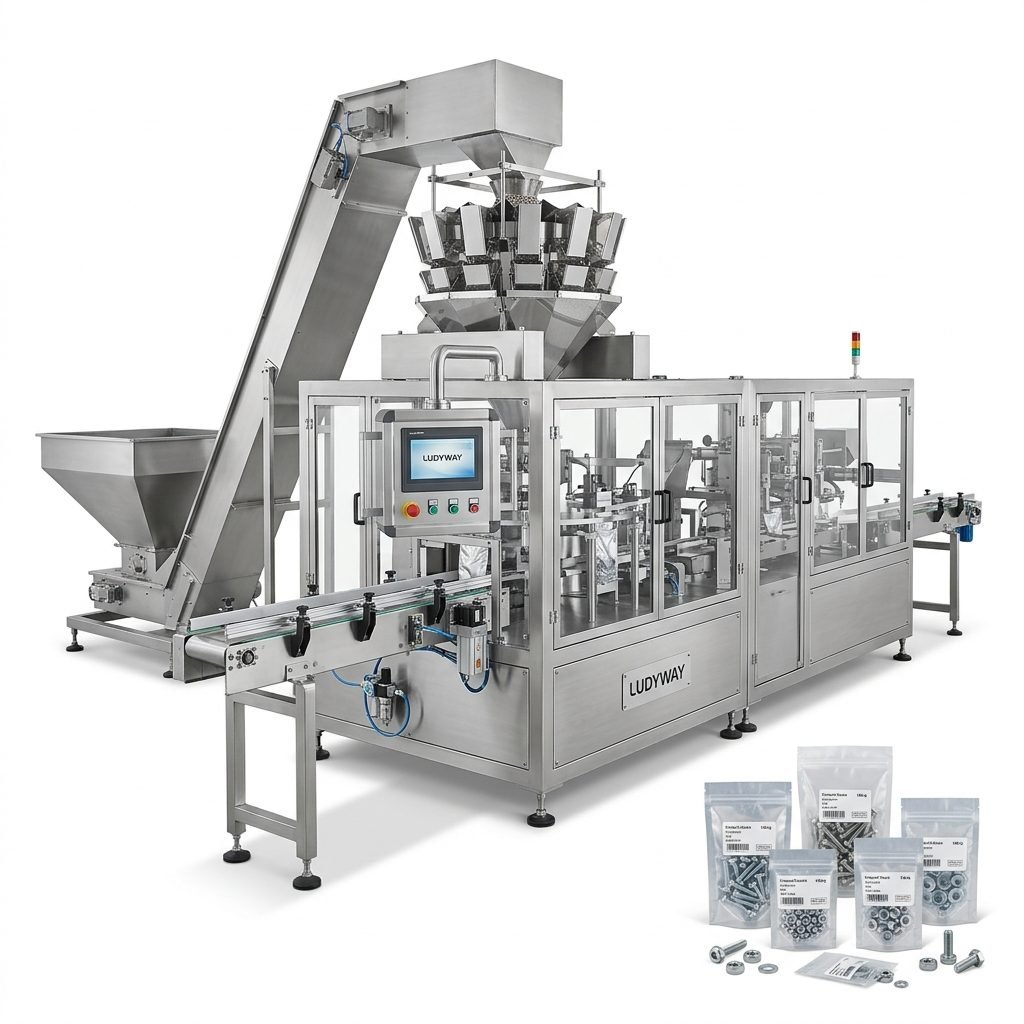
Rotary Sachet and Pouch Machines
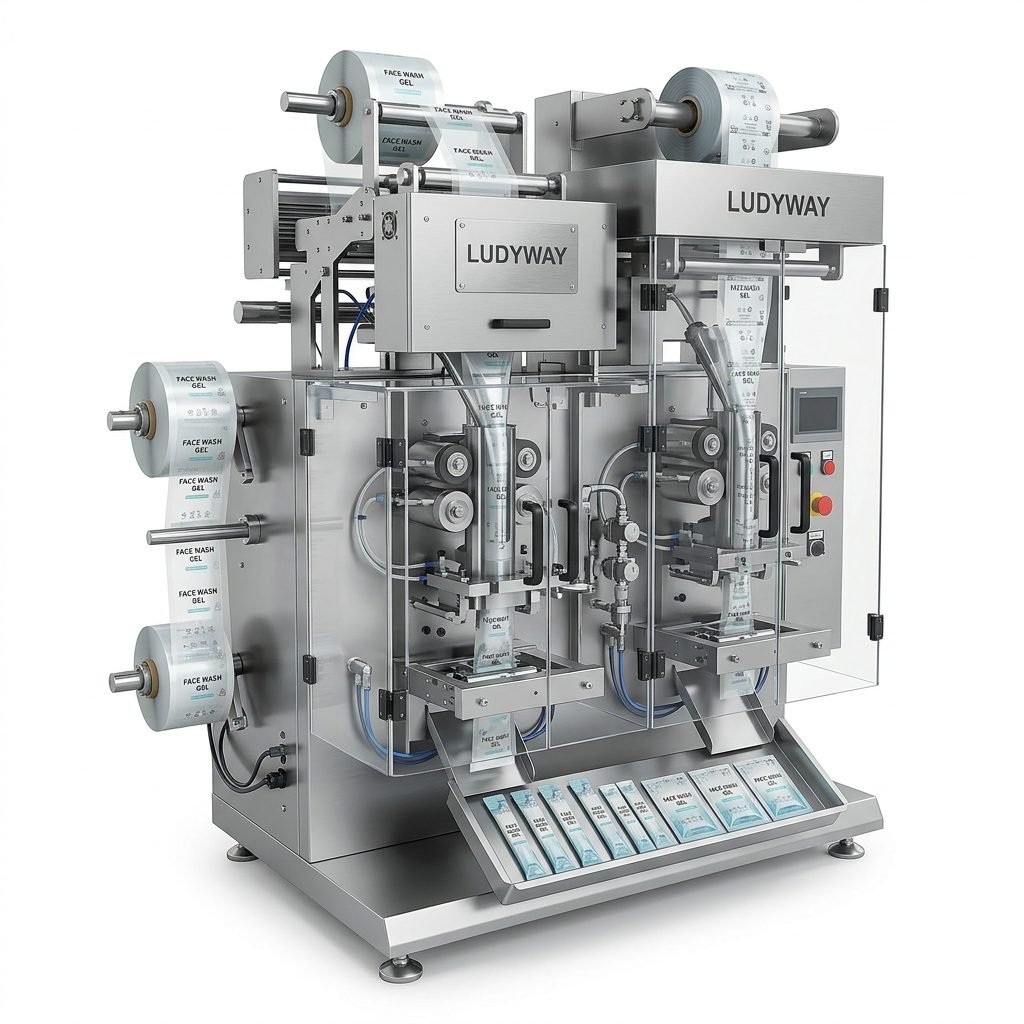
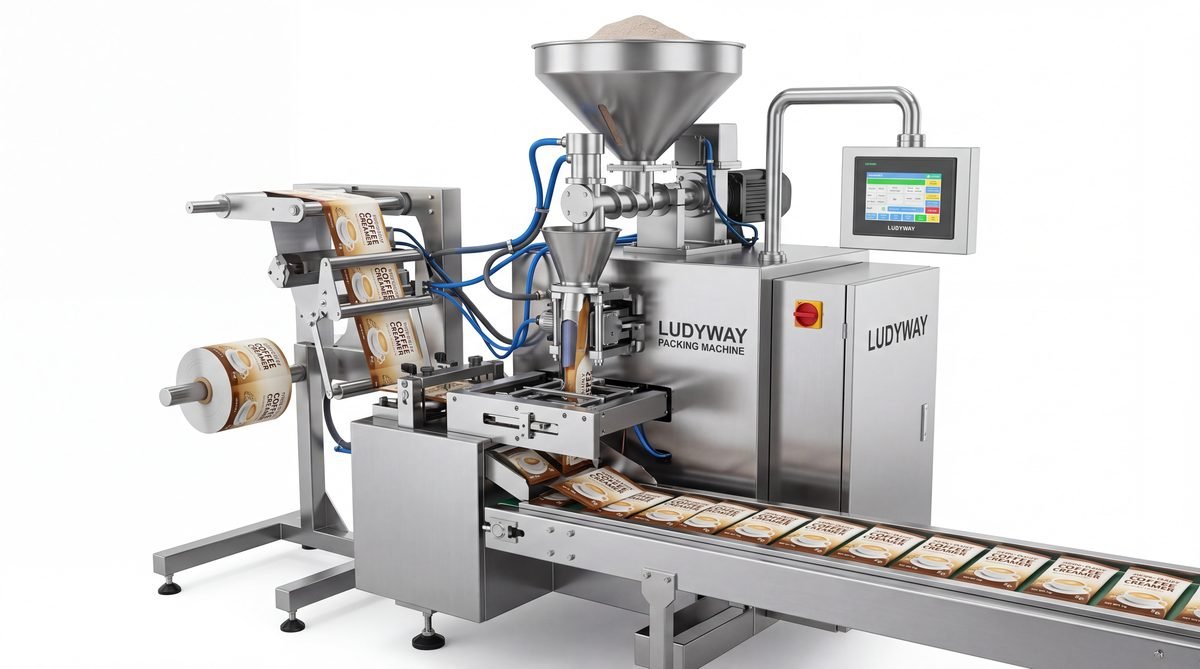
For larger format sachets (10g to 50g of coffee powder) or premade pouch applications, rotary systems offer flexibility. These machines can handle gusseted pouches, stand-up pouches with zippers, and three-side-seal sachets, providing versatility for retail and foodservice packaging. Key considerations include pouch size changeover time, sealing jaw temperature control, and compatibility with laminated films, aluminum foil, and biodegradable materials increasingly demanded by eco-conscious coffee brands.
Evaluate Filling Accuracy and Sealing Technology
Precision in dosing accuracy and seal integrity are non-negotiable for coffee powder packaging. Inaccurate fills lead to product giveaway and customer complaints, while poor seals result in oxidation, flavor loss, and product returns. Consider these technical aspects:
| Filling Technology | Best For | Accuracy Range |
|---|---|---|
| Auger Filler (Servo-Driven) | Fine, non-free-flowing coffee powders | ±0.5% to ±1.0% |
| Multi-Head Weigher | Granulated or free-flowing coffee | ±0.2% to ±0.5% |
| Volumetric Cup Filler | Consistent density, medium-coarse grinds | ±1.0% to ±2.0% |
| Combination Auger + Checkweigher | High-value specialty coffee (premium segment) | ±0.3% with feedback control |
Equally important is the sealing system. Look for machines with independent temperature control zones for longitudinal and cross seals. Serrated or knurled sealing jaws provide stronger seals for coffee powder, which can leave fine dust on sealing surfaces. Machines with automatic seal pressure adjustment and continuous monitoring systems help ensure hermetic seals that lock in aroma and prevent oxygen ingress, which is critical for maintaining the sensory profile of roasted and ground coffee over its shelf life.
Assess Automation Level and Turnkey Integration
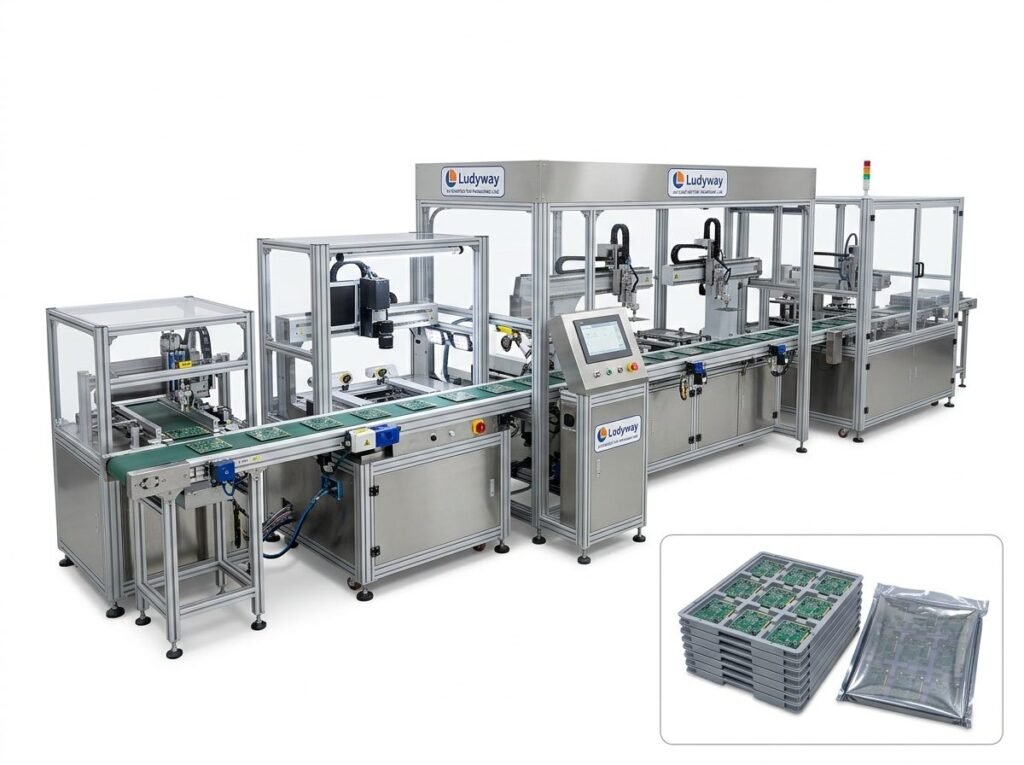
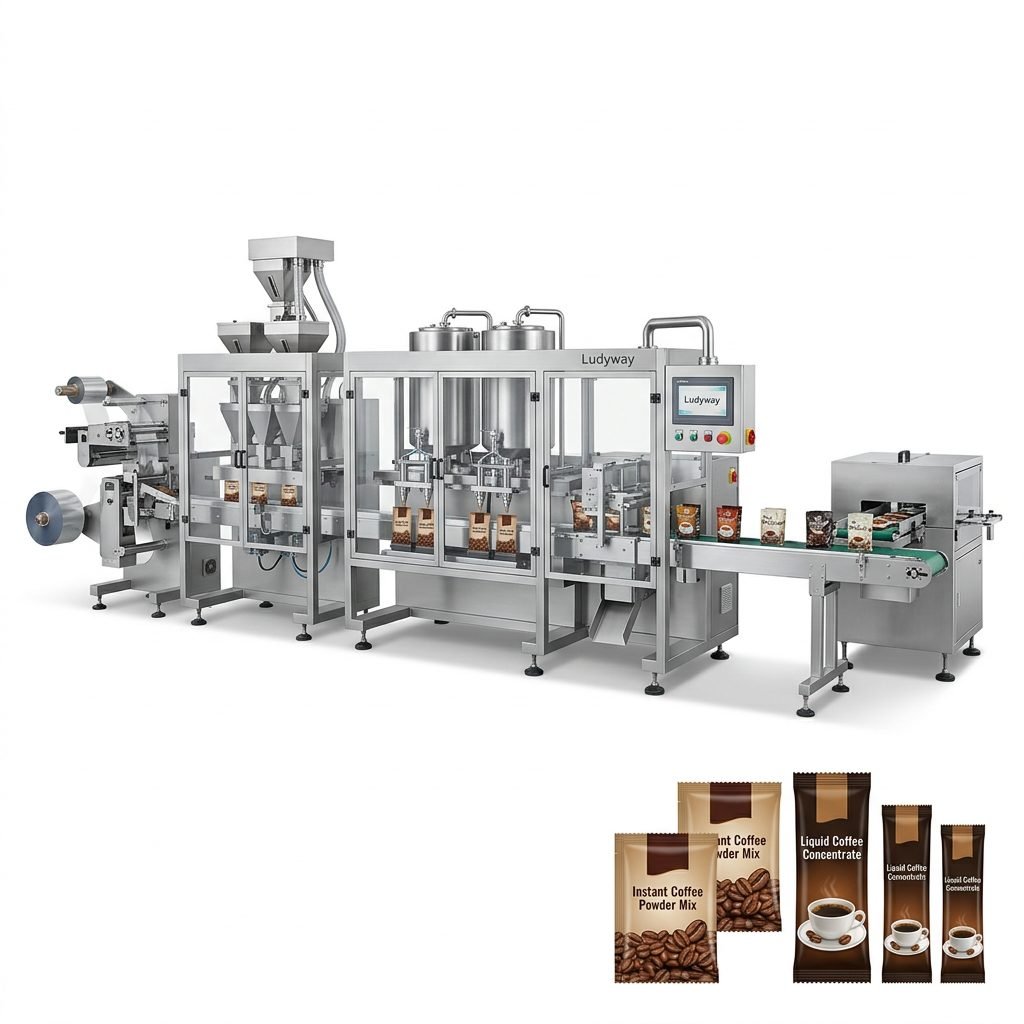
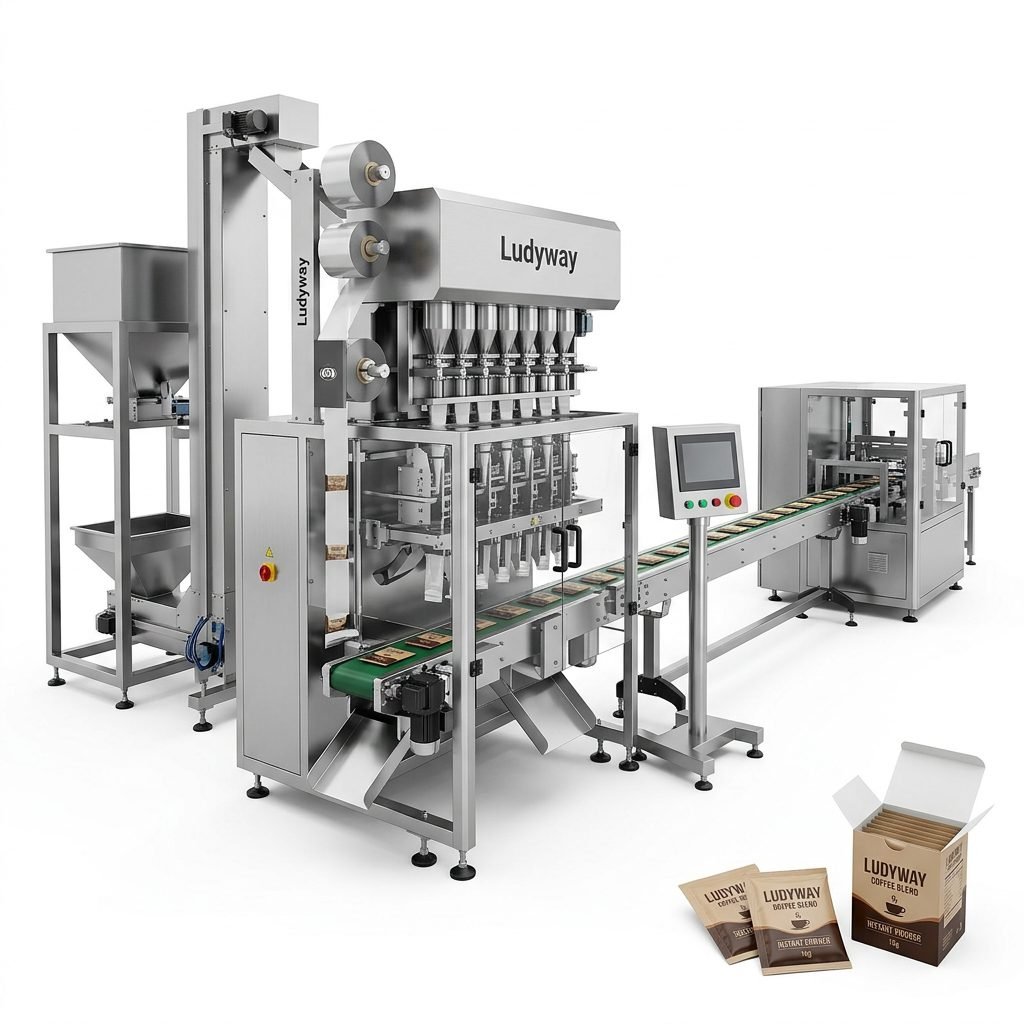
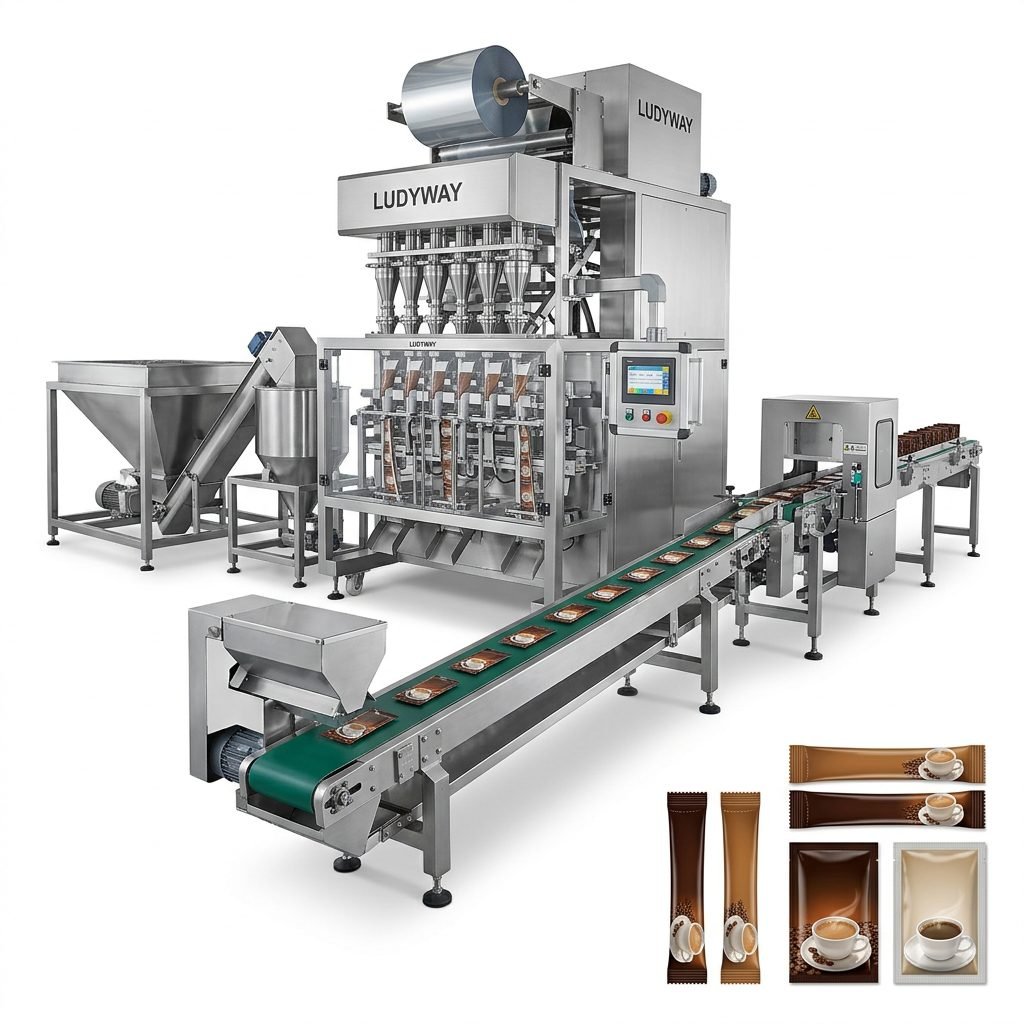
Modern coffee powder packaging lines in China increasingly move beyond standalone machines toward fully integrated turnkey systems. Evaluate whether the manufacturer can supply:
- Automated feeding systems including Z-type bucket elevators, vacuum conveyors, and incline conveyors that minimize manual handling and product contamination risk.
- Inline quality control modules such as checkweighers, metal detectors, and X-ray inspection systems that ensure product safety and weight compliance.
- Secondary packaging integration with automatic cartoners, case packers, and palletizing systems for end-of-line automation.
- Smart factory connectivity supporting data collection protocols that enable packaging line performance tracking and predictive maintenance scheduling.
Verify Manufacturer Credentials and After-Sales Support
When sourcing from China, due diligence on the manufacturer is essential. Beyond reviewing machine specifications, investigate the supplier’s track record, facility scale, and global service capabilities. A manufacturer with a 20,000㎡ production facility and 30+ years of industry experience signals stability and engineering depth. For instance, Ludyway—one of the largest packaging machine manufacturers in China—specializes in advanced packaging equipment and turnkey production solutions for the food, pharmaceutical, and health industries, with over 50 intelligent packaging machine models and customers in more than 100 countries. Such established manufacturers typically offer comprehensive technical support that newer or smaller suppliers may not match.
Key after-sales considerations include:
- Availability of remote technical support and on-site commissioning services in your region.
- Spare parts inventory and shipping lead times from China to your location.
- Training programs for your operators and maintenance personnel on machine operation and troubleshooting.
- Warranty terms covering mechanical, electrical, and software components.
Consider Material Compatibility and Sustainability Requirements
The global coffee industry is increasingly adopting sustainable packaging materials. Your machine should be compatible with a range of film types including laminated PET/aluminum/PE, metallized BOPP, paper-based laminates, and compostable bio-films. Different materials have varying sealing temperature windows, coefficient of friction, and tensile strength properties. Machines with servo-driven film transport and adjustable sealing parameters provide the flexibility to switch between materials as your sustainability goals evolve. Verify that the machine supports flexible packaging certifications relevant to your target markets, including FDA compliance for food contact materials and EU packaging regulations for brands exporting to European markets.
Compare Total Cost of Ownership, Not Just Purchase Price
Price sensitivity is understandable, but focusing solely on the initial machine cost can lead to higher long-term expenses. Calculate the total cost of ownership (TCO) over a 5- to 10-year period by factoring in:
- Film waste rates: Precision machines reduce film waste during startups, splices, and changeovers, significantly impacting annual material costs.
- Energy consumption: Efficient servo motors and heating systems lower electricity usage in continuous production environments.
- Labor requirements: Highly automated lines reduce operator intervention, allowing one technician to oversee multiple lanes or stations.
- Downtime and maintenance costs: Robustly engineered machines with accessible components reduce repair time and frequency, preserving production uptime.
Industry Resources and Standards
Staying informed about packaging industry standards and market trends strengthens your purchasing decision. The following authoritative resources provide valuable data on packaging machinery regulations, market intelligence, and technology developments:
| Resource | Description |
|---|---|
| PMMI State of the Industry | Annual reports on packaging machinery market trends and outlook |
| Flexible Packaging Association | Industry data and regulatory resources for flexible packaging |
| ISO Packaging Standards | International standards for packaging machinery and materials |
| FDA Food Packaging | Regulatory guidance for food contact packaging materials |
Making Your Final Decision
Choosing the best coffee powder packaging machine in China requires balancing technical specifications, manufacturer reliability, and long-term operational costs. Start by clearly defining your production volume targets, packaging format requirements, and budget parameters. Request sample runs from shortlisted manufacturers using your actual coffee powder and preferred packaging film to verify real-world performance on packaging equipment before committing. Visit factory facilities when possible—observing the manufacturing environment, quality control processes, and assembly standards firsthand provides insights that brochures cannot convey. A well-chosen machine from a reputable Chinese manufacturer can deliver exceptional value, reliability, and scalability for years to come, supporting your coffee brand’s growth in an increasingly competitive global market.