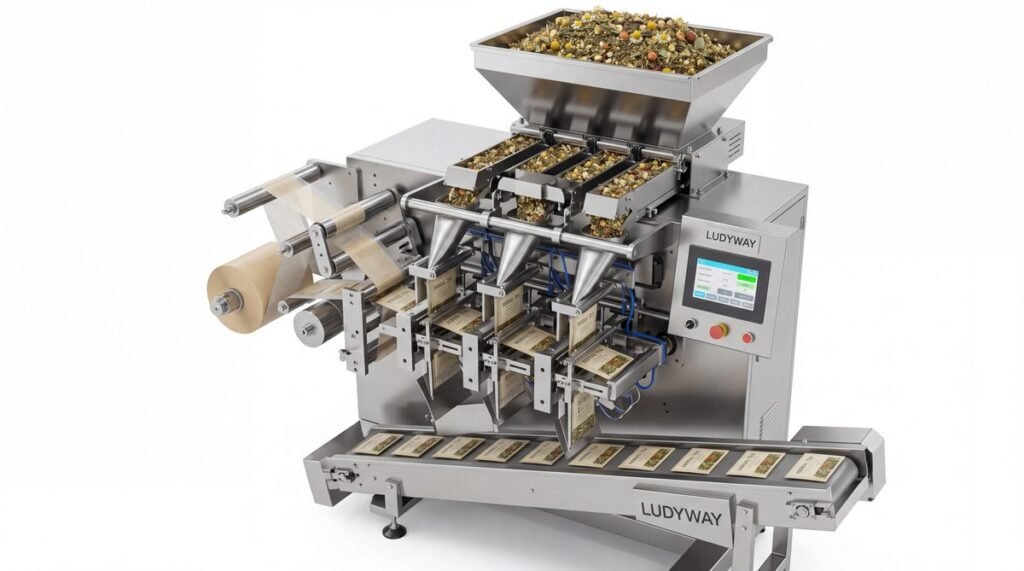
Choosing the right packaging equipment for dried fruits is a critical decision that directly impacts product quality, shelf life, operational efficiency, and brand perception. The right machine not only protects the product from moisture, air, and contamination but also enhances its visual appeal on the shelf. This guide delves into the various types of dried fruit packaging equipment, their key features, and provides a structured approach to selecting the perfect machine for your production needs.
Understanding the Different Types of Dried Fruit Packaging Equipment
The packaging process for dried fruits can vary significantly based on product form (whole, sliced, diced), volume, and desired package style. Here are the primary machine types used in the industry.
Vertical Form Fill Seal (VFFS) Machines
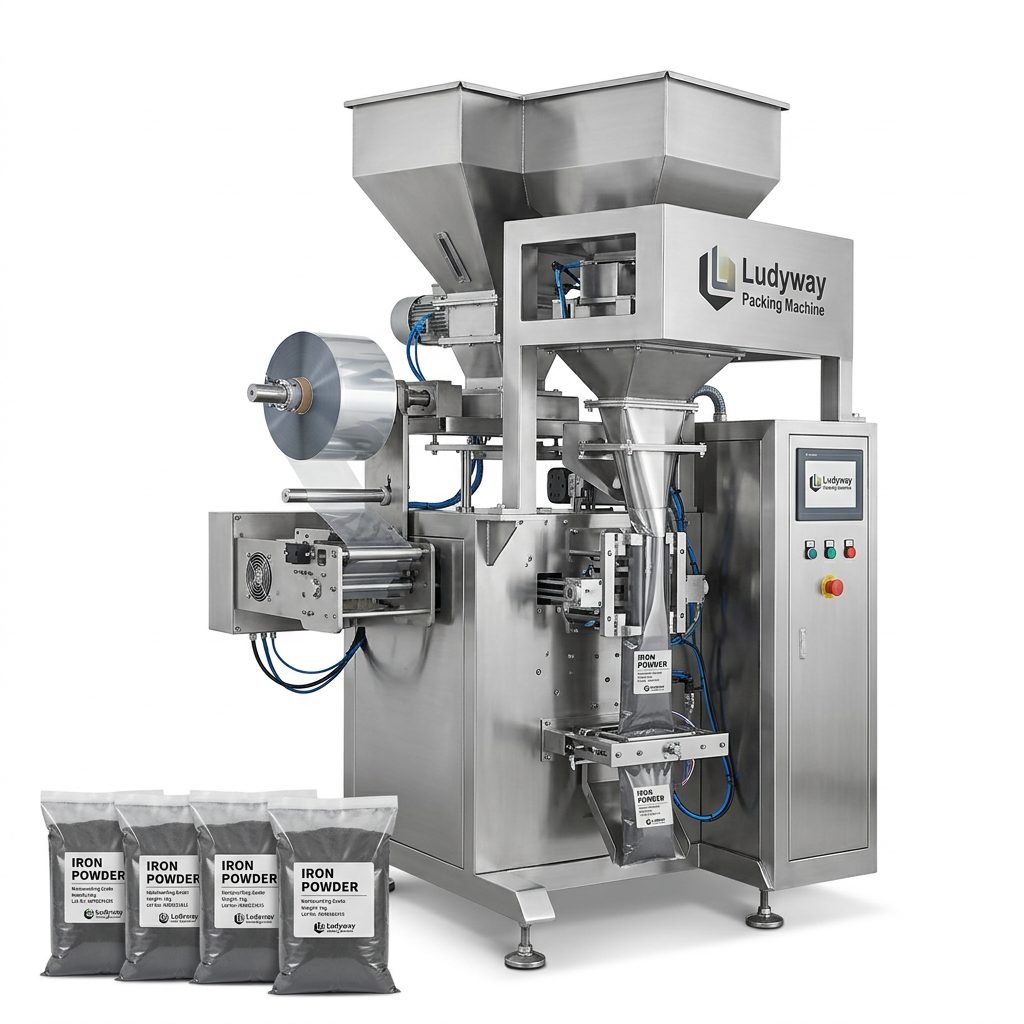
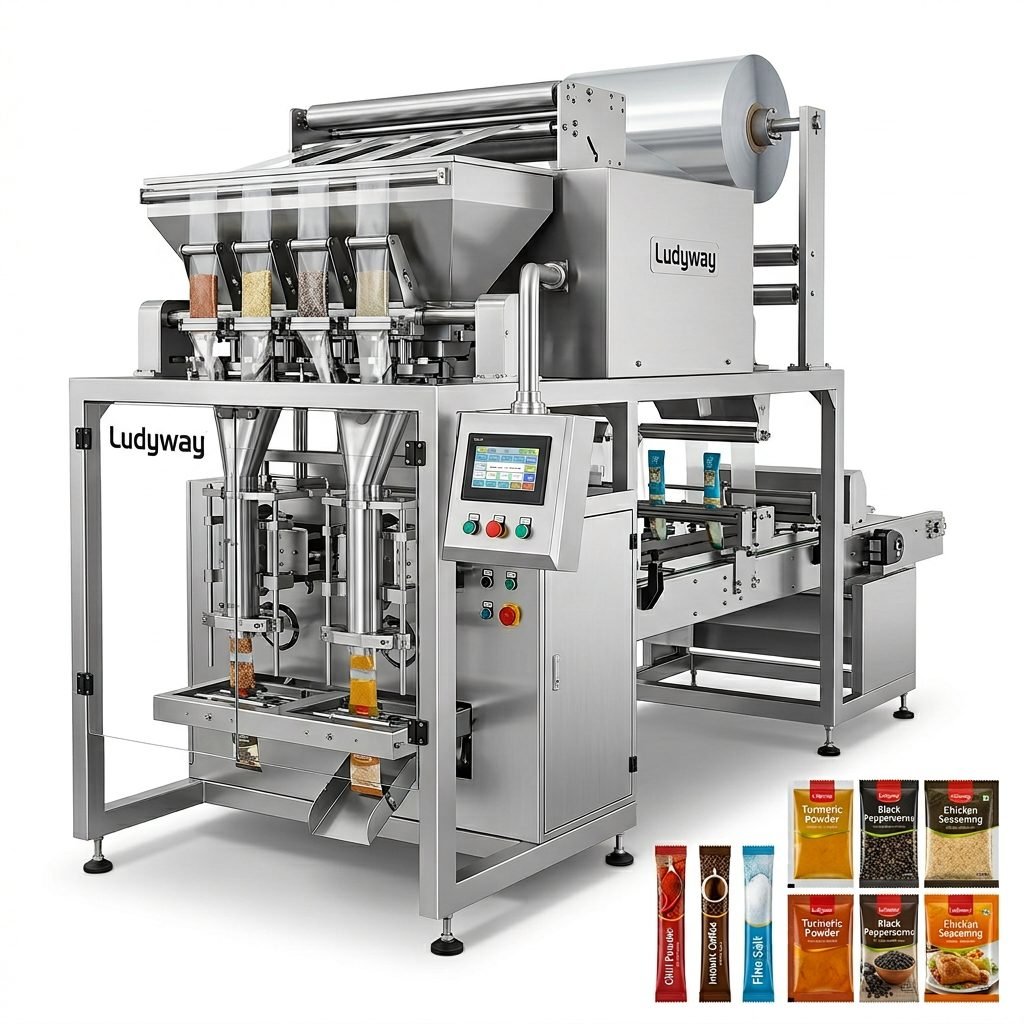
These are the workhorses of the snack and dried fruit industry. VFFS machines form bags from a roll of film, fill them with a pre-measured amount of product, and then seal them. They are incredibly versatile and can handle a wide range of dried fruit types, from raisins and cranberries to banana chips and mango slices.
Key Advantage: High speed, flexibility in bag size and style (pillow bags, gusseted bags), and relatively low cost per bag make VFFS machines ideal for medium to high-volume production lines.
Horizontal Form Fill Seal (HFFS) Machines
HFFS machines are typically used for more rigid structures or when a specific, high-quality presentation is required. The film is formed horizontally into trays or cavities, which are then filled and lidded with a top film. This method is excellent for protecting delicate dried fruits or creating attractive multi-compartment packs.
Best for: Premium product lines, mixed fruit and nut packs, or when using rigid plastic or cardboard-backed packaging for enhanced shelf presence.
Pre-Made Pouch Fillers
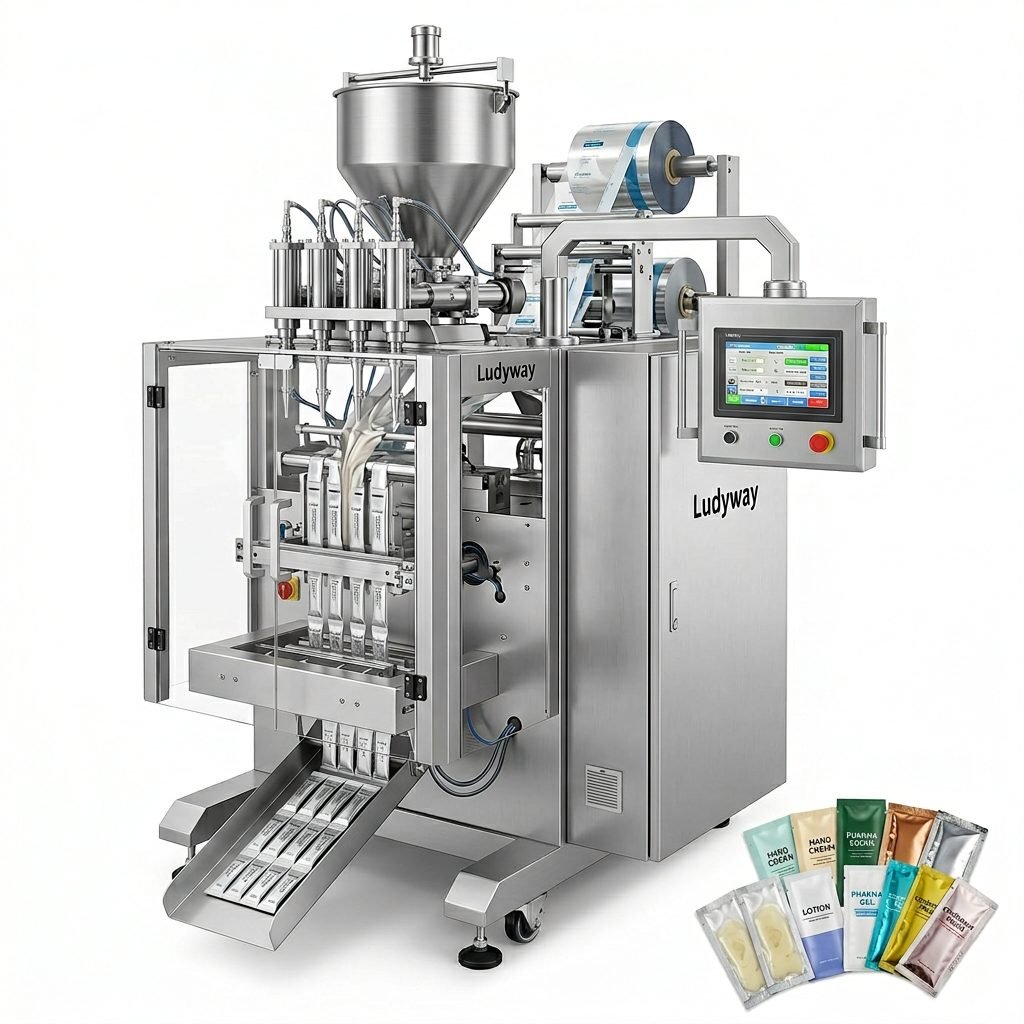
This system uses pre-manufactured, stand-up pouches (Doypack style) or flat pouches. The machine opens the pouch, fills it, and then seals it. This option is perfect for brands that have invested in custom-printed, high-barrier pouches with distinctive shapes and designs.
Consideration: While offering superb graphic potential and consumer convenience (resealable zippers, spouts), the cost per pouch is higher than film rolls, and machine speeds can be slightly lower than VFFS systems.
Weighing and Dosing Systems
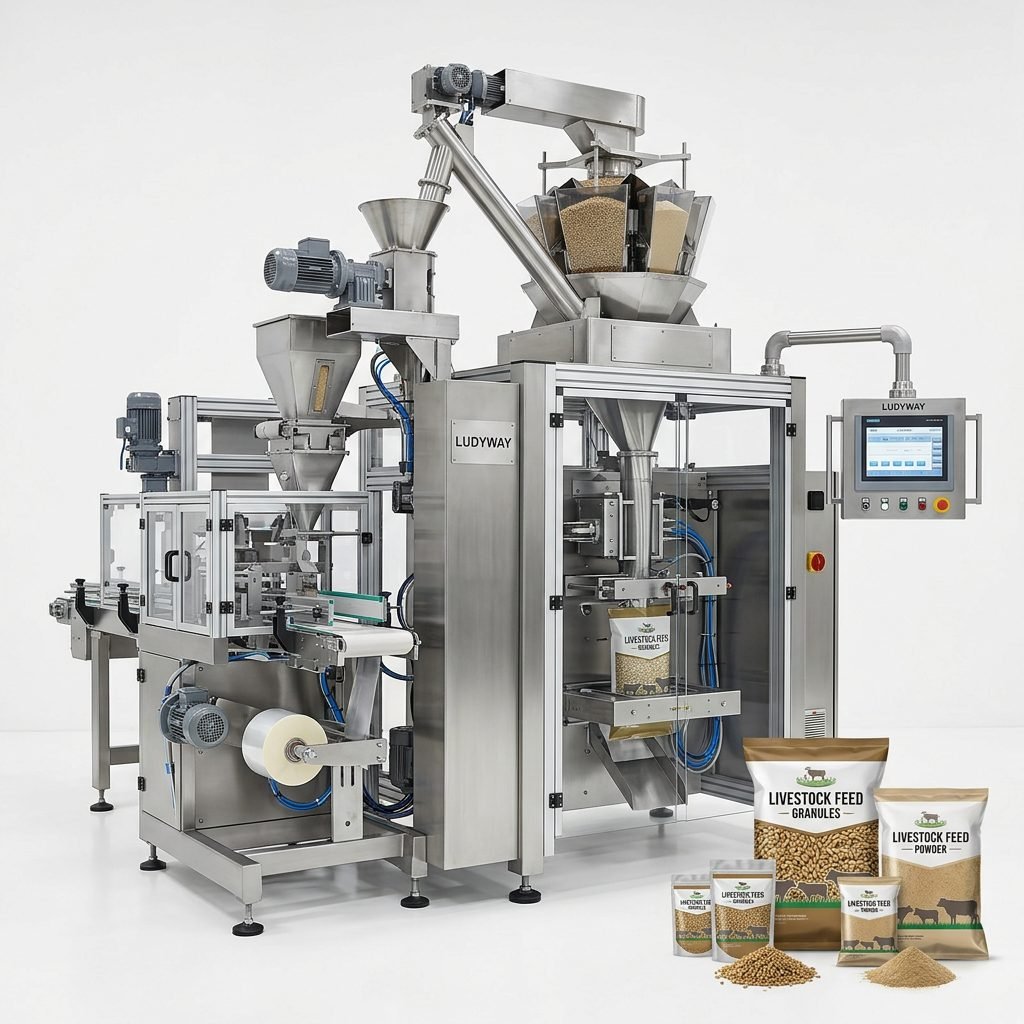
Accurate portion control is non-negotiable. Integrated multi-head weighers or volumetric cup fillers ensure every bag contains the exact weight promised to the consumer, minimizing giveaway and ensuring compliance with regulations.
✔ Multi-head weighers use a combination of scales to achieve ultra-high precision, crucial for expensive dried fruits.
✔ Volumetric fillers use cups or augers and are a cost-effective solution for uniform, free-flowing products like small raisins or currants.
Essential Features to Look for in Packaging Machinery
Beyond the basic type, several features define a machine’s performance, hygiene, and suitability for dried fruits.
1. Material Compatibility and Barrier Properties
The machine must be compatible with films that provide an excellent moisture and oxygen barrier. Look for machines designed to handle multi-layer laminates or metallized films that extend shelf life by preventing dried fruits from becoming soggy or oxidizing.
2. Gentle Product Handling
Many dried fruits, like apple rings or apricot halves, are fragile. Equipment should have gentle product handling mechanisms, such as soft-drop chutes or vibration-free conveyors, to prevent breakage and maintain product integrity.
3. Hygiene and Cleanability
Food safety is paramount. Machines should have a stainless steel contact surface (grade 304 or 316), smooth surfaces without crevices, and a design that allows for quick, easy, and thorough cleaning (CIP/SIP capabilities are a major plus).
4. Gas Flushing (Nitrogen Flushing) Capability
To maximize shelf life and preserve color and texture, many premium dried fruit packages use modified atmosphere packaging (MAP). Ensure the machine has a reliable gas flushing system that can displace oxygen inside the bag with nitrogen or another inert gas before sealing.
5. Automation and Integration
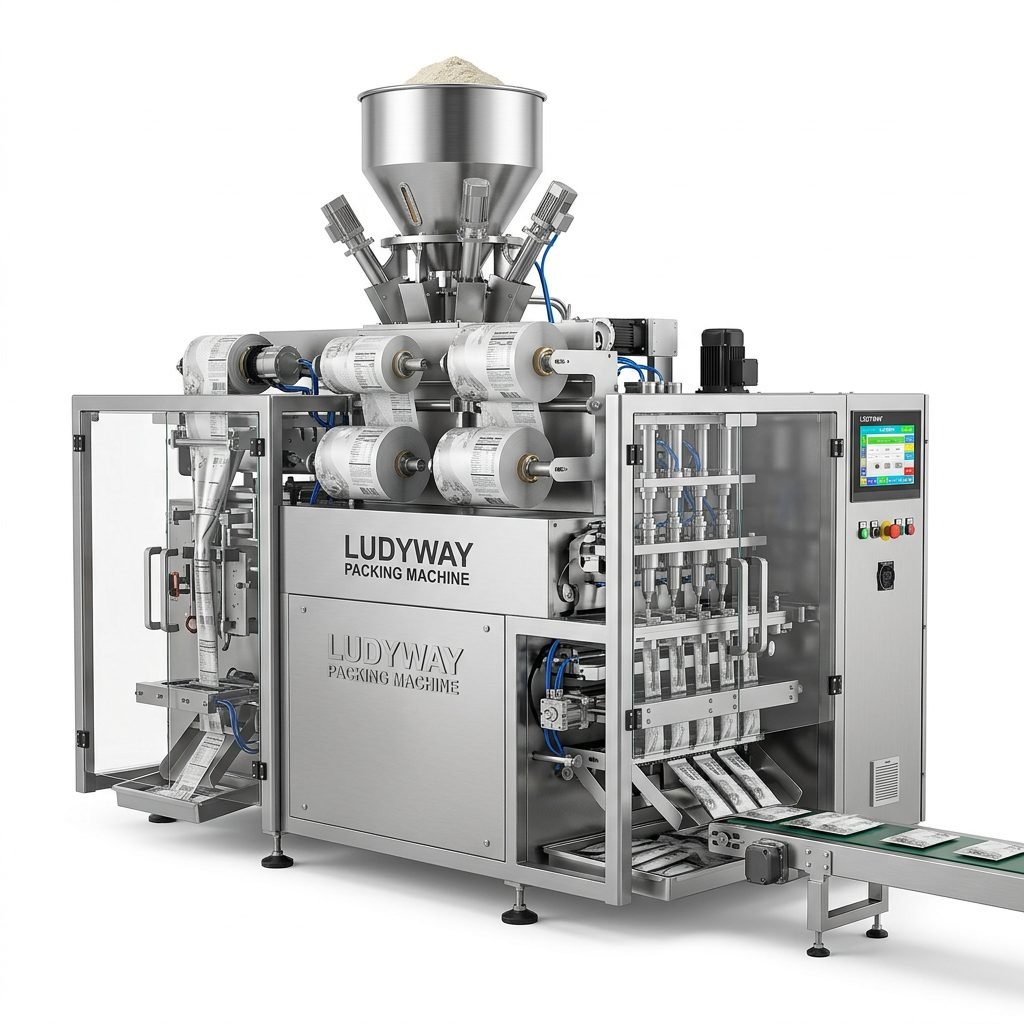
Modern lines integrate checkweighers, metal detectors, and vision systems. Choose machinery from a supplier like Ludyway Packing Machine that offers seamless integration capabilities, allowing for a fully automated, data-monitored production line that minimizes labor and maximizes consistency.
How to Choose the Right Machine for Your Operation
Selecting equipment is a strategic process. Follow these steps to make an informed decision.
Step 1: Define Your Product and Output Requirements
Start with the basics. What dried fruits are you packaging? What is their physical form and flowability? Most critically, determine your required production speed (bags per minute) and the range of bag sizes you need to run. This will immediately narrow down your machine type and model range.
Step 2: Evaluate Your Packaging Materials
Your choice of film or pouch dictates machine specifications. Provide potential suppliers with samples of your packaging material. They can test its runnability, sealing properties, and compatibility with their equipment’s forming and sealing systems.
Step 3: Prioritize Hygiene and Compliance
Verify that the machine meets all relevant food safety standards for your market (e.g., FDA, EU regulations). The ease of disassembly for cleaning and the quality of stainless steel used are not areas for compromise.
Step 4: Consider Operational and Human Factors
How easy is the machine to operate and change over? A user-friendly Human-Machine Interface (HMI) and quick-change parts for different bag sizes drastically reduce downtime. Consider the skill level of your operators and the training support offered by the vendor.
Step 5: Analyze Total Cost of Ownership (TCO)
Look beyond the initial purchase price. Factor in:
• Energy consumption of the machine.
• Expected maintenance costs and spare parts availability.
• Potential for future upgrades or integration.
• The reputation of the supplier for after-sales service and technical support. A reliable partner ensures long-term productivity.
Step 6: Partner with an Experienced Supplier
Choosing a supplier with deep industry expertise is crucial. A company like Ludyway Machinery, with over a decade of experience in food packaging, can provide more than just a machine. They offer turnkey solutions, from initial consultation and factory layout planning to installation, training, and ongoing support, ensuring your investment delivers maximum return.
Conclusion
Investing in the best dried fruit packaging equipment is an investment in your product’s quality, efficiency, and market success. By thoroughly understanding the types of machines available, prioritizing essential features like gentle handling and gas flushing, and following a disciplined selection process that focuses on your specific needs and total cost of ownership, you can equip your production line for reliability and growth. Partnering with a knowledgeable and service-oriented equipment provider is the final, critical step to securing a packaging solution that protects your fruit and your business.
Frequently Asked Questions (FAQs)
1. What is the most important feature for extending the shelf life of packaged dried fruits?
The single most important feature is a reliable gas flushing (Nitrogen flushing) system integrated with a machine capable of handling high-barrier packaging films. Removing oxygen from the package is the most effective way to prevent oxidation, rancidity, and color degradation.
2. Can one machine handle different types of dried fruits, like whole apricots and small berries?
Yes, a versatile Vertical Form Fill Seal (VFFS) machine with a quick-change weighing system (e.g., switching from a multi-head weigher for berries to a bulk weigh system for apricots) can handle a variety of products. However, changeover procedures and potential for cross-contamination must be managed through rigorous cleaning protocols.
3. How do I choose between a VFFS machine and a pre-made pouch filler?
The choice hinges on volume, cost, and branding. VFFS is better for high-volume, cost-sensitive production with good graphics. Pre-made pouch fillers are ideal for premium brands using unique, custom-printed stand-up pouches where package design is a key selling point, even at slightly lower speeds and higher per-unit cost.
4. What maintenance is required for dried fruit packaging equipment?
Daily cleaning is essential. Regular maintenance includes lubricating moving parts (with food-grade lubricants), checking and replacing sealing jaws or bands, calibrating the weighing system, and inspecting electrical components. A preventive maintenance schedule from your supplier, like the support offered by Ludyway’s service team, is highly recommended.
5. Can packaging equipment be integrated into an existing production line?
Absolutely. Reputable suppliers design machines for integration. You will need to provide details of your upstream (e.g., drying, sorting) and downstream (e.g., cartoning, case packing) equipment to ensure proper synchronization of speeds, conveyors, and control systems for a seamless automated line.