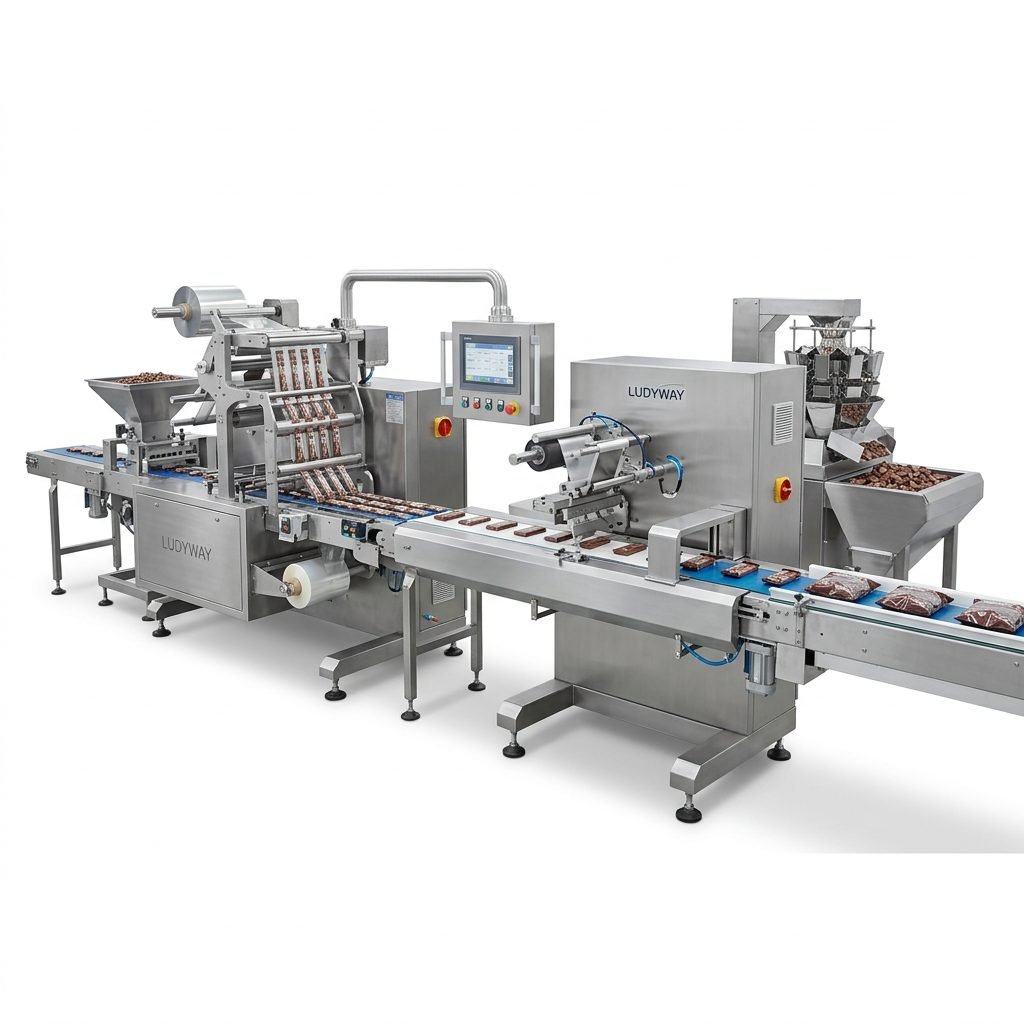
Entering the North American market with a seasoning packaging machine production line requires a clear understanding of local regulations, consumer packaging preferences, and high-speed automation standards. From dry rubs and spice blends to liquid marinades, the demand for flexible packaging solutions is rising sharply. Setting up a successful production line involves careful planning around machinery, food safety compliance, and scalability.
Understanding the North American Seasoning Market
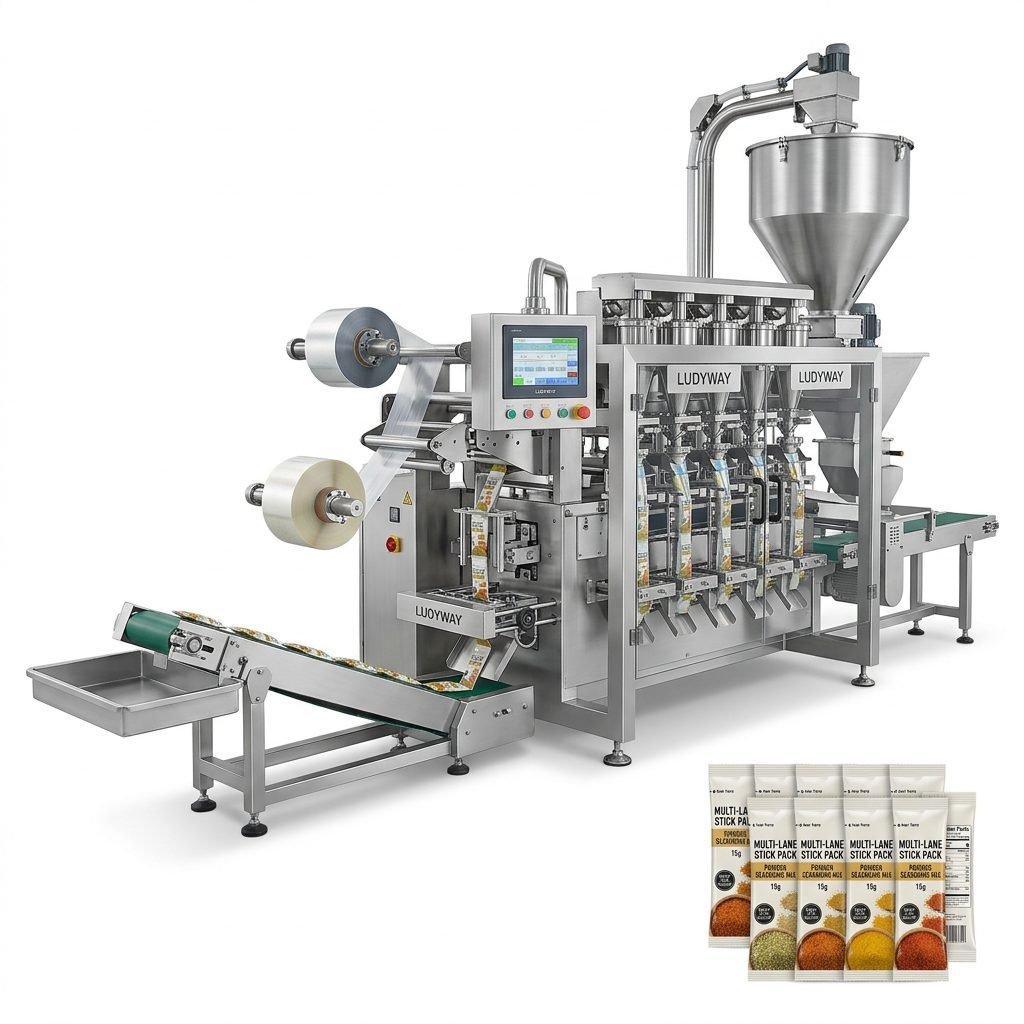
The seasoning and spice sector in the United States and Canada continues to expand, driven by consumer interest in ethnic cuisines, health-conscious blends, and convenient single-serve formats. Stick packs and sachets have become the dominant packaging choice because they offer portion control, extended shelf life, and excellent brand presentation. When planning a production line, you must evaluate packaging materials that meet FDA food contact standards and consider the regional shift toward recyclable and compostable films.
Key Production Line Components
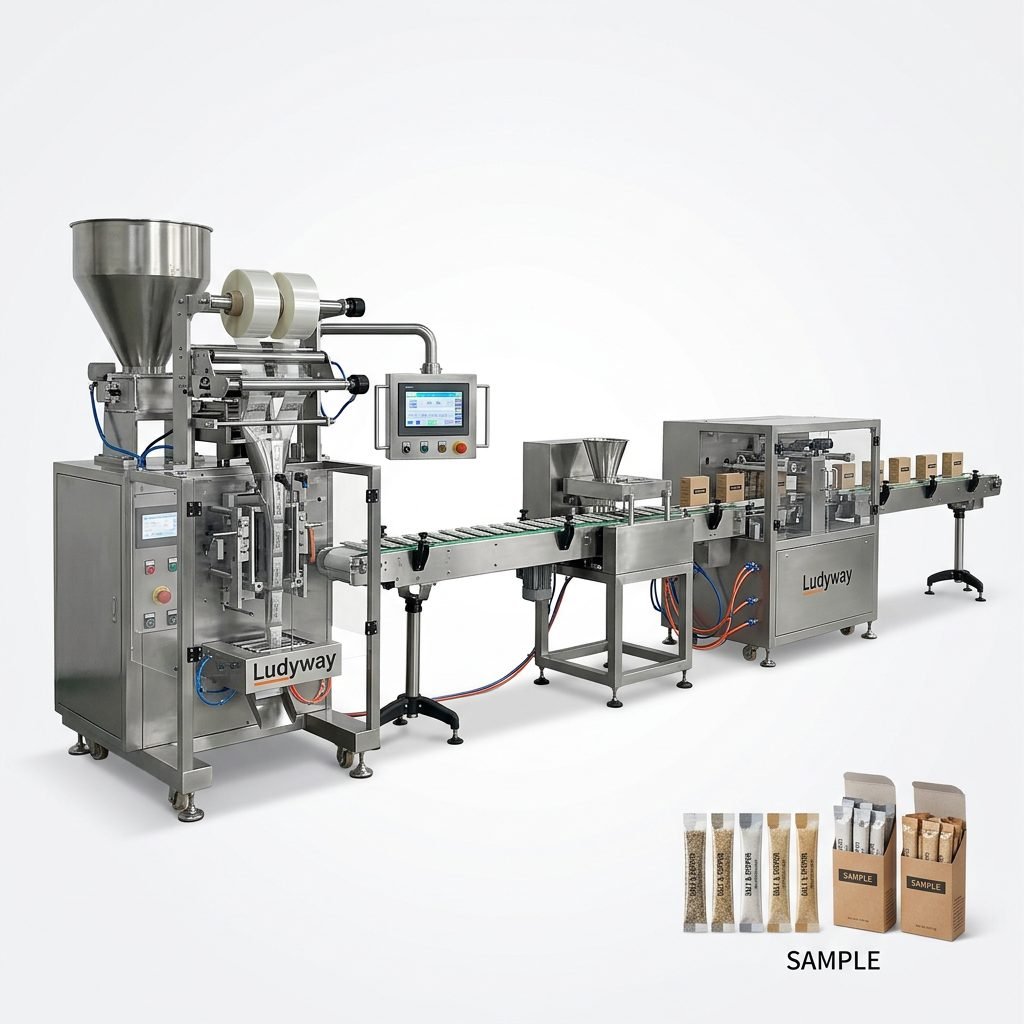
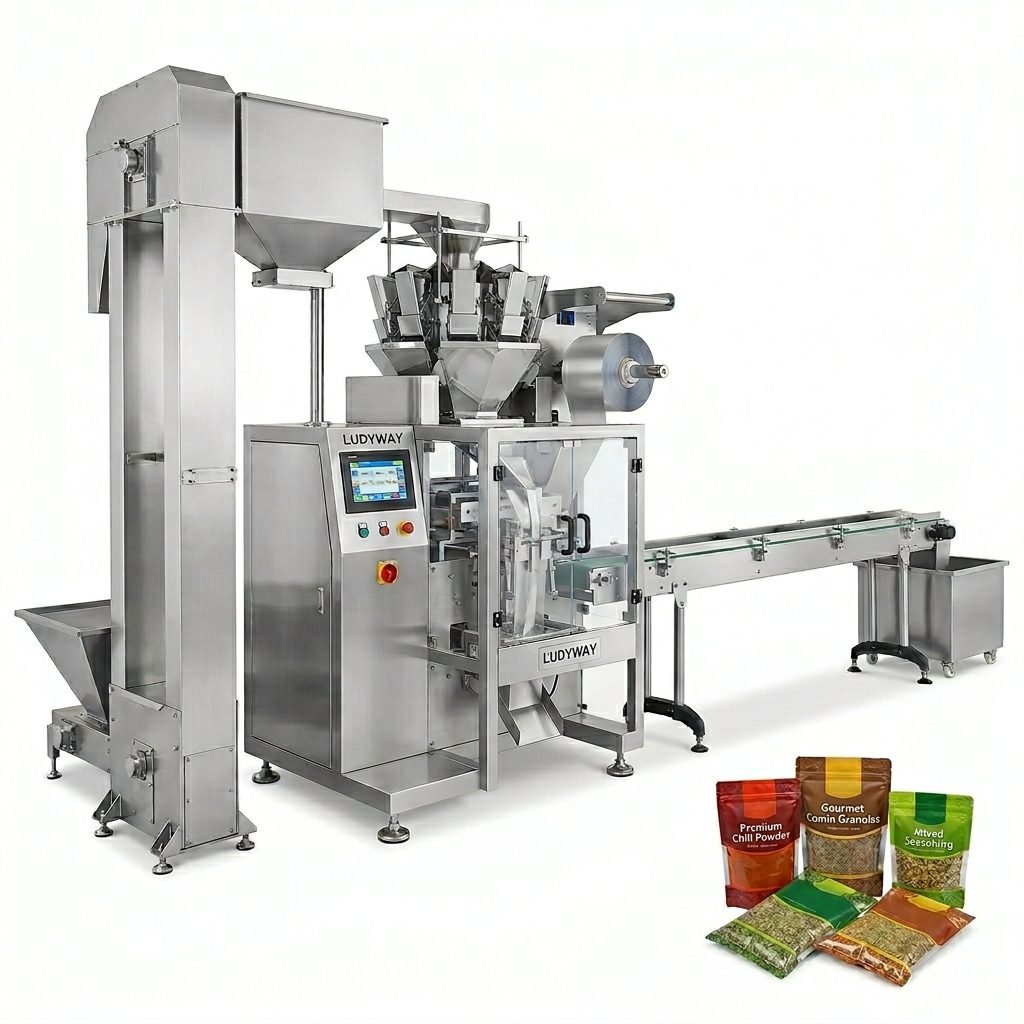
A fully integrated seasoning packaging line typically includes the following modules. Each part must be matched to your output targets and product characteristics, whether handling fine powders, coarse granules, or hygroscopic blends.
| Machine Module | Primary Function |
|---|---|
| Feeding System | Consistent product delivery via screw or vibratory feeders to prevent bridging and segregation. |
| Multi-Head Weigher | High-accuracy portioning for granules and powders, reducing product giveaway. |
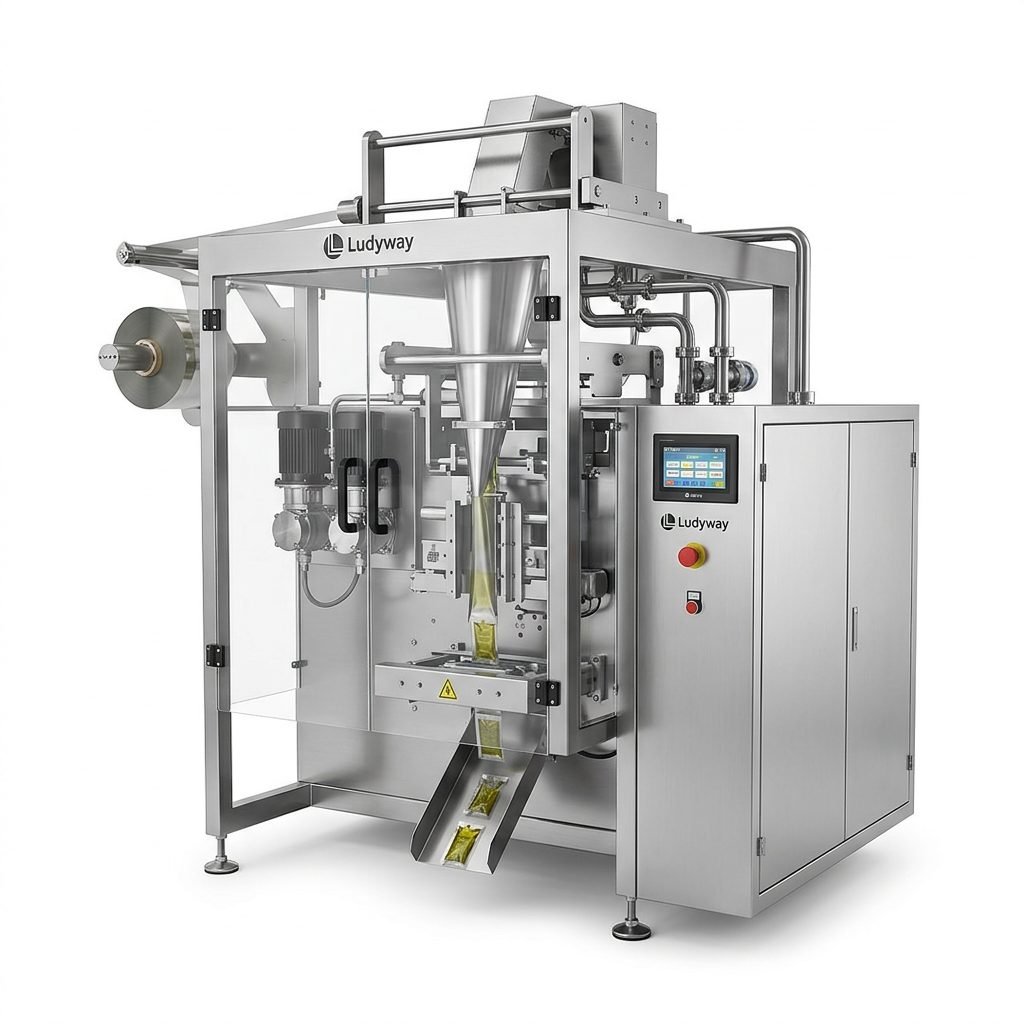
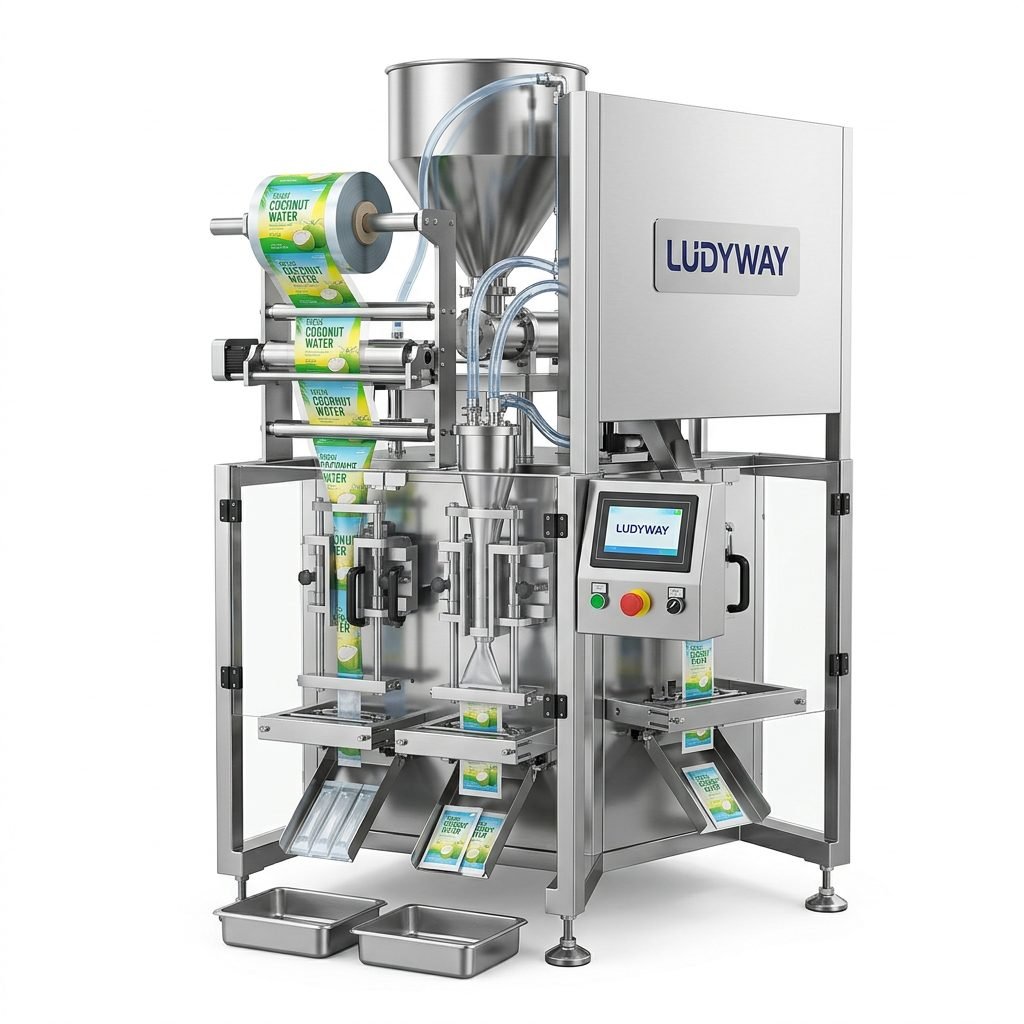
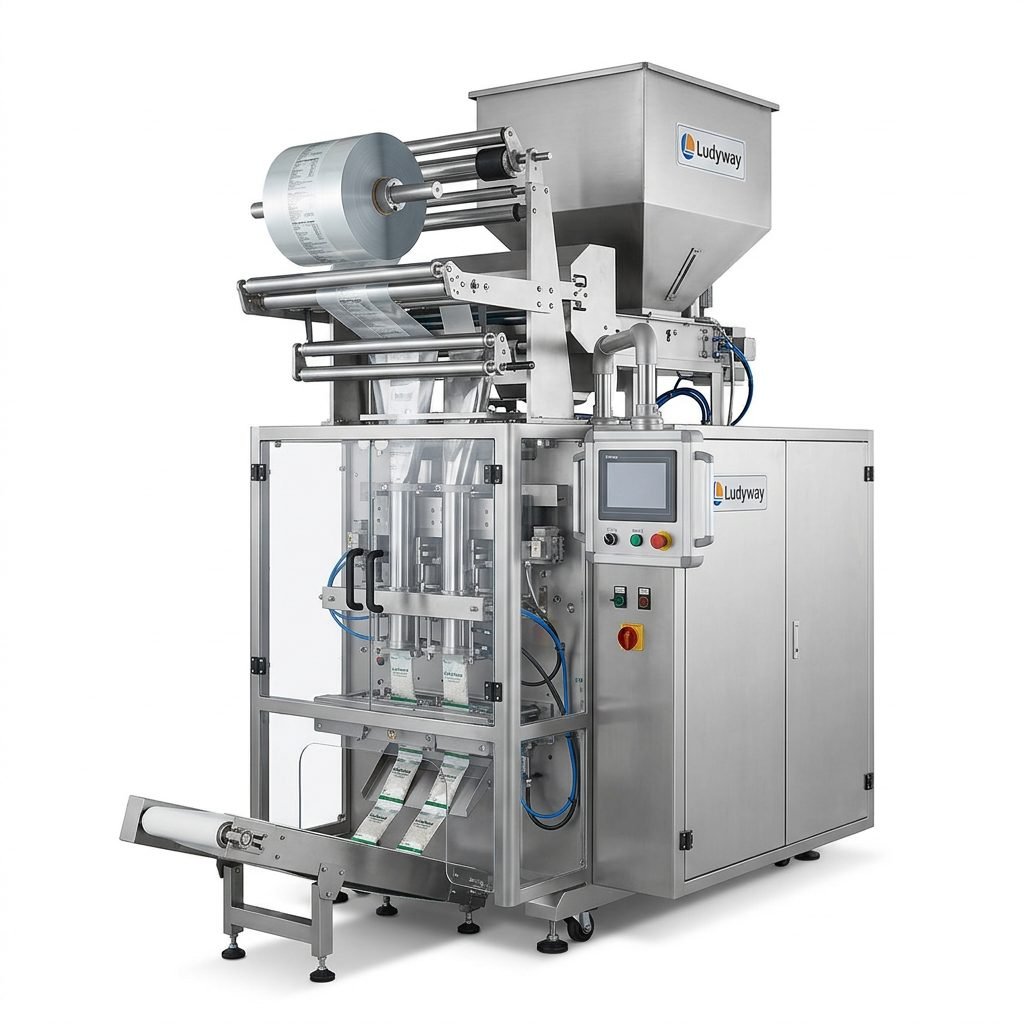
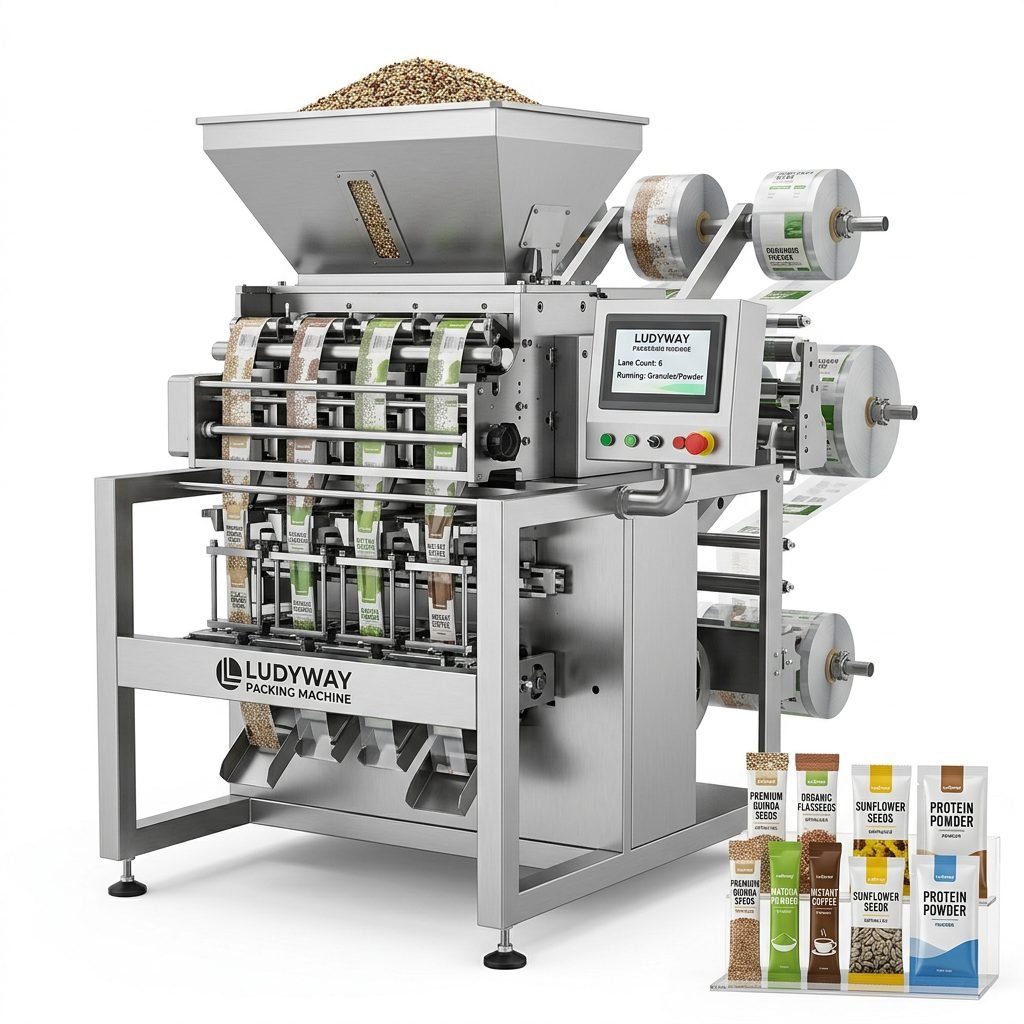
| Vertical Form Fill Seal (VFFS) | Forms pouches from roll film, fills, and seals in a continuous motion, ideal for high-volume stick packs and sachets. |
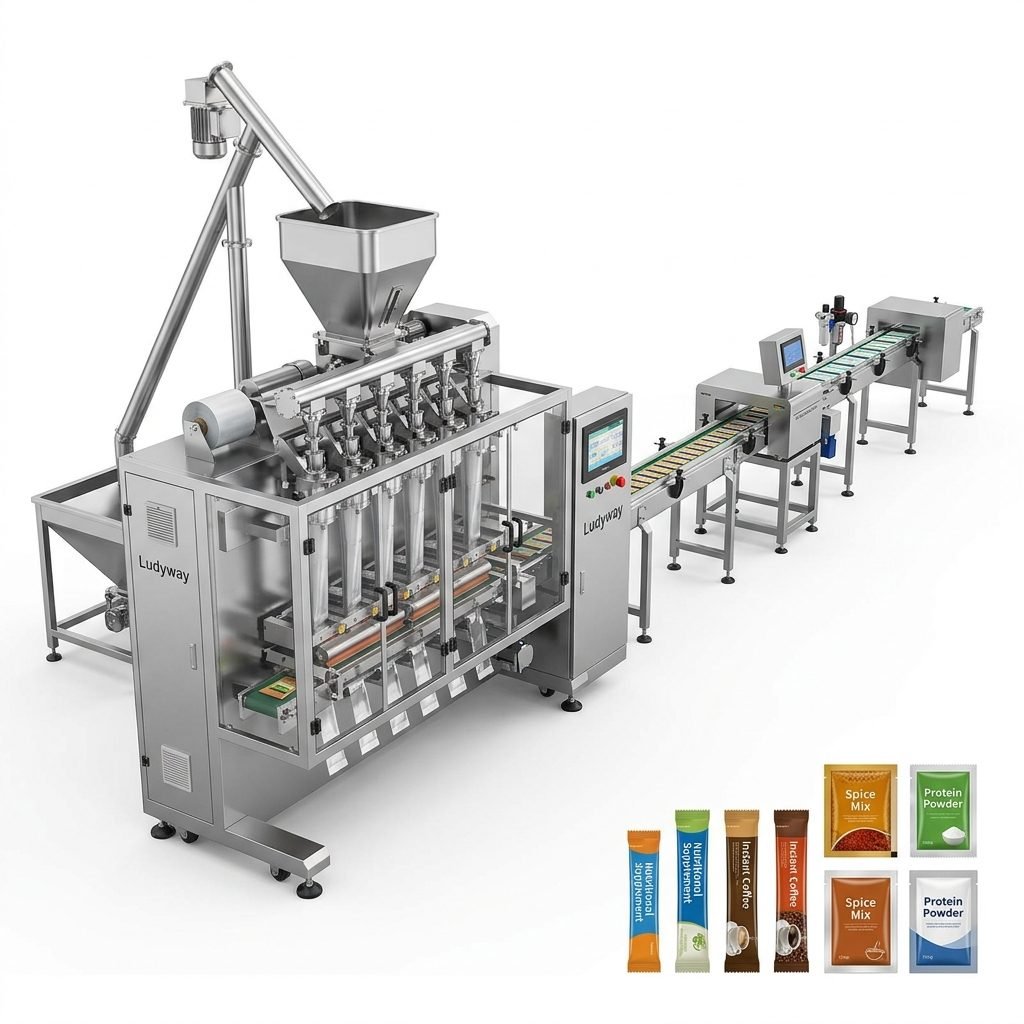
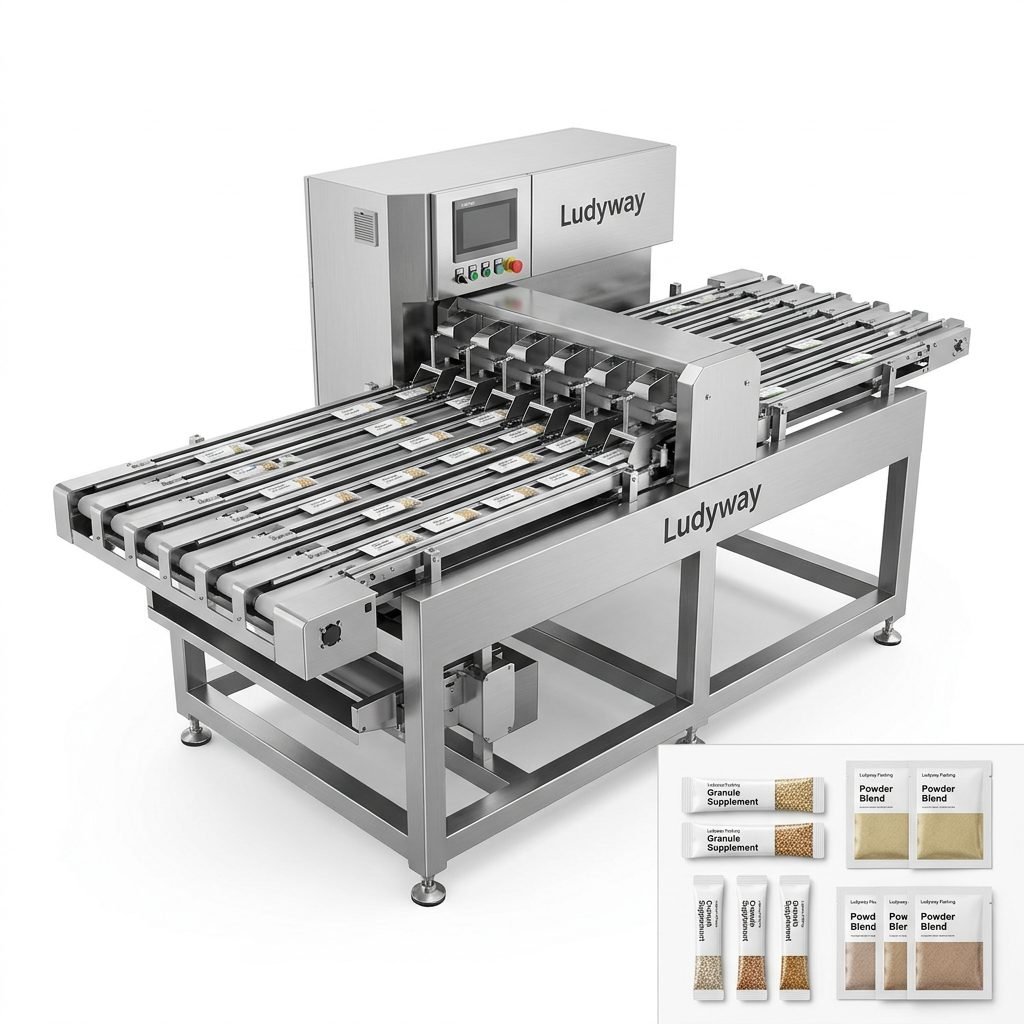
| Multi-Lane Stick Pack Machine | Runs multiple lanes simultaneously, dramatically increasing output for single-serve seasoning packs. |
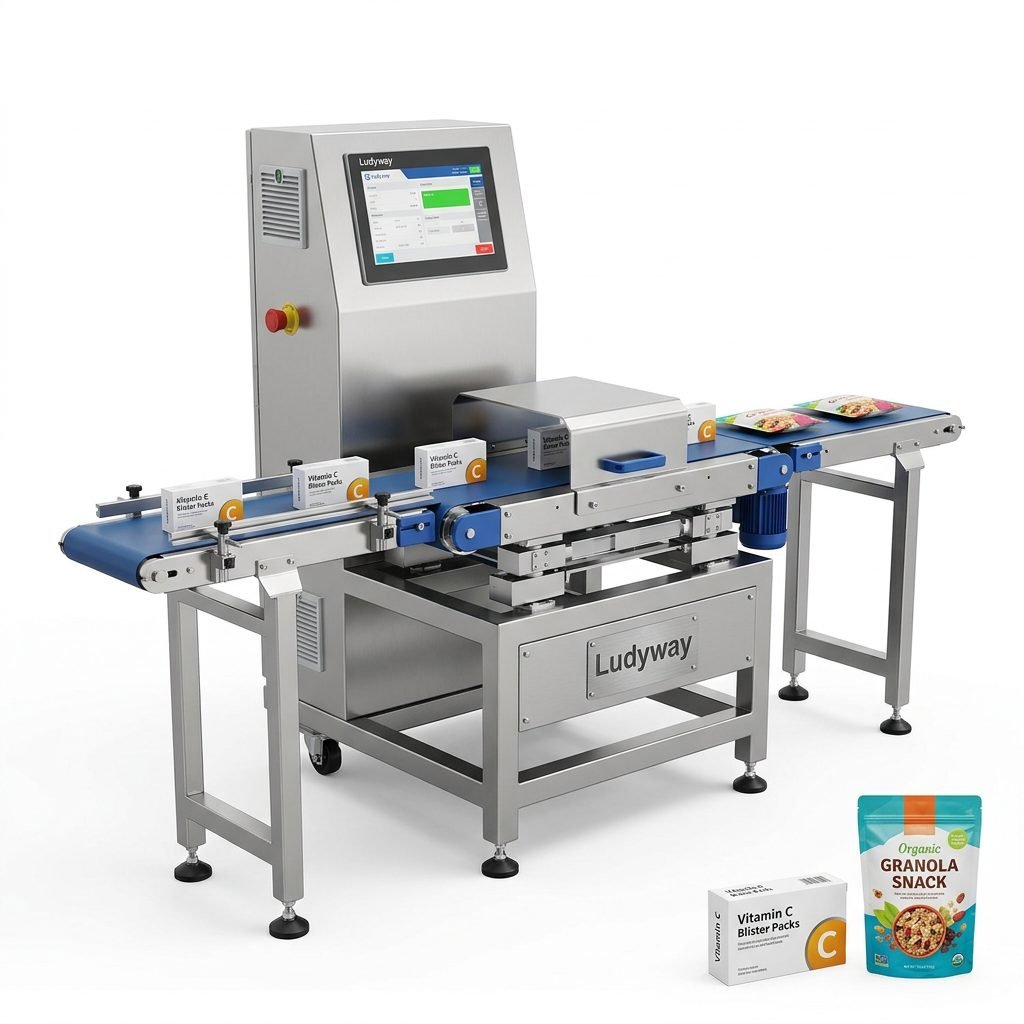
| Checkweigher and Metal Detector | Ensures weight compliance and contaminant detection; critical for North American food safety standards. |
| Cartoning and Case Packing | Automates the secondary packaging process for retail-ready distribution. |
Automation and Speed Considerations for High-Volume Output
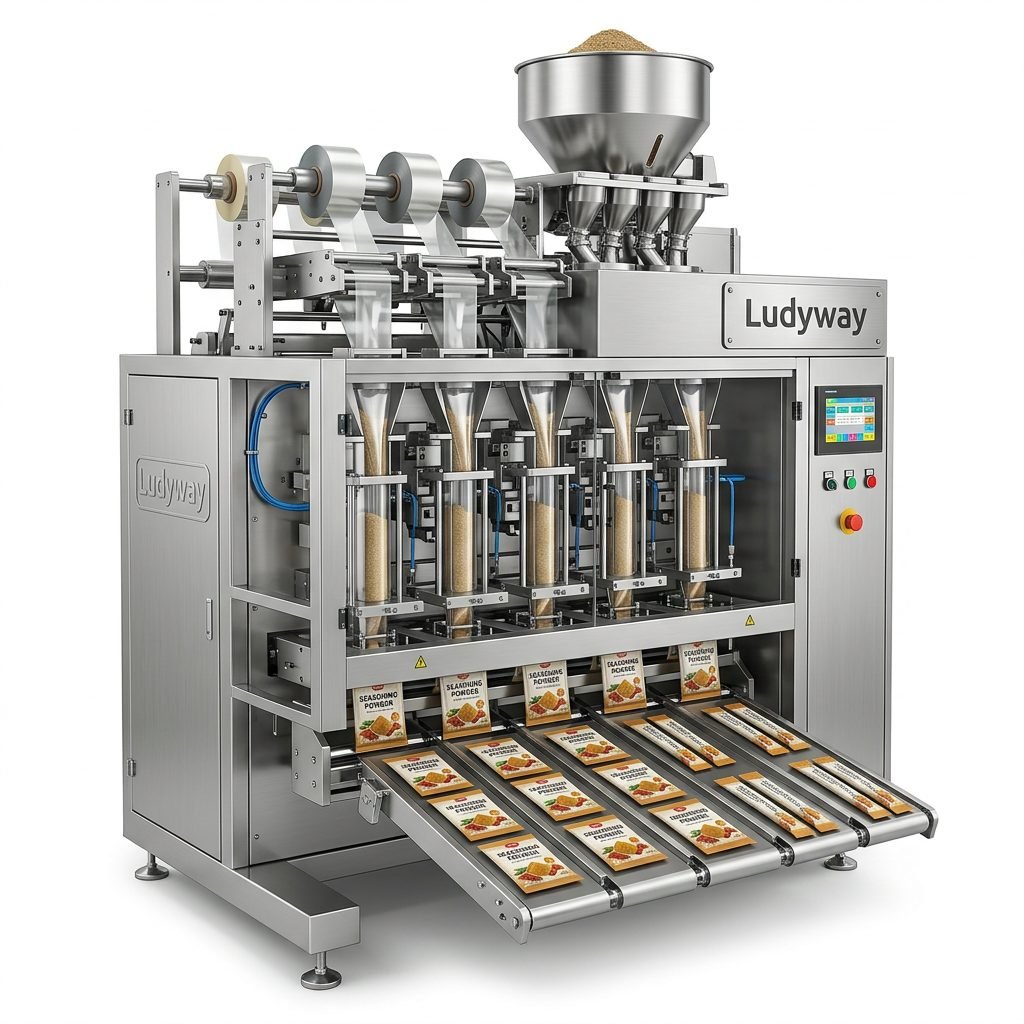
The choice between intermittent and continuous motion machinery directly impacts your production capacity. For seasoning products destined for major North American retailers, multi-lane stick pack systems offer unmatched speed, producing up to several hundred packs per minute per lane. Look for fast changeover capabilities, servo-driven controls, and automated tension adjustment to minimize downtime between film roll changes.
Material Compatibility and Packaging Trends
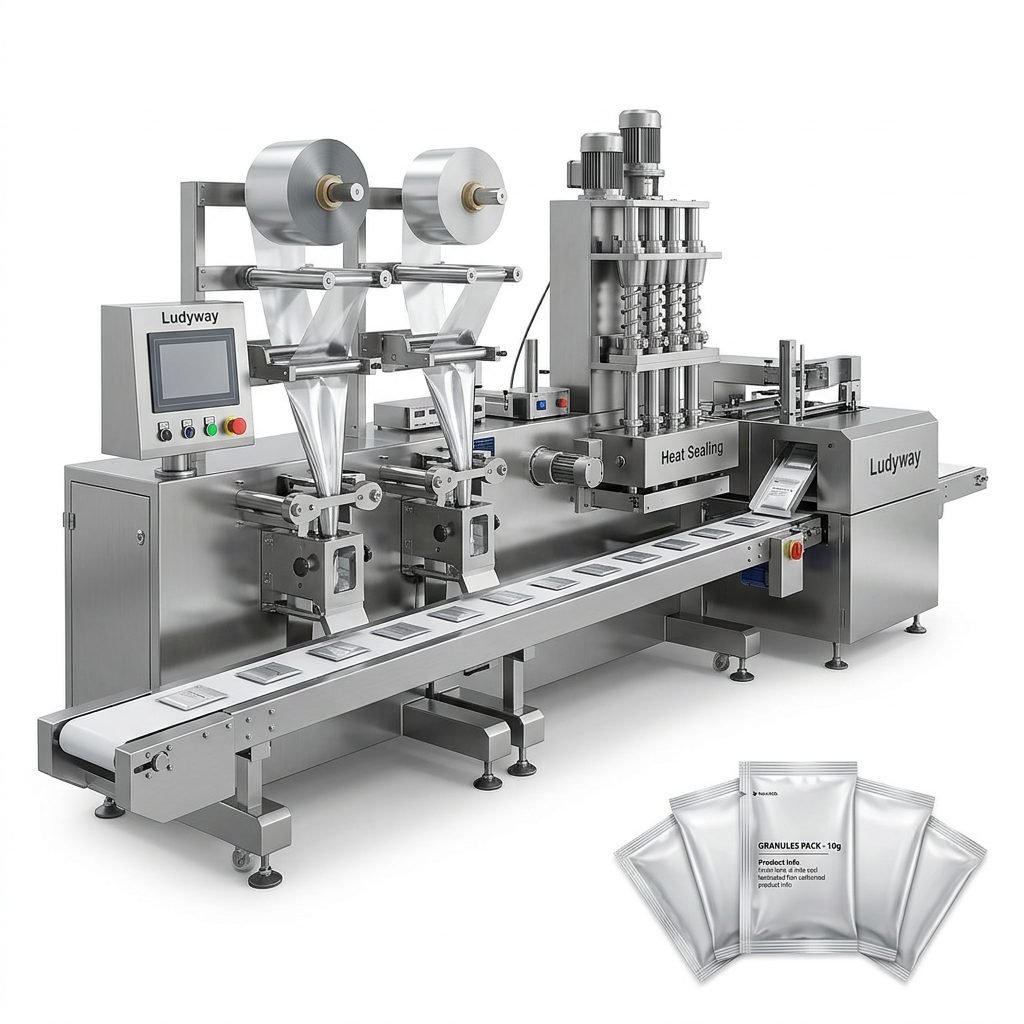
Working with multilayer barrier films is standard when packaging seasonings because of the need to protect against moisture and oxygen. The production line should handle a range of materials including PET/AL/PE laminates, paper-based structures, and mono-material recyclable films. Seal integrity is especially important for powdery products, as product contamination in the seal area can lead to leaks and spoilage. Advanced ultrasonic or heat seal technologies with automatic cleaning functions help maintain high seal quality.
Regulatory and Food Safety Compliance in North America
Any seasoning packaging line operating in the U.S. or Canada must comply with FDA food contact substance regulations and the Food Safety Modernization Act (FSMA). Equipment design should follow sanitary principles with tool-free disassembly for cleaning, sloped surfaces, and minimal crevices where product can accumulate. For Canadian operations, ISO packaging standards and Canadian Food Inspection Agency guidelines apply. Installing vision inspection systems and serialization capabilities also aligns with emerging traceability requirements across the continent.
Strategies for Plant Layout and Integration
Efficient plant layout maximizes throughput while maintaining material flow from raw ingredient intake to finished palletizing. Place feeding and mixing equipment adjacent to the packaging line. Design the layout to separate dry processing from liquid seasoning production if both are manufactured. Include adequate space for film storage, maintenance access, and quality control stations. Using modular conveying and checkweighing systems allows for future expansion without major reconfiguration.
Implementation Checklist for Seasoning Packaging Lines
- Define primary packaging format: stick packs, sachets, or pouches based on retail channel requirements.
- Select inert contact materials: stainless steel 304 or 316 for all product contact parts.
- Integrate air quality controls: dust extraction and humidity management for powder filling areas.
- Validate seal strength: conduct regular burst and leak tests on production samples.
- Plan for preventive maintenance: stock critical spares and train operators on diagnostics.
Calculating Return on Investment
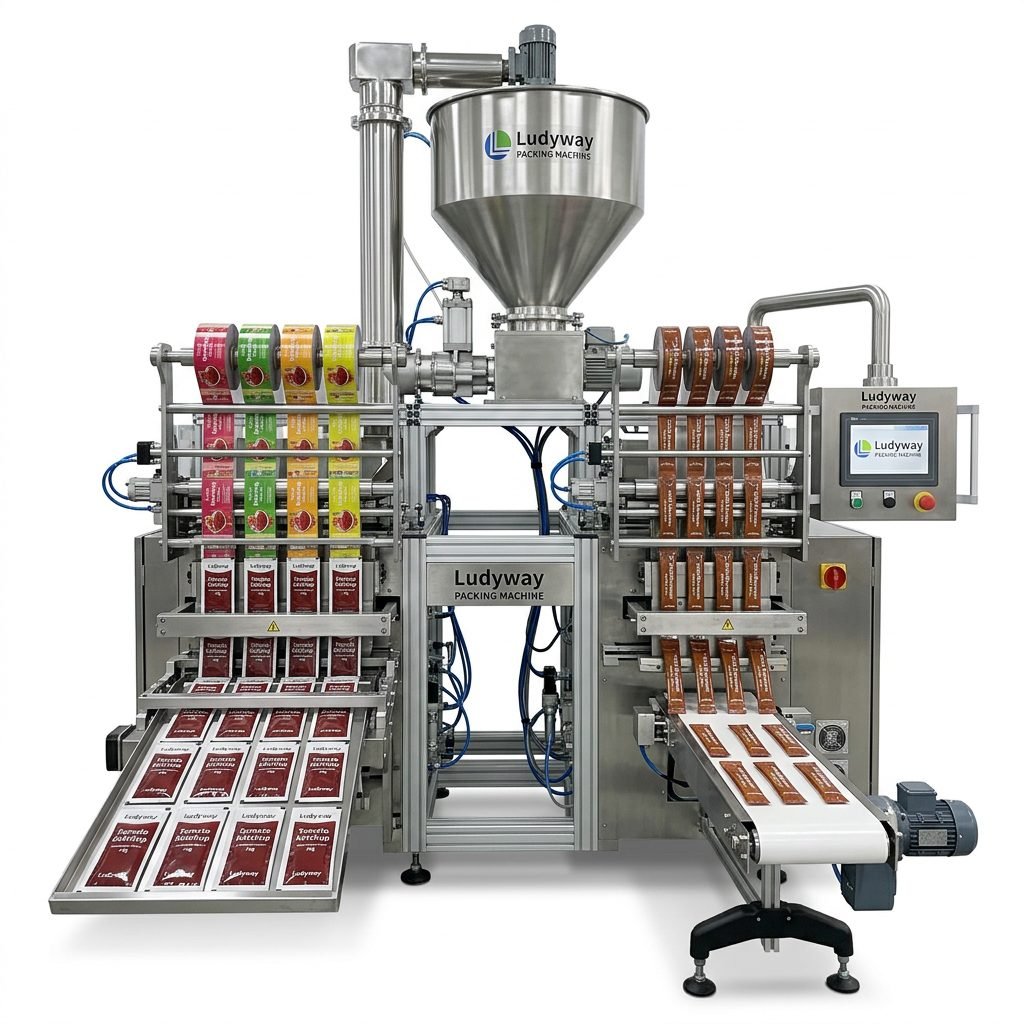
The initial capital for a seasoning packaging line can be substantial, but the right automation delivers rapid payback through reduced labor costs, minimized product waste, and higher output consistency. Compare the total cost of ownership across different machine configurations, taking into account energy consumption, film waste rates, and changeover efficiency. Many producers see full ROI within 18 to 24 months when switching from manual or semi-automatic processes to fully integrated multi-lane systems.
Cost Factors Affecting Your Packaging Line Budget
| Expense Category | Estimated Impact |
|---|---|
| Core packaging machinery | 50-65% of initial budget |
| Auxiliary equipment (checkweighers, coders, conveyors) | 15-20% of initial budget |
| Installation, training, and validation | 10-15% of initial budget |
| Facility modifications and utilities | 5-10% of initial budget |
| First-year spare parts and service contracts | 3-5% of initial budget |
Selecting a Reliable Equipment Partner
Partnering with a manufacturer that has deep experience in turnkey packaging lines is essential for a smooth North American launch. The ideal supplier provides complete factory acceptance testing, on-site commissioning support, and responsive after-sales service. When evaluating potential partners, request references from existing customers producing similar seasoning products. Review machine specifications for compliance with UL and CSA electrical standards, and confirm the availability of local technical support. Ludyway is one of the packaging machine manufacturers offering integrated line solutions with global project management, helping producers efficiently scale their seasoning packaging operations.
Common Pitfalls and How to Avoid Them
Many first-time buyers underestimate the importance of film handling for seasoning products. Static electricity and dust particles can compromise seal integrity, so look for machines equipped with static elimination bars and positive dust extraction. Another frequent mistake is ordering a line without sufficient integration between modules, leading to bottlenecks at the cartoning stage. Always simulate full production scenarios and demand a detailed performance guarantee before signing a contract. Finally, neglecting operator training often results in lower OEE, so invest in comprehensive on-site and remote training programs.
Additional Resources for North American Producers
- PMMI Packaging Industry Resources
- PMMI State of the Industry Reports
- Flexible Packaging Association Knowledge Hub
- Sustainable Packaging Materials Management (EPA)
- FDA Recognized Consensus Standards
Setting up a seasoning packaging line in North America demands a meticulous approach to machinery selection, regulatory alignment, and long-term operational planning. By prioritizing multi-lane automation, sanitary design, and integrated quality control, manufacturers can meet the growing demand for convenient, high-quality packaged seasonings while achieving sustainable profitability in this competitive market.