Choosing the right protein bar packaging machine is one of the most critical decisions you will make for your production line. Whether you are launching a new brand or scaling an existing operation, the packaging system you select directly impacts product freshness, shelf appeal, and your bottom line. This comprehensive buying guide walks you through everything from understanding your product’s specific needs to evaluating advanced automation features.
Understanding Protein Bar Packaging Challenges
Protein bars present unique packaging challenges that differ significantly from dry snacks or powders. They are often sticky, dense, and sensitive to moisture and oxygen. A poorly designed packaging system can lead to product waste, seal failures, and reduced shelf life. The ideal machine must handle the bar’s texture without crushing it while ensuring an airtight seal to preserve nutritional integrity. Oxygen ingress is the number one enemy of protein bar freshness, making seal integrity non-negotiable.
Step 1: Assess Your Production Requirements
Before comparing machine specifications, you need a clear picture of your operational goals. Start by asking these key questions:
- Production volume: How many bars per minute or hour do you need to package? Manual systems suit startups producing a few hundred bars daily, while multi-lane automated systems can handle tens of thousands per shift.
- Bar dimensions and variability: Do you produce one standard size or multiple formats? Frequent changeovers demand quick-adjust features.
- Packaging style: Flow wrap, sachet, stick pack, or pre-made pouch? Each format requires different machinery.
- Material compatibility: Are you using single-layer film, multi-layer laminates, or eco-friendly compostable materials?
Production Volume Comparison
| Operation Level | Typical Speed Range | Recommended Machine Type |
|---|---|---|
| Startup / Small Batch | 20 – 60 bars/min | Single-lane flow wrapper |
| Medium Production | 60 – 200 bars/min | Multi-lane flow wrapper or VFFS system |
| High-Volume Industrial | 200 – 600+ bars/min | Fully automated multi-lane turnkey line |
Step 2: Choose the Right Machine Type
Protein bar manufacturers typically select from three primary packaging technologies. Understanding each type’s strengths will help you narrow your options quickly.
Horizontal Flow Wrappers
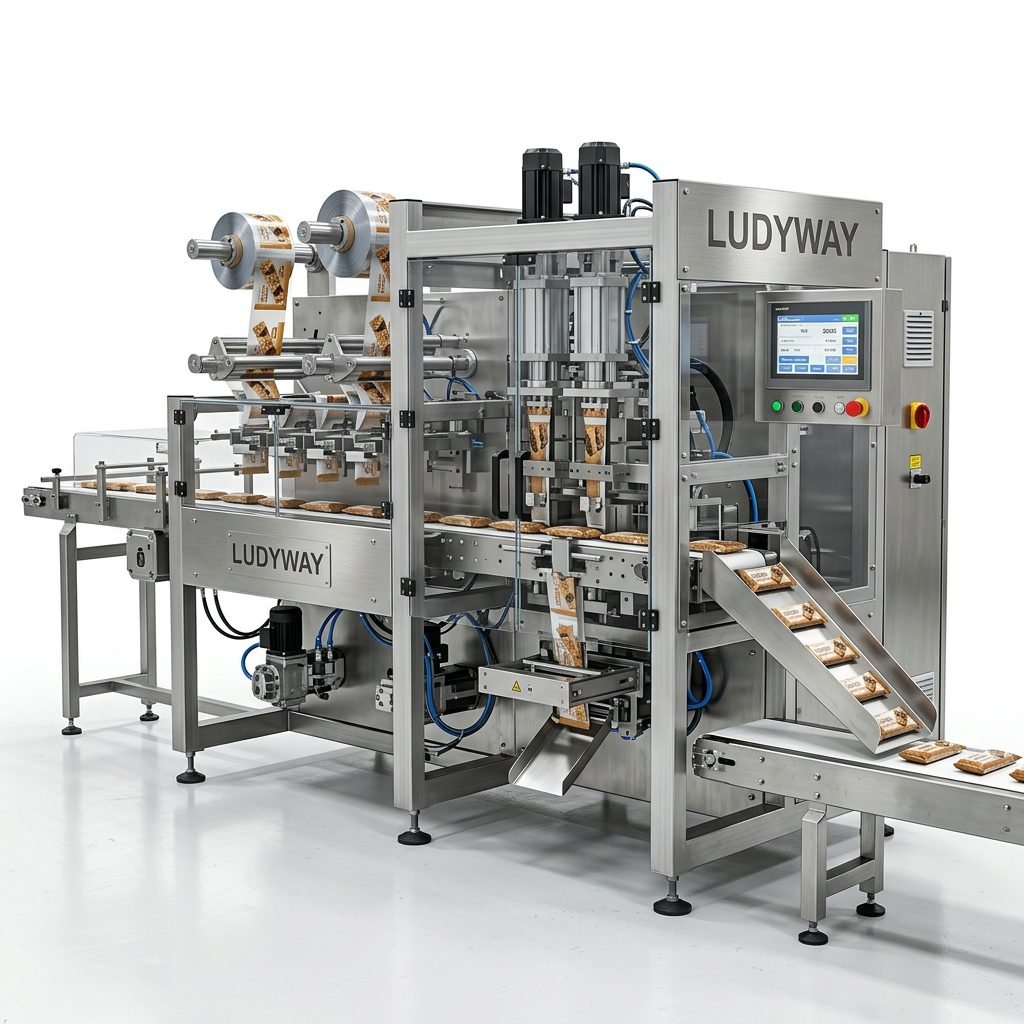
Horizontal flow wrappers are the industry standard for protein bars. The product is placed onto a moving film bed, wrapped, sealed, and cut into individual packs. These machines excel at maintaining bar shape and can easily integrate with downstream cartoning equipment. Look for features like gas flushing capability for modified atmosphere packaging (MAP) if extended shelf life is a priority.
Vertical Form Fill Seal (VFFS) Machines
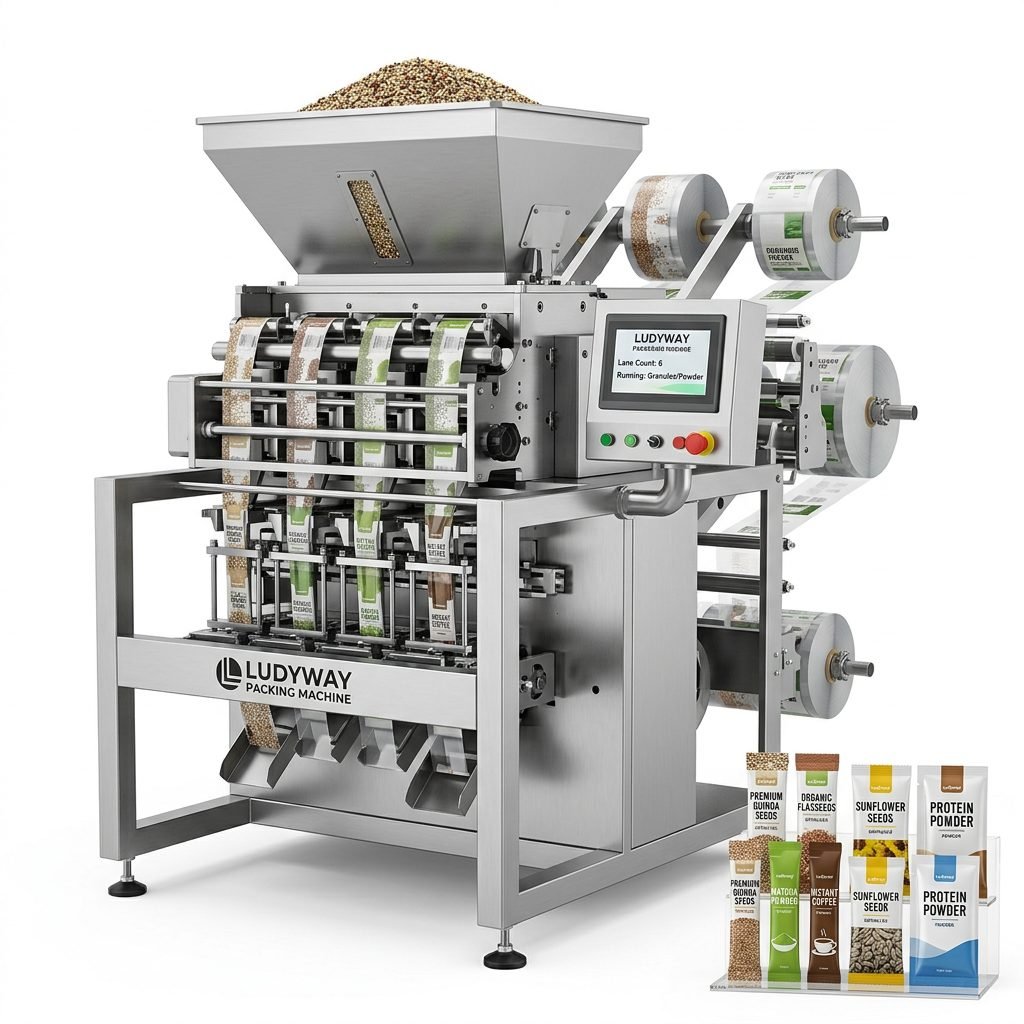
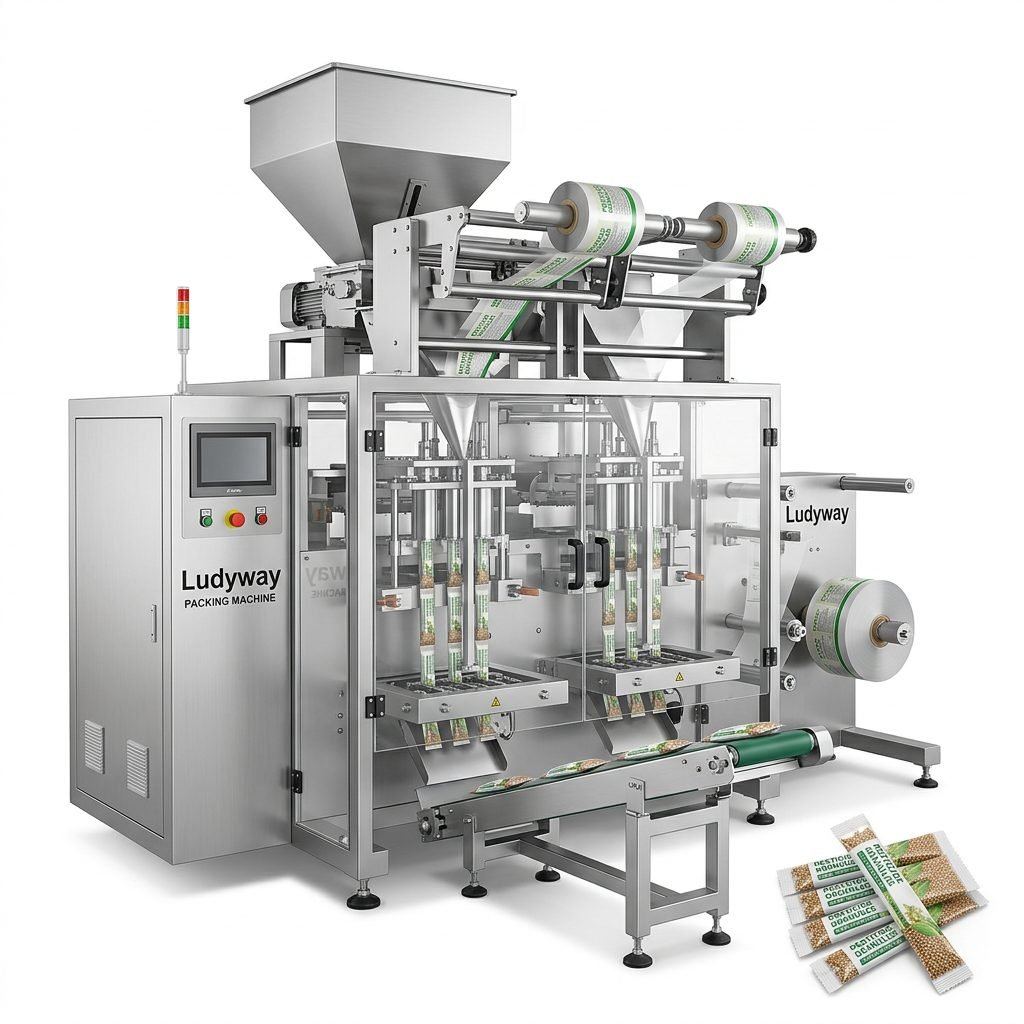
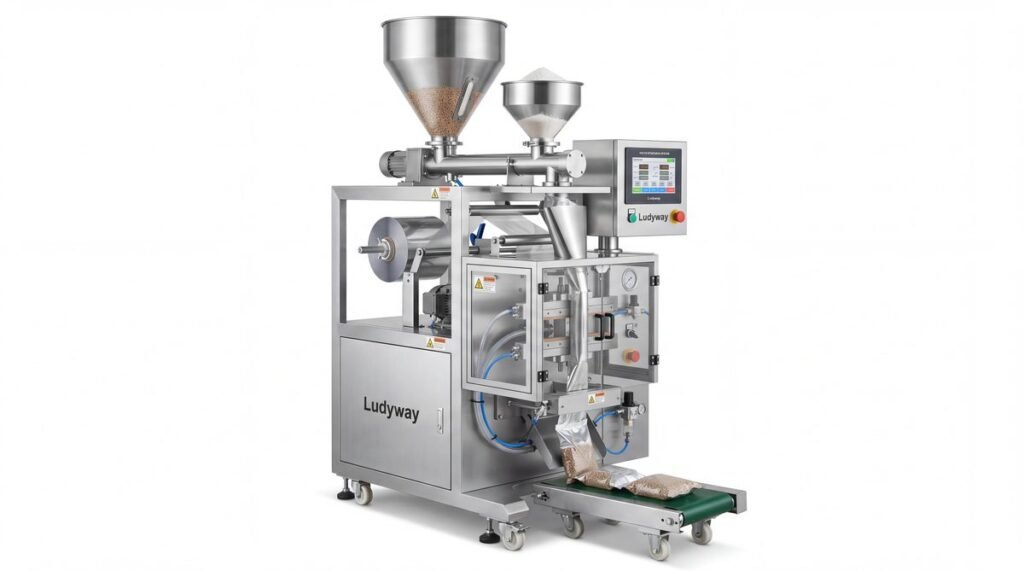
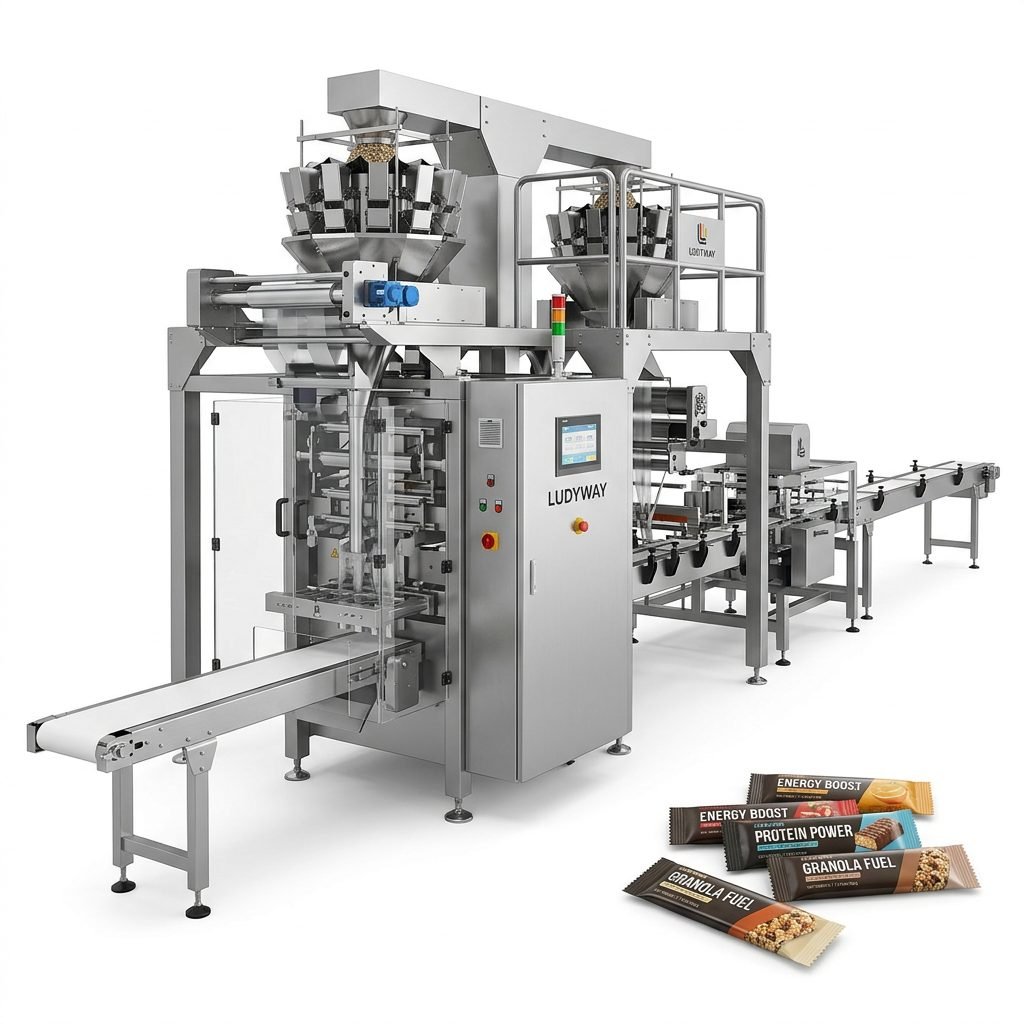
While less common for solid bars, VFFS systems are exceptionally versatile. They form a bag from flat film, fill it with product, and seal it. For smaller bite-sized protein pieces or clusters, a granule and powder packaging machine based on VFFS technology can be an excellent fit. VFFS machines generally offer higher speeds for smaller, uniform products.
Pre-Made Pouch Fill & Seal Systems
If your brand relies on stand-up pouches, zipper closures, or distinctive shapes, a rotary or inline pre-made pouch machine is the answer. These systems pick, open, fill, and seal pre-formed pouches. They offer premium shelf presence but typically run at lower speeds compared to flow wrappers. The trade-off is worth it for brands positioning themselves in the premium or organic segment.
Step 3: Evaluate Critical Machine Features
Not all packaging machines are created equal. The following features separate a reliable, production-ready system from one that will cause constant headaches:
- Seal Integrity: Look for machines with precise temperature control on sealing jaws. Uneven heat causes weak seals and product recalls.
- Gentle Product Handling: Protein bars can be soft or brittle. Conveyor design and film tension control must prevent deformation.
- Quick Changeover: If you run multiple bar sizes, tool-less changeover and recipe memory reduce downtime dramatically.
- Gas Flushing / MAP: For natural or preservative-free bars, nitrogen flushing extends shelf life by displacing oxygen inside the package.
- Integration Capability: Can the machine connect seamlessly with loaders, checkweighers, metal detectors, and cartoners?
- Film Registration: Precision sensors ensure printed film designs align perfectly on every bar.
Step 4: Consider Facility and Operational Constraints
Even the best machine will underperform if your facility isn’t prepared. Measure your available floor space, ceiling height, and utility connections. Multi-lane systems require more room but deliver exponentially higher output. Also assess your team’s technical proficiency. Modern machines come with intuitive HMI touchscreens, but training requirements vary. Factor in ongoing maintenance access and spare parts availability, as a machine sourced from a supplier without reliable after-sales support becomes a liability.
Key Technical Considerations
| Parameter | Why It Matters | What to Look For |
|---|---|---|
| Film Width & Material Range | Determines packaging flexibility | Adjustable former sets; compatibility with recyclable films |
| Sealing Jaw Type | Affects seal strength and speed | Rotary or long-dwell jaws for thicker laminates |
| Control System | Ease of operation and diagnostics | PLC-based with servo drives and remote access |
| Stainless Steel Construction | Food safety compliance | IP65+ washdown rating where needed |
Step 5: Automation, Turnkey Solutions, and Total Cost of Ownership
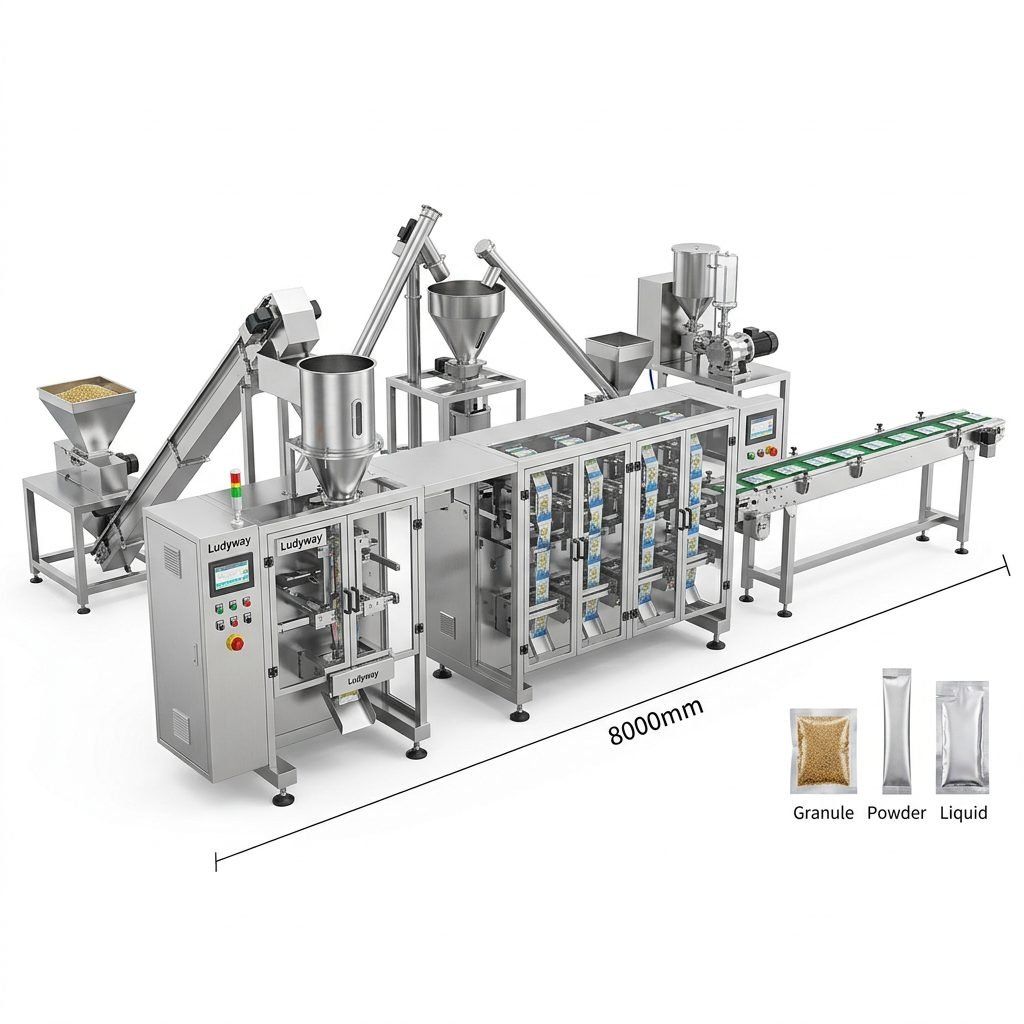
A packaging machine rarely operates in isolation. The true efficiency gain comes from an integrated system. Feeding systems automatically align bars into lanes. Checkweighers reject underweight packs without stopping production. Metal detectors protect your brand and consumers. Cartoning and case packing modules prepare products for distribution. When evaluating cost, look beyond the purchase price. Calculate total cost of ownership (TCO) including film waste rates, energy consumption, labor requirements, and expected maintenance costs over the machine’s lifespan. A more expensive machine with lower waste and higher speed often pays for itself within 12-18 months.

Special Considerations for Contract Manufacturers
If you co-pack for multiple brands, versatility becomes your most valuable asset. Your packaging line must accommodate different bar sizes, film materials, and pack styles on short notice. Prioritize machines with recipe-driven controls, minimal change parts, and the ability to run both cold-seal and heat-seal films. Documented cleaning procedures and rapid sanitization between product runs are also essential to prevent allergen cross-contamination.
Working with a Reliable Equipment Partner
Selecting the machine is only half the equation. The manufacturer behind it determines your long-term success. Look for a partner with demonstrated experience in food packaging, responsive technical support, and readily available spare parts. Factory acceptance testing (FAT) before shipment and comprehensive installation support minimize risk. Ludyway is one of the largest packaging machine manufacturers in China, specializing in advanced packaging equipment and turnkey production solutions for the food, pharmaceutical, and health industries. With over 30 years of industry expertise and a modern 20,000㎡ manufacturing facility, Ludyway provides reliable and efficient packaging solutions that help businesses improve productivity and operational efficiency.
Common Mistakes to Avoid
Buying a packaging machine is a significant investment, and missteps can be costly. Here are the most frequent pitfalls we see in the industry:
- Prioritizing speed over reliability: A machine that runs slightly faster but breaks down twice as often will never meet your targets.
- Ignoring film waste metrics: Even a 1% waste rate difference can mean thousands of dollars annually in material costs.
- Underestimating training needs: Operators must understand the machine thoroughly to prevent micro-stops and seal defects.
- Skipping scalability planning: Buy a machine that fits your 2-year growth projection, not just current demand.
- Overlooking after-sales support: The cheapest machine becomes the most expensive if you cannot get service when you need it.
Checklist Before Purchase
- Confirm bar dimensions and acceptable tolerances with the supplier
- Test your actual film and product on the machine before finalizing
- Verify electrical and air requirements match your facility
- Get clear warranty terms and spare parts lead times in writing
- Request references from customers producing similar products
- Plan for operator training and maintenance procedures
The right protein bar packaging machine transforms your production efficiency and product quality. By methodically evaluating your needs, understanding available technologies, and partnering with an experienced manufacturer, you can make a confident, informed decision that supports your business growth for years to come.
Further Reading and Resources
- PMMI State of the Industry Reports — Latest packaging machinery trends and market data
- Flexible Packaging Association Industry Resources — Insights on flexible packaging materials and sustainability
- FDA Food Ingredient & Packaging Guidelines — Regulatory requirements for food contact substances
- ISO Packaging Standards — International standards for packaging quality and safety