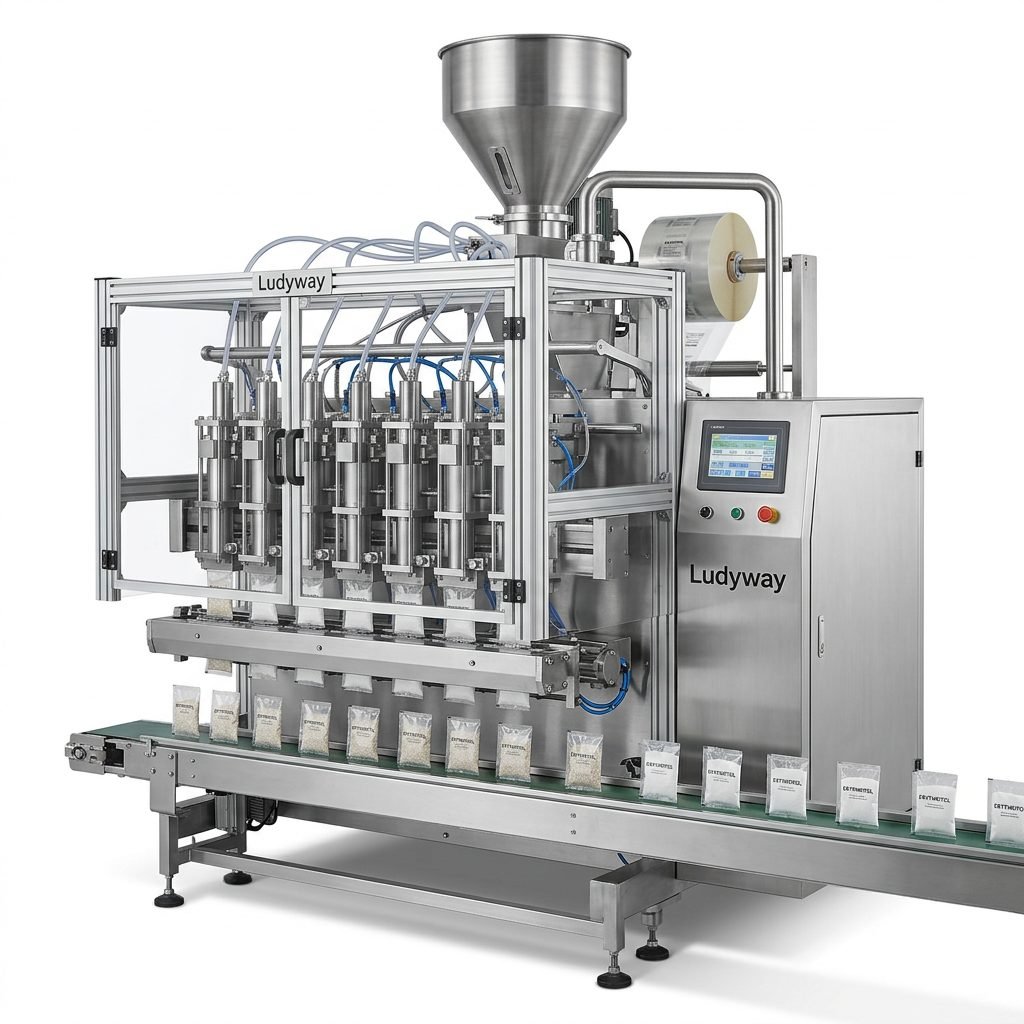
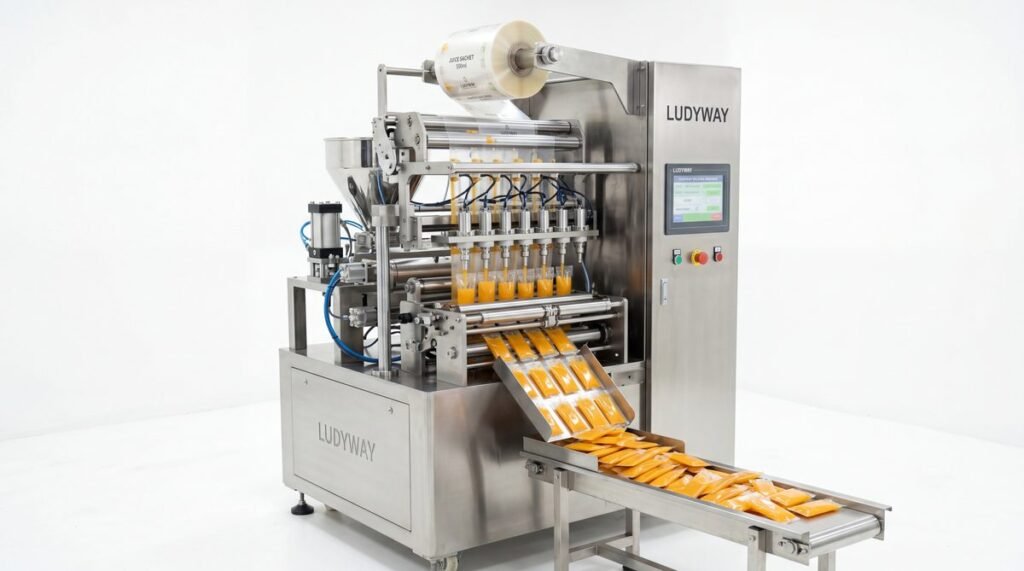
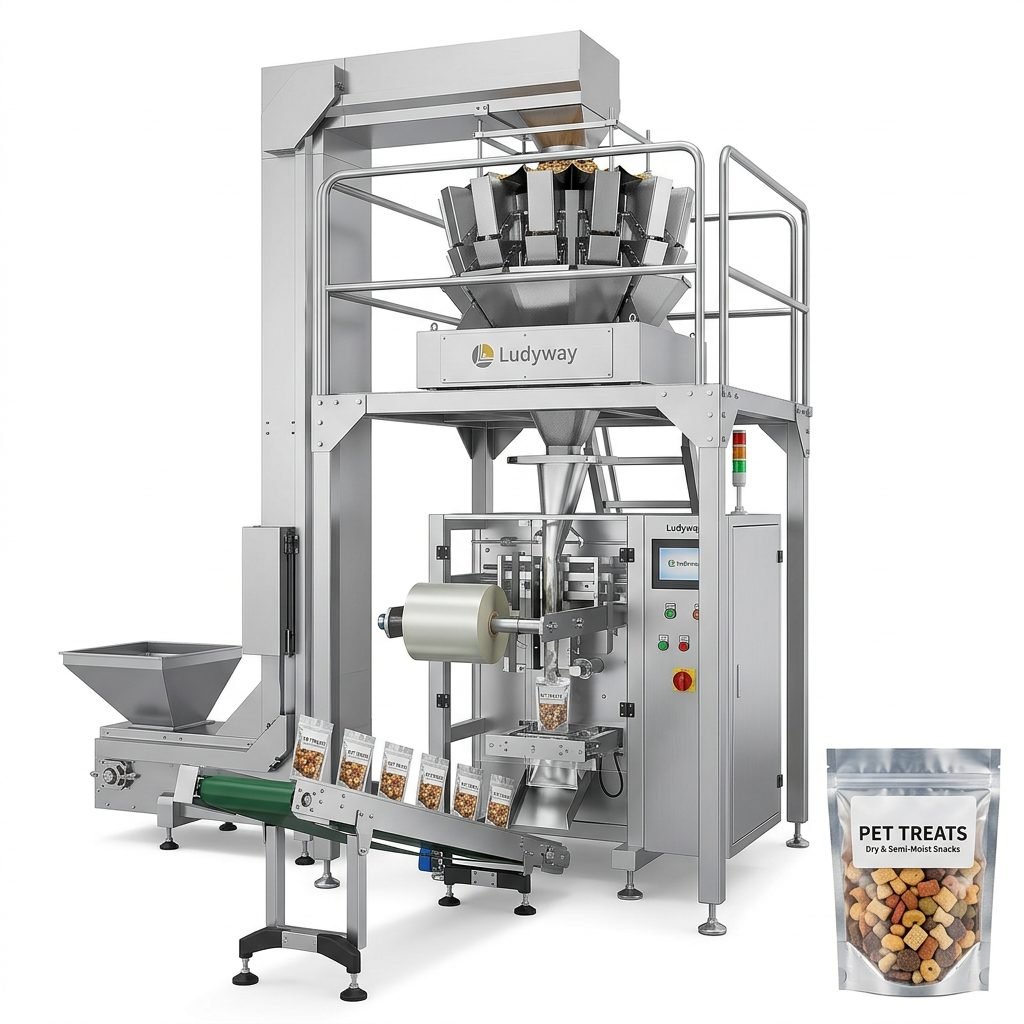
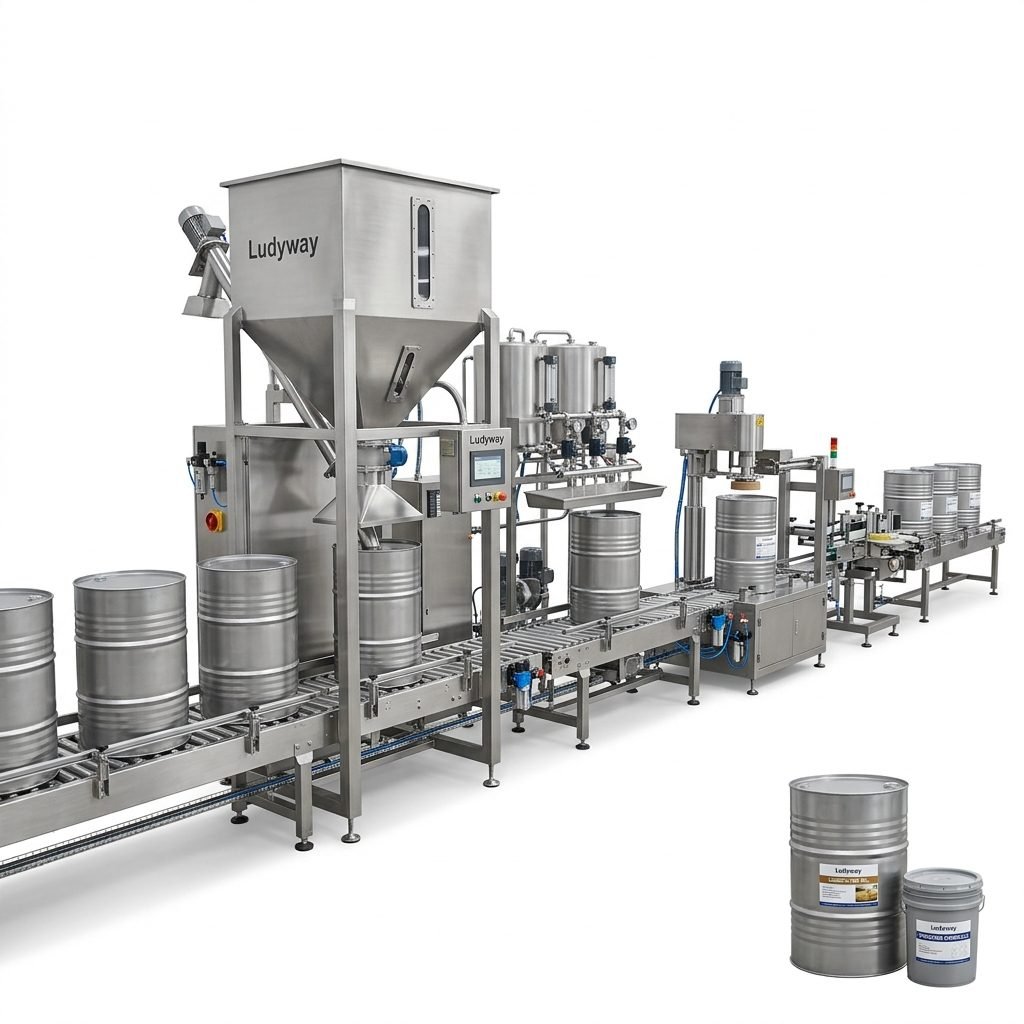
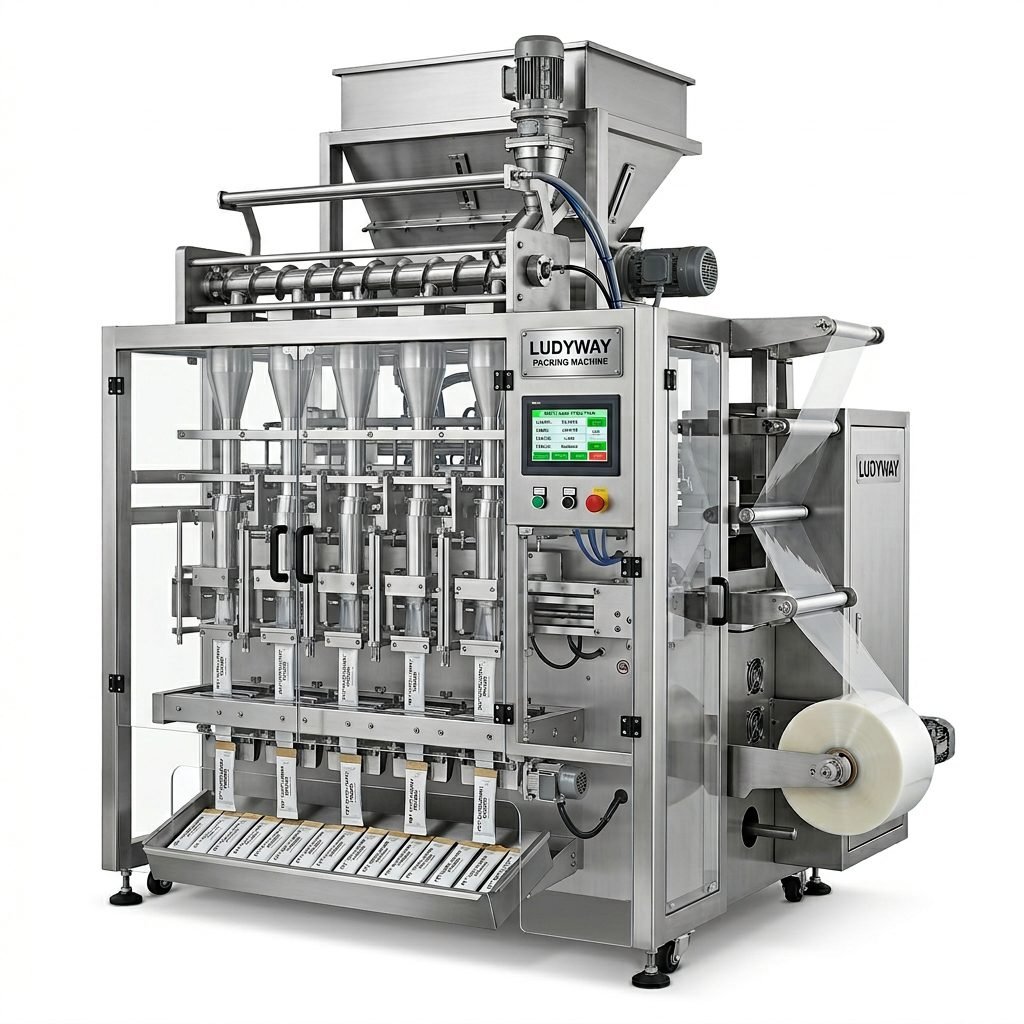
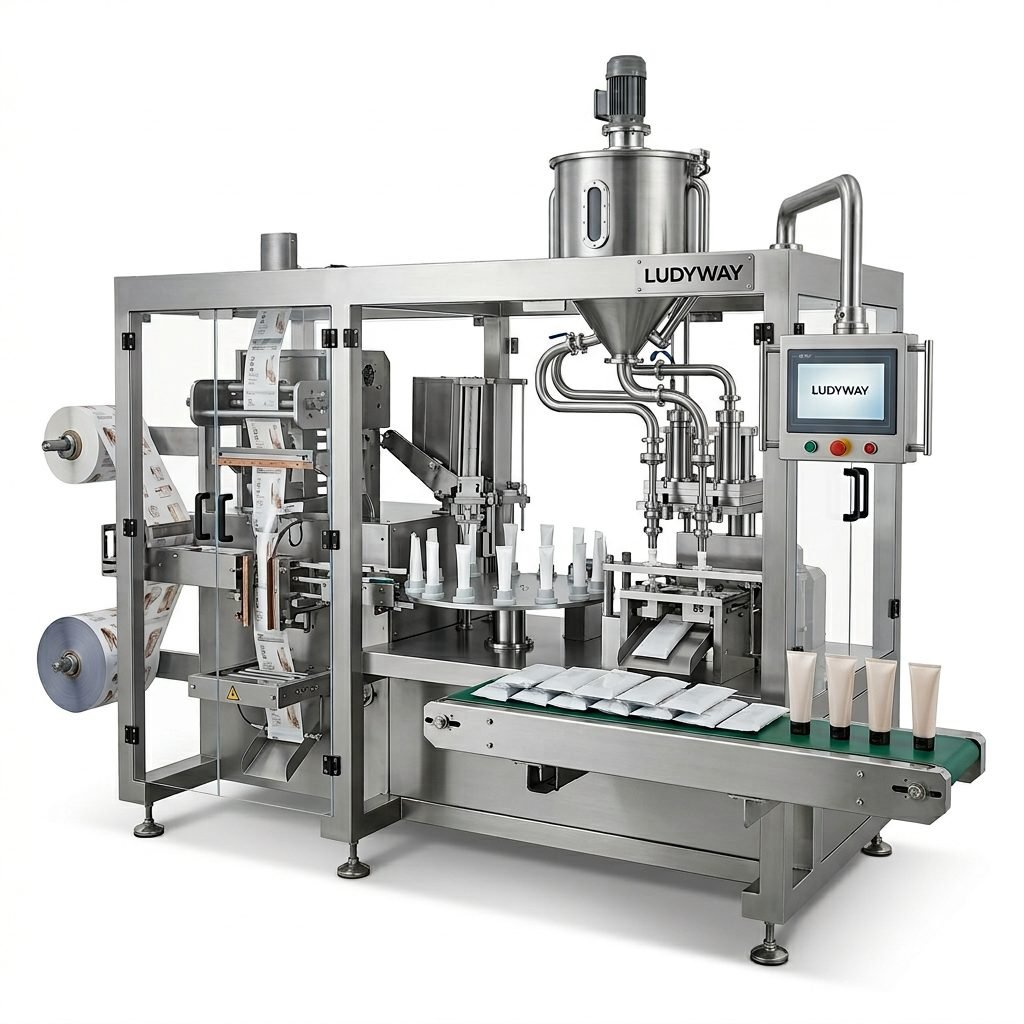
Biodegradable packaging machines represent a significant advancement in sustainable manufacturing, allowing businesses to reduce their environmental footprint while maintaining high production efficiency. However, to ensure these sophisticated systems operate at peak performance over their lifespan, a structured and proactive maintenance routine is absolutely essential. Neglecting proper care can lead to material jams, inconsistent sealing, and premature component wear, which directly impacts your bottom line. This comprehensive guide walks you through the critical maintenance procedures that will maximize uptime and preserve the integrity of your biodegradable packaging machine investment.
Understanding the Unique Challenges of Biodegradable Materials
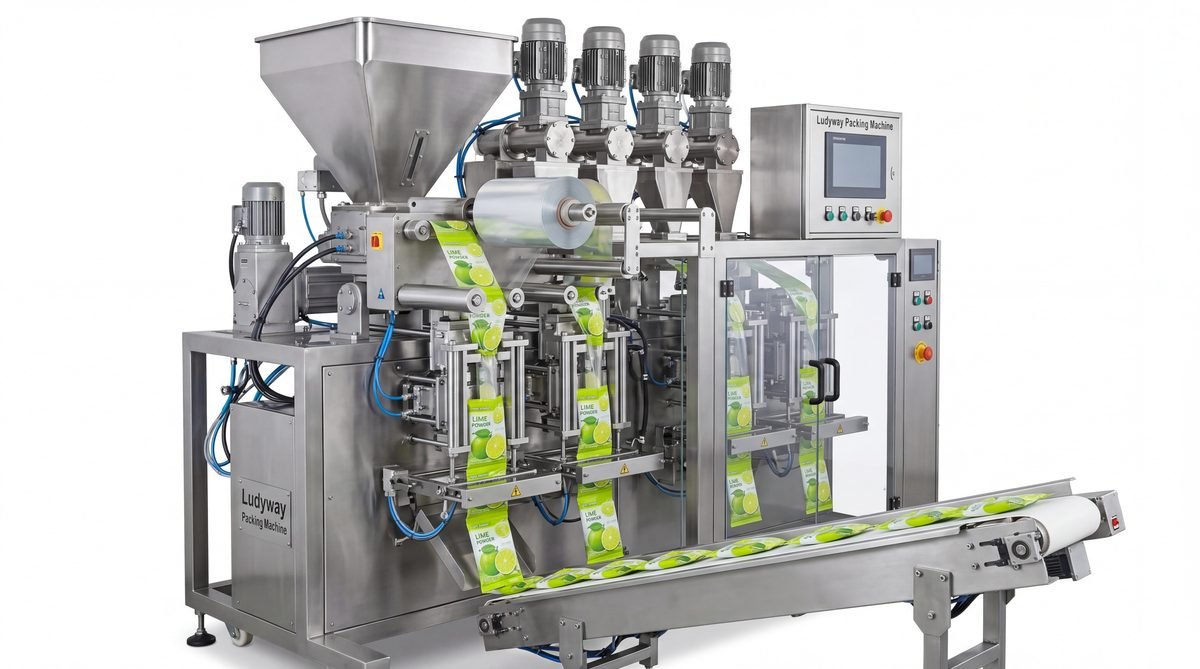
Before diving into the maintenance checklist, it’s crucial to understand why biodegradable films and substrates require specialized care. Unlike traditional petroleum-based plastics, bioplastics and compostable films are often more sensitive to heat, humidity, and friction. This sensitivity demands that your maintenance team pays closer attention to temperature controls, tension settings, and the cleanliness of sealing jaws. A well-maintained machine minimizes the risk of burning or tearing these eco-friendly materials, ensuring a consistent, high-quality package every time. For operations looking to upgrade their equipment, a professional packaging machine manufacturer can provide models specifically optimized for these delicate substrates.
Daily Cleaning and Inspection Protocols
The foundation of any successful maintenance program is a rigorous daily cleaning schedule. Residue from biodegradable films, such as starch-based dust or cellulose fibers, can accumulate quickly and interfere with sensors and moving parts.
- Sealing Jaw Cleaning: Use a soft brass brush or a non-abrasive cloth with a mild, approved solvent to remove polymer buildup from the heated sealing jaws. Never use steel wool, as it can scratch the surfaces and damage the non-stick coating.
- Film Path Dusting: Compressed air (filtered and dry) should be used to blow dust and loose particles away from optical sensors, photo-eyes, and the film transport rollers.
- Hopper and Feeder Area: If you’re packaging granules or powders alongside film applications, vacuum the hopper area to prevent cross-contamination and ensure accurate filling.

Lubrication and Mechanical Integrity
Proper lubrication is the lifeblood of any automated packaging system. Without it, friction increases, parts wear out faster, and the machine’s timing can drift out of specification. Always consult your operator’s manual for the manufacturer’s recommended lubricant types and intervals.
Key Lubrication Points
| Component | Frequency | Lubricant Type |
|---|---|---|
| Main Drive Chains & Sprockets | Weekly | Food-grade mineral oil |
| Linear Bearings & Guide Rails | Bi-weekly | Lithium-based grease |
| Rotary Sealing Shaft Bushings | Monthly | High-temperature grease |
| Pneumatic Cylinder Rods | Daily (light film) | Light machine oil |
During lubrication, visually inspect for loose bolts, worn belts, or unusual vibrations. Early detection of mechanical issues prevents catastrophic failures that stop production lines. A reliable industry-leading supplier will often provide detailed manuals and remote support for these checks.
Calibrating Temperature and Seal Integrity
Temperature calibration is arguably the most critical variable when running biodegradable films. The heat-seal window for these materials is significantly narrower than for conventional plastics. A deviation of just a few degrees can result in weak seals that burst or, conversely, burnt and melted film that gums up the sealing area.
Seal Calibration Checklist
- Verify Thermocouple Accuracy: Use a calibrated external probe to verify that the temperature controller’s display matches the actual jaw surface temperature.
- Dwell Time Adjustment: Adjust the dwell time to match the specific biodegradable film’s specification. Thicker compostable films generally require slightly longer dwell time with lower heat.
- Pressure Distribution: Use pressure-sensitive paper or a carbon-paper imprint to check for uniform jaw pressure across the entire sealing surface. Uneven pressure is a common culprit behind “channel leakers.”
Sensor and Electronic Component Care
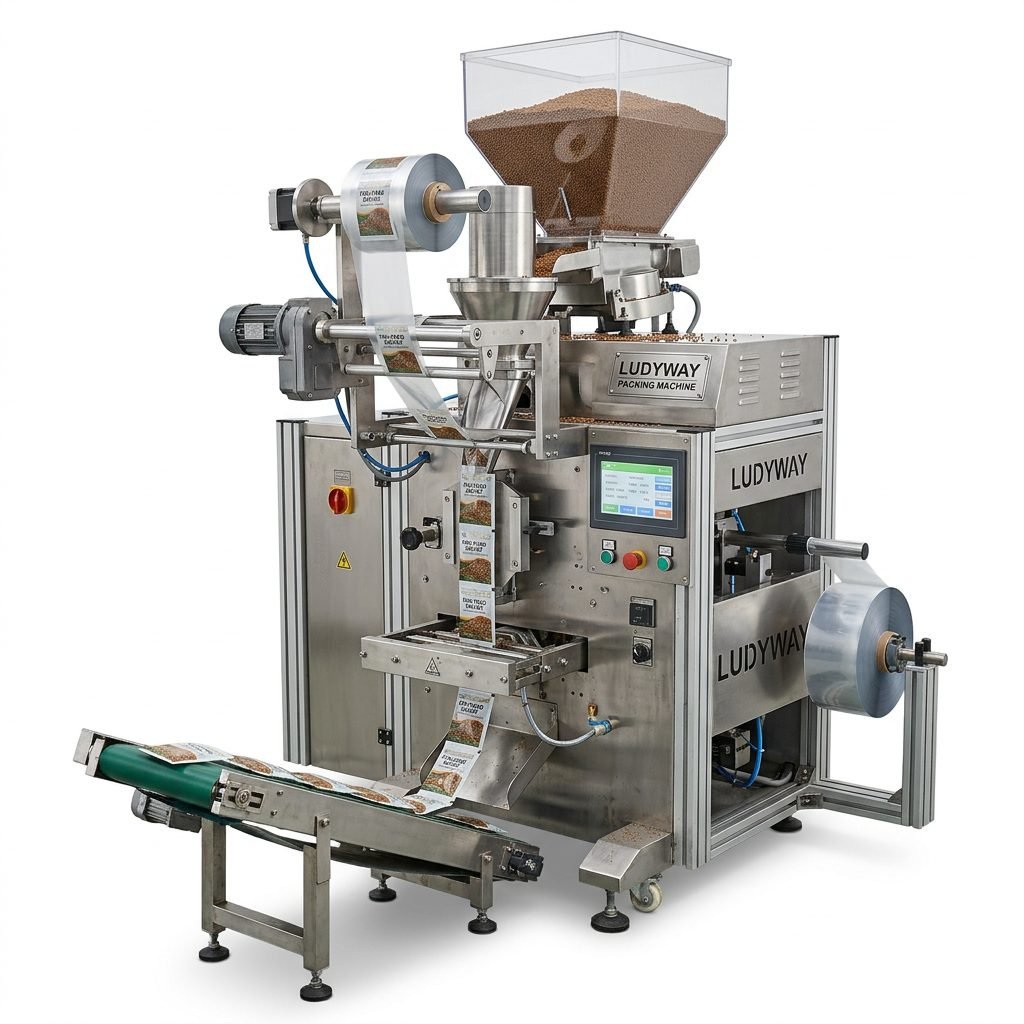
Modern high-speed packaging machinery relies heavily on sensors for film registration, color mark detection, and pouch position tracking. Dust and static electricity are the primary enemies of reliable sensor operation. To maintain optimal performance:
- Weekly, gently wipe optical lenses with an anti-static, lint-free cloth.
- Check all cable connections for tightness, as vibration from the forming and filling process can loosen terminals over time.
- Ensure the electrical cabinet’s cooling fans are functioning and that filters are clean to prevent overheating of drives and PLCs.
Preventative Maintenance Schedule
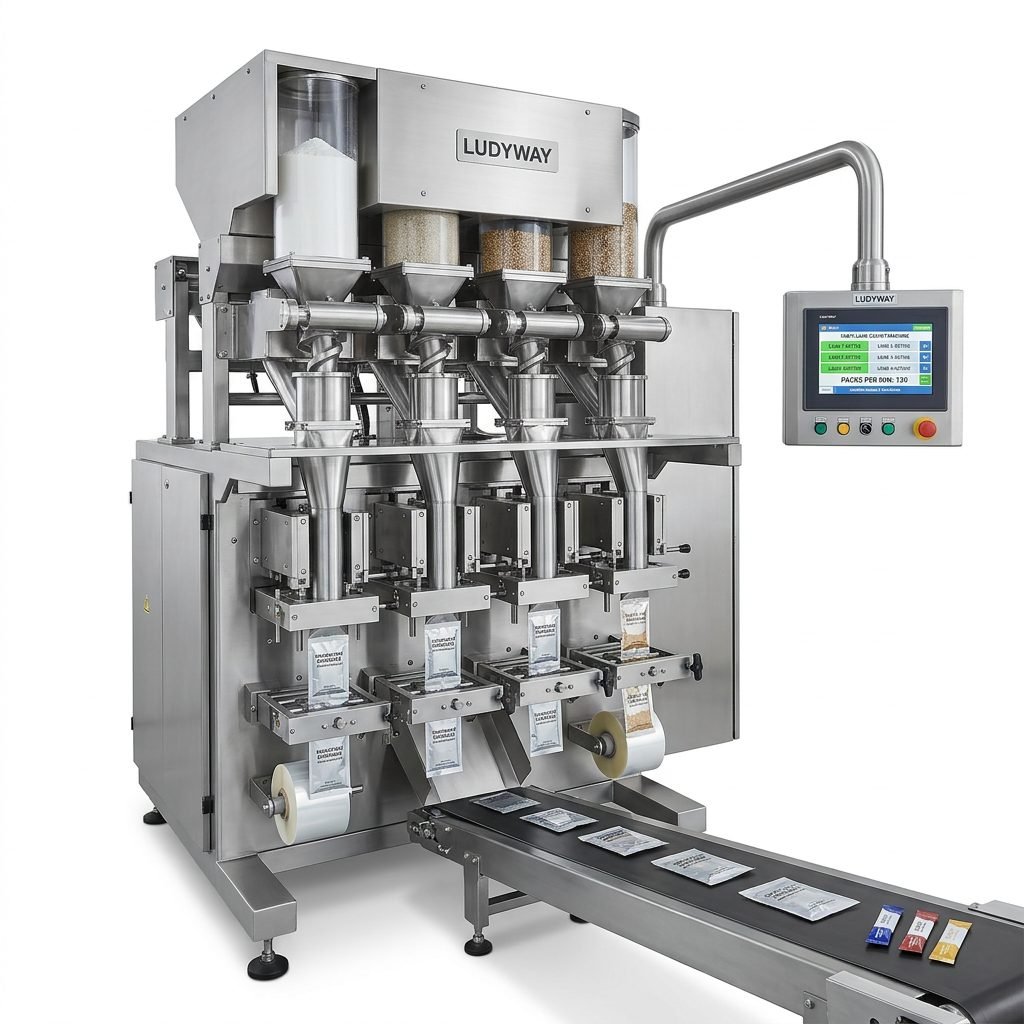
A structured schedule ensures no task is overlooked. Transitioning from reactive “fix-it-when-it-breaks” to preventative maintenance is the hallmark of a world-class operation. For companies sourcing from a leading manufacturer like Ludyway, adhering to the recommended schedule preserves warranty coverage and ensures you benefit from the 30+ years of integrated packaging expertise built into the equipment.
| Interval | Maintenance Task |
|---|---|
| Daily | Clean sealing jaws, inspect film path, drain air filter traps, visual safety check. |
| Weekly | Lubricate chains, clean optical sensors, verify temperature setpoints, check belt tension. |
| Monthly | Grease bearings, inspect electrical connections, calibrate load cells (if applicable), backup machine parameters. |
| Quarterly | Inspect gearbox oil levels, replace worn forming collars, verify pneumatic cylinder stroke times. |
Training Your Operators for Proper Handling
Even the most robust machine will fail if mistreated. Operators must be trained specifically on the nuances of biodegradable substrates. They should know how to thread the film without excessive pulling that causes deformation and be able to recognize the early warning signs of a dull knife blade or a misaligned forming tube. Investing in continuous training for your staff yields immediate returns in reduced scrap rates and longer machine life.
Ensuring Long-Term Sustainability
Maintaining a biodegradable packaging machine is not just about greasing bearings and cleaning jaws; it’s about supporting your company’s sustainability goals. A well-maintained machine reduces waste, consumes less energy, and produces perfect packages that keep products fresh without sending broken pouches to the landfill. By following these essential tips and partnering with experienced equipment manufacturers, you ensure that your eco-friendly packaging initiative is both profitable and truly sustainable.