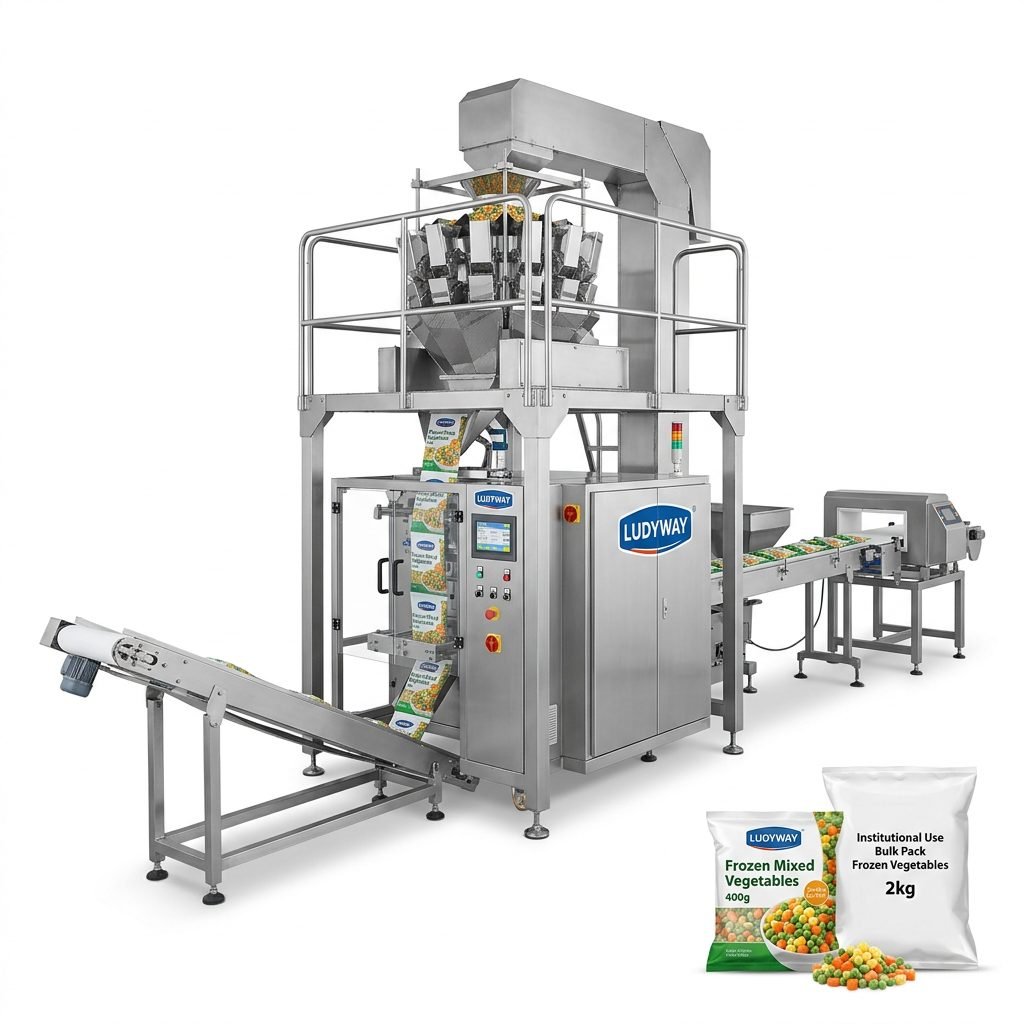
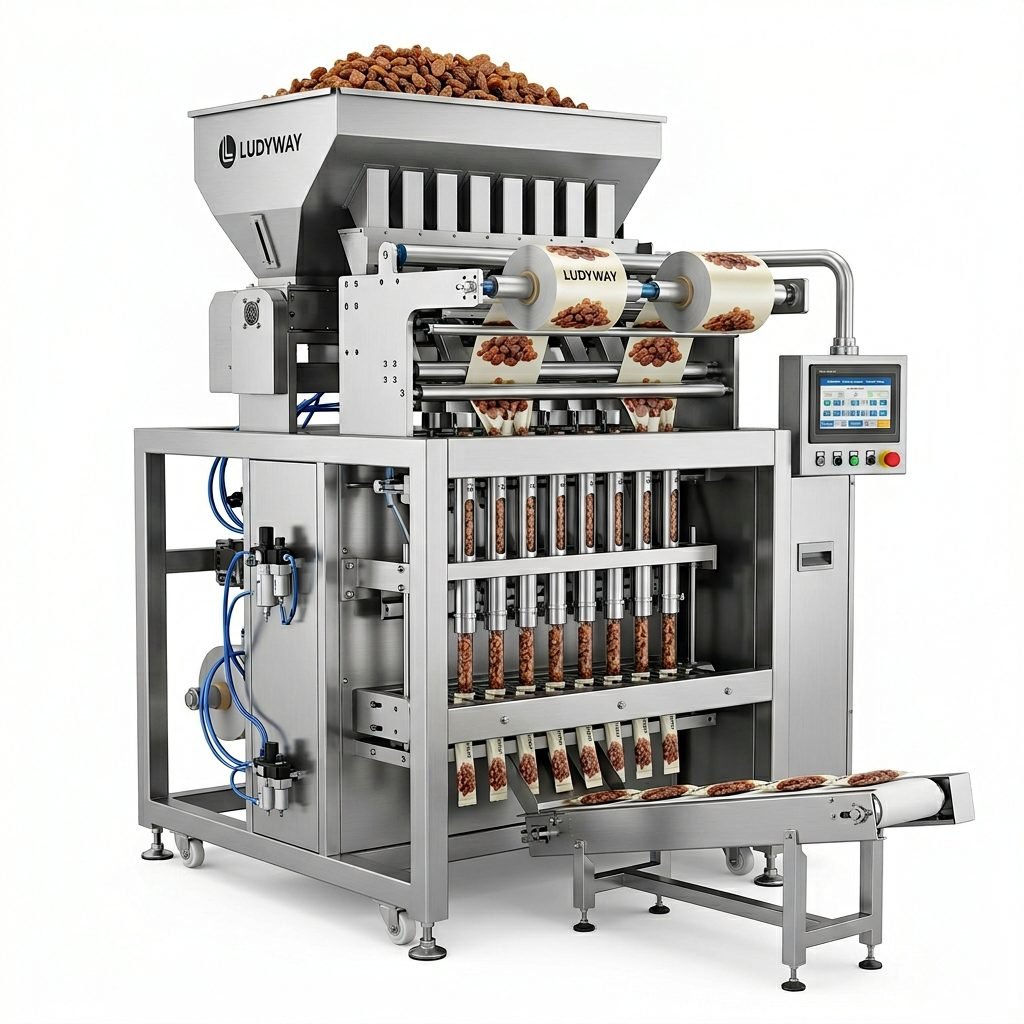
Setting up a candy packaging machine production line in North America requires careful planning, from understanding market regulations to selecting the right equipment. Whether you are launching a new confectionery brand or scaling an existing operation, a well-designed packaging system can significantly impact your production efficiency, product shelf life, and overall profitability. The North American candy market is one of the largest in the world, with consumers demanding high-quality, visually appealing, and safely packaged products. This comprehensive guide walks you through the essential steps, equipment considerations, and compliance requirements for establishing a successful candy packaging line in the United States and Canada.
Understanding North American Market Requirements
Before investing in a candy packaging production line, it is critical to understand the specific demands of the North American market. Consumer preferences in the U.S. and Canada lean toward convenient, portable packaging formats such as stick packs, sachets, and resealable pouches. Sustainability is another major factor, with increasing pressure to use recyclable or biodegradable materials. Packaging must also comply with strict labeling laws enforced by the FDA food packaging and food contact substances regulations. Additionally, major retailers often have their own packaging requirements regarding barcodes, tamper-evident seals, and shelf-ready displays.
Key Equipment for Candy Packaging Lines
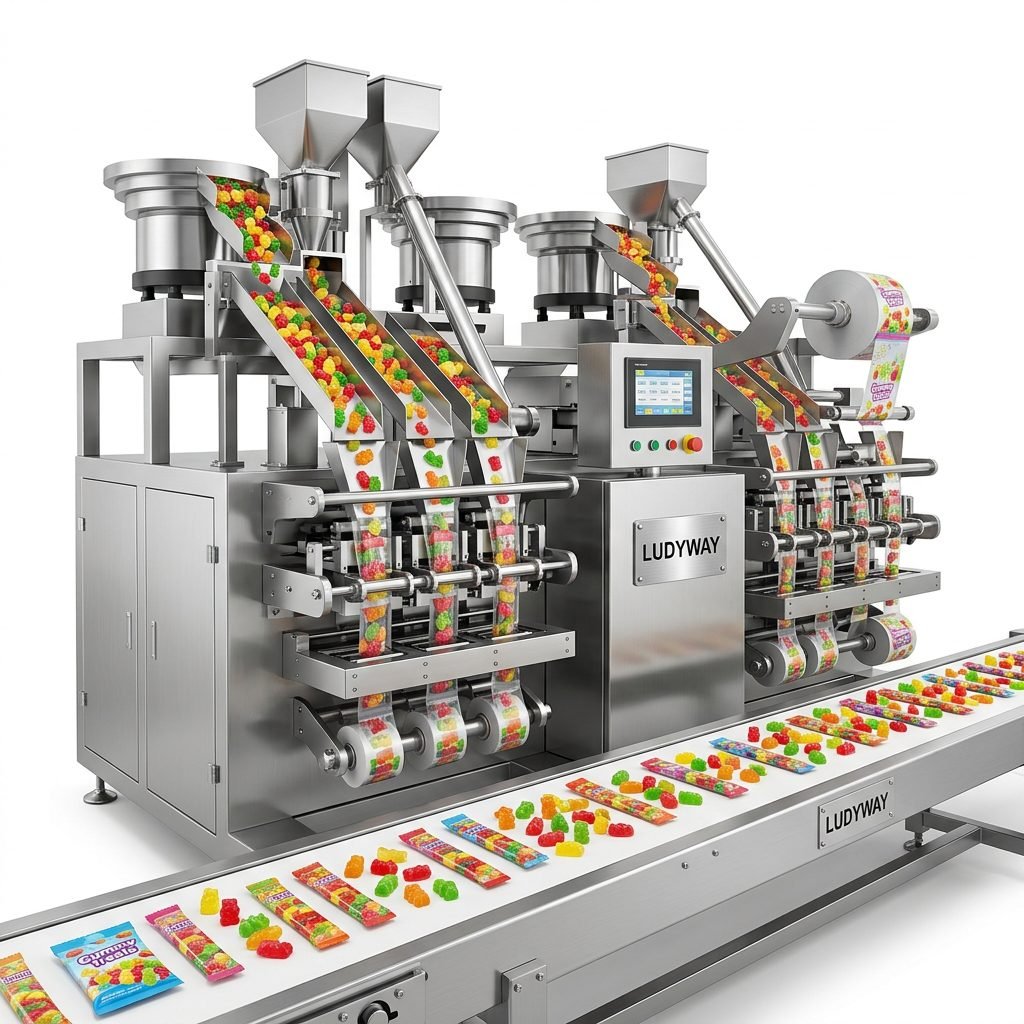
A complete candy packaging production line consists of several integrated machines working in harmony. The core equipment you will need includes:
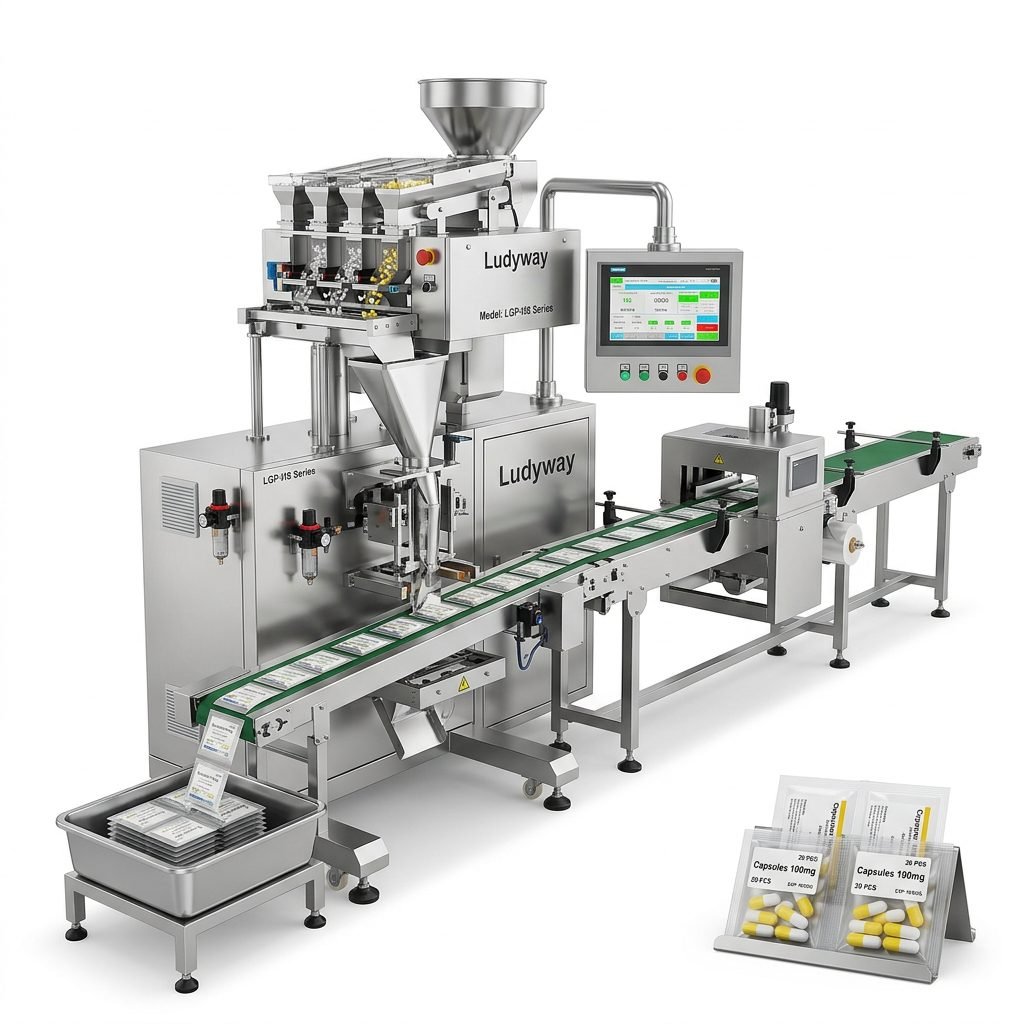
- Multi-head weigher: Ensures precise portion control for each package, critical for maintaining product consistency and reducing waste.
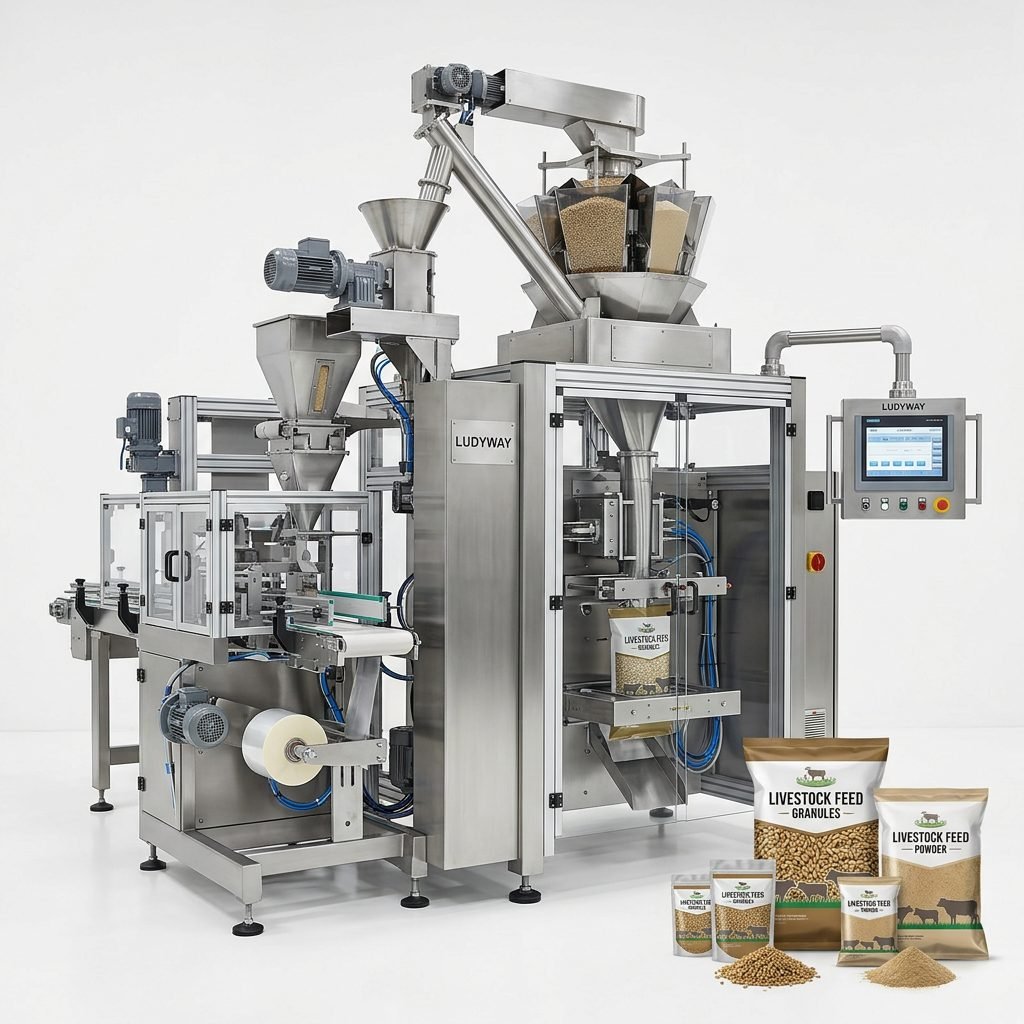
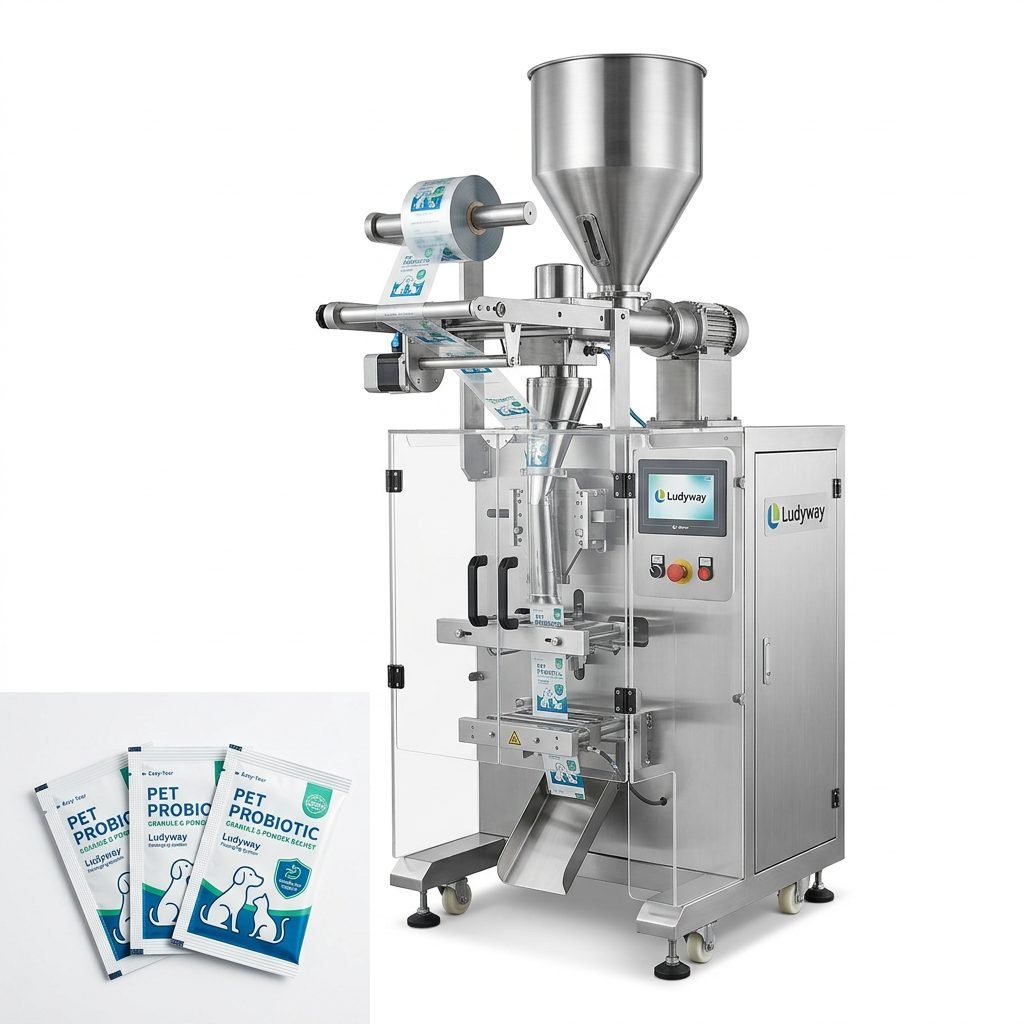
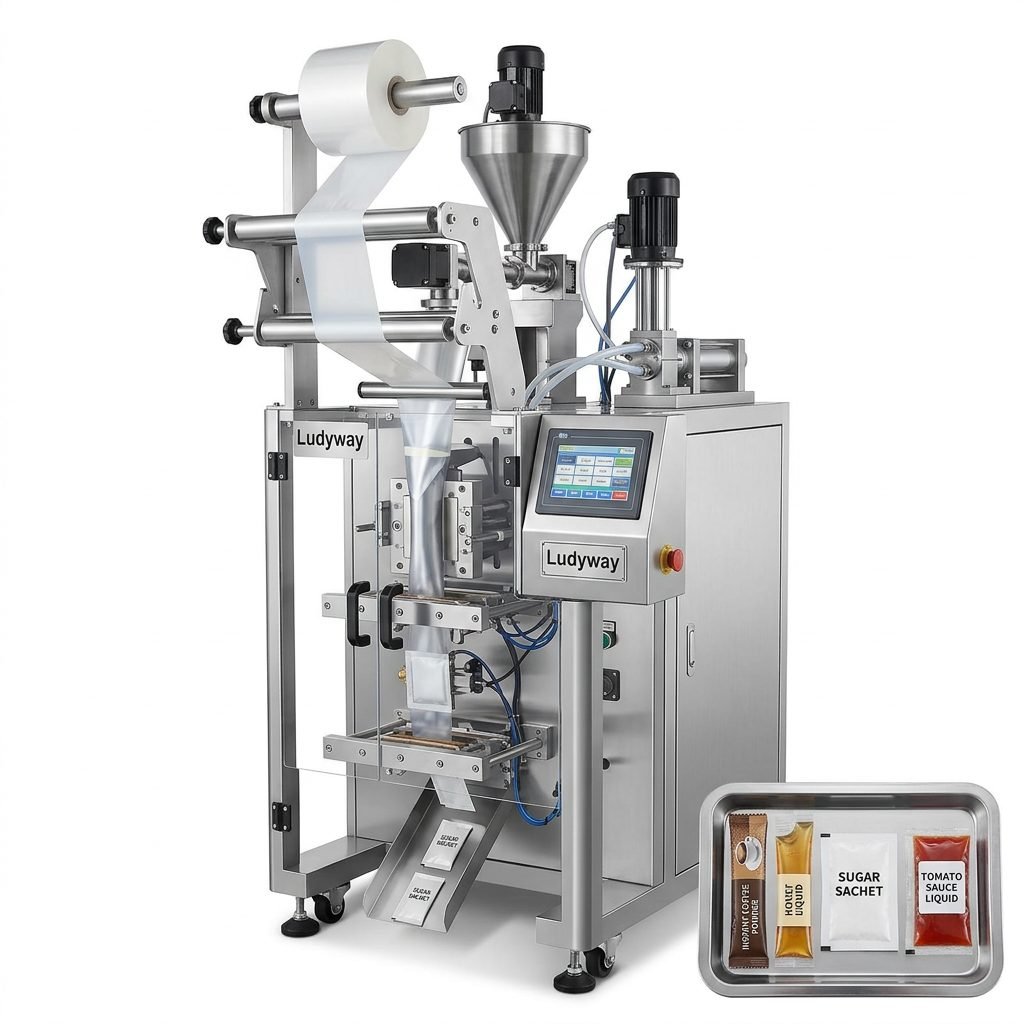
- Vertical form fill seal (VFFS) machine: Forms pouches from roll stock film, fills them with candy, and seals them — all in one continuous process.
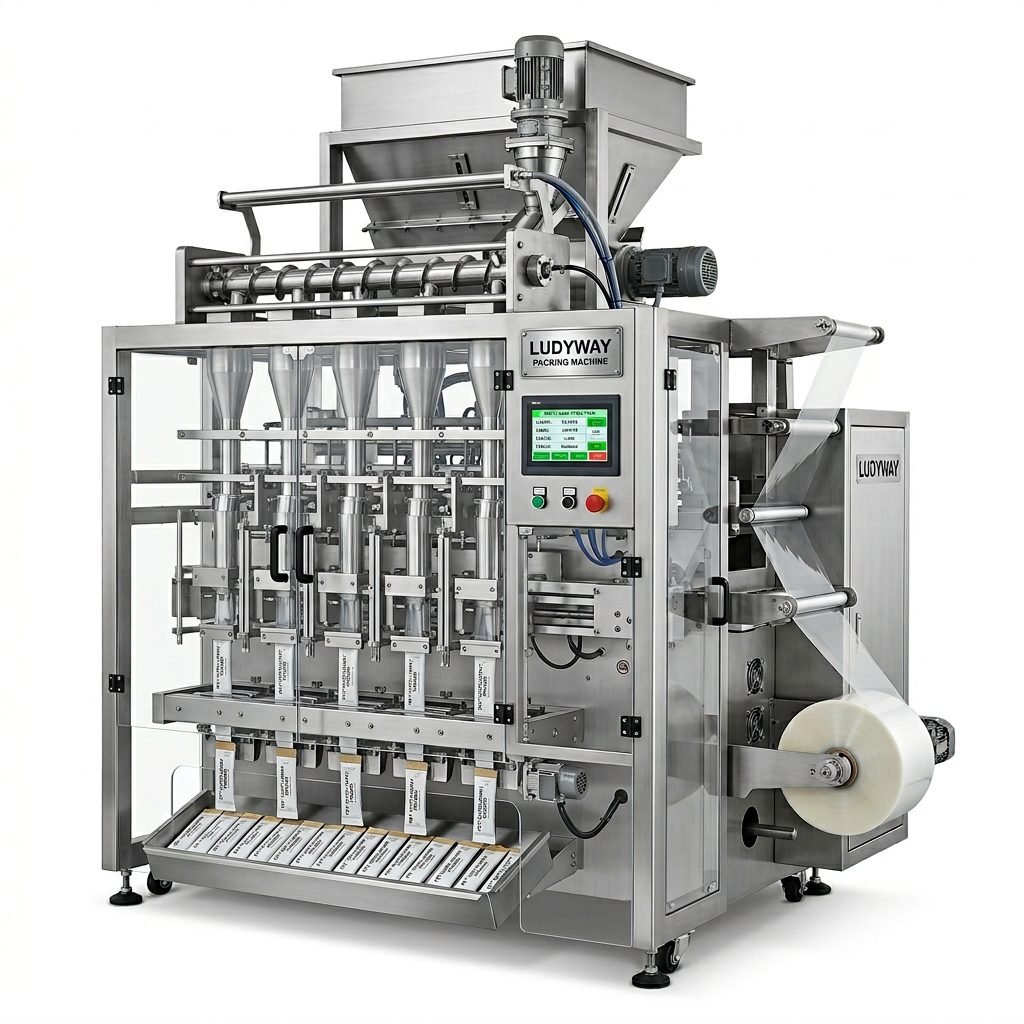
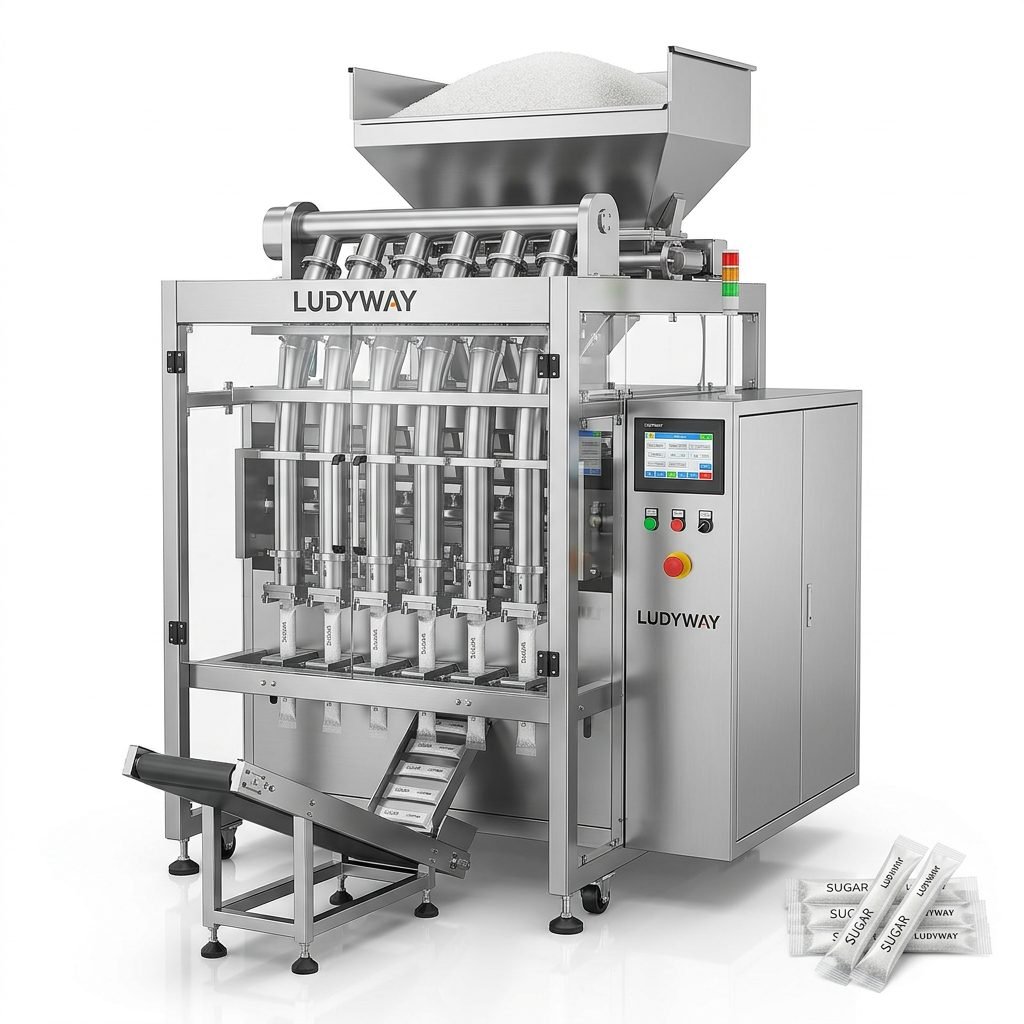
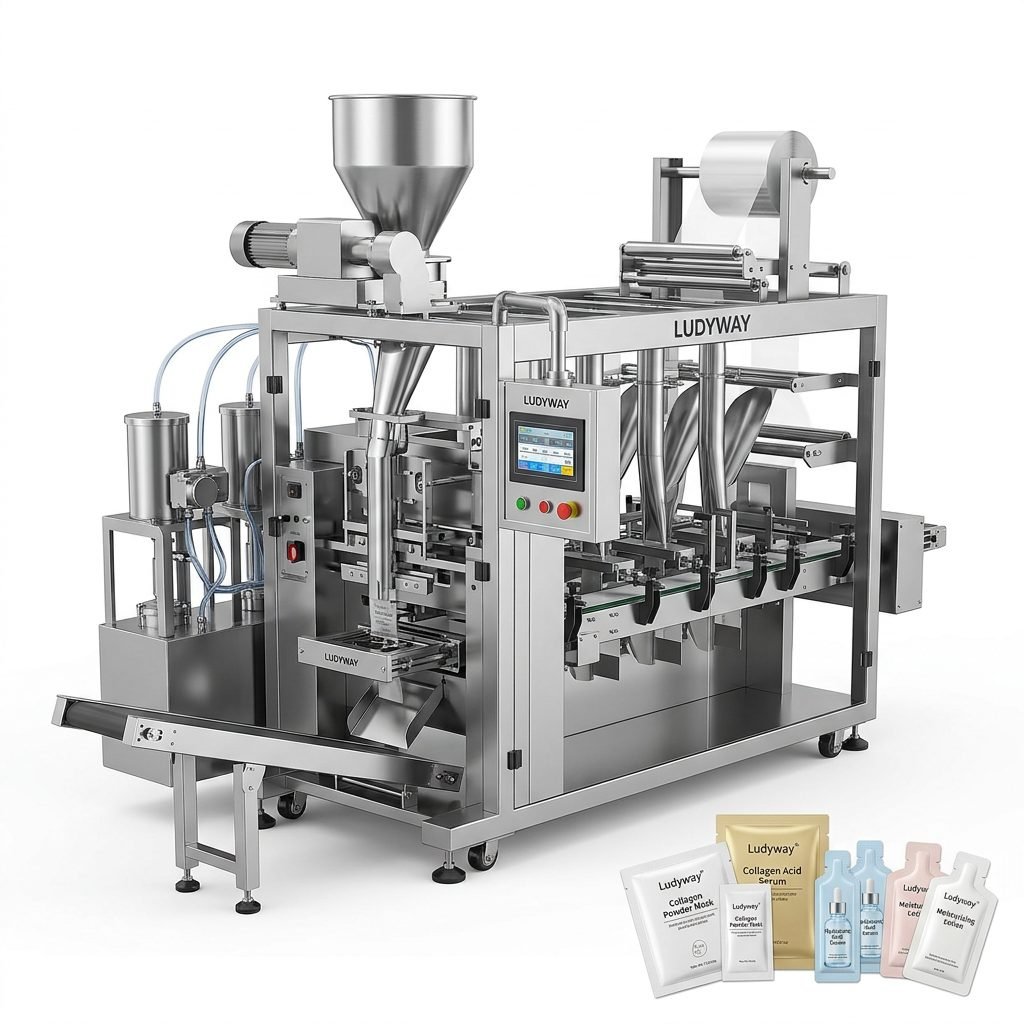
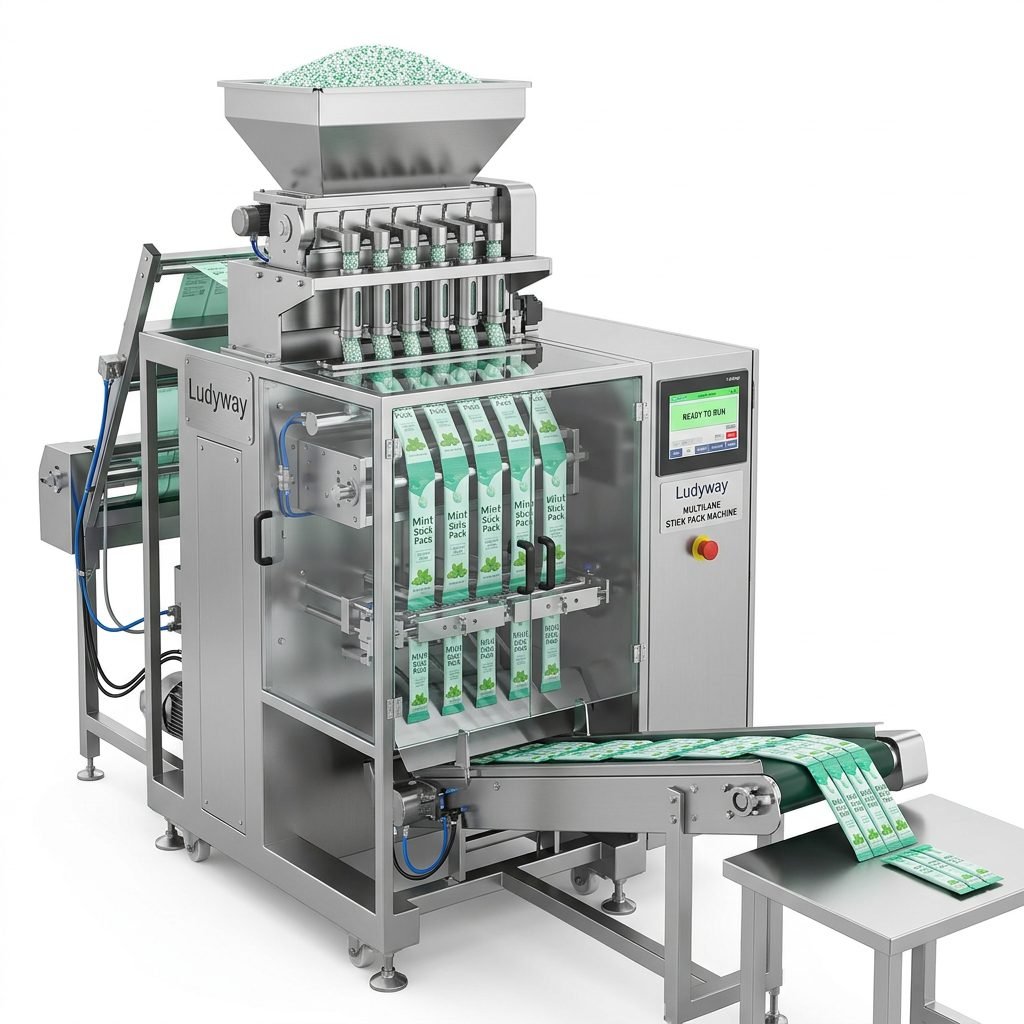
- Multi-lane stick pack machine: Ideal for single-serve candy portions, producing multiple lanes simultaneously for high-speed output.
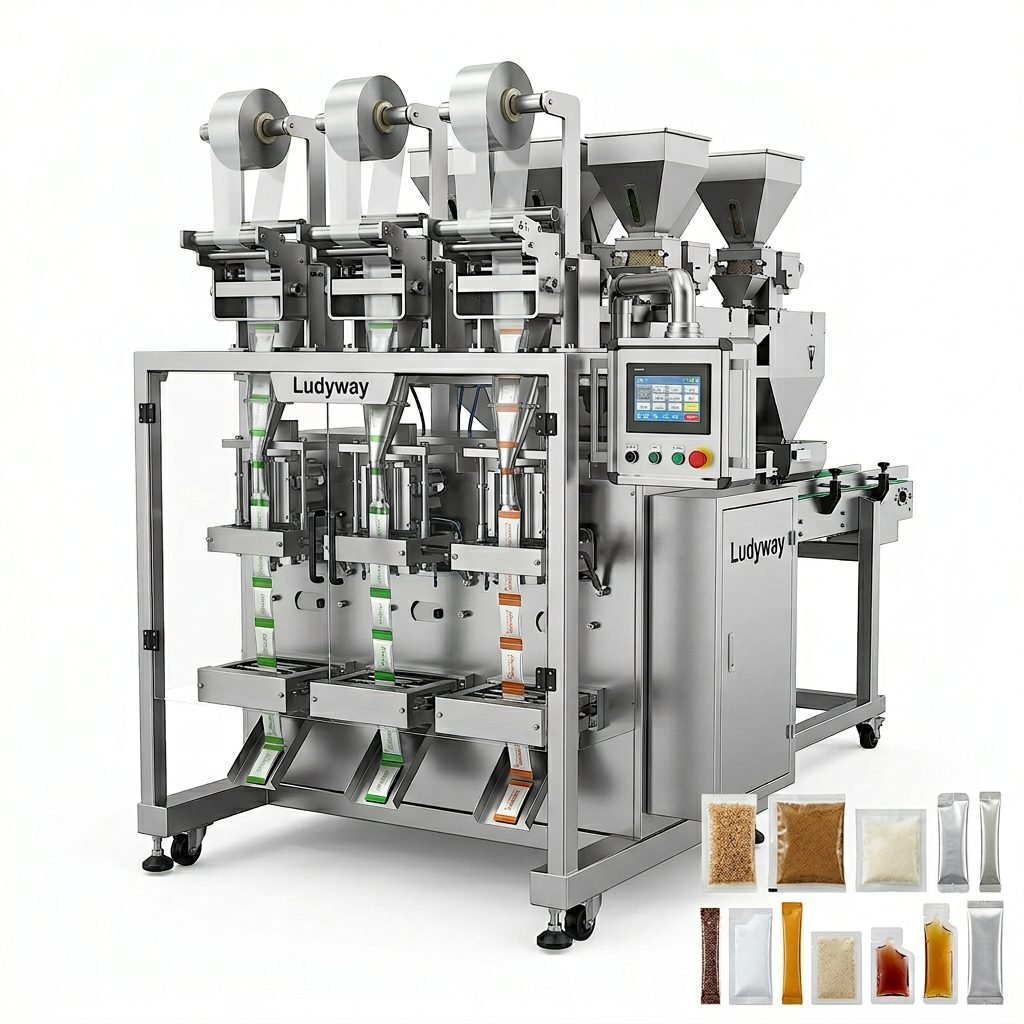
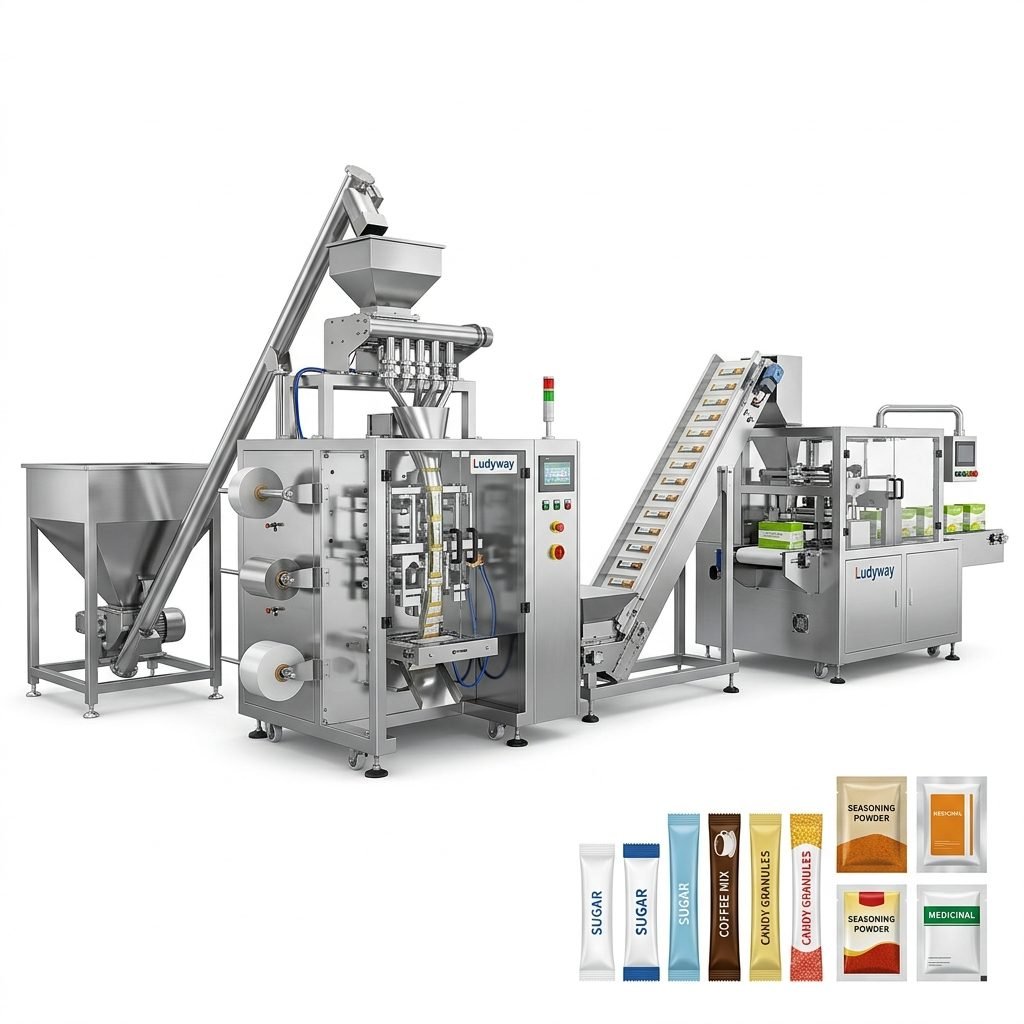
- Sachet packaging machine: Perfect for smaller sample sizes or individually wrapped pieces, widely used in the confectionery industry.
- Cartoning and case packing systems: Automate the secondary packaging process, placing finished pouches into cartons or cases for distribution.
- Inspection and quality control equipment: Includes checkweighers, metal detectors, and vision inspection systems to ensure product safety and package integrity.
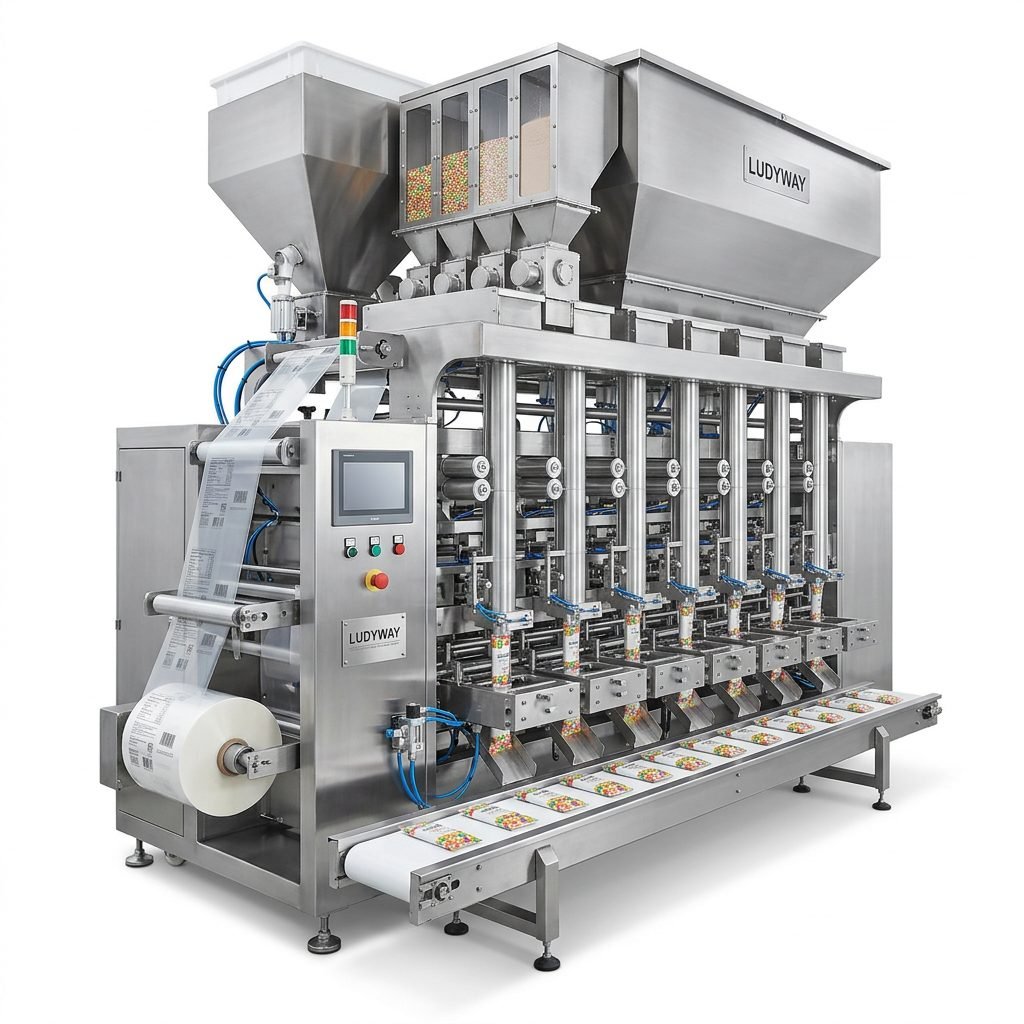
For manufacturers looking to invest in reliable and advanced machinery, partnering with an experienced supplier is essential. Ludyway is one of the largest packaging machine manufacturers, specializing in turnkey production solutions for the food, pharmaceutical, and health industries, with over 30 years of industry expertise and more than 50 intelligent packaging machine models designed for granule, powder, liquid, and pouch applications.
Regulatory Compliance and Safety Standards
North America has some of the most rigorous packaging regulations globally. Your production line must meet or exceed the following standards to operate legally and safely:
| Regulatory Body / Standard | Key Requirements | Applicable Scope |
|---|---|---|
| FDA 21 CFR | Food contact substance regulations, GMP compliance, allergen labeling | United States |
| CFIA (Canadian Food Inspection Agency) | Bilingual labeling (English/French), nutritional facts format, safe food packaging | Canada |
| ISO 22000 / FSSC 22000 | Food safety management systems covering packaging processes | International (recognized in North America) |
| ASTM International | Material testing standards for flexible packaging durability and barrier properties | North America |
| UL / CSA Electrical Standards | Electrical safety certification for all machinery operating in the U.S. and Canada | United States & Canada |
Steps to Set Up Your Production Line
Follow this structured approach to ensure a smooth and efficient installation of your candy packaging machinery:
- Conduct a production needs assessment: Determine your target output volume, packaging formats, and product characteristics (sticky, hard, coated, or powdered candy).
- Design your facility layout: Plan the floor space with adequate clearance for equipment, material flow, operator workstations, and future expansion. Ensure utilities such as compressed air, electrical supply, and ventilation meet machine specifications.
- Select equipment with North American certifications: Verify that all machines carry necessary certifications (UL, CSA, CE equivalent) and are compatible with local power supply standards (typically 208V/240V/480V three-phase).
- Source packaging materials locally: Establish relationships with North American film and material suppliers to ensure consistent quality and shorter lead times. Test materials thoroughly with your specific machines.
- Install and commission the line: Work with factory-trained technicians for installation, calibration, and initial test runs. Document all settings and create standard operating procedures (SOPs).
- Train your workforce: Provide comprehensive operator training covering machine operation, troubleshooting, cleaning procedures, and safety protocols.
- Implement quality control checkpoints: Establish inline inspection stations with ISO packaging standards-compliant procedures for weight verification, seal integrity testing, and contaminant detection.
Common Pitfalls to Avoid
Many first-time production line setups face challenges that could have been prevented with proper planning. The most frequent issues include underestimating material compatibility with sealing jaws, overlooking the importance of climate control for candy products sensitive to humidity and temperature, and failing to budget for ongoing maintenance and spare parts. Additionally, rushing the commissioning phase without thorough testing can lead to costly downtime once full production begins. Always allocate sufficient time for trial runs with your actual product and packaging materials before committing to commercial production schedules.
Optimizing Production Efficiency
Once your candy packaging line is operational, continuous optimization becomes the key to maximizing return on investment. The Association for Packaging and Processing Technologies (PMMI) regularly publishes industry data showing that optimized packaging lines can achieve up to 85% overall equipment effectiveness (OEE) when properly maintained. Consider implementing these efficiency strategies:
- Preventive maintenance scheduling: Follow manufacturer-recommended maintenance intervals for sealing components, cutting blades, bearings, and drive systems. Keep detailed maintenance logs.
- Film tension and temperature optimization: Fine-tune parameters for different candy types and packaging materials to minimize wrinkles, misalignments, and seal failures.
- Automation upgrades: Integrate automated feeding systems, robotic pick-and-place units, and end-of-line palletizing solutions to reduce manual handling and increase throughput.
- Real-time production monitoring: Deploy sensors and software dashboards that track machine performance, downtime causes, and production counts for data-driven decision-making.
Choosing the Right Packaging Format
The choice of packaging format directly influences consumer perception and machine selection. According to the Flexible Packaging Association, flexible packaging continues to gain market share in the confectionery sector due to its material efficiency and design versatility. Here is a comparison of common candy packaging formats:
| Packaging Format | Best Suited For | Approximate Speed Range | Consumer Appeal |
|---|---|---|---|
| Stick Packs | Single-serve powder candies, sugar sticks, instant drink mixes | 200-600 packs/min per lane | Portable, portion-controlled, modern look |
| Pillow Pouches | Gummy bears, hard candies, chocolate-covered items | 60-150 pouches/min | Classic format, excellent branding surface |
| Stand-Up Pouches | Premium candy, resealable sharing bags, organic products | 40-80 pouches/min | Premium feel, resealable convenience, shelf visibility |
| Sachets | Sample packs, promotional items, single-bite servings | 300-800 sachets/min (multi-lane) | Compact, cost-effective for sampling |
Maintenance and Long-Term Support
Maintaining your candy packaging production line in peak condition requires a proactive approach. Develop a comprehensive maintenance plan that includes daily cleaning protocols — especially critical for candy production where sugar dust and sticky residues can accumulate on sealing surfaces and sensors. Schedule quarterly professional inspections of critical components such as heating elements, thermocouples, servo motors, and pneumatic systems. Stock essential spare parts locally to minimize downtime, including sealing jaws, cutting knives, belts, filters, and common electronic components. Establish a relationship with your equipment supplier for ongoing technical support, software updates, and operator refresher training. Refer to resources from the PMMI packaging industry resources for best practices in packaging line maintenance and workforce development.
Conclusion
Setting up a candy packaging machine production line in North America is a significant undertaking that demands meticulous planning, regulatory awareness, and investment in high-quality equipment. By understanding market requirements, selecting the appropriate packaging formats, ensuring full compliance with FDA and CFIA standards, and implementing robust maintenance programs, you can build a production line that delivers consistent quality, high efficiency, and long-term profitability. The confectionery market continues to grow, and producers who invest in modern, flexible packaging automation will be best positioned to capture market share and meet evolving consumer expectations for convenience, sustainability, and product freshness.