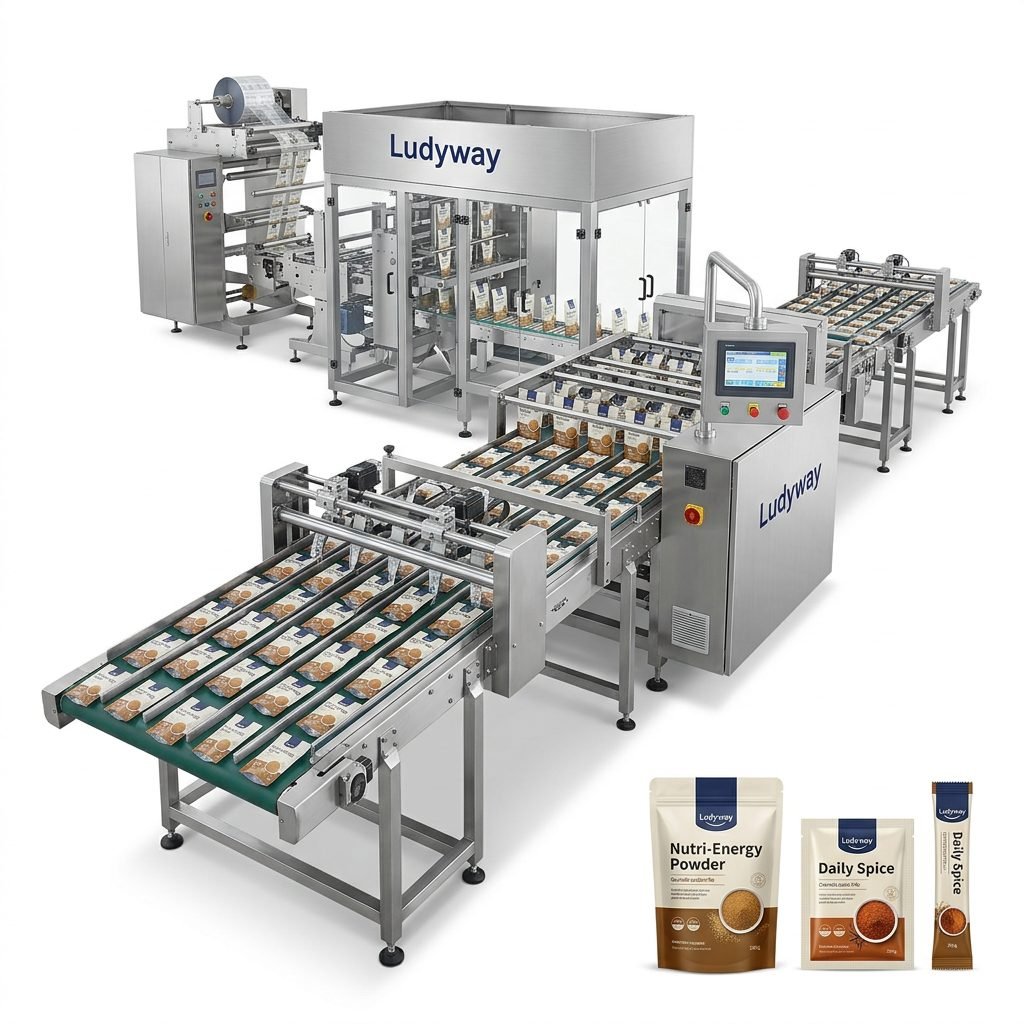
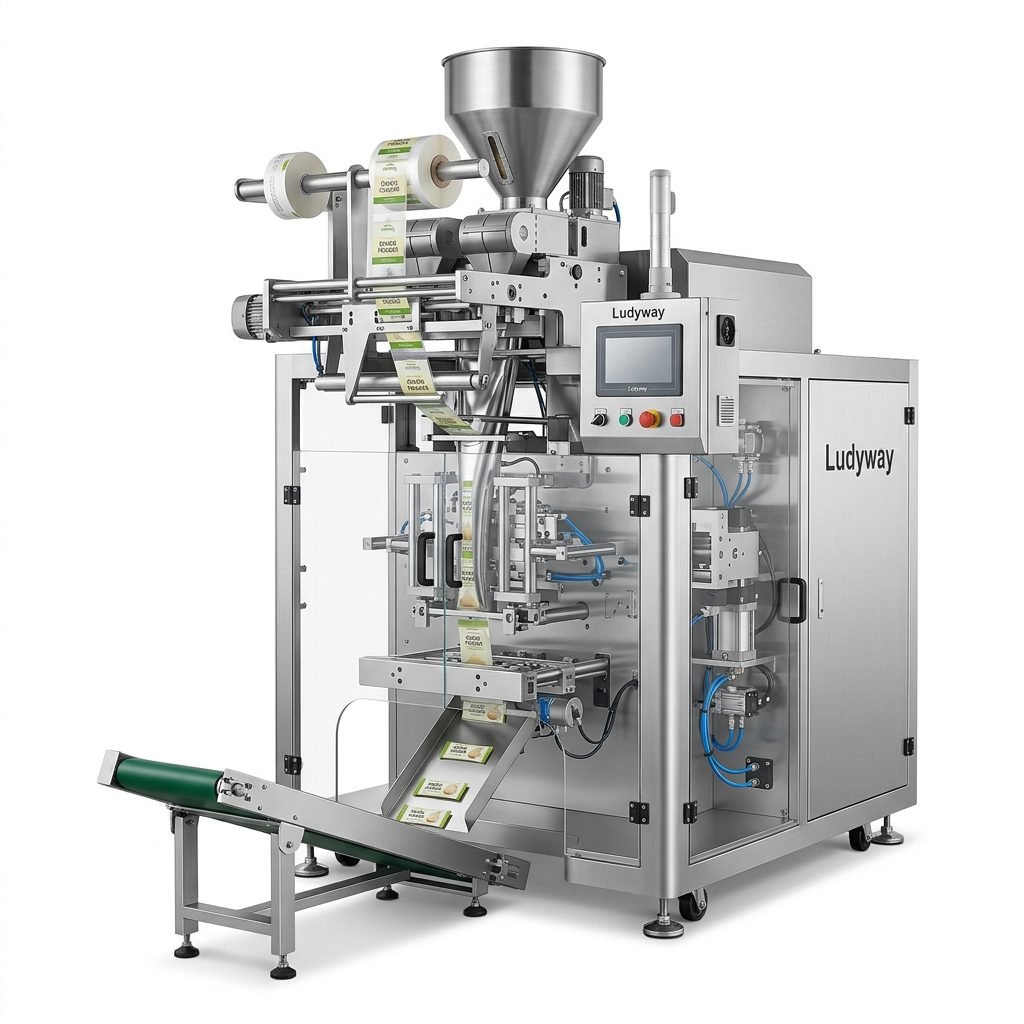
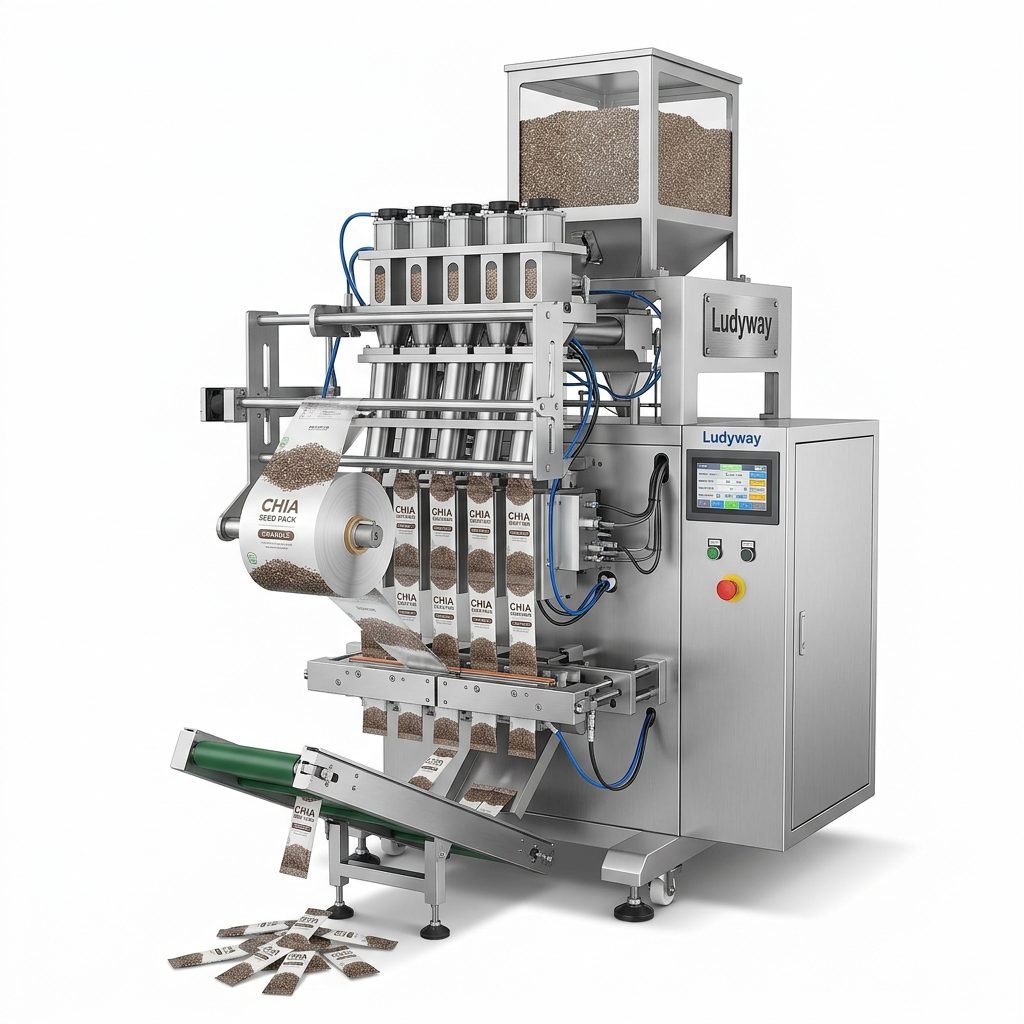
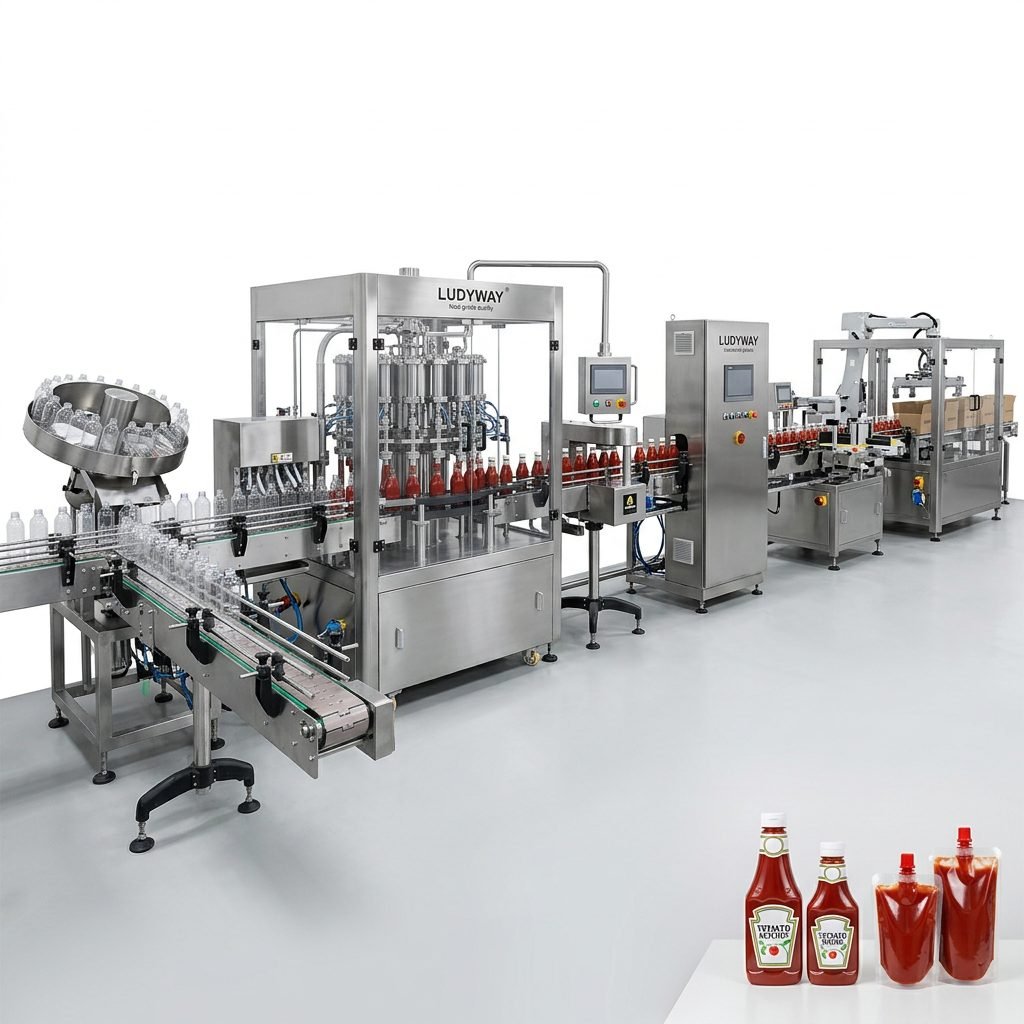
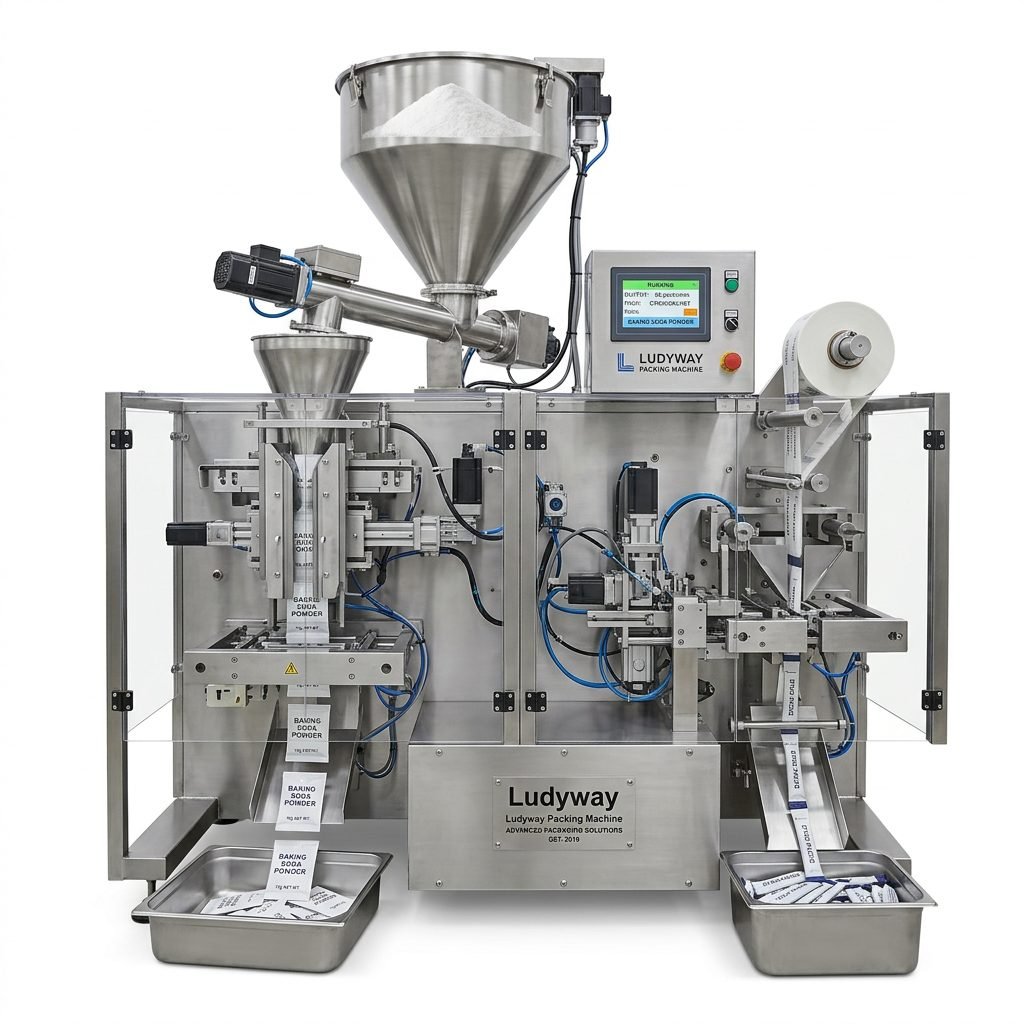
Investing in a yogurt packaging machine from China has become a strategic move for dairy producers worldwide. China’s packaging machinery sector has matured significantly, offering advanced technology at competitive prices. Whether you are launching a new yogurt line or upgrading existing equipment, understanding the procurement process is essential to secure the right machinery for your production needs.
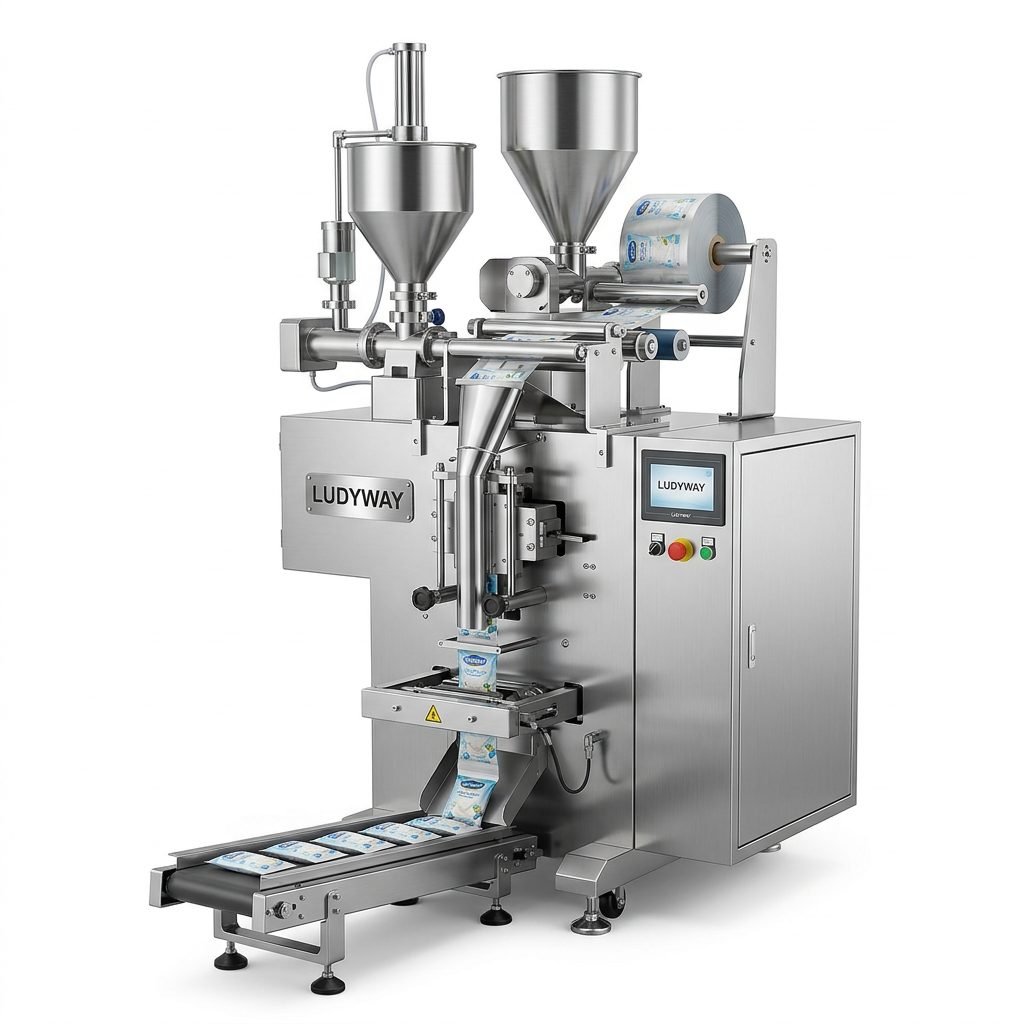
Why Source Yogurt Packaging Machines from China?
China has emerged as a global hub for packaging equipment manufacturing. The country’s manufacturers offer a compelling combination of cost-effectiveness, technological sophistication, and customization flexibility. Modern Chinese packaging machines incorporate servo-driven systems, PLC controls, and precision filling mechanisms that rival European counterparts at a fraction of the cost. From industry market data, the demand for flexible dairy packaging solutions continues to grow globally, and Chinese suppliers are well-positioned to meet this demand with rapid delivery timelines and comprehensive after-sales support.
Types of Yogurt Packaging Machines Available
Selecting the right machine type depends on your target packaging format. The most common configurations include:
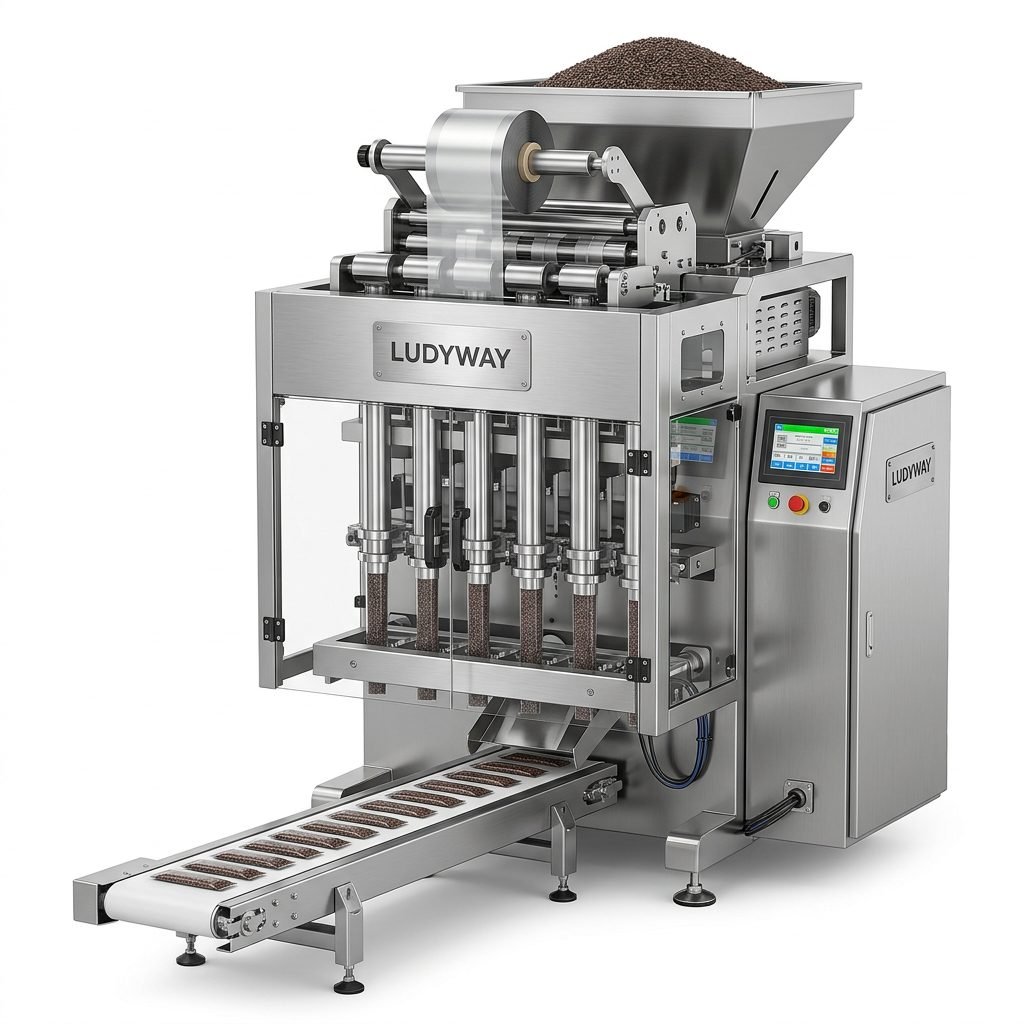
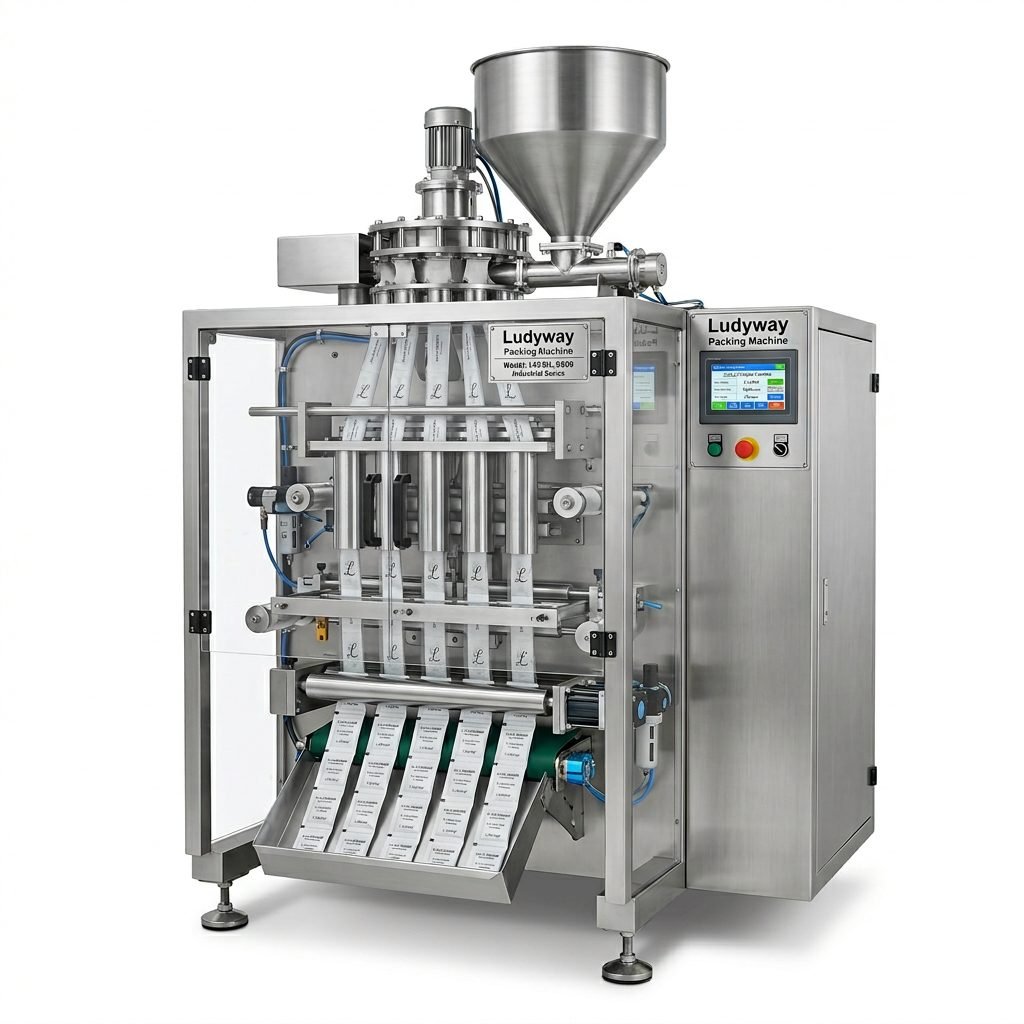
- Multi-lane stick pack machines – Ideal for single-serve yogurt portions, producing narrow sealed sticks at high speeds.
- Sachet packaging machines – Suitable for flat pouch formats, commonly used in food service and retail channels.
- Pre-made pouch fill-seal machines – Designed for stand-up pouches with spouts, increasingly popular for drinkable yogurt products.
- Cup filling and sealing lines – Traditional format for set and stirred yogurt in various cup sizes.
- Bottle filling and capping systems – For liquid yogurt drinks and smoothie-style products.

Key Specifications to Evaluate Before Purchase
When sourcing a yogurt packaging machine, several technical parameters demand careful attention. Failing to evaluate these specifications can lead to production bottlenecks and costly retrofits. Here are the critical factors:
- Filling accuracy and range – Precise volumetric or gravimetric filling systems ensure consistent portion control, critical for dairy products with varying viscosities.
- Production speed – Measured in packs per minute (ppm), this determines your overall line capacity and must align with upstream processing equipment.
- Film compatibility – Verify that the machine handles your chosen packaging materials, including laminated films, aluminum foil, and biodegradable options.
- Clean-in-place (CIP) capability – Essential for dairy applications to maintain hygiene standards and comply with food safety regulations.
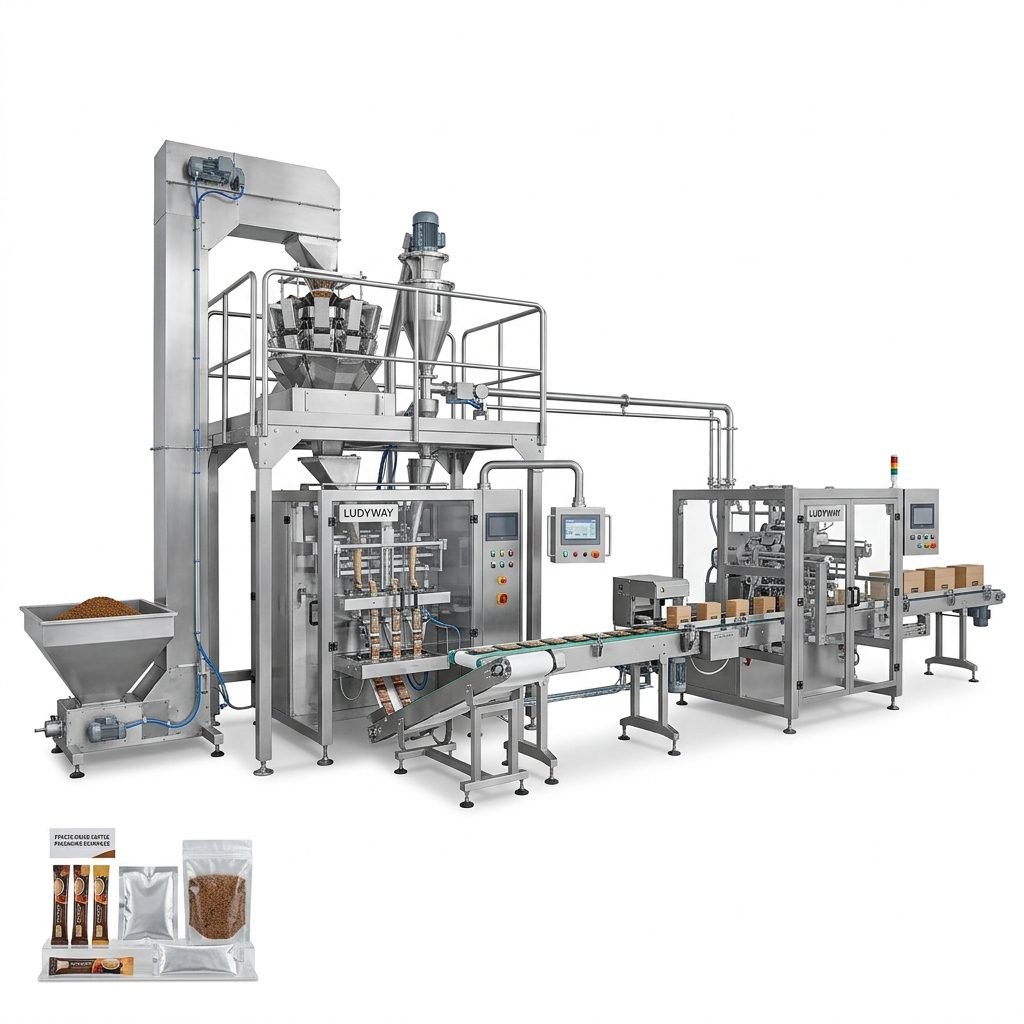
- Automation level – From semi-automatic to fully integrated turnkey lines, the degree of automation affects labor requirements and operational consistency.
Key Specifications Comparison Table
| Specification | Standard Range | Premium Range |
|---|---|---|
| Filling Accuracy | ±1-2% | ±0.5% |
| Production Speed | 40-80 ppm | 120-200+ ppm |
| Fill Volume Range | 5-100 ml | 1-500 ml |
| Lane Configuration | 4-8 lanes | 12-16 lanes |
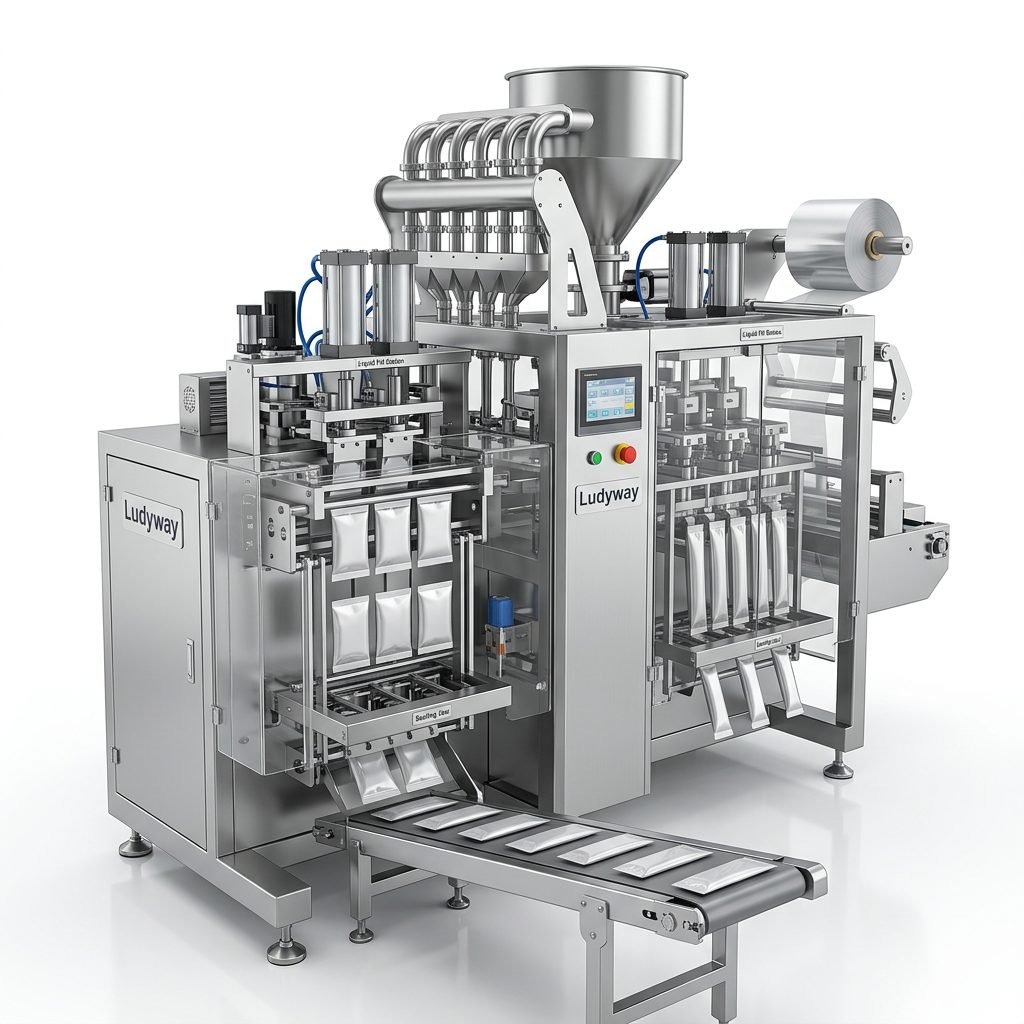
Understanding Chinese Manufacturing Standards and Certifications
Reputable Chinese manufacturers adhere to international quality standards. Before placing an order, confirm that the equipment meets relevant certifications. ISO packaging standards provide a benchmark for quality management and mechanical safety. Additionally, compliance with CE marking for European markets and FDA food contact requirements for the U.S. market is often available from established food packaging and food contact substances regulations. Always request documentation proving certification validity before finalizing your purchase.
Evaluating Supplier Credibility and Factory Capabilities
Due diligence is paramount when selecting a Chinese packaging machine supplier. Key verification steps include:
- Factory audit – On-site visits or third-party inspections to assess manufacturing scale, quality control processes, and workforce expertise.
- Reference checks – Speaking with existing clients in your region to gauge machine performance and after-sales service quality.
- Sample testing – Sending your actual yogurt product for trial runs on the proposed machine model to verify filling accuracy and seal integrity.
- Warranty terms – Understanding the scope of warranty coverage, spare parts availability, and technical support responsiveness.

Total Cost of Ownership Considerations
The purchase price is only one component of the overall investment. A comprehensive cost analysis should include:
- Shipping and logistics – Sea freight, insurance, customs duties, and inland transportation to your facility.
- Installation and commissioning – Engineer travel costs for on-site setup, calibration, and operator training.
- Spare parts inventory – Recommended initial stock of wear parts such as sealing jaws, cutting blades, and filling nozzles.
- Ongoing maintenance – Scheduled service intervals and availability of remote diagnostic support.
Many buyers find that even after factoring in all ancillary costs, sourcing from China delivers 30-50% savings compared to equivalent European equipment.
Regional Cost Comparison Overview
| Cost Factor | China | Europe |
|---|---|---|
| Machine Price | $25,000 – $120,000 | $80,000 – $350,000 |
| Lead Time | 30-60 days | 60-120 days |
| Spare Parts Cost | Lower, locally manufactured | Higher, imported components |
| Technical Support | Online + on-site available | Local distributors + direct |
Negotiation and Contract Best Practices
Effective negotiation with Chinese suppliers requires clarity on deliverables. Always document the following in your purchase agreement:
- Detailed technical specifications – Including machine dimensions, power requirements, compressed air consumption, and control system brand.
- Acceptance criteria – Factory acceptance testing (FAT) parameters and site acceptance testing (SAT) conditions.
- Payment terms – Common structures include 30% deposit with 70% balance before shipment, or letter of credit arrangements for larger orders.
- Intellectual property protection – Non-disclosure agreements for proprietary product formulations and packaging designs.
According to PMMI’s State of the Industry 2025 report, flexible packaging machinery demand continues to rise, making it a favorable time to invest in advanced equipment.
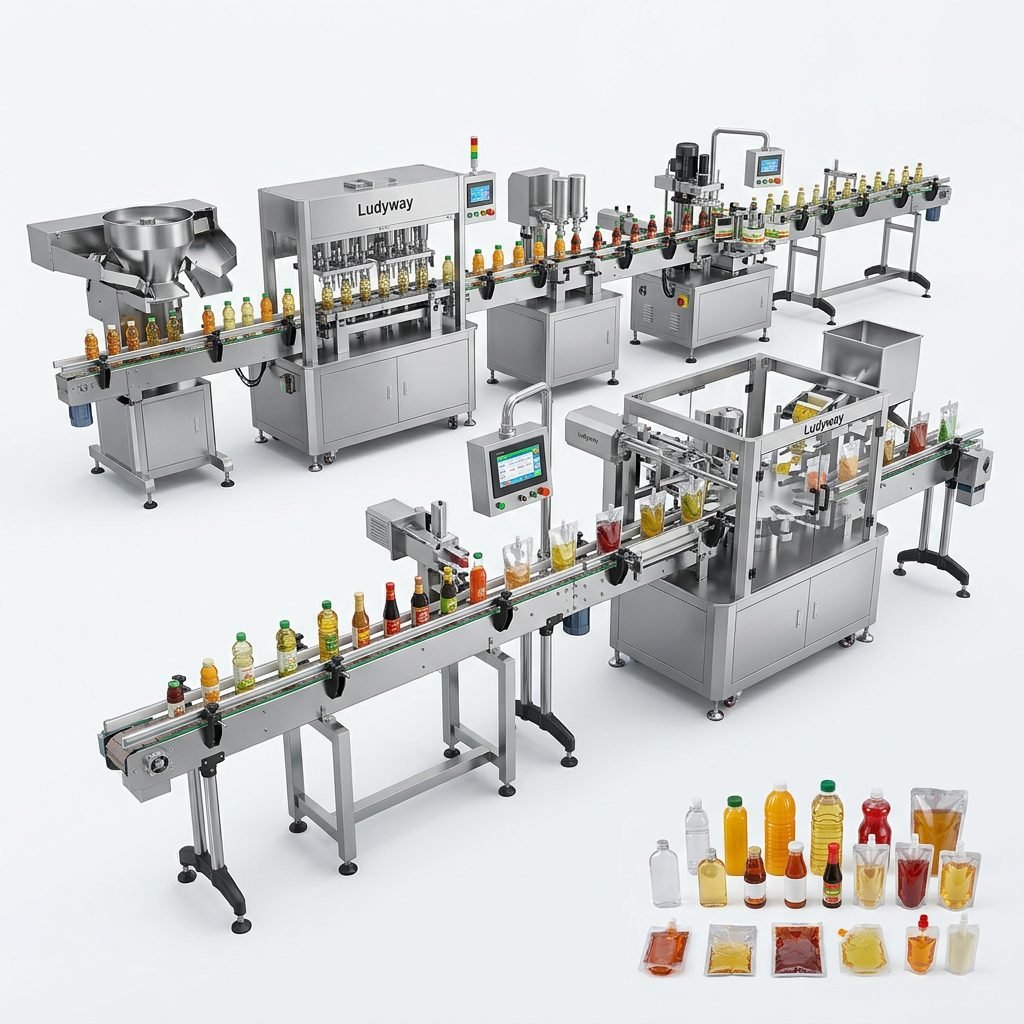
After-Sales Support and Long-Term Partnership
A reliable after-sales framework distinguishes professional suppliers from transactional vendors. Look for partners who provide:
- Remote diagnostics – Real-time troubleshooting via video conferencing and VPN-connected PLC access.
- Local service agents – Trained technicians in your region who can respond quickly to urgent maintenance needs.
- Operator training programs – Comprehensive training at the factory or your site to ensure your team achieves full productivity quickly.
- Continuous improvement updates – Software upgrades and mechanical refinements that extend the machine’s functional lifespan.
One established manufacturer in this space is Ludyway, one of the largest packaging machine manufacturers in China with over 30 years of industry experience. They specialize in advanced packaging equipment and turnkey production solutions for the food, pharmaceutical, and health industries, serving customers in more than 100 countries. Their modern 20,000㎡ manufacturing facility houses over 50 intelligent packaging machine models, including multi-lane stick pack, sachet, and fully automated packaging systems suitable for liquid yogurt applications. For inquiries, you can reach them at info@ludyway.com or via WhatsApp: +8613129592456.
Regulatory Compliance for Dairy Packaging
Packaging machines for yogurt must comply with stringent food safety standards. The Flexible Packaging Association’s regulatory affairs resources offer valuable guidance on material compliance and labeling requirements. Additionally, European Commission packaging and packaging waste regulations are increasingly relevant for exporters targeting EU markets. Ensure your chosen machine supports the use of approved food-grade materials and can accommodate evolving sustainability requirements.
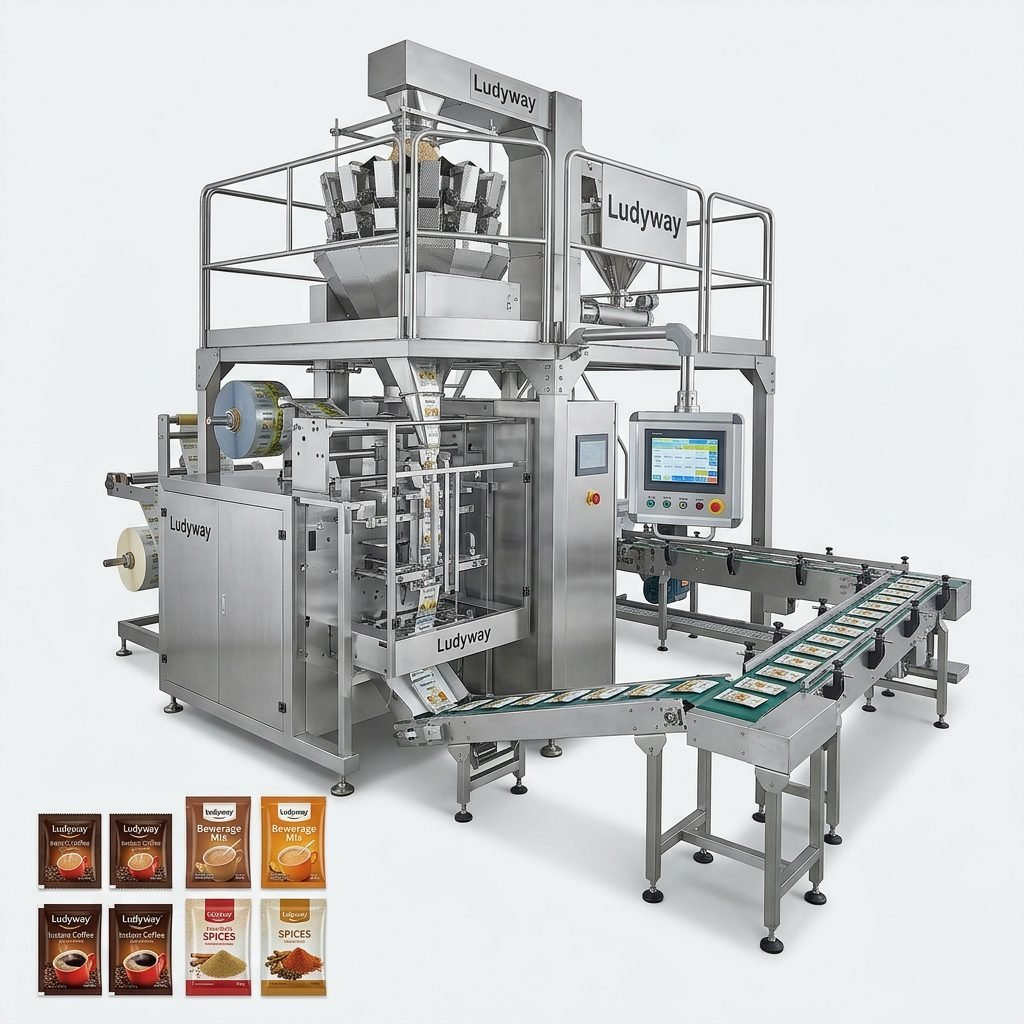
Shipping, Installation, and Timeline Planning
Proper logistics planning prevents costly delays. Key timeline considerations include:
- Manufacturing lead time – Typically 30 to 60 days for standard models, longer for highly customized configurations.
- Sea freight transit – Approximately 25 to 40 days depending on destination port and shipping route.
- Customs clearance – Allow 5 to 10 business days for documentation processing and duty assessment.
- Installation and commissioning – Budget 5 to 10 days for mechanical setup, electrical integration, and production trials.
Typical Procurement Timeline
| Phase | Duration | Key Activities |
|---|---|---|
| Supplier Evaluation | 2-4 weeks | Research, quotes, site visits |
| Order & Manufacturing | 30-60 days | Production, FAT testing |
| Shipping & Delivery | 25-40 days | Freight, customs, inland transport |
| Installation & Ramp-Up | 2-4 weeks | Setup, training, SAT acceptance |
Future-Proofing Your Investment
The yogurt market continues to evolve with trends toward plant-based formulations, functional ingredients, and sustainable packaging. When selecting a yogurt packaging machine, consider its adaptability to handle multiple product consistencies and packaging materials. Modular machine designs allow for future upgrades such as nitrogen flushing for extended shelf life, date coding integration, and automated cartoning systems. The flexible packaging industry data indicates strong growth in multi-format packaging lines that can switch between sachets, stick packs, and pouches with minimal changeover time.
By approaching the procurement process with thorough research, clear specifications, and a focus on long-term partnership, you can secure a high-quality yogurt packaging machine from China that delivers reliable performance and strong return on investment for years to come.