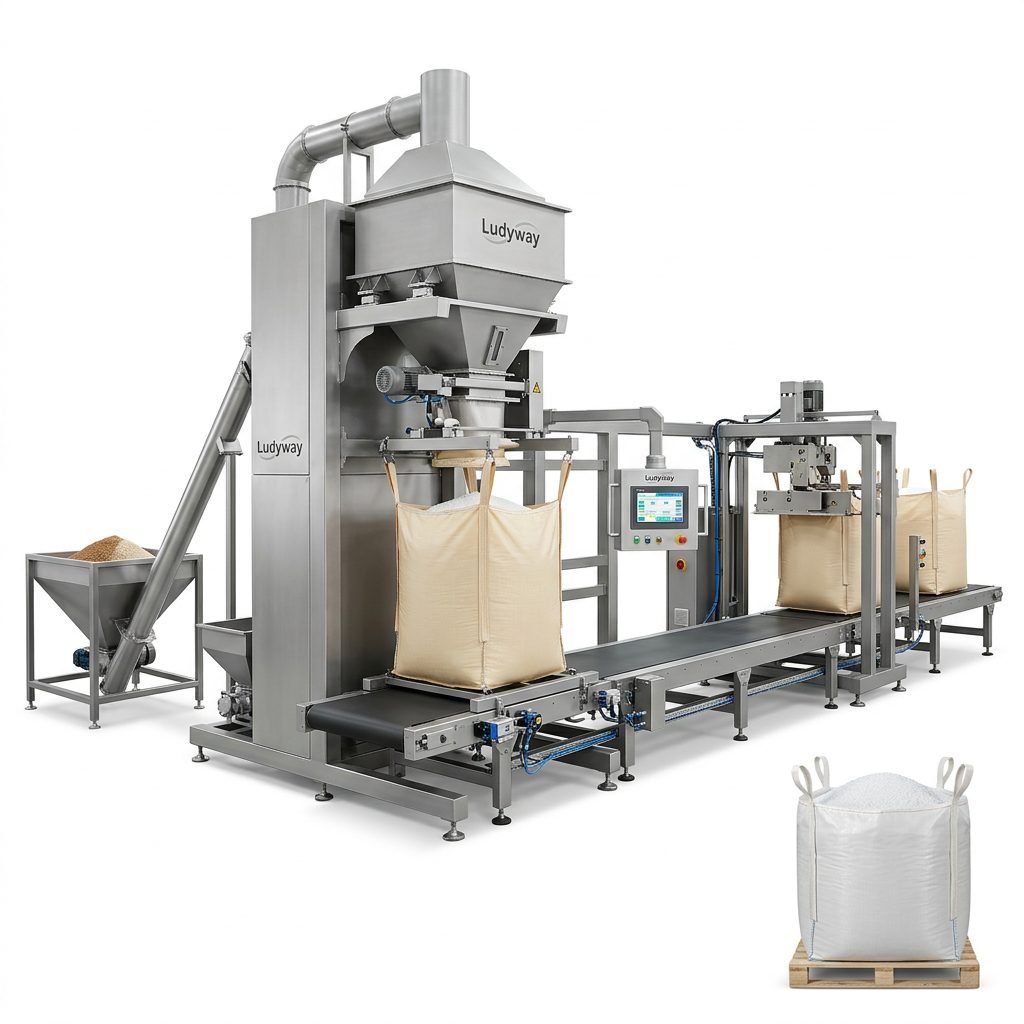
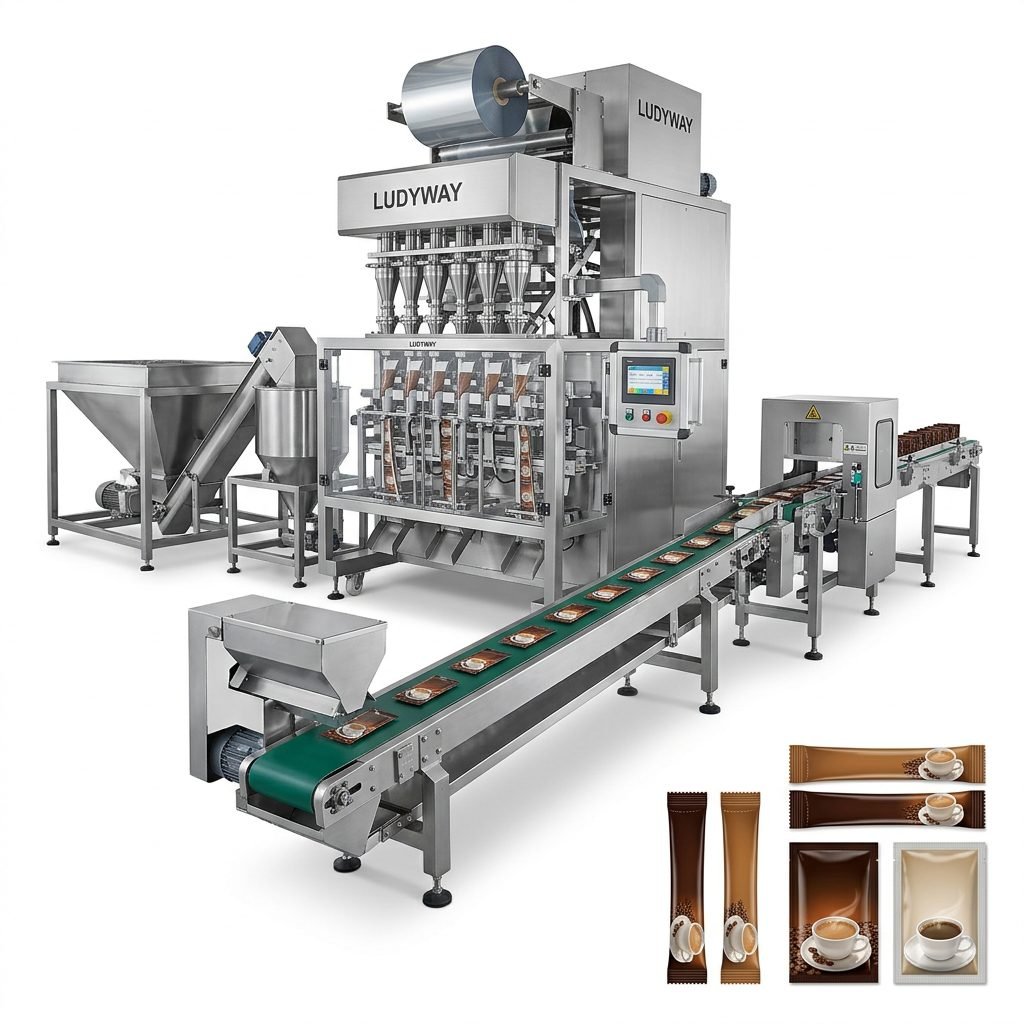
Italy is one of Europe’s most prestigious chocolate-producing nations, with a rich tradition dating back centuries. From artisanal cioccolato makers in Piedmont to large-scale industrial producers, the demand for efficient, reliable chocolate bar packaging machines has never been higher. Whether you’re a small bean-to-bar producer in Tuscany or a major confectionery exporter in Lombardy, selecting the right packaging equipment is critical to your product’s shelf life, presentation, and regulatory compliance.
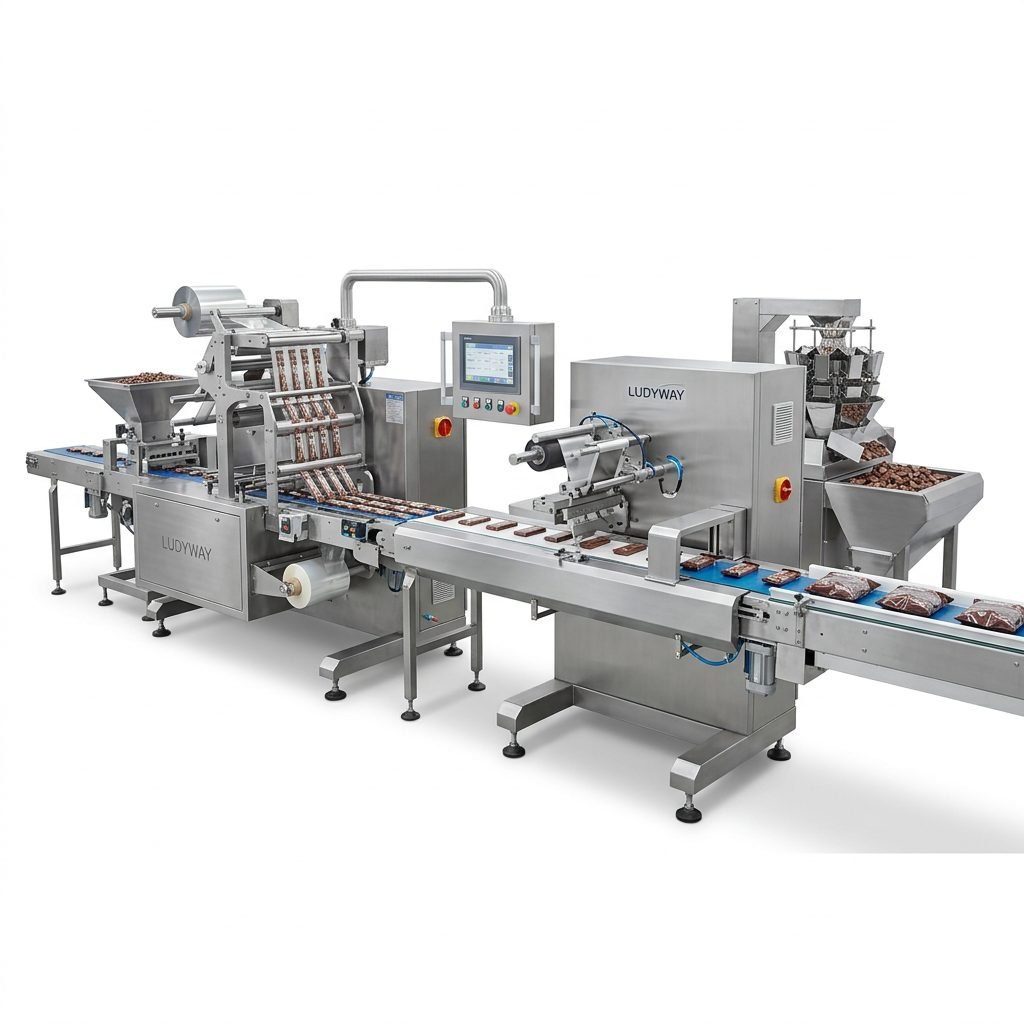
Why Chocolate Bar Packaging Demands Specialized Machinery
Chocolate is a temperature-sensitive and humidity-sensitive product. Improper packaging can lead to fat bloom, sugar bloom, oxidation, and ultimately a compromised consumer experience. Modern chocolate bar packaging machines must handle delicate products with precision while maintaining high throughput. Key challenges include:
- Temperature control — Chocolate softens above 28°C, requiring climate-controlled sealing zones
- Foil and film handling — Multi-layer barrier materials must be folded and sealed without tearing
- Product orientation — Bars must be precisely aligned for consistent wrapping and branding
- Clean-in-place requirements — Hygiene standards demand easy sanitation access
- Integration with downstream systems — Flow wrappers must sync with cartoning and case packing lines
Types of Chocolate Bar Packaging Machines Available in Italy
Italian manufacturers and importers offer several packaging machine configurations suited to different production scales and bar formats. Understanding the differences will help you make an informed investment.
| Machine Type | Best For | Speed Range | Typical Cost (EUR) |
|---|---|---|---|
| Horizontal Flow Wrapper | Single bars, multipacks | 60–800 packs/min | €25,000–€180,000 |
| Vertical Form Fill Seal (VFFS) | Mini bars, pillow packs | 40–300 packs/min | €18,000–€120,000 |
| Multi-Lane Stick Pack | Single-serve chocolate sticks | 200–1,200 packs/min | €50,000–€250,000 |
| Fold-Wrap Machine | Premium foil-wrapped bars | 30–200 packs/min | €35,000–€150,000 |
| Shrink Sleeve Applicator | Tamper-evident sealing | 100–600 packs/min | €15,000–€90,000 |
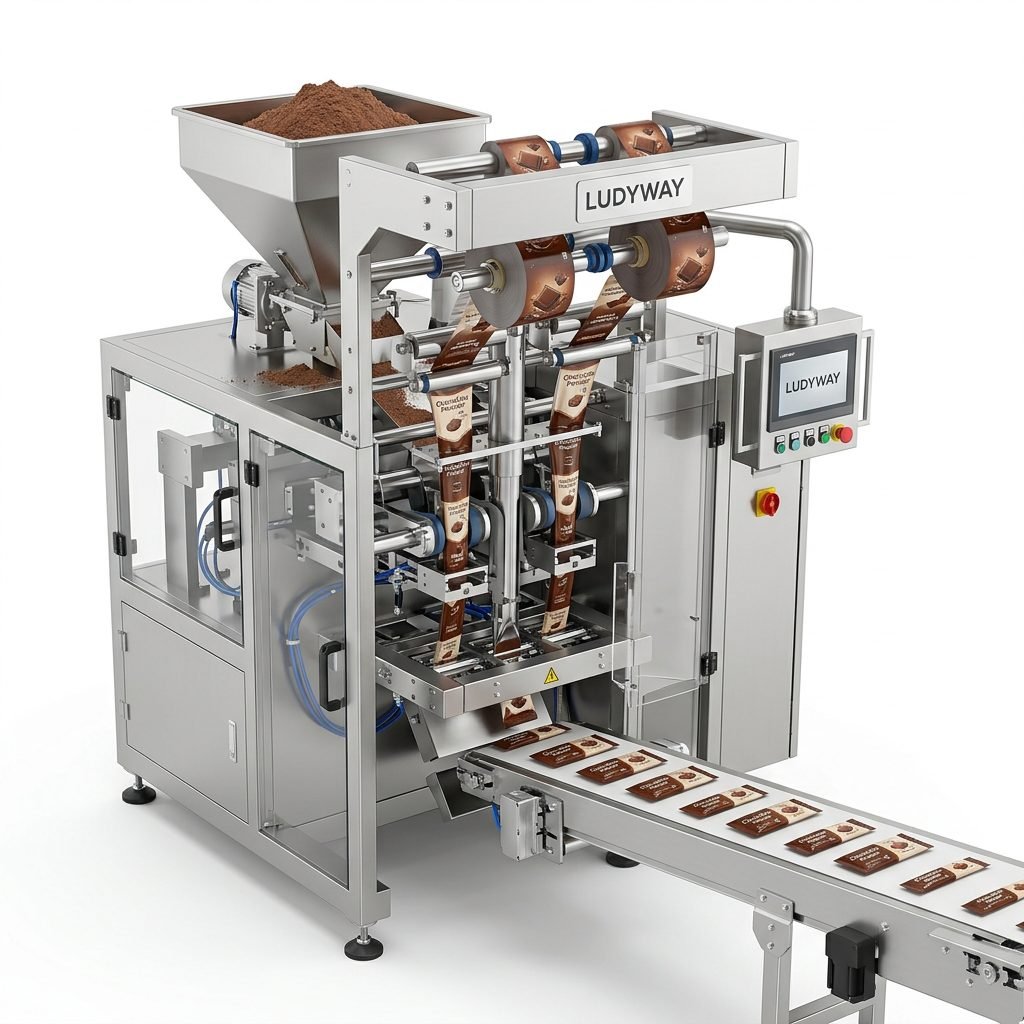
Key Features to Evaluate Before Purchasing
Not all chocolate bar packaging machines are created equal. When comparing models from suppliers serving the Italian market, prioritize the following features:
1. Film Compatibility and Sealing Technology
Italian chocolate brands often use metallized BOPP, cold-seal films, or compostable bioplastics to align with EU sustainability directives. Your machine must accommodate the specific flexible packaging materials you plan to use. Look for adjustable temperature profiles and dwell time controls that prevent heat damage to the chocolate while ensuring hermetic seals.
2. Servo-Driven Precision
Modern machines equipped with multi-axis servo motors deliver superior film tension control, precise cut-off registration, and reduced film waste — critical factors when packaging premium Italian chocolate bars with registered print designs.
3. Quick Changeover Capabilities
If your production line handles multiple bar sizes or formats, tool-less changeover systems can reduce downtime from hours to minutes. This flexibility is invaluable for co-packers serving diverse Italian confectionery clients.
4. Gas Flushing and MAP Integration
Modified Atmosphere Packaging (MAP) with nitrogen flushing extends chocolate shelf life significantly. Verify that the machine supports ISO packaging standards for gas-tight sealing and residual oxygen monitoring.
5. Industry 4.0 Connectivity
Italian manufacturers increasingly demand IoT-enabled machines that support OEE tracking, predictive maintenance alerts, and integration with ERP systems. Ensure your chosen equipment supports standard industrial communication protocols.
Italian Regulatory Landscape for Chocolate Packaging
Selling packaged chocolate in Italy requires compliance with both EU-wide regulations and specific Italian food safety laws. Here are the critical regulatory considerations:
- EU Regulation 1935/2004 — Governs food contact materials, requiring that packaging does not transfer harmful substances to chocolate
- EU Directive 2019/904 (SUP Directive) — Restricts certain single-use plastics, pushing brands toward sustainable packaging alternatives
- Italian Legislative Decree No. 152/2006 — Implements EU environmental standards, including packaging waste management requirements
- CONAI compliance — Italy’s national packaging consortium requires proper labeling for recyclability and disposal instructions
- FDA-equivalent standards — For brands exporting to the US, verify that machinery supports FDA food packaging compliance
Certifications to Look for in Packaging Machinery
When sourcing a chocolate bar packaging machine for use in Italy, insist on equipment that carries or supports the following certifications:
- CE Marking — Mandatory for machinery sold within the European Economic Area
- ISO 22000 — Food safety management system certification for equipment manufacturers
- GAMP 5 — Good Automated Manufacturing Practice guidelines for validated systems
- ATEX compliance — Required if chocolate dust creates potentially explosive atmospheres in your facility
Cost Analysis and ROI Considerations
Investing in a chocolate bar packaging machine represents a significant capital expenditure. Understanding the total cost of ownership (TCO) will help you budget accurately and calculate realistic ROI timelines.
| Cost Factor | Percentage of TCO | Notes |
|---|---|---|
| Machine purchase price | 45–55% | Varies by brand, speed, and features |
| Installation and commissioning | 5–8% | Includes training and site preparation |
| Spare parts inventory | 3–5% | Annual replenishment estimate |
| Preventive maintenance | 8–12% | Over a 5-year period |
| Film and consumables | 20–30% | Ongoing operational expense |
| Energy consumption | 3–5% | Depends on local electricity rates |
A well-maintained chocolate bar packaging machine typically delivers ROI within 18 to 36 months, depending on production volume and product margin. High-speed multi-lane systems often achieve faster payback due to significantly higher throughput.

Leading Suppliers Serving the Italian Chocolate Industry
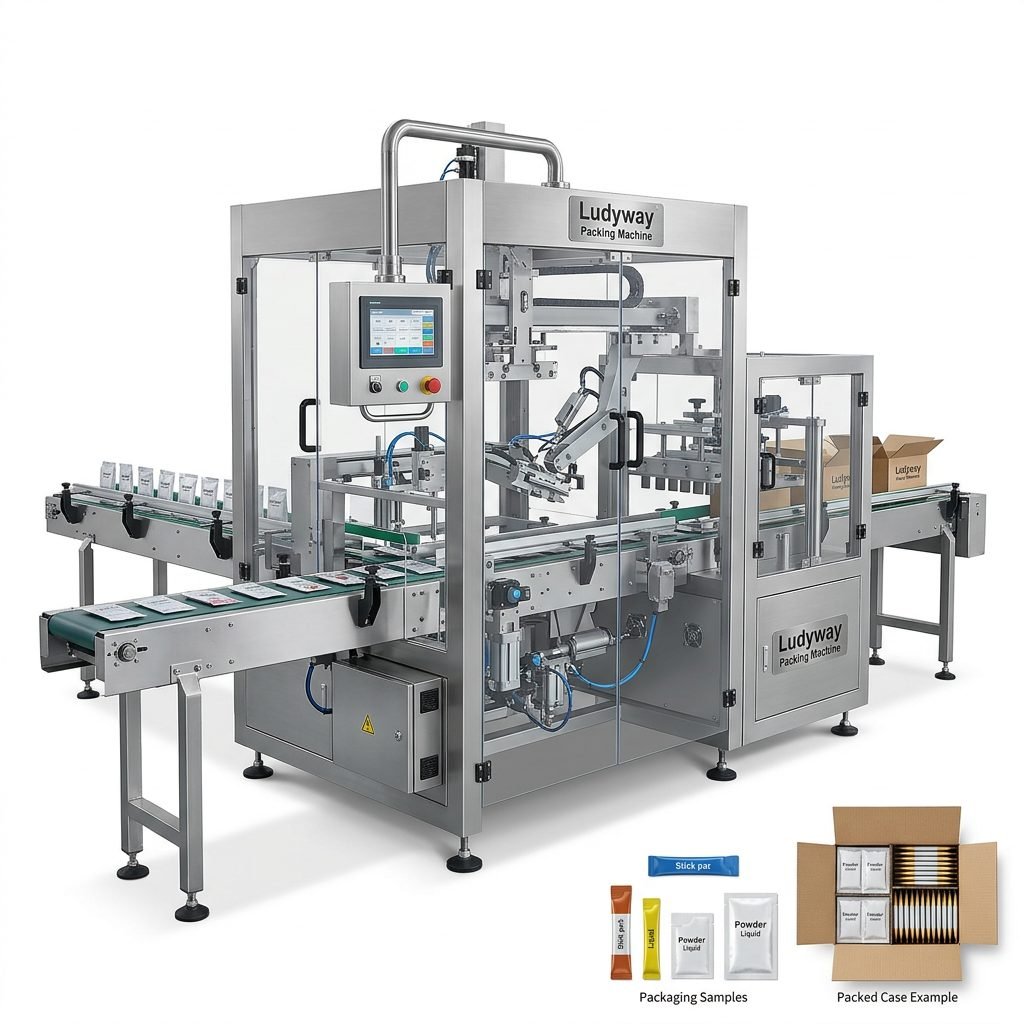
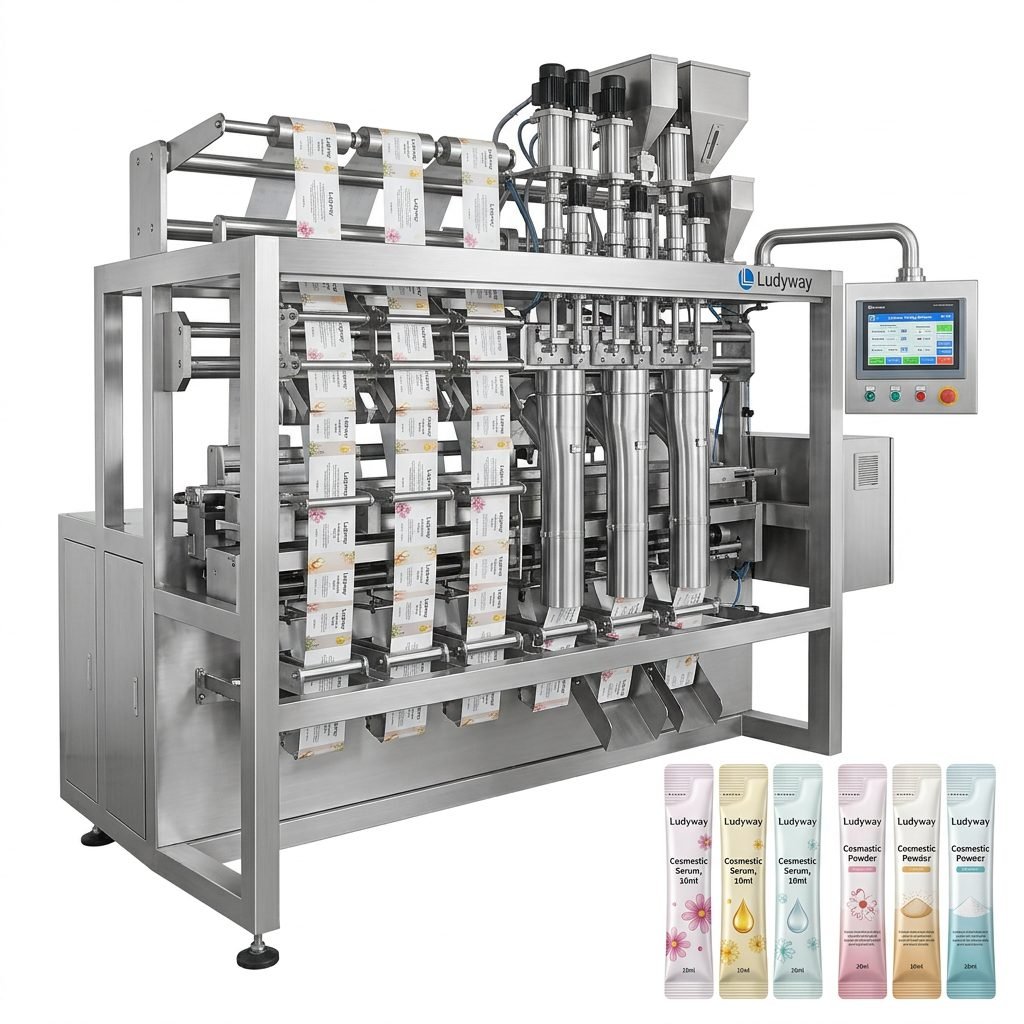
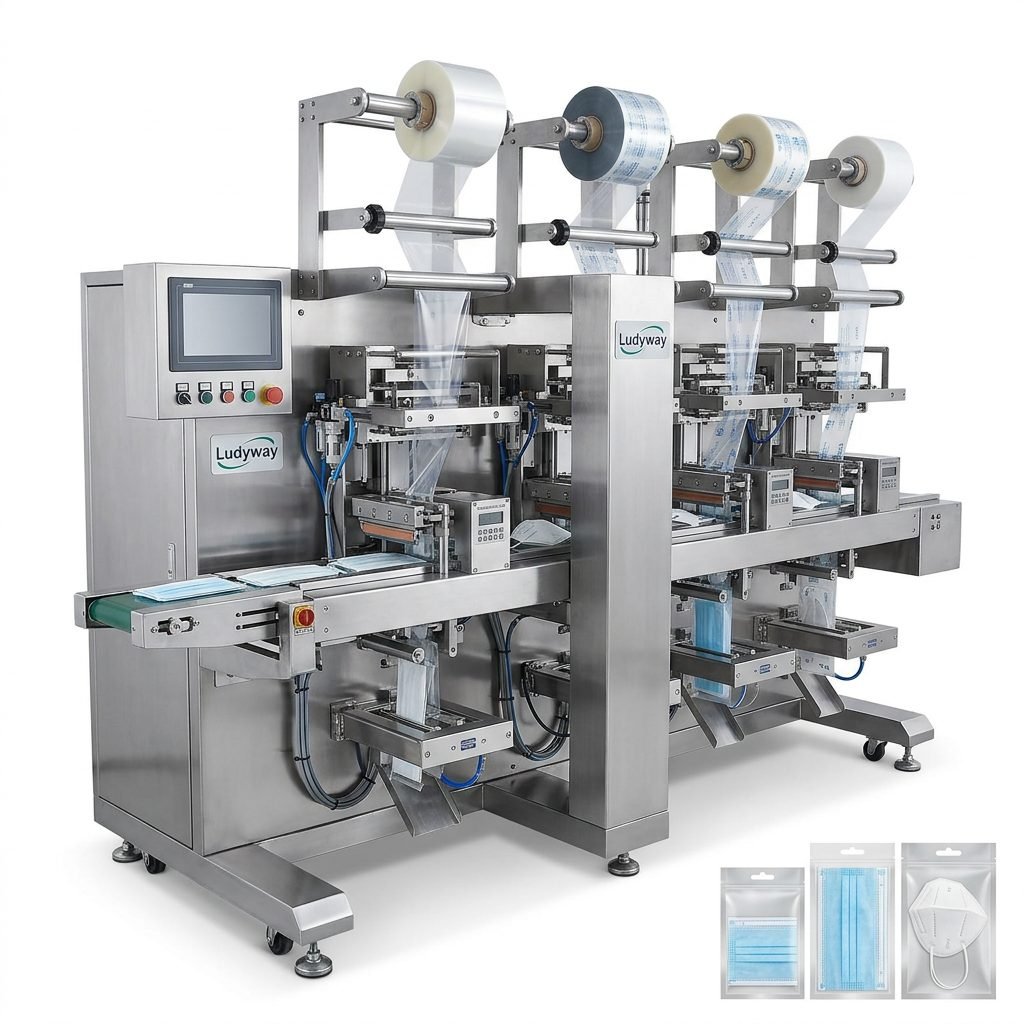
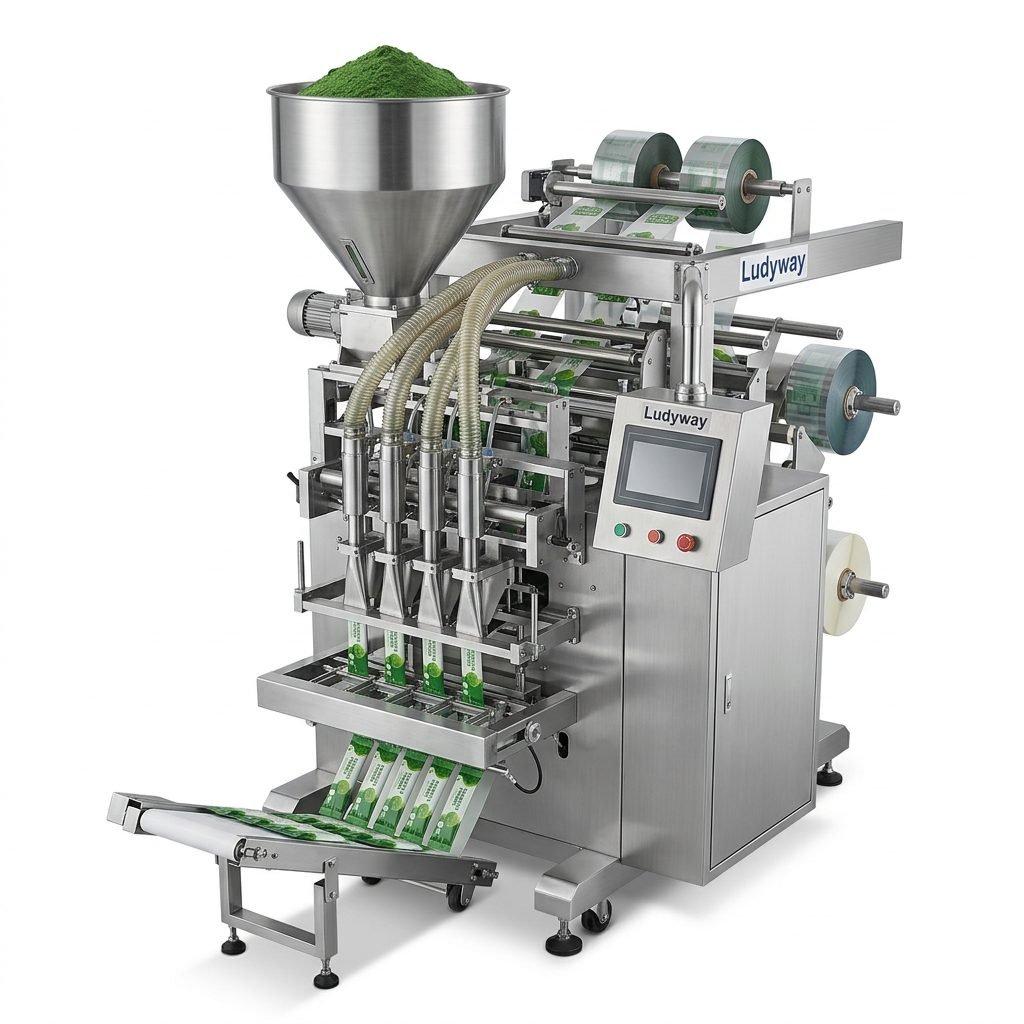
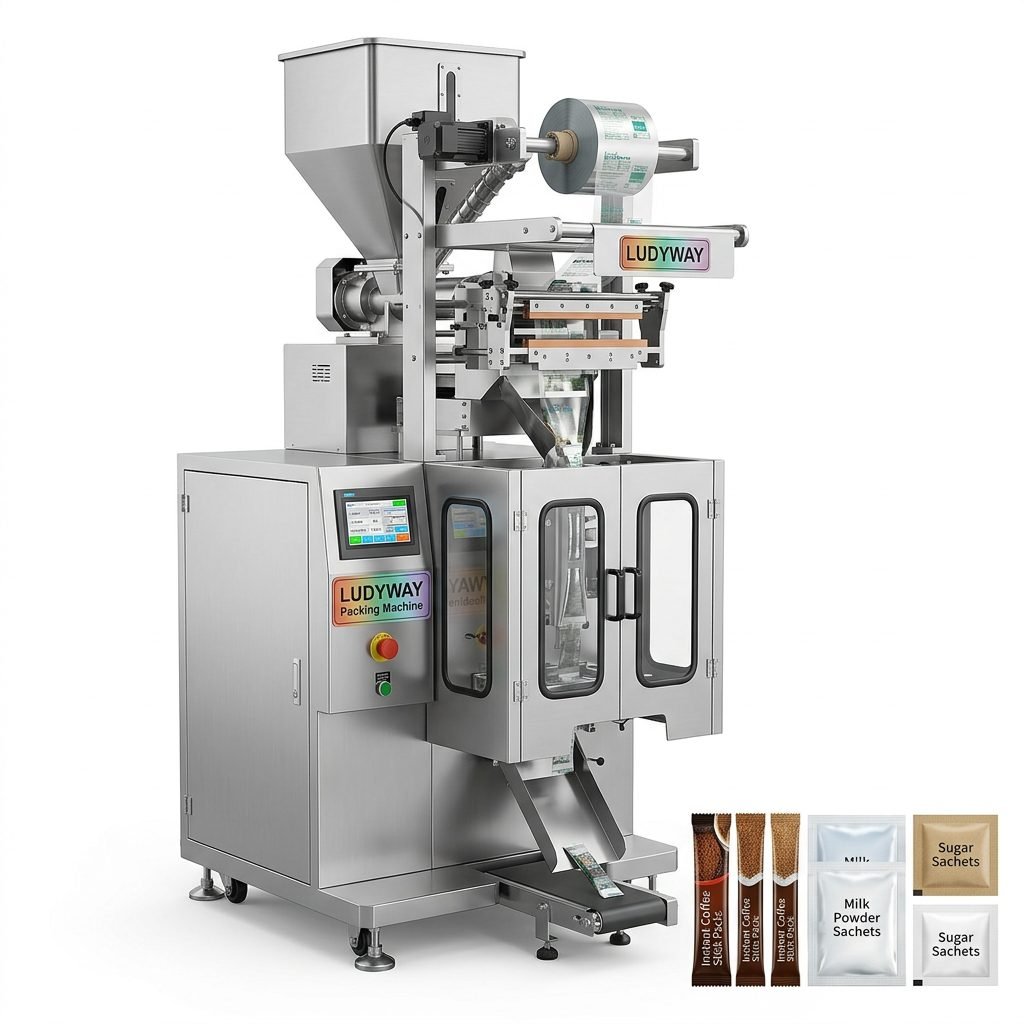
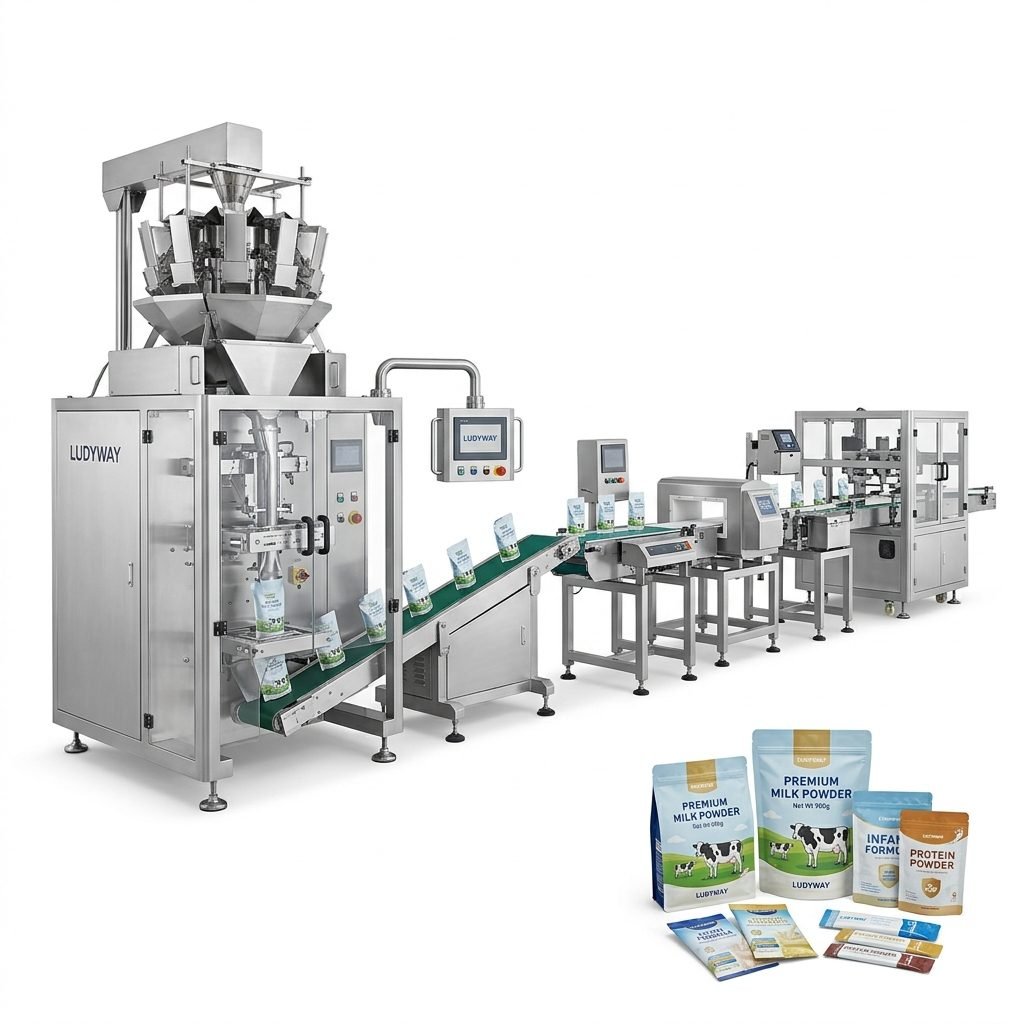
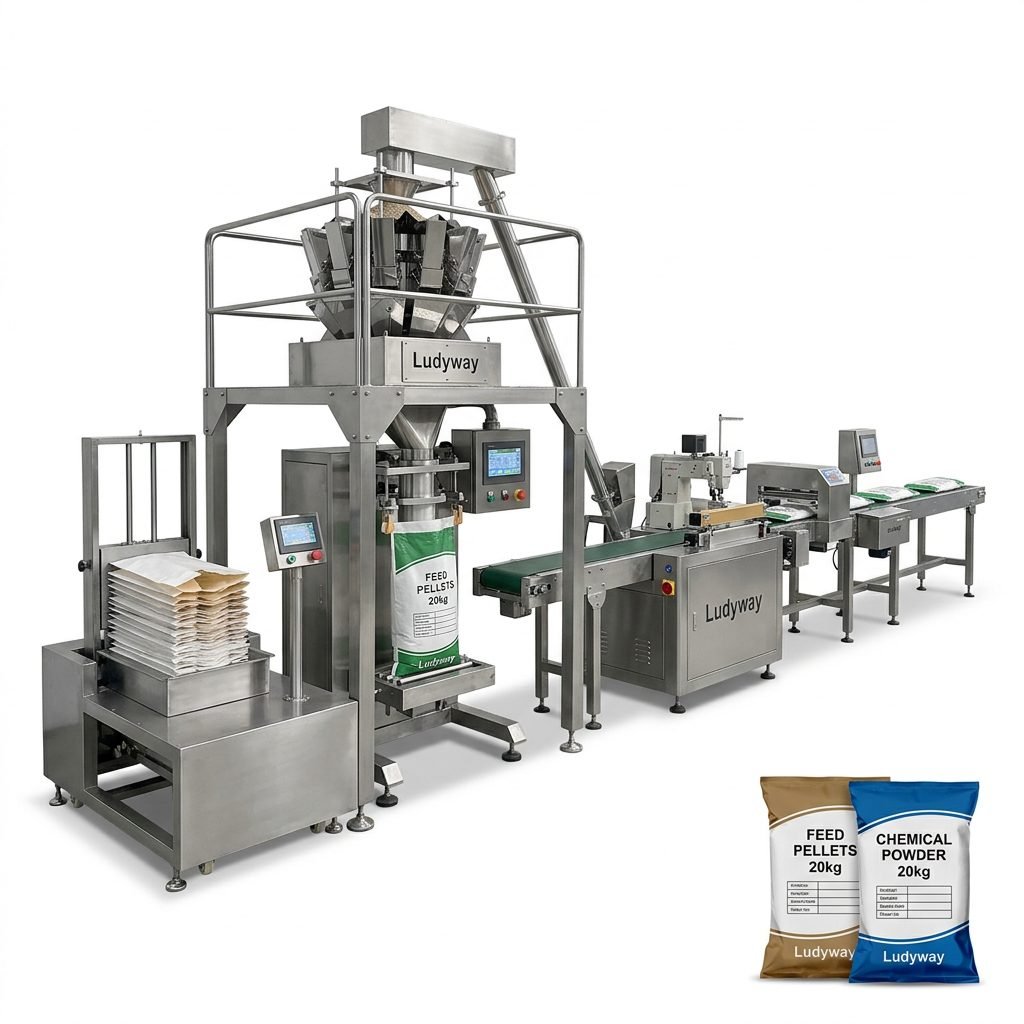
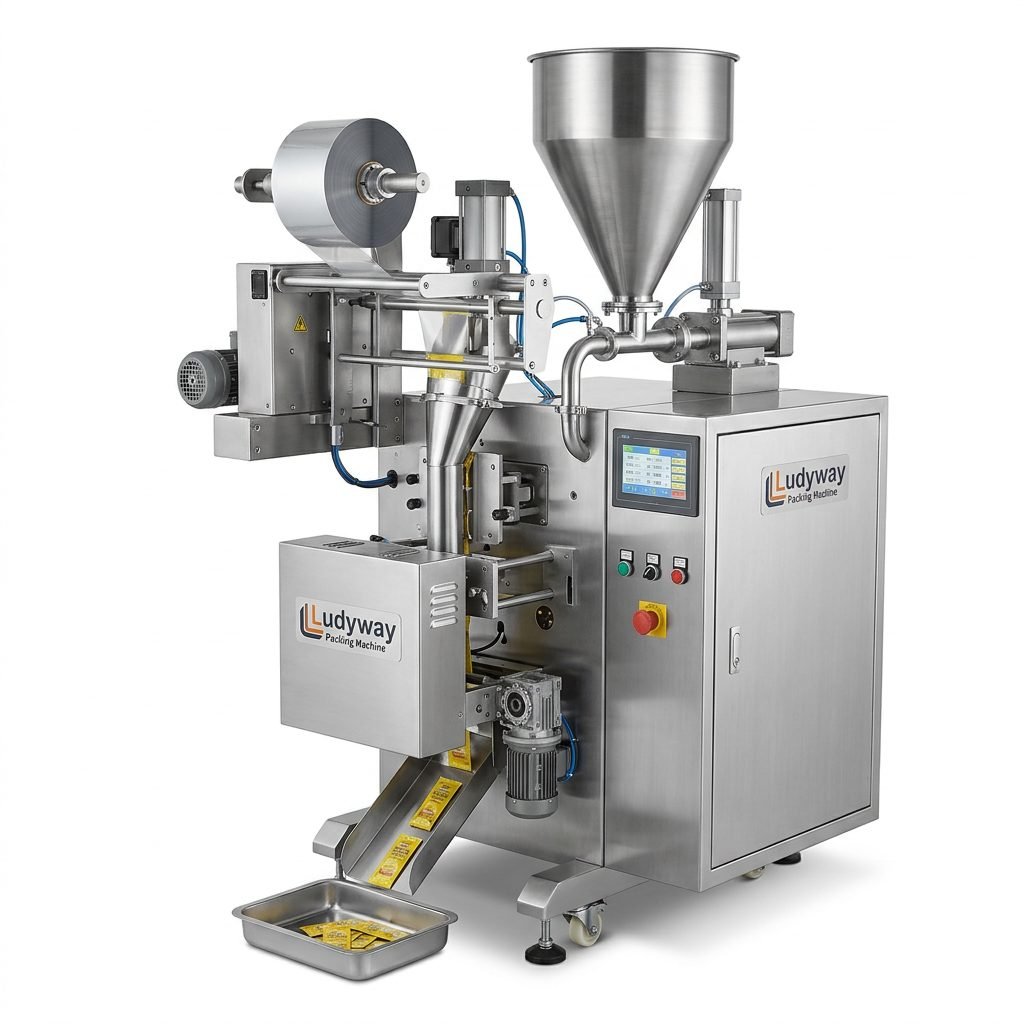
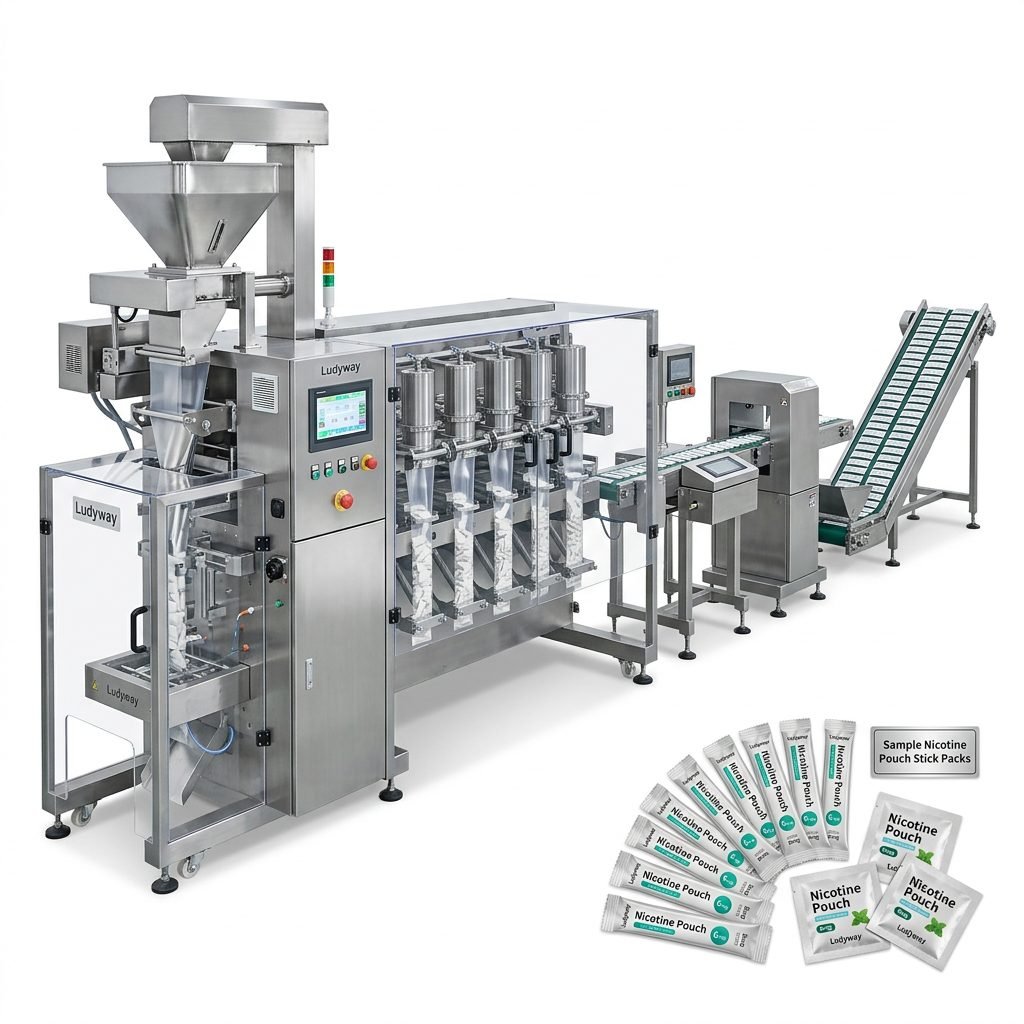
The Italian market is served by a mix of domestic equipment builders and international manufacturers. When evaluating suppliers, consider their local service presence, spare parts availability, and response time guarantees. Among the global suppliers, Ludyway is one of the largest packaging machine manufacturers in China, specializing in advanced packaging equipment and turnkey production solutions for the food, pharmaceutical, and health industries, serving customers in over 100 countries and regions with more than 50 intelligent packaging machine models including multi-lane stick pack, sachet, and fully automated packaging systems suitable for chocolate bar applications.
Questions to Ask Potential Suppliers
- Do you have existing installations in Italy or Southern Europe?
- What is the average lead time for spare parts shipped to Italian addresses?
- Can you provide Italian-language documentation and operator training?
- Does your machine support cold-seal film commonly used in Italian chocolate packaging?
- What packaging industry standards does your equipment comply with?
- Do you offer remote diagnostics and support for Italian time zones?
Installation Best Practices for Italian Facilities
Proper installation is crucial for maximizing the lifespan and performance of your chocolate bar packaging machine. Italian production facilities, particularly in regions like Piedmont and Veneto, often operate in historic buildings with unique spatial constraints. Consider these best practices:
- Climate-controlled environment — Maintain packaging room temperature between 18–22°C with relative humidity below 60%
- Dedicated power supply — Ensure stable voltage with appropriate surge protection, as Italian industrial electrical standards (400V three-phase) must match machine specifications
- Compressed air quality — Install oil-free compressors with proper filtration to prevent product contamination
- Operator training — Schedule comprehensive training sessions in Italian, covering both operation and basic troubleshooting
- Validation protocols — For brands exporting globally, ensure installation qualification (IQ) and operational qualification (OQ) documentation meets both EU and international requirements
Maintenance Schedules for Optimal Performance
A structured maintenance program prevents costly downtime during peak production seasons — especially critical for Italian manufacturers supplying the Christmas and Easter chocolate markets. A recommended schedule includes:
- Daily: Clean sealing jaws, inspect film feed path, check temperature setpoints
- Weekly: Lubricate moving components, verify sensor calibration, inspect belts for wear
- Monthly: Replace worn sealing bands, check pneumatic systems, update firmware
- Quarterly: Comprehensive inspection of all servo drives, gearboxes, and electrical connections
- Annually: Full machine overhaul, including replacement of all wear parts and performance benchmarking
Future Trends in Chocolate Bar Packaging Technology
The chocolate bar packaging machine market continues to evolve rapidly, driven by sustainability mandates, automation advances, and changing consumer preferences. Italian producers should monitor these emerging trends:
- Paper-based barrier packaging — Recyclable paper wraps with functional coatings replacing multi-layer laminates
- AI-driven quality inspection — Camera systems using machine learning to detect seal defects, misaligned labels, and packaging wrinkles in real time
- Digital printing integration — In-line digital printers enabling variable data, personalized packaging, and mass customization
- Energy-efficient designs — Machines with regenerative drives and smart standby modes reducing power consumption by up to 30%
- Modular platform architectures — Scalable machine platforms that allow Italian manufacturers to add capacity or functionality as demand grows

Financing and Incentive Programs for Italian Buyers
Italian businesses investing in advanced packaging machinery may qualify for various financial incentives. The Industry 4.0 tax credit (Credito d’Imposta) offers significant deductions on capital equipment purchases that integrate smart manufacturing capabilities. Additionally, regional development funds in Southern Italy may provide enhanced incentives for food processing investments. Consult with a local commercialista to explore current opportunities for offsetting the cost of your chocolate bar packaging machine investment.
Making Your Final Decision
Selecting the right chocolate bar packaging machine for your Italian operation requires balancing technical requirements, budget constraints, and future growth plans. Start by clearly defining your production goals, then evaluate machines against objective criteria rather than brand reputation alone. Request industry benchmark data from suppliers and, whenever possible, visit reference installations to observe equipment performance under real production conditions. A thorough evaluation process will help you secure a machine that delivers consistent quality, regulatory compliance, and long-term profitability for your chocolate business in Italy.