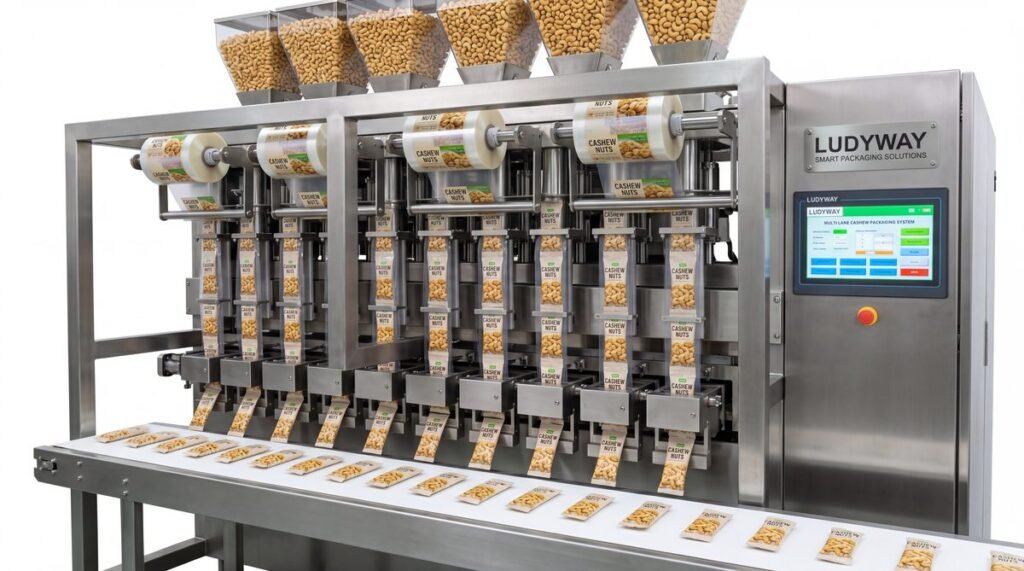
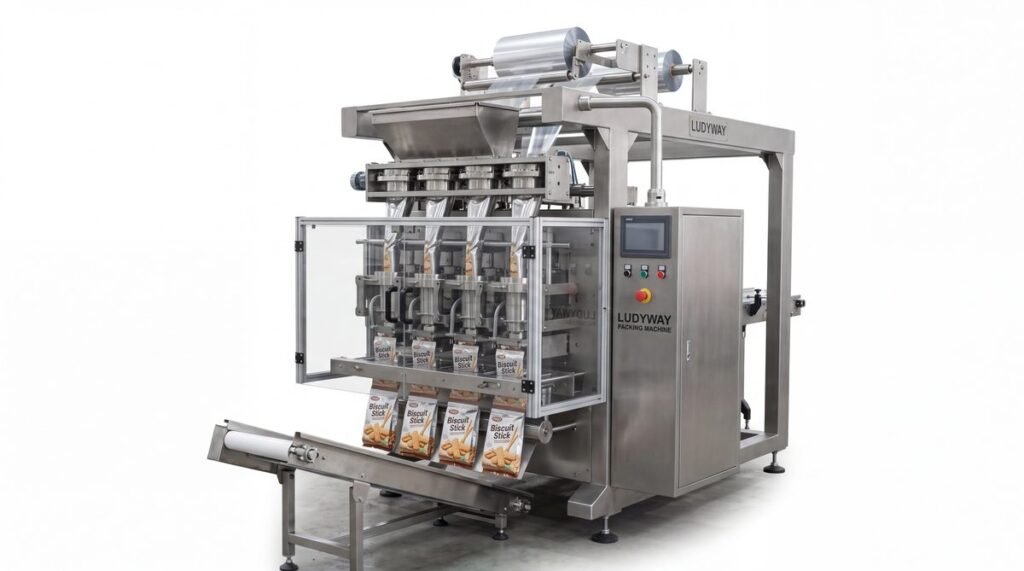
The Middle East granola bar market is experiencing rapid growth, driven by increasing health consciousness, busy urban lifestyles, and rising demand for convenient on-the-go snacks. Countries like the UAE, Saudi Arabia, Qatar, and Kuwait are seeing a surge in healthy snack consumption, making it essential for manufacturers to invest in efficient granola bar packaging machinery that meets regional standards and consumer expectations.
Selecting the right granola bar packaging machine for Middle Eastern operations requires careful evaluation of production capacity, packaging format, automation level, and compliance with local regulations. This guide walks you through everything you need to know before making your investment.
Understanding Granola Bar Packaging Formats in the Middle East
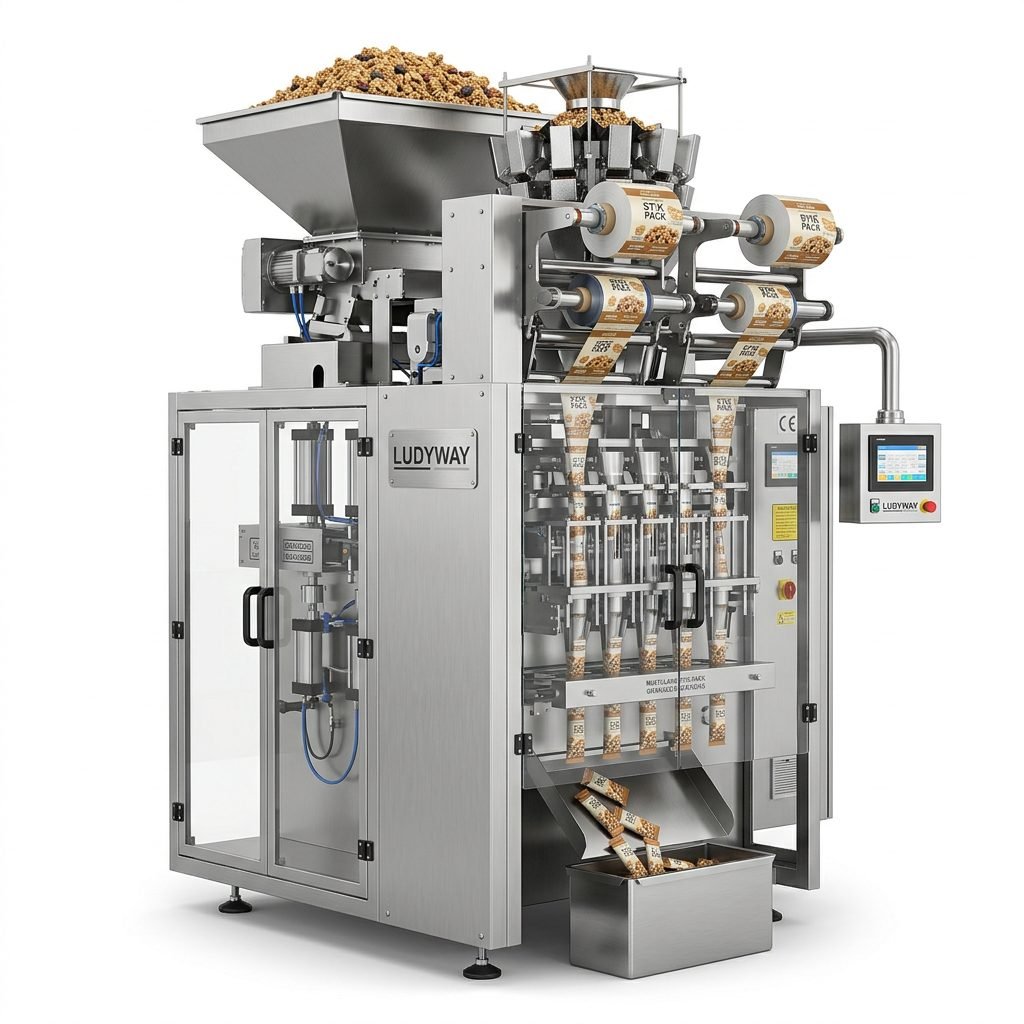
Middle Eastern consumers favor single-serve, portable packaging that maintains product freshness in hot climates. The most common formats include:
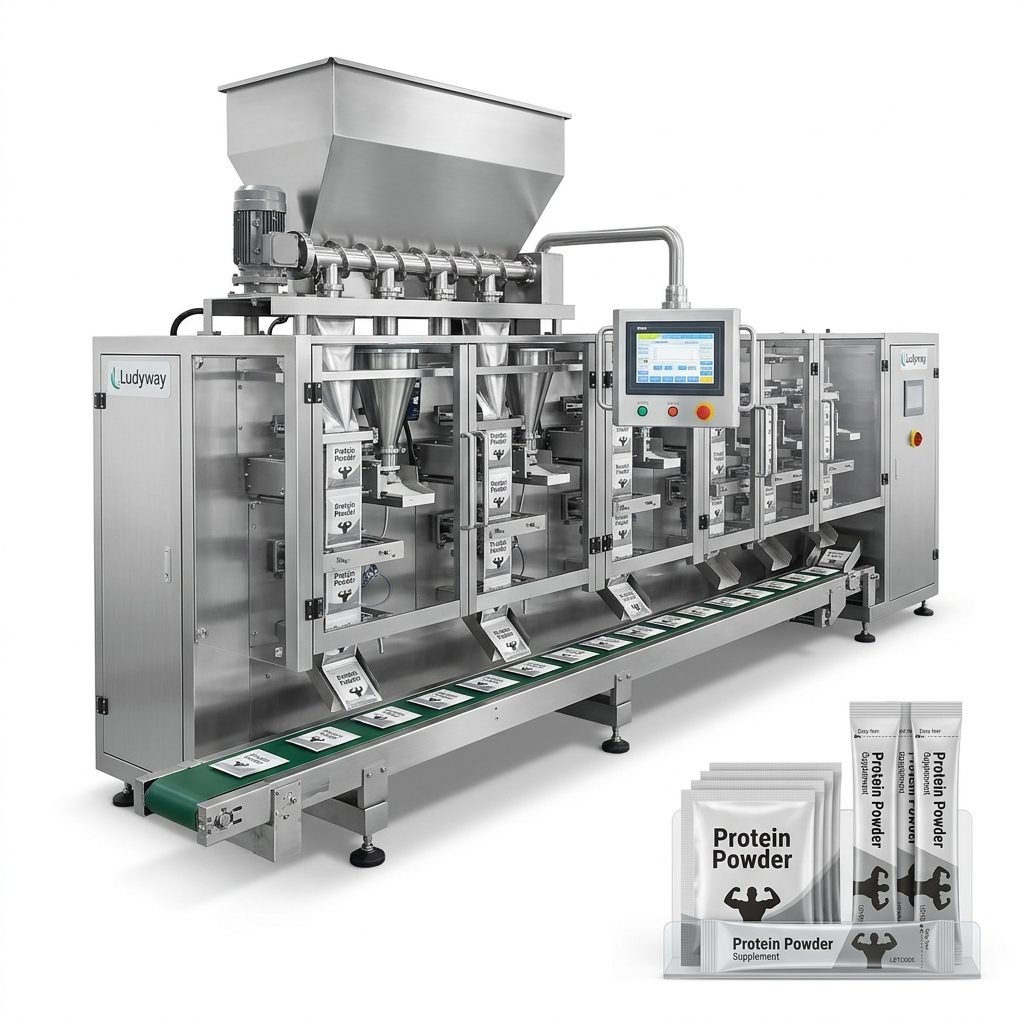
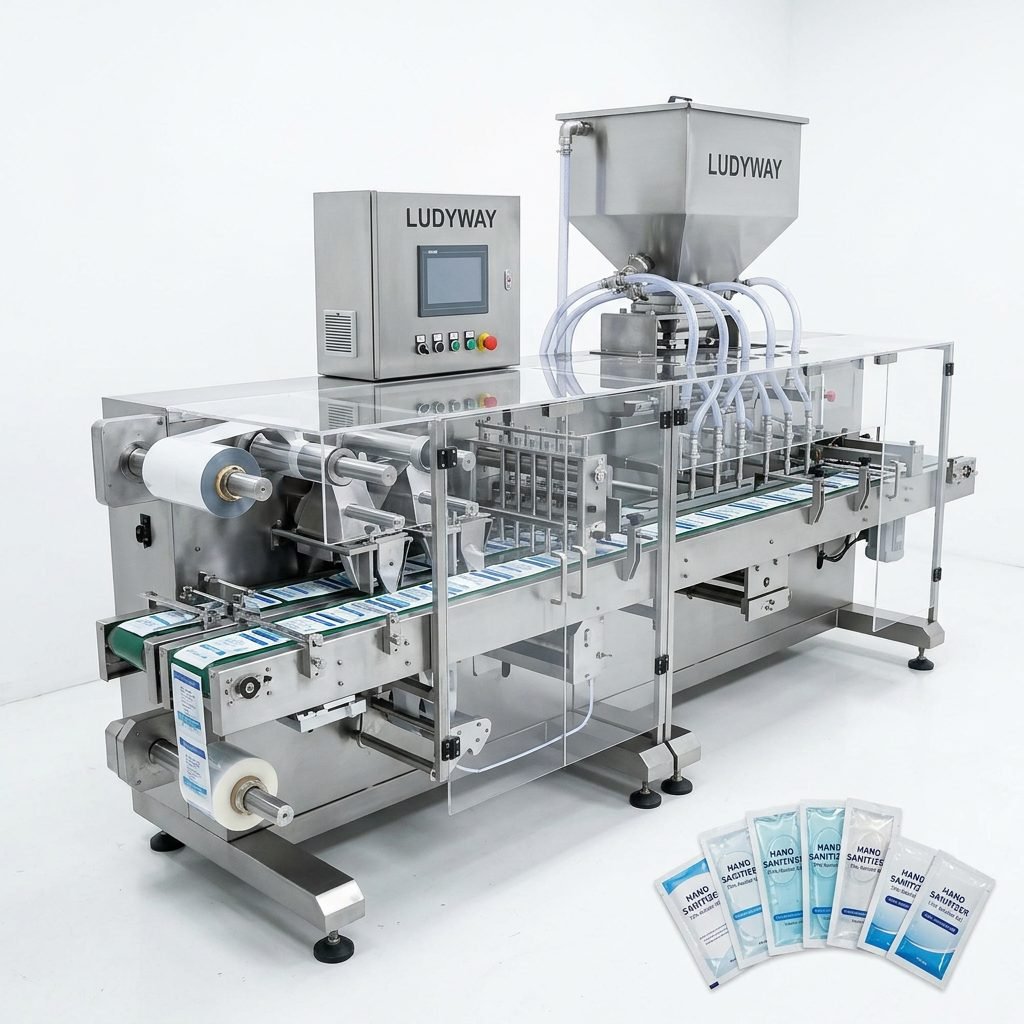
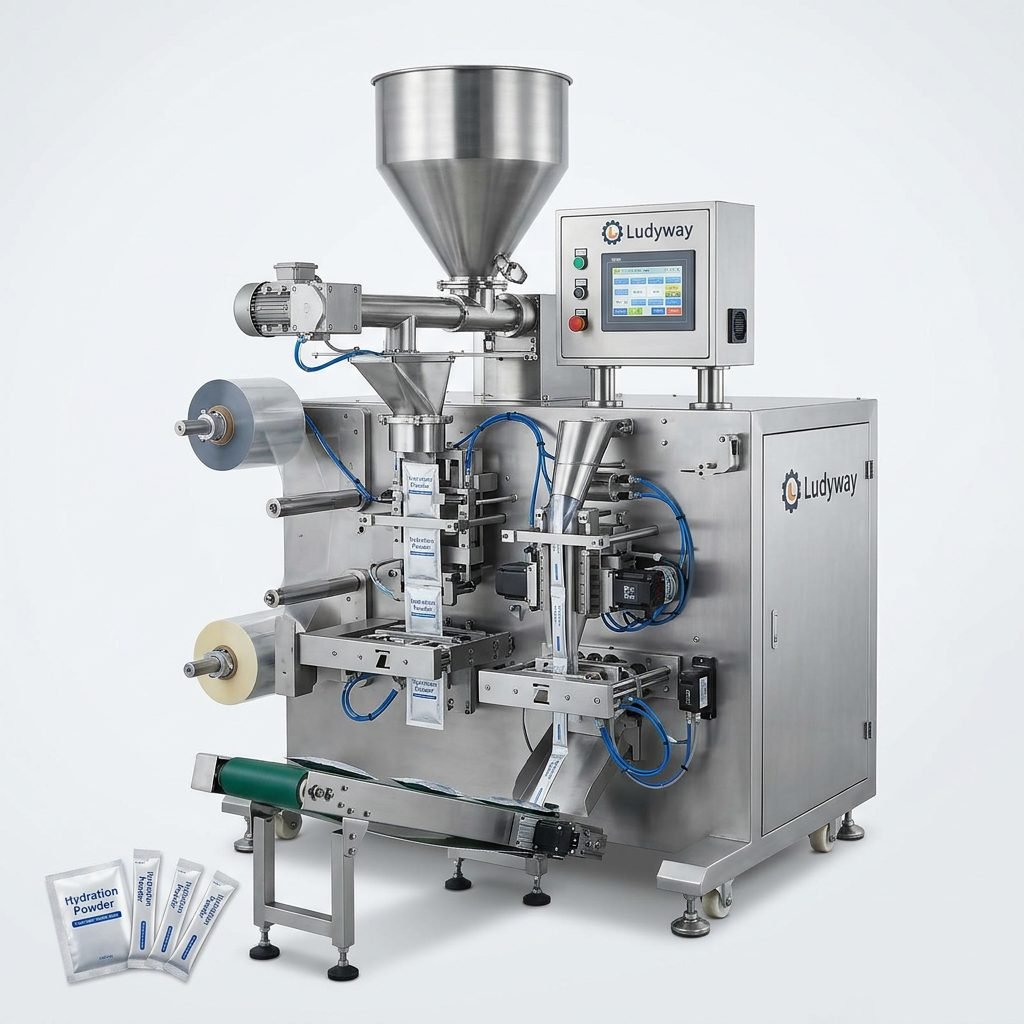
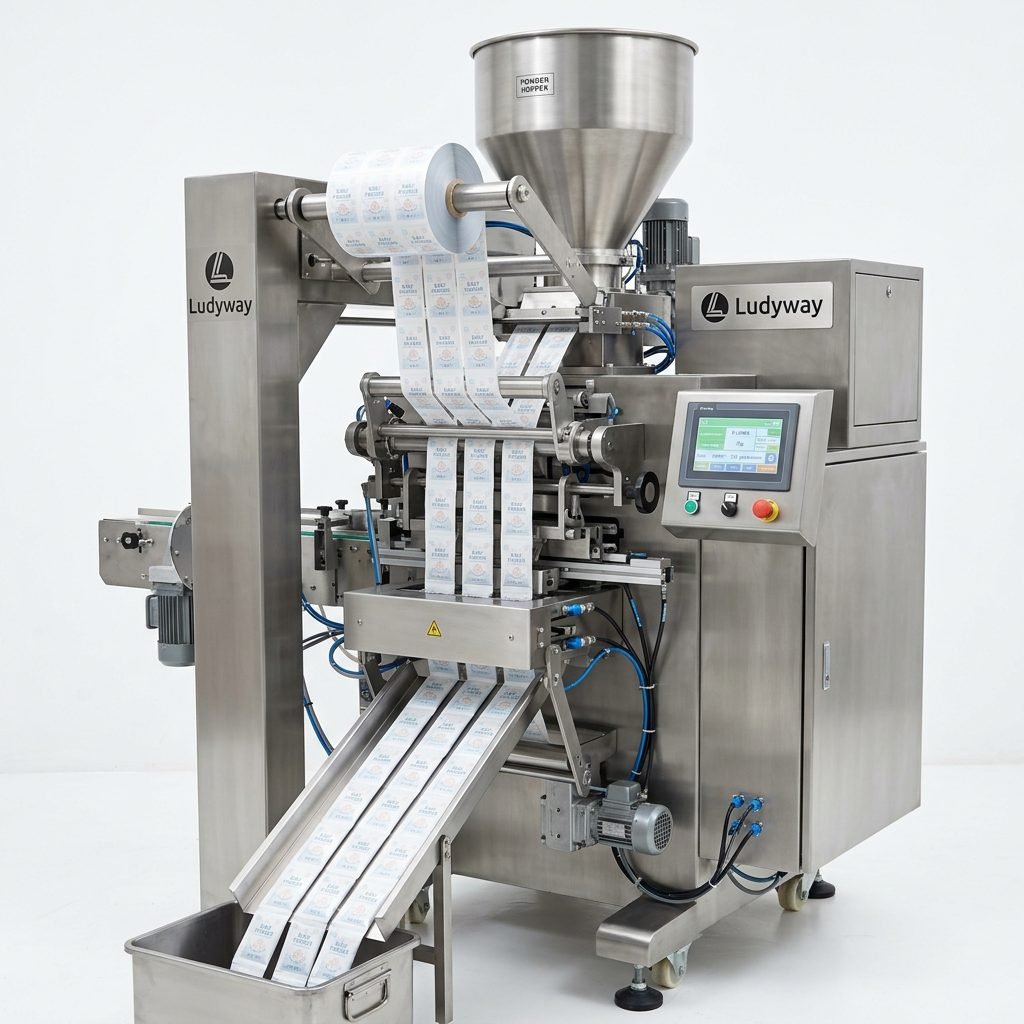
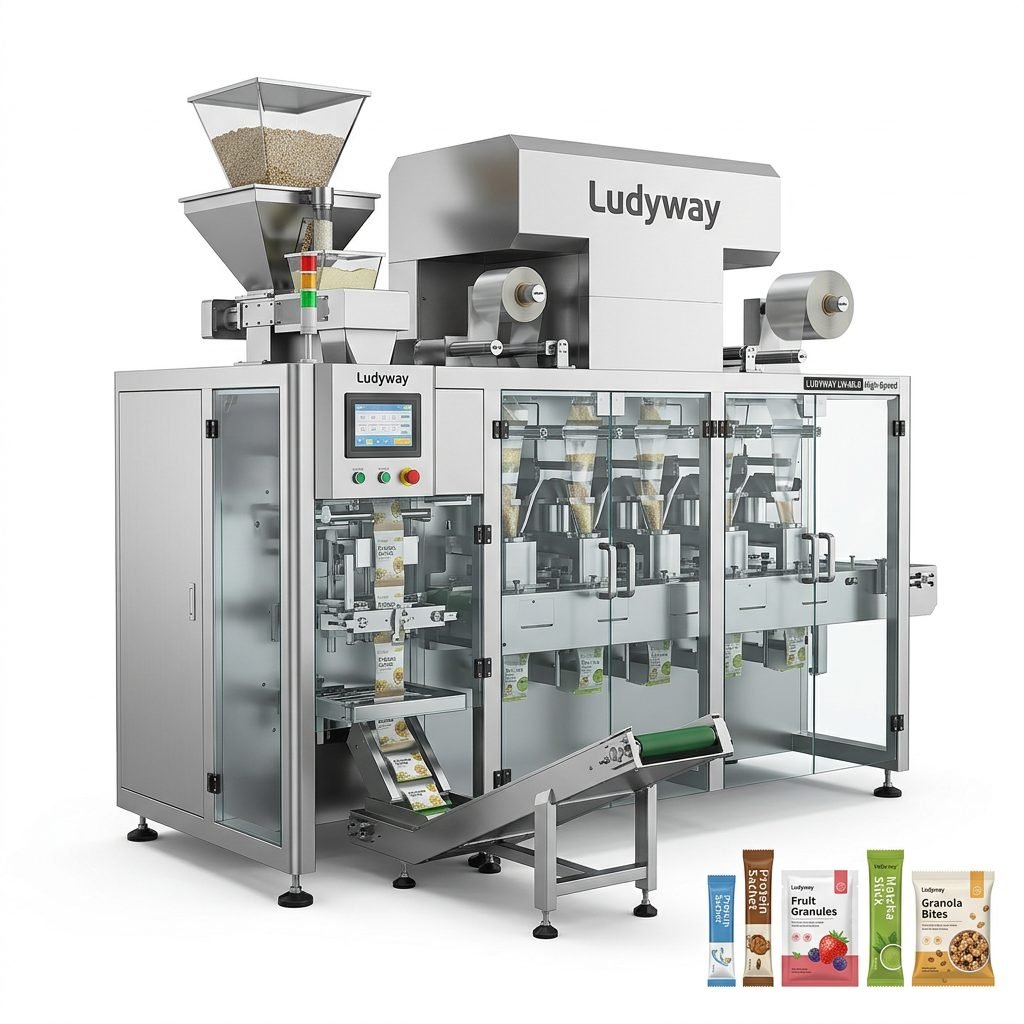
- Stick pack / Sachet: Ideal for mini granola bars and bite-sized pieces, offering portion control and extended shelf life.
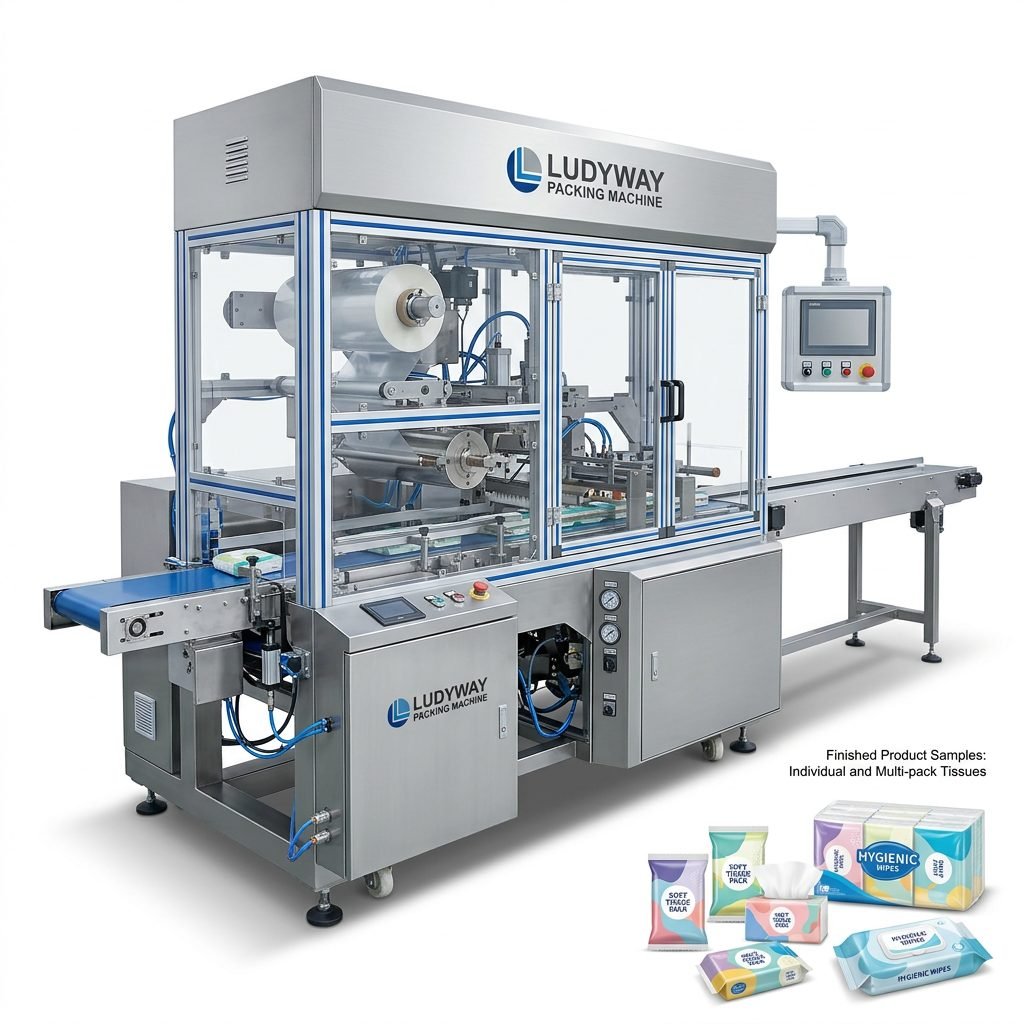
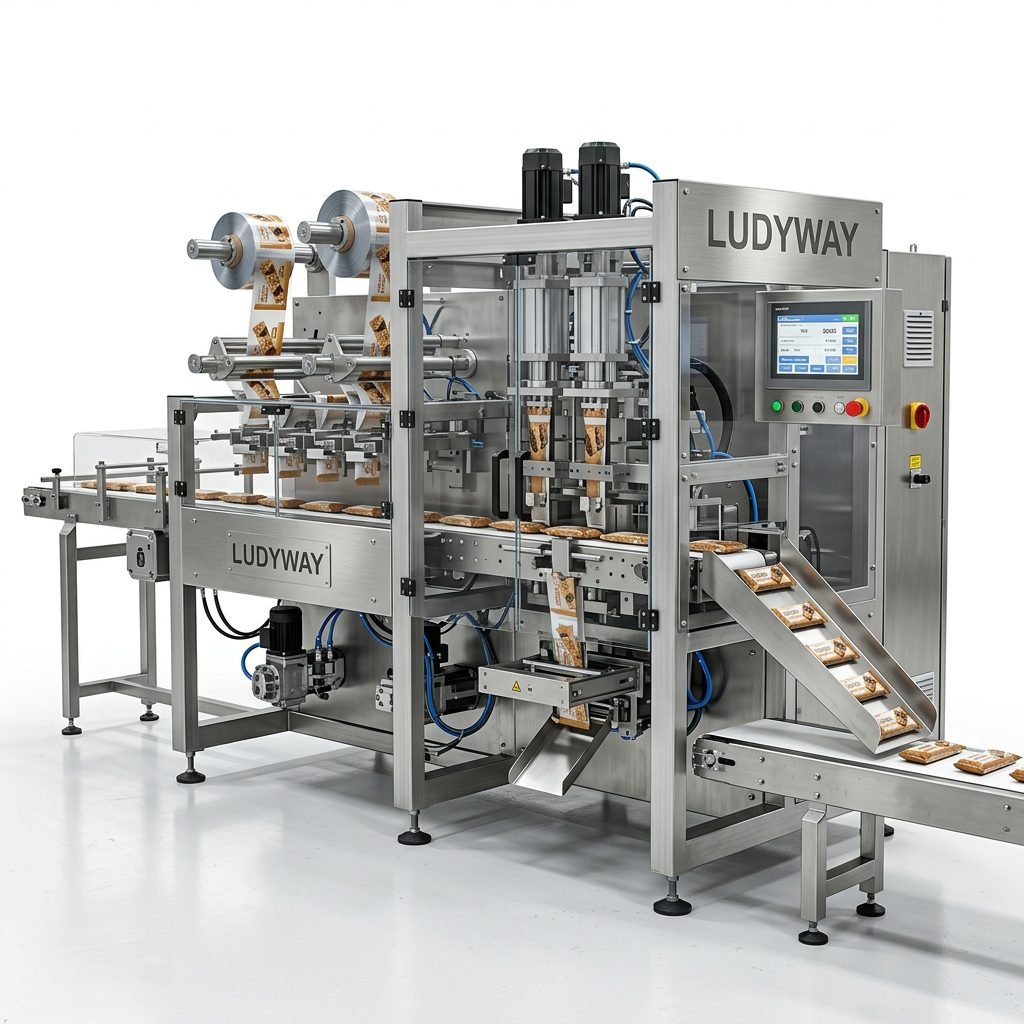
- Flow wrap / Pillow pack: The industry standard for full-size granola bars, providing excellent barrier protection and attractive branding space.
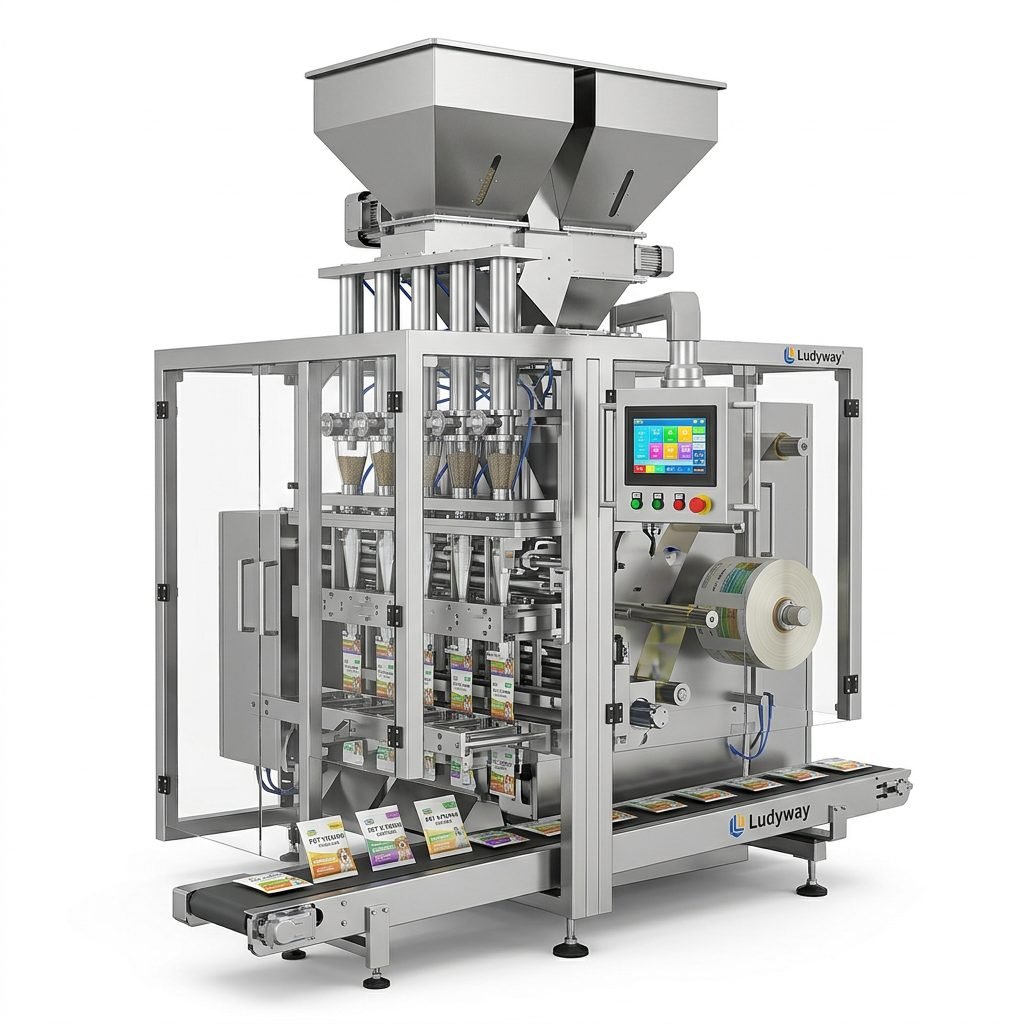
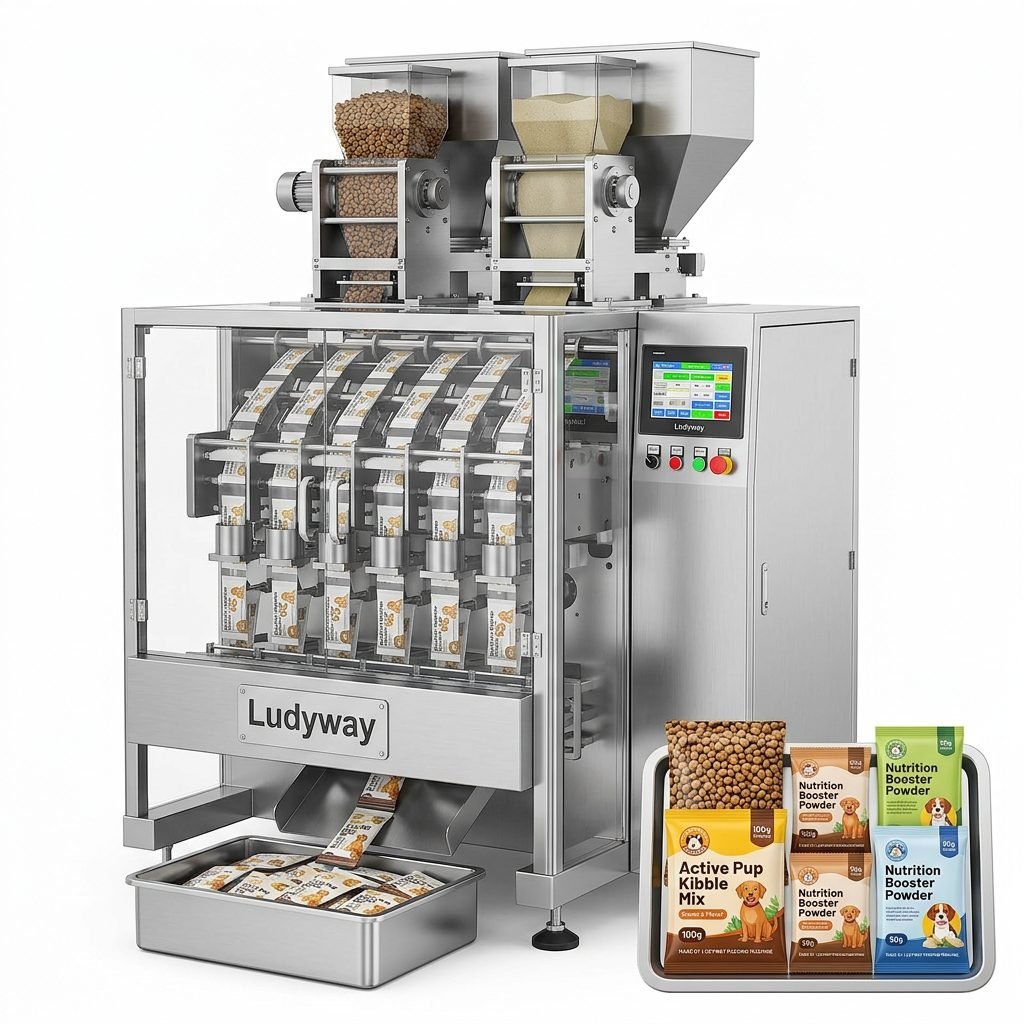
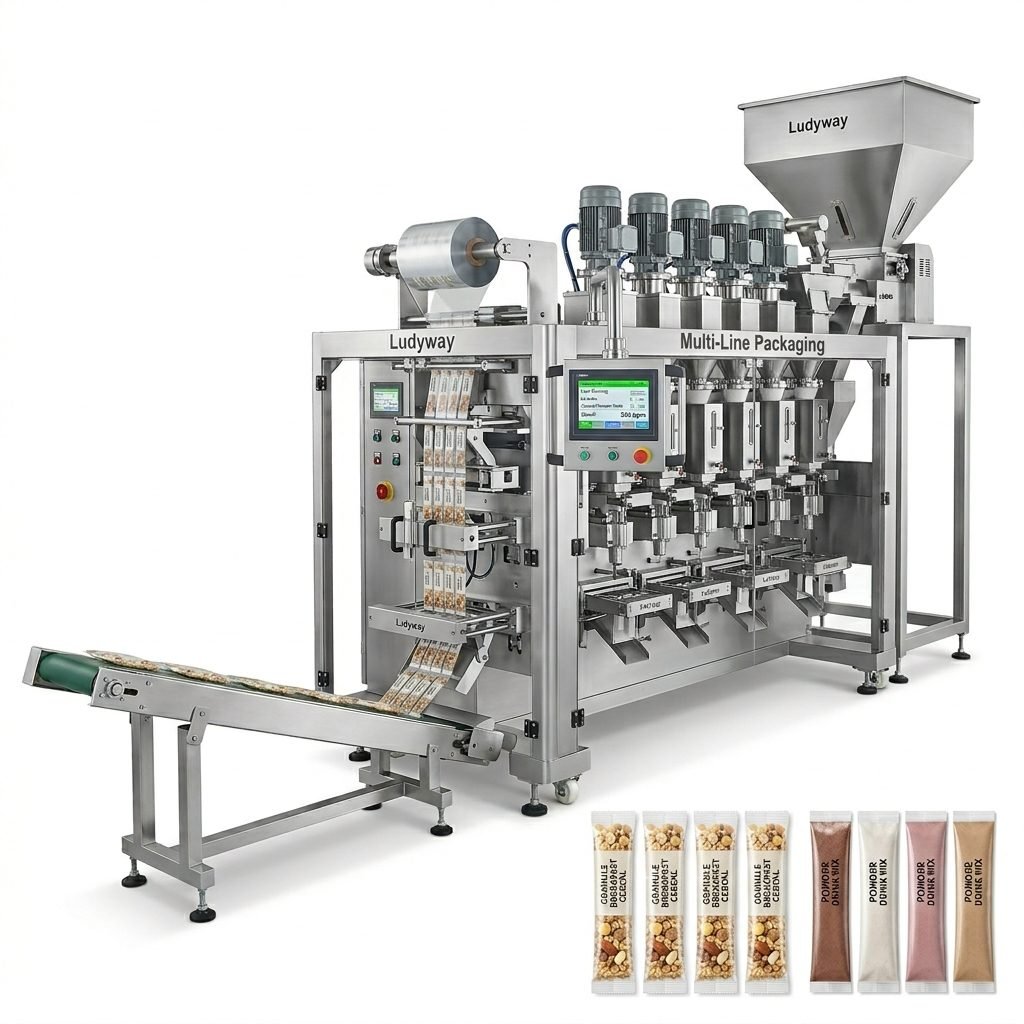
- Multi-lane stick pack: High-speed production format perfect for large-scale Middle Eastern manufacturers targeting export markets.
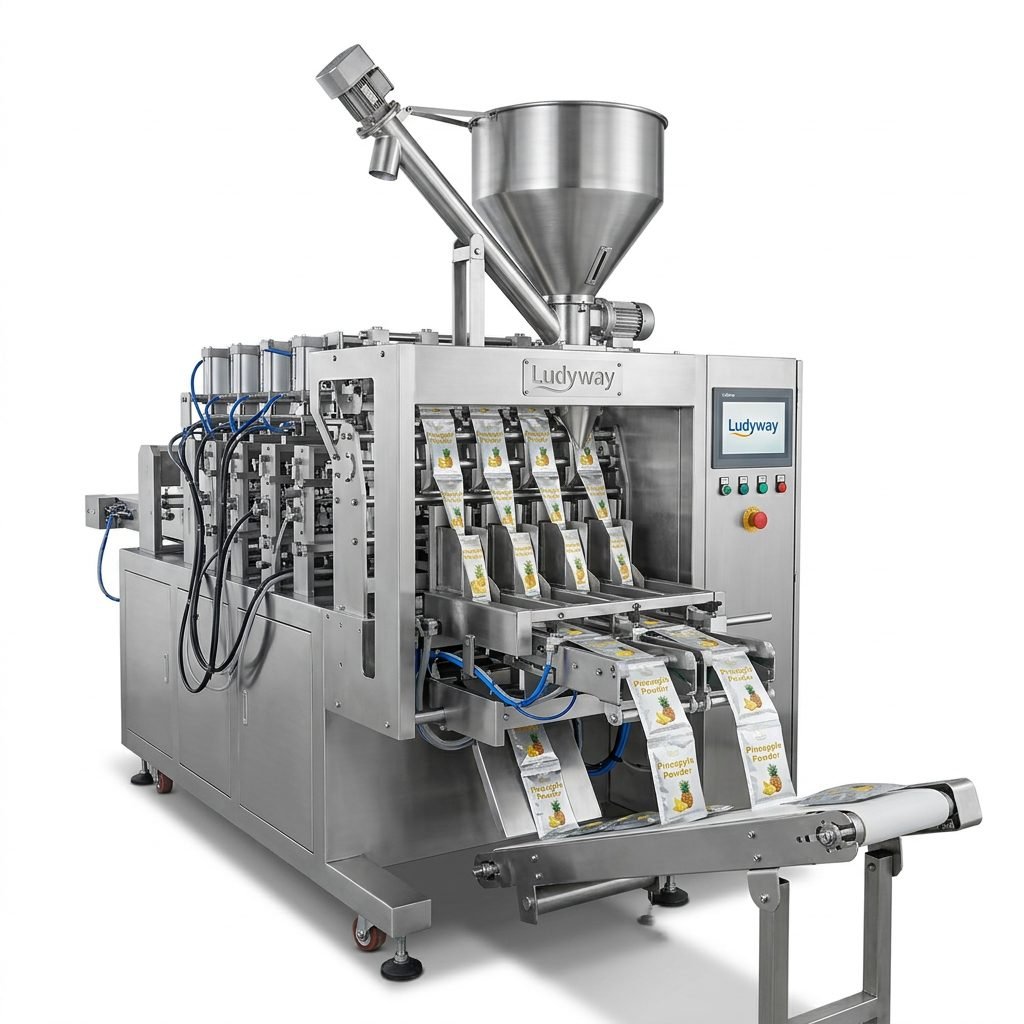
- Pouch packaging: Suitable for granola clusters and premium product lines with resealable features.
Key Features to Look for in a Granola Bar Packaging Machine
When evaluating equipment for the Middle Eastern market, prioritize these critical specifications:
Climate-Resistant Design
Middle Eastern production facilities face extreme temperatures and humidity fluctuations. Your packaging machine must feature robust climate control compatibility, including temperature-resistant sealing components and humidity-tolerant electronic systems. Machines designed with stainless steel construction and IP-rated enclosures perform significantly better in Gulf Cooperation Council (GCC) manufacturing environments.
High-Speed Multi-Lane Capability
To meet growing regional demand, look for multi-lane stick pack systems capable of producing 400-800 packs per minute. Leading manufacturers in the Middle East are upgrading to automated multi-lane configurations that reduce labor costs while increasing output consistency.
Flexible Packaging Material Compatibility
Your machine should handle various film types including metallized BOPP, PET/PE laminates, and aluminum foil composites. This flexibility ensures you can adapt to different product lines—from organic granola bars requiring compostable films to premium date-based bars needing superior moisture barriers.
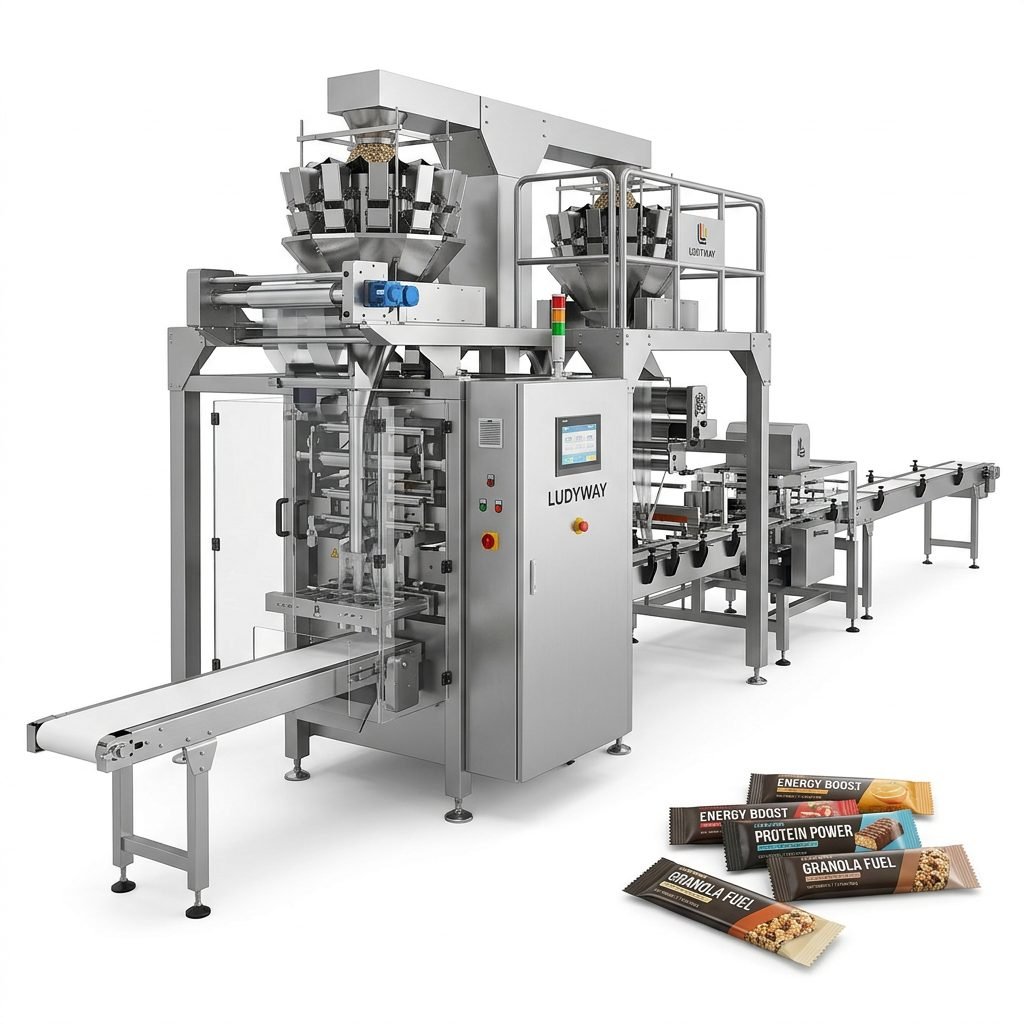
Machine Types Comparison for Middle Eastern Manufacturers
| Machine Type | Speed Range | Best For | Approx. Investment |
|---|---|---|---|
| Single-Lane Flow Wrapper | 60-150 packs/min | Small to medium bakeries, startup brands | $25,000 – $60,000 |
| Multi-Lane Stick Pack Machine | 400-800 packs/min | Large-scale production, export-oriented facilities | $80,000 – $250,000 |
| Automated Turnkey Packaging Line | 600-1,200 packs/min | Full-scale industrial operations with multi-SKU production | $300,000 – $1,000,000+ |
| Horizontal Form Fill Seal (HFFS) | 80-200 packs/min | Standard granola bars, medium-volume production | $40,000 – $120,000 |
Regulatory Compliance for the Middle East Market
Granola bar manufacturers selling in GCC countries must comply with GSO (GCC Standardization Organization) regulations, including:
- GSO 9: Labeling of prepackaged foodstuffs
- GSO 150: Expiration dates for food products
- GSO 839: Food packaging — General requirements
- Halal certification requirements for production equipment
- SFDA (Saudi Food and Drug Authority) packaging material standards for Saudi Arabia
Your packaging machine should support clear date coding, batch traceability, and tamper-evident sealing to satisfy these regulatory demands. Additionally, look for equipment that accommodates Arabic labeling requirements, including bilingual packaging capabilities for markets like the UAE and Saudi Arabia.
Automation Level: Choosing Between Semi and Fully Automated Systems
Middle Eastern manufacturers face varying labor costs and availability. Fully automated packaging lines are increasingly preferred in the UAE and Saudi Arabia, where labor costs are higher and production scale demands efficiency. Semi-automated solutions may suit smaller operations in emerging markets within the region.
Benefits of Full Automation
- Reduced labor dependency — critical during peak seasons like Ramadan when production surges
- Consistent seal quality across all packs, minimizing product waste
- Integrated quality control with vision inspection systems
- Remote monitoring capabilities for multi-facility Middle Eastern operations
After-Sales Support and Service in the Middle East
One of the most overlooked factors is local technical support. Before purchasing, verify that your equipment supplier offers:
- Regional service technicians or certified partners in the Middle East
- Arabic-language operational manuals and training materials
- Readily available spare parts with expedited GCC shipping
- Remote diagnostic support to minimize downtime
Companies like Ludyway, one of the largest packaging machine manufacturers in China with over 30 years of industry experience and a modern 20,000㎡ manufacturing facility, serve customers in over 100 countries including key Middle Eastern markets, offering comprehensive technical support tailored to regional requirements.
Total Cost of Ownership Considerations
Beyond the initial purchase price, evaluate these long-term cost factors:
- Energy efficiency: Machines with servo-driven motors consume up to 40% less electricity — a significant saving in regions with high ambient temperatures requiring continuous cooling.
- Film waste reduction: Precision sealing and minimal trim designs lower ongoing material costs.
- Maintenance intervals: Look for equipment with extended service intervals suitable for continuous production cycles common in the Middle East.
- Operator training requirements: Intuitive HMI interfaces reduce training costs and operator errors.
Future-Proofing Your Investment
The Middle Eastern granola bar market is projected to grow at a CAGR of 6-8% through 2030, according to industry analysts. Select a packaging machine that offers:
- Modular design allowing future upgrades and additional lanes
- Compatibility with sustainable packaging materials as regional eco-regulations evolve
- IoT-enabled smart factory integration for Industry 4.0 readiness
- Multi-format flexibility to accommodate new product launches
Key Questions to Ask Before Purchasing
- What is the maximum operating temperature rating of the machine’s critical components?
- Does the supplier have reference installations in the Middle East that you can visit or review?
- What is the guaranteed overall equipment effectiveness (OEE) in high-humidity conditions?
- Can the machine handle date-based granola formulations common in the Middle Eastern market?
- What is the lead time for spare parts delivery to GCC countries?
Industry Resources for Further Research
We recommend consulting these authoritative sources when planning your packaging machinery investment:
- PMMI – The Association for Packaging and Processing Technologies
- Flexible Packaging Association – Official Website
- FDA – Food Packaging and Food Contact Substances
- ISO – Packaging Standards
Investing in the right granola bar packaging machine for the Middle East requires balancing production efficiency, climate resilience, regulatory compliance, and total lifecycle costs. By thoroughly evaluating machine specifications against your specific market requirements and production goals, you can build a packaging operation that scales profitably across the GCC and broader Middle Eastern markets for years to come.