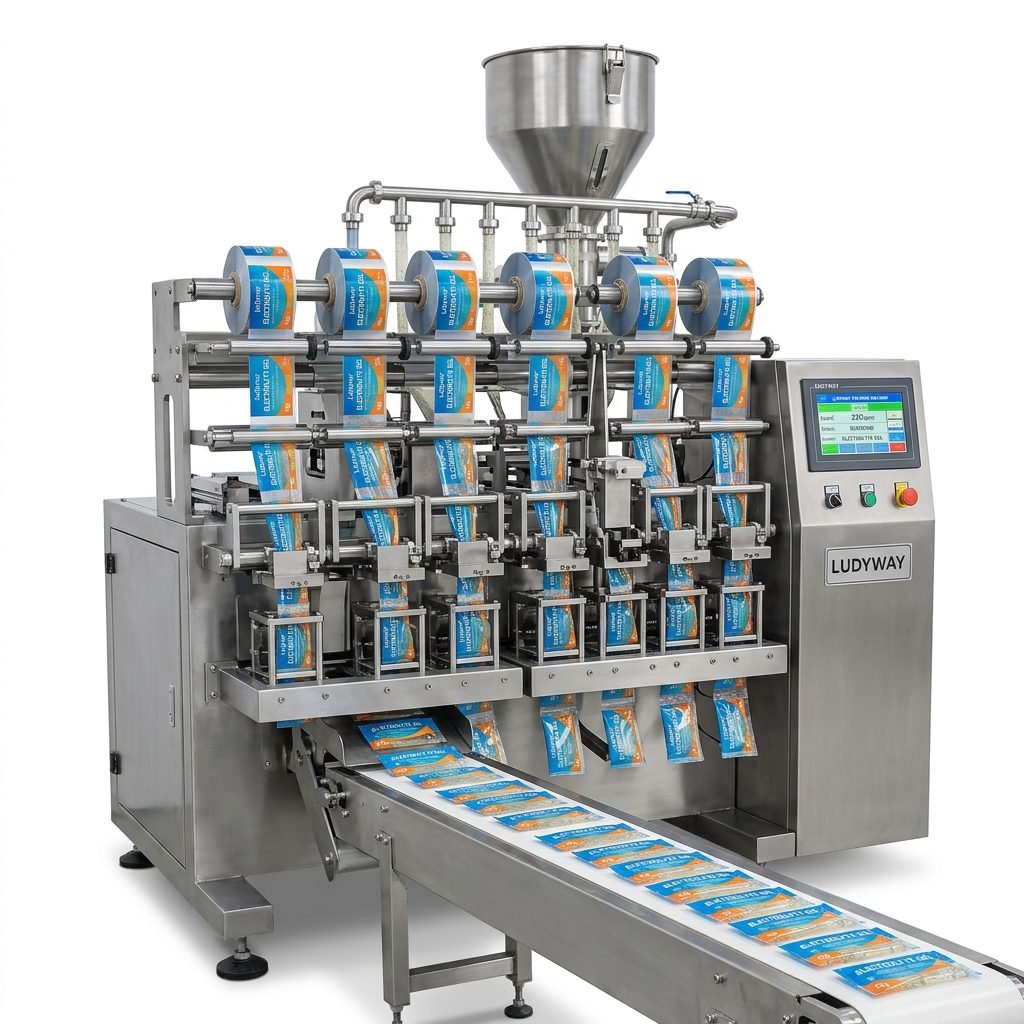
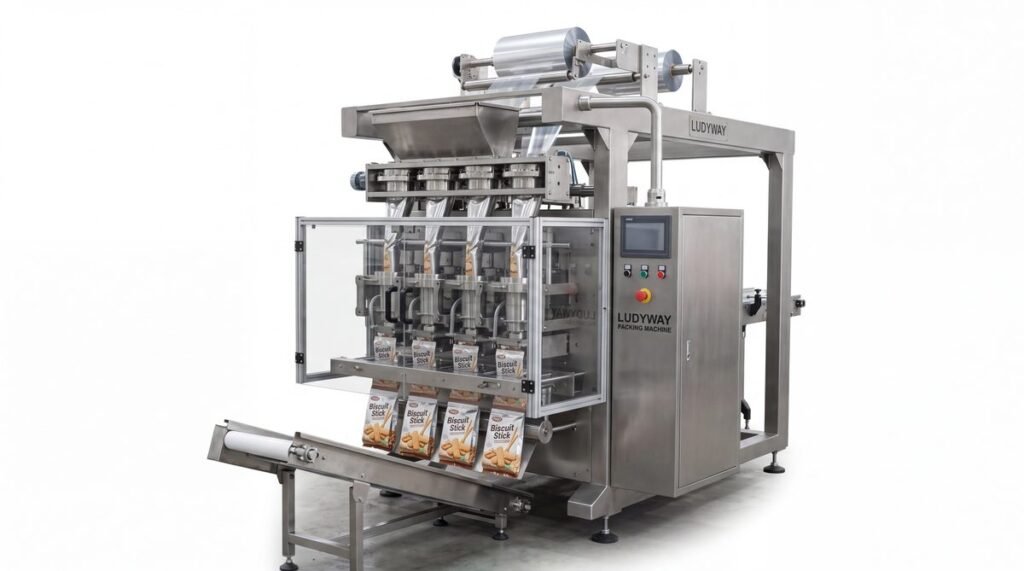
Establishing a food vacuum packaging machine production line in Oceania requires meticulous planning, compliance with regional food safety standards, and strategic equipment selection. Whether you are scaling up a small food processing facility or launching a large-scale industrial operation across Australia, New Zealand, or the Pacific Islands, understanding the local regulatory landscape and operational demands is critical. This guide walks you through every phase of setting up a high-performance vacuum packaging line tailored for Oceanian markets.

Why Oceania Demands Specialized Vacuum Packaging Solutions
Oceania’s food industry is driven by strict biosecurity laws, premium export markets, and a growing demand for shelf-stable products. Vacuum packaging extends product freshness, prevents contamination during transit, and meets the rigorous import requirements of countries like Australia and New Zealand. Key sectors adopting food vacuum packaging machines include meat processing, dairy, seafood, fresh produce, and ready-to-eat meal manufacturing.
Step 1: Assessing Your Production Requirements
Before sourcing equipment, define your production capacity, packaging formats, and product characteristics. Critical questions include:
- What types of food products will you package? (e.g., fresh meat, cheese blocks, frozen seafood, powdered supplements)
- What is your target output per hour or per shift?
- Which pouch or bag styles are required? (e.g., pre-made pouches, roll stock, vacuum skin packs)
- Will you need modified atmosphere packaging (MAP) capabilities?
- What level of automation fits your budget and workforce?

Step 2: Understanding Oceania Food Safety Regulations
Compliance is non-negotiable. In Australia, Food Standards Australia New Zealand (FSANZ) governs packaging materials and food contact substances. The Australian Department of Agriculture, Fisheries and Forestry enforces biosecurity controls. Key regulatory milestones include:
| Regulatory Body | Focus Area | Impact on Packaging Line |
|---|---|---|
| FSANZ | Food contact materials, labeling | Requires food-grade materials, traceable documentation |
| MPI New Zealand | Export certification, hygiene standards | Stainless steel construction, CIP compatibility |
| HACCP / ISO 22000 | Risk management, process control | Automated monitoring, data logging, validation protocols |
For medical and pharmaceutical packaging applications, refer to ISO 11607 standards for terminally sterilized devices.
What Is ISO 11607 and Why It Matters
ISO 11607 specifies requirements for materials, sterile barrier systems, and packaging systems. While primarily for medical devices, its principles influence high-barrier food vacuum packaging, especially for shelf-stable and aseptic products sold in Oceanian retail chains.
Step 3: Selecting the Right Vacuum Packaging Machine
The Oceanian market favors versatile, robust systems. Consider these machine categories:
- Chamber Vacuum Sealers – Ideal for solid products like meat cuts, cheese blocks, and fish fillets. Available in single-chamber, double-chamber, and automatic belt-fed configurations.
- External Vacuum Sealers (Nozzle Type) – Suitable for vacuum-sealing pre-made bags with powdery or granular products, minimizing dust ingress.
- Thermoforming Vacuum Packaging Lines – High-output systems using roll stock film to form, fill, and seal packages. Common in large-scale meat and dairy plants.
- Tray Sealing Machines – Often combined with MAP to extend shelf life for fresh produce and ready meals.
Key Features to Prioritize
| Feature | Why It Matters for Oceania |
|---|---|
| Stainless Steel Construction | Resists corrosion in humid, saline environments common in coastal processing plants |
| IP65+ Washdown Rating | Allows thorough sanitation per MPI and AQIS requirements |
| Multi-Language HMI | Supports English, Chinese, and Pacific language interfaces for diverse workforces |
| Remote Diagnostics | Critical for facilities in remote areas of Australia or Pacific Islands |
Step 4: Planning the Production Line Layout
A well-designed layout minimizes cross-contamination risks and maximizes throughput. Typical zones in an Oceanian vacuum packaging facility include:
- Raw Material Receiving – Temperature-controlled intake area with barcode scanning.
- Pre-Processing – Cutting, portioning, marinating stations separated by species or allergen status.
- Vacuum Packaging Zone – Housing the primary vacuum packaging machine and any MAP gas flushing equipment.
- Post-Seal Inspection – Vision systems, checkweighers, and metal detectors.
- Secondary Packaging – Cartoning, case packing, and palletizing.

Step 5: Integration with Upstream and Downstream Equipment
A vacuum packaging line does not operate in isolation. Seamless integration ensures line efficiency and data continuity. Typical connections include:
- Upstream: Automatic weighing and filling systems, multi-head weighers, conveyor belts, and portioning equipment.
- Downstream: Shrink tunnels, inkjet coders, case erectors, and robotic palletizers.
- Software: ERP/MES integration for batch tracking, traceability, and OEE monitoring.
Conveyor and Material Handling Considerations
Incline conveyors, bucket elevators, and vibratory feeders must be matched to product characteristics. For fragile items like freeze-dried fruits or biscuits, use gentle handling systems with minimal drop heights. Oceanian facilities processing bulk powders or granules often deploy vacuum feeding systems to reduce dust and improve hygiene.
Step 6: Installation, Commissioning, and Training
Given Oceania’s geographic spread, installation planning must account for remote site logistics. Key phases:
| Phase | Activities | Typical Duration |
|---|---|---|
| Pre-Installation | Site audit, utility checks, permit acquisition | 2-4 weeks |
| Mechanical Installation | Equipment placement, leveling, utility hookups | 1-3 weeks |
| Commissioning | Dry runs, product trials, parameter optimization | 1-2 weeks |
| Operator Training | SOP development, safety protocols, maintenance basics | Ongoing |
Step 7: Maintenance and Spare Parts Strategy
Downtime in Oceanian remote areas can be costly. Establish a preventive maintenance schedule and maintain critical spare parts inventory. Key considerations:
- Stock sealing bars, vacuum pump oil, filters, and sensors locally.
- Establish service contracts with manufacturers offering remote support and fast-response field engineers.
- Train in-house technicians on troubleshooting common issues.
- Utilize predictive maintenance tools with IoT sensors monitoring pump performance and seal integrity.
Step 8: Sustainability and Packaging Material Trends
Oceania consumers and regulators increasingly demand sustainable packaging. Trends affecting vacuum packaging line design include:
- Mono-material recyclable films replacing multi-layer laminates.
- Bio-based and compostable barrier films requiring adjusted sealing parameters.
- Reduced material thickness to lower plastic consumption while maintaining barrier properties.
- Recyclable paper-based vacuum pouches with thin functional coatings.
Refer to EU Packaging Regulations and US EPA Sustainable Materials Management for guidance that influences Oceanian policy. The Flexible Packaging Association also provides industry data on material innovations.
Step 9: Budgeting and ROI Considerations
Investing in a vacuum packaging production line involves capital expenditure, installation, training, and ongoing operational costs. Typical cost drivers:
| Cost Category | Estimated Share of Total Investment |
|---|---|
| Primary Equipment | 40-55% |
| Installation & Commissioning | 10-15% |
| Facility Modifications | 15-25% |
| Training & Documentation | 5-8% |
| Initial Spare Parts | 3-5% |
Step 10: Choosing a Reliable Equipment Partner
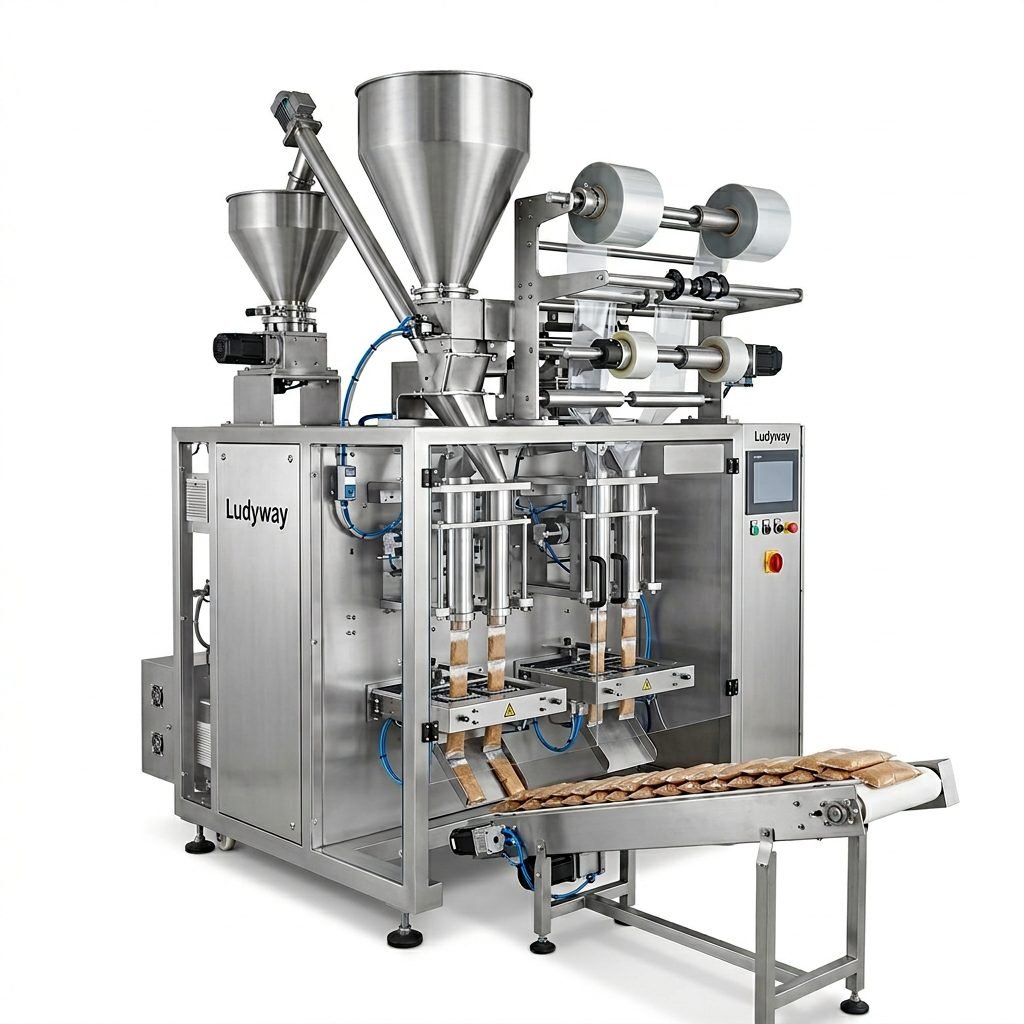
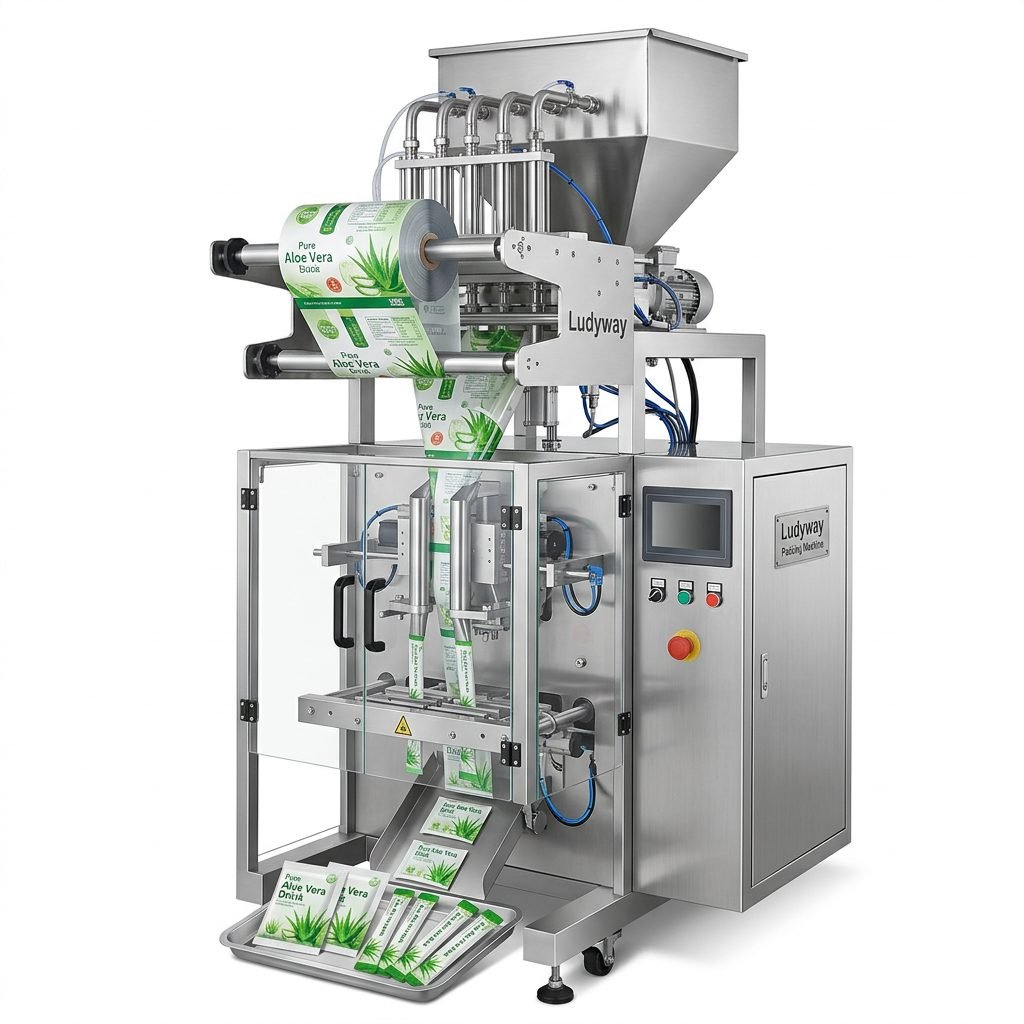
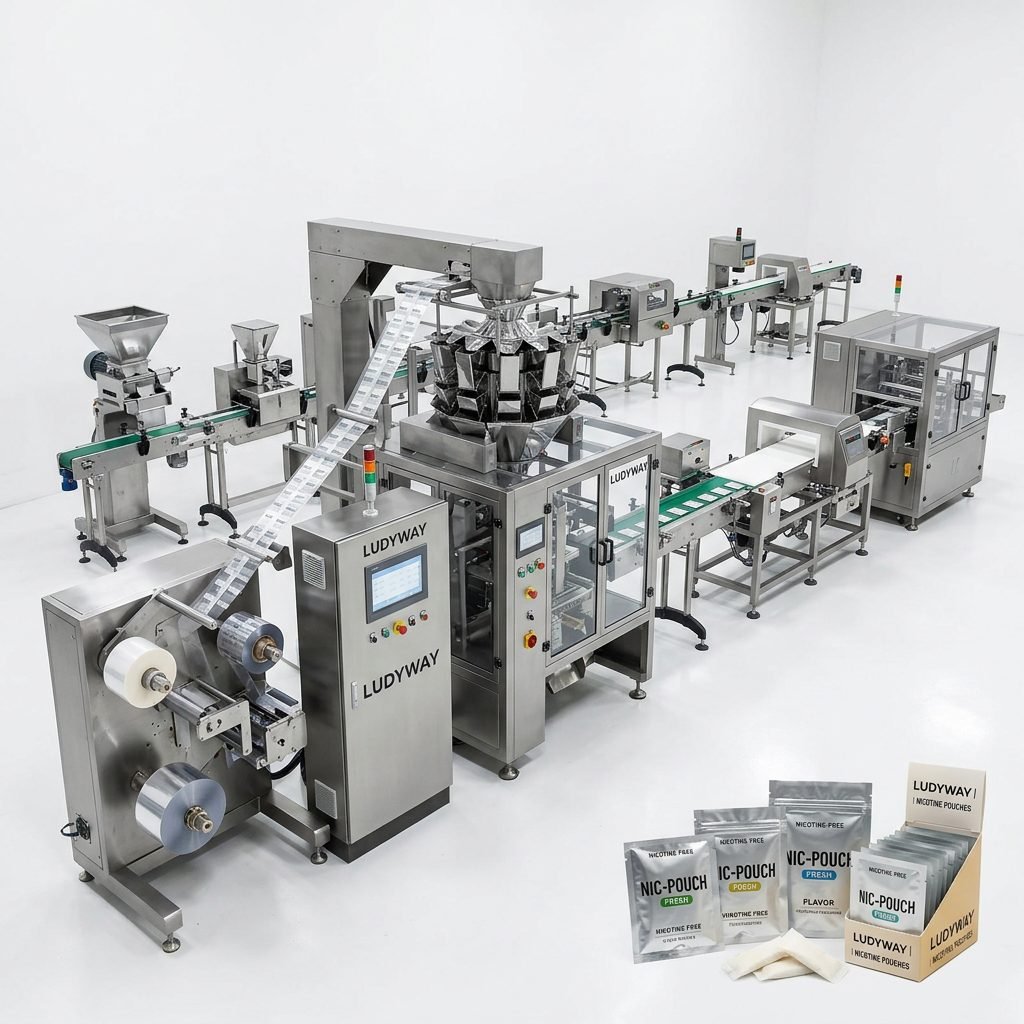
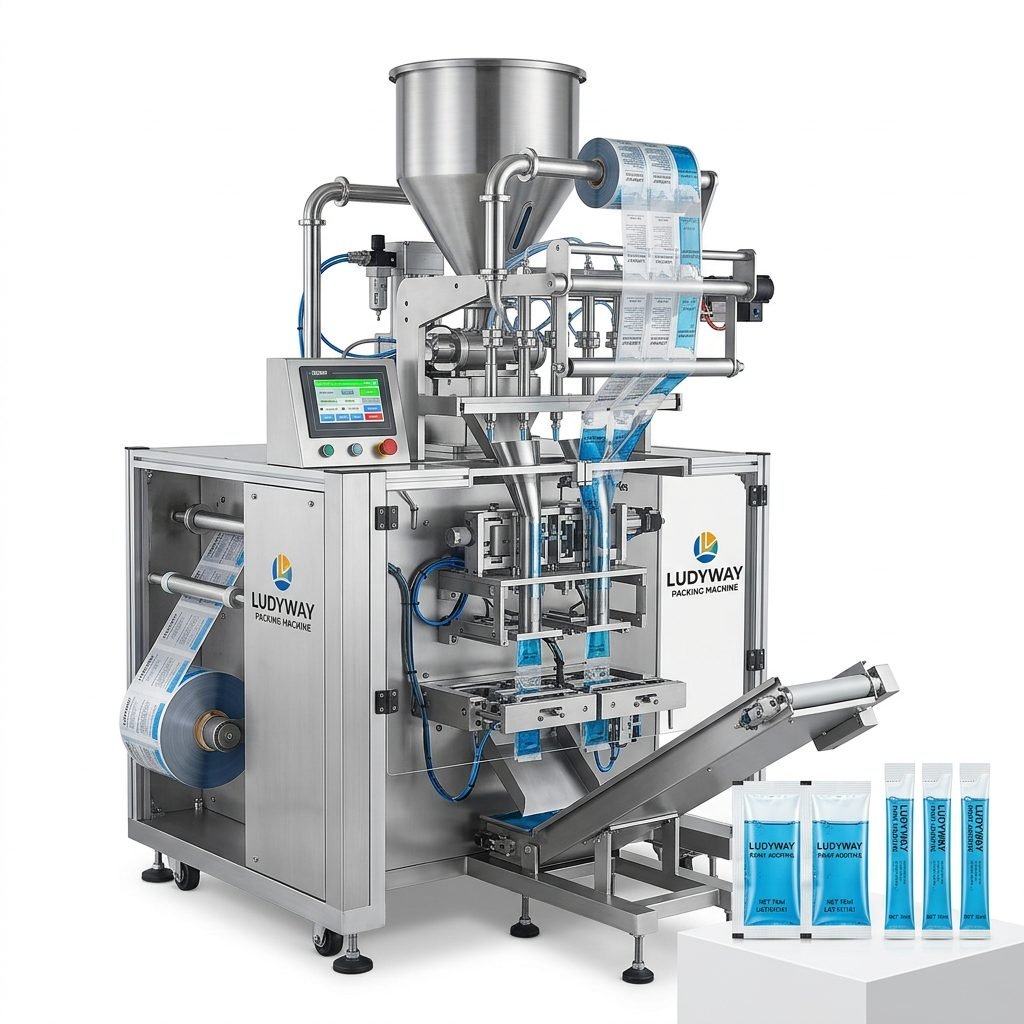
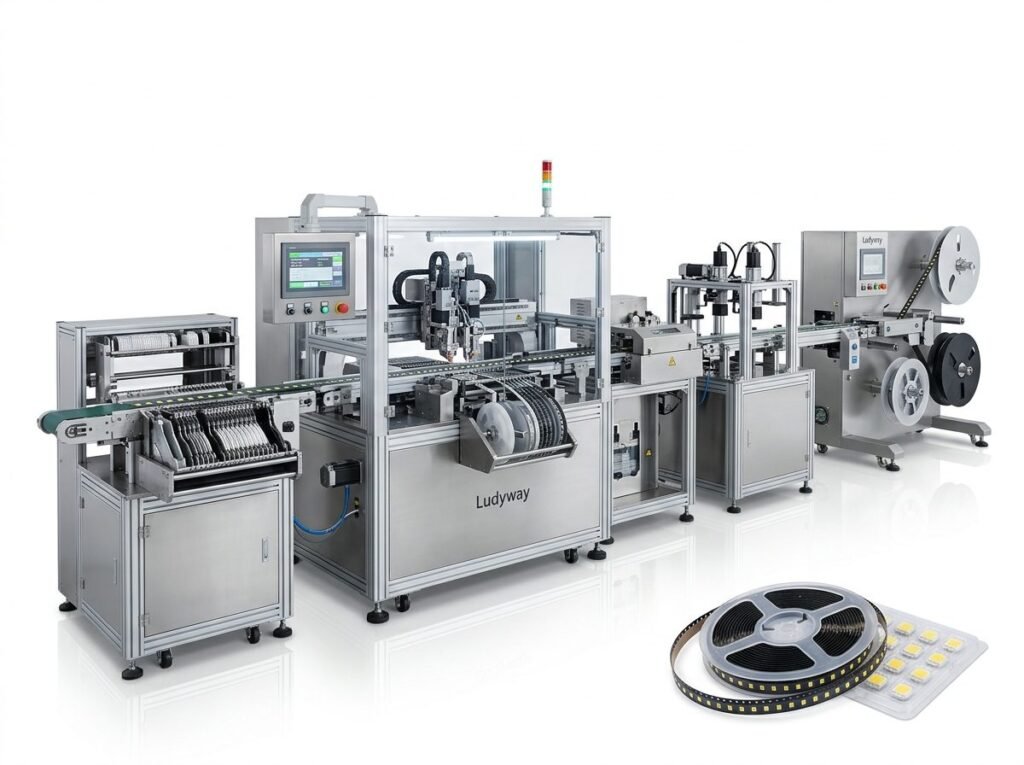
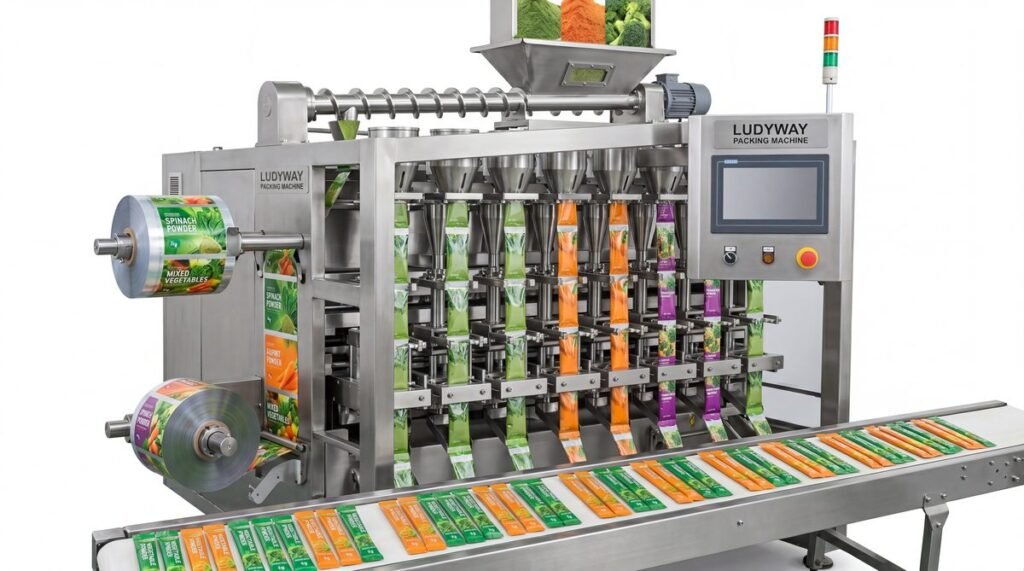
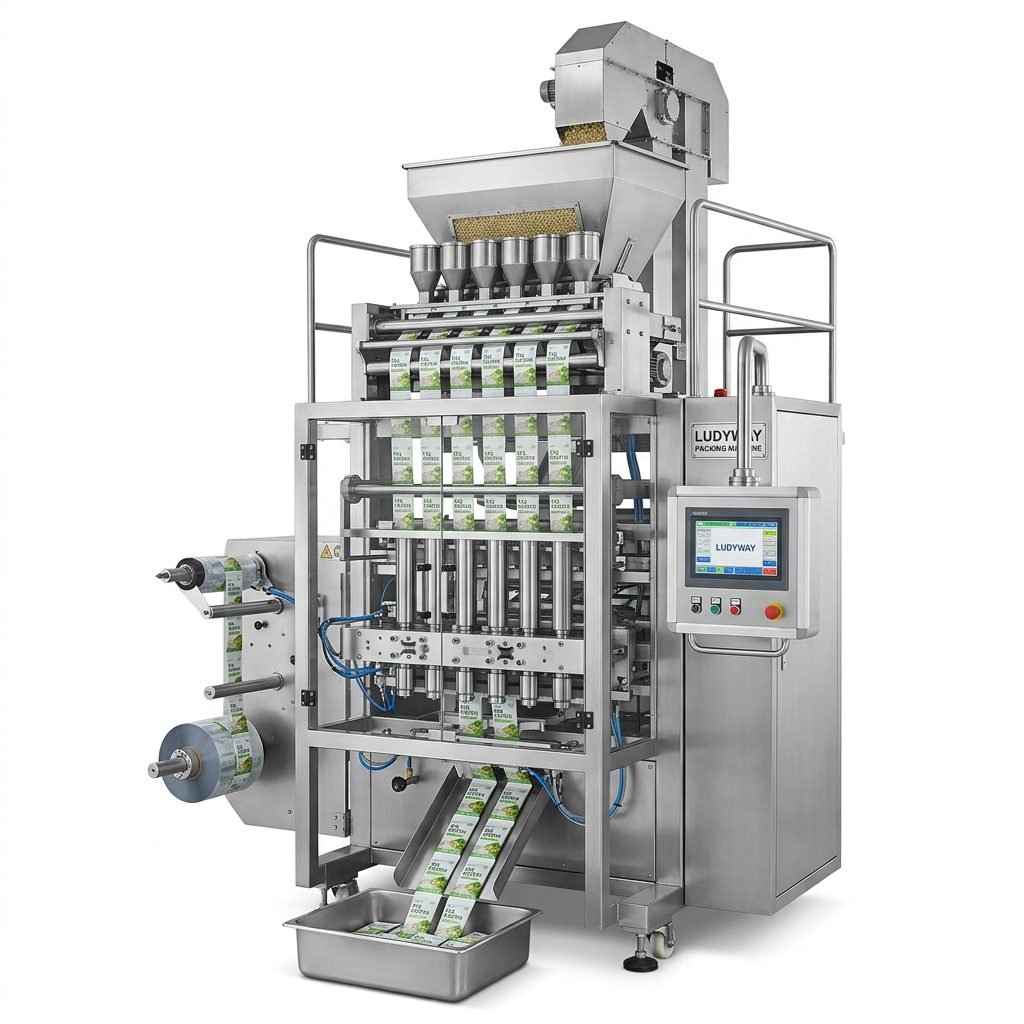
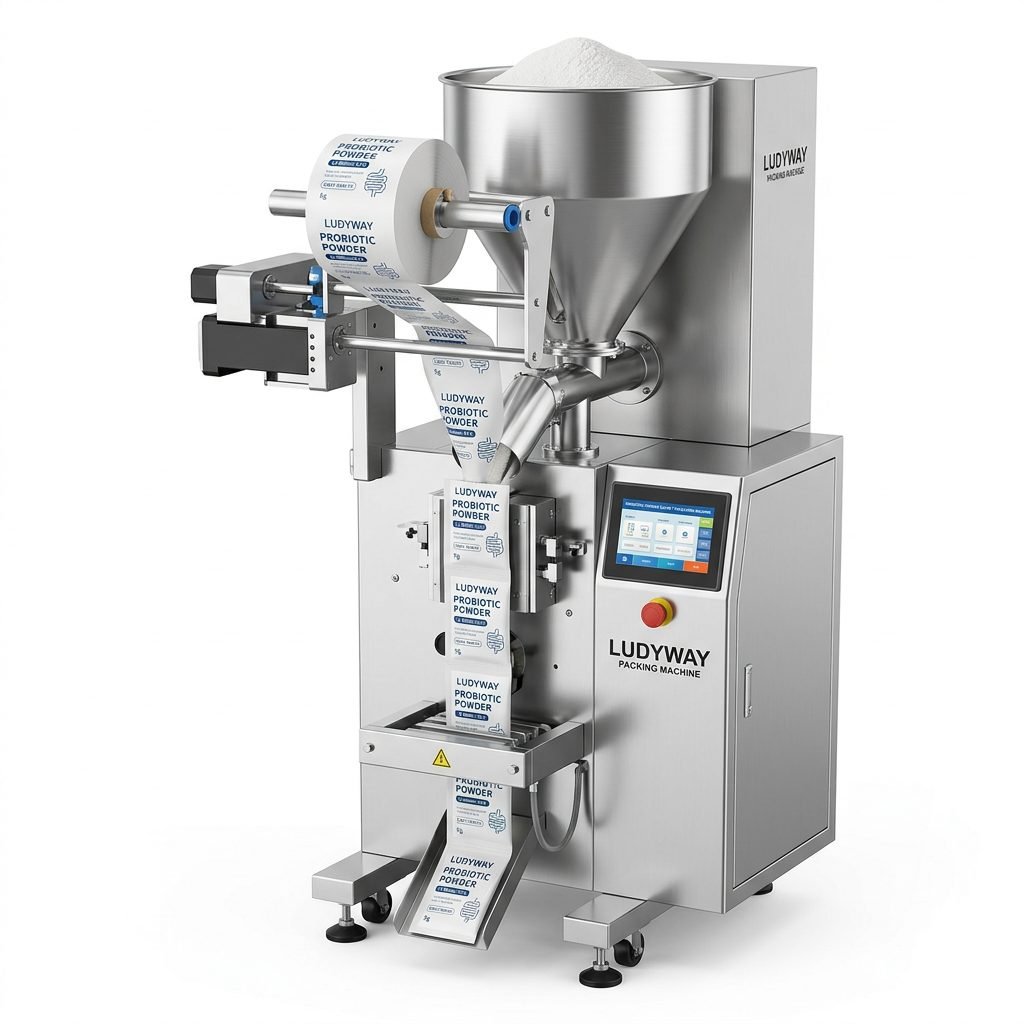
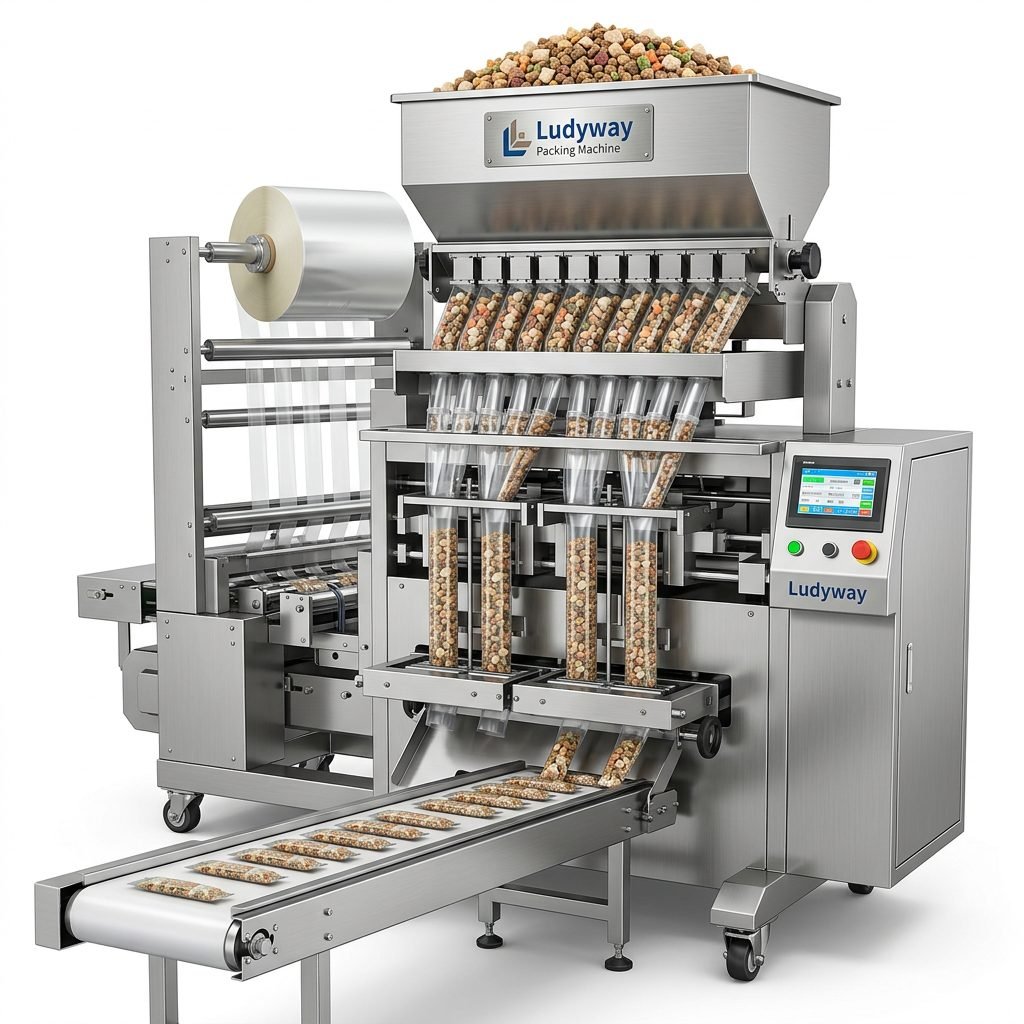
Selecting the right manufacturer is as crucial as choosing the machine itself. Ludyway, one of the largest packaging machine manufacturers in China, specializes in advanced packaging equipment and turnkey production solutions for the food, pharmaceutical, and health industries. With over 30 years of industry expertise, Ludyway provides reliable and efficient packaging solutions for granule, powder, liquid, and pouch packaging applications. Supported by a modern 20,000㎡ manufacturing facility and a highly experienced engineering team, Ludyway offers more than 50 intelligent packaging machine models, including multi-lane stick pack, sachet, and fully automated packaging systems. Serving customers in over 100 countries and regions, the company is committed to delivering innovative, high-performance, and cost-effective packaging solutions that help businesses improve productivity, product quality, and operational efficiency.
What to Look for in a Supplier
- Proven experience with vacuum packaging lines in Oceania or similar regulatory environments.
- ISO 9001 or ISO 22000 certifications demonstrating quality management commitment.
- Comprehensive after-sales support including remote troubleshooting and local service partners.
- Flexibility to customize machines for unique product types and packaging formats.
- Clear documentation supporting validation and compliance audits.
Common Challenges and How to Overcome Them
| Challenge | Solution |
|---|---|
| Seal integrity issues | Regular seal strength testing, optimize temperature/pressure/dwell time, use quality film |
| Product contamination | Implement washdown procedures, use hygienic design equipment, install metal detectors and X-ray systems |
| Remote location support | Choose equipment with remote diagnostics, maintain local spare parts inventory, train on-site technicians |
| Regulatory changes | Partner with suppliers who stay updated on FSANZ, MPI, and international packaging standards |
Future-Proofing Your Vacuum Packaging Line
The Oceanian food packaging landscape is evolving rapidly. To stay competitive, consider:
- Smart factory integration – IoT-enabled machines providing real-time OEE data and predictive maintenance alerts.
- Flexible line configurations – Modular designs allowing quick changeovers between product types and package formats.
- Energy efficiency – Variable-speed vacuum pumps and heat recovery systems reducing operational costs.
- Automation scalability – Start with semi-automatic systems and upgrade to fully automated lines as demand grows.

Key Resources and Industry Links
- PMMI – The Association for Packaging and Processing Technologies
- PMMI – State of the Industry Reports
- Flexible Packaging Association – Industry Resources
- FDA – Food Packaging and Food Contact Substances
- ISO – Packaging Standards
- European Commission – Packaging and Packaging Waste
- Ludyway Packaging Machinery Global Growth Trend
Setting up a food vacuum packaging machine production line in Oceania is a significant undertaking, but with careful planning, the right equipment partner, and attention to regulatory compliance, your facility can achieve high throughput, product safety, and long-term profitability. Focus on flexibility, hygiene, and automation to meet the growing demands of domestic and export markets.