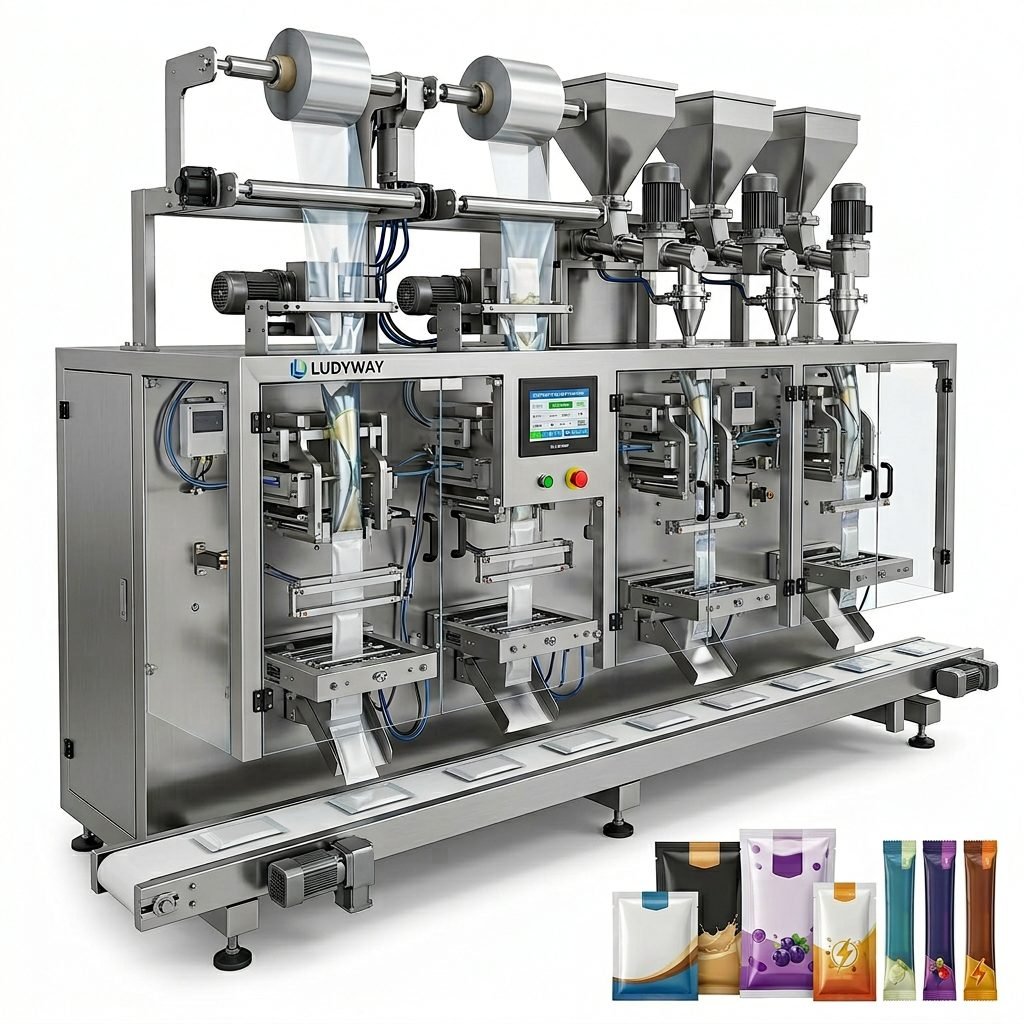
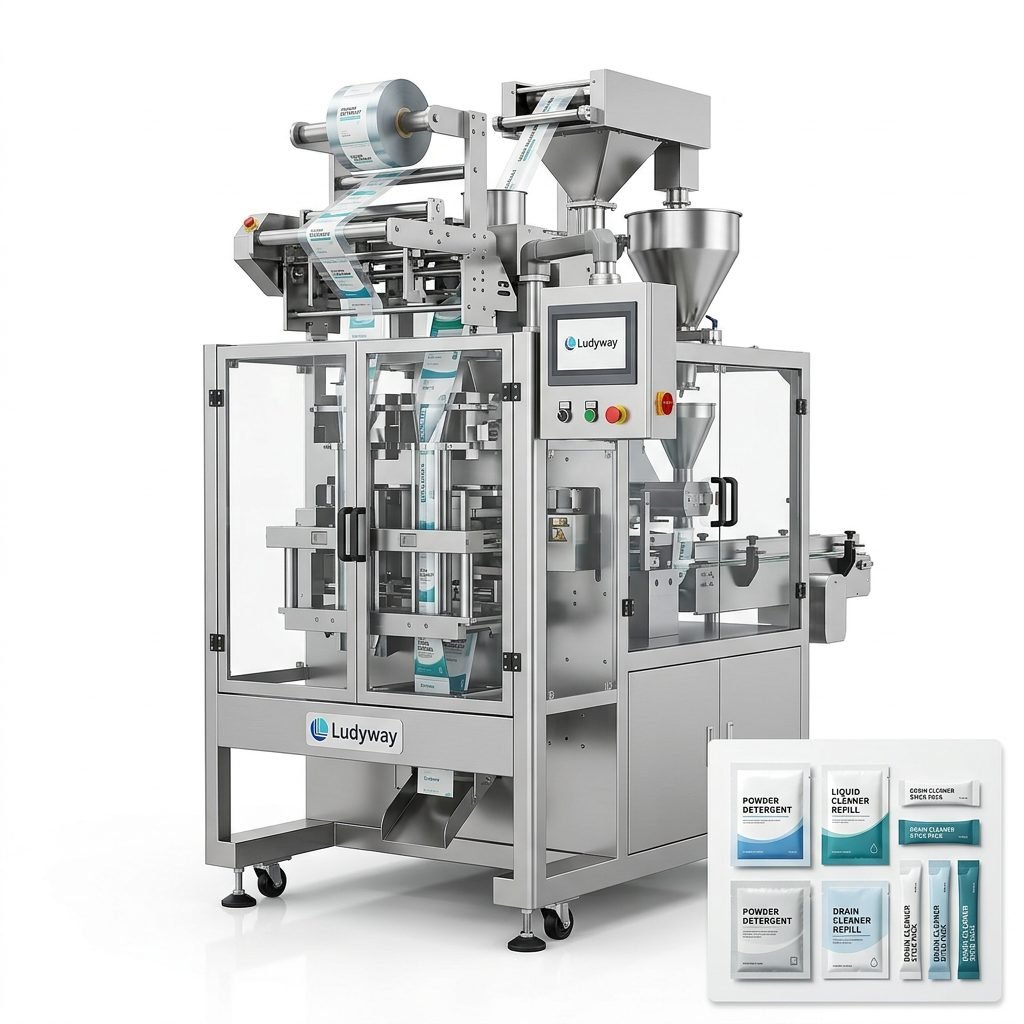
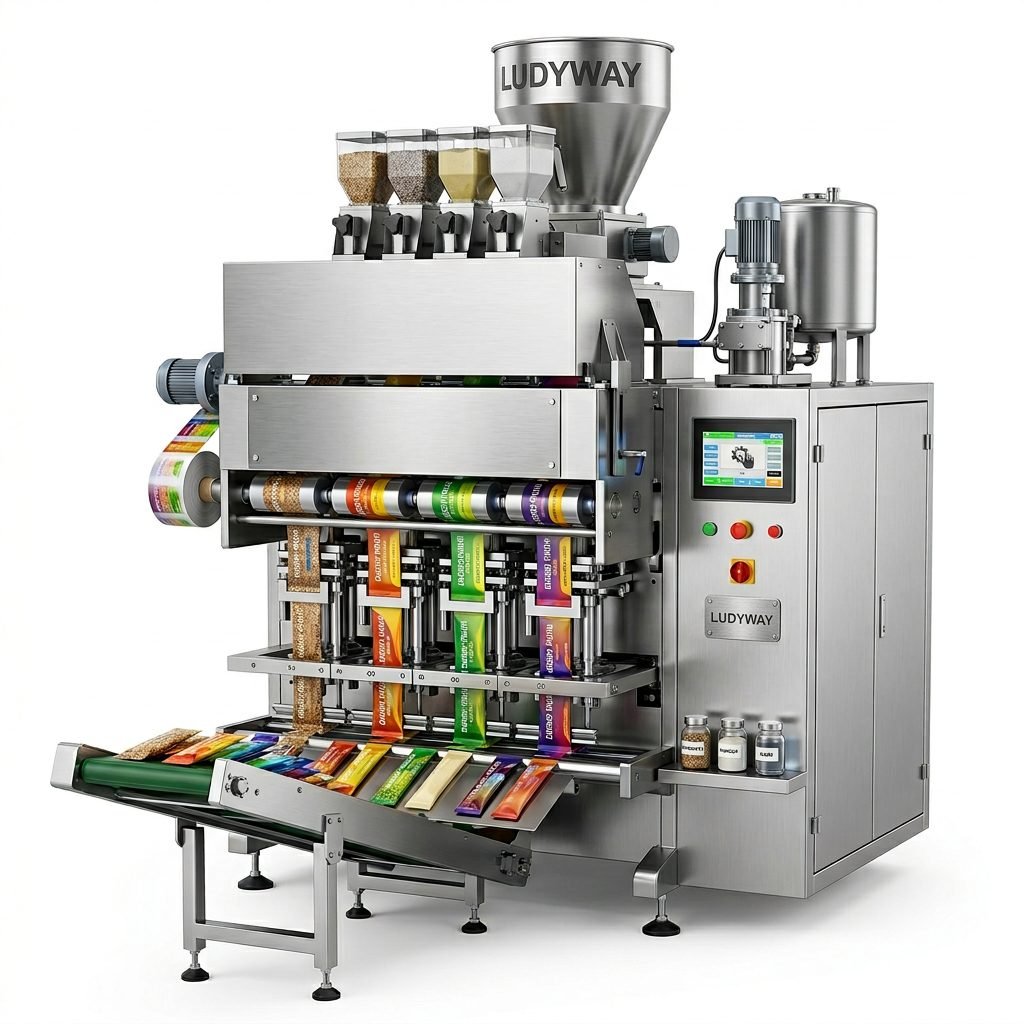
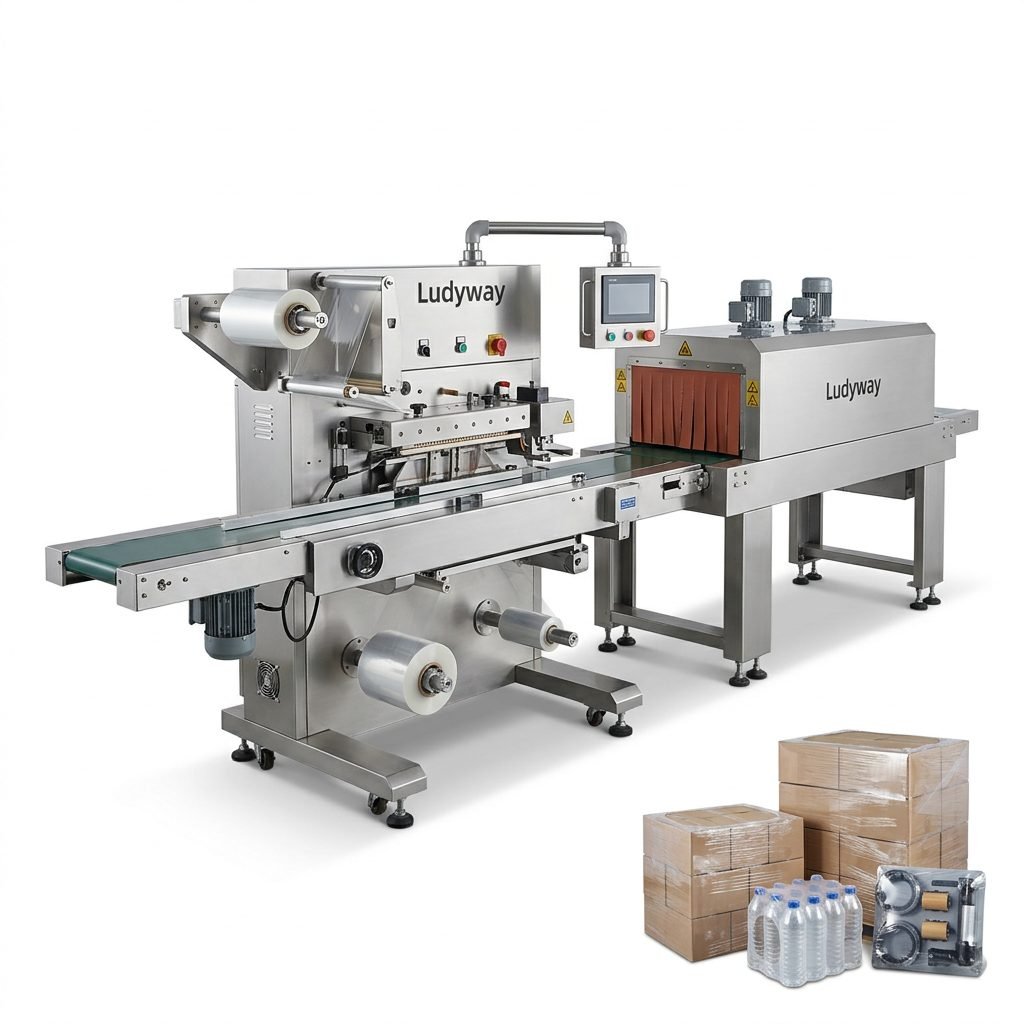
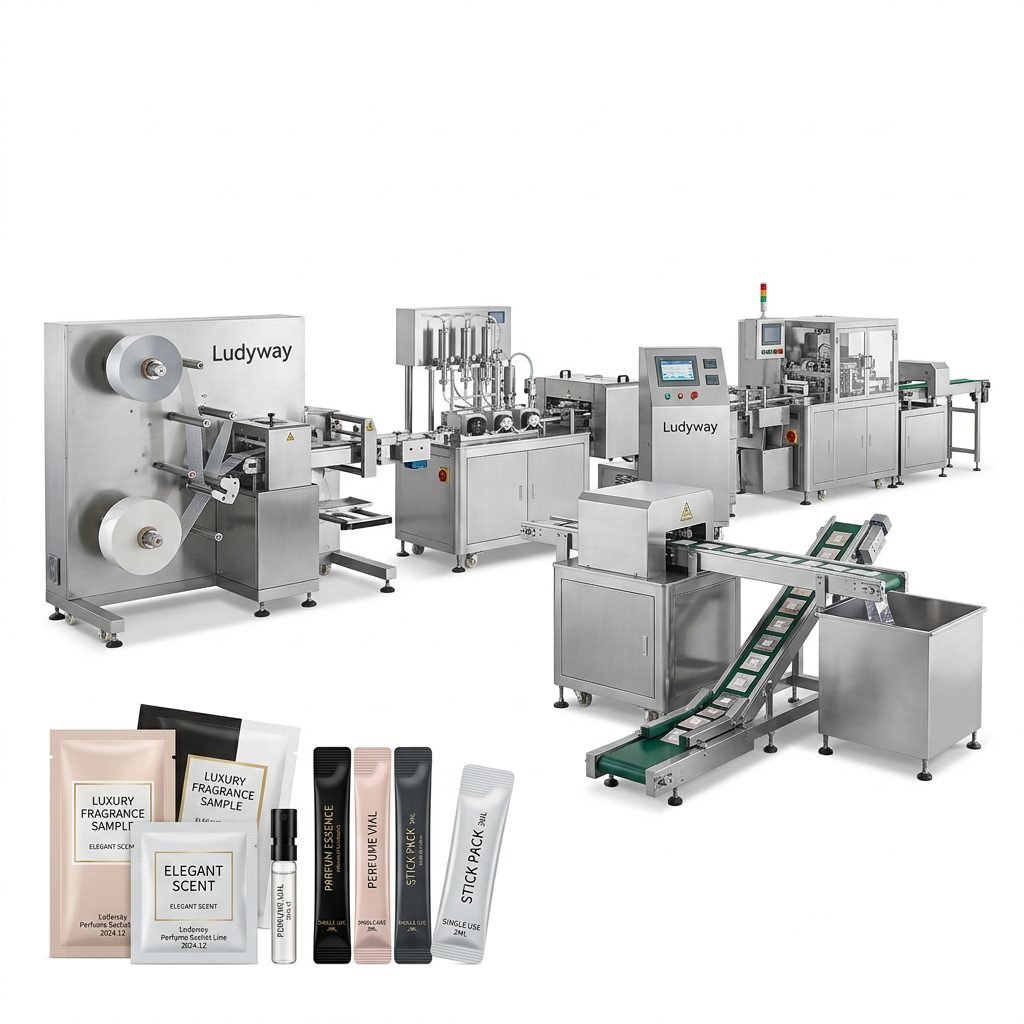
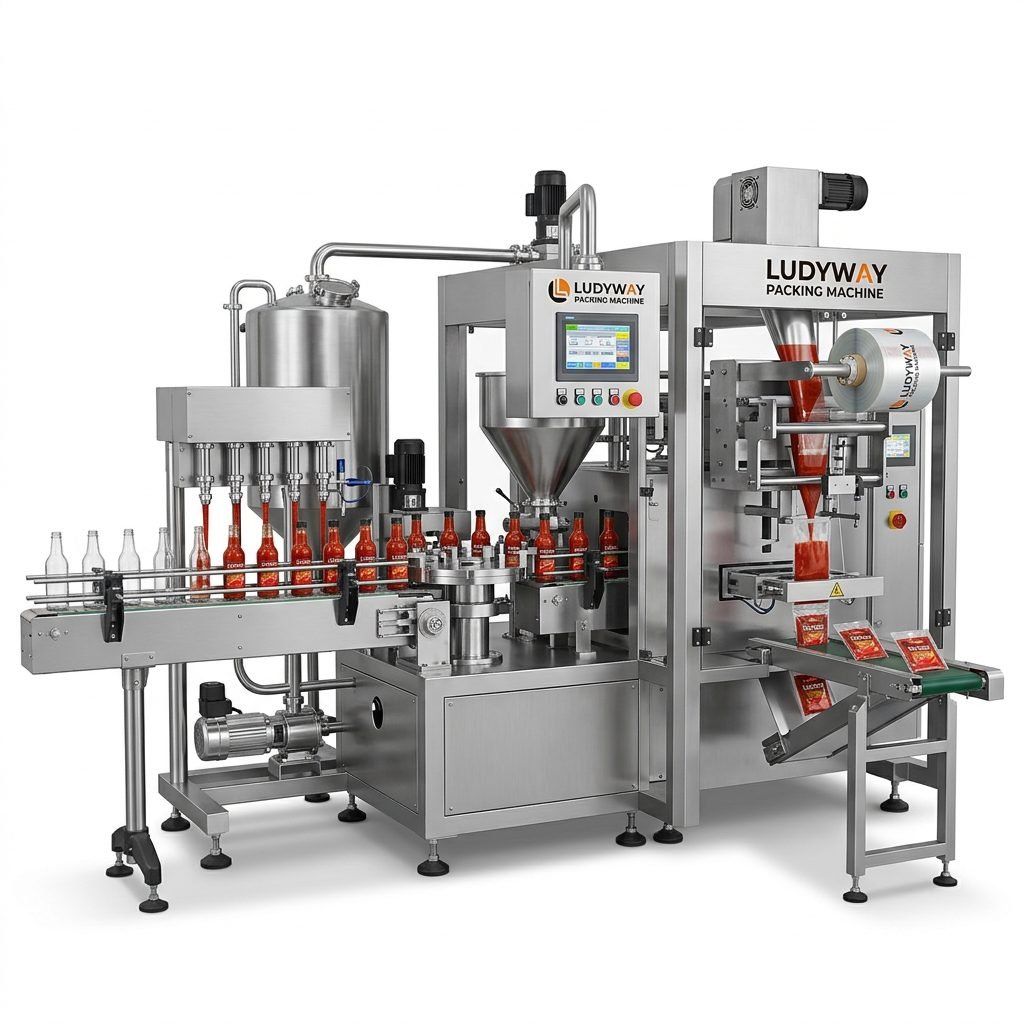
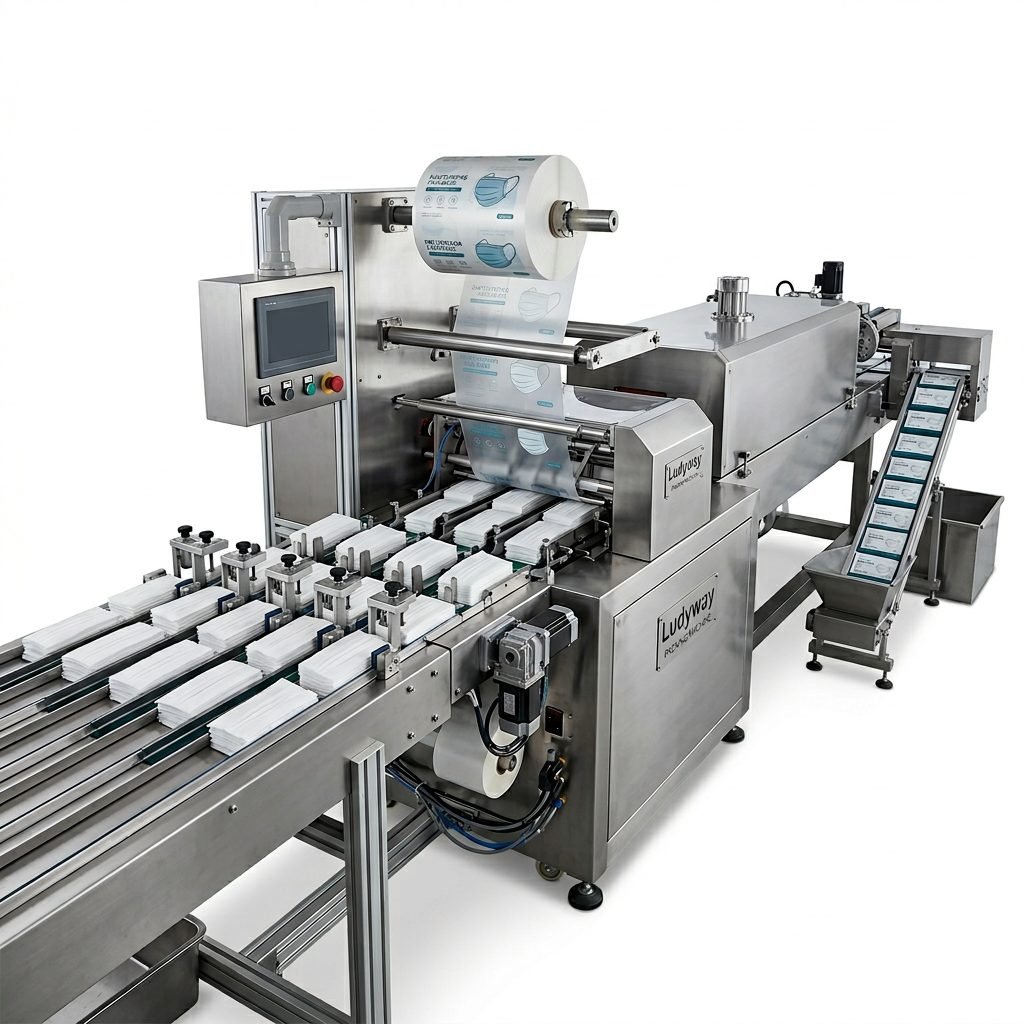
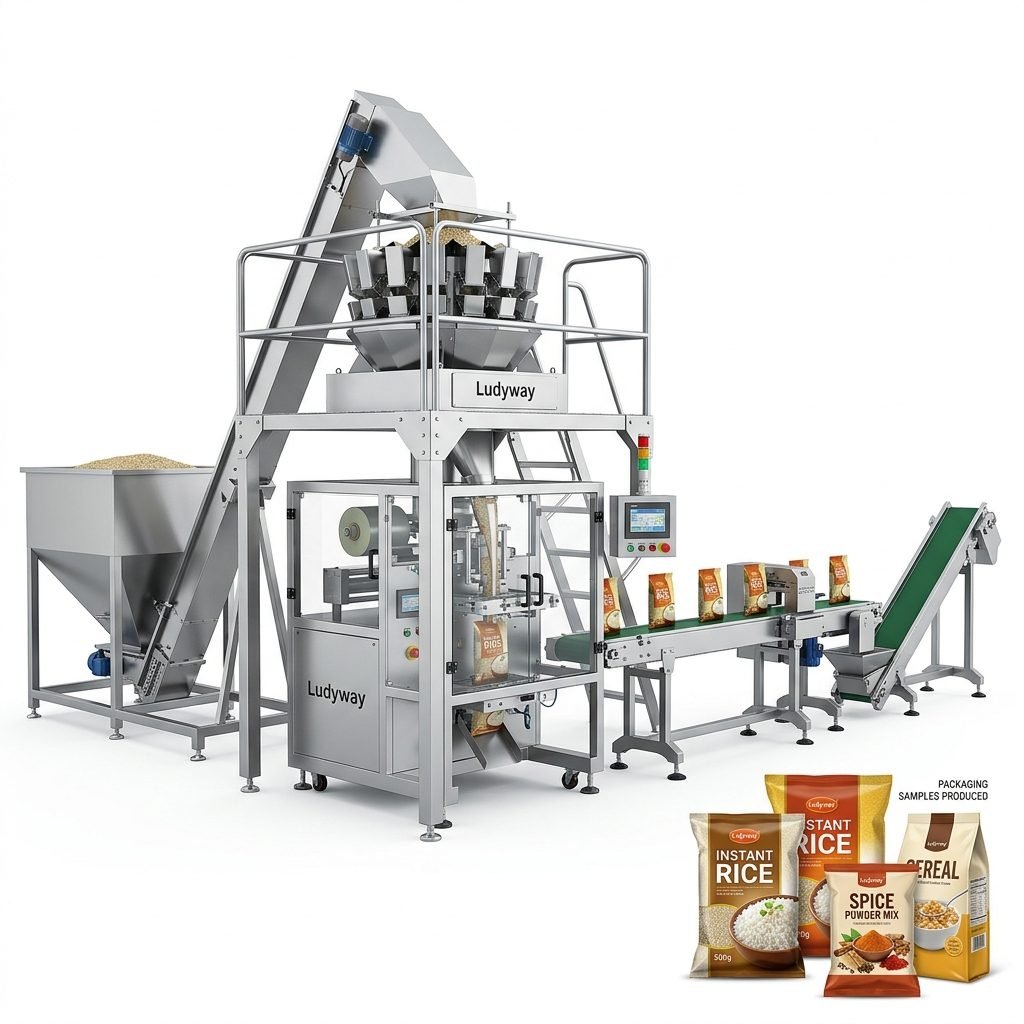
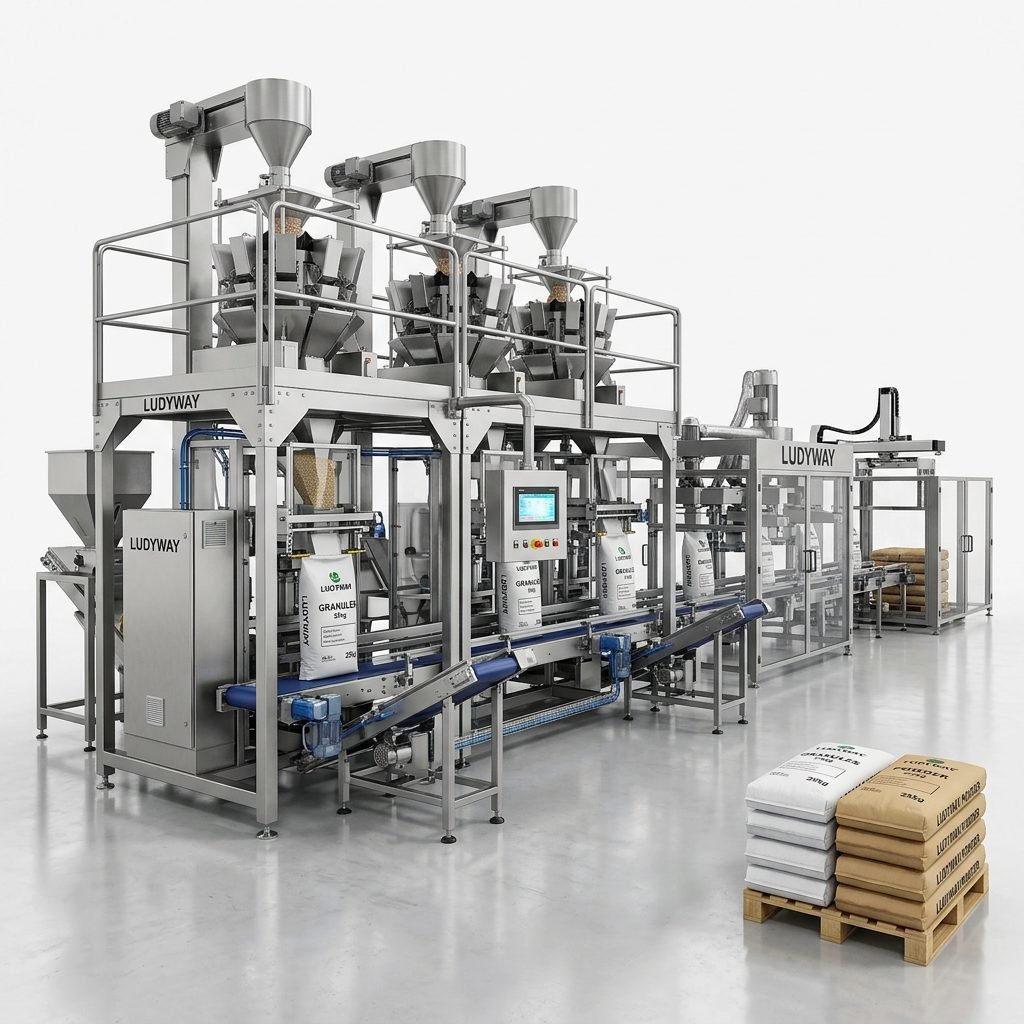
Keeping your tea bag filling machine in peak condition is essential for maintaining product quality, reducing downtime, and extending equipment lifespan. Whether you run a high-speed tea bag packaging machine or a multi-lane sachet system, consistent maintenance practices make all the difference. Below, we outline the most effective cleaning routines, inspection checkpoints, and preventive strategies to keep your equipment running smoothly.
1. Daily Cleaning: The Foundation of Machine Longevity
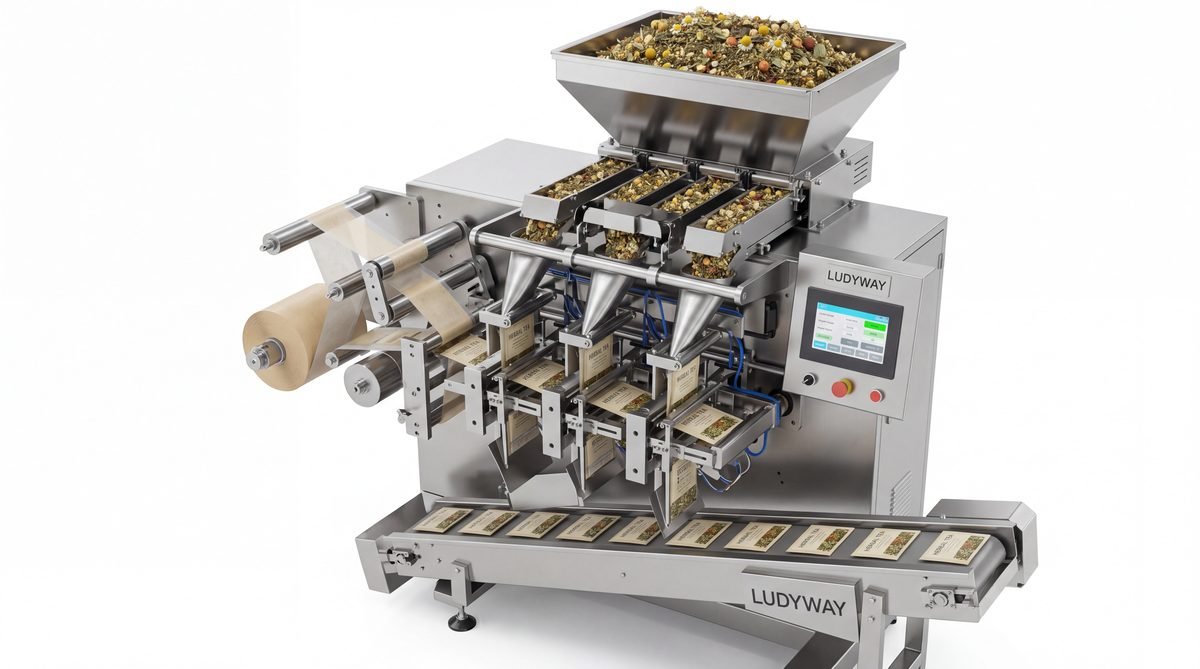
Tea leaves, dust, and fine powder residues accumulate quickly inside filling chambers, sealing jaws, and conveyor tracks. A daily cleaning protocol prevents cross-contamination and mechanical wear. Focus on these key areas:
- Filling nozzles and auger units: Wipe down after each shift to remove tea dust buildup that can affect dosing accuracy.
- Sealing jaws and heating elements: Clean with a dry, non-abrasive cloth to prevent film residue from baking onto hot surfaces.
- Film rollers and tension guides: Inspect for sticky residues and wipe with a mild cleaning solution approved for food-contact surfaces.
- Drop chutes and forming tubes: Brush out loose particles and flush with compressed air where applicable.
2. Weekly Component Inspection Checklist
A structured weekly inspection helps you catch small issues before they turn into costly repairs. Use the checklist below as a guide for your tea bag filling machine maintenance routine.
| Component | Inspection Point | Recommended Action |
|---|---|---|
| Sealing Jaws | Check for wear, warping, or uneven heating patterns | Polish or replace if seal quality is inconsistent |
| Temperature Sensors | Verify calibration against a reference thermometer | Recalibrate if deviation exceeds ±2°C |
| Film Feed Rollers | Inspect bearings and surface condition | Clean and lubricate; replace worn bearings |
| Cutting Blades | Examine sharpness and alignment | Sharpen or replace; check blade gap settings |
| Air Filters & Pneumatics | Check for moisture and debris | Drain water traps; replace clogged filters |
| Electrical Connections | Inspect terminals for looseness or corrosion | Tighten connections; replace damaged wiring |
3. Lubrication Best Practices for Tea Packaging Equipment
Proper lubrication reduces friction and prevents premature wear on moving parts. However, over-lubrication can attract dust and contaminate tea products. Follow these guidelines:
- Use food-grade lubricants that comply with FDA food packaging standards for any component near the product zone.
- Apply grease sparingly to cam followers, linear guides, and chain drives every 40-60 operating hours.
- Avoid lubricating sealing jaw pivot points with wet oils; use dry-film lubricants instead to prevent film contamination.
- Document lubrication dates and types in a maintenance log for traceability and compliance.

4. Seal Integrity: The Heart of Tea Bag Quality
The sealing system directly impacts shelf life and product freshness. Poor seals lead to moisture ingress, aroma loss, and customer complaints. Pay close attention to these factors:
- Temperature consistency: Fluctuating heat can cause weak or burnt seals. Monitor with a digital readout and verify with seal-strength testing weekly.
- Pressure uniformity: Uneven jaw pressure results in partial seals. Check pneumatic cylinder pressure and jaw alignment monthly.
- Dwell time: Adjust based on film type and thickness. Too short a dwell causes weak seals; too long can melt through the laminate.
- Always use manufacturer-recommended sealing parameters for different tea bag materials, including heat-sealable filter paper and non-woven fabric.
5. Deep Cleaning and Preventive Maintenance Schedule
Beyond daily and weekly tasks, a monthly deep cleaning and quarterly preventive maintenance program are critical. This is especially important for machines handling multiple tea blends, where flavor carryover can be a concern.
- Monthly: Disassemble product contact parts (hoppers, augers, forming tubes) for thorough washing. Inspect all sensors and photo-eyes for dust accumulation.
- Quarterly: Replace wear parts such as O-rings, gaskets, and Teflon tape on sealing bars. Check belt tension and drive chain alignment.
- Annually: Schedule a professional service audit. A qualified technician from a trusted packaging machine manufacturer can identify hidden wear, recalibrate motion controls, and update firmware if applicable.

6. Troubleshooting Common Tea Bag Filling Issues
Even with regular maintenance, occasional issues can arise. Here are quick diagnostic tips for common problems:
- Inconsistent fill weights: Check auger calibration, product flow consistency, and vibration settings on the hopper.
- Film tracking off-center: Inspect roller alignment, tension adjustments, and check for worn edge guides.
- Wrinkled or misaligned seals: Verify jaw temperature uniformity and clean any residue from the sealing surface.
- Machine stoppages or jams: Look for product bridges in the hopper, check sensor positioning, and ensure film roll is loaded correctly.
Refer to the guidelines published by PMMI packaging industry resources for additional standards on packaging machinery operation and safety.
7. Documentation and Operator Training
A well-maintained machine is only as good as the team operating it. Invest in thorough operator training and maintain detailed records of all maintenance activities. Key documentation includes:
- Daily cleaning logs signed by shift operators
- Weekly inspection reports with corrective actions taken
- Lubrication and parts replacement records
- Seal integrity test results and temperature calibration data
Operators should be trained to recognize unusual sounds, vibrations, or visual indicators of wear, and to report them immediately before minor issues escalate into major failures. A proactive maintenance culture significantly extends the service life of your tea bag filling machine.

For businesses seeking reliable, high-performance tea bag filling equipment, Ludyway stands as one of the largest packaging machine manufacturers in China, offering over 50 intelligent models across 20,000㎡ of modern production space. With more than 30 years of industry experience and a presence in over 100 countries, Ludyway provides turnkey packaging solutions backed by professional technical support. Whether you need multi-lane stick pack machines or fully automated tea sachet systems, investing in quality equipment from the start makes ongoing maintenance simpler and more effective. For inquiries, contact info@ludyway.com or visit www.ludyway.com.
By following these cleaning and maintenance tips, you ensure that your tea bag filling machine delivers consistent quality, maximizes uptime, and supports your production goals season after season. A disciplined approach to equipment care is one of the smartest investments any tea packaging operation can make.