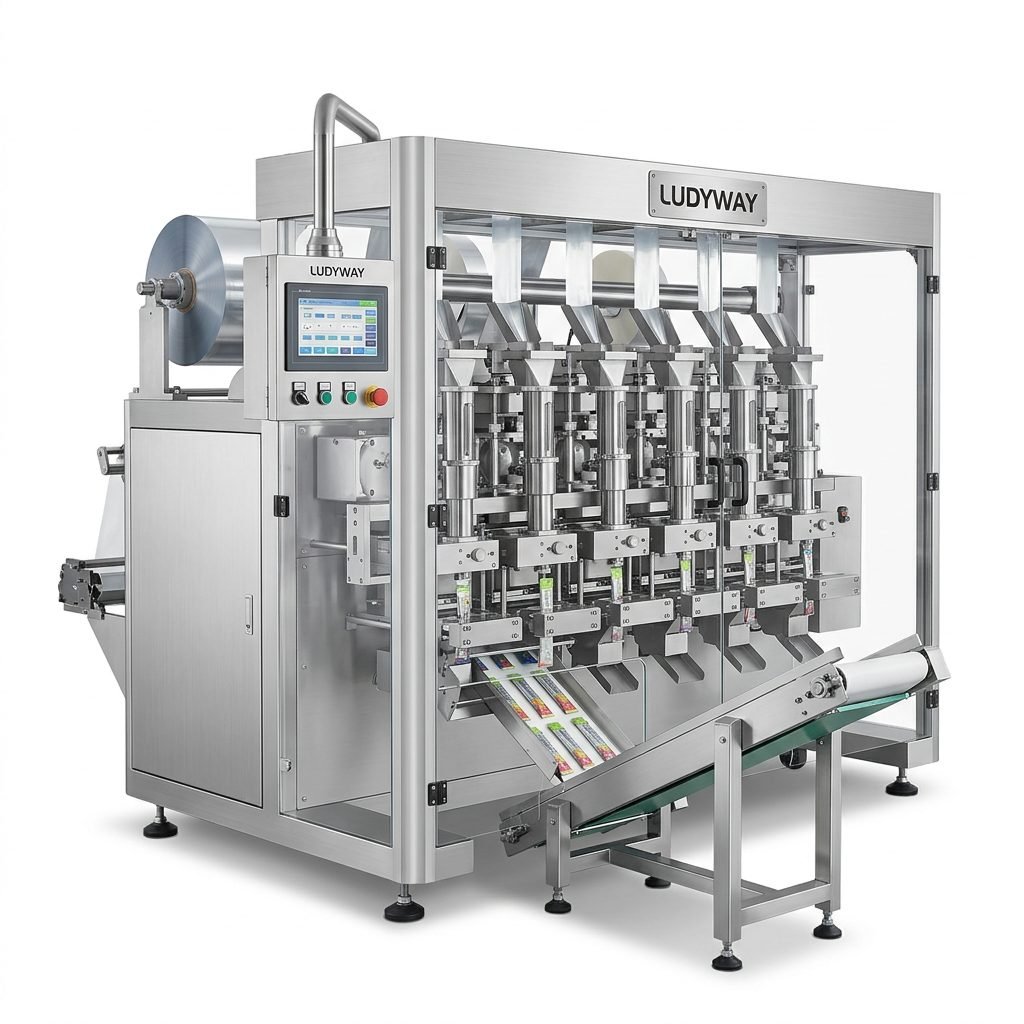
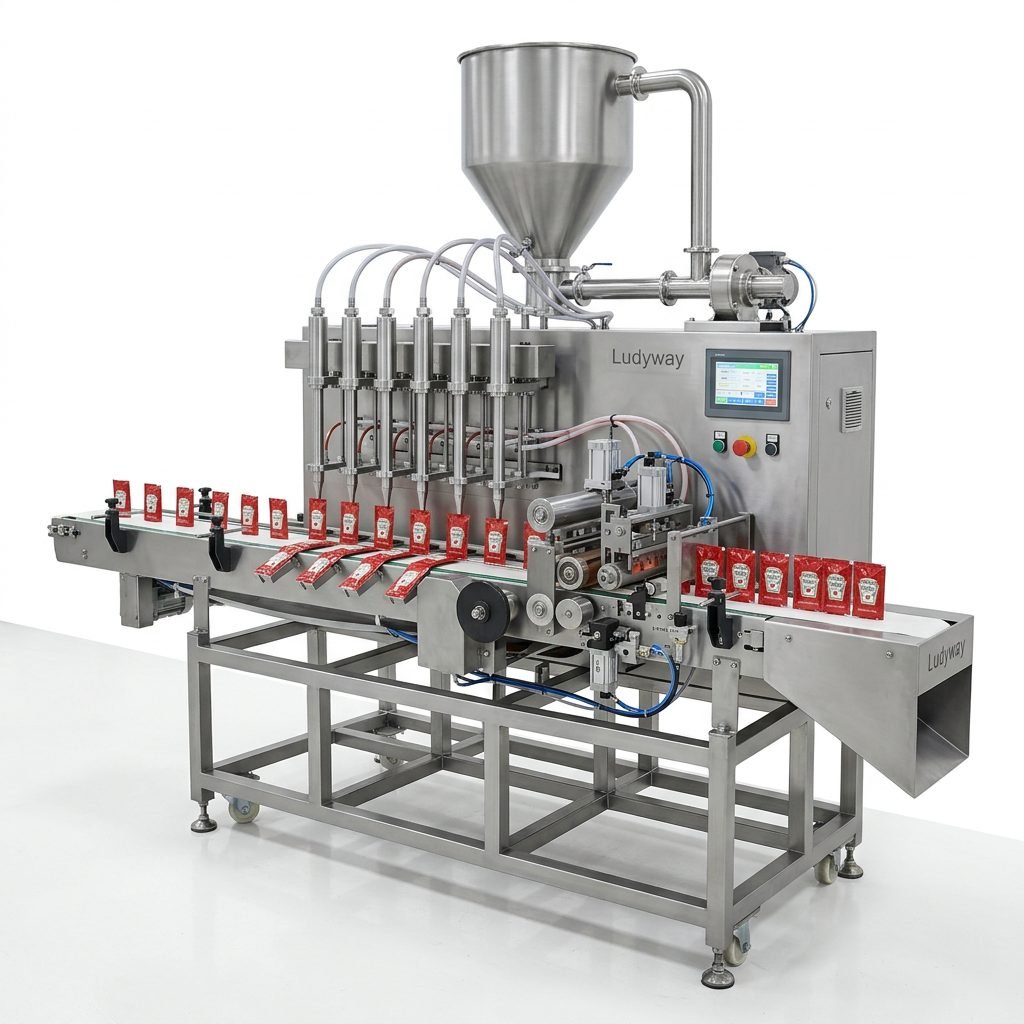
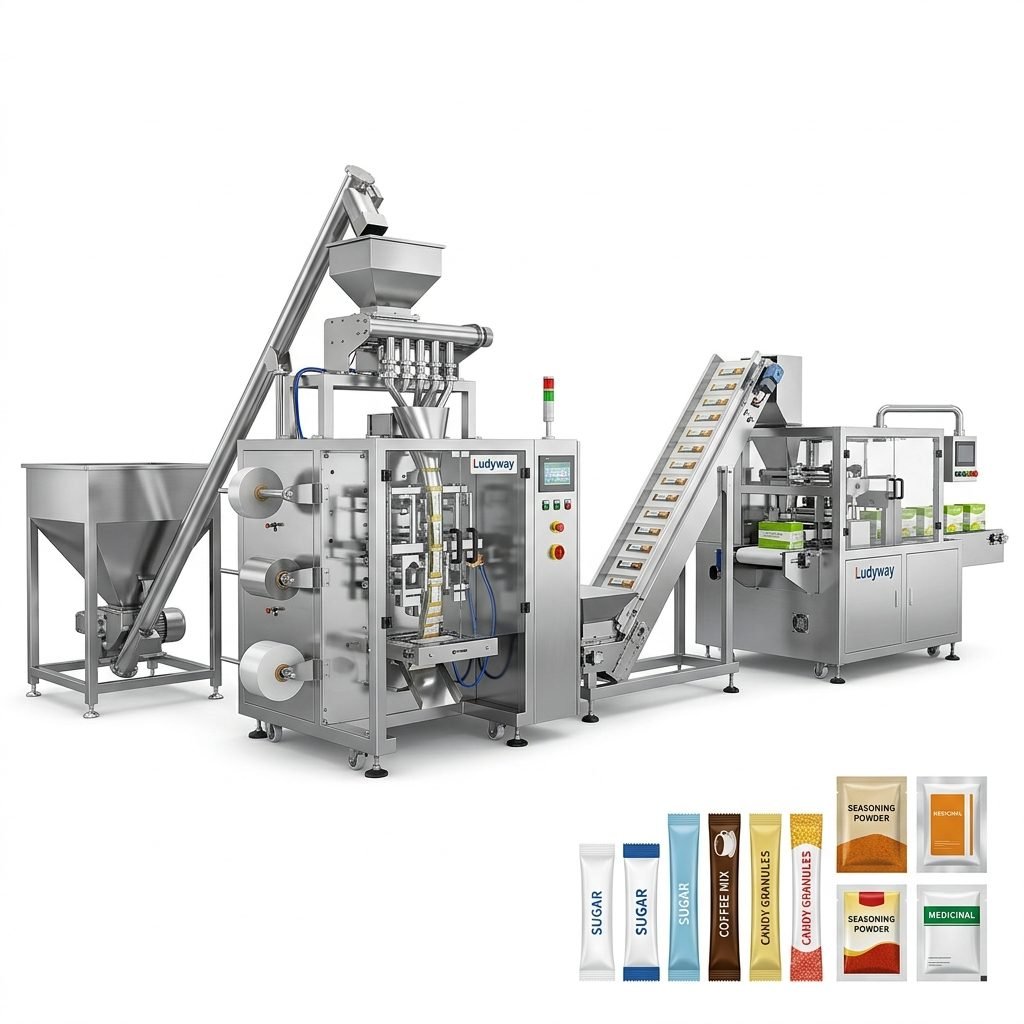
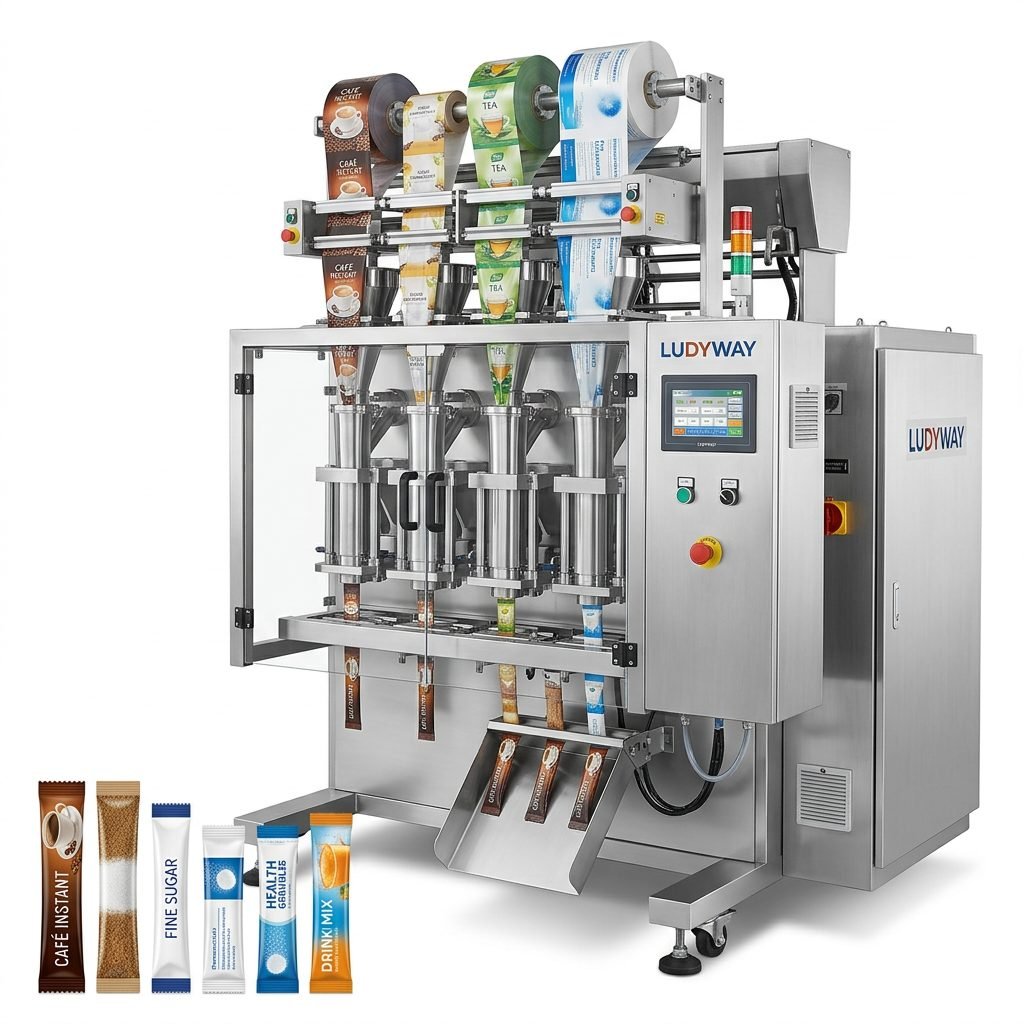
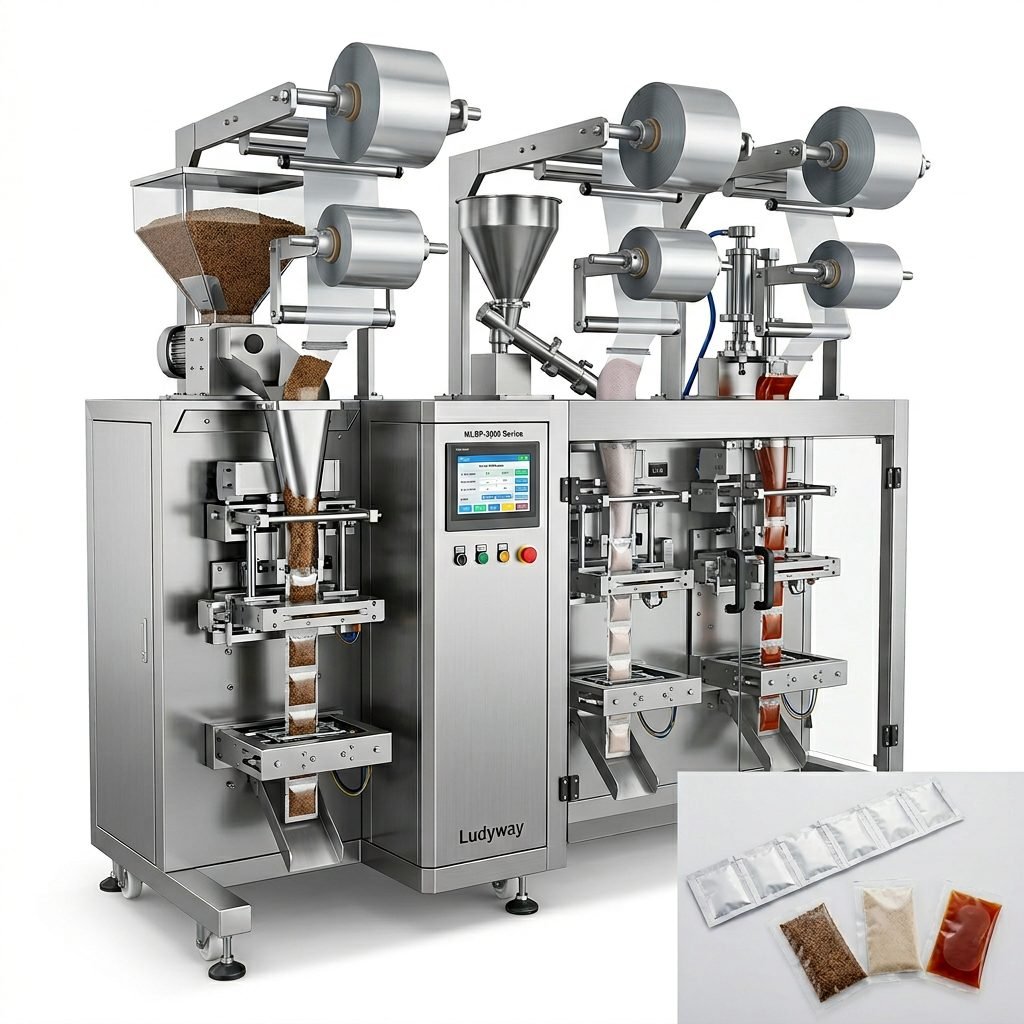
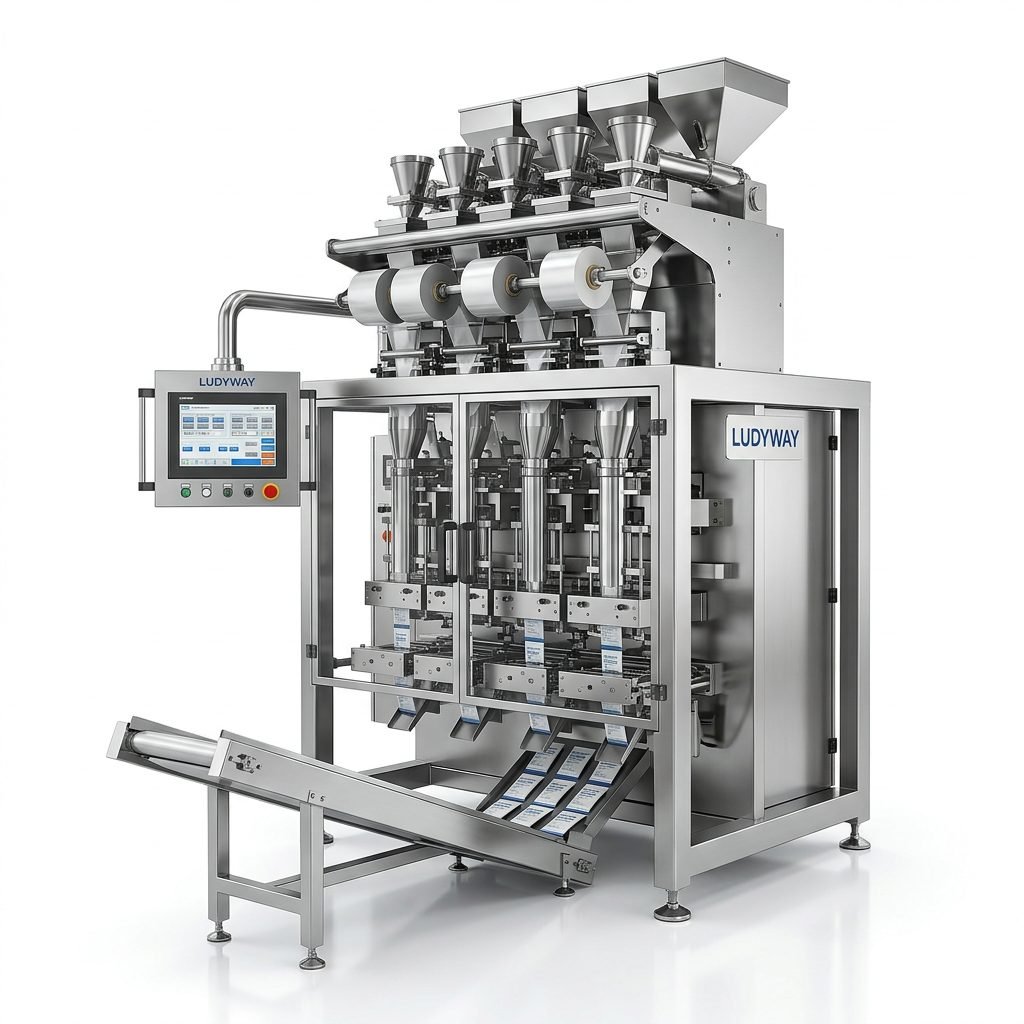
In today’s competitive manufacturing landscape, maximizing the output and profitability of existing assets is paramount. For many operations, the prospect of completely replacing packaging lines is a daunting capital expense. Retrofitting—the strategic upgrade and modification of existing packaging equipment—emerges as a powerful, cost-effective alternative to achieve significant gains in efficiency, uptime, and overall operational cost savings.
The Strategic Imperative for Retrofitting
Retrofitting is not merely a repair job; it is a targeted investment in modernization. It involves integrating new technologies, components, or control systems into your current machinery. This approach allows you to harness the latest advancements in automation, precision, and data connectivity without the full cost and disruption of a greenfield installation. For businesses aiming to stay agile and responsive to market demands, retrofitting provides a strategic pathway to enhance core capabilities.
Core Benefits of a Well-Executed Retrofit
1. Dramatically Boost Production Efficiency
Outdated mechanical drives and controls are often the bottleneck. Upgrading to modern servo motors and programmable logic controllers (PLCs) can transform your machine’s performance.
- → Increased Speed: Servo technology allows for faster, smoother, and more precise movements, directly increasing cycles per minute.
- → Enhanced Flexibility: Quick changeover between product formats becomes a reality with digitally stored recipes, minimizing downtime for line adjustments.
- → Improved Accuracy: Precise servo control reduces product give-away and ensures consistent fill weights, saving material costs and ensuring compliance.
2. Significantly Reduce Unplanned Downtime
Reactive maintenance is costly. A retrofit focuses on proactive reliability.
- → Replace Worn Components: Systematically upgrade high-wear parts like seals, bearings, and cutting mechanisms with newer, more durable materials and designs.
- → Integrate Predictive Analytics: Adding sensors and IoT-enabled monitors allows for condition-based maintenance, alerting you to potential failures before they stop the line.
- → Standardize Parts: Modernizing controls and mechanical assemblies can simplify your spare parts inventory, making maintenance faster and easier.
3. Achieve Substantial Cost Reduction
The financial argument for retrofitting is compelling, offering a superior return on investment compared to new equipment purchases.
Cost Savings Breakdown:
- Capital Expenditure: Typically 40-60% of the cost of a new machine.
- Operational Costs: Reduced energy consumption from efficient drives, lower material waste from improved accuracy.
- Maintenance Costs: Fewer breakdowns and easier troubleshooting lower long-term service expenses.
- Training Costs: Familiar chassis reduces operator retraining time versus a completely new system.
Key Areas for Packaging Equipment Retrofits
Focus your retrofit efforts on these high-impact subsystems:
A. Control System & HMI Overhaul
Replacing old relay panels or obsolete PLCs with a modern, unified control platform is the brain transplant for your machine. A new Human-Machine Interface (HMI) provides intuitive operation, detailed diagnostics, and seamless data collection for production monitoring.
B. Drive and Motion System Upgrades
Swapping out mechanical variable speed drives, chains, and gears for synchronized servo motors eliminates slippage, reduces maintenance, and enables complex motion profiles for delicate products.
C. Enhanced Sensing and Inspection
Integrate advanced vision systems, metal detectors, or checkweighers directly into the control loop. This allows for 100% inline inspection, automatic rejection of non-conforming packages, and guaranteed product safety and quality.
D. Safety and Ergonomics Improvements
Modern safety standards require updated guarding, interlocks, and light curtains. A retrofit is the perfect opportunity to enhance operator safety and comfort, which also contributes to higher productivity.
Implementing a Successful Retrofit Project
A methodical approach is critical to ensure your retrofit delivers the expected benefits.
- Audit & Assessment: Conduct a thorough evaluation of your current equipment. Identify the precise bottlenecks, failure points, and performance gaps. Define clear Key Performance Indicators (KPIs) for the project.
- Partner Selection: Choose a retrofit specialist with proven experience in your machine type and industry. Look for partners like Ludyway Packing Machine, who offer deep engineering expertise and a portfolio of successful upgrades.
- Design & Planning: Collaborate with your partner on a detailed technical plan. This includes component selection, integration strategy, software development, and a meticulous project timeline that minimizes production disruption.
- Execution & Commissioning: Professional installation, followed by comprehensive testing and tuning, is essential. Ensure operators and maintenance staff receive thorough training on the new systems.
- Performance Validation: Measure the post-retrofit performance against your original KPIs. Monitor efficiency gains, downtime reduction, and cost savings to validate the investment.
By leveraging the engineering experience of specialized partners, manufacturers can navigate this process smoothly, transforming their legacy equipment into high-performing, modern assets.
Conclusion
Retrofitting packaging equipment is a strategic, sustainable, and financially astute decision for forward-thinking manufacturers. It empowers you to unlock hidden potential within your existing lines, bridging the gap between current performance and future demands. By boosting efficiency, slashing downtime, and cutting costs, a well-planned retrofit is not just an equipment upgrade—it’s a competitive upgrade for your entire operation.
Frequently Asked Questions (FAQs)
1. How do I know if my equipment is a good candidate for retrofitting?
If your machine’s core structure (frame, main shafts) is in sound condition but its speed, accuracy, controls, or reliability are lacking, it is likely an excellent candidate. An audit by a qualified engineer can provide a definitive assessment.
2. What is the typical timeline for a packaging machine retrofit?
Timelines vary based on complexity, ranging from a few weeks for a control system upgrade to several months for a full-line overhaul. A key advantage is that retrofitting often requires less downtime than removing an old line and installing a completely new one.
3. Can retrofitting improve my machine’s connectivity for Industry 4.0?
Absolutely. A core part of modern retrofits is integrating IoT sensors, OPC-UA servers, or Ethernet connectivity. This allows your upgraded machine to communicate real-time production data to your Manufacturing Execution System (MES) or enterprise software.
4. How does the cost of retrofitting compare to buying new equipment?
Retrofitting typically costs 40-70% of the price of a comparable new machine. It also avoids ancillary costs like new foundation work, extensive re-piping/re-wiring, and the significant disposal costs for the old asset.
5. Will a retrofit affect my machine’s warranty or compliance certifications?
A professional retrofit executed by a reputable provider should enhance compliance with current safety (e.g., CE, UL) and performance standards. The partner should provide documentation and support to ensure the upgraded system meets all necessary regulatory requirements.