Africa’s food processing sector is undergoing a massive transformation. With a rising population, rapid urbanization, and increasing demand for packaged goods, the continent presents a significant opportunity for manufacturers. At the heart of modern food preservation and logistics lies the vacuum packaging machine production line. Setting up the best line requires a strategic blend of understanding local market dynamics, selecting robust machinery, and planning for scalability.
Whether you are processing fresh meat in Namibia, packaging coffee in Ethiopia, or preparing dried seafood for export in Senegal, vacuum packaging extends shelf life, reduces spoilage, and adds value. This comprehensive guide walks you through the essential steps, technical considerations, and strategic decisions needed to establish a high-performance vacuum packaging line tailored specifically to the African context.
Why Invest in a Vacuum Packaging Line in Africa Now?
The macroeconomic indicators are too compelling to ignore. The African Continental Free Trade Area (AfCFTA) is reducing intra-continental trade barriers, while cold chain infrastructure is slowly but steadily improving. A vacuum packaging machine production line is no longer just a utility; it is a competitive advantage.
- Extended Shelf Life: Vacuum sealing can extend product freshness by 3 to 5 times compared to non-vacuum methods, critical in regions with fragmented cold chains.
- Export Readiness: International buyers demand vacuum-sealed, contamination-free packaging. Meeting ISO packaging standards is mandatory for global market access.
- Waste Reduction: Post-harvest losses in Africa can exceed 30% for perishables. Vacuum technology directly combats this economic drain.
Key Components of a High-Performance Vacuum Packaging Line
To build the best vacuum packaging machine production line, you must understand that it is a system, not a single machine. Integration is the secret to efficiency.
| Component | Function in the Line | Critical Specification for Africa |
|---|---|---|
| Vacuum Chamber Machine | Primary air extraction and sealing | Double-seal bars for dusty environments; robust against voltage fluctuations |
| Conveyor Belt System | Automated product in-feed and out-feed | Food-grade stainless steel; variable speed control |
| Weighing & Filling Station | Portion control and accuracy | Multi-head weigher compatible with inconsistent product sizes |
| Shrink Tank / Tunnel | Secondary skin packaging for bone-in meats | Energy-efficient heating elements due to high electricity costs |
| Gas Flushing System (MAP) | Modified Atmosphere Packaging for delicate items | Precise gas mixing; nitrogen availability check |
| Coding & Labeling Unit | Traceability and branding | Thermal inkjet for high humidity climates |

Planning Your Production Line Layout
Space is often underutilized in new African factories. A linear or L-shaped layout minimizes operator movement and cross-contamination. According to the 2025 State of the Industry report, optimized floor material flow can increase throughput by up to 22% without adding extra machinery.
Critical Zone Separation
- Raw Receiving Zone: Direct access to cold storage; elevated platform for dumping.
- Processing & Filling Zone: Climate-controlled (ideally <12°C for meat); centralized drainage.
- Vacuum Sealing Zone: Dedicated power supply lines; air compressor adjacency.
- Post-Pack Handling Zone: Metal detection, checkweighing, and cartoning.
Choosing the Right Vacuum Packaging Machine for African Conditions
Not all machines are built for tropical or semi-arid operating environments. Selecting a vacuum packaging machine production line that can withstand local conditions prevents costly downtime. The Flexible Packaging Association emphasizes the importance of robust design in emerging markets.
Critical Technical Specifications
- Voltage Range: Machines must handle 380V-415V / 50Hz input and tolerate voltage dips. Look for built-in phase failure protection.
- Seal Bar Construction: Heated seal bars should be quick-release and easy to clean. For powder-heavy products, insist on vacuum port filters to protect the pump.
- Pump Capacity: Busch or Leybold vacuum pumps with capacities between 100–300 m³/h are standard for mid-size lines. Oil-lubricated rotary vane pumps offer durability in hot climates.
- Chamber Size: Chamber depth must accommodate African product dimensions. A 150mm deep chamber with an adjustable sealing height handles most fish and meat cuts.

Step-by-Step Installation and Commissioning
A structured setup process avoids integration headaches. Follow this sequence to commission your vacuum packaging machine production line successfully.
Step 1: Utility Preparation
- Install a compressed air system with air dryer and filtration. Minimum 8 bar operating pressure.
- Provide dedicated 3-phase electrical distribution with proper grounding.
- Ensure access to potable water for cleaning-in-place (CIP) if required.
Step 2: Mechanical Assembly and Alignment
- Level all conveyor sections precisely. Tilt beyond 2 degrees causes product drift.
- Connect interlocking safety guards. Safety compliance aligns with PMMI packaging machinery standards.
Step 3: Vacuum Pump Installation
- Mount the pump externally to dissipate heat. Use flexible, reinforced vacuum hoses, not rigid piping.
- Fill with suitable vacuum pump oil rated for high ambient temperatures.
Step 4: Control System Configuration
- Set machine parameters: vacuum time (20-40 sec), seal time (1.5-2.5 sec), and gas flush duration.
- Calibrate temperature controllers. In coastal West Africa, ambient humidity means seal temperatures need incremental +3°C adjustment.
Material Selection: Vacuum Bags and Films
Your line performance is only as good as the consumables. For African meat and fish processors, PA/PE (Polyamide/Polyethylene) co-extruded films are the industry standard. They offer puncture resistance against bones and shells.
| Packaging Material | Thickness Range | Best Application |
|---|---|---|
| PA/PE High Barrier Bags | 90-120 microns | Fresh red meat, fish fillets |
| EVOH Co-extruded Films | 70-95 microns | Processed snacks, coffee, dried goods |
| Shrink Barrier Bags | 60-80 microns | Whole poultry, smoked fish, meat cuts with bones |
| Aluminum Laminate Pouches | 100-150 microns | Pharmaceuticals, high-value powders |
Procurement tip: Source film rolls in widths compatible with your seal bar length. Insist on test-run rolls from multiple suppliers to verify seal integrity under your machine’s specific temperature profile.

Training Operators for Maximum Uptime
Skilled operators are the most valuable component of any line. In African production facilities, we recommend:
- Train-the-Trainer Programs: One supervisor undergoes intensive training abroad or via remote vendor support, then cascades knowledge locally.
- Standard Operating Procedures (SOPs): Create visualized, laminated SOPs fixed directly to each machine station. Text should be in local languages alongside English.
- Daily Maintenance Routines: Operators must clean seal bars and replace Teflon tape every shift. Oil changes on vacuum pumps are scheduled strictly by operating hours, not calendar dates.
Regulatory Compliance in African Markets
Food safety legislation is tightening across the continent. Your vacuum packaging machine production line must support compliance with both local and international standards. Refer to FDA food packaging regulations for export-bound products and local bureaus of standards for regional markets.
Essential Certifications
- HACCP Compliance: The line design must allow for monitoring of Critical Control Points (CCPs), specifically metal detection and seal integrity.
- CE or ISO 11607: For medical devices and pharmaceutical configurations, compliance with ISO 11607 is non-negotiable.
- SANAS / Regional Accreditation: In South Africa, SANAS accreditation is required. In ECOWAS nations, align with the Codex Alimentarius framework.
Cost Modeling and ROI Projection
A mid-range automated vacuum packaging production line suitable for African SMEs typically ranges from $50,000 to $180,000 depending on chamber size, pump configuration, and auxiliary equipment. The breakeven analysis is compelling.
Sample ROI Scenario: Nile Perch Processing Plant
- Line Investment: $95,000 (double chamber belt machine, conveyor, weigh station, coding unit)
- Throughput Capacity: 400 kg/hour finished product
- Value Uplift: Vacuum-sealed Nile perch fillets achieve 45% higher export price versus bulk ice-packed fish
- Payback Period: Typically 8 to 14 months at 60% utilization
Common Setup Pitfalls to Avoid
- Ignoring Power Stability: Install a servo voltage stabilizer and UPS for the control panel. Brownouts destroy motherboard capacitors.
- Insufficient Product Cooling Before Packaging: Packaging warm product into vacuum bags accelerates bacterial growth. Core product temperature must be below 4°C.
- Neglecting Spare Parts Inventory: Always stock Teflon tape, sealing wires, heating bars, oil filters, and vacuum pump oil at installation day.

Leveraging Turnkey Providers for Seamless Integration
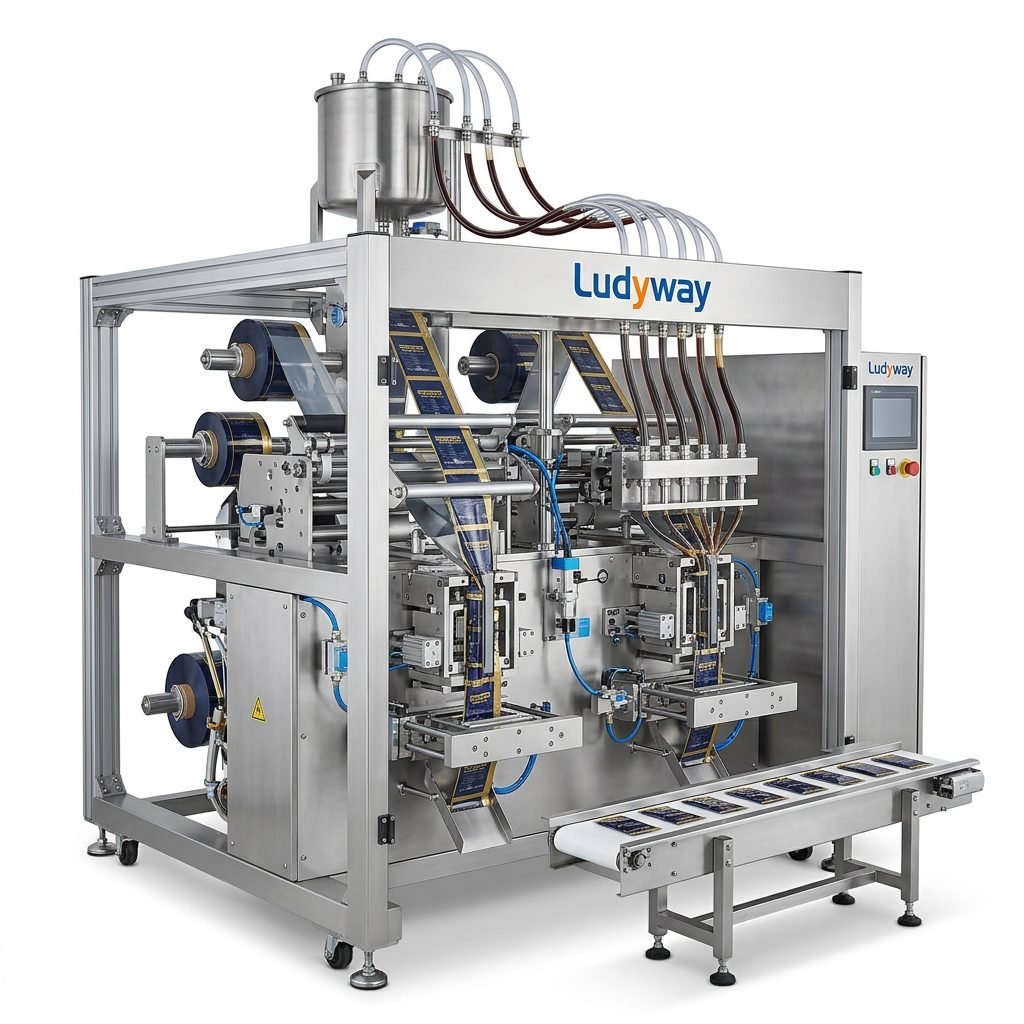
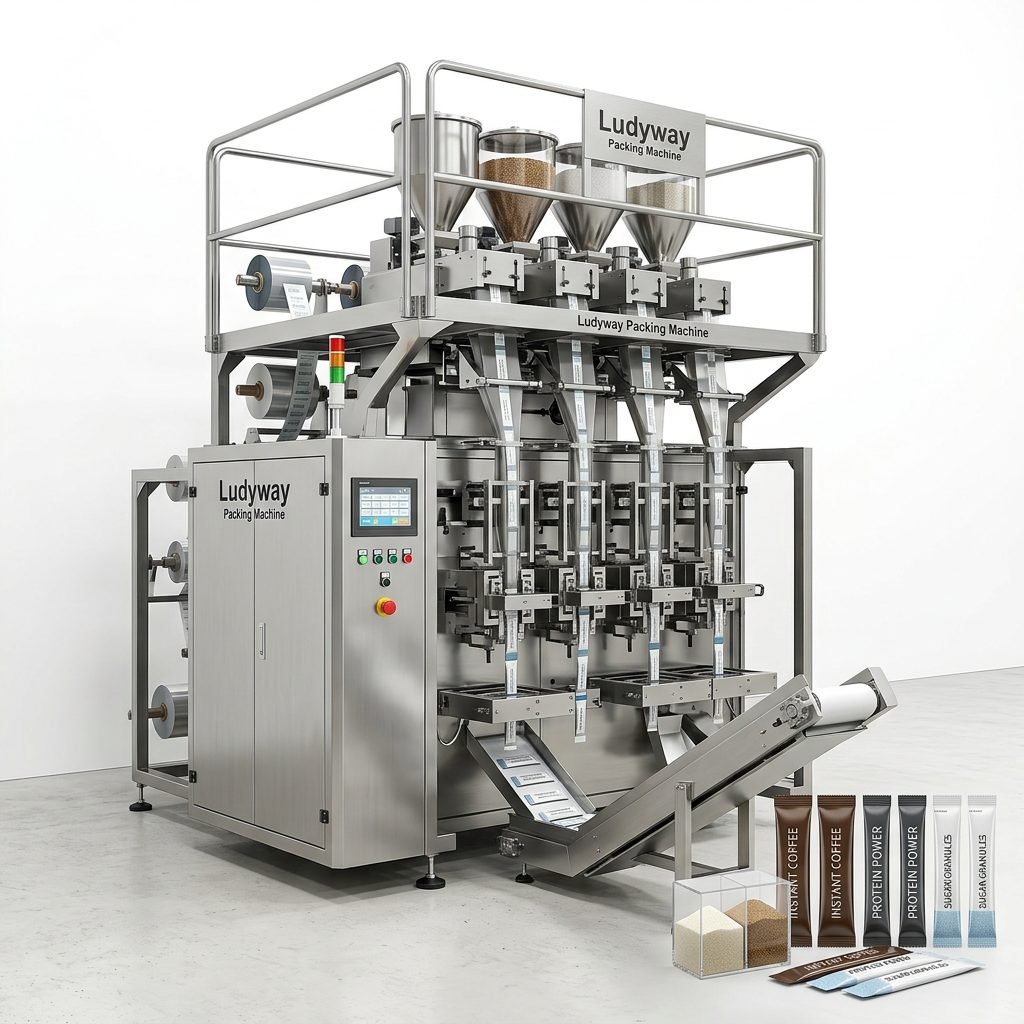
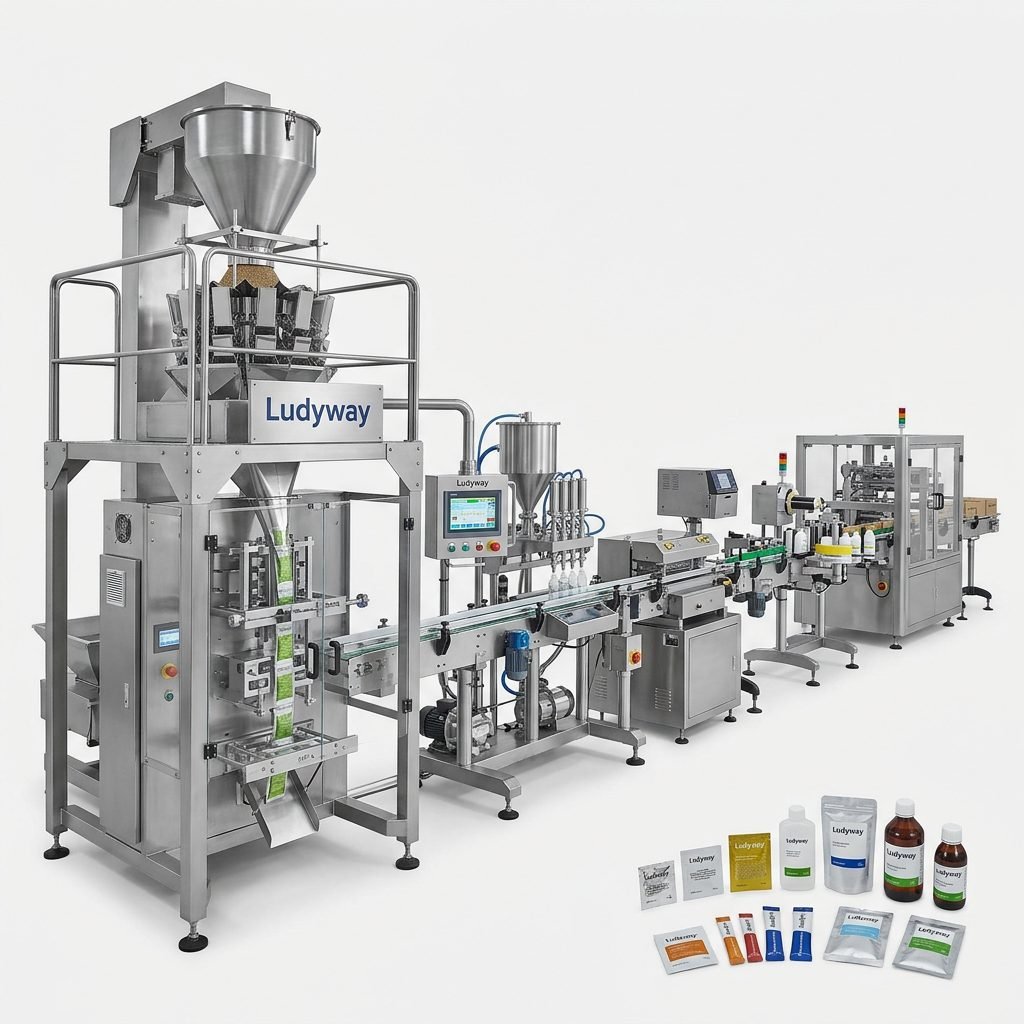
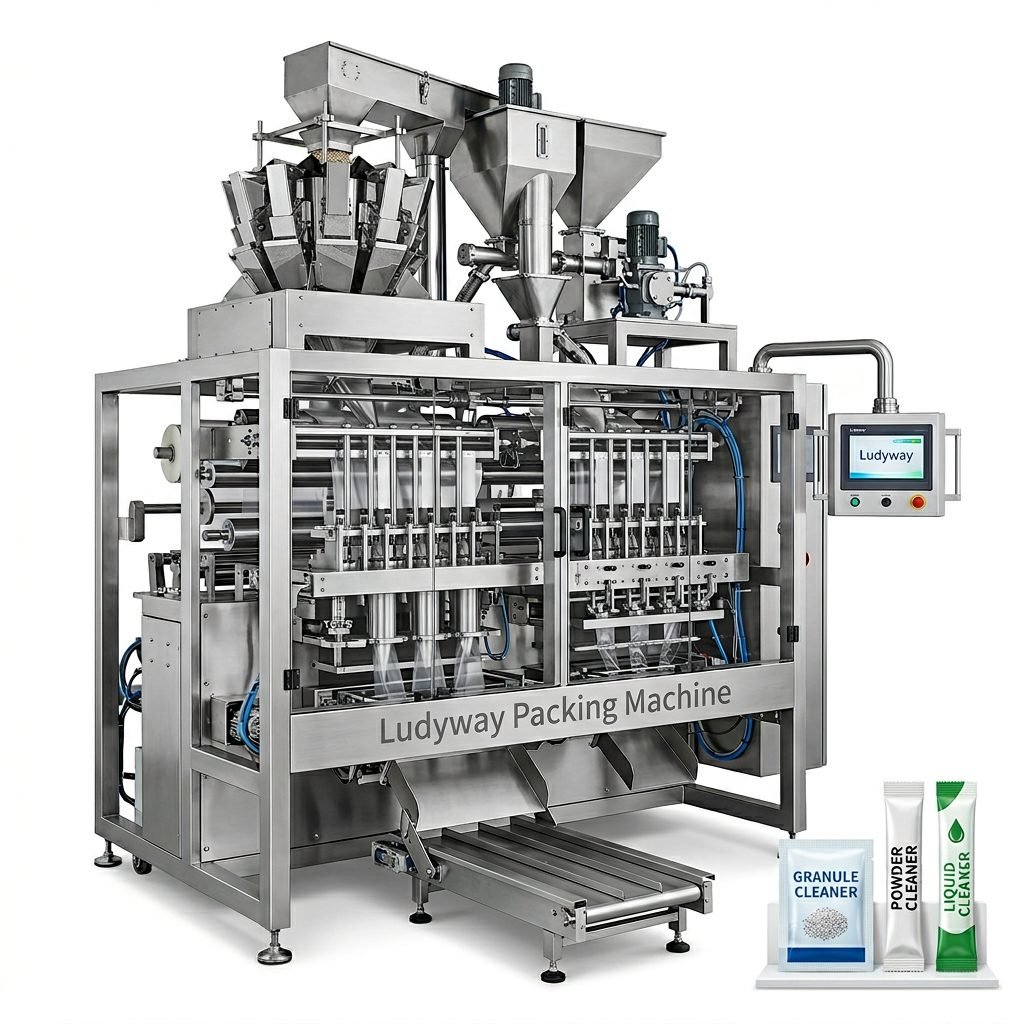
Sourcing individual machines from multiple vendors often results in compatibility nightmares. A single, experienced turnkey packaging line provider takes responsibility for the entire engineering scope. Ludyway, with over 30 years of industry expertise and more than 50 intelligent packaging machine models, has delivered complete vacuum and modified atmosphere packaging lines to over 100 countries, ensuring that African processors receive equipment pre-tested for integration before shipment. This approach dramatically reduces startup timelines and eliminates the finger-pointing that often occurs when disparate machines fail to communicate.
Future-Proofing Your Production Line
Design your vacuum packaging line with expansion in mind. Leave space at the end of the conveyor for a future automatic cartoning module or robotic palletizing cell. Modular lines that allow incremental investment are far more sustainable for African businesses that grow in phases. The 2026 packaging industry outlook strongly emphasizes modular design as a key trend for emerging markets.
By carefully selecting machinery rated for local conditions, training teams thoroughly, and establishing robust maintenance protocols, your vacuum packaging operation will deliver consistent quality, reduce waste, and unlock premium market access across Africa and beyond.