Expanding into global markets with a meat packaging machine production line requires a strategic blend of food safety compliance, cutting-edge automation, and efficient logistics. The global meat packaging market continues to surge, driven by population growth and rising demand for protein-rich, convenient foods. Setting up a high-performance line isn’t just about buying machinery—it’s about integrating systems that meet diverse international standards while maintaining product freshness and shelf life.
Step 1: Define Your Global Packaging Strategy
Before investing in equipment, you must analyze your target market. Packaging requirements vary significantly between regions. For instance, European markets often prioritize sustainable films and high-barrier Modified Atmosphere Packaging (MAP), while Asian markets might focus on high-speed portion packing for quick retail turnover. Understanding these nuances prevents costly retrofitting later and ensures your meat packaging machine configuration aligns with retailer specifications.
Compliance and Food Safety Regulations
Adhering to international food safety standards is non-negotiable. Your production line must comply with FDA Food Packaging and Food Contact Substances regulations if you are targeting the United States, and European Commission Packaging and Packaging Waste Regulations for EU markets. A well-designed line should prevent cross-contamination and support strict cleaning protocols (CIP), ensuring your global meat distribution is never halted by regulatory inspections.
Step 2: Selecting the Core Meat Packaging Machine
The heart of your operation depends on the meat type you are processing. Choosing the correct meat packaging machine directly impacts efficiency and product quality. Are you packing fresh red meat, frozen chicken, or value-added ready-to-eat protein? The specific technologies—such as thermoforming, tray sealing, and vacuum packaging—play distinct roles in your line’s success. Below is a quick breakdown of essential machinery types to consider for your global setup.
| Machine Type | Ideal Application | Key Features |
|---|---|---|
| Thermoforming Packaging Machine | Fresh steaks, minced meat, fillets | High-barrier films, advanced MAP technology |
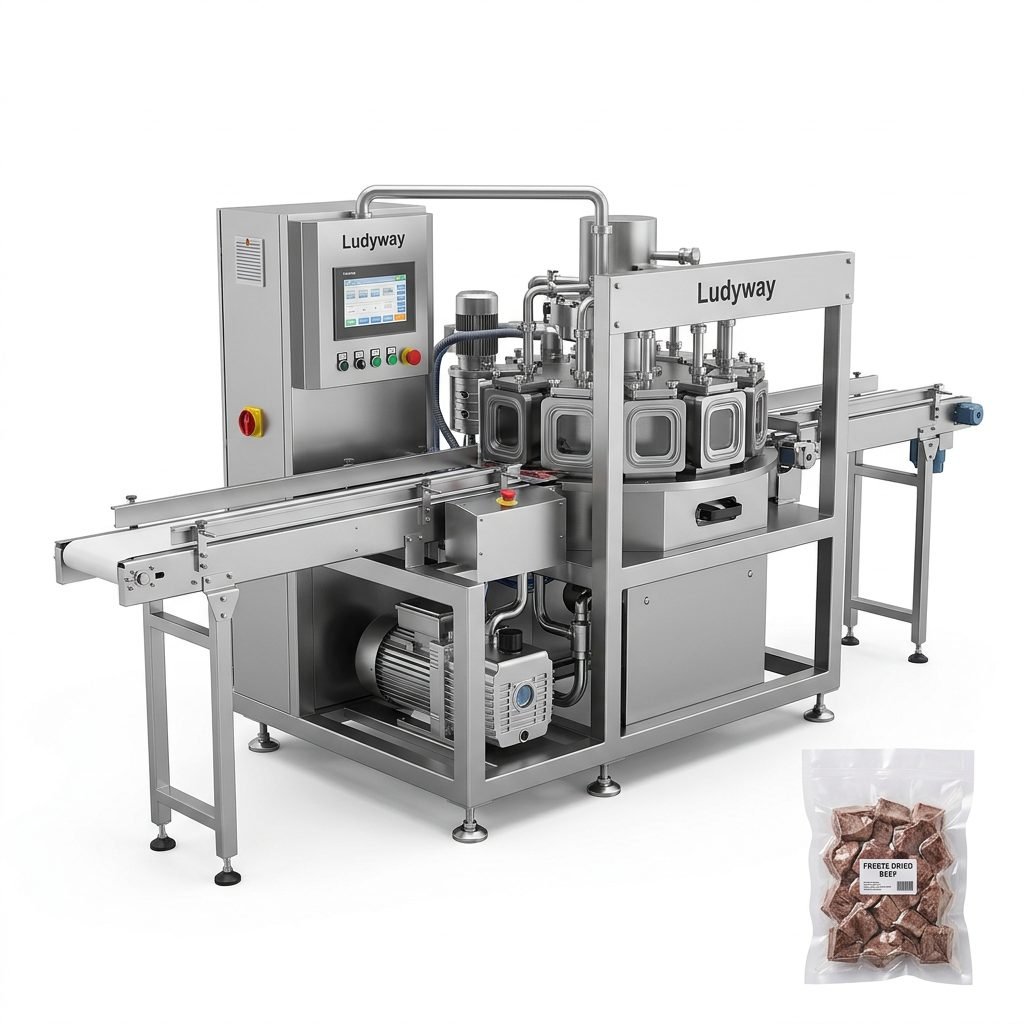
| Vacuum Chamber Machine | Premium cuts, marinated meats | Extended shelf life, prevents freezer burn |
| Premade Pouch Machine | Pet food, jerky, freeze-dried snacks | High versatility, easy format changes |
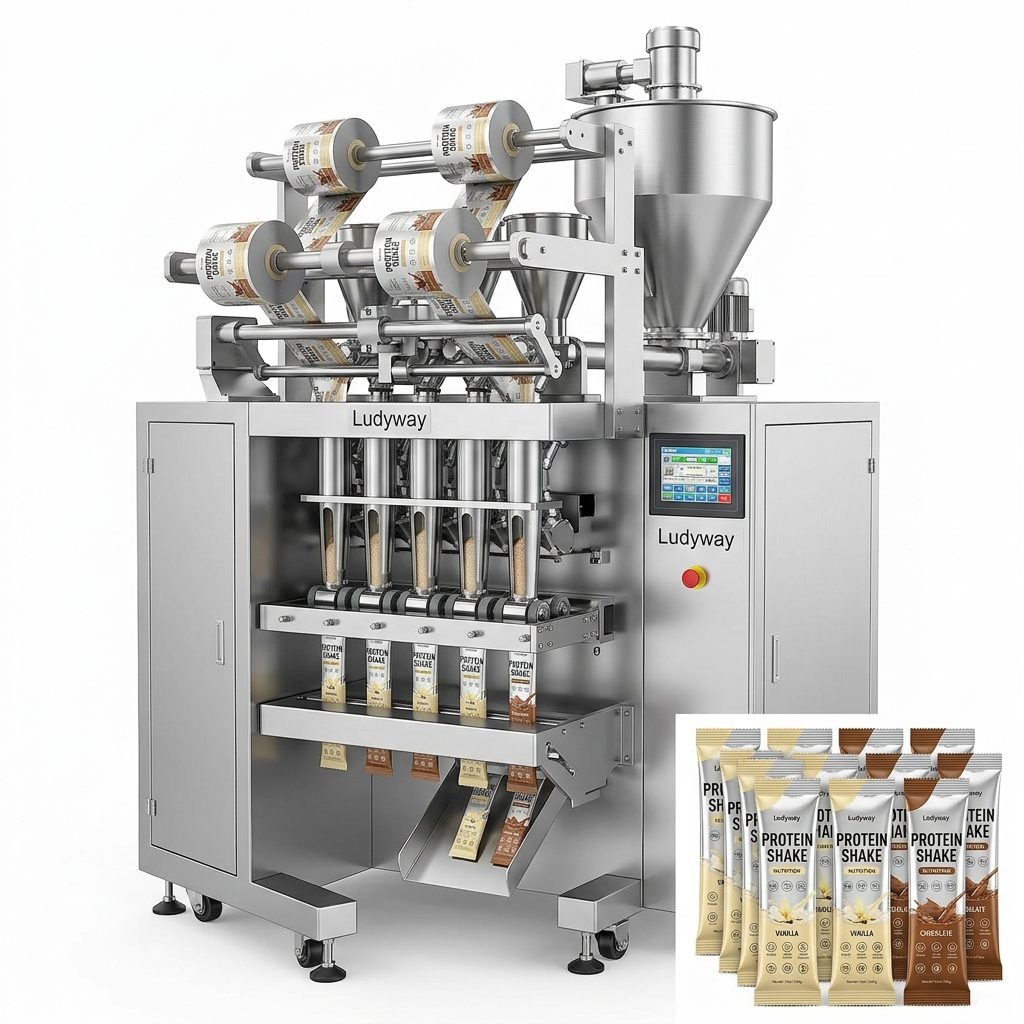
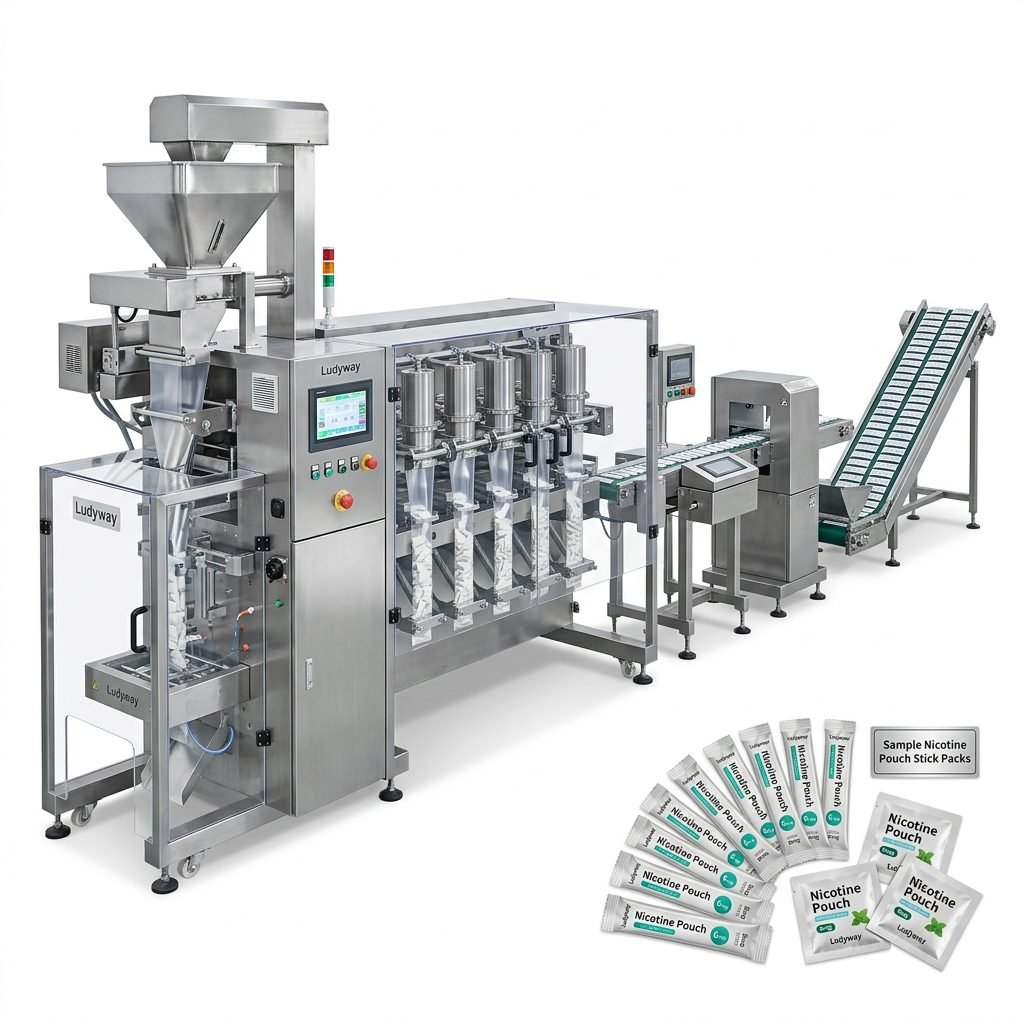
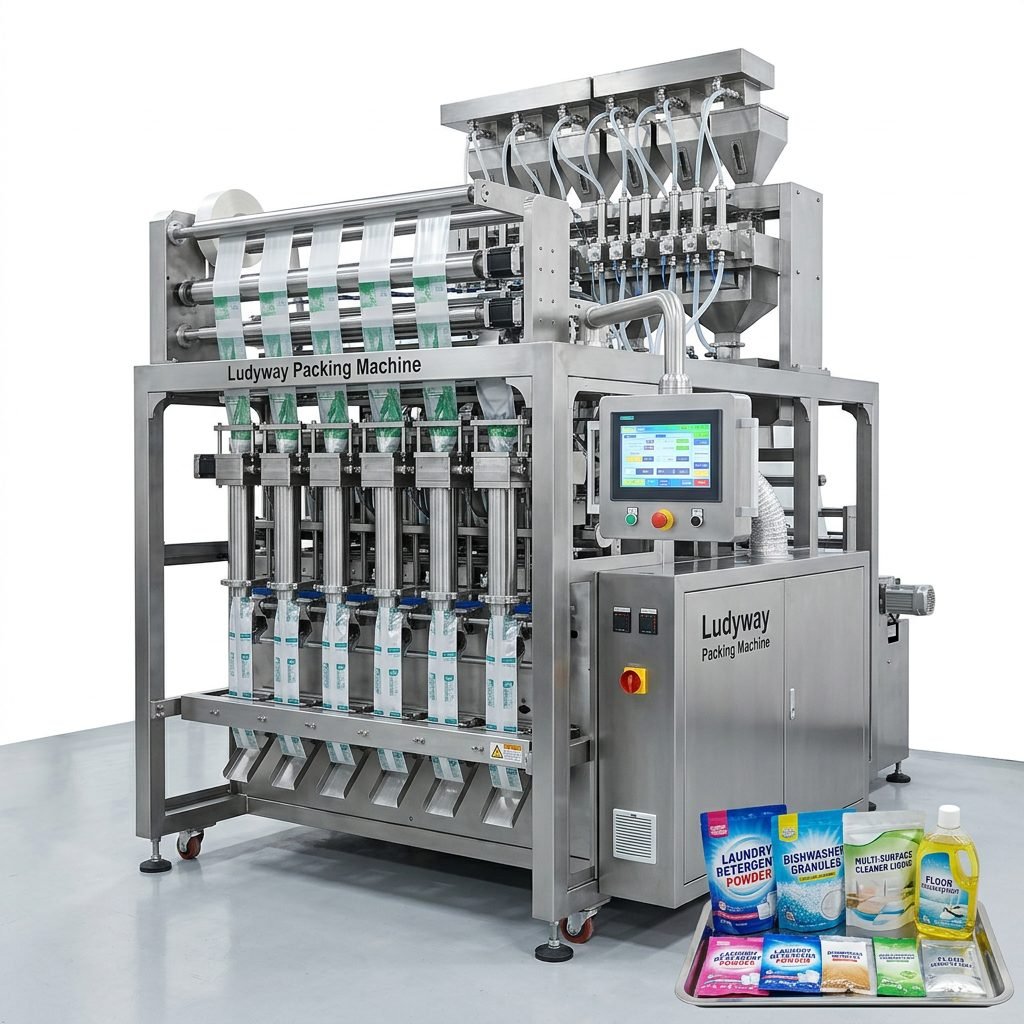
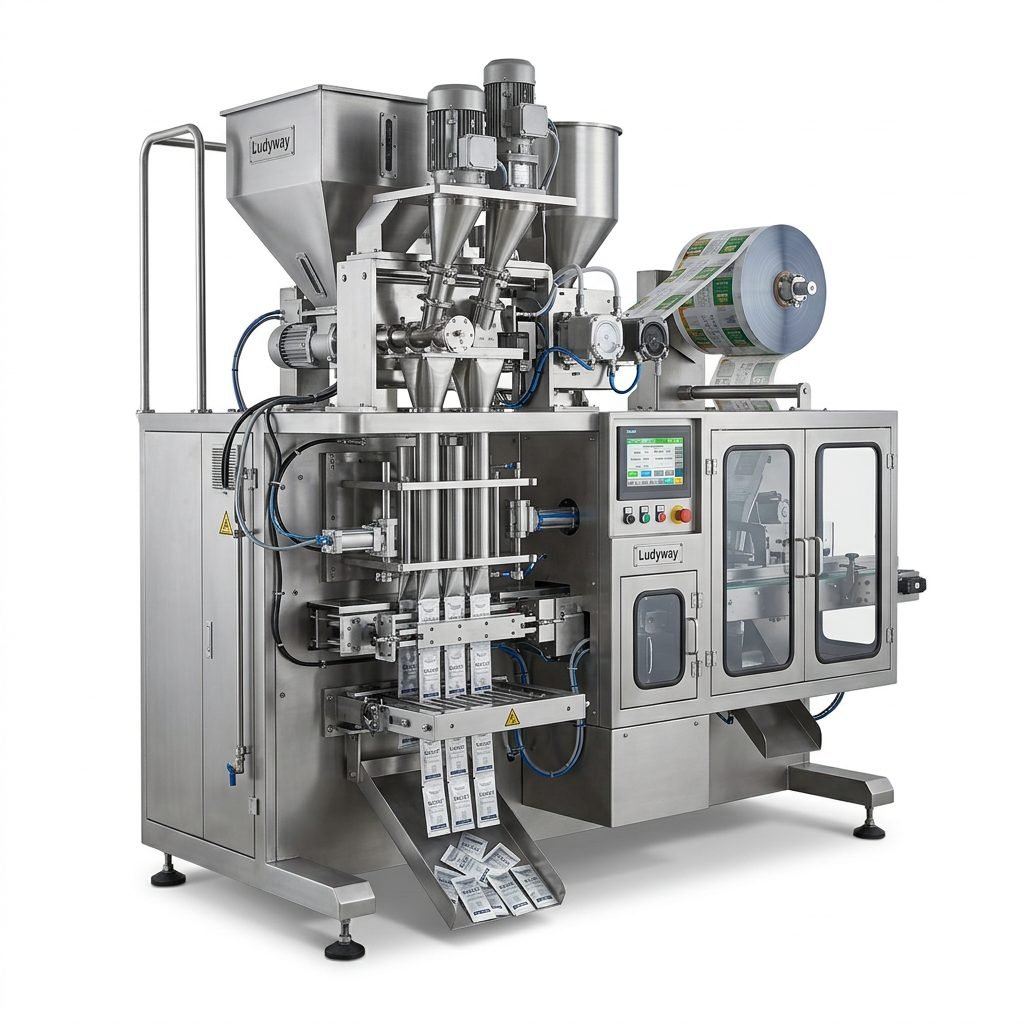
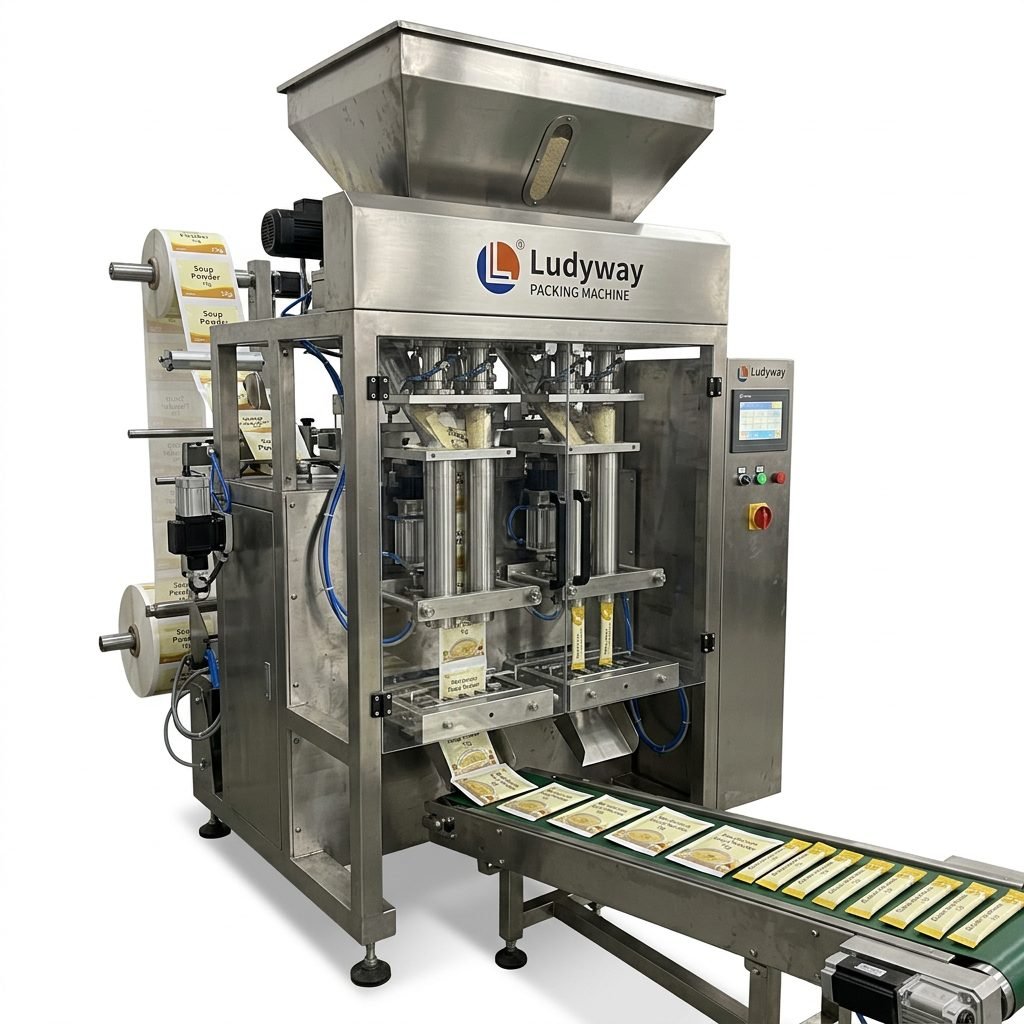
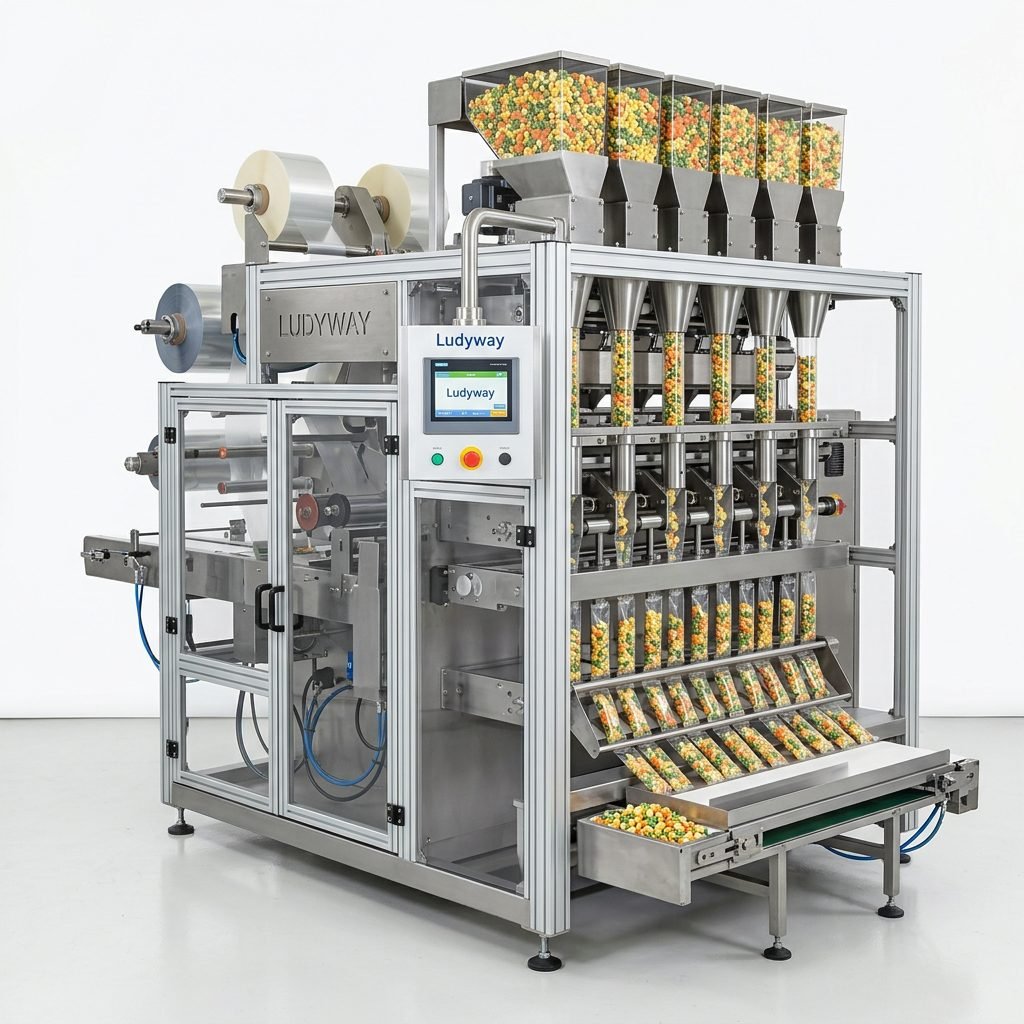
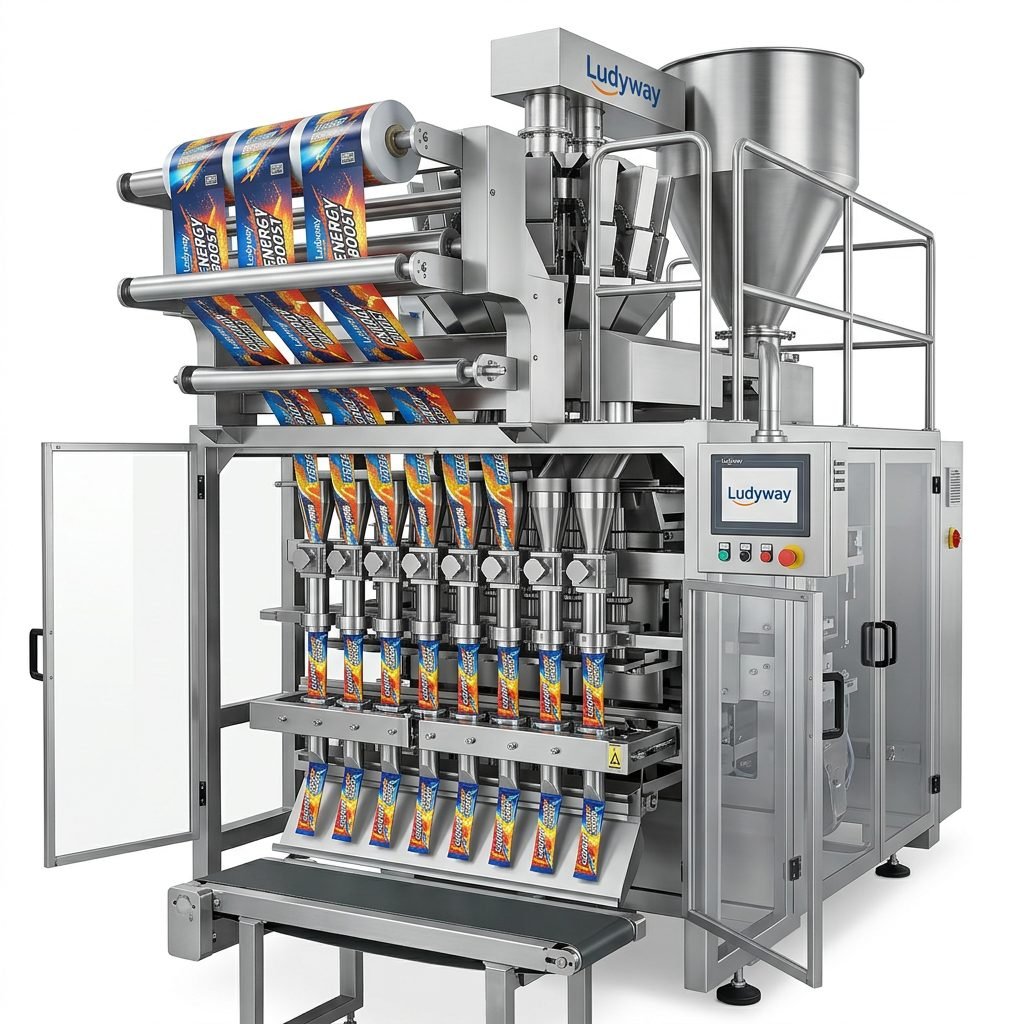
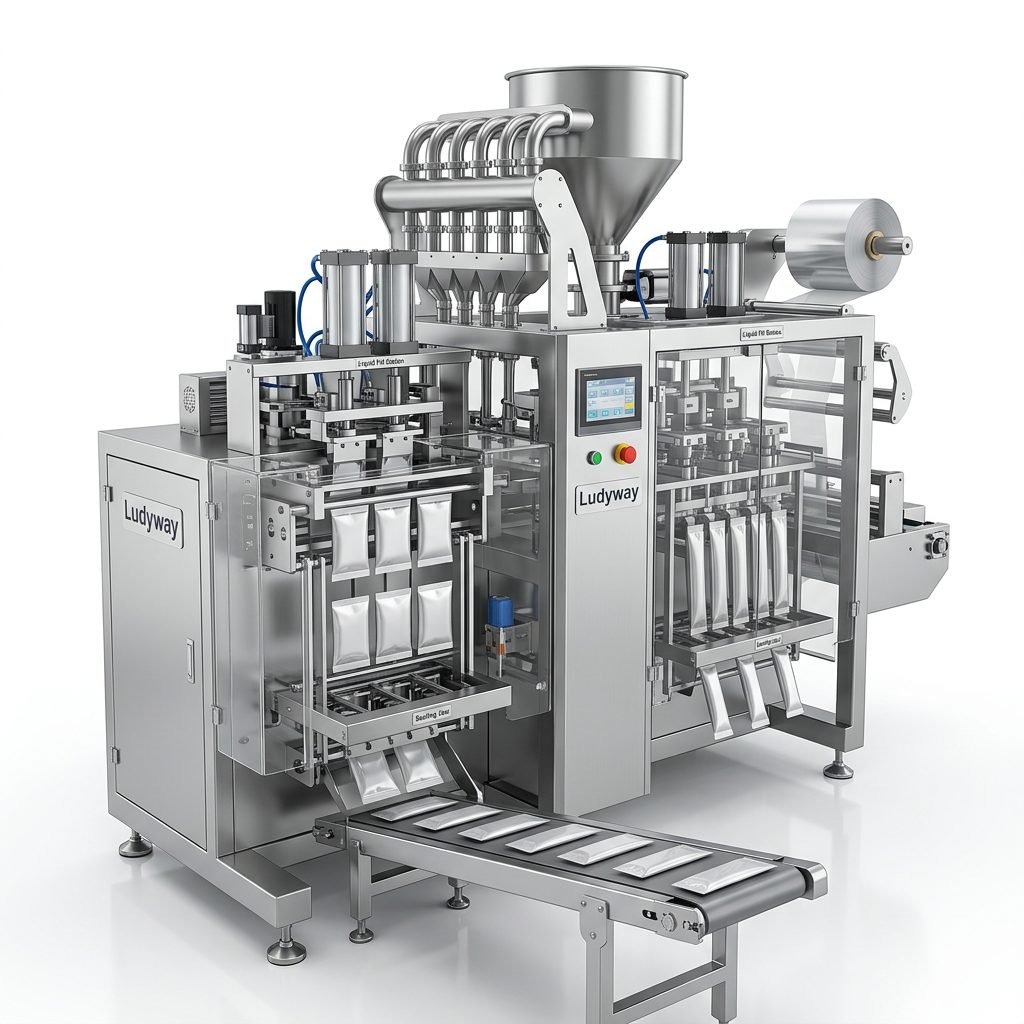
| Multi-Lane Stick Pack Machine | Powdered bone broth, protein supplements | Ultra-high speed, precise portion control |
Step 3: Automation and Turnkey Integration
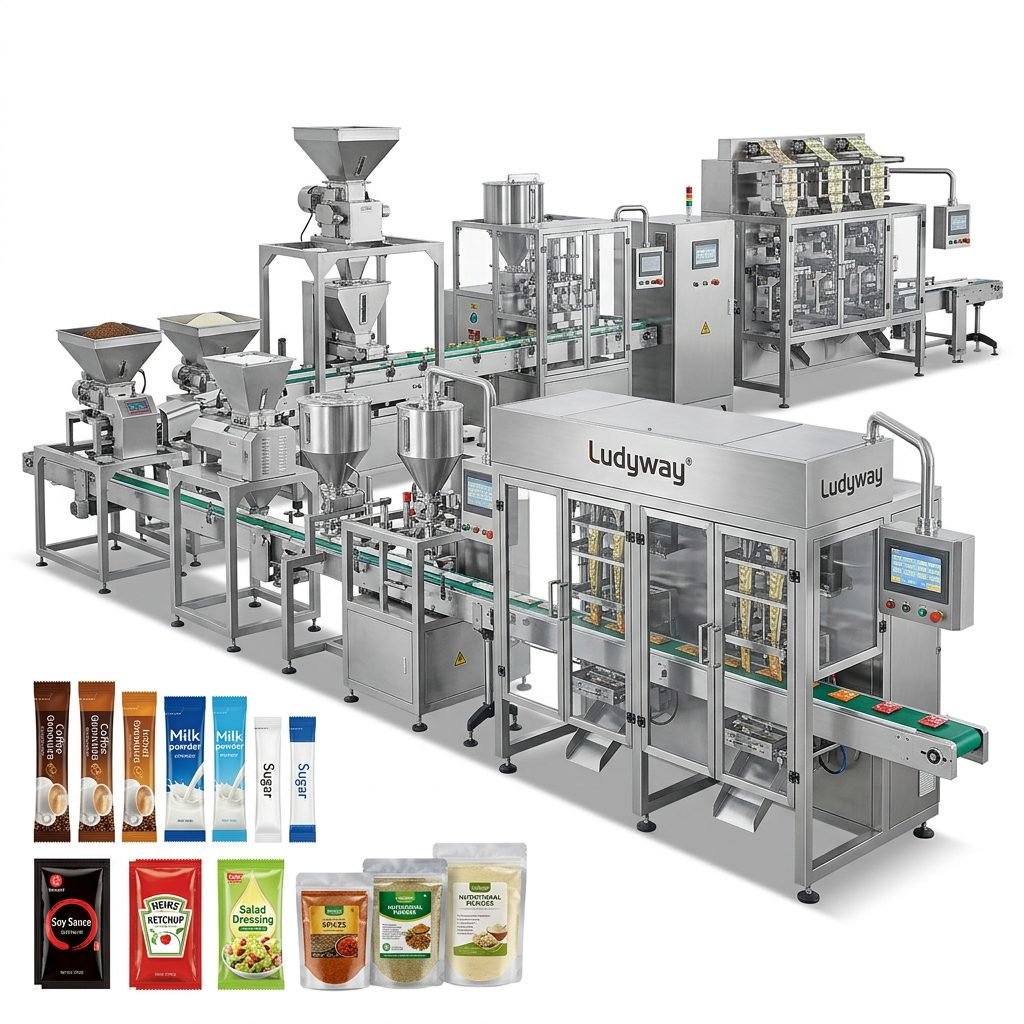
To compete on a global scale, manual labor is rarely sufficient. Integrating automation systems—from robotic loading of fresh cuts to automatic weighing and inline label printing—dramatically boosts output while reducing human error. A fully synchronized secondary packaging line that handles cartoning, case packing, and palletizing ensures your fragile meat products reach the shipping bay intact.
- Inline Weighing: Ensures precise portion sizes, maximizing profitability for value-added meat products.
- Metal Detection & X-ray: Essential for safety compliance and protecting brand integrity in foreign markets.
- Automated Cartoning: Efficiently converting primary packs into shelf-ready or export-ready boxes without manual intervention.
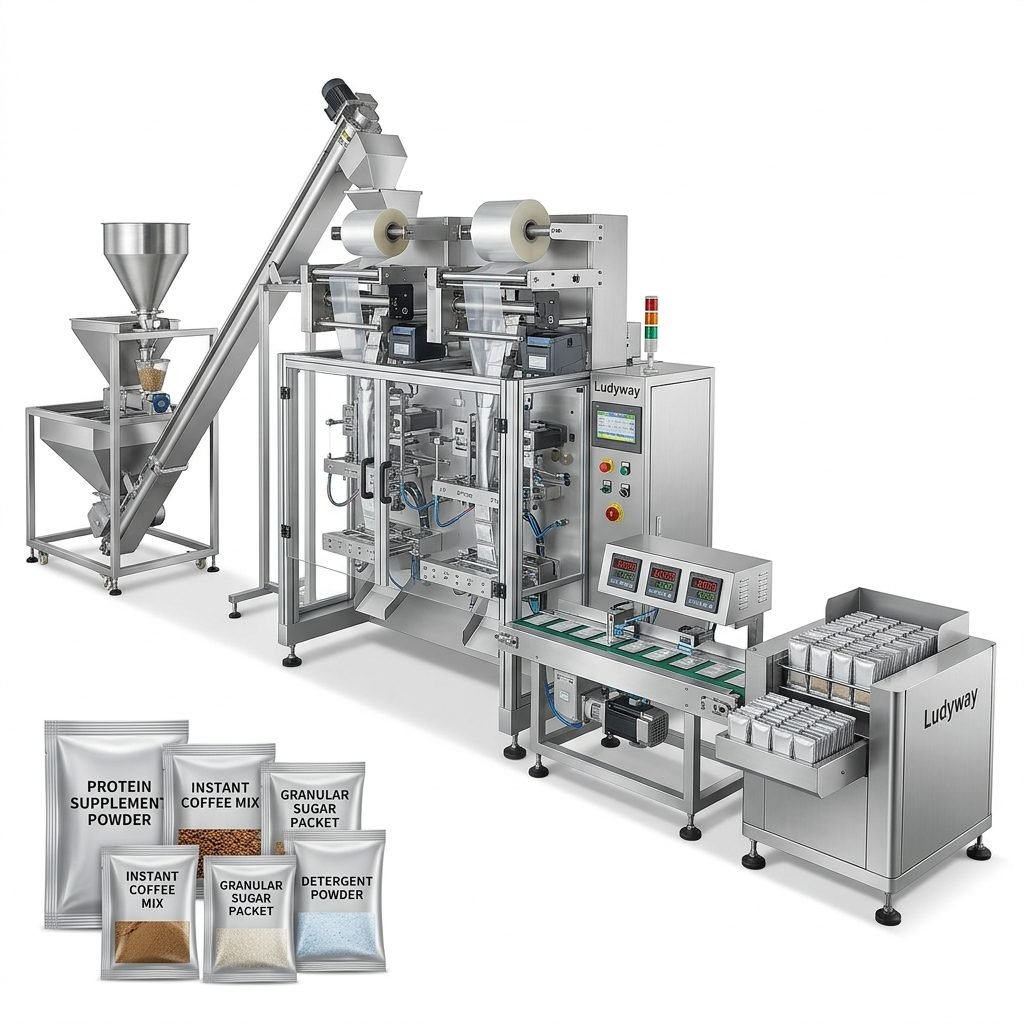
When planning an integrated line, it is critical to select a partner that understands end-to-end production. Established global suppliers like Ludyway provide comprehensive turnkey solutions that unite primary meat packaging equipment with downstream hardware, ensuring seamless communication between modules for 24/7 operation.
Step 4: Optimizing Supply Chain and Material Selection
Sustainable packaging is a dominant trend in global markets. Your meat packaging machine line should be compatible with recyclable mono-materials and thinner gauge films to reduce plastic waste without compromising barrier properties. The Flexible Packaging Association (FPA) offers extensive data on material innovations that meet shifting consumer demands. Working closely with film suppliers to test seal integrity and puncture resistance on your specific machinery ensures you avoid packaging failures during transcontinental logistics.
Evaluating Cost-Effectiveness and ROI
A successful global line balances capital expenditure with operational savings. Total Cost of Ownership (TCO) goes beyond the initial claim price. Evaluate spare parts availability, remote technical support capabilities, and energy consumption. A machine that runs slightly slower but uses significantly less energy and has a lower scrap rate often delivers superior return on investment for international ventures. Investing in machinery compliant with ISO Packaging Standards ensures safety and quality benchmarks are met globally.
Step 5: Future-Proofing Your Meat Packaging Line
Technology in meat packaging evolves rapidly. Smart sensors, Industrial Internet of Things (IIoT) connectivity, and data-driven predictive maintenance are no longer optional for top-tier exporters. The most competitive meat packaging machine lines now feature open-architecture controls that can integrate with factory ERP systems. By planning for modular expansion now, you can seamlessly add new lanes, switch packaging formats (e.g., from rigid trays to flow wraps), and adapt to next-generation sterilization methods without replacing your entire capital equipment suite. Organizations like PMMI Business Intelligence provide crucial market research to guide these strategic decisions.
Final Thoughts: Setting up a globally competitive meat packaging line is a complex, multi-disciplinary project. From stringent hygiene standards and high-speed automation to sustainable material selection, every component must be meticulously planned and executed. By focusing on scalable technology and compliance from day one, you can efficiently serve diverse global markets and build a resilient, profitable operation.