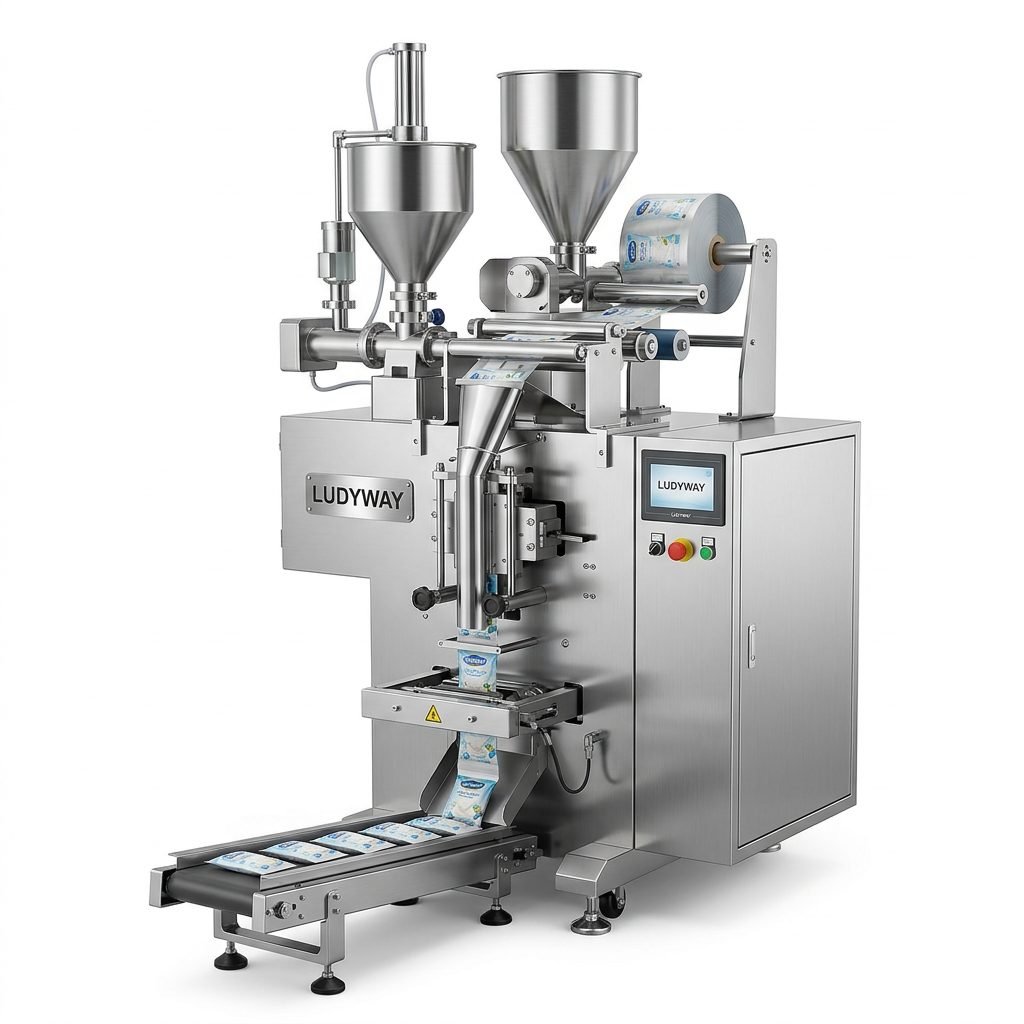
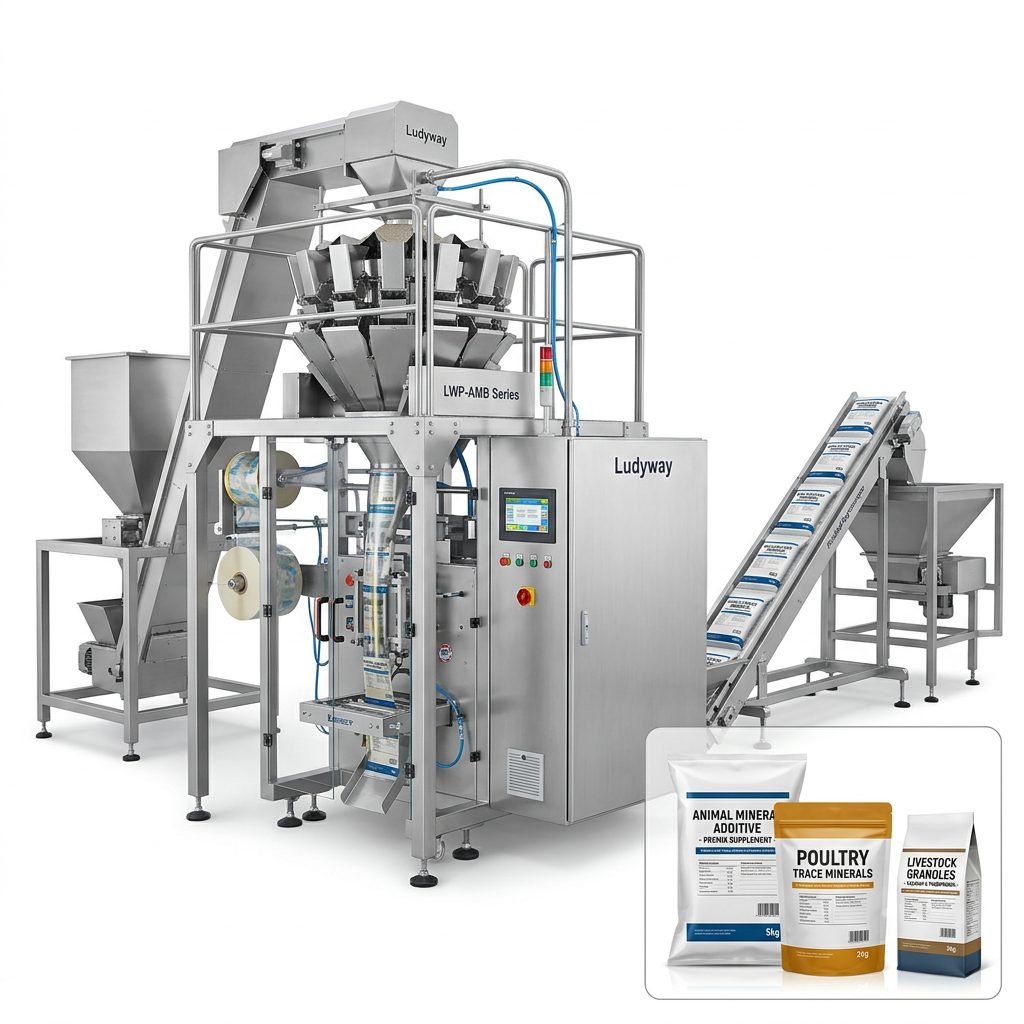
Investing in a milk powder packaging machine is a critical decision for dairy producers, co-packers, and food manufacturers across France. The right equipment not only ensures product integrity and shelf life but also directly impacts your production efficiency, operational costs, and ability to meet stringent EU food safety regulations. With a wide array of machine types, automation levels, and technical specifications available, navigating the selection process can be complex. This comprehensive guide walks you through the essential factors to evaluate when choosing a milk powder packaging machine in the French market.
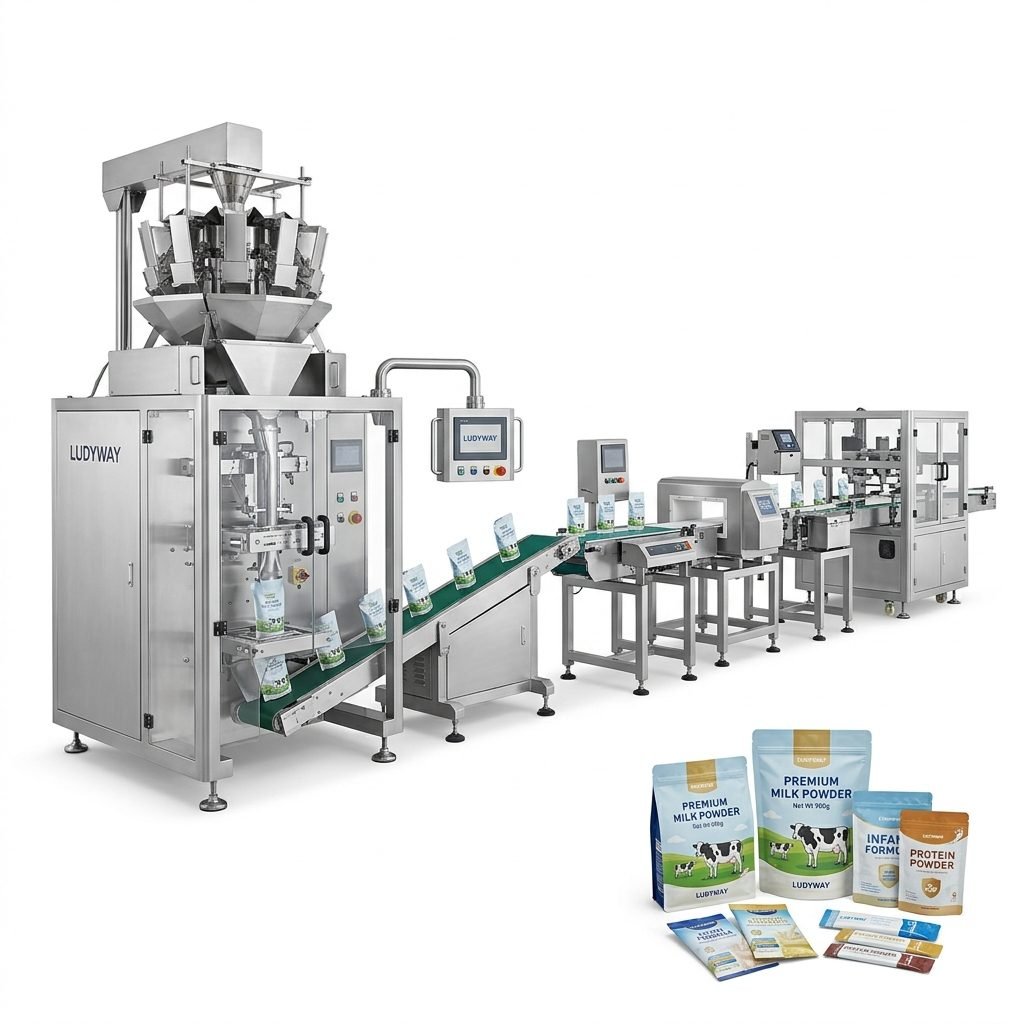
Understanding the French Dairy Packaging Landscape
France is one of Europe’s largest dairy producers, with a sophisticated food processing industry that demands precision, hygiene, and regulatory compliance. The French market for milk powder packaging is shaped by several key factors: strict adherence to EU food contact material regulations, increasing consumer demand for convenient single-serve formats, and growing export requirements for infant formula and nutritional powders. Whether you are packaging whole milk powder, skim milk powder, infant formula, or specialized dairy ingredients, your packaging solution must protect against moisture, oxygen, and contamination while maintaining consistent fill weights and seal integrity.
Key Factors to Evaluate Before Purchasing
Selecting the ideal milk powder packaging machine requires a systematic assessment of your production needs. Below are the most critical considerations that should guide your decision-making process:
Production Volume & Speed Requirements
Determine your current and projected output. Machines range from semi-automatic systems producing 30-40 packs per minute to fully automated multi-lane lines capable of over 400 stick packs per minute. Match machine speed to your upstream processing capacity to avoid bottlenecks.
Packaging Format Flexibility
Consider which formats best serve your market: stick packs, sachets, gusseted pouches, or flat pouches. Some machines offer quick-change tooling to switch between formats. In France, stick packs are increasingly popular for single-serve milk powder portions in the food service and travel retail sectors.
Powder Characteristics
Milk powder properties such as particle size, bulk density, flowability, and hygroscopicity significantly influence machine performance. Highly hygroscopic powders require enhanced sealing systems and possibly nitrogen flushing to prevent clumping and extend shelf life.
Automation & Integration Level
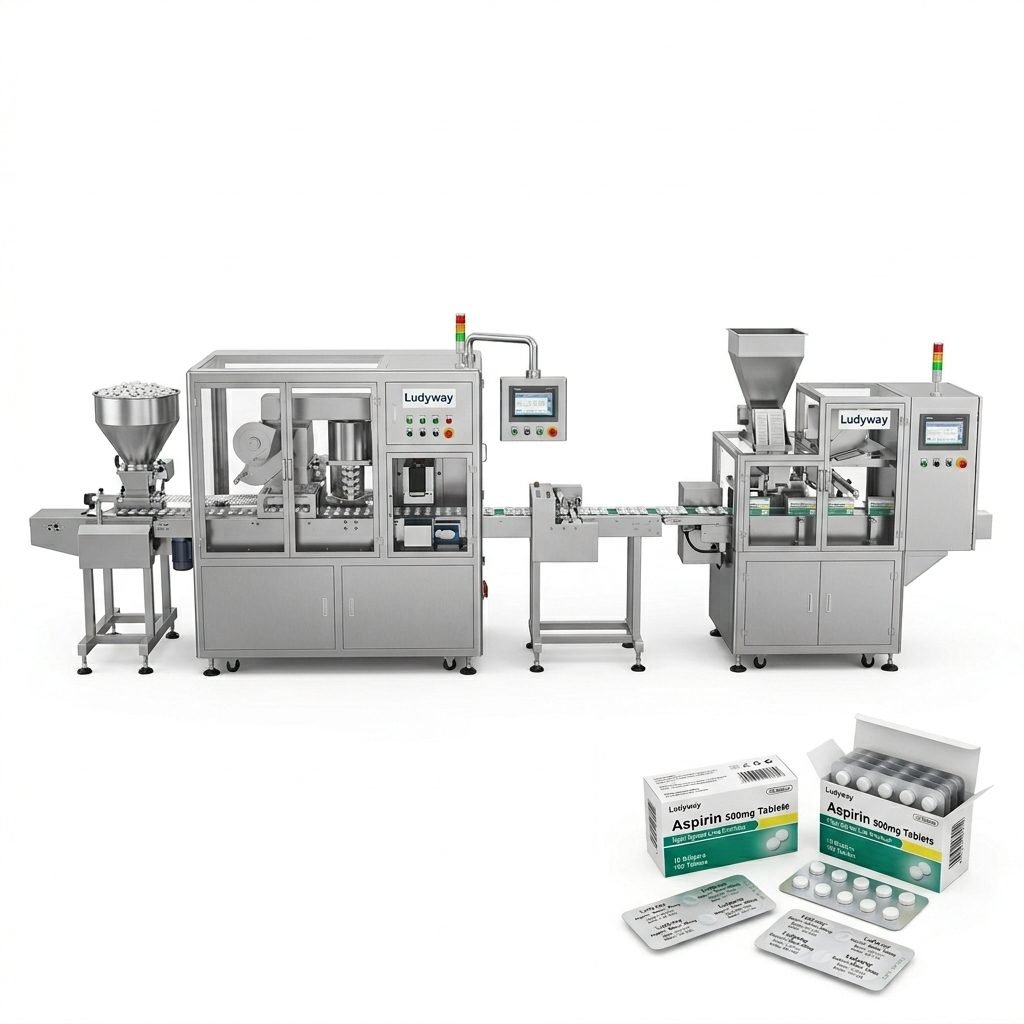
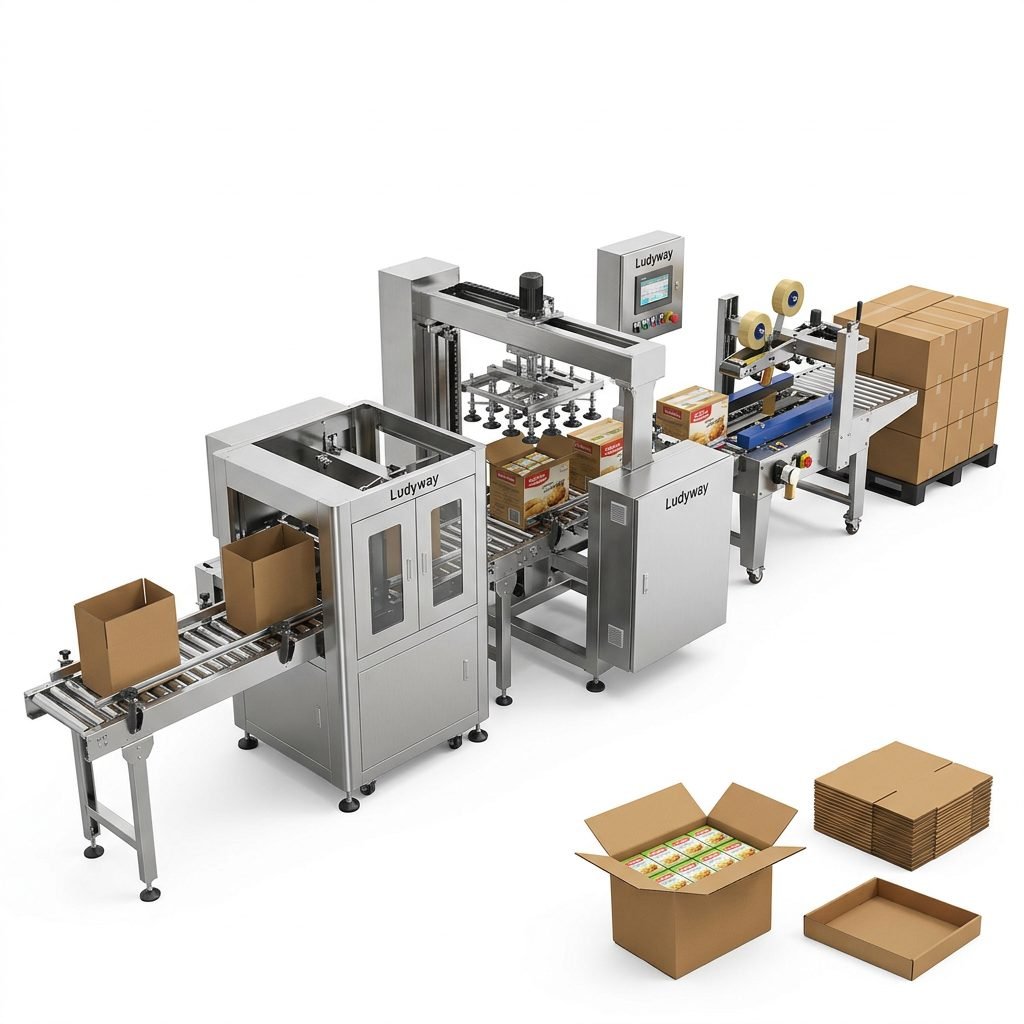
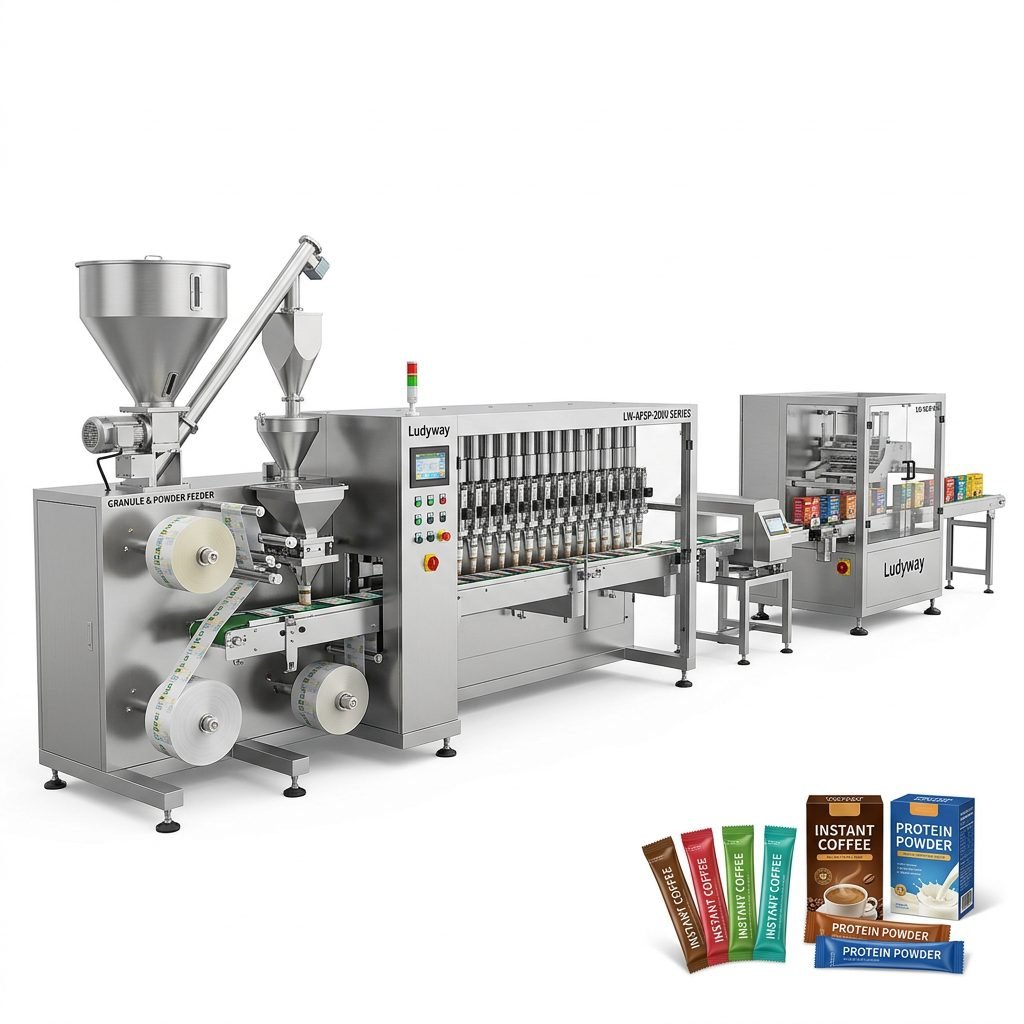
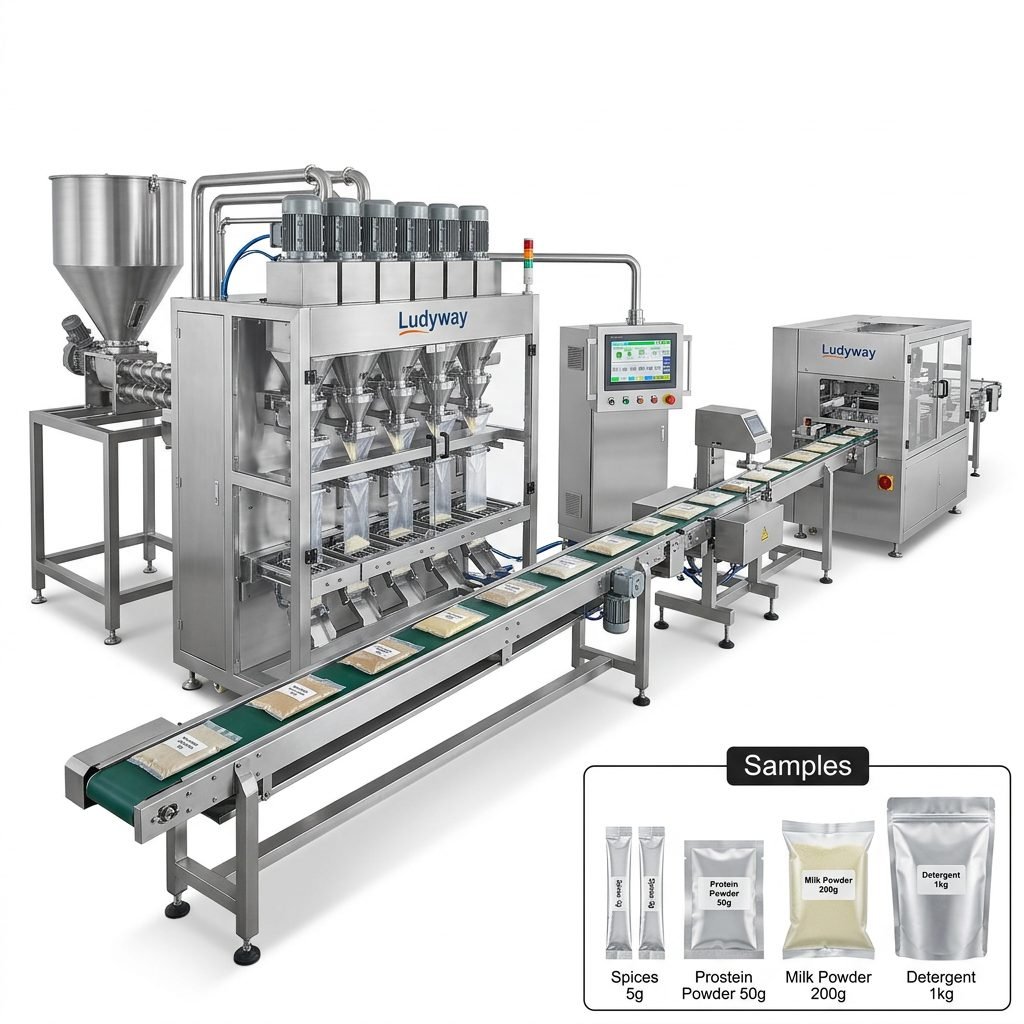
Evaluate whether you need a standalone machine or a complete turnkey packaging line. Integrated systems that combine filling, sealing, coding, checkweighing, and cartoning can dramatically improve overall equipment effectiveness (OEE) and reduce labor costs.
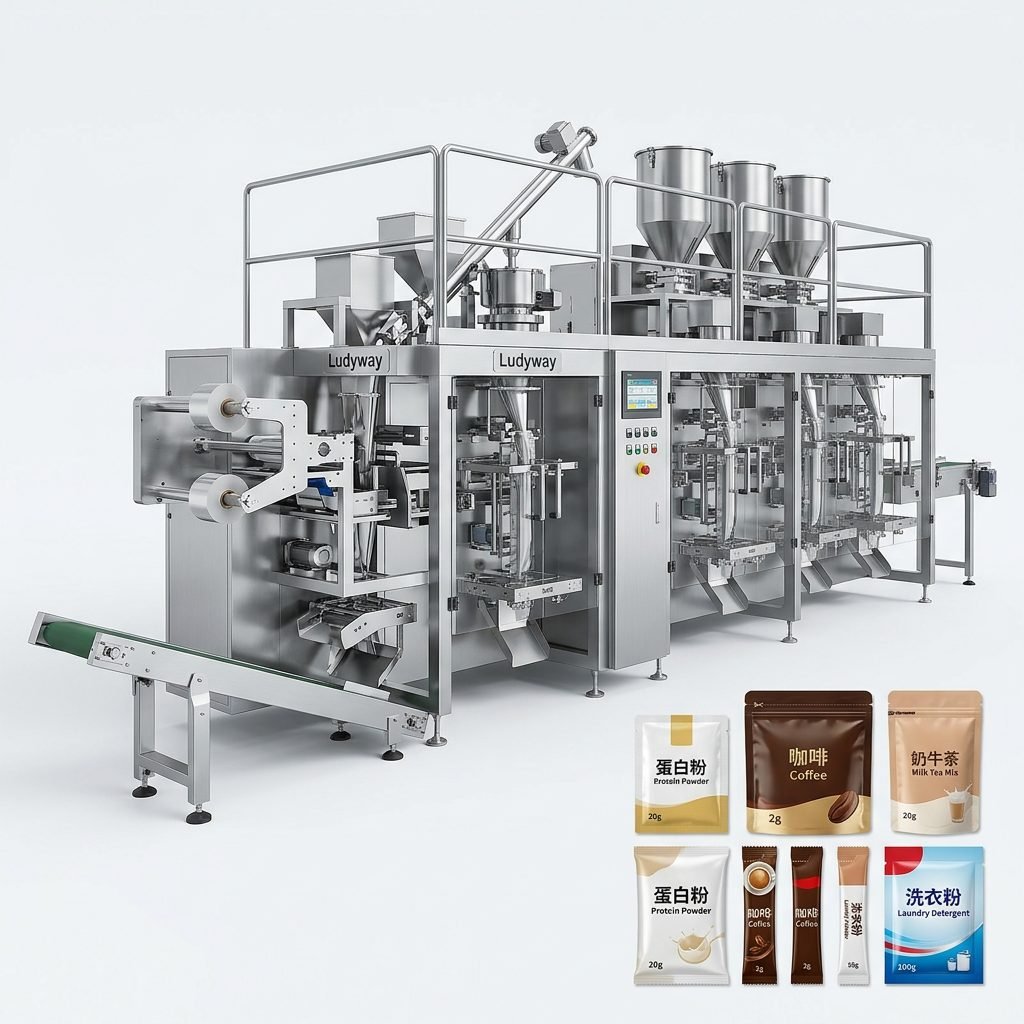
Comparing Machine Types for Milk Powder Applications
Different packaging technologies offer distinct advantages depending on your product requirements and production scale. The following table summarizes the primary options available in the market today:
| Machine Type | Best Suited For | Speed Range | Key Advantage |
|---|---|---|---|
| Single-Lane Stick Pack | Small to medium batches, specialty products | 30–80 packs/min | Lower investment, easy changeover |
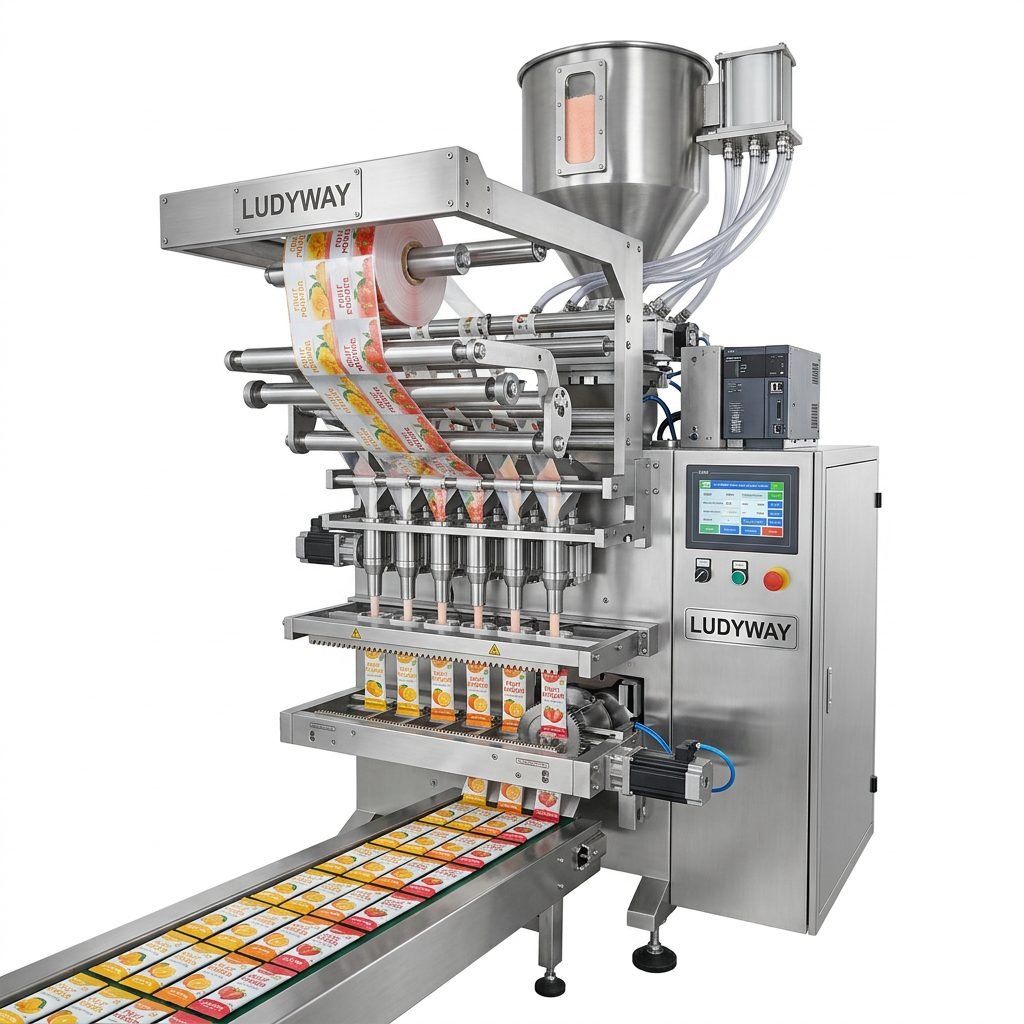
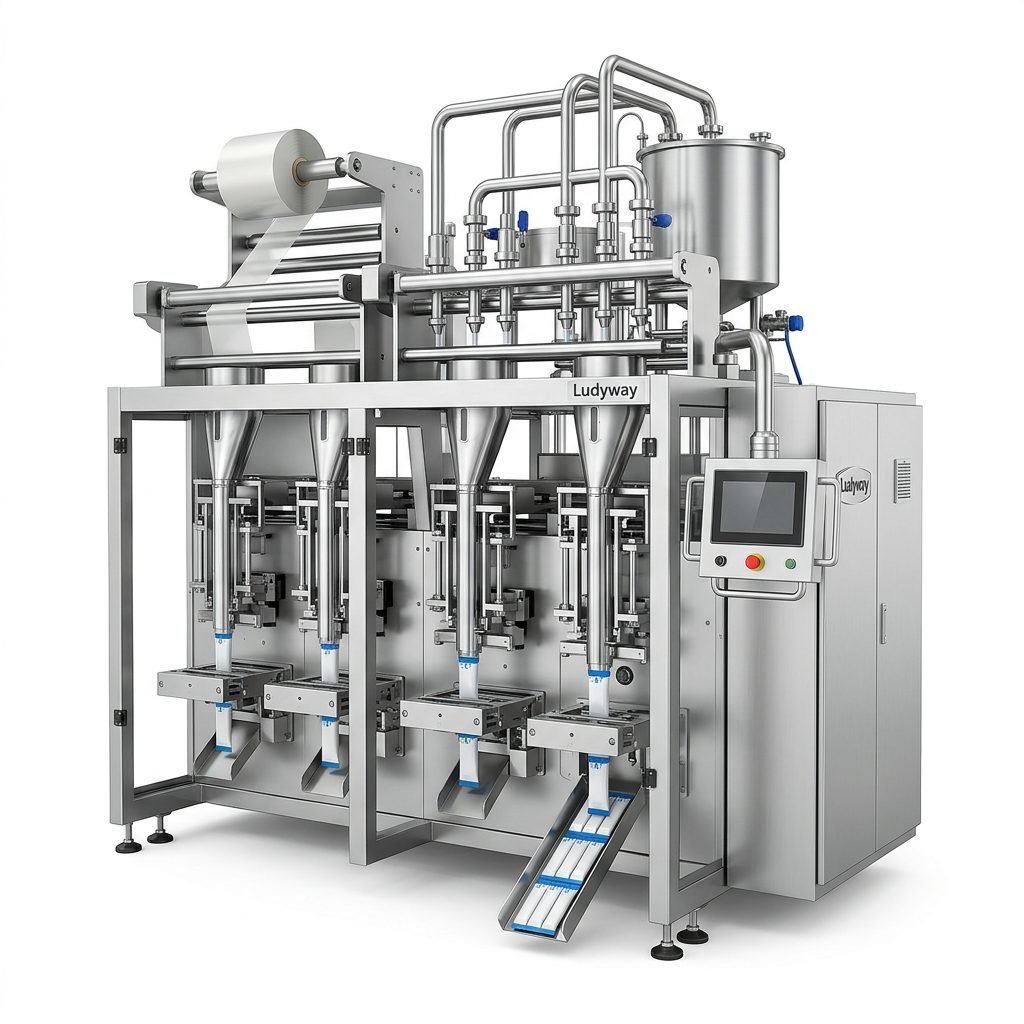
| Multi-Lane Stick Pack | High-volume production, single-serve formats | 200–600 packs/min | Maximum throughput, reduced cost per pack |
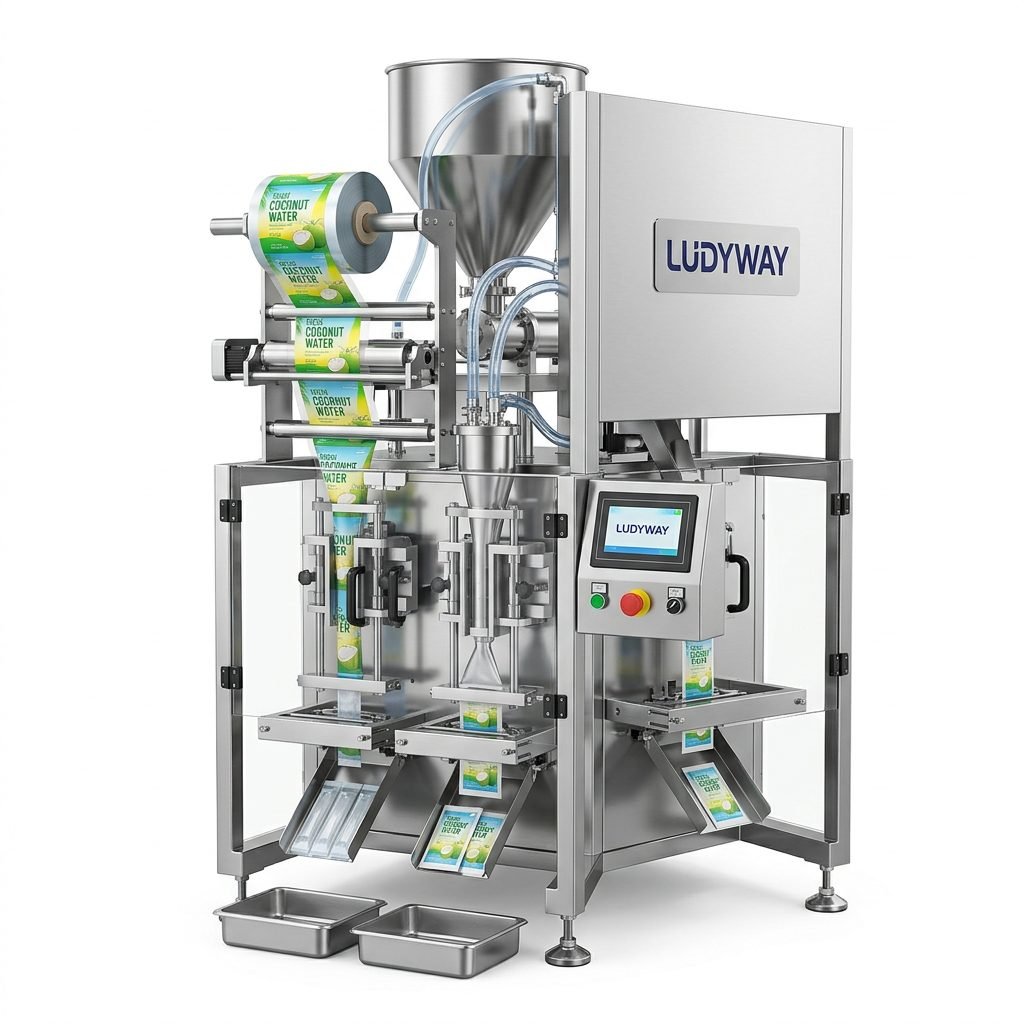
| Vertical Form Fill Seal (VFFS) | Medium to large pouches, bulk packaging | 40–120 packs/min | Versatile pouch sizes, robust construction |
| Pre-Made Pouch Filling | Premium products, gusseted or shaped pouches | 30–60 packs/min | Superior shelf appeal, flexible packaging design |
EU and French Regulatory Compliance Considerations
Operating a packaging line in France means complying with both EU-wide regulations and French national standards. Your packaging machine must facilitate compliance with:
- CE Marking — Mandatory for all machinery sold within the European Economic Area, confirming conformity with relevant EU directives including the Machinery Directive 2006/42/EC.
- Food Contact Materials Regulation (EC) No 1935/2004 — All packaging materials and machine components that contact milk powder must meet strict safety standards to prevent chemical migration.
- EU Packaging and Packaging Waste Regulation — The latest EU packaging waste framework sets ambitious recycling and sustainability targets that may influence your choice of packaging materials and machine compatibility.
- HACCP Compliance — Your packaging machine design should support Hazard Analysis and Critical Control Points protocols, with easy-access cleaning features and hygienic construction.
- ATEX Directives — For milk powder operations where fine dust may create explosive atmospheres, ATEX-compliant equipment is a safety requirement in French facilities.
Assessing Machine Build Quality and Hygiene Design
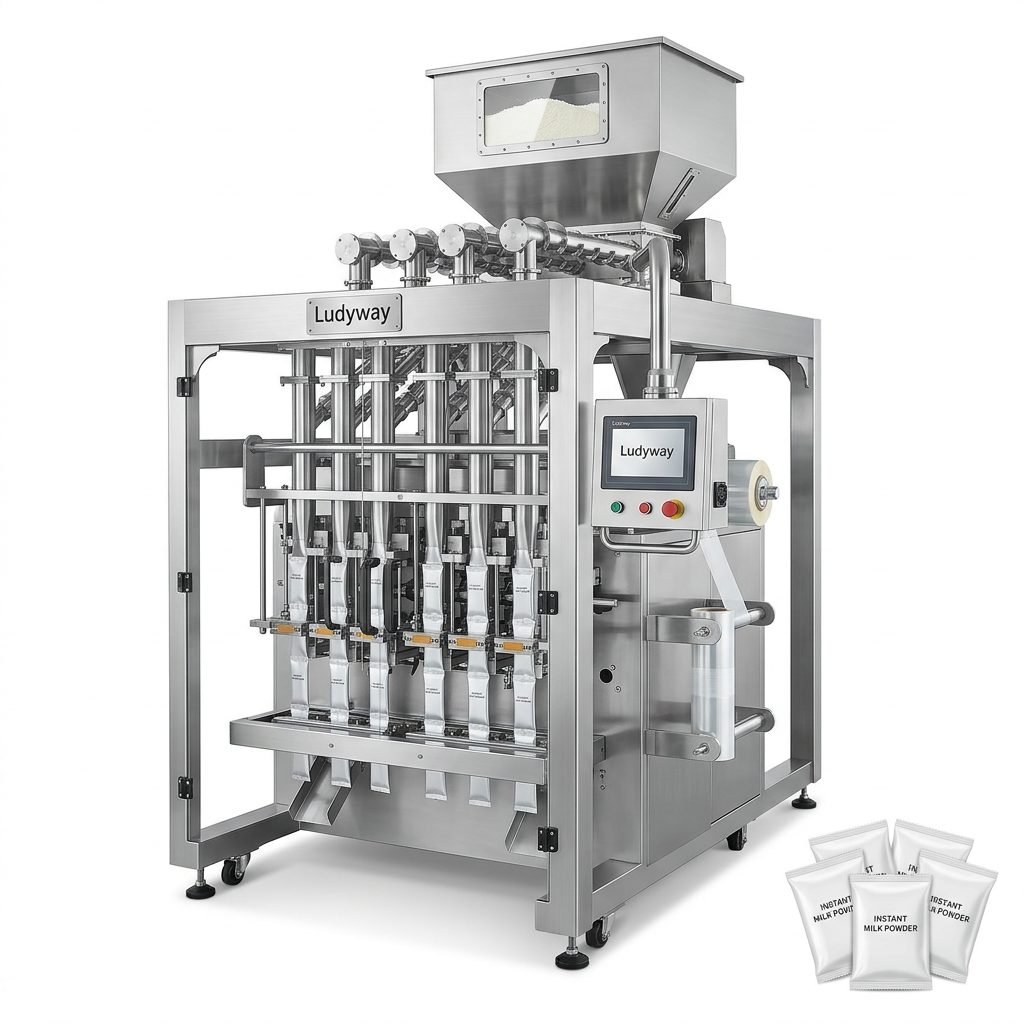
For milk powder packaging, build quality directly impacts food safety and equipment longevity. Look for machines constructed with stainless steel (preferably 304 or 316L grade) for all product contact surfaces. Tool-free disassembly for cleaning, sloped surfaces that prevent powder accumulation, and IP65-rated electrical enclosures are essential features that simplify sanitation and reduce downtime between production runs. The machine frame should be robust enough to maintain precise alignment and seal integrity over years of continuous operation.
Evaluating Packaging Machine Suppliers
Choosing the right supplier is as important as selecting the right machine. When evaluating potential partners, consider these aspects:
- Industry Experience — Does the supplier have a proven track record in dairy and powder packaging specifically? Look for case studies or references from French or European dairy companies.
- Local Support Presence — For French buyers, having access to local technical support, spare parts inventory within the EU, and French-speaking service engineers significantly reduces response times during critical production issues.
- Factory Acceptance Testing (FAT) — Reputable manufacturers offer FAT before shipment, allowing you to test the machine with your actual milk powder product and packaging materials.
- Warranty and After-Sales Service — Clarify warranty terms, including coverage duration and what components are included. Evaluate the supplier’s commitment to ongoing technical support and operator training programs.
- Custom Engineering Capabilities — Many milk powder applications benefit from customized machine configurations. A supplier with strong R&D and engineering capabilities can adapt equipment to your specific requirements, whether that involves modified dosing systems for sticky powders or specialized sealing technologies for high-barrier films.
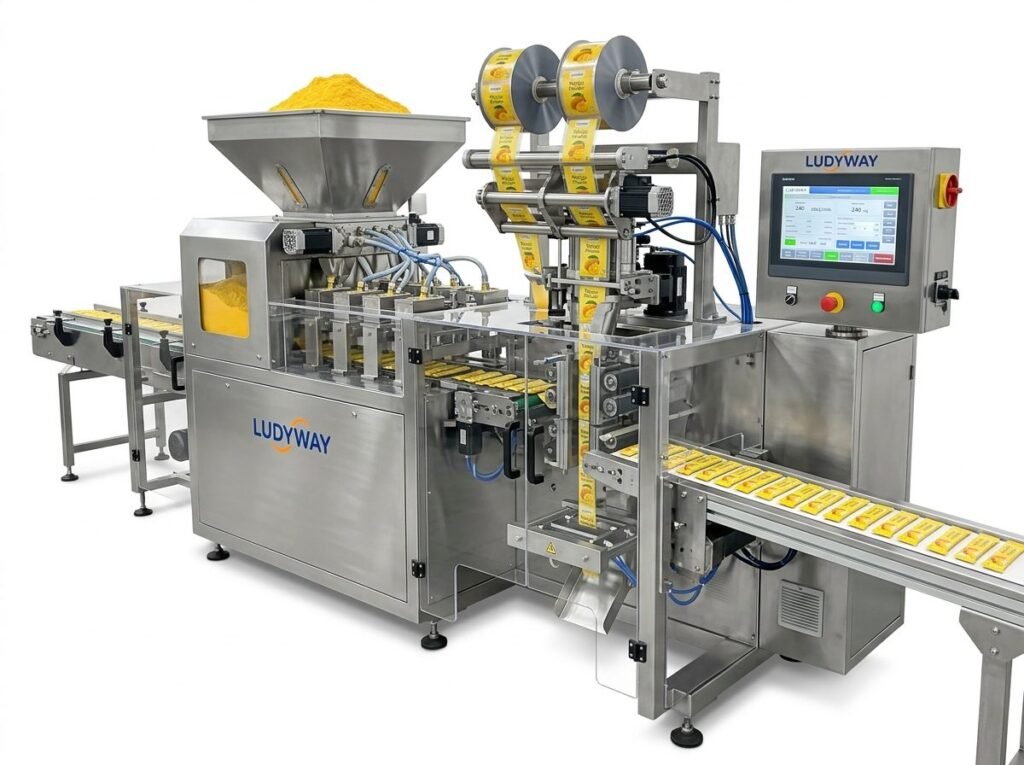
Global manufacturers with extensive experience in powder packaging equipment can offer proven solutions. For instance, Ludyway has developed comprehensive multi-lane stick pack and sachet packaging lines specifically engineered for milk powder, infant formula, and nutritional powder applications, serving customers in over 100 countries with a strong focus on reliability and compliance with international standards.
Cost Analysis and Return on Investment
Understanding the total cost of ownership (TCO) is essential for making a financially sound decision. The purchase price is only one component. Evaluate the following cost elements across the machine’s expected lifespan:
Initial Investment
Machine purchase price, shipping to France, customs duties, installation, and commissioning costs. Multi-lane systems generally require higher upfront capital but deliver lower per-unit packaging costs at scale.
Operational Costs
Energy consumption, compressed air requirements, labor for operation and changeovers, and ongoing maintenance expenses. Machines with servo-driven systems typically consume less energy and require less frequent mechanical adjustments.
Consumables & Spare Parts
Packaging film, spare sealing jaws, cutting blades, filters, and other wear components. Establish a recommended spare parts inventory for critical items with long lead times to minimize production disruptions.
Technology Features That Add Value
Modern milk powder packaging machines incorporate advanced technologies that enhance productivity, quality control, and ease of use. When comparing machines, prioritize the following features:
- Servo-Driven Filling Systems — Auger or volumetric cup fillers with servo motors provide precise fill weight control, especially important for high-value milk powder products where overfilling directly impacts margins.
- Nitrogen Flushing Capability — For oxygen-sensitive milk powders, integrated gas flushing extends shelf life by reducing residual oxygen levels in the sealed pack below 1%.
- Automated Checkweighing and Reject — In-line checkweighers with automatic reject stations ensure that every pack meets declared net weight, supporting compliance with French métrologie légale requirements and EU average weight regulations.
- Vision Inspection Systems — Camera-based systems can detect seal defects, print errors, and foreign objects, providing an additional layer of quality assurance beyond manual inspection.
- IoT Connectivity and Data Logging — Machines equipped with industrial IoT capabilities enable remote monitoring, predictive maintenance, and detailed OEE reporting — features increasingly valued by French dairy manufacturers adopting Industry 4.0 principles.
Installation, Training, and Ongoing Support
A successful packaging machine deployment extends well beyond equipment delivery. Comprehensive installation support and operator training are critical for achieving rapid ramp-up and consistent long-term performance. When negotiating with suppliers, confirm the scope of on-site installation supervision, the duration and content of operator and maintenance training programs, and the availability of remote diagnostic support. Additionally, verify that the supplier can provide documentation in French — including operation manuals, maintenance schedules, and safety instructions — to comply with French workplace language requirements and facilitate effective training for your production team.
Connecting with Industry Resources
To make a fully informed purchasing decision, leverage the wealth of knowledge available through industry associations and regulatory bodies. The PMMI Association for Packaging and Processing Technologies offers extensive research reports and benchmarking data on packaging machinery performance. The Flexible Packaging Association provides valuable insights into packaging material trends and sustainability developments. For regulatory guidance, the ISO packaging standards library is an essential reference, while the FDA food contact substances guidance — though US-focused — contains internationally relevant principles for food-grade packaging safety. French manufacturers should also stay current with developments from DGCCRF (Direction Générale de la Concurrence, de la Consommation et de la Répression des Fraudes) regarding food packaging compliance.
Making Your Final Selection
After evaluating the technical specifications, supplier credentials, and total cost of ownership, the final step is to validate your choice through hands-on testing. Schedule a factory acceptance test with your actual milk powder product and preferred packaging film to verify fill accuracy, seal integrity, and production speed under realistic operating conditions. Pay close attention to changeover procedures, cleaning accessibility, and the user interface intuitiveness — factors that significantly impact day-to-day operational efficiency in a French production environment.
By following this structured evaluation approach and prioritizing food safety compliance, production efficiency, and long-term support, French dairy manufacturers can confidently invest in a milk powder packaging machine that delivers reliable performance, protects product quality, and supports business growth in both domestic and export markets.
Frequently Asked Questions About Milk Powder Packaging Machines
What packaging formats are most popular for milk powder in the French market?
Stick packs and flat sachets dominate the single-serve segment, particularly for infant formula and travel-size portions. For bulk packaging, gusseted stand-up pouches with resealable zippers are increasingly popular among French consumers who value convenience and product freshness.
How do I ensure my packaging machine complies with EU hygiene standards?
Select a machine constructed with food-grade stainless steel for all product contact surfaces, designed for CIP (clean-in-place) compatibility or easy tool-free disassembly, and certified with CE marking. Request documentation demonstrating compliance with EU Machinery Directive 2006/42/EC and Regulation (EC) No 1935/2004 for food contact materials.
What is the typical lead time for a milk powder packaging machine?
Lead times vary from 8 to 16 weeks for standard single-lane models to 14 to 24 weeks for custom-configured multi-lane systems. Complex turnkey lines with integrated cartoning and palletizing may require longer engineering and manufacturing periods. Plan accordingly to align machine delivery with your production schedule and facility preparation.