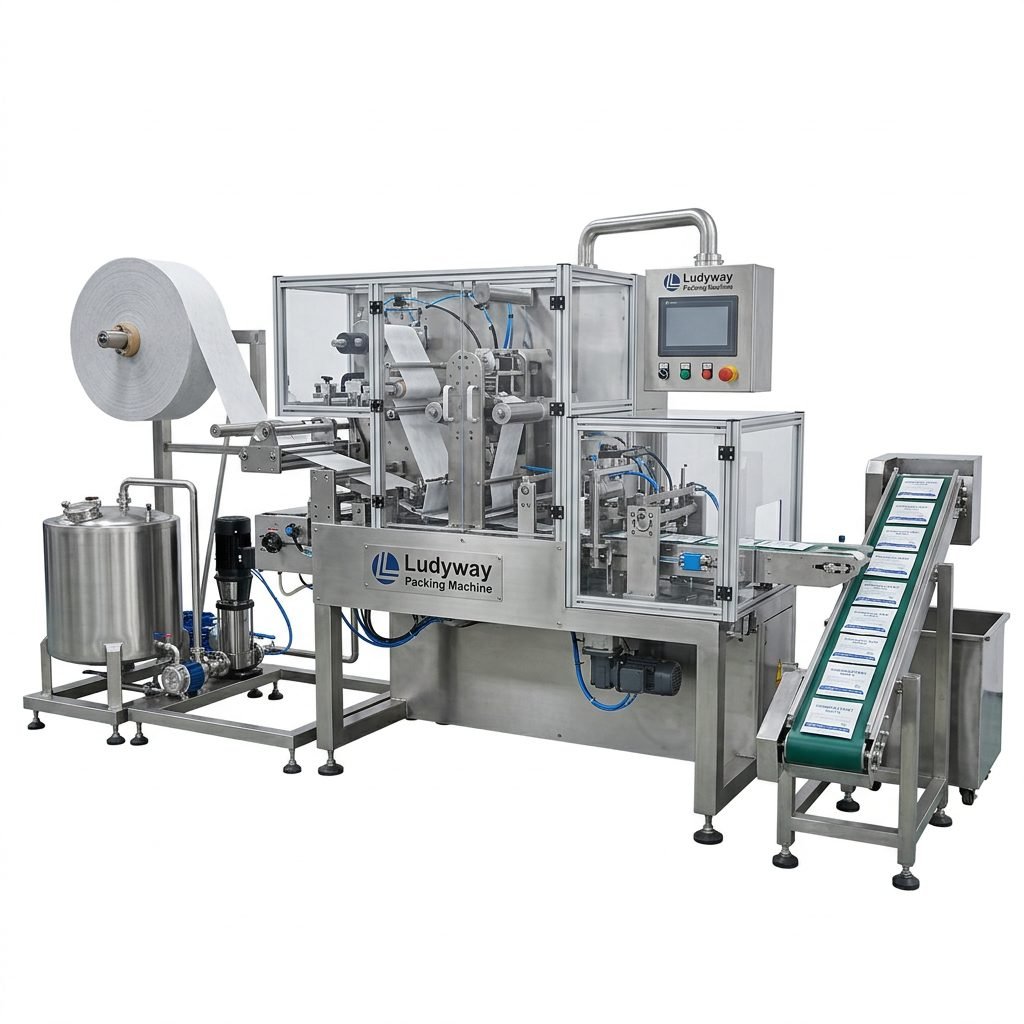
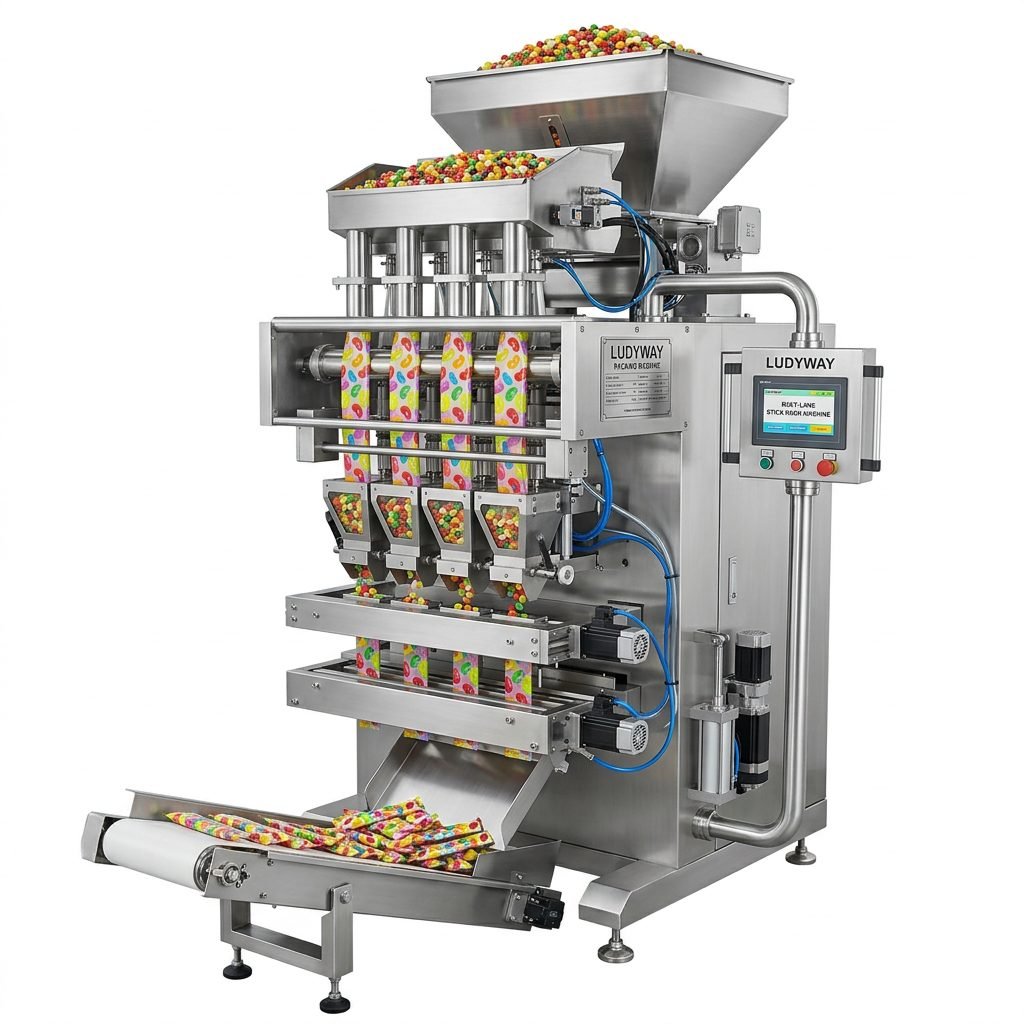
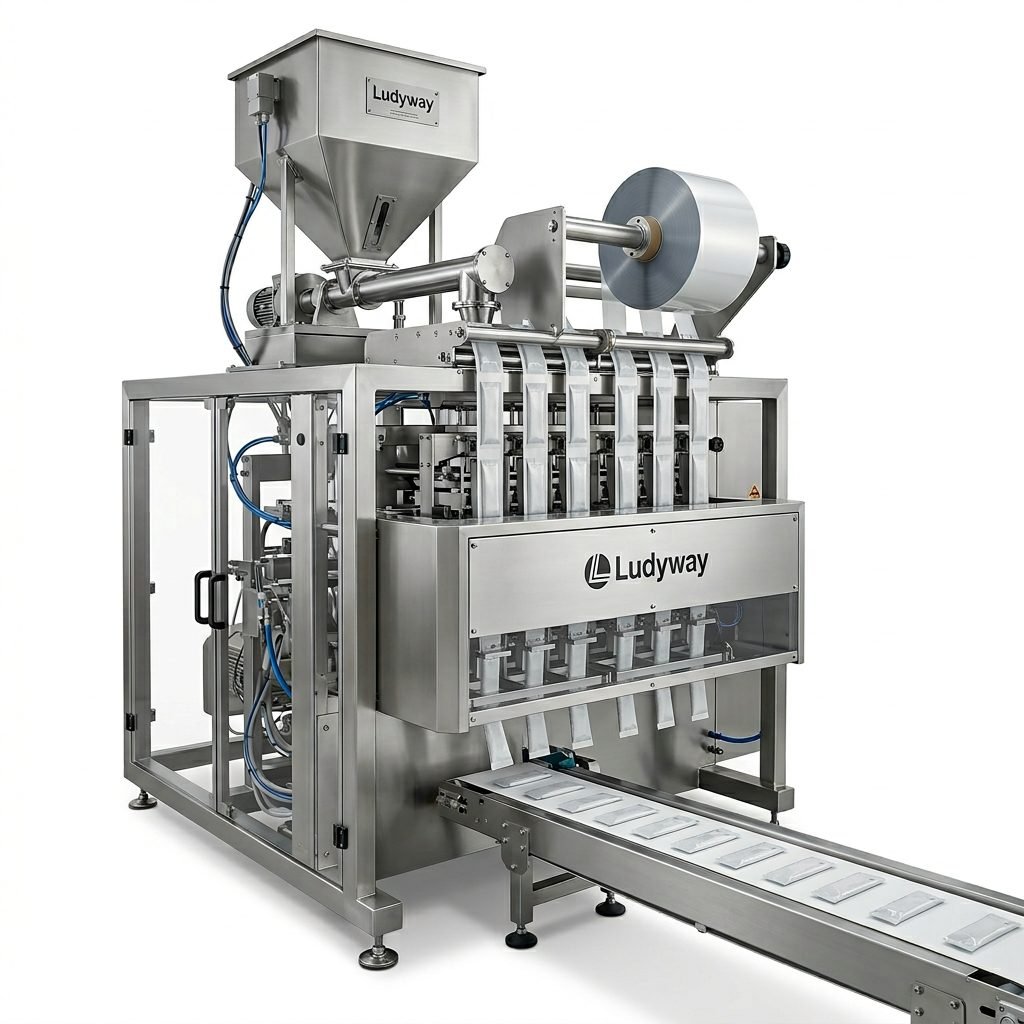
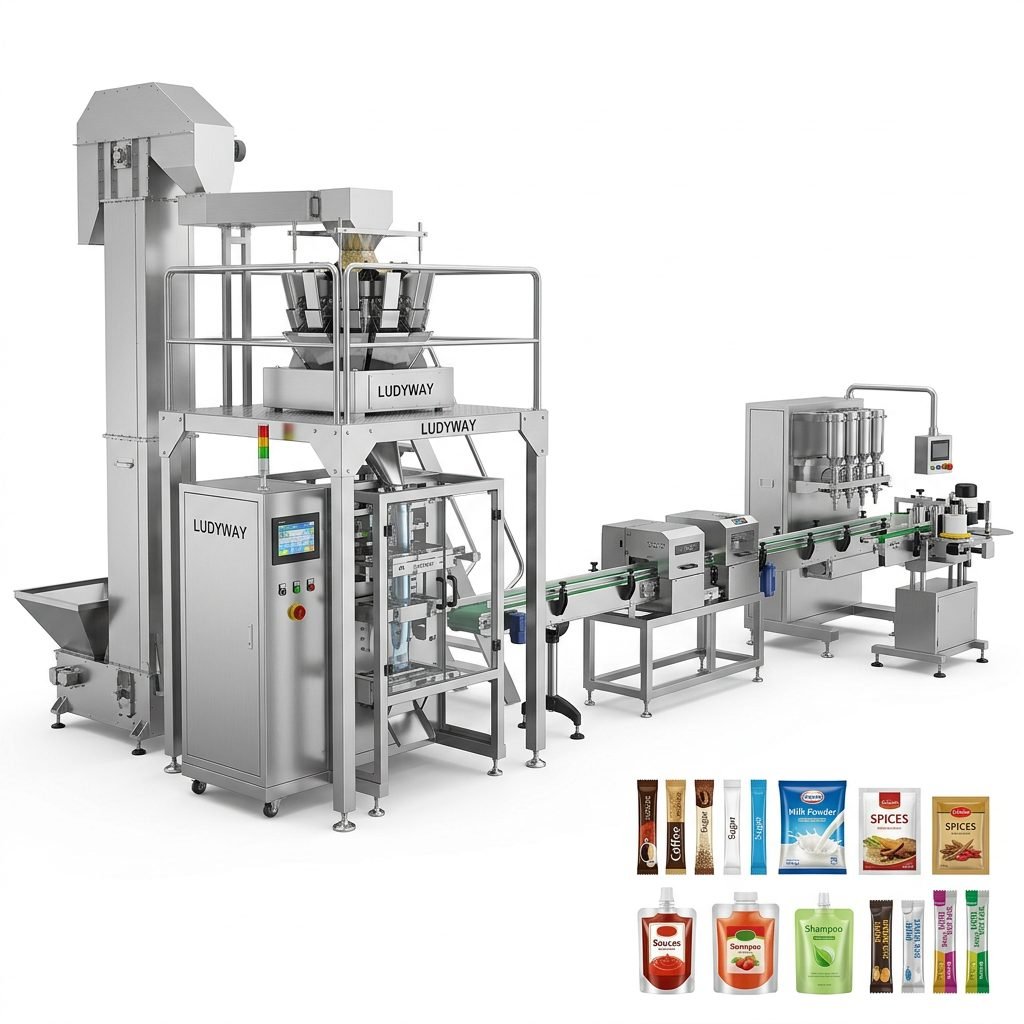
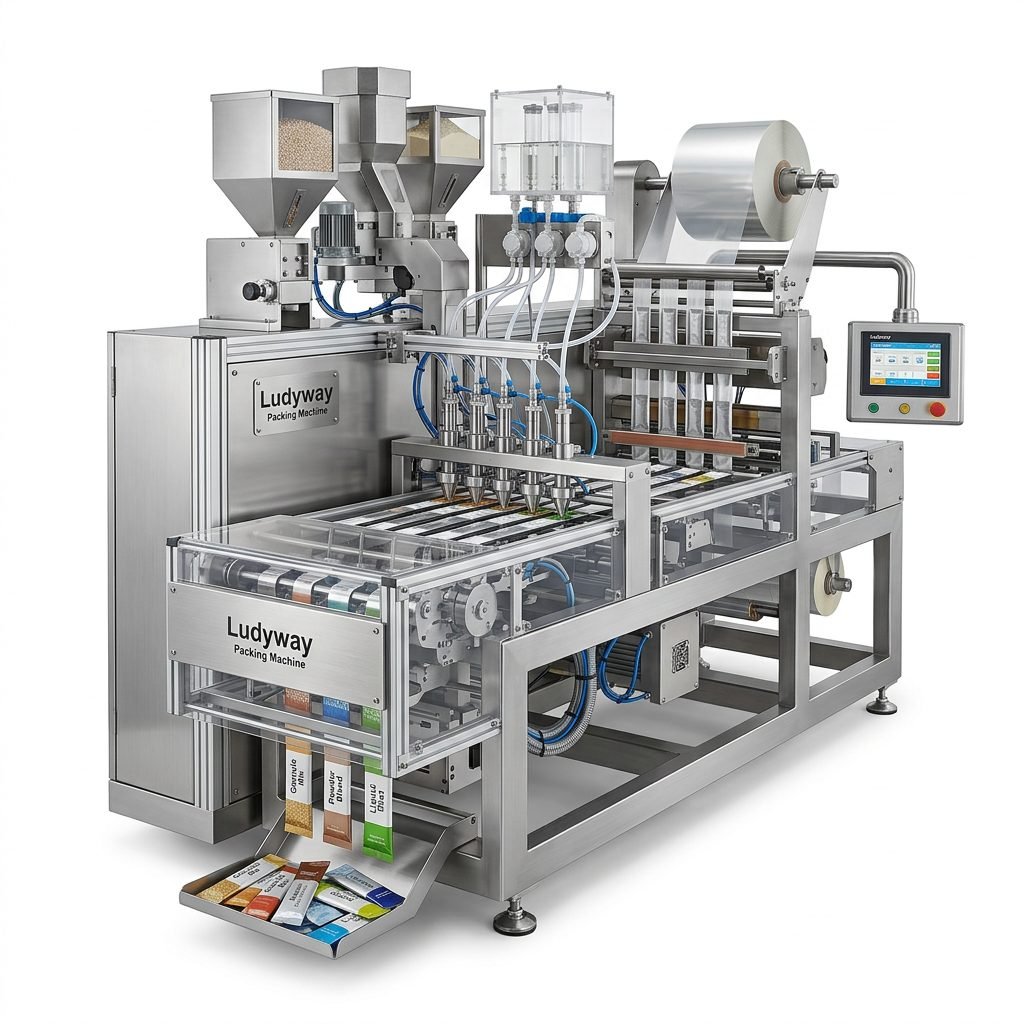
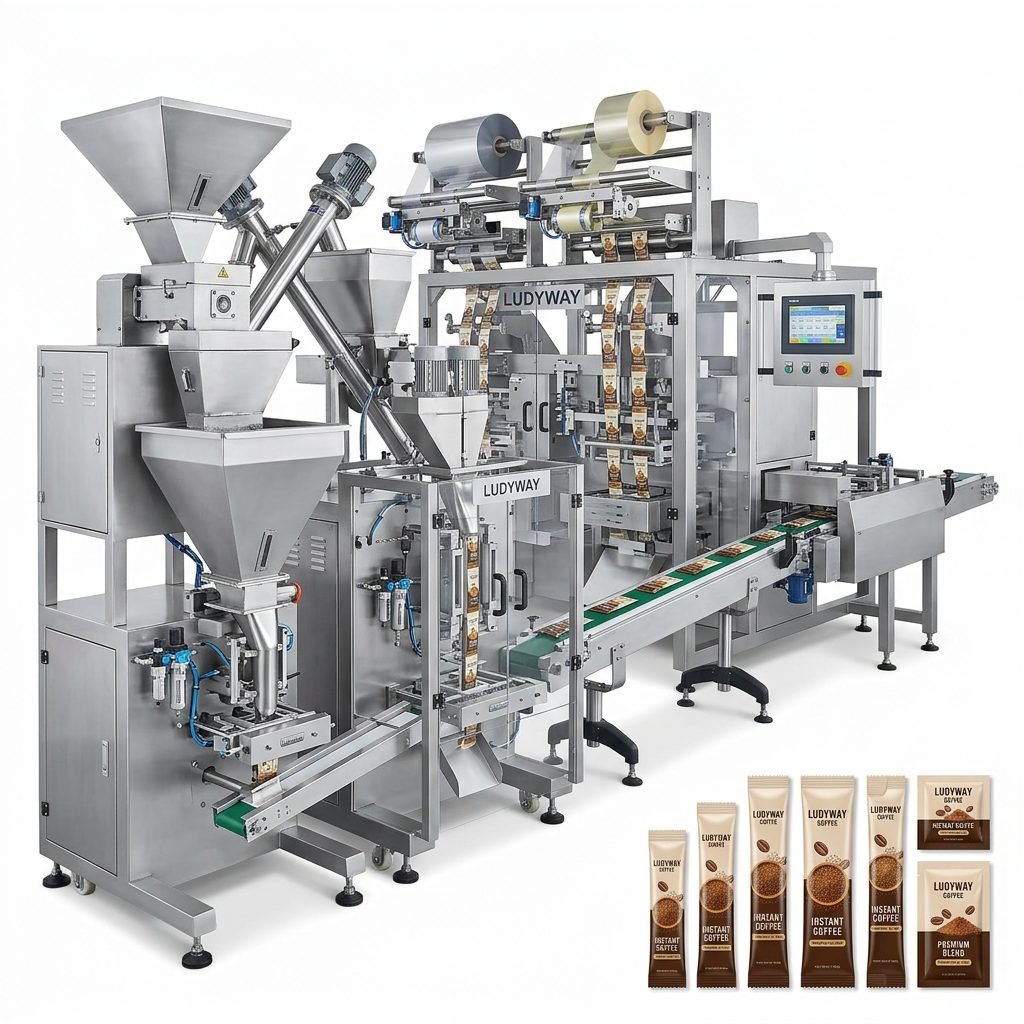
Choosing the right water packing machine can directly affect product quality, packaging speed, operating cost, and long-term business growth. Whether you produce drinking water, flavored water, coconut water, or functional liquid beverages, the best solution depends on more than just machine speed. You need to evaluate your packaging format, output target, sanitation standards, automation needs, and future expansion plan.
This guide explains how to compare different liquid packaging systems and select the most suitable machine for your production line.
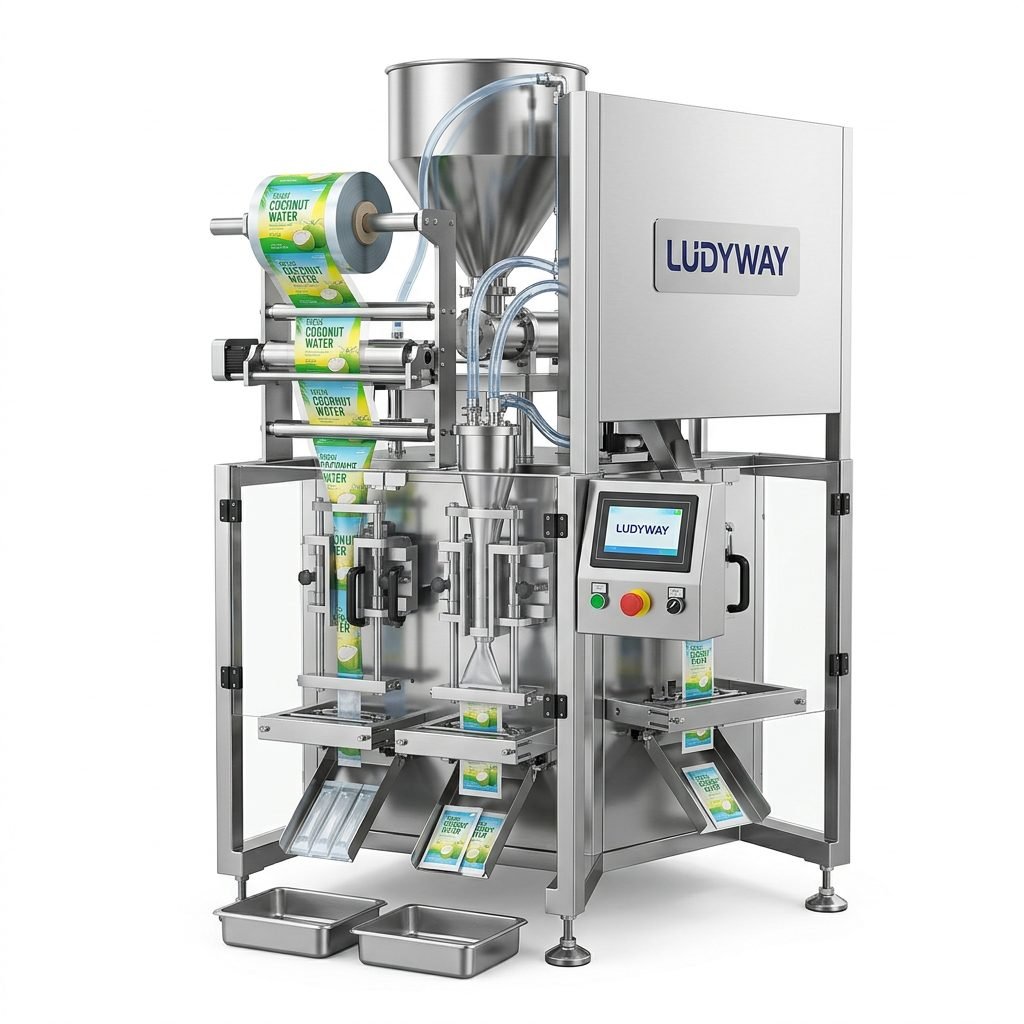
What Is a Water Packing Machine?
A water packing machine is a type of liquid packaging equipment designed to fill and seal water or water-based beverages into containers such as:
- Pouches
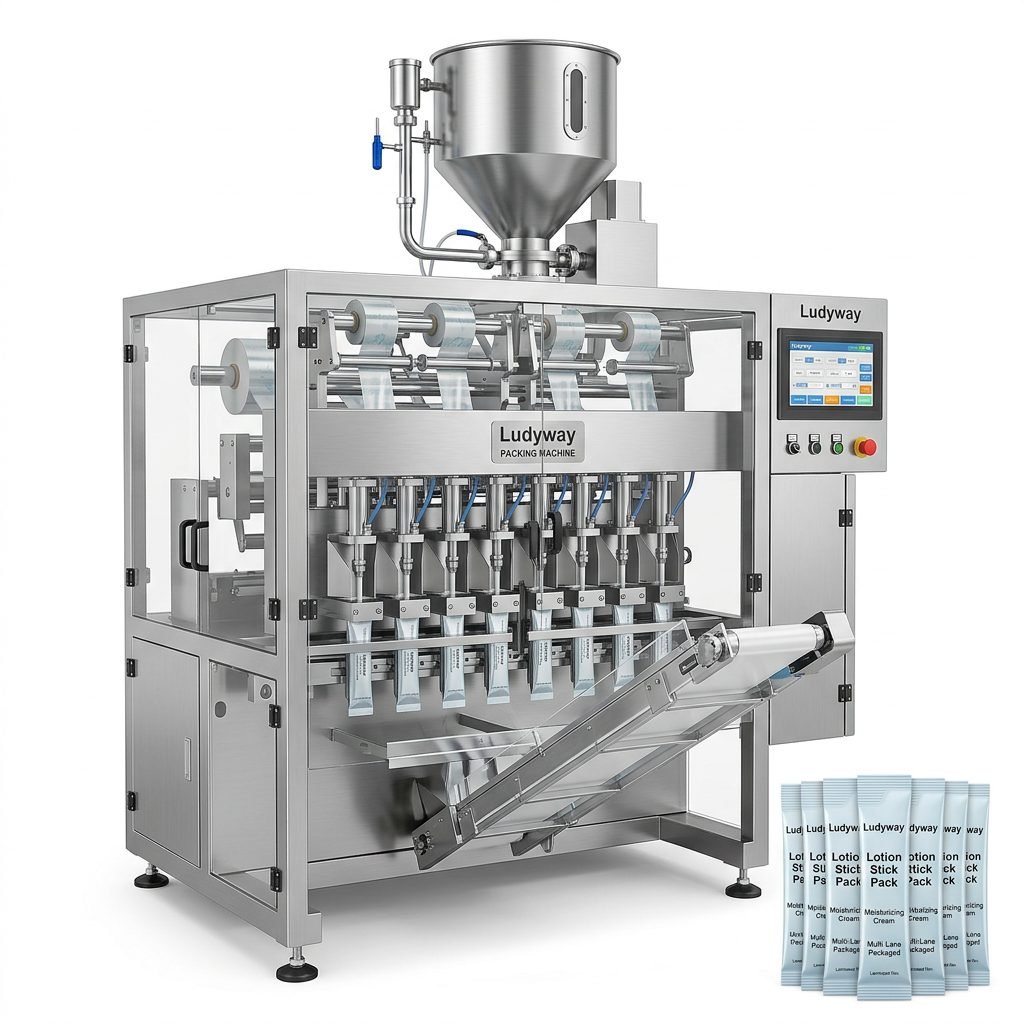
- Stick packs
- Sachets
- Bottles
- Cups or small dose packs
Depending on the product and market, the machine may include liquid dosing, film feeding, pouch forming, sealing, coding, inspection, capping, labeling, and final packing. For high-volume operations, it may also connect with a complete turnkey line.
Why the Right Packaging Solution Matters
Water is a low-viscosity liquid, but that does not mean packaging it is simple. The wrong machine can lead to leakage, unstable filling accuracy, contamination risk, downtime, and unnecessary material waste. The right solution helps you:
- Maintain hygienic production standards
- Increase output without sacrificing seal quality
- Reduce labor dependence
- Control packaging material costs
- Support consistent retail presentation
- Expand into new product sizes or formats
Main Types of Water Packaging Machines
The best machine depends first on the package style you want to sell. Below are the most common options.
| Machine Type | Suitable Packaging | Best For | Key Advantage |
|---|---|---|---|
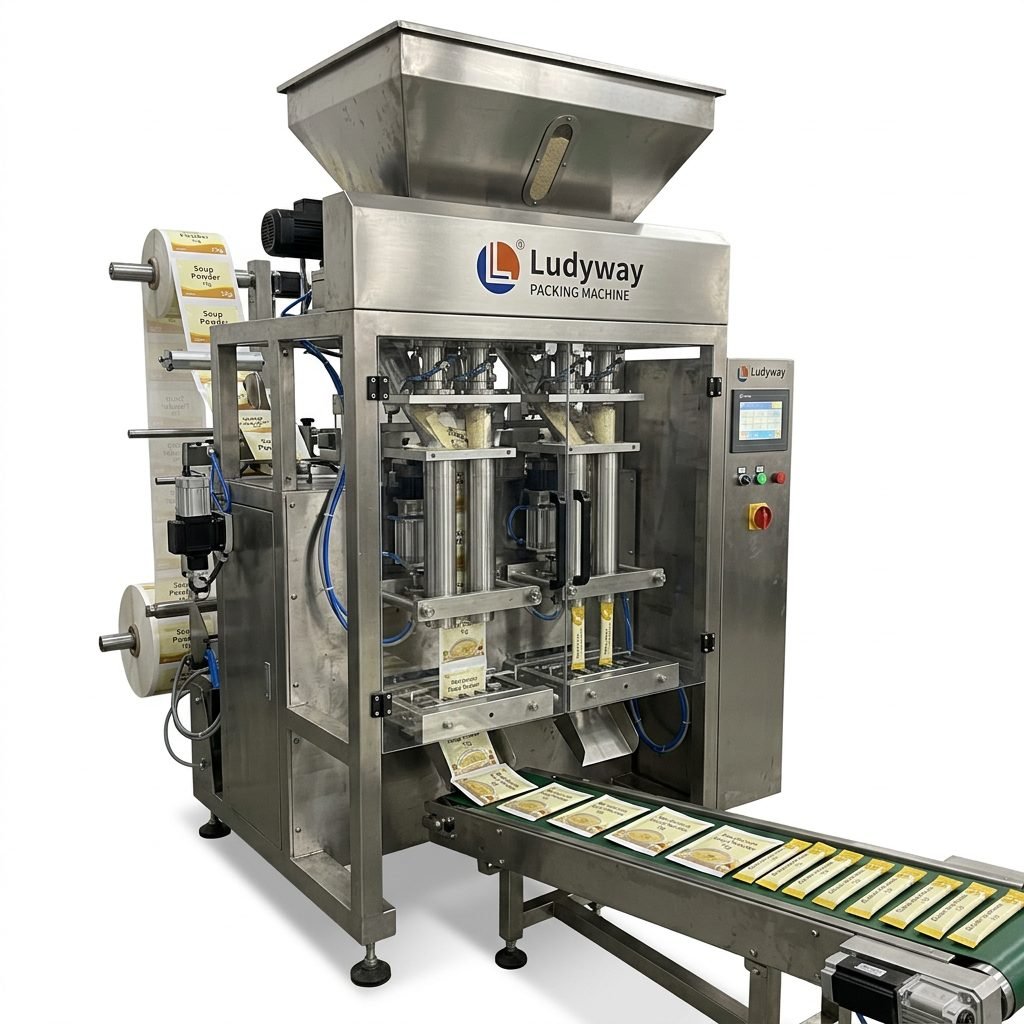
| Vertical form fill seal liquid machine | Pouches, sachets | General water pouch production | Compact and efficient |
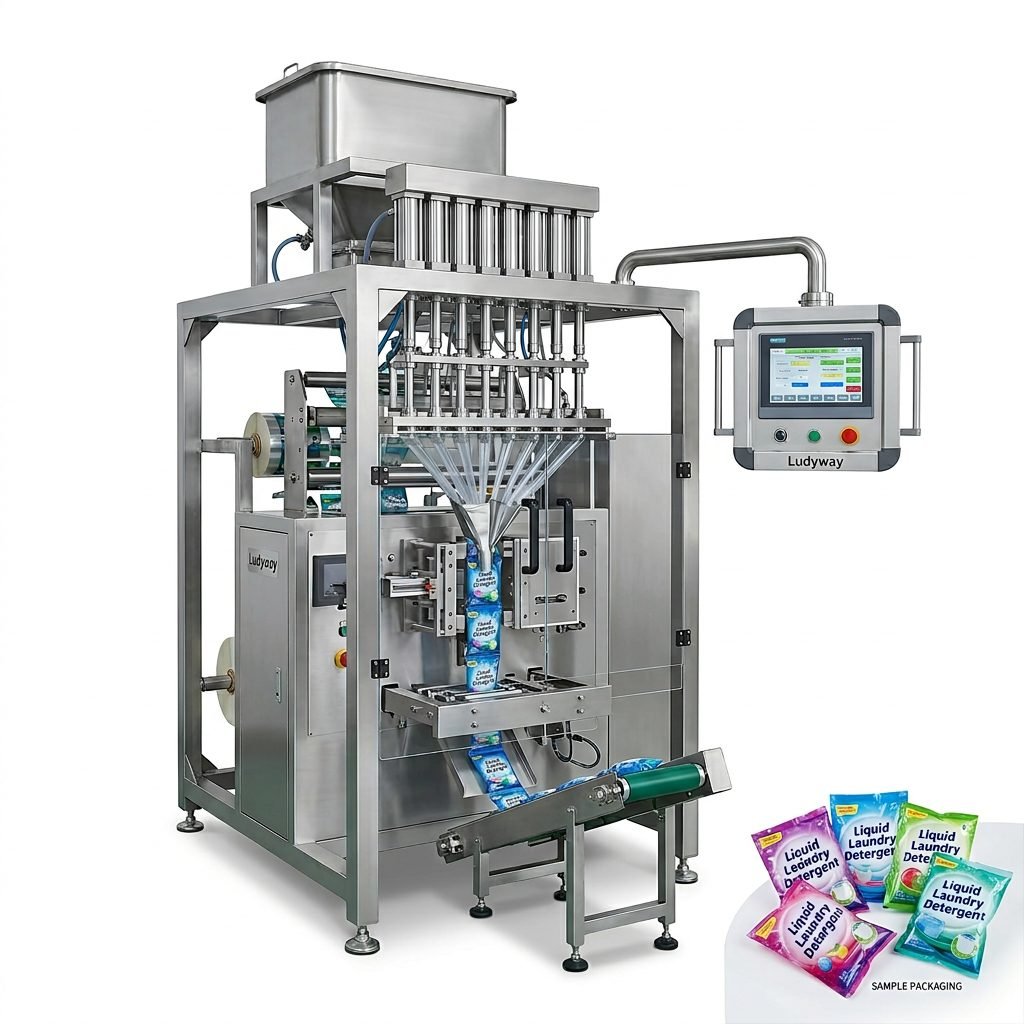
| Multi-lane stick pack machine | Slim stick packs | Single-serve water or liquid supplements | High speed and space-saving packs |
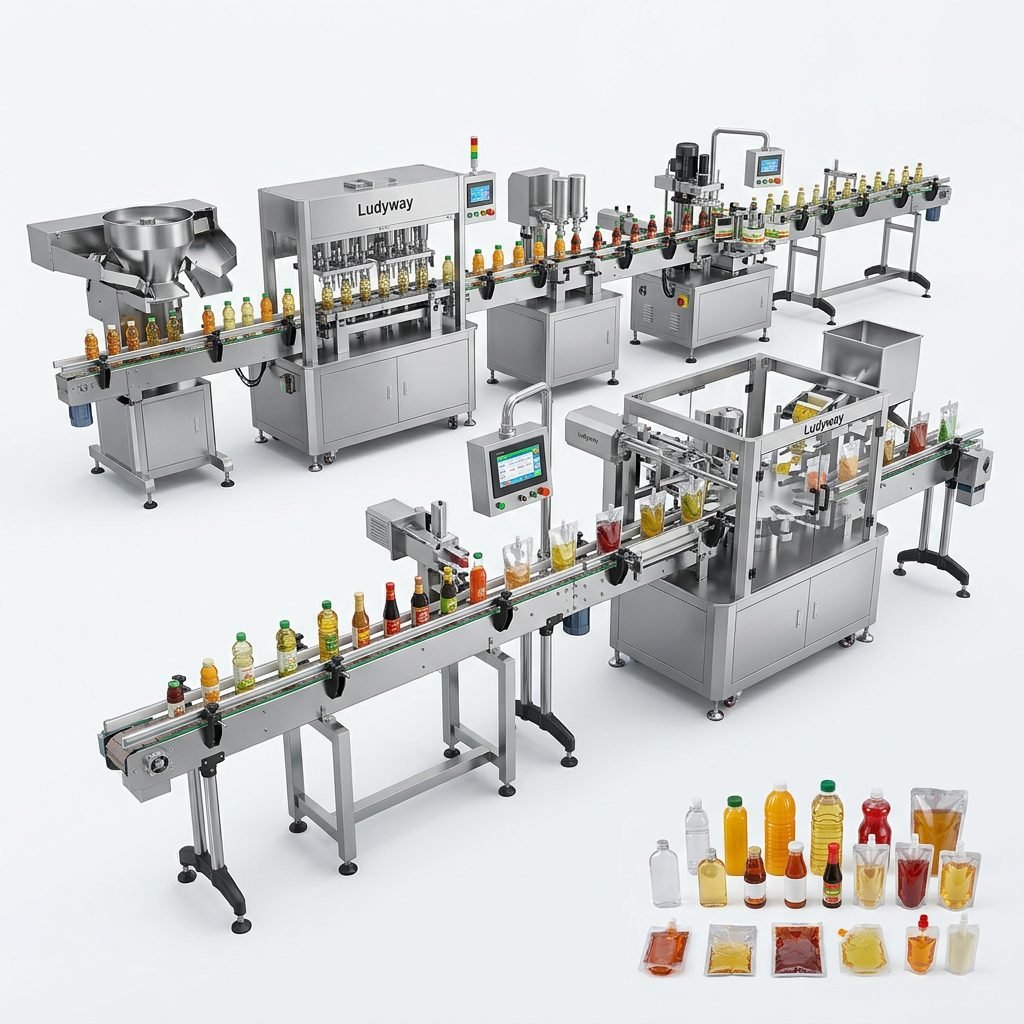
| Bottle filling and capping line | PET bottles, HDPE bottles | Retail bottled water | Familiar consumer format |
| Premade pouch filling machine | Stand-up pouches, spouted pouches | Premium or specialty liquid products | Strong shelf appeal |
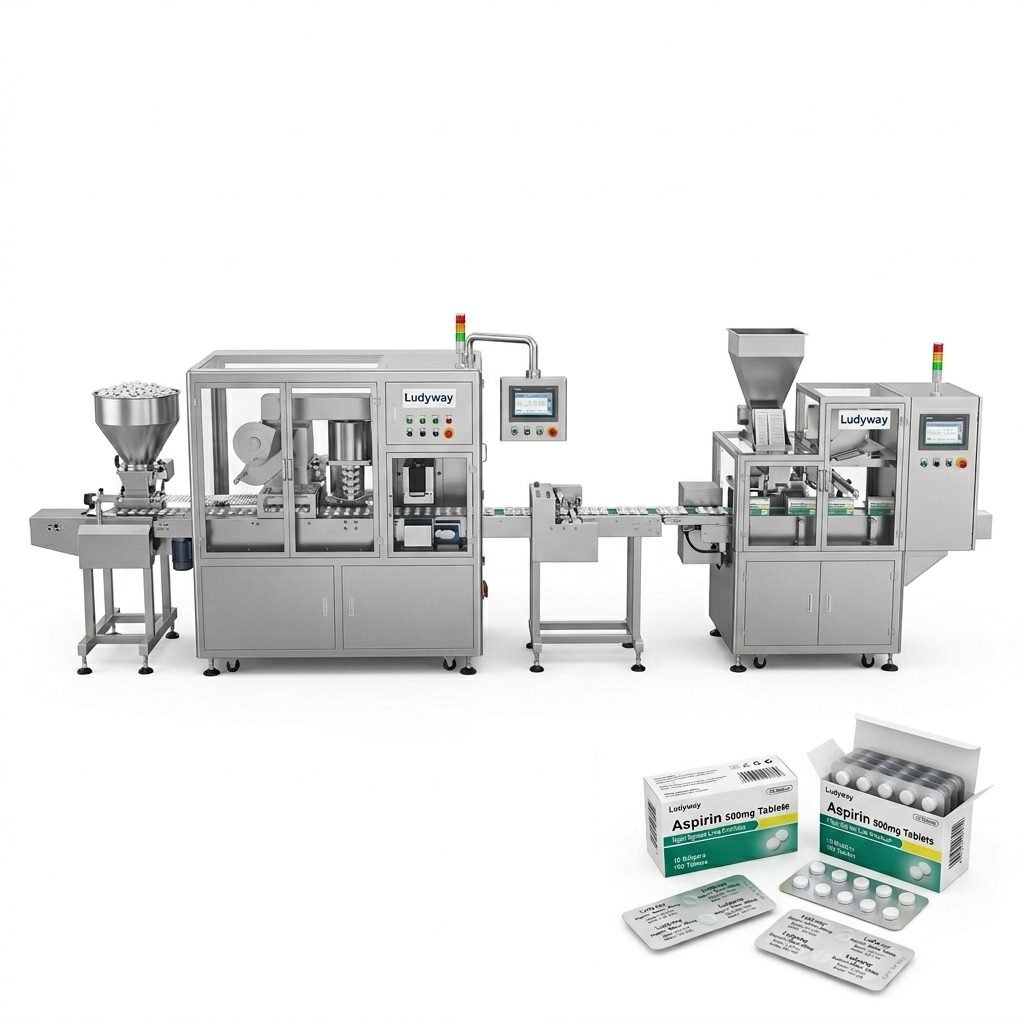
| Turnkey liquid packaging line | Integrated packaging formats | Medium to large factories | Full automation and scalability |
How to Choose the Best Liquid Packaging Solution
1. Define Your Packaging Format First
Do not start with machine speed. Start with the final pack you want to sell. Ask:
- Will the water be sold in sachets, pouches, stick packs, or bottles?
- Is the product for retail, travel use, sports nutrition, institutional supply, or promotional samples?
- Do you need easy-tear, spout, cap, or carton-ready packs?
A machine that is ideal for stick packs may be completely unsuitable for bottled water production.
2. Match the Machine to Your Output Requirement
Your expected production capacity strongly affects equipment choice. A start-up and a mass production factory should not invest in the same configuration.
| Production Stage | Recommended Direction | Focus Point |
|---|---|---|
| Small batch / pilot production | Entry-level or semi-automatic system | Flexibility and budget control |
| Growing regional brand | Automatic single-lane or compact line | Stable daily output |
| High-volume manufacturer | Multi-lane or full turnkey line | Speed, labor savings, integration |
Always leave room for expansion. Buying only for current demand may limit your growth in the next 12 to 24 months.
3. Check Filling Accuracy and Seal Reliability
Water products are sensitive to poor sealing because even a small sealing defect can cause leakage during transport or storage. When comparing machines, review:
- Filling tolerance consistency
- Sealing temperature control
- Film compatibility
- Anti-drip design
- Alarm and rejection functions for abnormal packs
A lower-cost machine may look attractive at first, but repeated leaks can quickly increase returns, complaints, and packaging waste.
4. Consider Hygiene and Material Standards
For drinking water and beverage applications, sanitation is critical. Look for features such as:
- Food-grade contact parts
- Stainless steel structure
- Easy-to-clean filling path
- Dustproof and splash-resistant design
- Clean sealing area layout
If your water product is sold in highly regulated markets, equipment documentation and quality consistency become even more important.
5. Evaluate the Product Range You May Add Later
Many buyers start with pure water, then add flavored water, electrolyte drinks, oral liquids, gel drinks, or light functional beverages. If this fits your business plan, choose a machine platform that can support more than one liquid type.
This is where an experienced equipment supplier can add value by recommending a scalable machine configuration rather than a narrow single-use setup.
6. Think About Automation Beyond Filling and Sealing
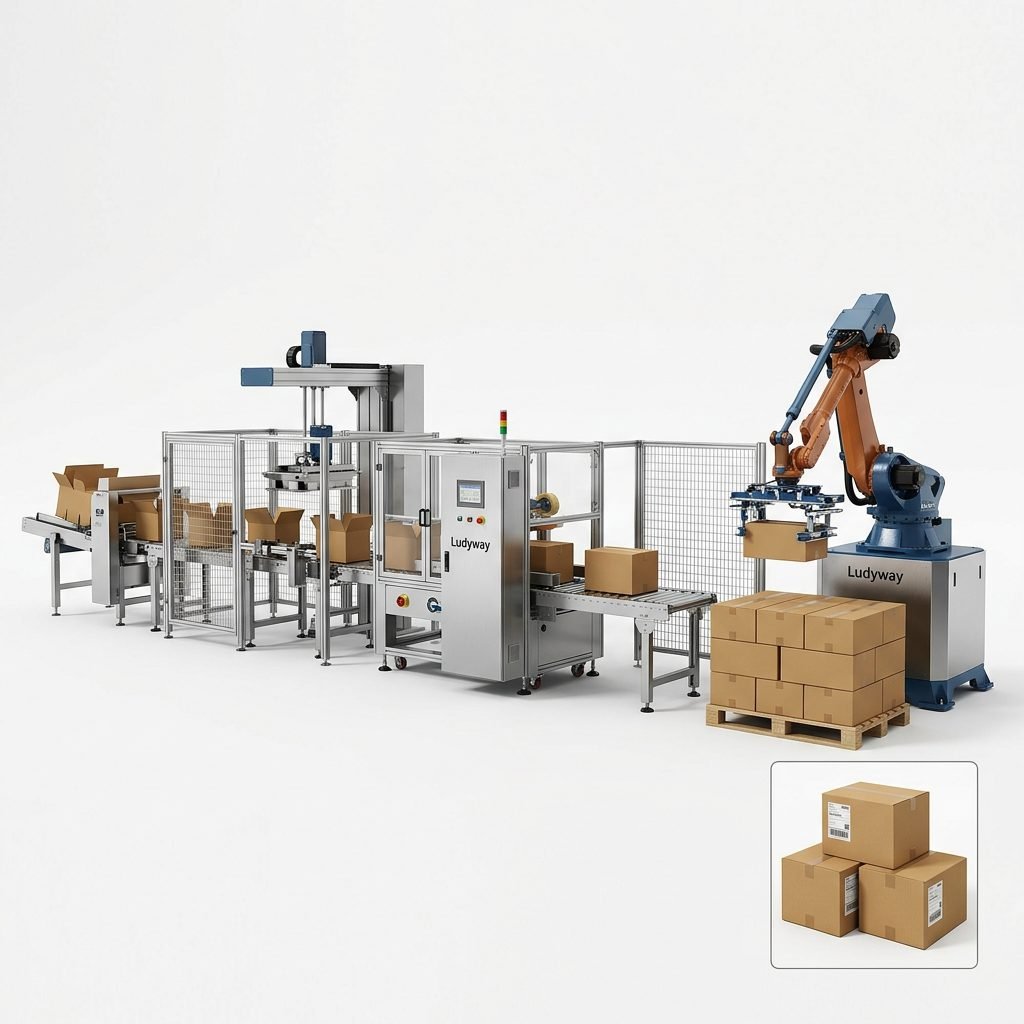
The best liquid packaging solution is often not just one machine. It can include:
- Liquid storage and feeding system
- Automatic filling and sealing unit
- Date coding or batch printing
- Checkweighing or visual inspection
- Cartoning or case packing
- Conveying and palletizing
Integrated lines reduce manual handling and improve consistency across the whole production process.
7. Review Film and Packaging Material Compatibility
Different water packaging projects use different laminate films or bottle materials. Before selecting equipment, confirm:
- Supported film thickness range
- Heat seal performance
- Print registration accuracy
- Material waste rate
- Availability of packaging materials in your local market
A high-speed machine is only valuable if it runs smoothly with the material you can actually source at scale.
8. Compare Maintenance, Spare Parts, and Technical Support
Reliable after-sales support matters as much as the original machine quality. Before placing an order, ask:
- How fast can spare parts be supplied?
- Is remote technical support available?
- Are manuals and electrical diagrams included?
- Can the supplier help with installation and training?
- Is customization possible for future upgrades?
Common Mistakes Buyers Should Avoid
- Choosing only by price and ignoring total operating cost
- Buying a machine without checking packaging material compatibility
- Overlooking sanitation and cleanability requirements
- Ignoring future product expansion
- Selecting speed that exceeds real upstream or downstream capacity
- Not requesting test runs with actual samples
Water Packaging Machine Selection Checklist
| Checklist Item | Why It Matters |
|---|---|
| Product format | Determines machine type and line structure |
| Pack size range | Affects tooling, speed, and flexibility |
| Production capacity | Guides automation level and ROI |
| Seal quality | Prevents leaks and transport losses |
| Hygiene design | Protects product safety and compliance |
| Expandability | Supports future SKUs and larger output |
| After-sales support | Reduces downtime and service risk |
When a Turnkey Line Is Better Than a Standalone Machine
If you need more than just basic pouch filling, a turnkey packaging line may be the better investment. This is especially true when you require:
- Stable large-scale output
- Multiple connected processes
- Lower labor input per shift
- Higher packaging consistency
- Centralized control and easier plant management
For buyers looking for scalable liquid and pouch automation, Ludyway water packing machine solutions can be considered as part of a broader packaging upgrade strategy, especially for projects that need both standalone equipment and complete turnkey line integration.
Who Should Invest in an Advanced Water Packing Machine?
An advanced system is often the right fit for:
- Drinking water producers entering pouch or stick pack markets
- Beverage brands launching portable single-serve liquids
- OEM and contract packers serving multiple liquid SKUs
- Food and health supplement companies packaging water-based formulas
- Factories replacing labor-heavy manual filling processes
Final Buying Advice
The best water packing machine is not simply the fastest or cheapest model. It is the one that aligns with your product format, hygiene requirements, production target, packaging material, and long-term growth plan. A careful evaluation now can prevent expensive modifications later.
Before making a final decision, prepare your sample product details, target pack dimensions, hourly output goals, and preferred packaging style. Then compare suppliers based on real technical fit, not just quotation price. That approach will help you choose a liquid packaging solution that delivers dependable performance and better long-term value.