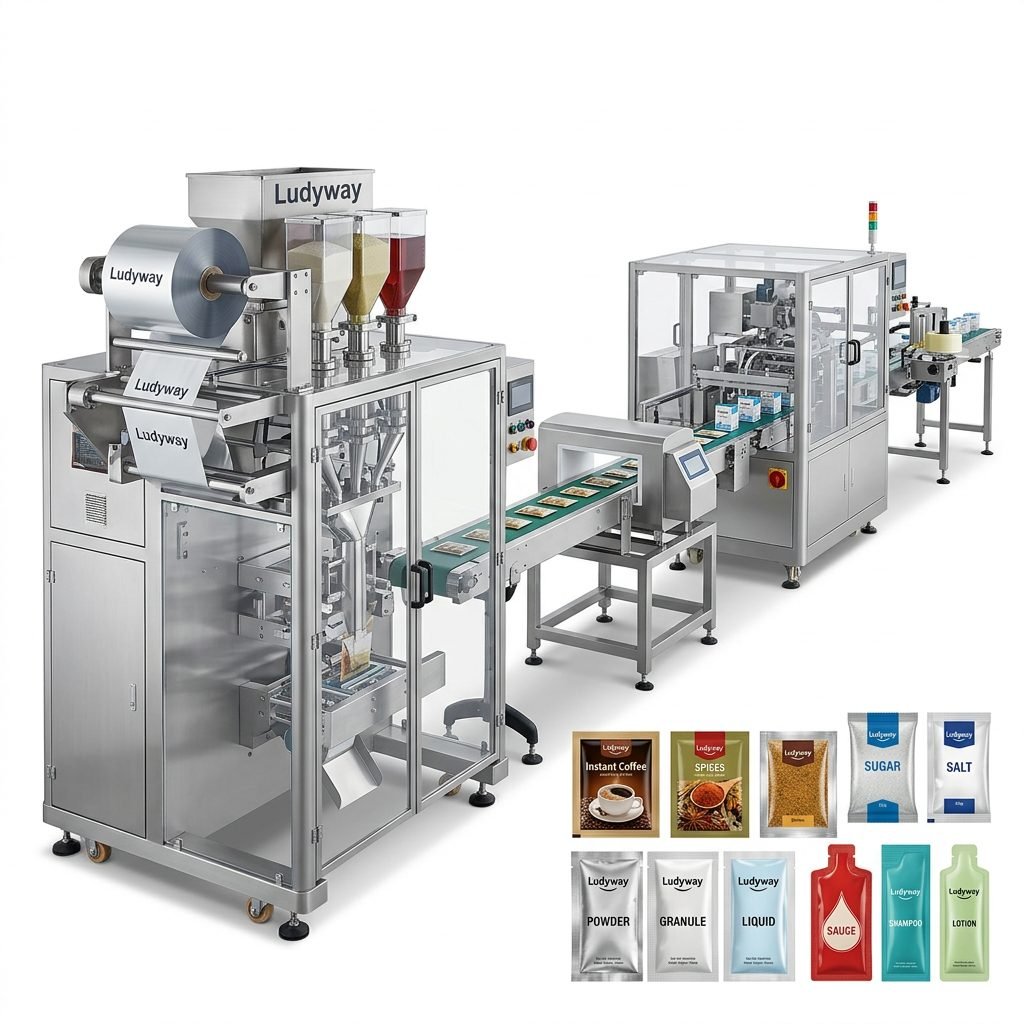
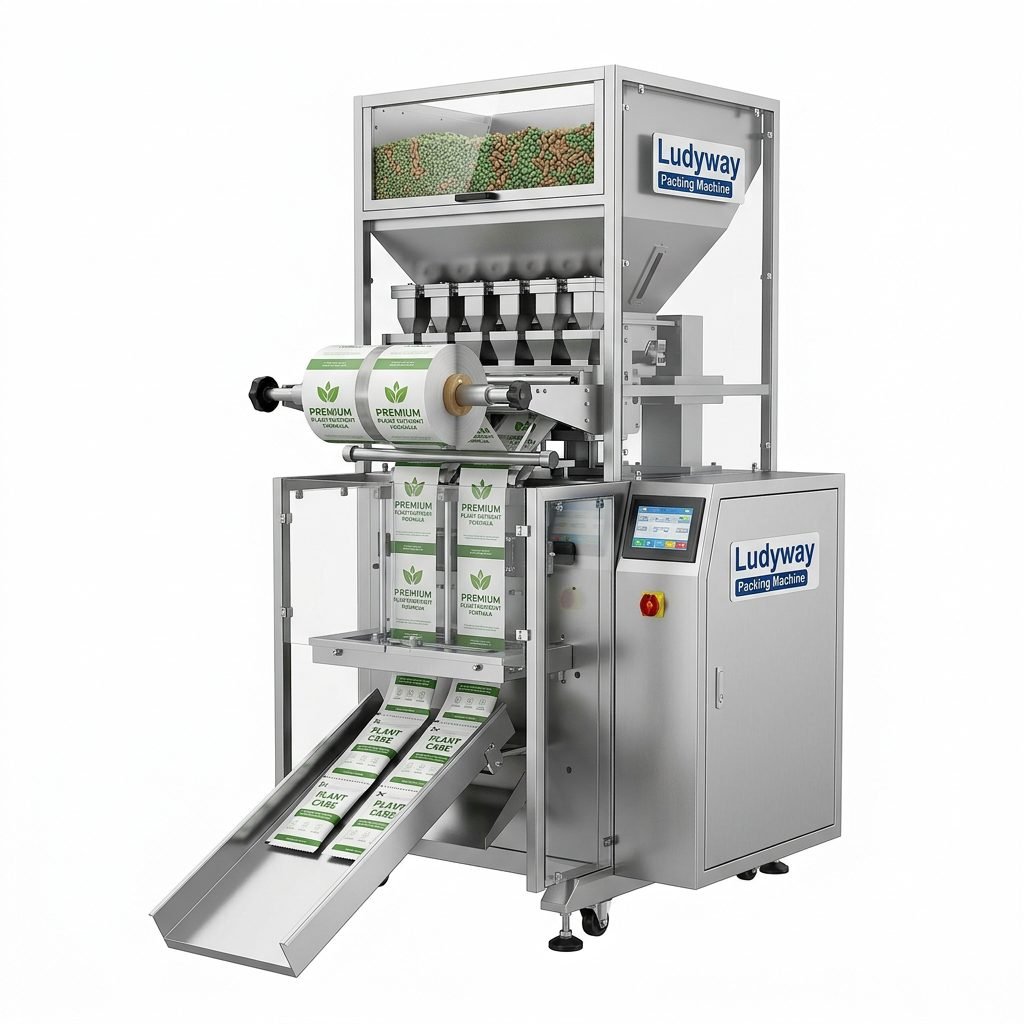
India’s meal preparation industry is undergoing a massive transformation. With the rise of cloud kitchens, direct-to-consumer (D2C) food brands, and health-focused subscription services, the demand for efficient, hygienic, and scalable meal prep packaging machines has never been higher. Whether you are packing ready-to-eat (RTE) gravies, dry meal kits, or pre-portioned spice mixes, choosing the right automated equipment directly impacts your shelf life, brand reputation, and bottom line. This guide walks you through everything you need to know about sourcing and selecting the best meal prep packaging machine in the Indian market.

The Indian Meal Prep Market: A Packaging Revolution
The Indian food processing sector is growing at an annual rate of over 11%, according to the India Brand Equity Foundation (IBEF). Post-pandemic, busy urban professionals and dual-income households increasingly rely on meal kits and semi-cooked foods. Unlike traditional bulk packaging, meal prep requires single-serve precision, airtight sealing, and flexible formats that preserve freshness without the use of artificial preservatives. This shift makes advanced automatic packaging lines a necessity rather than a luxury for Indian manufacturers aiming to scale their operations nationwide.
Key Statistics Driving Automation in India
| Market Indicator | Impact on Packaging Machinery |
|---|---|
| Ready-to-cook market growth of 18% CAGR | Higher investment in multi-lane stick pack and sachet machines |
| Cloud kitchens projected to be a $2 billion industry by 2026 | Need for compact, high-speed vertical form fill seal (VFFS) systems |
| Rising labor costs in metro cities | Switch from manual filling to fully automatic granule/powder liquid systems |
Types of Meal Prep Packaging Machines Ideal for Indian Cuisines
Indian meal prep applications are diverse, ranging from liquid gravies to dry free-flowing spices. Understanding the right machine type for your specific product viscosity and format is critical.
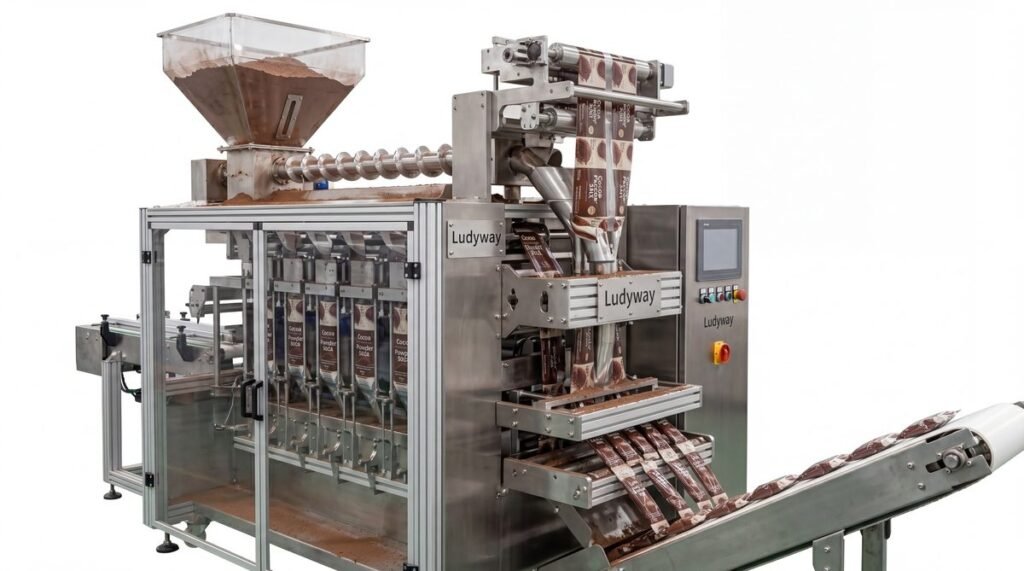
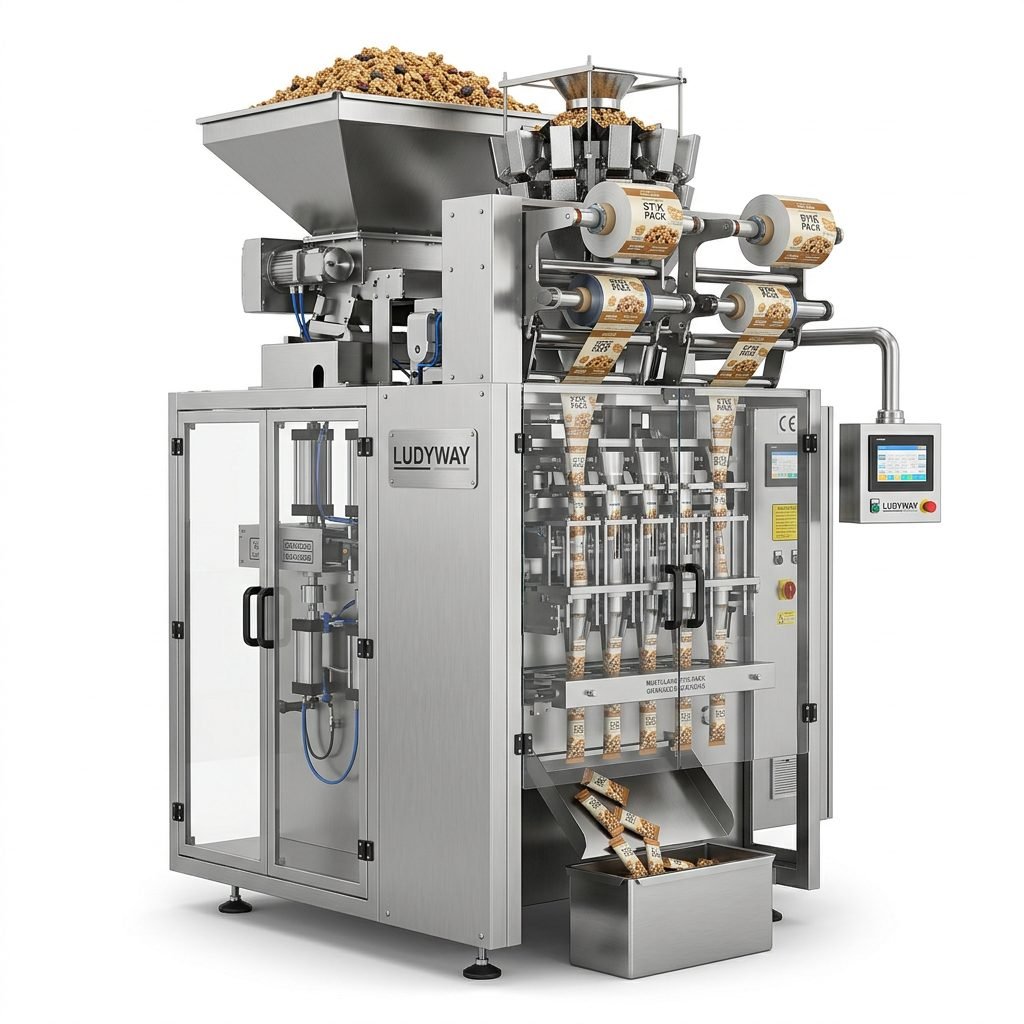
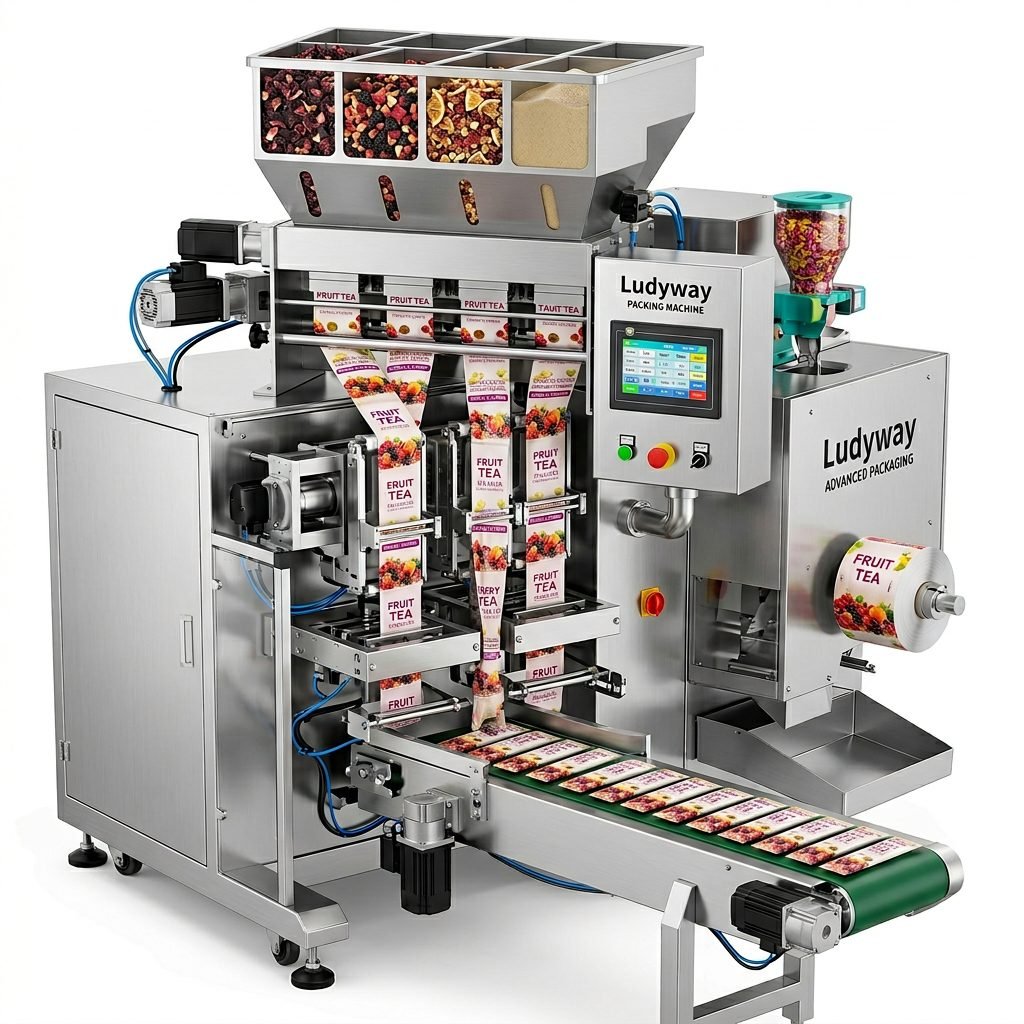
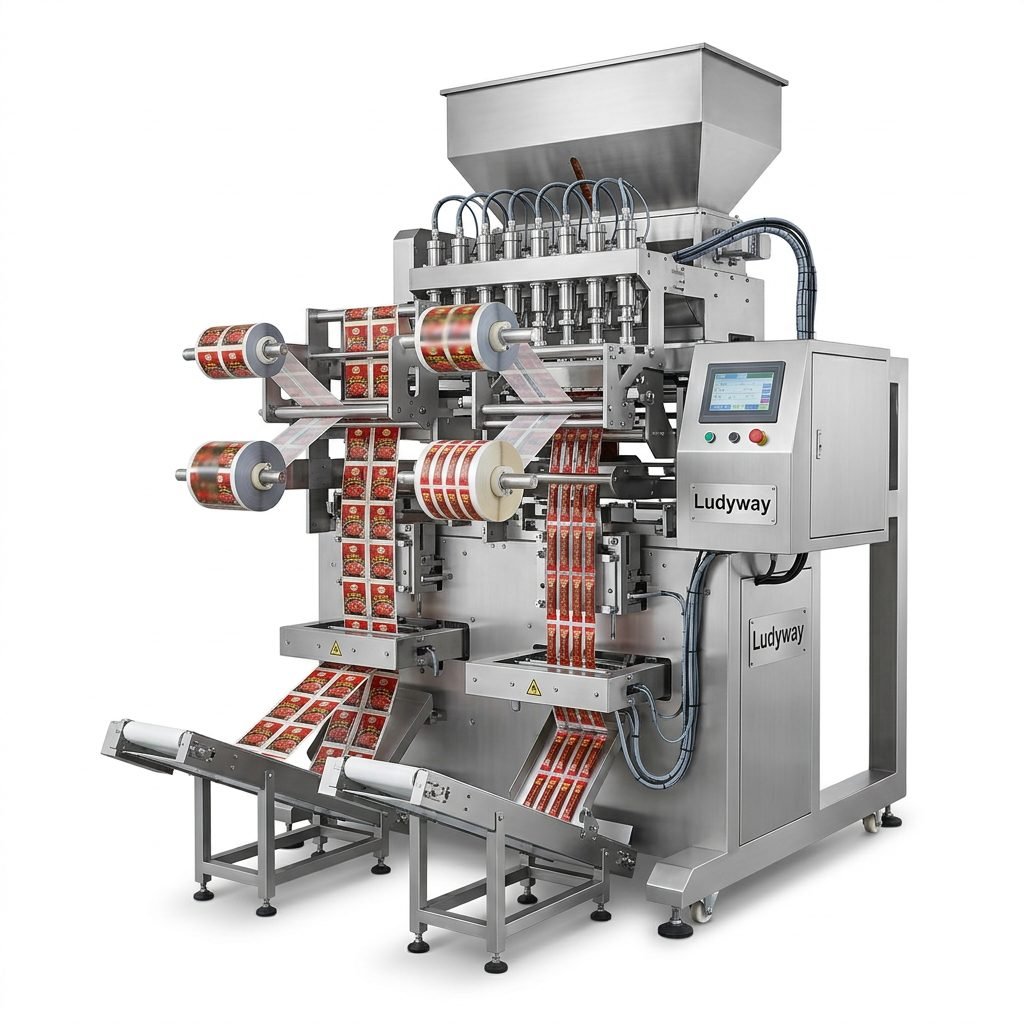
Multi-Lane Stick Pack Machines: Perfect for precision portioning of instant coffee, protein shakes, and masala tea premixes. These machines offer high-speed production and nitrogen flushing for extended shelf life.
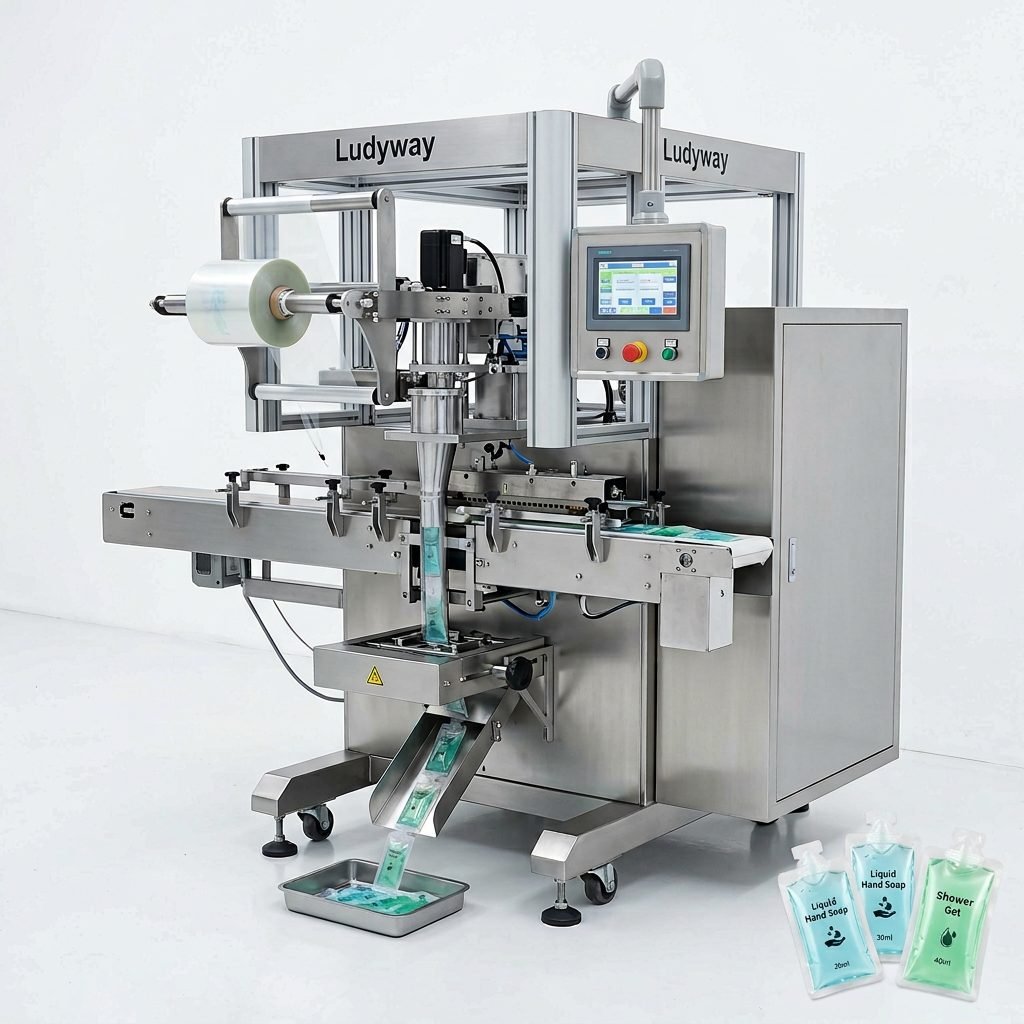
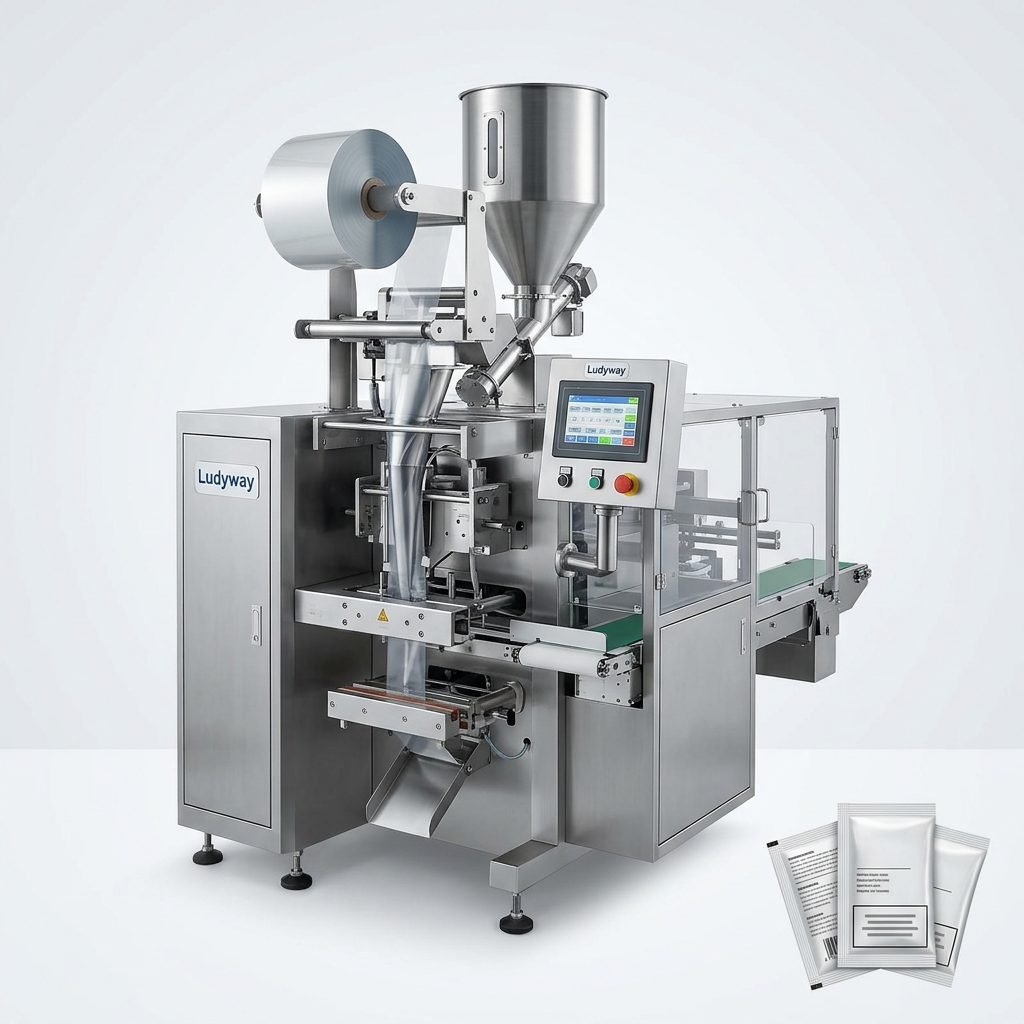
Sachet Packaging Machines: A staple in the Indian market for low-cost, high-volume products like shampoo sachets, sauce pouches, or pan masala. For meal prep, they are ideal for single-serve ketchup, chutney, and cooking paste packs.
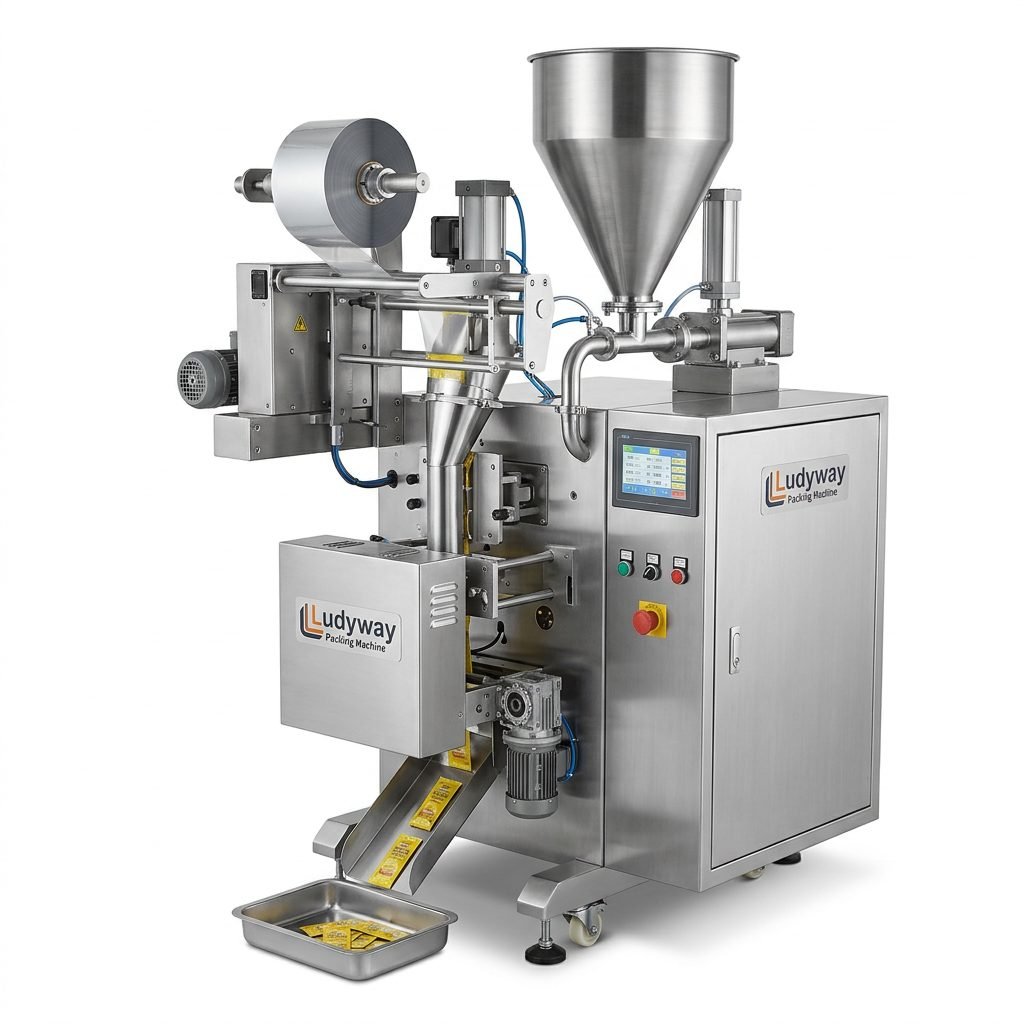
Pouch Filling and Sealing Machines: Used for ready-to-eat curries, dal makhani, and biryani kits. These systems often feature retort-ready packaging capabilities for non-refrigerated storage.
Wet vs. Dry Meal Prep Solutions
- Liquid Packaging Lines: Integrated piston fillers or pump-based systems designed for viscous oils, sauces, and dairy-based gravies. Hygiene is maintained through CIP (Clean-in-Place) systems.
- Granule & Powder Fillers: Auger-based or multi-head combination weighers for rice, dal mixes, powdered soups, and health supplements. Accuracy is vital to maintain gram-level consistency in meal kits.
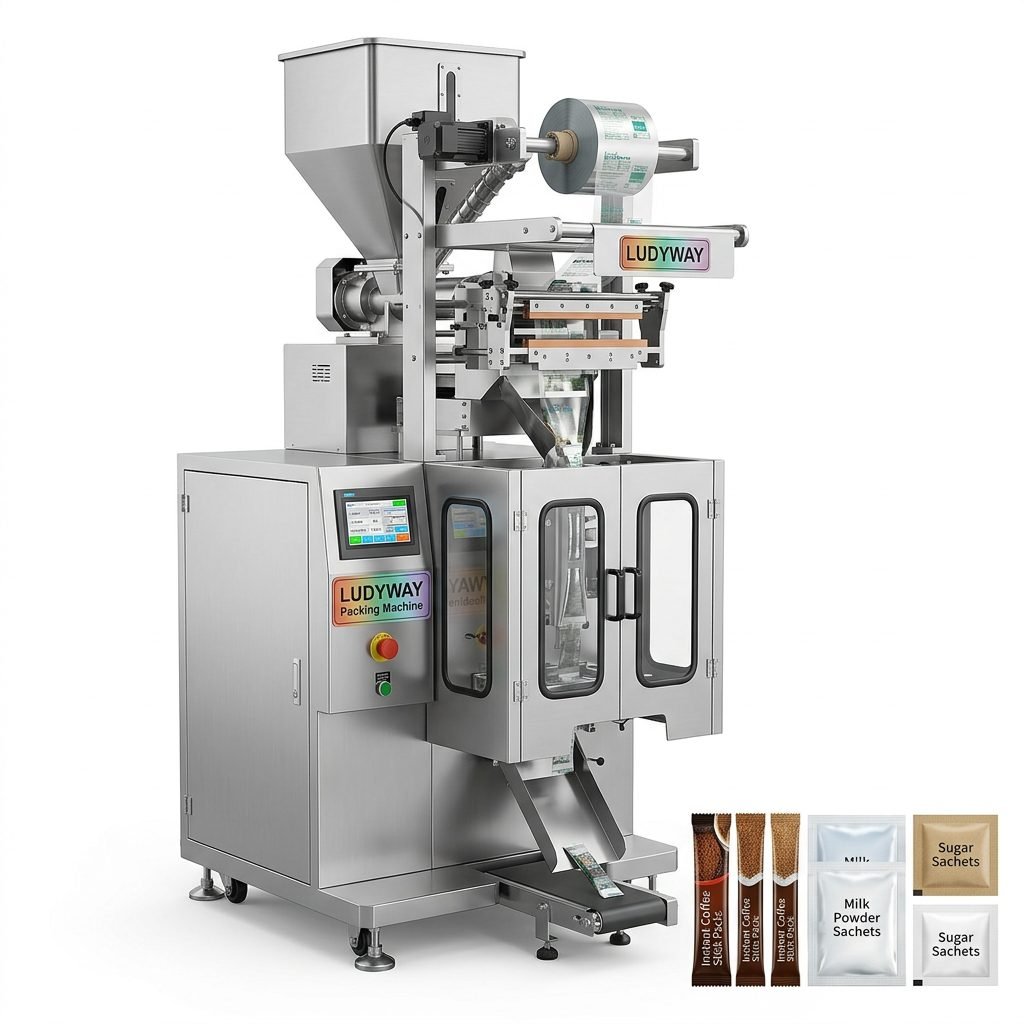
Must-Have Features for the Indian Operational Environment
India’s humid climate, fluctuating voltage, and diverse raw material characteristics demand specific engineering features to avoid machine downtime.
1. Nitrogen Flushing and Gas Purge Systems
To retain the crispiness of fried onions or the freshness of ground spices, a robust Modified Atmosphere Packaging (MAP) option is essential. This prevents oxidation and pest infestation, which are common concerns in tropical storage conditions.
2. Quick-Change Format Parts
Indian meal prep brands often launch multiple SKUs simultaneously (e.g., 50g sachets, 100g pouches, and 1kg family packs). Machines with tool-less changeovers significantly reduce downtime during batch transitions.
3. Food-Grade Stainless Steel Construction
Compliance with FSSAI regulations requires direct food contact parts to be manufactured from SS 316 or SS 304 stainless steel. This ensures resistance to acidic media like tomato-based sauces and tamarind extracts.
4. IoT and Industry 4.0 Readiness
Modern Indian factories are adopting smart packaging integration. Real-time OEE (Overall Equipment Effectiveness) monitoring, remote diagnostics, and automated reject systems for underweight pouches are becoming standard requirements for export-oriented Indian manufacturers.
Sourcing From Global vs. Local Manufacturers
While India has a growing domestic machinery sector, the technology gap for high-speed, servo-driven multilane systems often leads buyers to import from specialized global manufacturers. According to a PMMI Business Intelligence report, supply chain resilience and build quality are the top two criteria for Indian food processors when selecting overseas equipment partners.
When importing, Indian buyers must factor in BIS certification requirements, import duties (typically around 7.5% to 10% for packaging machinery), and local support for installation and training. This makes it crucial to partner with exporters who have a strong service infrastructure in South Asia.
Cost Analysis and ROI Projections
The investment in a meal prep packaging machine varies significantly based on the level of automation.
| Machine Category | Output Range (Pouches/Min) | Estimated ROI Period |
|---|---|---|
| Entry-Level Sachet Machine | 40 – 60 | 12 – 18 months |
| Multi-Lane Stick Pack (4-6 Lanes) | 200 – 300 | 8 – 14 months |
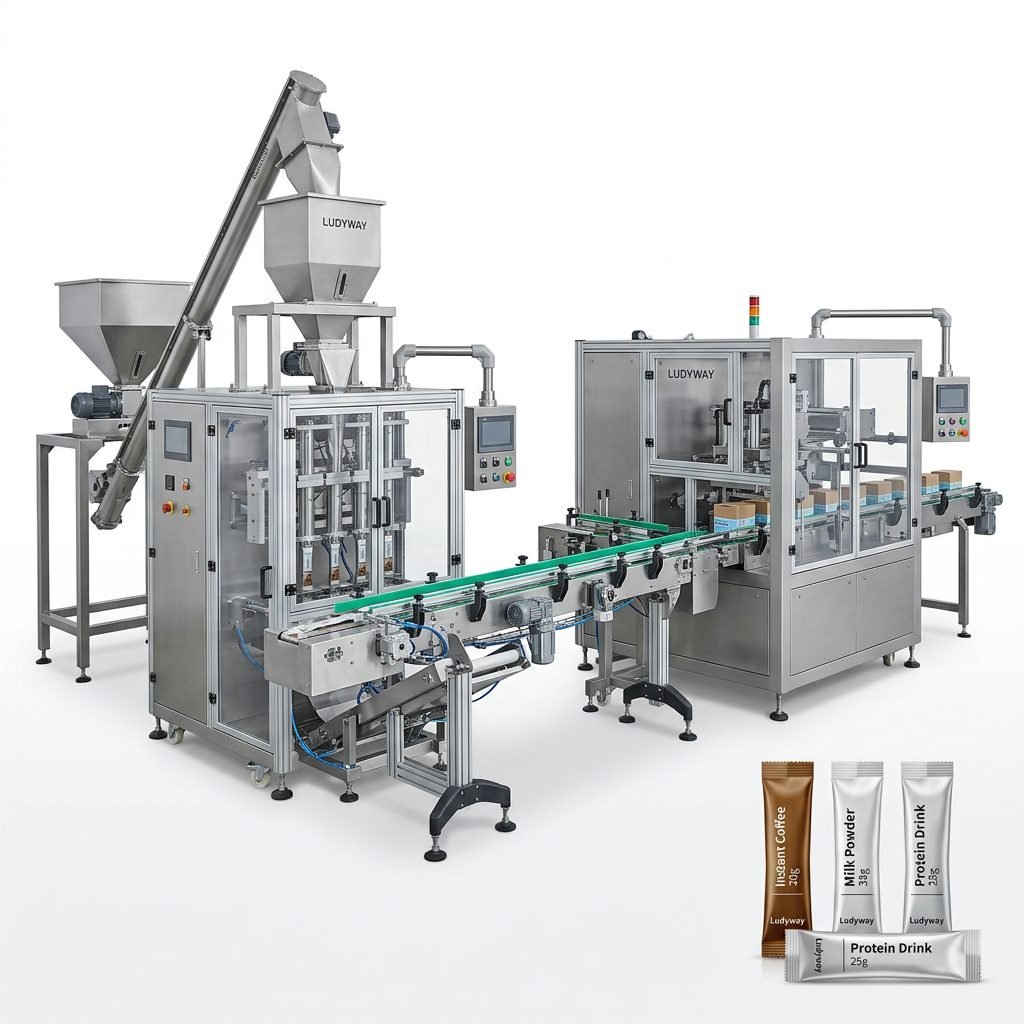
| Full Turnkey Line (Fill, Seal, Carton) | 350+ | 16 – 24 months |
Hidden costs to consider: In the Indian market, downtime due to unplanned maintenance is the biggest profit killer. A machine priced 20% lower but with 50% higher downtime can cost significantly more over three years. Always evaluate the Total Cost of Ownership (TCO), including spare parts availability in Mumbai, Delhi, or Chennai.
Compliance and Food Safety Standards
Adhering to Indian and international standards is non-negotiable. Your packaging equipment must support compliance with:
- FSSAI Food Packaging Regulations: Ensuring no toxic migration from packing material to food.
- ISO 22000: Food Safety Management Systems integration.
- FDA and EU Compliance: Critical if the meal prep kits are destined for export to the Middle East, Europe, or the United States.
The FDA Food Packaging guidelines explicitly require that packaging machinery does not alter the chemical safety of the food product during the heat sealing process.
Ludyway: A Global Manufacturing Partner for Indian Brands
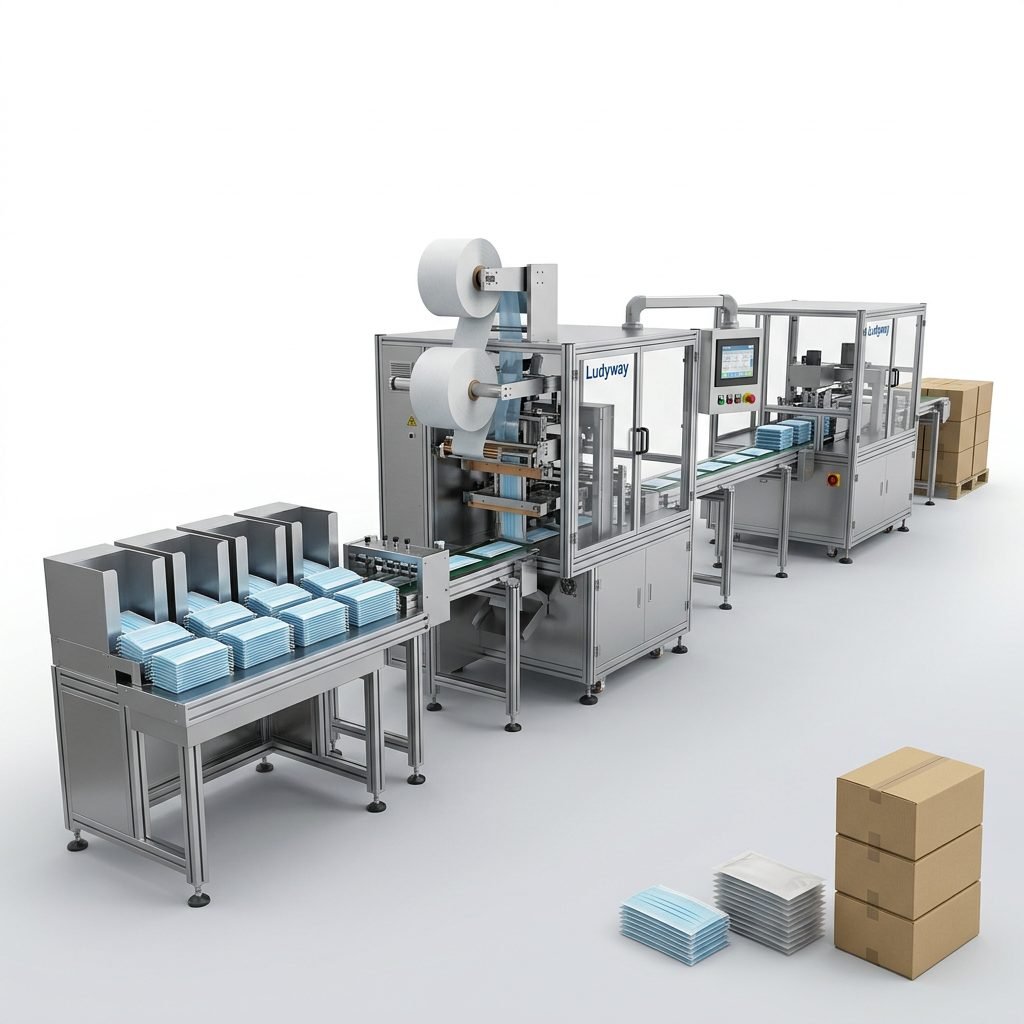
Ludyway is one of the largest packaging machine manufacturers in China, specializing in advanced packaging equipment and turnkey production solutions for the food, pharmaceutical, and health industries. With over 30 years of industry expertise, we provide reliable and efficient packaging solutions for granule, powder, liquid, and pouch packaging applications. Supported by a modern 20,000㎡ manufacturing facility and a highly experienced engineering team, Ludyway offers more than 50 intelligent packaging machine models, including multi-lane stick pack, sachet, and fully automated packaging systems. Serving customers in over 100 countries and regions, we are committed to delivering innovative, high-performance, and cost-effective packaging solutions that help businesses improve productivity, product quality, and operational efficiency.
Questions to Ask Your Equipment Supplier
Before finalizing a purchase, use the following checklist to qualify your shortlisted vendors:
- Can the machine handle both dry granules and high-viscosity liquids with minor adjustments?
- What is the factory acceptance testing (FAT) and on-site installation protocol for Indian clients?
- How quickly can I access replacement circuit boards and sensors in the Indian service network?
- Is the software updatable for local language operational HMI interfaces?
The Future: Sustainable Packaging Trends in India
The Indian government’s push against single-use plastics is reshaping material choices. Leading meal prep brands are switching to recyclable monolayer films and paper-based laminates. This demands precision temperature control during sealing to prevent material burn-through, a technology mastered by advanced vertical form fill seal machines. The PMMI 2025 State of the Industry report indicates that sustainability compliance is the top market driver for equipment innovation in 2025-2026.
Investing in flexible, high-precision machinery today allows Indian meal preparation companies to future-proof their operations. By prioritizing hygiene, automation, and format flexibility, you can guarantee that your packaged meals maintain the authentic taste and quality that consumers demand, whether sold through quick commerce platforms or exported globally.
To learn more about high-performance meal prep packaging solutions tailored for the Indian market, or to request a detailed quotation and factory assessment, contact our engineering team today.