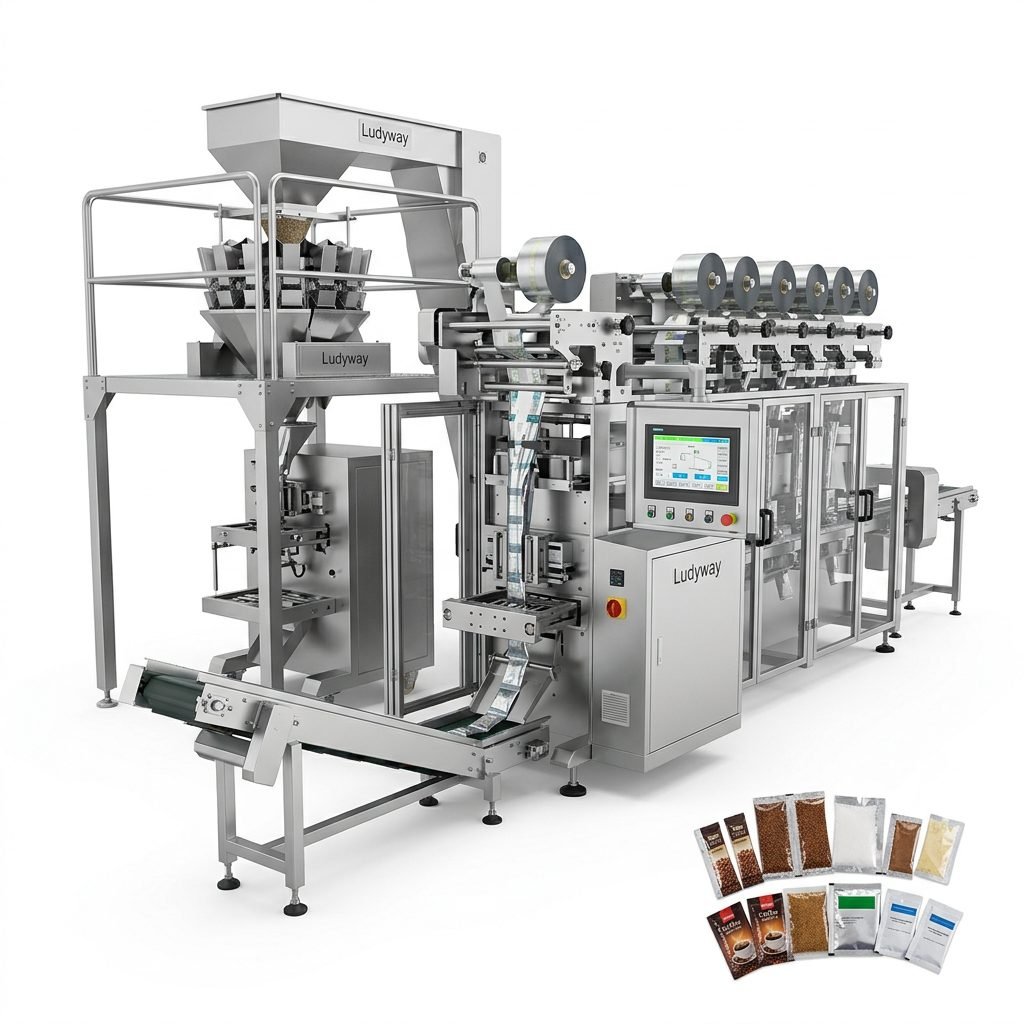
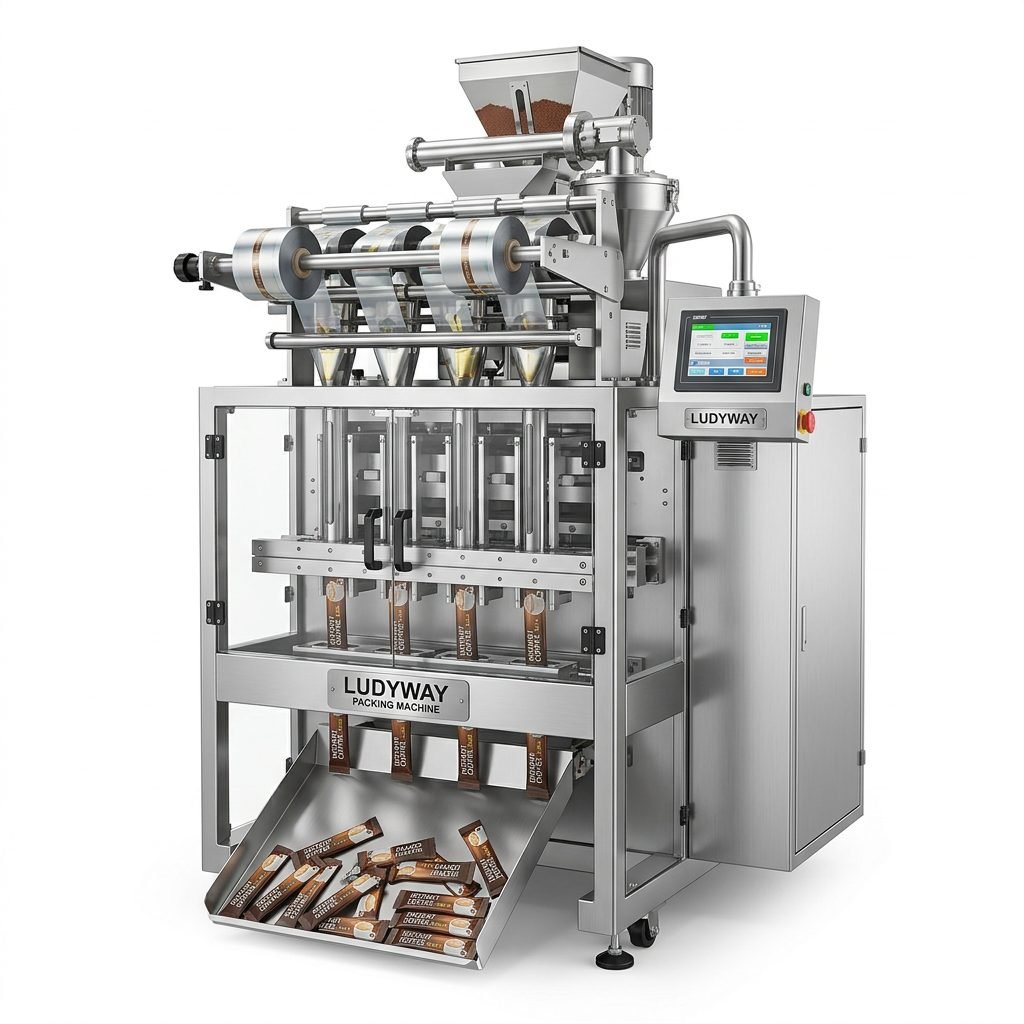
Setting up a meat packaging machine production line in the United States requires careful planning, strict adherence to food safety regulations, and strategic equipment selection. Whether you are launching a new facility or upgrading an existing operation, understanding the full scope of the process can help you avoid costly mistakes and ensure long-term operational success. This guide walks you through every critical step, from regulatory compliance to equipment installation and ongoing maintenance.
Understanding U.S. Regulatory Requirements for Meat Packaging
Before purchasing any equipment, you must familiarize yourself with the regulatory landscape. In the United States, meat packaging facilities are primarily regulated by the USDA Food Safety and Inspection Service (FSIS), which oversees the safety and labeling of meat products. Additionally, the FDA’s Food Packaging and Food Contact Substances guidelines apply to packaging materials that come into direct contact with meat.
Key regulatory requirements include:
- HACCP (Hazard Analysis and Critical Control Points) plan implementation
- Sanitation Standard Operating Procedures (SSOPs)
- Proper labeling under USDA FSIS labeling regulations
- Facility registration and regular inspection compliance
- Traceability and recall preparedness protocols
Non-compliance can result in severe penalties, product recalls, or even facility shutdowns. It is highly recommended to consult with a food safety compliance expert during the planning phase to ensure your production line meets all applicable standards. The PMMI Packaging Machinery Standards and Regulations provide valuable guidance on equipment design and safety requirements.
Selecting the Right Meat Packaging Equipment
Choosing the appropriate machinery is one of the most critical decisions you will make. The type of equipment depends on factors such as product format, production volume, packaging material, and desired shelf life. Common categories of meat packaging machines include:
| Packaging Type | Best For | Key Features |
|---|---|---|
| Vacuum Packaging | Fresh cuts, cured meats | Extended shelf life, oxygen removal |
| Modified Atmosphere Packaging (MAP) | Pre-sliced deli meats, sausages | Gas flushing, premium presentation |
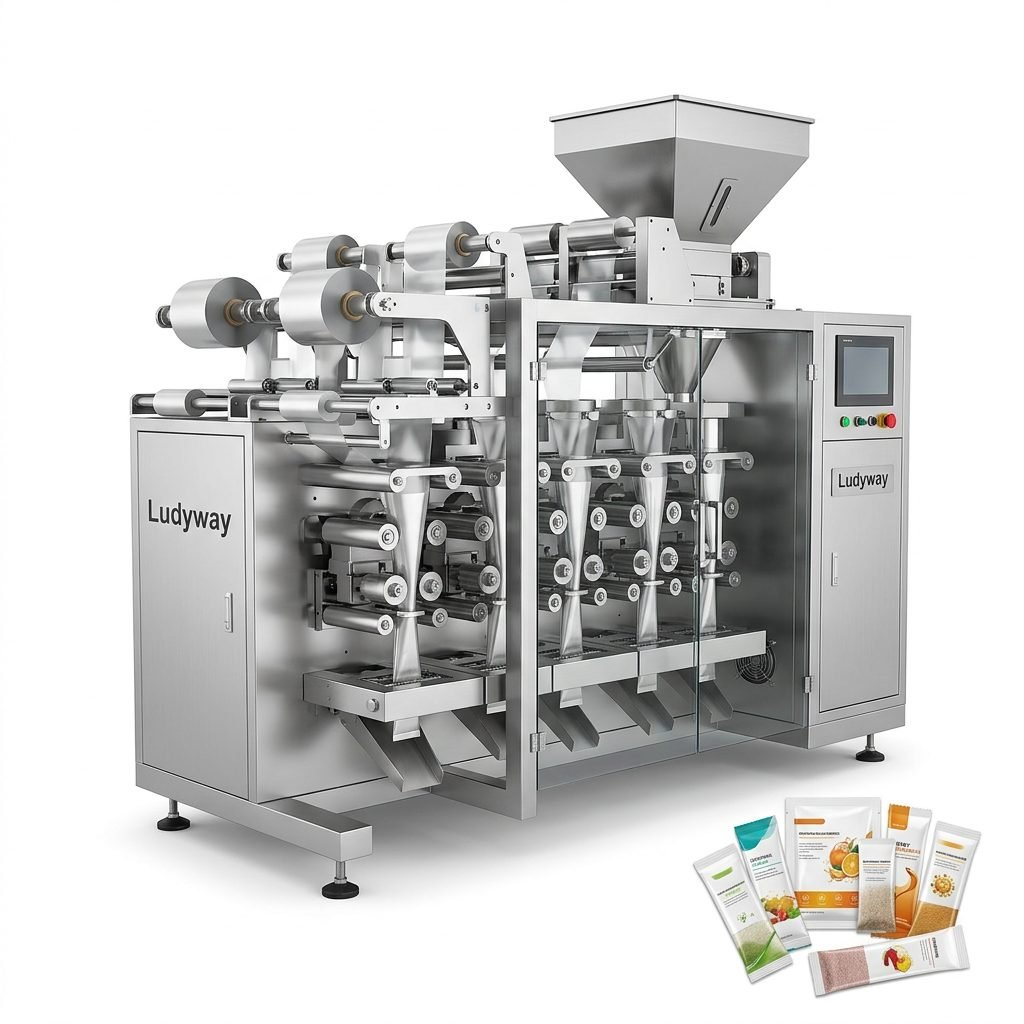
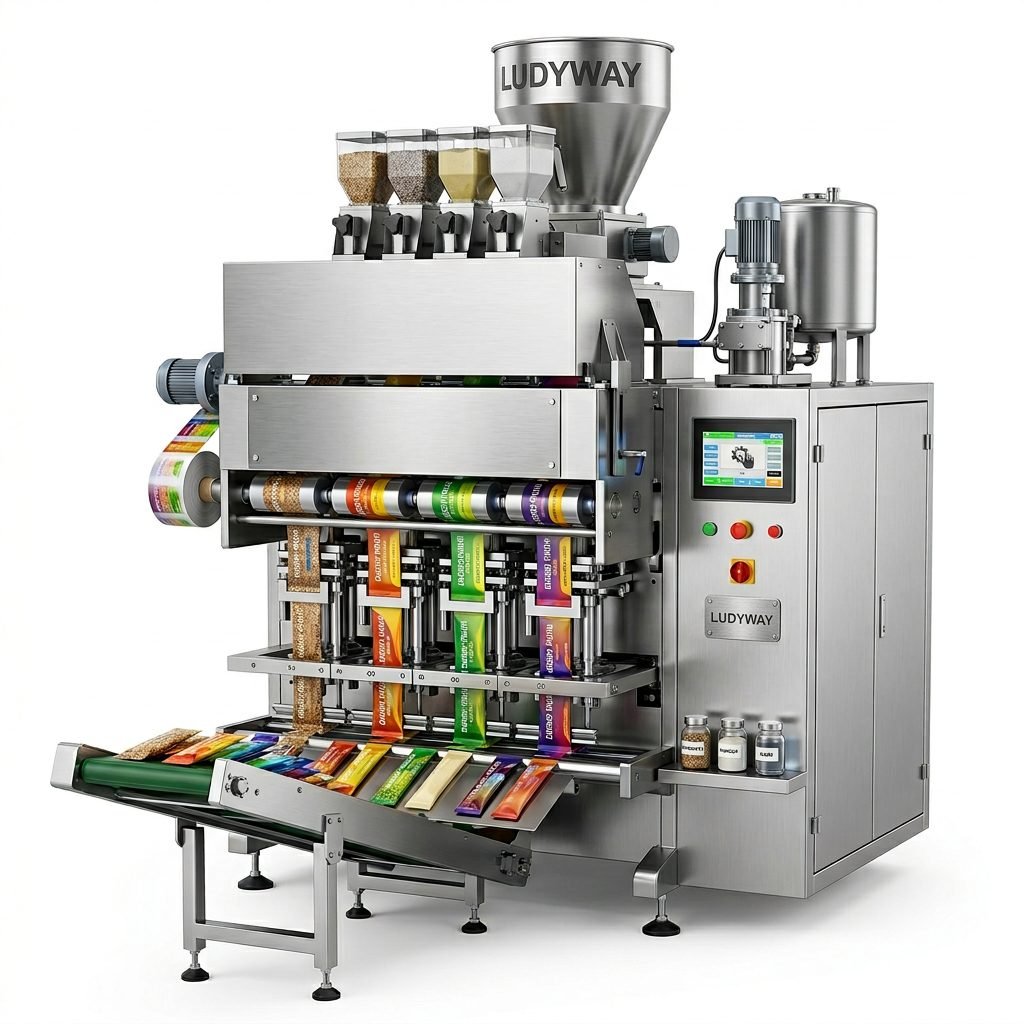
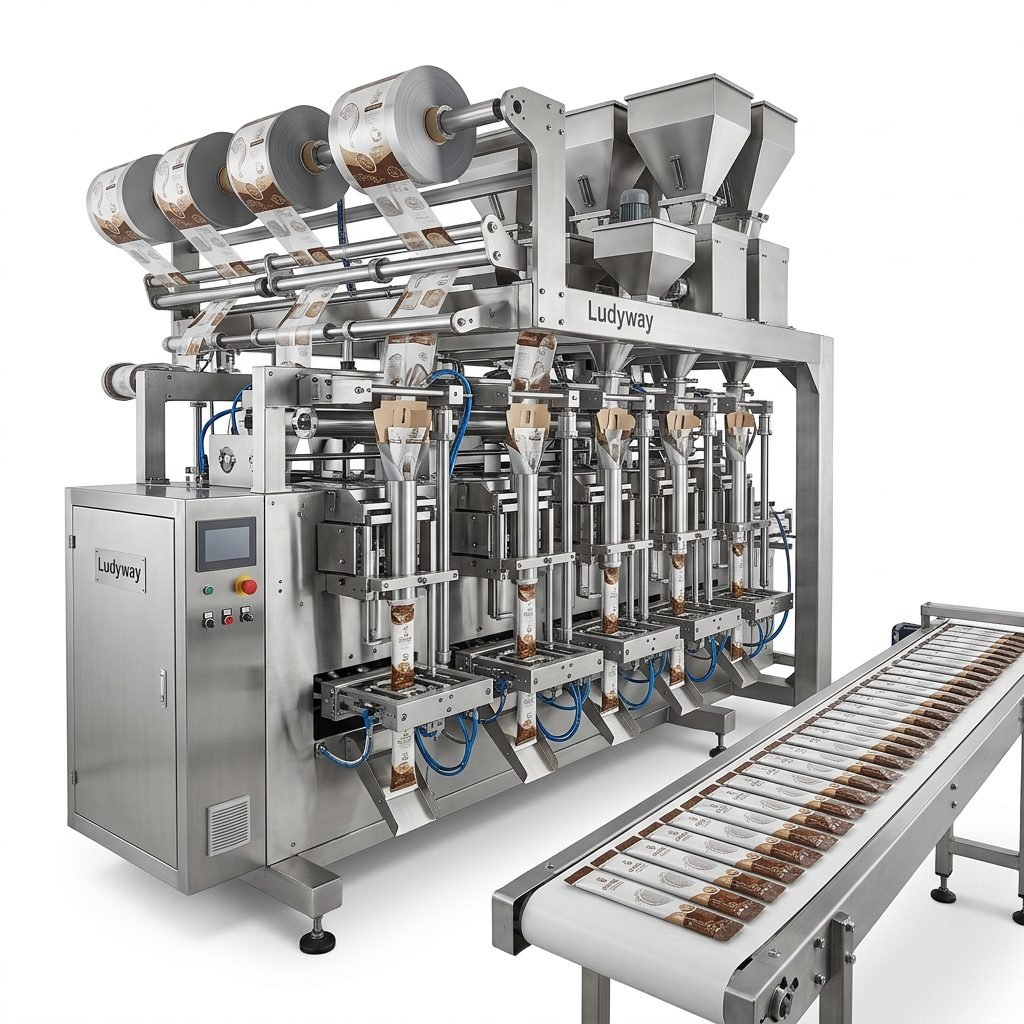
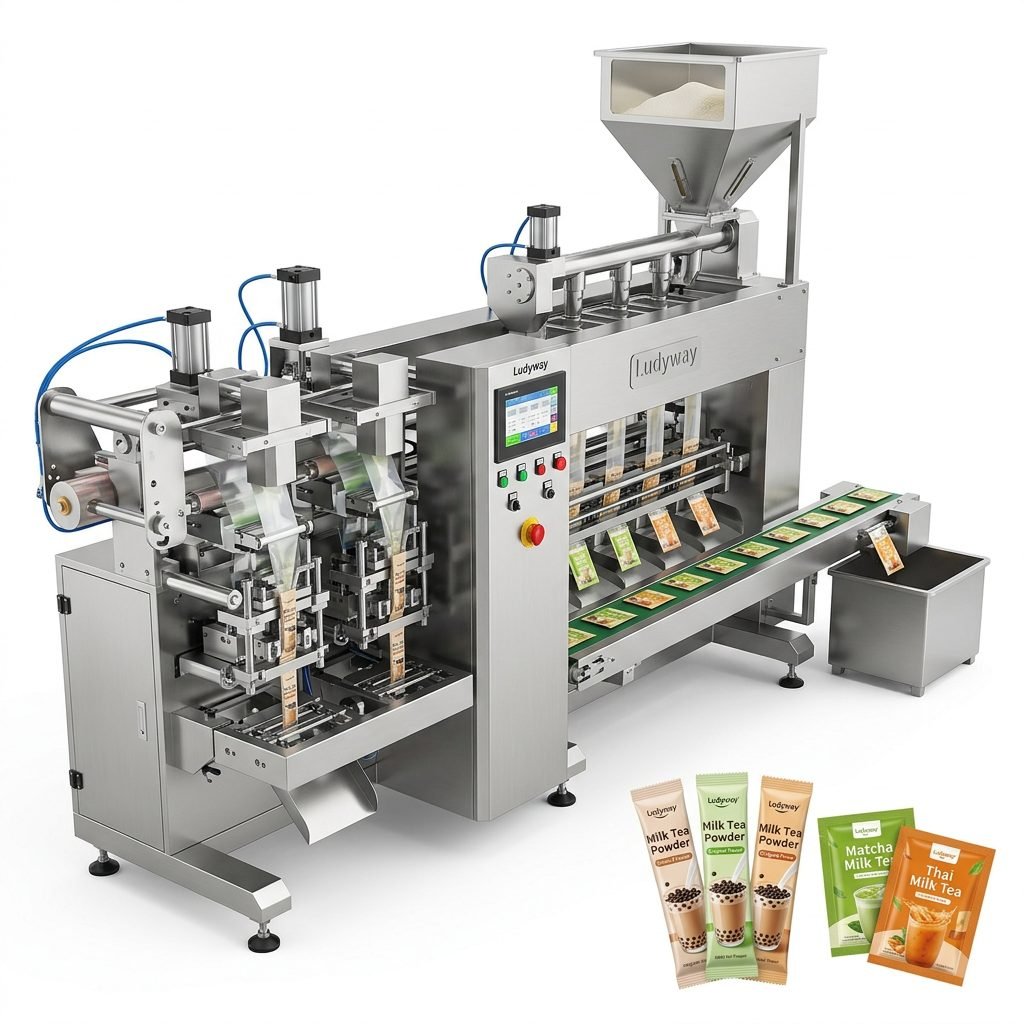
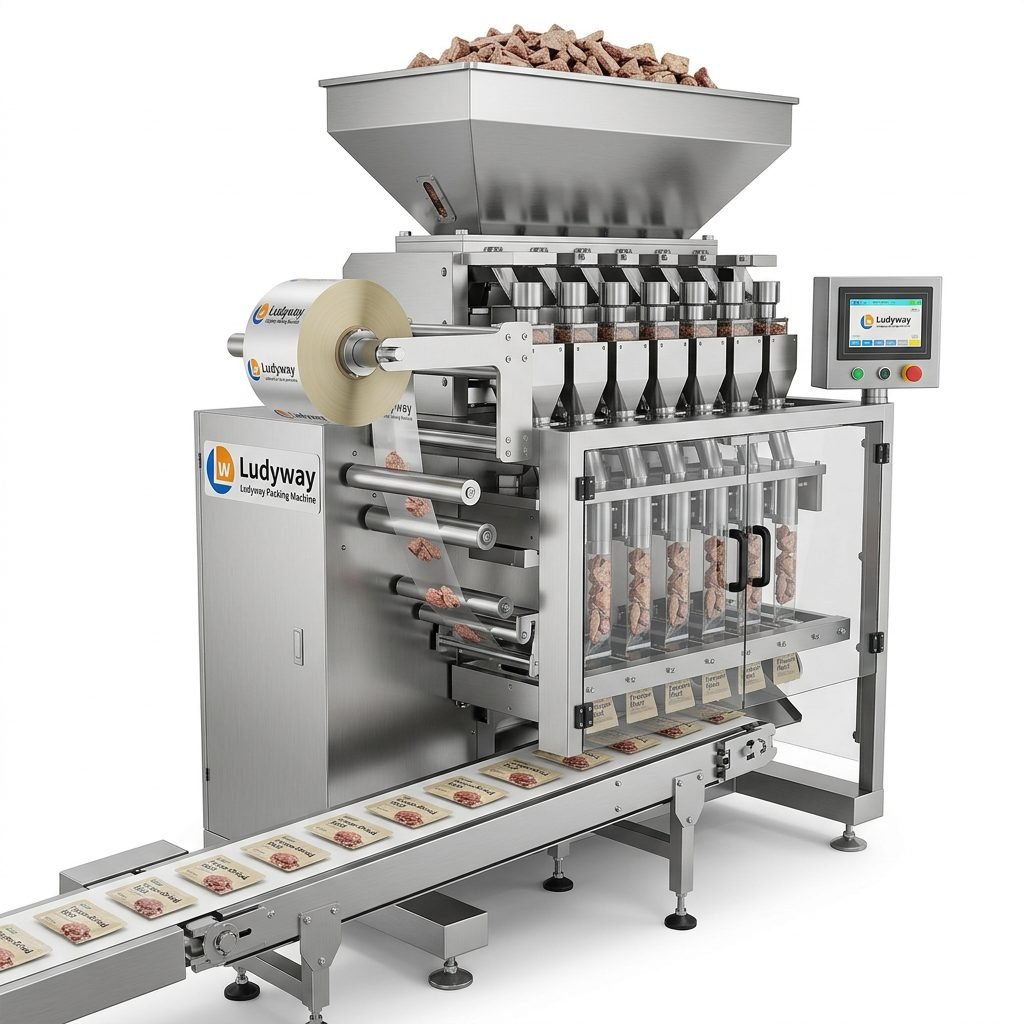
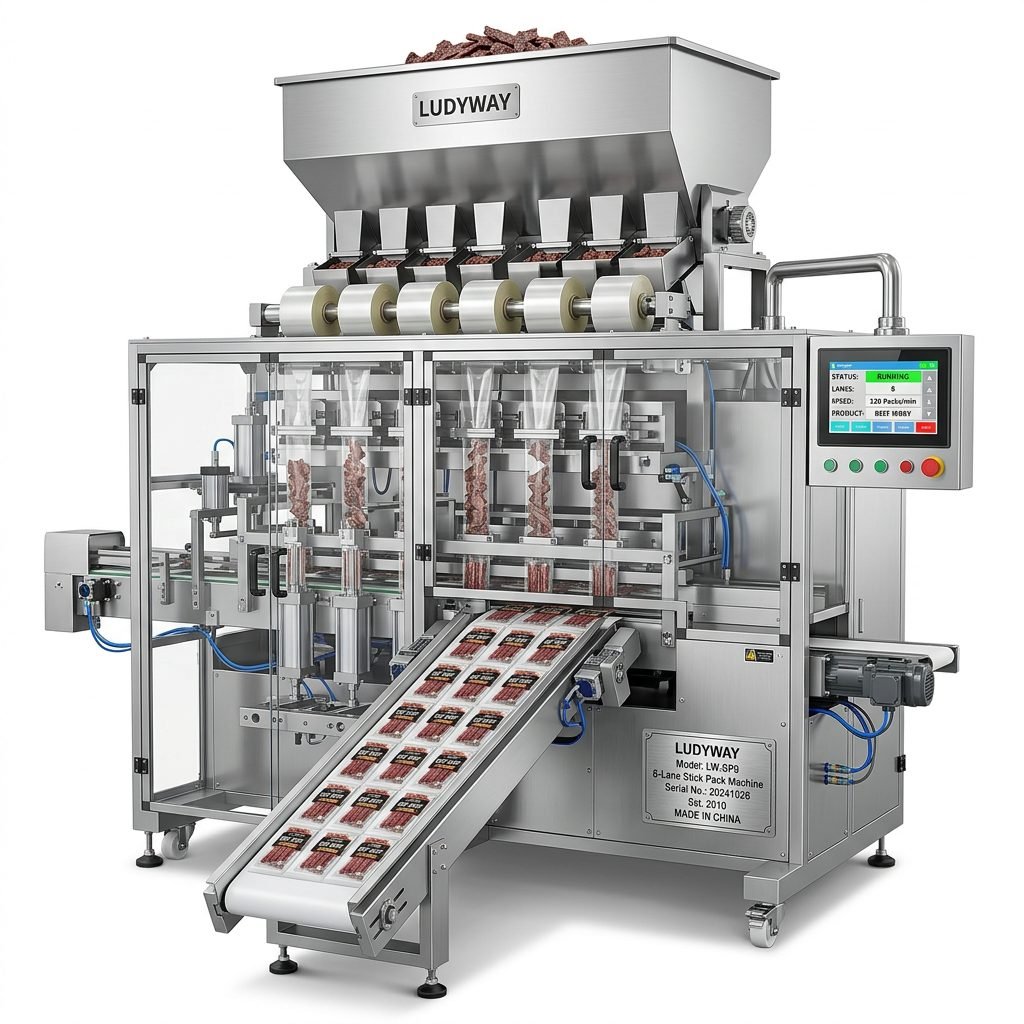
| Stick Pack & Sachet | Jerky, freeze-dried meat snacks | High-speed multi-lane, portion control |
| Tray Sealing | Ground meat, ready-to-cook trays | Leak-proof seal, retail-ready |
| Thermoforming | Bacon, hot dogs, processed meats | Flexible film, high output capacity |

Planning Your Production Line Layout
A well-designed layout maximizes operational efficiency and ensures smooth material flow from raw product intake to finished goods shipping. Consider the following when designing your meat packaging line:
- Raw material receiving area — Must be temperature-controlled and separate from finished product zones
- Processing and portioning stations — Equipment placement for optimal worker movement
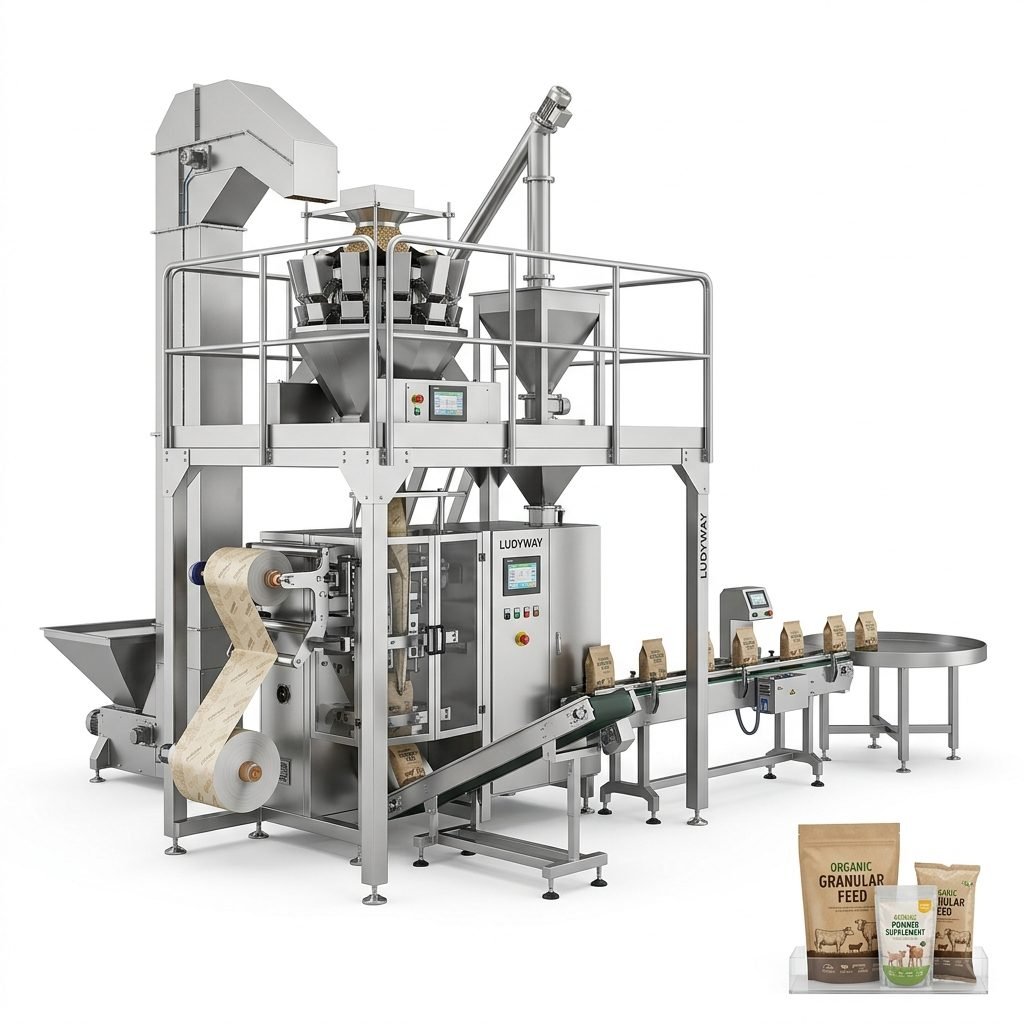
- Primary packaging zone — Where filling, sealing, and vacuum operations take place
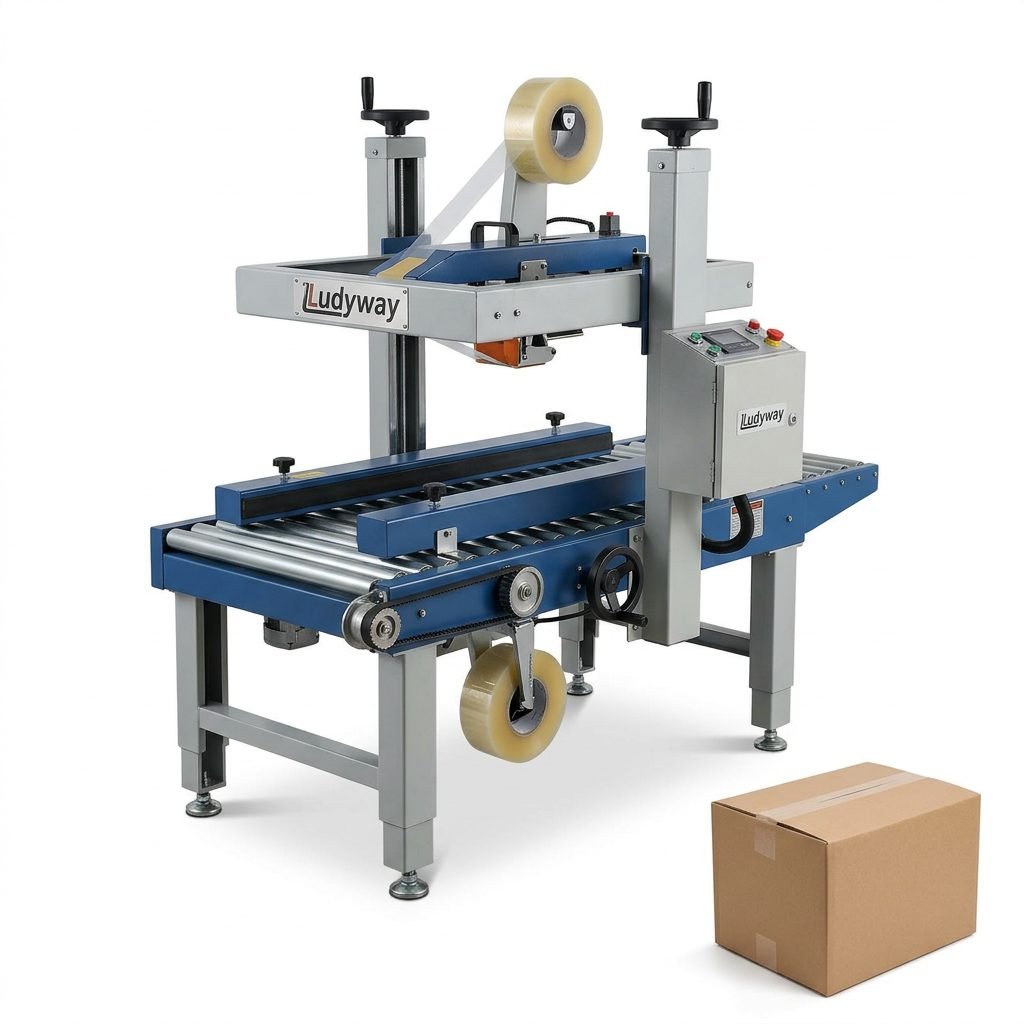
- Secondary packaging area — Cartoning, case packing, and palletizing stations
- Cold storage and shipping docks — Maintaining the cold chain is critical
Cross-contamination prevention should be a top priority. Design your layout to create physical barriers between raw and cooked product areas, and implement strict personnel hygiene protocols. The ISO Packaging Standards offer internationally recognized guidelines for packaging line design and safety.

Installation, Testing, and Staff Training
Once your equipment has been selected and the layout finalized, the installation phase begins. This is a critical period that requires close coordination between your team, the equipment supplier, and any third-party contractors. Proper installation ensures that all machinery operates at peak performance and meets safety standards.
Key Installation Steps
- Site preparation — Ensure utilities (electricity, compressed air, water) are properly sized and positioned
- Equipment positioning — Follow the layout plan precisely, accounting for clearance and service access
- Mechanical and electrical connections — All wiring and plumbing must meet local building codes
- Calibration and alignment — Fine-tune each machine for accurate filling, sealing, and labeling
- Test runs with product — Validate performance under real production conditions
Staff training should not be overlooked. Operators and maintenance personnel must be thoroughly trained on equipment operation, safety procedures, and troubleshooting. Comprehensive training reduces downtime and helps maintain consistent product quality. Many equipment manufacturers offer on-site training and ongoing technical support as part of their service packages.

Ongoing Maintenance and Quality Control
Maintaining your meat packaging production line is essential for food safety, product quality, and operational longevity. A proactive maintenance program helps prevent unexpected breakdowns and costly production stoppages.
| Maintenance Type | Frequency | Key Activities |
|---|---|---|
| Daily Cleaning & Sanitation | Every shift | Disassemble contact parts, sanitize surfaces, inspect seals |
| Preventive Maintenance | Weekly / Monthly | Lubrication, belt tension checks, sensor calibration |
| Predictive Maintenance | Quarterly | Vibration analysis, thermal imaging, wear part assessment |
| Annual Overhaul | Yearly | Full system inspection, major component replacement |
Quality control procedures should be integrated throughout the production process. Regular checks on seal integrity, fill weight accuracy, and packaging material quality help ensure that every product leaving your facility meets both regulatory standards and customer expectations. Investing in automated inspection systems, such as checkweighers and metal detectors, can significantly enhance your quality assurance capabilities.

Choosing the Right Equipment Partner
Selecting a reliable equipment manufacturer is just as important as choosing the right machinery. A trusted packaging machine manufacturer should offer comprehensive support, from initial consultation and custom engineering to after-sales service and spare parts availability. Look for suppliers with a proven track record in the meat and protein packaging sector, and verify that their equipment meets U.S. food safety and electrical standards.
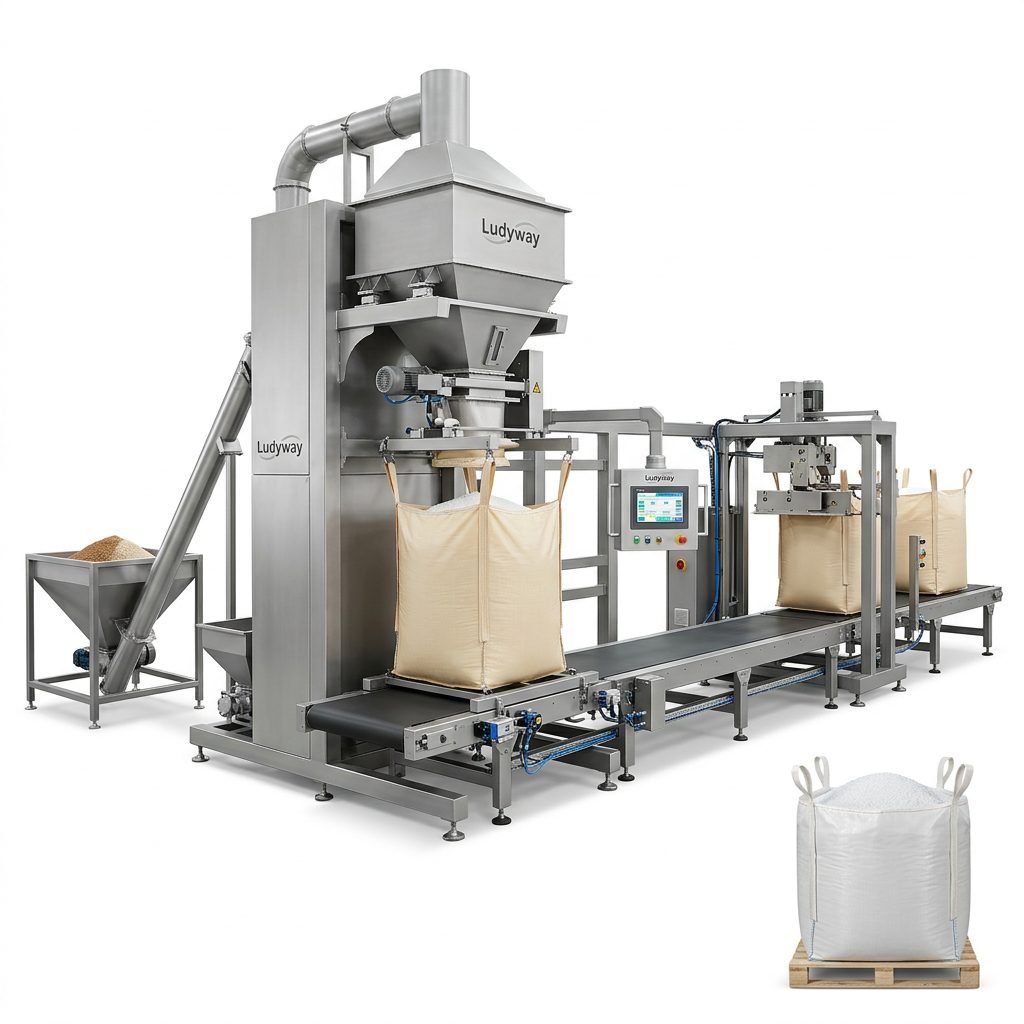
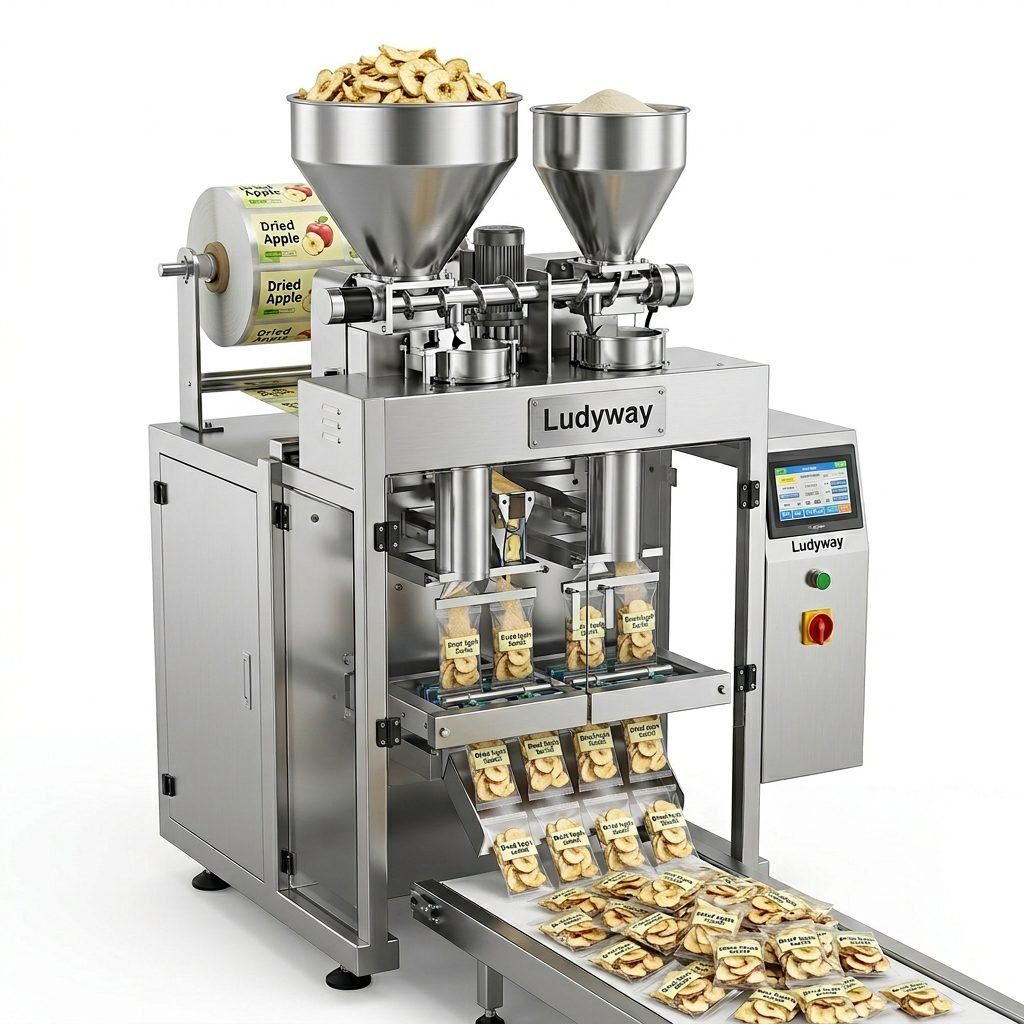
For example, Ludyway is one of the largest packaging machine manufacturers in China, with over 30 years of industry experience and more than 50 intelligent packaging machine models serving customers in over 100 countries. Their expertise spans granule, powder, liquid, and pouch packaging applications, making them a versatile partner for diverse meat packaging needs including jerky, freeze-dried meat snacks, and vacuum-sealed products. With a modern 20,000㎡ manufacturing facility and a dedicated engineering team, they provide turnkey production solutions that help businesses improve productivity and operational efficiency.
Frequently Asked Questions
What permits do I need to operate a meat packaging facility in the U.S.?
You will need a USDA FSIS Grant of Inspection for processing meat products intended for interstate commerce. Additionally, state-level permits, local business licenses, and environmental compliance permits may be required depending on your location. Facilities must also comply with FDA packaging regulations regarding food contact materials.
How much does a meat packaging production line cost?
The total investment varies widely based on production capacity, automation level, and equipment type. A small-scale manual line may start around $50,000 to $150,000, while a fully automated high-speed line can range from $500,000 to over $2 million. Factors such as facility modifications, installation, training, and initial operating costs should also be budgeted.
How long does it take to set up a complete production line?
From initial planning to full commercial operation, expect a timeline of 6 to 18 months. This includes equipment manufacturing (8-16 weeks), shipping and customs clearance (4-8 weeks), installation and commissioning (2-4 weeks), and staff training and trial production (2-4 weeks). Complex turnkey projects may take longer.
Setting up a meat packaging machine production line in the United States is a significant undertaking, but with proper planning, the right equipment, and a reliable manufacturing partner, you can build a safe, efficient, and highly productive operation that meets all regulatory requirements and positions your business for long-term growth.