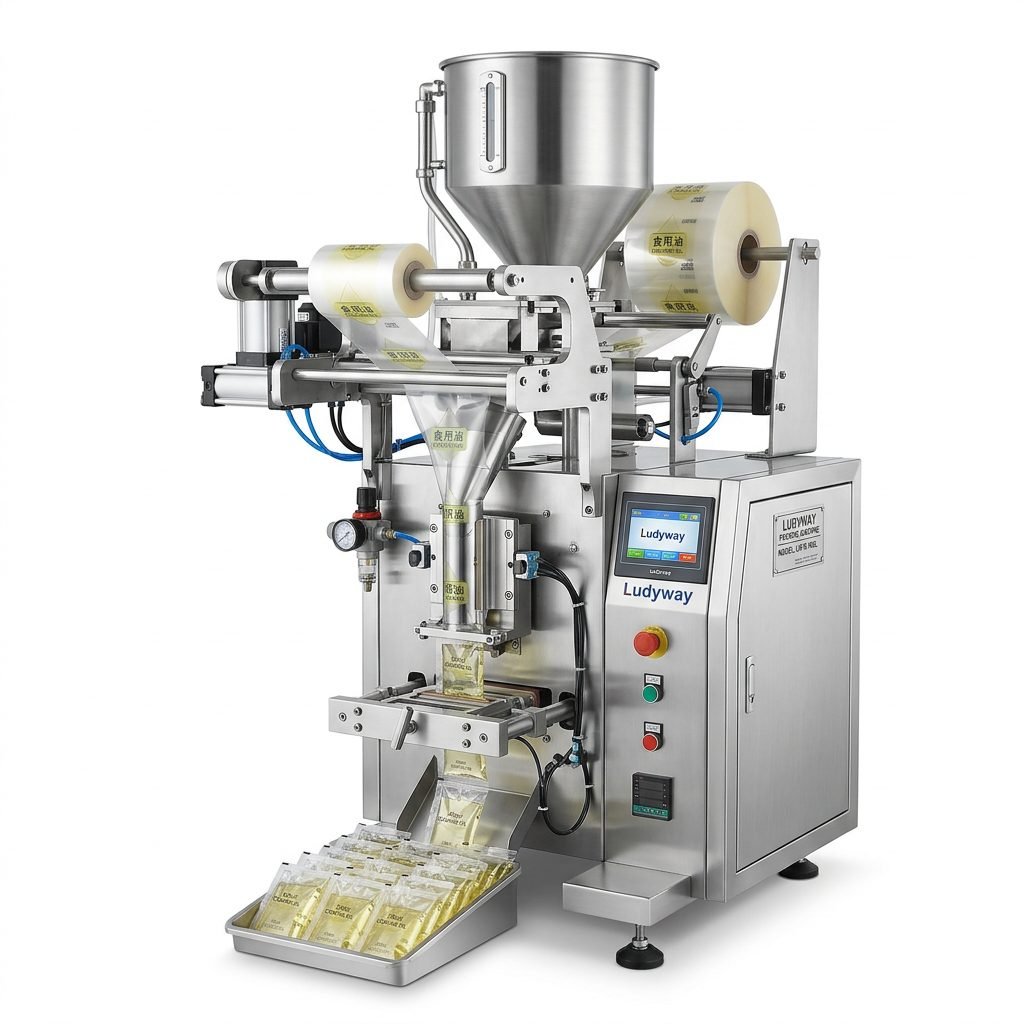
Investing in an automatic carton packing machine is a strategic decision that directly affects your production efficiency, labor costs, and packaging consistency. With the global packaging machinery market projected to exceed $70 billion by 2027, according to PMMI’s State of the Industry report, manufacturers across food, pharmaceutical, cosmetic, chemical, and consumer goods sectors are increasingly turning to automated carton packaging solutions. However, selecting the right equipment requires a clear understanding of your production requirements, carton types, speed expectations, and integration needs. A poorly matched machine can lead to downtime, product damage, and higher operational costs over time. This buyer’s guide walks you through the essential factors to evaluate before making your purchase, helping you compare options, understand technical specifications, and choose a carton packing solution that aligns with your long-term production goals.
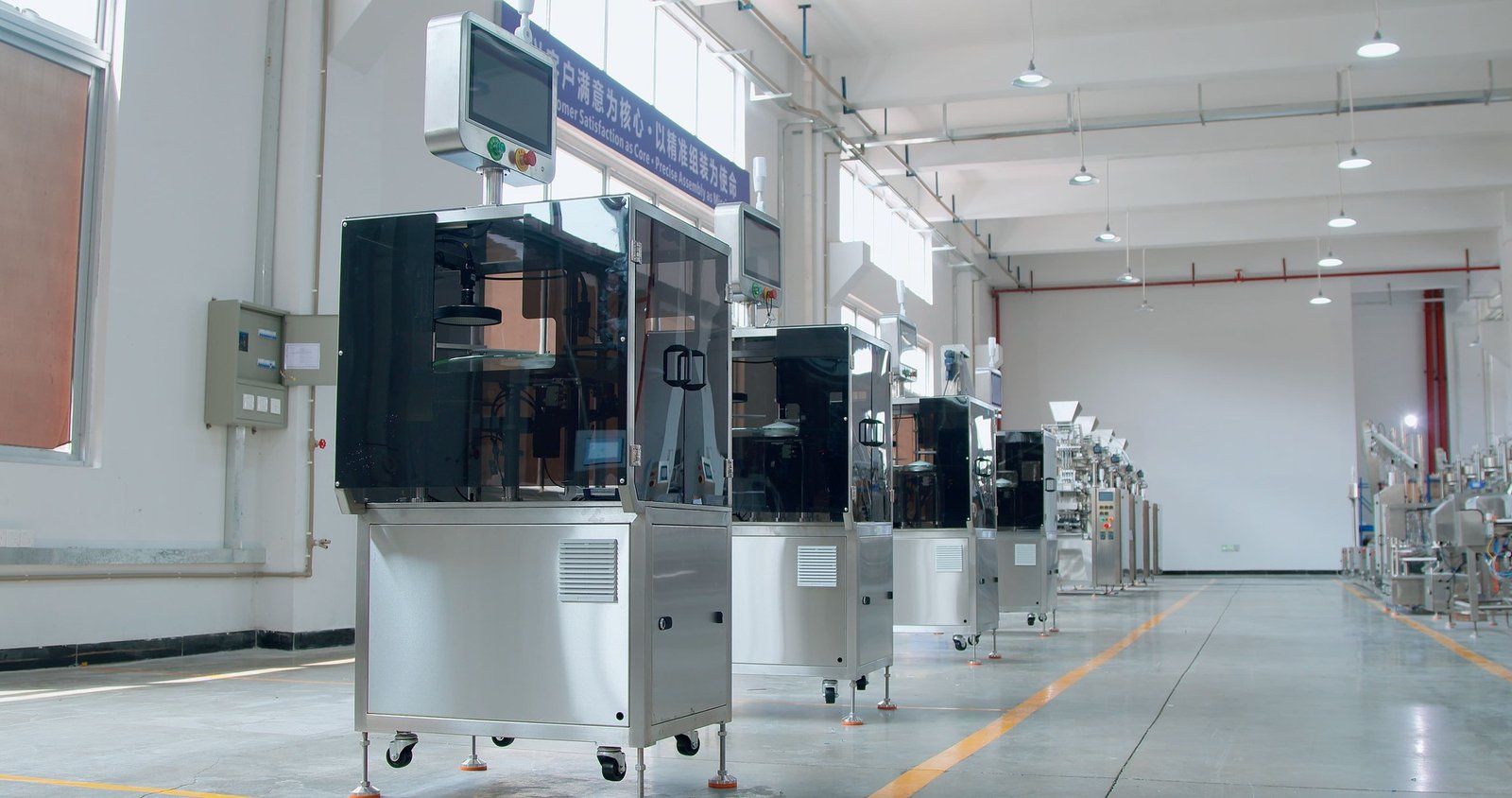
Understanding Automatic Carton Packing Machines
An automatic carton packing machine automates the process of forming, filling, and sealing cartons or boxes in a production line. These machines handle tasks that would otherwise require manual labor — erecting flat carton blanks, loading products, inserting leaflets or dividers, closing flaps, and sealing with tape or glue. Depending on the configuration, a single integrated system may combine carton erecting, product loading, inspection, coding, and case sealing into one continuous workflow. Modern equipment can process dozens to hundreds of cartons per minute, with precise control over carton dimensions, sealing quality, and throughput consistency. The ISO packaging standards (ICS 55) provide a useful framework for understanding the mechanical and safety requirements that quality carton packing machinery should meet.
Key Machine Configurations
Automatic carton packing machines come in several configurations, each suited to different production environments. Understanding the distinctions helps narrow your selection:
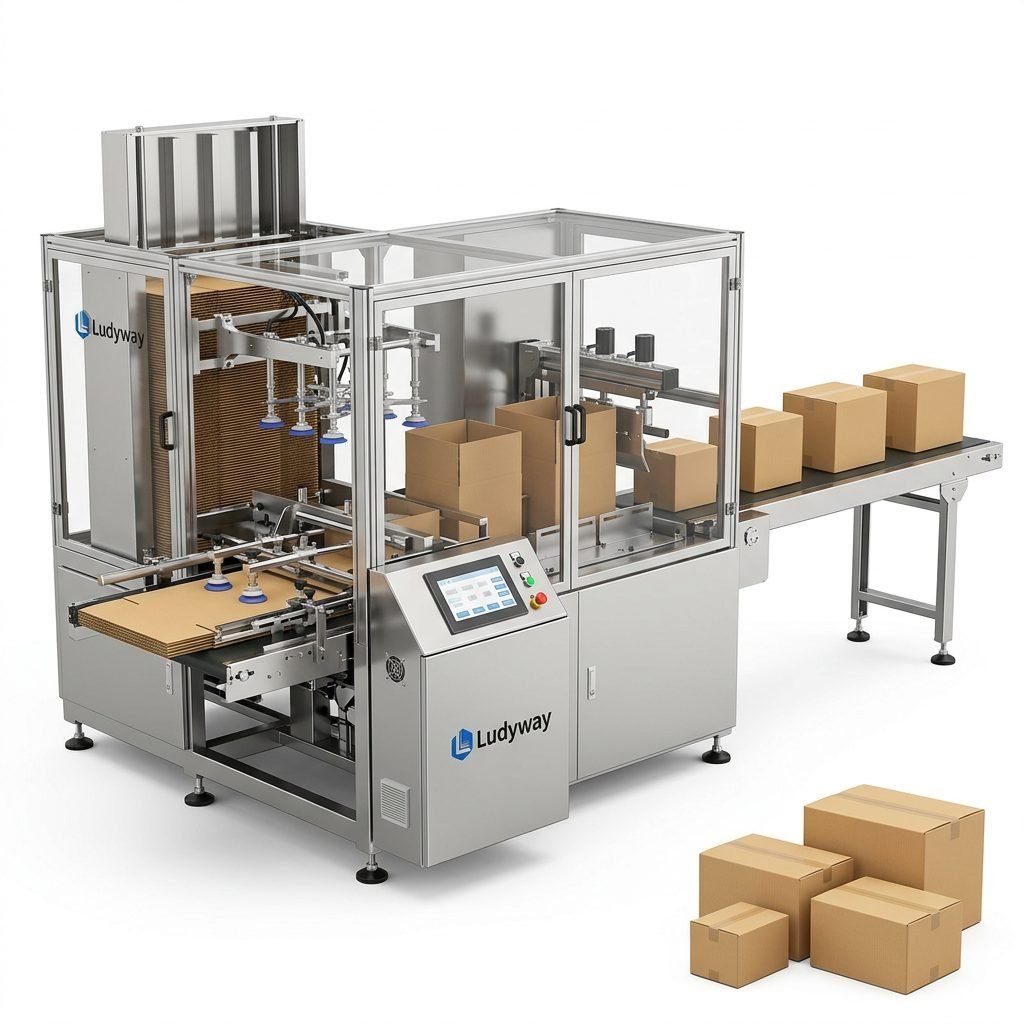
- Carton Erectors — Form flat carton blanks into open boxes, folding bottom flaps and applying tape or glue. Ideal for operations that receive cartons in knocked-down form.
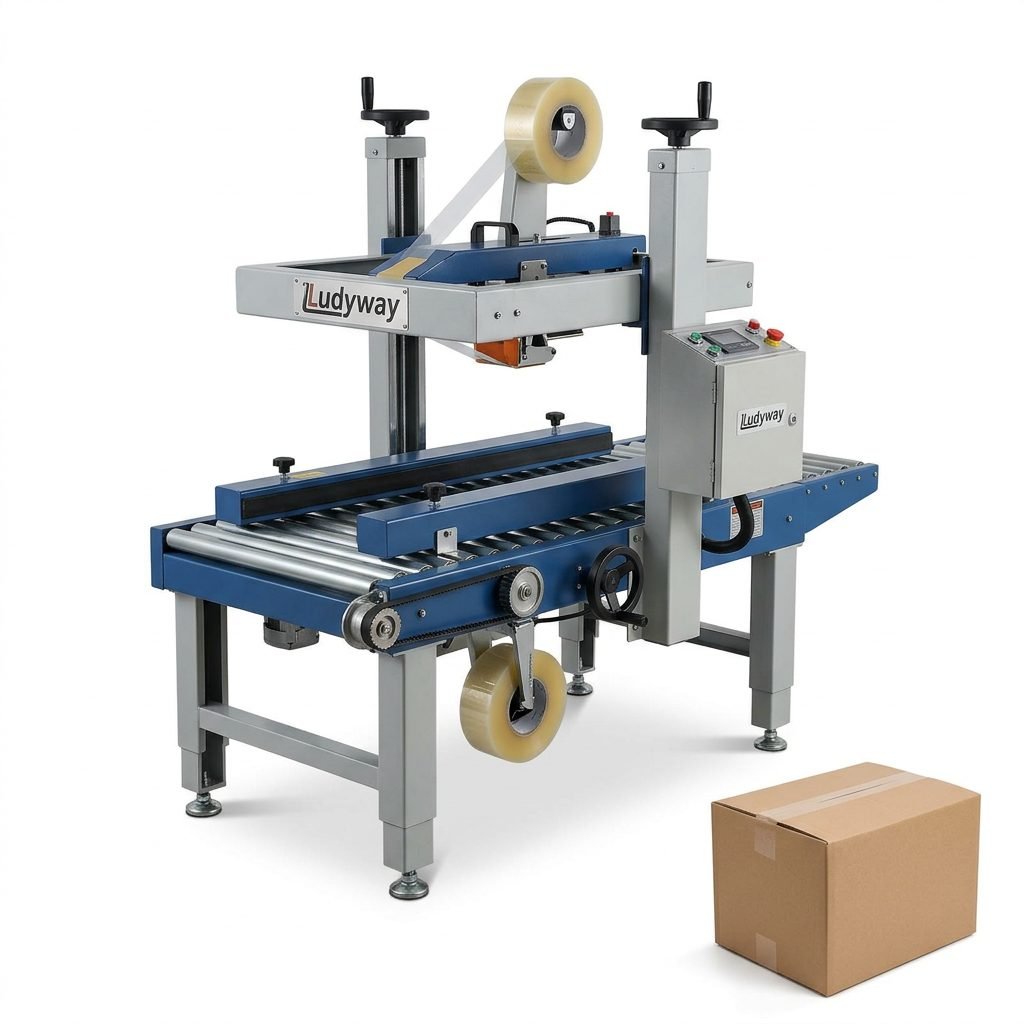
- Carton Sealers — Close top and bottom flaps of pre-filled cartons and apply sealing tape or adhesive. Available in uniform or random size adjustment models.
- Case Packers — Load products into cartons or cases automatically. Configurations include top-load, side-load, and wrap-around styles depending on product orientation.
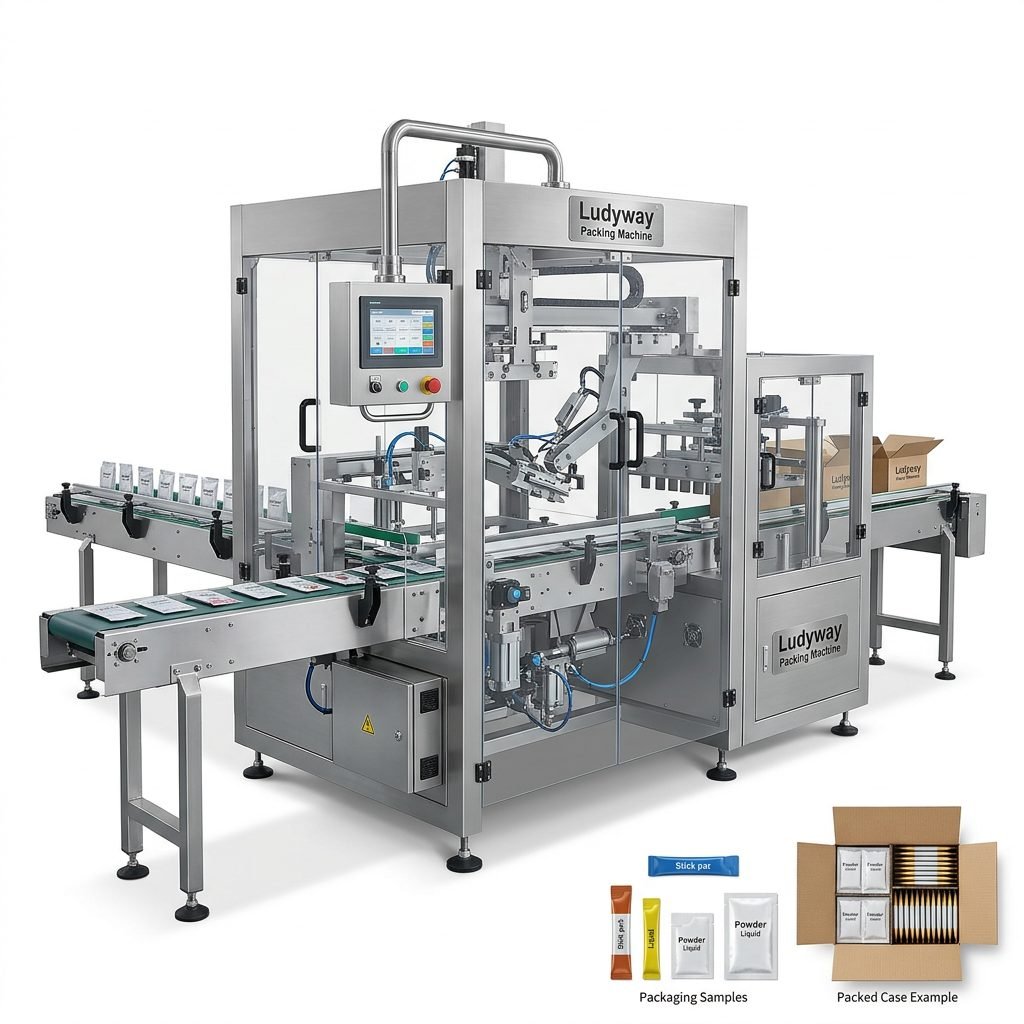
- Integrated Carton Packing Systems — Combine erecting, loading, inserting, closing, and sealing in a single automated line, often with multi-lane capabilities for high-speed production.
Critical Factors to Evaluate Before Purchasing
Selecting the right automatic carton packing machine means evaluating your operation from multiple angles — not just speed and price. The Flexible Packaging Association’s industry resources highlight how production requirements and material compatibility significantly influence equipment choice. Here are the factors that should guide your decision:
1. Carton Dimensions and Range
Measure your minimum and maximum carton sizes across all product lines. Some machines handle a narrow size range efficiently, while others offer quick-changeover designs that accommodate multiple carton dimensions. If your production involves frequent size changes, prioritize machines with tool-less adjustment systems that reduce changeover time to under 5 minutes. For operations running a single carton size consistently, a dedicated machine optimized for that specific dimension may offer better speed and reliability.
2. Production Speed Requirements
Your target throughput — measured in cartons per minute (CPM) — should align with both current needs and future growth projections. A machine rated for 15 CPM may suffice for a small-to-medium operation, while high-volume food or pharmaceutical lines often require 30-60 CPM or more. However, rated speed is not the only consideration. Evaluate sustained operating speed under real production conditions, factoring in changeovers, material replenishment, and periodic maintenance stops. Over-specifying speed can lead to unnecessary capital expenditure, while under-specifying creates bottlenecks that limit overall line productivity.
3. Product Characteristics
The physical properties of your product — weight, dimensions, fragility, and shape — directly affect which loading and handling mechanisms are suitable. Heavy or irregularly shaped products may require servo-driven grippers or robotic pick-and-place modules. Fragile items benefit from gentle handling features like soft-touch gripping or cushioned transfer points. Products with dust or powder residues may require sealed machine enclosures and integrated dust collection to maintain cleanliness and protect mechanical components.
4. Carton Material and Sealing Method
Different carton materials — corrugated board, solid fiberboard, or coated surfaces — respond differently to sealing methods. Common options include hot-melt glue systems for strong, tamper-evident seals on corrugated cases, pressure-sensitive tape for flexibility and easy recyclability, and water-activated tape for high-security sealing on heavy cartons. Verify that the machine’s sealing system is compatible with your chosen carton material and that the sealing quality meets any regulatory requirements, especially in pharmaceutical or food-grade applications as outlined in FDA packaging and food contact substances guidelines.
5. Machine Footprint and Line Integration
Measure your available floor space and consider how the carton packing machine will integrate with upstream filling equipment and downstream palletizing systems. Compact inline configurations work well in space-constrained facilities, while L-shaped or U-shaped layouts may optimize material flow in larger plants. Confirm conveyor height compatibility, electrical requirements, and communication protocols with existing line equipment. A machine that cannot easily integrate into your current layout will add installation costs and may require structural modifications to your facility.
Comparing Carton Packing Machine Types
The table below provides a comparative overview of the main automatic carton packing machine categories, helping you identify which type best matches your operational requirements:
| Machine Type | Primary Function | Typical Speed Range | Best Suited For |
|---|---|---|---|
| Carton Erector | Forms flat blanks into open cartons | 10-40 CPM | Operations starting from flat carton stock |
| Carton Sealer | Closes and seals filled cartons | 15-50 CPM | End-of-line packaging with pre-filled cartons |
| Case Packer (Top-Load) | Loads products vertically into cases | 10-30 CPM | Bottles, jars, pouches, and rigid containers |
| Case Packer (Side-Load) | Loads products horizontally into cases | 10-35 CPM | Sachets, stick packs, flat cartons, and bags |
| Wrap-Around Case Packer | Wraps blank around product and seals | 20-60 CPM | High-volume lines with consistent product groups |
| Integrated Carton Packing System | Full process: erect, load, close, seal | 20-80+ CPM | Large-scale automated production lines |
Automation and Control System Considerations
Modern automatic carton packing machines rely on PLC-based control systems with HMI touchscreen interfaces for operation, monitoring, and diagnostics. When evaluating control systems, look for:
- Recipe management — Ability to store and recall settings for different carton sizes and product configurations, enabling rapid changeovers.
- Real-time diagnostics — Displays that show machine status, fault locations, and maintenance alerts to minimize troubleshooting time.
- Remote access capability — Secure Ethernet or Wi-Fi connectivity that allows technicians to diagnose issues and update software without an on-site visit.
- Integration protocols — Compatibility with common industrial communication standards such as Ethernet/IP, Profinet, or Modbus for seamless line integration.
- Data logging and OEE tracking — Built-in capabilities for overall equipment effectiveness (OEE) monitoring help identify performance trends and improvement opportunities.
Servo vs. Pneumatic Actuation
The choice between servo-electric and pneumatic actuation affects precision, energy consumption, and maintenance requirements. Servo-driven systems offer superior positioning accuracy, programmable motion profiles, and higher energy efficiency, making them ideal for applications requiring precise carton handling and frequent size changes. Pneumatic systems, while generally more economical upfront, may incur higher long-term energy costs and require more maintenance for cylinders, valves, and air preparation equipment. For lines running multiple shifts with frequent changeovers, servo-electric machines often deliver better total cost of ownership despite higher initial investment.
Evaluating Build Quality and Long-Term Reliability
A machine’s frame construction, component quality, and design engineering determine how well it performs over years of continuous operation. Key indicators of build quality include:
- Frame material and construction — Welded steel frames with powder-coated or stainless steel finishes resist corrosion and maintain structural integrity under high-speed operation. For washdown environments in food or pharmaceutical facilities, stainless steel construction is often mandatory.
- Bearing and drive components — Branded bearings, gears, and drive systems from established industrial suppliers typically offer longer service life and better parts availability globally.
- Safety features — Interlocked guards, emergency stop circuits, light curtains, and compliance with relevant machinery safety directives protect operators and support regulatory compliance.
- Documentation and certification — CE marking, UL compliance, or other applicable certifications indicate that the machine has been designed and tested to meet recognized safety and quality benchmarks.
Total Cost of Ownership: Beyond the Purchase Price
The sticker price of an automatic carton packing machine represents only one component of its total cost. A comprehensive TCO analysis should account for:
| Cost Category | Considerations | Estimated Share of TCO |
|---|---|---|
| Capital Equipment Cost | Machine purchase, shipping, import duties, installation | 40-55% |
| Consumables | Tape, glue, carton blanks, stretch film | 20-30% |
| Maintenance and Spare Parts | Preventive maintenance, wear parts, unexpected repairs | 10-15% |
| Energy Consumption | Electricity, compressed air, vacuum supply | 5-8% |
| Labor and Training | Operator training, skilled maintenance staff, supervision | 5-10% |
Machines with higher energy efficiency, modular component design, and globally available spare parts can significantly reduce ongoing operational costs even if the initial purchase price is higher. Request detailed consumable consumption rates and recommended spare parts lists from potential suppliers to build an accurate TCO projection over a 5-10 year operating horizon.
Supplier Evaluation and Selection Criteria
Choosing the right equipment partner is as important as choosing the right machine. A supplier with strong engineering capabilities and responsive after-sales support can make a substantial difference in your long-term satisfaction. Evaluate potential suppliers on the following criteria:
Industry Experience and References
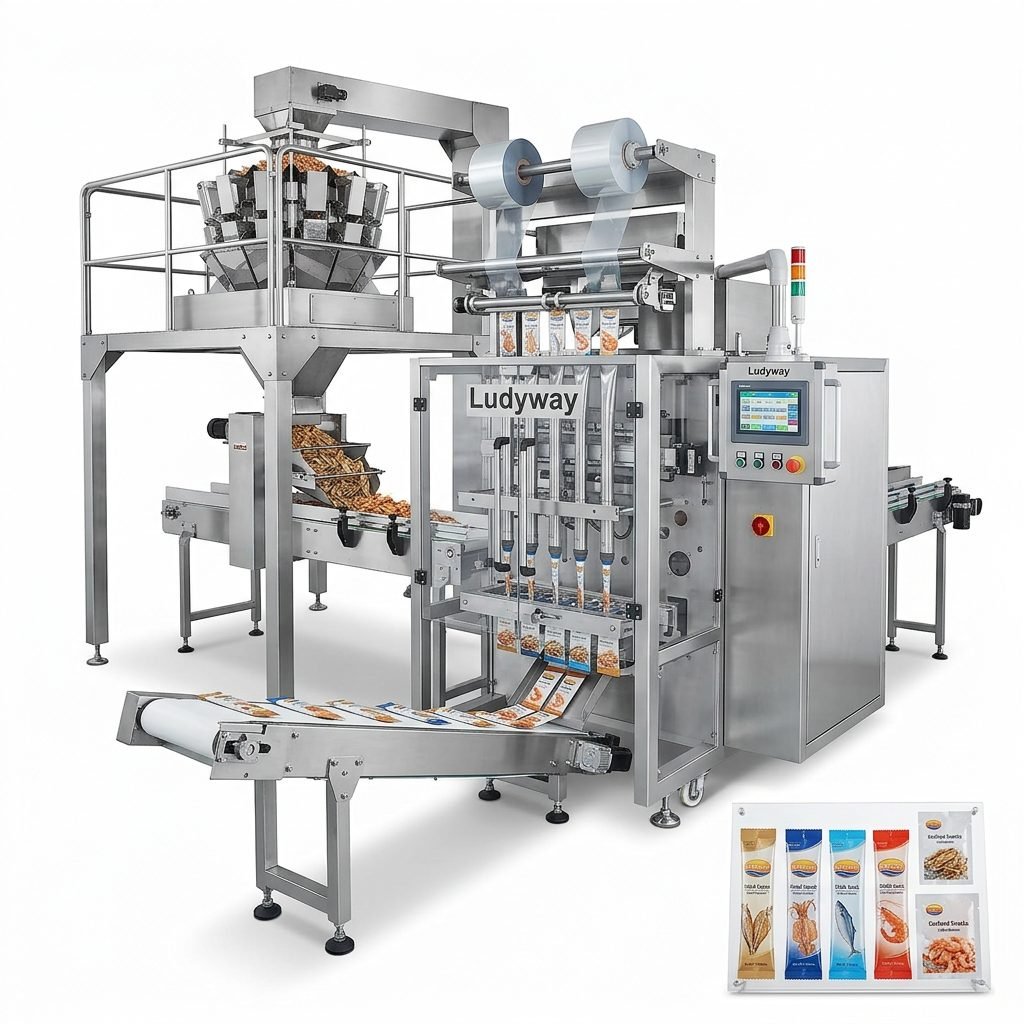
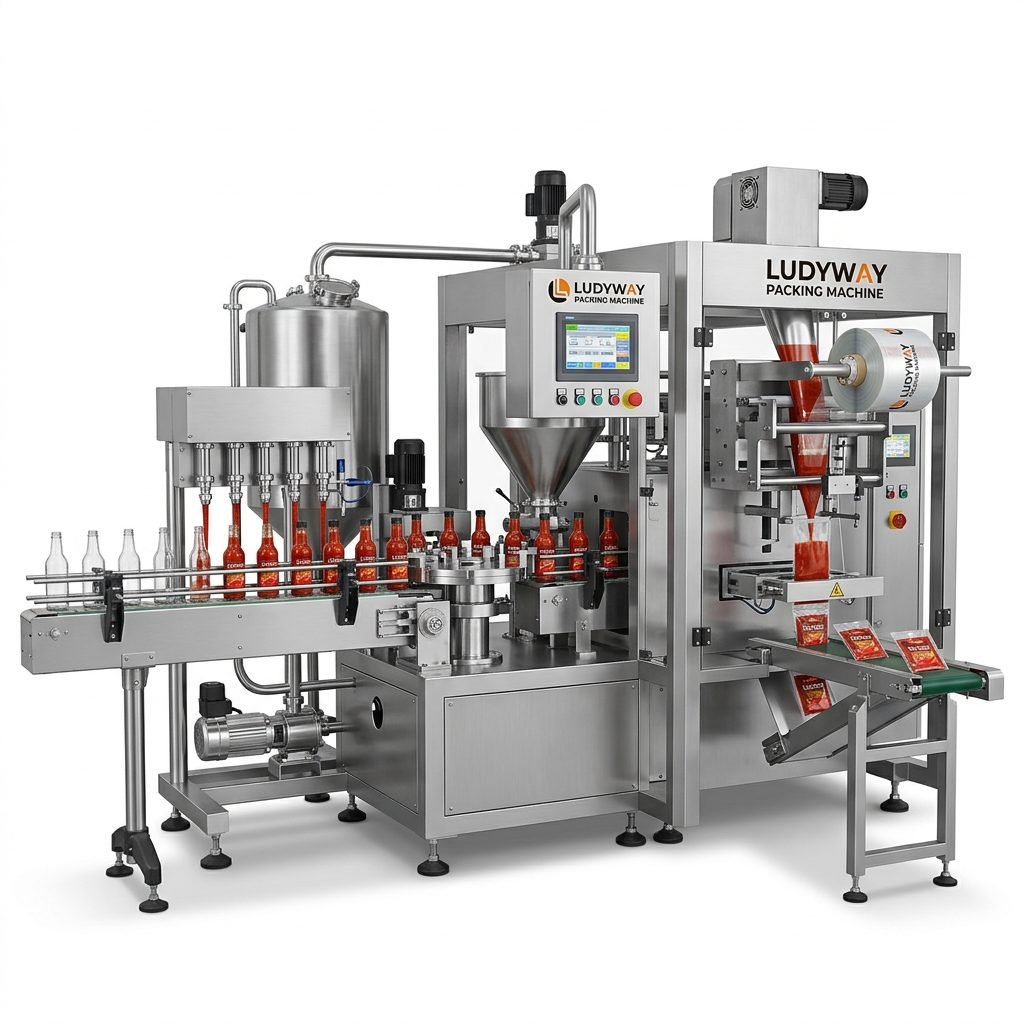
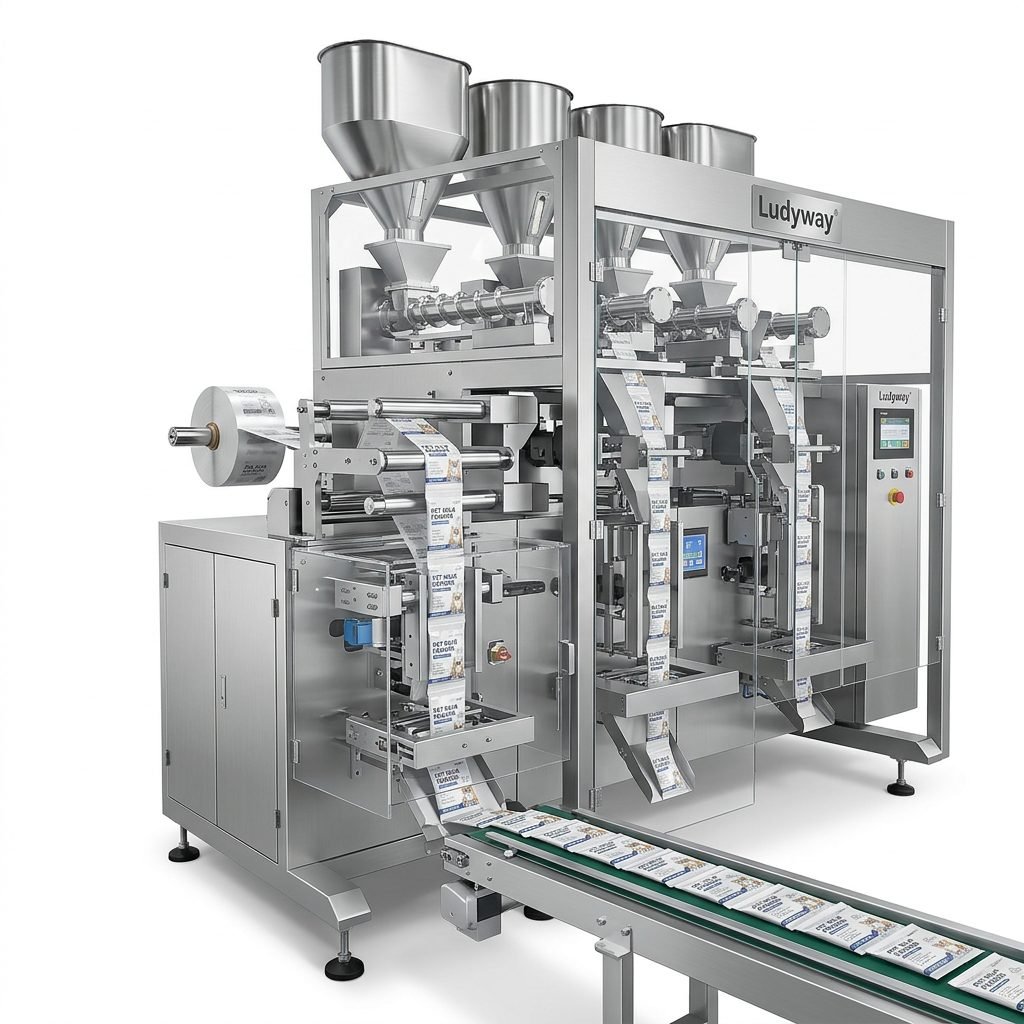
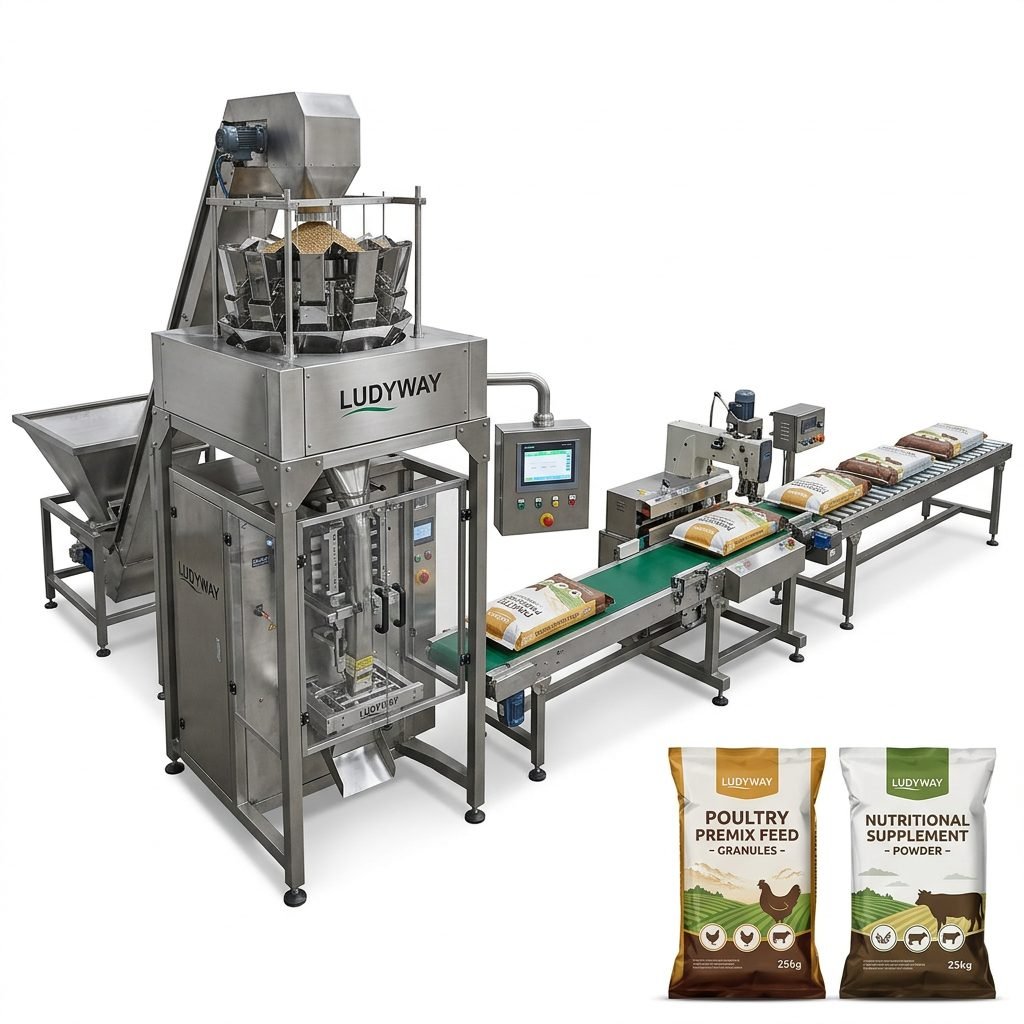
Look for suppliers with demonstrated experience in your specific industry — food, pharmaceutical, chemical, cosmetics, or consumer goods. Request case studies and customer references from companies with similar production requirements. A supplier familiar with your industry’s regulatory environment, hygiene standards, and production workflows will anticipate challenges that a generalist might overlook. Companies like Ludyway Machinery, a China-based packaging machinery manufacturer with more than 30 years of experience and a 20,000-square-meter manufacturing facility, serve customers across more than 100 countries, providing customized packaging solutions that span multiple industries including food and beverage, pharmaceuticals, cosmetics, and chemicals. Their approach combines in-house engineering, application-specific configuration, and global technical support to help manufacturers develop packaging systems aligned with their production goals.
Customization and Engineering Support
Standard machines may not fit every production scenario. Customization capabilities — whether modifying carton size ranges, adding specialized feeding systems, or integrating inspection modules — allow the machine to match your exact requirements. Assess whether the supplier has in-house engineering teams that can design, test, and validate custom configurations. This is especially important for manufacturers introducing new packaging formats or integrating carton packing into existing automated lines where standard equipment may require significant adaptation.
After-Sales Service and Spare Parts Availability
Post-installation support directly impacts machine uptime and production reliability. Key questions to ask potential suppliers include:
- What is the standard warranty period and what does it cover?
- Are spare parts stocked locally or shipped internationally, and what are typical lead times?
- Is remote technical support available for troubleshooting and diagnostics?
- Do you offer preventive maintenance contracts or on-site service visits?
- What operator and maintenance training is provided during commissioning?
Suppliers with established global service networks and remote diagnostic capabilities can resolve issues faster, reducing the impact of unplanned downtime on your production schedule. According to PMMI’s business intelligence resources, after-sales service quality is consistently ranked among the top three factors influencing packaging machinery purchasing decisions across all industry segments.
Installation, Commissioning, and Operator Training
A well-planned installation and commissioning process sets the foundation for reliable long-term operation. Before the machine arrives, confirm that your facility meets all utility requirements — electrical supply, compressed air capacity, and any specialized connections. Plan the installation timeline to minimize disruption to ongoing production, and allocate sufficient time for commissioning, testing, and operator familiarization. Comprehensive operator training should cover normal operation, changeover procedures, basic troubleshooting, cleaning and maintenance routines, and safety protocols. Well-trained operators not only run machines more efficiently but also identify potential issues before they escalate into costly breakdowns. Consider scheduling follow-up training sessions after operators have gained hands-on experience, as they will have more specific questions and scenarios to address.
Future-Proofing Your Investment
The right automatic carton packing machine should serve your production needs not just today but for years to come. Consider these forward-looking factors when making your selection:
- Scalability — Can the machine accommodate higher speeds or additional product formats as your business grows? Modular designs that allow field upgrades provide flexibility without requiring a complete equipment replacement.
- Sustainability — Machines optimized for minimal material waste — such as precise glue application, reduced carton blank sizes, and energy-efficient standby modes — support corporate sustainability goals and reduce operating costs. The European Commission’s packaging and packaging waste regulations increasingly influence packaging equipment design considerations globally.
- Industry 4.0 readiness — Machines with open communication protocols, data export capabilities, and compatibility with manufacturing execution systems (MES) support digital transformation initiatives and provide the operational visibility needed for continuous improvement programs.
- Compliance evolution — Regulatory requirements for packaging in food, pharmaceutical, and medical device industries continue to evolve. Equipment designed with compliance flexibility can adapt to new standards without major modifications.
Making the Final Decision
After evaluating the technical specifications, supplier qualifications, and total cost of ownership, the final decision should balance operational requirements, budget constraints, and long-term strategic goals. Visit supplier facilities or request virtual factory tours whenever possible to assess manufacturing quality, engineering capabilities, and organizational professionalism firsthand. Request a detailed proposal that includes machine specifications, project timeline, installation and commissioning scope, training provisions, warranty terms, and after-sales support commitments. Compare proposals not just on price but on the completeness of the solution and the supplier’s demonstrated understanding of your specific application. A thoughtfully selected automatic carton packing machine becomes a productive asset that contributes to your operational efficiency for a decade or more, while a rushed decision based primarily on upfront cost often leads to compromises that accumulate over the machine’s service life.