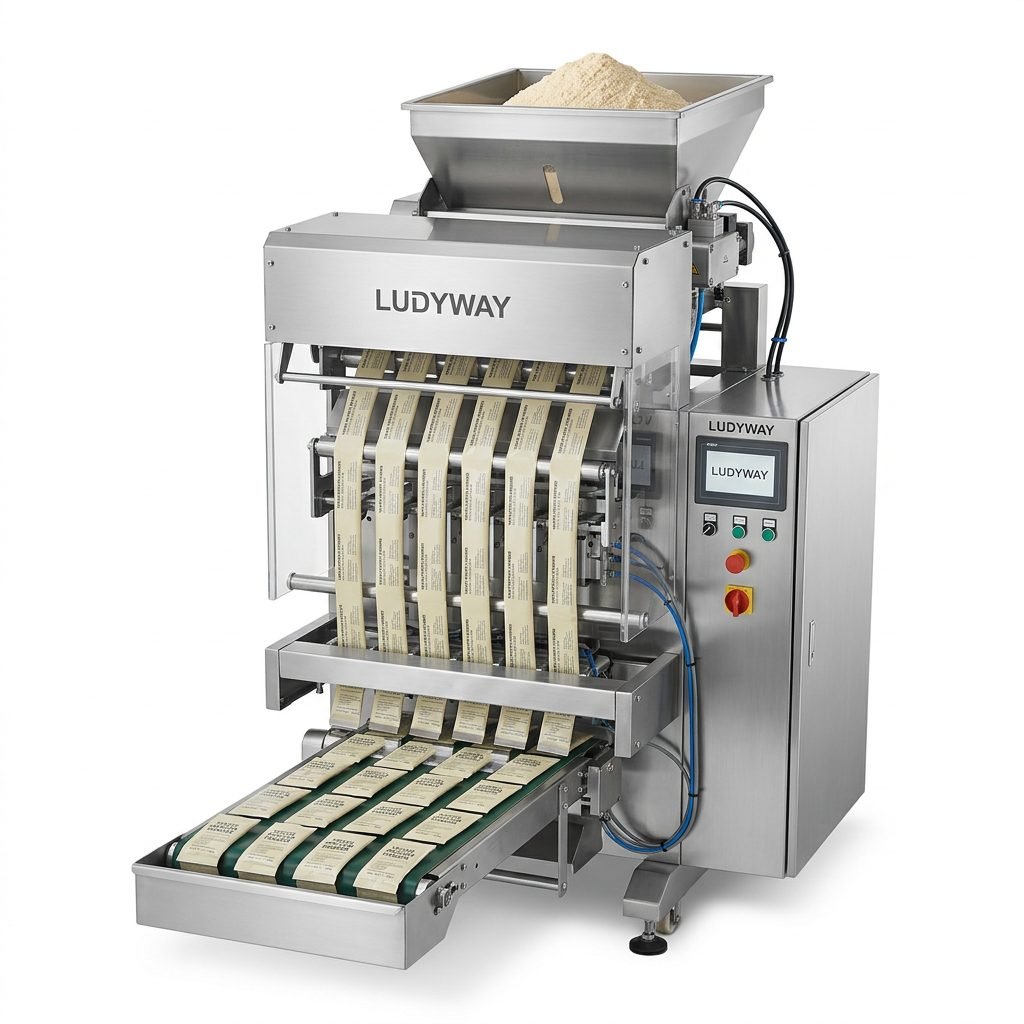
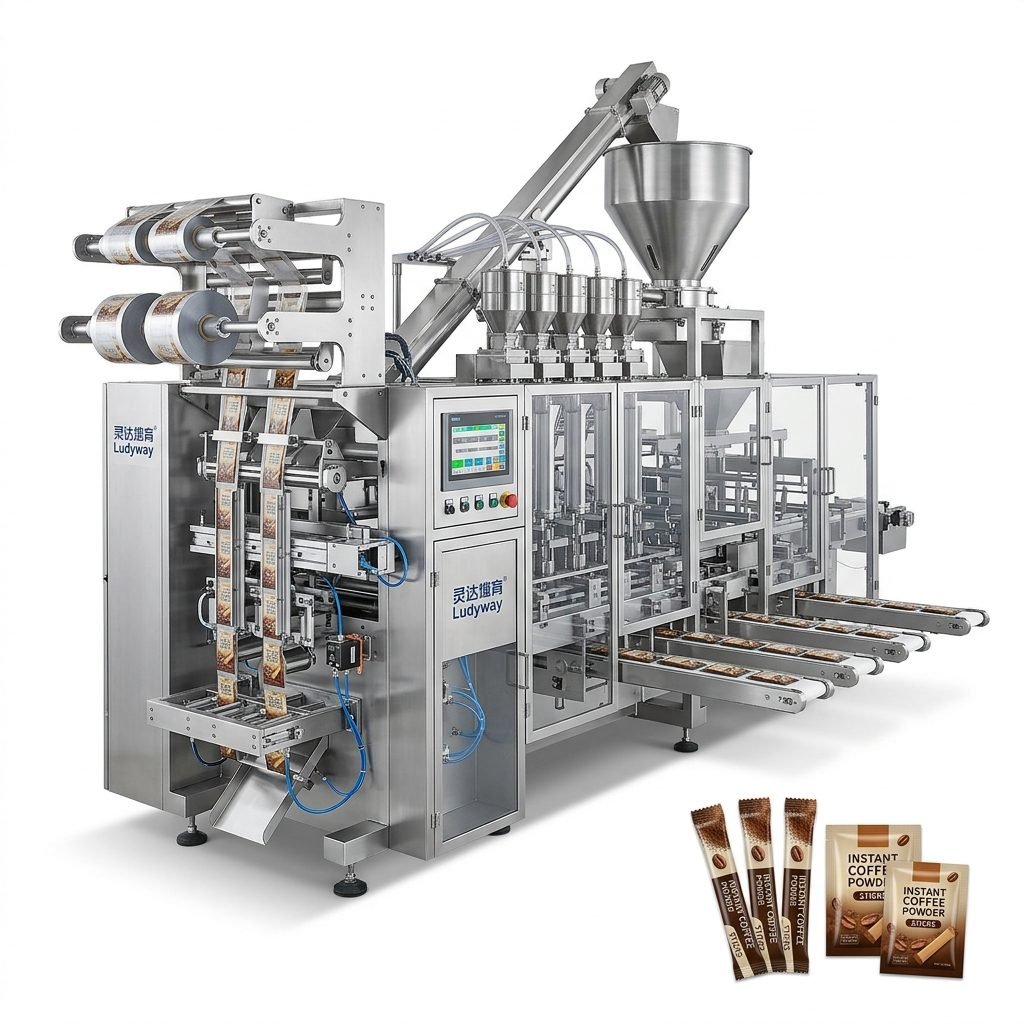
India’s packaging industry is undergoing a massive transformation, driven by the food processing, pharmaceutical, and e-commerce sectors. Establishing a vacuum sealing packaging machine production line requires careful planning, from understanding local regulations to selecting the right multi-lane packaging equipment. This guide walks you through the essential steps to build a high-efficiency setup tailored for the Indian market.

Understanding the Scope of Vacuum Packaging in India
Vacuum sealing is no longer limited to just extending shelf life. In India, it is critical for maintaining hygiene standards in ready-to-eat meals, spice exports, and pharmaceutical powders. The demand for automated packaging solutions has surged due to the rise of quick-commerce and organized retail. A modern production line must handle diverse materials, from granular spices to delicate snack foods, while complying with FSSAI guidelines.
Key Market Drivers for Indian Manufacturers
- Export potential: Strict international packing standards require vacuum-sealed pouches for agricultural commodities.
- Food waste reduction: Vacuum technology significantly prolongs the freshness of perishable goods.
- E-commerce boom: Durable, leak-proof vacuum bags are essential for long-distance shipping.
- Government initiatives: Schemes like PM-FME are encouraging food processing businesses to adopt advanced machinery.
Core Components of a High-Yield Vacuum Sealing Line
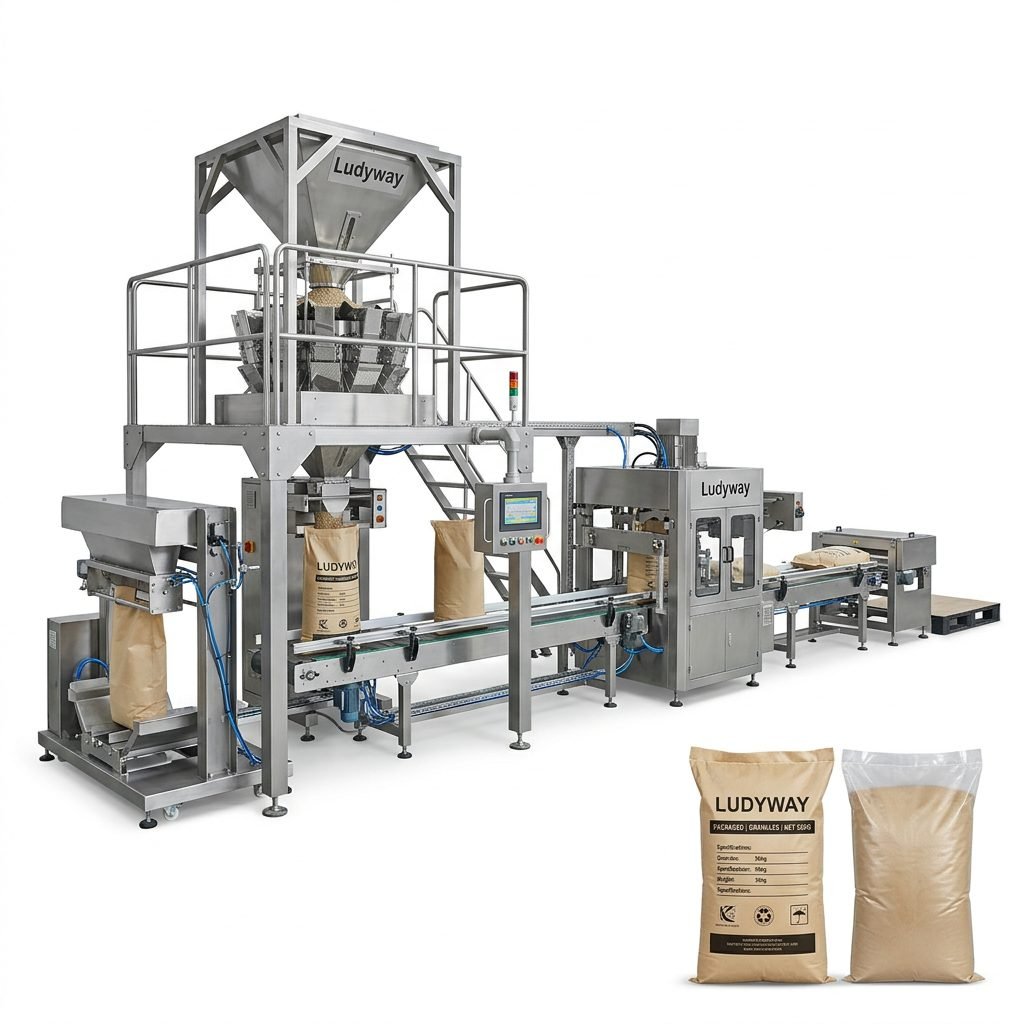
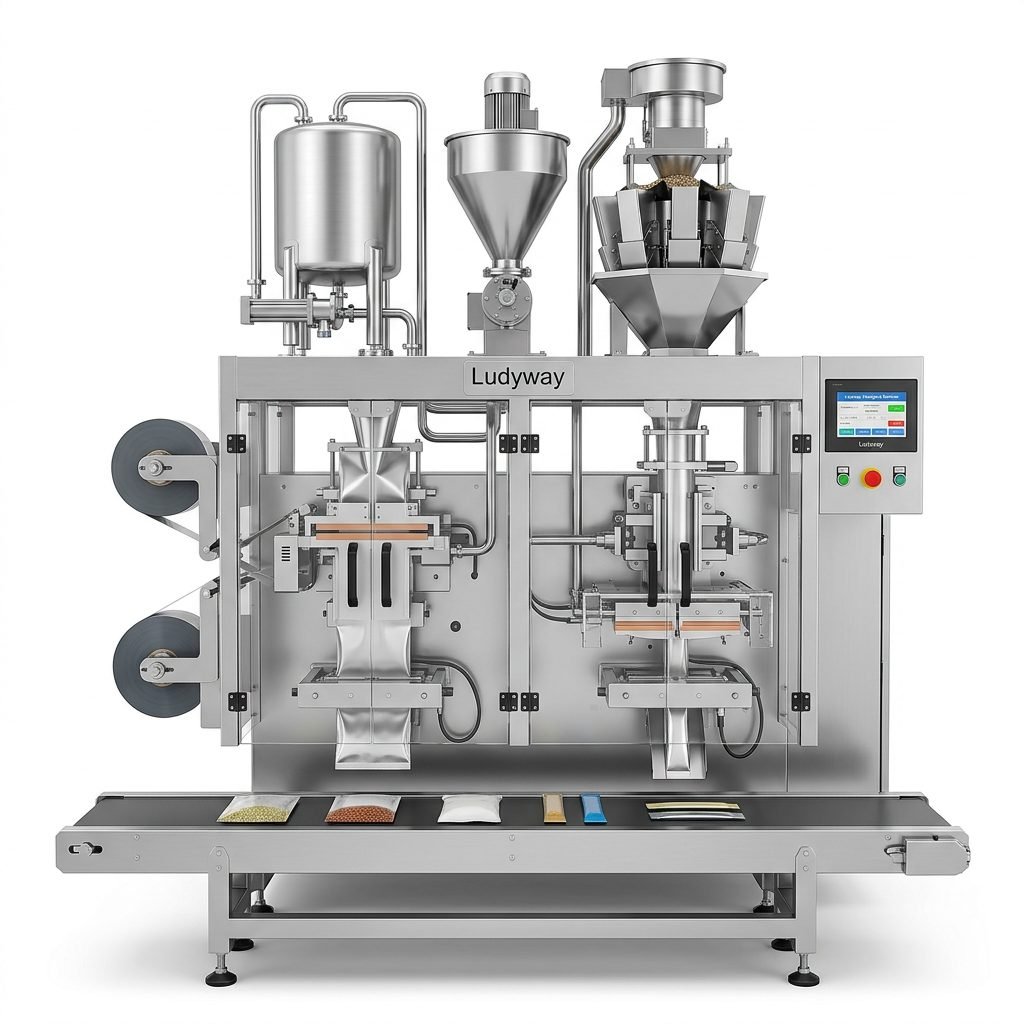
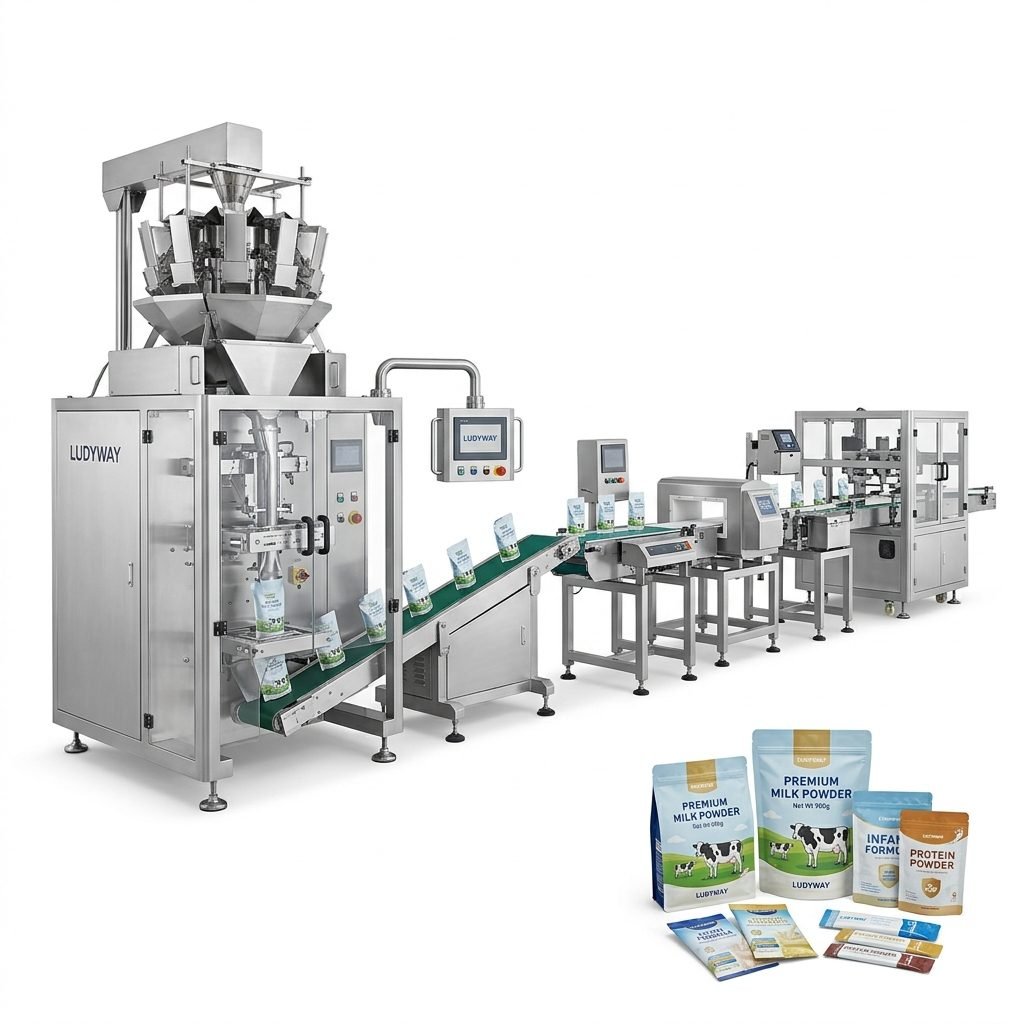
To set up a fully functional line, you need to integrate several pieces of equipment. It is not just about the sealing machine; the upstream and downstream modules define your efficiency. Here is a standard layout for a granule and powder packaging line:
| Stage | Machine Type | Primary Function |
|---|---|---|
| 1 | Feeding System | Automatic z-bucket elevator or vacuum conveyor |
| 2 | Multi-Head Weigher | High-precision dosing for granules and powders |
| 3 | Form Fill Seal Machine | Creates the bag and fills the product |
| 4 | Vacuum Sealing Module | Removes oxygen and hermetically seals the pack |
| 5 | Checkweigher & Metal Detector | Quality control and compliance |

Step-by-Step Setup Guide for Your Production Facility
Installing a vacuum packaging production line involves more than just plugging in machines. You must optimize your floor plan and utilities to match the output targets. Follow these steps to avoid common bottlenecks in Indian manufacturing environments.
1. Site Assessment and Utility Planning
Ensure your facility can handle the electrical load (typically 3-phase 415V in India) and has a steady supply of compressed air. Vacuum pumps require an ambient temperature-controlled space to work efficiently. You also need a cleanroom or well-sealed area to prevent dust contamination, which is especially important if you are packaging pharmaceutical powders or health supplements.
2. Configuring the Stainless Steel Framework
Given India’s humidity, rust is a significant threat. Always opt for 304 or 316 stainless steel for contact parts. The machine frame must be robust enough to handle continuous shifts—common in high-volume packaging facilities in Gujarat or Maharashtra. Ensure the layout minimizes human touchpoints to comply with ISO 22000 and FSSAI hygiene requirements.
3. Integrating the Secondary Packaging Line
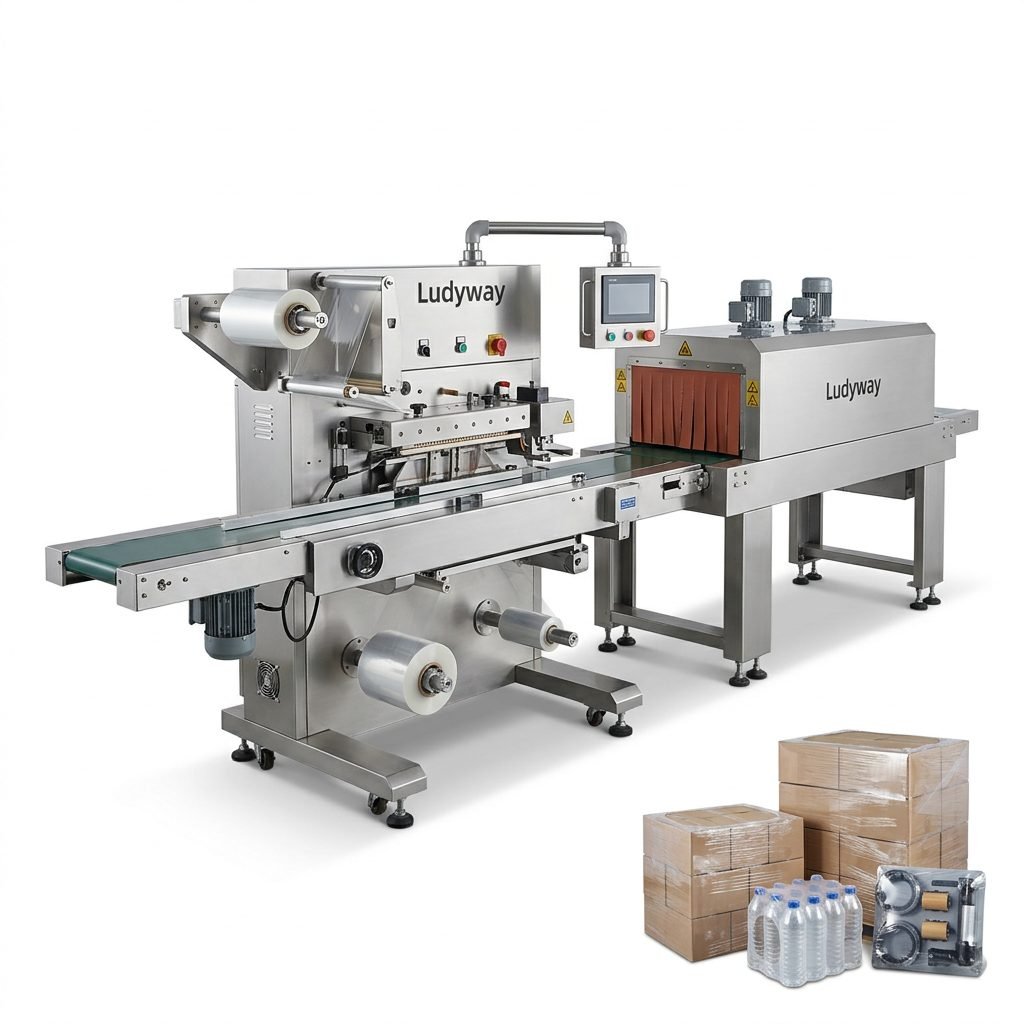
Your vacuum-sealed products must then be consolidated. A seamless integration with automated cartoning machines and case packers is vital. Many production lines in India now include automatic checkweighing and serialization for export batches, which can be integrated directly after the vacuum chamber without slowing the line down.
4. Nitrogen Flushing vs. Pure Vacuum
You need to decide the intended atmosphere inside the pack. For delicate items like chips or certain spices, a nitrogen flushing system is used before vacuum sealing to prevent crushing. Your line should offer flexibility to switch between vacuum-only and gas-flush modes. This is a standard request for snack and coffee packaging manufacturers in India.
Why Choose a Multi-Lane Configuration for the Indian Market?
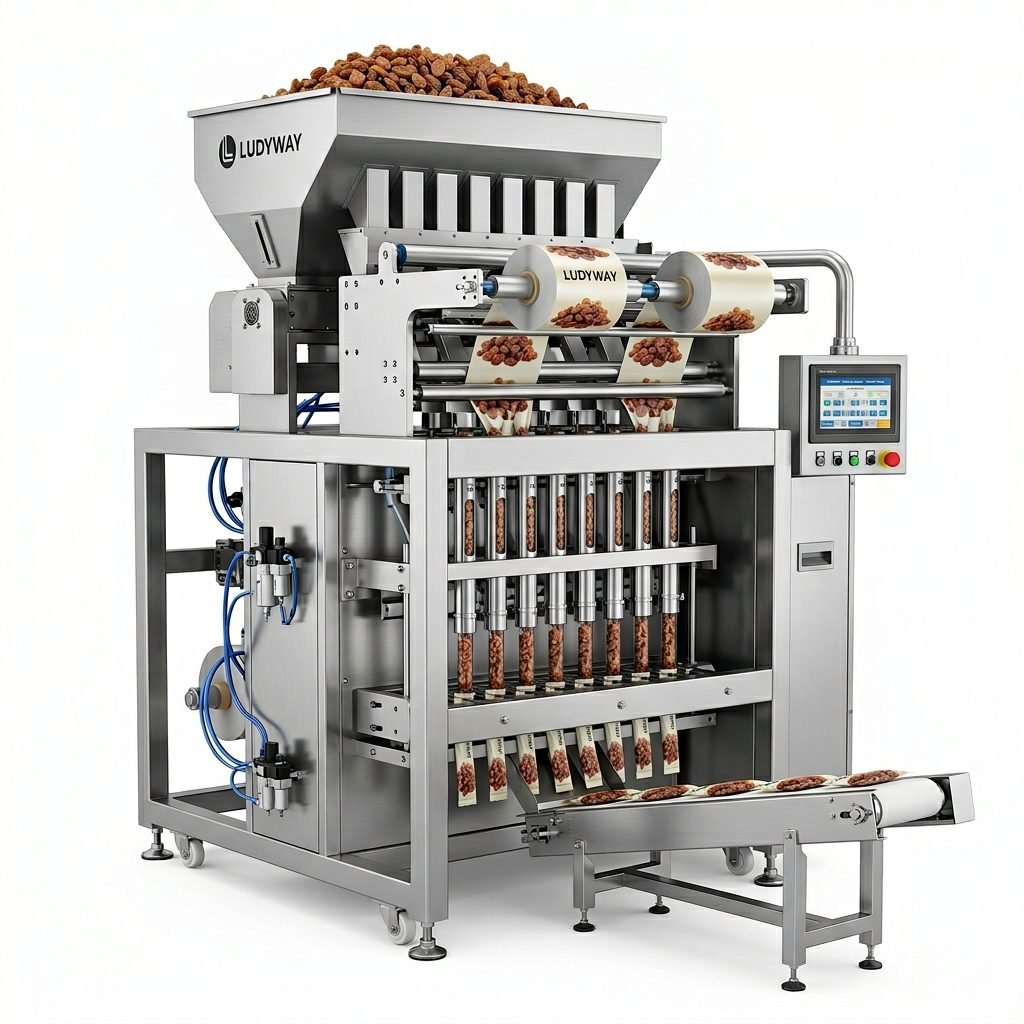
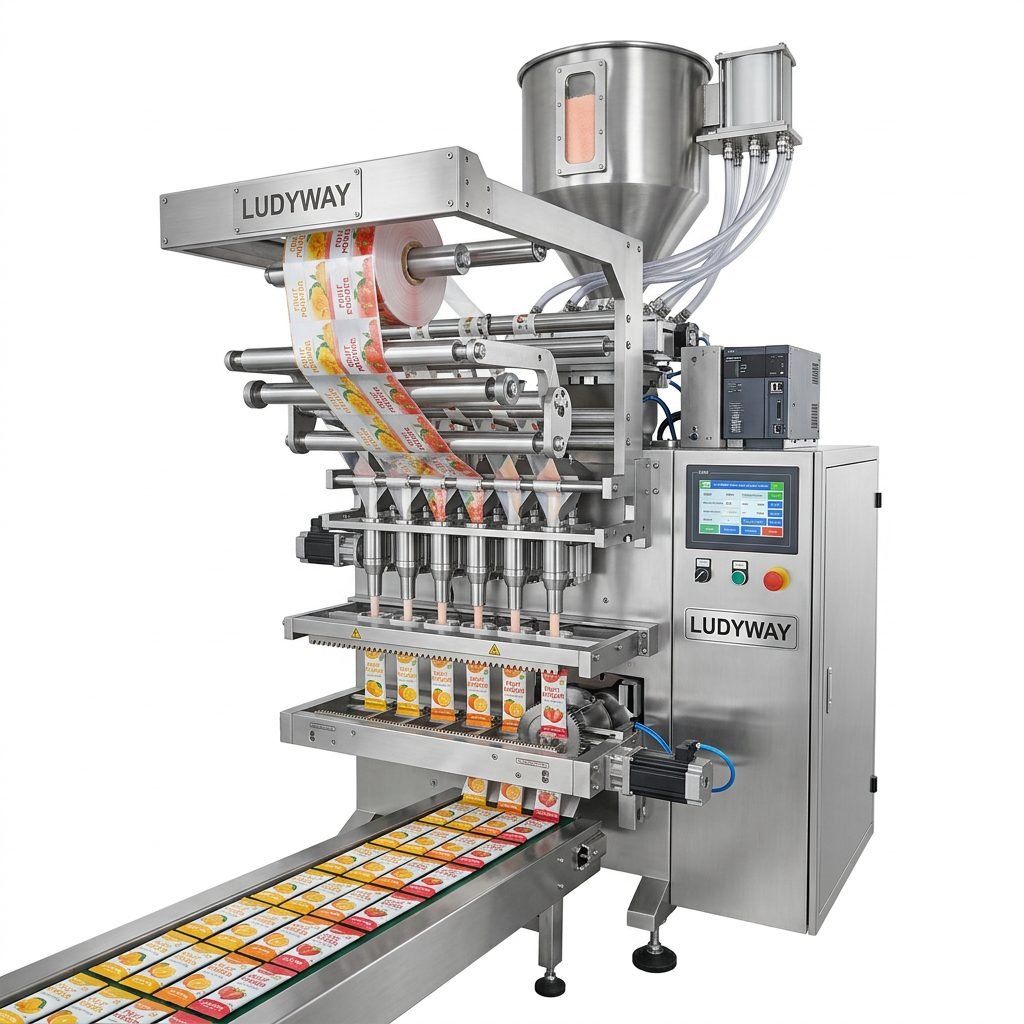
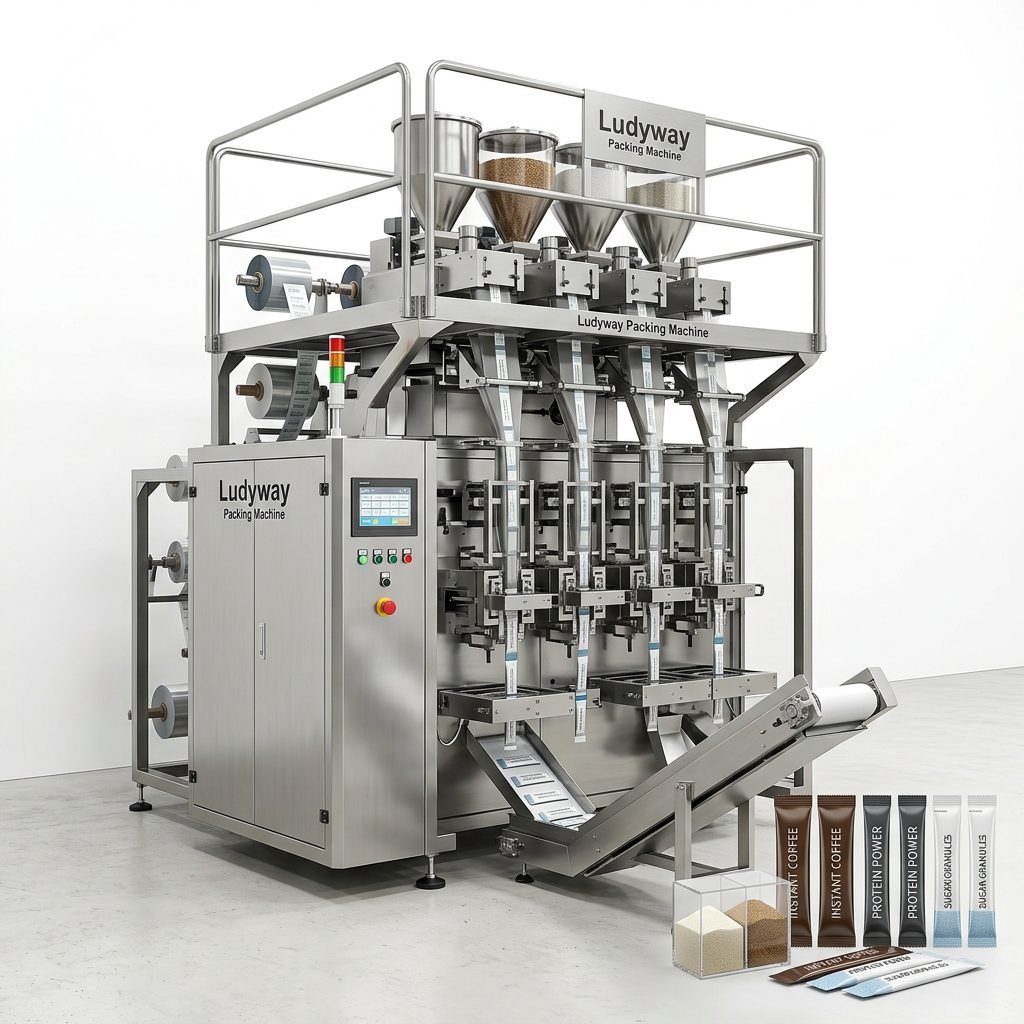
The demand for small-format sachets (Re 1 and ₹5 packs) remains exceptionally high. A multi-lane sachet machine integrated with vacuum capability allows you to produce numerous strips simultaneously. This is ideal for gutka alternative packaging, oral rehydration salts, and single-serve spice packets. It drastically reduces the cost per unit while maintaining high seal integrity.
Maintenance and Spare Parts Strategy
Preventive maintenance is crucial to avoid downtime in a vacuum setup. The vacuum pump oil, sealing gaskets, and heating bars are consumable parts. Ideally, your equipment supplier should have a service hub in India or a reliable local engineering partner. Quick access to these spares prevents production losses that can severely impact seasonal businesses.
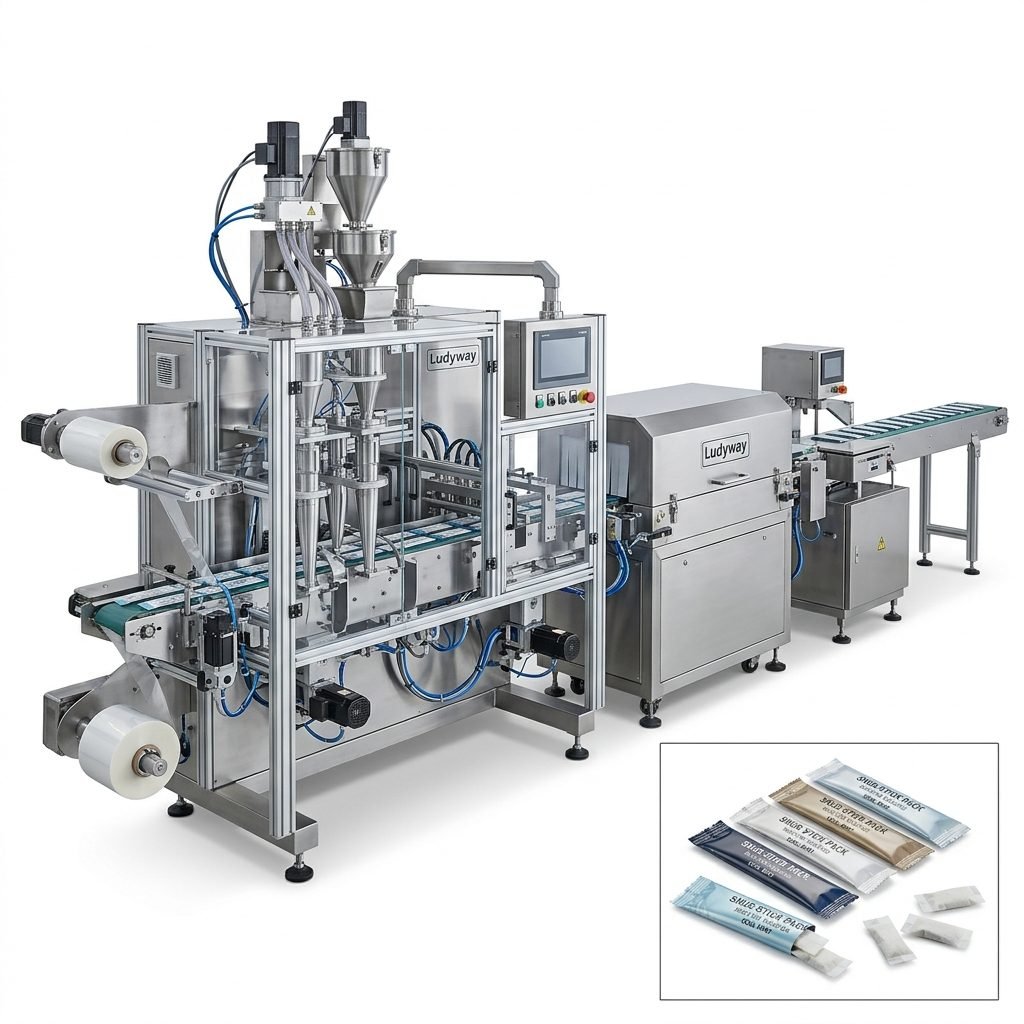
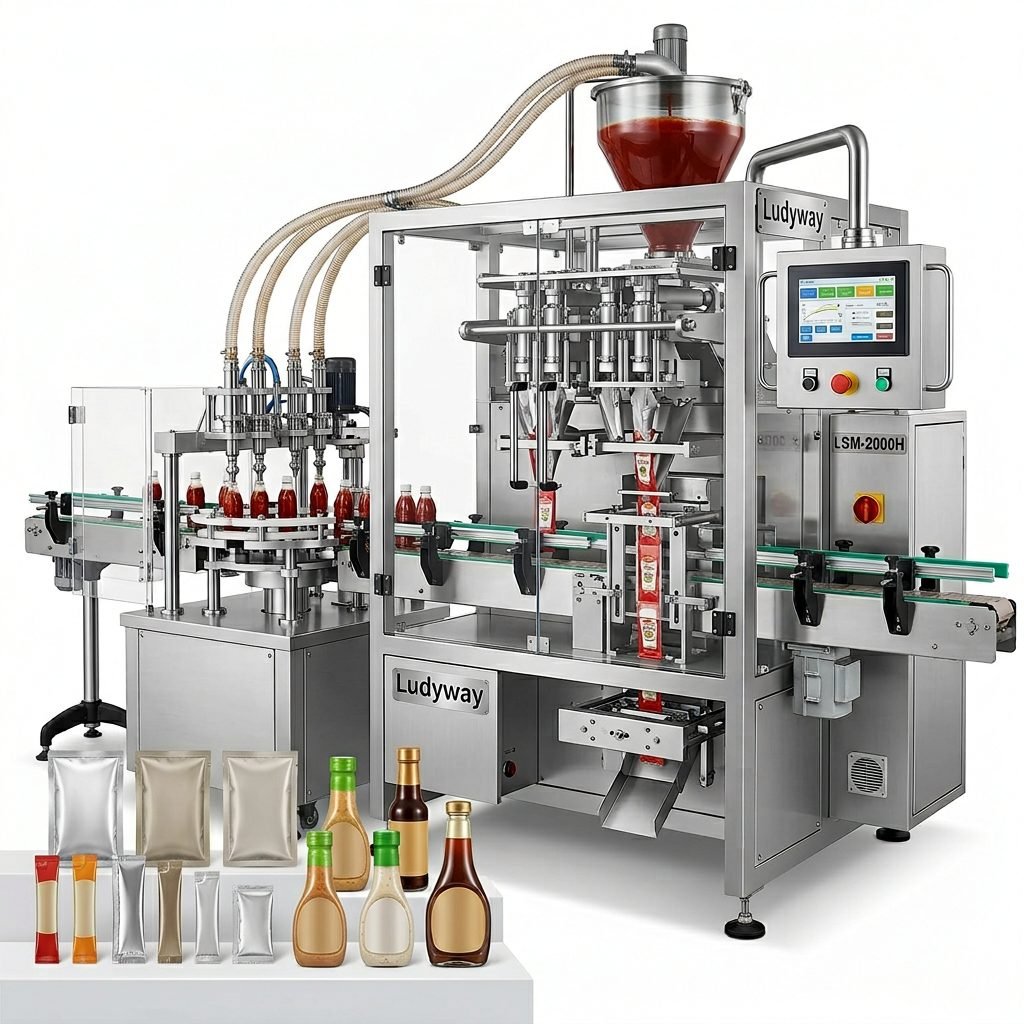
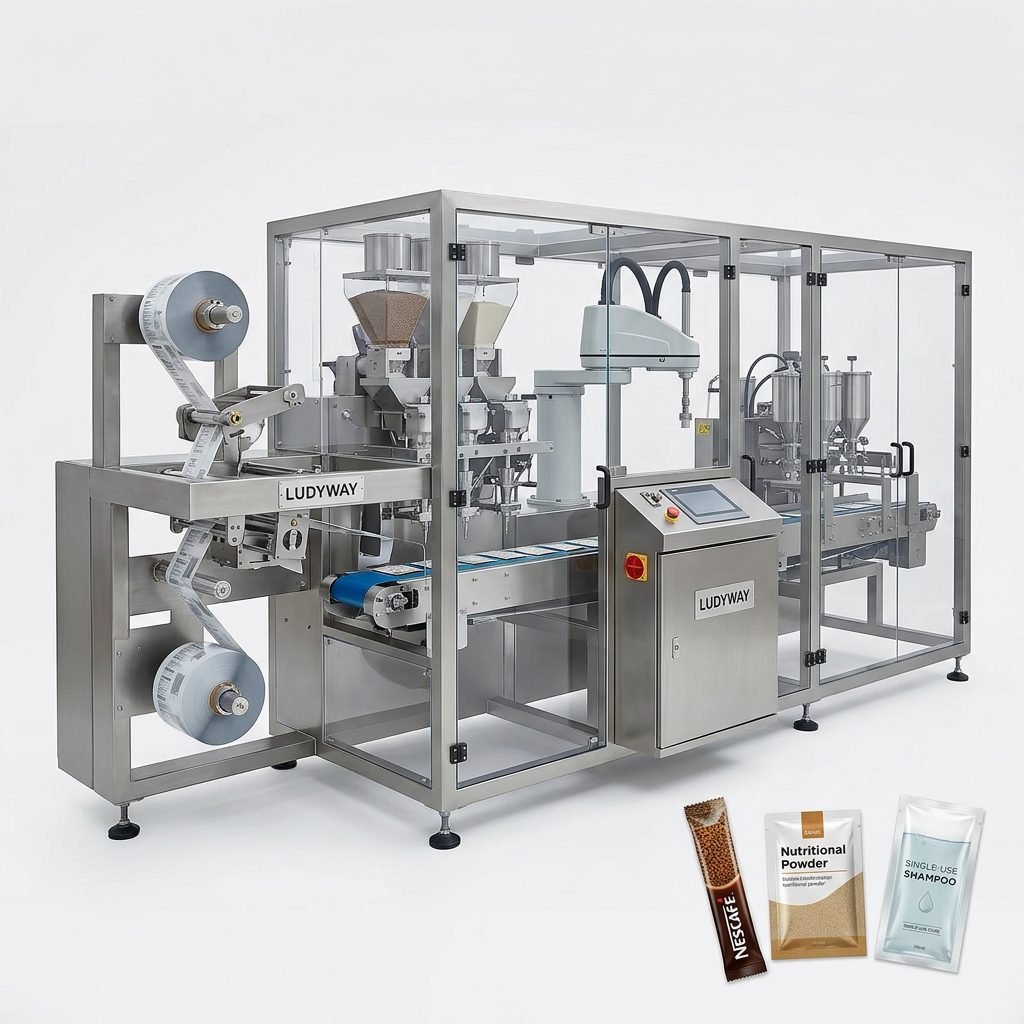
When sourcing complex turnkey packaging lines, partnering with an experienced manufacturer is a strategic advantage. Ludyway, for example, provides comprehensive solutions spanning from primary filling to final palletizing. With a modern 20,000㎡ manufacturing facility and a presence in over 100 countries, they specialize in the exact type of multi-lane granule, powder, and liquid packaging systems crucial for scaling a vacuum-packaged product portfolio in India. Evaluating the factory’s engineering expertise ensures your line meets both capacity and international certification standards.
Key Technical Specifications to Verify
- Sealing Speed: Minimum 40-60 packs per minute per lane.
- Vacuum Level: Capable of achieving -0.09 MPa.
- Material Compatibility: Supports aluminium foil, laminated film, and biodegradable films.
- Control System: PLC with touch screen interface and IoT readiness for real-time monitoring.
Navigating Regulations and Certifications
Food and pharmaceutical packaging in India must adhere to specific standards. Your machine design should facilitate daily wash-downs (IP65 rating) and prevent product crease contamination. Ensure the line is capable of producing packs that meet FDA standards if you plan to export. Here are the critical standards to keep in mind:
| Standard | Focus Area | Relevance |
|---|---|---|
| FSSAI | Packaging material migration | Mandatory for Indian domestic sales |
| ISO 11607 | Terminally sterilized devices | Medical device packaging for exports |
| CE Marking | Machinery safety directives | Required for European trade compliance |
Optimizing Labor and Workforce Training
While automation is key, skilled operators make a significant difference. A typical multi-lane vacuum line needs only 2-3 operators, but they should be trained in PLC troubleshooting and basic mechanical maintenance. Invest in a week-long training session during installation to ensure your team can handle reel splicing, pump oil changes, and temperature calibration internally.
For more resources on packaging standards, refer to the PMMI Industry Resources. You can also review the latest guidelines on food contact substances from the FDA Food Packaging Division or the sustainability resources from the Flexible Packaging Association.
Common Pitfalls in Vacuum Line Setup
- Ignoring product density: Light powders behave differently under vacuum than heavy granules; always test mold cavities.
- Insufficient air supply: A vacuum pump without a backup receiver tank will cause seal pressure drops.
- Poor material compatibility: Not all laminates seal properly on high-speed vacuum chambers; verify your film specs.
- Static electricity: High-vacuum processes generate static; ensure proper grounding and deionisers are included.