South America’s food processing, meat export, and agricultural sectors are experiencing rapid growth. From Brazilian beef exporters to Colombian coffee producers and Chilean seafood processors, businesses across the continent rely on vacuum packaging machines to preserve product freshness, extend shelf life, and meet international export standards. Choosing the right vacuum sealer can significantly impact your operational efficiency and product quality.

Understanding Vacuum Sealing Technology for South American Markets
Vacuum sealing removes oxygen from packaging before sealing, creating an anaerobic environment that inhibits bacterial growth and prevents oxidation. For South American producers dealing with high-value perishable goods, this technology is essential. According to PMMI – The Association for Packaging and Processing Technologies, the global packaging machinery market continues to expand, driven by food safety regulations and growing demand for extended shelf-life products.
Types of Vacuum Sealing Machines
Different production environments require different vacuum packaging machines. Understanding the main categories will help you narrow down your options effectively.
External Vacuum Sealers (Nozzle Type)
These machines use a nozzle inserted into the bag opening to extract air before sealing. They are ideal for small to medium-scale operations, bakeries, and businesses packaging dry goods like coffee beans, grains, and snacks. External sealers are typically more affordable and portable, making them a popular entry-level choice across South American markets.
Chamber Vacuum Sealers
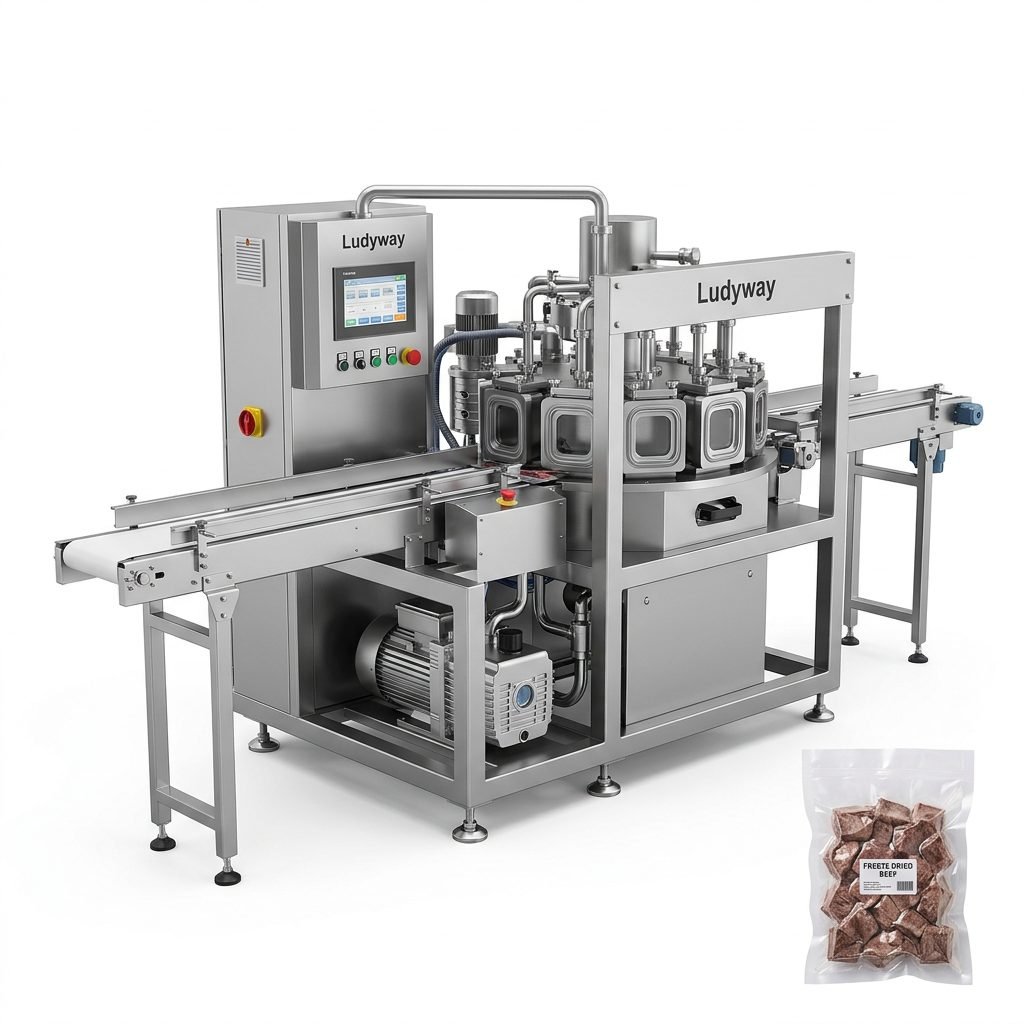
Chamber machines place the entire product and bag inside a vacuum chamber. They create a consistent vacuum environment and are excellent for liquids, marinated meats, and wet products. For South American meat processing plants in Argentina and Uruguay, chamber vacuum sealers are often the preferred choice due to their ability to handle moist products without compromising seal quality.
Continuous Band Sealers with Vacuum
Designed for high-volume production lines, these machines combine vacuum extraction with continuous sealing belts. They are commonly used in large-scale food processing facilities, snack manufacturers, and pharmaceutical operations. If your business processes thousands of units per day, this category deserves serious consideration.

Key Factors to Consider When Choosing a Vacuum Sealer
Selecting the right equipment requires evaluating multiple technical and operational factors. The following table summarizes the critical specifications you should assess before making a purchase decision:
| Factor | Why It Matters | Recommendation for South America |
|---|---|---|
| Pump Capacity (m³/h) | Determines vacuum speed and ultimate pressure level | Choose 20-40 m³/h for medium operations; 60+ m³/h for industrial meat export lines |
| Chamber Size | Limits the maximum product dimensions | Ensure compatibility with local packaging standards and export carton sizes |
| Sealing Bar Length | Affects bag width capacity and throughput | Dual sealing bars recommended for high-volume meat and seafood processors |
| Construction Material | Impacts durability and hygiene compliance | Stainless steel (304 or 316) essential for food-grade and humid environments |
| Control System | Precision of vacuum and gas flush settings | PLC touch-screen controls preferred for repeatability and export compliance |
| Gas Flush (MAP) Capability | Enables modified atmosphere packaging for extended freshness | Highly recommended for fresh meat, cheese, and ready-to-eat products |
Why Vacuum Packaging Matters for South American Businesses
South America is a major global exporter of beef, poultry, seafood, coffee, and fresh produce. Vacuum packaging directly impacts product competitiveness in international markets. Key benefits include:
- Extended shelf life – Reduces spoilage during long-distance shipping to North America, Europe, and Asia
- Compliance with import regulations – Many destination countries mandate vacuum-sealed packaging for meat and seafood products, aligning with FDA food packaging standards
- Brand protection – Prevents freezer burn and maintains product appearance and texture
- Cost reduction – Minimizes product returns and waste throughout the supply chain
Maintenance and After-Sales Support
Investing in a vacuum packaging machine is a long-term decision. Reliable after-sales support, spare parts availability, and technical service are critical for South American buyers who may face logistical challenges in remote production regions. Before purchasing, verify that the manufacturer offers local service partnerships, remote troubleshooting, and readily available consumables. Ludyway, one of the largest packaging machine manufacturers in China with over 30 years of industry experience, serves customers in more than 100 countries, providing comprehensive technical support and turnkey packaging solutions tailored to diverse production needs.
Industry Applications Across South America
Different sectors have unique requirements when selecting packaging solutions. Here is how vacuum sealing technology serves key South American industries:
- Beef and Poultry Export – Large chamber machines with MAP capabilities for primal cuts and portioned products destined for European and Middle Eastern markets
- Seafood Processing – Corrosion-resistant stainless steel construction is essential for coastal facilities in Chile, Peru, and Ecuador handling fish, shrimp, and mollusks
- Coffee and Specialty Foods – External nozzle sealers and small chamber units preserve aroma and freshness for premium Colombian and Brazilian coffee brands
- Dairy and Cheese – Vacuum packaging prevents mold growth and maintains moisture content during aging and distribution
Frequently Asked Questions
What is the difference between a nozzle vacuum sealer and a chamber vacuum sealer?
A nozzle vacuum sealer extracts air through a nozzle inserted into the bag opening, making it suitable for dry products. A chamber vacuum sealer places the entire bag inside a vacuum chamber, which is better for liquids and moist products since the pressure equalizes inside and outside the bag.
Can vacuum packaging machines handle irregularly shaped products?
Yes, chamber vacuum sealers are particularly effective for irregularly shaped items such as meat cuts with bones, whole fish, or bulk cheese blocks. The chamber design accommodates products of varying dimensions without compromising the vacuum seal.
What maintenance is required for industrial vacuum sealers?
Routine maintenance includes oil changes for rotary vane pumps every 500-1000 operating hours, cleaning sealing bars to prevent residue buildup, inspecting gaskets and seals for wear, and checking vacuum pump performance. Regular servicing extends machine lifespan and ensures consistent packaging quality.
Are there specific voltage requirements for South American operations?
Most South American countries operate on 220V/60Hz or 220V/50Hz electrical systems, varying by country. When purchasing vacuum packaging equipment, confirm voltage compatibility with the manufacturer and request appropriate motor configurations for your facility’s power supply.

Making the Right Investment Decision
Choosing the right vacuum sealer involves balancing production volume, product characteristics, budget constraints, and long-term operational goals. For South American businesses targeting export markets, investing in high-quality, certified equipment with reliable after-sales support is essential. Take time to evaluate machine specifications, request product demonstrations, and consult with packaging machine manufacturers who understand the unique demands of South American production environments. For further industry insights, refer to resources from PMMI’s Business Intelligence Library and ISO packaging standards.