Italy is one of Europe’s largest breakfast cereal markets, with a strong tradition of grain-based foods and a rapidly growing demand for packaged convenience products. Setting up a cereal packaging machine production line in Italy requires careful planning, from understanding packaging industry standards to selecting the right equipment and navigating EU packaging regulations. This comprehensive guide walks you through every step of establishing a successful cereal packaging operation in the Italian market.
Understanding the Italian Cereal Packaging Market
Italy’s breakfast cereal sector has experienced consistent growth, driven by changing consumer lifestyles and increasing demand for ready-to-eat and portion-controlled packaging formats. The Italian packaging machinery market is among the most sophisticated in Europe, with strong emphasis on automation, precision, and sustainability. When setting up a production line, manufacturers must consider both the technical requirements of food-grade packaging standards and the specific preferences of Italian consumers.
Key Market Drivers in Italy
- Rising demand for single-serve and portion-controlled cereal packaging
- Growing popularity of organic and functional cereals requiring specialized packaging solutions
- Stringent EU food safety and labeling regulations
- Increasing focus on sustainable packaging materials and reduced environmental impact
- Expansion of private-label cereal brands in Italian supermarket chains
Step 1: Planning Your Cereal Packaging Production Line
Before investing in equipment, a thorough feasibility study is essential. This includes analyzing your target production capacity, available floor space, utility requirements, and budget constraints. Italian facilities often face unique challenges such as limited industrial space in urban areas and specific electrical and pneumatic infrastructure standards. Consulting packaging industry resources can provide valuable benchmarks for your planning process.
Essential Planning Considerations
| Planning Factor | Details | Recommendation |
|---|---|---|
| Production Capacity | Packs per minute (PPM) required | Start with 60-120 PPM for mid-scale operations |
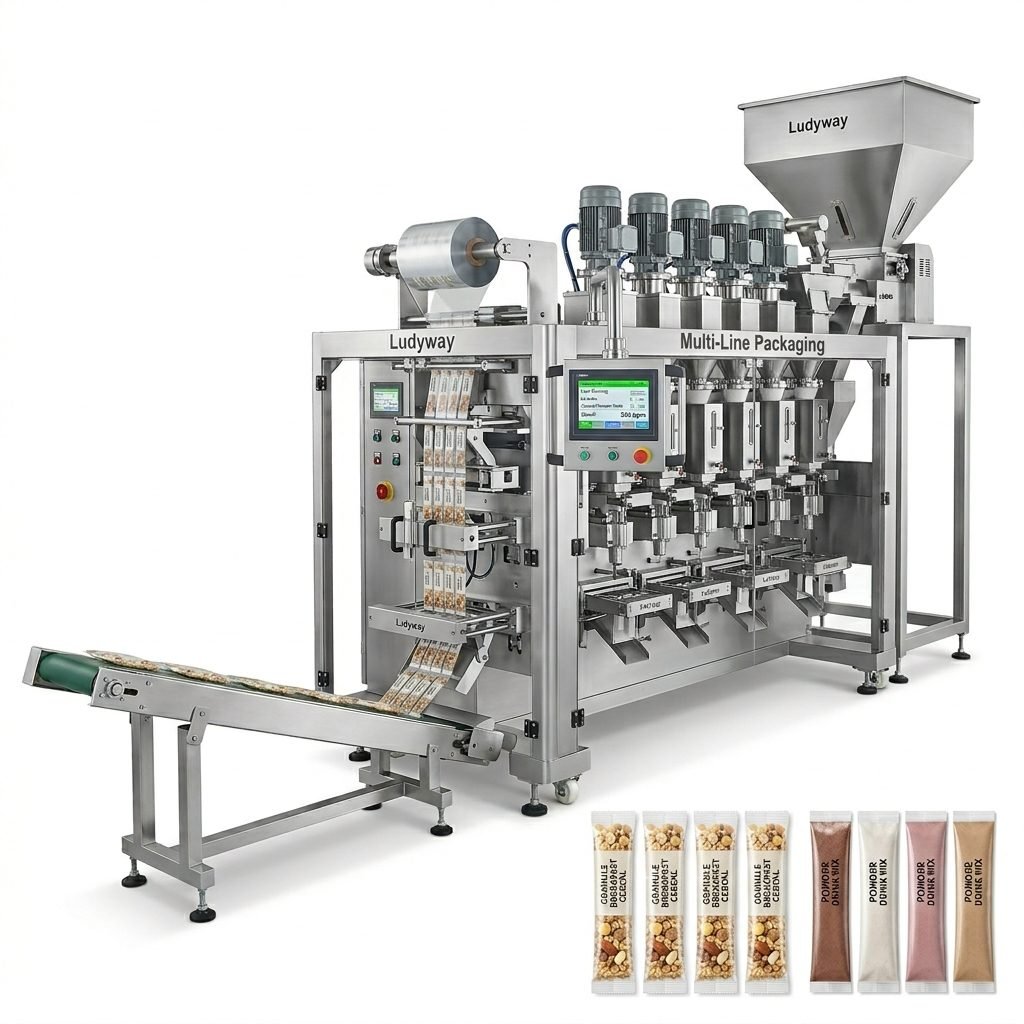
| Packaging Format | Stick packs, sachets, pouches, or boxes | Multi-lane stick pack systems offer flexibility |
| Facility Requirements | Floor space, power supply, compressed air | Minimum 200-300 m² for a complete line |
| Regulatory Compliance | EU Directive 1935/2004, CE marking | Verify all equipment has valid CE certification |
| Automation Level | Manual, semi-automatic, or fully automatic | Fully automatic recommended for consistent quality |
Step 2: Selecting the Right Cereal Packaging Equipment
Choosing the correct machinery is critical to your production line’s success. Modern cereal packaging machines come in various configurations, each suited to different product types and output requirements. The most popular option for cereal products is the multi-lane stick pack and sachet packaging system, which offers high-speed filling, precise portion control, and excellent seal integrity. For reference on packaging standards, ISO guidelines provide comprehensive specifications.
Types of Cereal Packaging Machines
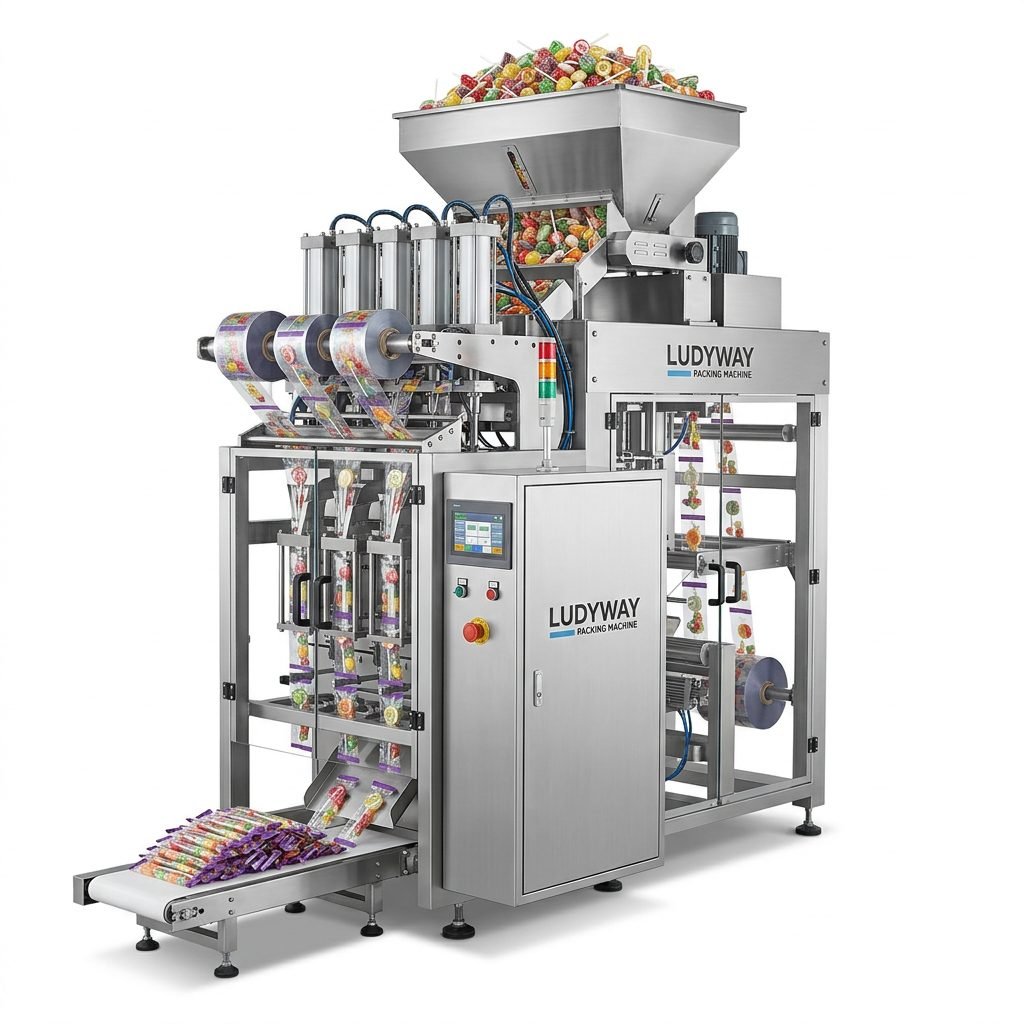
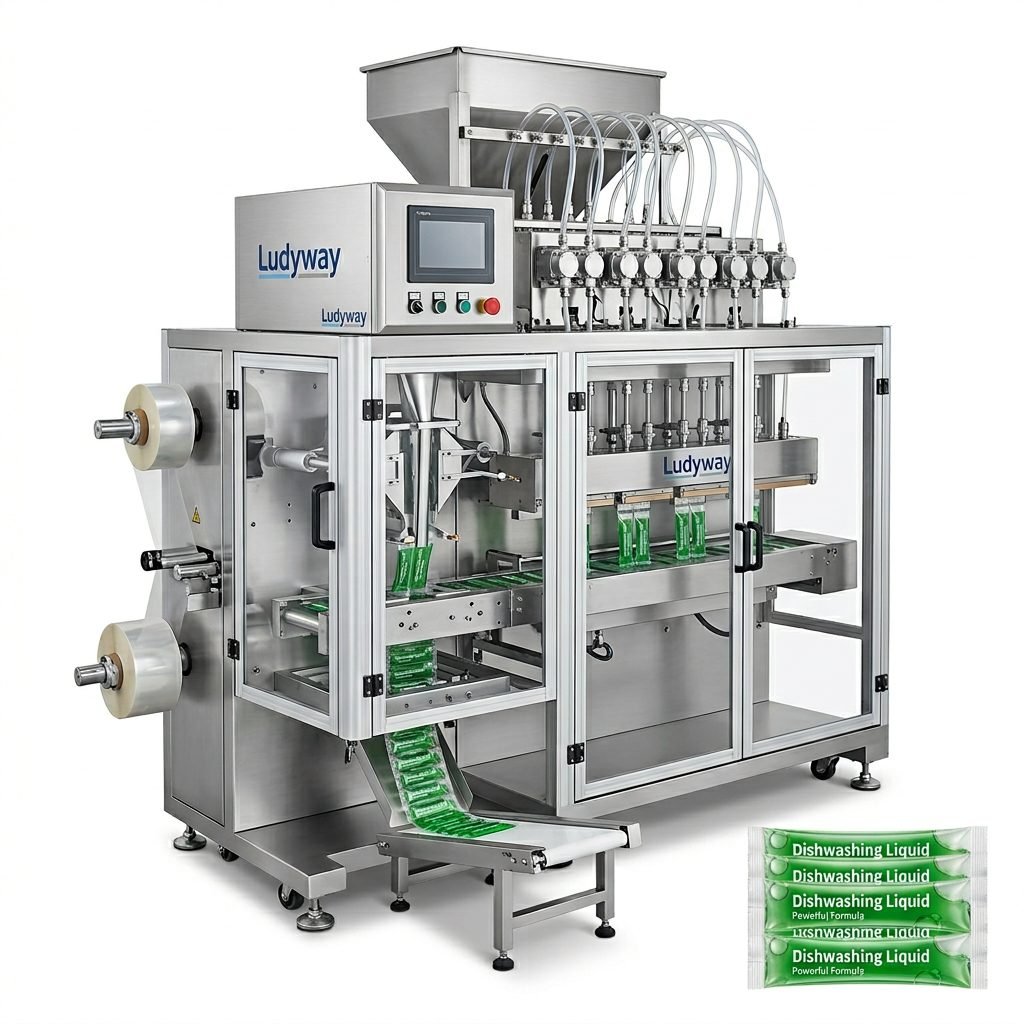
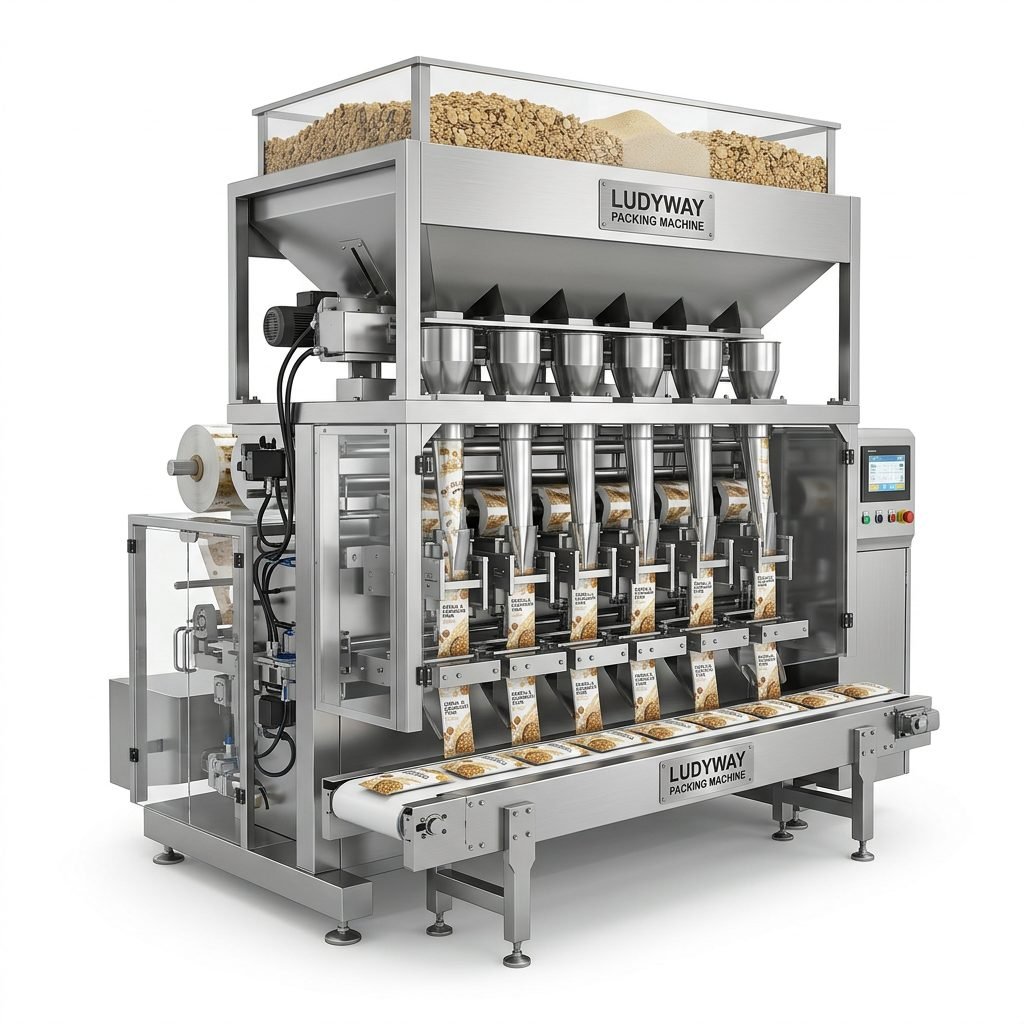
- Multi-Lane Stick Pack Machines – Ideal for single-serve cereal portions, capable of 400-600 packs per minute across multiple lanes
- Vertical Form Fill Seal (VFFS) Systems – Suitable for larger pouch formats and family-size cereal bags
- Pre-Made Pouch Filling Lines – Best for premium cereal products in resealable stand-up pouches
- Auger Filler Systems – Precision filling for granulated cereals and powdered cereal mixes
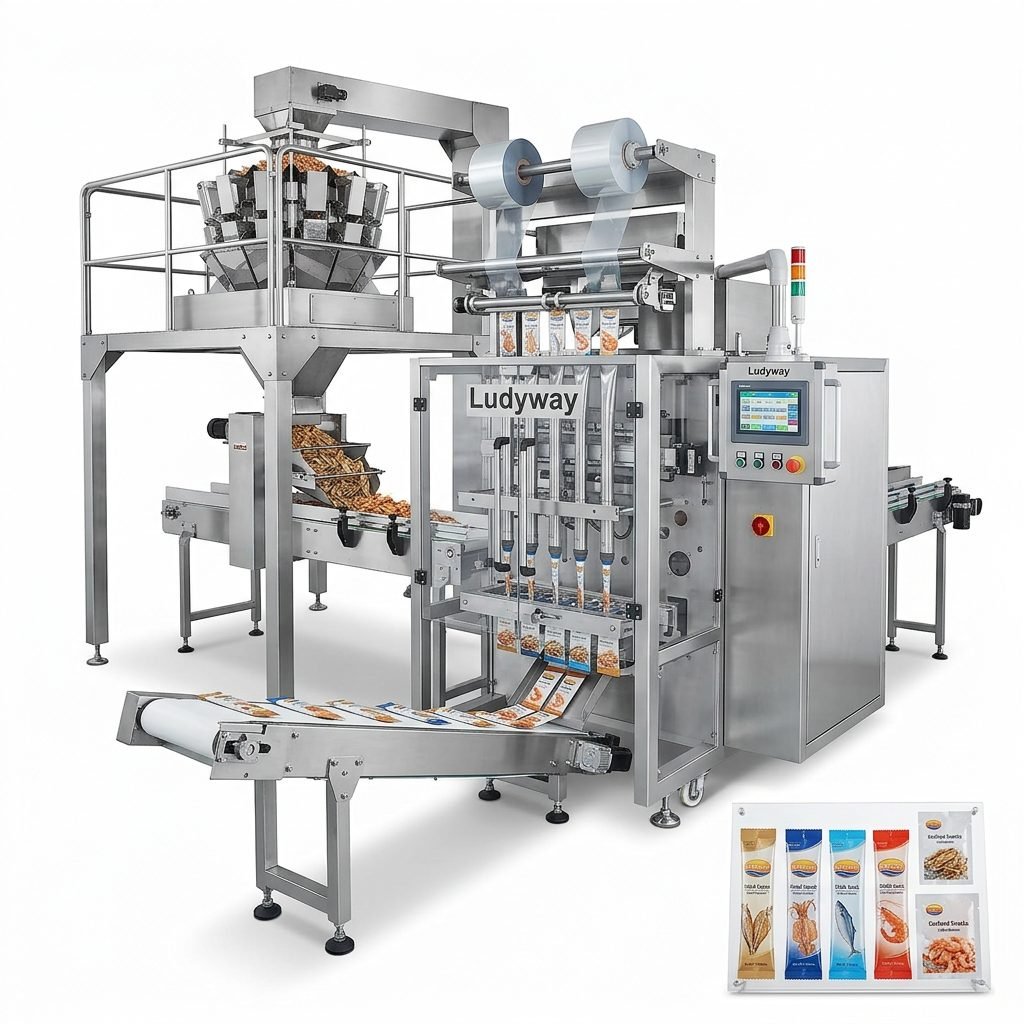
- Multi-Head Weigher Combinations – High-accuracy weighing for mixed cereal and granola products
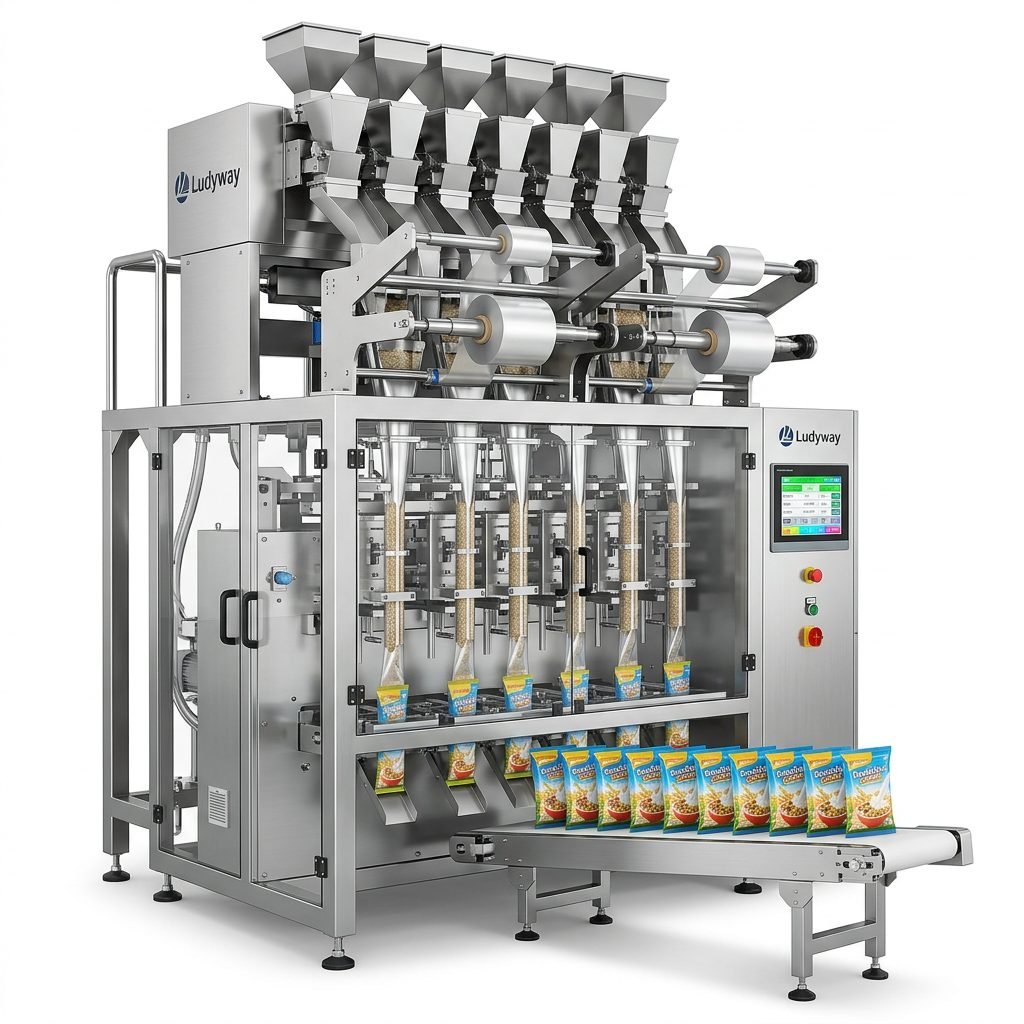
Key Features to Look For
| Feature | Importance | Benefit |
|---|---|---|
| Servo-Driven Motors | Critical | Precise control and reduced maintenance |
| Stainless Steel Construction | Essential | Food-grade compliance and easy cleaning |
| IP65/IP67 Protection | Recommended | Protection against dust and moisture |
| PLC Touchscreen Interface | Important | User-friendly operation and recipe management |
| Automatic Reject System | Valuable | Ensures quality control and reduces waste |
Step 3: Installation and Regulatory Compliance in Italy
Installing packaging machinery in Italy requires adherence to both EU-wide regulations and Italian national standards. All equipment must carry CE marking and comply with the Machinery Directive 2006/42/EC. Additionally, food contact materials must meet the requirements of food packaging safety standards and EU Regulation 1935/2004. Working with local Italian engineering consultants can help streamline the compliance process.
Key Regulatory Requirements
- CE Certification – Mandatory for all packaging machinery sold and operated in Italy
- Food Contact Compliance – Materials must not transfer harmful substances to cereal products
- Electrical Safety – Compliance with IEC 60204-1 for industrial machinery
- Noise Level Limits – Italian workplace safety regulations specify maximum decibel levels
- Waste and Recycling Directives – Alignment with EU packaging waste regulations
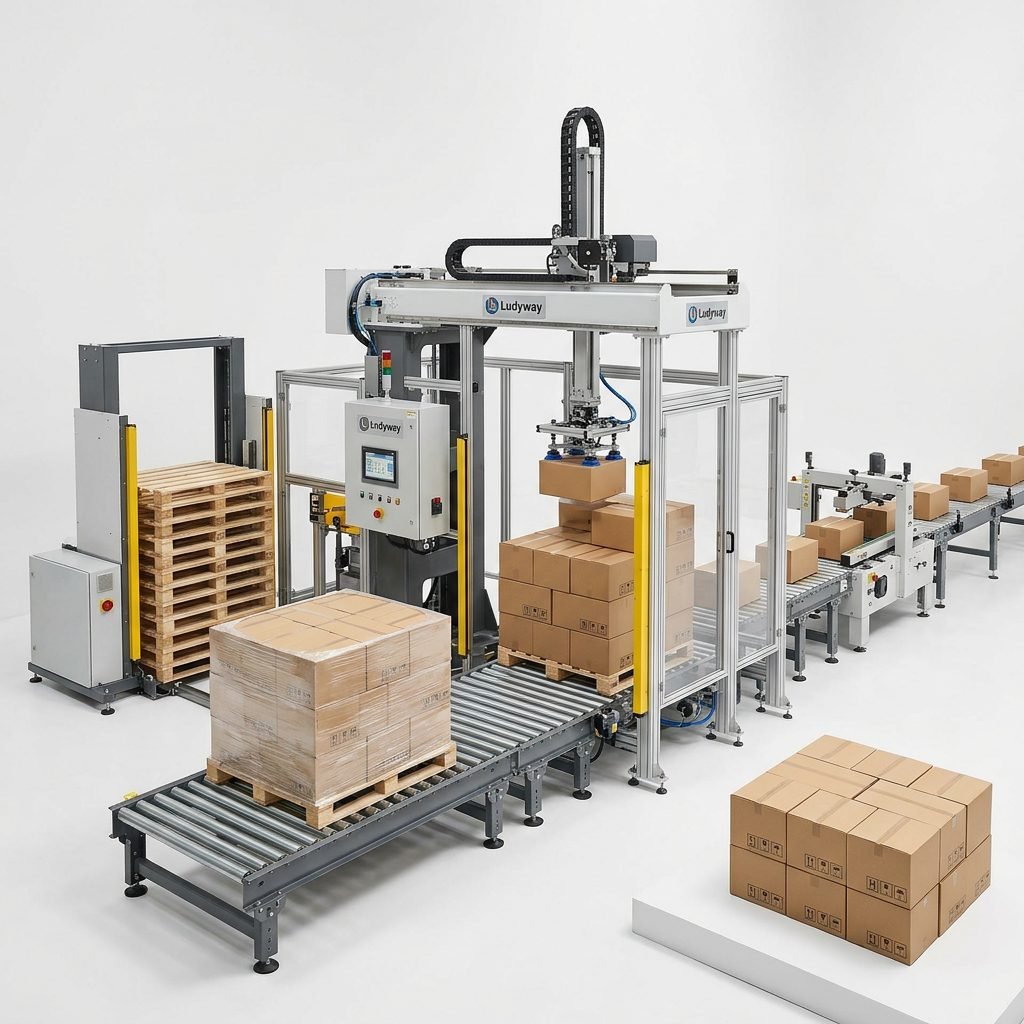
Step 4: Optimizing Your Production Workflow
A well-designed cereal packaging line integrates multiple stages into a seamless workflow. From material feeding and weighing to filling, sealing, coding, and palletizing, each step must be optimized for maximum efficiency. Italian manufacturers particularly value turnkey packaging solutions that minimize integration complexity and reduce time-to-market. The packaging industry’s latest reports indicate that integrated automation is the top priority for European food producers.
Typical Cereal Packaging Line Configuration
- Feeding System – Bucket elevators or vacuum conveyors transport cereal to the packaging machine
- Multi-Head Weigher – Precise portion control for consistent pack weights
- Primary Packaging Machine – Multi-lane stick pack or sachet forming, filling, and sealing
- Checkweigher – In-line weight verification with automatic reject capability
- Metal Detector – Critical food safety checkpoint for contaminant detection
- Coding and Marking – Batch coding, date marking, and traceability printing
- Cartoning Machine – Secondary packaging into retail-ready cartons
- Palletizing System – Automated stacking and wrapping for warehouse distribution

Step 5: Maintenance and Technical Support
Ongoing maintenance is essential for maximizing the lifespan and performance of your cereal packaging production line. Establishing a preventive maintenance schedule with regular inspections, lubrication, and wear-part replacement will minimize unplanned downtime. Italian manufacturers benefit from working with suppliers that offer local technical support and spare parts availability within the European market.
Recommended Maintenance Practices
| Maintenance Task | Frequency | Responsible Party |
|---|---|---|
| Daily cleaning and inspection | Every shift | Operator |
| Lubrication of moving parts | Weekly | Maintenance technician |
| Seal jaw and cutting blade inspection | Monthly | Maintenance technician |
| Sensor calibration and PLC backup | Quarterly | Automation specialist |
| Complete system overhaul | Annually | Manufacturer service team |
Step 6: Cost Analysis and ROI Considerations
Investing in a cereal packaging production line in Italy requires a clear understanding of both capital expenditure (CAPEX) and operational expenditure (OPEX). While high-quality automatic packaging machinery represents a significant upfront investment, the long-term benefits in terms of labor reduction, increased throughput, and consistent product quality typically deliver strong returns within 18-36 months. For market data on packaging machinery ROI, consult industry economic reports.
Cost Breakdown Overview
- Primary packaging machine – 40-55% of total line investment
- Feeding and weighing systems – 15-20%
- Secondary packaging (cartoning) – 10-15%
- End-of-line automation (palletizing) – 10-15%
- Installation, training, and commissioning – 5-10%
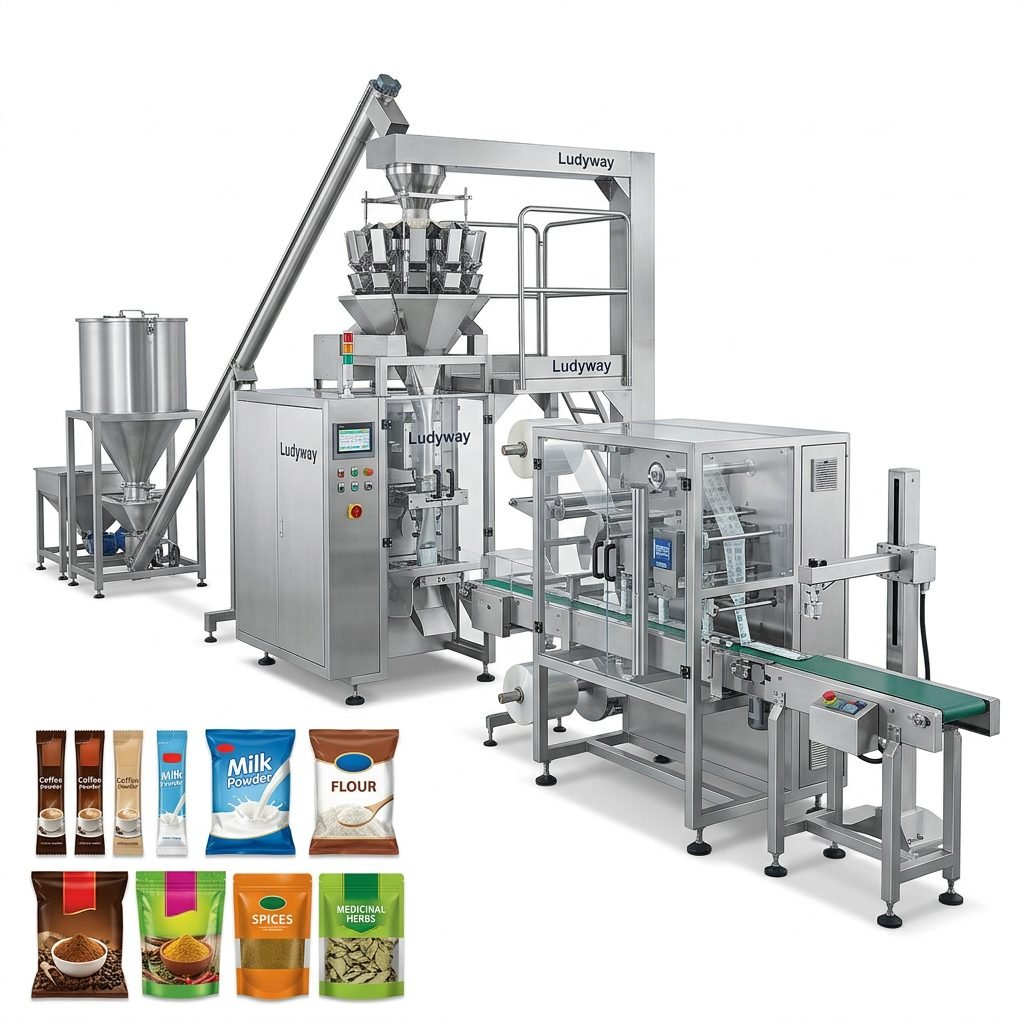
Choosing a Reliable Packaging Machine Supplier
Selecting the right equipment manufacturer is one of the most important decisions in your project. Look for suppliers with proven experience in food packaging, particularly in cereal and granule applications. Evaluate their track record in European markets, availability of CE-certified machinery, and the comprehensiveness of their after-sales support. Request references from existing Italian or European clients and, if possible, visit operational installations to assess machine performance firsthand.
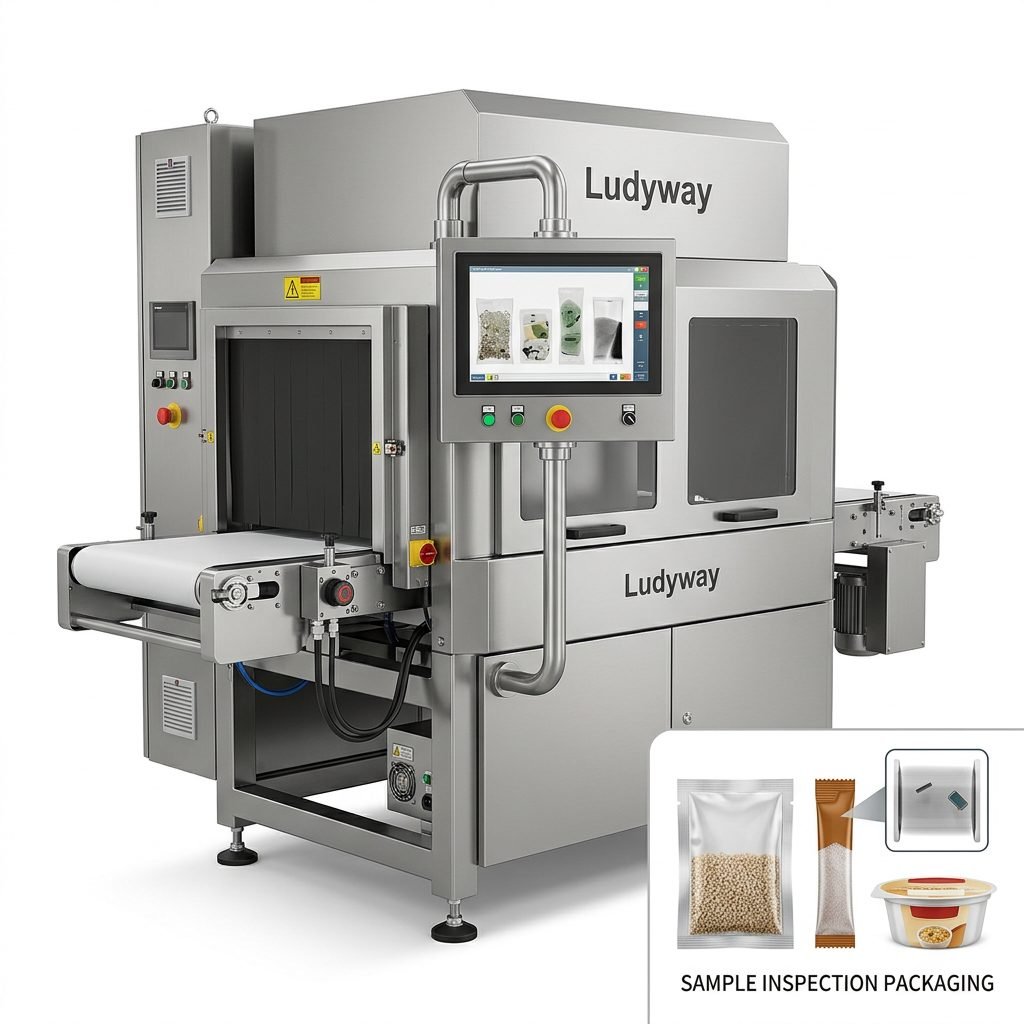
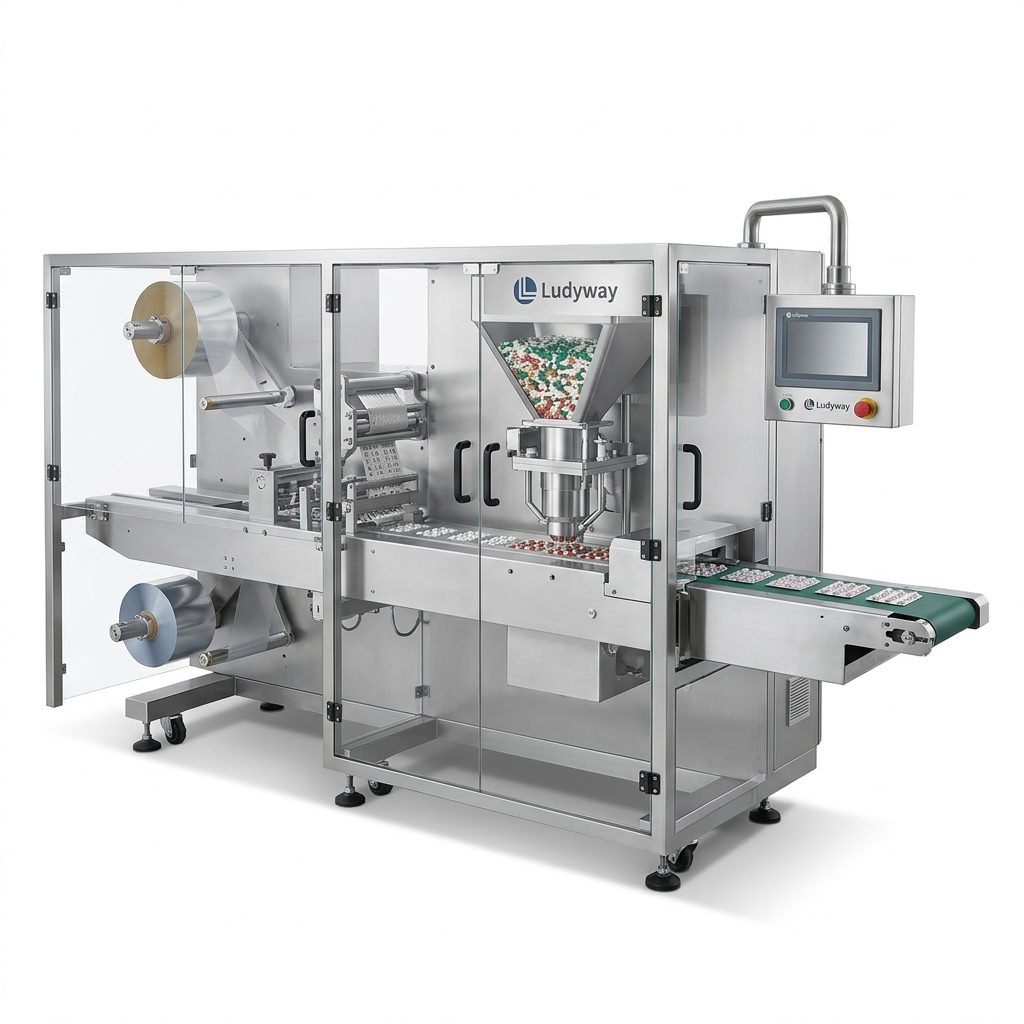
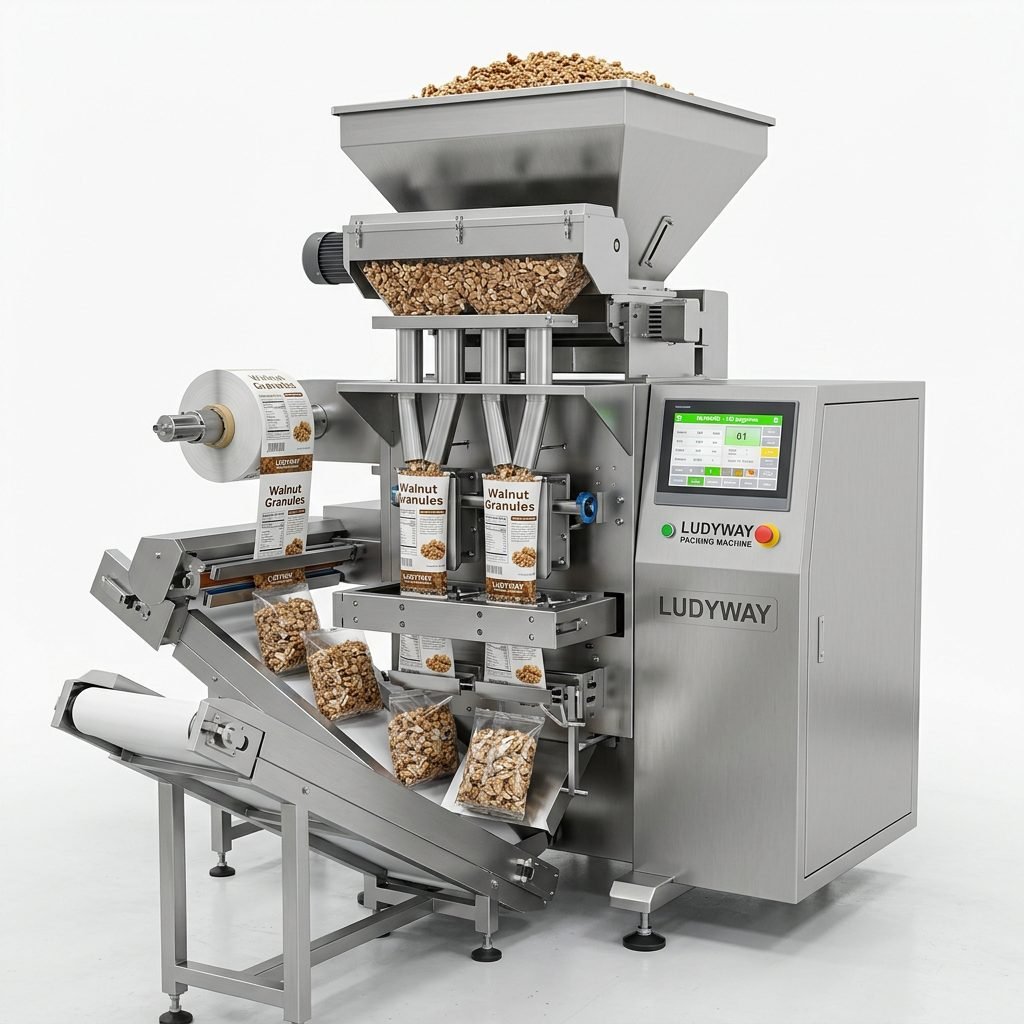
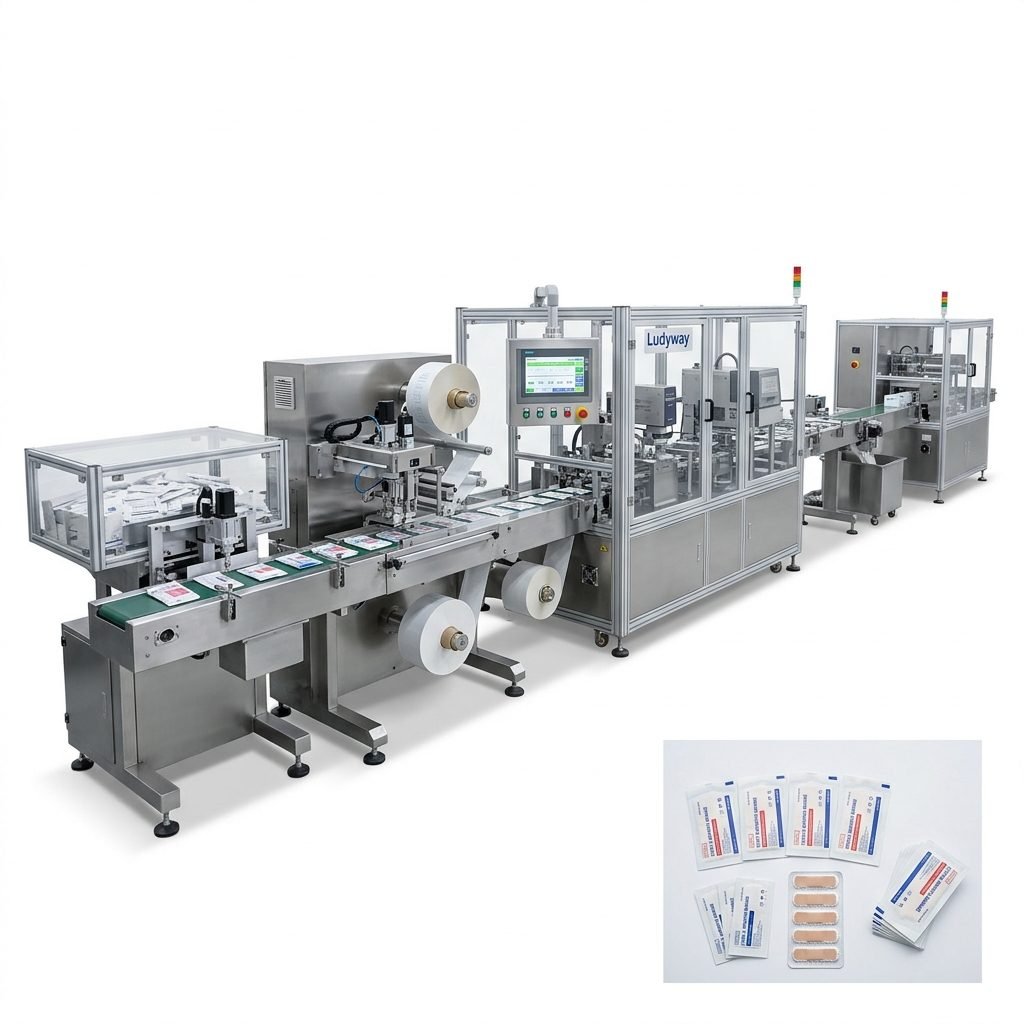
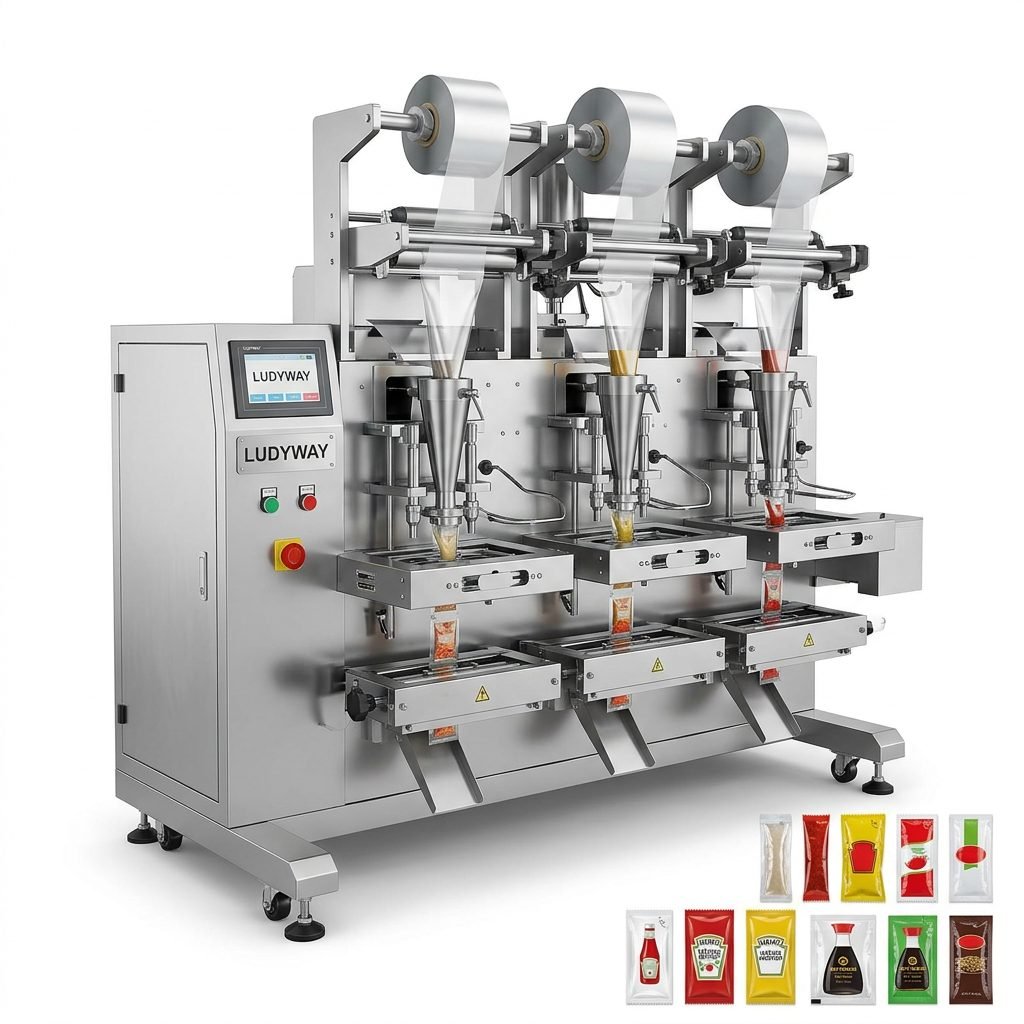
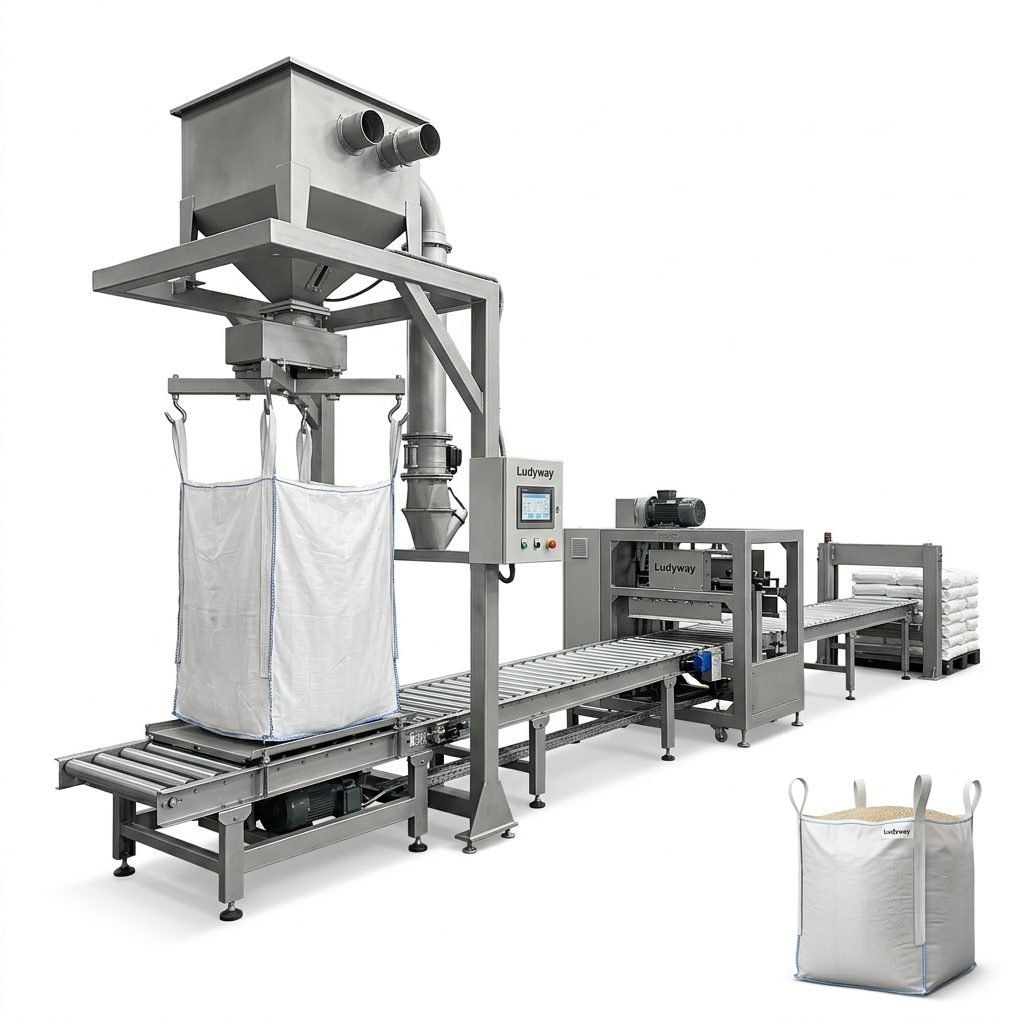
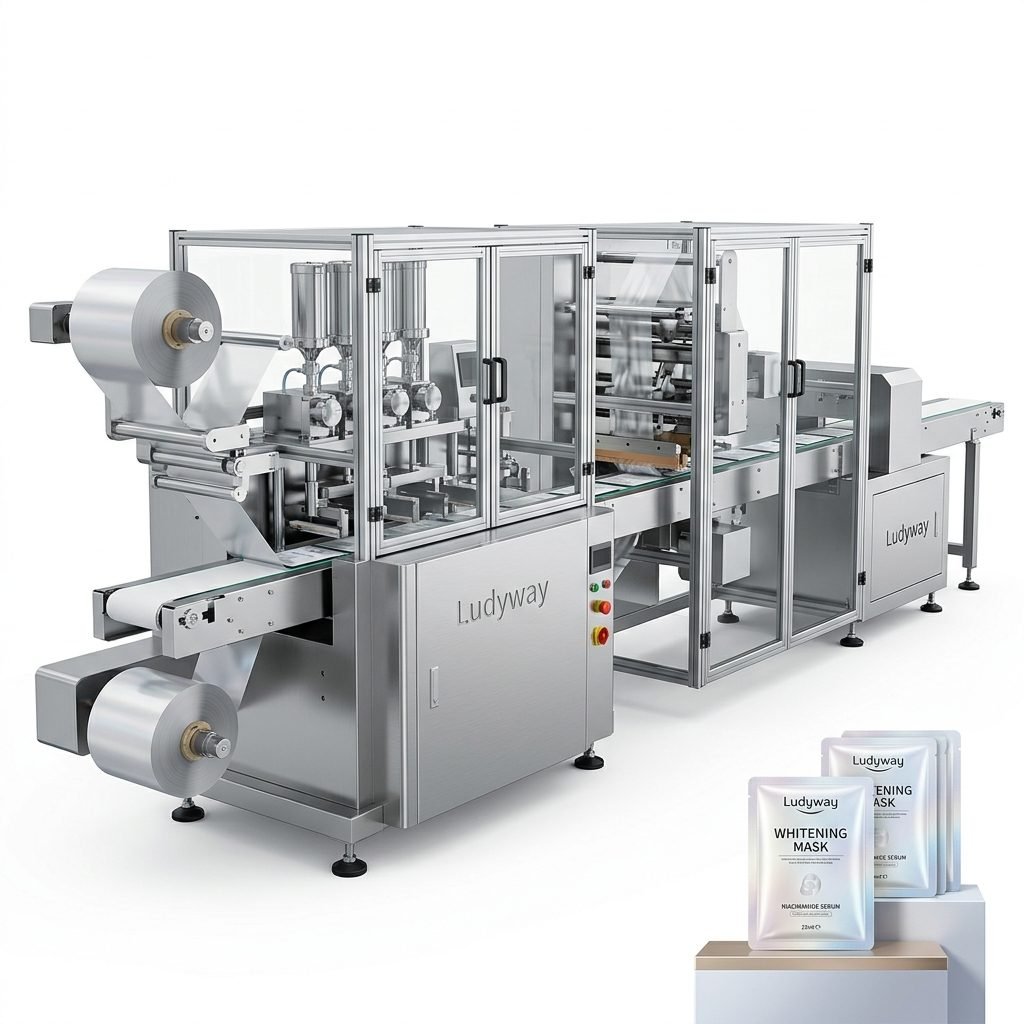
Among global packaging machinery manufacturers, Ludyway has established itself as one of the largest packaging machine manufacturers in China, specializing in advanced packaging equipment and turnkey production solutions for the food, pharmaceutical, and health industries. With over 30 years of industry expertise and a modern 20,000m² manufacturing facility, the company offers more than 50 intelligent packaging machine models, including multi-lane stick pack and sachet systems suitable for cereal packaging applications. Their equipment serves customers in over 100 countries and regions, supported by comprehensive technical support and spare parts services.
Common Challenges and How to Overcome Them
Setting up a packaging line in Italy comes with its own set of challenges. Being prepared for these obstacles will help ensure a smooth installation and commissioning process. The Flexible Packaging Association provides valuable insights into common industry challenges and solutions.
Top Challenges and Solutions
| Challenge | Solution |
|---|---|
| Language and communication barriers | Work with bilingual project managers or local agents |
| Import duties and customs clearance | Engage a customs broker familiar with machinery imports |
| Utility compatibility issues | Specify European-standard electrical and pneumatic requirements |
| Skilled operator availability | Invest in comprehensive training programs from the supplier |
| Spare parts lead time | Maintain a recommended spare parts inventory on-site |
Future Trends in Cereal Packaging
The cereal packaging industry is evolving rapidly, with several key trends shaping the Italian and broader European market. Staying ahead of these developments can give your operation a competitive advantage. According to the latest state of the industry reports, sustainability and smart factory integration are the two most significant trends impacting packaging machinery investment decisions.
- Sustainable Packaging Materials – Shift toward recyclable mono-materials and biodegradable films
- Smart Factory Integration – IoT-enabled machines with real-time monitoring and predictive maintenance
- Flexible Production Capabilities – Quick-changeover systems for multiple cereal product variants
- Energy Efficiency – Servo-driven systems that reduce power consumption by up to 30%
- Track-and-Trace Compliance – Serialization and traceability systems for enhanced food safety
Frequently Asked Questions
What is the typical lead time for a cereal packaging machine in Italy?
Standard lead times range from 8 to 16 weeks, depending on machine configuration and customization requirements. Turnkey production lines may require 12-20 weeks for manufacturing, testing, and delivery.
Can packaging machinery be financed in Italy?
Yes, several financing options are available, including equipment leasing, bank loans, and EU regional development grants for manufacturing investments. Italian banks also offer specific industrial equipment financing programs with competitive terms.
What after-sales support should I expect?
Look for suppliers offering remote technical support, on-site service visits, operator training programs, and readily available spare parts. Ideally, choose a manufacturer with European service centers or local technical partners in Italy for faster response times.

Conclusion
Setting up a cereal packaging machine production line in Italy is a significant but rewarding investment. By carefully planning your production requirements, selecting CE-certified equipment from reputable manufacturers, ensuring regulatory compliance, and implementing robust maintenance protocols, you can build a highly efficient and profitable packaging operation. The Italian market’s appreciation for quality and innovation means that producers who invest in advanced packaging technology will be well-positioned to capture growing consumer demand for convenient, well-packaged cereal products. For further guidance on packaging industry standards and best practices, explore the comprehensive resources available from global packaging associations.