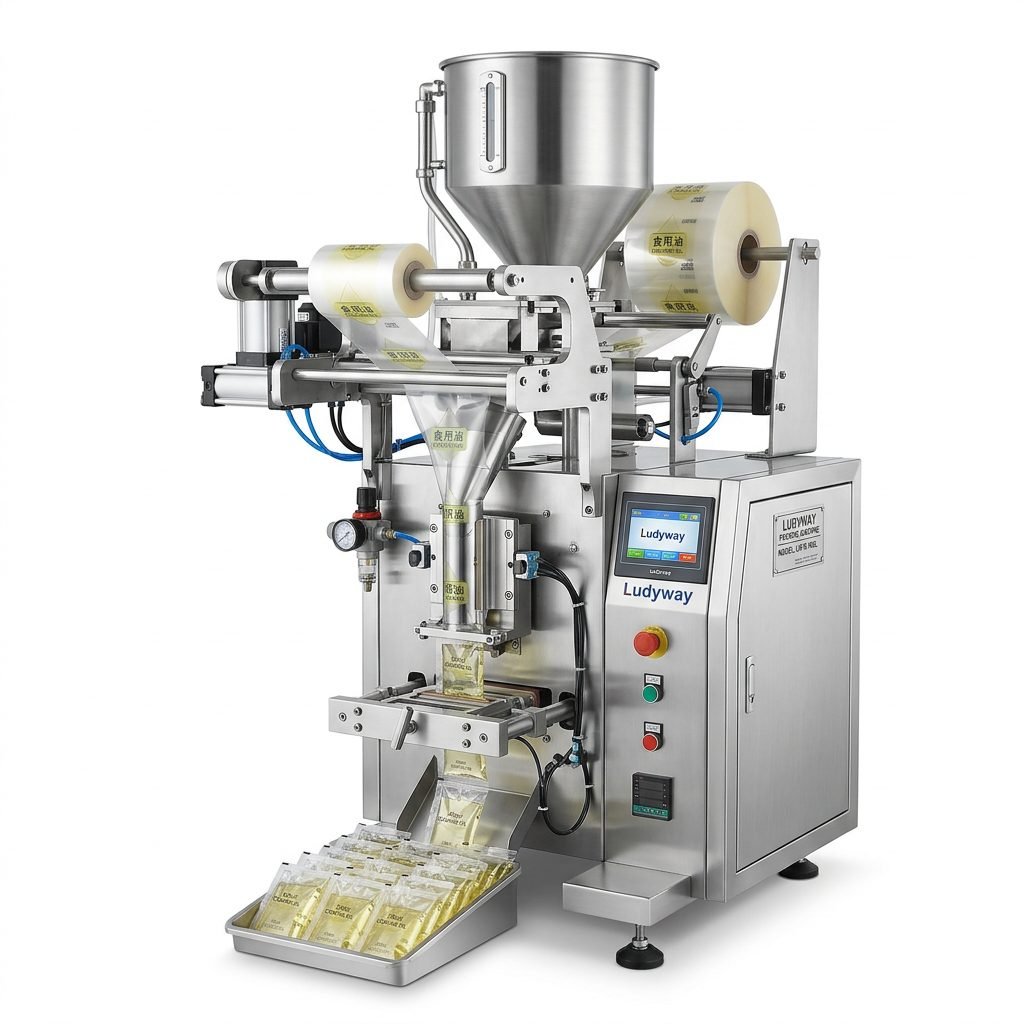
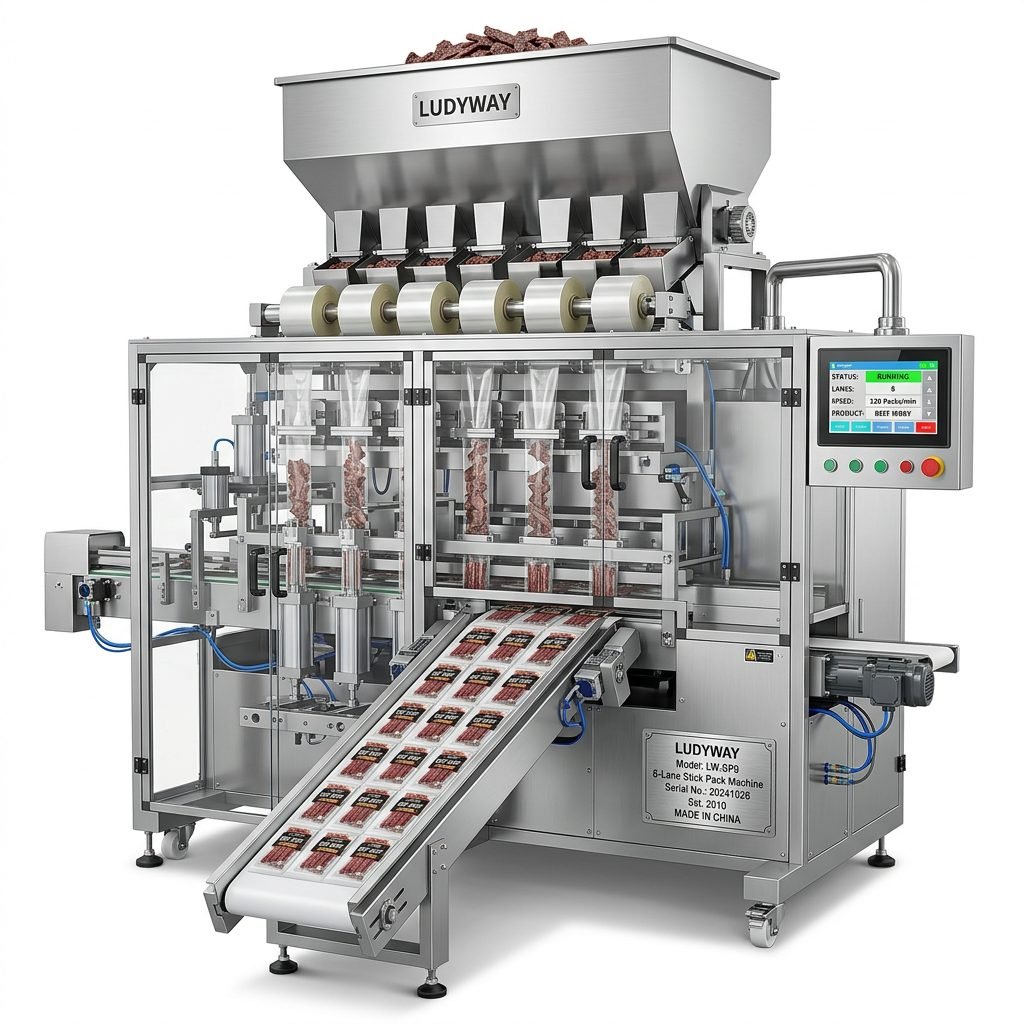
Africa’s food processing sector is experiencing unprecedented growth. With a rising middle class, rapid urbanization, and increasing demand for packaged goods, the continent presents a massive opportunity for manufacturers. However, oxygen and moisture remain the biggest enemies of shelf-stable products. Setting up an airtight food packaging machine production line is not just about buying equipment; it requires a strategic approach to infrastructure, climate control, and local regulations.
Why Airtight Packaging is Critical for the African Market
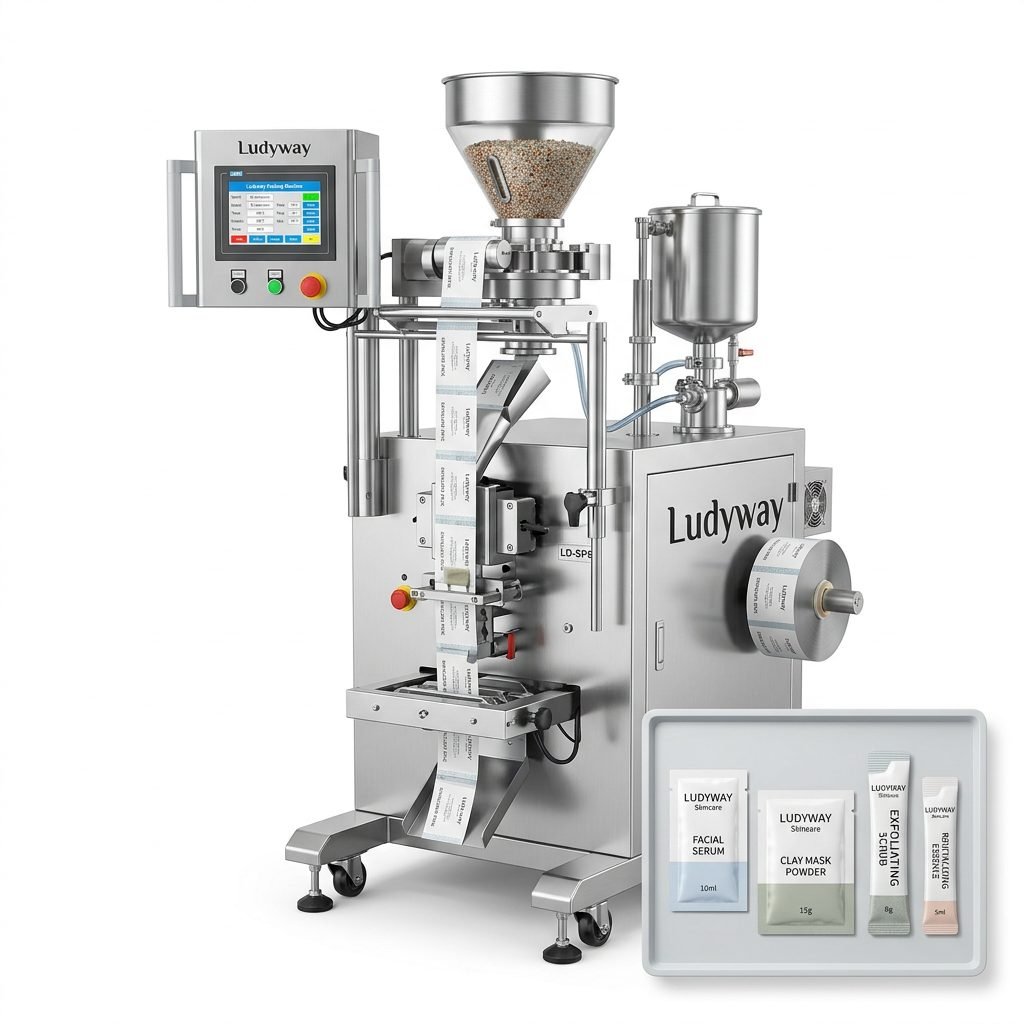
Many regions in Africa face challenging logistics and high temperatures. Airtight sealing significantly extends shelf life without requiring expensive cold chain logistics. Whether you are packaging dried grains, coffee, powdered milk, or snacks, an airtight seal prevents contamination and preserves freshness. This is particularly vital for products like stick pack powders and granule foods that are sensitive to humidity.
Step 1: Analyzing Your Product and Production Capacity
Before procuring machinery, you must define your product characteristics and target output. The physical properties of your food directly determine the type of dosing and sealing technology required.
- Granules vs. Powders: Free-flowing granules (sugar, salt) behave differently from dusty, sticky powders (milk powder, cocoa). Powder packaging requires specialized auger fillers or volumetric cup systems.
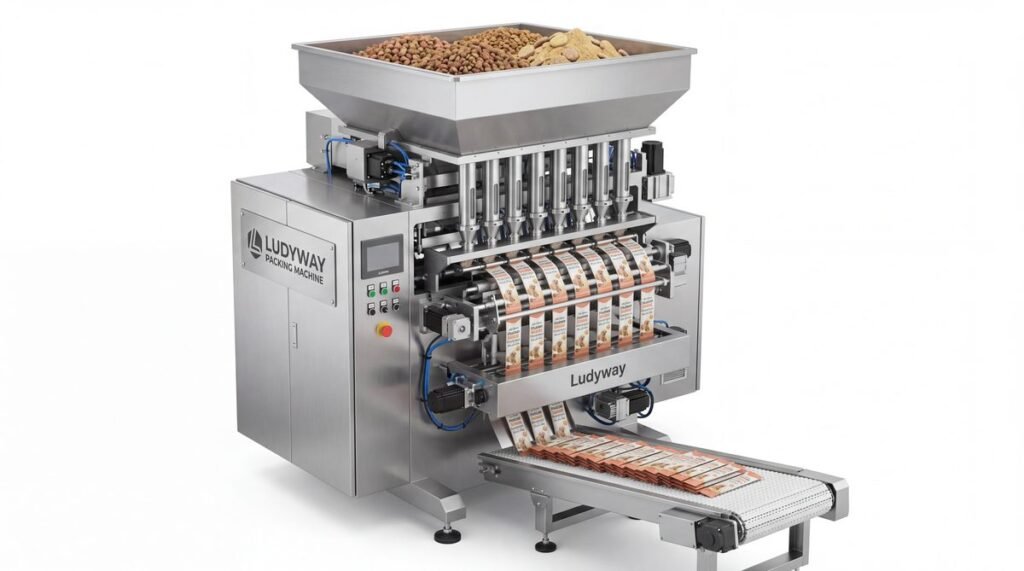
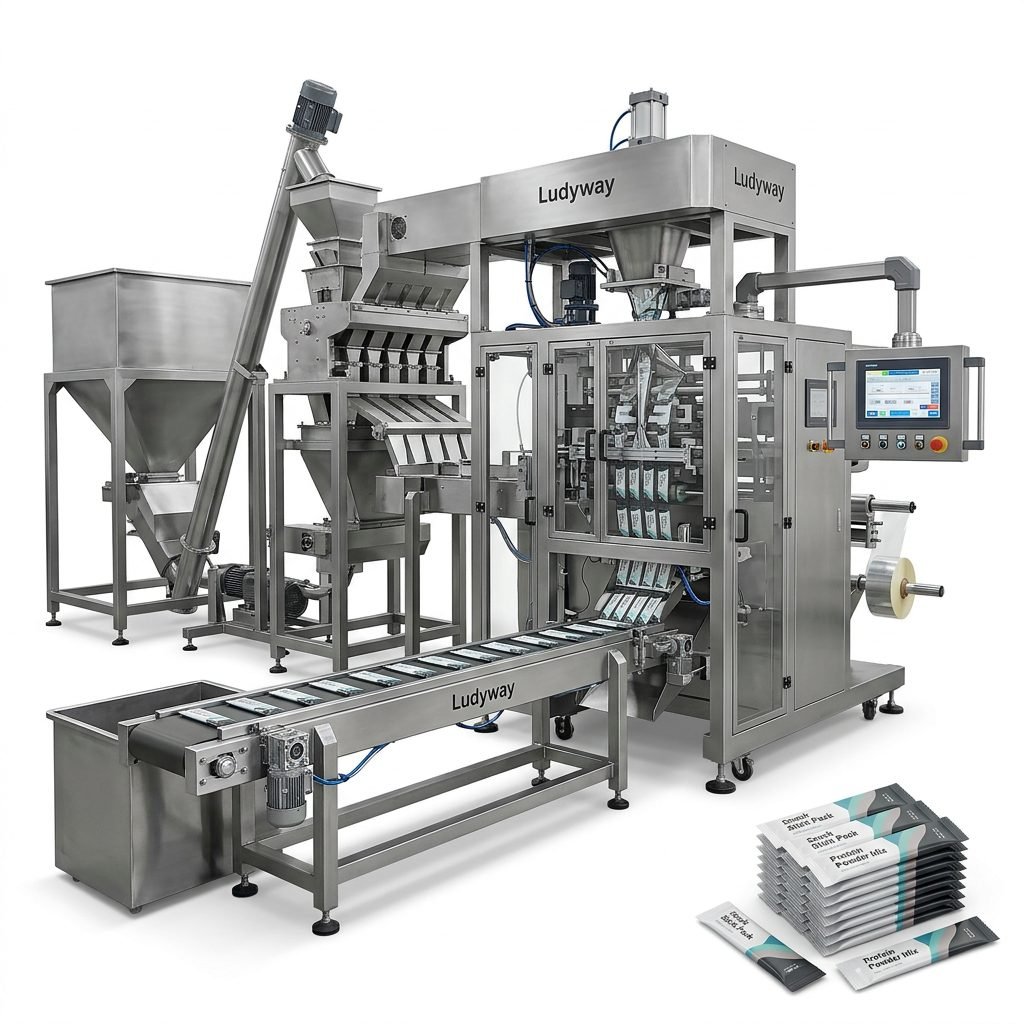
- Target Output: Are you aiming for 40 packs per minute or 400? Multi-lane stick pack machines can dramatically increase output compared to single-lane versions.
- Packaging Material: Most airtight lines use laminated films (PET/AL/PE) to block light and oxygen.

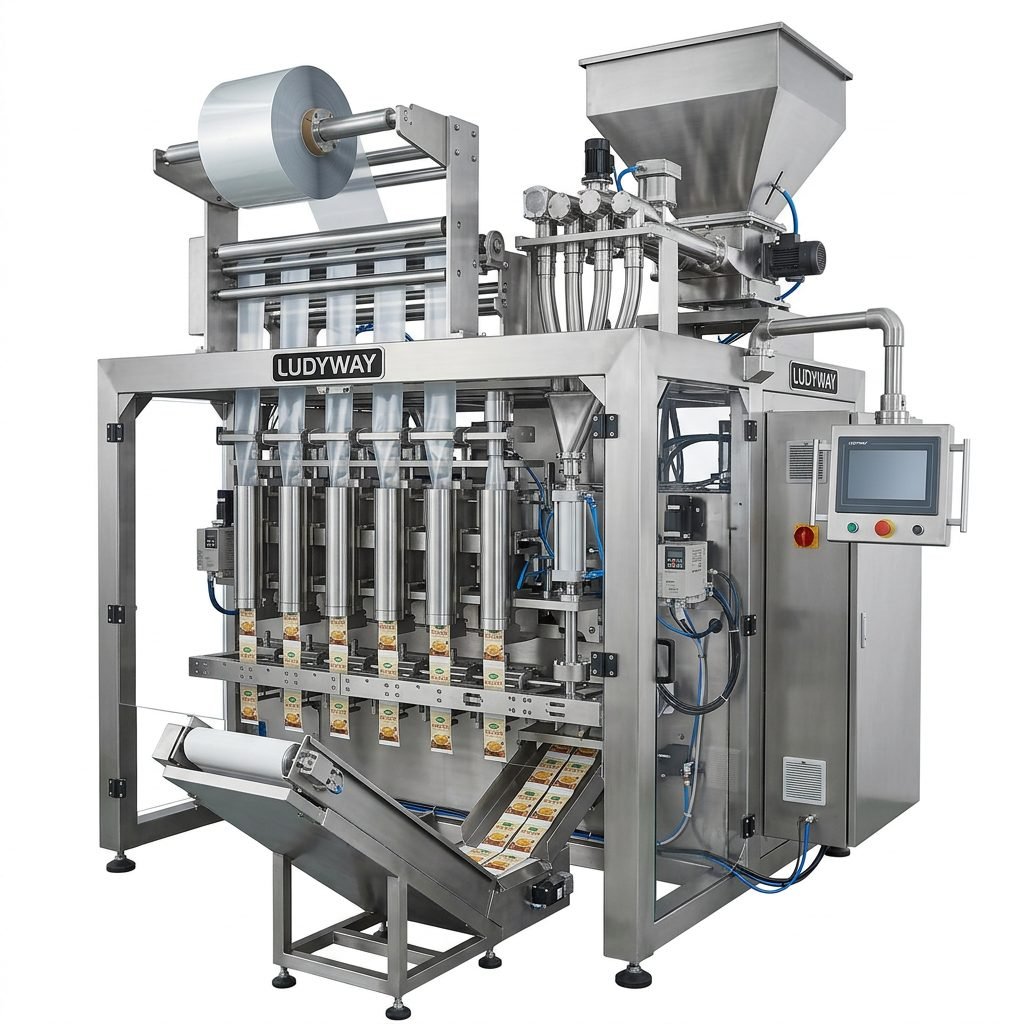
High-speed multi-lane sachet packaging machines are ideal for high-volume airtight production.
Step 2: Selecting Core Equipment for Airtight Sealing
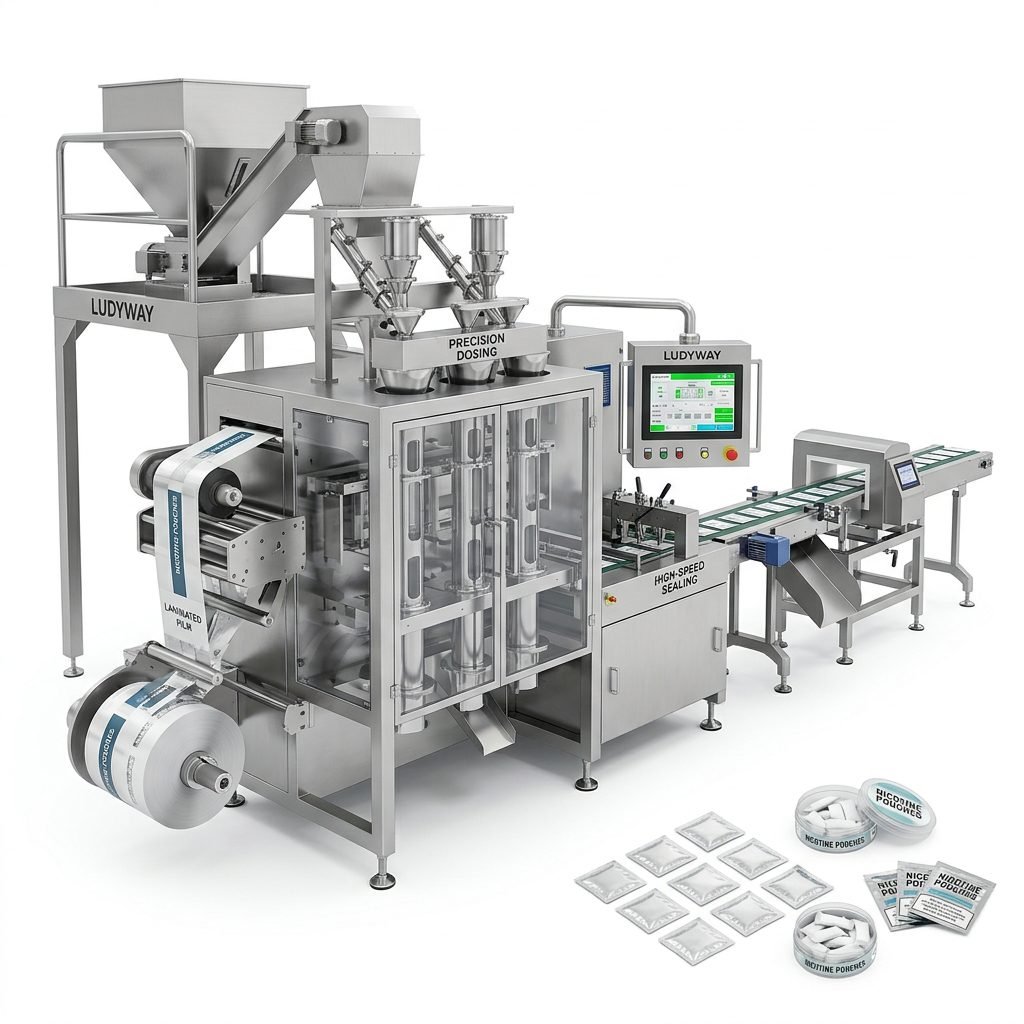
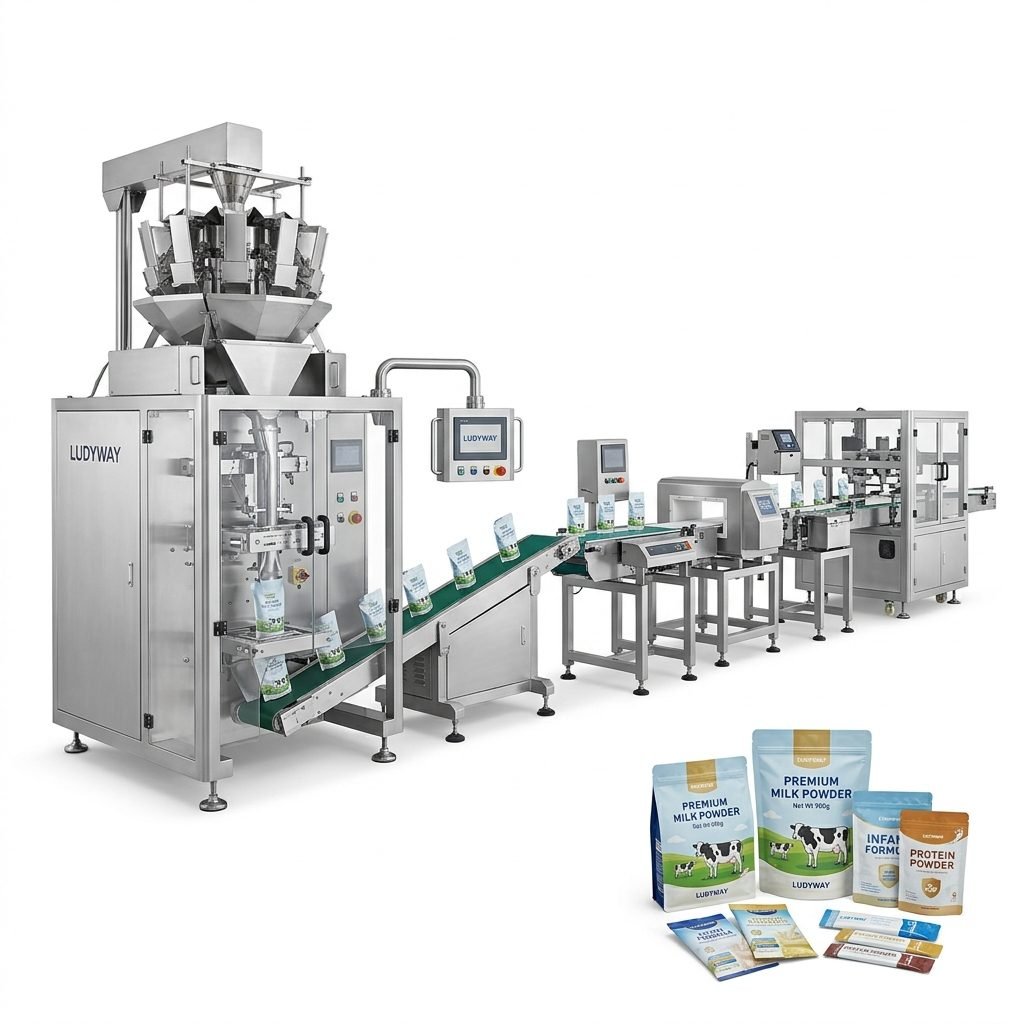
A complete airtight line consists of more than just a filling machine. To achieve a true hermetic seal, you need a synchronized system. Below is a breakdown of the standard configuration:
| Machine Module | Function | Key Airtight Feature |
|---|---|---|
| Feeding System | Transports raw product to the scale | Closed conveyors to prevent pre-contamination |
| Multi-head Weigher / Auger Filler | Precise dosing of product | Dust-tight enclosures |
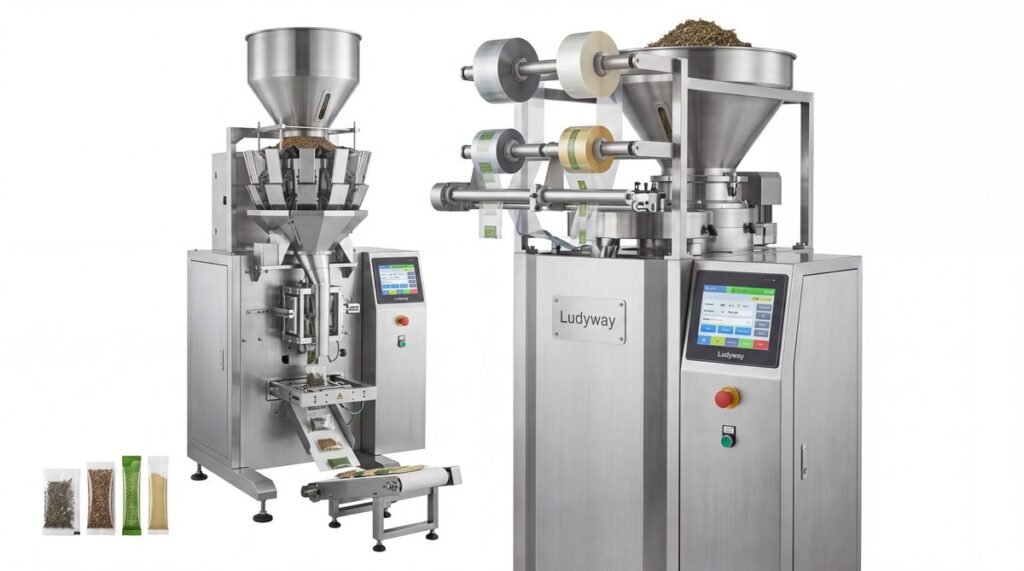
| Vertical Form Fill Seal (VFFS) Machine | Forms bags, fills, and seals | Pneumatic or servo-driven cross-sealing jaws |
| Nitrogen Flushing System | Displaces oxygen inside the bag | Essential for modified atmosphere packaging (MAP) |
| Leak Detection System | Quality control check | Detects pinhole leaks in seals |
Step 3: Addressing Infrastructure Challenges in Africa
Installing a food packaging production line requires reliable utilities. Many industrial zones in countries like Nigeria, Kenya, and South Africa have stable power, but a backup plan is mandatory for airtight packaging.
Power Stability and Compressed Air
Voltage fluctuations can damage the sealing circuits of a VFFS machine. You must install voltage stabilizers and an industrial UPS for the control panel. Clean, dry compressed air is also non-negotiable. Moisture in the air lines will cause sealing failures and reduce film integrity.
Environmental Control
High humidity causes bridging in powders and clumping in granules. The production room should be conditioned to maintain relative humidity below 60%. This protects the raw materials and ensures the heat sealing process remains consistent across shifts.
Step 4: The Importance of Material Compatibility
Your machine must match your packaging film. In Africa, where supply chains can be unpredictable, it is common to source film from multiple suppliers.
- Seal Integrity: Ensure the machine’s jaw design and grip belts handle variations in film thickness without tearing.
- Print Registration: If using pre-printed films, the photoelectric sensor must accurately track registration marks for smart, attractive packaging.
Step 5: Ensuring Turnkey Success and Training
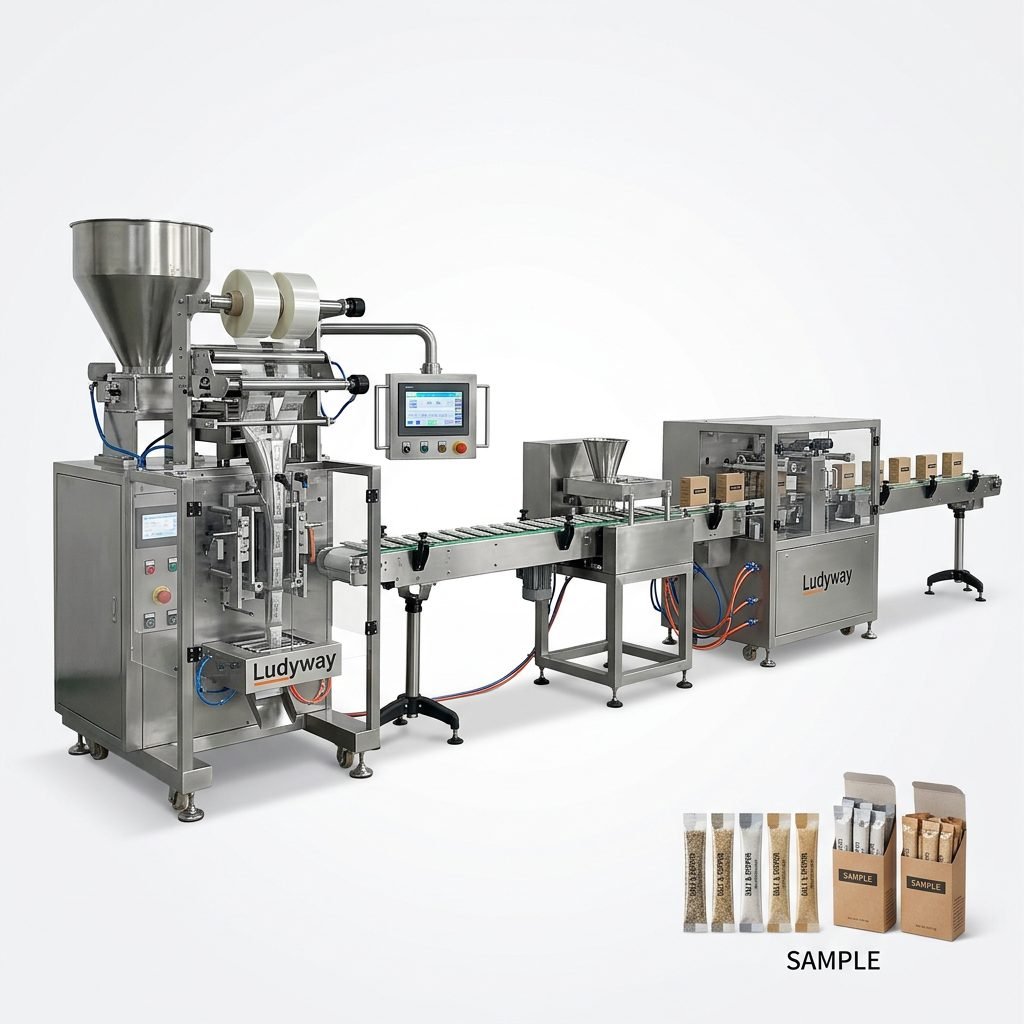
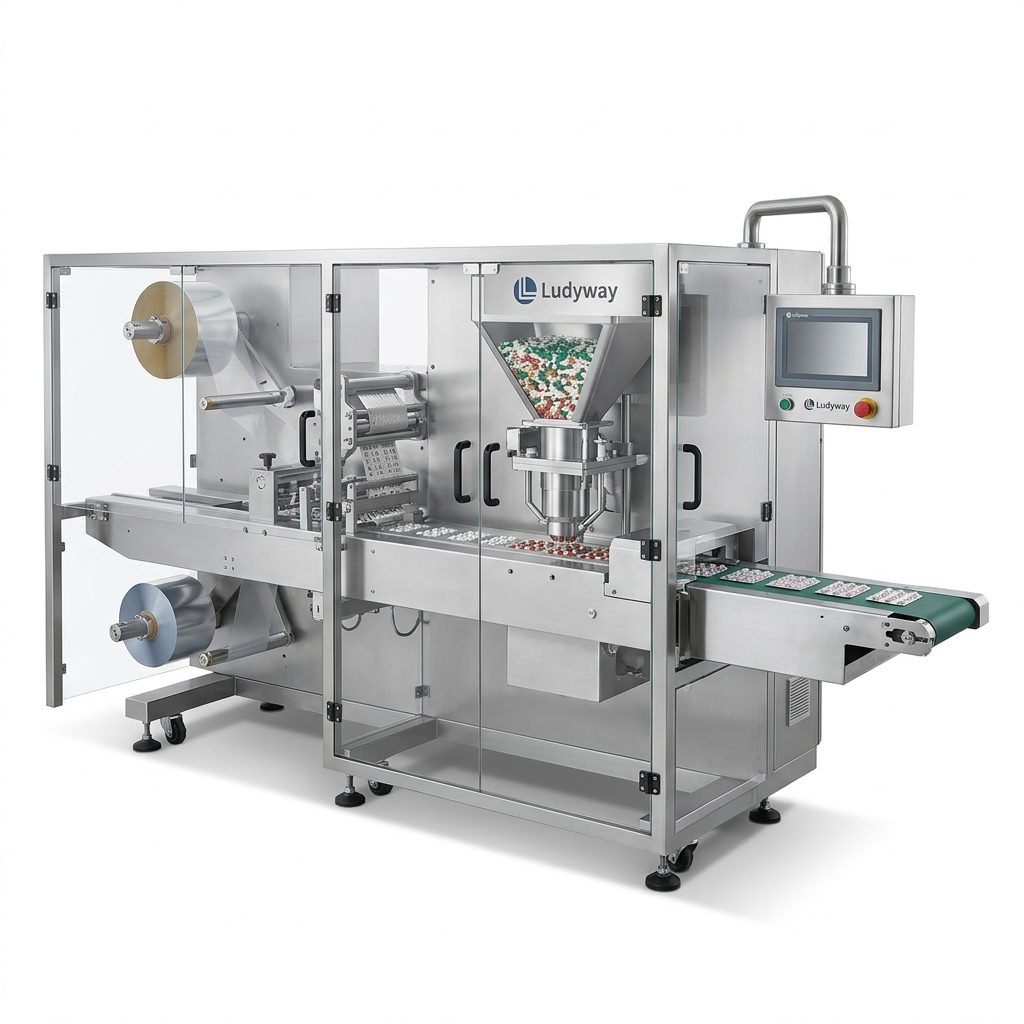
Setting up a line in Africa often means working with international OEMs. A turnkey approach reduces risk significantly. Ludyway, for example, provides integrated turnkey solutions from feeding to final cartoning, ensuring the customer does not need to coordinate separate vendors. Comprehensive operator training is crucial; modern machines feature HMI touchscreens with diagnostic capabilities, but local staff must be trained on film threading, temperature settings, and daily maintenance.
Key Certifications and Standards
For food safety, your machinery should comply with international hygiene standards. Easily removable contact parts for deep cleaning minimize downtime between batches. Proper validation and qualification support, including IQ/OQ documentation, help maintain high standards, while a robust supply chain for spare parts ensures long-term operational efficiency with minimal disruptions.
Cost-Effective Entry Strategies
Not every startup requires a fully automated line on day one. A popular strategy in the East and West African markets is to start with a semi-automatic line and upgrade later. However, even a semi-automatic setup must prioritize the sealing mechanism. A poor seal leads to product returns and brand damage. Investing in a high-quality multi-lane stick pack machine from the outset often pays off as the market demand outpaces single-lane production by the second year of operation.
Navigating Import and Logistics
When importing packaging machinery into Africa, consider port handling at destinations like Mombasa, Dar es Salaam, or Durban. Containerized shipments with professional wood-free fumigation and moisture-proof packing are standard. Technical support for remote troubleshooting via video call is a service that reputable manufacturers provide to keep your line running smoothly.
The future of African food manufacturing lies in value addition. By establishing a robust, airtight packaging operation, you are not just preserving food; you are building a brand that can compete on a global scale. Connect with a specialist to discuss your specific product requirements and take the first step toward production line success.