The African continent is witnessing a surge in food processing and packaging industries, driven by a growing population, rising urbanization, and increasing demand for locally manufactured seafood products. Setting up a fish packaging machine production line in Africa requires careful planning, understanding local market conditions, and selecting the right automated packaging machinery to ensure efficiency and product freshness.

Understanding the African Fish Packaging Market
The fish packaging industry in Africa is unique due to varying infrastructure levels, climate considerations, and diverse consumer preferences. From dried fish snacks to frozen fillets and fish feed pellets, the packaging requirements differ significantly across regions like West Africa, East Africa, and Southern Africa. A successful production line must be adaptable to handle multiple packaging formats, including sachets, stick packs, pouches, and bulk bags.
Key Factors for Setting Up Your Line
- Product Type: Fresh, frozen, dried, or processed fish granules/powder.
- Packaging Format: Multi-lane stick packs, sachets, vacuum pouches, or large bulk bags.
- Production Capacity: Small-scale startup vs. high-speed industrial output.
- Climate Control: Humidity-resistant packaging to extend shelf life in tropical climates.
- Power Supply Stability: Equipment requiring consistent voltage or compatible generators.
Essential Machinery for a Fish Packaging Production Line
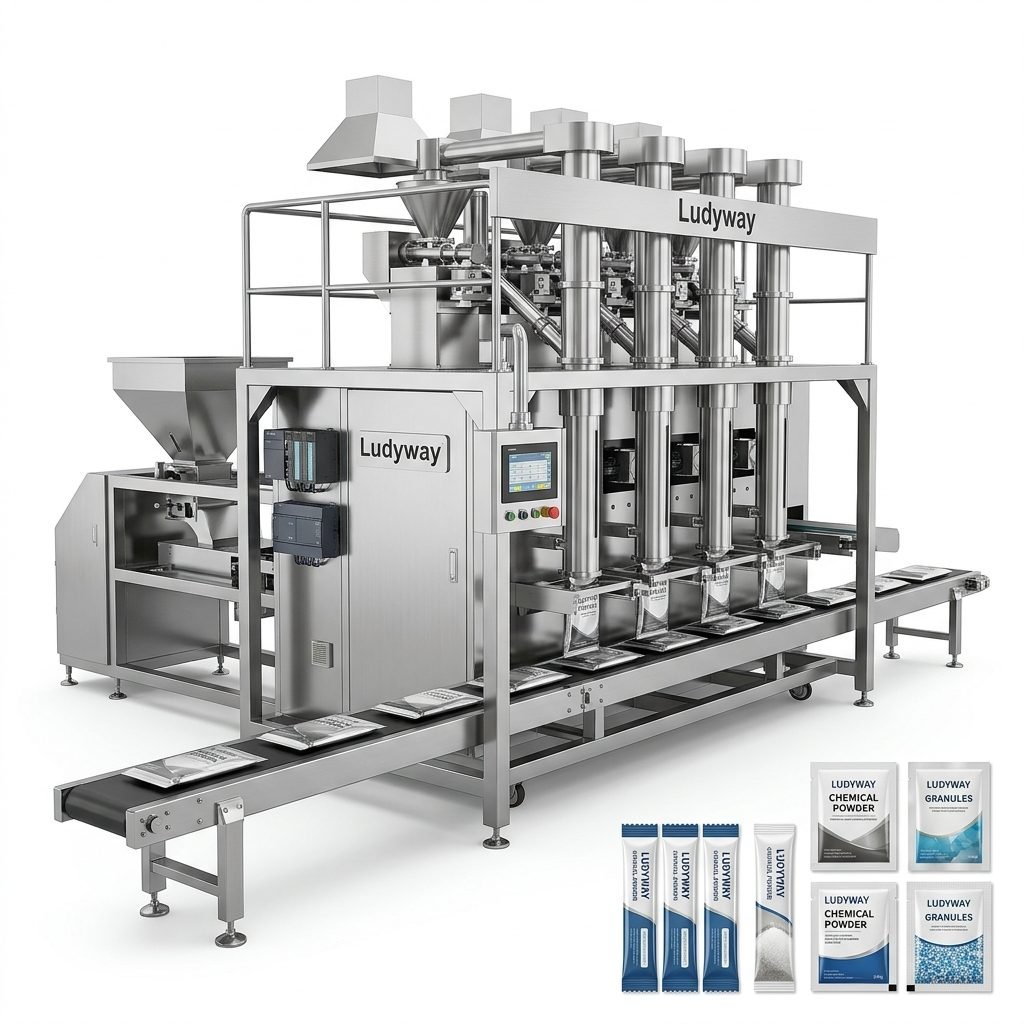
A complete fish packaging machine production line consists of several integrated components working in harmony. Understanding each piece of equipment is crucial for smooth operation and maintenance in African facilities.
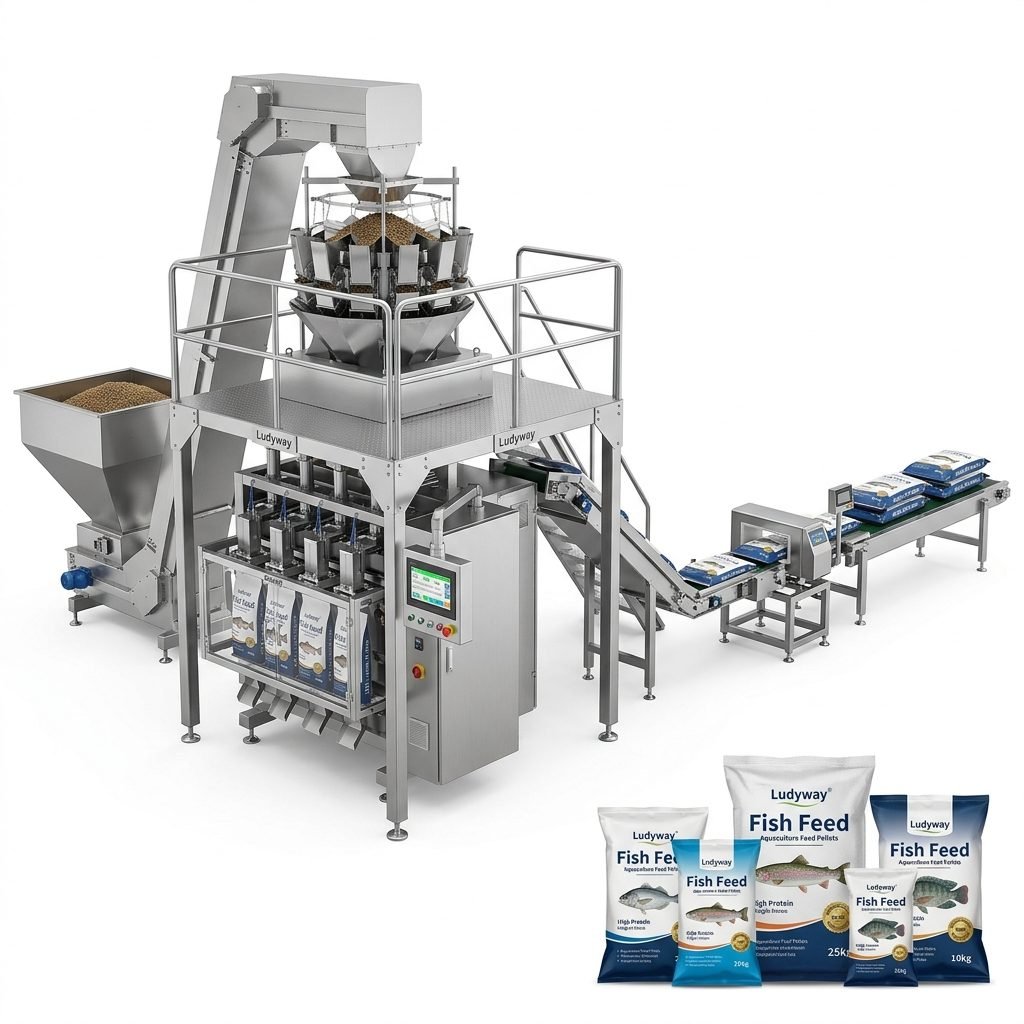
Core Packaging Machines Required
| Machine Type | Function | Best For |
|---|---|---|
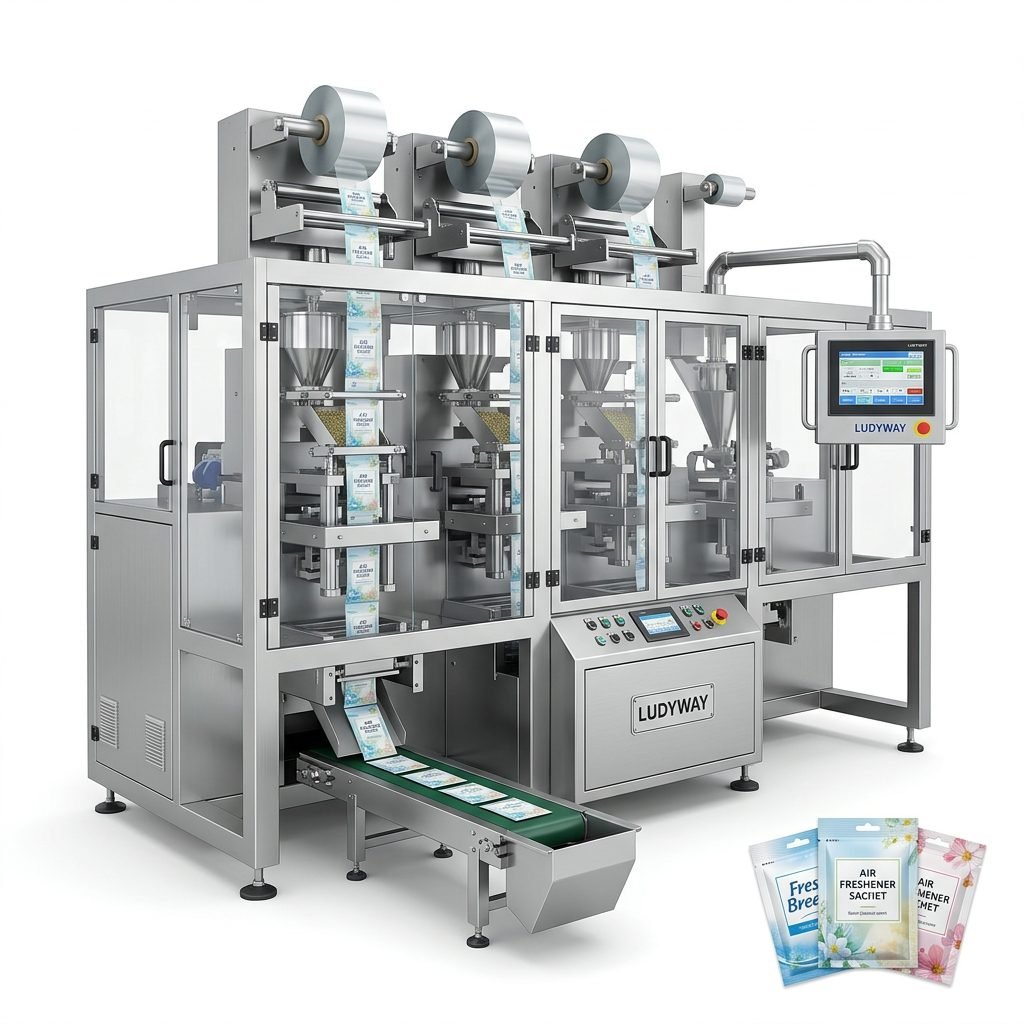
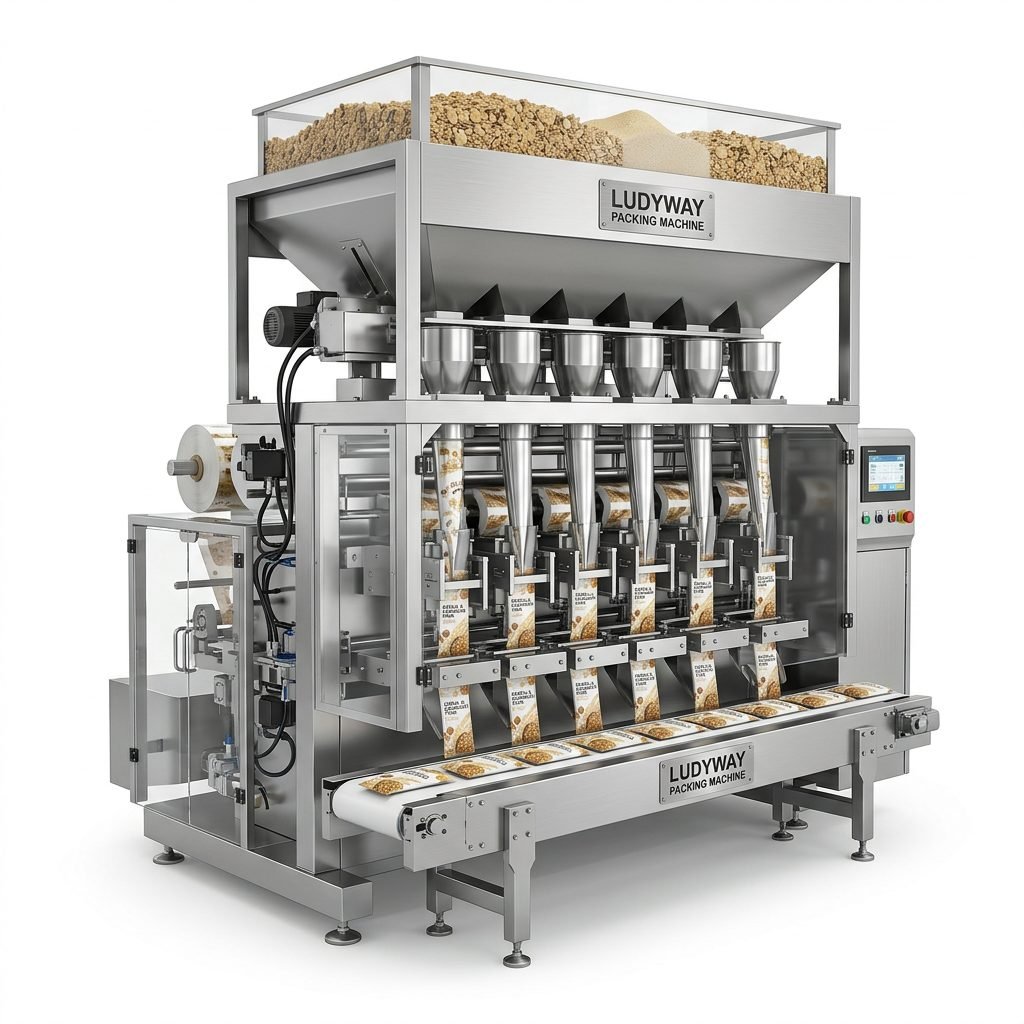
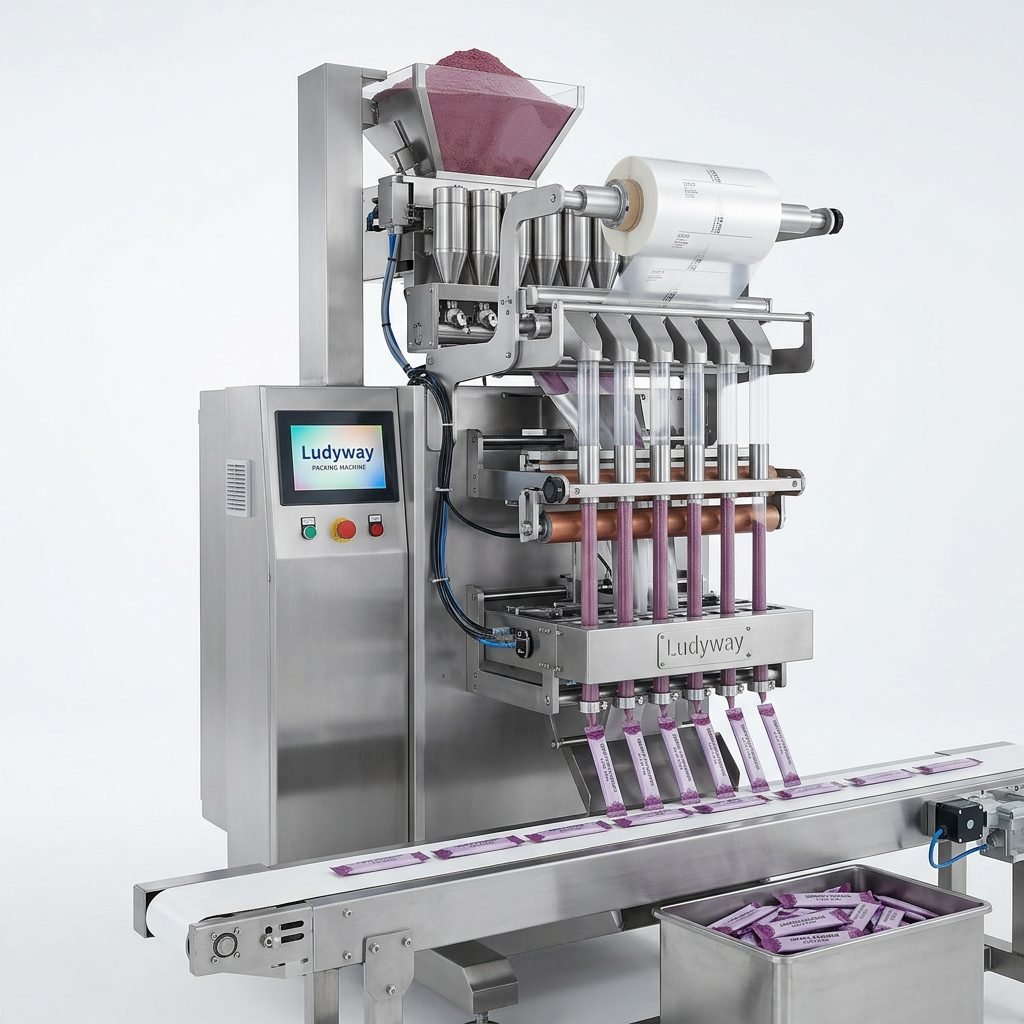
| Multi-Lane Stick Pack Machine | High-speed filling of granules/powders into stick packs | Dried fish powder, fish seasoning |
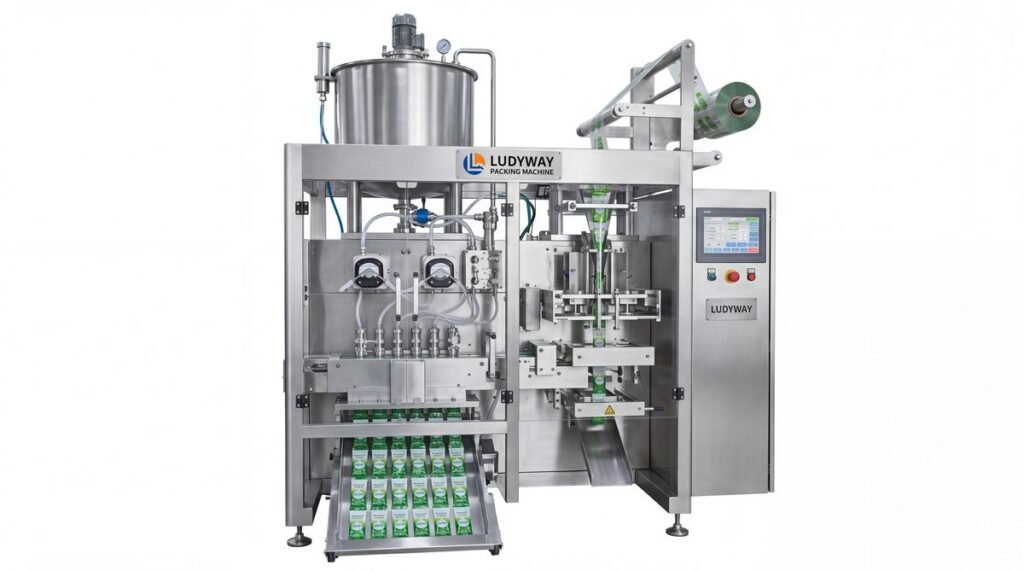
| Vacuum Packaging Machine | Removes air and seals pouches for extended freshness | Frozen fish fillets, smoked fish |
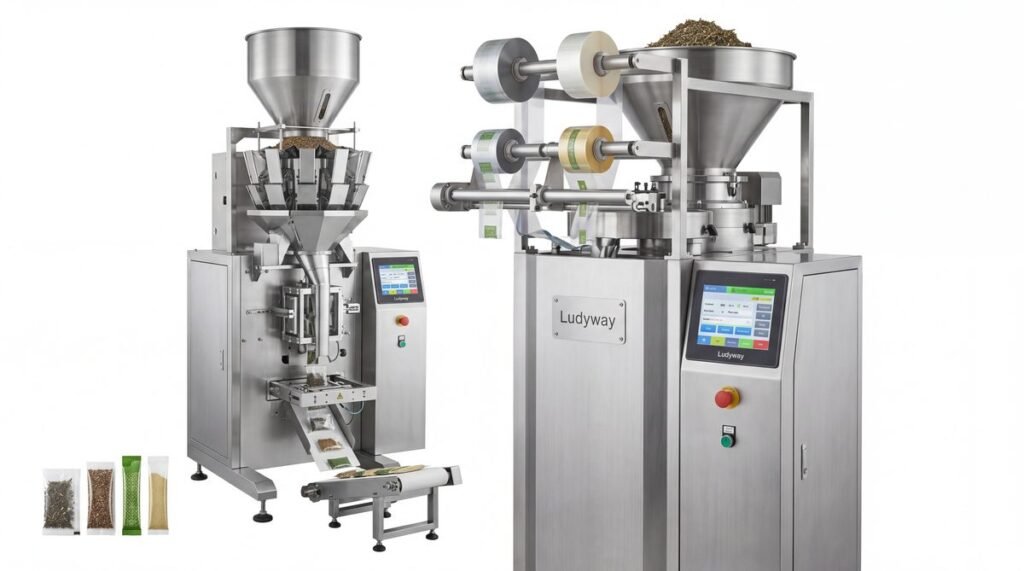
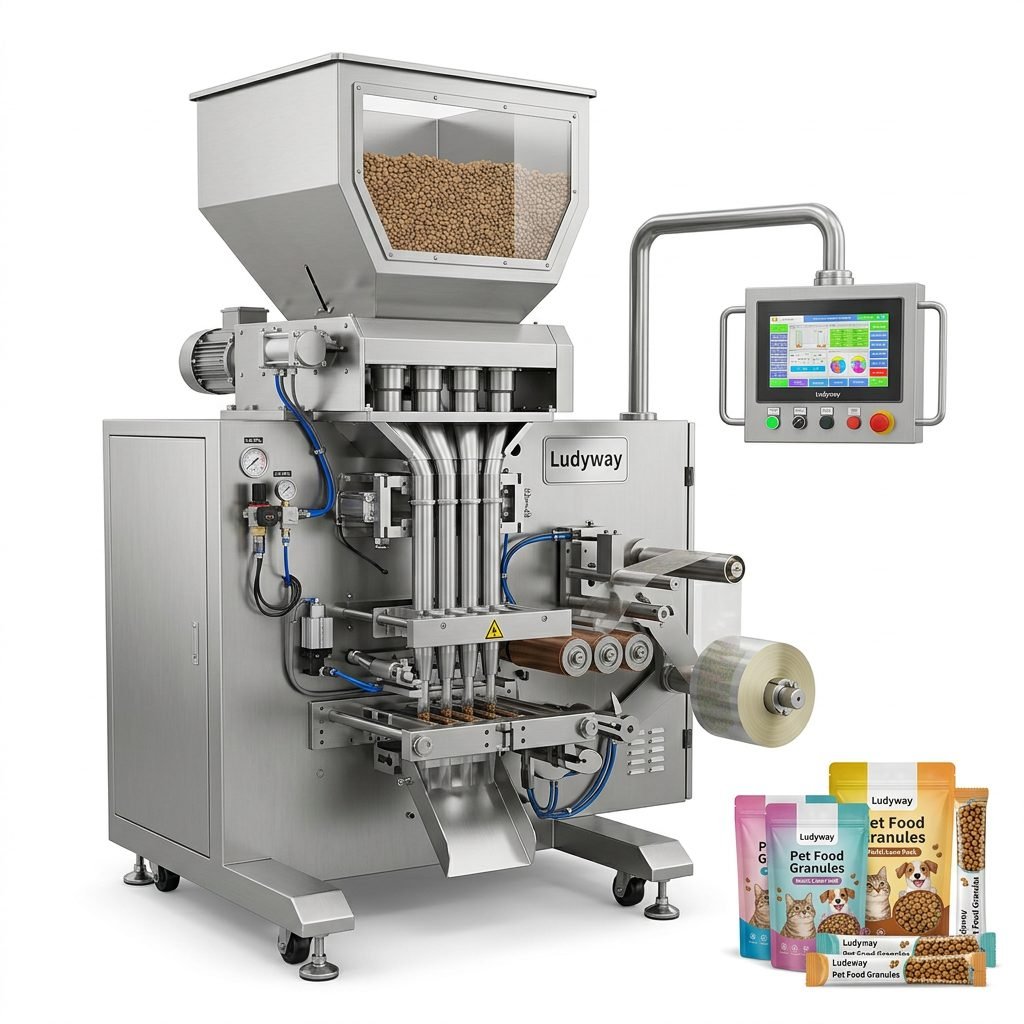
| Weighing & Filling System | Precision multi-head weighing for granules and pieces | Fish feed pellets, dried fish chunks |
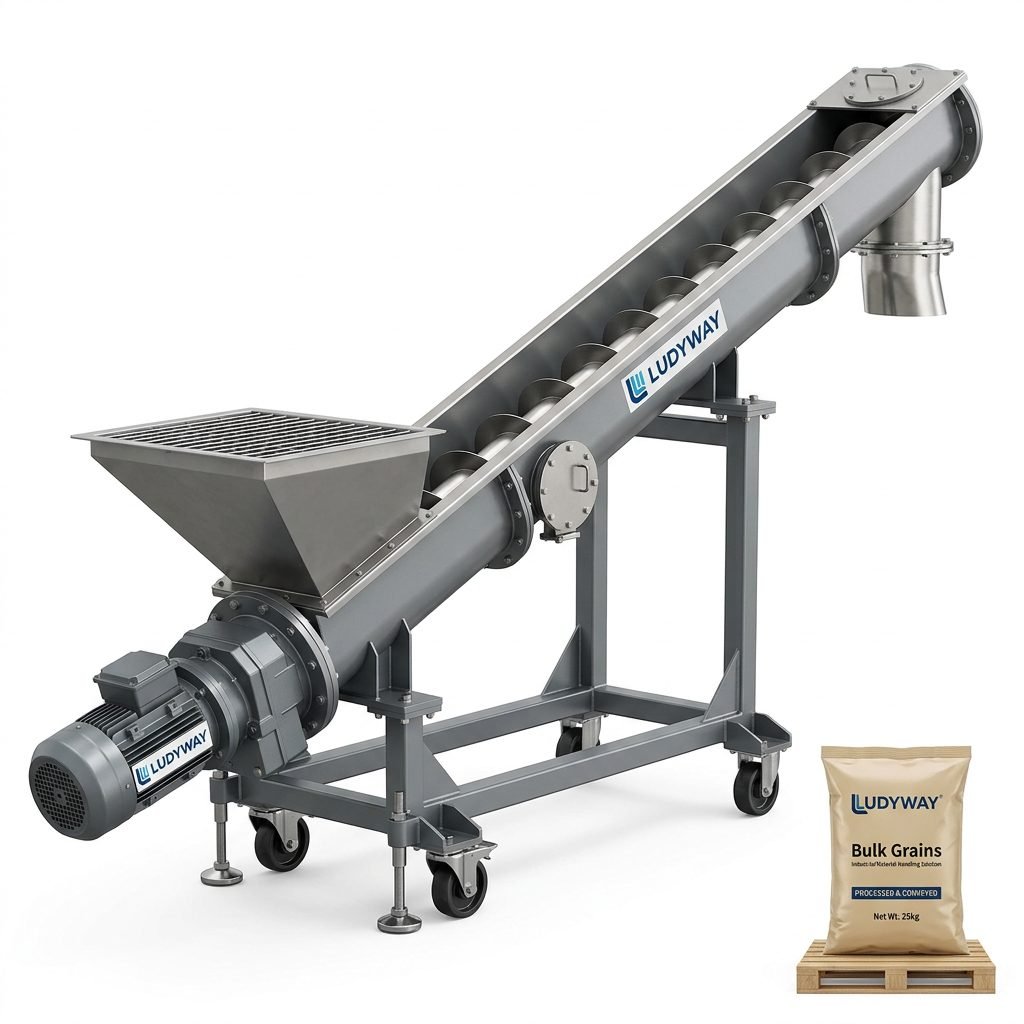
| Bulk Bagging Line | Filling 10kg-50kg bags for wholesale distribution | Fish feed, bulk dried fish |
| Automatic Cartoning Machine | Secondary packaging into cartons for retail | Finished stick pack bundles |
Step-by-Step Guide to Setting Up Your Production Line
Implementing a turnkey packaging solution in Africa involves several strategic phases. Follow this roadmap to minimize downtime and maximize return on investment.
1. Site Preparation and Infrastructure
Before the packaging machine arrives, ensure your facility meets the technical requirements. This includes a level concrete floor, adequate electrical supply with voltage stabilizers, compressed air systems, and a dust-free environment for food-grade packaging. In many African countries, installing a backup generator is essential to maintain continuous production during power outages.
2. Machine Selection and Customization
Work with your equipment supplier to customize the fish packaging line according to your specific product characteristics. Variables such as granule size, moisture content, and desired pouch dimensions will influence machine configurations. Consider starting with a multi-lane sachet stick pack system that offers flexibility to run different packaging materials and formats.
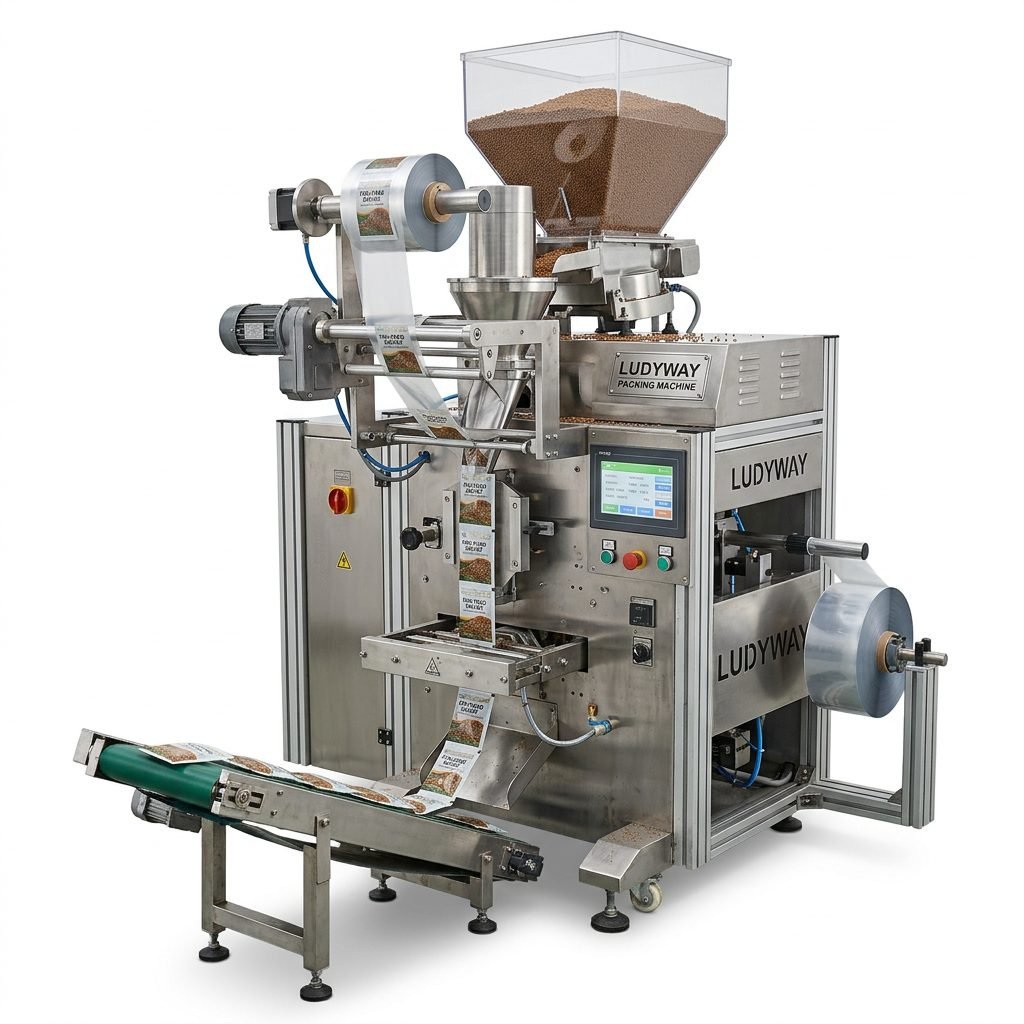
3. Installation and Commissioning
Professional installation by experienced engineers is crucial. The setup process typically takes 1-3 weeks depending on the line complexity. Technicians will handle mechanical assembly, electrical wiring, pneumatic connections, and software configuration. Comprehensive testing with actual product ensures the fish packaging machine production line operates at specified speeds and accuracy levels.
4. Operator Training and Skill Development
Invest in thorough training for your local team. Operators should understand machine controls, routine maintenance procedures, troubleshooting common issues, and changeover processes for different packaging formats. Well-trained staff can significantly reduce downtime and extend machine lifespan in African production environments.
Common Challenges and Solutions for African Operations
Running a packaging line in Africa presents unique operational challenges that require proactive planning. Here are practical solutions to ensure your production stays on track.
Power Fluctuations
- Solution: Install servo-driven machines with wide voltage tolerance (380V ±10%) and pair with industrial voltage stabilizers and backup generators.
Spare Parts Availability
- Solution: Maintain a recommended spare parts inventory and partner with suppliers offering express international shipping to African destinations.
Humidity Impact on Packaging Material
- Solution: Use high-barrier laminated films and store packaging materials in climate-controlled rooms before feeding into the machine.
Technical Support Accessibility
- Solution: Choose manufacturers providing remote diagnostic support, video-guided troubleshooting, and periodic maintenance visits to African facilities.
Packaging Formats for African Fish Products
Selecting the right packaging format directly impacts product shelf life, consumer appeal, and distribution logistics. Below is a comparison of popular formats used across African markets.
| Format | Typical Weight | Applications |
|---|---|---|
| Stick Packs | 2g – 50g | Fish seasoning powder, dried fish protein powder |
| Sachets | 10g – 100g | Dried fish snacks, fish feed samples |
| Vacuum Pouches | 100g – 1kg | Smoked fish, frozen fillets, dried whole fish |
| Bulk Bags | 10kg – 50kg | Fish feed pellets, industrial fish powder |
Maintaining Quality and Hygiene Standards
Food safety is paramount in fish packaging operations. Implement strict hygiene protocols including stainless steel construction for all food-contact surfaces, regular sanitation schedules, and pest control measures. Many African exporters must comply with international standards such as HACCP, ISO 22000, or EU regulations for seafood products, making equipment selection critical for certification audits.
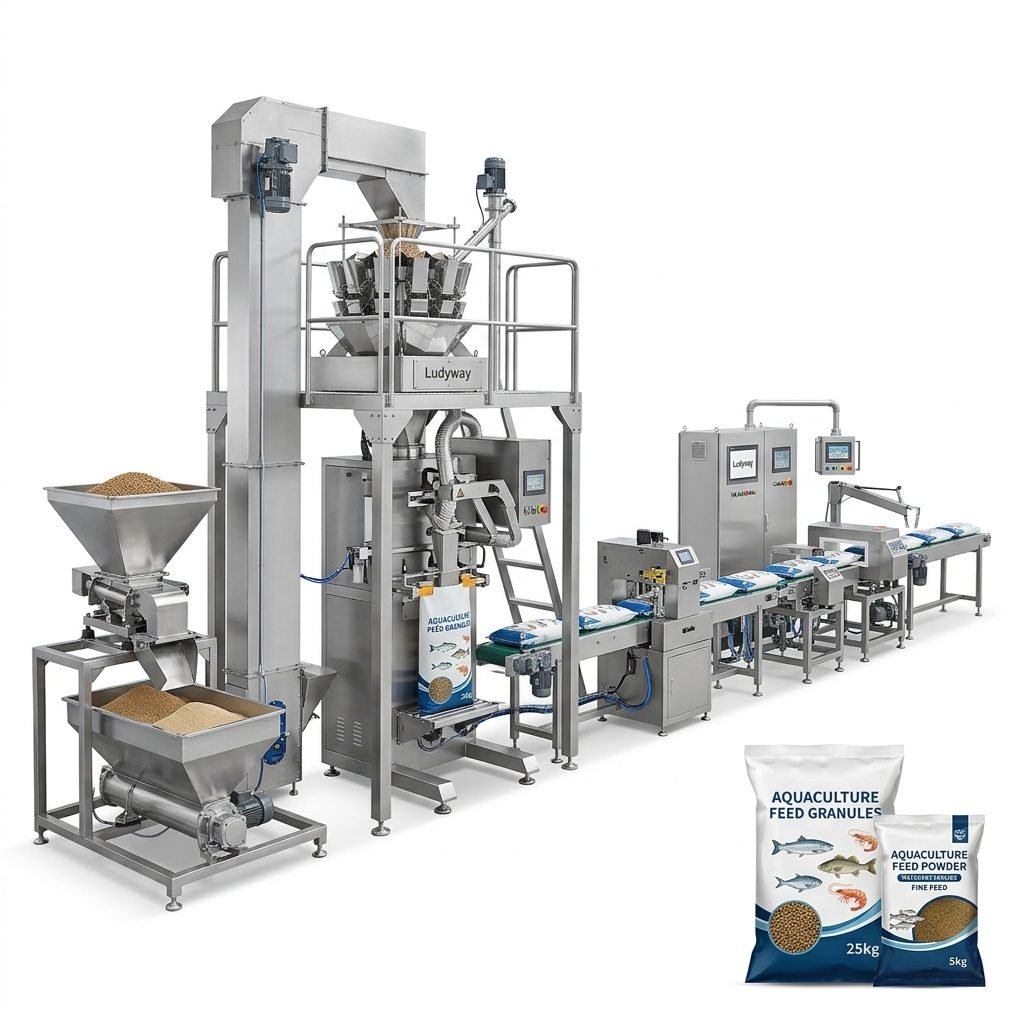
Testing and Quality Control Equipment
- Checkweigher: Ensures every package meets weight specifications.
- Metal Detector: Critical for fish products to detect potential contaminants.
- Seal Integrity Tester: Verifies hermetic seals to prevent leakage and spoilage.
- Vision Inspection System: Checks for print quality, date codes, and package defects.
Scaling Your Fish Packaging Business in Africa
Start with a core production line and expand as market demand grows. A modular approach allows you to add more lanes, integrate automated weighing systems, or incorporate secondary packaging equipment like cartoners and palletizers. The African Continental Free Trade Area (AfCFTA) is opening new cross-border opportunities, making now an ideal time to invest in scalable packaging infrastructure.
Future-Proofing Your Investment
Select packaging machinery that supports Industry 4.0 features including IoT connectivity, production data tracking, and remote monitoring. These capabilities enable better inventory management, predictive maintenance, and production optimization across multiple African facilities. As labor costs rise and skilled workers become harder to find, automation becomes increasingly valuable for maintaining competitive advantage.
Choosing the right partner for your fish packaging machine production line in Africa is critical. Ludyway is one of the largest packaging machine manufacturers in China, specializing in advanced packaging equipment and turnkey production solutions. With over 30 years of industry expertise and a modern 20,000㎡ manufacturing facility, they provide reliable solutions for granule, powder, liquid, and pouch packaging applications, serving customers in over 100 countries and regions.
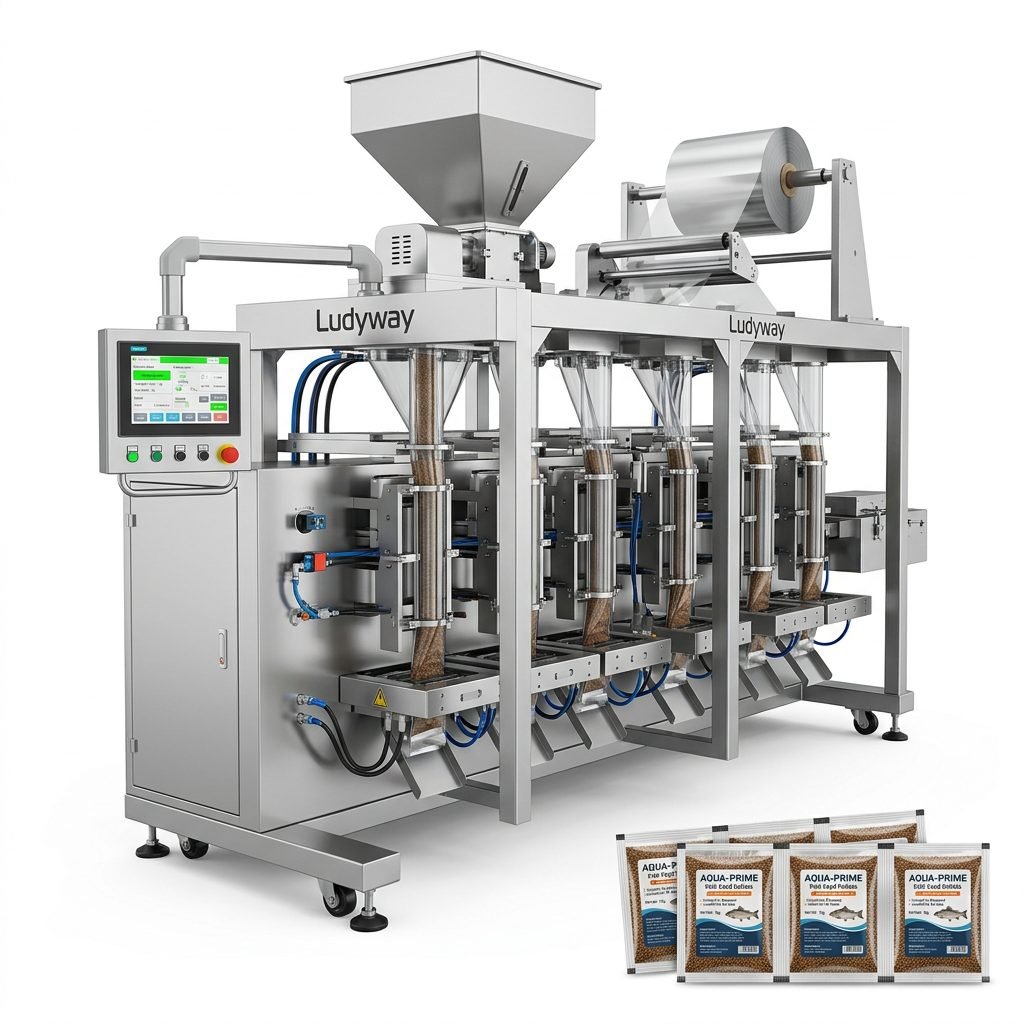
Key Equipment Specifications to Consider
- Filling speed: 30-80 packs per lane per minute
- Packaging material: Heat-sealable laminates, aluminum foil, polyethylene
- Machine frame: SUS304 stainless steel for food-grade applications
- Control system: PLC with touchscreen HMI for easy operation
- Power requirements: 3-phase, 380V/50Hz (adaptable to local African standards)
Investing in a well-designed fish packaging machine production line positions your African business for sustainable growth. With proper planning, reliable equipment, and ongoing technical support, you can deliver high-quality packaged fish products that meet both local demand and international export standards. For more information on customized packaging solutions, visit the PMMI packaging industry resources for additional guidance on standards and best practices.