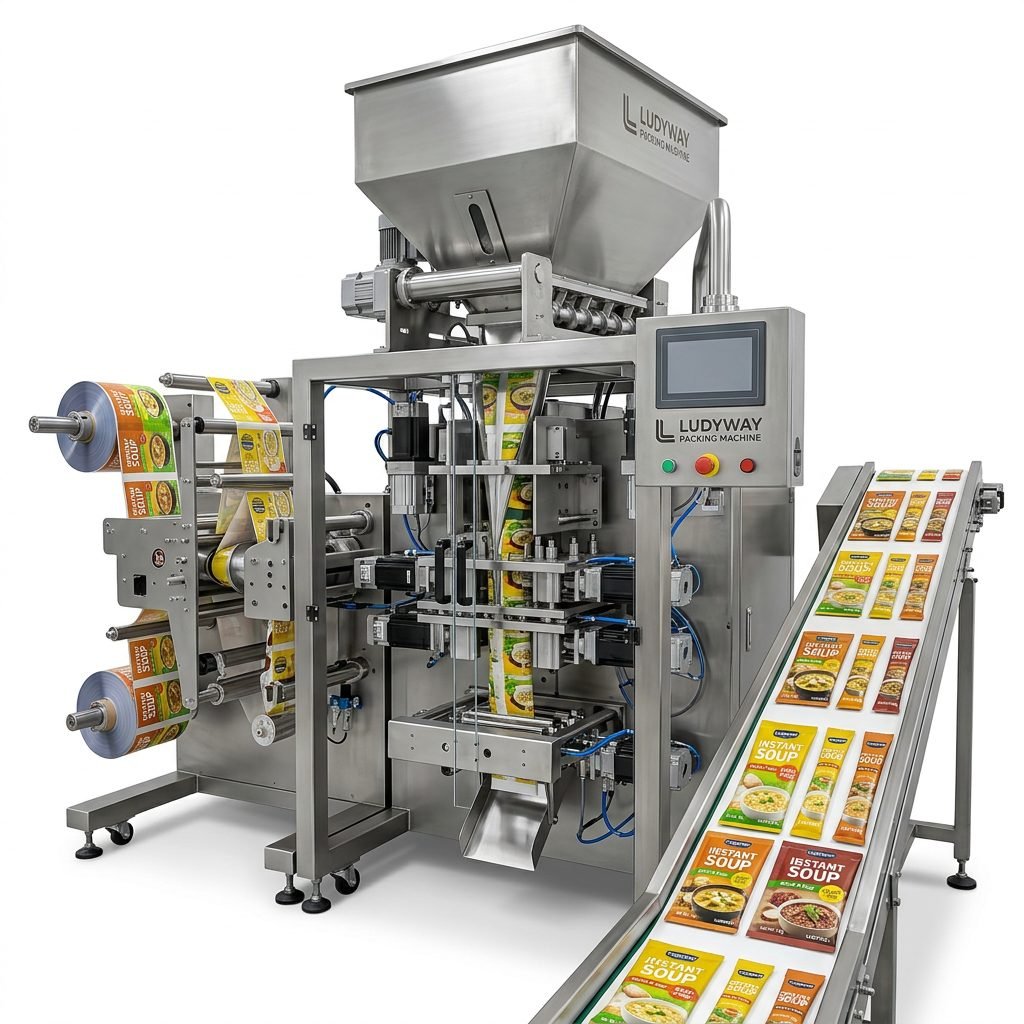
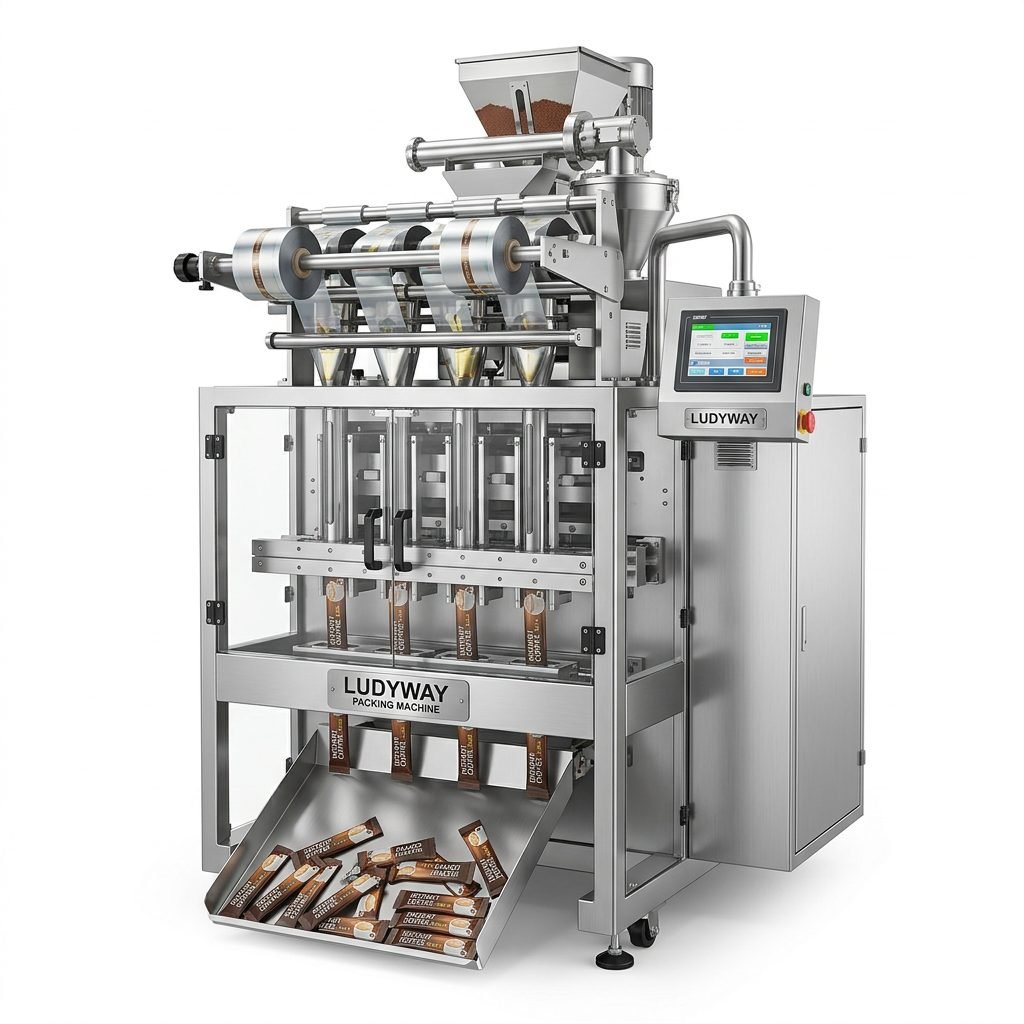
Italy represents one of Europe’s most dynamic markets for dried fruit snacks and ingredients, driven by strong consumer interest in healthy eating and traditional Mediterranean diets. Setting up a dried fruit packaging line in Italy requires careful planning around equipment selection, regulatory compliance, and operational efficiency. This guide walks you through the essential steps, equipment requirements, and cost considerations for launching a successful packaging operation.

Understanding the Italian Dried Fruit Market
Italy’s dried fruit sector has experienced consistent growth of approximately 4-6% annually, fueled by demand for convenient, nutritious snacking options. Popular categories include dried apricots, figs, dates, raisins, apple rings, and mixed fruit blends. The market spans retail packaged products, bulk ingredients for bakeries and food manufacturers, and private-label offerings for supermarket chains. Understanding your target segment directly influences the packaging format and machinery configuration you will need.
Regulatory Framework and Compliance
Before importing or operating packaging machinery in Italy, you must navigate both EU-wide regulations and Italian national standards. Key requirements include:
- CE Marking: All packaging equipment must carry CE certification confirming compliance with EU Machinery Directive 2006/42/EC.
- Food Contact Materials: Packaging films and materials must comply with EU Regulation (EC) No 1935/2004 on materials intended to come into contact with food.
- Italian Legislative Decree: Local implementation of EU food safety directives requires additional documentation and traceability protocols.
- Labeling Requirements: Under EU Regulation 1169/2011, pre-packaged dried fruit must display nutritional information, ingredient lists, allergen warnings, and origin labeling in Italian.
Step 1: Defining Your Packaging Format and Production Capacity
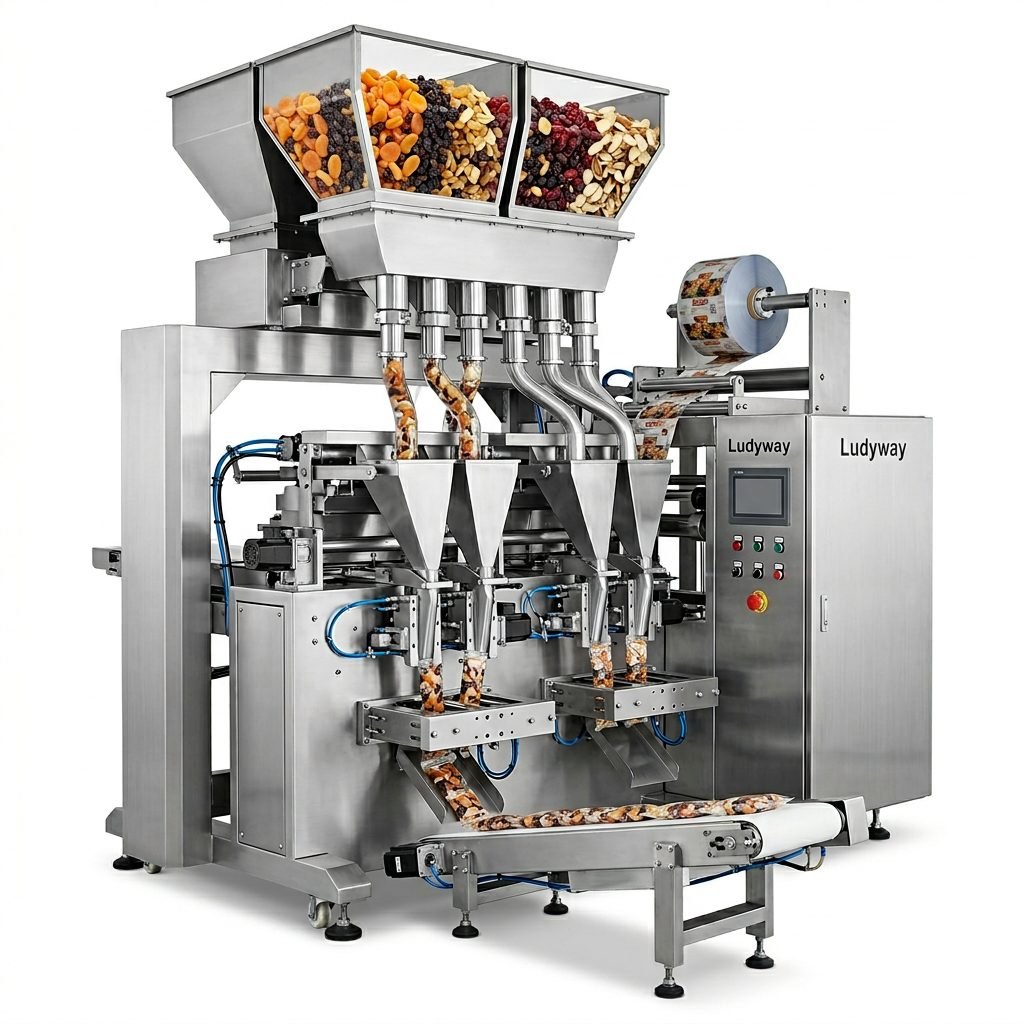
The first critical decision involves selecting the right packaging style for your dried fruit products. Each format serves different market segments and requires specific machinery configurations:
| Packaging Format | Best Applications | Typical Production Speed |
|---|---|---|
| Stick Packs | Single-serving dried fruit snacks, on-the-go portions | 200-400 packs/min per lane |
| Flat Sachets | Medium-sized portions, trail mixes, retail multipacks | 150-300 packs/min per lane |
| Pillow Bags | Family-sized packs, bulk retail packaging | 60-120 bags/min |
| Doypack / Stand-Up Pouches | Premium dried fruit products, resealable packaging | 40-80 pouches/min |
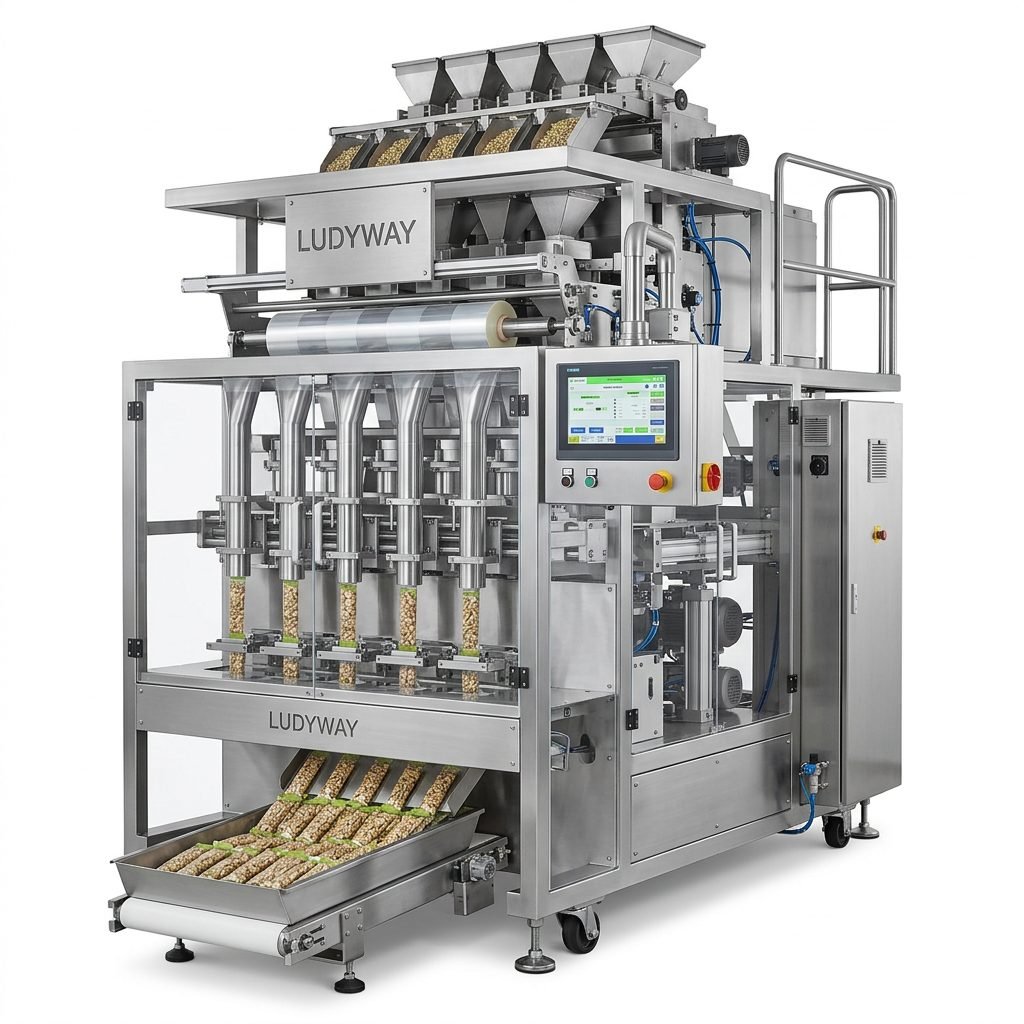
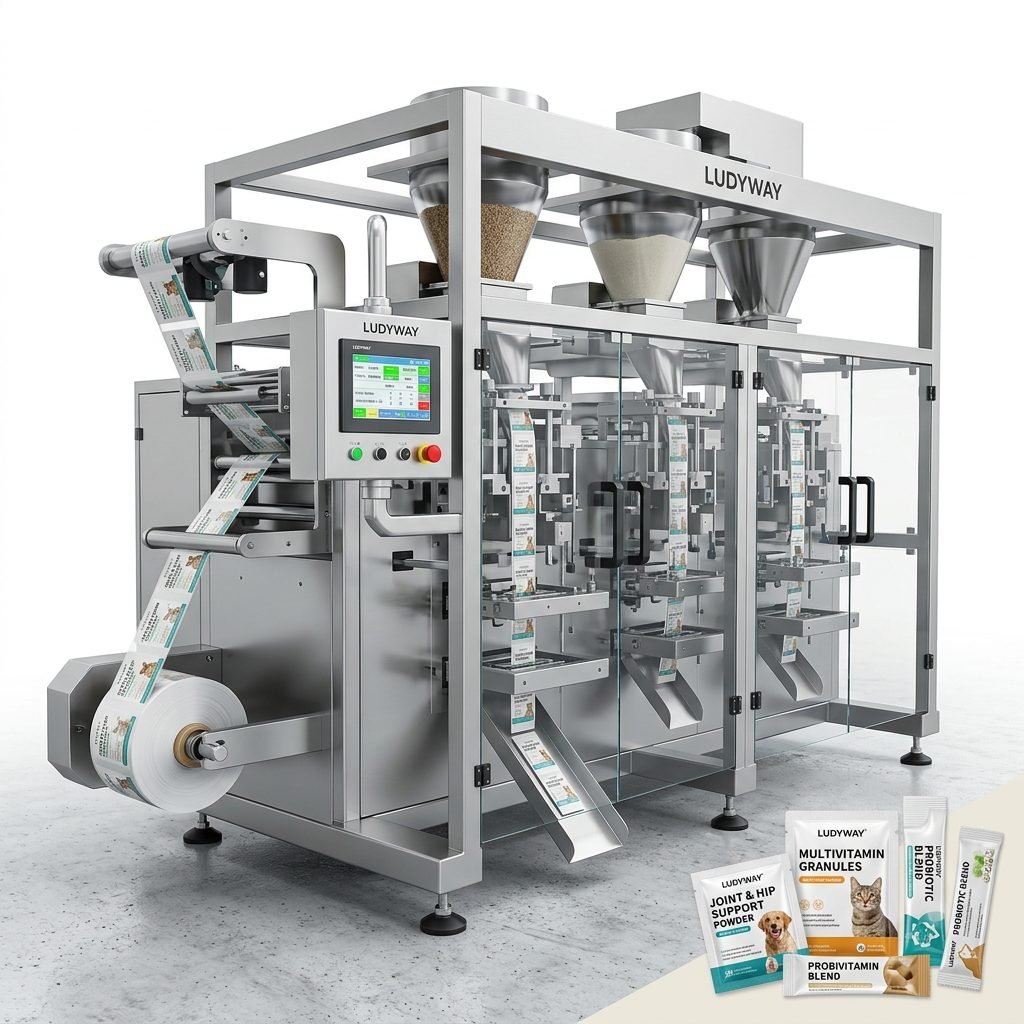
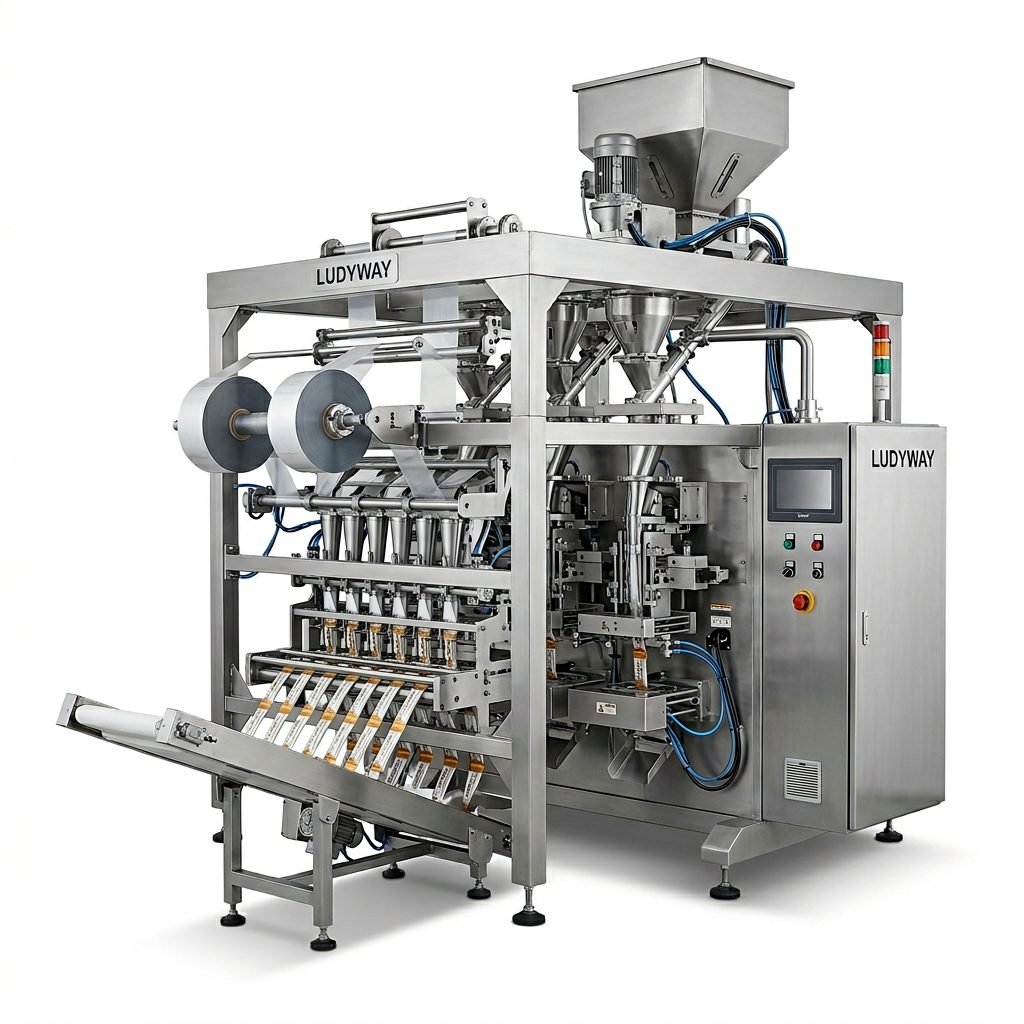
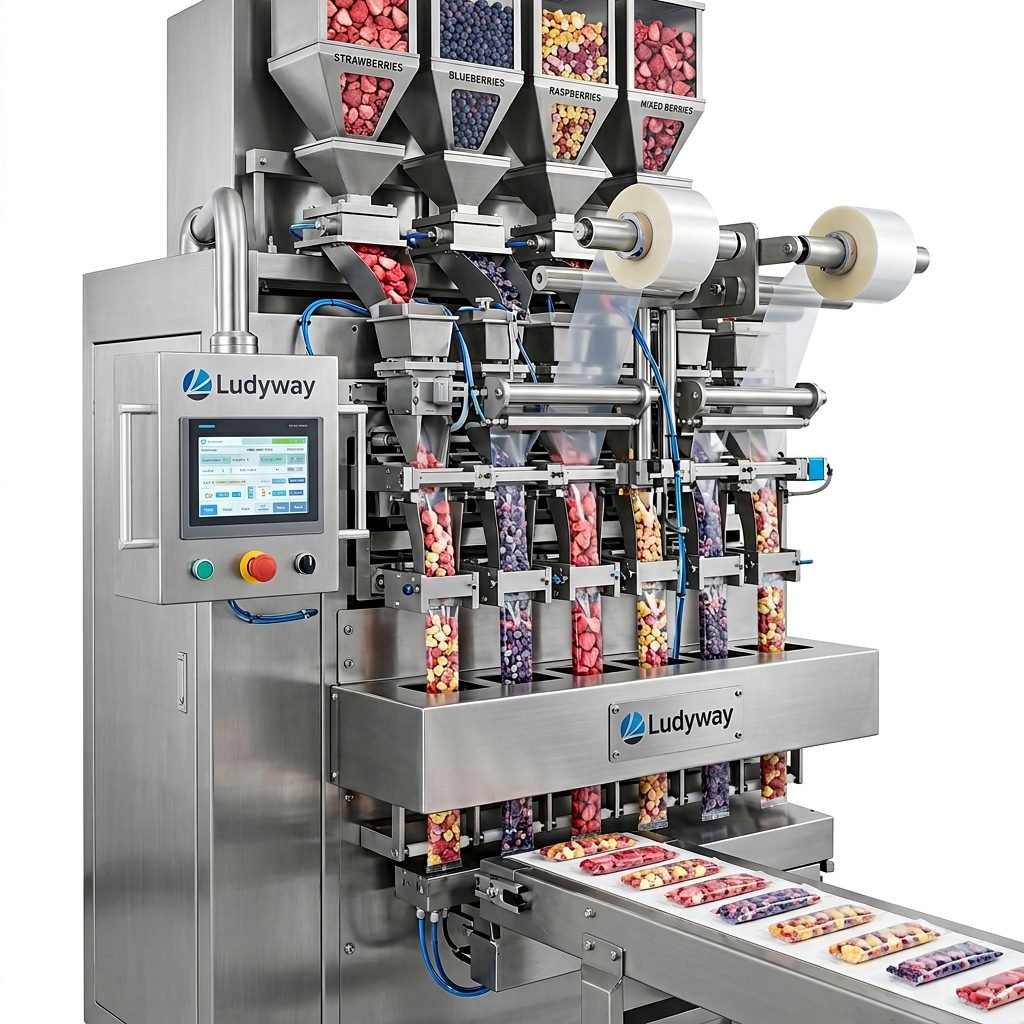
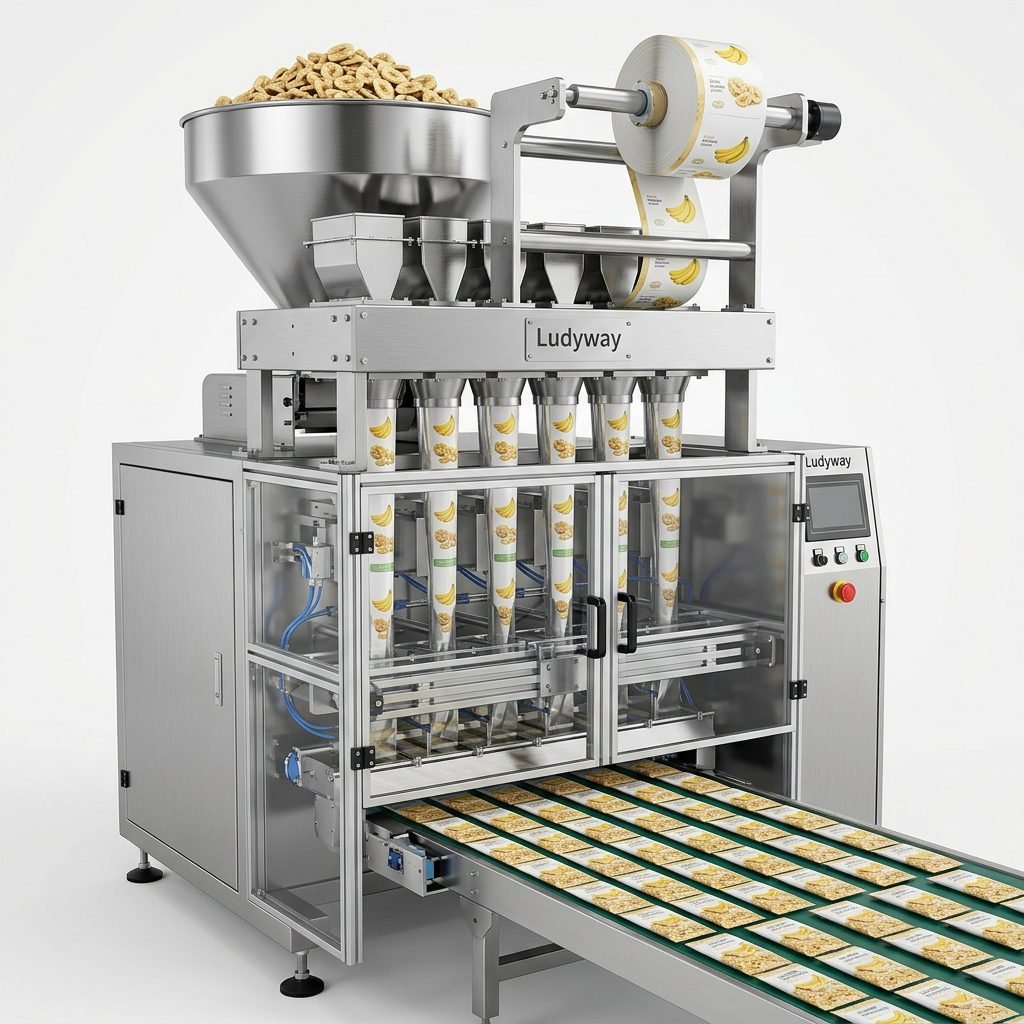
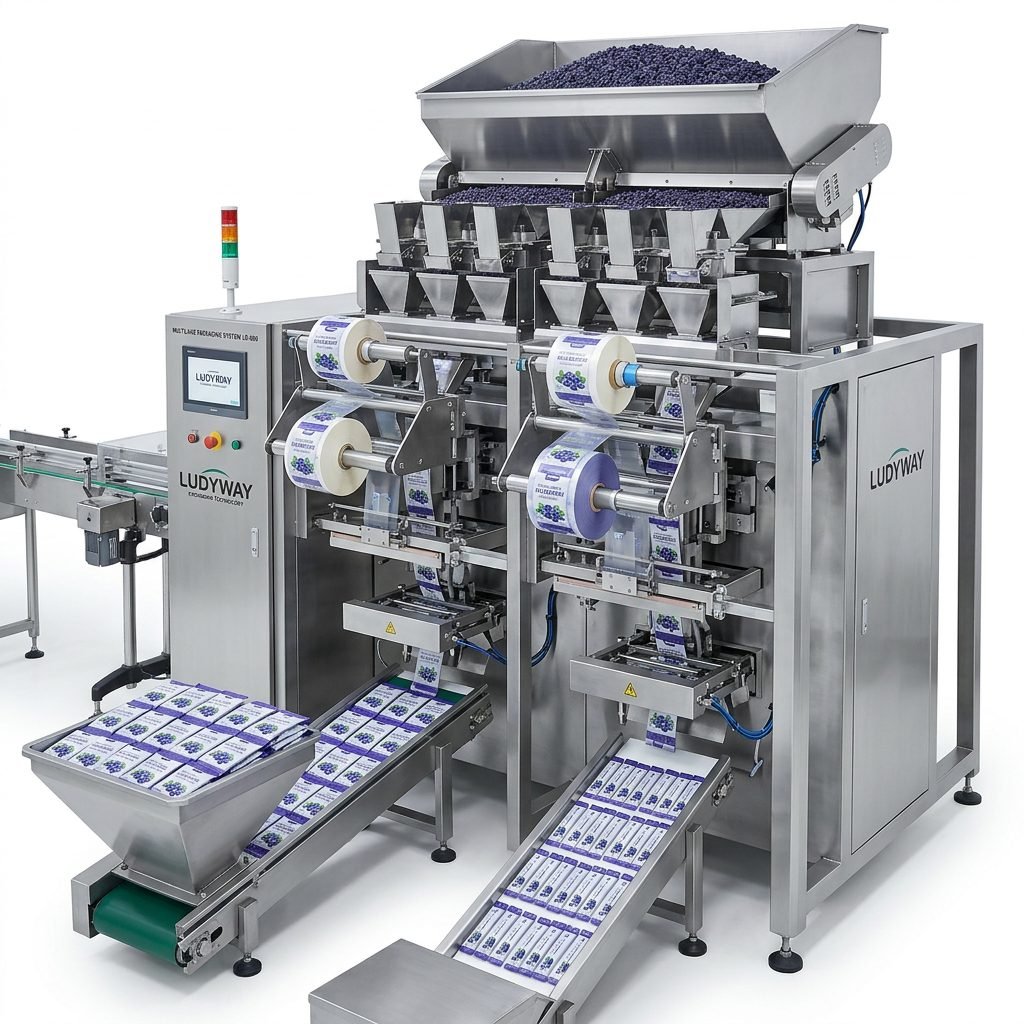
For operations targeting retail and export markets, multi-lane sachet and stick pack machines offer the highest efficiency. A 4-lane or 6-lane configuration can produce up to 1,200-2,400 packs per minute, significantly reducing per-unit packaging costs while maintaining consistent seal quality critical for preserving dried fruit freshness.
Step 2: Core Equipment Selection for Your Production Line
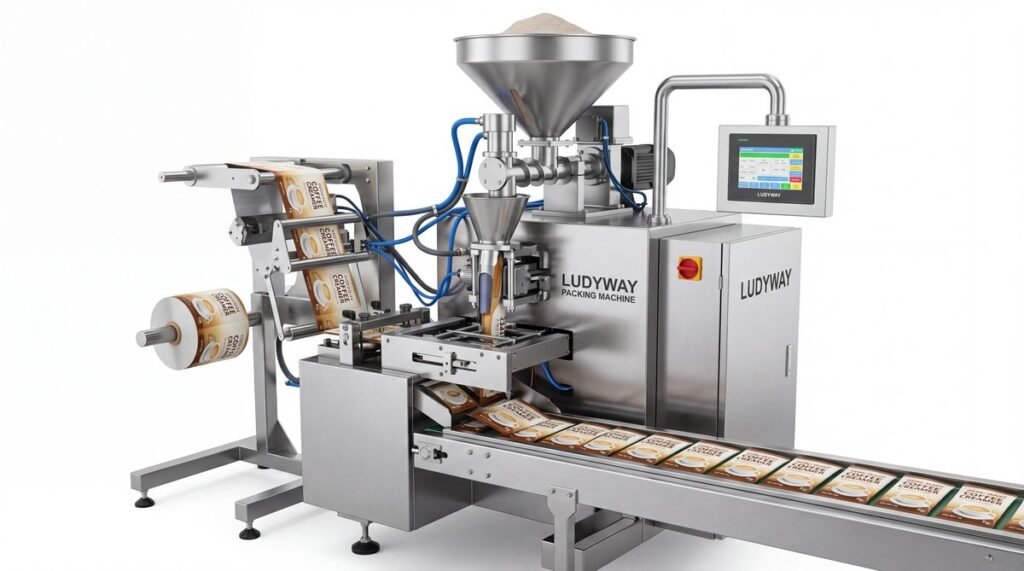
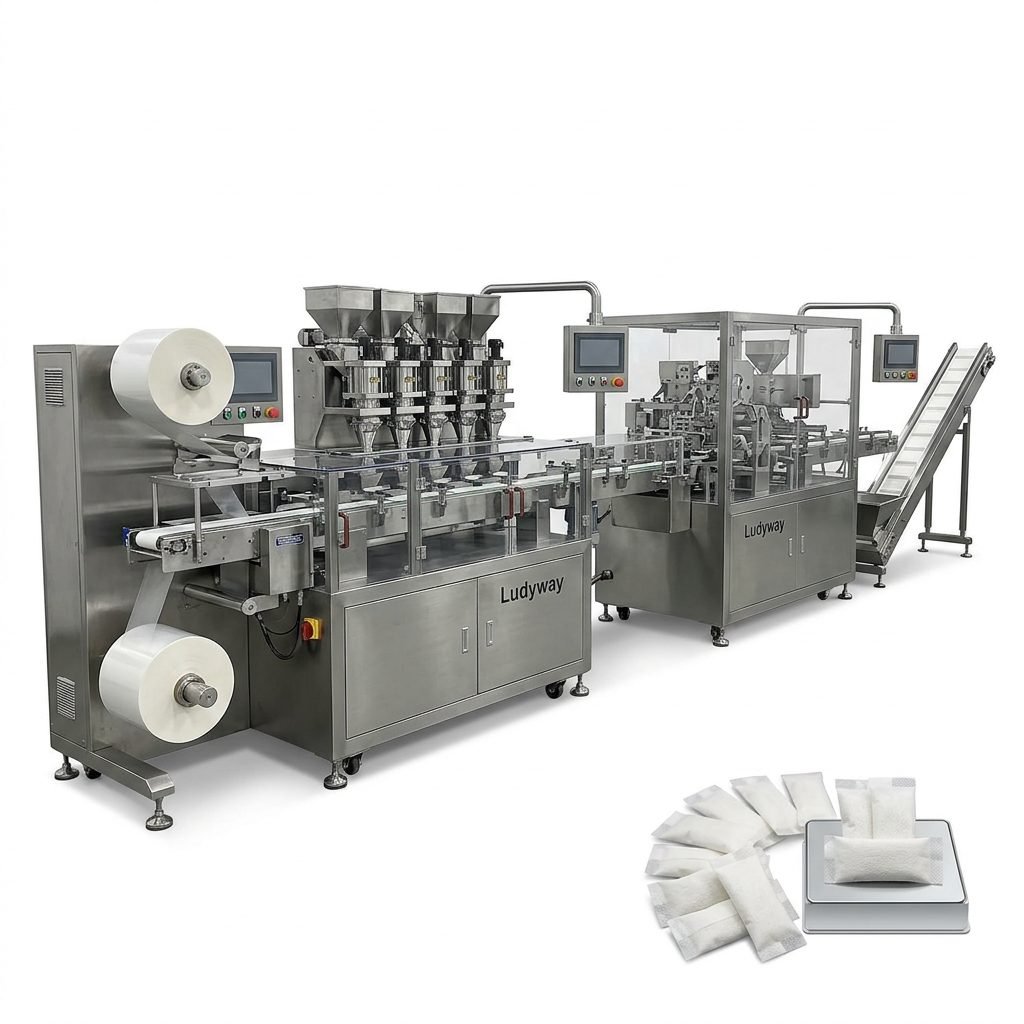
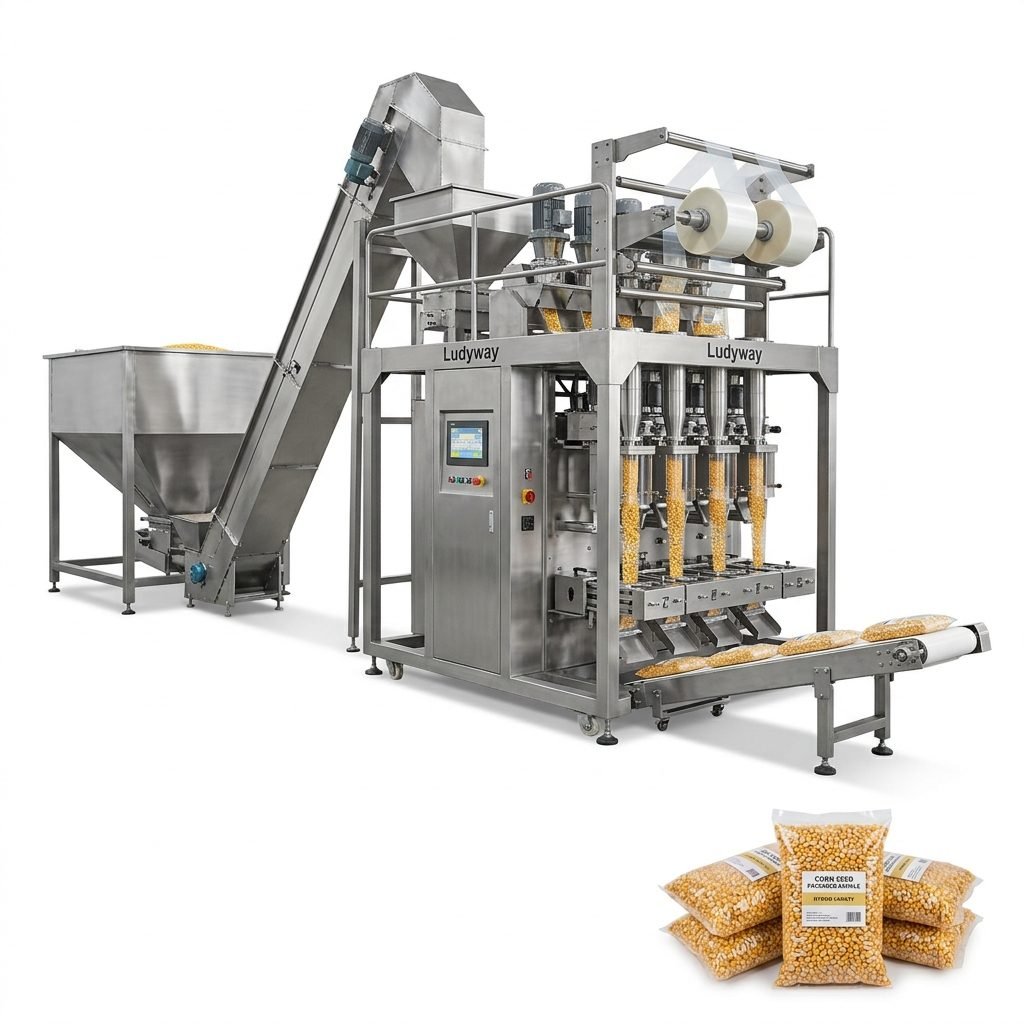
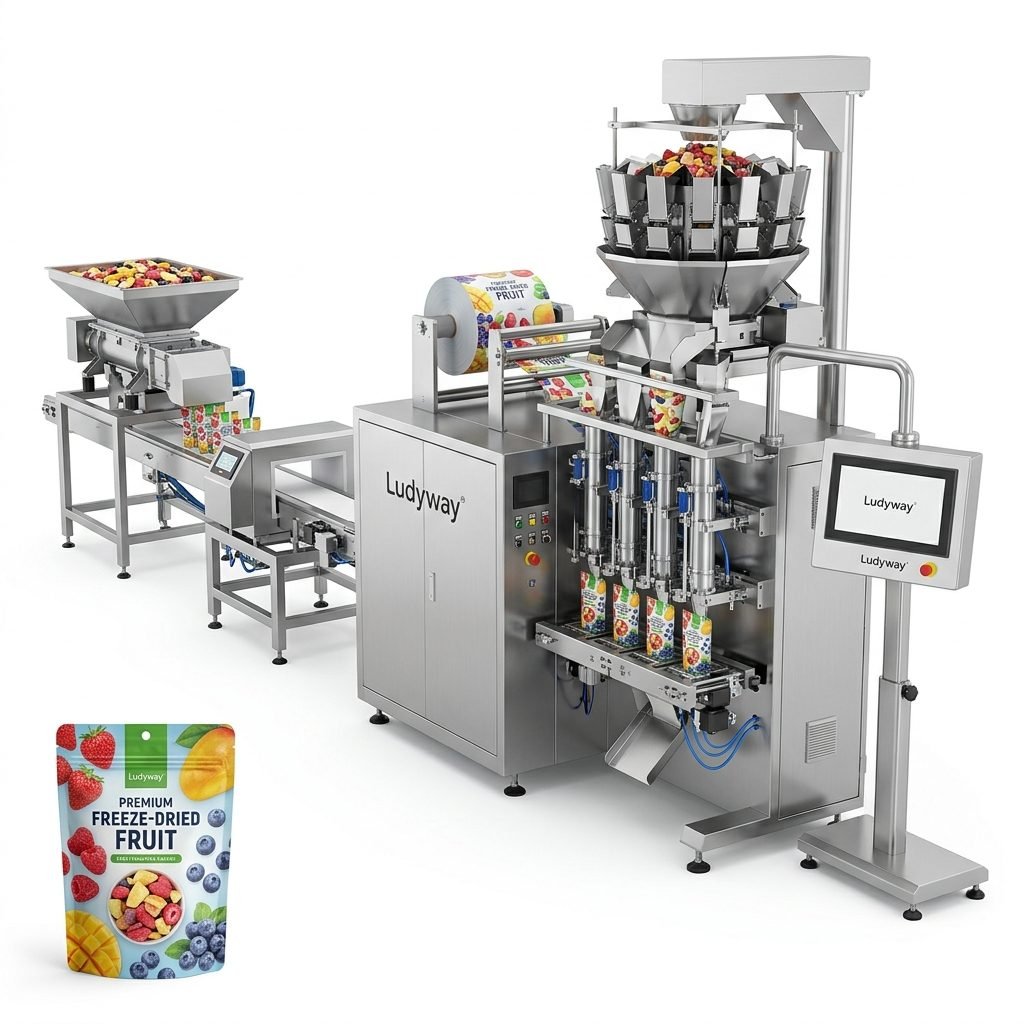
A complete dried fruit packaging line integrates multiple machines working in sequence. Below are the essential components you will need to evaluate and procure:
Vibratory Feeding and Dosing Systems
Dried fruit pieces vary significantly in size, shape, and stickiness. Multi-head weighers (typically 10-head or 14-head configurations) provide precise portion control, achieving accuracy within ±0.5-1.0 gram. For sticky fruits like dates or figs, specialized non-stick contact surfaces and vibration-resistant designs prevent product buildup and ensure consistent flow. Multi-lane packaging equipment with integrated weighing systems offers the most streamlined solution.
Vertical Form Fill Seal (VFFS) Machines
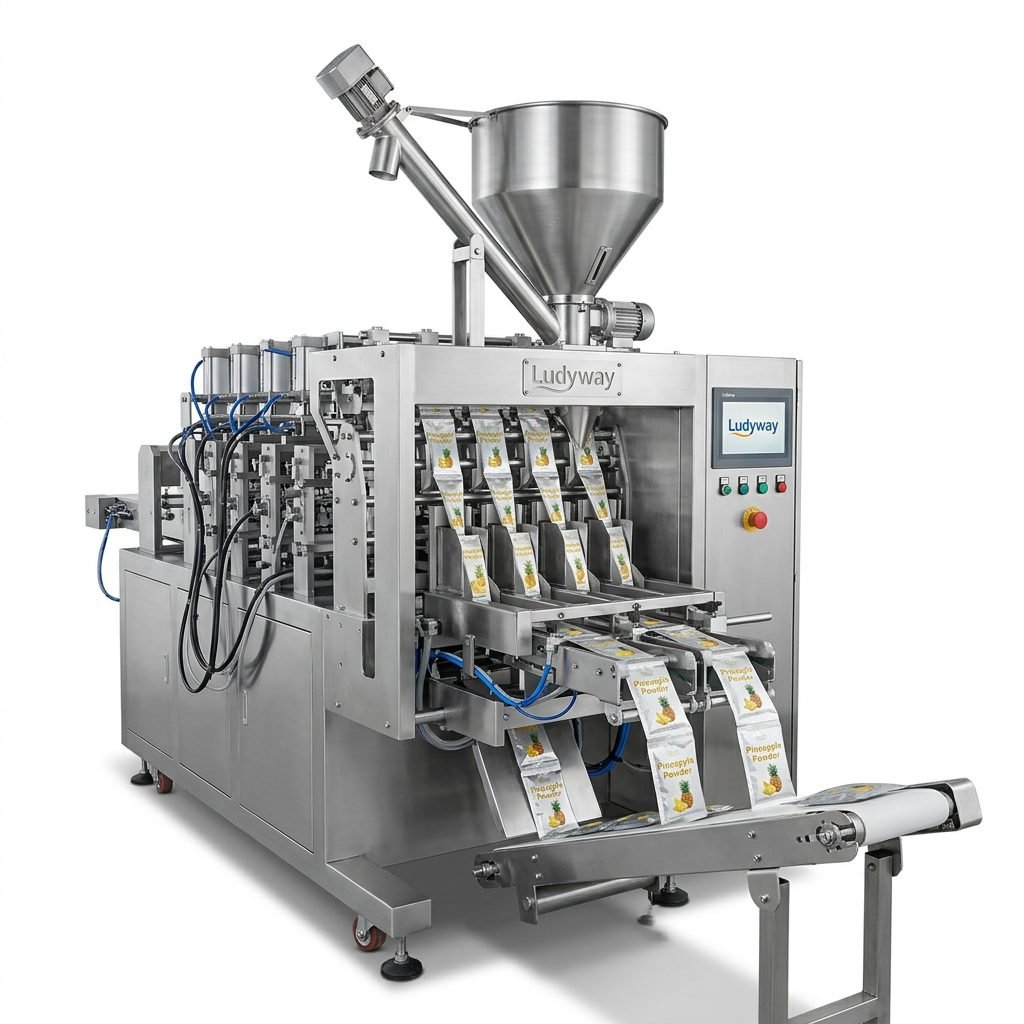
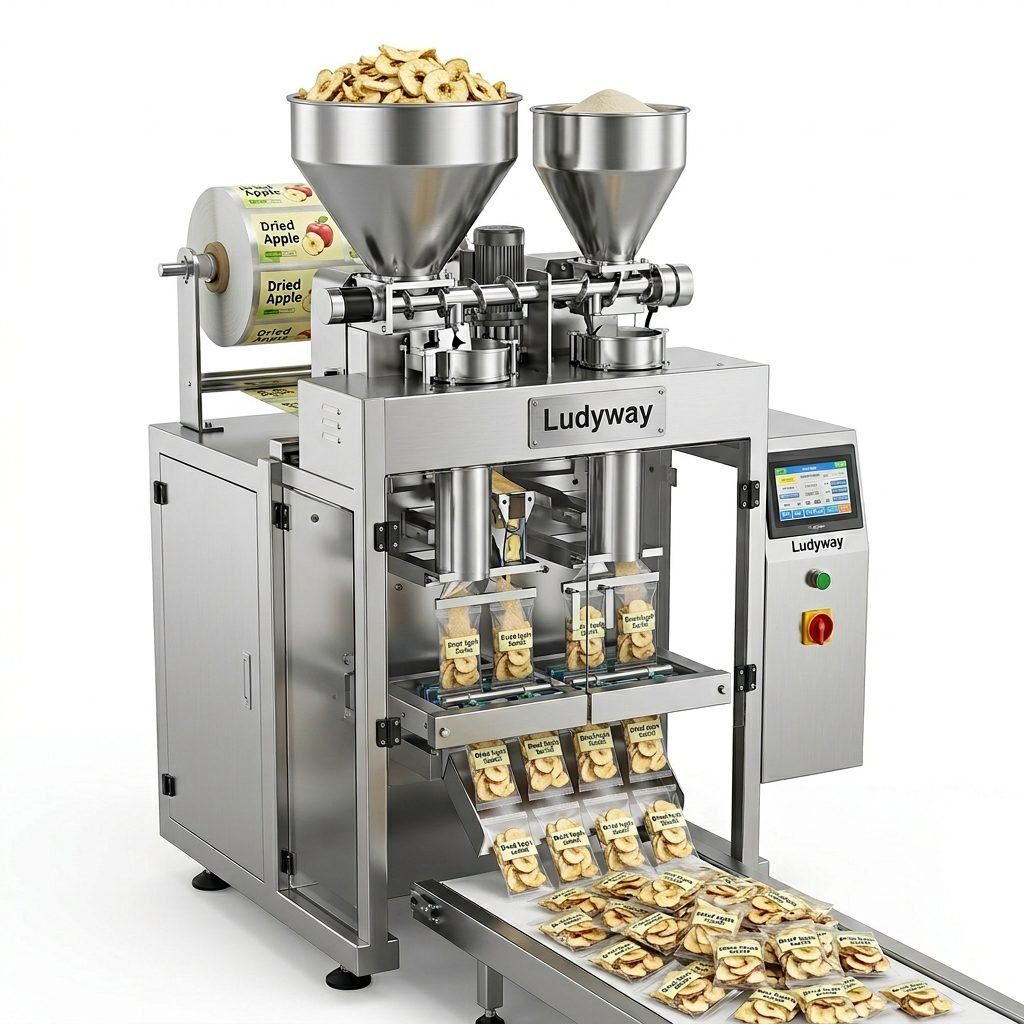
The core of any dried fruit packaging line, VFFS machines form pouches from flat film rolls, fill them with product, and seal them in a continuous vertical operation. Key specifications to evaluate include:
- Film Width Range: 50mm to 400mm to accommodate different packaging sizes
- Sealing Temperature Control: Precise PID temperature controllers for consistent seal integrity
- Film Compatibility: Ability to handle metallized films, biodegradable materials, and multi-layer barrier films
- Gas Flushing Capability: Nitrogen flushing systems for Modified Atmosphere Packaging (MAP) to extend shelf life
Secondary Packaging Equipment
Downstream from the primary packaging machines, you will need cartoning systems, case packers, and palletizers. Automated cartoning machines that collate sachets or stick packs into retail-ready cartons significantly reduce labor costs and improve throughput. For operations exporting from Italy, robust case packing and pallet wrapping equipment ensure products arrive intact at international destinations.
Step 3: Nitrogen Flushing and Shelf Life Optimization
Dried fruit products are susceptible to oxidation, moisture absorption, and mold growth. Nitrogen flushing (MAP technology) replaces oxygen inside the package with inert nitrogen gas, extending shelf life from a few months to 12-18 months without preservatives. When selecting equipment, ensure the VFFS machine includes integrated gas flushing nozzles and that your film specifications include high-barrier properties (EVOH or metallized layers) to maintain the protective atmosphere.
Quality Control and Inspection Systems
Italian food safety standards require rigorous quality control measures. Integrating the following inspection equipment into your line is essential:
- Checkweighers: Verify each package meets weight specifications, rejecting underweight or overweight units automatically
- Metal Detectors: Detect metal contaminants before products reach consumers, compliant with HACCP protocols
- Vision Inspection Systems: Verify seal integrity, print quality, and label placement at high speed
- X-Ray Inspection (optional): For premium export products requiring the highest safety standards
Step 4: Cost Breakdown and Budget Planning
Understanding the investment required helps in planning financing and calculating return on investment. Below is an estimated cost breakdown for setting up a medium-capacity dried fruit packaging line in Italy:
| Equipment / Cost Category | Estimated Cost Range (EUR) | Key Notes |
|---|---|---|
| Multi-Head Weigher (14-head) | €25,000 – €45,000 | Price varies by brand, accuracy grade, and coating type |
| VFFS Machine (4-lane) | €60,000 – €120,000 | Includes servo drives, touchscreen controls, and gas flushing |
| Cartoning Machine | €35,000 – €70,000 | Automated collation and carton erection |
| Checkweigher + Metal Detector | €15,000 – €30,000 | Combined units save space and integration costs |
| Case Packer + Palletizer | €50,000 – €100,000 | Optional but recommended for operations above 50 packs/min |
| Installation and Commissioning | €15,000 – €30,000 | Includes freight, customs clearance, technician travel, and setup |
| Initial Film and Material Stock | €10,000 – €20,000 | 3-month supply of packaging films and consumables |
| Training and Documentation | €5,000 – €10,000 | Operator training, SOP documentation, and maintenance manuals |
| Total Estimated Investment | €215,000 – €425,000 | Range depends on automation level and production capacity |
For small-scale startups, entry-level lines with semi-automatic equipment can start around €80,000-€120,000. Large-scale operations with fully automated, high-speed multi-lane systems can exceed €500,000, but achieve significantly lower per-unit packaging costs at scale. For comprehensive insights into packaging industry investment trends, refer to the PMMI State of the Industry Report for the latest packaging machinery market data.
Step 5: Sourcing Equipment Suppliers
When selecting packaging machinery suppliers for your Italian operation, consider both European manufacturers and international options that offer competitive pricing with equivalent quality. Key evaluation criteria include:
- CE Certification: Mandatory for equipment operated in Italy; verify certification documentation before purchase
- After-Sales Support: Availability of local Italian or European service technicians for maintenance and repairs
- Spare Parts Availability: Suppliers with European parts warehouses reduce downtime dramatically
- Language Support: Machine interface and documentation available in Italian or English
- Reference Installations: Request case studies or references from similar dried fruit packaging projects in Europe
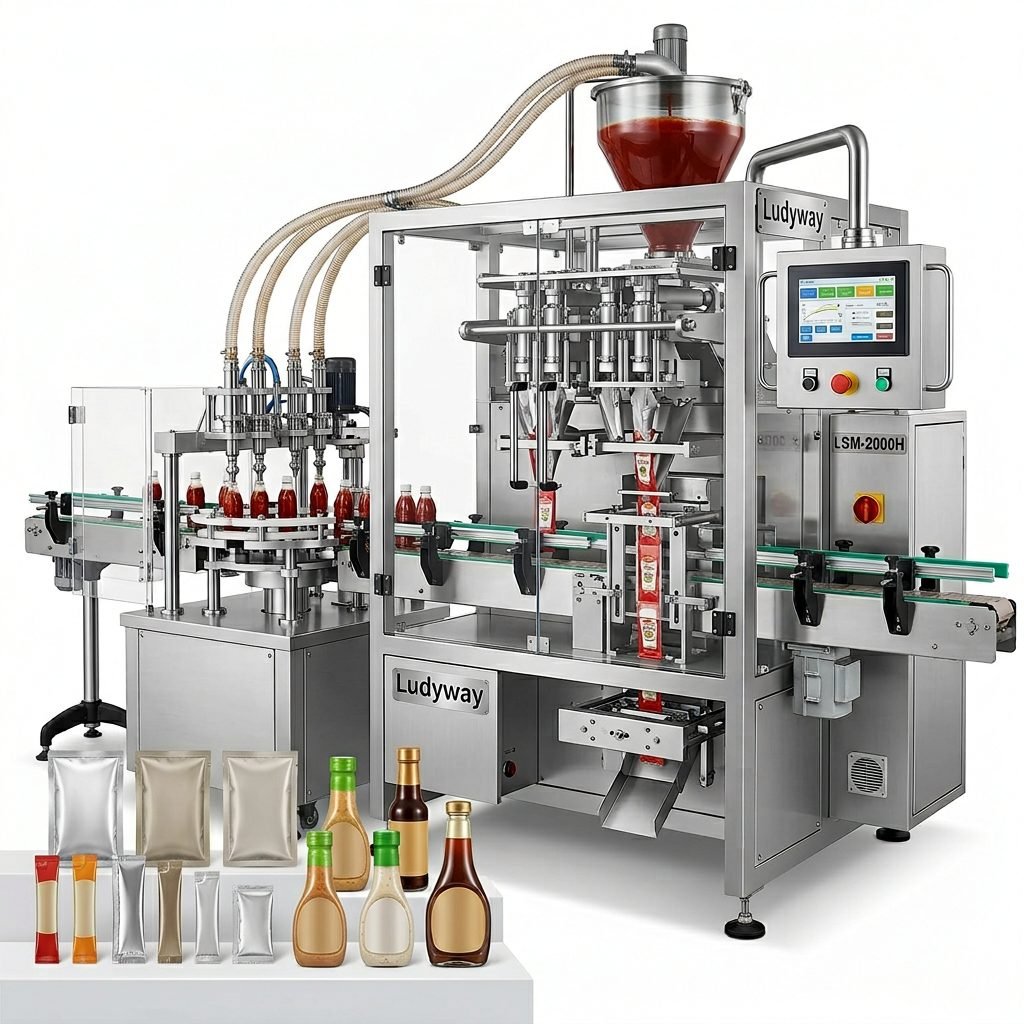
Ludyway is one of the largest packaging machine manufacturers in China, specializing in advanced packaging equipment and turnkey production solutions. With a modern 20,000㎡ manufacturing facility and over 50 intelligent packaging machine models, the company supports dried fruit packaging operations worldwide, including multi-lane stick pack, sachet, and fully automated packaging systems compliant with international standards.
Step 6: Installation, Commissioning, and Operator Training
Once equipment arrives in Italy, proper installation and commissioning ensure your line operates at peak performance from day one. Plan for the following phases:
Site Preparation (2-4 Weeks Before Delivery)
- Ensure adequate floor space with proper ventilation and dust control systems
- Install appropriate power supply (typically 380V three-phase for industrial equipment)
- Set up compressed air systems (minimum 6 bar pressure, dry and filtered)
- Prepare packaging film and product staging areas with proper humidity control (dried fruit requires <60% RH storage)
Commissioning Phase (1-2 Weeks)
- Mechanical assembly and alignment of all line components
- Electrical integration and safety system verification
- Dry running tests followed by product trials with your actual dried fruit varieties
- Fine-tuning of weigher parameters, sealing temperatures, and gas flushing settings
Operator Training (3-5 Days)
- Hands-on training for machine operators covering startup, shutdown, and changeover procedures
- Maintenance training for technical staff on preventive maintenance schedules
- Documentation delivery including operation manuals, maintenance logs, and troubleshooting guides in Italian or English
Step 7: Ongoing Operations and Efficiency Optimization
After launch, focus on continuous improvement to maximize return on your packaging line investment:
Preventive Maintenance Schedule
Implement a structured maintenance program including daily cleaning of product contact surfaces, weekly inspection of sealing jaws and cutting blades, monthly lubrication of moving parts, and quarterly calibration of weighing and inspection systems. Well-maintained packaging lines consistently achieve Overall Equipment Effectiveness (OEE) scores above 85%, while neglected equipment can drop below 60%.
Film and Material Optimization
Packaging film represents a significant ongoing cost. Work with film suppliers to test thinner gauges and alternative materials without compromising seal integrity or barrier properties. Even a 5-micron reduction in film thickness can reduce material costs by 8-12% while also supporting sustainability goals increasingly important to Italian consumers and retailers.
Sustainability Considerations
Italy has been at the forefront of packaging sustainability regulations in Europe. Consider equipment that can handle recyclable mono-material films (such as PE-based structures replacing multi-layer laminates) and biodegradable packaging options. The Flexible Packaging Association provides valuable resources on sustainable packaging trends and material innovations relevant to dried fruit packaging applications.
Navigating Italian Import and Business Setup
For international companies establishing packaging operations in Italy, additional considerations include:
- VAT Registration: Obtain Italian Partita IVA (VAT number) for importing equipment and selling packaged products
- Customs Clearance: Work with a licensed Italian customs broker to handle equipment import documentation and duty payments
- Local Regulations: Register your food packaging facility with the local ASL (Azienda Sanitaria Locale) health authority
- HACCP Plan: Develop and implement a HACCP (Hazard Analysis Critical Control Point) plan specific to dried fruit packaging, required under EU food safety law
- Product Notification: Notify the Italian Ministry of Health for certain dried fruit products marketed with health or nutrition claims
Key Takeaways for Success in the Italian Dried Fruit Packaging Market
Setting up a dried fruit packaging line in Italy offers significant opportunities for businesses targeting health-conscious European consumers. Success depends on careful planning in several critical areas:
- Right equipment selection matched to your target packaging format and production volume
- Regulatory compliance with EU and Italian food safety and packaging standards
- Quality control integration with checkweighing, metal detection, and vision inspection
- Shelf life optimization through nitrogen flushing and high-barrier packaging materials
- Reliable supplier partnerships with strong after-sales support in Europe
- Ongoing efficiency programs to reduce material waste and maximize OEE
By following the steps outlined in this guide and investing in the right equipment and expertise, your Italian dried fruit packaging operation can achieve profitable growth in one of Europe’s most vibrant food markets. For current packaging machinery market data and industry forecasts, visit the PMMI website for comprehensive industry intelligence.