Germany is one of Europe’s most advanced markets for food processing and packaging technology. Whether you’re a startup launching a new dry food product or an established manufacturer scaling production, selecting the right dry food packaging machine is a critical investment. This guide covers everything you need to know—from machine types and regulatory requirements to cost considerations and supplier evaluation—helping you make an informed purchasing decision in the German market.
Understanding the German Dry Food Packaging Landscape
Germany’s food industry is the largest in Europe, with over 6,000 food processing companies and an annual turnover exceeding €180 billion. The demand for dry food products—including cereals, coffee, spices, baking mixes, protein powders, and snack foods—continues to grow steadily. This growth has driven significant demand for automated packaging equipment that can deliver speed, precision, and compliance with strict EU regulations.
German buyers typically prioritize engineering quality, energy efficiency, and long-term serviceability when evaluating packaging machinery. Understanding these local preferences will help you navigate the procurement process more effectively.
Types of Dry Food Packaging Machines
Before contacting suppliers, it’s essential to understand the main categories of dry food packaging equipment available on the market:
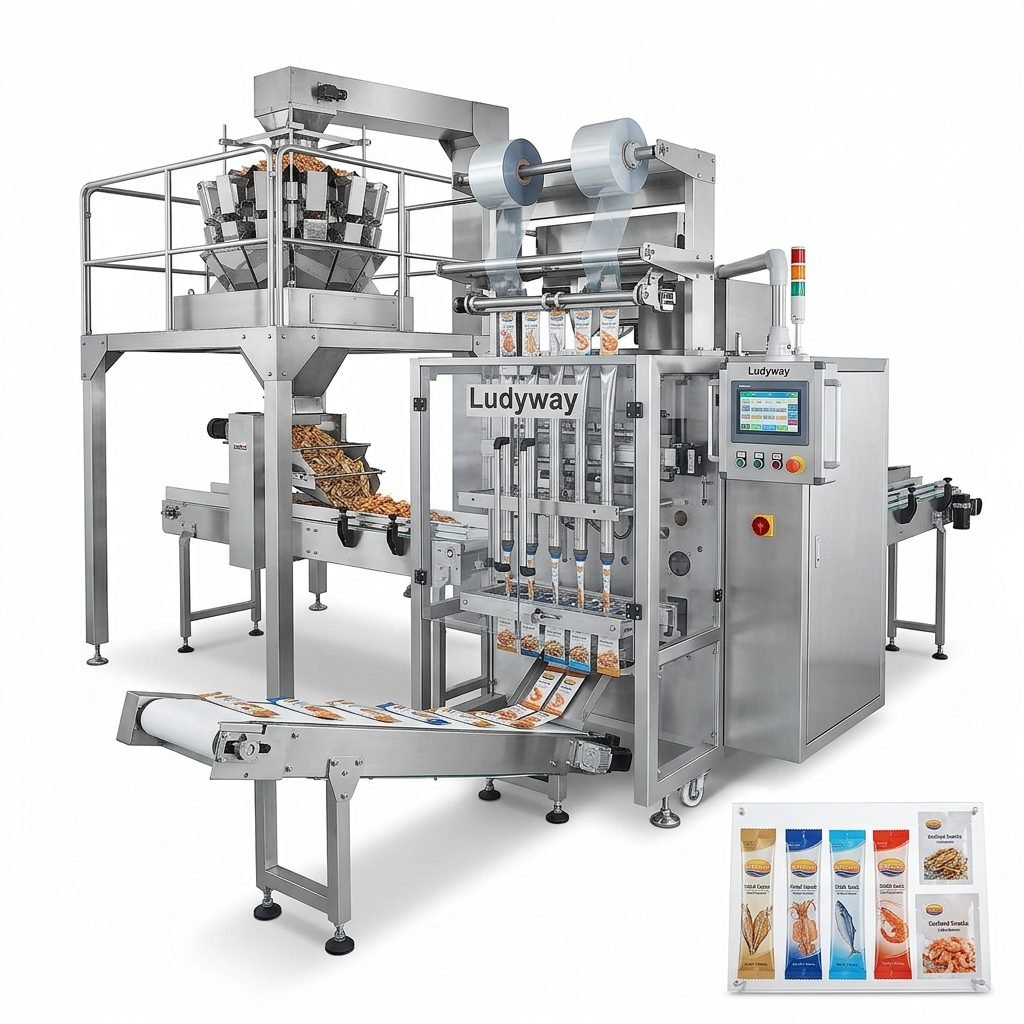
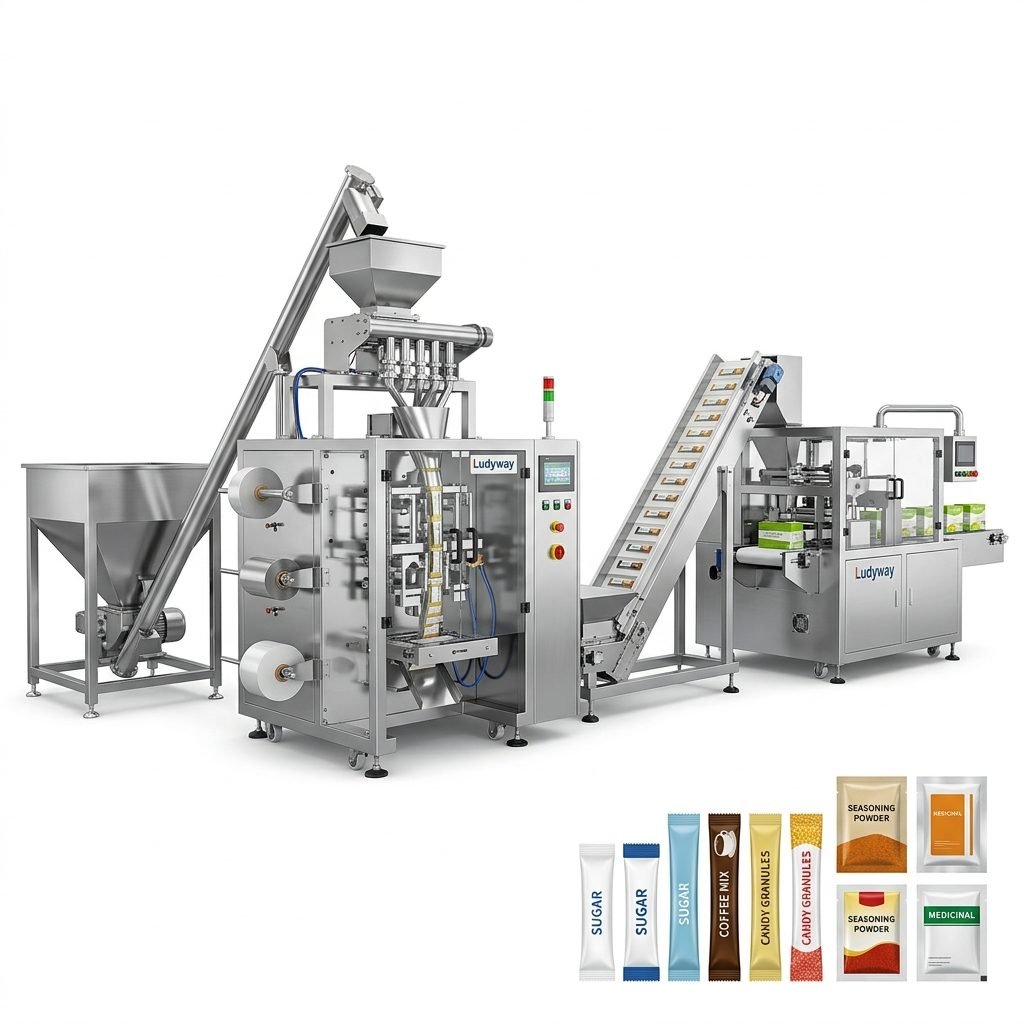
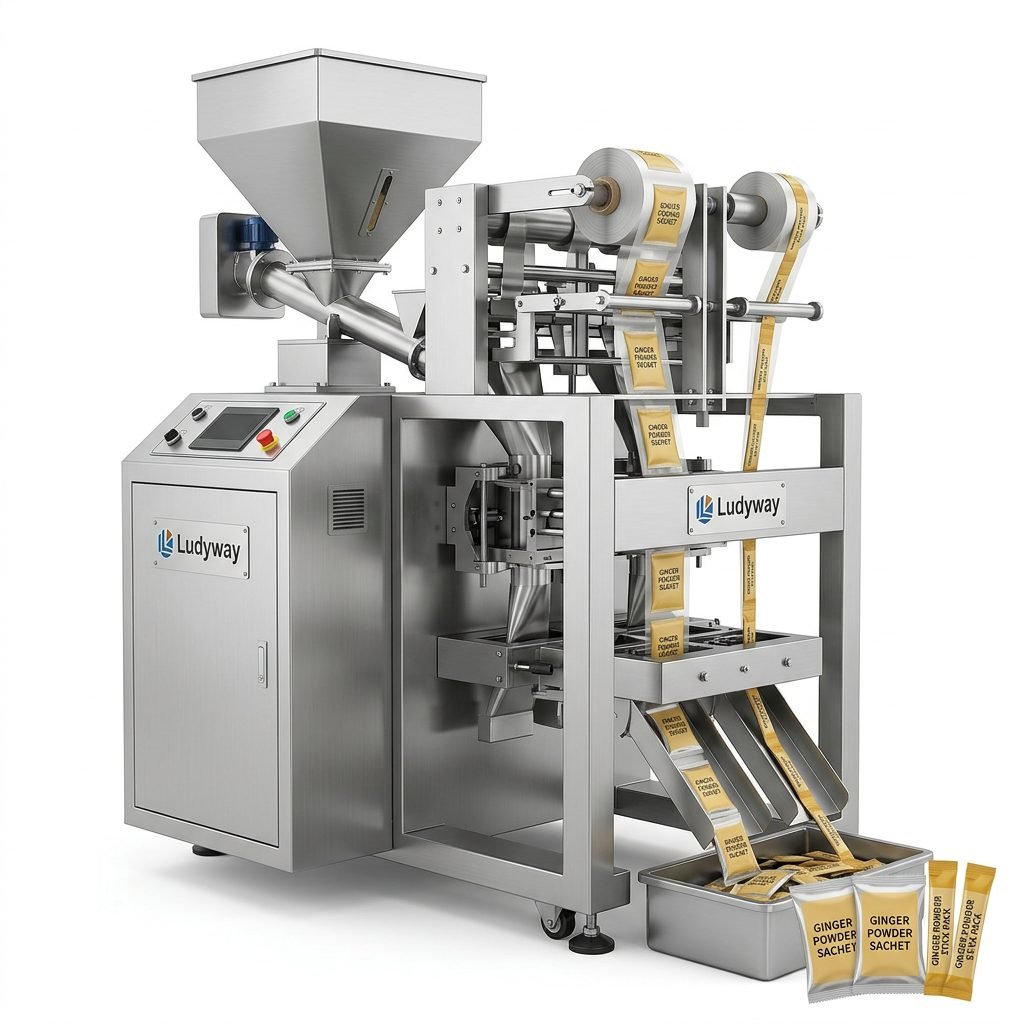
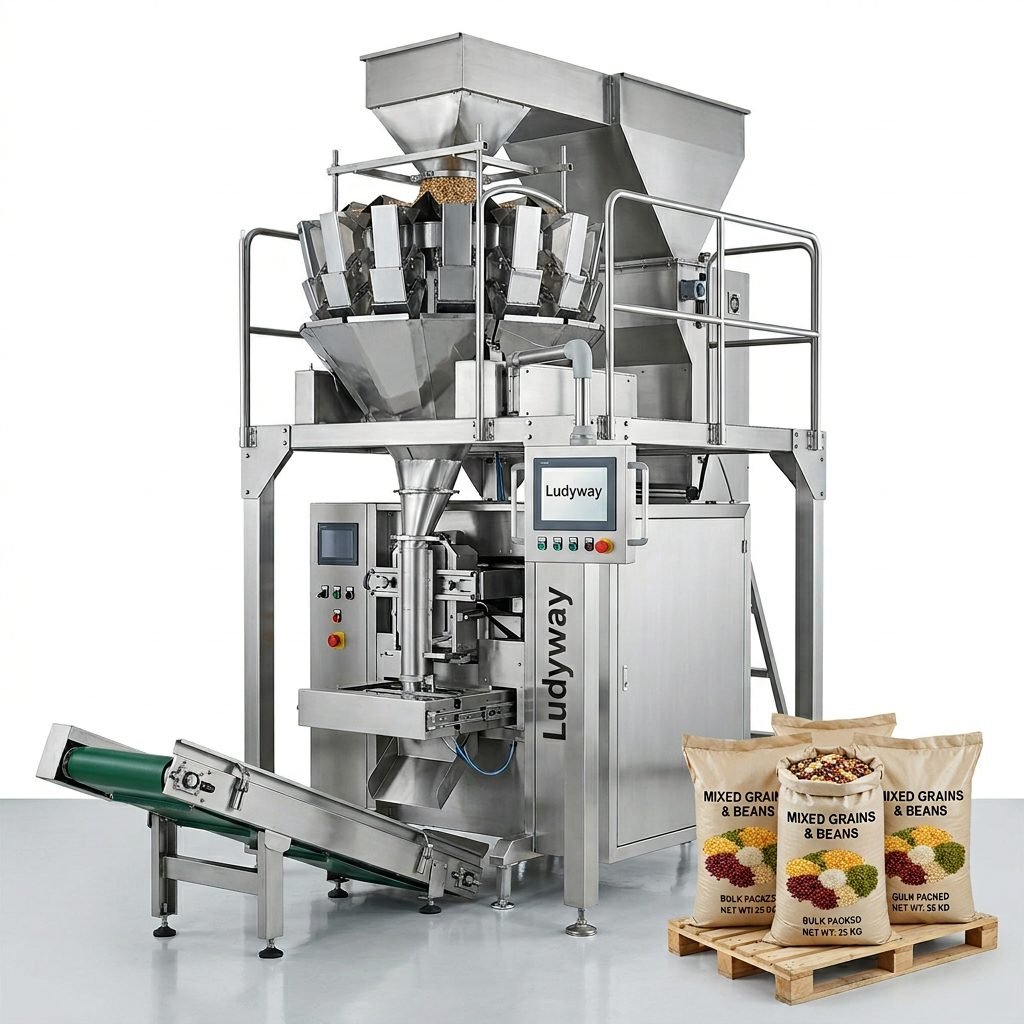
- Vertical Form Fill Seal (VFFS) Machines: Ideal for granules, powders, and free-flowing dry products. These machines form bags from a flat roll of film, fill them, and seal them in one continuous operation.
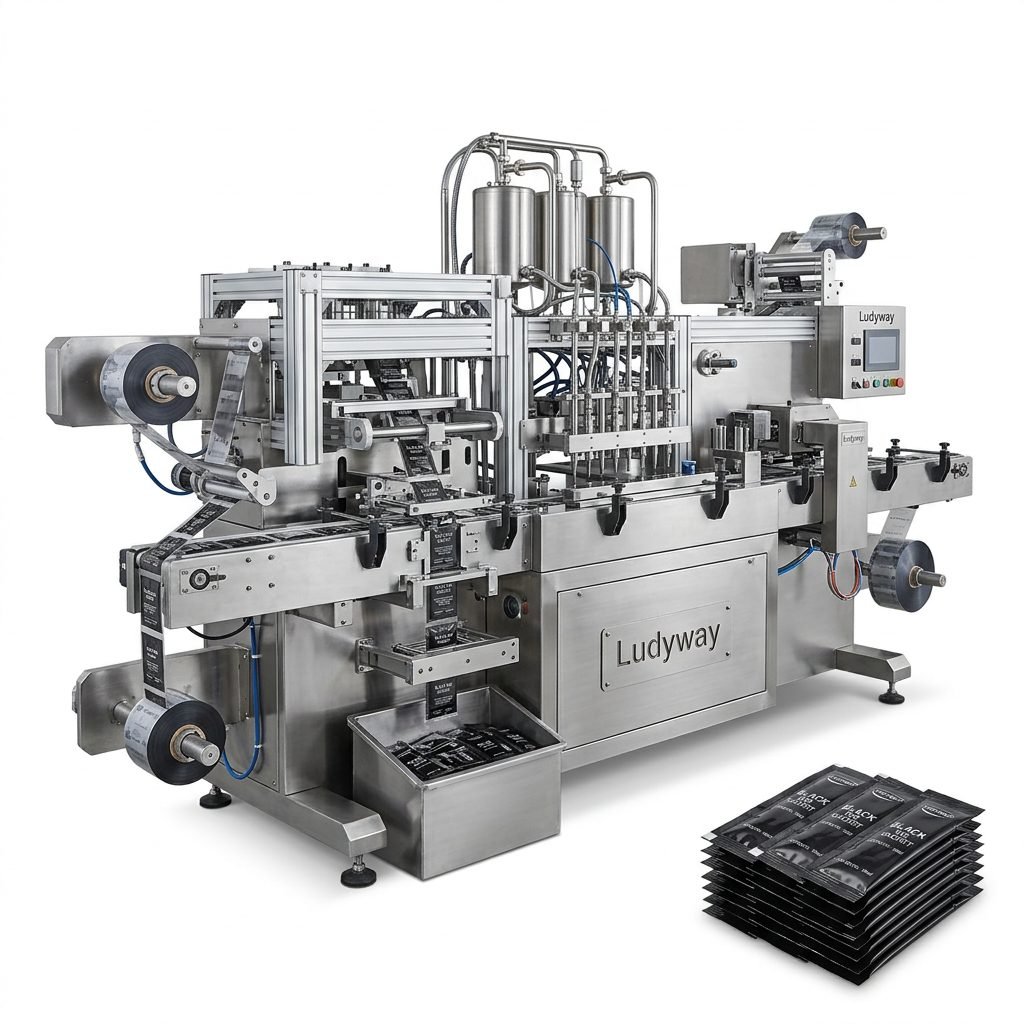
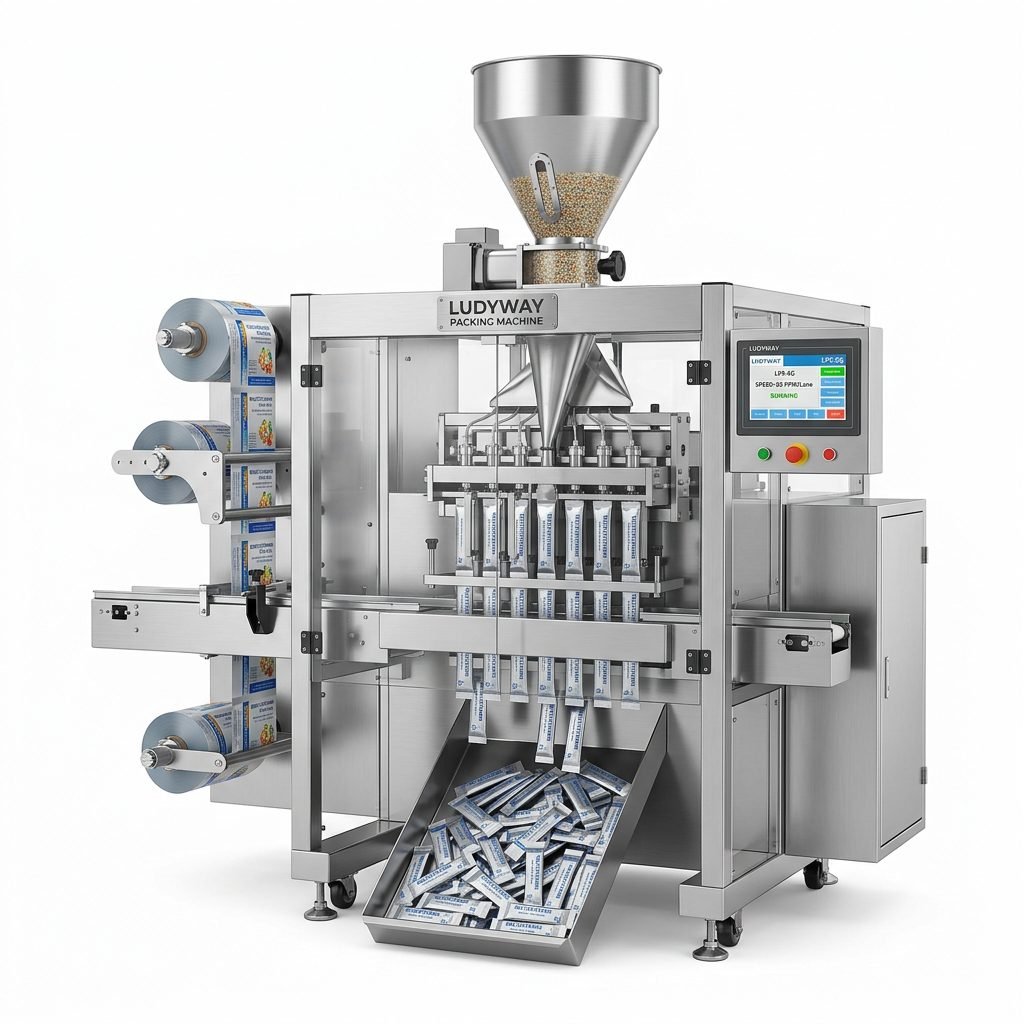
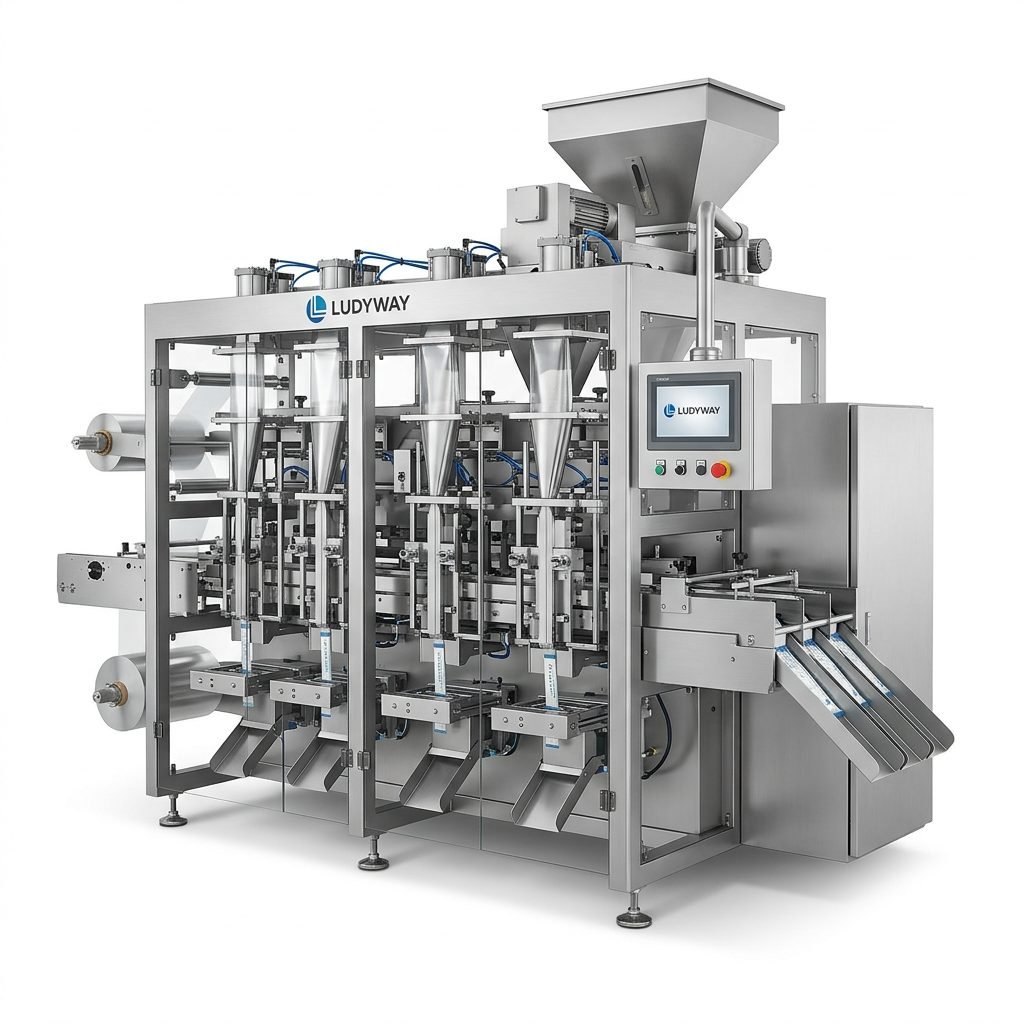
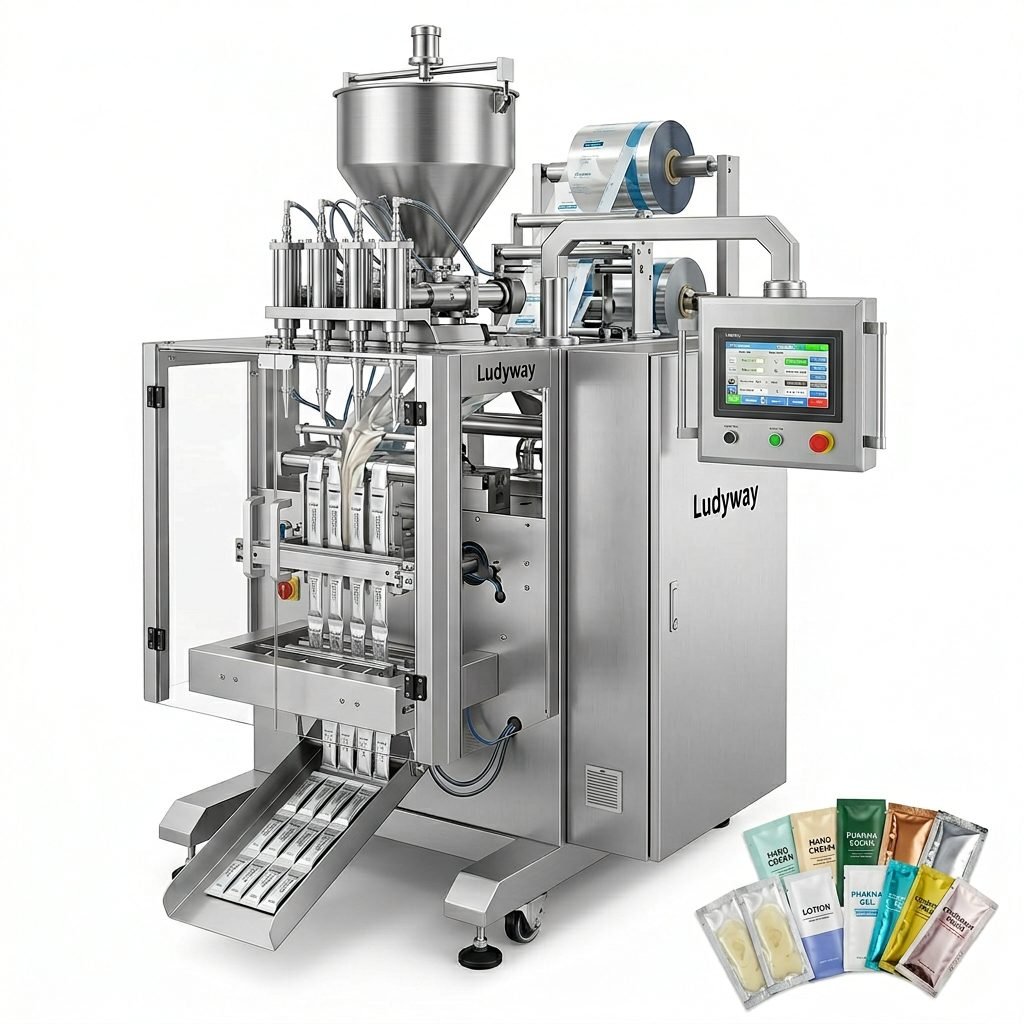
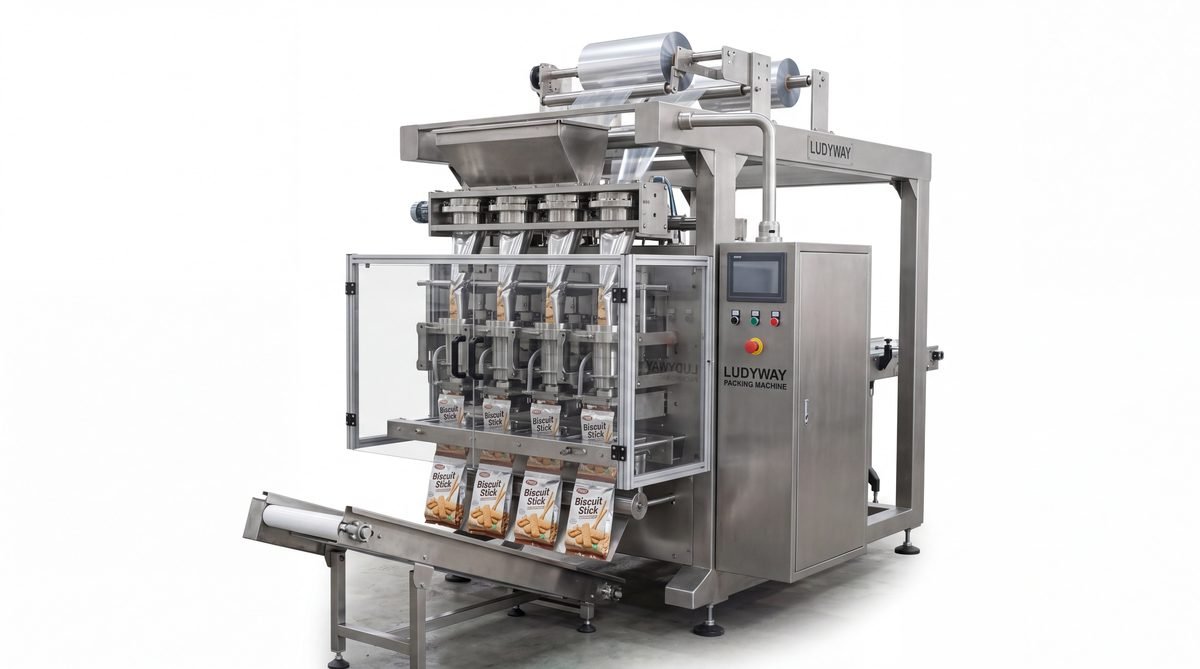
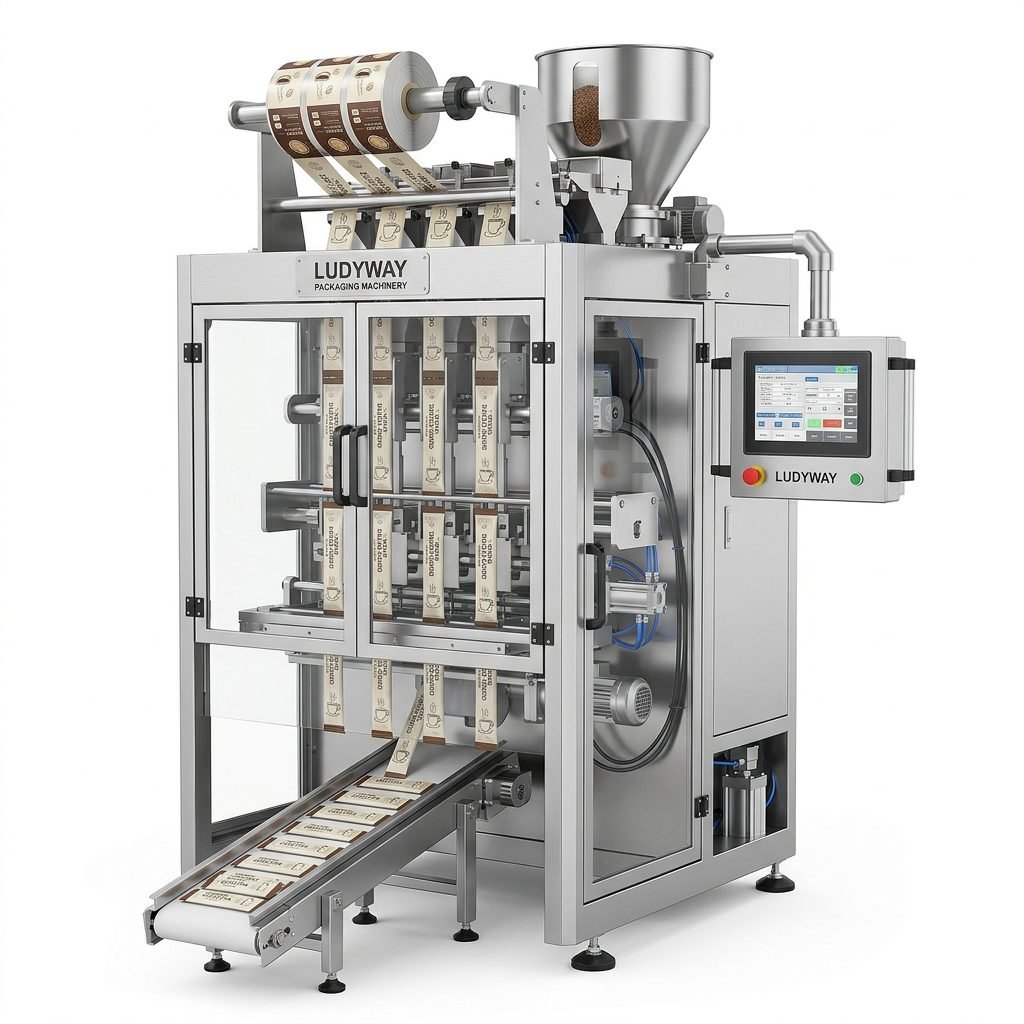
- Multi-Lane Stick Pack Machines: Designed for high-volume production of narrow sachets and stick packs, commonly used for single-serve dry food packaging such as coffee, sugar, and drink mixes.
- Pre-Made Pouch Filling and Sealing Machines: Suitable for stand-up pouches, zipper bags, and gusseted pouches. These machines offer excellent flexibility for different pouch styles and sizes.
- Rotary Packaging Systems: High-speed continuous motion machines for large-scale production environments, often handling multiple lanes simultaneously.
- Auger Filling Machines: Precision filling equipment for powdery dry foods like flour, protein powders, and spice blends, ensuring accurate portion control.
Each machine type has distinct advantages, and the best choice depends on your product characteristics, production volume, and packaging format requirements.
Key Specifications to Evaluate
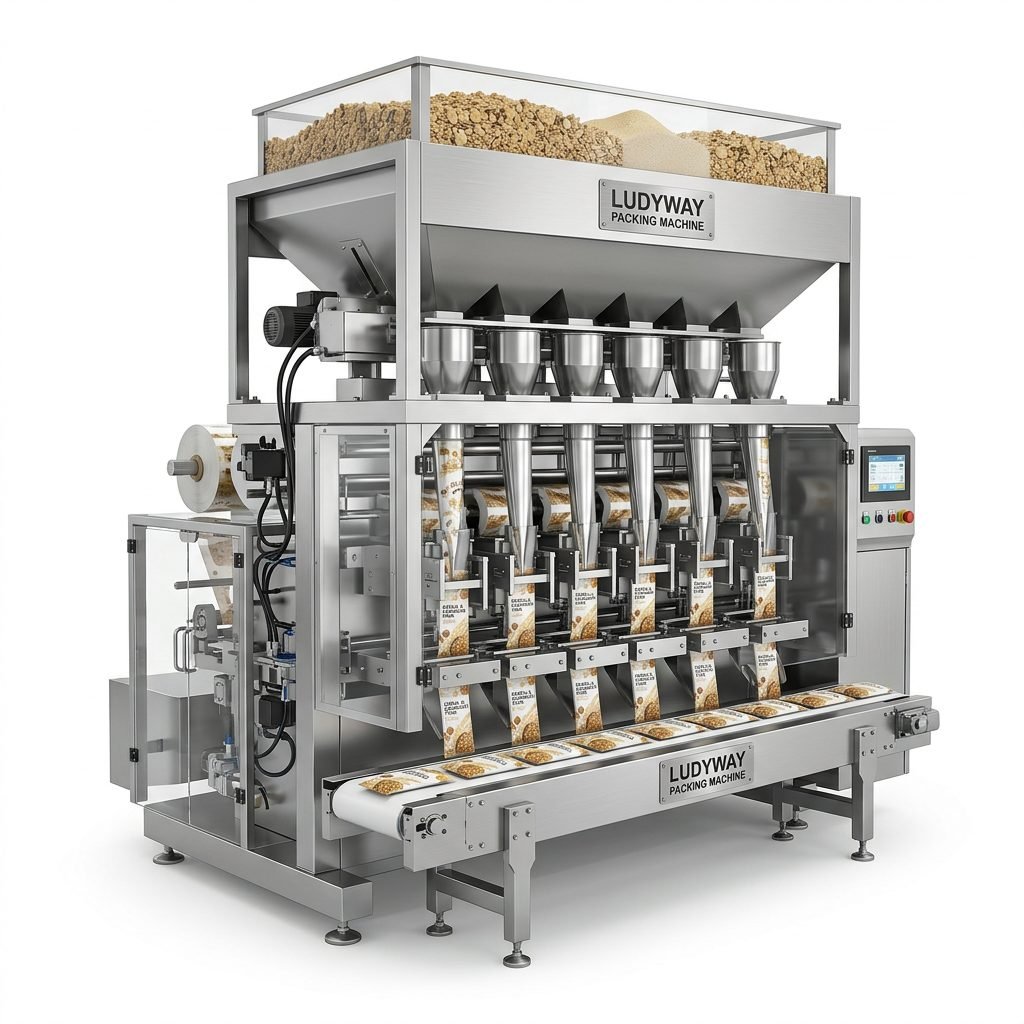
When comparing different dry food packaging machines, pay close attention to the following technical specifications:
| Specification | Why It Matters | Typical Range |
|---|---|---|
| Production Speed | Determines output capacity per shift | 30–400 packs/min |
| Filling Accuracy | Impacts product consistency and waste | ±0.5–2% deviation |
| Bag Size Range | Flexibility for different packaging formats | Width 30–300 mm, Length 50–400 mm |
| Power Consumption | Affects operating costs in Germany’s high-energy market | 3–15 kW depending on model |
| Material Compatibility | Must handle your specific film and packaging materials | PE, PP, laminate, aluminum foil, paper-based |
Automation Level and Integration
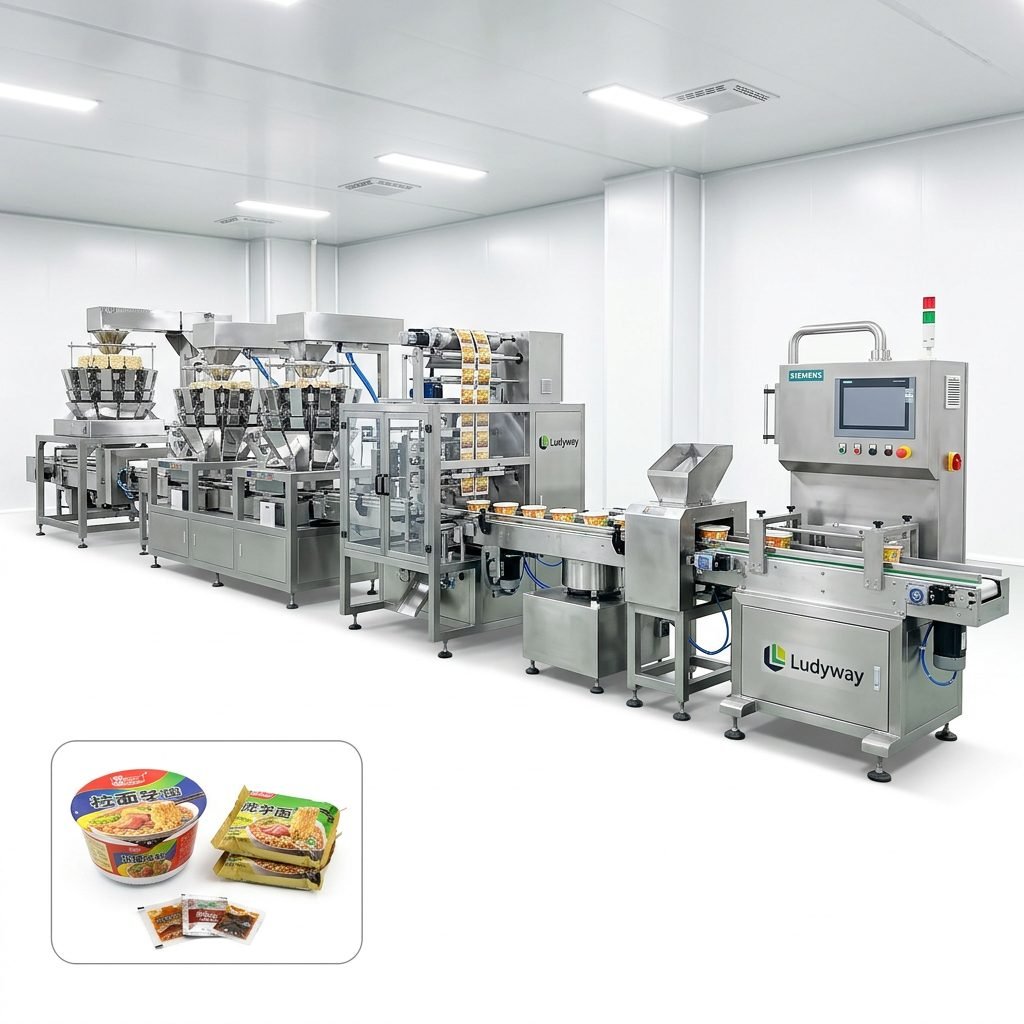
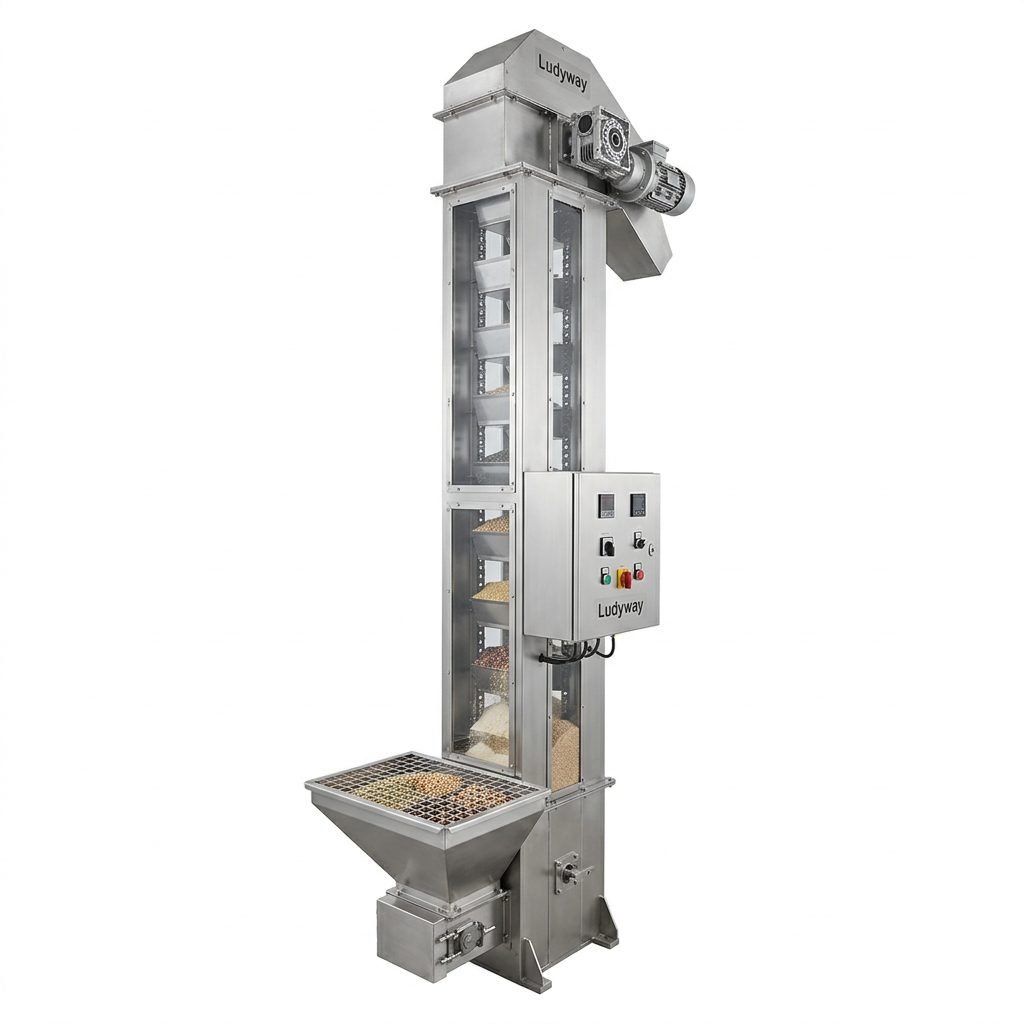
Modern dry food packaging lines can range from semi-automatic to fully automated systems. In Germany, where labor costs are among the highest in Europe, investing in a higher level of automation often delivers a faster return on investment. Consider how the packaging machine will integrate with your existing production line, including upstream equipment such as multi-head weighers, conveyors, and downstream systems like cartoners and palletizers.
Many German food manufacturers now opt for turnkey packaging lines that combine filling, sealing, checkweighing, metal detection, and cartoning into one seamless operation, reducing manual handling and improving overall efficiency.
German and EU Regulatory Compliance
Any dry food packaging machine installed and operated in Germany must meet stringent regulatory requirements. Non-compliance can result in costly delays, fines, or even prohibition from the market.
Essential Certifications and Standards
- CE Marking: Mandatory for all machinery sold within the European Economic Area. It confirms conformity with EU health, safety, and environmental protection standards.
- EU Machinery Directive 2006/42/EC: The primary regulation governing machine safety. Your packaging equipment must fully comply with this directive.
- Food Contact Materials Regulation (EC) No 1935/2004: Ensures that materials coming into contact with dry food products are safe and do not transfer harmful substances.
- TÜV and GS Certification: While not always mandatory, these German certifications provide additional assurance of quality and safety, and are highly valued by German buyers.
- ISO 22000 and HACCP: Packaging equipment should support your food safety management system, with hygienic design features that prevent contamination.
Working with a supplier who understands German regulatory requirements can save significant time and reduce compliance risks. Refer to the FDA packaging guidelines and ISO packaging standards for additional international frameworks that align with German requirements.
Energy Efficiency and Environmental Considerations
Germany’s Energiewende (energy transition) and strict environmental regulations make energy-efficient packaging machinery particularly attractive. Machines with optimized power consumption, reduced compressed air usage, and minimal material waste align with both regulatory expectations and corporate sustainability goals. The European Commission’s packaging waste regulations are also increasingly relevant to packaging equipment selection.
Cost Considerations and Budget Planning
The total cost of ownership for a dry food packaging machine extends well beyond the initial purchase price. German buyers typically evaluate the following cost components:
| Cost Category | Percentage of TCO | Notes |
|---|---|---|
| Machine Purchase Price | 55–65% | Varies by speed, lanes, and features |
| Installation and Commissioning | 5–8% | Including on-site setup in Germany |
| Operator Training | 2–4% | Essential for safety and efficiency |
| Annual Maintenance | 3–5% of machine value/year | Preventive maintenance reduces downtime |
| Spare Parts | 2–4% annually | Availability in Germany is critical |
| Energy and Consumables | 8–12% | Electricity costs in Germany are significant |
Entry-level semi-automatic machines typically start around €15,000–€35,000, while fully automated multi-lane systems can range from €80,000 to over €300,000, depending on speed, lane count, and customization. It is advisable to request a detailed total cost of ownership breakdown from potential suppliers.
How to Select the Right Supplier
Choosing a reliable packaging machine manufacturer is as important as the machine itself. Here are key criteria to evaluate:
- Industry Experience: Look for manufacturers with a proven track record in dry food packaging. Companies with 20+ years of experience, such as Ludyway, often provide more reliable solutions and comprehensive support.
- German Market Presence: Does the supplier have existing installations in Germany or the EU? Local references and case studies are valuable indicators of reliability.
- After-Sales Support: Ensure the supplier offers responsive technical support, spare parts availability within Germany, and qualified service engineers who can visit your facility when needed.
- Customization Capability: Dry food products vary widely in characteristics. Your supplier should be able to customize the machine to your specific requirements.
- Certifications and Documentation: The supplier should provide comprehensive technical documentation in English or German and hold relevant international quality certifications.
Questions to Ask Potential Suppliers
- Can you provide references from German or European clients?
- What is the typical lead time for delivery to Germany?
- Do you offer factory acceptance testing before shipment?
- What warranty terms do you provide, and how are warranty claims handled in Germany?
- Is remote diagnostic support available, and in which languages?
- How quickly can spare parts be delivered to a German address?
Installation, Training, and Ongoing Maintenance
Proper installation is crucial for optimal machine performance. Many international suppliers offer supervised installation services where a technician visits your German facility to oversee setup and commissioning. Operator training should cover machine operation, cleaning procedures, basic troubleshooting, and safety protocols.
For ongoing maintenance, establish a clear plan with your supplier that includes:
- Scheduled preventive maintenance visits
- Recommended spare parts inventory for your German facility
- Remote technical support availability during your production hours
- Software update policies for machines with digital controls
Financing and Incentive Programs in Germany
German businesses may qualify for various federal and state-level incentive programs that support investments in automation and energy-efficient equipment. Programs such as the KfW Energy Efficiency Programs and regional investment grants can reduce the effective cost of your packaging machinery. Consult with a local business advisor or your chamber of commerce to explore available options.
Useful Resources
- PMMI – The Association for Packaging and Processing Technologies
- PACK EXPO International – Industry Trade Show
- Flexible Packaging Association – Industry Resources
- ISO Packaging Standards
- European Commission – Packaging and Packaging Waste
- PMMI Business Intelligence Library – Market Research

Final Recommendations
Purchasing a dry food packaging machine in Germany requires careful planning, thorough supplier evaluation, and a clear understanding of regulatory requirements. Begin by defining your production goals, packaging format, and budget parameters. Shortlist suppliers with proven experience in both dry food applications and the German market, and always request detailed proposals that include total cost of ownership, warranty terms, and after-sales support commitments.
Investing in a high-quality packaging machine from a reputable manufacturer ensures reliable long-term operation, consistent product quality, and compliance with Germany’s rigorous standards—positioning your business for sustainable growth in one of Europe’s most competitive food markets.