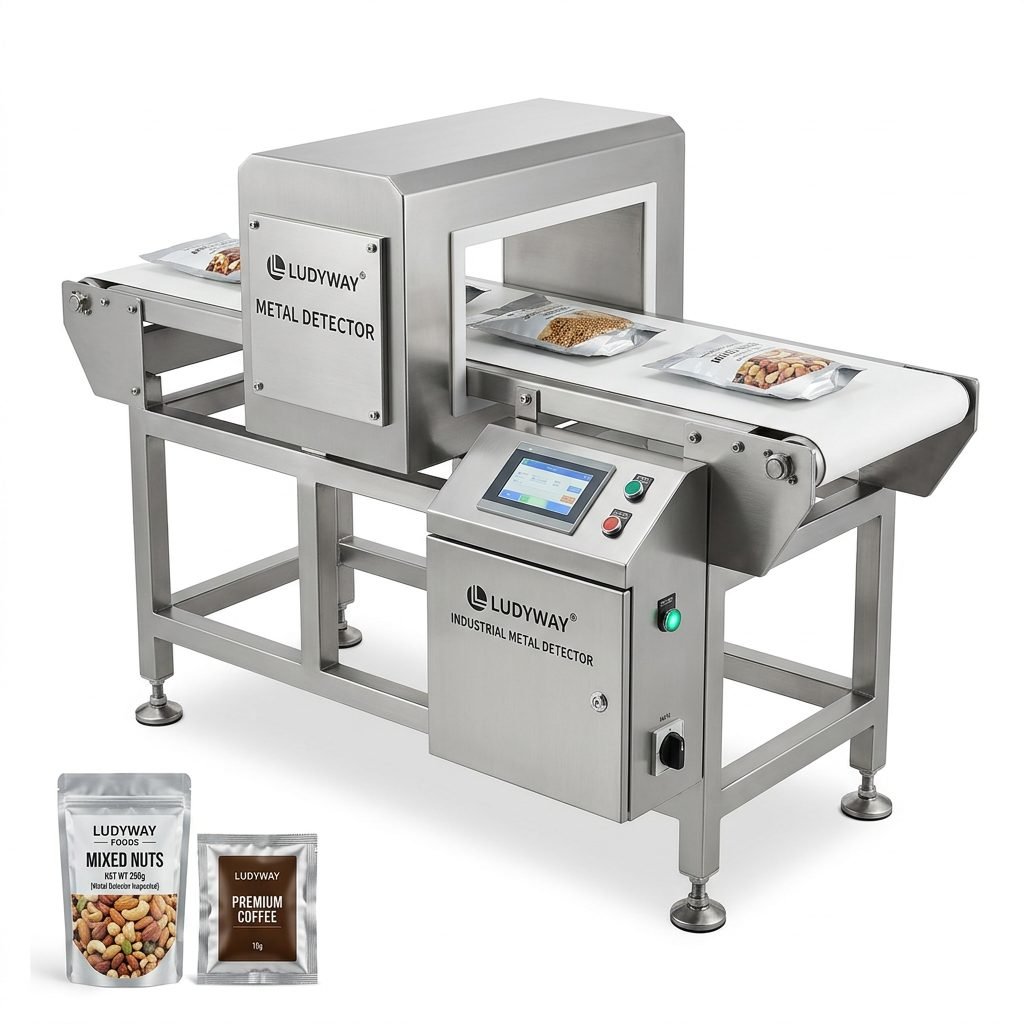
The coffee industry in Southeast Asia is experiencing unprecedented growth. With rising domestic consumption and increasing demand for export-ready products, manufacturers are under pressure to scale production efficiently. At the heart of this scaling process lies a critical investment: the coffee packaging machine. Choosing the right equipment can dramatically impact your product’s shelf life, brand perception, and bottom line. This comprehensive guide walks you through everything you need to know about purchasing coffee packaging machinery in this dynamic region, from understanding local market trends to evaluating technical specifications and supplier credentials.

Understanding the Southeast Asian Coffee Packaging Landscape
Before diving into machine specifications, it’s crucial to understand the market forces shaping packaging requirements in countries like Vietnam, Indonesia, Thailand, and the Philippines. The region is not only a major coffee producer but also a rapidly growing consumer market. This dual role creates diverse packaging needs, from bulk export packaging to sophisticated single-serve retail formats.
Key market drivers include:
- Rapid Urbanization: A growing middle class with increasing disposable income is fueling demand for convenient, on-the-go coffee formats like stick packs and sachets.
- E-commerce Boom: The rise of online retail requires packaging that is not only visually appealing but also durable enough to withstand the logistics chain, emphasizing the need for secure sealing and robust materials.
- Premiumization Trend: Consumers are trading up to higher-quality specialty coffee, which often requires flexible packaging with superior barrier properties to preserve aroma and freshness.
- Sustainability Concerns: There is mounting pressure from both governments and consumers to adopt eco-friendly packaging solutions, pushing manufacturers to seek machines compatible with recyclable or biodegradable films.
Identifying the Right Machine for Your Product
Selecting the correct coffee packaging machine begins with a thorough analysis of your product and production goals. The two primary factors are your coffee’s format and your target output volume. A machine perfectly suited for a small artisan roastery will be entirely inadequate for a large-scale instant coffee producer.
Matching Machine to Coffee Format
The physical state of your coffee dictates the core technology you need. Different formats require distinct filling and sealing mechanisms to ensure efficiency and product integrity:
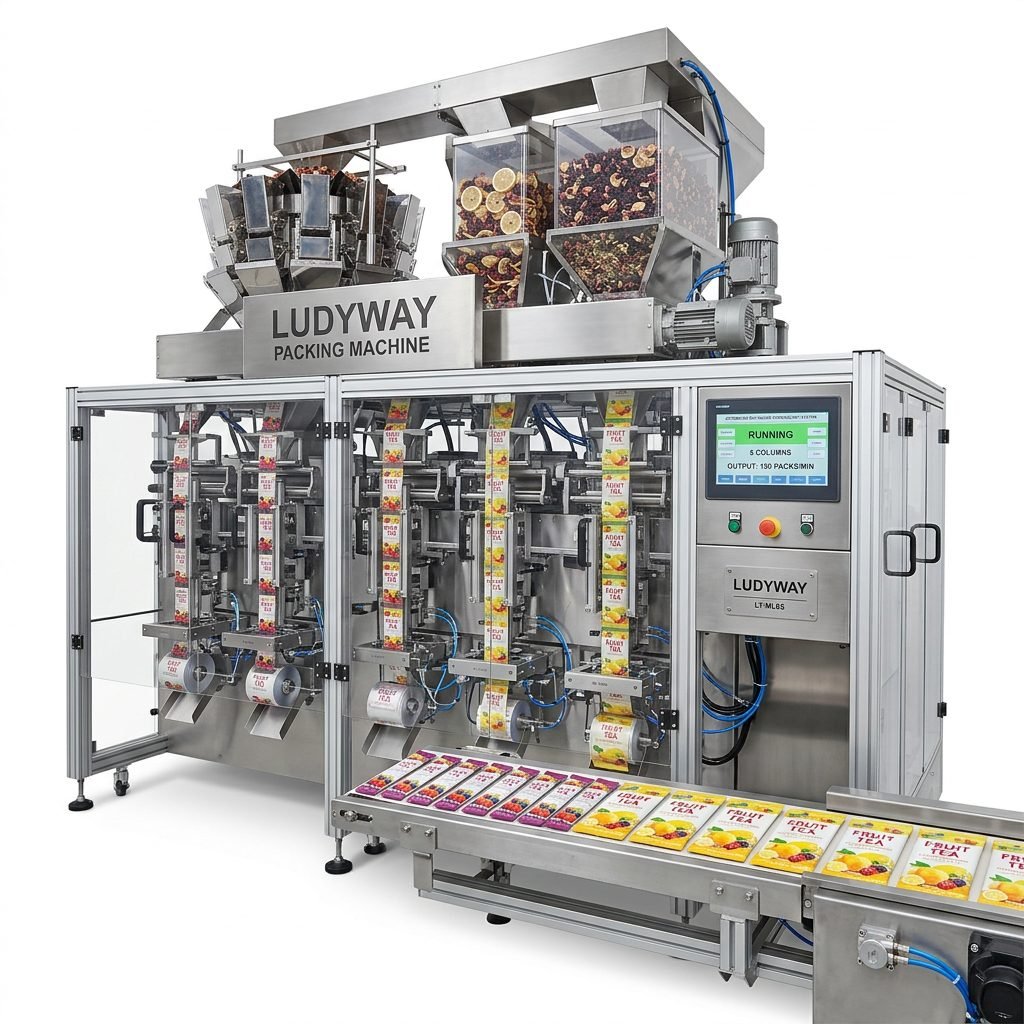
- Ground Coffee & Whole Beans: These granular products are typically handled by multi-head weigher fillers integrated with vertical form-fill-seal (VFFS) machines. Accuracy and speed are paramount.
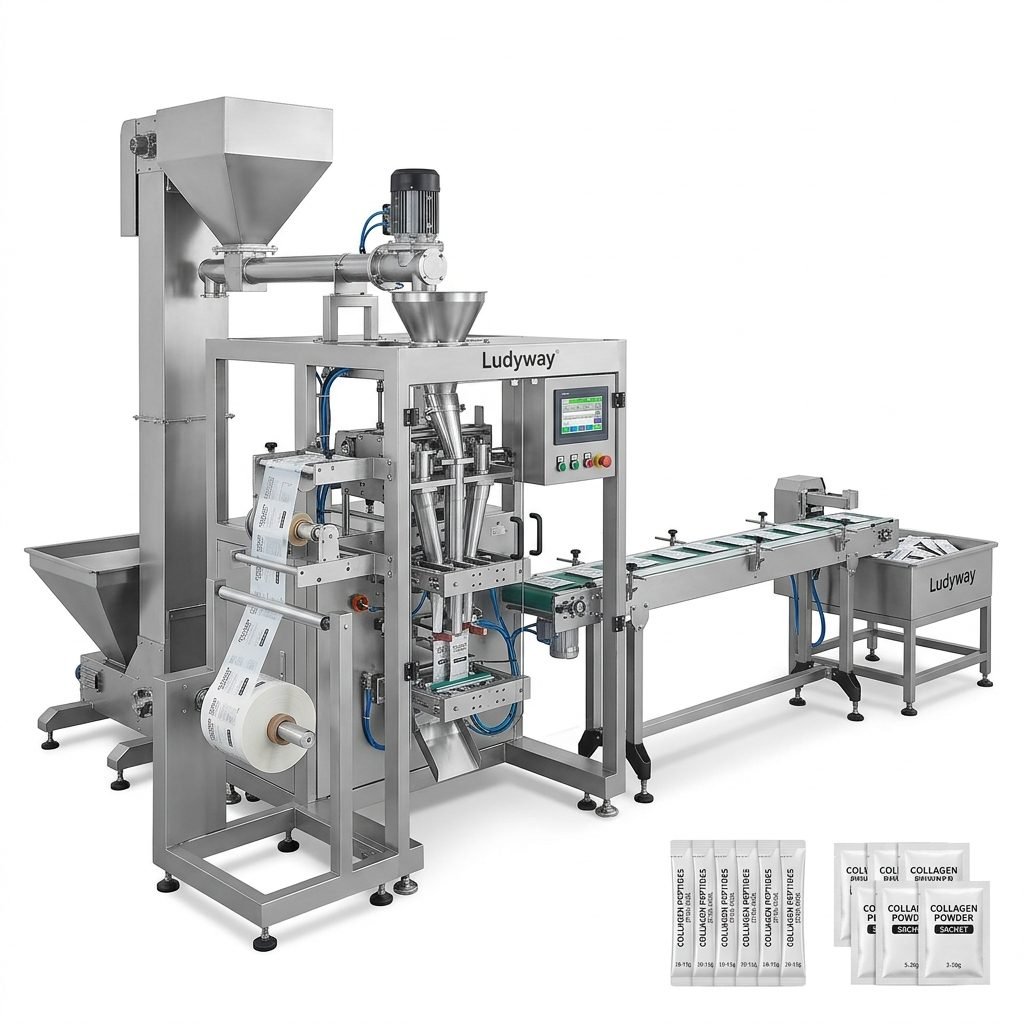
- Instant Coffee Powder: This fine, often sticky powder requires specialized packaging machinery with features like anti-dust systems and precision auger fillers to prevent waste and ensure consistent portioning.
- Liquid Coffee Concentrate & RTD: For liquid products, the focus shifts to volumetric piston fillers or flow meters. Hygiene is critical, necessitating CIP (Clean-in-Place) systems and stainless steel construction that meets FDA food contact standards.
Popular Packaging Styles
Southeast Asian consumers favor specific packaging formats. Your machine choice must align with your target market’s preferences:
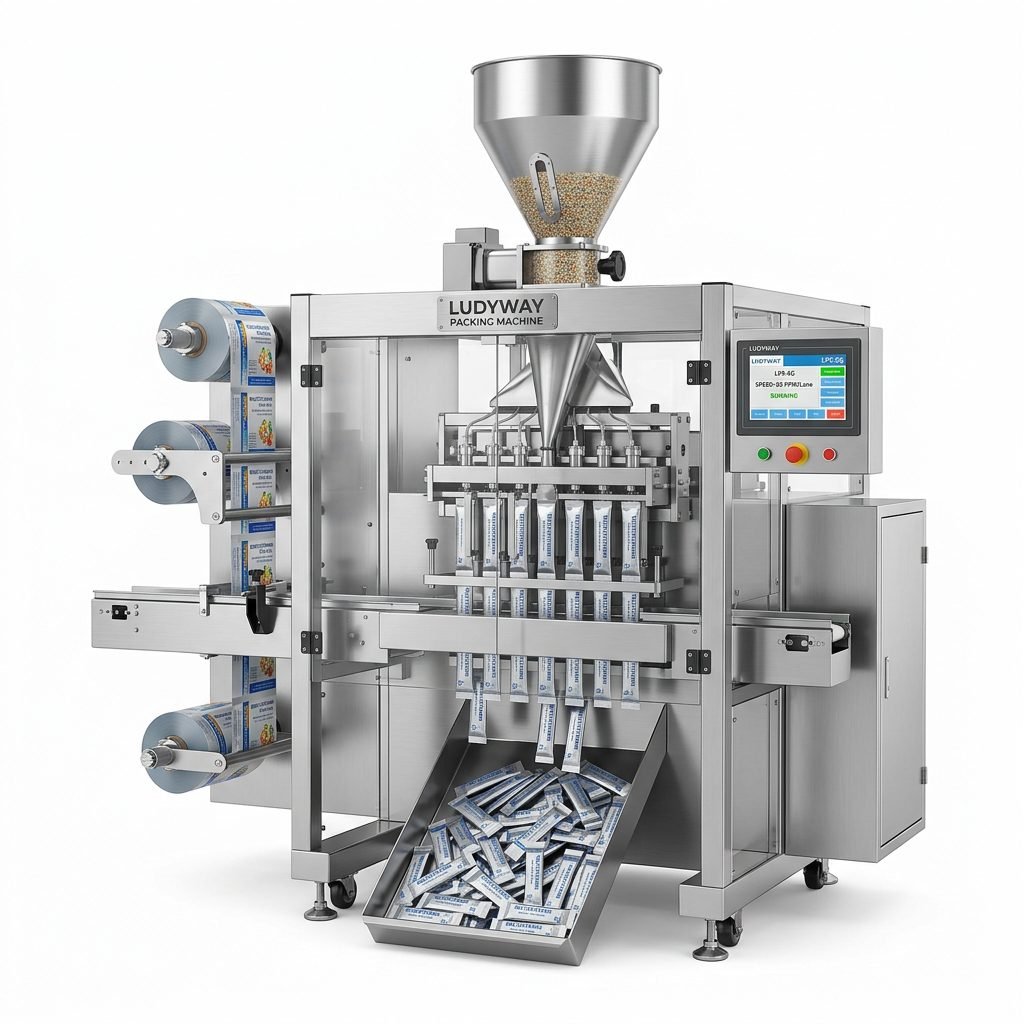
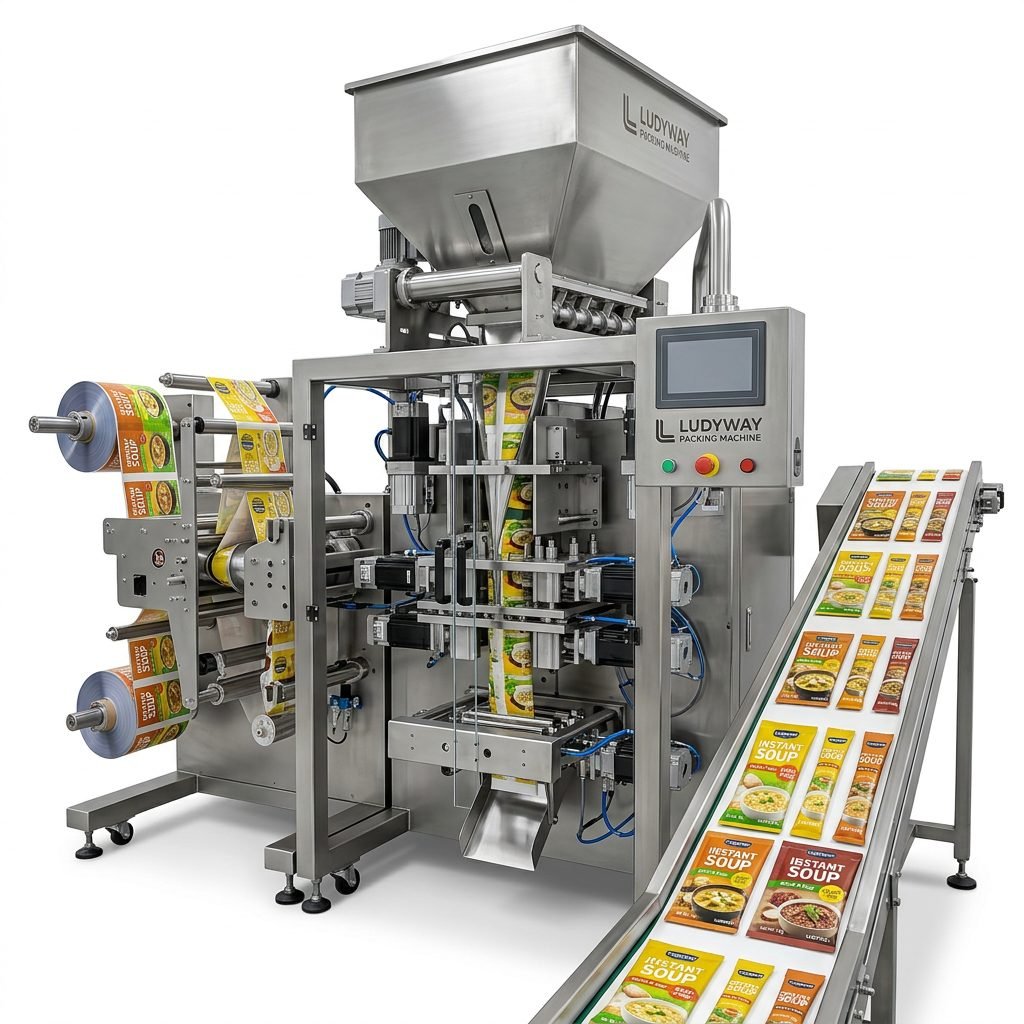
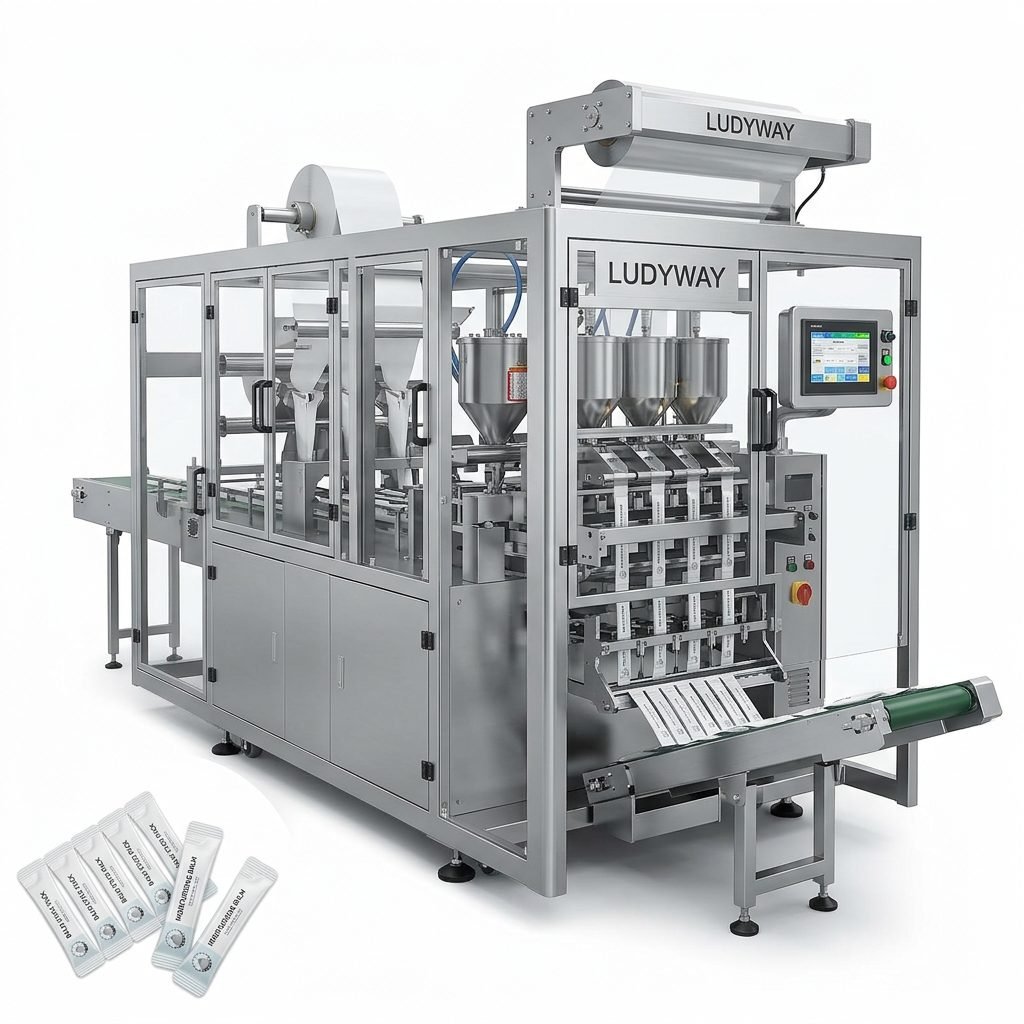
- Stick Packs: Dominant for single-serve instant coffee mixes (e.g., 3-in-1), offering portability and precise portion control. High-speed multi-lane stick pack machines are essential for meeting mass-market demand.
- Sachets & Pillow Bags: An economical format for both ground coffee and smaller portions, often used in traditional markets and for promotional samples.
- Gusseted Bags & Stand-Up Pouches: Increasingly popular for premium whole bean and ground coffee, these formats offer excellent shelf presence, re-sealability, and space for branding, often requiring premade pouch filling and sealing machines.
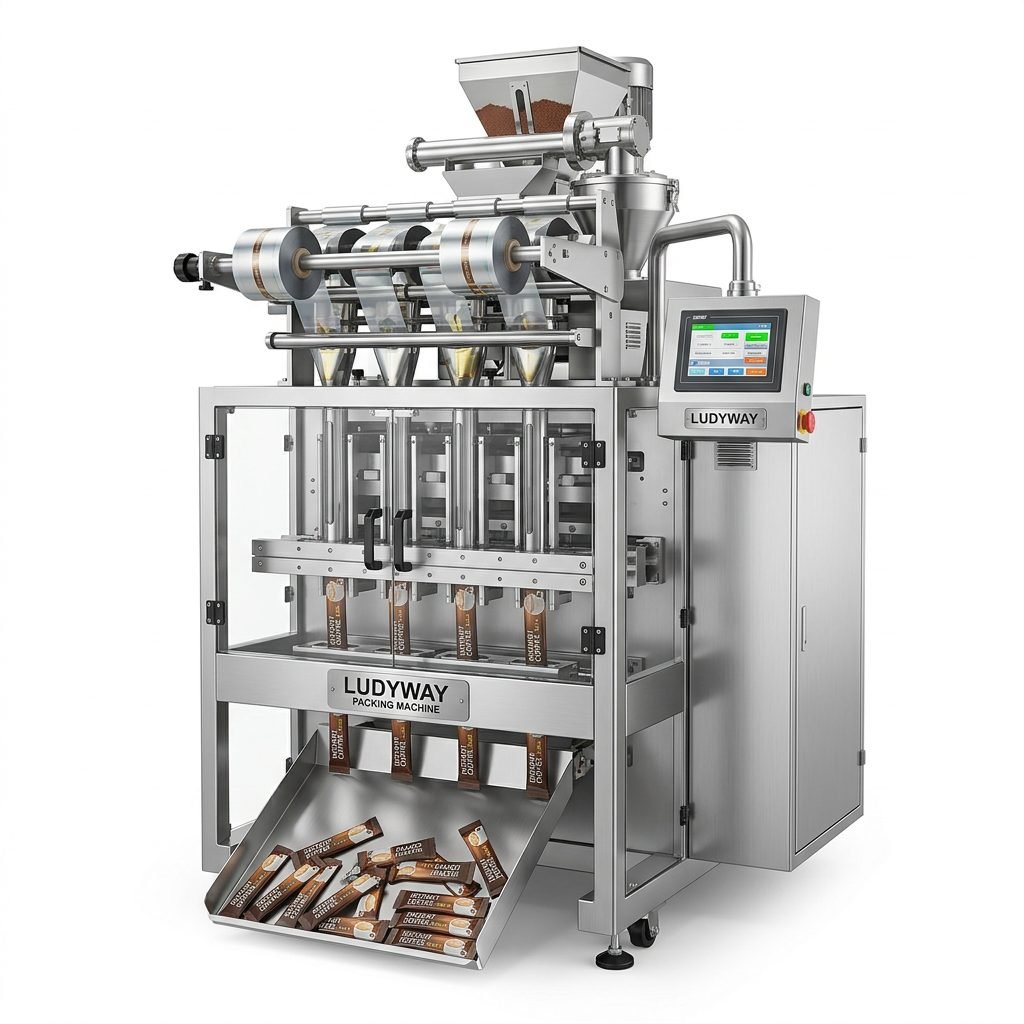
7 Critical Technical Specifications to Evaluate
When comparing different models, diving into the technical details is non-negotiable. Here are seven specifications that will define your production line’s success, presented in an easy-to-review format:
| Critical Specification | Why It Matters in Southeast Asia |
|---|---|
| Speed & Output (PPM) | High-volume demand requires machines capable of 400+ packs per minute per lane, balancing speed with seal integrity. Your machine must meet peak season surges. |
| Filling Accuracy | Minimal product giveaway is critical for profitability with high-cost coffee. Look for accuracy within ±0.5-1g, especially for auger fillers on instant coffee. |
| Material Compatibility | Must handle local film types like BOPP, PET/AL/PE laminates, and new eco-friendly materials. Verify the machine’s sealing jaw temperature range and pressure control. |
| Gas Flushing System | Essential for shelf life extension. A robust nitrogen flushing system should achieve residual oxygen levels below 1% for ground and whole bean coffee. |
| Changeover Time | Agility is key. Quick tool-less changeover between different bag sizes (e.g., 15g to 40g) reduces downtime. Aim for a changeover completed in under 30 minutes by a single operator. |
| Automation & Control | PLC control with touchscreen HMI allows for recipe management and fault diagnostics. Connectivity for data logging and OEE monitoring is a competitive advantage. |
| Build Quality & Hygiene | In a humid tropical climate, stainless steel 304/316 construction prevents corrosion. Sloped surfaces and sealed bearings facilitate wash-down procedures. |
Navigating Supplier Selection in the Region
The machinery supply landscape in Southeast Asia is a mix of local agents, regional OEMs, and global manufacturers. A well-defined selection process is crucial to avoid costly mistakes. Your goal is to find a partner, not just a vendor, who understands the nuances of the packaging industry in your specific market.
When qualifying a supplier, consider the following checklist:
- Proven Track Record: Request a list of at least five references in the coffee or powder packaging sector. A reputable partner will be transparent with their client portfolio.
- After-Sales Technical Support: Local service engineers and accessible spare parts are non-negotiable. Downtime is revenue loss. Enquire about guaranteed response times, both remote and on-site.
- Application-Specific Expertise: A good supplier will proactively arrange a factory acceptance test (FAT) using your actual product and packaging film, not just their own sample materials.
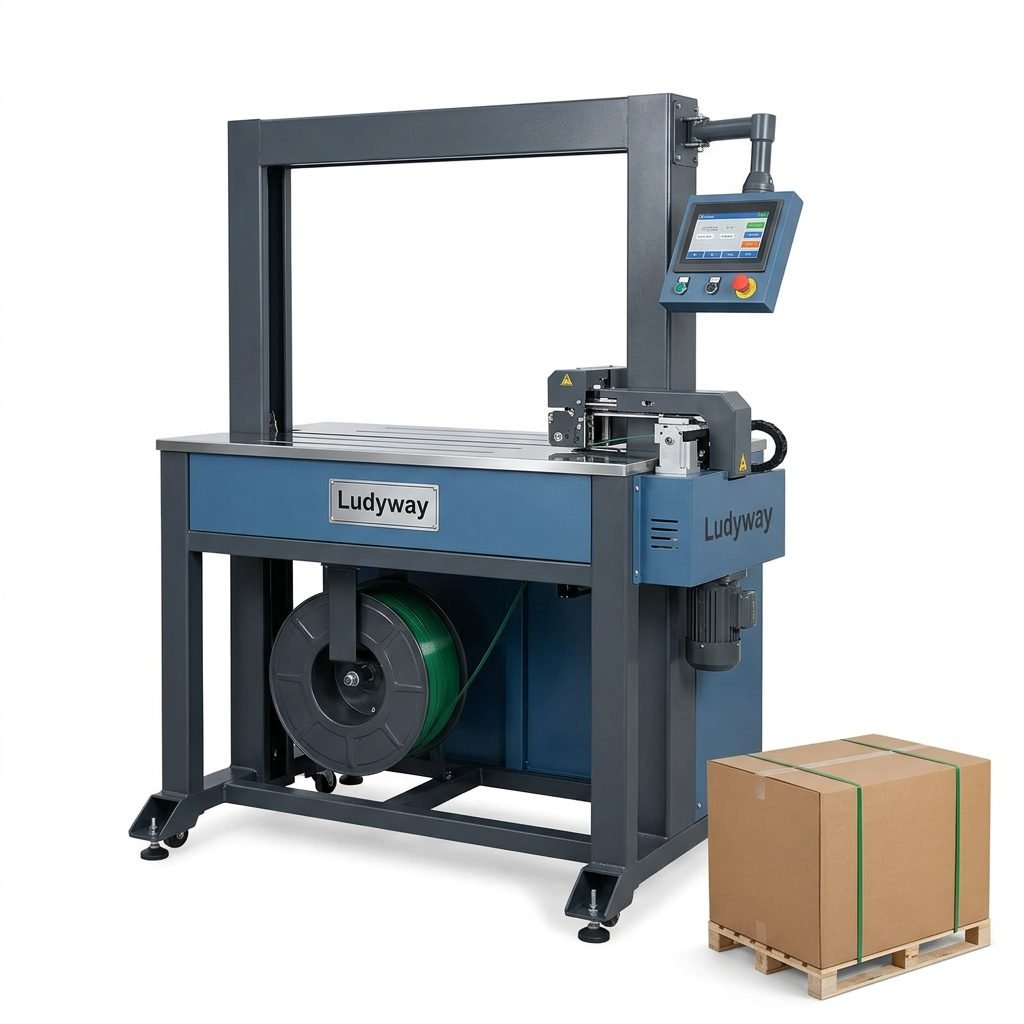
One example of a manufacturer with a strong global footprint is Ludyway, a company specializing in advanced packaging equipment for various industries. With over 30 years of experience and a portfolio of over 50 intelligent machine models, including multi-lane stick pack and sachet machines, they represent the type of comprehensive engineering expertise to look for when evaluating long-term technology partners.
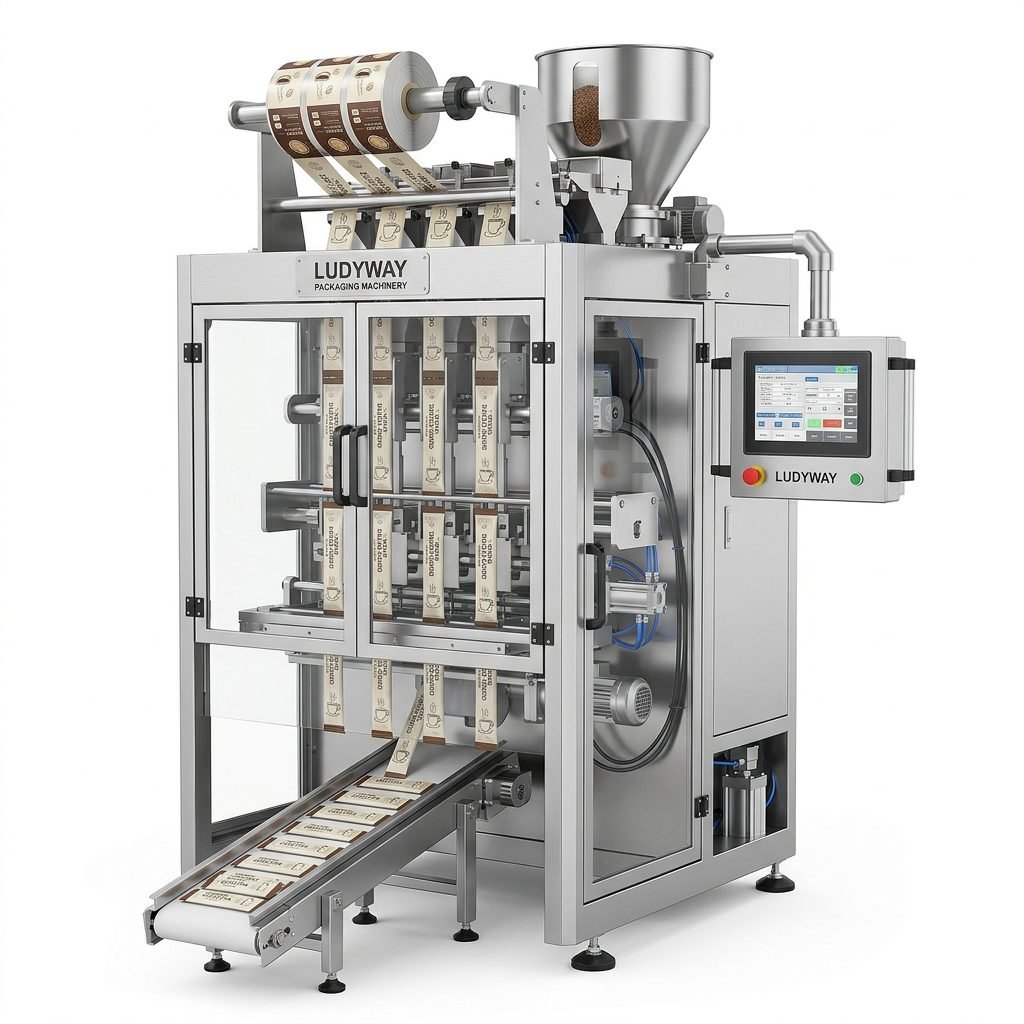
The Total Cost of Ownership (TCO) Equation
The purchase price is just the entry ticket. A smart investment is based on a holistic Total Cost of Ownership analysis, which uncovers the real long-term expenses and savings. Neglecting this can erode your profit margins over the machine’s operational life.
Your TCO calculation should include:
- Film Waste Percentage: A machine with poor web tracking and tension control can waste 3-5% of packaging film. A precision machine keeps this below 0.5%, which translates to significant material savings annually.
- Energy Consumption: Compare the installed power (kW) and actual average consumption of different models. High-efficiency motors and low-energy heating elements in sealing jaws are differentiators.
- Preventative Maintenance Costs: Understand the mean time between failures (MTBF) for key components. A machine built with world-class components (like in-line fillers and sealers compliant with ISO packaging standards) will minimize unplanned downtime and maintenance costs.
- Operator Skill Requirement: A complex machine might require higher salaries for skilled technicians. An intuitive interface can reduce training time by up to 50% and is particularly important in regions with high operator turnover.
Preparing for a Future-Ready Production Line
The packaging landscape is not static. Investments made today must serve your business for the next 5 to 10 years. Building a future-proof production line involves looking beyond immediate needs and considering long-term strategic shifts, as highlighted in reports on packaging machinery market trends.
Embracing Modular Automation
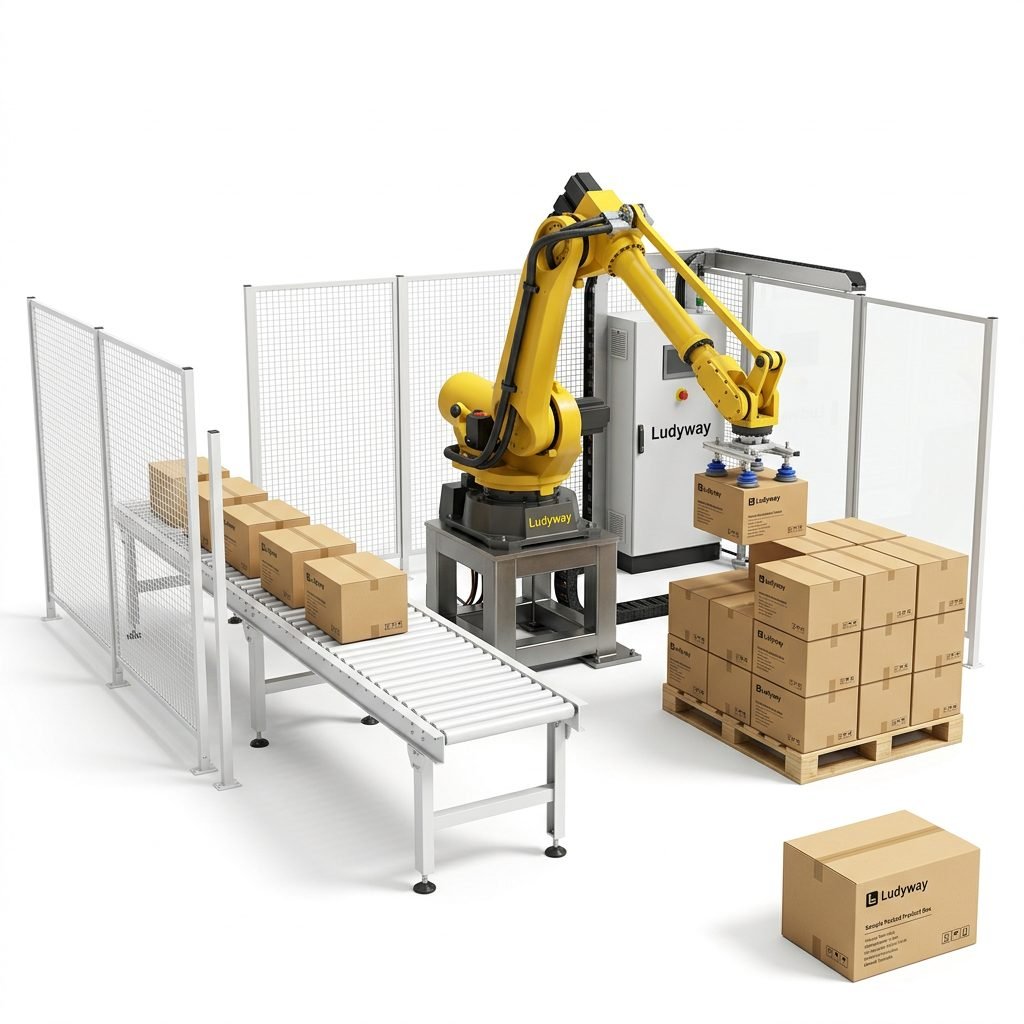
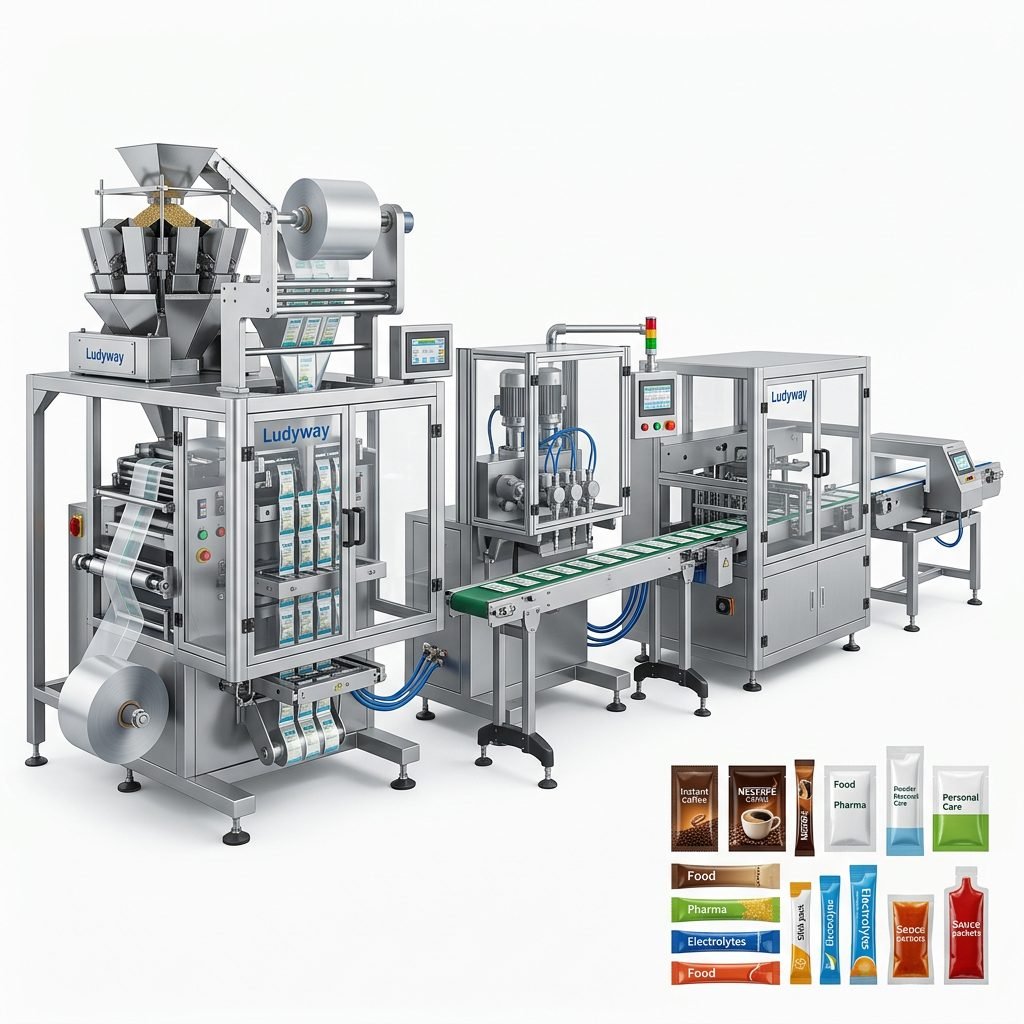
Start with a standalone machine that can be integrated into a fully automated line later. A turnkey packaging line approach, where the primary machine can seamlessly connect with automatic feeders, checkweighers, cartoners, and palletizers, offers the most scalable growth path.
Designing for Sustainability
Align your production with regional initiatives like the European Commission’s packaging and packaging waste regulations, which influence global standards. Opt for machinery capable of running mono-material PE or PP laminates, which are easier to recycle than mixed-polymer structures.
Data and Smart Factory Readiness
Specify machines with OPC-UA or similar communication protocols. This ensures your packaging line can communicate with your plant’s MES/ERP systems, providing real-time performance data that is the foundation of any smart factory initiative.
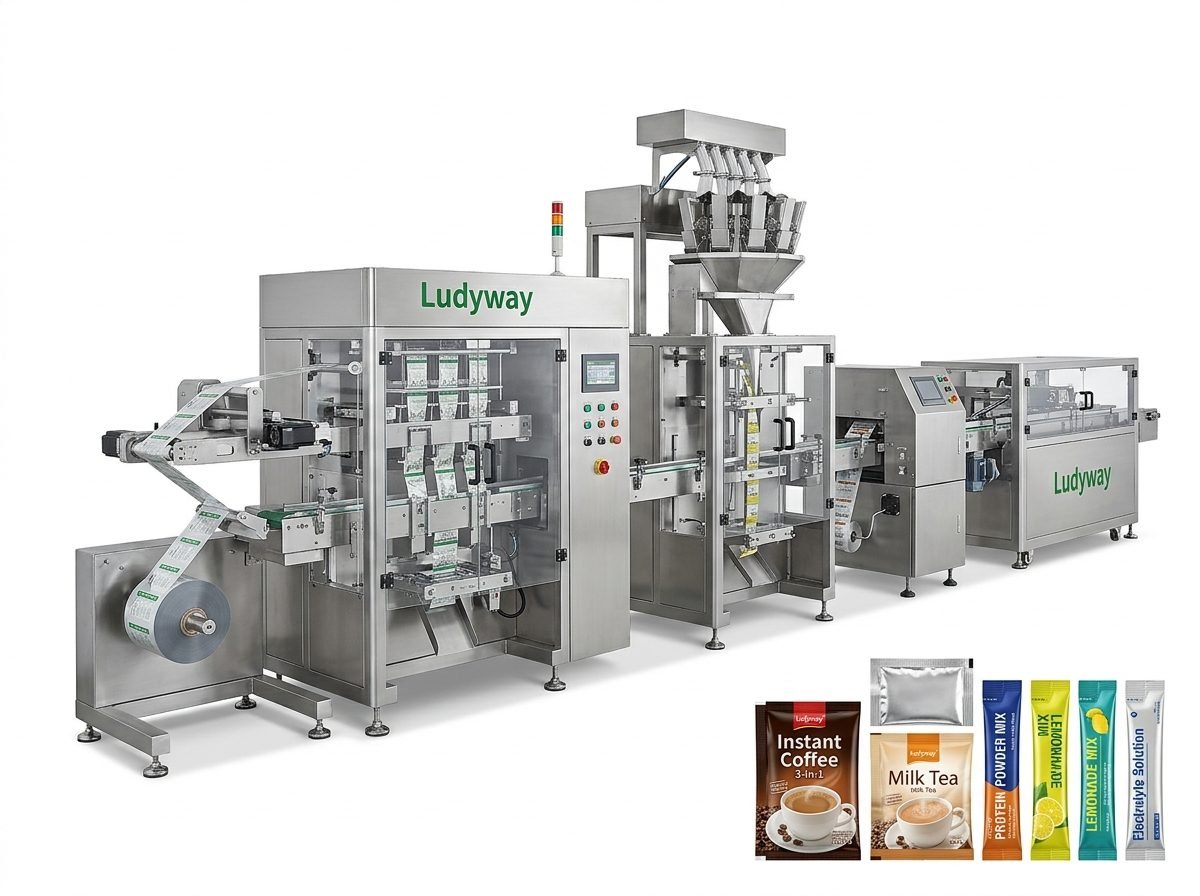
Investing in coffee packaging machinery in Southeast Asia is a strategic decision with profound implications. It’s about more than just packing coffee; it’s about preserving your brand promise, optimizing operational efficiency, and gaining a competitive edge in a fast-paced market. By meticulously evaluating your product needs, focusing on critical technical specifications, qualifying suppliers for long-term partnership, and making TCO-driven investment decisions, you can build a packaging operation that is robust, flexible, and ready for the future.