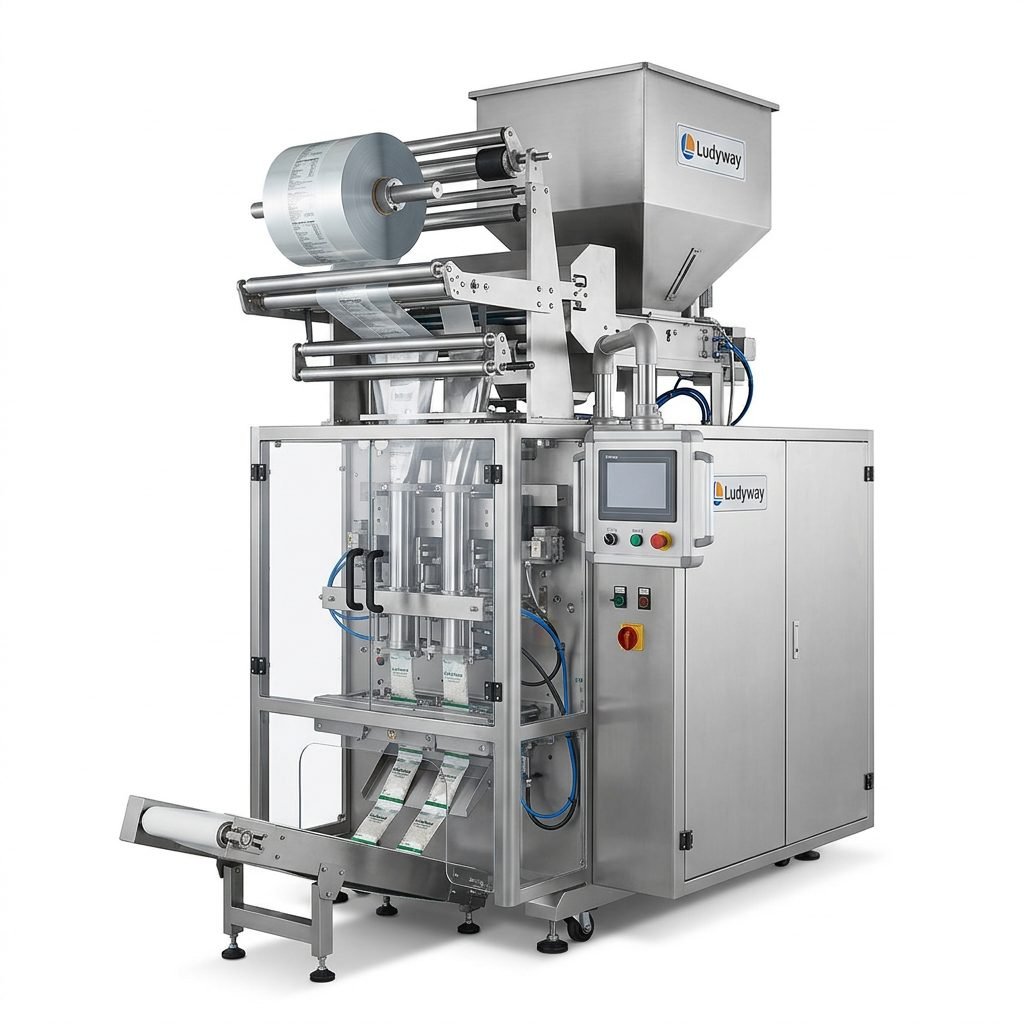
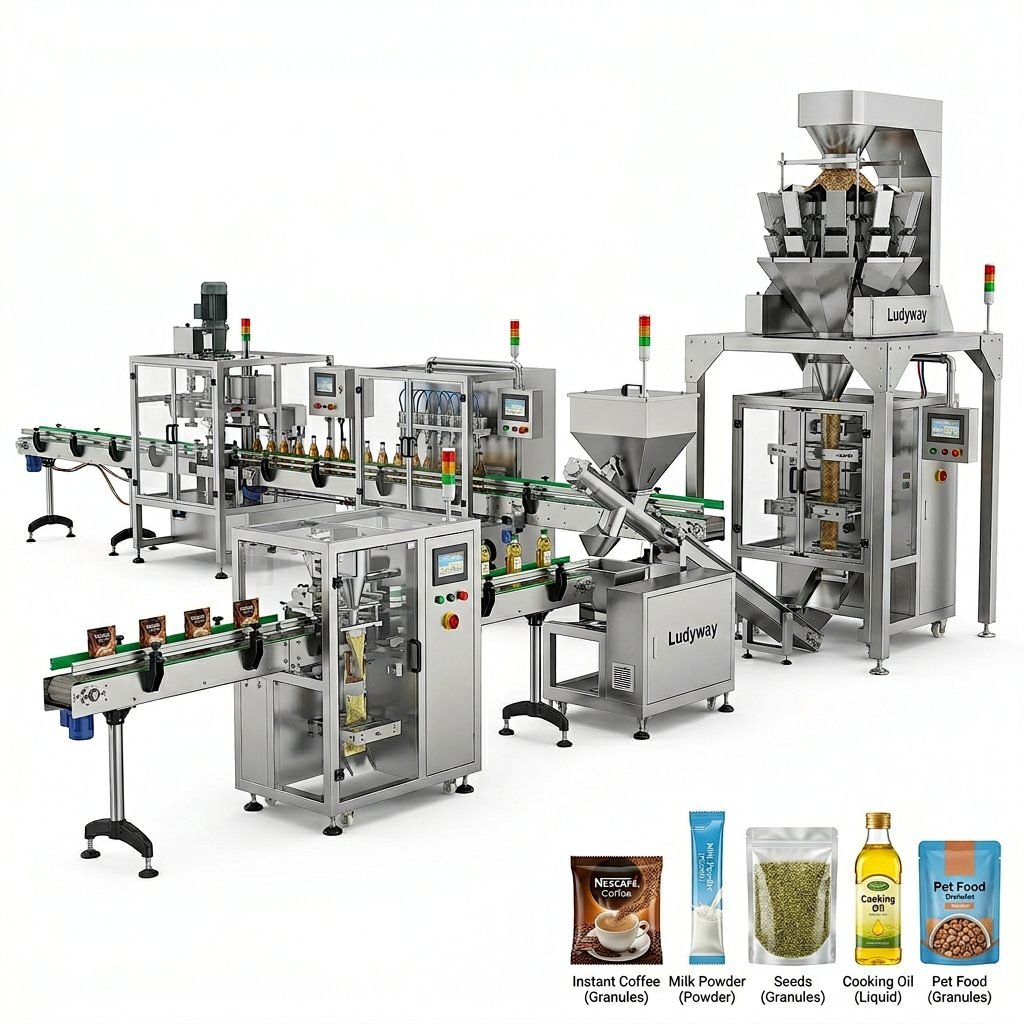
Choosing the right can food packaging machine is a critical decision for any food manufacturer looking to optimize production, ensure product safety, and maximize shelf life. The efficiency of your canning line directly impacts output, cost, and product quality. This guide will explore the different types of can packaging machines, their key features, and provide a comprehensive buying guide to help you select the best equipment for your specific needs.
Key Takeaway
Investing in the right canning machinery is not just about automation; it’s about ensuring consistent quality, operational efficiency, and long-term reliability for your production line. The ideal machine matches your product type, desired speed, and future growth plans.
Types of Can Food Packaging Machines
The canning process involves several sequential steps, and machinery is designed to handle each stage, from filling to sealing. Understanding the primary types is the first step in your selection journey.
1. Can Seaming Machines
Also known as can closers or seamers, these are arguably the most crucial machines in a canning line. They hermetically seal the lid (end) onto the filled can body. The quality of the double seam created is vital for product safety and longevity.
- ● Single-head Seamers: Ideal for low-volume production, pilot plants, or R&D. They seal one can at a time.
- ● Rotary Seamers: The industry standard for medium to high-speed lines. Multiple seaming heads rotate, sealing cans continuously as they are fed into the machine.
2. Can Filling Machines
These machines accurately deposit the product—whether solid, liquid, or semi-solid—into the empty cans. Precision is key to maintaining consistent fill weight and avoiding costly product giveaway.
- ● Volumetric Fillers: Use pistons or cups to measure a specific volume of product. Excellent for viscous liquids, pastes, and particulates in sauce.
- ● Gravity/Pressure Fillers: Primarily for free-flowing liquids like broths, oils, or beverages. They fill based on level or timed flow.
- ● Net Weight Fillers: The most accurate type. Each can is weighed during filling, making them perfect for high-value products where weight control is critical.
3. Can Washing & Exhausting Systems
Prior to filling, cans must be thoroughly cleaned and sanitized. After filling, exhausting removes air from the headspace to create a vacuum upon sealing, which is essential for preserving color, flavor, and preventing spoilage.
4. Retort Systems (Sterilization)
For low-acid foods (pH > 4.6), sterilization in a retort (a large pressure cooker) is mandatory to destroy Clostridium botulinum spores. Retorts can be batch or continuous systems and are a separate, vital part of the overall packaging line for many products.
Essential Features to Consider
Beyond the machine type, specific features determine performance, flexibility, and ease of use. Look for these key attributes when evaluating equipment.
Core Performance Features
Speed & Capacity (Cans Per Minute – CPM): This must align with your production targets. Consider not just peak speed but sustainable operating speed.
Can Size & Shape Flexibility: Can the machine handle your current can range, and is it easy to change over for future products? Look for quick-change parts.
Construction & Materials: Food-grade stainless steel (e.g., SS304, SS316) contact parts are non-negotiable for hygiene, corrosion resistance, and durability.
Control System: A modern, user-friendly PLC (Programmable Logic Controller) with a touchscreen HMI (Human-Machine Interface) allows for easy operation, recipe storage, and diagnostics.
Hygiene & Safety Design: Machines should be designed for easy cleaning (CIP – Clean-in-Place where possible) with smooth surfaces and minimal crevices. Safety guards and interlocks are mandatory.
Accuracy & Consistency: For fillers, what is the fill weight tolerance? For seamers, what is the seam integrity consistency? This directly affects product quality and compliance.
Integration Capability: The machine should communicate seamlessly with upstream and downstream equipment (conveyors, coders, etc.) for a smooth, automated line flow.
Buying Guide for Efficient Canning
Making an informed purchase requires a structured evaluation of your own needs against what the market offers. Follow this step-by-step guide.
Step 1: Define Your Product & Process Requirements
Start with the basics. What are you canning (soup, vegetables, fish, pet food)? Is it liquid, solid, or chunks in brine? What is the pH level (determines if retorting is needed)? What are your target can sizes (diameter, height)? What is your required output per shift or day?
Step 2: Assess Your Production Volume
Your volume dictates the machine’s scale. A small business may thrive with a semi-automatic single-head seamer and filler, while a large co-packer needs a high-speed rotary line. Be realistic about both current and projected 5-year growth.
Step 3: Evaluate Automation Level
Decide between manual, semi-automatic, and fully automatic systems. Higher automation increases initial cost but drastically reduces labor, improves consistency, and boosts long-term output.
Step 4: Research Reputable Suppliers
Look for manufacturers or suppliers with proven expertise in food canning machinery. Evaluate their industry experience, technical support network, and spare parts availability. For instance, companies with deep industry roots, like Ludyway Machinery, which brings over 30 years of packaging expertise, often provide more reliable and well-supported solutions. Review their company profile and client portfolio.
Step 5: Request Demos & References
Never buy based on specifications alone. Request a live or recorded video demonstration with a product similar to yours. Ask for contact information of current clients in a similar industry and speak to them about machine performance and after-sales service.
Step 6: Analyze Total Cost of Ownership (TCO)
Look beyond the purchase price. Consider installation costs, energy consumption, required maintenance, cost and lead time for spare parts, and expected machine lifespan. A slightly more expensive, robust machine may have a far lower TCO.
Step 7: Plan for Installation & Training
Ensure the supplier provides comprehensive installation supervision and thorough operator/maintenance training. Proper setup and knowledgeable staff are critical for achieving the promised performance and uptime.
Pro Tip for Long-Term Success
Choose a supplier that acts as a long-term partner, not just a vendor. Their ability to provide ongoing technical support, process optimization advice, and adapt to future technological advancements based on a solid company history is invaluable for your business’s growth and resilience.
Frequently Asked Questions (FAQs)
What is the most important factor when choosing a can seamer?
The consistency and integrity of the double seam it produces. A perfect hermetic seal is the primary barrier against contamination and spoilage. Always review seam quality validation reports from the manufacturer.
Can one machine handle different can sizes?
Most modern machines are designed for quick changeover between specific size ranges. However, you will need different change parts (like seaming rolls, lifter pads, or filler nozzles) for each distinct can diameter or height. Confirm the changeover time and procedure with the supplier.
How do I maintain a can packaging machine?
Follow the manufacturer’s manual strictly. Daily cleaning and lubrication of specified points are essential. Schedule regular preventive maintenance for critical components like seaming heads, seals, and sensors. Proper maintenance is the key to maximizing machine life and preventing unscheduled downtime.
What’s the difference between atmospheric and vacuum can sealing?
Atmospheric sealing closes the can as-is, leaving air in the headspace. Vacuum sealing removes air from the headspace before the final seam is made, creating a internal vacuum. Vacuum sealing is superior for preserving product quality (color, flavor, nutrients) and is often used in conjunction with an exhausting process before seaming.
Is it better to buy individual machines or a complete turnkey line?
For new entrants or specific upgrades, buying individual machines is common. However, for a new greenfield project or a major overhaul, a turnkey line from a single supplier is highly recommended. It ensures all components are perfectly matched, integrated, and supported by one responsible party, simplifying both commissioning and future service.