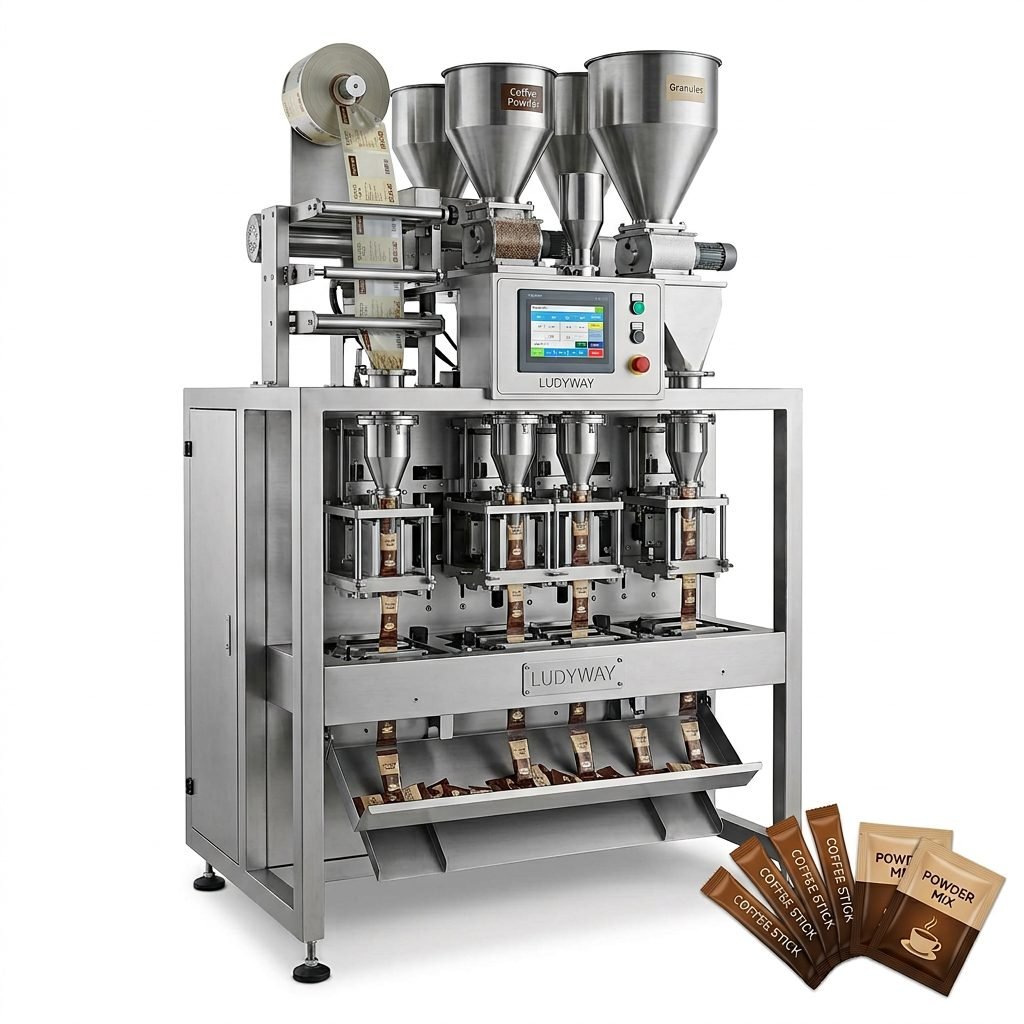
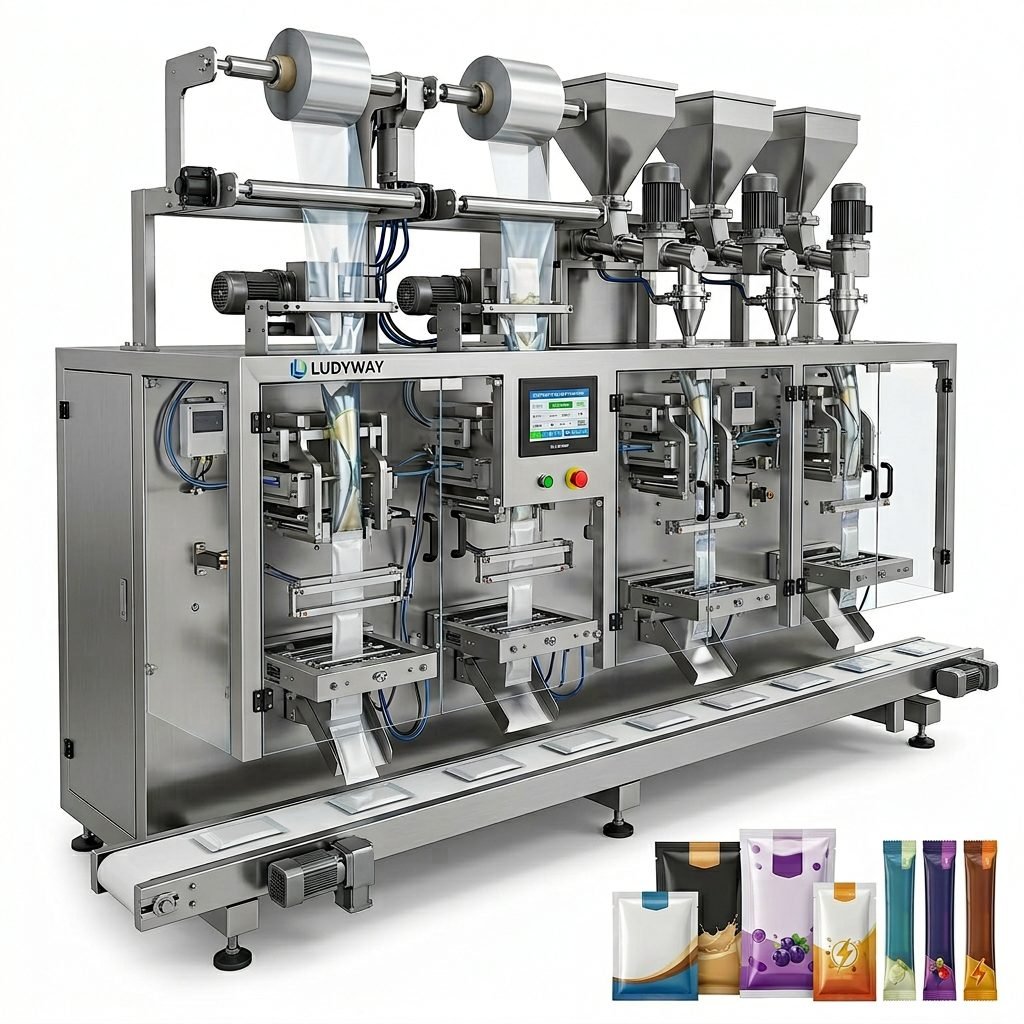
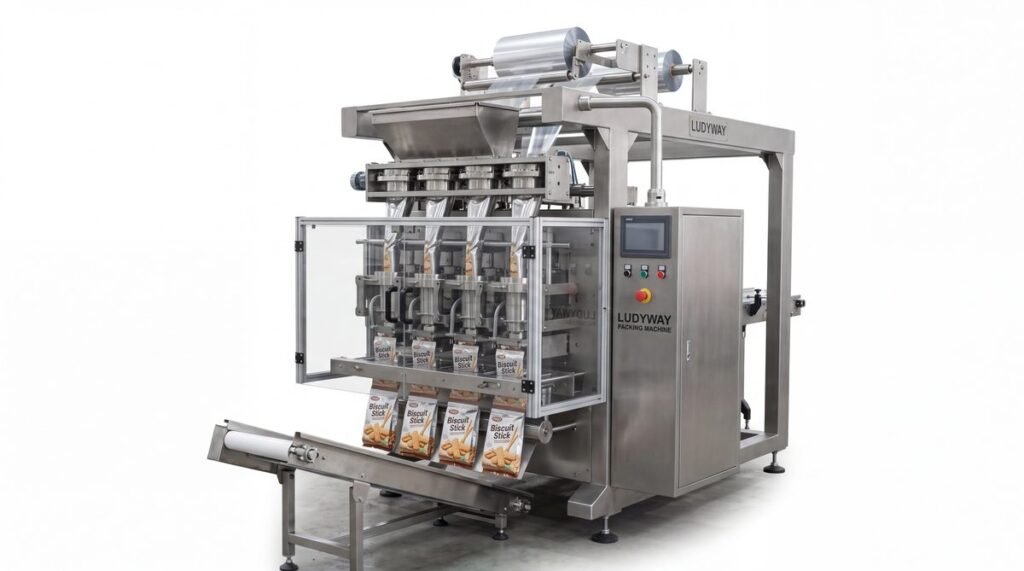
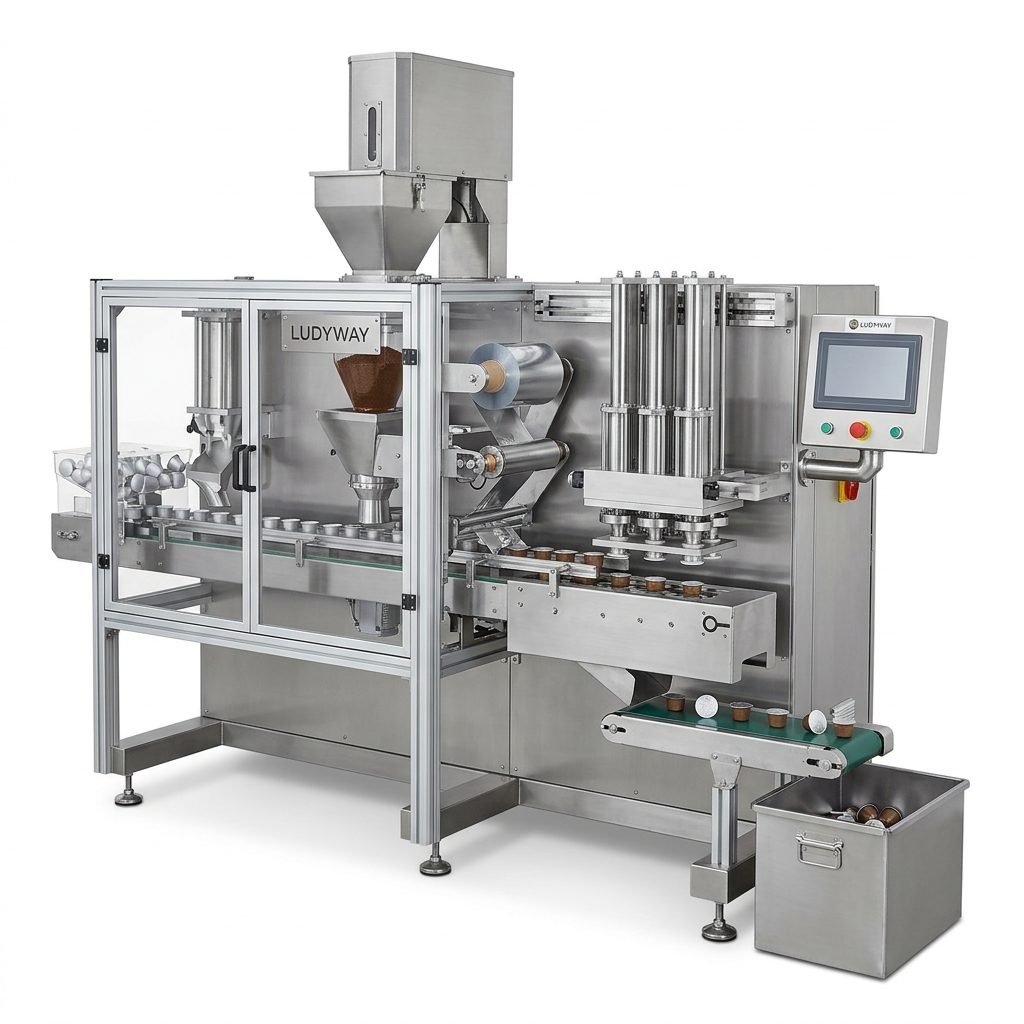
The German coffee capsule market is one of the most mature and demanding in Europe. With per capita coffee consumption exceeding 5 kg annually and the single-serve segment growing at a steady 6–8% CAGR, investing in a coffee pod packaging machine that meets German quality standards is a strategic priority for producers across the DACH region. Whether you are filling Nespresso-compatible aluminum capsules, K-Cup style plastic pods, or compostable biopolymer formats, selecting the right equipment directly impacts your production efficiency, seal integrity, and shelf-life performance.
Understanding the German Coffee Capsule Market
Germany represents the largest coffee market in Europe, with the single-serve capsule segment accounting for nearly 30% of all at-home coffee consumption. Major retail chains such as EDEKA, REWE, Aldi, and Lidl stock extensive private-label capsule ranges, creating enormous demand for high-speed packaging machinery. German consumers expect perfect seal integrity, consistent fill weight, and oxygen-barrier performance — all of which are determined by the precision of your packaging line.
Types of Coffee Pod Packaging Machines
Before selecting a machine, it is essential to understand the primary equipment categories available for coffee pod production in Germany:
- Rotary capsule filling machines — Ideal for high-volume Nespresso-compatible capsule production, offering speeds of 300–600 capsules per minute with integrated nitrogen flushing.
- In-line linear filling systems — Flexible multi-format machines suitable for both plastic pods and aluminum capsules, typically running at 120–250 ppm.
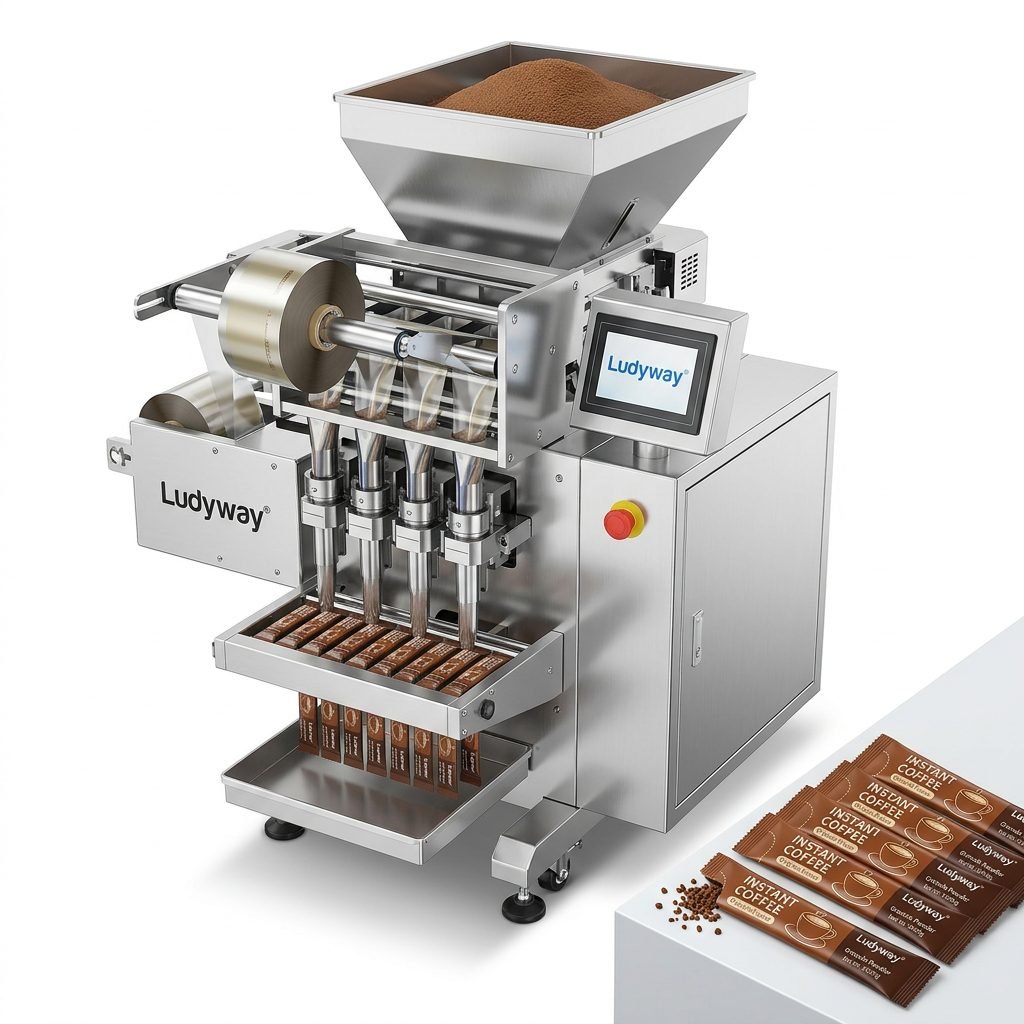
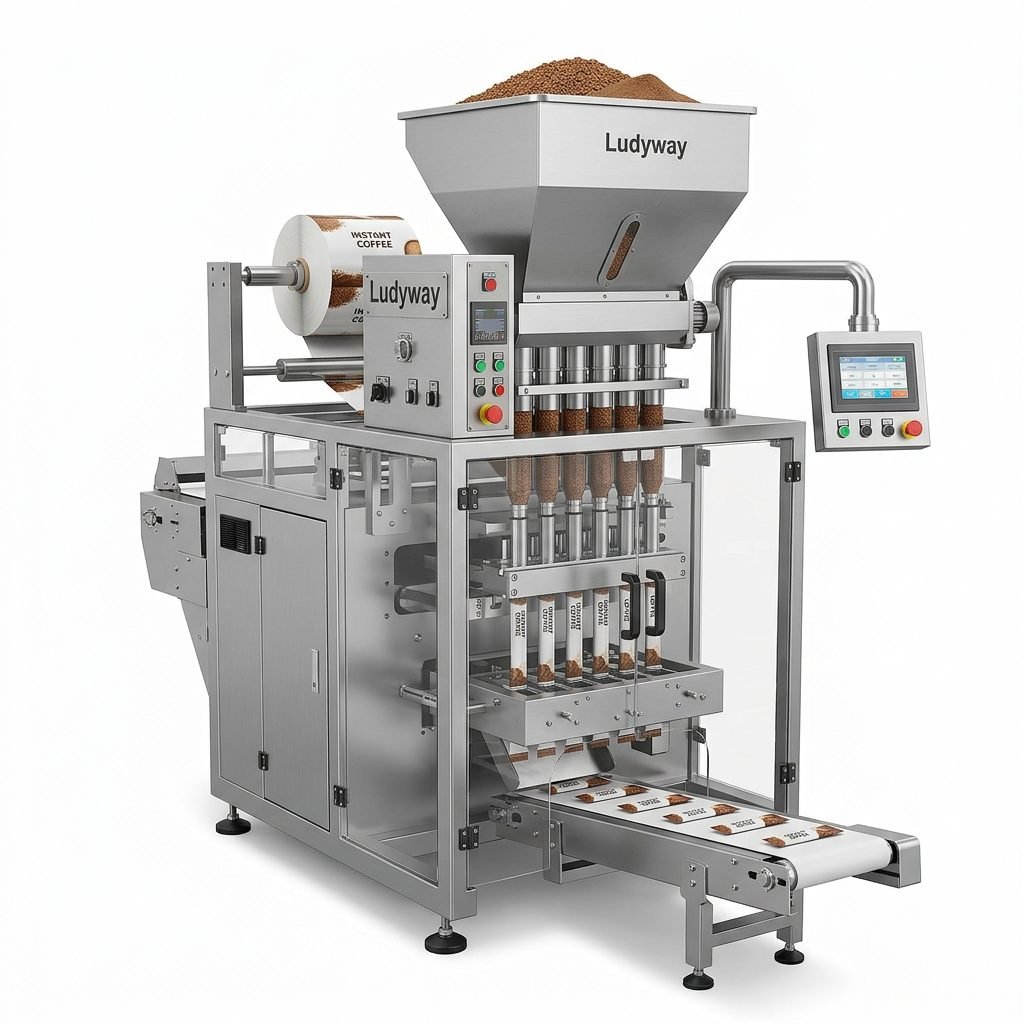
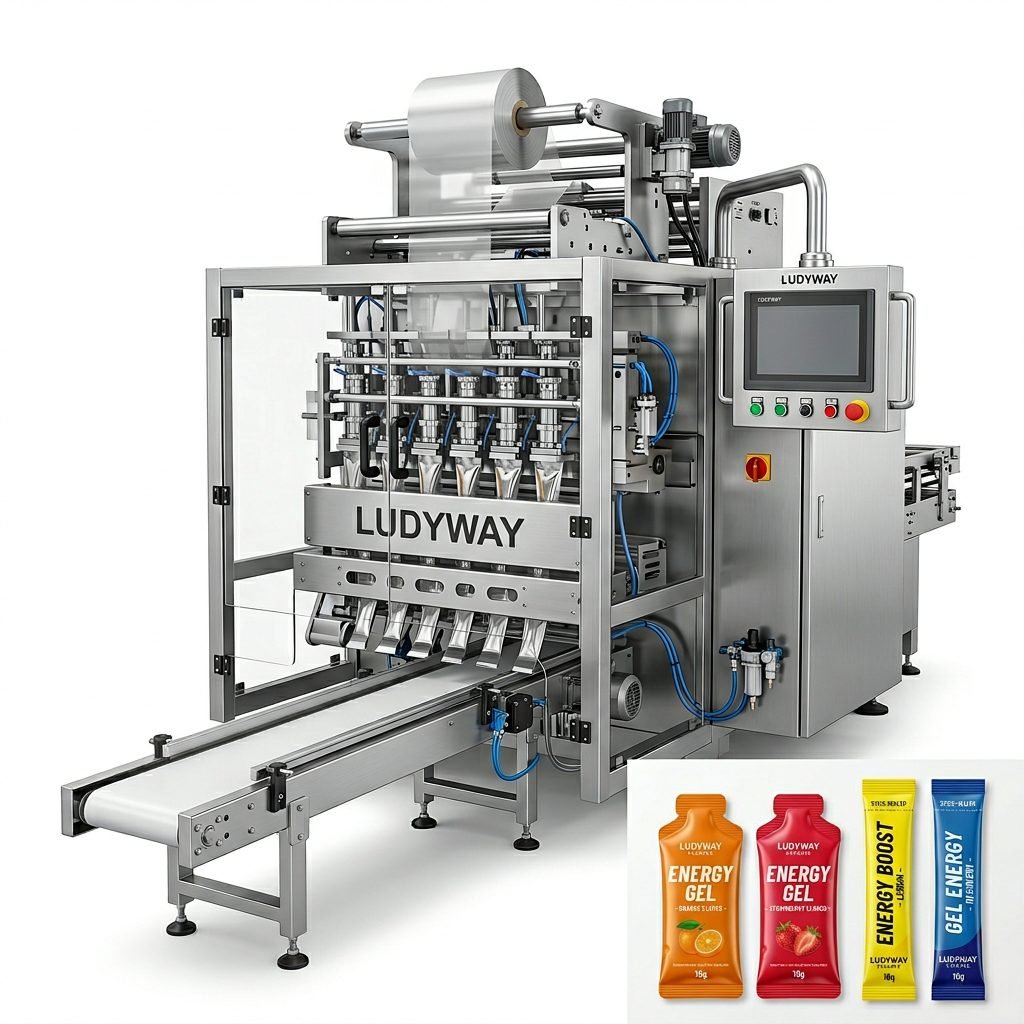
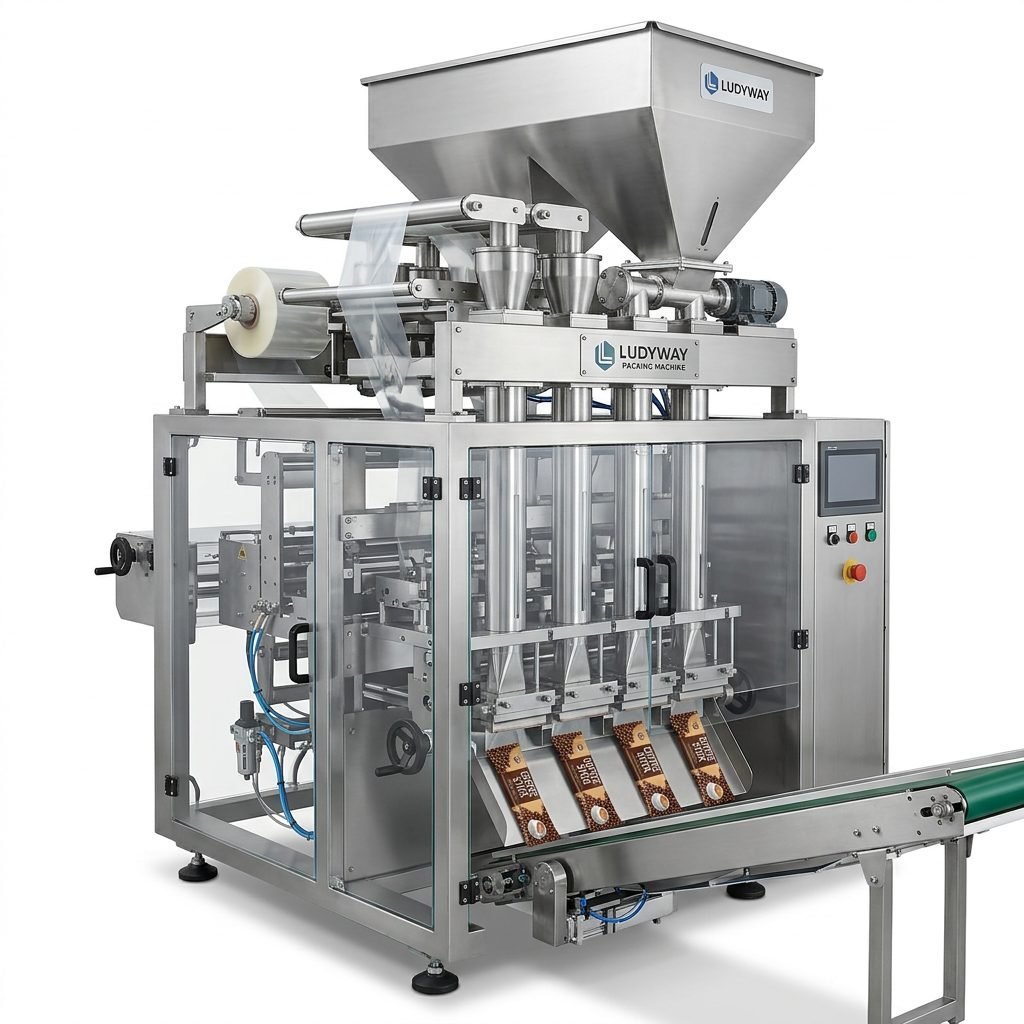
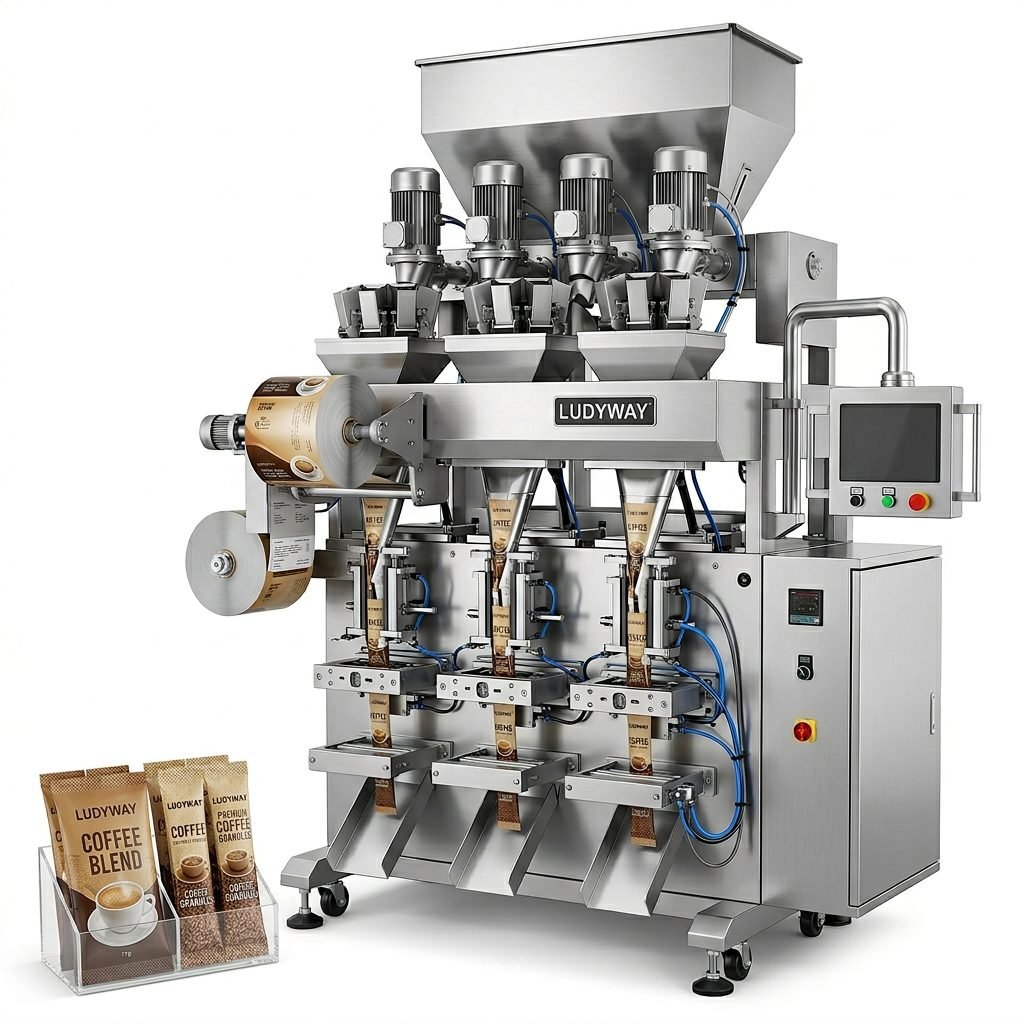
- Multi-lane stick pack and sachet machines — Used for ground coffee and instant coffee single-serve packets, popular in the German office coffee service (OCS) channel.
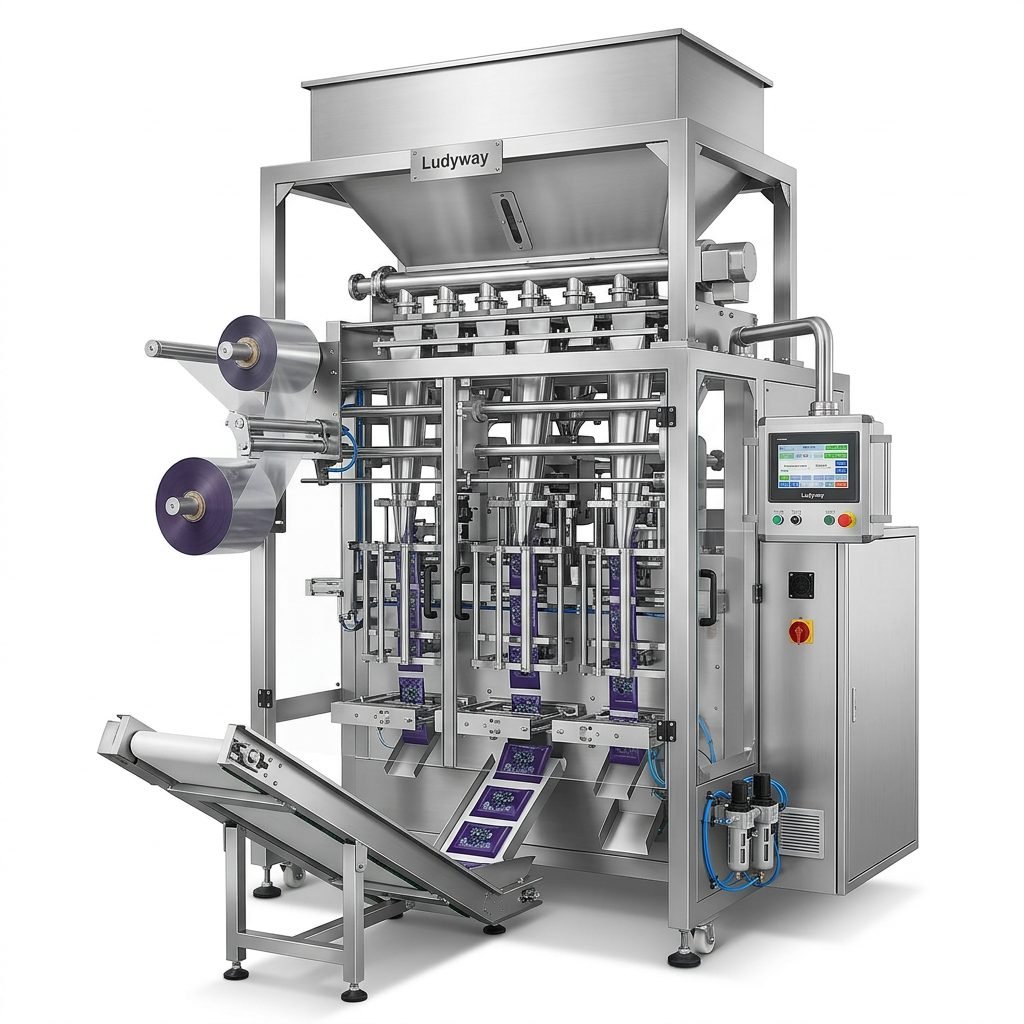
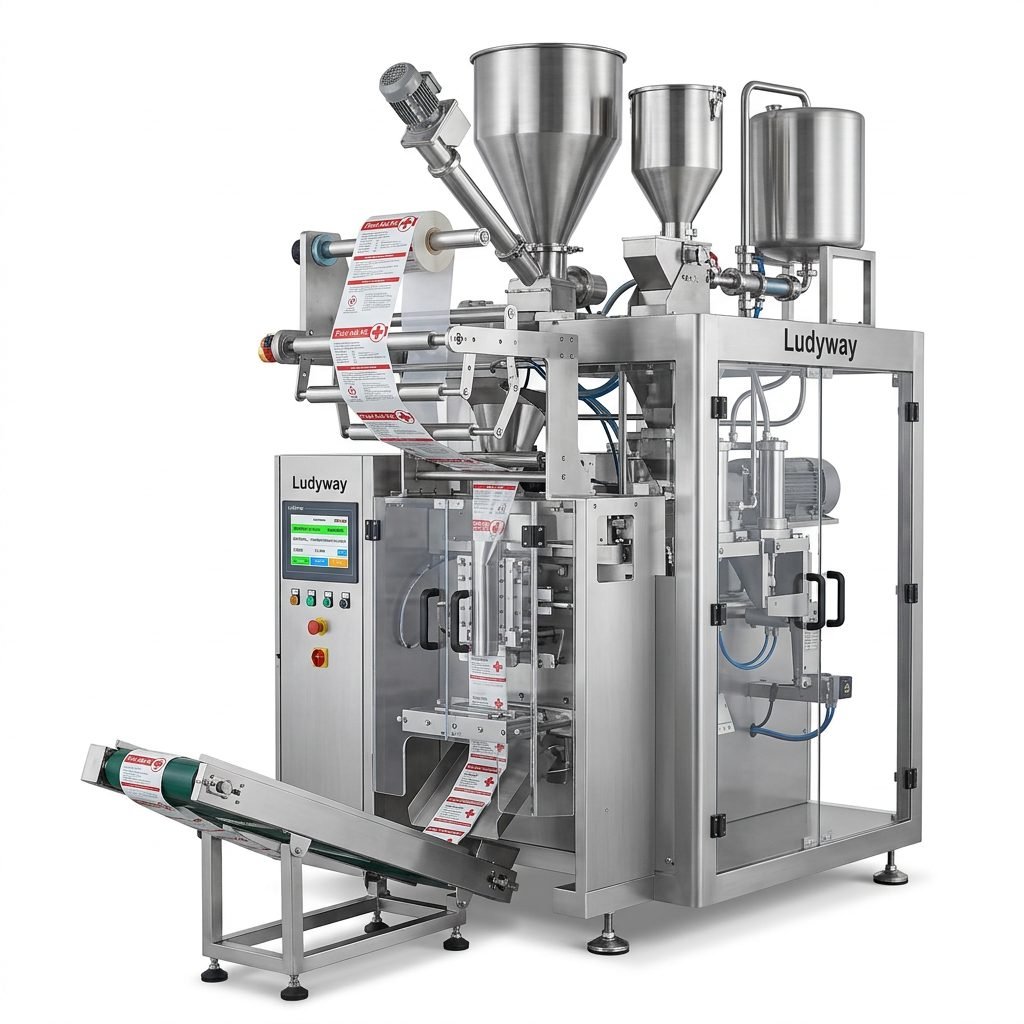
- Vertical form fill seal (VFFS) systems — Cost-effective solutions for filter coffee pads and larger-format single-serve pouches.
Key Technical Specifications to Evaluate
When purchasing a coffee pod packaging machine for the German market, the following parameters must be rigorously assessed to ensure compliance with EU regulations and retailer expectations:
- Oxygen residual levels — German retailers typically require O₂ levels below 1.5% inside sealed capsules; look for machines with integrated gas flushing and vacuum sealing capabilities.
- Fill weight accuracy — A tolerance of ±0.1 g per capsule is the industry benchmark; precision auger fillers or volumetric dosing systems should be ISO-certified.
- Seal integrity testing — In-line leak detection and burst-pressure testing stations help prevent costly recalls in the German retail environment.
- Material compatibility — The machine should handle aluminum, PP, PLA, and paper-based laminates to accommodate Germany’s growing sustainable packaging demands.
Production Speed vs. Flexibility
German co-packers often require machines that can switch between different capsule formats within 30–45 minutes. If you serve multiple private-label clients, prioritize quick-change tooling and recipe-driven automation over raw speed. A machine running at 400 ppm with 2-hour changeover times may be less profitable than a 250 ppm system with 30-minute format changes.
Compliance and Certification Requirements in Germany
All packaging machinery sold and operated in Germany must comply with EU Machinery Directive 2006/42/EC and carry CE marking. Additionally, coffee capsule machines intended for food contact must meet FDA and EU Food Contact Materials Regulation (EC) No 1935/2004. German buyers increasingly demand GS certification (Geprüfte Sicherheit) and IHK compliance documentation as part of the procurement package.
Sustainability and the German Packaging Act (VerpackG)
The German Packaging Act imposes strict recycling quotas and EPR obligations on packaging producers. Machines capable of processing mono-material and compostable films are increasingly preferred. Look for equipment that supports recyclable aluminum capsules and bio-based pod materials to align with Germany’s ambitious circular economy targets.
Cost Breakdown: What to Expect
The investment range for coffee pod packaging machinery varies significantly based on automation level, speed, and brand. Below is a comparative overview of typical price ranges in the German market:
| Machine Type | Speed Range | Estimated Price (EUR) | Best For |
|---|---|---|---|
| Semi-automatic capsule filler | 40–80 ppm | €25,000–€60,000 | Startups, niche roasters |
| In-line automatic system | 150–250 ppm | €120,000–€280,000 | Mid-sized private-label producers |
| High-speed rotary system | 350–600 ppm | €350,000–€800,000+ | Large co-packers, international brands |
| Multi-lane stick pack / sachet machine | 200–500 packs/min | €80,000–€200,000 | Instant coffee, single-serve ground coffee |
Note: Prices include standard CE certification and basic commissioning. Extended warranties, on-site training, and turnkey line integration typically add 15–25% to the total investment.
Essential Features for the German Market
German buyers place a premium on build quality, documentation, and after-sales support. The following features should be non-negotiable in your selection process:
- Stainless steel construction (AISI 304/316) — Mandatory for food-grade applications and easy CIP cleaning.
- Siemens or Beckhoff PLC control systems — German technicians prefer familiar industrial control platforms for maintenance and integration.
- Remote diagnostics and Industry 4.0 readiness — OPC-UA connectivity and IIoT-enabled monitoring are increasingly standard requirements.
- Multi-language HMI — The operator interface must support German, English, and ideally Polish or Turkish for the diverse German manufacturing workforce.
After-Sales Support and Spare Parts Availability
Downtime costs in German production environments can exceed €2,000 per hour. Ensure your supplier maintains a local spare parts inventory within the EU and offers guaranteed 24–48 hour technician response times. German buyers typically negotiate 5-year spare parts availability guarantees into their purchase contracts.
Leading Suppliers and Manufacturer Landscape
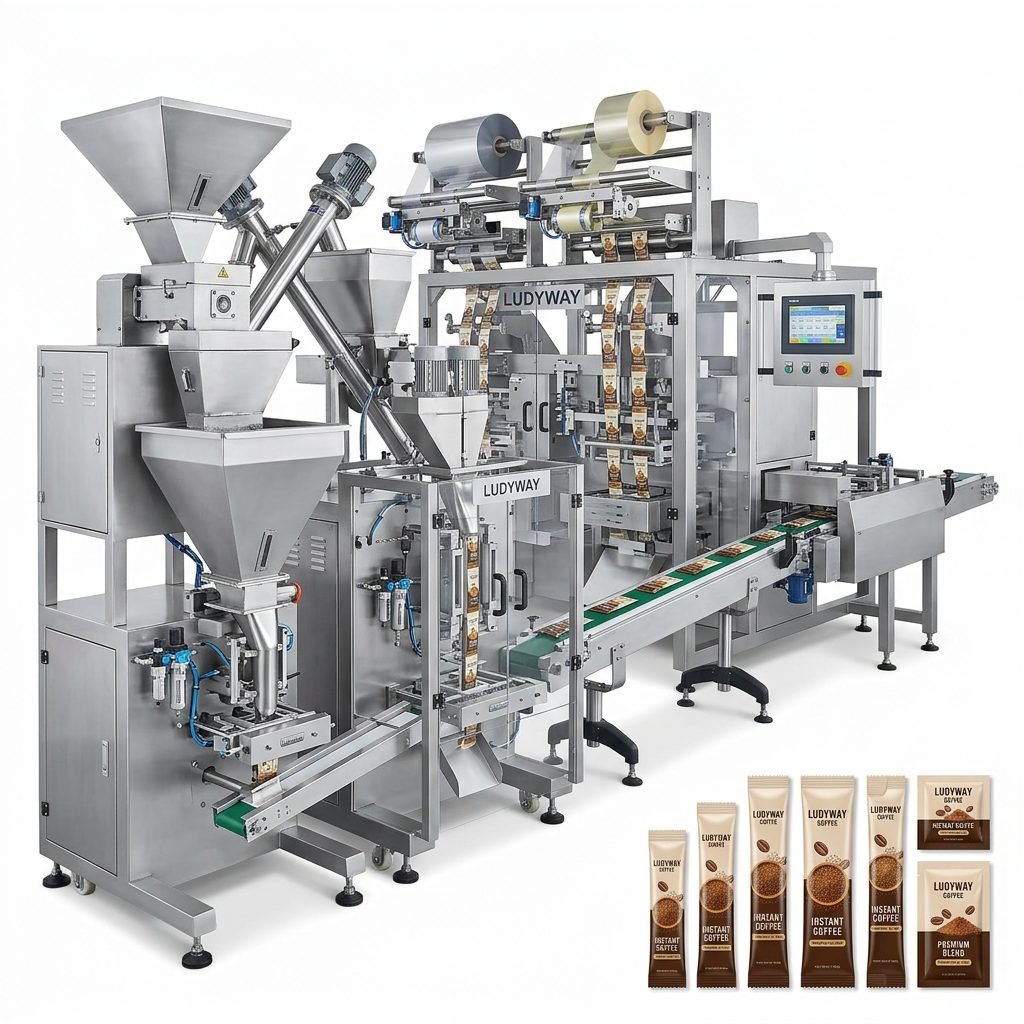
The global market for coffee capsule packaging machines includes established Italian, German, and Asian manufacturers. Italian companies have traditionally dominated the capsule machinery segment, but a growing number of German roasters are turning to Asian equipment manufacturers that offer comparable build quality at 30–50% lower acquisition costs. Ludyway, one of the largest packaging machine manufacturers in China with over 30 years of industry experience and a 20,000㎡ modern production facility, provides turnkey coffee packaging solutions that serve customers in over 100 countries — including the demanding German market.
Installation, Commissioning, and Training
Proper on-site installation and operator training are critical for achieving nameplate capacity. German facilities often require:
- FAT (Factory Acceptance Testing) at the manufacturer’s site before shipment
- SAT (Site Acceptance Testing) at your German production facility
- IQ/OQ/PQ documentation for pharmaceutical-grade or retail private-label capsule production
- Comprehensive operator training in German language, covering HMI navigation, format changeovers, and basic troubleshooting
Return on Investment (ROI) Calculation
A well-specified automatic coffee pod packaging machine typically achieves full ROI within 18–36 months in the German market. Key variables include:
- Labor cost reduction — Replacing 3–4 manual operators per shift at German wage rates saves approximately €120,000–€180,000 annually.
- Waste reduction — Precision filling reduces coffee waste by 2–5%, translating to significant savings given green coffee costs of €4–8/kg.
- Increased throughput — Automated lines typically double or triple output compared to semi-automatic systems.
Financing and Leasing Options
Many German banks and equipment financiers offer machine leasing with purchase options tailored to packaging machinery. Interest rates for well-capitalized borrowers currently range from 3.5% to 6.5% in the German market. Some manufacturers also offer deferred payment terms or revenue-share models for long-term partners.
Future Trends: What German Buyers Should Watch
The German coffee capsule industry is evolving rapidly. Key trends shaping equipment purchasing decisions include:
- Compostable capsule compatibility — Machines must handle bio-based materials without compromising seal integrity at high speeds.
- Serialization and track-and-trace — Increasingly required for premium private-label capsules sold through German pharmacy channels.
- Energy efficiency — German electricity prices are among the highest in Europe; machines with energy recovery systems and low compressed air consumption offer meaningful OPEX savings.
- Modular, scalable designs — German co-packers prefer machines that can be expanded from 2-lane to 6-lane or 8-lane configurations as volumes grow.
Recommended Resources and Industry Links
For further research, the following packaging industry resources provide valuable insights for German buyers:
- PMMI State of the Industry Reports — Annual packaging machinery market data and forecasts
- Flexible Packaging Association (FPA) — Resources on flexible packaging materials and sustainability
- PACK EXPO International — Leading trade show for packaging technology
- ISO Packaging Standards — International standards for packaging machinery and materials
- EU Packaging and Packaging Waste Regulation — Regulatory updates affecting German packaging producers
- Ludyway Packaging Machinery Global Growth Trend — Industry analysis and export growth projections
Final Checklist for German Buyers
Before signing a purchase agreement for a coffee pod packaging machine, ensure you have addressed the following:
- ✅ CE marking and EU Machinery Directive compliance verified
- ✅ GS certification obtained or in process
- ✅ Spare parts availability confirmed within EU borders
- ✅ German-language HMI and documentation delivered
- ✅ FAT and SAT protocols agreed in writing
- ✅ Warranty terms (minimum 24 months) and response times contractually guaranteed
- ✅ Material compatibility tested with your specific capsule and lid stock
Investing in the right coffee capsule packaging solution is one of the most consequential capital decisions for any German coffee business. Taking the time to thoroughly evaluate equipment against the criteria outlined in this guide will help ensure your production line delivers consistent quality, regulatory compliance, and profitable growth for years to come.