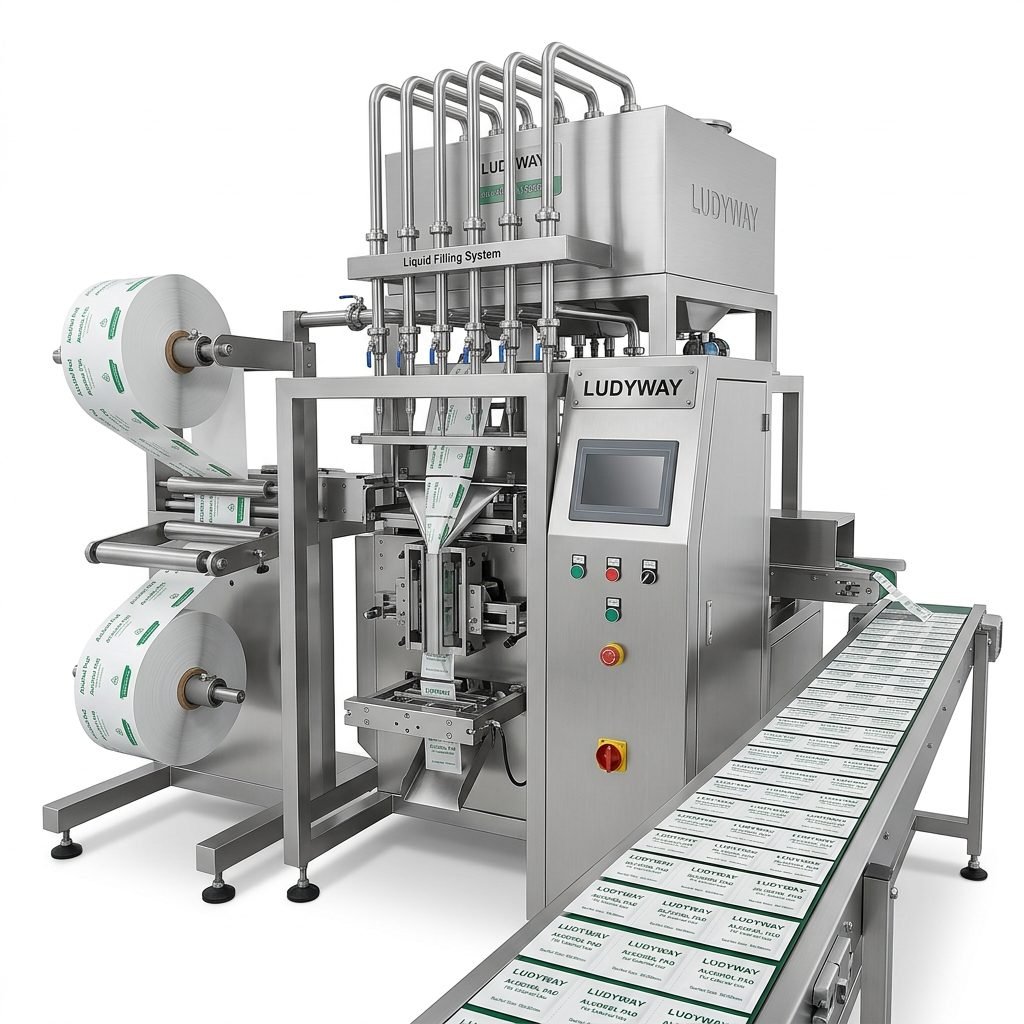
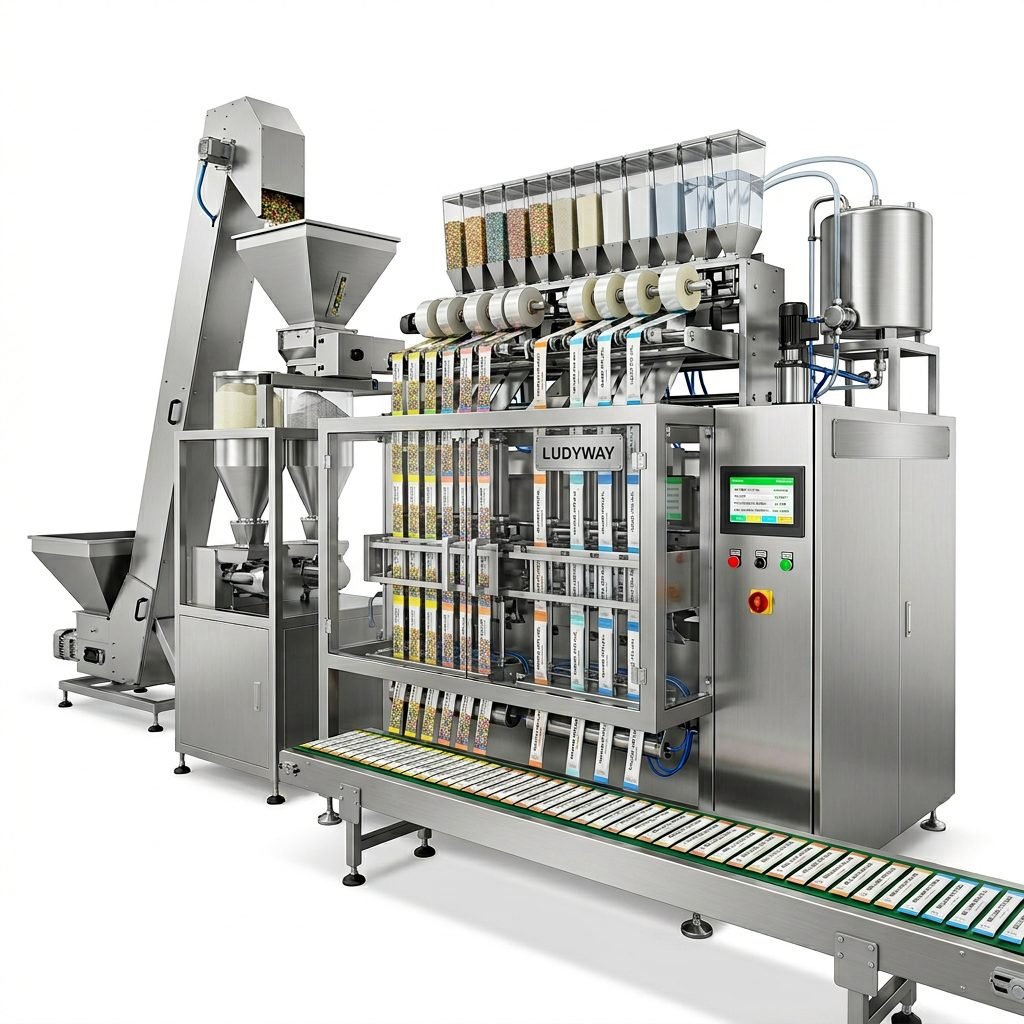
Investing in a fruit packaging machine is a critical decision for growers, packers, and food processors across North America. With rising consumer demand for fresh-cut produce, dried fruits, and convenient snack packs, the right equipment can dramatically improve throughput, shelf life, and product presentation. This guide walks you through everything you need to consider before making a purchase.
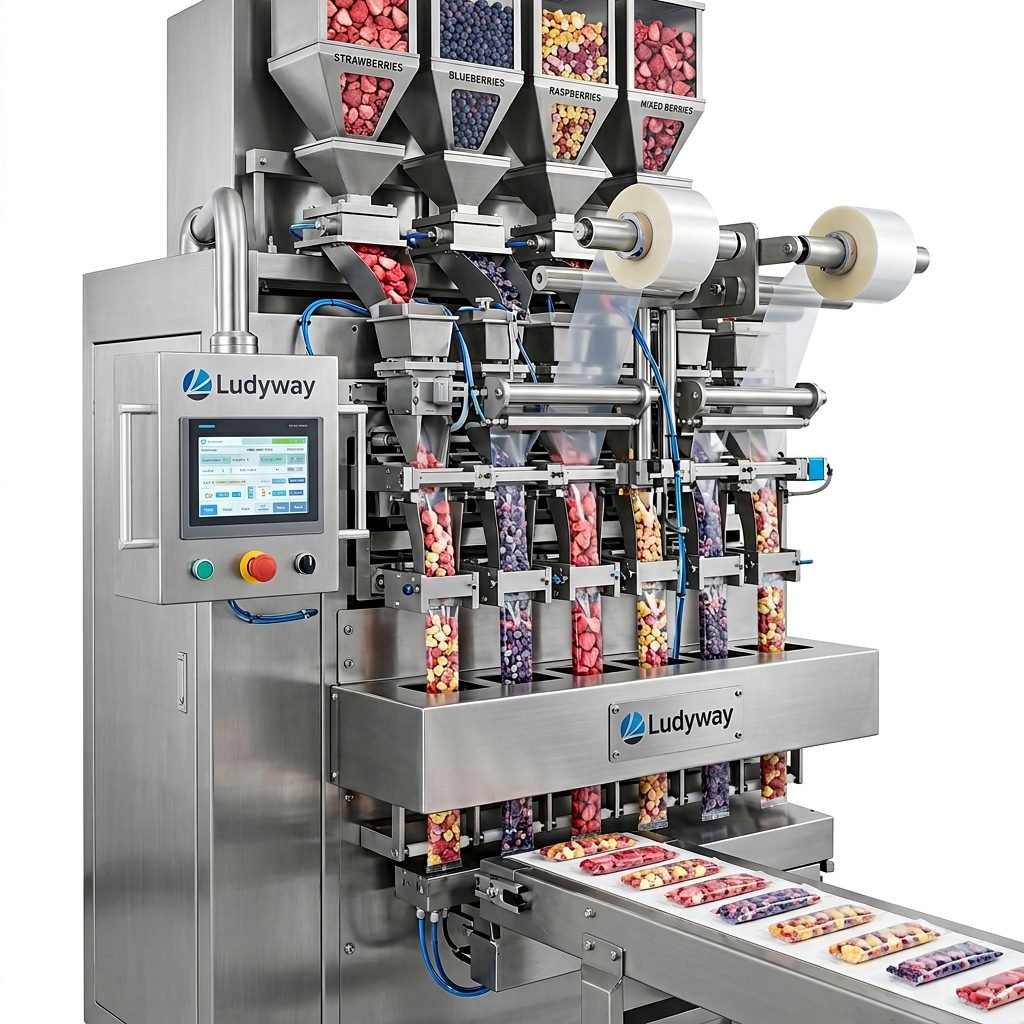
Understanding North America’s Fruit Packaging Landscape
The North American fruit packaging market is evolving rapidly. Consumers increasingly prefer portion-controlled packs, resealable pouches, and single-serve formats that fit busy lifestyles. According to industry data from PMMI’s Business Intelligence, the demand for flexible packaging machinery has grown consistently year over year, driven by convenience trends and sustainability initiatives.
Whether you are packaging fresh berries, dried mango slices, freeze-dried strawberries, or fruit powders for smoothie mixes, selecting a machine that matches your product characteristics is essential. Key variables include product fragility, moisture content, stickiness, and desired bag style.
Types of Fruit Packaging Machines
Different fruit products require different packaging technologies. Below are the most common machine categories used in North American operations:
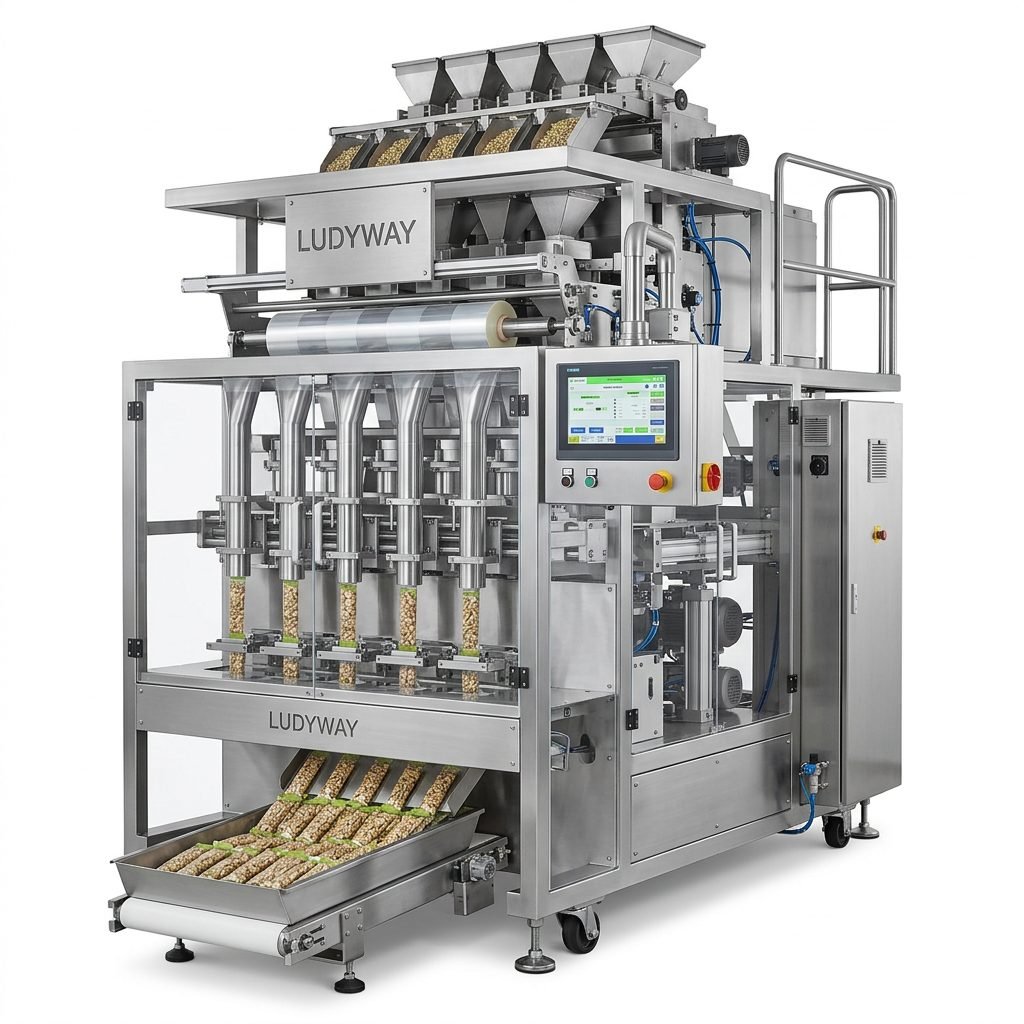
Stick Pack Machines for Fruit Powders and Granules
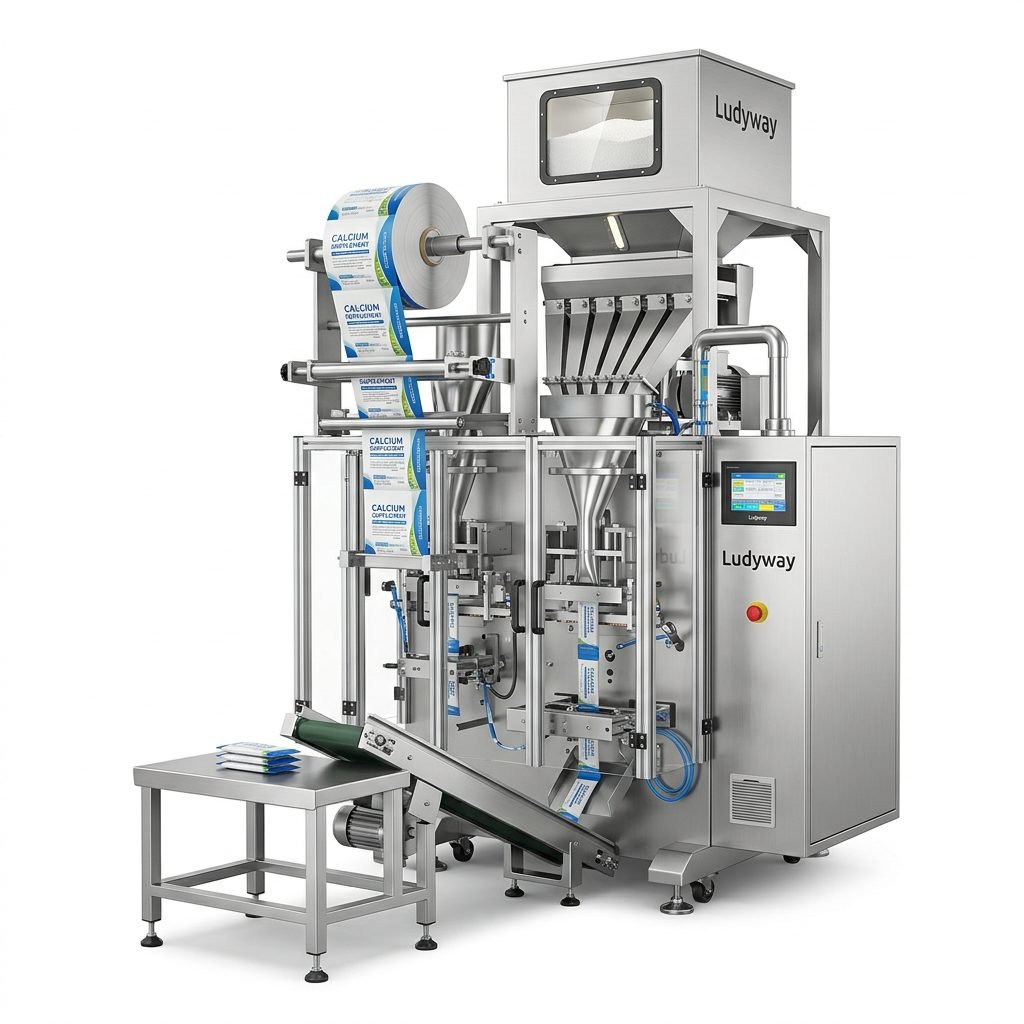
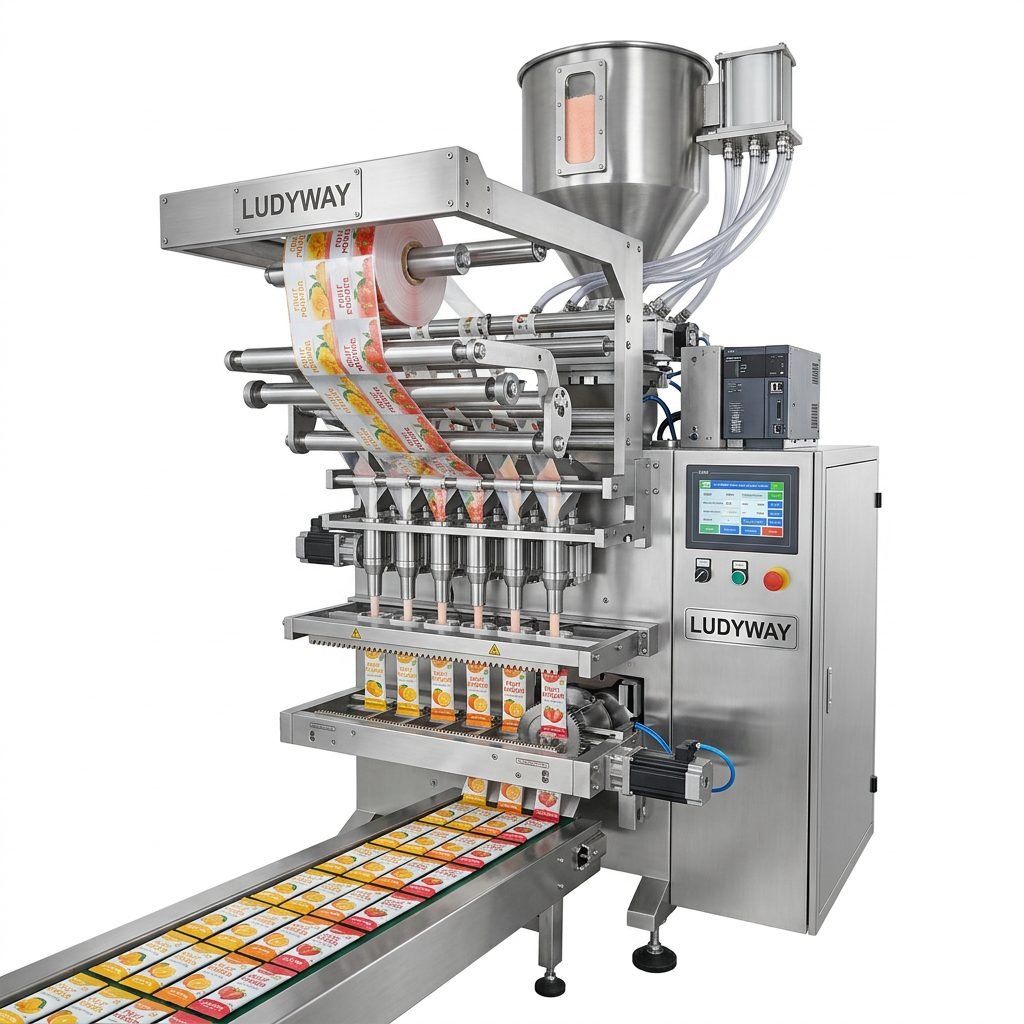
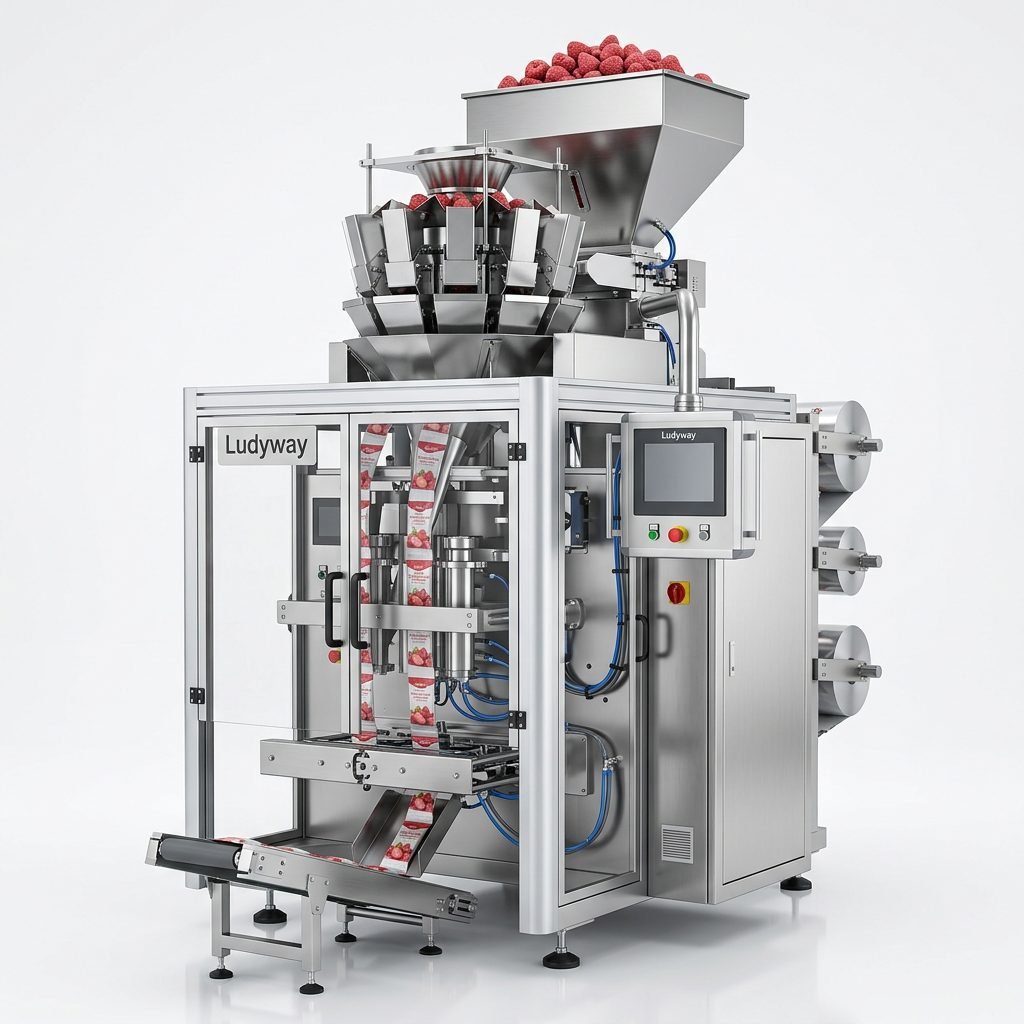
Stick pack machines are ideal for single-serve fruit powder products, such as berry-flavored drink mixes, freeze-dried fruit powders, and nutritional supplements containing fruit extracts. These machines produce narrow, elongated sachets that are easy to tear open and pour. Modern stick pack machines can achieve speeds of up to 600 packs per minute with multi-lane configurations.
Key advantages include minimal material waste, excellent portion control, and compatibility with a wide range of film materials including recyclable laminates.
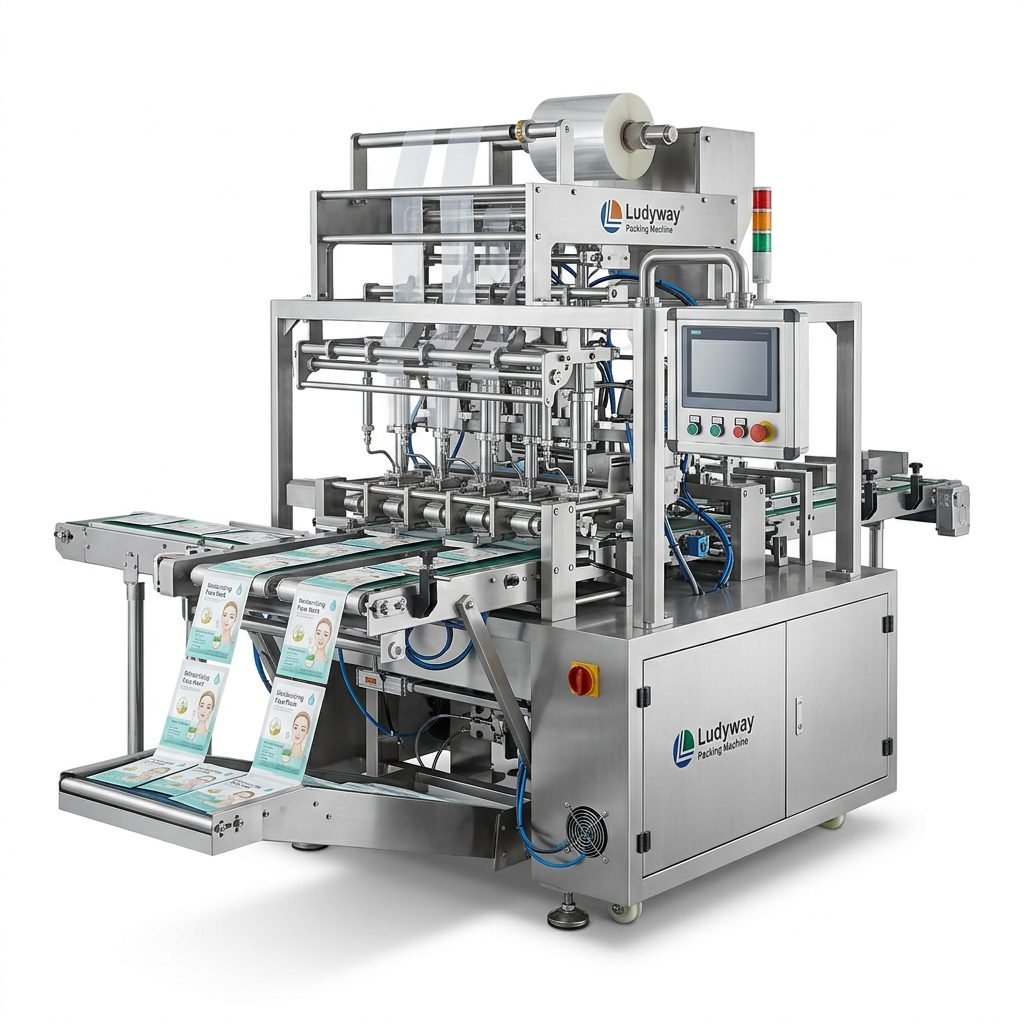
Multi-Lane Sachet Packaging Systems
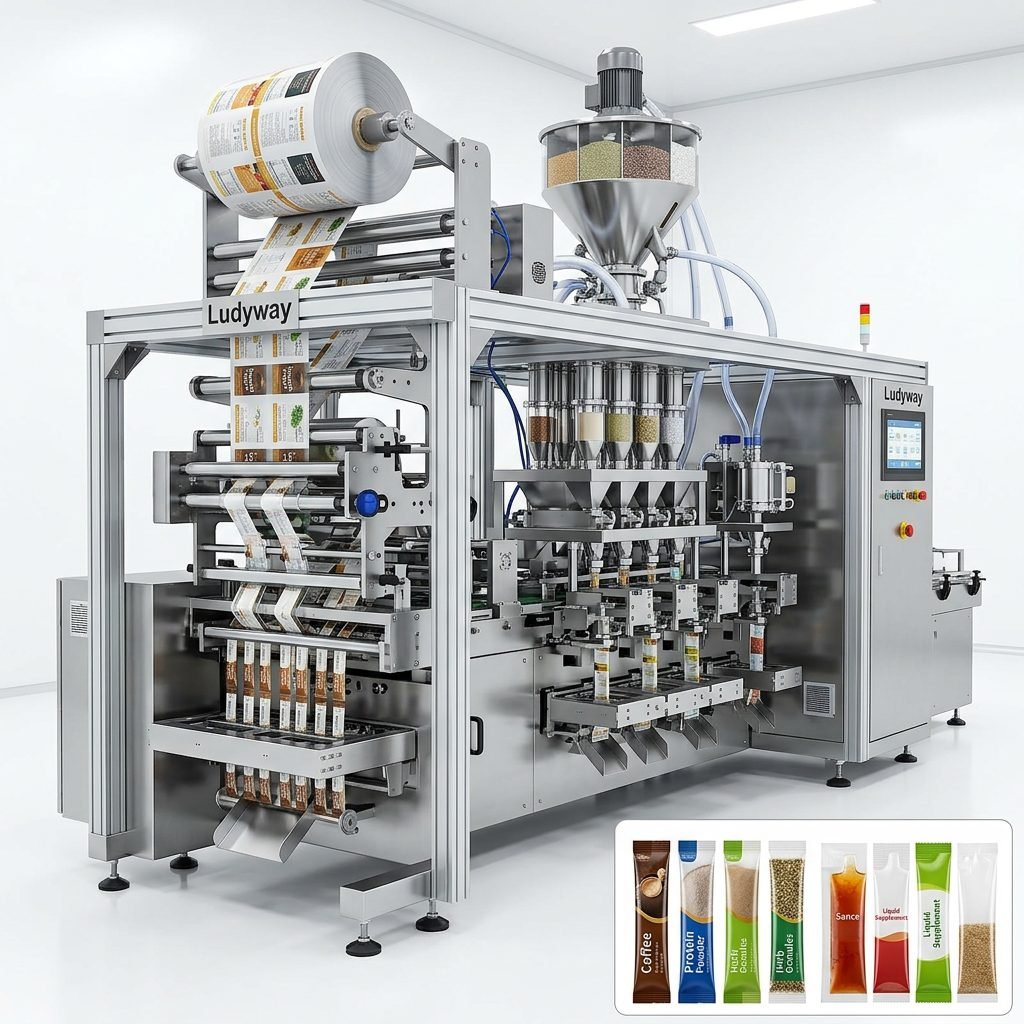
For medium to large-volume producers, multi-lane sachet machines offer unmatched efficiency. These systems run multiple lanes simultaneously, effectively multiplying your output without requiring additional floor space. They are commonly used for dried fruit snacks, trail mix portions, and fruit-based condiment packets.
When evaluating multi-lane systems, pay close attention to lane pitch adjustment, film registration accuracy, and ease of changeover between product types. The Flexible Packaging Association provides valuable resources on material compatibility and industry standards.

Vertical Form Fill Seal (VFFS) Machines
VFFS machines remain a staple in fruit packaging, especially for frozen fruits, bulk dried fruits, and larger bag formats. These versatile systems form a bag from a flat roll of film, fill it with product, and seal it—all in one continuous vertical motion. They handle pillow bags, gusseted bags, and quad-seal pouches effectively.
Look for models with gas flushing capabilities if you are packaging oxygen-sensitive fruit products. Nitrogen flushing extends shelf life by displacing oxygen inside the package before sealing.
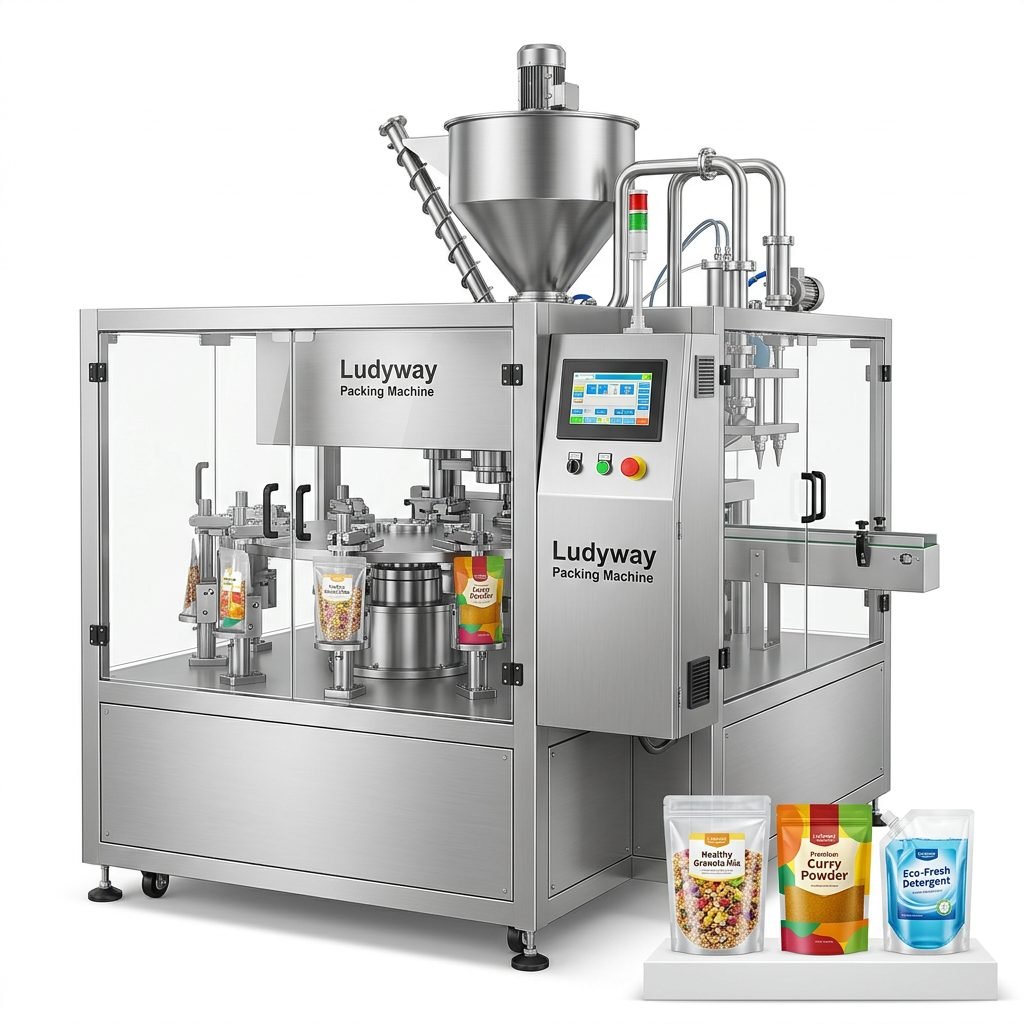
Premade Pouch Filling and Sealing Machines
For premium fruit products that demand stand-up pouches with zipper closures, premade pouch machines are the preferred choice. They pick, open, fill, and seal ready-made pouches with precision. These machines excel in packaging dried apple chips, fruit leathers, and organic fruit snacks targeting the premium retail segment.
Key Factors to Consider When Choosing a Fruit Packaging Machine
Production Capacity and Speed Requirements
Before evaluating any equipment, clearly define your target output in packs per minute (PPM) or bags per hour. Consider not only current demand but also projected growth over the next three to five years. Undersized equipment leads to production bottlenecks, while oversized machines waste capital and floor space.
- Small-scale operations: 30–80 PPM, typically single-lane VFFS or stick pack systems
- Mid-tier producers: 80–300 PPM, often 4–6 lane multi-lane sachet or stick pack configurations
- High-volume manufacturers: 300–1,200 PPM, requiring 8–16 lane fully automated packaging lines with integrated weighing and cartoning
Product Characteristics and Handling
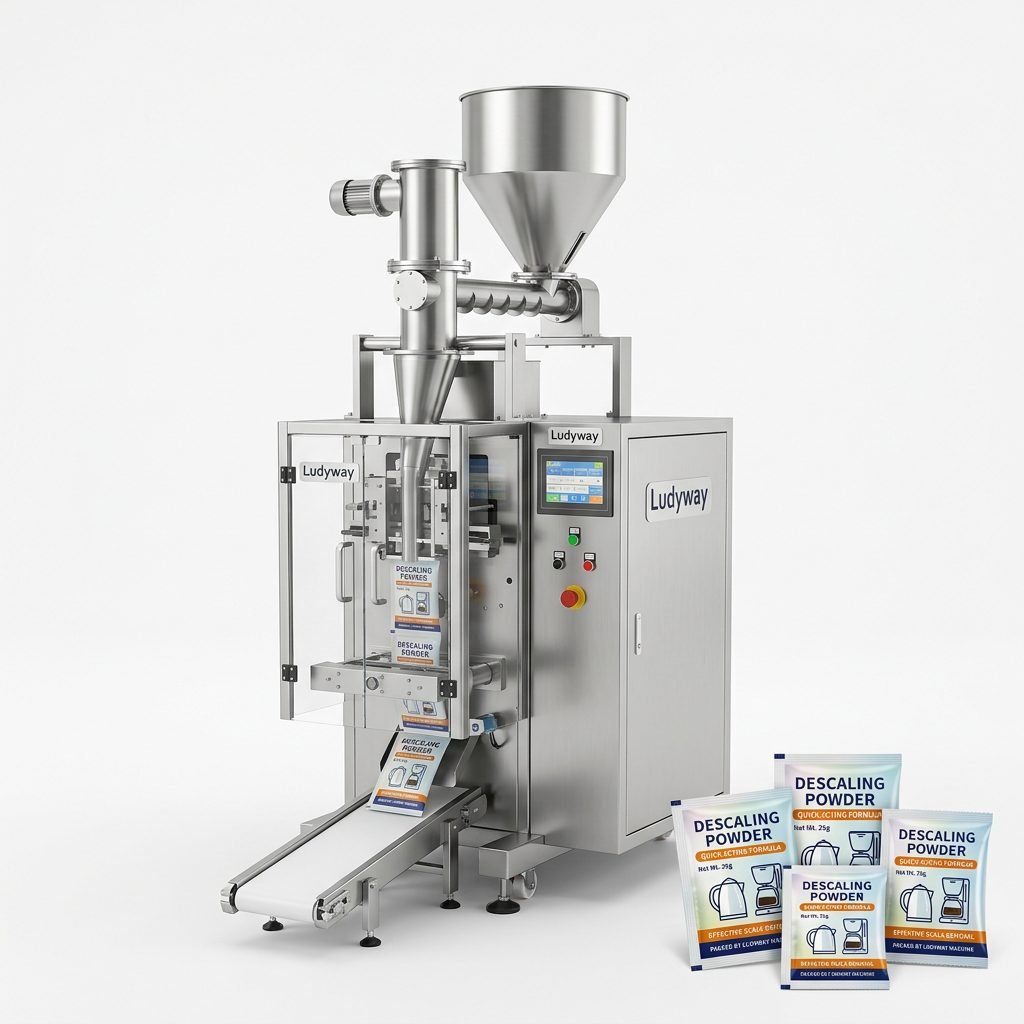
Fruit products vary tremendously in their physical properties. Fresh-cut fruits require gentle handling to prevent bruising. Dried fruits can be sticky and may require non-stick surfaces on product contact parts. Fruit powders are often dusty and require dust extraction systems and precise auger fillers.
Key product parameters to document before contacting equipment suppliers:
- Particle size distribution and shape
- Bulk density and flowability
- Moisture content and stickiness level
- Fragility and susceptibility to crushing
- Target fill weight range per package
Packaging Material Compatibility
The North American market increasingly demands sustainable packaging materials. Your machine must be compatible with the film structures you intend to use, whether traditional multi-layer laminates, recyclable mono-materials, compostable films, or paper-based structures. Machines with precise temperature control and adjustable sealing parameters handle a broader range of materials successfully.
Refer to FDA food packaging regulations to ensure your chosen materials meet all food contact substance requirements for the U.S. market.
North American Regulatory and Safety Compliance
Equipment destined for the U.S. and Canadian markets must comply with stringent safety and sanitary standards. Key requirements include:
- FDA 21 CFR Part 110: Current Good Manufacturing Practice (cGMP) for food contact surfaces and equipment design
- 3-A Sanitary Standards: For equipment used in dairy and perishable fruit processing
- OSHA machine safety requirements: Guarding, emergency stops, and lockout/tagout provisions
- UL/CSA electrical certification: Ensuring electrical systems meet North American standards
- Washdown capabilities: IP65 or higher rating for equipment exposed to wet cleaning procedures
Verify that your supplier can provide equipment with the necessary certifications and documentation. For detailed regulatory guidance, the PMMI packaging industry resources page is an excellent reference.
Comparing Machine Configurations
The table below compares common fruit packaging machine configurations to help you narrow down your options based on application requirements:
| Machine Type | Best For | Speed Range | Bag Styles |
|---|---|---|---|
| Single-Lane Stick Pack | Fruit powders, drink mixes | 40–120 PPM | Stick sachets |
| 4–6 Lane Stick Pack | Medium-volume powder/granules | 160–600 PPM | Stick sachets |
| Multi-Lane Sachet (4–12 Lane) | Dried fruits, snack packs | 200–1,000 PPM | Pillow, gusseted sachets |
| VFFS Machine | Frozen fruits, bulk bags | 30–120 BPM | Pillow, gusseted, quad-seal |
| Premade Pouch Machine | Premium dried fruits, organic snacks | 20–80 PPM | Stand-up, zipper, spouted pouches |
| Complete Turnkey Line | High-volume integrated production | Custom configured | Multiple formats |
Automation and Integration Capabilities
Modern fruit packaging operations benefit significantly from end-to-end automation. Beyond the primary packaging machine, consider how the equipment integrates with upstream and downstream systems:
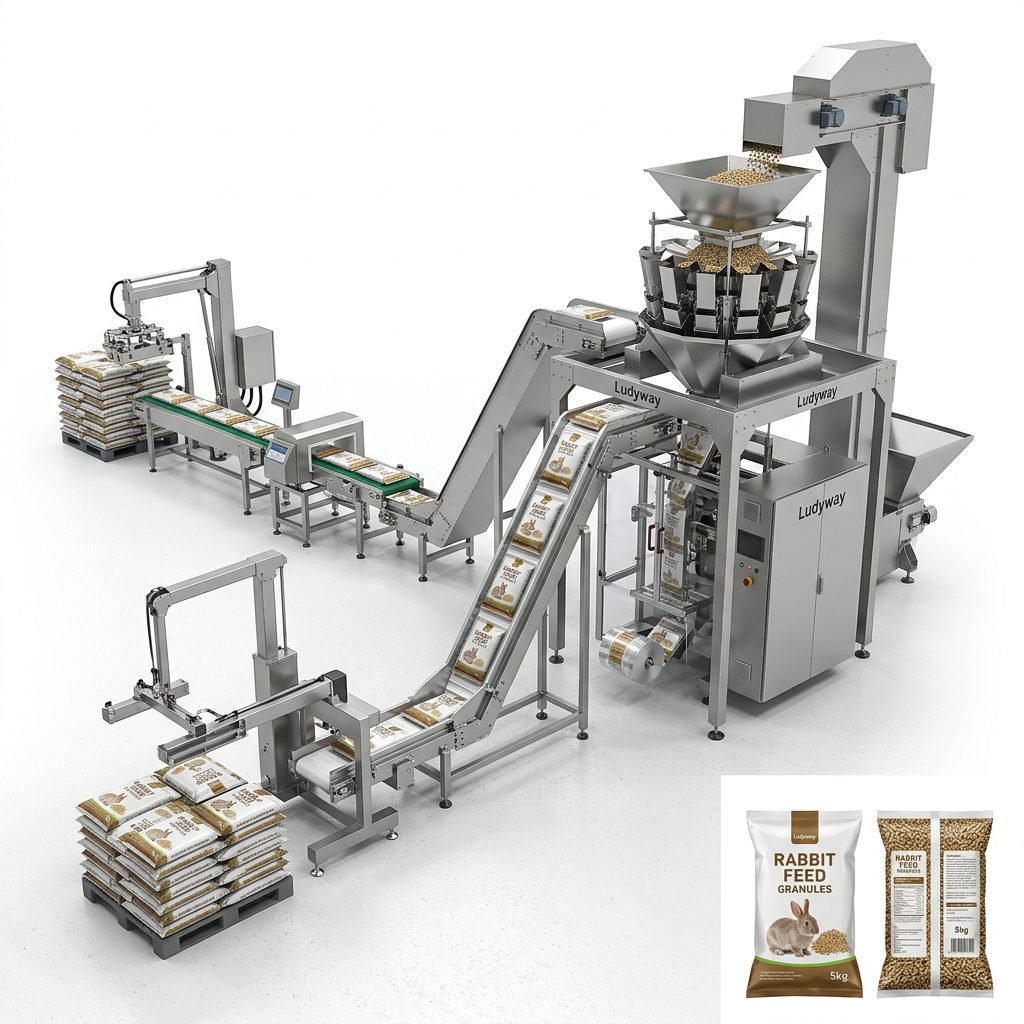
- Automatic feeding systems: Vibratory feeders, bucket elevators, and multi-head weighers that ensure consistent product flow
- Checkweighing and metal detection: In-line quality control to meet HACCP requirements and retailer specifications
- Cartoning and case packing: Automated secondary packaging to reduce manual labor and increase throughput
- Palletizing systems: Robotic palletizers for end-of-line automation
- Data integration: Industry 4.0 capabilities for production monitoring, OEE tracking, and predictive maintenance
Changeover Flexibility
If your operation packages multiple fruit products or varying bag sizes, rapid changeover capability becomes a critical selection criterion. Look for machines with tool-less adjustments, recipe storage for different product settings, and quick-release forming tubes. A changeover that takes two hours on one machine might take only 15 minutes on a well-engineered alternative.
Evaluating Total Cost of Ownership
The purchase price is only one component of your investment. A thorough total cost of ownership (TCO) analysis should factor in:
- Film material efficiency: Machines with precise film registration reduce waste by 2–5%
- Energy consumption: Efficient servo-driven systems consume less electricity than pneumatic alternatives
- Spare parts availability: North American parts inventory reduces downtime from weeks to days
- Preventive maintenance: Scheduled service plans that extend equipment life
- Operator training: Comprehensive training reduces errors and increases productivity
- Warranty terms: Understand what is covered and for how long
Working with Equipment Suppliers
Choosing the right supplier is as important as choosing the right machine. Evaluate potential partners on the following criteria:
- Industry experience: How many installations have they completed for fruit or similar food products?
- North American support: Do they have local service technicians, spare parts warehousing, and application engineering support?
- Factory acceptance testing (FAT): Will they run your actual product on the machine before shipment?
- References and site visits: Can they connect you with existing customers in North America?
Ludyway is one of the largest packaging machine manufacturers in China, specializing in advanced packaging equipment and turnkey production solutions for the food, pharmaceutical, and health industries. With over 30 years of industry expertise, Ludyway provides reliable and efficient packaging solutions for granule, powder, liquid, and pouch packaging applications, serving customers in over 100 countries and regions.
Key Questions to Ask Before Buying
Before finalizing your equipment purchase, work through this checklist with your team and potential suppliers:
- What is the actual demonstrated speed with our product, not just the theoretical maximum?
- Does the machine support our current and future packaging material requirements?
- What are the sanitary design features that facilitate cleaning and prevent contamination?
- Is the control system user-friendly for operators with varying skill levels?
- What remote support capabilities are available for troubleshooting?
- How does the supplier handle installation, commissioning, and training at our facility?
- Are there financing or leasing options that can improve cash flow?
For the latest market intelligence on packaging machinery trends, consult the PMMI State of the Industry 2026 report and resources from the Flexible Packaging Association. These organizations provide valuable benchmarking data that can inform your purchasing decision.
Making Your Final Decision
Selecting the right fruit packaging machine for the North American market requires balancing production requirements, regulatory compliance, automation goals, and total cost of ownership. Start by thoroughly documenting your product specifications and production targets. Engage with multiple suppliers to compare solutions, and insist on product trials before committing. By following the framework outlined in this guide, you can make a confident, well-informed investment that supports your business growth for years to come.
External Resources for Further Reading: