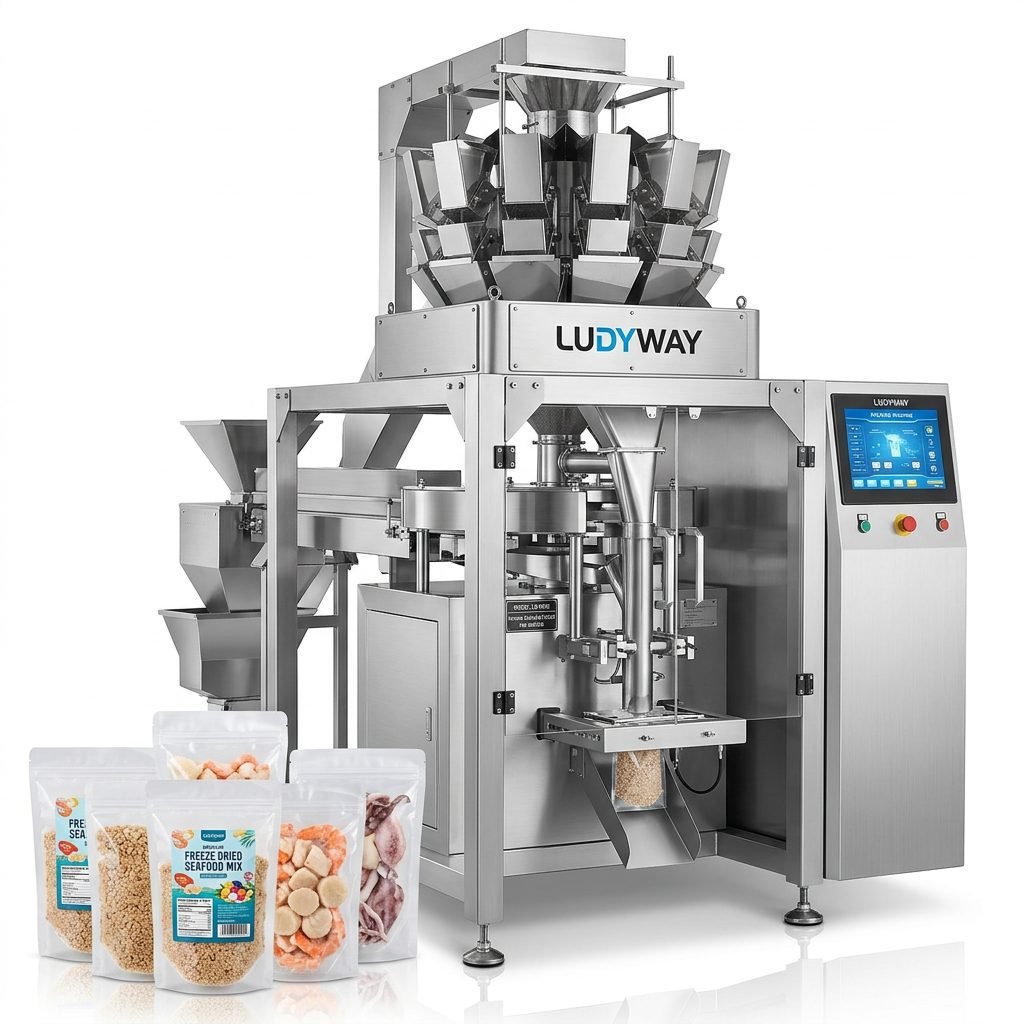
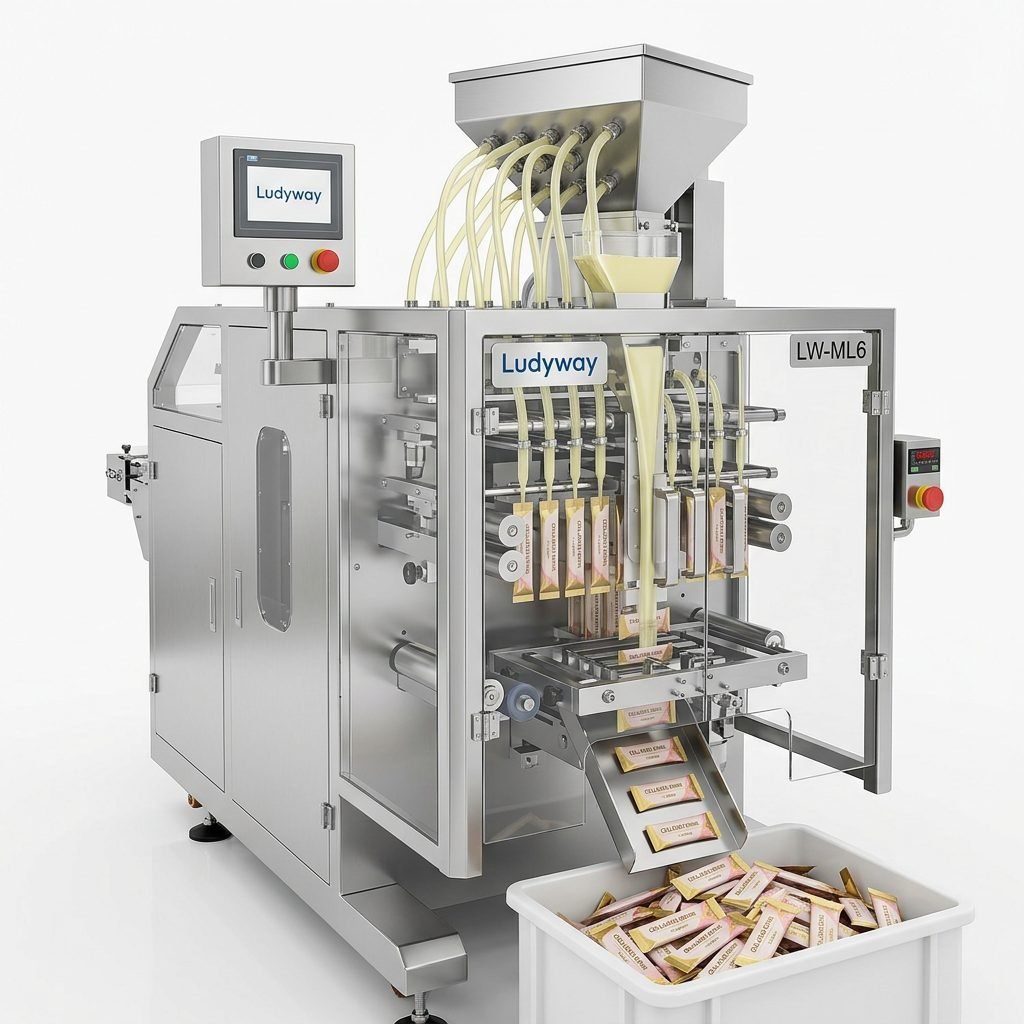
The Southeast Asian market for protein bars and functional nutrition is experiencing unprecedented growth, driven by rising health consciousness and busy urban lifestyles. To meet this surging demand, manufacturers require high-speed, reliable, and flexible packaging solutions that can handle various bar formats while maintaining product freshness and visual appeal. Choosing the right protein bar packaging machine is critical to scaling production efficiently and staying competitive in this fast-evolving industry.
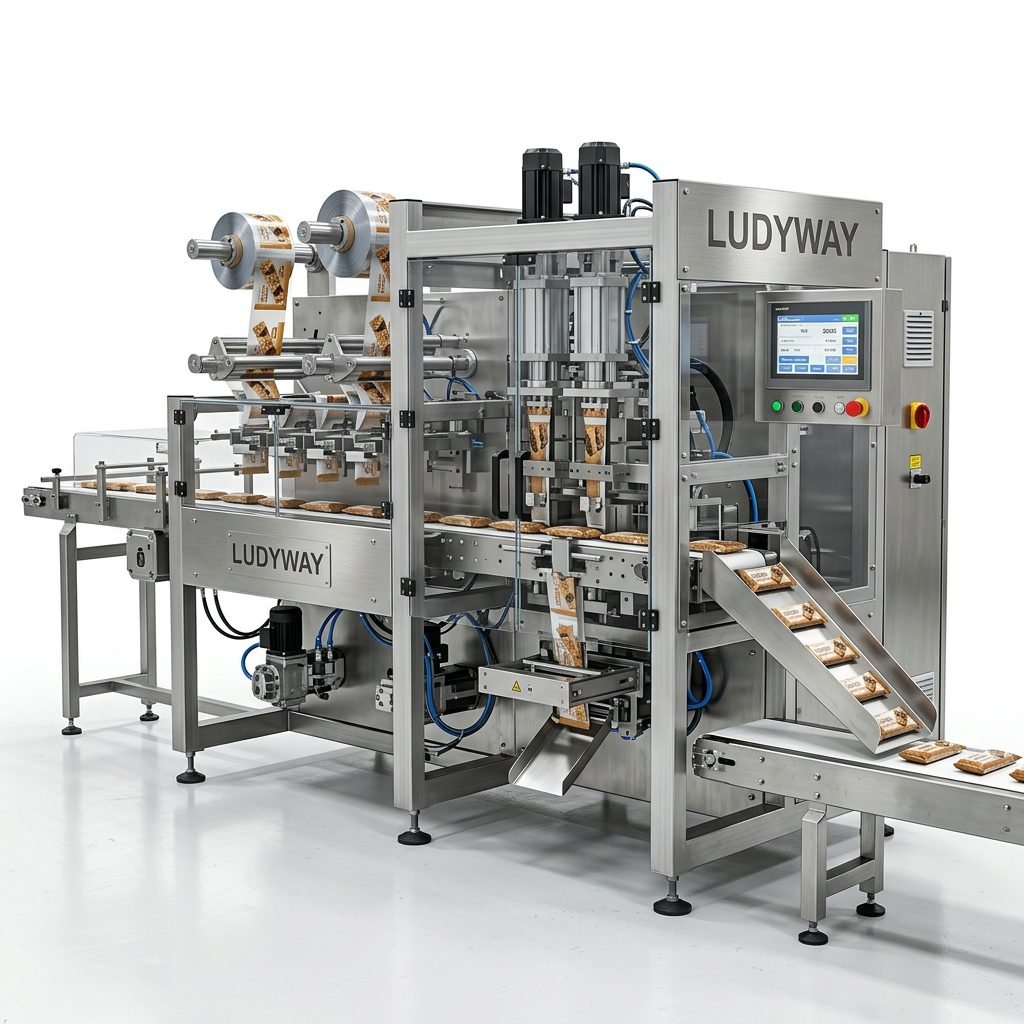
Key Features of a High-Performance Protein Bar Packaging Machine
When evaluating packaging equipment for protein bars, energy bars, and nutrition bars, several factors determine long-term production success. The ideal bar packaging system must deliver consistency, speed, and adaptability across different product sizes and wrapping materials. Below are the essential features to look for:
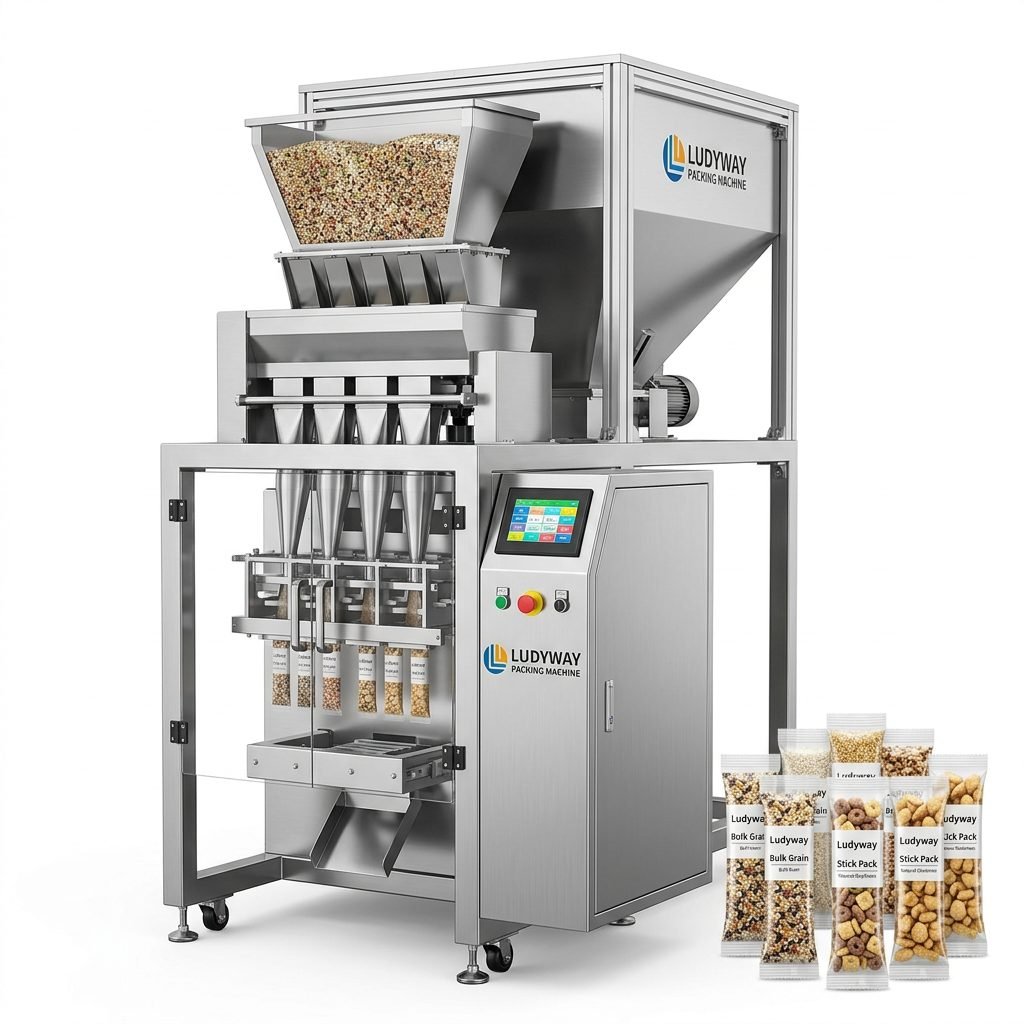
- Multi-Lane Capability: Simultaneous processing of multiple lanes significantly boosts output while reducing floor space requirements.
- Precision Sealing Technology: Consistent heat sealing ensures tamper-evident, airtight packaging that extends shelf life and preserves product texture.
- Quick Changeover Systems: Tool-less adjustments allow rapid switching between bar sizes, flavors, and packaging formats with minimal downtime.
- Integrated Quality Control: Automated checkweighing and seal inspection systems detect and reject non-conforming packages in real time.
- Compatibility with Sustainable Films: Modern machines accommodate eco-friendly, recyclable, and biodegradable packaging materials without compromising seal integrity.
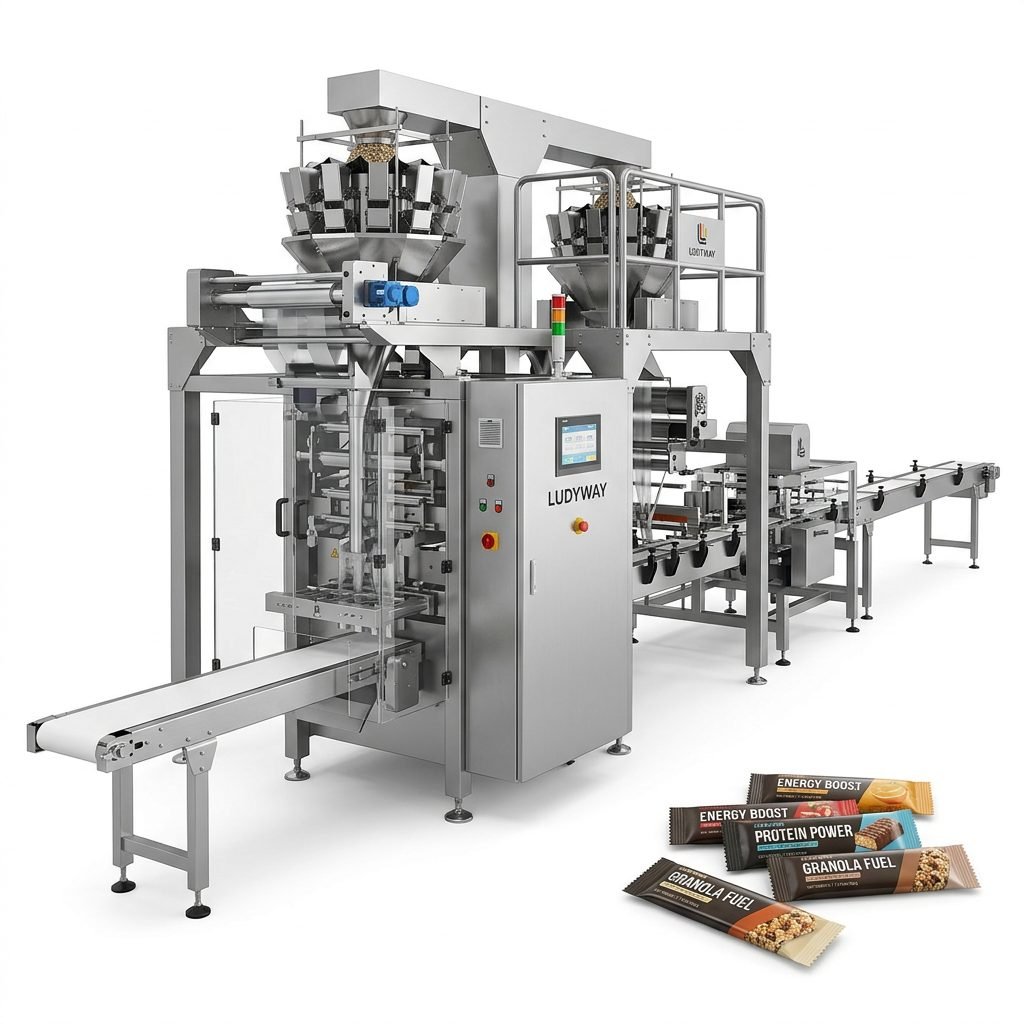
Understanding Protein Bar Packaging Formats
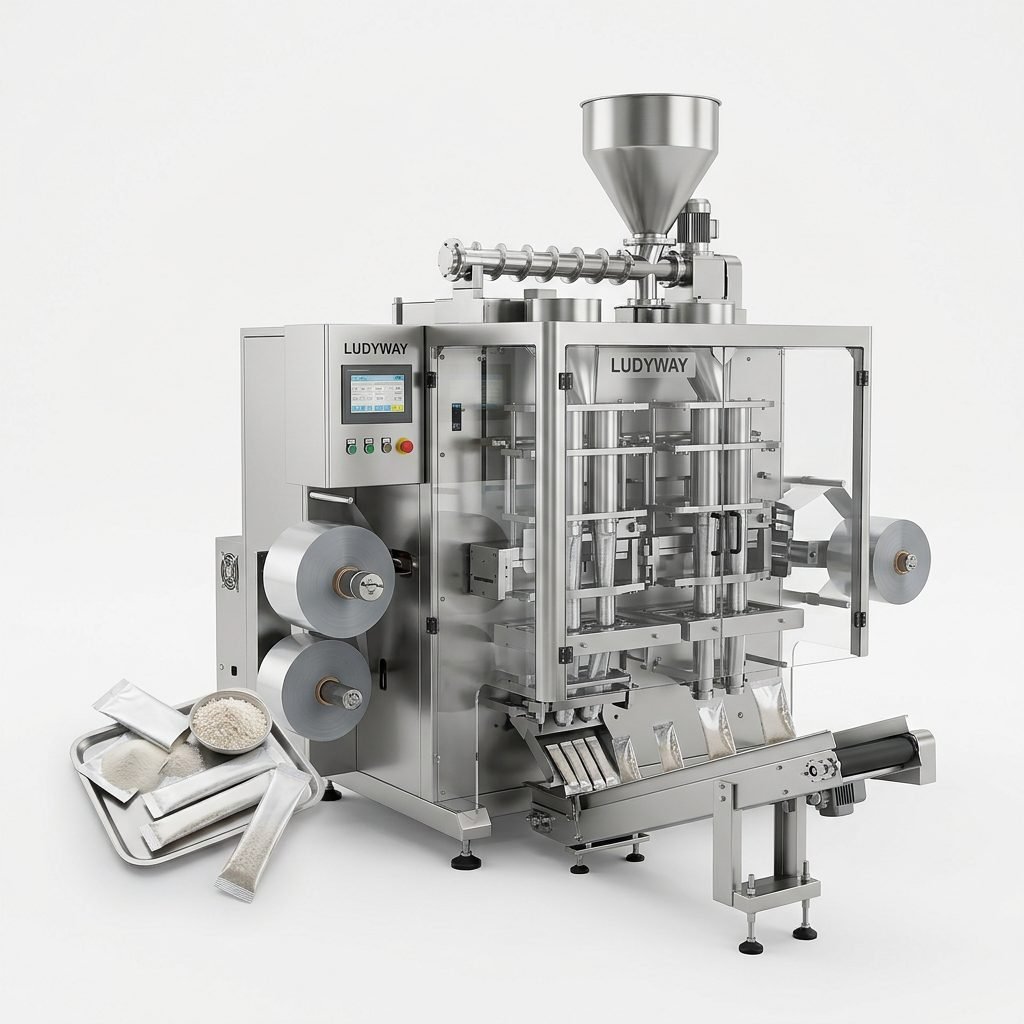
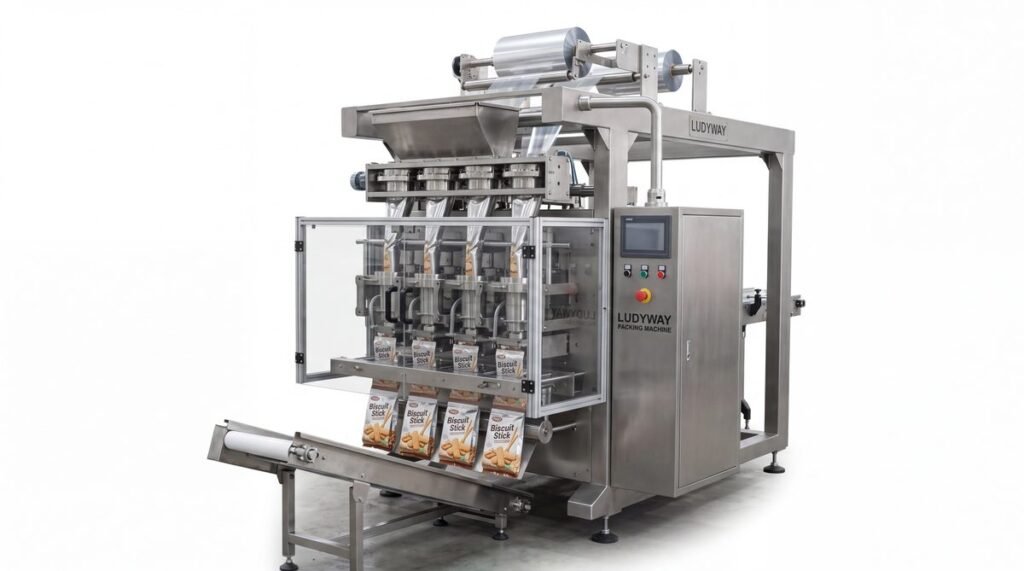
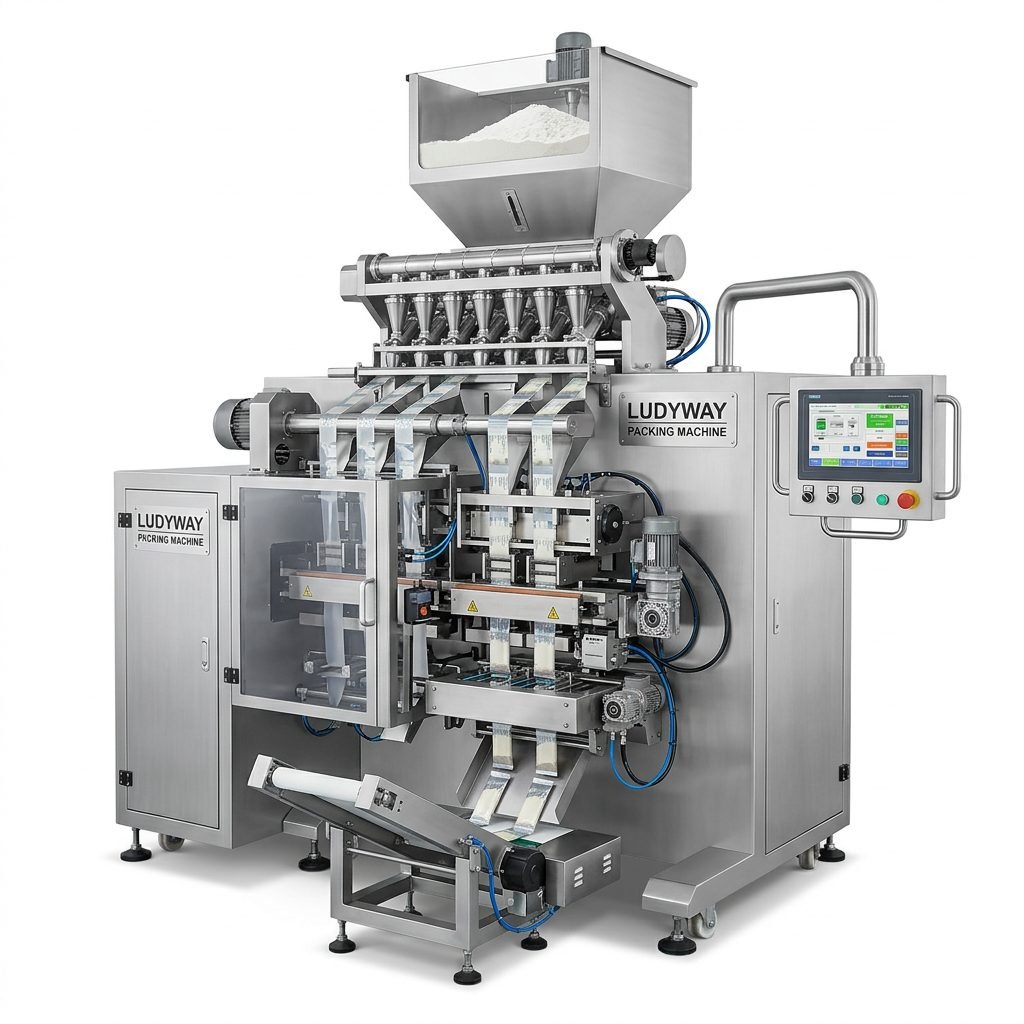
Protein bars come in diverse shapes, densities, and formulations, each requiring specific packaging approaches. A versatile multi-lane stick pack machine can handle everything from soft baked bars to crunchy layered varieties. The most common packaging configurations include:
| Packaging Format | Best Suited For | Key Advantage |
|---|---|---|
| Single Flow Wrap | Standard protein bars, meal replacement bars | High-speed output, excellent product visibility |
| Stick Pack | Mini bars, bite-sized protein snacks | Portion control, on-the-go convenience |
| Sachet / Pillow Pack | Multi-pack protein bar sets, sample packs | Cost-effective, flexible sizing options |
| Foil-Sealed Pouch | Premium bars with extended shelf life requirement | Superior moisture and oxygen barrier |
Automation and Smart Integration
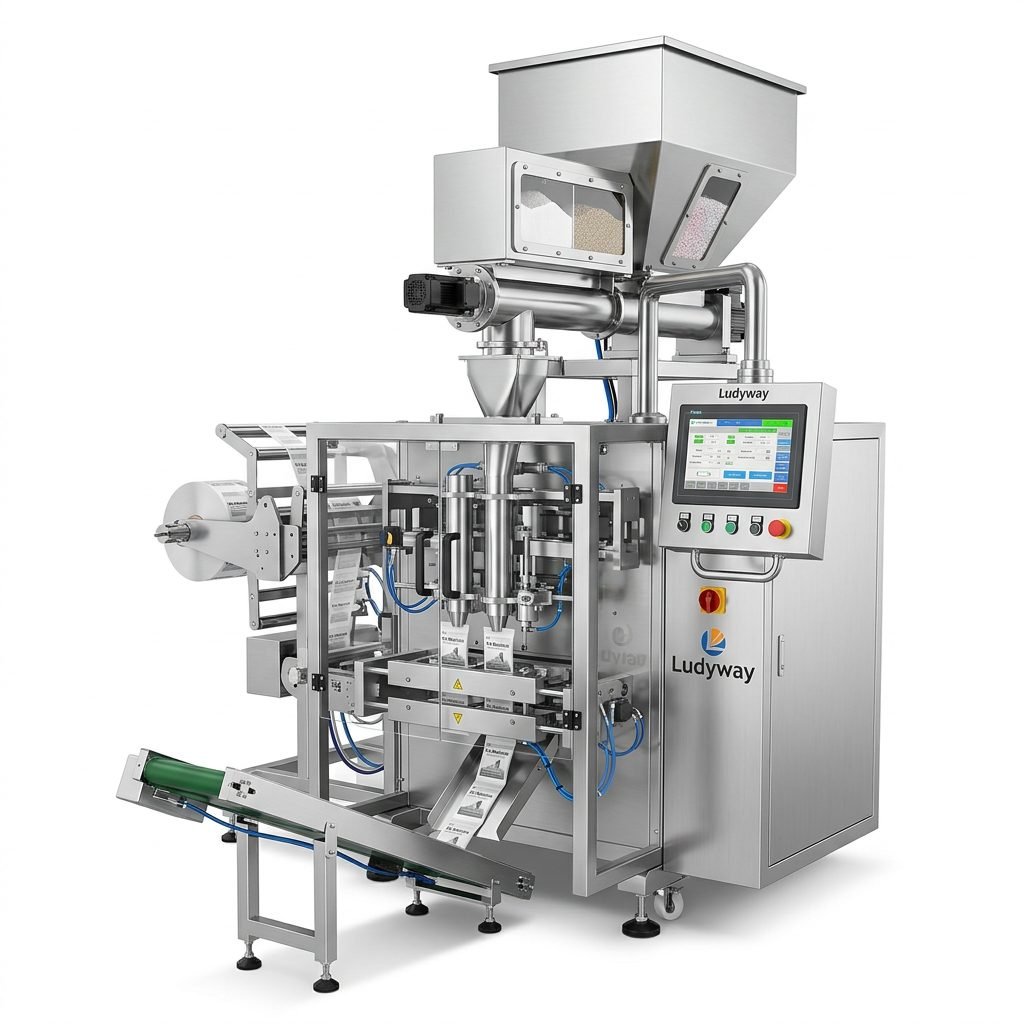
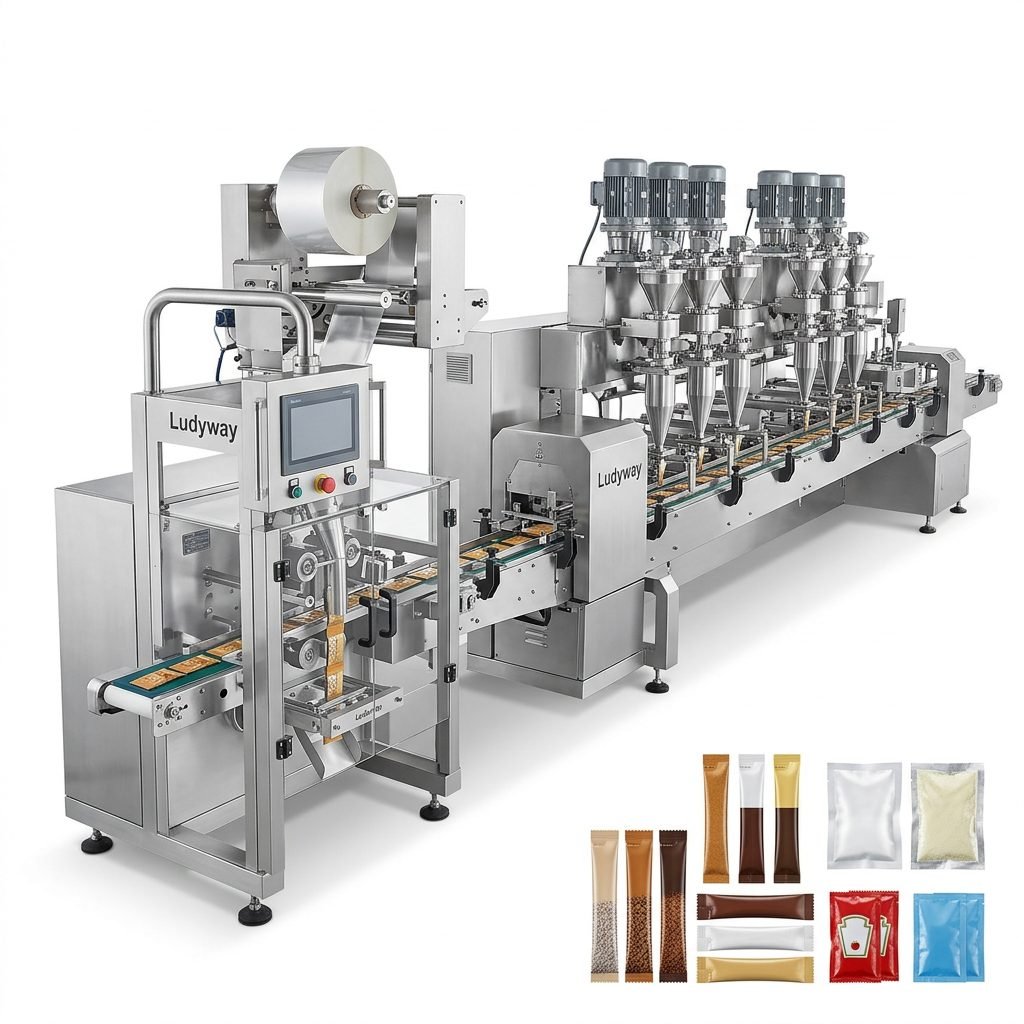
Modern protein bar packaging lines go beyond simple wrapping. Fully integrated systems combine feeding, aligning, wrapping, coding, and cartoning into one seamless operation. Advanced PLC controls with touchscreen interfaces enable operators to monitor production metrics, adjust parameters, and troubleshoot issues remotely. The integration of Industrial IoT (IIoT) capabilities allows predictive maintenance scheduling, minimizing unexpected downtime and maximizing overall equipment effectiveness (OEE).
Why Southeast Asian Manufacturers Choose Ludyway
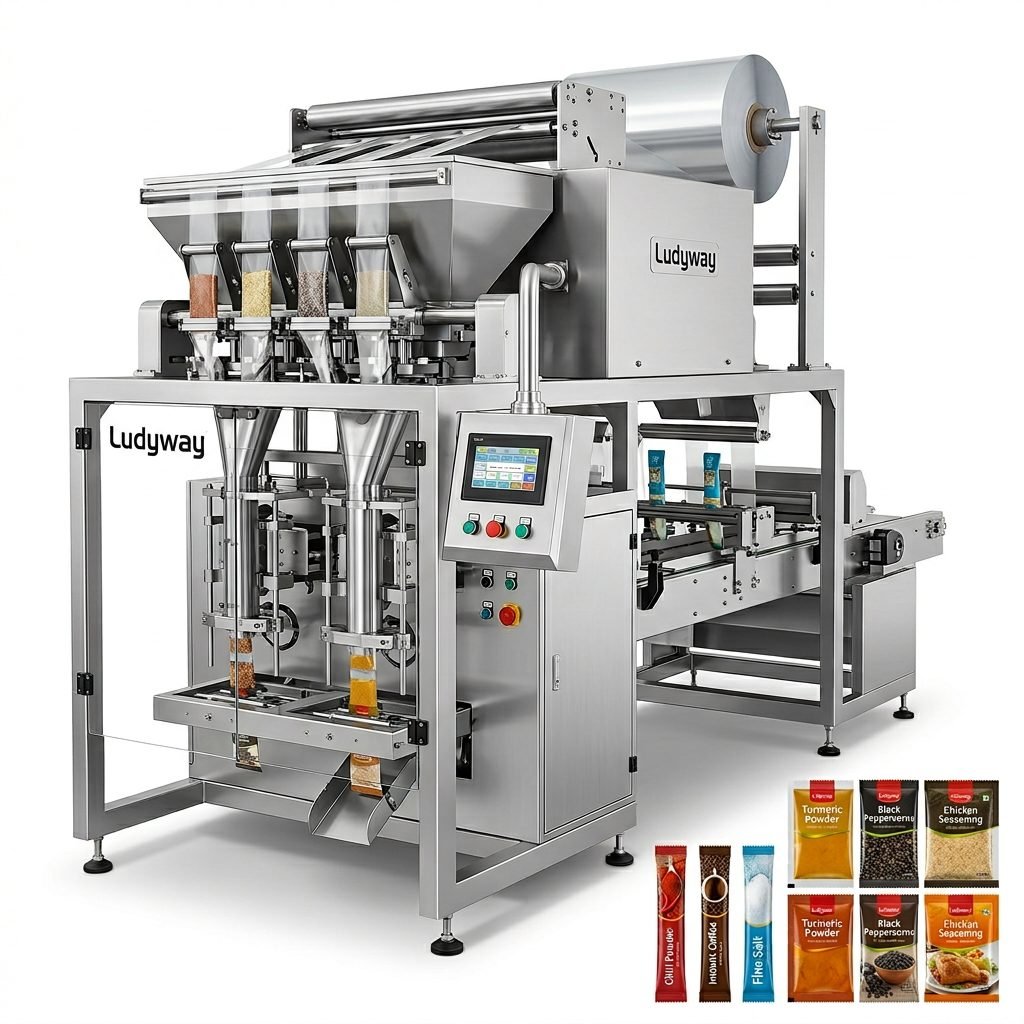
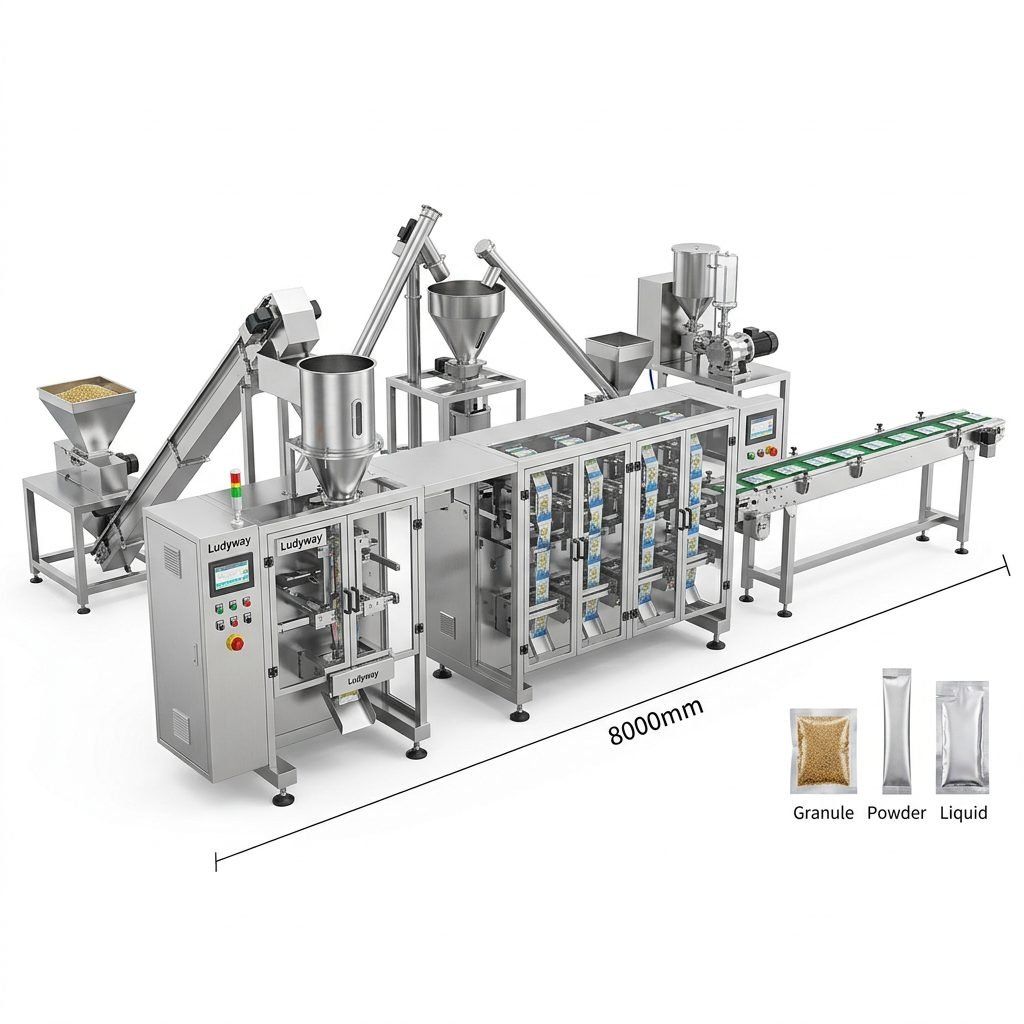
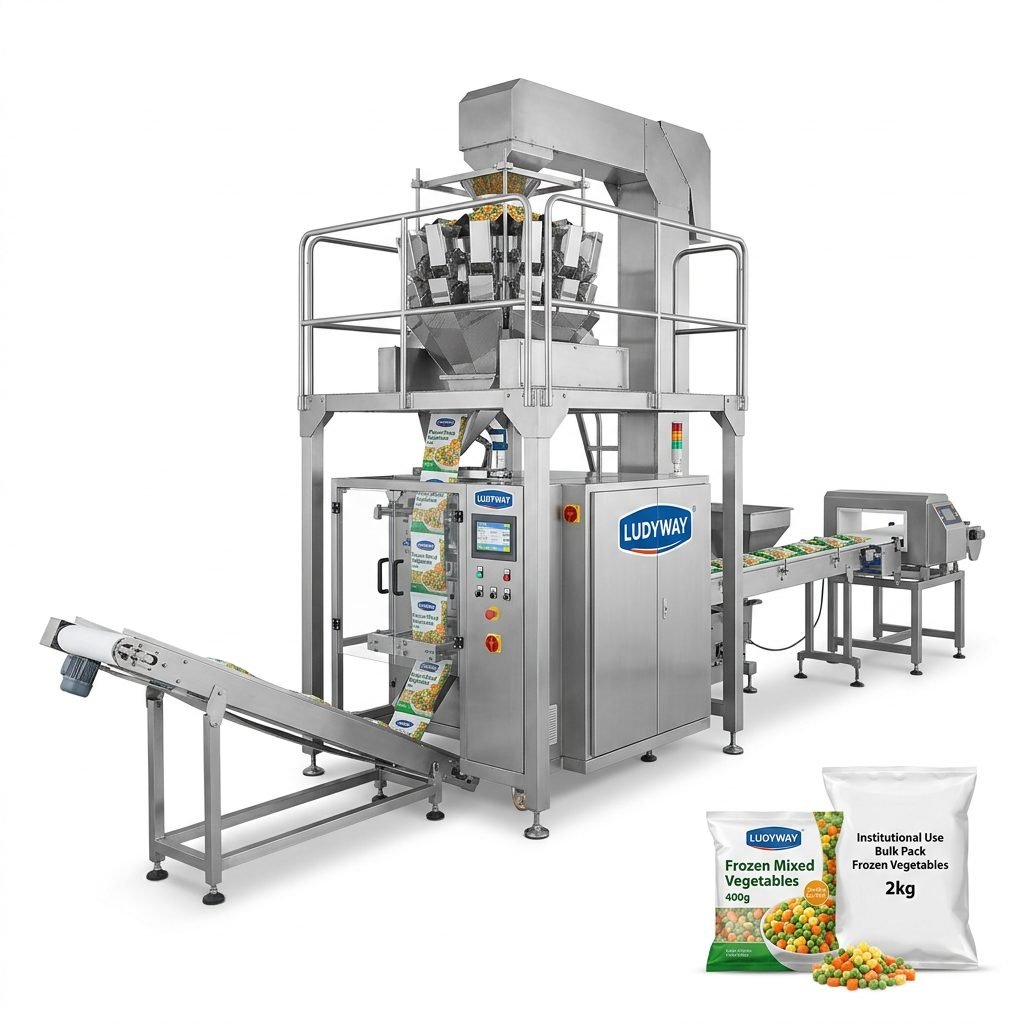
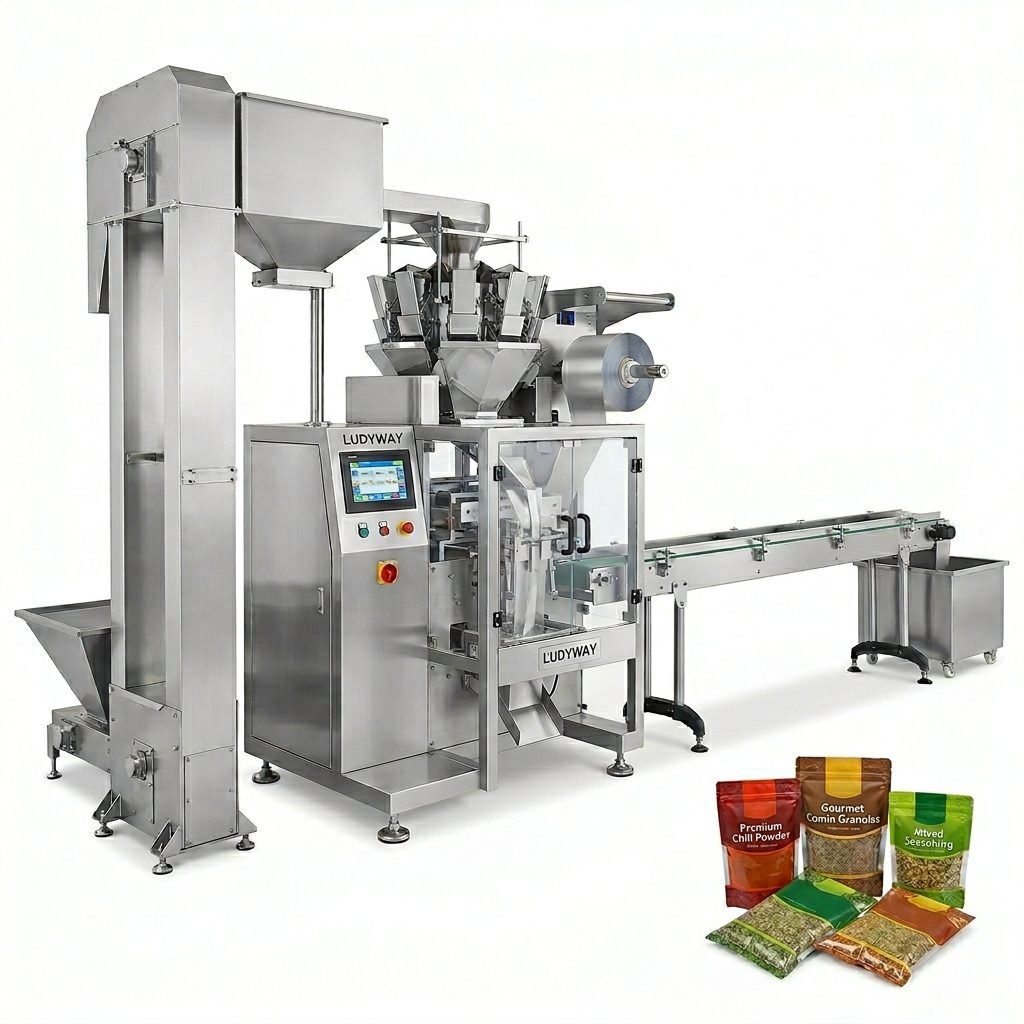
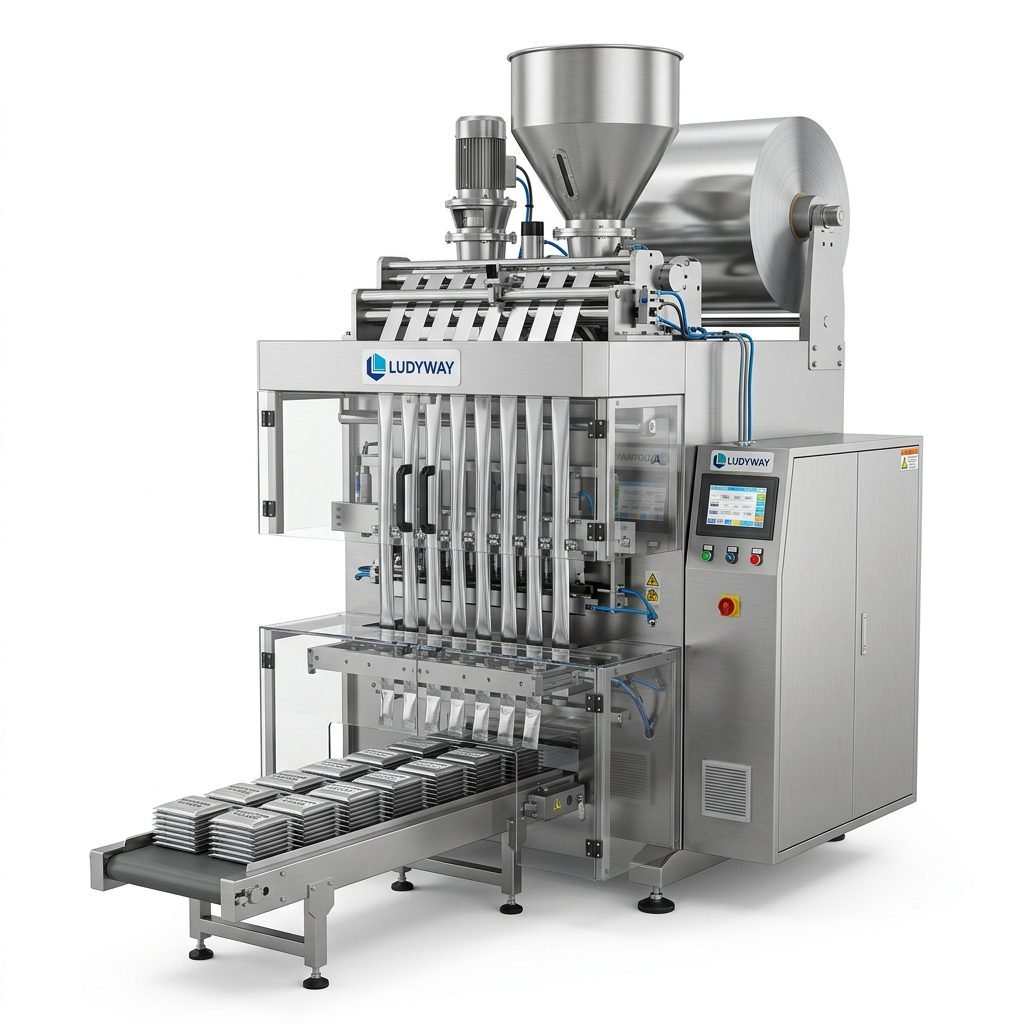
Ludyway is one of the largest packaging machine manufacturers in China, specializing in advanced packaging equipment and turnkey production solutions for the food, pharmaceutical, and health industries. With over 30 years of industry expertise, the company provides reliable and efficient protein bar packaging systems that serve customers in over 100 countries and regions. Supported by a modern 20,000㎡ manufacturing facility and a highly experienced engineering team, Ludyway offers more than 50 intelligent packaging machine models, including multi-lane stick pack, sachet, and fully automated packaging systems designed to help businesses improve productivity, product quality, and operational efficiency.
Comparing Packaging Machine Configurations
Different production scales demand different machine configurations. Understanding the options helps manufacturers make informed investment decisions:
| Configuration | Output (Bars/Min) | Ideal For | Footprint |
|---|---|---|---|
| Single-Lane Entry | 40–80 | Start-ups, small batch production | Compact |
| 4-Lane Mid-Range | 160–320 | Growing brands, regional distribution | Moderate |
| 8-Lane High-Speed | 400–800 | Large-scale manufacturing, export markets | Extended |
| Custom Multi-Lane | Up to 1,200+ | High-volume contract packers | Fully customized |
Critical Considerations for the Southeast Asian Market
The tropical climate of Southeast Asia presents unique challenges for protein bar packaging. Humidity resistance is paramount, as high moisture levels can quickly degrade product quality and cause packaging failures. Equipment operating in this region must feature robust sealing systems capable of maintaining integrity under fluctuating temperature and humidity conditions. Additionally, machines should be engineered for easy sanitation and maintenance, supporting compliance with local GMP and HACCP standards as well as international food safety certifications.
- Climate-Adapted Engineering: Corrosion-resistant components and tropical-grade electrical systems ensure reliable operation in humid environments.
- Energy Efficiency: Optimized power consumption reduces operational costs while supporting sustainability goals in the region.
- Local Technical Support: Access to regional service teams and spare parts inventory minimizes response times and production interruptions.
- Regulatory Compliance: Equipment designed to meet ASEAN food packaging regulations and international standards including ISO packaging standards.
Return on Investment Analysis
Investing in a high-quality protein bar packaging machine yields measurable returns through multiple channels. Reduced labor costs, minimized material waste, and increased throughput directly impact the bottom line. According to industry data from the PMMI Business Intelligence reports, automated packaging systems can reduce overall packaging costs by 15% to 30% compared to semi-automated alternatives. For Southeast Asian manufacturers targeting both domestic and export markets, the right equipment provides a significant competitive advantage in terms of product consistency and production scalability.
| ROI Factor | Manual/Semi-Auto | Fully Automated |
|---|---|---|
| Labor Requirement | 6–10 operators per shift | 1–2 operators per shift |
| Material Waste | 5–10% | Below 2% |
| Output Consistency | Variable | Highly consistent |
| Typical Payback Period | N/A | 18–36 months |
Future Trends in Protein Bar Packaging
The protein bar packaging industry continues to evolve with emerging trends shaping equipment design and functionality. Smart packaging with QR codes enabling traceability and consumer engagement is becoming standard. The push toward mono-material flexible packaging that is fully recyclable is driving innovation in sealing technologies. Meanwhile, the Flexible Packaging Association reports growing adoption of bio-based films across the nutrition bar segment. Forward-thinking manufacturers are investing in machines that can process both conventional and next-generation sustainable materials without sacrificing speed or seal quality.
Selecting the best protein bar packaging machine in Southeast Asia requires careful evaluation of production needs, growth projections, and regional operating conditions. With proven expertise spanning over three decades and a comprehensive portfolio of automatic packaging solutions, manufacturers can find reliable partners to support their journey from initial concept to full-scale automated production lines. The combination of robust engineering, intelligent automation, and dedicated after-sales support ensures that investments in packaging technology deliver lasting value in this dynamic and rapidly expanding market.