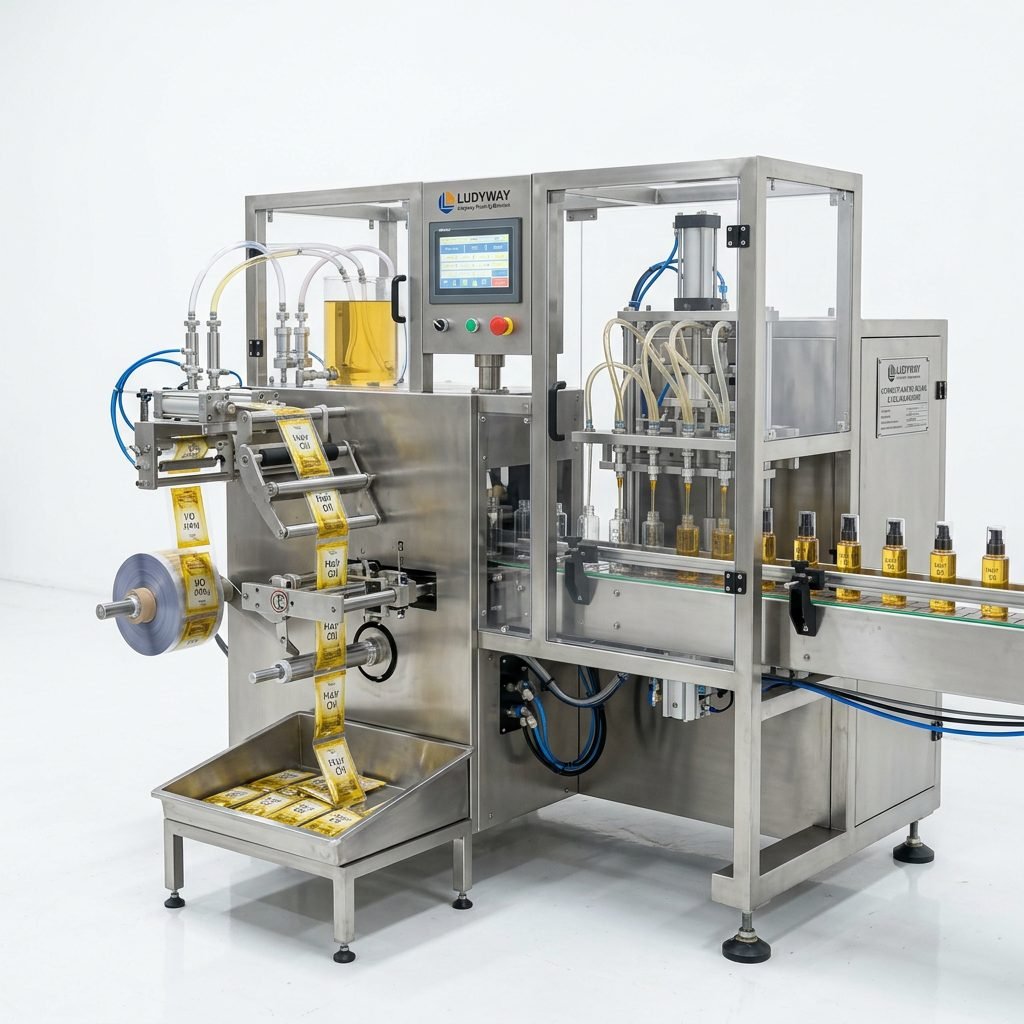
In the competitive landscape of Oceania’s food processing, pharmaceutical, and health industries, selecting the right vacuum sealer packaging machine is a strategic decision that directly impacts product shelf life, operational efficiency, and brand integrity. Whether you are packaging premium coffee in Melbourne, fresh seafood in Auckland, or nutritional supplements in Brisbane, a high-performance vacuum packaging system is non-negotiable. This comprehensive guide walks you through the essential factors to consider when investing in a vacuum sealer in the Oceania region.

Understanding Vacuum Packaging Technology
Vacuum packaging removes atmospheric oxygen from the package prior to sealing, creating an anaerobic environment that dramatically extends preservation and prevents spoilage. Modern vacuum sealer packaging machines are engineered to handle a diverse range of products—from delicate powders and granules to robust solid items and liquids. In Oceania, where export standards are rigorous and supply chains demand maximum freshness, adopting the right vacuum packaging technology is essential for maintaining competitive advantage.
Key Factors for Choosing a Vacuum Sealer in Oceania
1. Production Capacity and Speed Requirements
Your daily output volume is the cornerstone of machine selection. Small-scale artisanal producers in Tasmania or regional New Zealand may thrive with a double-chamber vacuum sealer, while high-volume manufacturers in Sydney or Auckland need fully automated high-speed multi-lane systems. Evaluate machines based on cycles per minute and the ability to sustain continuous operation without overheating. A mismatch here leads to production bottlenecks and increased operational costs.
2. Product Compatibility and Characteristics
The physical properties of your product dictate the vacuum system design. Consider the following:
- Dry granules and powders: Require precise dust management and gentle handling to avoid material damage.
- Liquid and semi-liquid products: Demand specialized liquid vacuum chambers to prevent spillage and ensure seal integrity.
- Bulk solid items: Often need heavy-duty vacuum pumps and robust sealing bars for consistent results across large formats.
- Fragile contents: Soft-air or gas flush vacuum functions are critical to prevent crushing.

3. Vacuum Pump Type and Performance
The heart of any vacuum sealer packaging machine is its pump. In Oceania’s varying climatic conditions—from humid tropical Queensland to cooler southern regions—pump reliability is paramount. Dry rotary vane pumps offer robust performance for heavy-duty cycles, while oil-free options reduce maintenance in clean-sensitive environments like pharmaceutical manufacturing. Vacuum pump durability and after-sales support should heavily influence your decision, directly affecting machine uptime and total cost of ownership.
4. Build Quality and Material Compliance
For Oceania markets, compliance with ISO standards, FDA regulations, and local food safety codes is non-negotiable. Look for machines constructed with high-quality stainless steel (preferably AISI 304 or 316) that resist corrosion and facilitate thorough cleaning. Sealing bars should be made from durable materials with consistent temperature control to prevent leaks. Ensure the manufacturer provides documentation supporting compliance with ISO packaging standards relevant to your industry.
5. Customization and Turnkey Integration
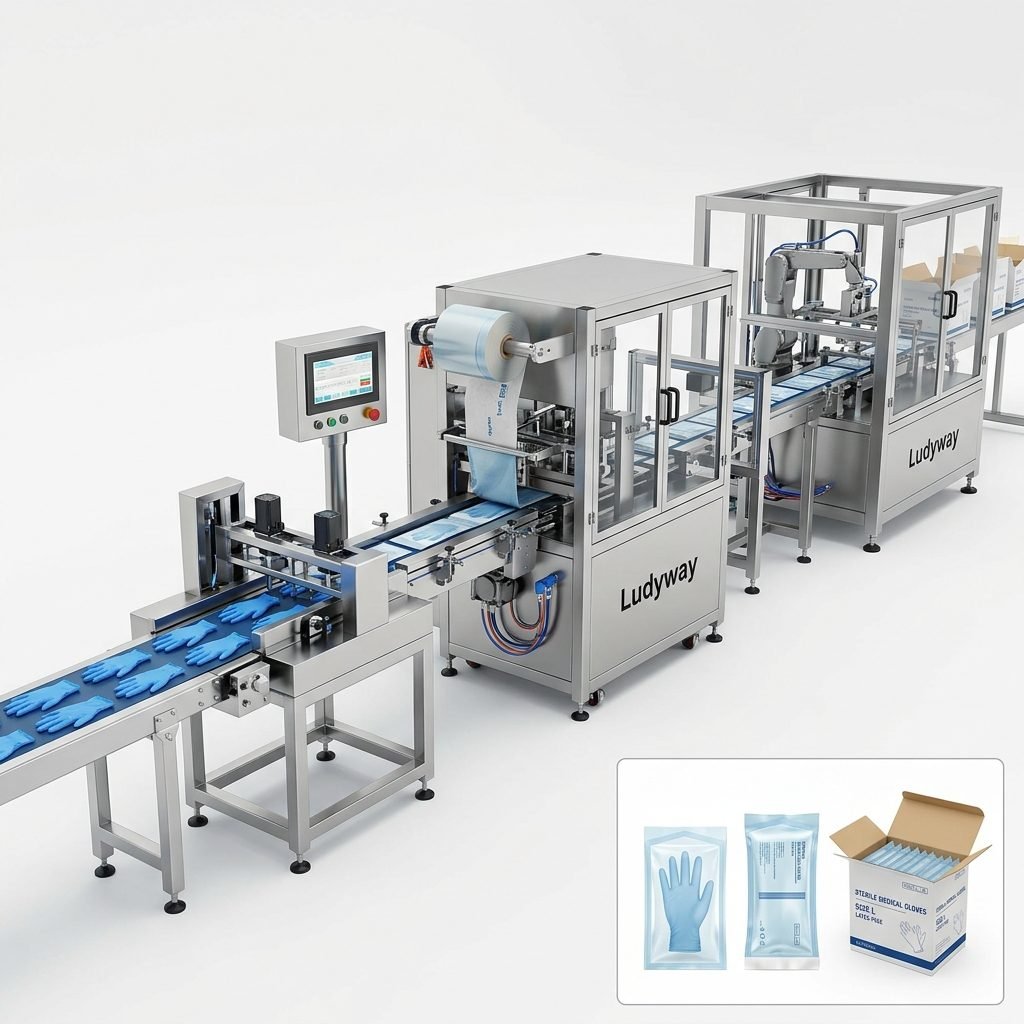
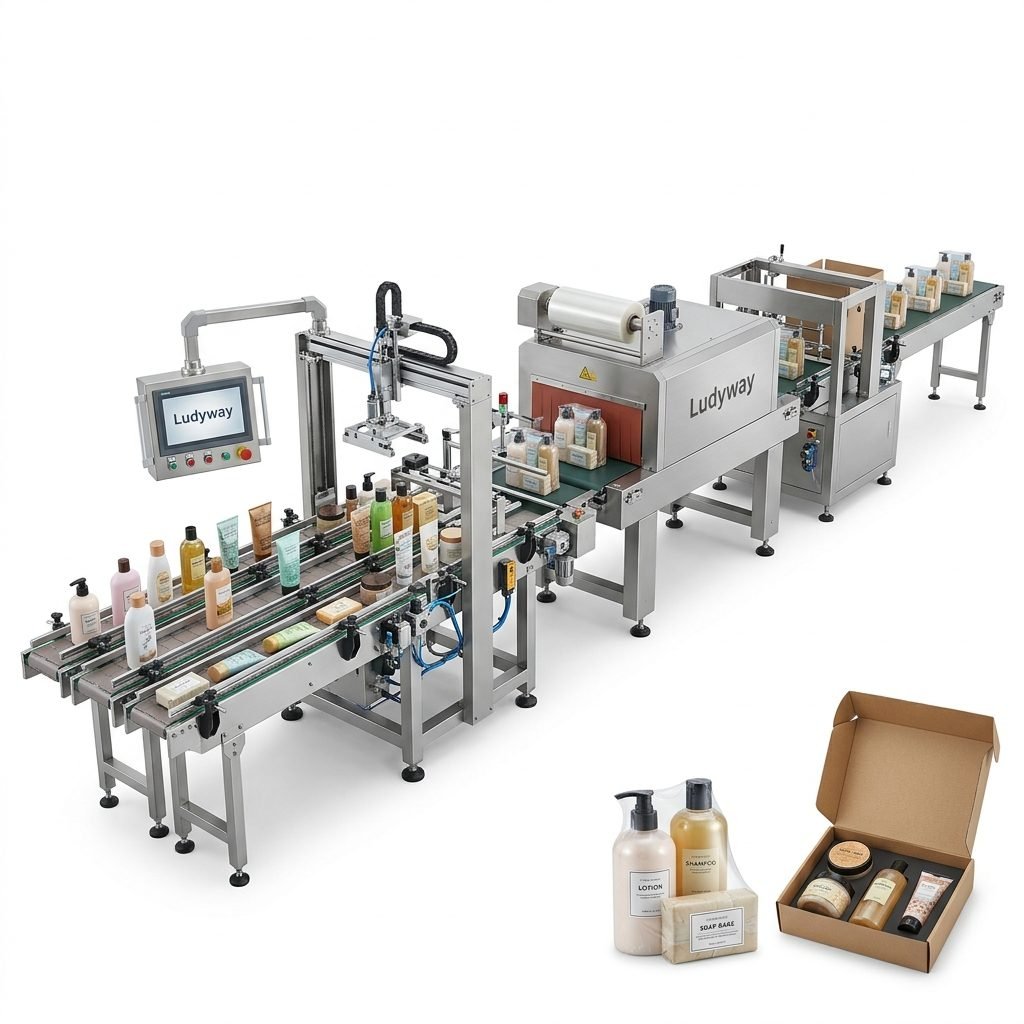
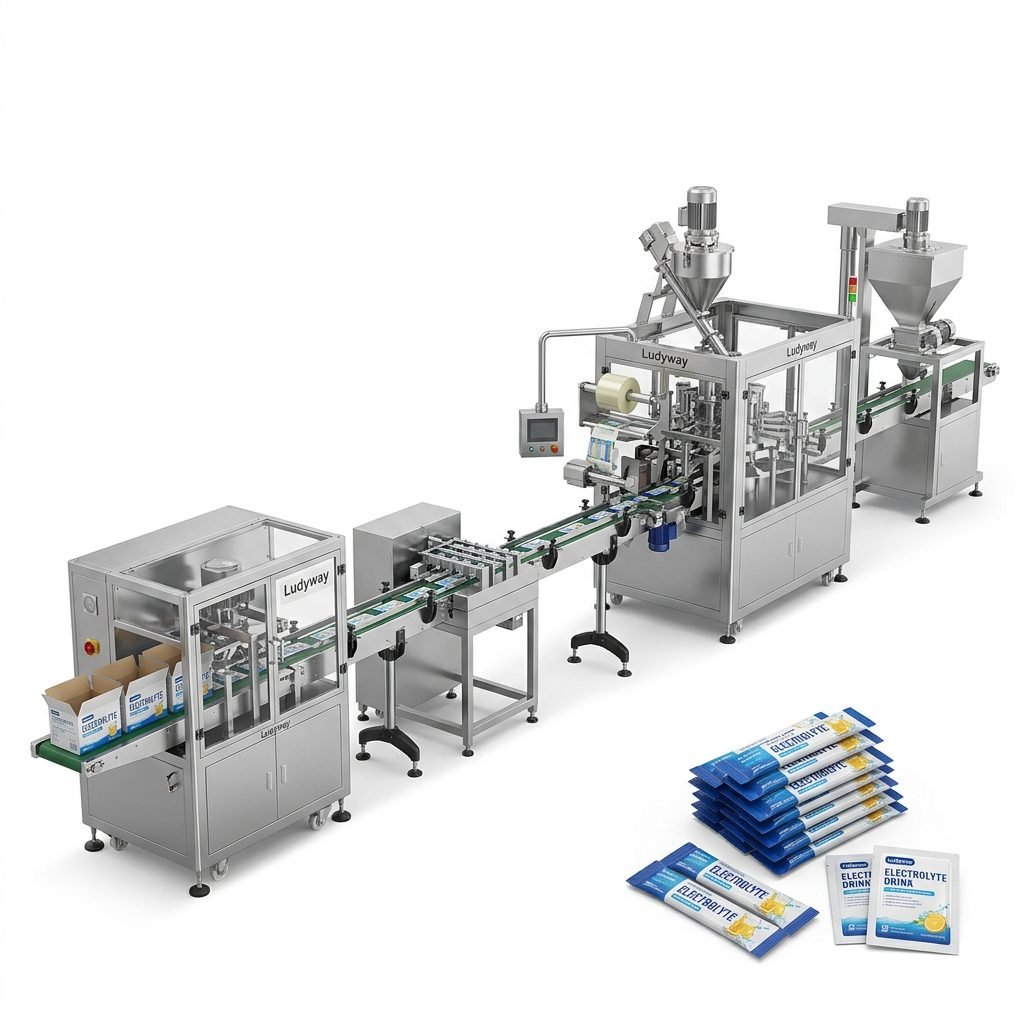
Modern production lines thrive on integration. The best vacuum sealer packaging machine should seamlessly integrate with upstream and downstream equipment—filling machines, conveying systems, checkweighers, metal detectors, and cartoning solutions. Opt for manufacturers that offer turnkey packaging line design, ensuring cohesive operation, minimal downtime, and unified control interfaces. This is especially relevant for Oceania processors looking to upgrade entire production facilities efficiently.

Comparing Vacuum Sealer Types: A Quick Reference
| Machine Type | Best For | Key Advantages | Typical Applications |
|---|---|---|---|
| Single Chamber | Small to medium operations | Compact, cost-effective, simple operation | Butcher shops, small food processors |
| Double Chamber | Medium to high volume | Increased output, alternating chamber cycles | Meat processing, seafood, cheese producers |
| Continuous Belt Vacuum | Very high volume, automated lines | Non-stop operation, conveyorized speed | Large-scale meat, poultry, ready-meal factories |
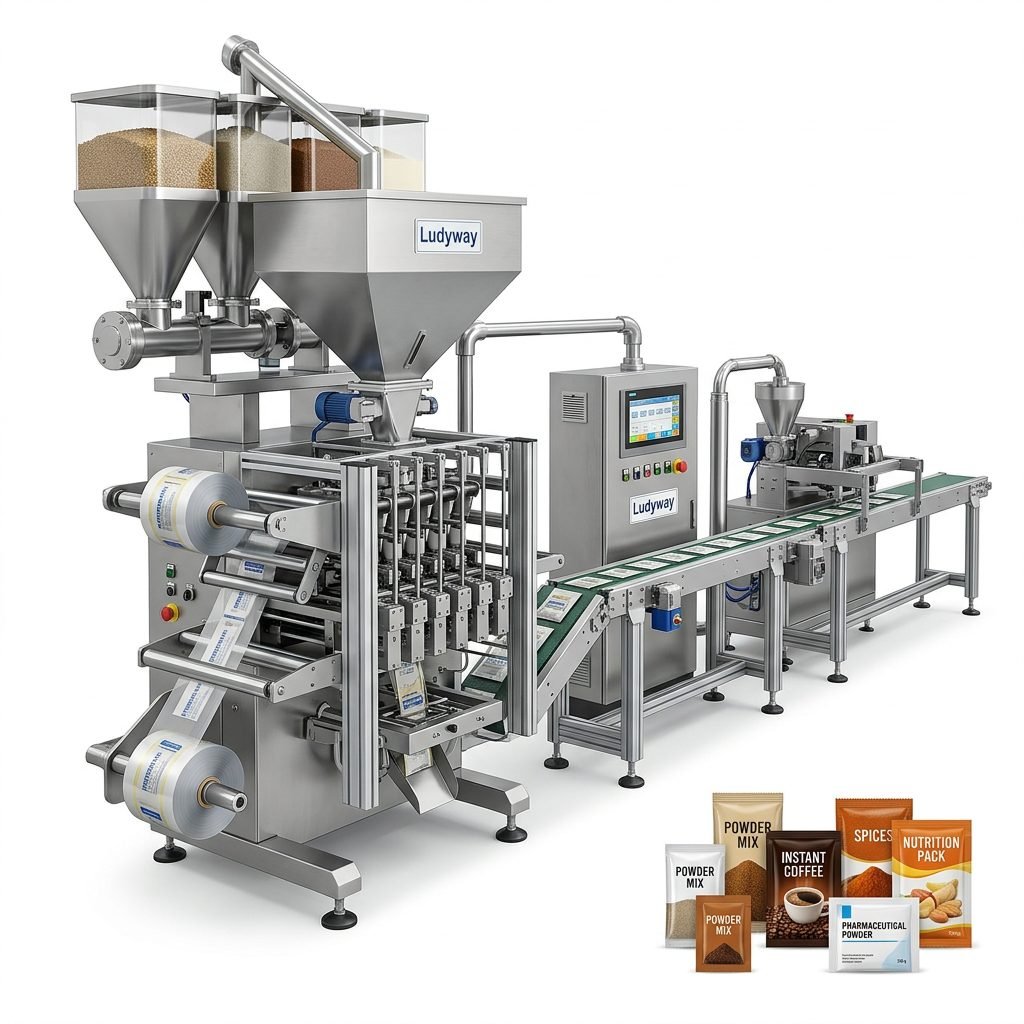
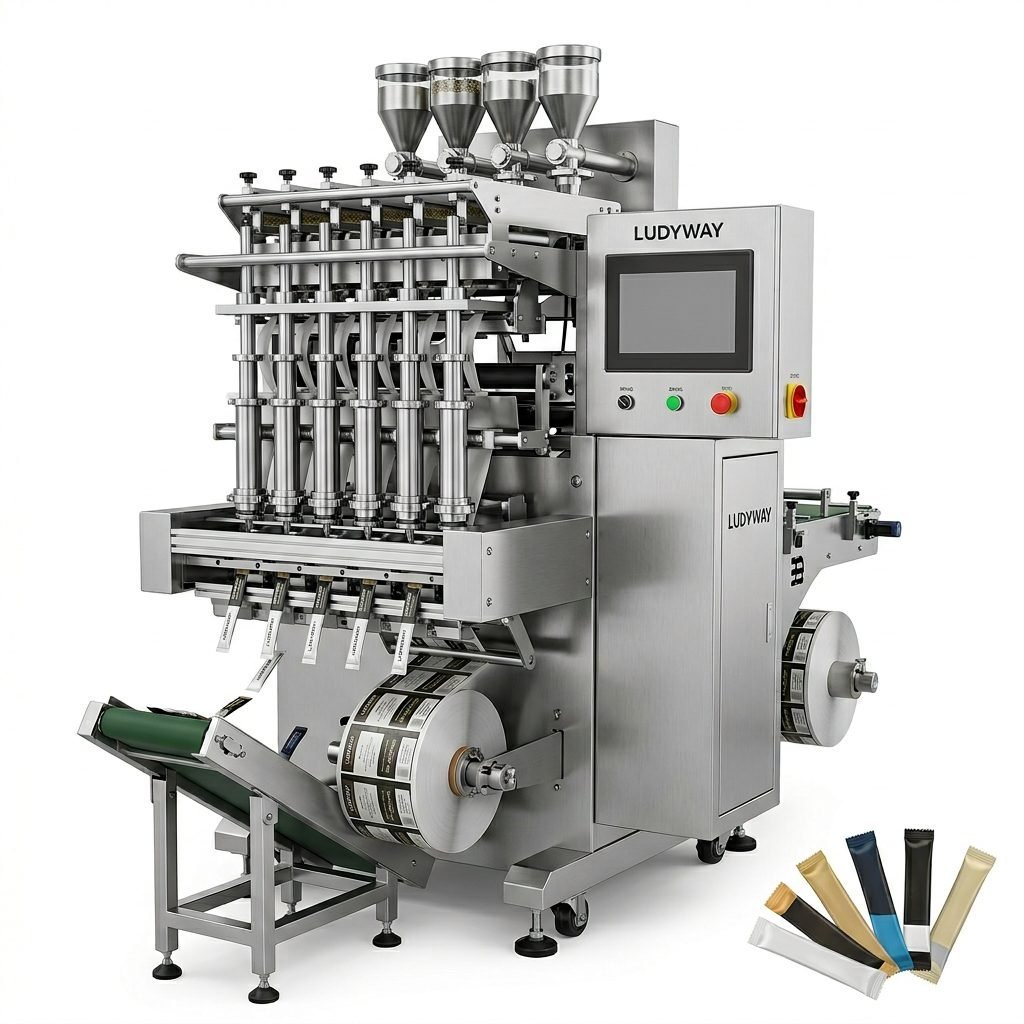
| Multi-Lane Stick Pack | Powder and granule sachets | High-speed, precise dosing, modified atmosphere options | Coffee, supplements, seasonings, pharma powders |
| Pouch and Bag Vacuum | Bulk solids, large formats | Versatile, heavy-duty construction | Bulk food, industrial components, agricultural products |
6. Regional Standards and Oceania Market Nuances
Packaging machinery entering Oceania must adhere to specific electrical and safety standards. Australia and New Zealand require AS/NZS certifications for electrical safety and electromagnetic compatibility. Furthermore, energy efficiency ratings are increasingly scrutinized under Oceania’s sustainability initiatives. Partnering with a supplier that understands these regional requirements simplifies importation and commissioning processes, avoiding costly delays at customs and on-site compliance failures.
7. After-Sales Service and Local Support Network
The true value of a vacuum sealer packaging machine emerges over its lifecycle. In a geographically spread region like Oceania, response time for technical support and spare parts availability is critical. Look for suppliers offering remote diagnostic capabilities, comprehensive training programs, and a reliable local agent or service network. Ludyway, as a leading packaging machine manufacturer with over 30 years of industry experience, supports clients across more than 100 countries, ensuring that Oceania processors benefit from responsive engineering expertise and a robust supply chain.
8. Total Cost of Ownership Analysis
While upfront purchase price is immediately visible, a thorough analysis must encompass:
- Energy consumption over the machine’s expected lifetime
- Consumable costs such as vacuum pouches, sealing gaskets, and pump oil
- Preventive maintenance schedules and associated expenses
- Potential downtime costs and production loss risks
- Technology obsolescence and upgrade path availability
Investing a bit more upfront in a high-quality, proven machine often yields significantly lower total cost of ownership compared to budget alternatives with hidden maintenance expenses.
Key Considerations for Specific Industries
Different sectors in Oceania have unique vacuum packaging requirements:
- Seafood Processing: Requires rapid vacuum cycles and moisture-resistant sealing to preserve freshness from catch to consumer.
- Meat and Poultry: Demands robust machines capable of handling high volumes and maintaining strict hygiene standards.
- Coffee and Dry Foods: Needs precise vacuum control to protect aroma and prevent oxidation without crushing delicate products.
- Pharmaceutical and Nutraceutical: Mandates cleanroom-compatible designs, validated processes, and comprehensive documentation.
Making the Final Decision
Selecting the best vacuum sealer packaging machine in Oceania is a balance of technical capability, regional compliance, and long-term partnership value. Shortlist suppliers who demonstrate deep industry knowledge, provide transparent specifications, and offer the opportunity to test your actual products before purchase. Request detailed proposals that include installation support, operator training, and clear warranty terms. By aligning your operational needs with a machine engineered for reliability and efficiency, you secure a packaging asset that drives growth for years to come.