Investing in the right food packaging machine is a critical decision for manufacturers across Oceania. From small-scale artisanal producers in New Zealand to large food processing facilities in Australia, the demand for efficient, reliable, and compliant packaging equipment continues to grow. This comprehensive guide covers the essential machine types, current pricing trends, key suppliers, and regulatory considerations to help you make an informed purchasing decision.
Types of Food Packaging Machines Available in Oceania
The Oceania market offers a wide spectrum of packaging machinery designed to handle various food products. Understanding the different categories is the first step toward selecting equipment that matches your production needs.
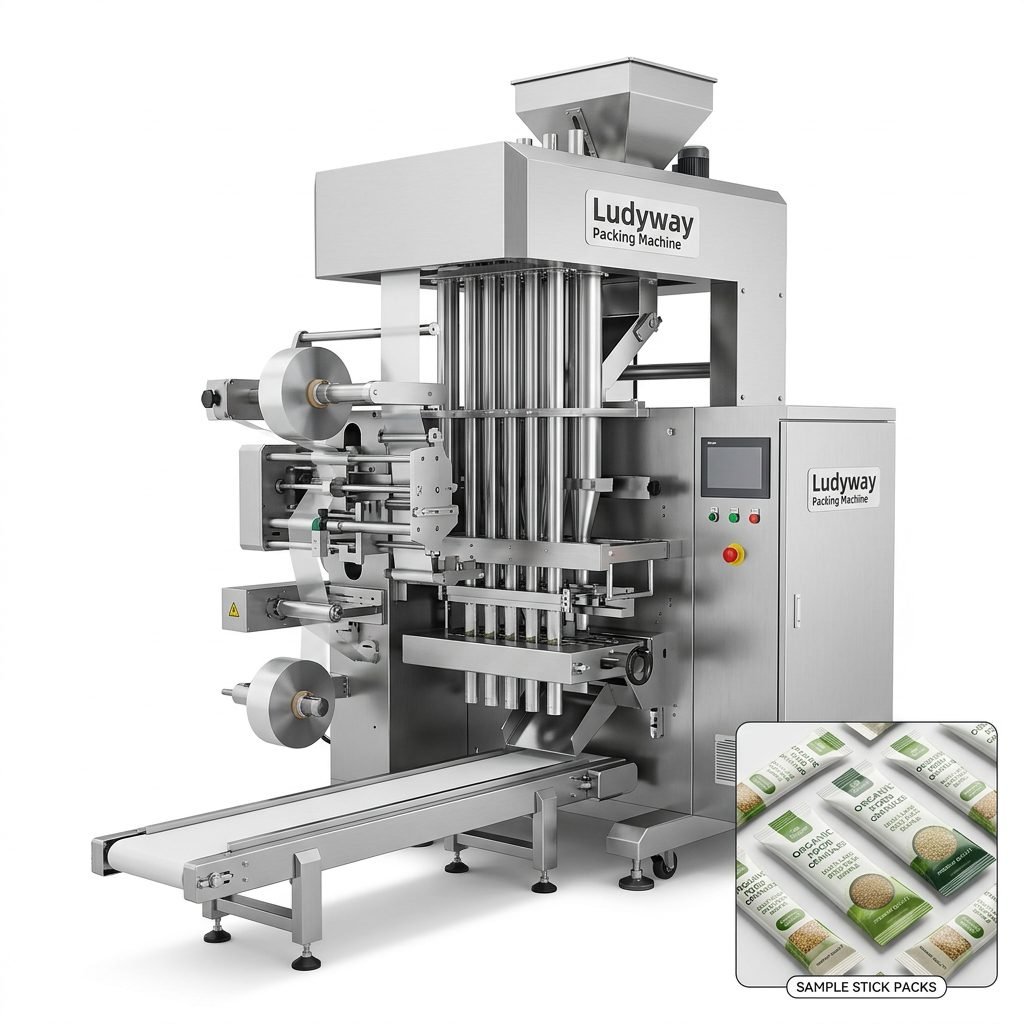
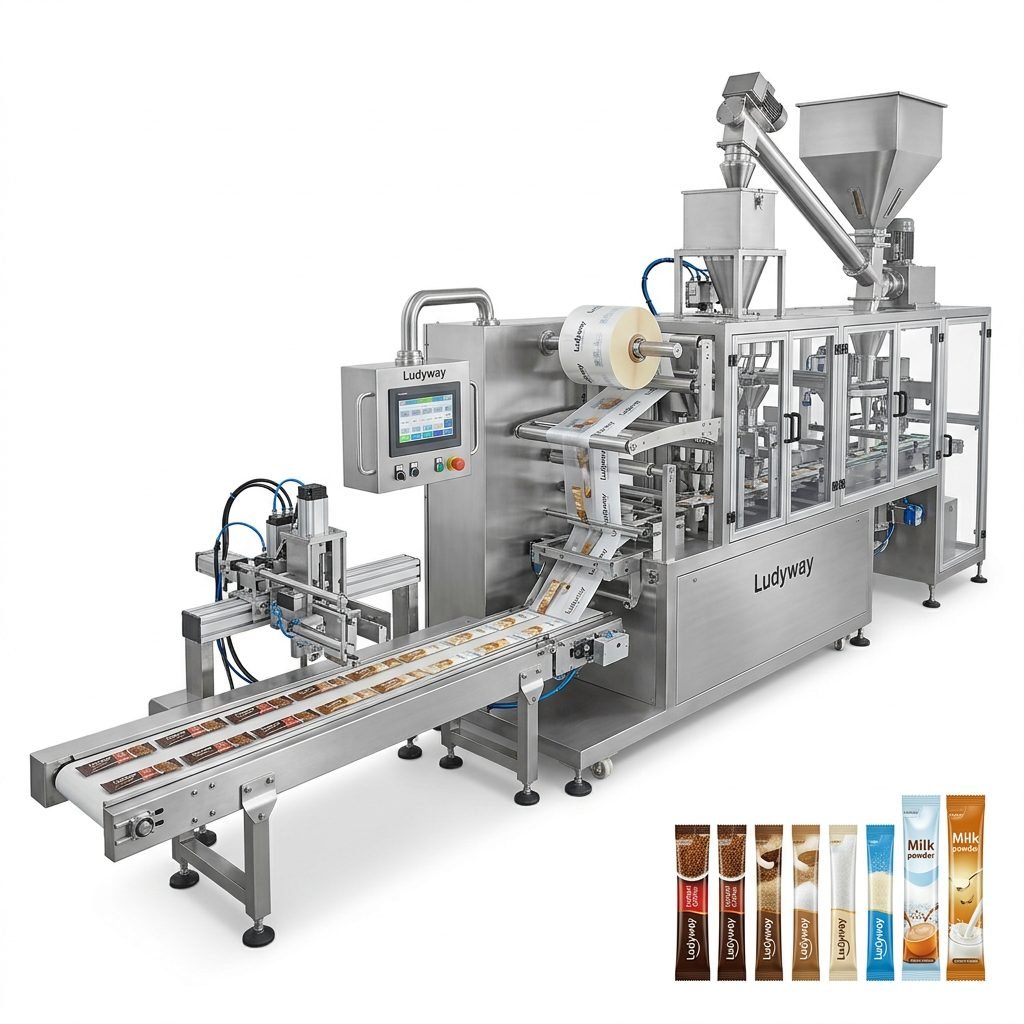
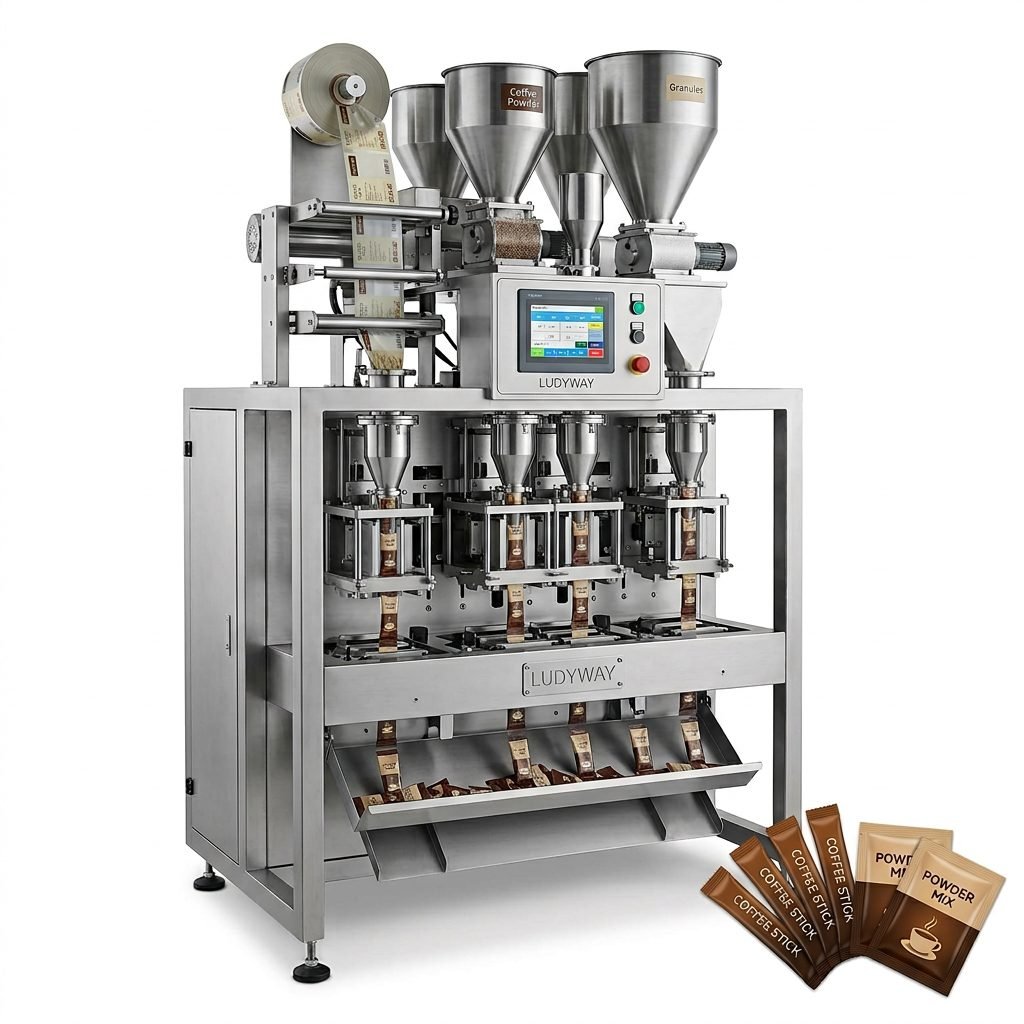
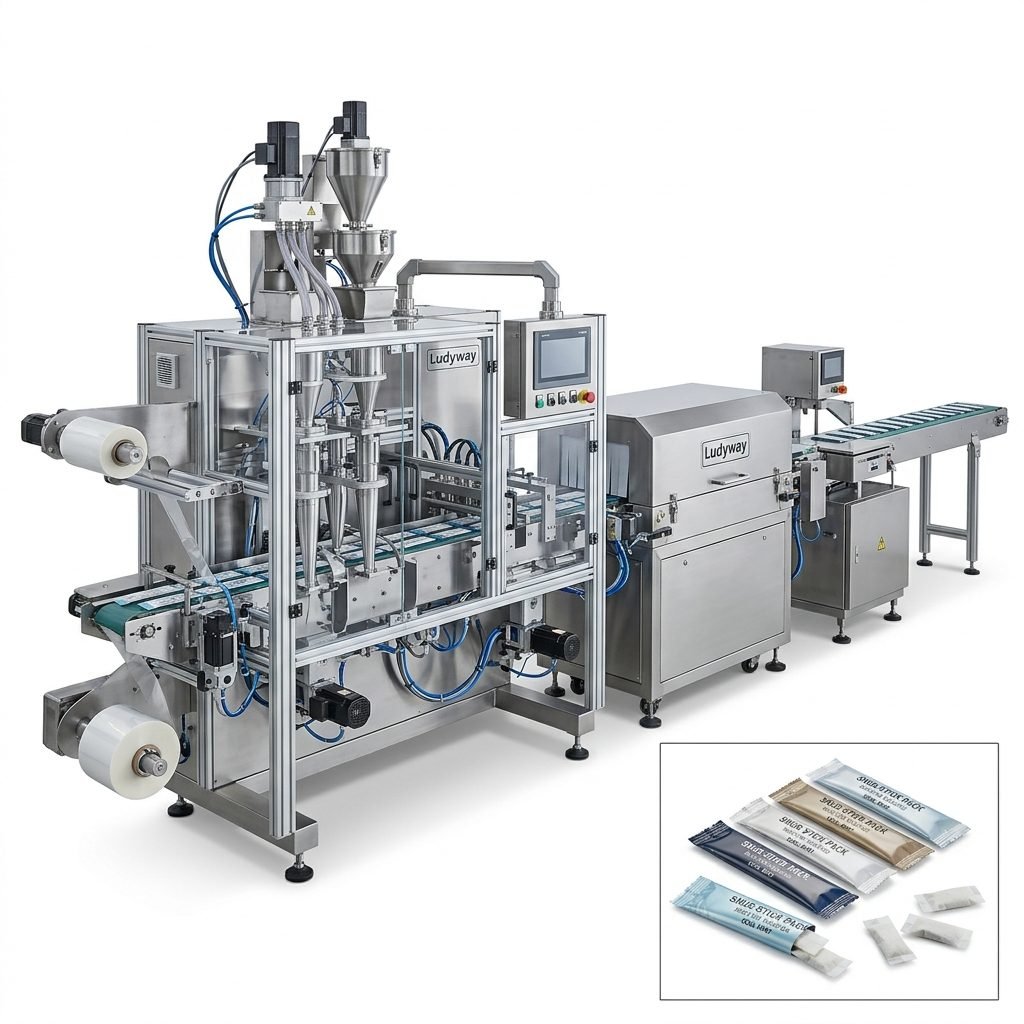
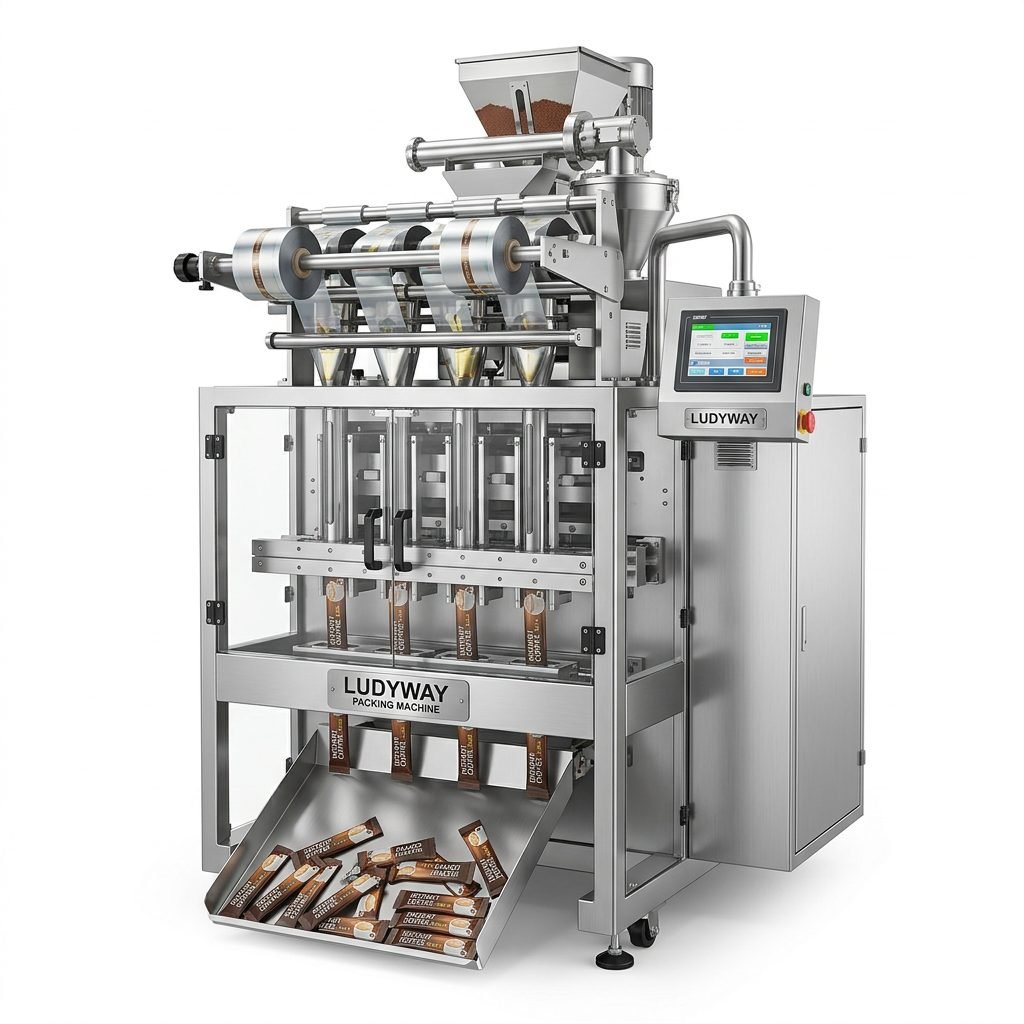
Multi-Lane Stick Pack and Sachet Machines
These systems are ideal for packaging powders, granules, and liquids into single-serve portions. Multi-lane configurations can produce hundreds of packs per minute, making them popular for instant coffee, sugar, salt, protein powders, and condiments. The stick pack format has gained significant traction in Australia’s growing health and wellness sector, particularly for supplements and functional beverages.

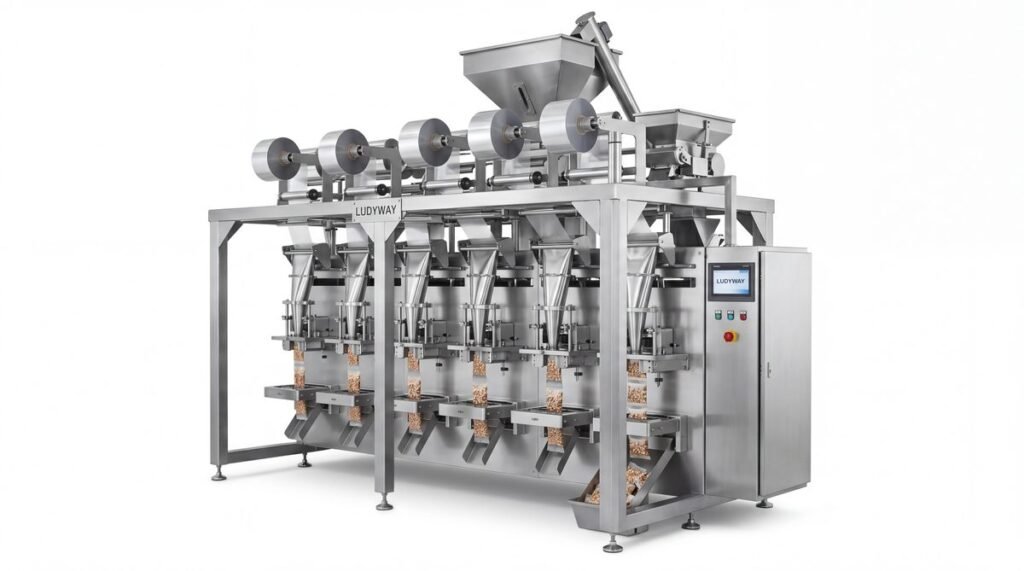
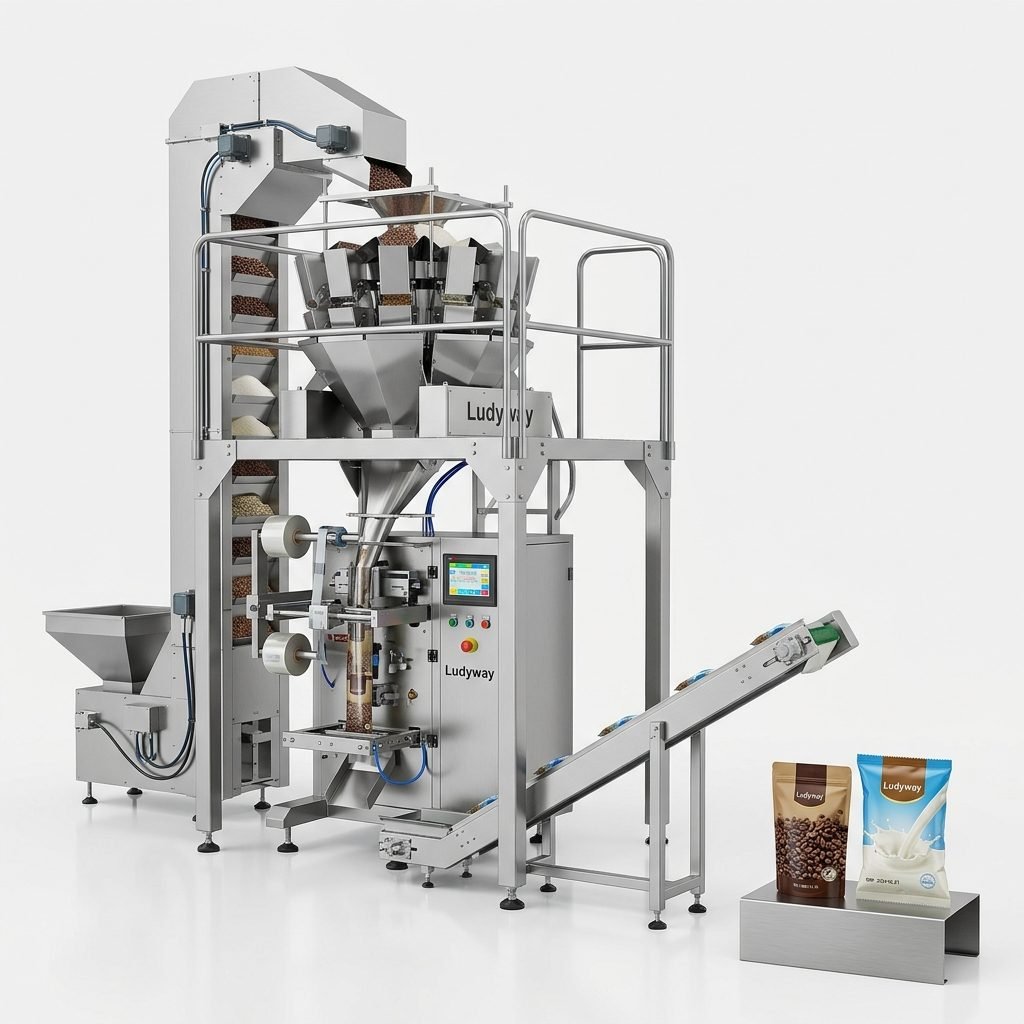
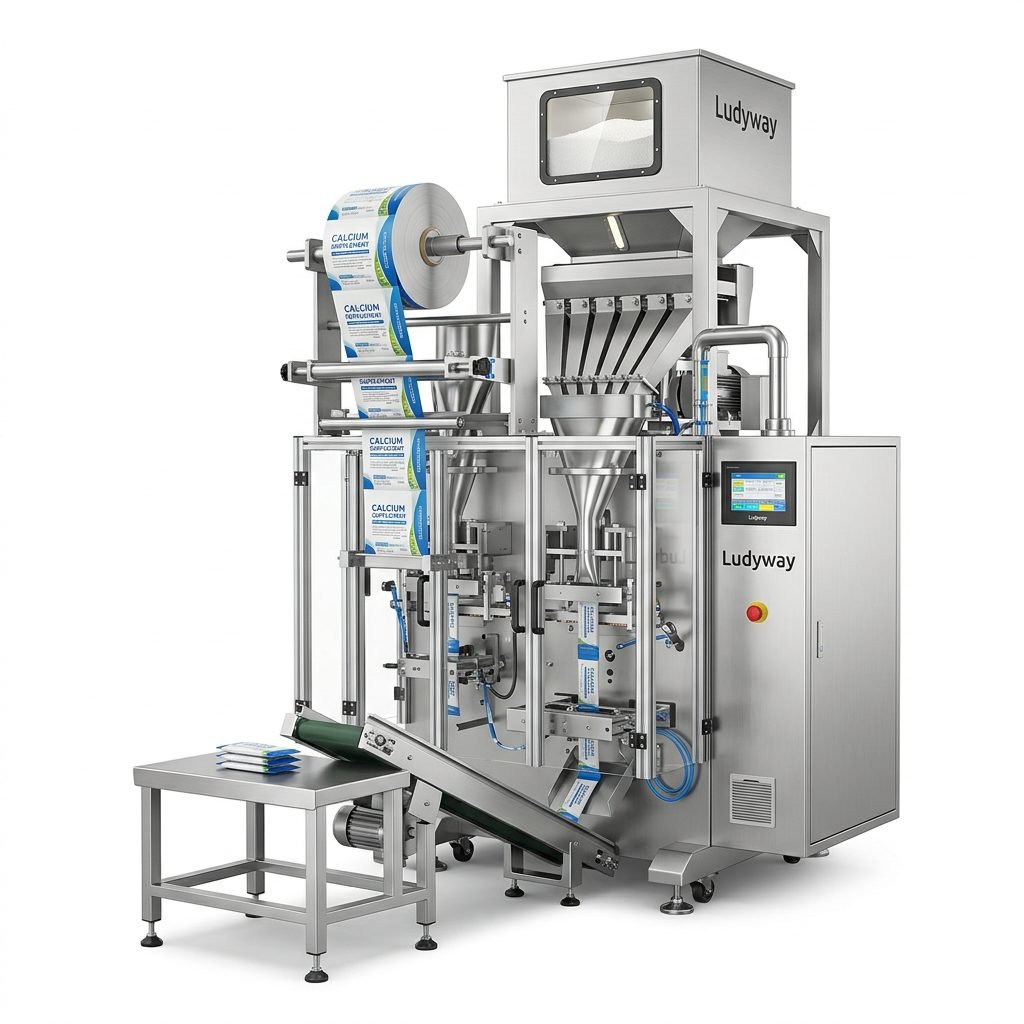
Vertical Form Fill Seal (VFFS) Machines
VFFS equipment remains the workhorse of the flexible packaging industry, forming pouches from roll stock while simultaneously filling and sealing. These versatile machines handle everything from frozen vegetables to snack foods and pet treats. Modern VFFS systems offer quick changeover capabilities, reducing downtime between product runs—a key consideration for flexible packaging operations serving multiple product lines.
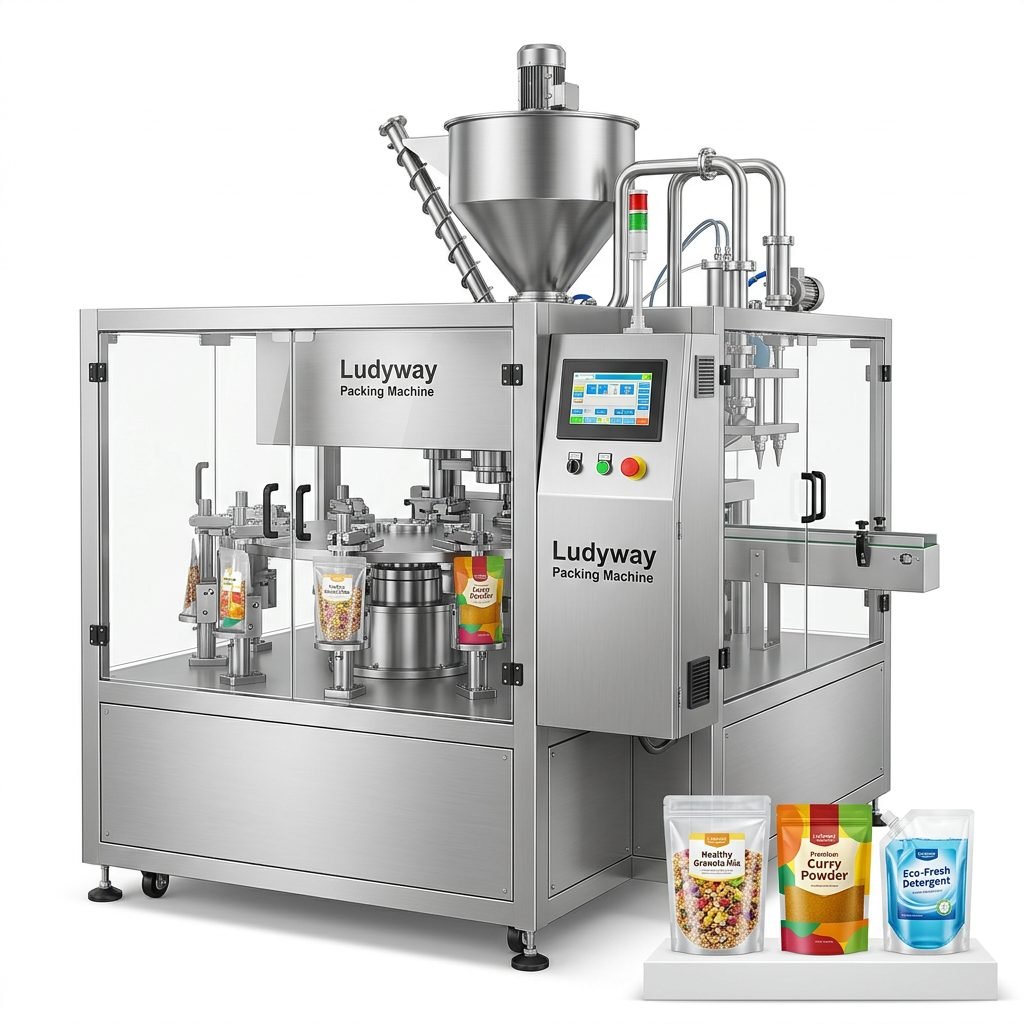
Premade Pouch Packaging Systems
For manufacturers using stand-up pouches, zipper bags, or spouted pouches, premade pouch machines offer excellent flexibility. These systems pick, open, fill, and seal pre-manufactured pouches, supporting the premium packaging trend evident across Oceania’s retail shelves. Rotating and inline configurations are available depending on throughput requirements.
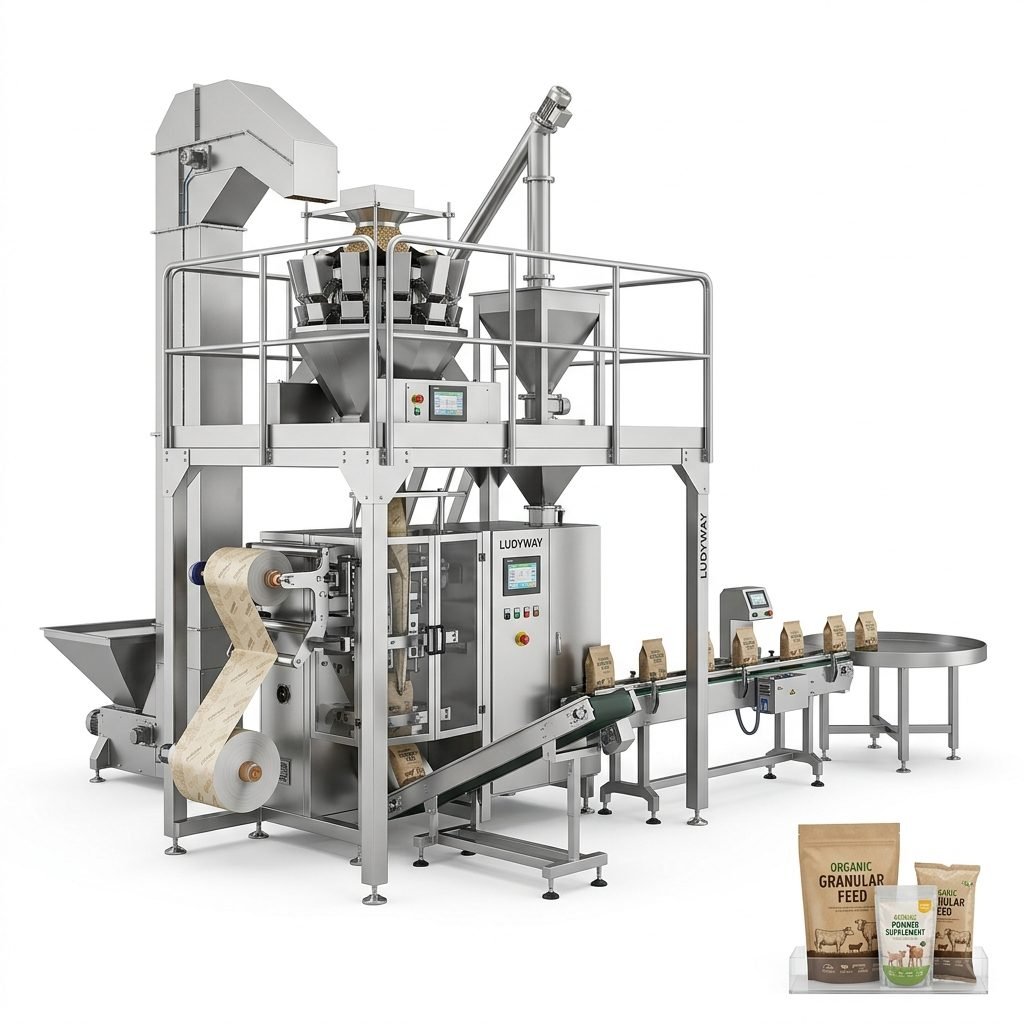
Granule and Powder Filling Lines
Specialized granule packaging machines incorporate precision weighing systems—multi-head weighers, auger fillers, or volumetric dosing units—to ensure accurate portion control. These are essential for products like rice, pulses, coffee beans, dried fruits, and seasoning mixes. Packaging industry resources indicate that dosing accuracy directly impacts profitability, especially for high-value ingredients.
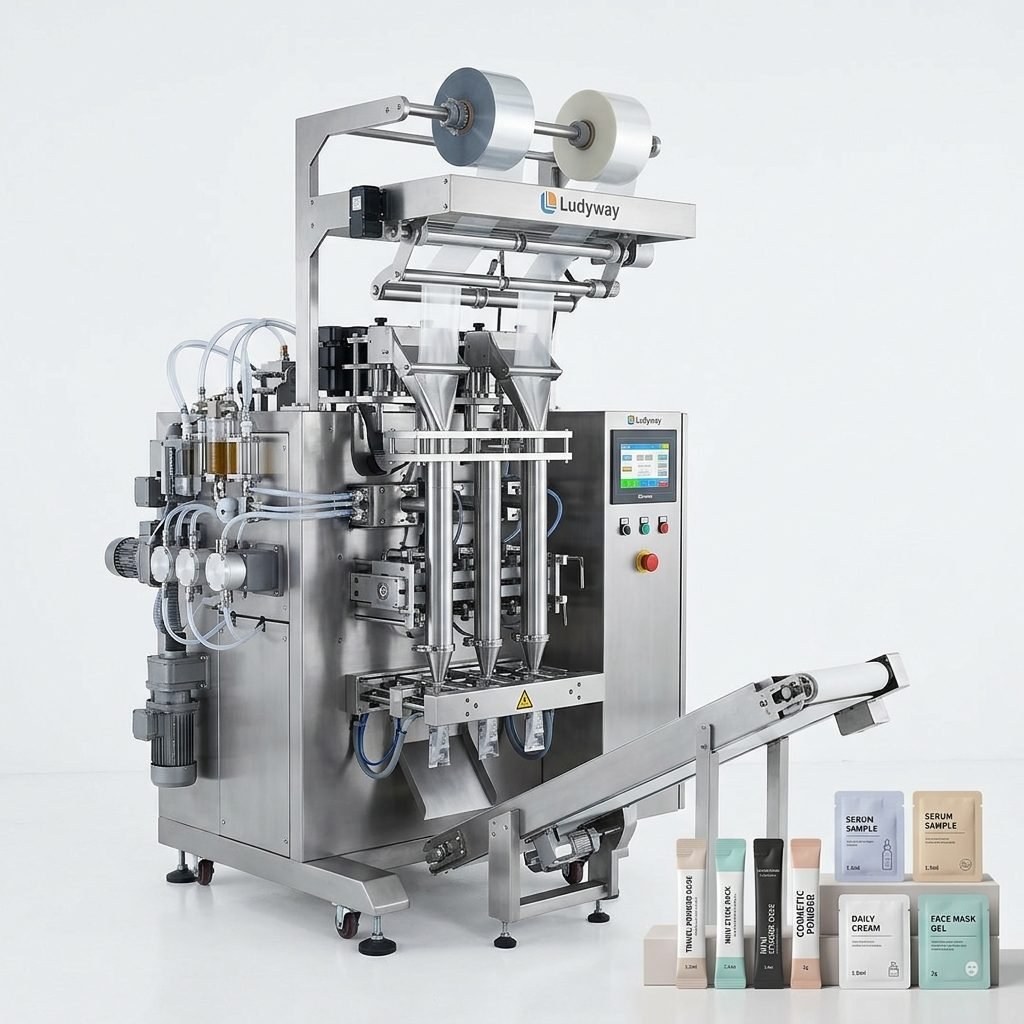
Liquid Packaging Machines
From cooking oils and sauces to dairy products and beverages, liquid packaging systems require sanitary design features and precise filling mechanisms. Piston fillers, peristaltic pumps, and flow meters are commonly integrated depending on product viscosity. Many systems now incorporate clean-in-place (CIP) capabilities to meet stringent food contact substances regulations.
Popular Packaging Formats and Their Applications
Different food products demand different packaging formats. Below are the most common configurations used by Oceania-based food manufacturers:
- Stick Packs — Single-serve narrow sachets ideal for instant coffee, sugar, sweeteners, protein powders, and drink mixes. Growing rapidly in Australia’s convenience food sector.
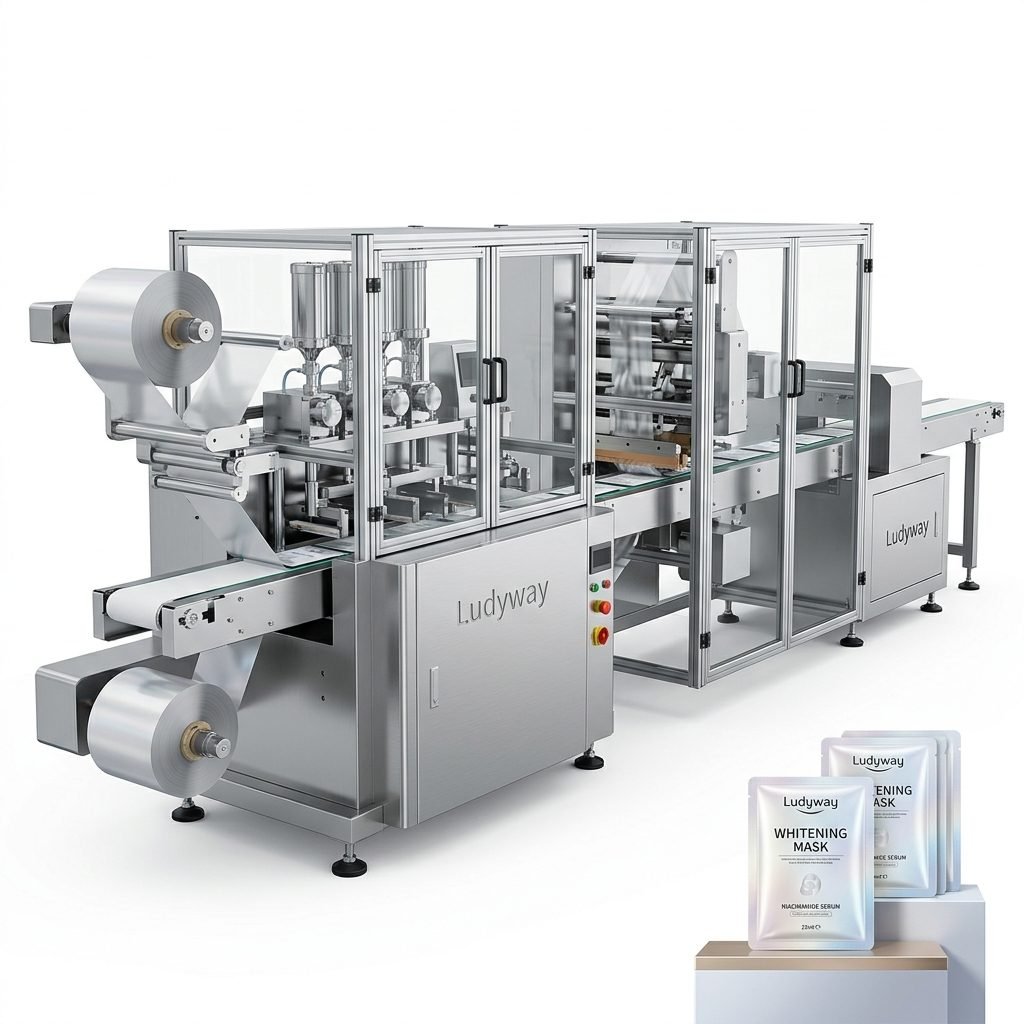
- Flat Sachets — Three-side or four-side sealed pouches for sauces, condiments, honey, jam, and pharmaceutical powders. Cost-effective format with excellent barrier properties.
- Stand-Up Pouches — Premium presentation with bottom gusset, often featuring resealable zippers. Popular for snacks, dried fruits, nuts, granola, and pet food in New Zealand and Australian markets.
- Pillow Pouches — Classic VFFS format for chips, frozen vegetables, confectionery, and bulk ingredients. High-speed production with low material costs.
- Bag-in-Box — Bulk liquid packaging for food service applications, including cooking oils, liquid eggs, and beverage syrups.
Food Packaging Machine Price Guide (2025-2026)
Pricing for food packaging equipment in Oceania varies significantly based on automation level, speed, format flexibility, and country of origin. The table below provides general price ranges in USD for budgeting purposes. Actual costs may vary based on configuration, optional features, and shipping to Australia, New Zealand, or Pacific Island nations.
| Machine Type | Typical Speed Range | Estimated Price Range (USD) |
|---|---|---|
| Entry-Level Single-Lane Sachet Machine | 30-60 packs/min | $5,000 – $18,000 |
| Mid-Range Multi-Lane Stick Pack Machine | 4-12 lanes, 200-600 packs/min | $25,000 – $80,000 |
| High-Speed Multi-Lane System (16+ lanes) | 800-1,500+ packs/min | $100,000 – $250,000+ |
| VFFS Machine (Medium Speed) | 40-80 bags/min | $30,000 – $90,000 |
| Premade Pouch Filling System | 30-60 pouches/min | $40,000 – $120,000 |
| Complete Turnkey Packaging Line | Custom configured | $150,000 – $600,000+ |
Key Suppliers and Market Landscape in Oceania
The food packaging machinery market in Oceania is served by a mix of local distributors, international brands, and direct manufacturers. Australian and New Zealand buyers typically source equipment through three main channels: local agents representing European or American brands, direct import from Asian manufacturers, and domestic OEMs specializing in niche applications.
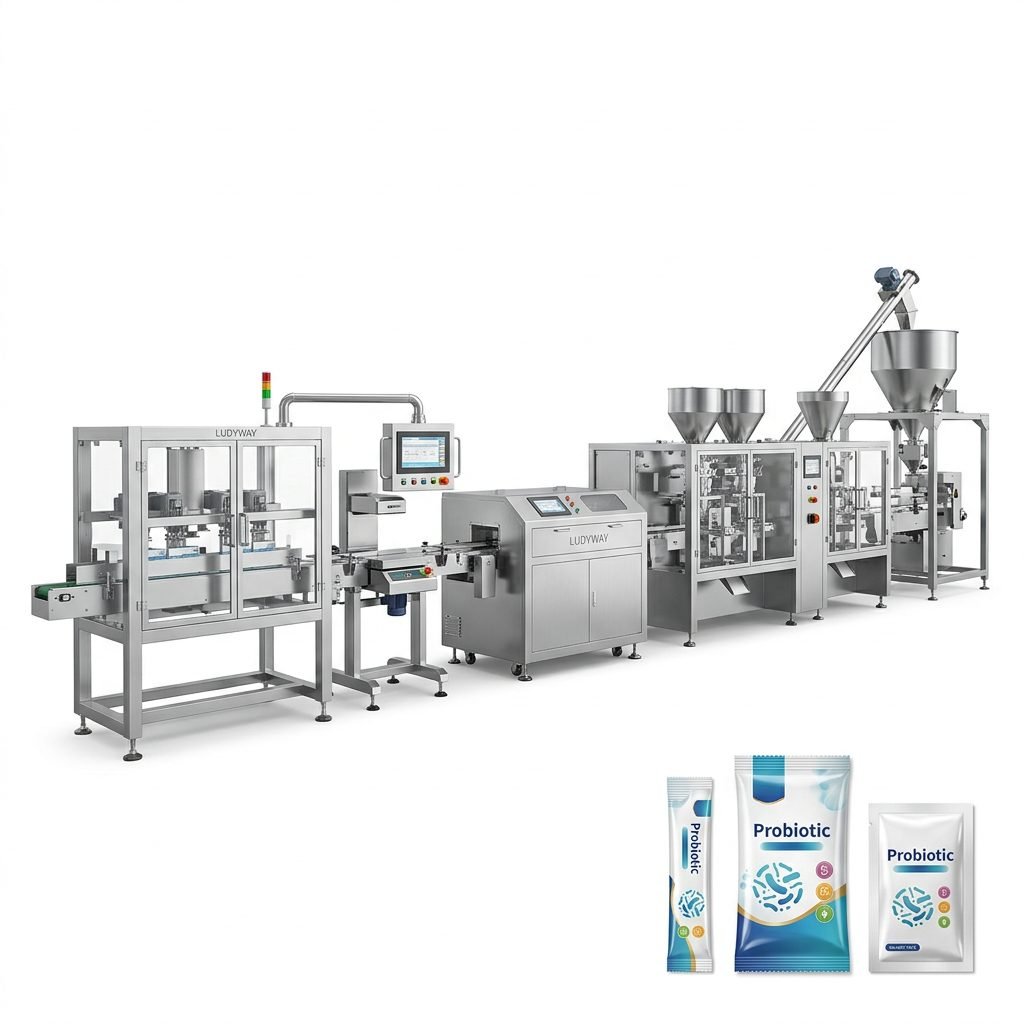
European equipment—particularly from Germany and Italy—carries a premium price but offers advanced engineering and established local support networks. Asian manufacturers, especially from China, have gained significant market share by offering cost-effective, high-performance alternatives with shorter lead times. Ludyway, one of China’s largest packaging machine manufacturers with a 20,000㎡ production facility and customers in over 100 countries, exemplifies this trend, supplying multi-lane stick pack, sachet, and fully automated systems to food producers worldwide including the Oceania region.

Regulatory Standards and Compliance for Oceania
Food packaging machinery sold and operated in Australia and New Zealand must comply with several key standards. Understanding these requirements before purchasing can prevent costly retrofits and certification delays.
Food Safety Standards (FSANZ)
Food Standards Australia New Zealand (FSANZ) sets the framework for food safety, including packaging materials that come into contact with food. Equipment must be constructed from food-grade materials and designed for easy cleaning and sanitation. Refer to FDA food packaging guidelines for internationally recognized best practices that align with FSANZ requirements.
Electrical Safety and CE/ISO Equivalents
Machinery imported into Oceania must meet electrical safety standards equivalent to Australian/New Zealand regulations. ISO packaging standards provide internationally recognized benchmarks for machine safety, performance, and quality management that are widely accepted across the region.
Sustainability and Packaging Waste Regulations
Both Australia and New Zealand are implementing stricter packaging waste regulations, with emphasis on recyclability, reduced material usage, and incorporation of recycled content. The sustainable materials management framework increasingly influences packaging equipment purchasing decisions, as manufacturers seek machinery compatible with eco-friendly film materials and lightweight packaging designs.
Factors to Consider When Buying a Packaging Machine
Making the right investment requires evaluating multiple factors beyond the initial purchase price. Here are key considerations for Oceania-based buyers:
- Product Characteristics — Granule size, powder flowability, liquid viscosity, and product sensitivity to heat or moisture all influence machine selection. Test your specific product on the equipment before committing.
- Production Capacity — Match machine speed to current and projected output. Oversizing leads to unnecessary capital expenditure, while undersizing creates bottlenecks.
- Format Flexibility — If you package multiple products or plan to expand your range, consider machines with quick-change tooling and adjustable forming sets.
- After-Sales Support — Evaluate the availability of spare parts, technical support response times, and whether local service technicians are available in Australia or New Zealand.
- Integration Capabilities — Can the machine connect with upstream dosing systems and downstream cartoning or case packing equipment? Seamless line integration reduces labor costs.
- Energy Efficiency — Rising electricity costs in Oceania make energy-efficient servo-driven systems increasingly attractive compared to pneumatic alternatives.
Emerging Trends in Oceania’s Food Packaging Sector
Several trends are reshaping the packaging machinery landscape across the region. Automation and smart factory integration lead the way, with manufacturers increasingly adopting IoT-enabled machines that provide real-time production data and predictive maintenance alerts. Sustainable packaging continues to drive innovation, pushing equipment manufacturers to develop systems compatible with recyclable mono-materials and bio-based films. The 2025 State of the Industry report highlights how these sustainability demands are accelerating equipment upgrades across all major markets including Oceania.
Additionally, the e-commerce boom in Australia and New Zealand has increased demand for durable, lightweight packaging formats suitable for direct-to-consumer shipping. Compact, modular machine designs that fit smaller production facilities while maintaining high output are particularly sought after by growing food brands in the region.
Making Your Final Decision
Selecting a food packaging machine is a strategic investment that impacts product quality, operational efficiency, and market competitiveness. Begin by clearly defining your product range, target output, and budget parameters. Request sample packaging trials with your actual products, compare total cost of ownership—not just purchase price—and verify the supplier’s track record in the Oceania market. Whether you choose a European premium brand, a local distributor, or a direct manufacturer from Asia, thorough due diligence ensures your packaging line delivers reliable performance for years to come.
For further guidance, consult PMMI’s business intelligence resources and Flexible Packaging Association publications for the latest industry data and technology insights relevant to packaging operations in Oceania.