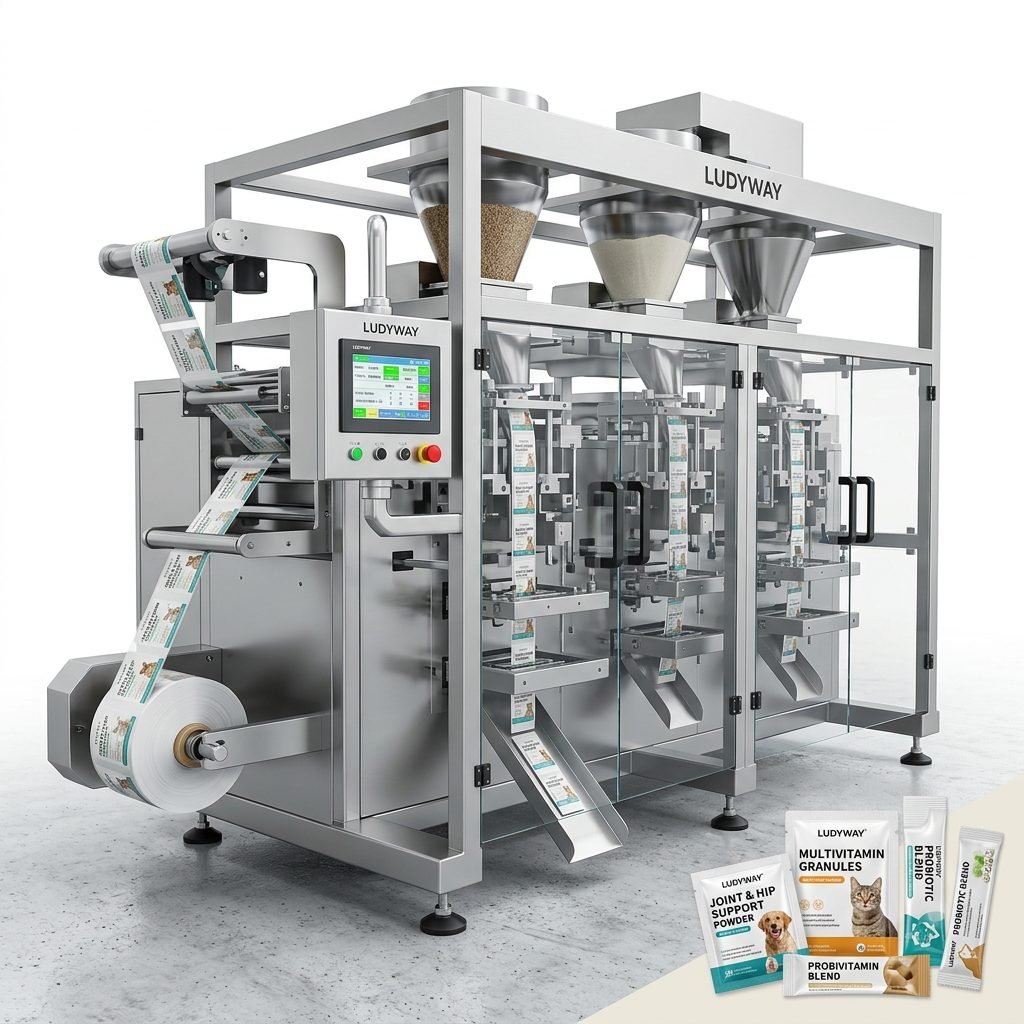
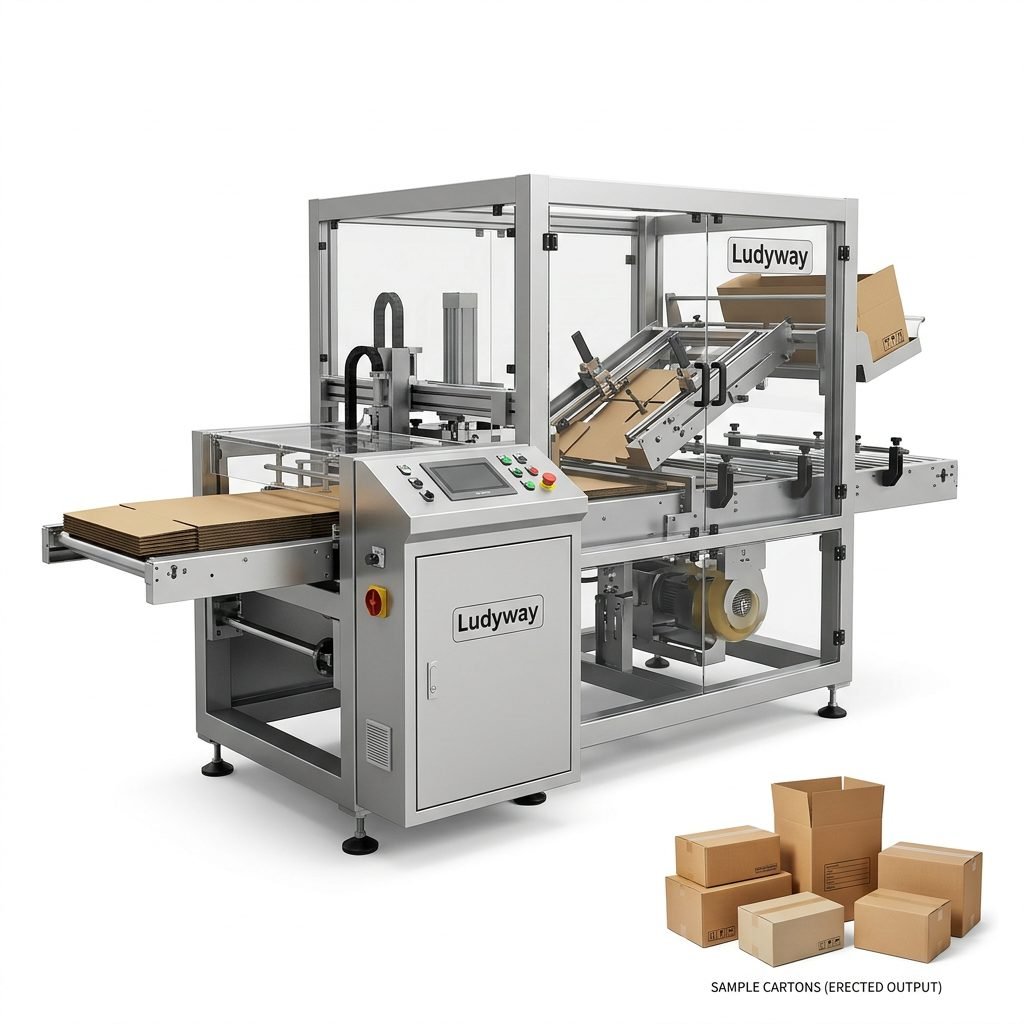
Selecting the right coffee bean packaging machine is a critical decision that directly impacts product freshness, production efficiency, and long-term operational costs. With a wide range of equipment available — from semi-automatic fillers to fully integrated multi-lane systems — understanding your specific needs before investing is essential. This guide walks you through the key factors to consider when choosing packaging machinery for whole beans, ground coffee, or specialty formats.

Key Factors to Consider When Choosing a Coffee Bean Packaging Machine
Before evaluating specific models, define your production goals. The ideal machine balances speed, flexibility, and consistency while meeting industry standards.
1. Packaging Formats and Bag Styles
Coffee is sold in many different packaging formats, and your machine must be compatible with your target market. Common formats include:
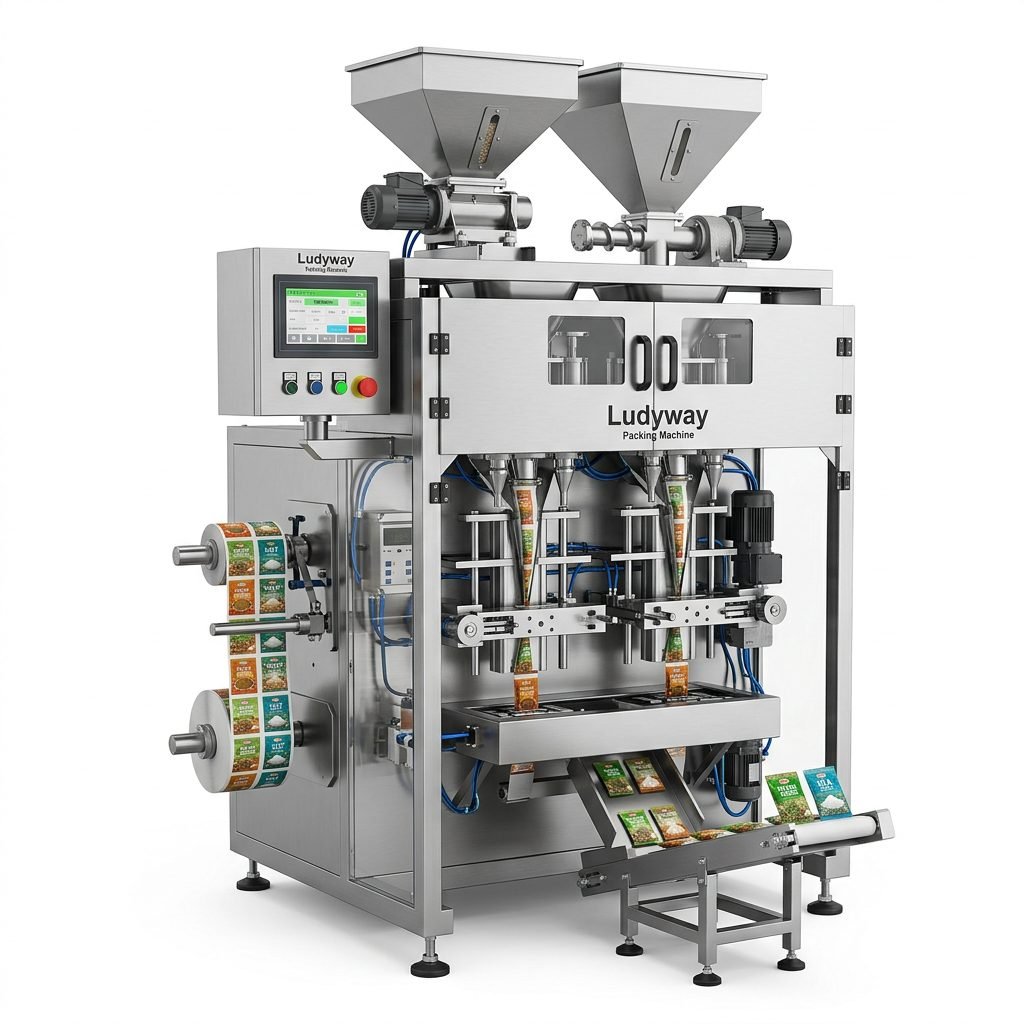
- Pillow bags / Gusseted pouches – ideal for whole beans and ground coffee
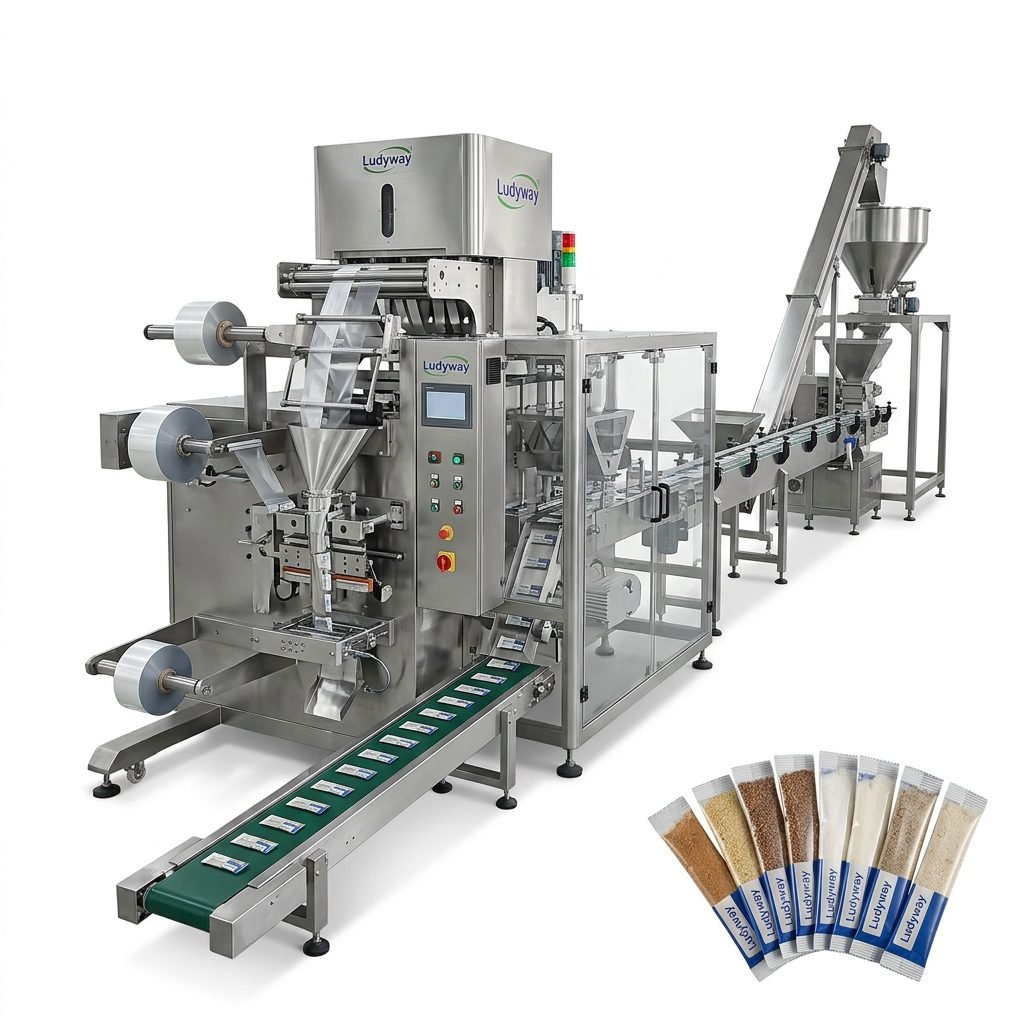
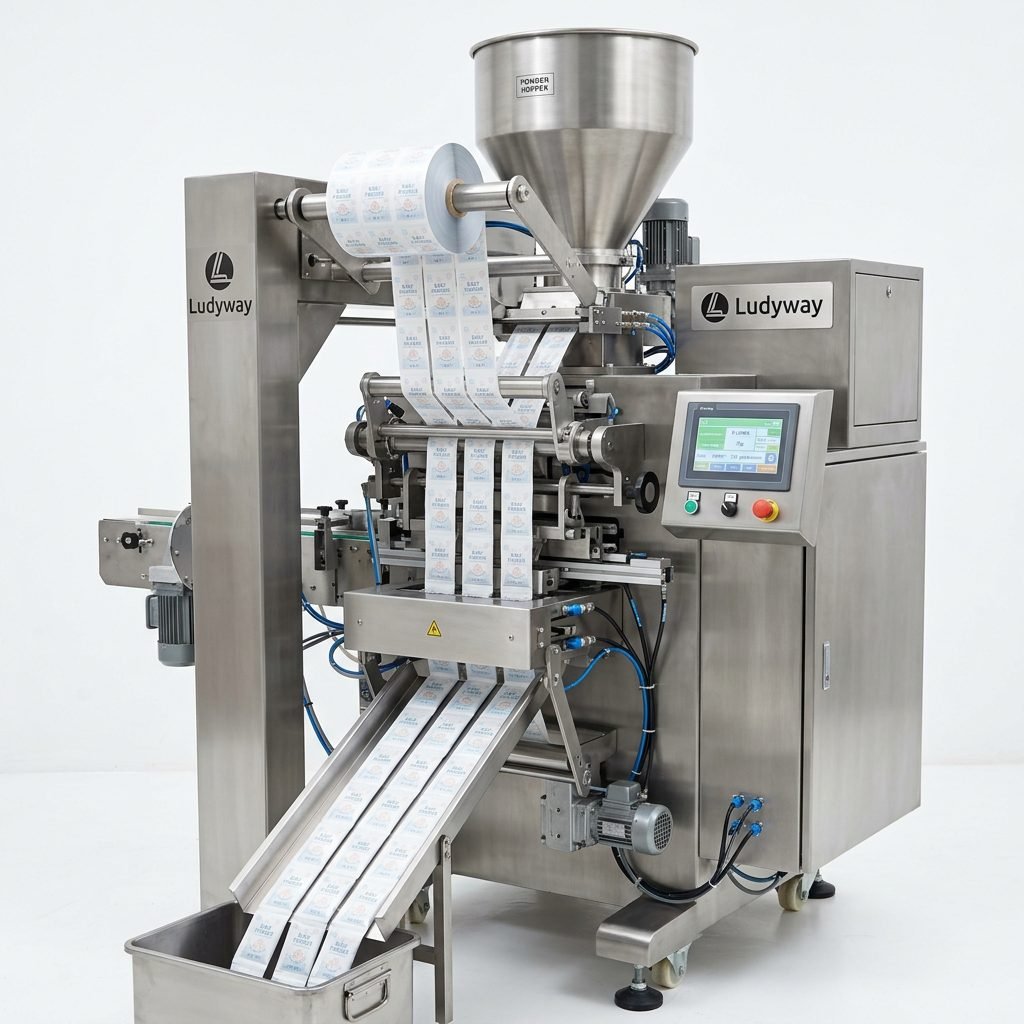
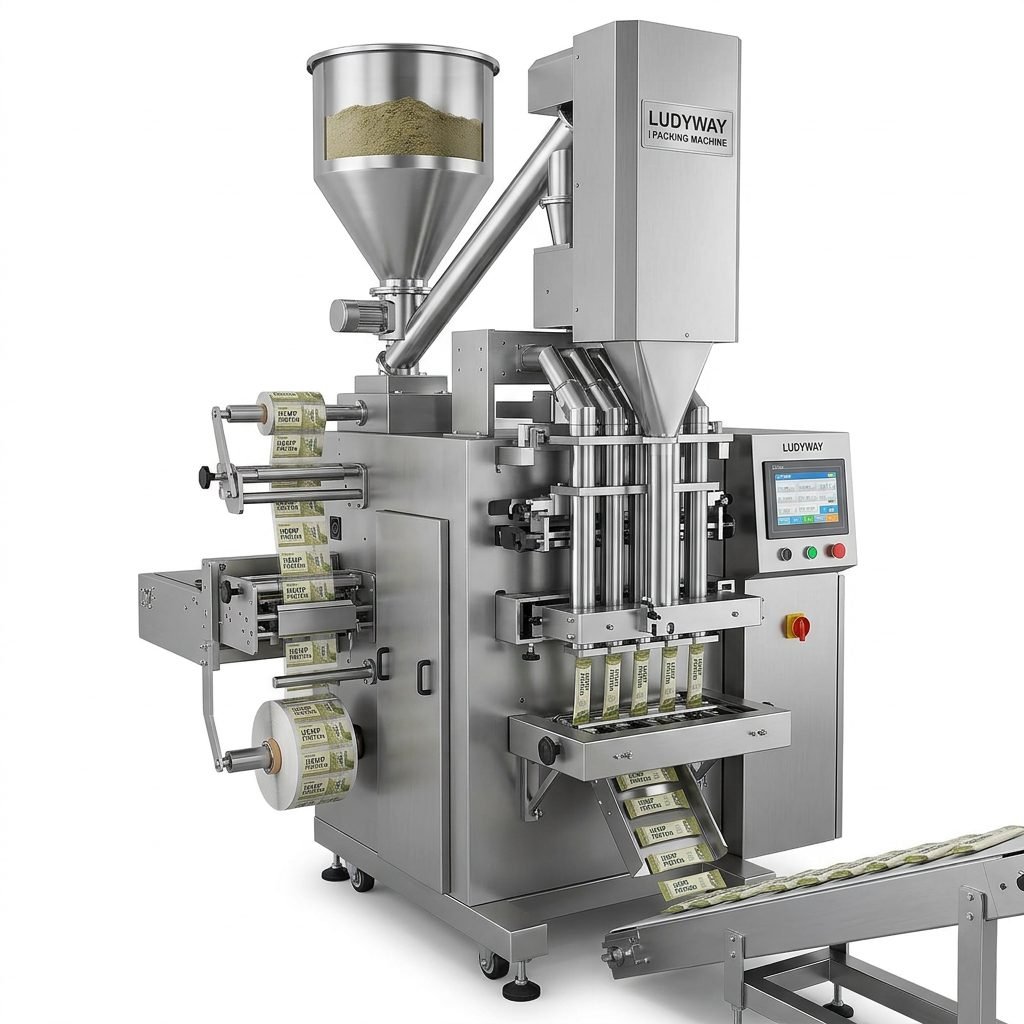
- Stick packs and sachets – popular for single-serve instant coffee
- Doypacks with one-way degassing valves – preferred for premium fresh coffee
- Vacuum-sealed bags – extend shelf life for whole beans
- Jars and cans – used in retail and gift formats
Many modern machines support quick changeover between bag sizes and styles, allowing you to serve multiple product lines with a single investment.
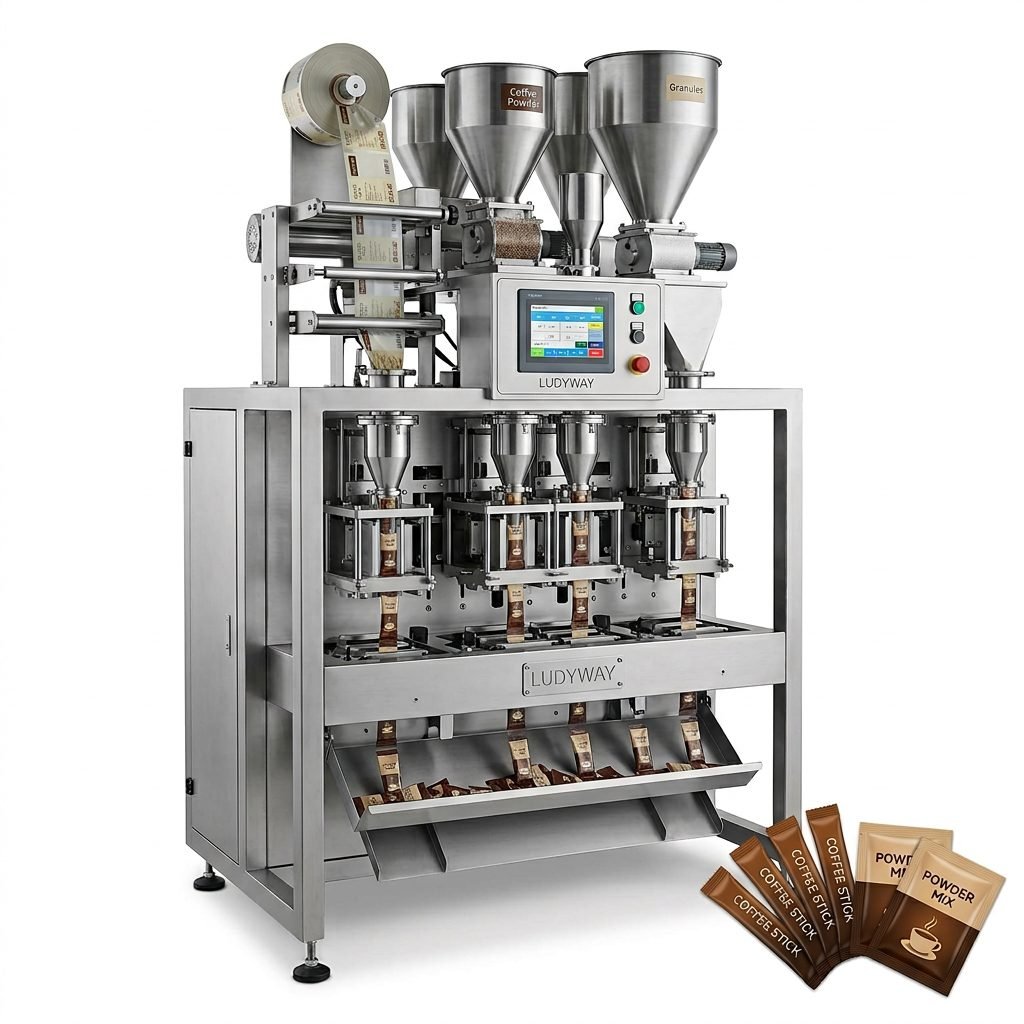
2. Weighing and Filling Accuracy
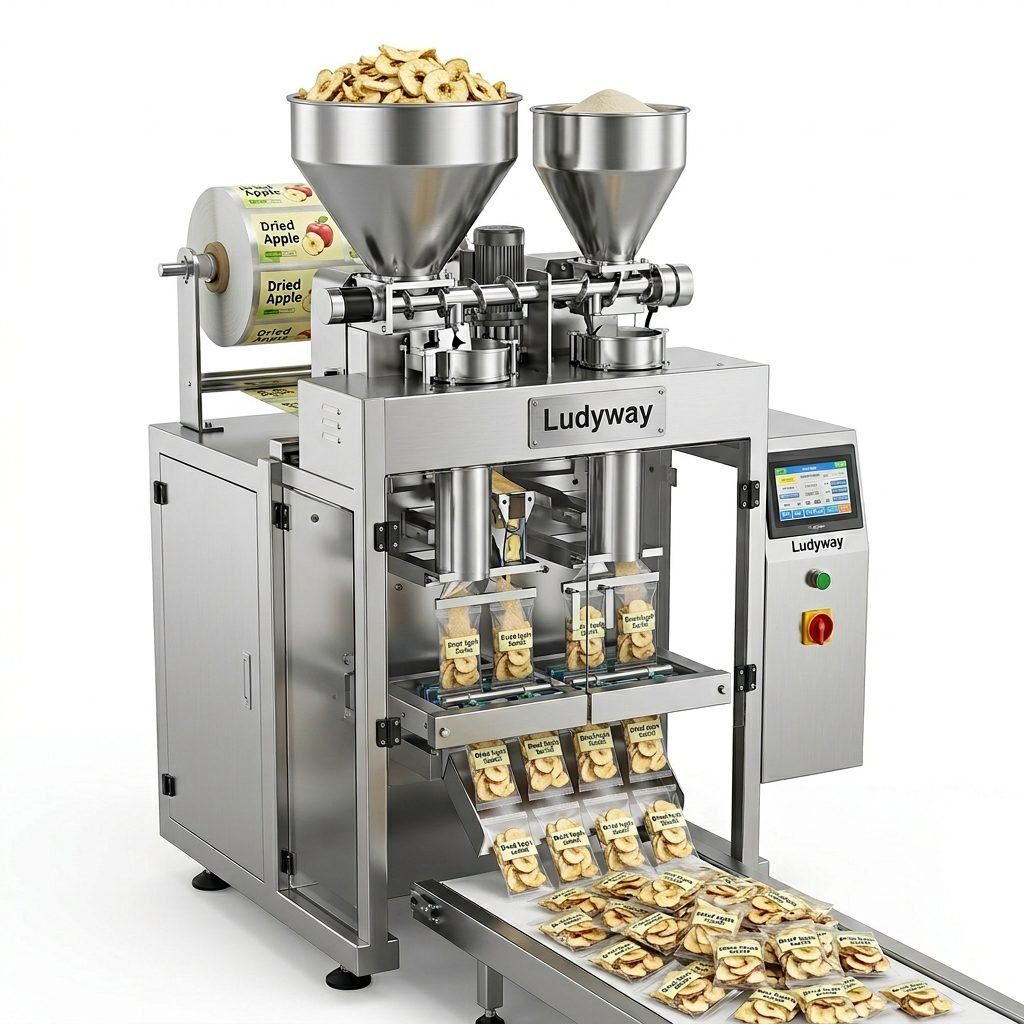
Precision in dosing is non-negotiable in the coffee industry. Inconsistent fills lead to product waste, customer complaints, and regulatory issues. Consider machines equipped with multi-head weighers or auger fillers depending on whether you handle whole beans or ground powder. High-accuracy weighing systems also support industry productivity benchmarks by reducing giveaway and boosting profit margins.
3. Speed and Throughput Requirements
Your production volume will determine the number of lanes and the machine’s cycle speed. Small roasters may only need 20–40 packs per minute, while large-scale producers often require multi-lane systems running at over 200 packs per minute. Always choose a machine that can handle your peak demand without running at maximum mechanical stress.
4. Automation and Integration Capabilities
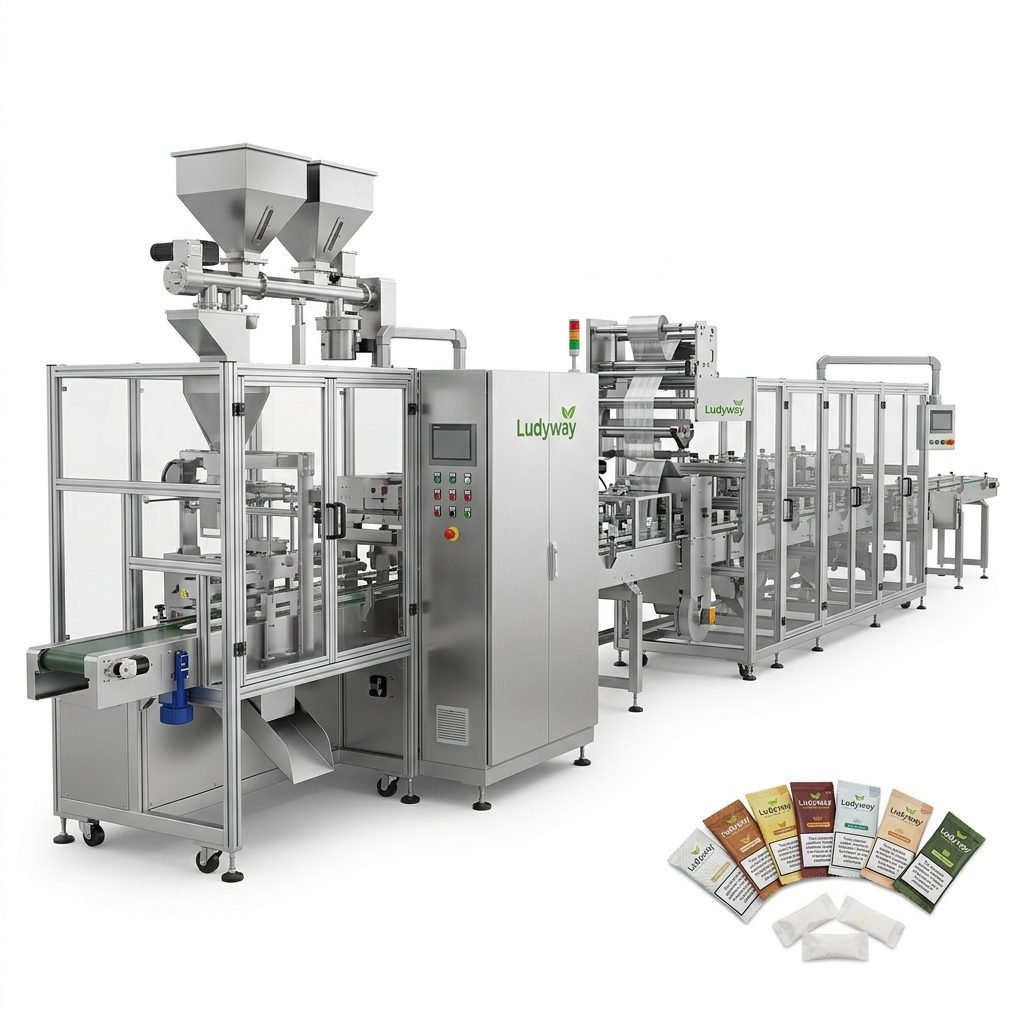
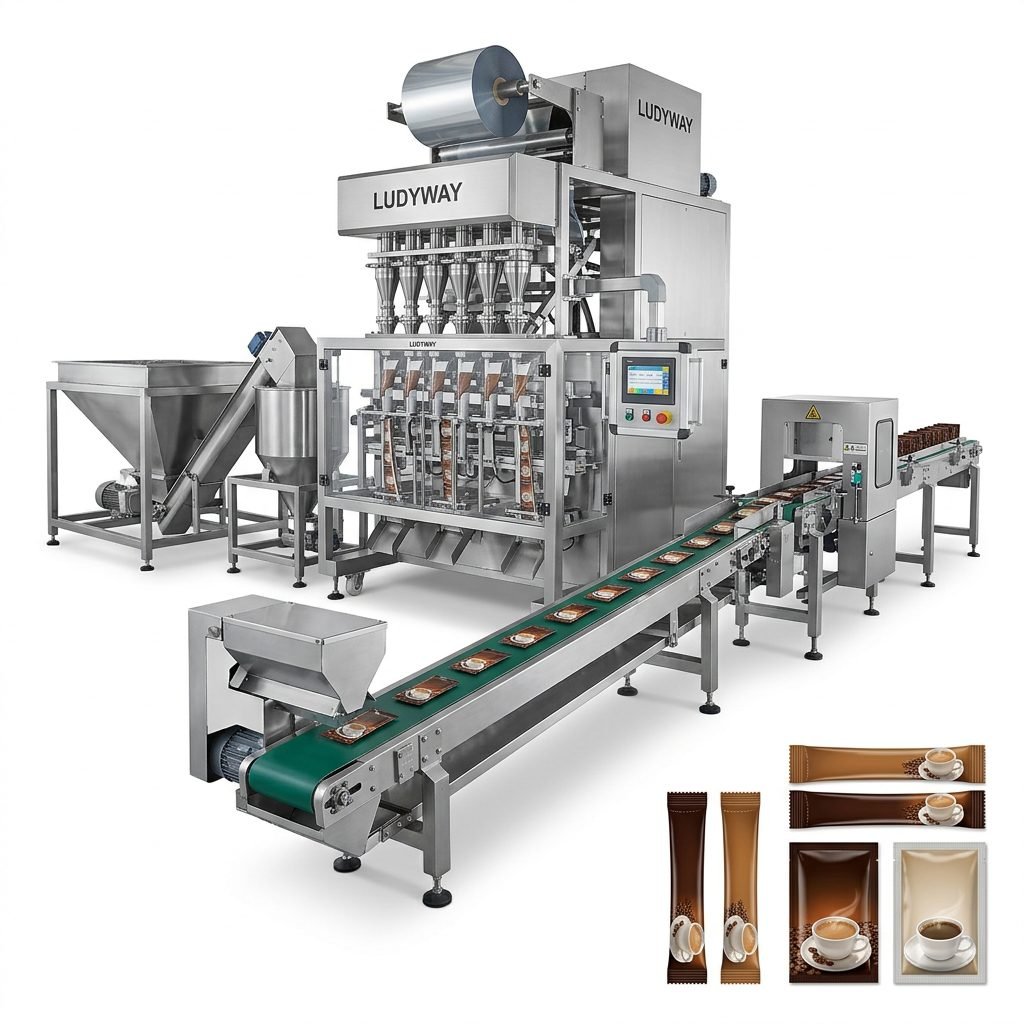
Beyond the primary filling and sealing functions, consider how the packaging machine connects with upstream and downstream equipment. Integration options include automatic feeding systems, nitrogen flushing for freshness preservation, inline checkweighers, date coders, and carton packers. A fully integrated packaging line reduces labor costs and ensures continuous high-speed output.
5. Compatibility with Coffee Bean Characteristics
Not all coffee products behave the same way. Whole beans require gentle handling to avoid breakage, ground coffee must be protected from moisture and oxygen, and oily dark roasts can complicate seal integrity. Your machine’s material contact parts and seal jaw design must be appropriate for the specific physical properties of your coffee.
6. Material and Seal Integrity
Coffee packaging relies heavily on barrier films to preserve aroma and prevent oxidation. The machine must deliver consistent heat sealing across various laminate structures. For added freshness, look for models that support gas flushing or vacuum sealing. Robust seal inspection systems help avoid leakers that compromise shelf life.
7. Compliance and Industry Standards
Depending on your market, packaging machinery may need to meet FDA, EU, or other regulatory requirements. Machinery designed with food contact compliance in mind uses stainless steel construction and validated cleaning protocols. Relevant certifications and documentation should be available from your equipment partner before purchase.

Comparing Packaging Machine Configurations
Different machine configurations suit different production scales and packaging objectives. The table below outlines some common options.
| Machine Type | Best For | Typical Speed | Key Advantage |
|---|---|---|---|
| Single-lane vertical form fill seal | Small roasters, whole beans | 20–60 packs/min | Cost-effective, easy to operate |
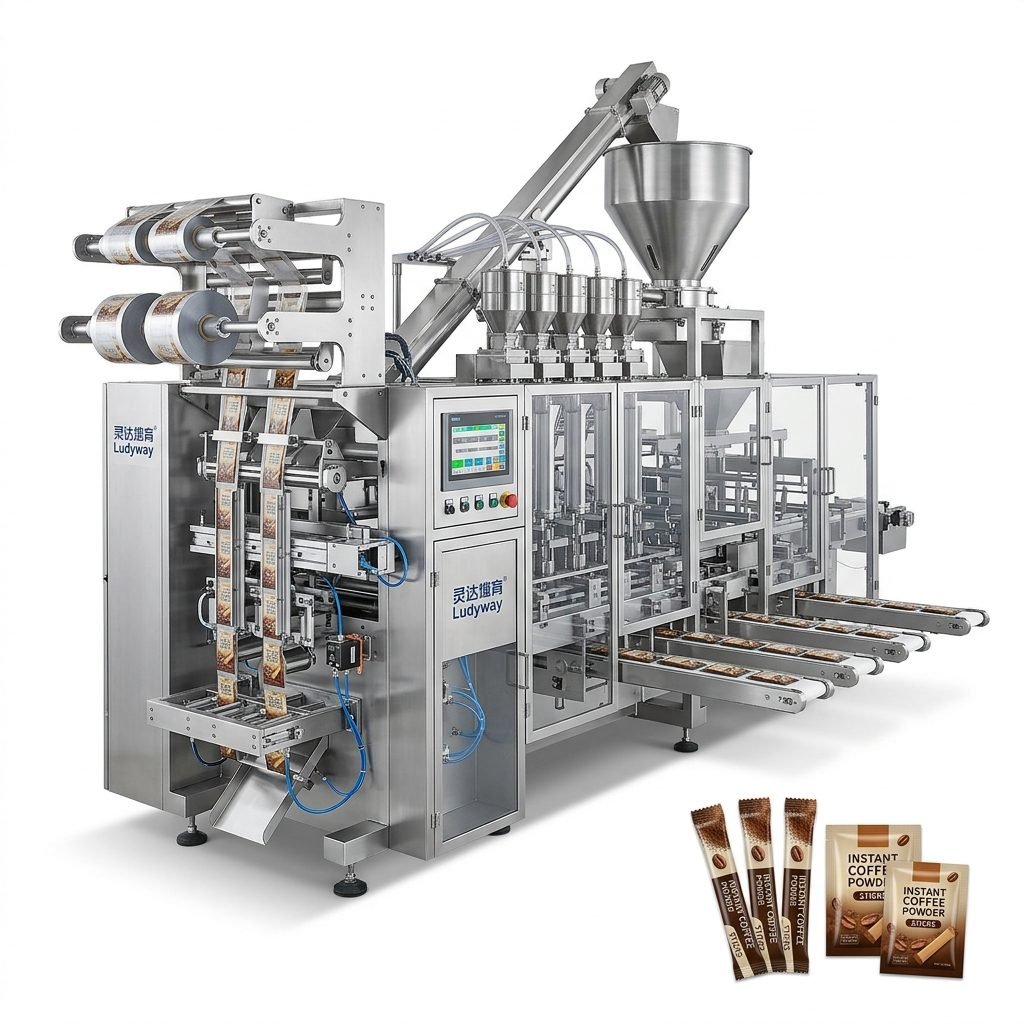
| Multi-lane stick pack machine | Instant coffee, sugar, creamer | 200–800 sticks/min | Very high output, small footprint |
| Premade pouch filling system | Gusseted bags, doypacks | 30–80 packs/min | Premium look, flexible sizes |
| Turnkey packaging line | Large production plants | Custom, up to 600+ packs/min | Fully integrated, one partner for whole line |
Why Work with an Experienced Packaging Machinery Manufacturer?
Choosing a reliable equipment partner is as important as the machine itself. An experienced manufacturer brings engineering knowledge, application expertise, and responsive support to your project. Ludyway Machinery, a China-based packaging machinery manufacturer with more than 30 years of experience, delivers tailored solutions for coffee and other granule/powder products. With a 20,000-square-meter facility, over 50 machine models, and a global service presence, Ludyway supports manufacturers from single machine selection to complete turnkey packaging lines — helping you achieve consistent quality and scalable production. According to a recent industry growth analysis, the company’s export performance reflects the growing demand for robust coffee packaging automation worldwide.
Making the Final Decision
Invest in a packaging machine that aligns with your current volume and future growth plans. Evaluate based on format flexibility, weighing precision, material compatibility, and after-sales support. Request sample packaging demos with your actual product and film before committing, and ensure the supplier can provide documentation for compliance in your target market. With the right equipment partner, your coffee packaging operation can deliver freshness, visual appeal, and efficiency from day one.
Use the resources from organizations like PMMI and Flexible Packaging Association to stay informed about evolving packaging standards and technology trends that affect coffee packaging machinery selection.