The Middle East has emerged as a high-growth market for processed and packaged seafood products. With increasing demand for frozen shrimp, fish fillets, dried seafood snacks, and ready-to-cook marine products, setting up an efficient seafood packaging machine production line requires careful planning, equipment selection, and compliance with regional standards. This guide walks you through the essential steps to build a reliable and scalable packaging operation in the Gulf region and beyond.
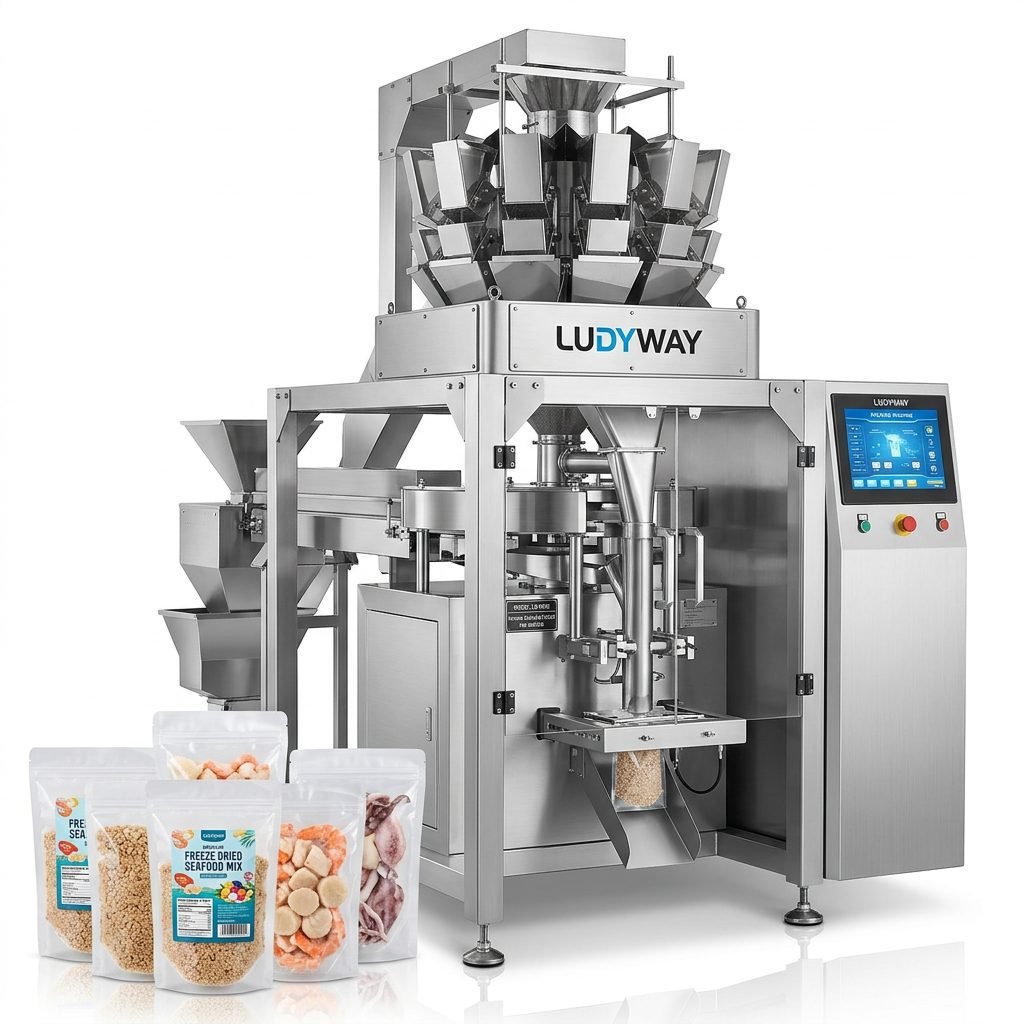
Understanding the Middle East Seafood Packaging Market
The Middle East seafood sector is characterized by high import volumes, stringent halal compliance requirements, and a growing preference for value-added packaged products. Countries such as the UAE, Saudi Arabia, Qatar, and Kuwait are investing heavily in food processing infrastructure. When planning your packaging line, consider the following market dynamics:
- Dominant product categories: Frozen shrimp, vacuum-packed fish, dried anchovies, and seafood snack pellets
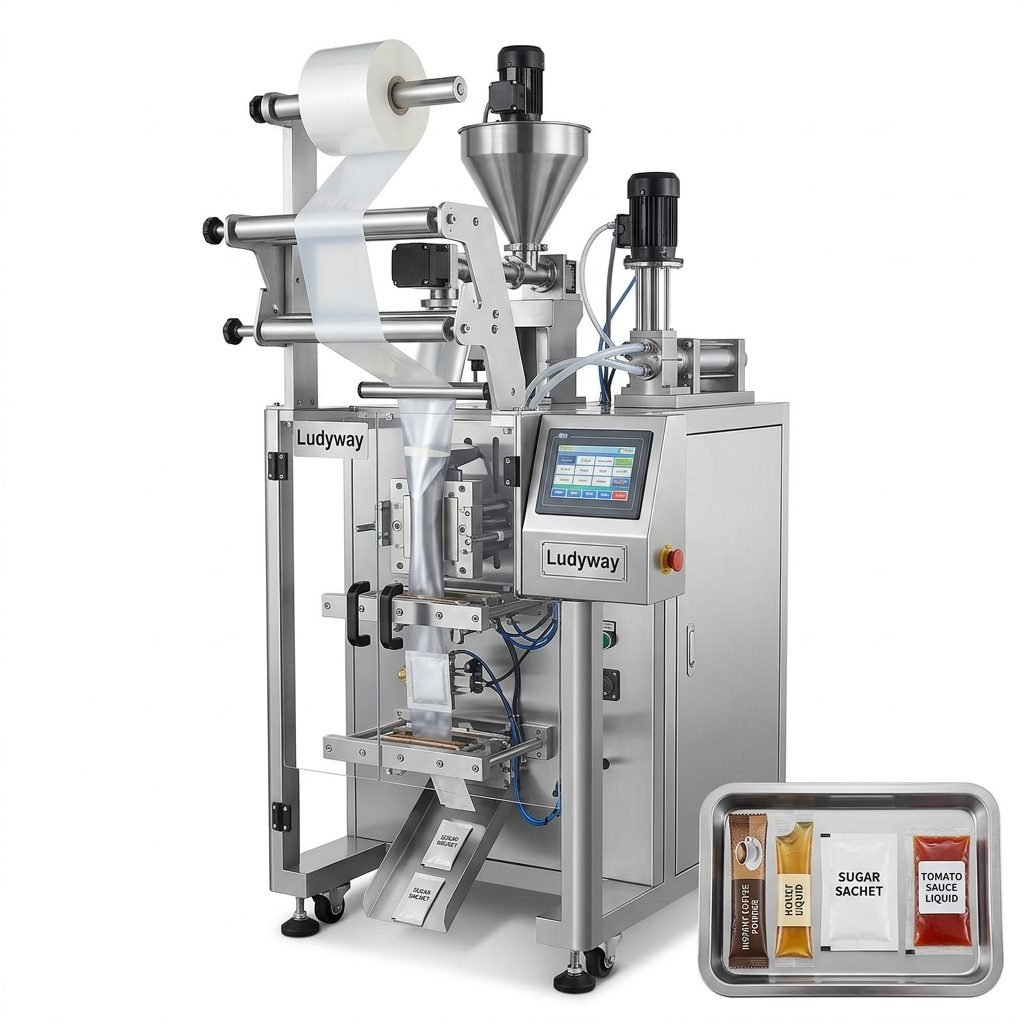
- Packaging formats in demand: Multi-lane stick packs, sachet packs, vacuum pouches, and bulk bags
- Regulatory environment: Food packaging regulations aligned with GCC Standardization Organization (GSO) standards
- Supply chain factors: Cold chain integration, high ambient temperatures, and humidity control during packaging
Key Equipment for a Seafood Packaging Line
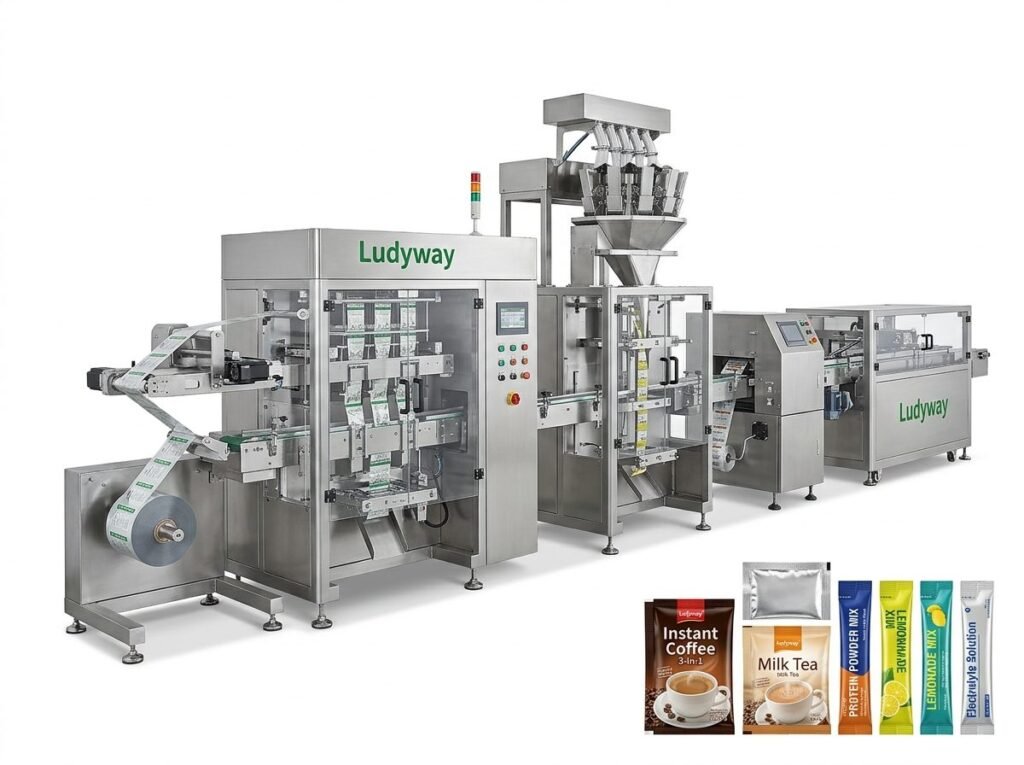
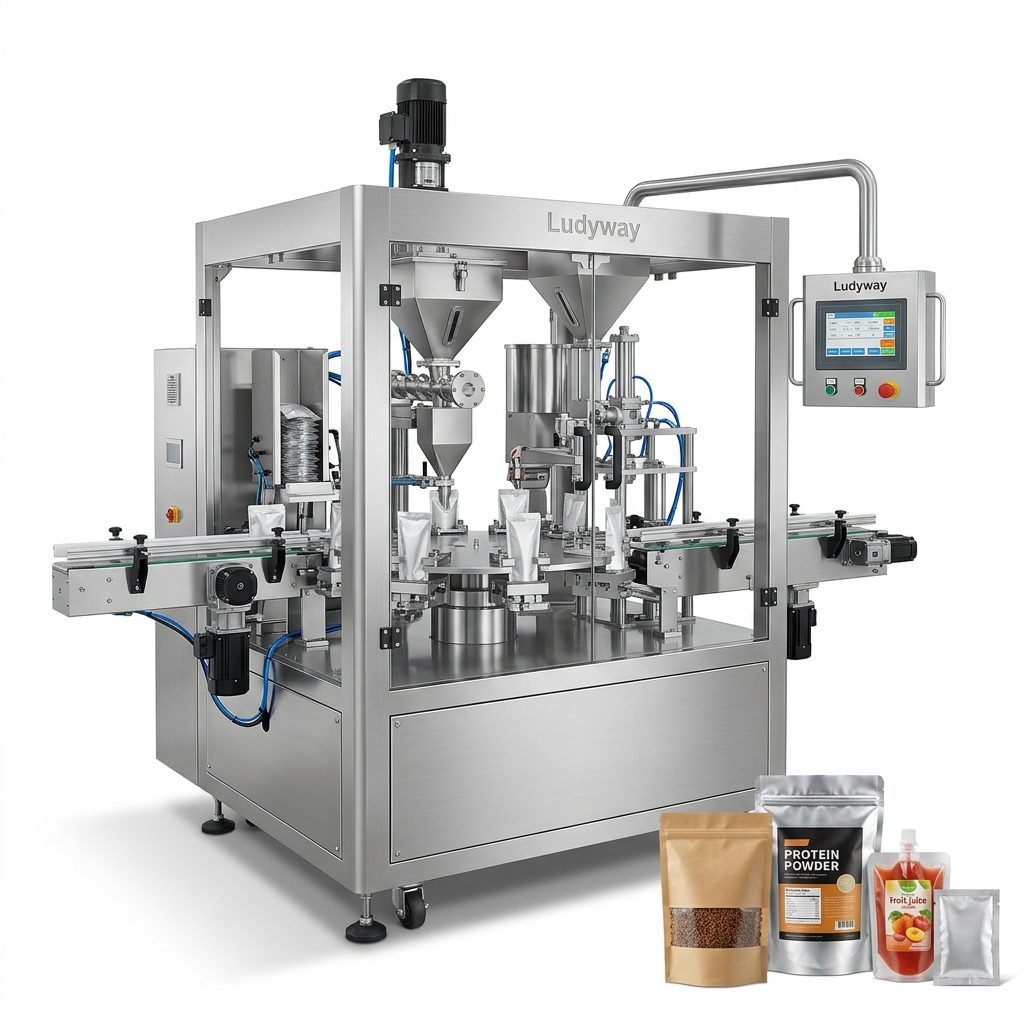
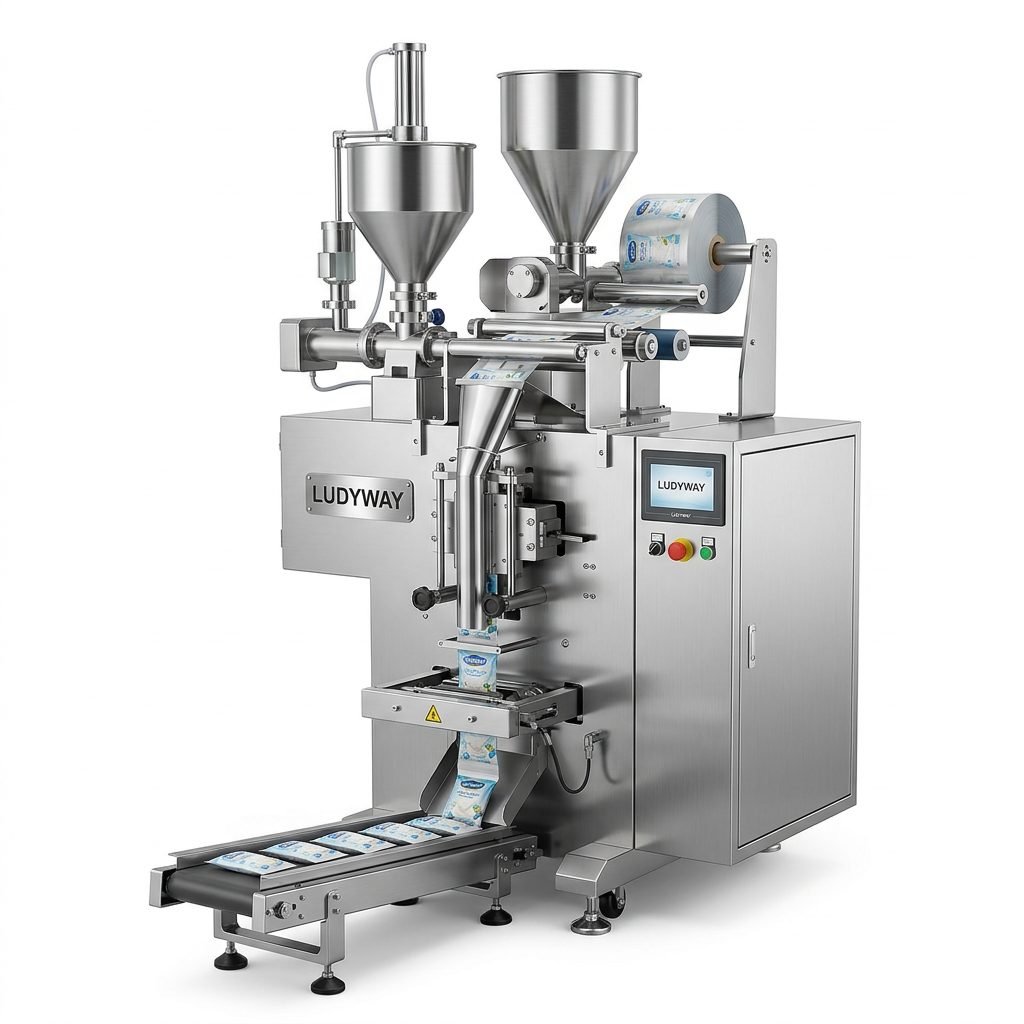
Selecting the right machinery is the foundation of your production success. A complete seafood packaging machine line typically includes the following integrated systems:
| Equipment Type | Function | Best For |
|---|---|---|
| Multi-Head Weighing System | Precision dosing of irregular seafood pieces | Frozen shrimp, fish chunks, mixed seafood |
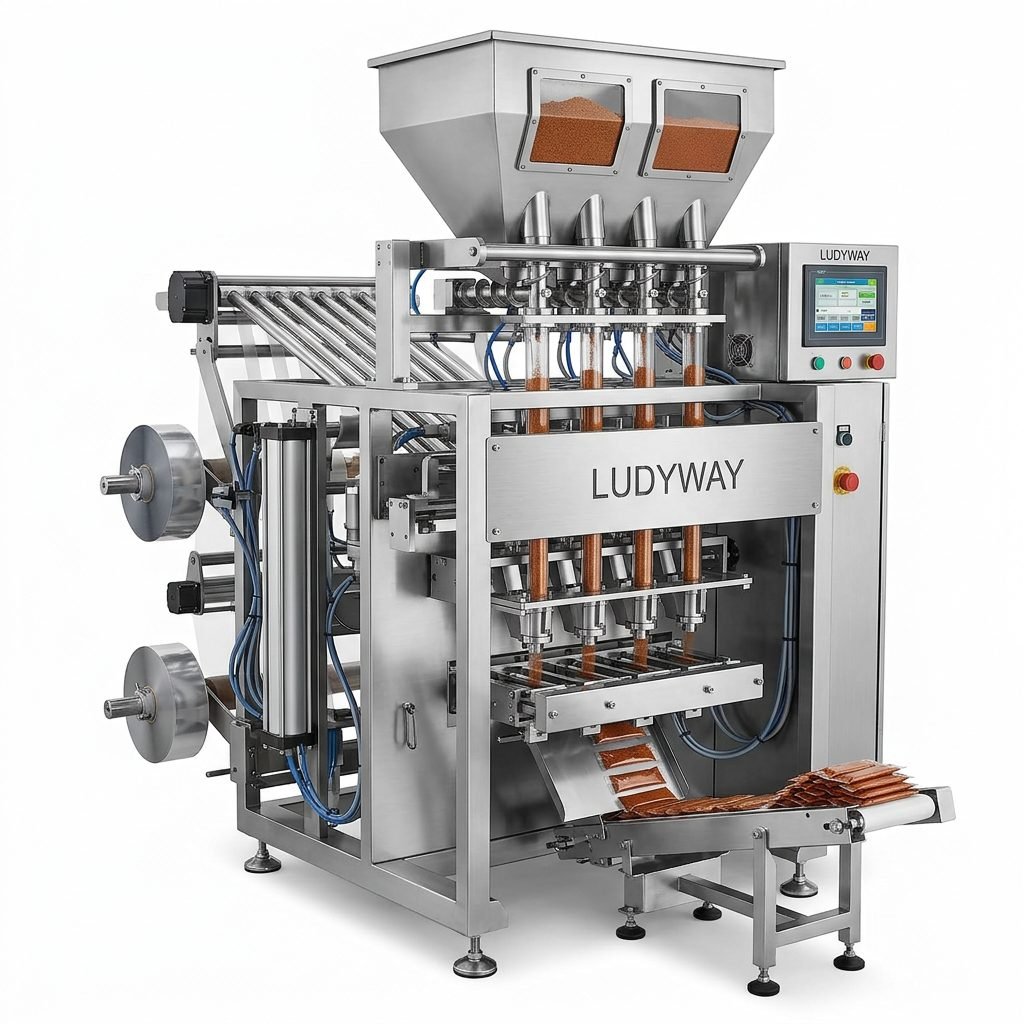
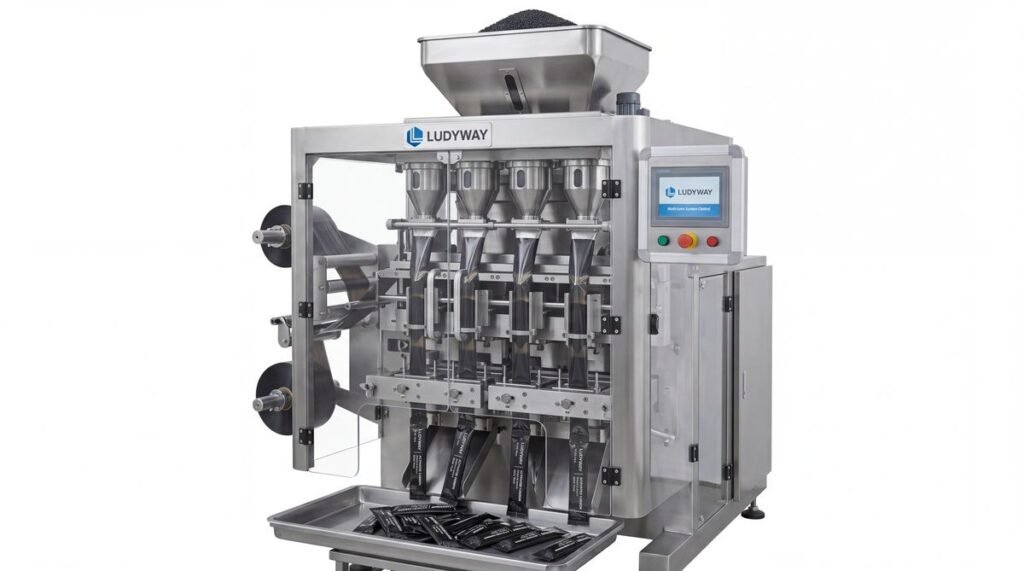
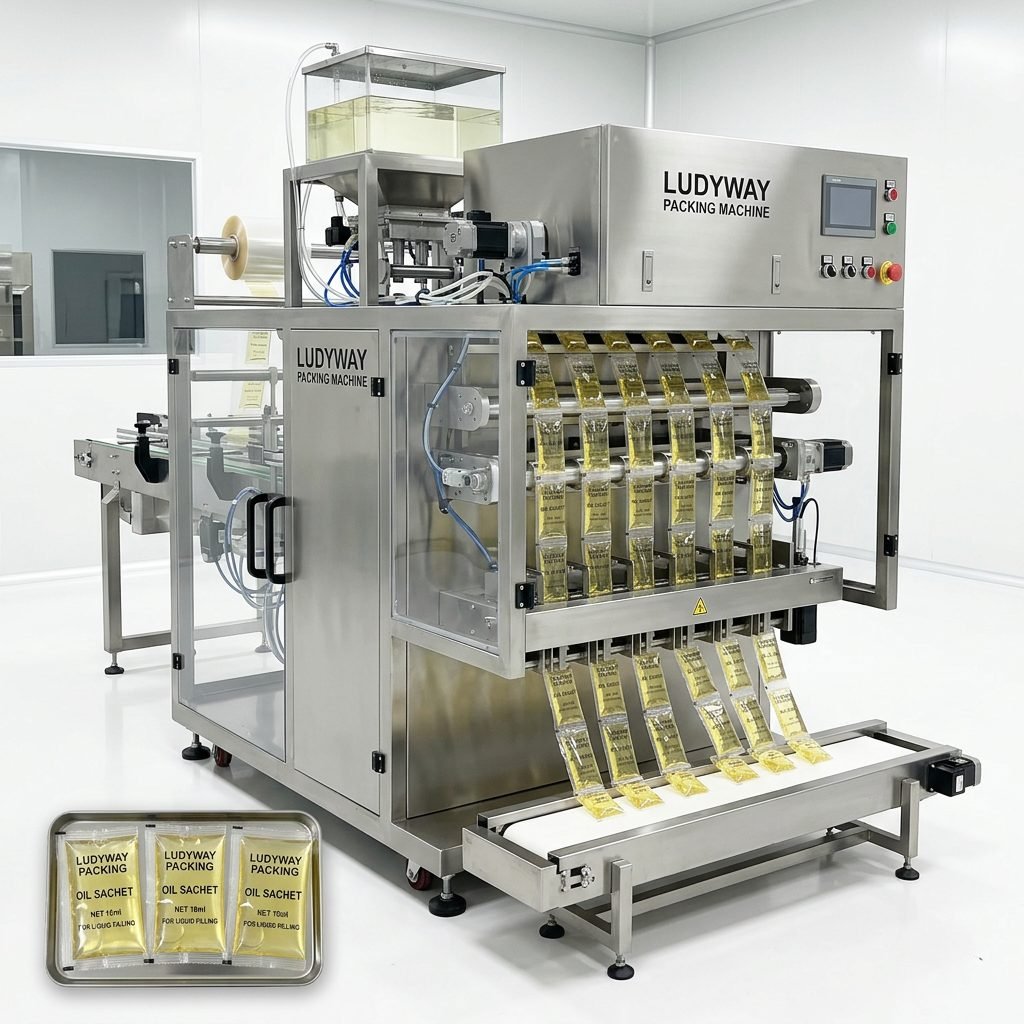
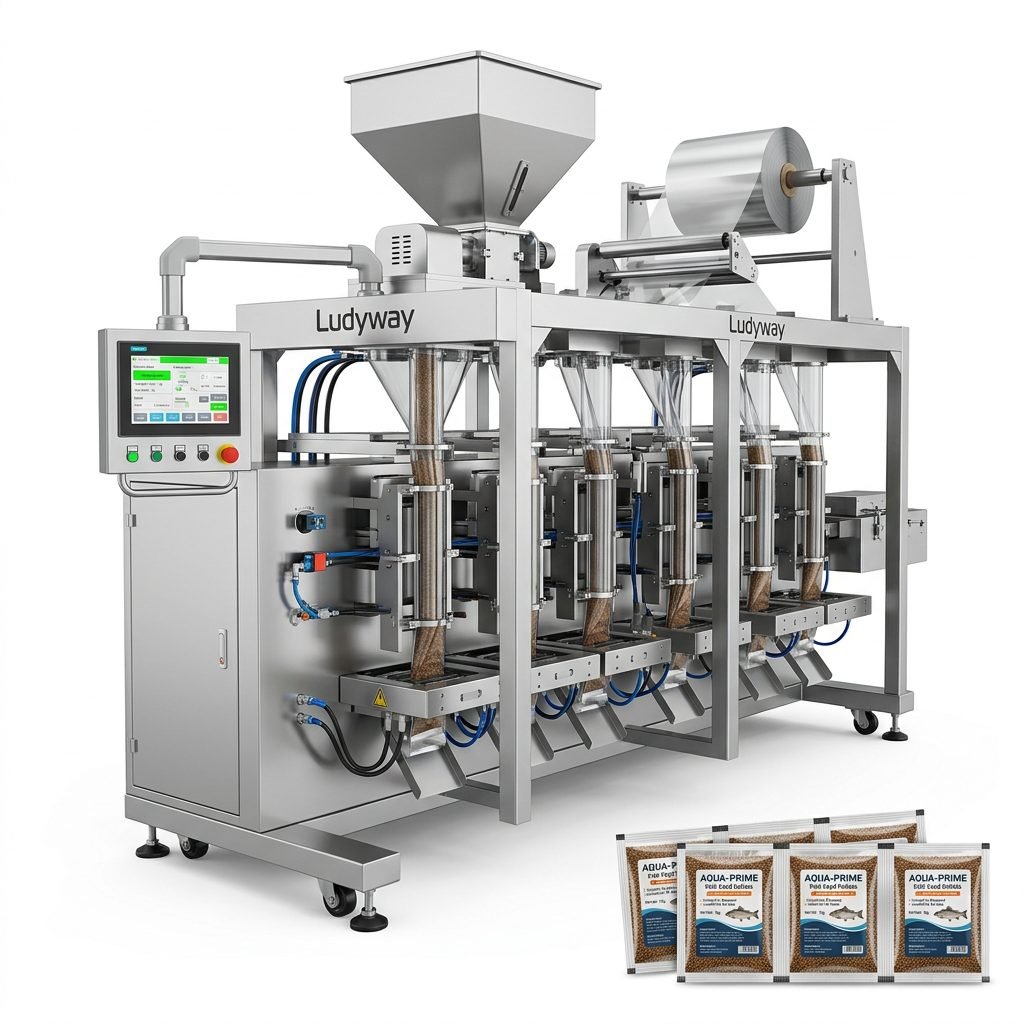
| Multi-Lane Stick Pack Machine | High-speed vertical form-fill-seal for single-serve portions | Dried fish snacks, shrimp pellets, seasoning packs |
| Vacuum Sealing Machine | Oxygen removal for extended shelf life | Freeze-dried seafood, smoked fish, premium fillets |
| Automatic Cartoning System | Secondary packaging into retail-ready boxes | Frozen seafood multipacks, gift boxes |
| Checkweigher & Metal Detector | Quality assurance and contaminant detection | All packaged seafood products |
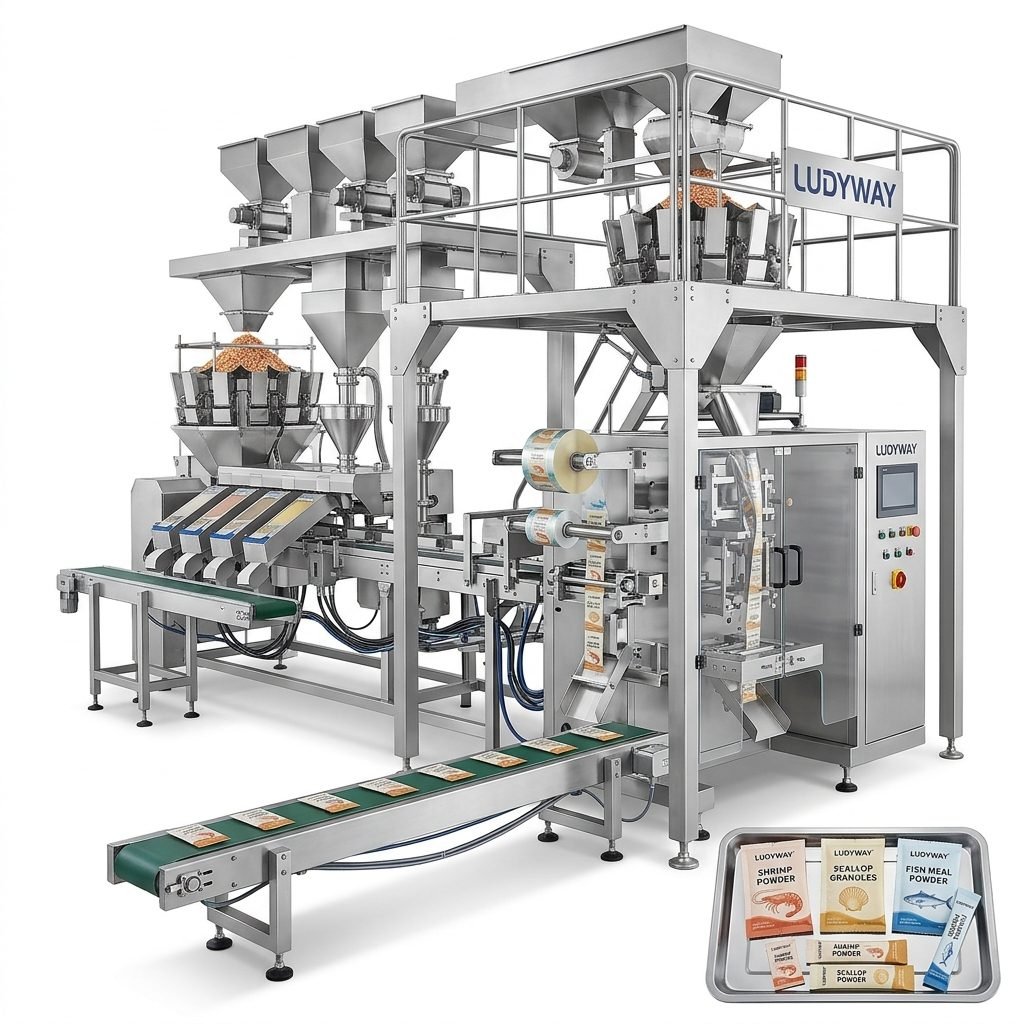
Step-by-Step Setup Guide
1. Site Preparation and Facility Requirements
Your production facility must meet food-grade hygiene standards appropriate for seafood processing. Essential preparations include:
- Temperature-controlled environment (recommended 15–20°C for processing areas)
- Positive air pressure systems to prevent contamination
- Stainless steel work surfaces and easy-to-clean flooring with proper drainage
- Dedicated cold storage zones (‑18°C to ‑25°C) adjacent to the packaging line
- Adequate electrical supply with voltage stabilization for sensitive packaging equipment
2. Equipment Selection and Customization
Not all seafood products are the same. Customizing your packaging line to handle specific product characteristics — whether sticky marinades, fragile dried flakes, or bulky frozen blocks — is critical. Work with your equipment supplier to configure:
- Film materials compatible with flexible packaging standards for moisture and oxygen barrier properties
- Weighing accuracy tolerances (±0.5g to ±2g depending on package size)
- Line speed matching upstream processing and downstream cartoning operations
- Integration of nitrogen flushing for oxygen-sensitive dried seafood products
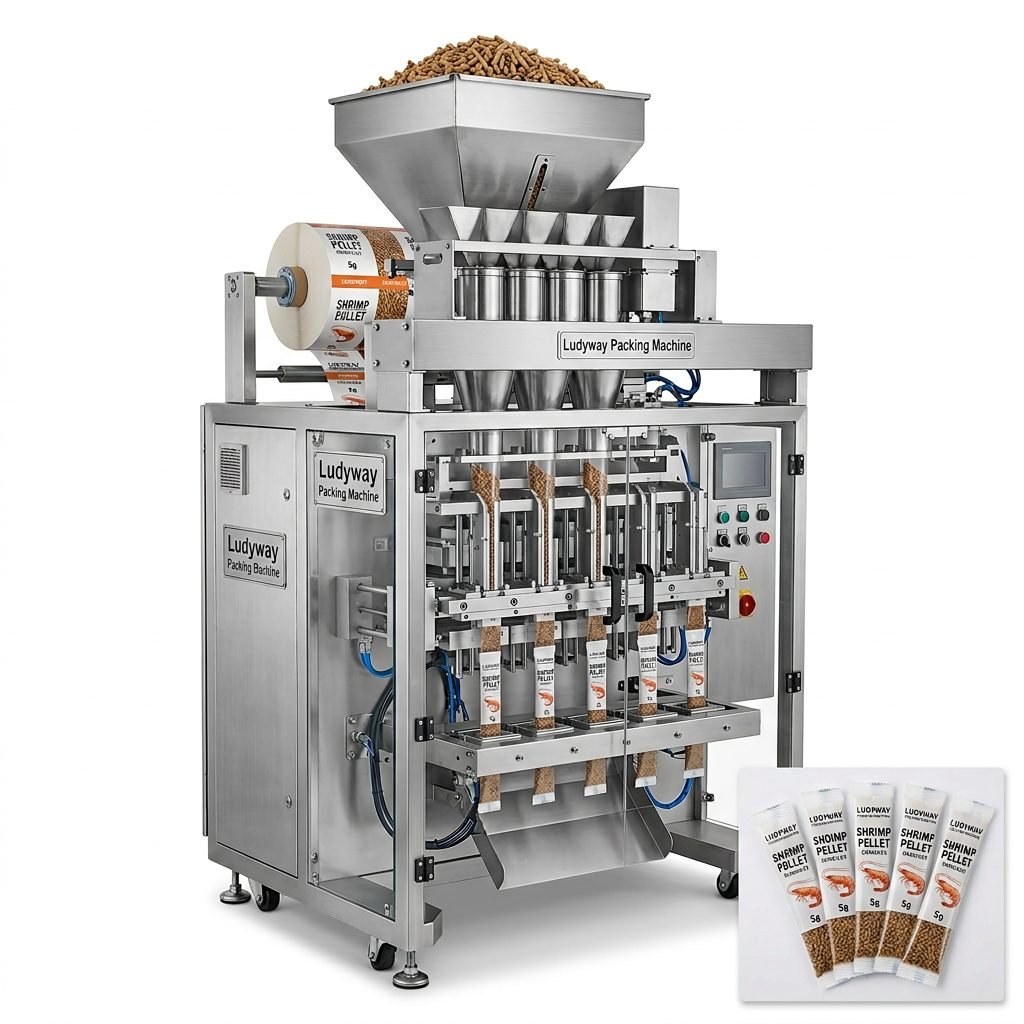
3. Installation and Commissioning
Proper installation ensures long-term reliability in demanding Middle East conditions. Key steps include:
- Professional mechanical assembly and alignment by certified technicians
- Electrical integration with facility power systems and safety interlocks
- Software configuration for product recipes, batch tracking, and reporting
- Dry-run testing followed by live product trials with your actual seafood materials
- Performance validation against agreed output targets and packaging quality metrics
4. Staff Training and SOP Development
Your operators need comprehensive training on machine operation, cleaning protocols, and troubleshooting. Develop detailed Standard Operating Procedures covering:
- Startup and shutdown sequences for each machine module
- Sanitation procedures compliant with packaging industry best practices
- Quick-changeover methods for different product SKUs
- Daily, weekly, and monthly preventive maintenance checklists
5. Maintenance and Quality Control
Ongoing maintenance is non-negotiable in seafood packaging environments where salt, moisture, and cold temperatures accelerate wear. Implement a robust system of:
- Scheduled lubrication and parts replacement based on running hours
- Regular calibration of weighing systems and metal detectors
- Seal integrity testing to prevent leakage and freezer burn
- Documentation and traceability for ISO packaging standards compliance
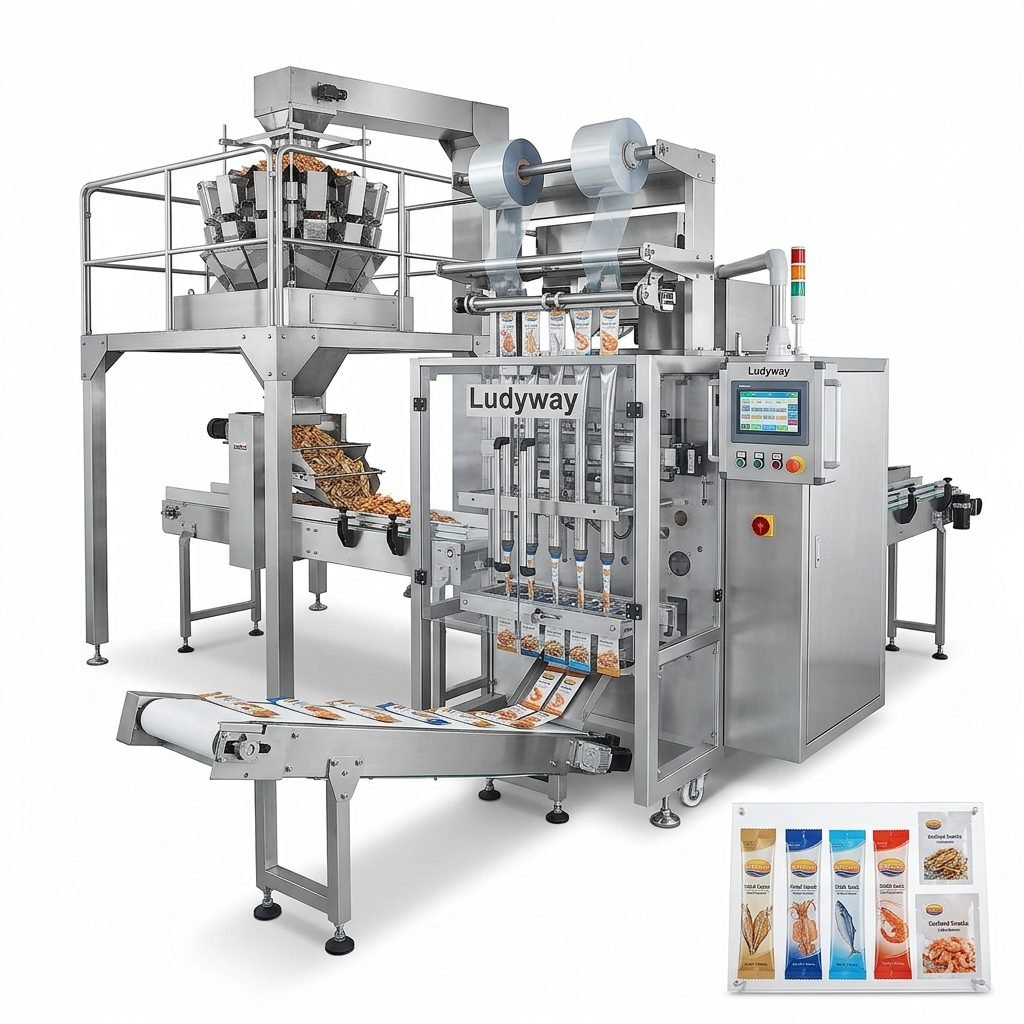
Critical Considerations for Middle East Operations
Operating a seafood packaging line in the Middle East presents unique challenges that require proactive solutions:
- Ambient heat management: Install cooling systems around heat-sensitive packaging zones to maintain film integrity and seal quality
- Dust and sand protection: Use enclosed conveyors and sealed electrical cabinets to protect precision components
- Halal certification requirements: Ensure all packaging materials and lubricants meet halal compliance standards
- Water quality: Desalinated or treated water for cleaning and sanitation processes that contact food surfaces
- Import documentation: Maintain thorough equipment manuals and certification documents for customs clearance
Choosing a Reliable Packaging Partner
The success of your seafood packaging operation depends heavily on selecting an experienced equipment manufacturer. Look for a partner that offers turnkey solutions, local technical support capabilities, and a proven track record in food packaging applications. A comprehensive provider should deliver machine delivery, installation supervision, operator training, and ongoing after-sales service to ensure your production line operates at peak efficiency year-round.
For businesses seeking end-to-end solutions, Ludyway — with over 30 years of industry experience and a 20,000㎡ modern manufacturing facility — provides advanced packaging machinery and turnkey production line integrations for granule, powder, liquid, and pouch applications across more than 100 countries. Explore complete packaging machinery global growth trends and learn how strategic equipment investments can future-proof your production capabilities.
Industry Resources and Further Reading
Stay informed with these authoritative packaging industry resources:
- PMMI State of the Industry Report 2026 — Comprehensive packaging market data and forecasts
- Flexible Packaging Association Industry Resources — Technical guides and regulatory updates
- FDA Packaging and Food Contact Substances — Regulatory compliance for food packaging materials
- ISO 11607 Packaging Standards — International standards for packaging validation
- European Commission Packaging Regulations — Sustainability and waste reduction guidelines
Building a high-performance seafood packaging production line in the Middle East is a strategic investment that demands thorough planning, the right equipment, and a commitment to quality. By focusing on market-specific requirements, facility readiness, staff competency, and ongoing maintenance, you can establish a competitive and compliant packaging operation that meets the region’s growing appetite for premium packaged seafood products.