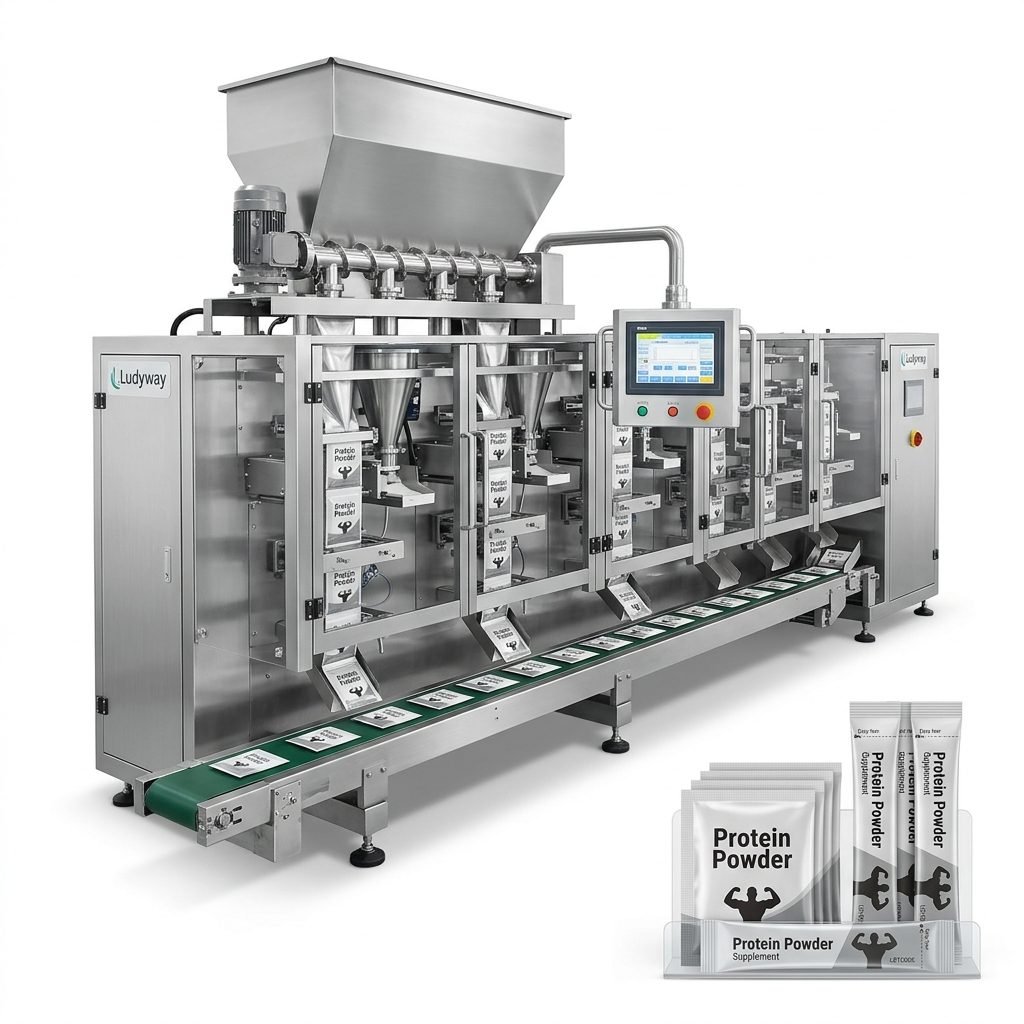
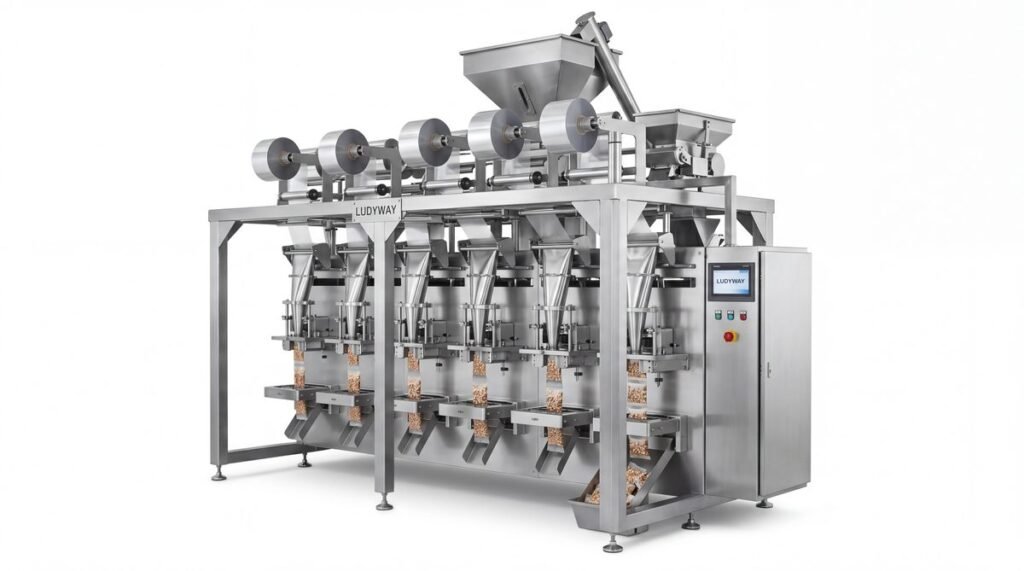
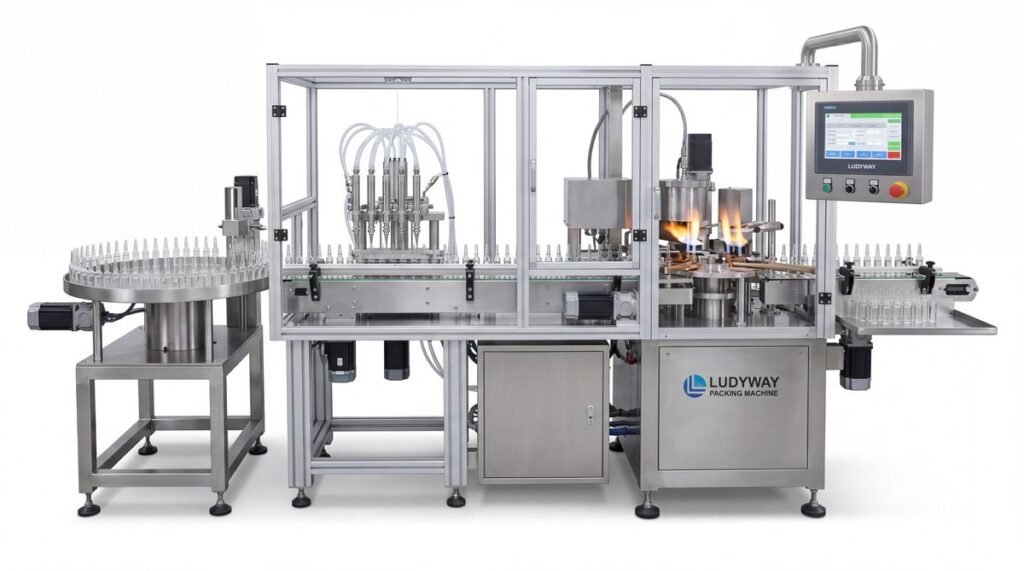
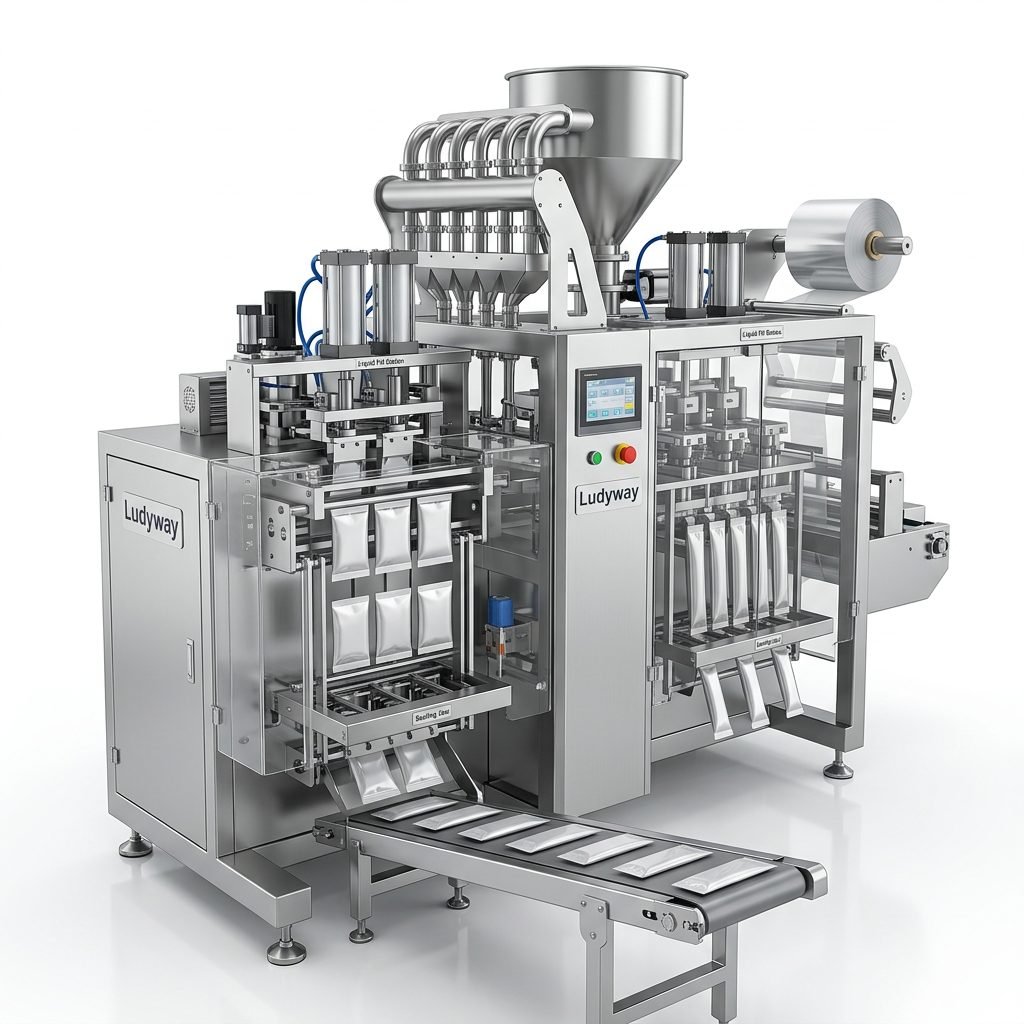
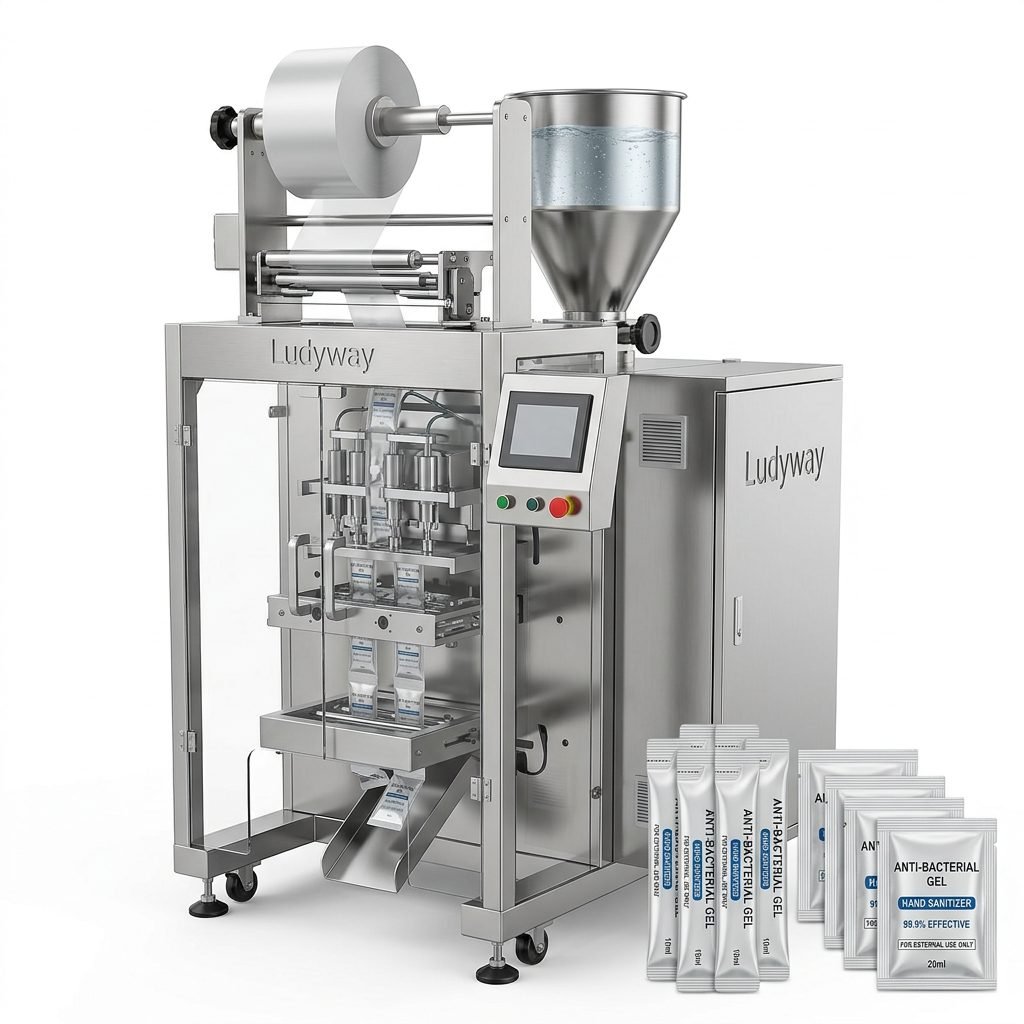
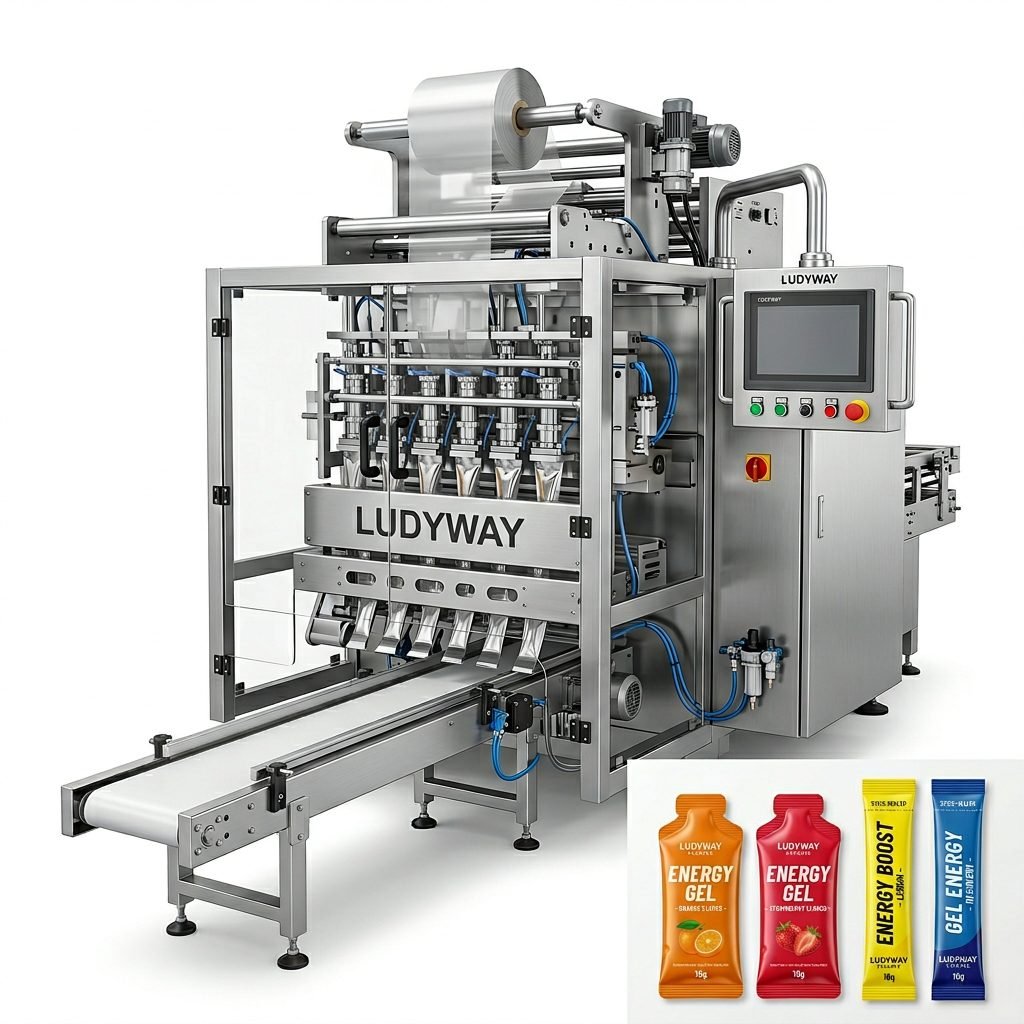
Establishing a salsa packaging machine production line in Italy requires careful planning, an understanding of local regulations, and selecting the right equipment to meet consumer demand. Italy’s food manufacturing sector is one of the largest in Europe, with a strong emphasis on quality, design, and authenticity. Whether you are producing fresh refrigerated salsa, shelf-stable jarred varieties, or single-serve sachets, the right packaging machine configuration will define your operational efficiency and product quality.
Understanding the Italian Salsa Market
Italy’s appetite for international cuisine has grown significantly over the past decade. Salsa, once a niche import, is now a staple in many Italian households and food service establishments. This shift has created opportunities for local production, reducing import costs and allowing manufacturers to offer fresher products. Setting up a salsa packaging line locally enables faster distribution across Southern Europe and alignment with Italian food safety standards.
Key Considerations Before Setting Up Your Line
Before investing in a salsa packaging production line, several critical factors must be evaluated. These include production capacity, packaging format, automation level, and regulatory compliance within the European Union framework. The Italian food industry is governed by stringent EU regulations, including those related to food contact materials and traceability.
Production Capacity and Scale
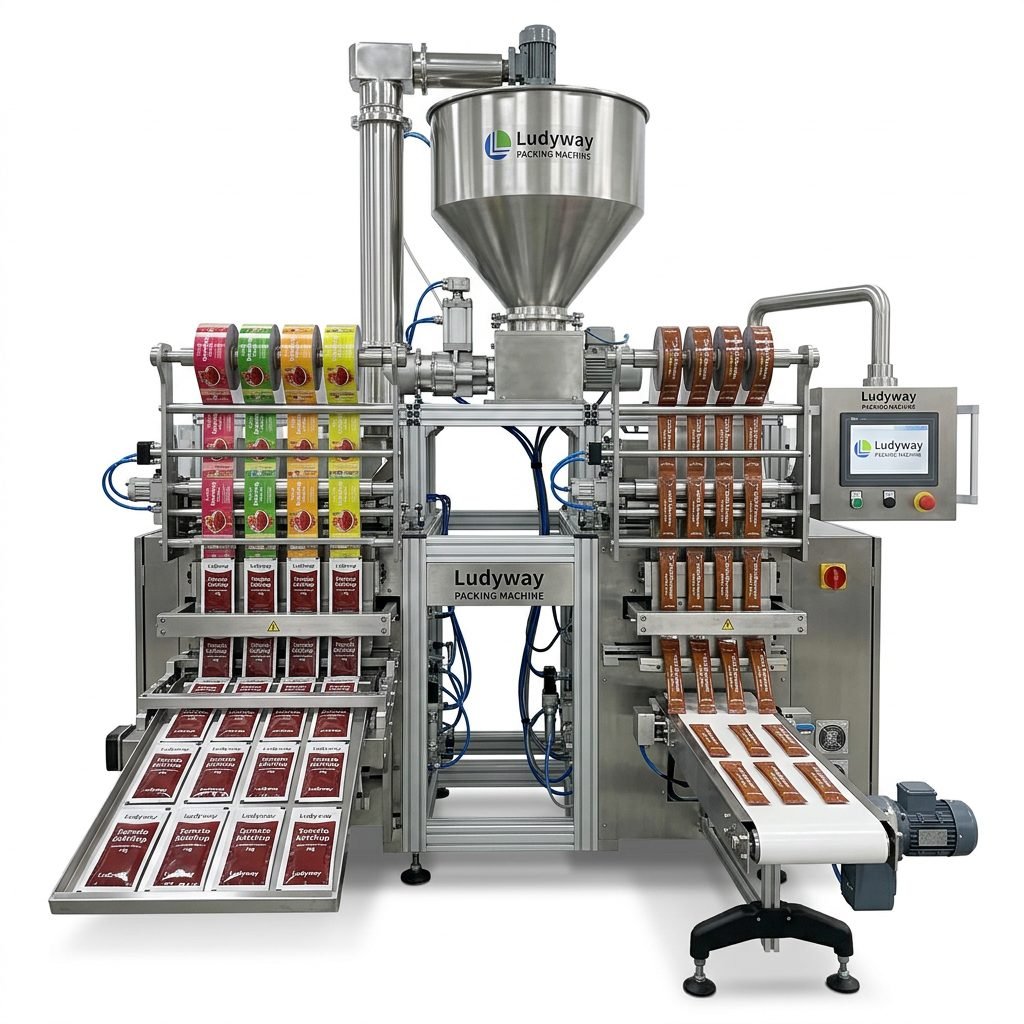
Determining your target output is the first step. Are you producing for regional distribution or aiming for export across Europe? A small artisan producer may start with semi-automatic equipment capable of 20-30 packs per minute, while industrial-scale operations often require multi-lane systems delivering 400-600 sachets per minute. Industry data from PMMI shows that demand for flexible packaging solutions continues to outpace rigid formats in the food sector.
Packaging Format Selection
Salsa can be packaged in various formats, each requiring specific machinery configurations:
- Glass jars – Traditional format with hot-fill capabilities, requiring capping and labeling systems
- Plastic bottles – Lightweight alternative with squeeze-dispensing convenience
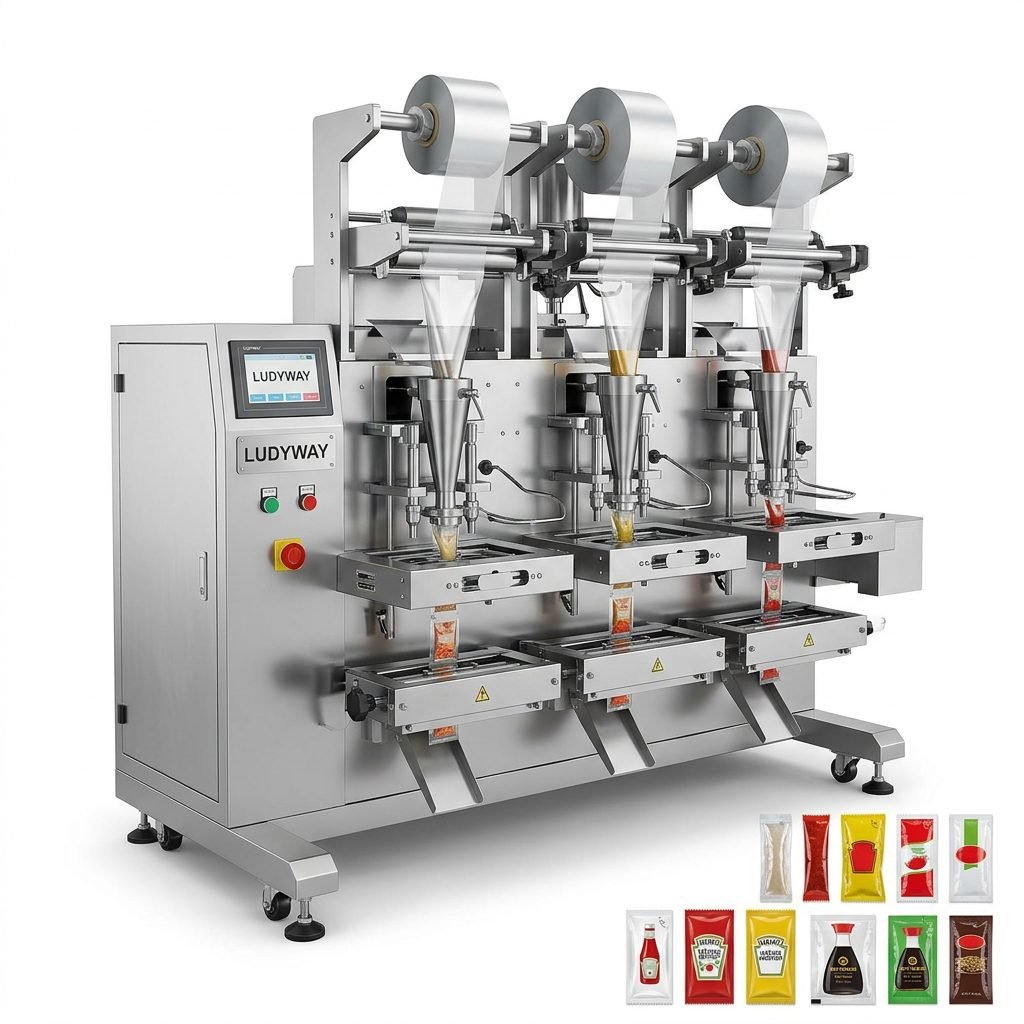
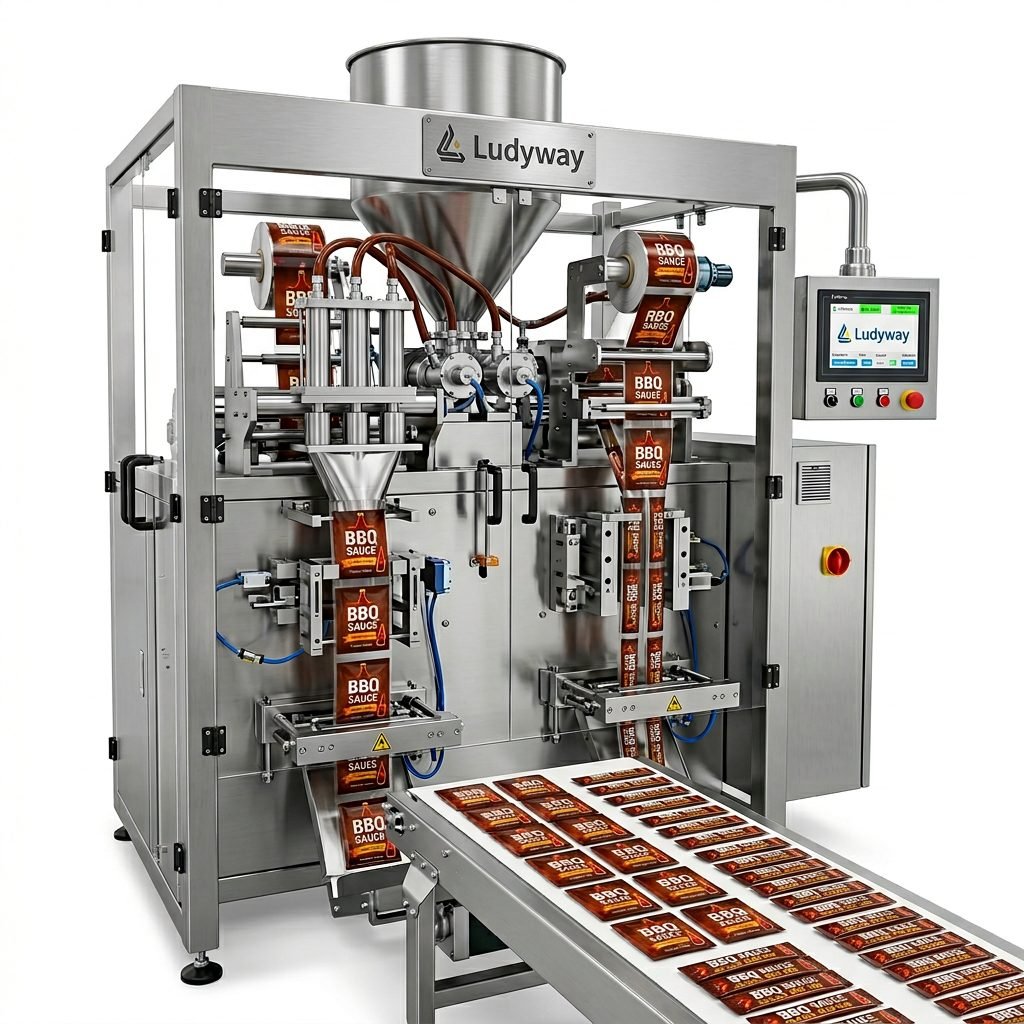
- Single-serve sachets – Growing segment for food service and on-the-go consumption
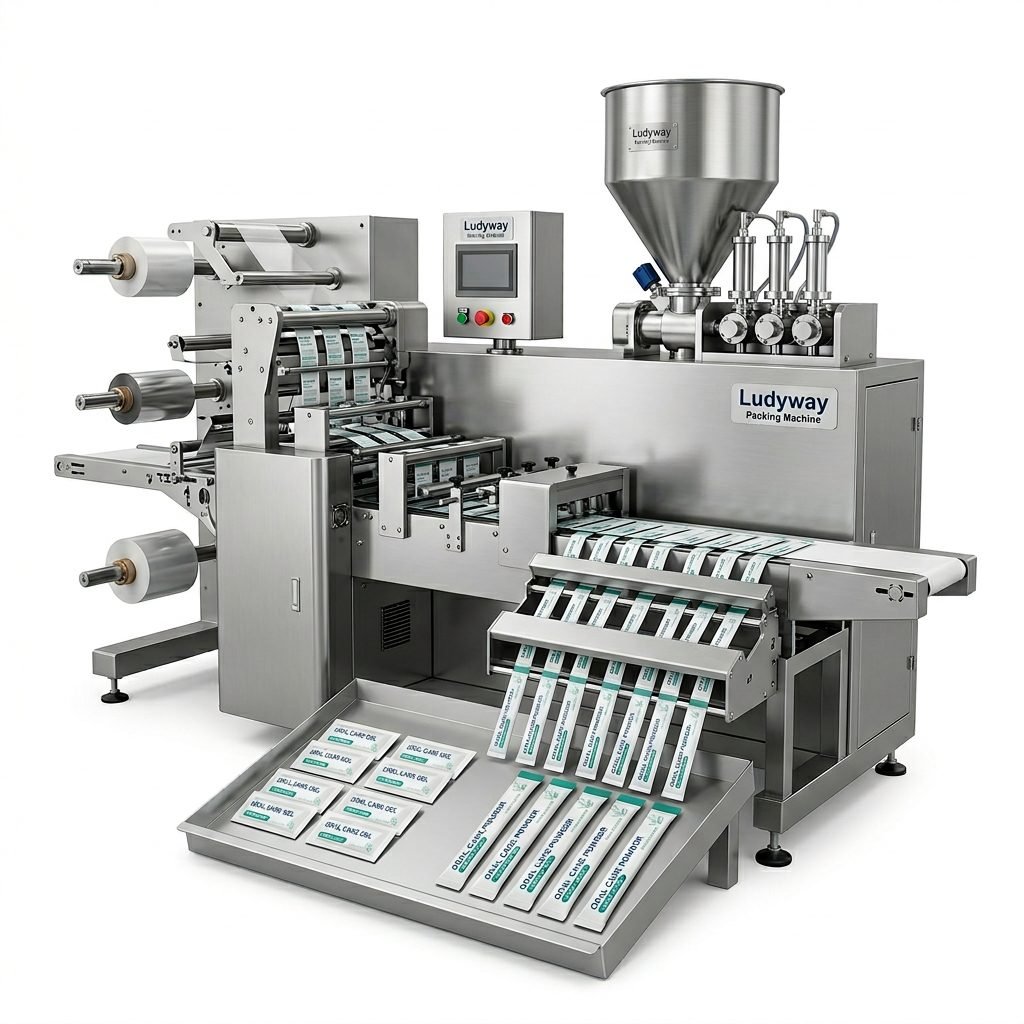
- Stick packs – Ideal for portion-controlled condiment applications
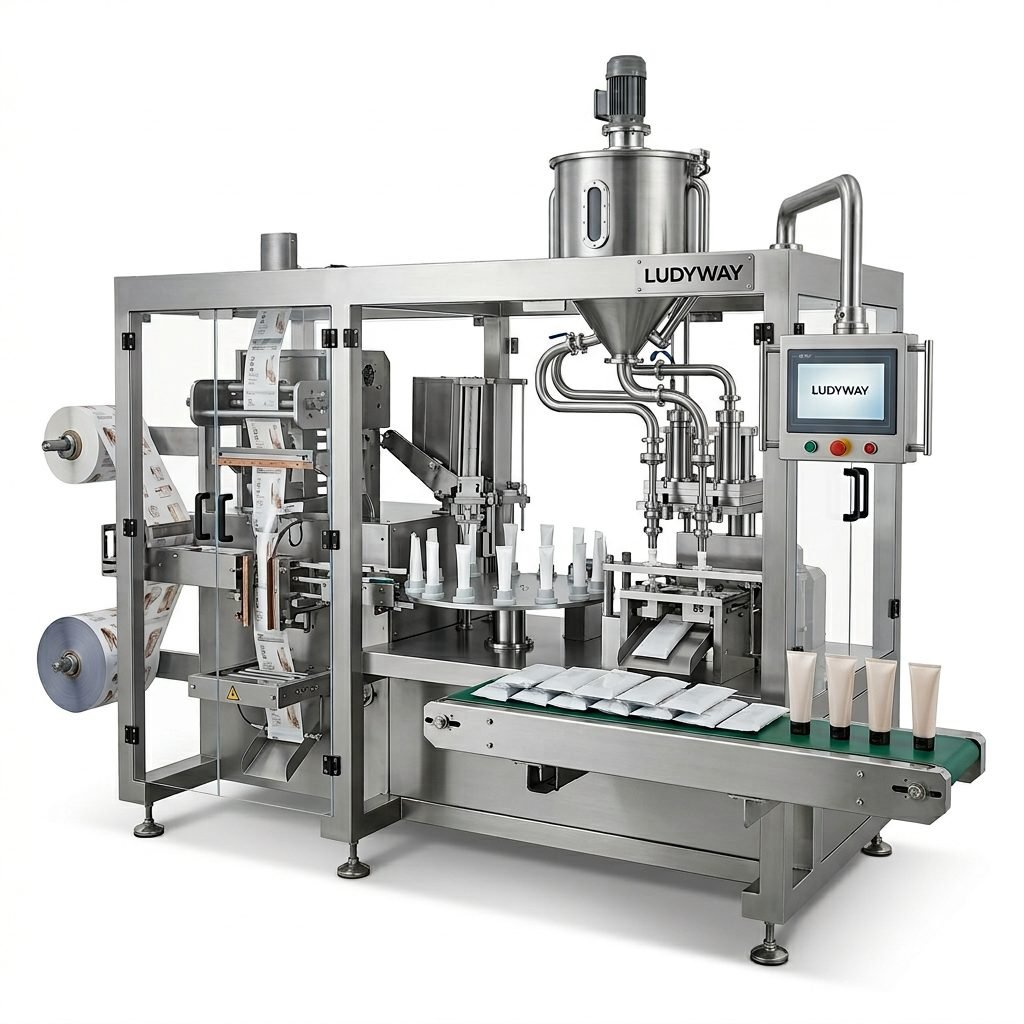
- Pouches with spouts – Premium format gaining popularity in European markets
Essential Machinery for Salsa Packaging
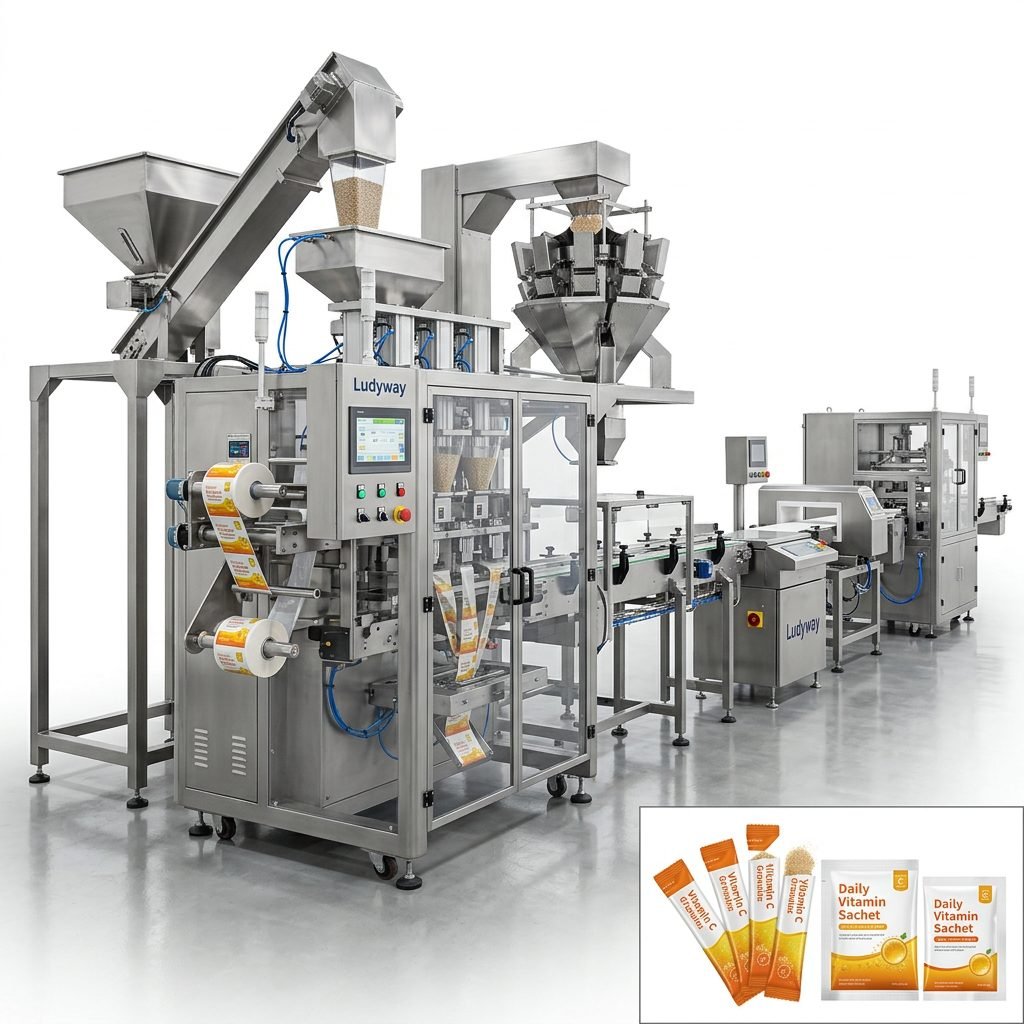
A complete salsa packaging production line integrates multiple machines working in synchronized harmony. Understanding each component helps in making informed procurement decisions.
Filling Systems
The filling machine is the heart of any packaging line. For salsa products containing particulates, liquid filling equipment with positive displacement or piston fillers provides accurate portioning without damaging product chunks. Hot-fill systems are essential for shelf-stable salsa, maintaining temperatures above 82°C throughout the filling process to ensure sterility.
Sealing and Capping Technology
Depending on your packaging format, you will need induction sealers for jars, heat sealers for sachets and pouches, or capping machines for bottles. The integrity of seals directly impacts product shelf life and consumer safety, making this a critical quality control point in your packaging line.
| Packaging Format | Filling Technology | Typical Speed Range | Best Application |
|---|---|---|---|
| Glass Jars | Piston / Gravity Hot-Fill | 30-120 ppm | Premium retail, shelf-stable |
| Sachets | Multi-Lane Vertical FFS | 200-600 ppm | Food service, travel packs |
| Plastic Bottles | Volumetric / Net Weight | 40-150 ppm | Mid-market retail |
| Spouted Pouches | Hot-Fill Piston | 20-80 ppm | Premium, convenience-focused |
Regulatory Compliance in Italy and the EU
Operating a food packaging line in Italy means full compliance with European Union regulations. Key regulatory frameworks include:
EU Food Contact Materials Regulation (EC) 1935/2004
All packaging materials that come into contact with salsa must not transfer their constituents to the food in quantities that could endanger human health. This applies to films, laminates, jar linings, and sealing materials. Working with packaging material suppliers who understand these requirements is essential.
CE Marking for Machinery
Any packaging equipment installed in Italy must carry CE marking, confirming compliance with the Machinery Directive 2006/42/EC. This certification ensures the equipment meets health, safety, and environmental protection standards for the European Economic Area. Verify that your packaging machine manufacturer provides full CE documentation and technical files.
Italian Food Safety Requirements
Beyond EU regulations, Italy enforces additional national standards through the Ministry of Health. These include specific requirements for traceability under Regulation (EC) 178/2002, which mandates that all food business operators maintain comprehensive records of ingredients, processing, and distribution.
Automation and Integration Options
Modern salsa packaging production lines benefit significantly from automation technologies that reduce labor costs, improve consistency, and enhance traceability. Key automation components include:
- Automated CIP (Clean-in-Place) systems – Essential for maintaining hygiene standards between production runs
- Vision inspection systems – Detecting seal defects, label misalignment, and fill level inconsistencies
- Robotic palletizing – Reducing manual handling at end-of-line operations
- SCADA integration – Providing real-time production monitoring and batch tracking
- Serialization capabilities – Meeting growing EU requirements for product traceability

Site Preparation and Installation in Italy
Installing a packaging line in an Italian facility requires attention to local infrastructure considerations. Factory floor specifications, utility connections, and environmental conditions all impact equipment performance and longevity.
Facility Requirements
Your production area should meet the following baseline specifications for a compliant packaging operation:
- Floor load capacity – Minimum 500 kg/m² for standard equipment, higher for heavy-duty components
- Electrical supply – 380V/400V three-phase, 50Hz (standard Italian industrial power)
- Compressed air – Clean, dry air at 6-8 bar with adequate flow capacity
- Water and drainage – Hot and cold water supply with appropriate wastewater handling
- Environmental controls – Temperature and humidity management for product stability
Working with Italian Technical Partners
While many manufacturers import packaging machinery, partnering with local Italian engineering firms for installation, commissioning, and ongoing support offers significant advantages. Local partners understand Italian building codes, utility standards, and can provide rapid-response technical assistance when needed.
Cost Considerations and ROI Analysis
Investing in a salsa packaging production line involves significant capital expenditure. Understanding the total cost of ownership helps in making financially sound decisions.
| Cost Category | Estimated Range (EUR) | Key Variables |
|---|---|---|
| Primary Packaging Equipment | €80,000 – €500,000+ | Automation level, speed, format flexibility |
| Auxiliary Equipment | €20,000 – €100,000 | Conveyors, coders, inspection systems |
| Installation and Commissioning | €15,000 – €50,000 | Complexity, location, local labor rates |
| Annual Maintenance | €5,000 – €25,000 | Usage intensity, spare parts strategy |
According to PMMI’s 2025 State of the Industry report, food manufacturers are increasingly prioritizing flexible packaging solutions that can accommodate multiple product types and formats on a single line, maximizing return on investment.
Supplier Selection and Evaluation
Choosing the right packaging equipment supplier is one of the most consequential decisions in setting up your Italian production line. Key evaluation criteria should include:
- CE certification and EU compliance documentation
- References from European installations, particularly in Italy
- Local service and spare parts availability
- Training and knowledge transfer capabilities
- Warranty terms and post-commissioning support
- Proven experience with viscous liquid products containing particulates
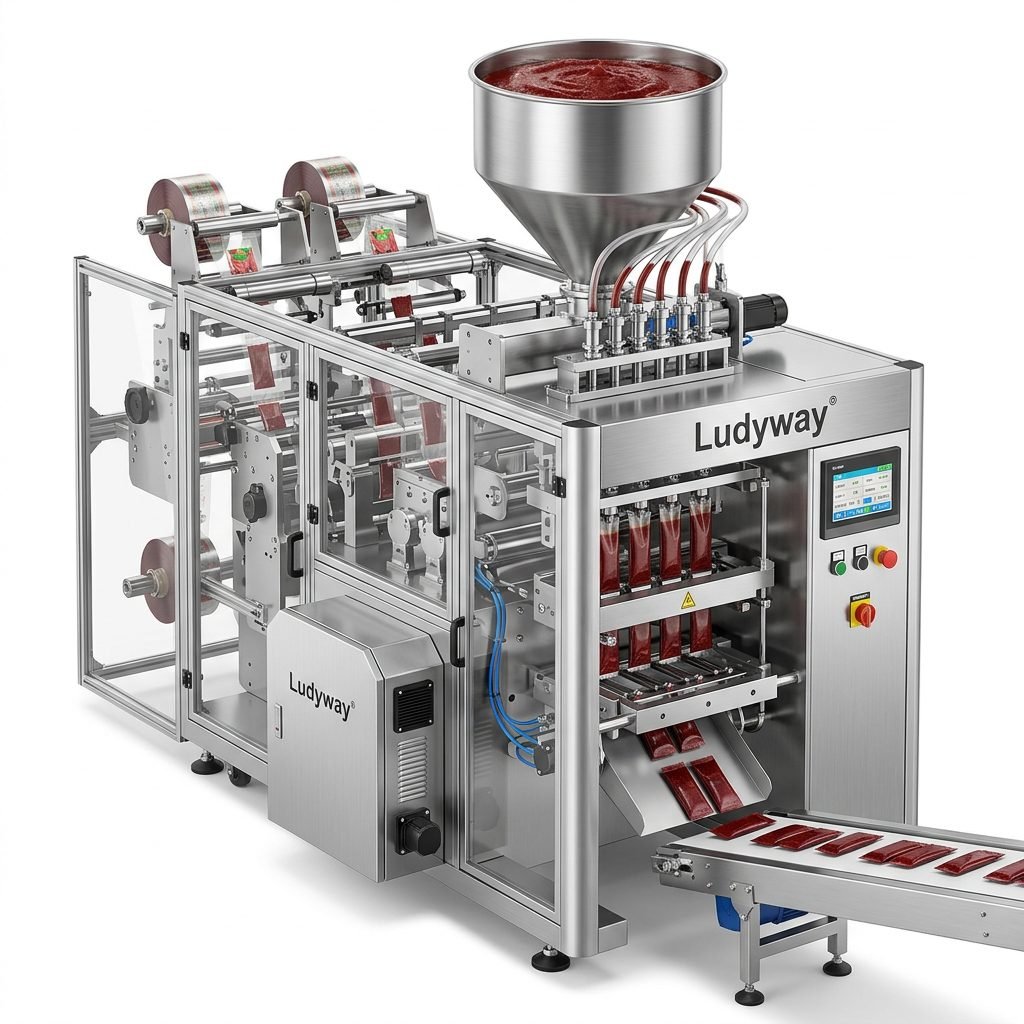
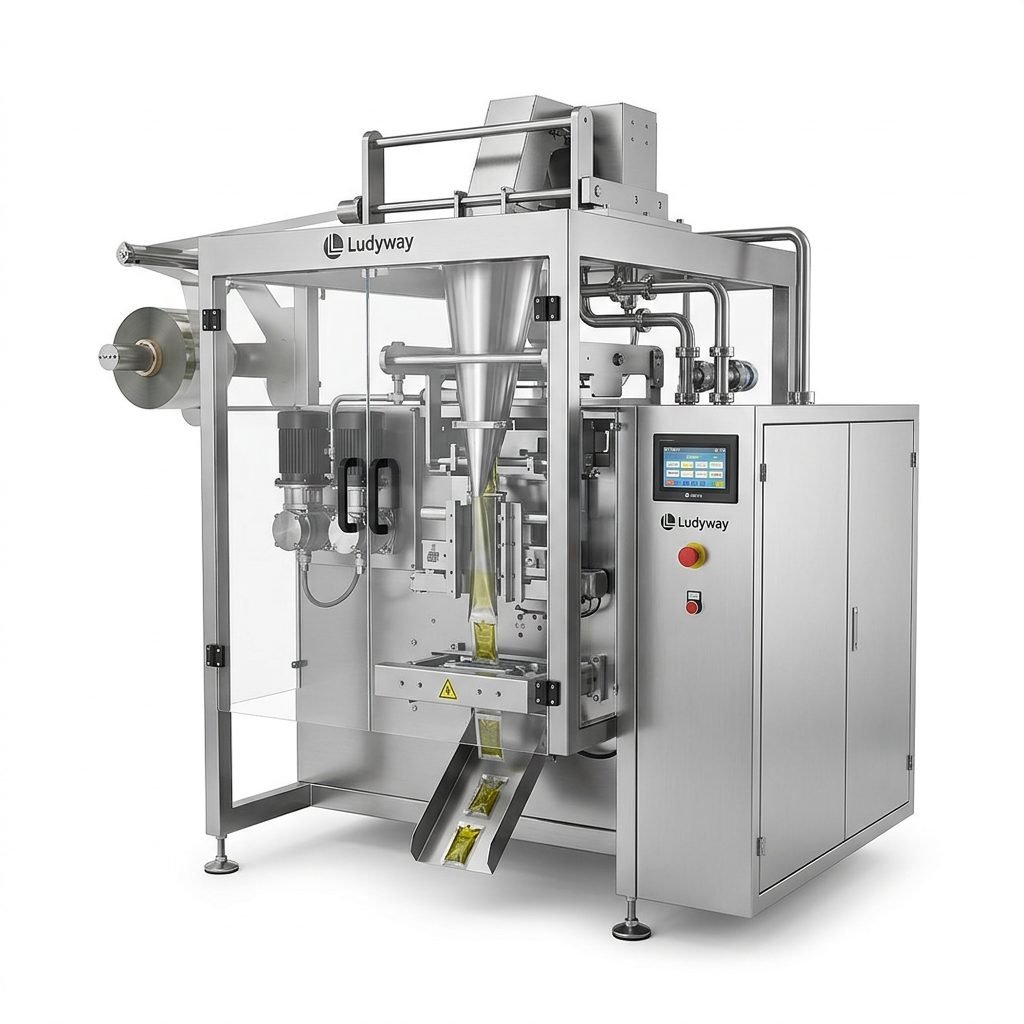
One of the largest packaging machine manufacturers serving global markets, Ludyway brings over 30 years of industry expertise to food packaging applications, offering more than 50 intelligent packaging machine models including multi-lane stick pack, sachet, and fully automated systems for granule, powder, and liquid products. With a modern 20,000㎡ manufacturing facility and customers in over 100 countries, the company provides turnkey packaging solutions that help businesses improve productivity and operational efficiency.
Workforce Training and Safety
Italian labor laws and EU workplace safety directives require comprehensive operator training before production commencement. A structured training program should cover:
- Machine operation and control interfaces
- Safety protocols and emergency procedures
- Cleaning and sanitation procedures (CIP/SIP)
- Quality control checks and documentation
- Basic troubleshooting and maintenance tasks
- HACCP principles relevant to packaging operations
Maintenance Strategy for Long-Term Reliability
A proactive maintenance strategy ensures consistent output and extends equipment life. For packaging lines operating in Italy, consider implementing a combination of preventive and predictive maintenance approaches.
Preventive Maintenance Schedule
Establish daily, weekly, monthly, and annual maintenance routines aligned with manufacturer recommendations. Critical tasks include seal bar inspection, lubrication of moving parts, sensor calibration, and replacement of wear components such as belts, gaskets, and cutting blades. Maintain detailed maintenance logs as part of your quality management system.
Spare Parts Management
Stocking critical spare parts locally avoids costly production downtime. Work with your equipment supplier to identify a recommended spare parts list covering high-wear items and components with longer lead times. For a salsa packaging line, critical spares typically include heating elements, thermocouples, sealing jaws, filling nozzles, and drive belts.
Quality Control Integration
Embedding quality control checkpoints throughout your packaging production line ensures consistent product delivery to the Italian market. Essential quality parameters to monitor include:
- Fill weight accuracy – Typically ±1-2% for liquid products
- Seal integrity – Visual inspection plus burst and peel testing
- Label placement and readability – Including batch codes and expiry dates
- Metal detection and foreign body screening
- Package appearance and dimensional consistency
Future-Proofing Your Investment
The European packaging landscape is evolving rapidly, driven by sustainability regulations and changing consumer preferences. When designing your packaging production line, consider these forward-looking factors:
- Sustainable packaging materials – Monomaterial films and recyclable structures gaining regulatory preference
- Digitalization and Industry 4.0 – IoT-enabled machines providing predictive maintenance alerts
- Energy efficiency – Rising energy costs in Italy making efficient equipment increasingly valuable
- Format flexibility – Ability to switch between sachets, stick packs, and pouches on modular platforms
- EU Packaging and Packaging Waste Regulation (PPWR) – Forthcoming requirements affecting all packaging placed on the EU market
For detailed regulatory guidance, refer to the European Commission’s packaging waste resources and FDA food packaging standards for products potentially destined for export beyond Europe.
Final Implementation Checklist
Before commissioning your salsa packaging machine production line in Italy, verify these essential elements:
- All equipment carries valid CE marking and documentation
- Facility meets Italian electrical, plumbing, and building code requirements
- HACCP plan updated to include packaging line operations
- Operator training completed and documented
- Spare parts inventory established for critical components
- Service agreement in place with local technical support
- Product validation runs completed with quality sign-off
- Traceability system tested and operational
With meticulous planning, the right packaging equipment partner, and attention to Italian and EU regulatory requirements, your salsa packaging operation can achieve efficient, compliant, and profitable production serving Italian and European markets.