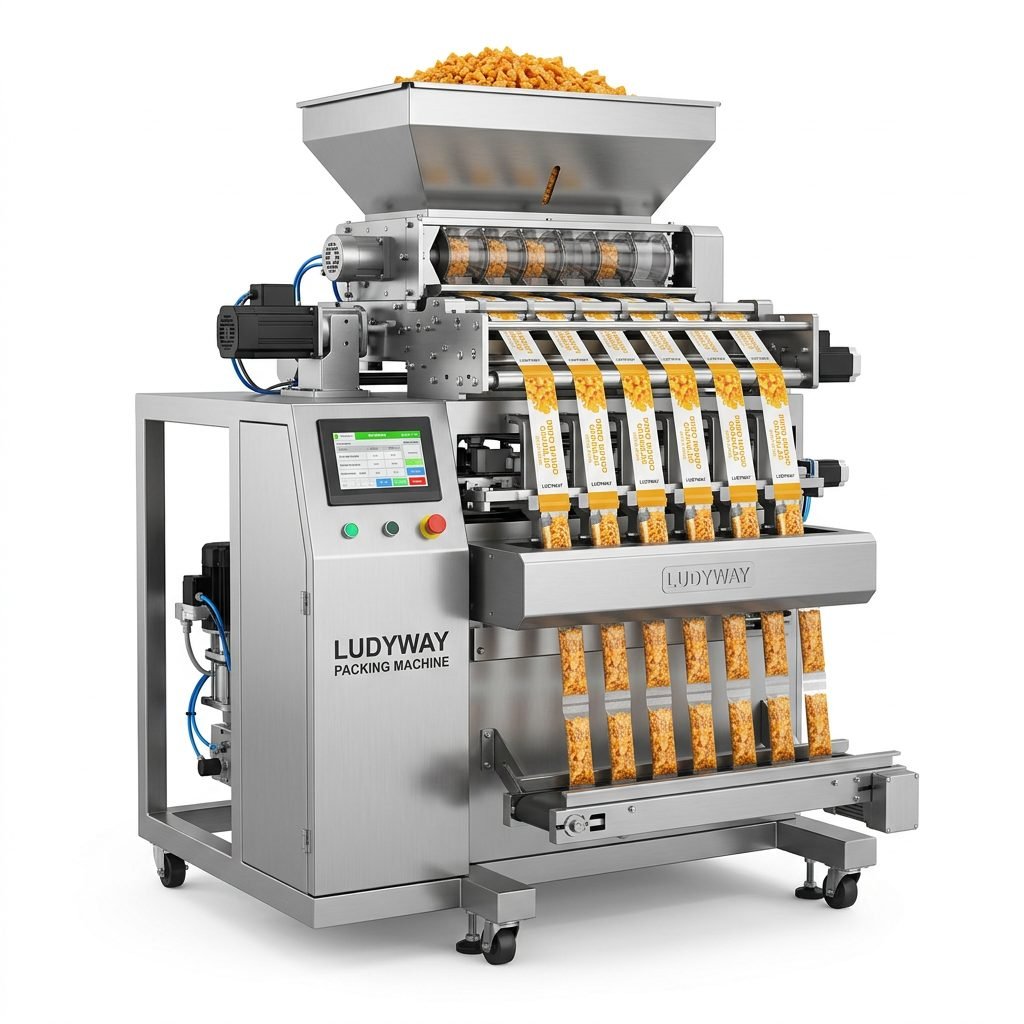
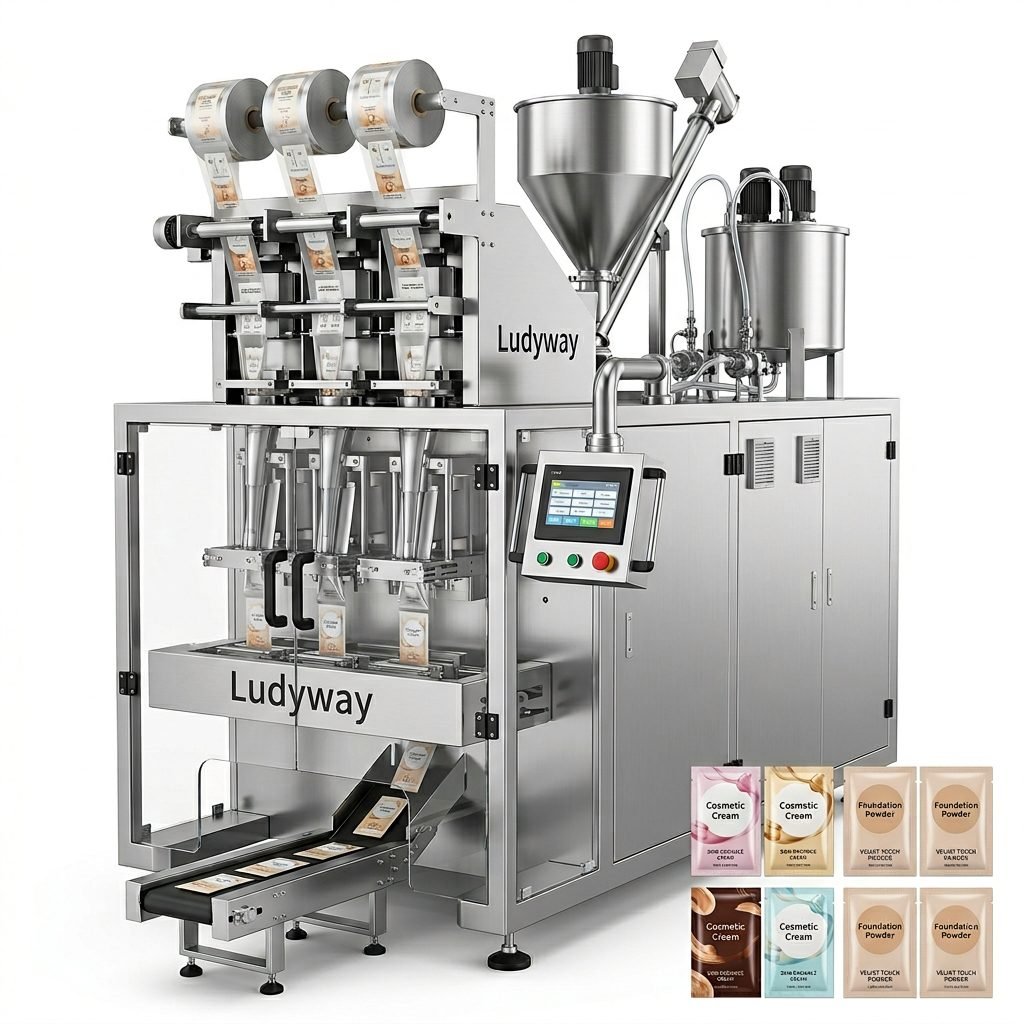
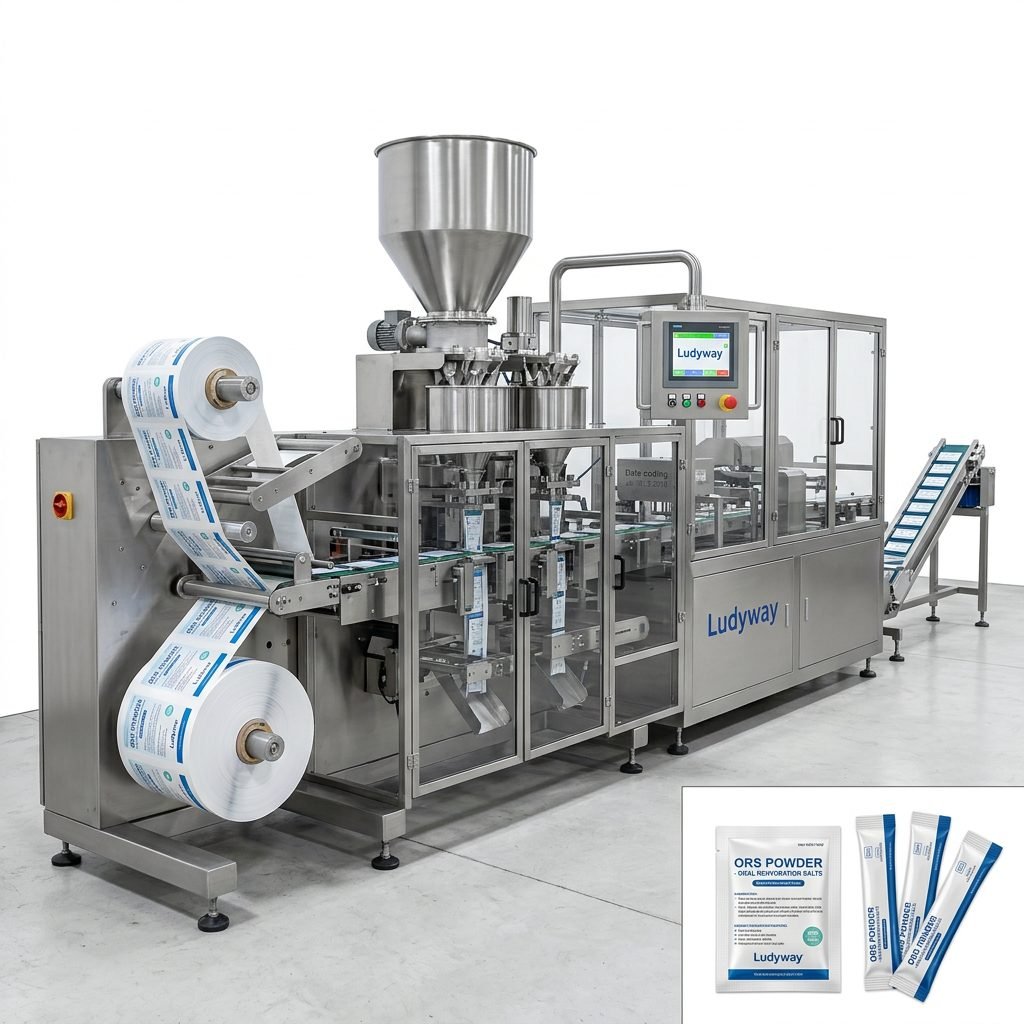
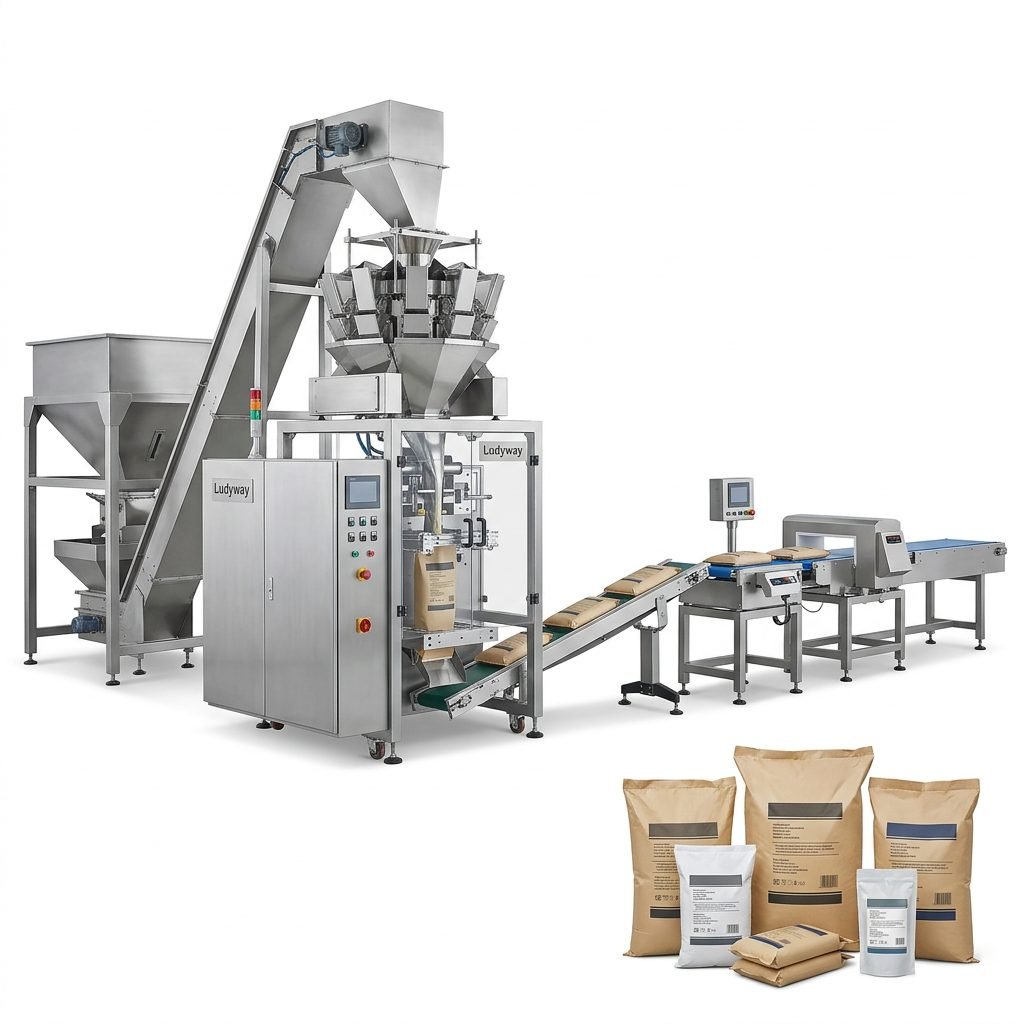
Investing in a cable tie packaging machine is a strategic decision that directly impacts production efficiency, product presentation, and operational costs. Whether you are packaging nylon cable ties, zip ties, or specialty fasteners, selecting the right equipment requires a methodical evaluation of your product specifications, production volumes, and long-term business goals. This guide walks you through the essential factors to consider before making a purchase.
1. Understand Your Cable Tie Packaging Requirements
Before comparing machine models, start by clearly defining what you need to package. Cable ties come in various lengths, widths, colors, and material grades, and these variables influence the choice of packaging machinery.
- Product dimensions: Lengths from 100mm to 500mm+ and widths from 2.5mm to 12mm+ require different feeding and bagging configurations.
- Packaging format: Do you need single-piece bags, multi-piece pouches, bulk bags, or assorted kits?
- Bag style: Pillow bags, gusseted bags, zipper pouches, or header bags each serve different retail and wholesale channels.
- Counting method: Weight-based counting or piece-by-piece counting significantly affects accuracy and speed.
2. Evaluate Machine Speed and Throughput
Production capacity is one of the most important specifications. Cable tie packaging machines are typically rated by bags per minute (BPM) or pieces per minute (PPM). Consider both your current output and projected growth over the next 3–5 years. According to industry data from PMMI Business Intelligence, manufacturers increasingly prioritize scalable equipment that can adapt to changing production demands.

3. Assess Automation Levels: Manual, Semi-Automatic, or Fully Automatic
The level of automation you choose will determine labor requirements, consistency, and return on investment. Here is a comparison of the three main categories:
| Automation Level | Labor Required | Typical Speed | Best For |
|---|---|---|---|
| Manual | High | 5–15 BPM | Low-volume, varied SKUs |
| Semi-Automatic | Moderate | 15–40 BPM | Medium-volume production |
| Fully Automatic | Low | 40–120+ BPM | High-volume, consistent SKUs |
For most cable tie manufacturers targeting retail or wholesale markets, a fully automatic multi-lane system offers the best balance of speed, accuracy, and long-term cost efficiency.
4. Counting and Feeding Technology
The heart of any cable tie packaging machine is its counting and feeding mechanism. Two primary technologies dominate the market:
- Vibratory bowl feeders: Ideal for high-speed piece-by-piece counting. They orient and feed individual cable ties into the packaging line with precision. Best suited for standard-length cable ties.
- Multi-head weighers: Suitable for bulk packaging where weight-based counting is acceptable. Faster for larger bag formats but less precise for exact piece counts.
For applications requiring exact piece counts—such as retail blister packs or hardware kits—optical counting systems integrated with vibratory feeding provide the highest accuracy.
5. Bagging and Sealing Options
Different bag formats serve different market segments. Your choice should align with your distribution channels and customer expectations:
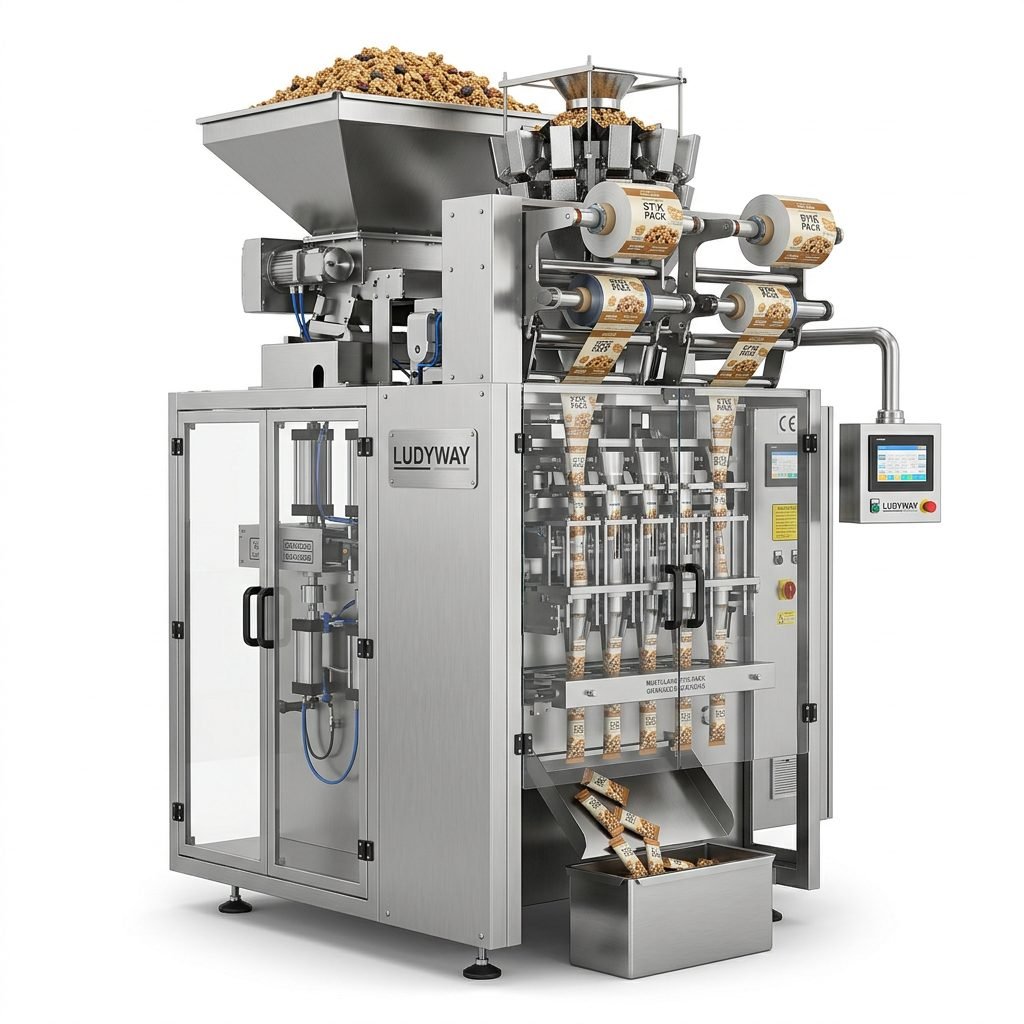
- Pillow bags – Cost-effective, high-speed option for bulk and wholesale packaging.
- Zipper pouches – Reclosable format popular in retail and hardware stores.
- Header bags – Hangable format ideal for pegboard display in retail environments.
- Gusseted bags – Accommodate larger quantities or mixed-size assortments.

6. Material Compatibility and Sustainability
As the flexible packaging industry shifts toward sustainable materials, ensure your chosen machine can handle a range of film types. Modern cable tie packaging machines should be compatible with:
- Laminated films (PET/PE, BOPP/PE)
- Recyclable mono-material films
- Biodegradable and compostable films
- Kraft paper laminates for eco-conscious branding
Verify that the machine’s sealing temperature range and film tension controls are adjustable enough to handle these materials without compromising seal integrity.
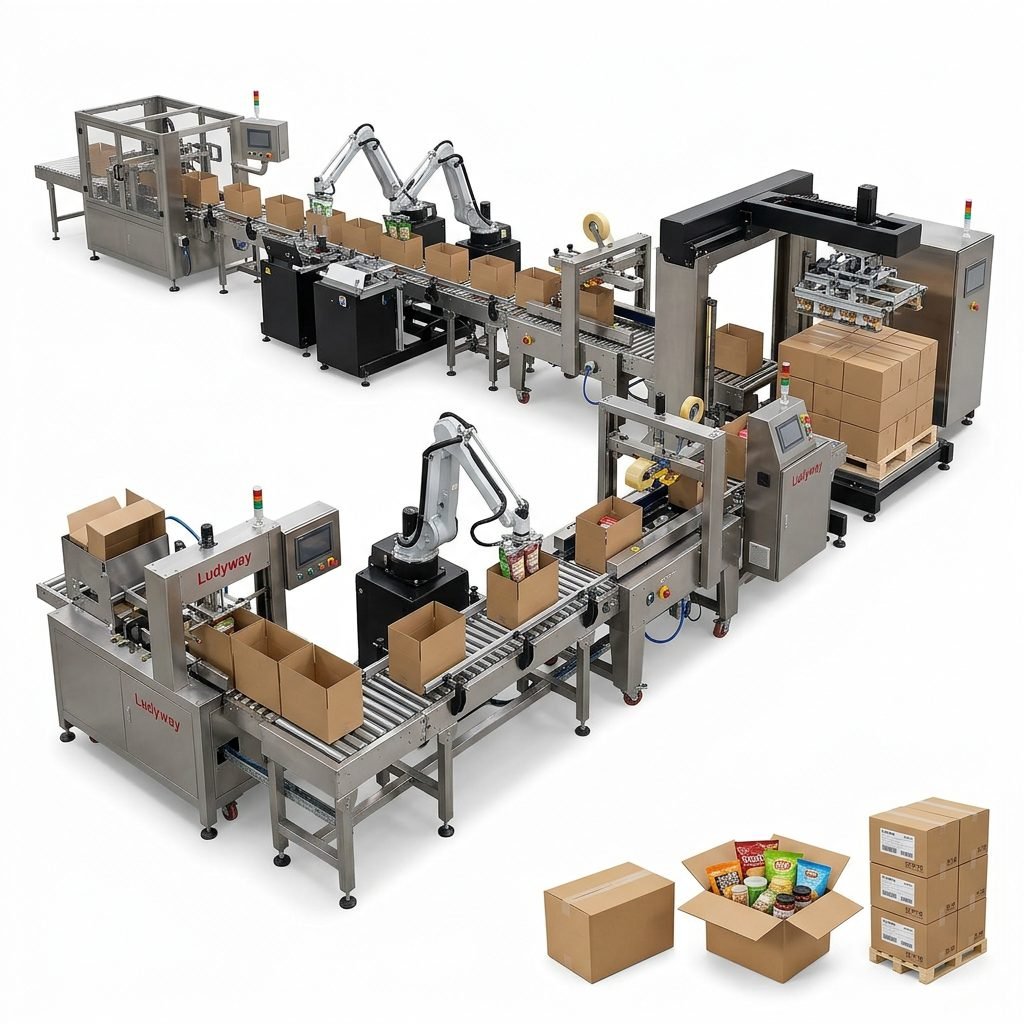
7. Integration with Upstream and Downstream Equipment
A cable tie packaging machine rarely operates in isolation. Consider how it will connect with:
- Upstream: Injection molding machines, extrusion lines, or manual feeding stations.
- Downstream: Cartoning machines, case packers, palletizers, and labeling systems.
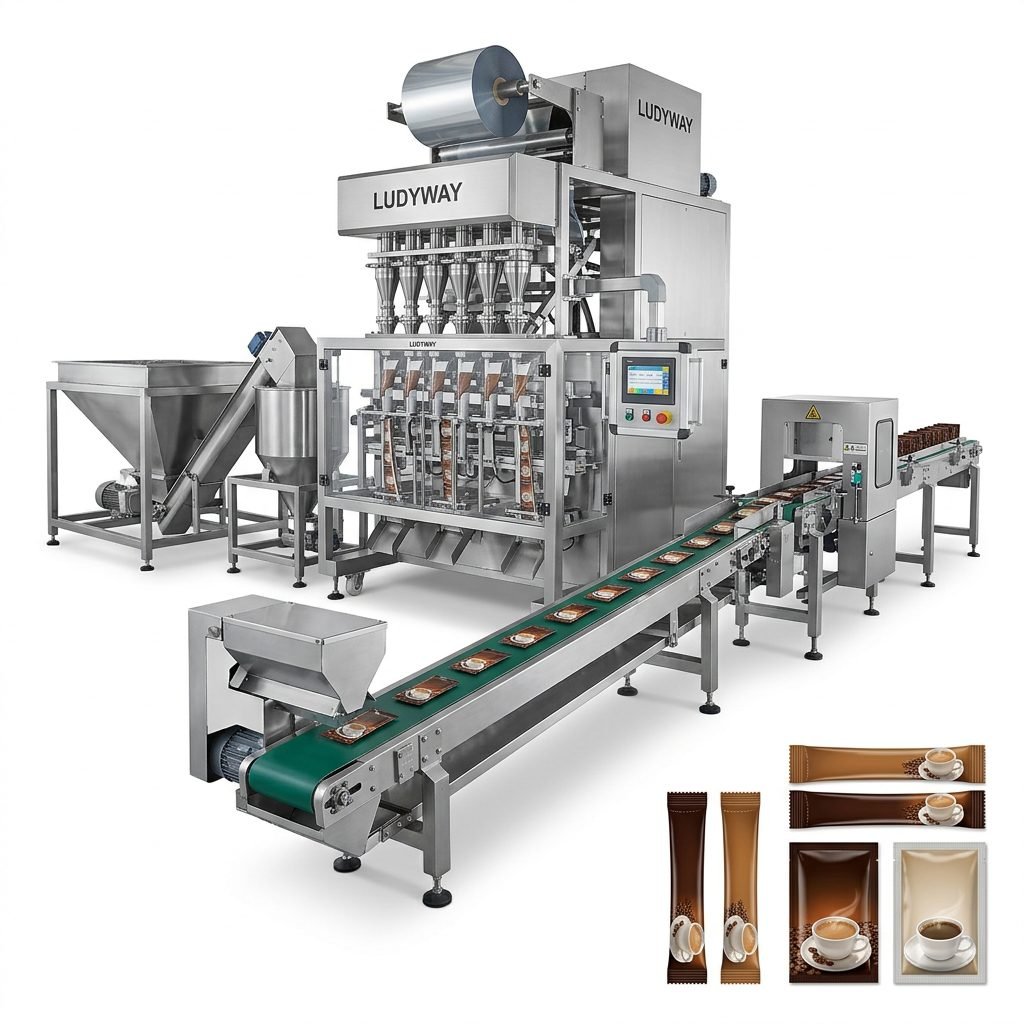
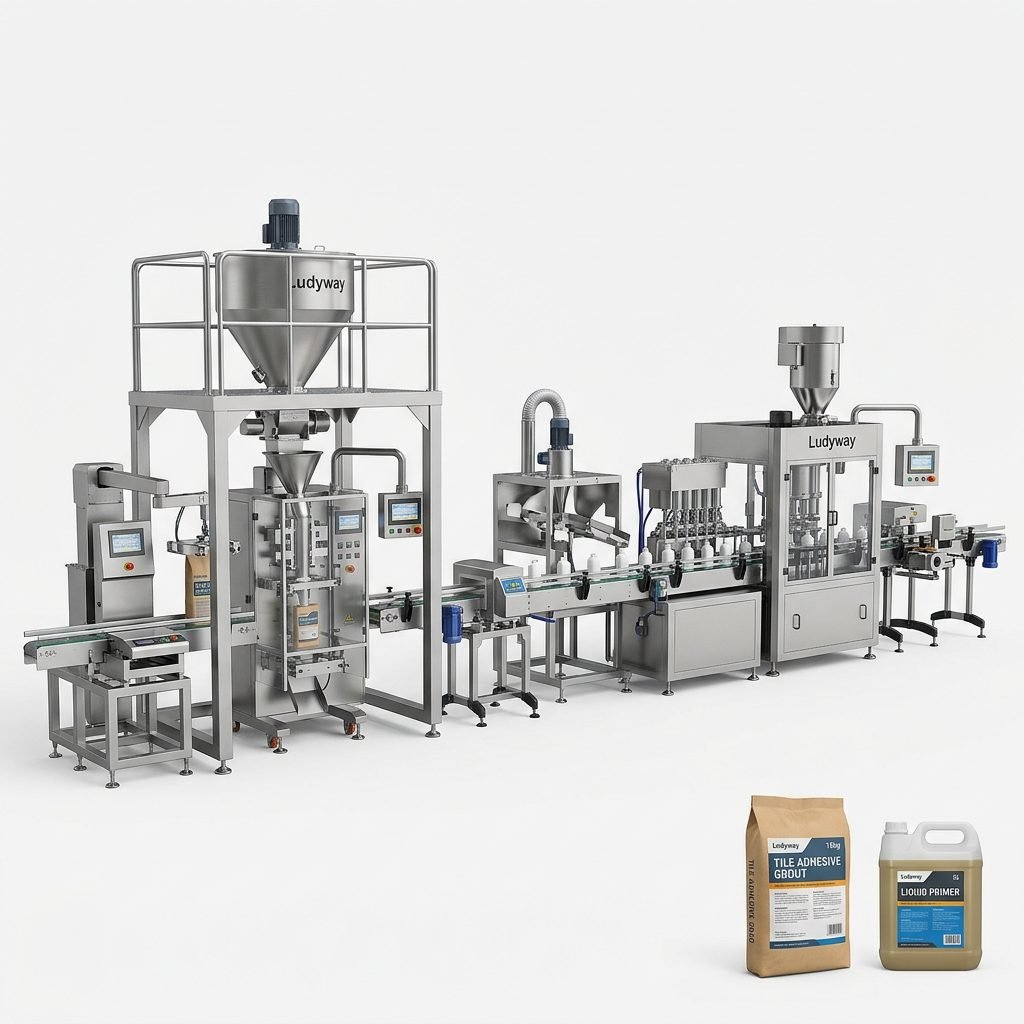
Choosing a manufacturer that offers turnkey packaging line solutions rather than standalone machines can simplify integration, reduce engineering overhead, and provide a single point of accountability. Ludyway Machinery, a China-based packaging machinery manufacturer with more than 30 years of experience and a 20,000-square-meter manufacturing facility, provides integrated systems that connect multiple packaging stages—from feeding and filling to sealing, coding, and palletizing. The company is expected to achieve export revenue of more than RMB 500 million (approximately US$69 million) in 2025, and plans to surpass RMB 1 billion (approximately US$138 million) in 2026.
8. Machine Footprint and Factory Layout
Floor space is a critical constraint for many manufacturers. Before selecting a machine, measure your available production area and consider:
- Machine dimensions and required clearance for maintenance access.
- Material infeed and finished product outfeed orientation.
- Operator workstation ergonomics and safety zones.
Some suppliers offer modular machine configurations that can be adapted to fit tight spaces without sacrificing performance.
9. Compliance with International Standards
If you export to regulated markets, your packaging equipment should meet relevant standards. Key references include:
- ISO packaging standards for quality and safety management.
- FDA food packaging regulations applicable when cable ties are used in food-contact or food-processing environments.
- CE marking for European market access.
Request compliance documentation from your supplier and confirm that electrical components, safety guards, and control systems meet your target market requirements.
10. After-Sales Support and Spare Parts Availability
Packaging machinery is a long-term investment. Downtime can cost thousands of dollars per hour, so evaluate the supplier’s support infrastructure carefully:
- Technical support: Is remote assistance available? What are the response times?
- Spare parts: Are critical components stocked locally or shipped from overseas?
- Training: Does the supplier provide operator and maintenance training?
- Warranty: What is covered, and for how long?
Key Decision Checklist
Use the following checklist to compare different cable tie packaging machine options:
| Evaluation Criteria | Your Requirement | Supplier A | Supplier B |
|---|---|---|---|
| Speed (BPM) | |||
| Bag format flexibility | |||
| Counting accuracy | |||
| Material compatibility | |||
| Integration capability | |||
| Footprint (L×W×H) | |||
| Compliance certifications | |||
| After-sales support | |||
| Total cost of ownership |
Conclusion
Choosing the right cable tie packaging machine requires balancing speed, accuracy, flexibility, and total cost of ownership. Start with a clear definition of your product range and production targets, then evaluate machines based on automation level, counting technology, bagging format, and integration capabilities. Partnering with an experienced packaging machinery supplier who understands both the technical and commercial aspects of your operation will help ensure a successful investment that supports your growth for years to come.