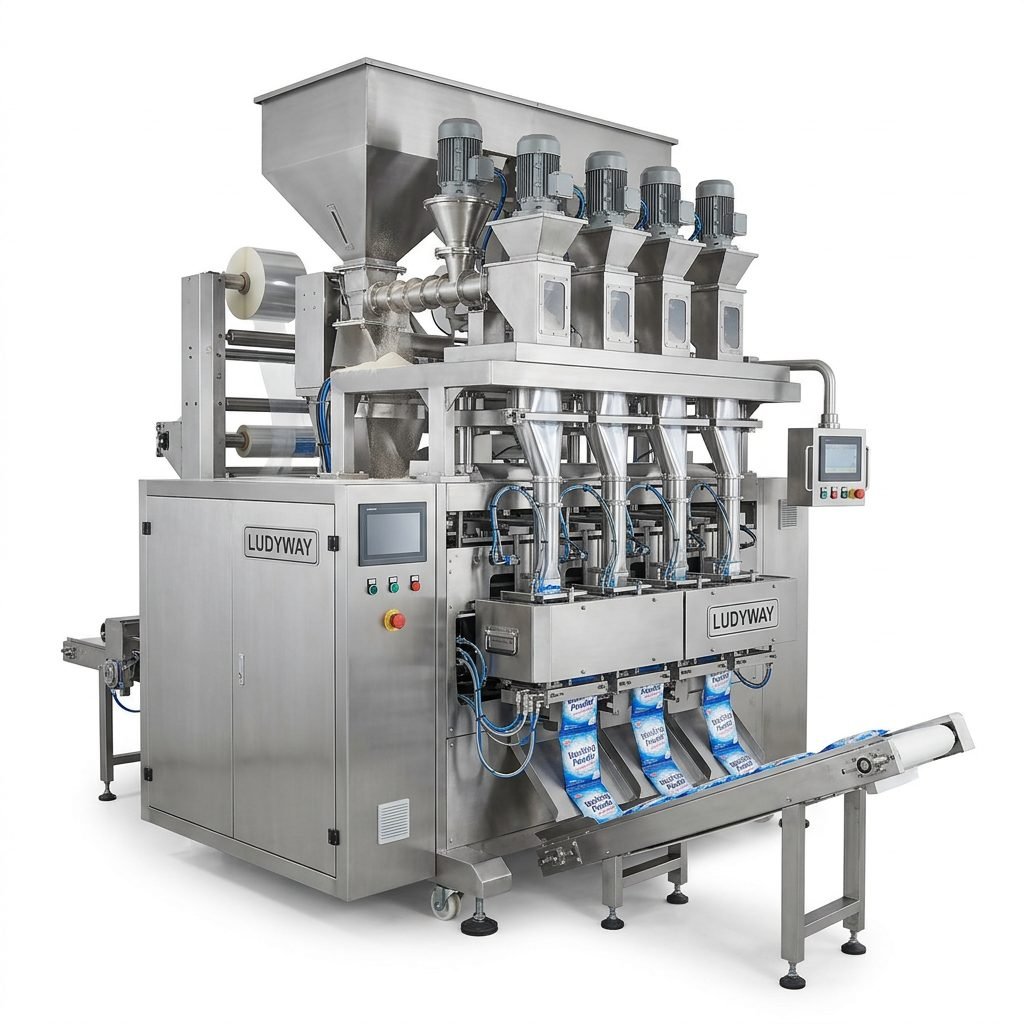
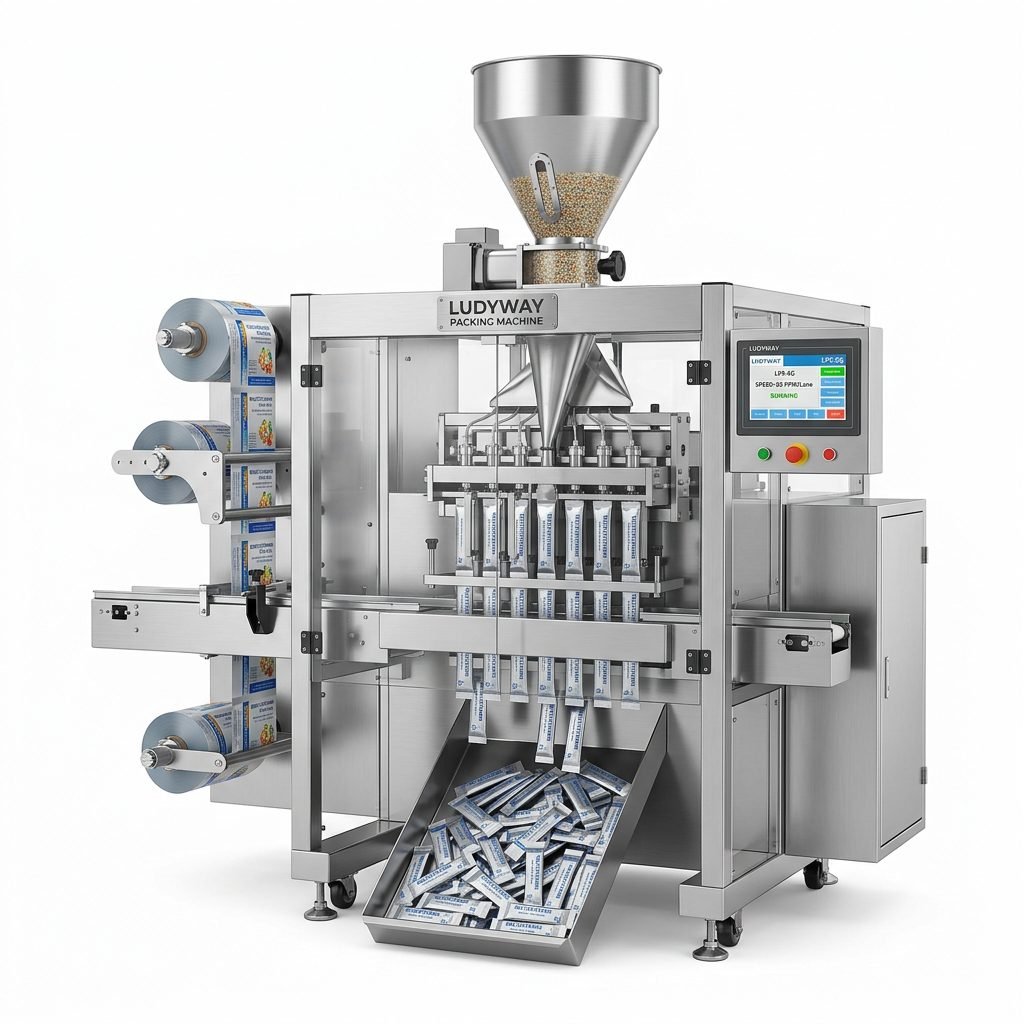
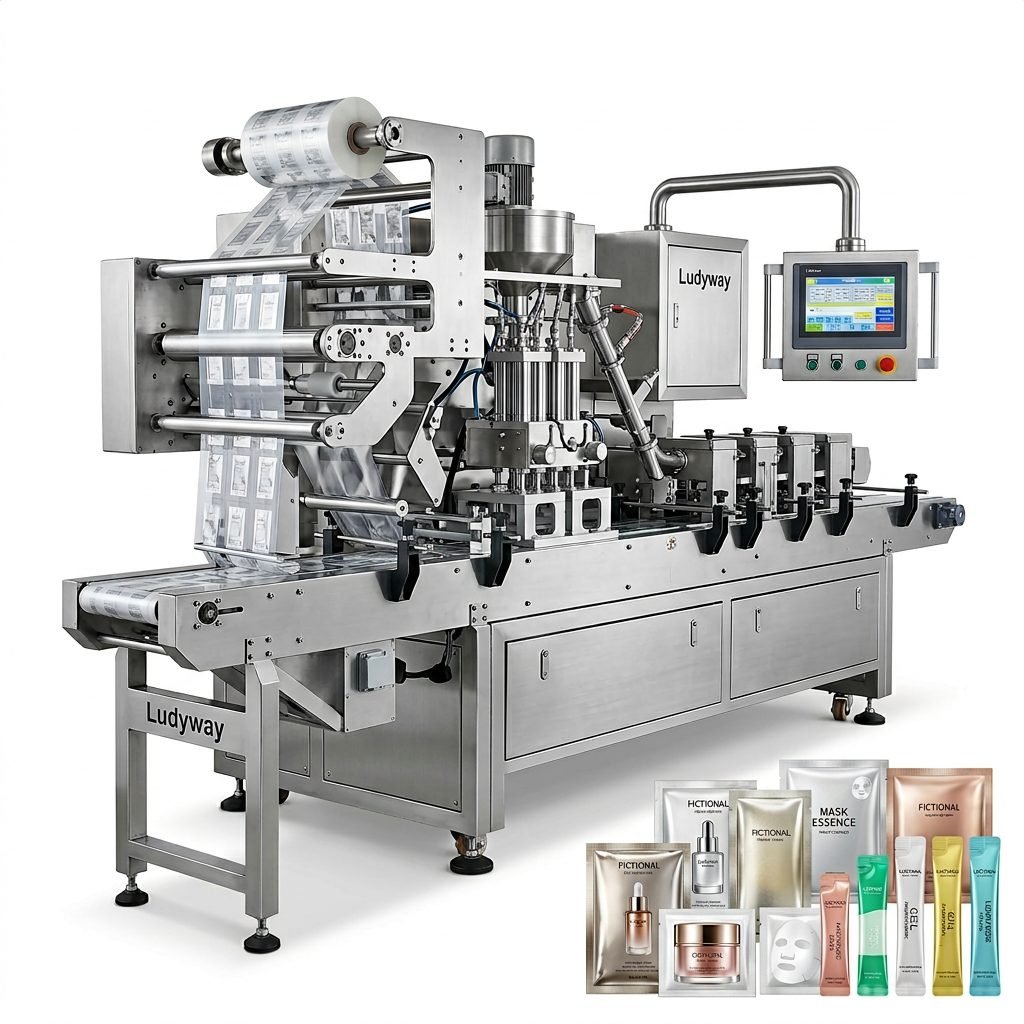
The food processing and packaging sector in Southeast Asia is experiencing unprecedented growth. Countries like Vietnam, Thailand, Indonesia, and the Philippines are rapidly scaling their food export capabilities, driving demand for advanced vacuum seal packaging machines. Setting up a complete production line requires strategic planning, from understanding local market dynamics to selecting the right equipment and ensuring regulatory compliance.

Understanding the Southeast Asian Packaging Market
Southeast Asia’s packaging machinery market is projected to grow at a CAGR of over 8% through 2030. Rising disposable incomes, urbanization, and expanding retail networks are fueling demand for packaged foods, pharmaceuticals, and consumer goods. Packaging industry resources consistently highlight ASEAN as a high-potential region for machinery investment. Key advantages include competitive labor costs, strategic shipping routes, and a growing network of free trade agreements.
However, challenges such as humidity control, power stability, and local certification must be addressed early in the planning phase. A thorough feasibility study tailored to your target product category is essential before committing to a production line setup.
Step 1 – Market Research and Feasibility Analysis
- Identify Target Products: Determine whether you are packaging fresh meat, seafood, processed snacks, cheese, or pharmaceutical products. Each category has distinct vacuum level and barrier film requirements.
- Analyze Regional Demand: Study import-export data within ASEAN. For instance, Thailand is a major seafood exporter, while Vietnam leads in coffee and cashew processing.
- Evaluate Infrastructure: Assess factory location, utility stability, cold chain logistics, and proximity to ports.
Step 2 – Choosing the Right Vacuum Seal Packaging Technology
Selecting the correct vacuum packaging system is critical. The two primary technologies are nozzle vacuuming and chamber vacuuming. Nozzle systems are cost-effective for lower volumes, while chamber systems offer higher throughput and consistent seal quality for industrial-scale operations. Modified Atmosphere Packaging (MAP) is another advanced option gaining popularity for extending shelf life in Southeast Asian tropical climates.
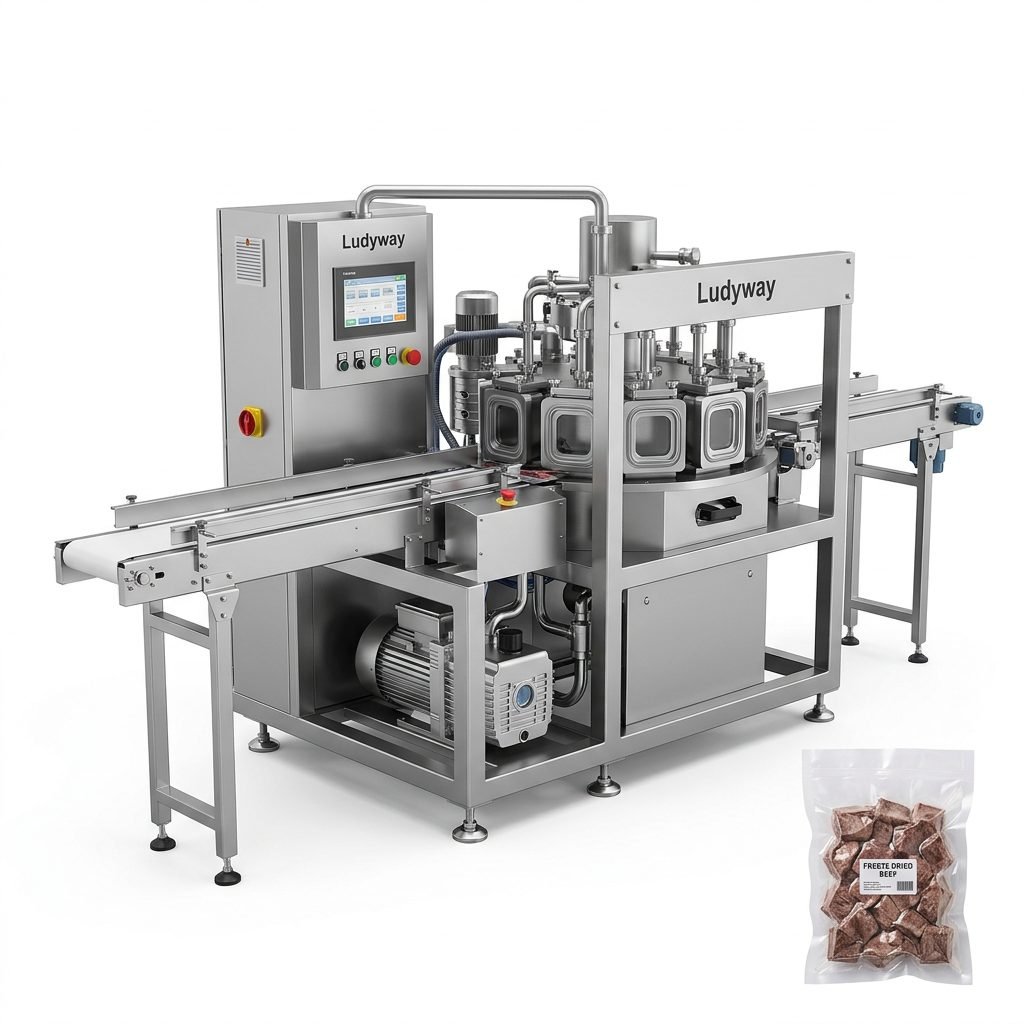
Step 3 – Production Line Layout and Workflow Design
An efficient layout minimizes material handling and cross-contamination risks. A typical linear workflow includes: raw material receiving → preprocessing → weighing and filling → vacuum sealing → inspection and checkweighing → secondary packaging → palletizing. Designing the line with future scalability in mind is highly recommended, as many Southeast Asian operations expand capacity within 2–3 years of initial setup.
Step 4 – Selecting Equipment and Core Machinery
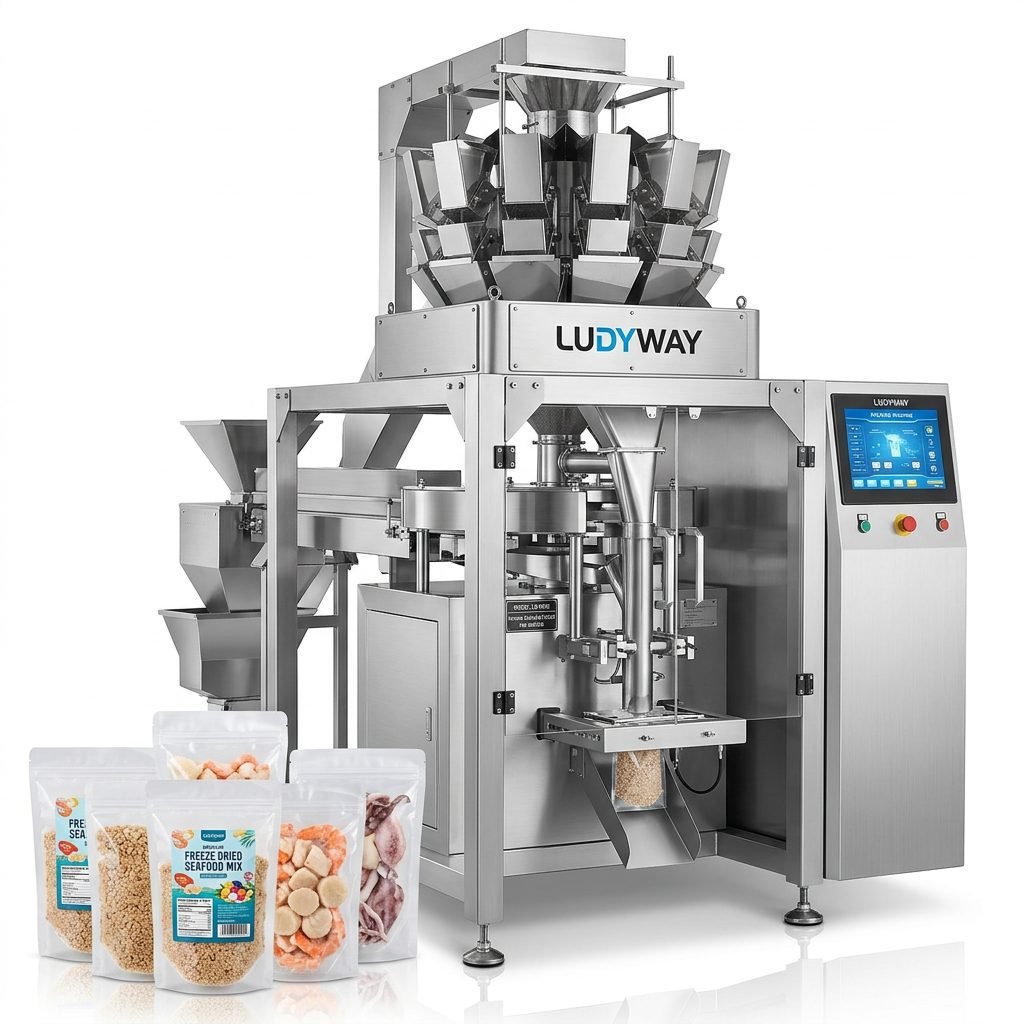
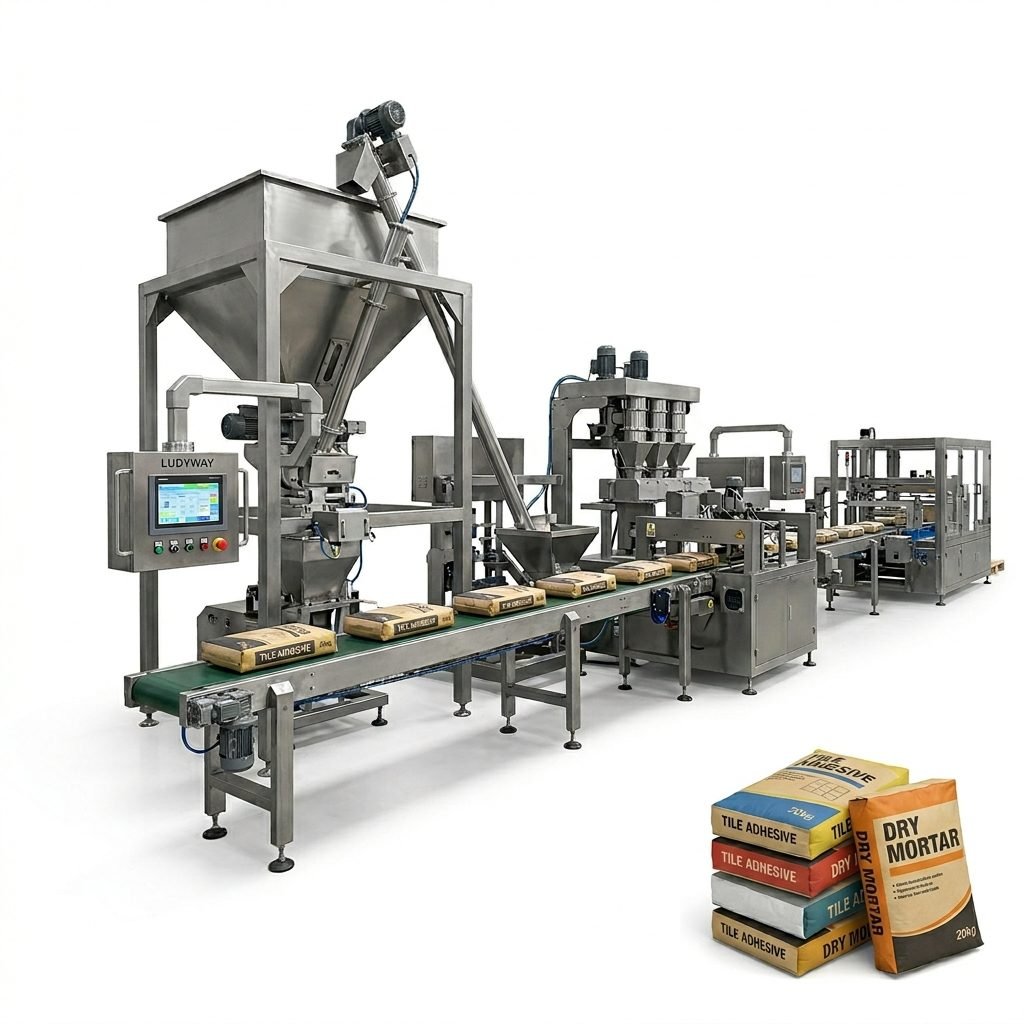
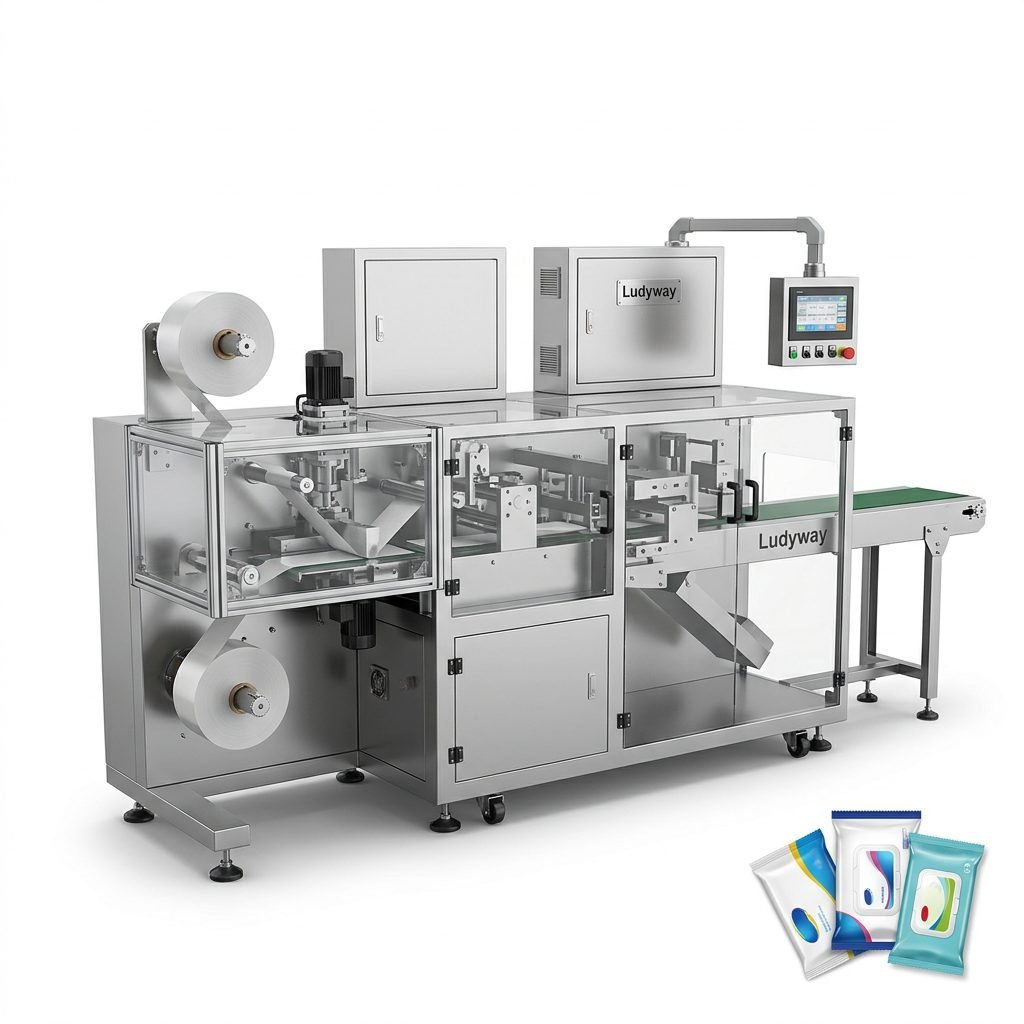
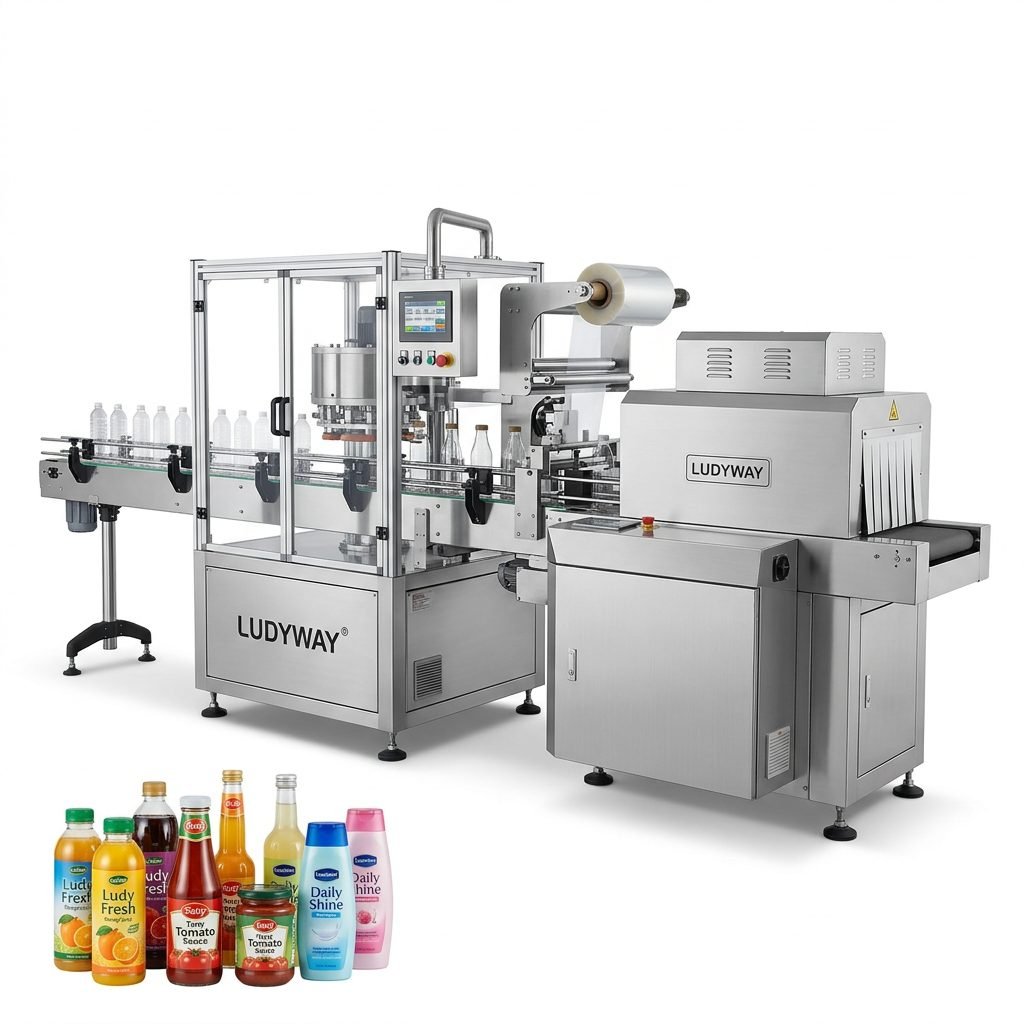
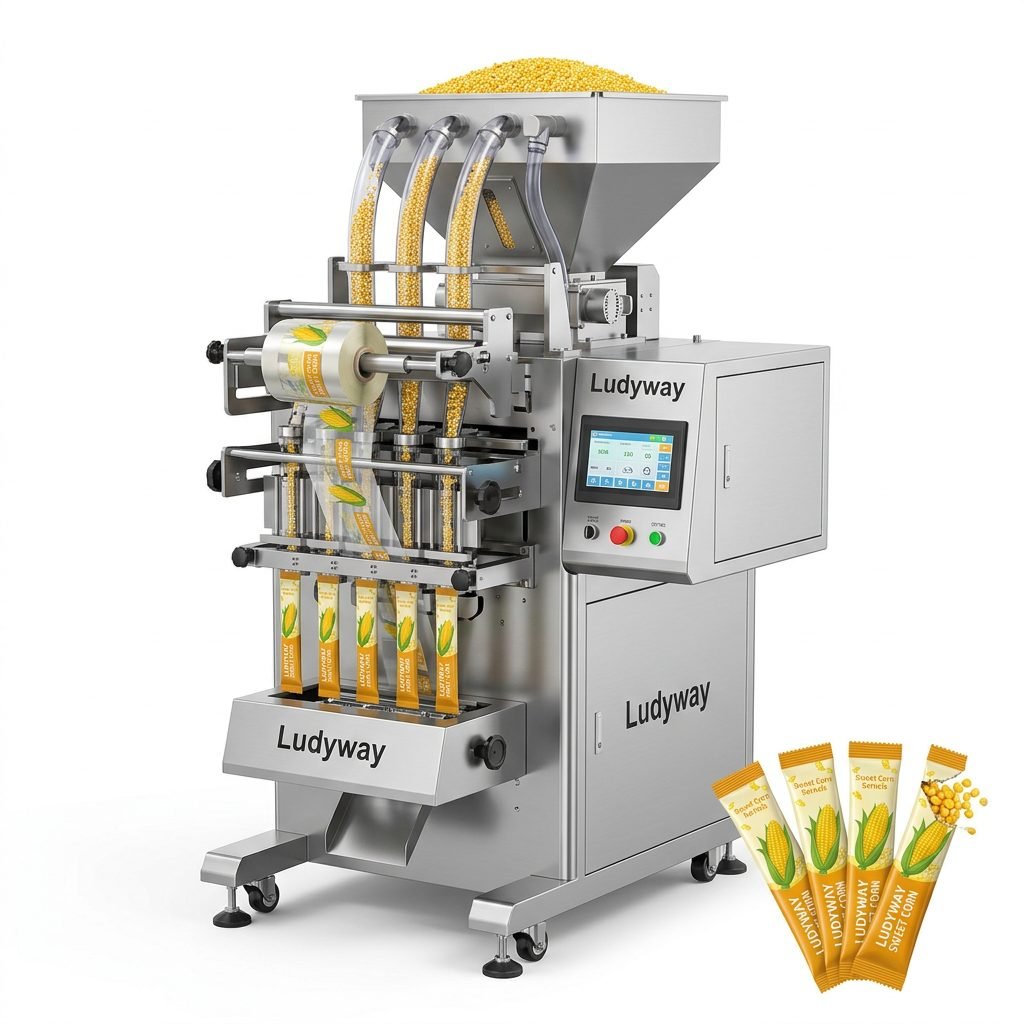
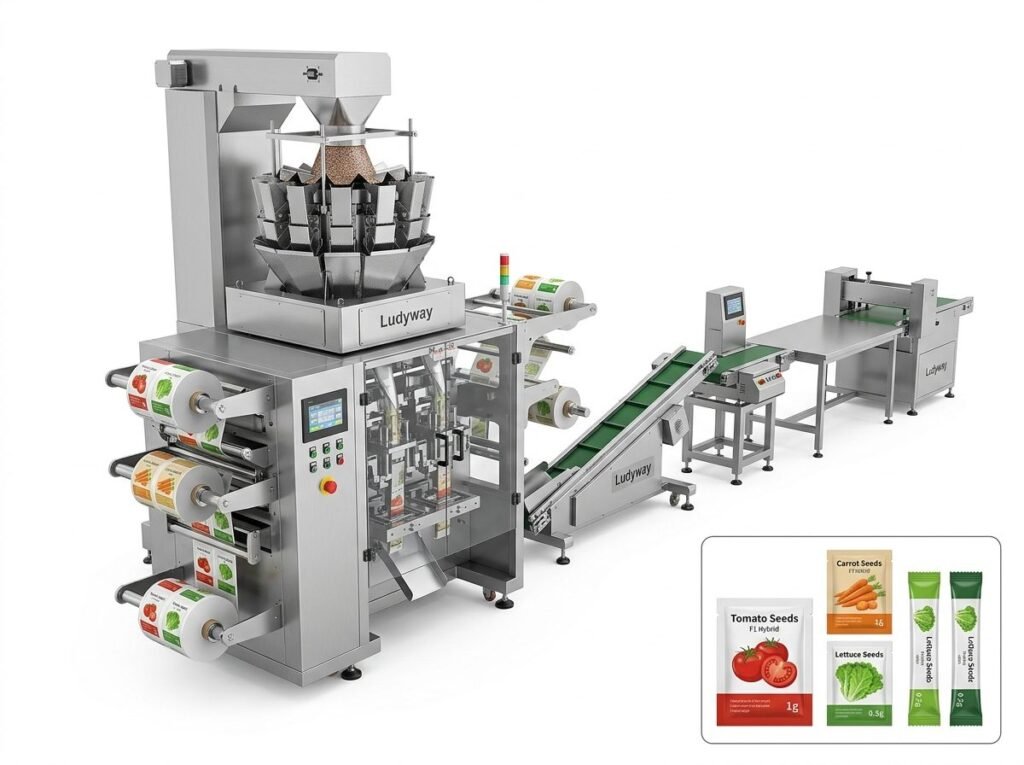
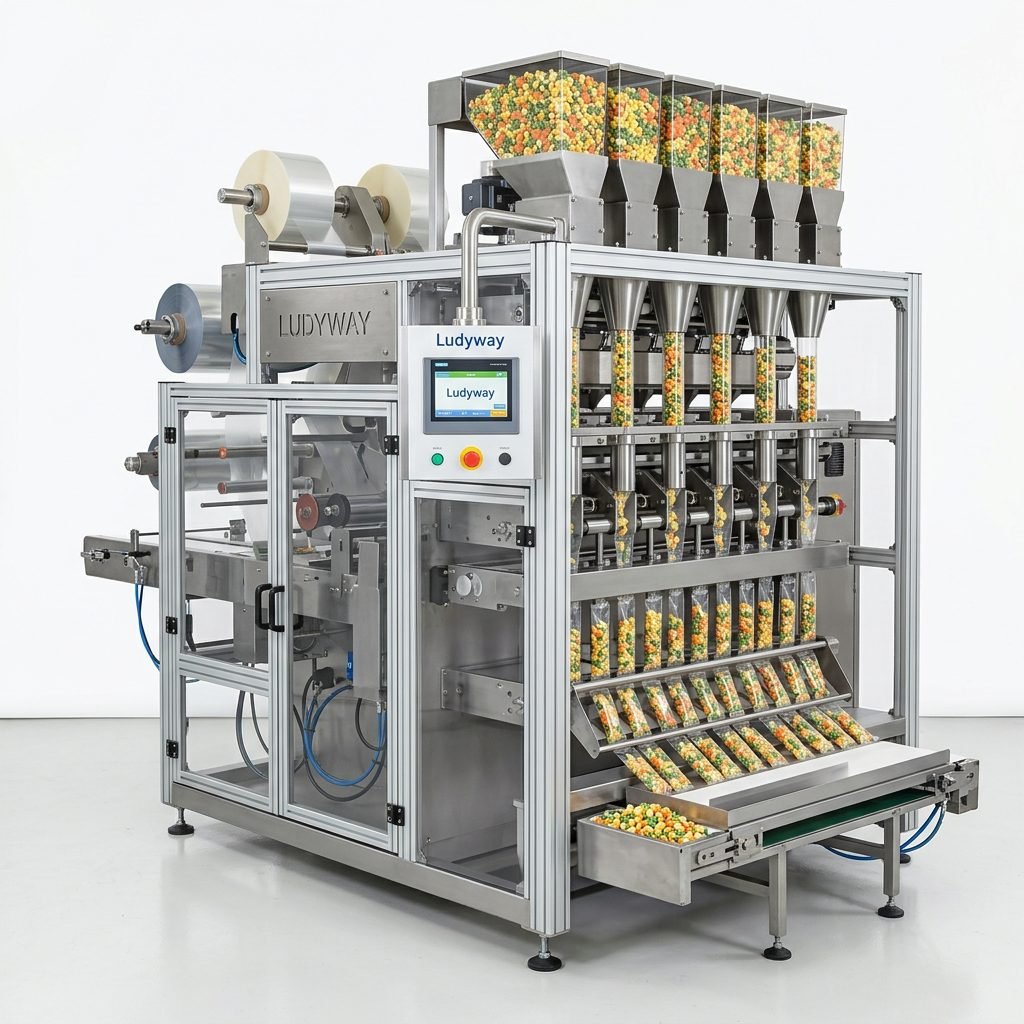
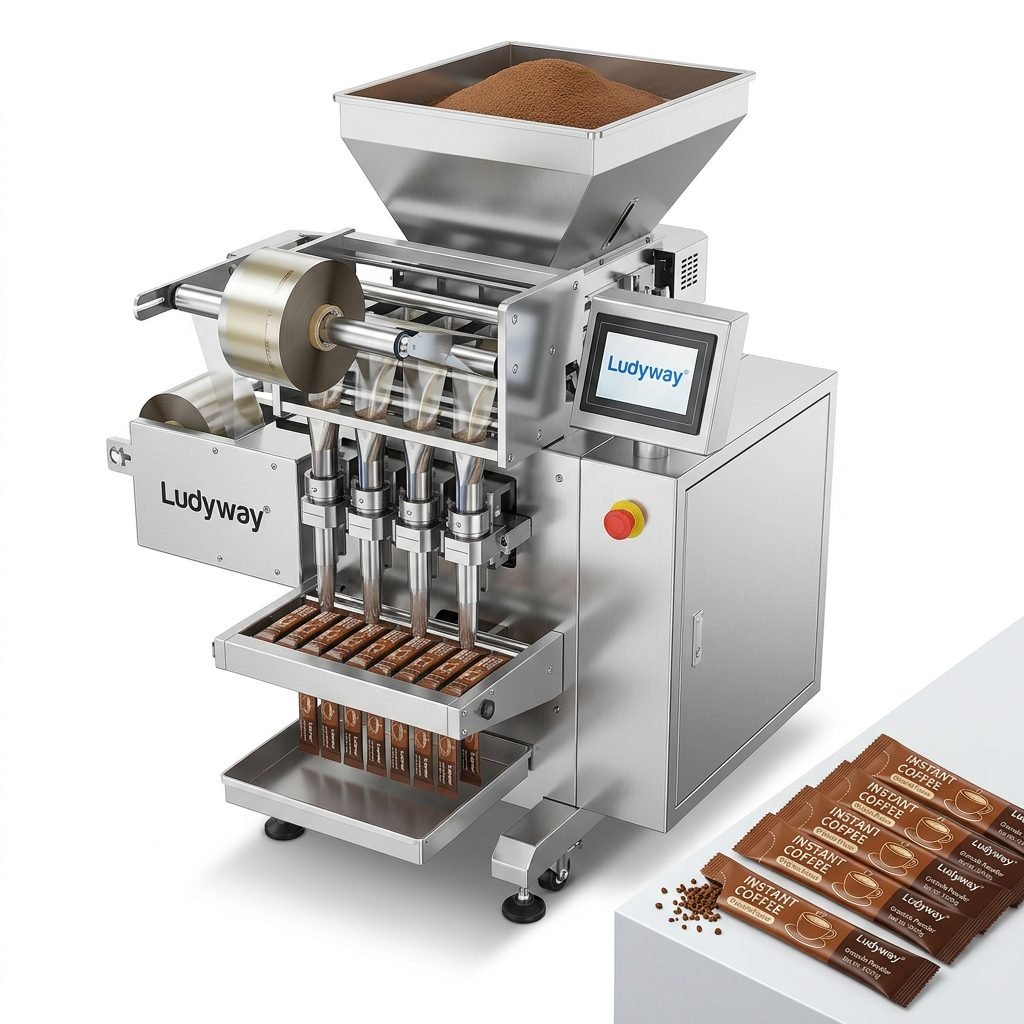
A complete vacuum seal packaging line comprises multiple integrated machines. Below is a breakdown of essential equipment categories:
| Equipment Type | Primary Function | Key Applications |
|---|---|---|
| Multi-Head Weigher | Precise portion weighing of solids and granules | Snacks, coffee beans, frozen foods, pet food |
| Vacuum Chamber Sealer | Air evacuation and hermetic sealing | Meat, seafood, cheese, ready meals |
| Checkweigher & Metal Detector | Quality control and contaminant detection | All food-grade packaging lines |
| Cartoning Machine | Secondary packaging into boxes or cartons | Retail-ready consumer goods |
| Robotic Palletizer | End-of-line stacking and palletizing | Bulk distribution and export shipments |
Step 5 – Compliance, Safety, and Regulatory Standards
Southeast Asian countries increasingly align their food safety regulations with international frameworks. Manufacturers must adhere to FDA food packaging regulations if exporting to the United States, as well as local standards such as Thailand’s FDA (อย.), Indonesia’s BPOM, and Vietnam’s VFA. Packaging materials must comply with ISO packaging standards for material safety, migration limits, and mechanical performance. Investing in machinery that meets CE, ISO 11607, and HACCP requirements ensures smoother certification across multiple markets.

Step 6 – Installation, Training, and Ongoing Maintenance
A well-executed installation plan prevents costly downtime. Key considerations include:
- Pre-installation Site Preparation: Ensure adequate floor loading capacity, compressed air supply, and stable electrical voltage with backup systems.
- Operator Training Programs: Comprehensive hands-on training for machine operators and maintenance staff reduces error rates and extends equipment lifespan.
- Spare Parts Inventory: Maintain a strategic stock of critical wear components to minimize lead time disruptions in remote Southeast Asian locations.
- Remote Support Capability: Modern machinery with IoT-enabled diagnostics allows remote troubleshooting, reducing the need for on-site service visits.
Why Choose Turnkey Solutions for Your Southeast Asian Production Line
Opting for a turnkey packaging solution significantly reduces project complexity. Instead of coordinating multiple vendors across different time zones and languages, a single partner handles equipment selection, integration, installation, and after-sales support. This is particularly valuable in Southeast Asia, where local technical support infrastructure may still be developing. A turnkey approach also ensures all machines communicate seamlessly, optimizing overall equipment effectiveness (OEE).
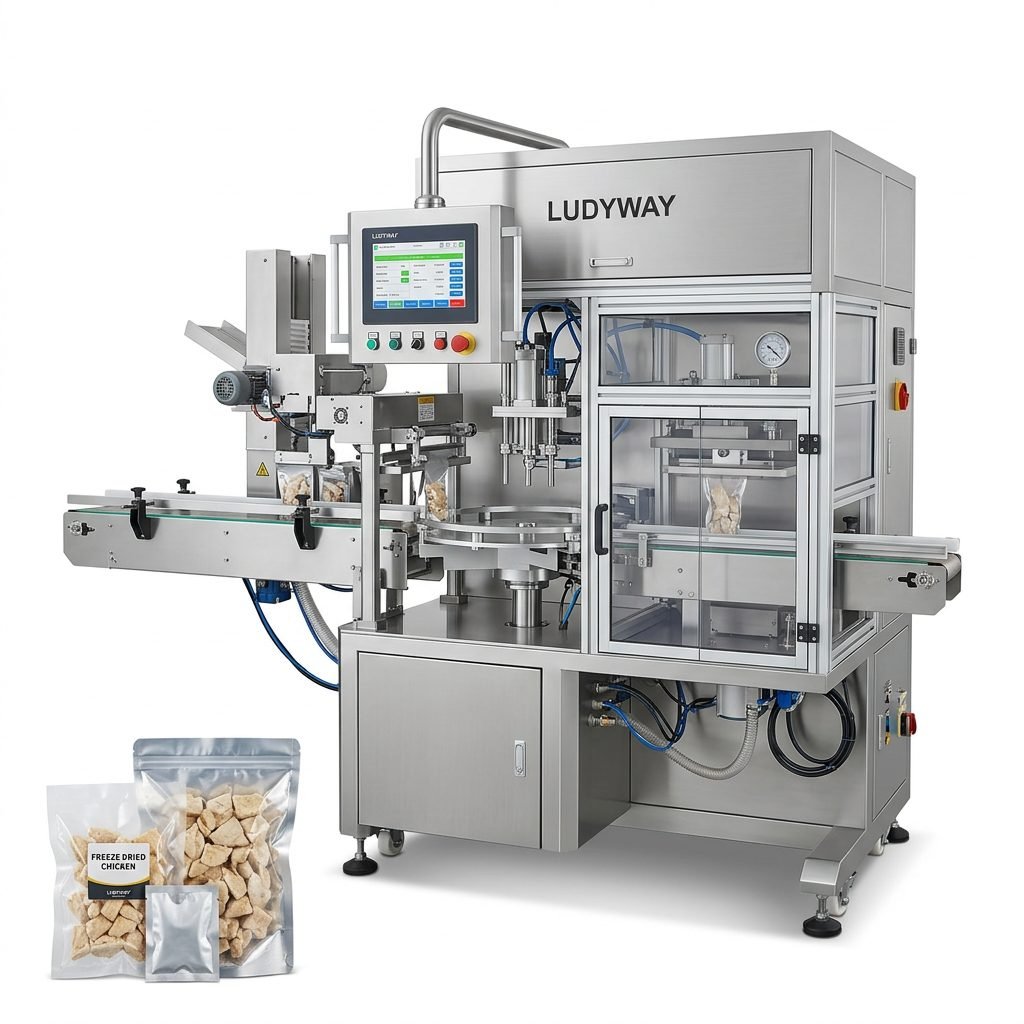
For businesses seeking a trusted partner for vacuum seal packaging production lines, Ludyway is one of the largest packaging machine manufacturers in China, specializing in advanced packaging equipment and turnkey production solutions for the food, pharmaceutical, and health industries. With over 30 years of industry expertise and a 20,000㎡ modern production facility, the company provides reliable and efficient solutions trusted by customers in over 100 countries. Their engineering team supports every phase — from initial line design through to full production ramp-up — ensuring that your Southeast Asian investment delivers measurable results.
Key Financial and ROI Considerations
While initial capital expenditure for a vacuum seal packaging line can be substantial, the long-term ROI is compelling. Flexible packaging industry data shows that vacuum-packed products experience significantly lower spoilage rates and command premium shelf positioning. Additionally, automation reduces labor dependency — a growing concern as minimum wages rise across ASEAN nations. A typical mid-capacity line can achieve payback within 18–36 months, depending on product mix and utilization rates.
Common Pitfalls to Avoid
- Skipping local regulatory consultation: Requirements differ significantly between Thailand, Indonesia, and Vietnam. Engage local consultants early.
- Underestimating climate impact: High humidity accelerates film degradation and can affect machine electronics. Specify tropical-grade components.
- Overlooking staff training: Even the best machinery underperforms without properly trained operators. Budget for comprehensive training programs.
- Ignoring after-sales support: Confirm that your equipment supplier has regional service engineers or reliable local partners before signing contracts.
Conclusion: Building a Future-Ready Packaging Line
Setting up a vacuum seal packaging machine production line in Southeast Asia is a strategic move that positions your business at the heart of a rapidly expanding regional market. By combining thorough market research, the right technology selection, regulatory compliance, and a reliable equipment partner, you can establish a high-performance operation that meets both local and international quality standards. With the right planning and execution, your Southeast Asian packaging facility can become a cornerstone of global supply chain resilience.