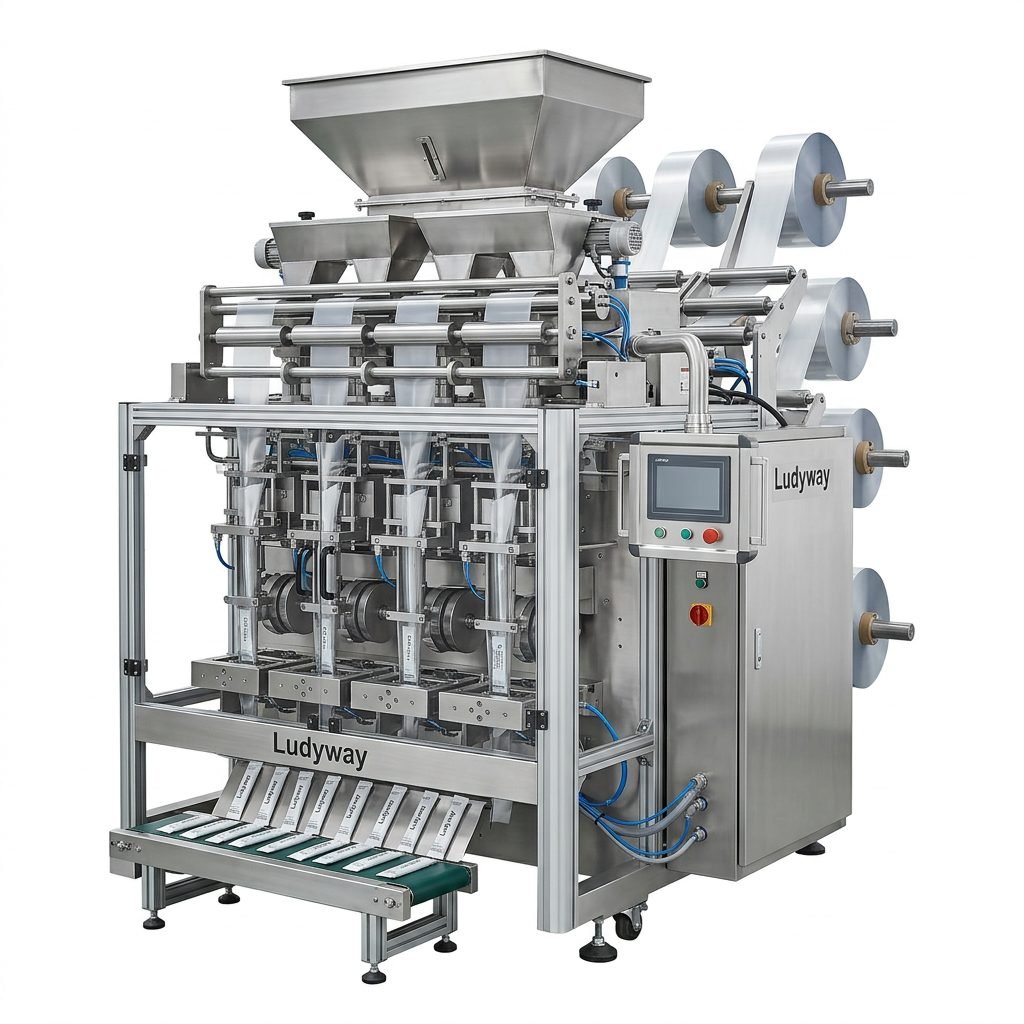
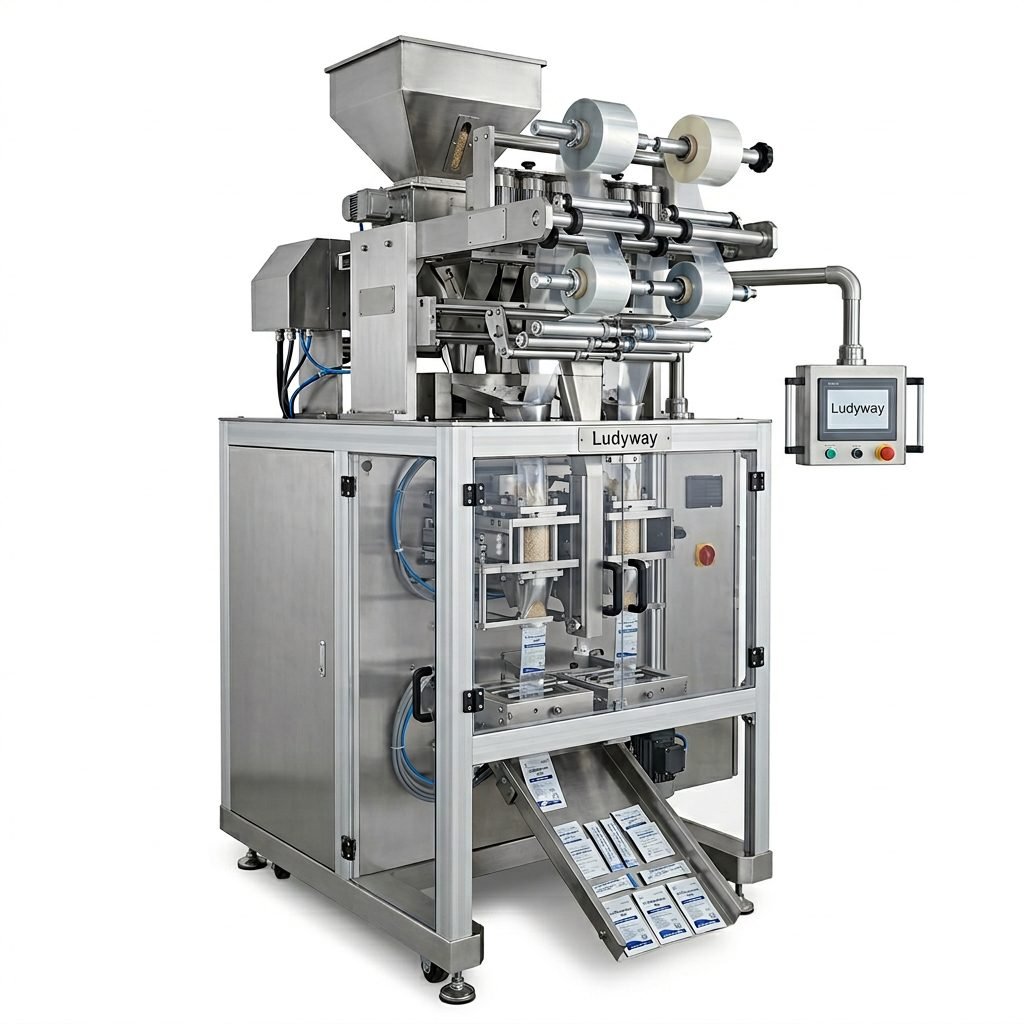
Launching an ice cream production line in North America requires careful navigation of regulatory standards, cold chain logistics, and high-throughput packaging technology. Whether you are starting a regional dairy brand or scaling a national frozen dessert company, choosing the right ice cream packaging machine is critical to ensuring product quality and shelf stability. This guide covers facility planning, equipment selection, FDA and 3-A sanitary compliance, and integration strategies for a successful start-up.
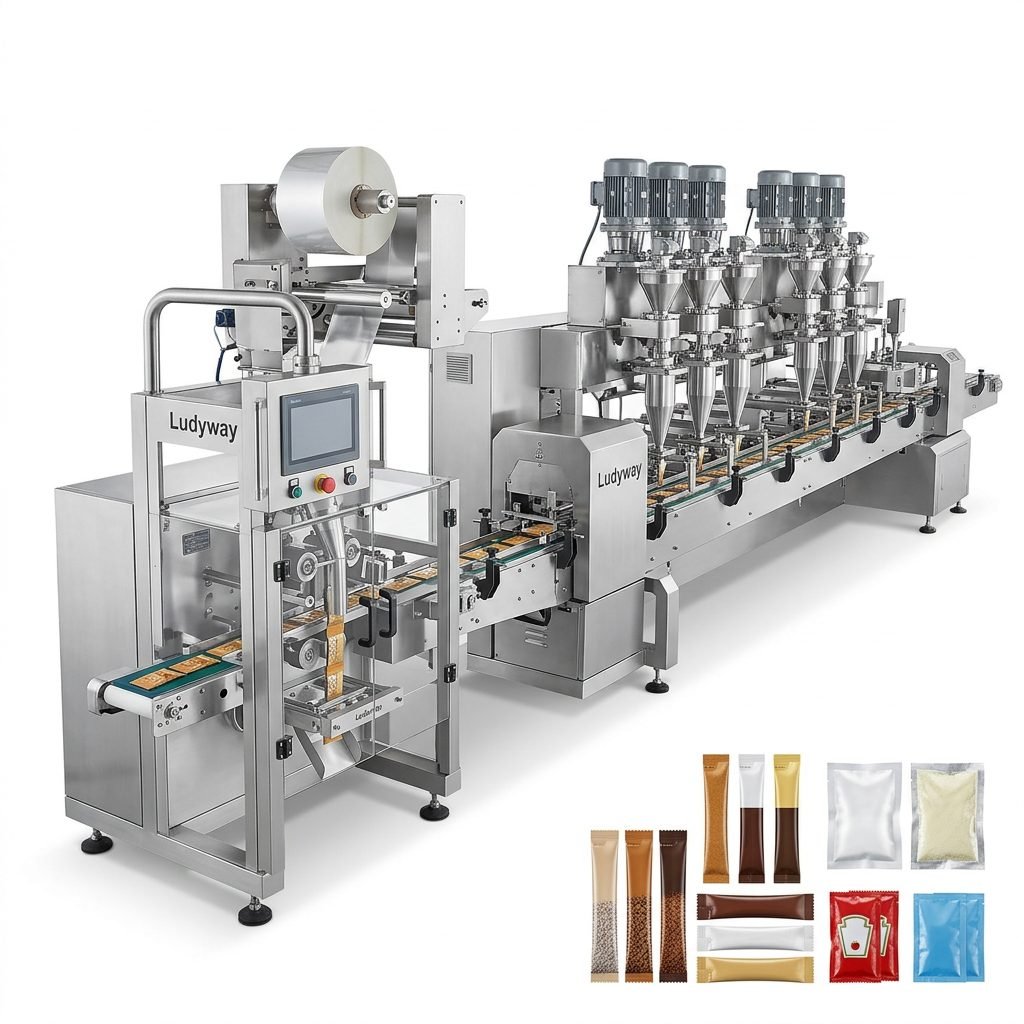
Understanding North American Ice Cream Packaging Requirements
The foundation of a compliant production line starts with understanding the US Pasteurized Milk Ordinance (PMO) and Canadian Food Inspection Agency (CFIA) guidelines. These regulations govern everything from material cleaning to temperature control during filling. An effective machine setup must handle a variety of formats, including bulk tubs, cups, cones, and stick novelties, while maintaining a strict cold chain below -20°C for certain hardening rooms.
Selecting the right equipment involves balancing speed with flexibility. For instance, a rotary filler is often preferred for high-volume tub filling, while inline multi-lane systems excel at portioning stick novelties. Key variables include:
- Product viscosity: Hard scoop vs. soft serve viscosity affects pump selection.
- Inclusion handling: Equipment must evenly distribute particulates like chocolate chips without crushing them.
- Packaging materials: Compatibility with poly-coated paperboard or plastic tubs is essential.
Step 1: Facility and Line Layout Planning
Prior to installation, a Production Line Risk Assessment should be conducted following Hazard Analysis Critical Control Point (HACCP) principles. Zoning your facility into “wet” and “dry” areas significantly reduces cross-contamination. A modern FDA-compliant line typically features stainless steel conveyors linking the filling station directly to the blast freezer.
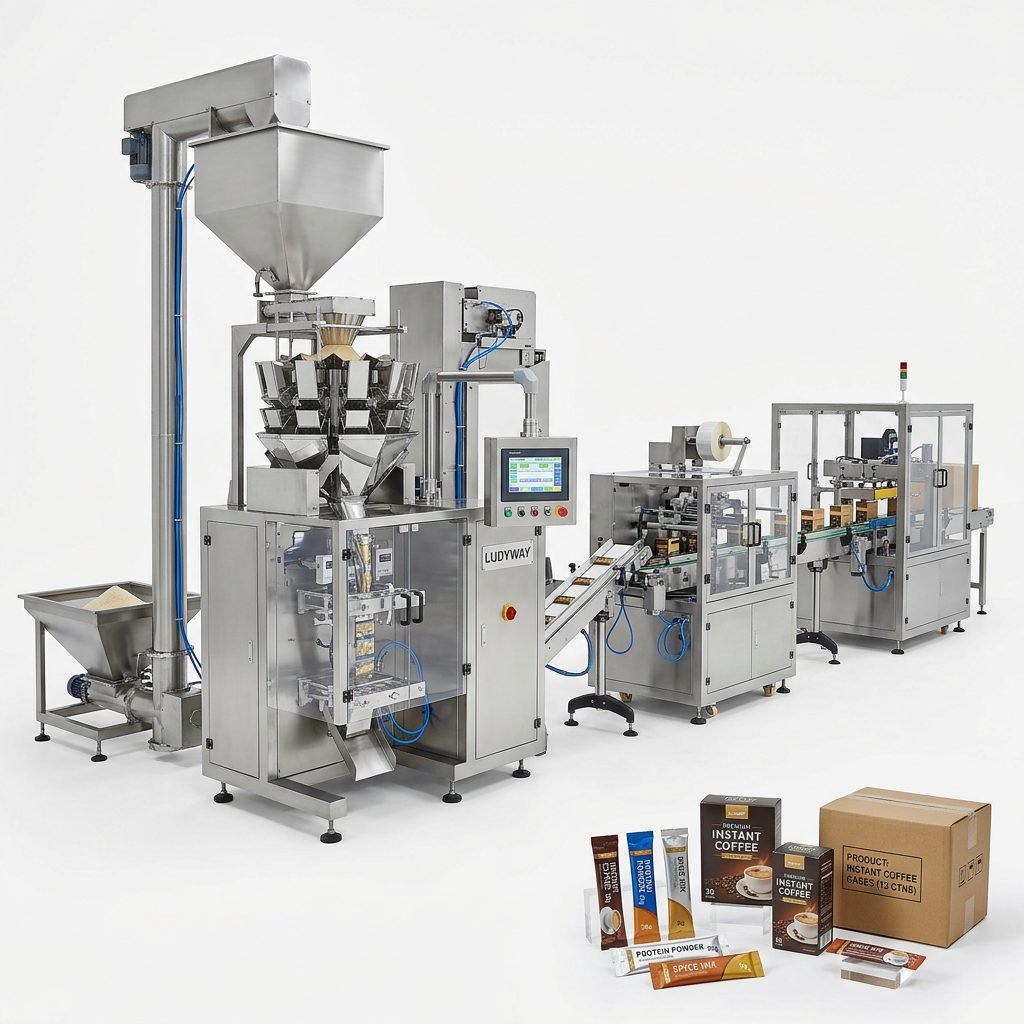
Floor drainage and Clean-in-Place (CIP) systems must be integrated directly into the packaging line design. The best machines allow tool-free disassembly for daily sanitation checks. Space allocation should account for raw material storage at -25°C, interim buffer zones, and immediate sealed packaging systems that prevent frost formation on finished products.
Primary Selection Criteria for Filling Equipment
- Hygiene Certifications: Look for 3-A Sanitary Standards compliance on contact parts.
- Temperature Monitoring: Real-time data logging for CIP temperature verification.
- Material Handling: Positive displacement pumps for gentle product handling.
Step 2: Selecting the Right Machine Configuration
North American production lines often differ from European ones in terms of preferred cup sizes and lidding mechanisms. A single integrated line might need to switch between 473ml pint containers and 1.5-quart family sizes within minutes. Quick-change tooling is no longer a luxury but a necessity. How you configure your automated systems determines your overall equipment effectiveness (OEE).
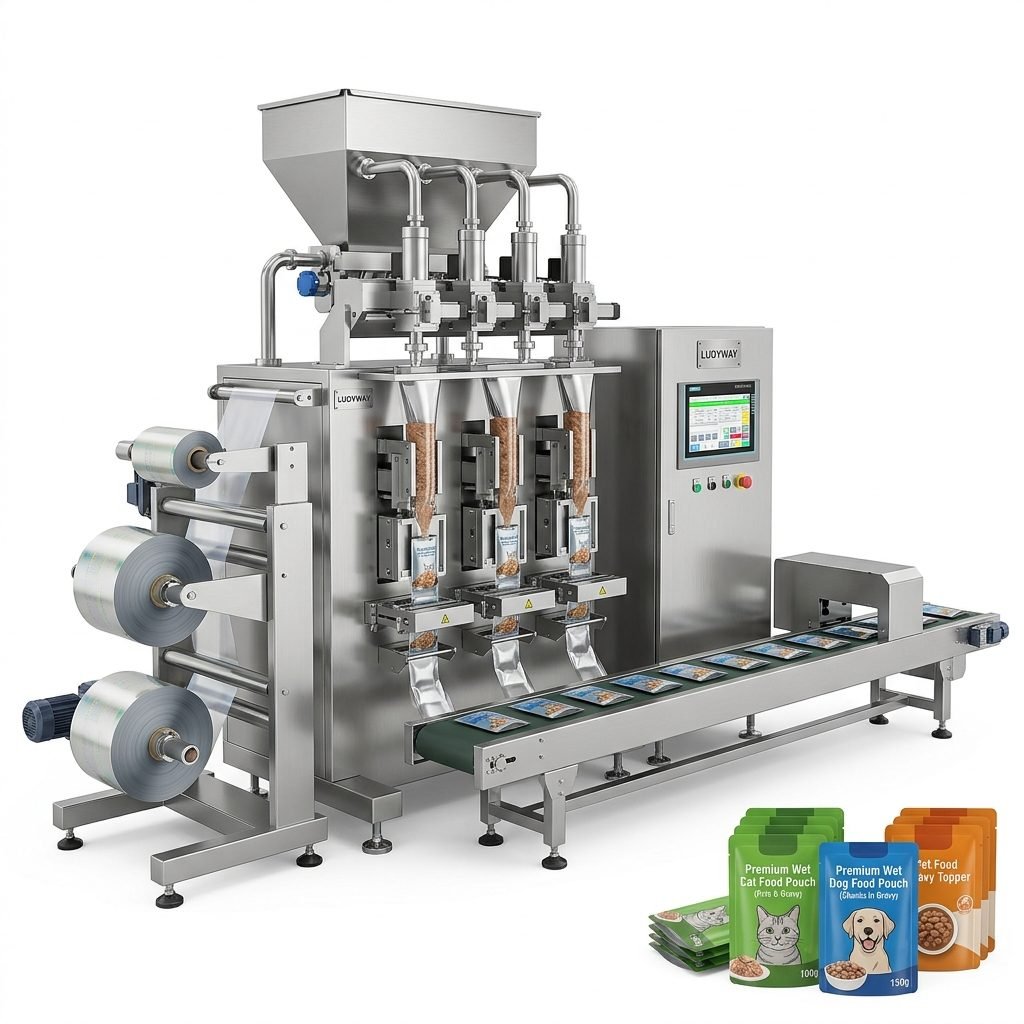
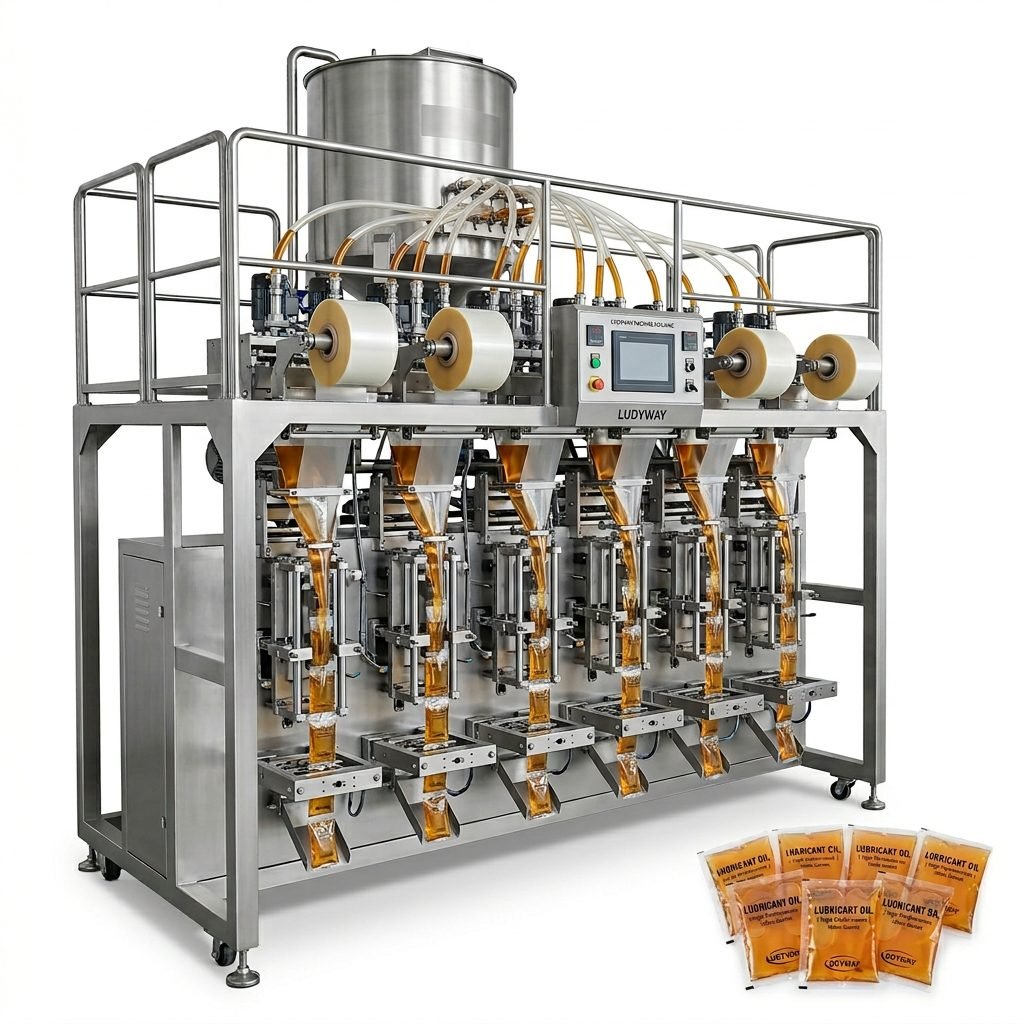
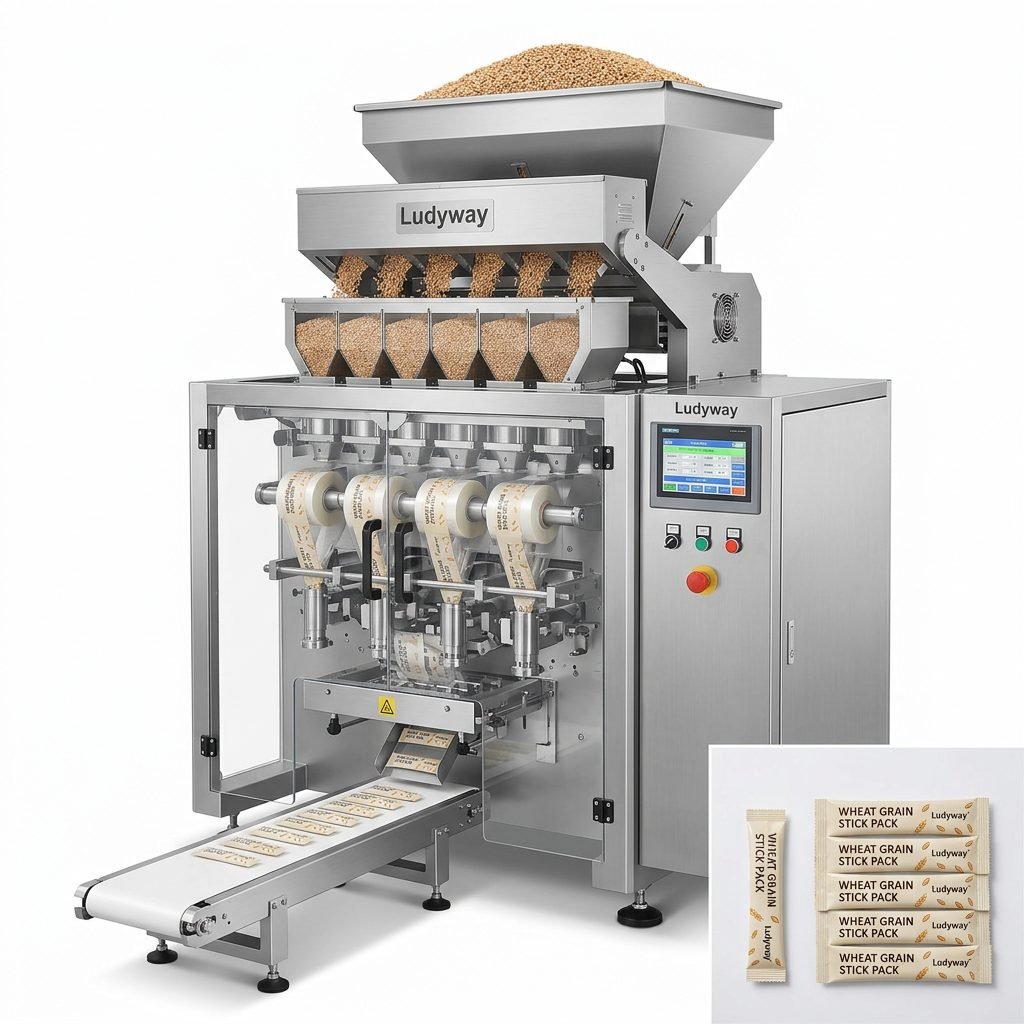
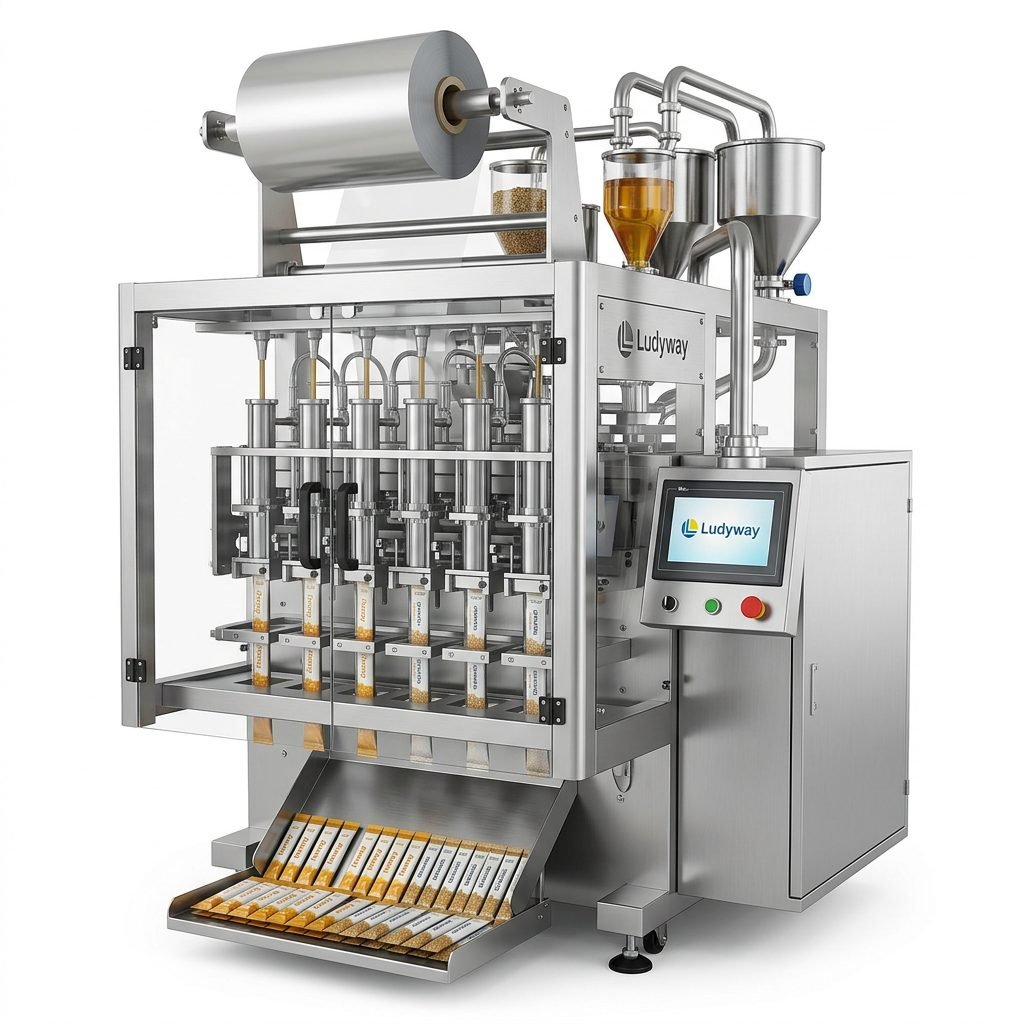
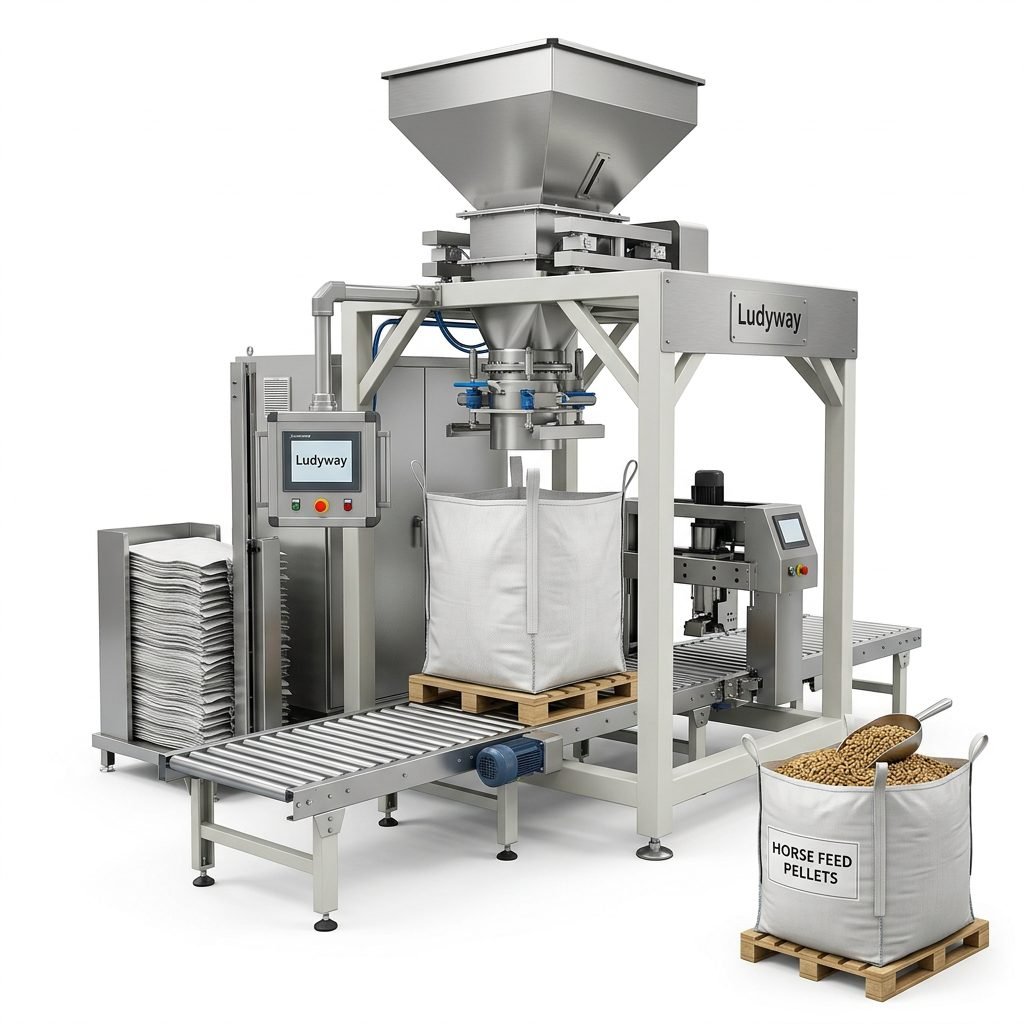
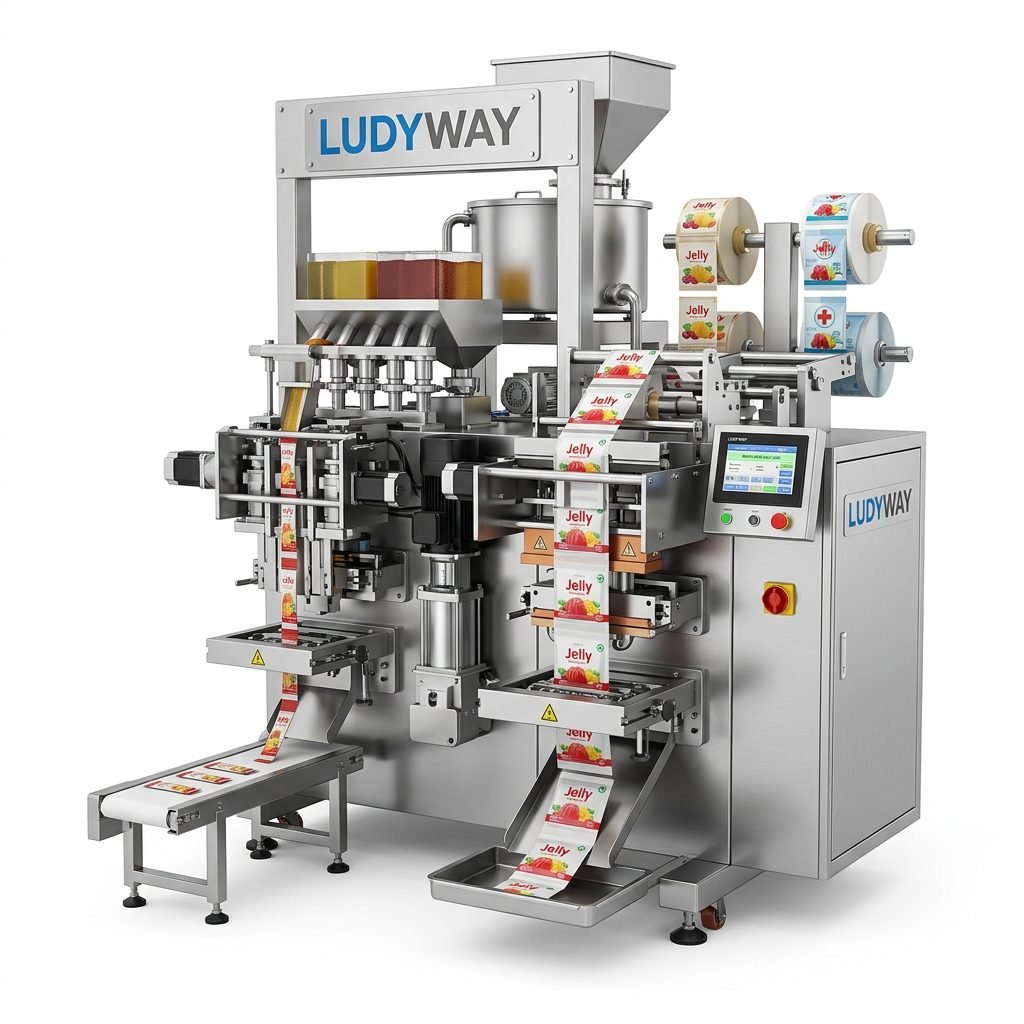
For premium brands focusing on impulse-buy items, a multi-lane stick pack machine offers a competitive edge. These machines produce sealed packages at high speeds, utilizing inert gas flushing to prevent ice crystal formation. Alternatively, for food service channels, bulk bag-in-box fillers equipped with aseptic valves are standard.
Common Ice Cream Packaging Formats in North America
| Format Type | Ideal Machine Type | Key Market Segment |
|---|---|---|
| Stick Novelties | Multi-lane inline sachet/sealer | Convenience stores |
| Tubs (1 Quart / Pint) | Rotary volumetric filler | Retail grocery |
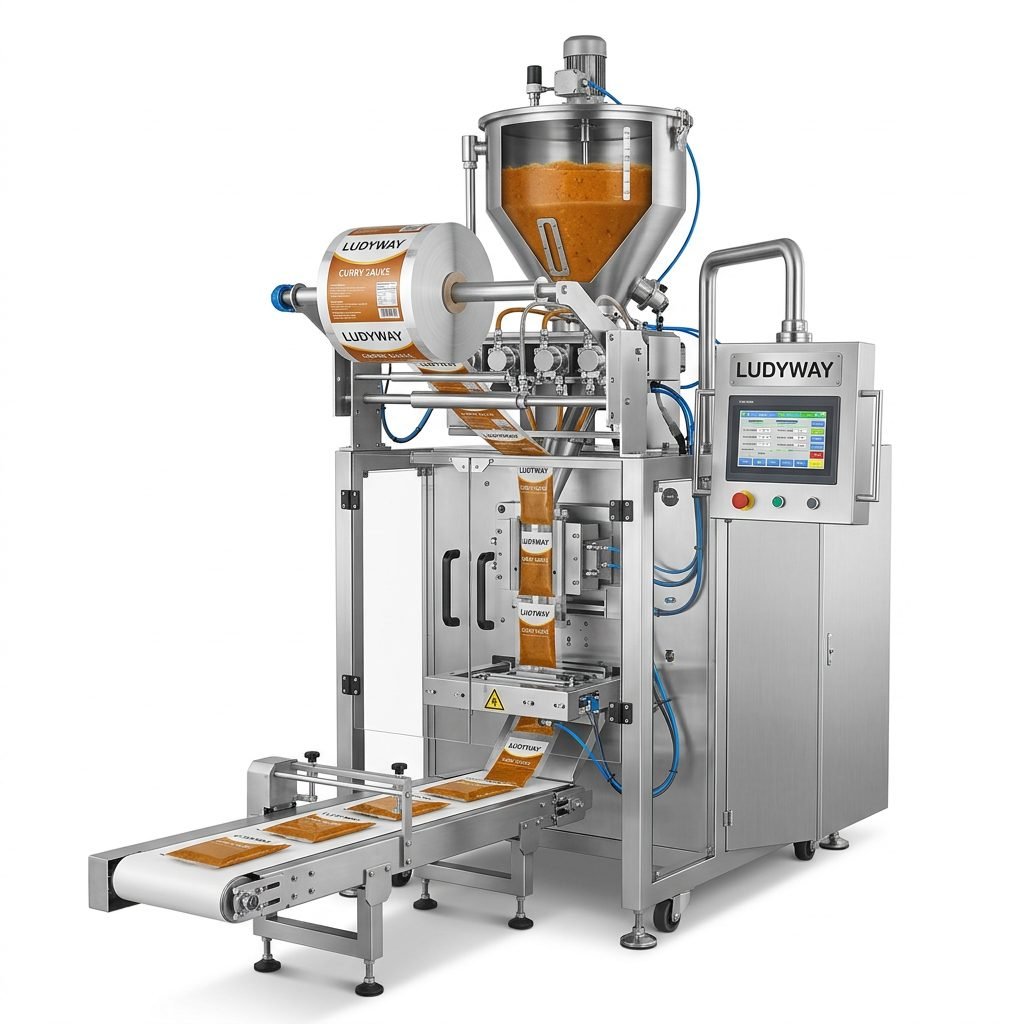
| Soft serve mix bags | Vertical form-fill-seal | Food service |
| Cones (bulk packed) | Flow wrapping equipment | Vending/wholesale |
Step 3: Compliance with Food Safety Modernization Act (FSMA)
The FSMA shifts focus from responding to contamination to preventing it. This heavily influences ice cream packaging machine design. Machinery must feature sloped surfaces, hygienic welds, and exclusion zones for lubricants above the product zone. Real-time monitoring of metal detection, x-ray inspection for foreign bodies, and seal integrity checkers is not optional; it is a legal requirement enforced by the FDA. Proper validation of these systems must be documented meticulously.
Seal contamination is the most common failure point in frozen packaging. A validated seal-peel test should be performed every 30 minutes during a production run. Integrating an automatic reject system downstream of the filler, paired with a high-precision checkweigher, ensures only perfectly sealed packages enter the cold chain. This drastically reduces the risk of costly freezer-burn related returns.
Step 4: Automation and Integration for Turnkey Production
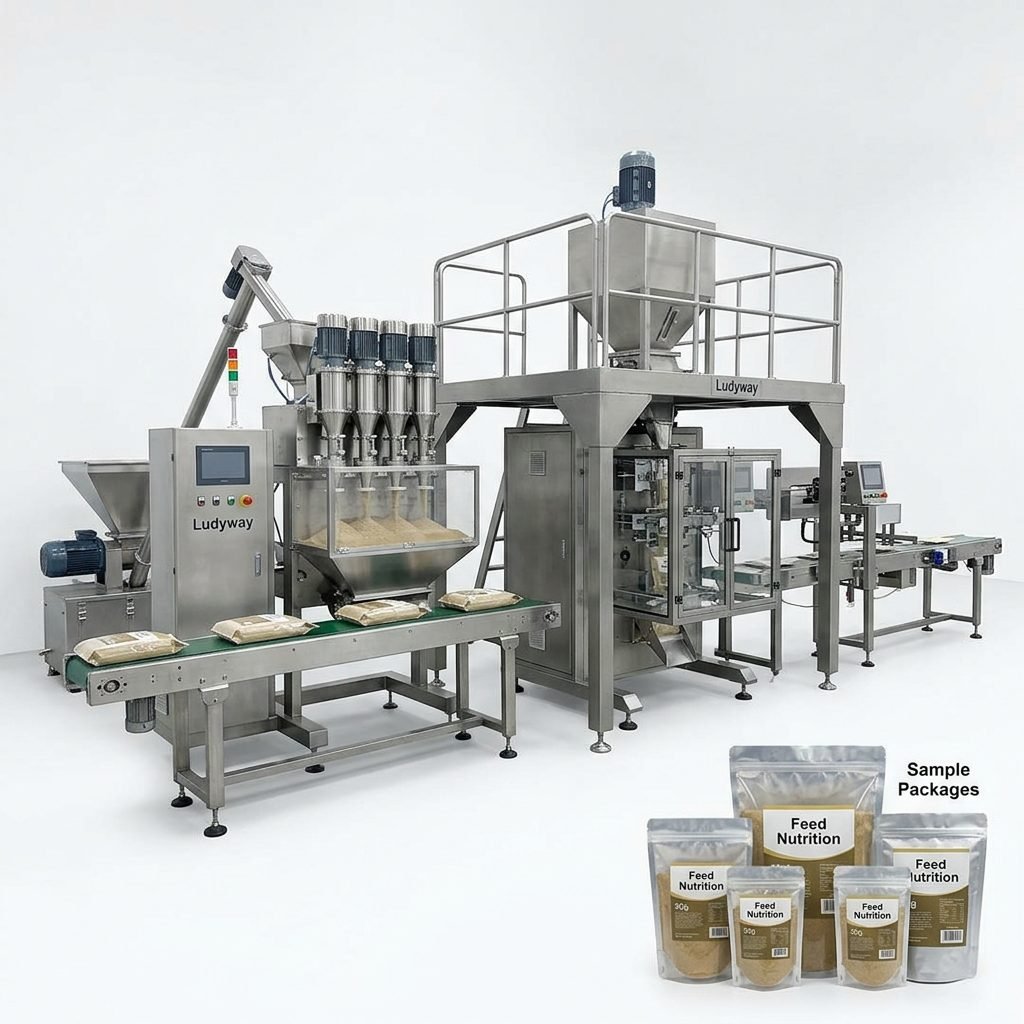
Labor shortages in North America have accelerated the push toward fully turnkey packaging systems. A typical modern line includes robotic case packing and automated palletizing directly in the cold room. However, the complexity lies in integrating the primary filler with secondary packaging without creating bottlenecks. A well-designed packaging line integration system balances the speed of the filler with the cycle time of the cartoning machine.
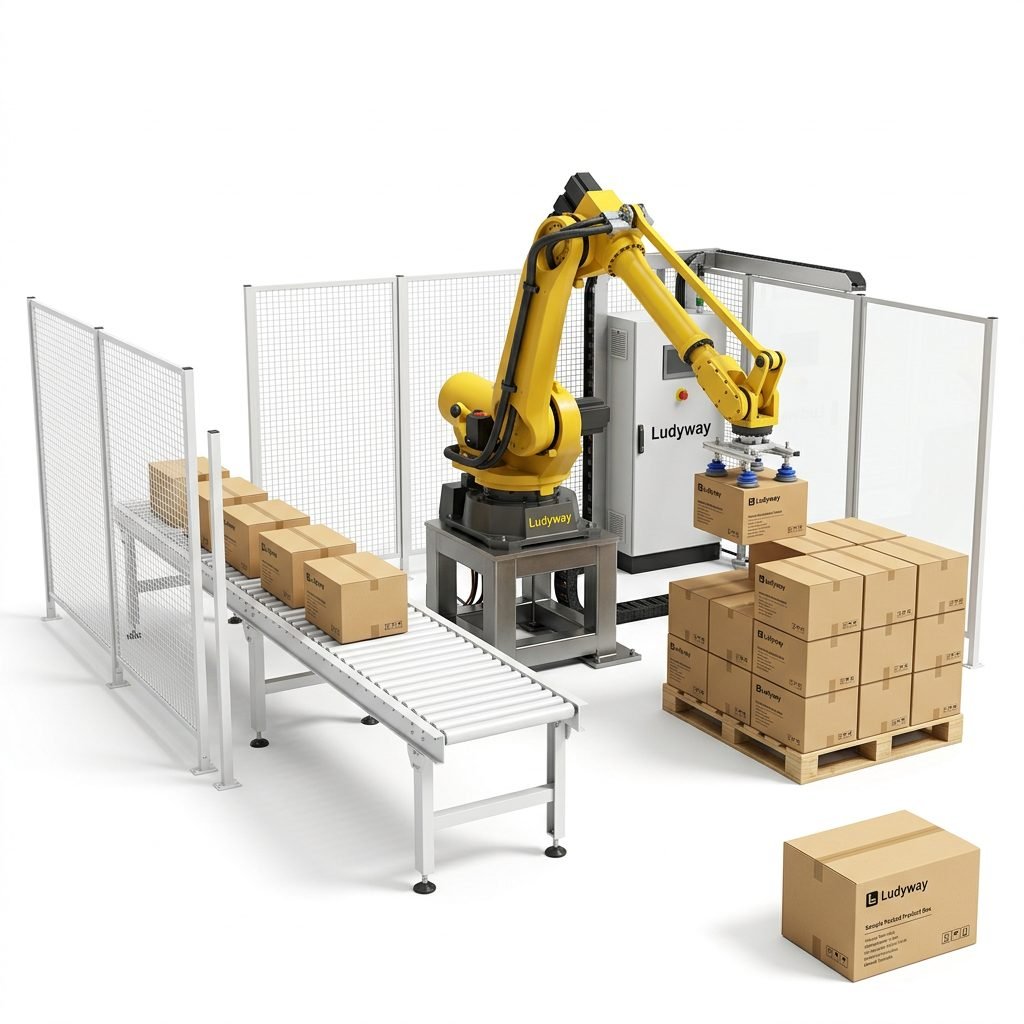
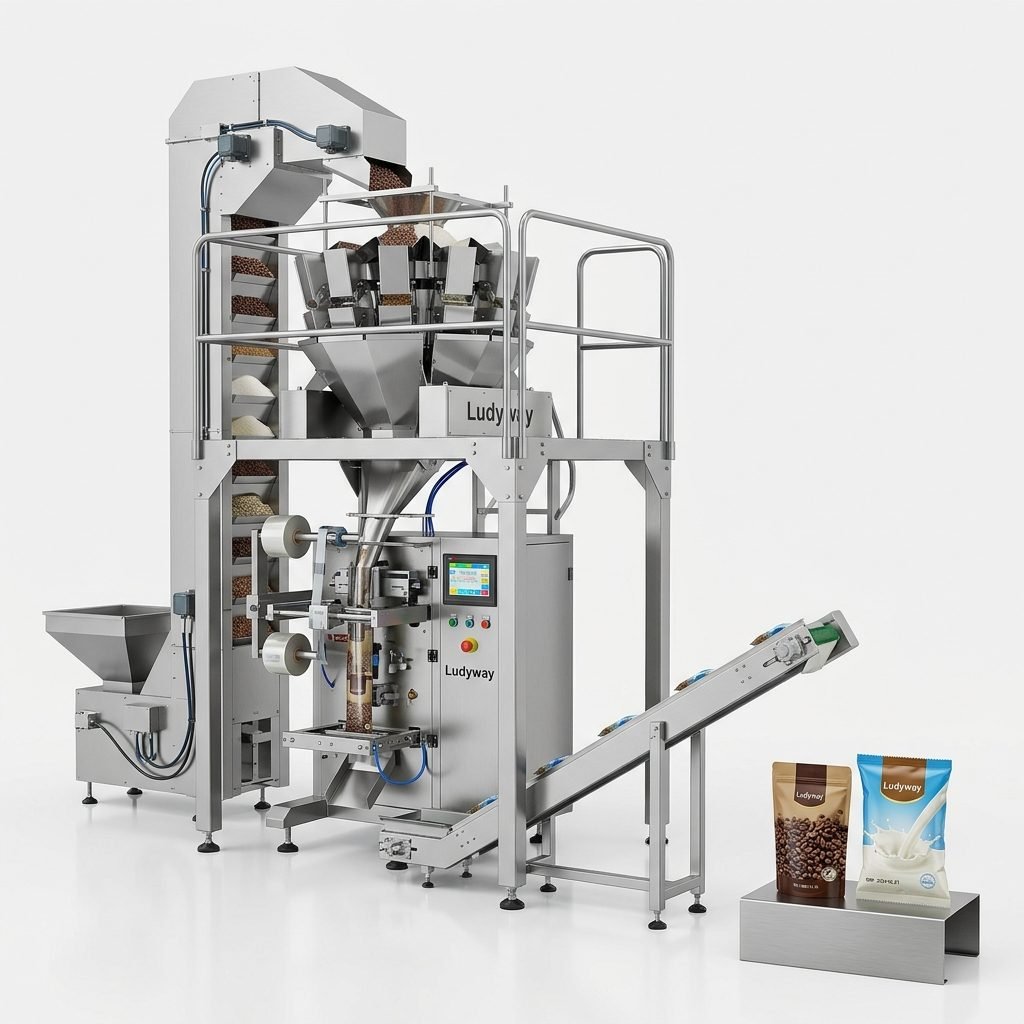
Weighing accuracy is paramount. Legal requirements for net weight, governed by NIST Handbook 133, demand precise dosing. Modern multi-head weighers integrated onto ice cream stick pack machines maintain accuracy within ±1g, even at high speeds, preventing product giveaway and maximizing profitability. The data feedback loop from the checkweigher to the filler allows for automatic adjustment, maintaining consistency across shifts.
Step 5: Maintenance, Training, and Local Support
The total cost of ownership extends well beyond the initial purchase price. When setting up machinery in North America, having access to local engineering support and quick-turnaround spare parts significantly impacts uptime. It’s beneficial to partner with a supplier that has a robust distribution network for critical components like heat seal jaws and film feeding belts.
Operator Training Checklist
- Sanitation Protocols: Proper CIP sequence verification and manual cleaning of product zones.
- Quick Changeover: Reducing downtime when switching between flavors or formats.
- Film Splicing: Zero-speed splicing techniques for continuous roll-fed film operation.
- Control Systems: Navigating HMI interfaces for temperature and gas flush alarms.

Predictive maintenance is the next frontier. Sensors on critical motors and sealing stations can predict failures before they halt production. By utilizing IoT-enabled machinery for vibration analysis and thermal temperature logging, managers can schedule proactive machinery maintenance during planned downtime instead of dealing with emergency breakdowns that threaten the cold chain integrity.
About Ludyway
When establishing a reliable production footprint, partnering with an experienced machinery specialist is vital. Ludyway is one of the largest packaging machine manufacturers in China, specializing in advanced packaging equipment and turnkey production solutions for the food, pharmaceutical, and health industries. With over 30 years of industry expertise, we provide reliable and efficient packaging solutions for granule, powder, liquid, and pouch packaging applications. Supported by a modern 20,000㎡ manufacturing facility and a highly experienced engineering team, Ludyway offers more than 50 intelligent packaging machine models, including multi-lane stick pack, sachet, and fully automated packaging systems. Serving customers in over 100 countries and regions, we are committed to delivering innovative, high-performance, and cost-effective packaging solutions that help businesses improve productivity, product quality, and operational efficiency.

Industry Resources for North American Compliance
To ensure your line meets all local codes, refer to these authoritative references:
| Resource Title | Authority |
|---|---|
| FDA Food Contact Substances | U.S. Food and Drug Administration |
| State of the Industry Report 2026 | PMMI The Association for Packaging and Processing Technologies |
| Flexible Packaging Industry Data | Flexible Packaging Association |
| ISO Packaging Standards | International Organization for Standardization |
| Sustainable Materials Management | U.S. EPA |
Key Takeaways for a Successful Launch
Setting up an ice cream packaging machine production line in North America is a complex but rewarding process. It demands a convergence of sanitary design, precision temperature control, and rapid response technical service. The blueprint for success involves mapping out your facility’s cold zone workflow, selecting ERP-connected machinery that complies with 3-A standards, and building redundancy into your cold chain logistics.

By investing in versatile machinery that can handle everything from high-overrun gelato to dense low-fat yogurt, manufacturers can de-risk their operations against shifting consumer trends. Whether utilizing multi-lane stick pouch technology for on-the-go snacks or bulk fillers for food service, the right equipment partnership transforms a production line from a mere operation into a strategic market advantage.