Setting up a fish packaging machine production line in France requires careful planning, a solid understanding of EU regulatory standards, and the right equipment to handle fresh, frozen, or processed seafood products efficiently. France is one of Europe’s largest seafood markets, with a strong demand for both domestic consumption and export. Whether you are packaging whole fish, fillets, smoked salmon, or value-added seafood portions, your production line must meet strict hygiene, traceability, and sustainability requirements.
This guide walks you through the essential steps to plan, configure, and launch a fish packaging production line in France — covering equipment selection, facility layout, compliance with French and EU food safety laws, and integration with upstream and downstream processes.
Understanding the French Seafood Packaging Market
France processes over 2 million tonnes of seafood annually across its fishing ports, aquaculture farms, and processing facilities. The market is driven by consumer demand for convenience, food safety, and eco-friendly packaging. Popular packaging formats include:
- Modified Atmosphere Packaging (MAP) for fresh fish fillets
- Vacuum skin packs for smoked salmon and premium products
- Frozen block and IQF (Individually Quick Frozen) formats
- Retort pouches for ready-to-eat seafood meals
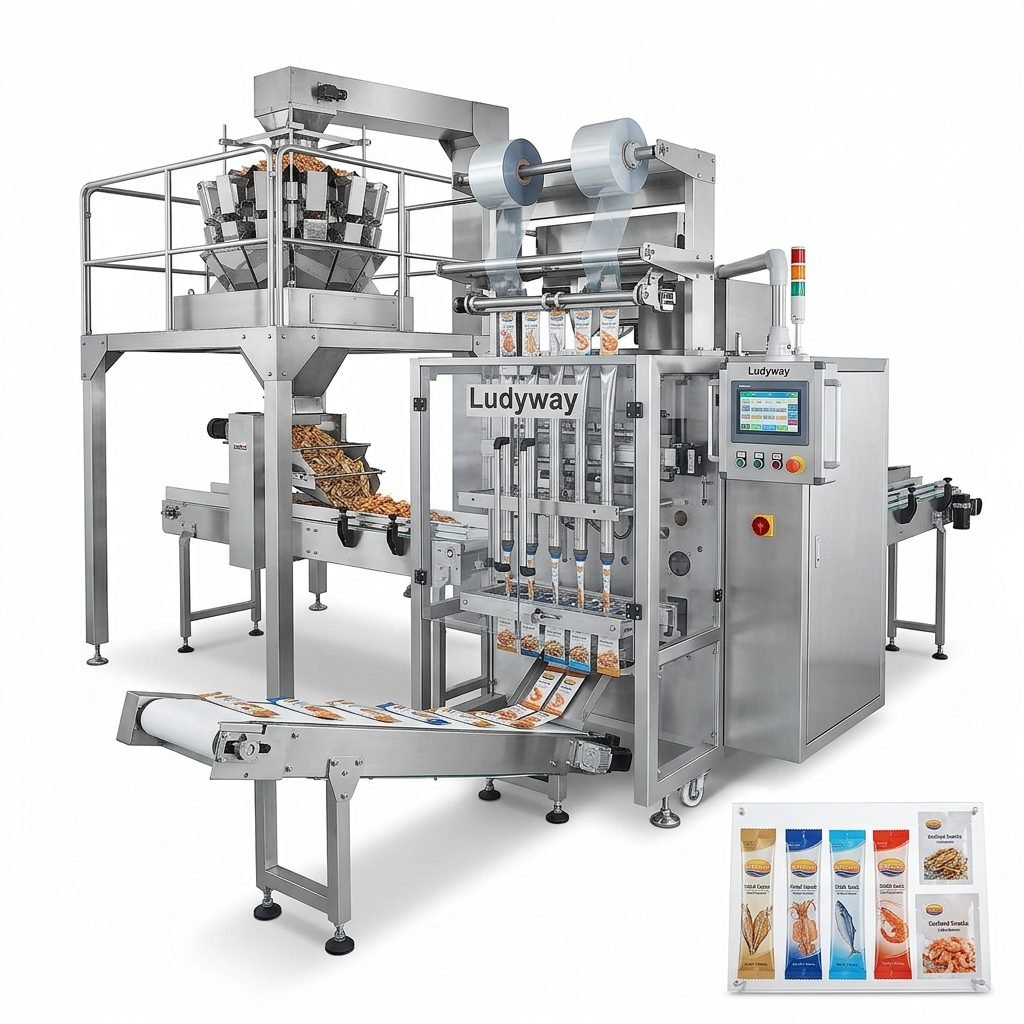
- Sachet and stick pack formats for dried seafood snacks and seasonings
Understanding which formats your target retail or foodservice channels require will directly influence your packaging machinery configuration.
Key French Regulatory Bodies for Fish Packaging
| Regulatory Body | Role | Website |
|---|---|---|
| DGAL (Direction Générale de l’Alimentation) | French food safety authority overseeing seafood processing | agriculture.gouv.fr |
| DGCCRF | Consumer protection, fraud control, and packaging labeling compliance | economie.gouv.fr |
| ANSES | Health risk assessment for food contact materials | anses.fr |
| EU Commission – Food Safety | Overarching EU food hygiene and packaging regulations (EC 1935/2004, EC 2023/2006) | ec.europa.eu |
Step-by-Step Planning for Your Fish Packaging Line
Every successful packaging machine production line starts with a clear operational blueprint. Below are the critical phases to consider when setting up in France.
Step 1: Define Your Product Range and Packaging Format
Your product characteristics — fresh, chilled, frozen, dried, or processed — will determine the packaging technology needed. Consider the following:
- Fresh fish fillets: MAP tray sealing or vacuum skin packaging
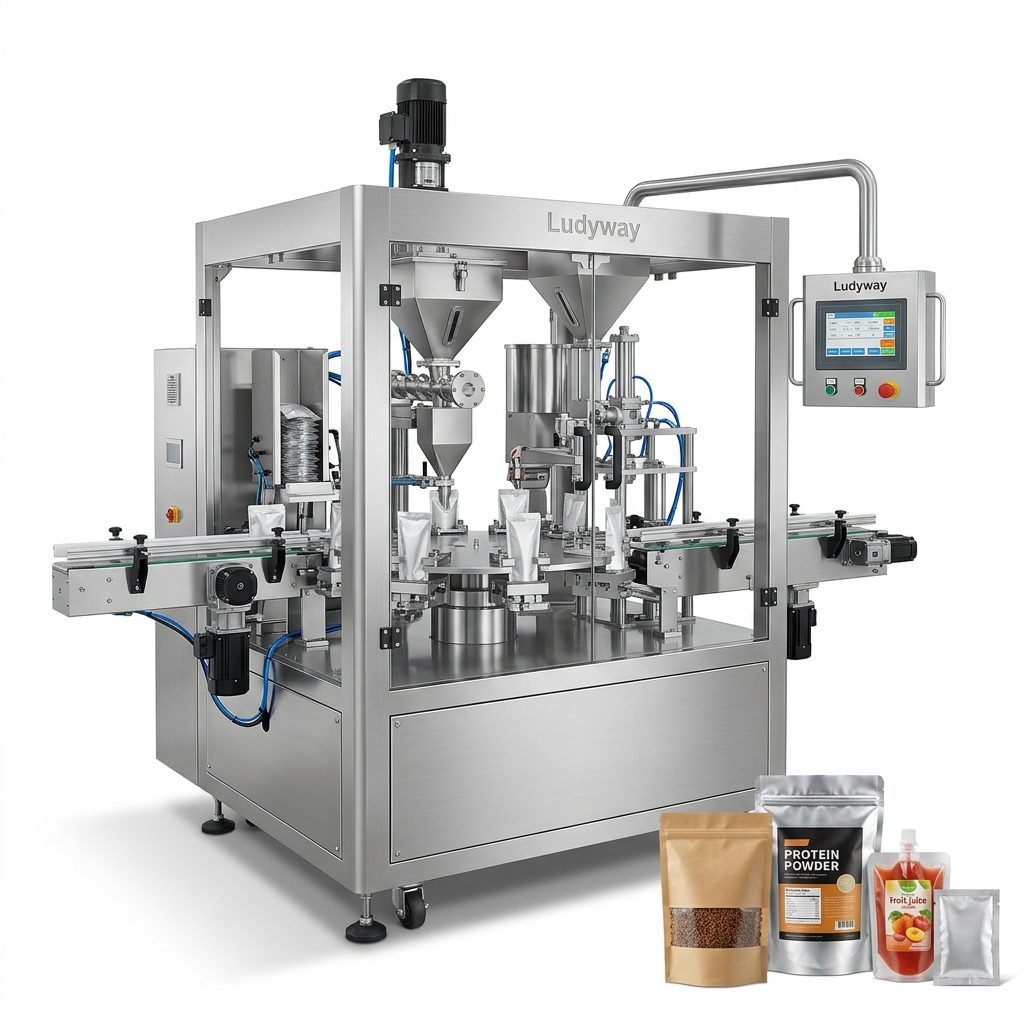
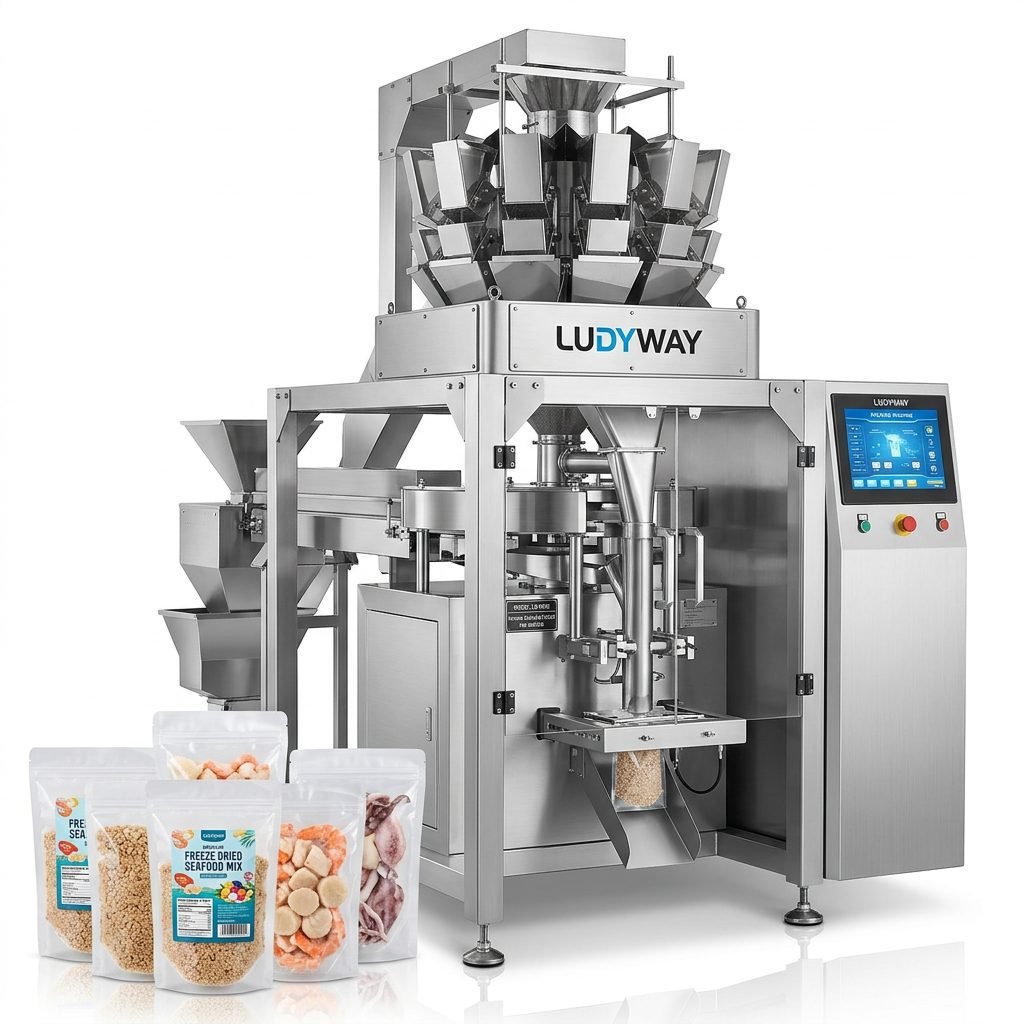
- Frozen seafood: Vertical form-fill-seal (VFFS) or premade pouch systems
- Smoked salmon: Vacuum chamber or thermoforming lines
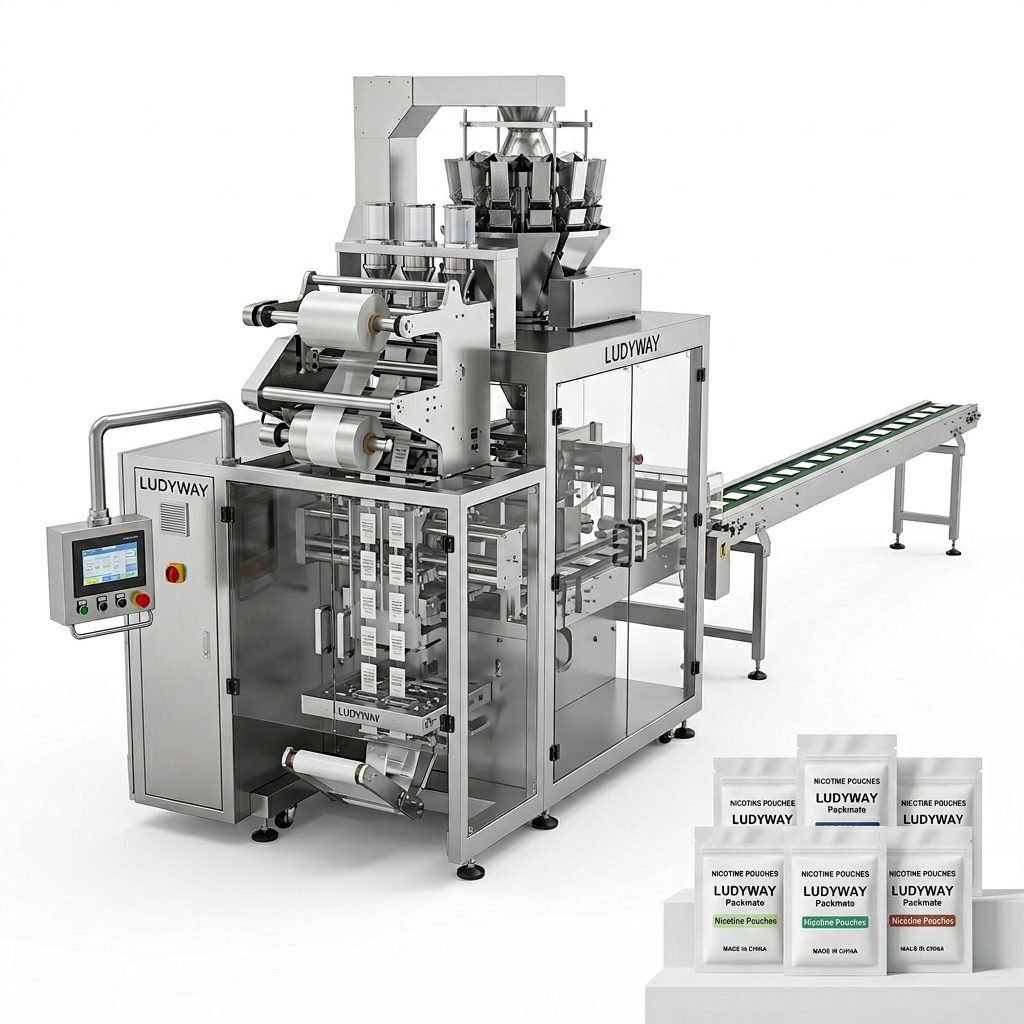
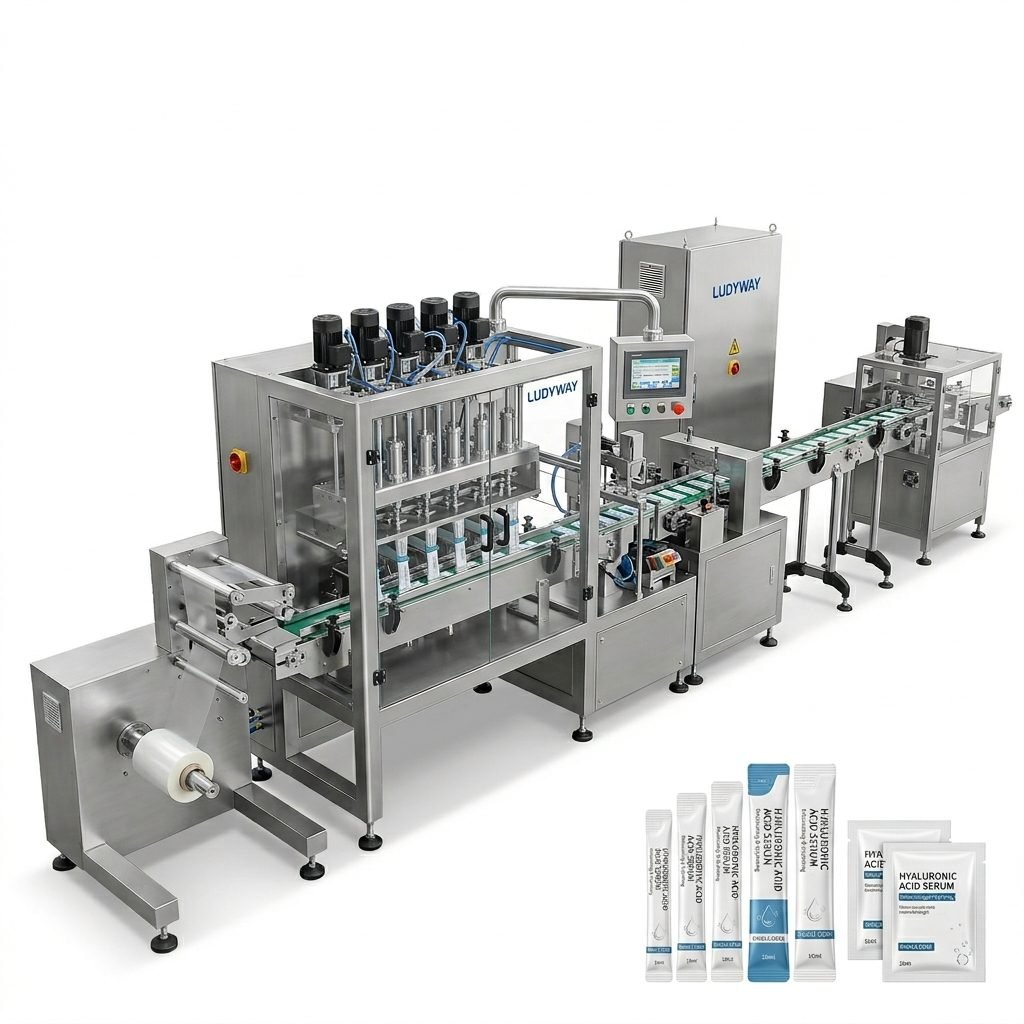
- Dried fish snacks: Multi-lane sachet or stick pack machines
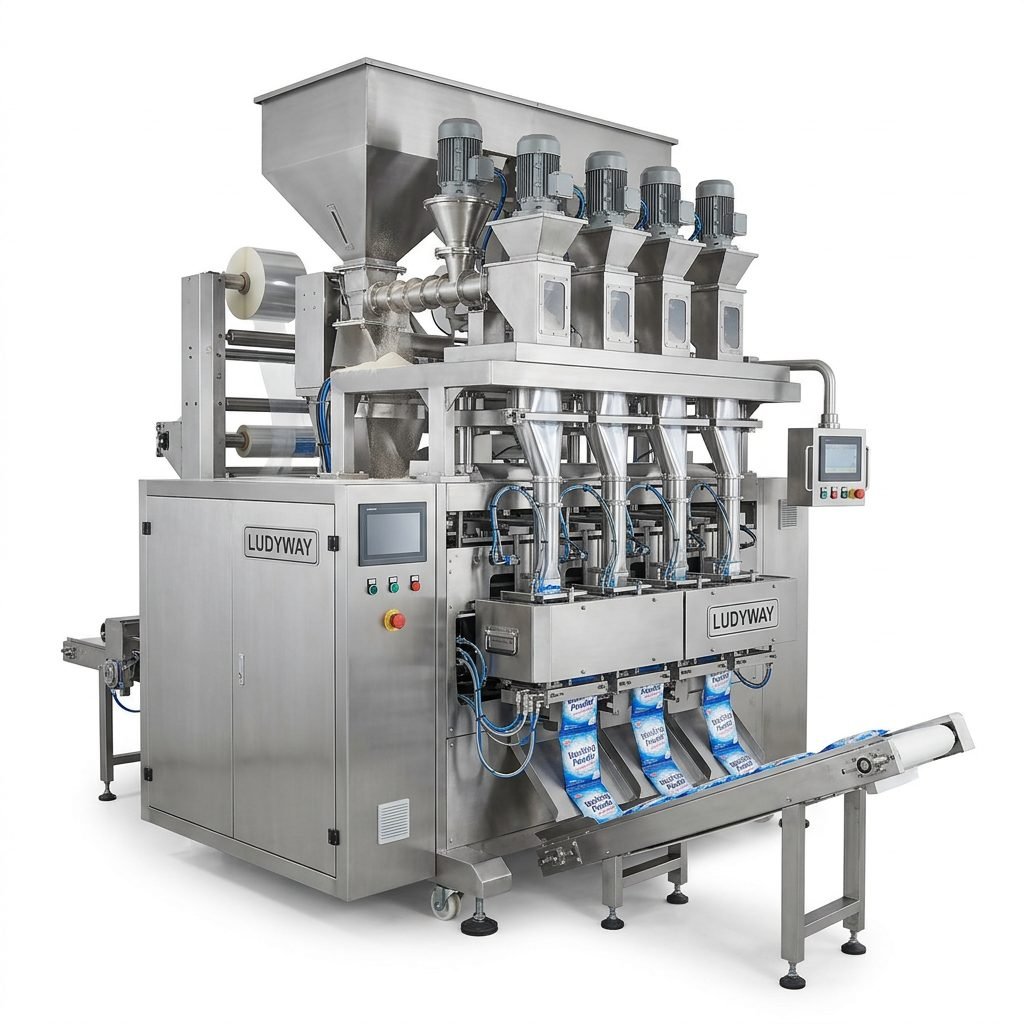
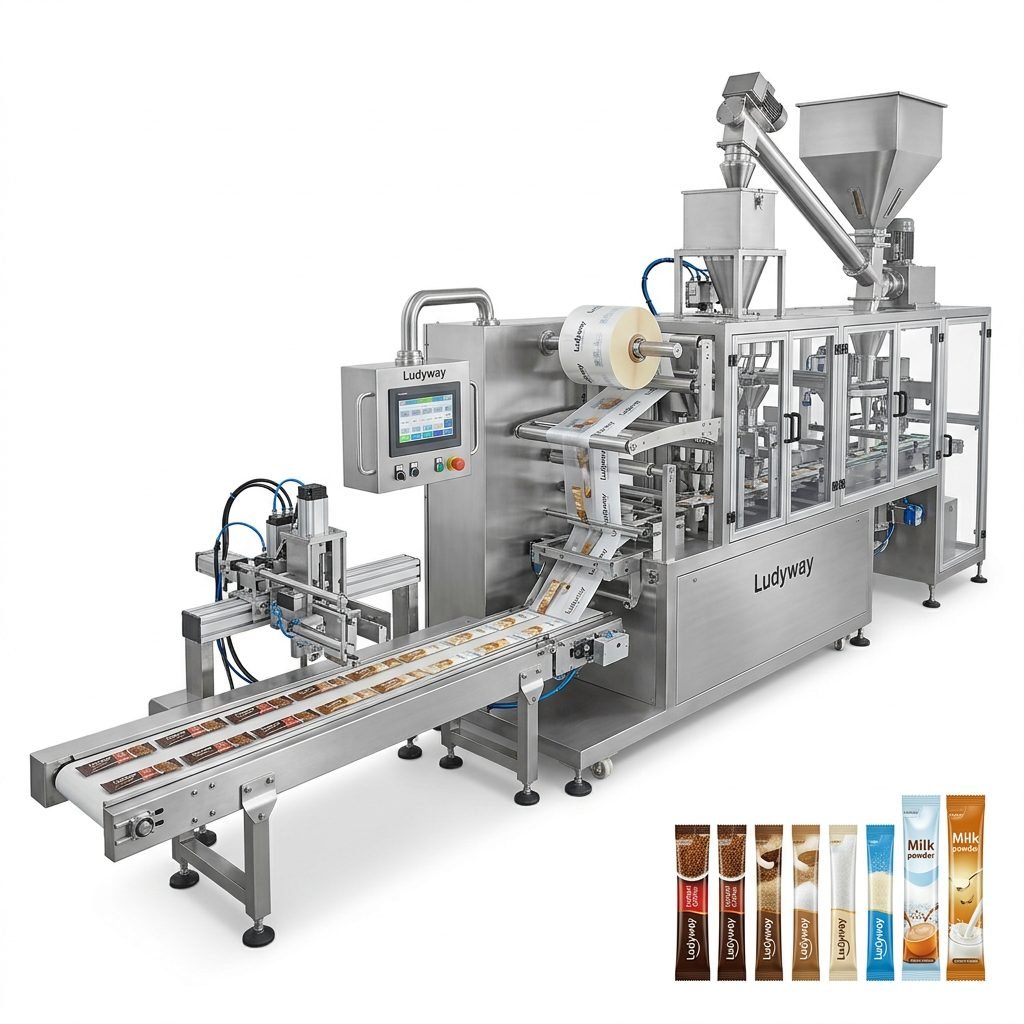
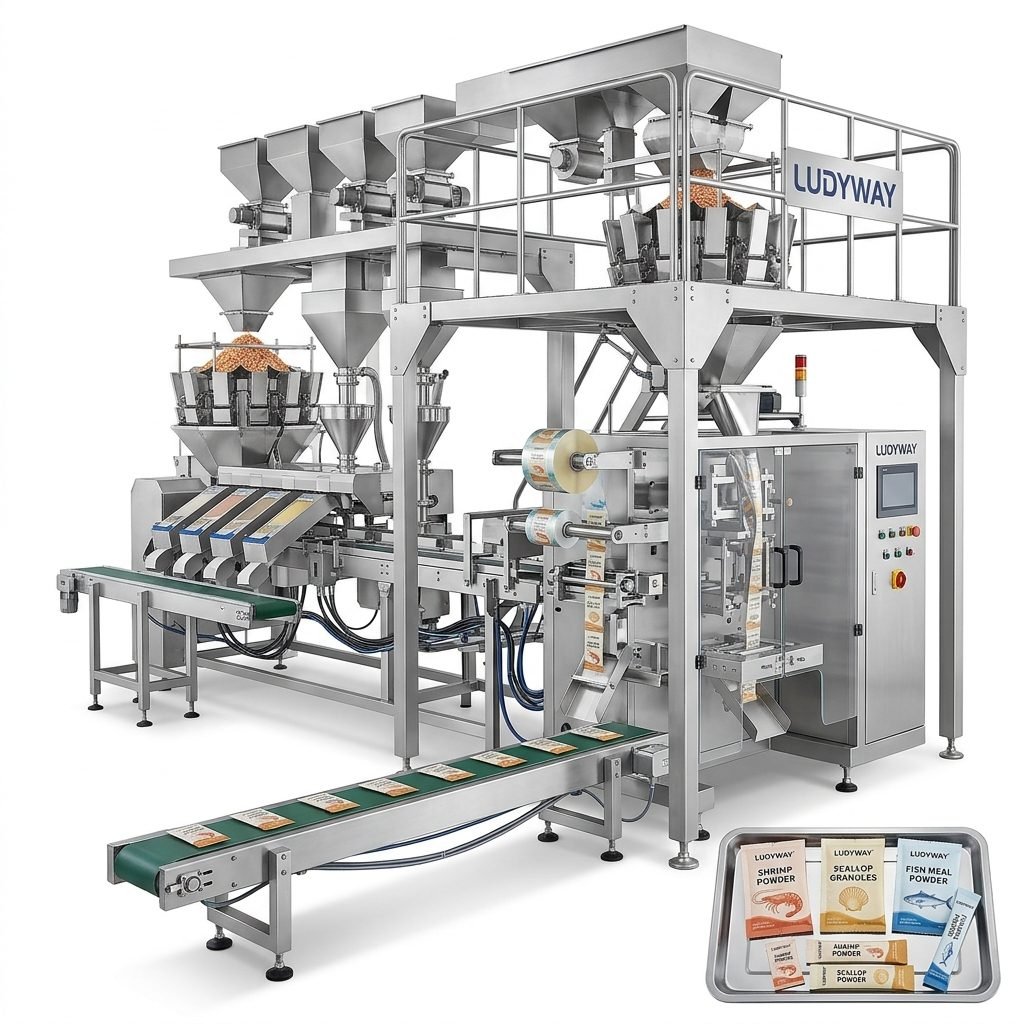
- Seafood seasonings and powders: multi-lane packaging machine systems with precision dosing
Step 2: Choose the Right Facility Location in France
France’s major fishing and seafood processing hubs include Boulogne-sur-Mer (Europe’s largest seafood processing center), Lorient, La Rochelle, and ports along the Mediterranean and Atlantic coasts. Proximity to raw material sources, cold chain logistics, and export infrastructure should guide your site selection.
Step 3: Ensure EU and French Compliance
Compliance is non-negotiable. Your packaging line must adhere to:
- EC 1935/2004 — Food contact materials regulation
- EC 2023/2006 — Good Manufacturing Practice (GMP) for food contact materials
- Regulation (EU) 2017/625 — Official controls on food safety
- French Decree 2007-1224 — National adaptation of EU packaging waste directives
- HACCP principles — Mandatory throughout the production line
Refer to the European Commission’s Packaging and Packaging Waste Regulation for the latest sustainability requirements affecting fish packaging in France.
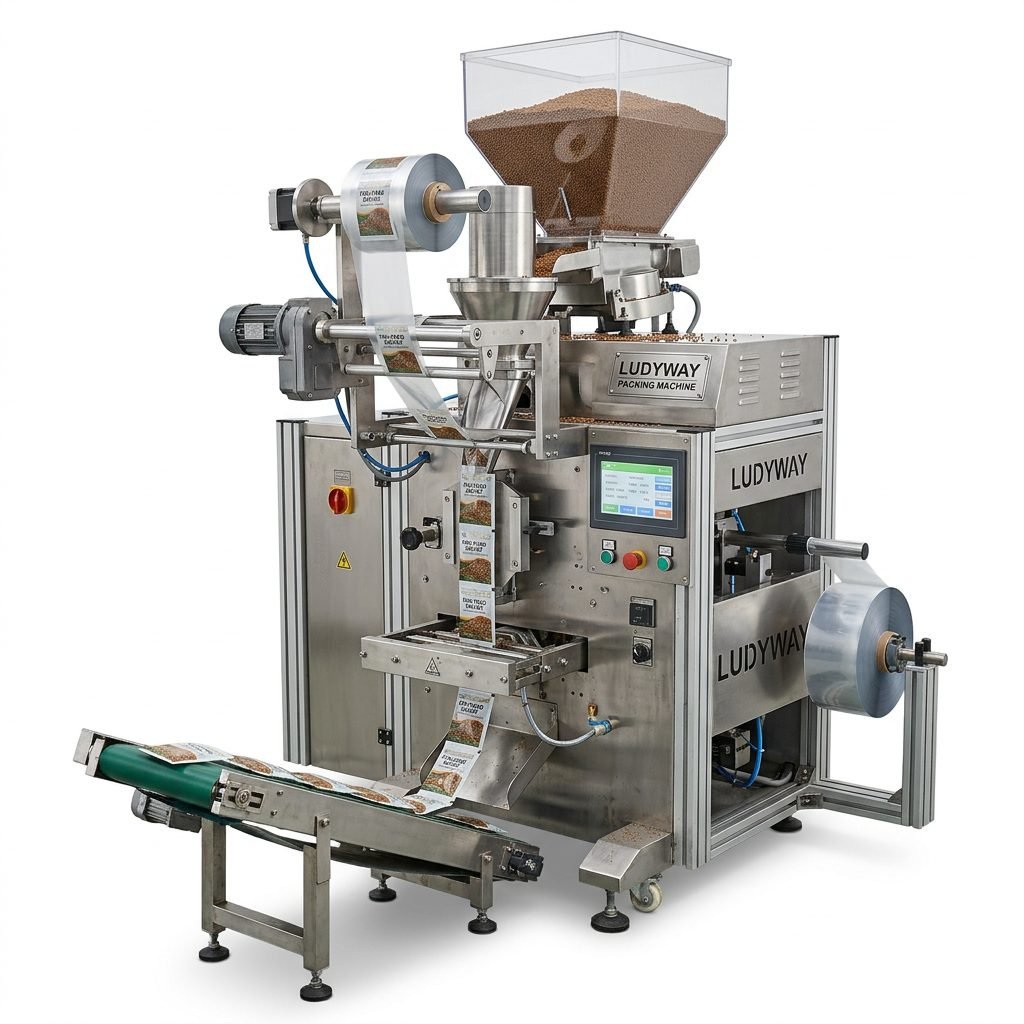
Core Equipment for a Fish Packaging Production Line
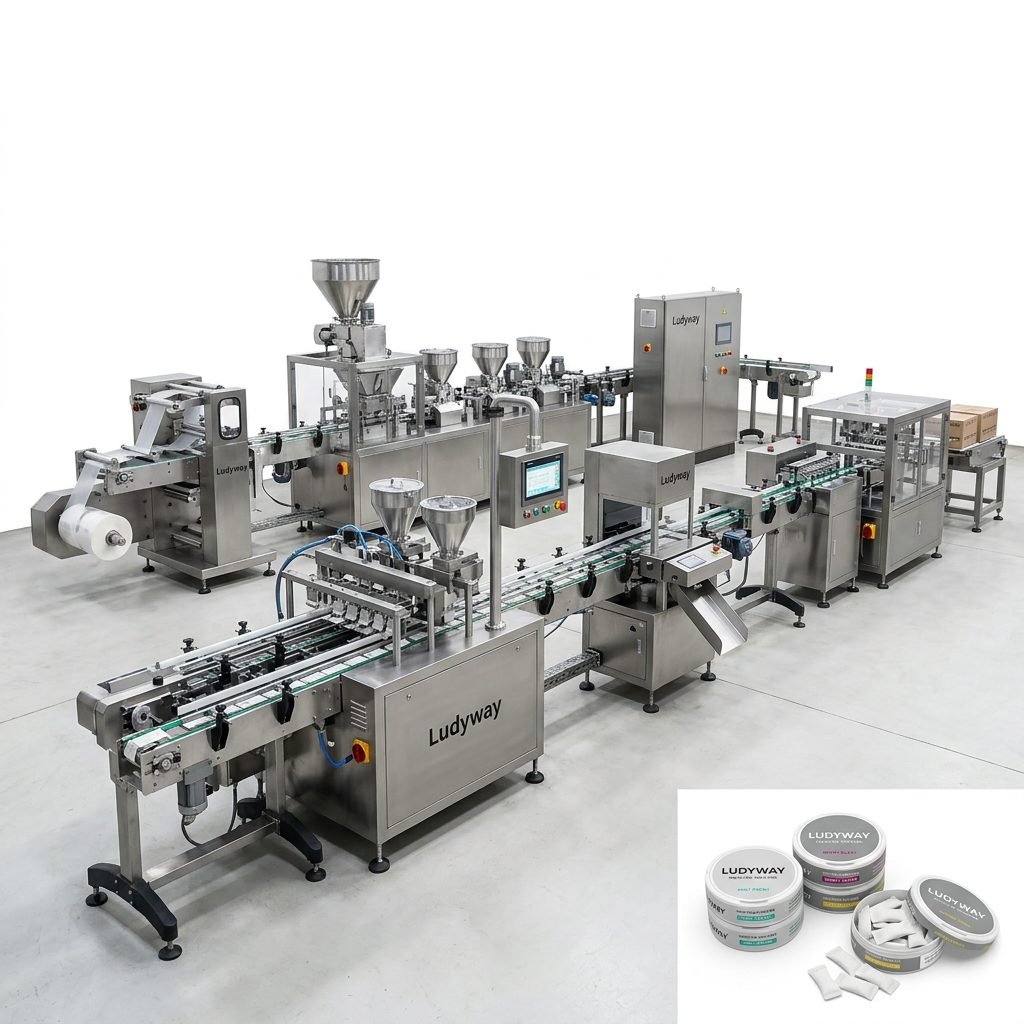
An efficient fish packaging machine production line typically includes several interconnected modules. The table below outlines the key equipment categories and their functions.
| Equipment Type | Function | Best For |
|---|---|---|
| Weighing and Dosing System | Multi-head weighers, linear weighers, or auger fillers for precise portioning | Frozen fillets, seafood mix, dried fish snacks |
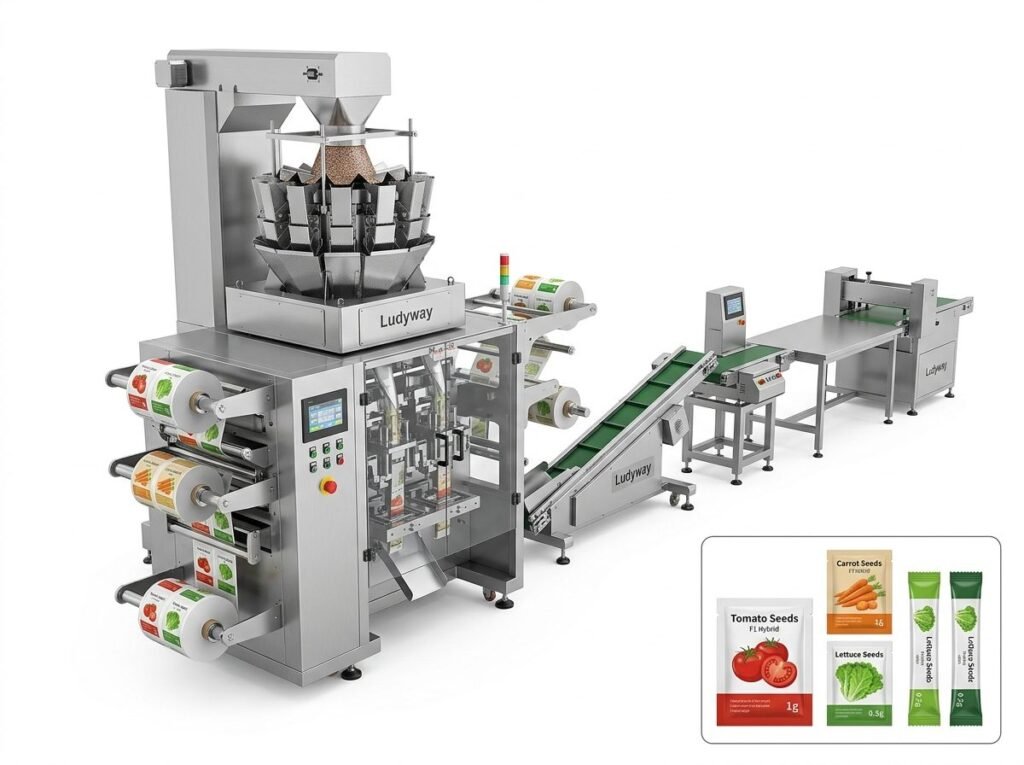
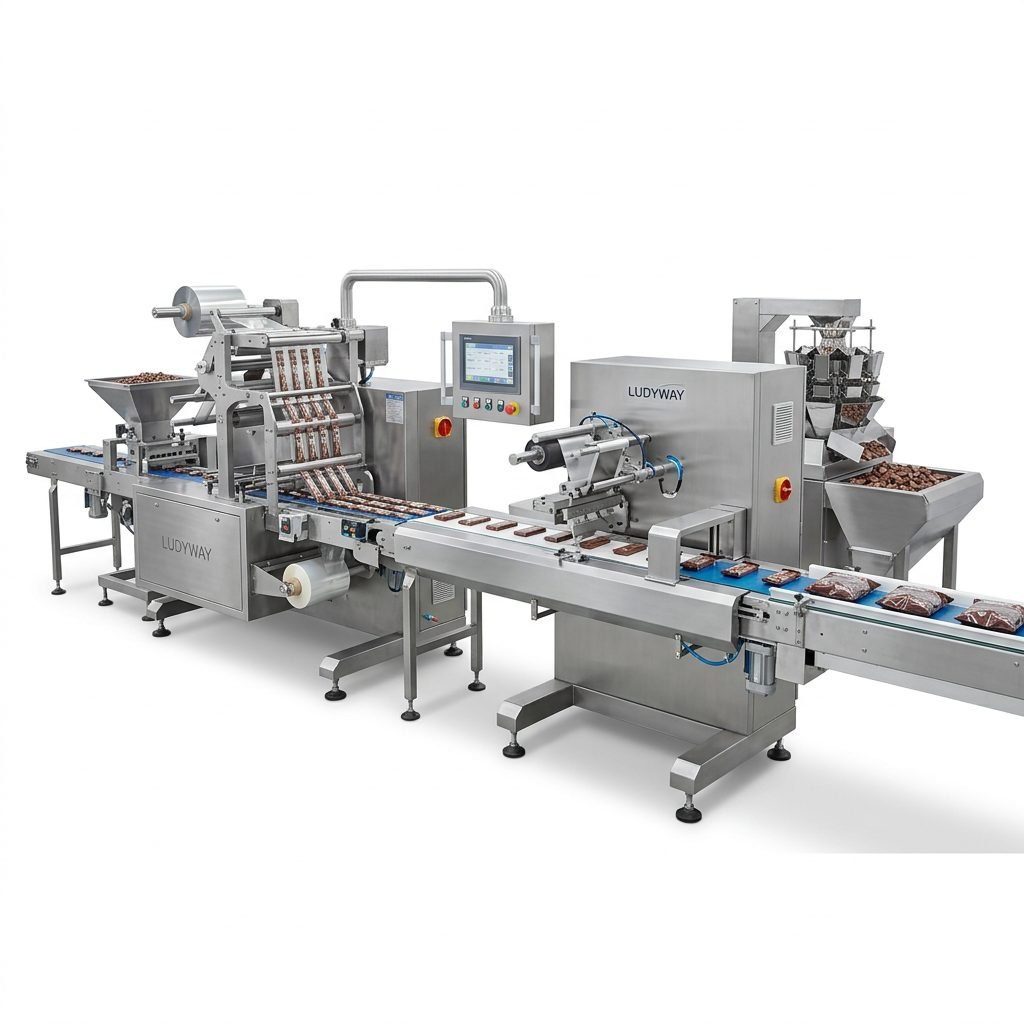
| Primary Packaging Machine | VFFS, tray sealer, thermoformer, or multi-lane sachet machine | All fish packaging formats |
| Inspection and Detection | Metal detectors, X-ray inspection, checkweighers, vision systems | Quality assurance and HACCP compliance |
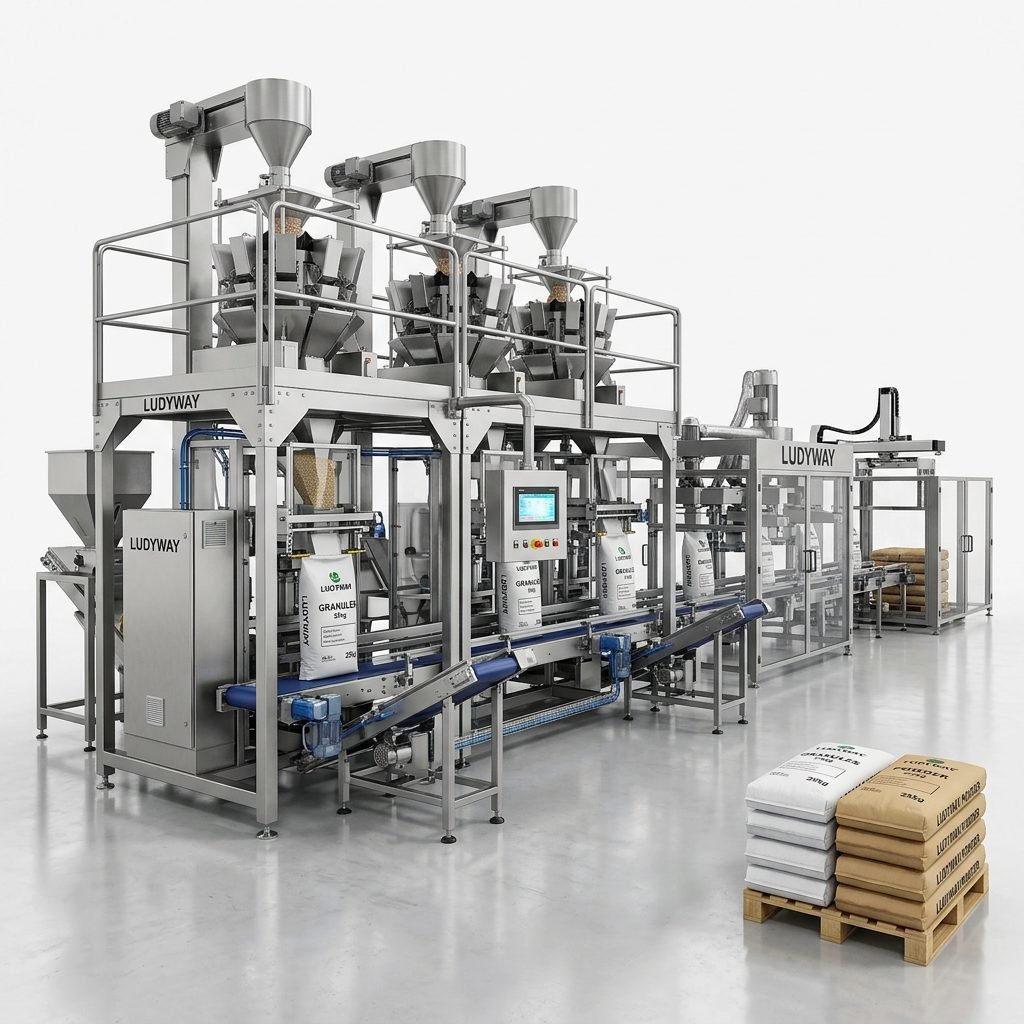
| Secondary Packaging | Cartoning, case packing, shrink wrapping, palletizing | Retail-ready and export packaging |
| Conveying and Handling | Belt conveyors, bucket elevators, robotic pick-and-place | Line connectivity and automation |
Automation Level Considerations
Decide between semi-automatic and fully automatic systems based on your production volume, labor costs, and desired throughput. In France, where labor regulations and operational costs are relatively high, many processors opt for fully automated packaging lines with integrated quality control systems to maximize efficiency.
Hygiene and Sanitary Design Standards
French seafood processing facilities must meet strict sanitary requirements. Equipment should be designed with:
- Stainless steel construction (AISI 304 or 316L) for all food contact surfaces
- Sloped surfaces and CIP (Clean-in-Place) compatibility
- IP65 or higher washdown ratings for wet processing areas
- Tool-free disassembly for quick sanitation between batches
- Sealed electrical cabinets to prevent water ingress
The ISO packaging standards and FDA food packaging guidelines provide additional reference points for hygienic design, even within the EU context.
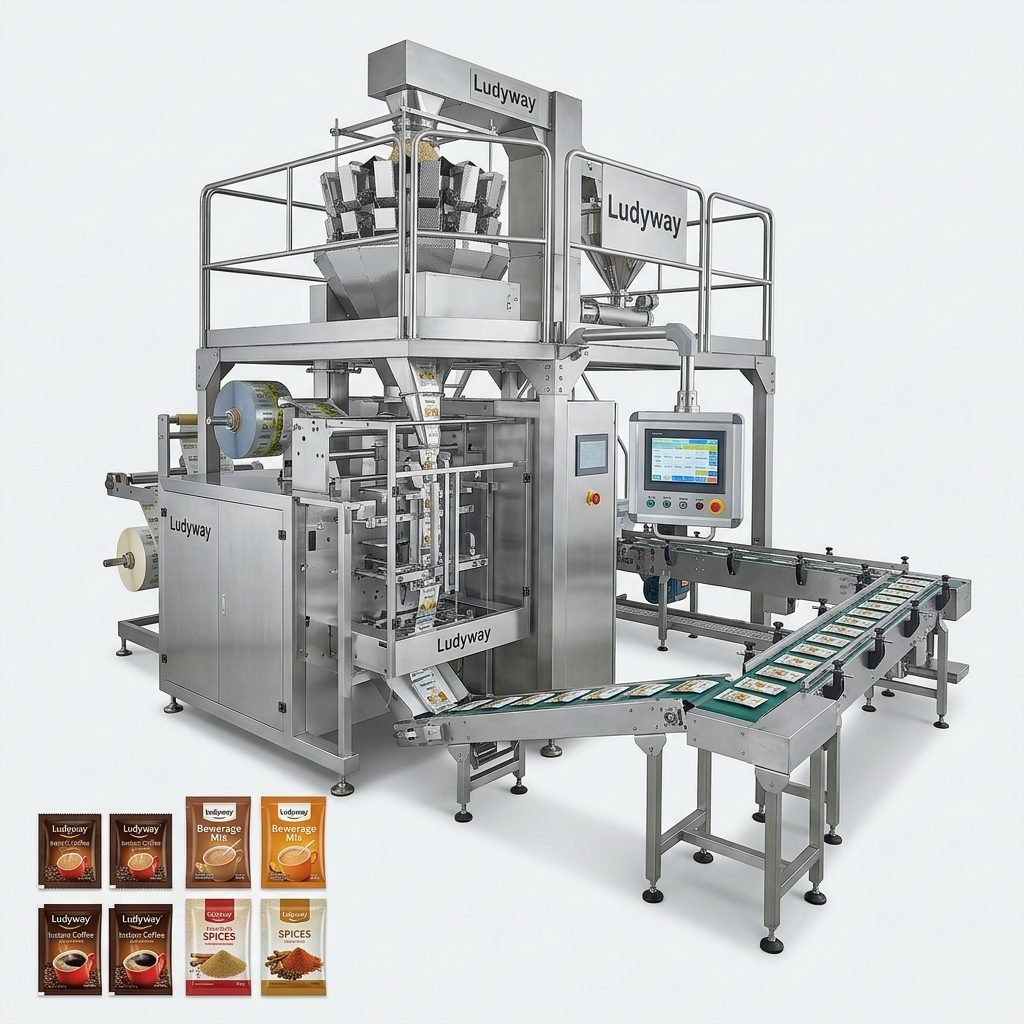
Cold Chain Integration for Fish Packaging
Maintaining the cold chain is critical for fish packaging operations. Your production line must integrate seamlessly with refrigeration infrastructure. Key considerations include:
- Packaging rooms maintained at 2°C to 4°C for fresh fish
- Blast freezing tunnels positioned before or after primary packaging for frozen products
- Insulated conveyor sections where products transition between temperature zones
- Real-time temperature monitoring and data logging for traceability compliance
Sustainability and Packaging Waste Regulations in France
France has been a frontrunner in packaging sustainability within the EU. The AGEC Law (Anti-Waste for a Circular Economy) and the upcoming EU Packaging and Packaging Waste Regulation (PPWR) mandate:
- Reduction of single-use plastic packaging
- Increased use of recyclable and recycled content materials
- Clear consumer labeling for sorting and disposal
- Extended Producer Responsibility (EPR) obligations
When selecting packaging equipment, ensure compatibility with eco-friendly materials such as mono-material films, paper-based laminates, and biodegradable options where applicable. For detailed industry data, consult the Flexible Packaging Association’s knowledge hub.
Installation, Commissioning, and Training
Once your equipment arrives at your French facility, proper installation and commissioning are essential. The process typically involves:
- Site preparation: Utility connections (compressed air, electricity, water), floor leveling, and hygiene zone setup
- Mechanical installation: Positioning, alignment, and interconnection of all line components
- Electrical and software integration: PLC programming, sensor calibration, and HMI configuration
- Trial runs and validation: Using your actual fish products to fine-tune settings
- Operator training: Comprehensive instruction on operation, cleaning, and basic maintenance
In France, it is also advisable to have French-speaking technical support available during commissioning to ensure smooth communication with local staff and regulatory inspectors.
Ongoing Maintenance and Spare Parts Strategy
A proactive maintenance plan minimizes downtime and extends equipment life. Establish:
- Scheduled preventive maintenance intervals (daily, weekly, monthly)
- A local or regional spare parts inventory for critical components
- Remote diagnostic capabilities for troubleshooting
- Annual service contracts with qualified technicians familiar with EU machinery directives
Common Challenges and How to Overcome Them
| Challenge | Solution |
|---|---|
| Inconsistent product sizing affecting seal quality | Implement upstream sorting and grading systems; use adjustable forming tubes |
| Film waste and seal failures | Optimize temperature, pressure, and dwell time; use high-quality certified films |
| Cross-contamination between batches | Adopt validated cleaning protocols; implement allergen management SOPs |
| Regulatory non-compliance during audits | Maintain thorough documentation; conduct internal mock audits regularly |
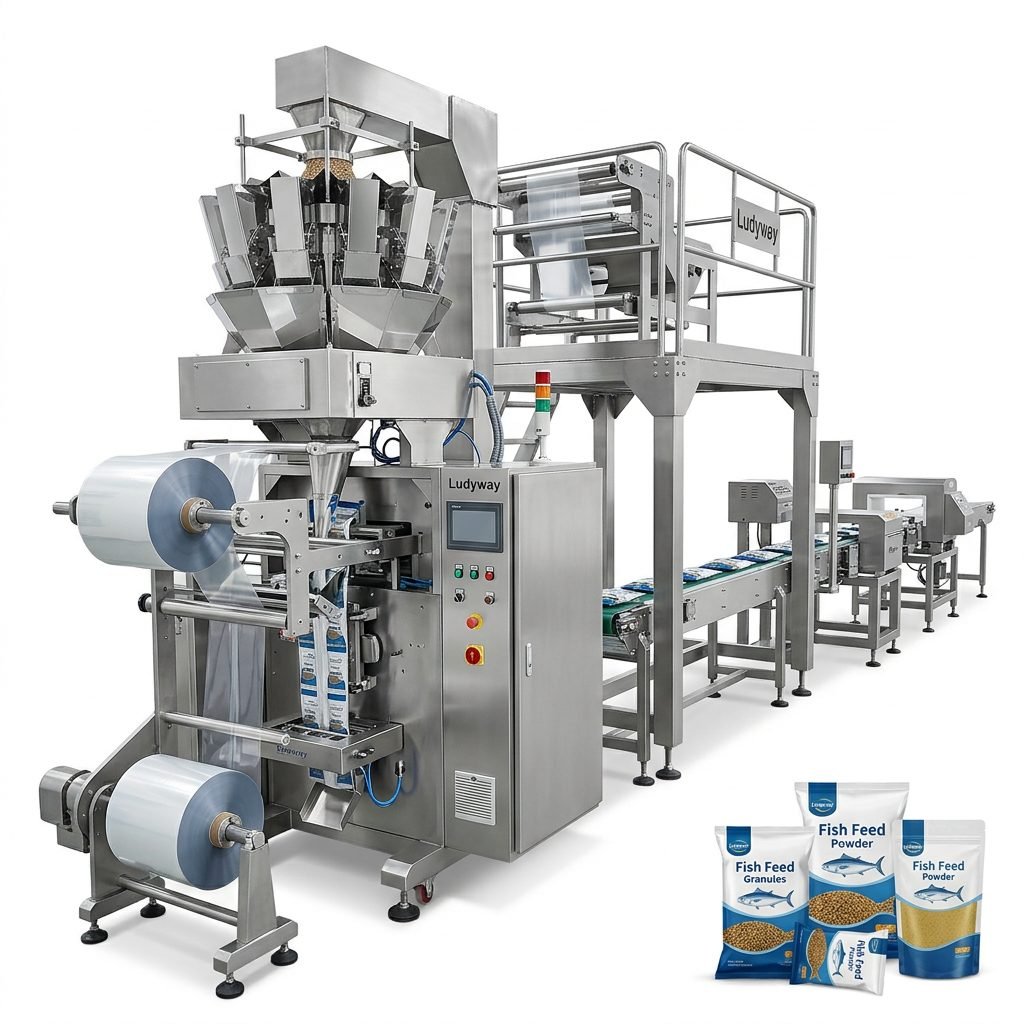
Partnering with the Right Equipment Supplier
Choosing a reliable packaging machinery manufacturer is one of the most important decisions you will make. Look for a partner with proven experience in food-grade equipment, familiarity with EU and French regulations, and the ability to provide turnkey solutions — from initial design through installation and after-sales support. A supplier with a robust global presence and responsive local service network will help you navigate the complexities of setting up a complete turnkey packaging line in France.
Ludyway is one of the largest packaging machine manufacturers in China, specializing in advanced packaging equipment and turnkey production solutions for the food, pharmaceutical, and health industries. With over 30 years of industry expertise, a 20,000㎡ modern manufacturing facility, and more than 50 intelligent packaging machine models — including multi-lane stick pack, sachet, and fully automated packaging systems — Ludyway serves customers in over 100 countries and regions, delivering innovative, high-performance, and cost-effective packaging solutions.
Further Resources and References
The following authoritative resources provide additional guidance for setting up a fish packaging operation in France:
- PMMI – The Association for Packaging and Processing Technologies — Industry insights and market research
- PMMI State of the Industry Reports — Annual packaging trends and forecasts
- Flexible Packaging Association — Resources on flexible packaging materials and sustainability
- ISO 11607 – Packaging for Terminally Sterilized Medical Devices — Relevant standards for hygiene-critical packaging
- EU Packaging and Packaging Waste Regulation — Latest regulatory updates
- Ludyway Packaging Machinery Global Growth Trend — Industry analysis and export outlook
For more information on automated fish packaging systems and turnkey production lines, explore the full range of equipment and solutions available through experienced global suppliers who understand both the technical and regulatory demands of the French and European seafood market.