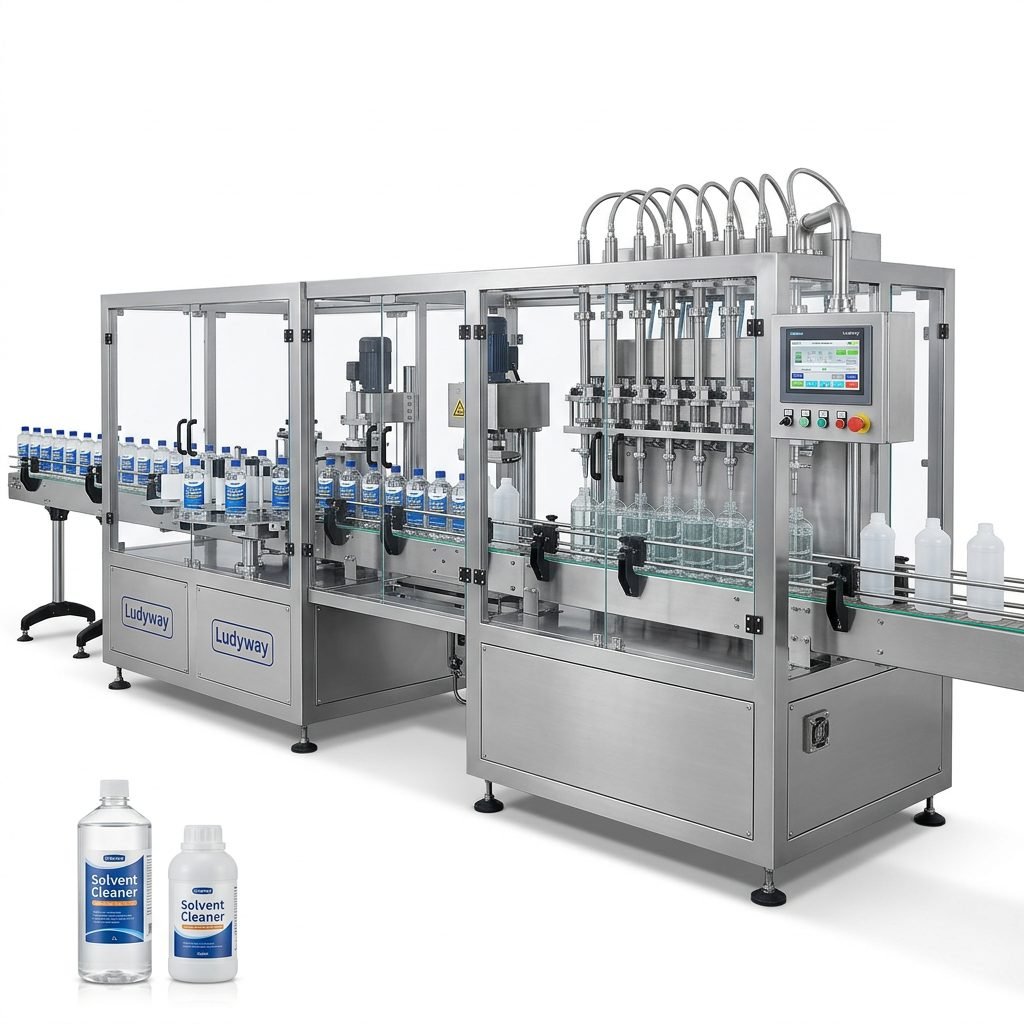
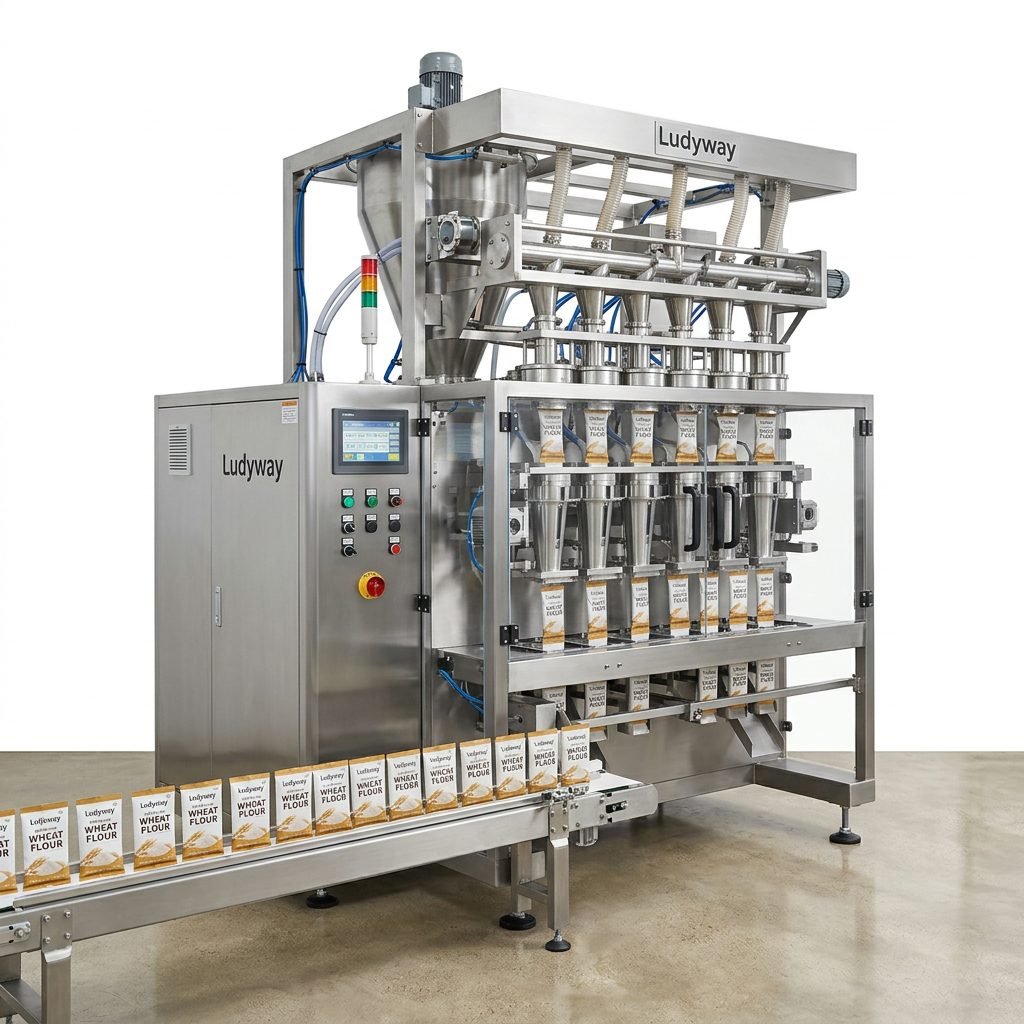
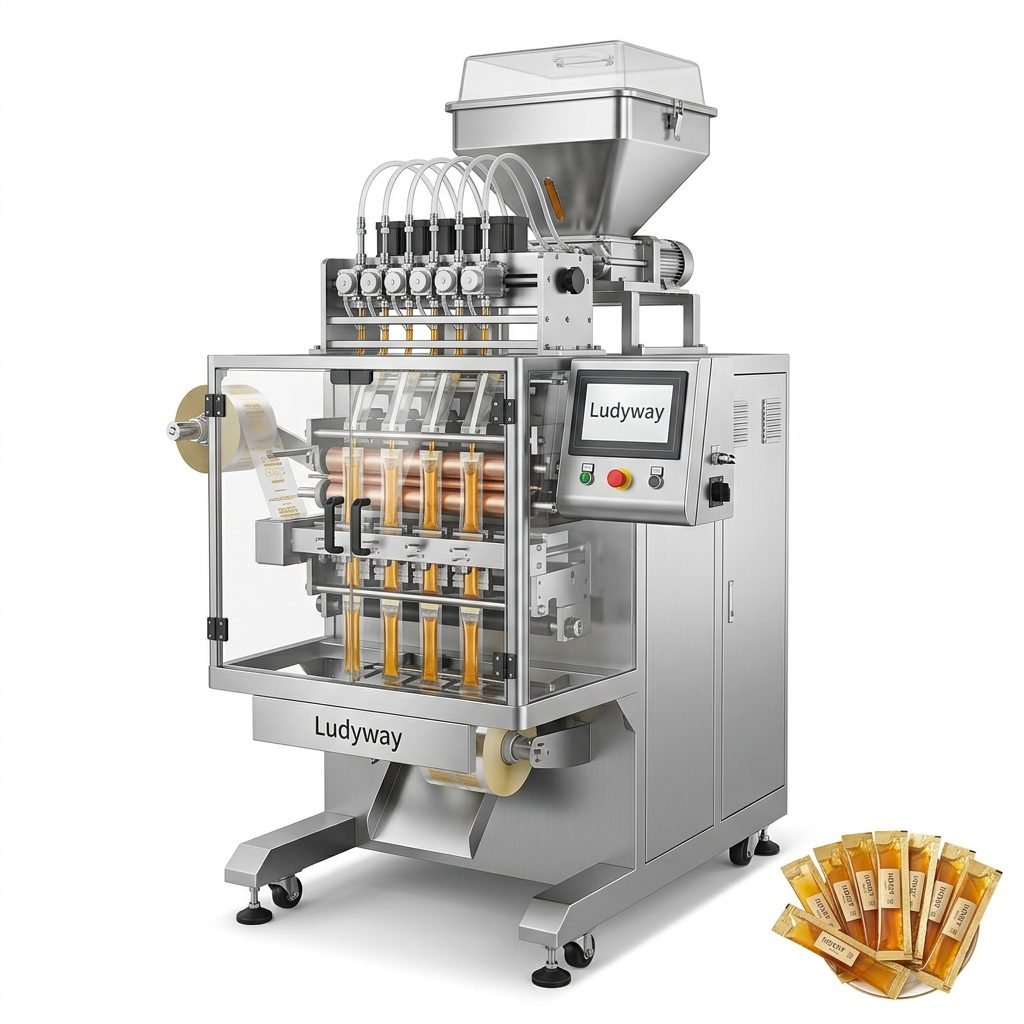
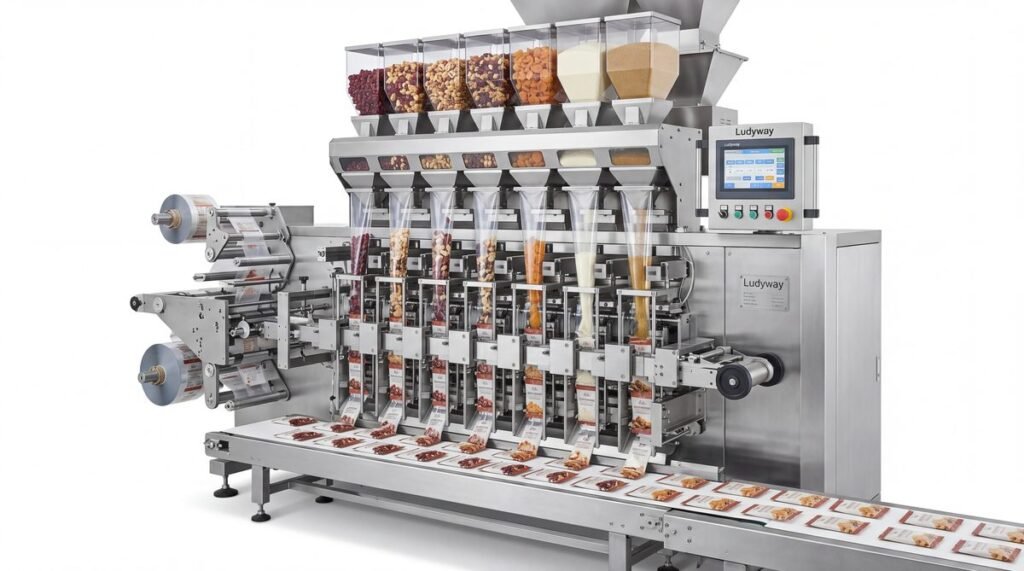
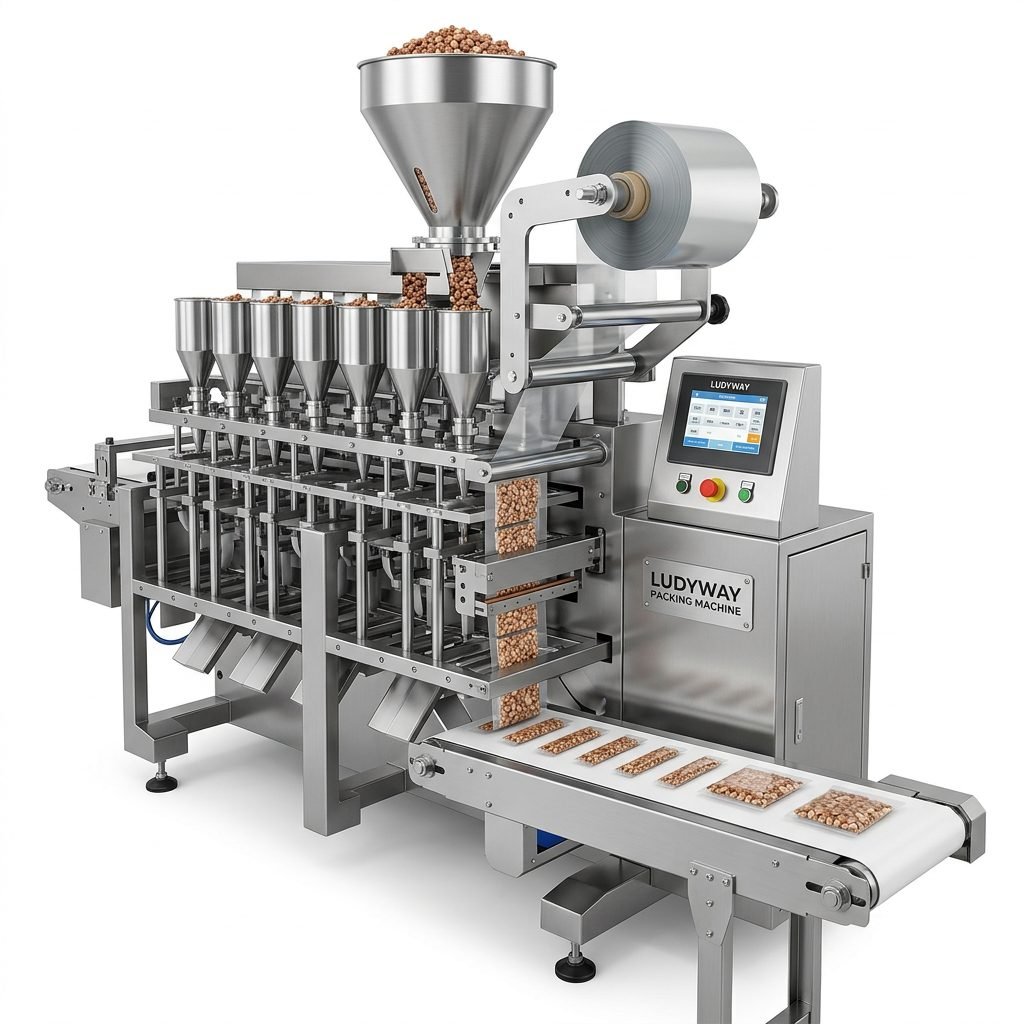
Establishing a dry food packaging machine production line in the United States requires navigating a complex landscape of regulatory standards, equipment selection, and operational planning. Whether you are launching a new facility or upgrading an existing operation, a methodical approach ensures compliance, efficiency, and long-term return on investment. This guide walks you through the critical phases, from facility readiness to full-scale production.

Understanding the U.S. Regulatory Environment
Before purchasing equipment, familiarize yourself with the Food and Drug Administration (FDA) requirements for food contact substances. The Current Good Manufacturing Practices (cGMP) outlined in 21 CFR Part 117 dictate facility and equipment hygiene. A compliant dry food packaging machine production line must be designed to prevent contamination, utilizing stainless steel construction and accessible cleaning mechanisms.
Key Regulatory Milestones
- Facility registration with the FDA under the Bioterrorism Act.
- Compliance with FDA packaging regulations for food contact surfaces.
- Adherence to state-level environmental regulations for dust collection and waste disposal.
Facility and Infrastructure Planning
The physical environment is the backbone of your operation. A well-planned layout minimizes downtime and cross-contamination. For a dry food line, dust control and humidity management are non-negotiable. Consider integrating a high-efficiency industrial dust collection system directly into your packaging line design to maintain air quality and protect sensitive machinery.
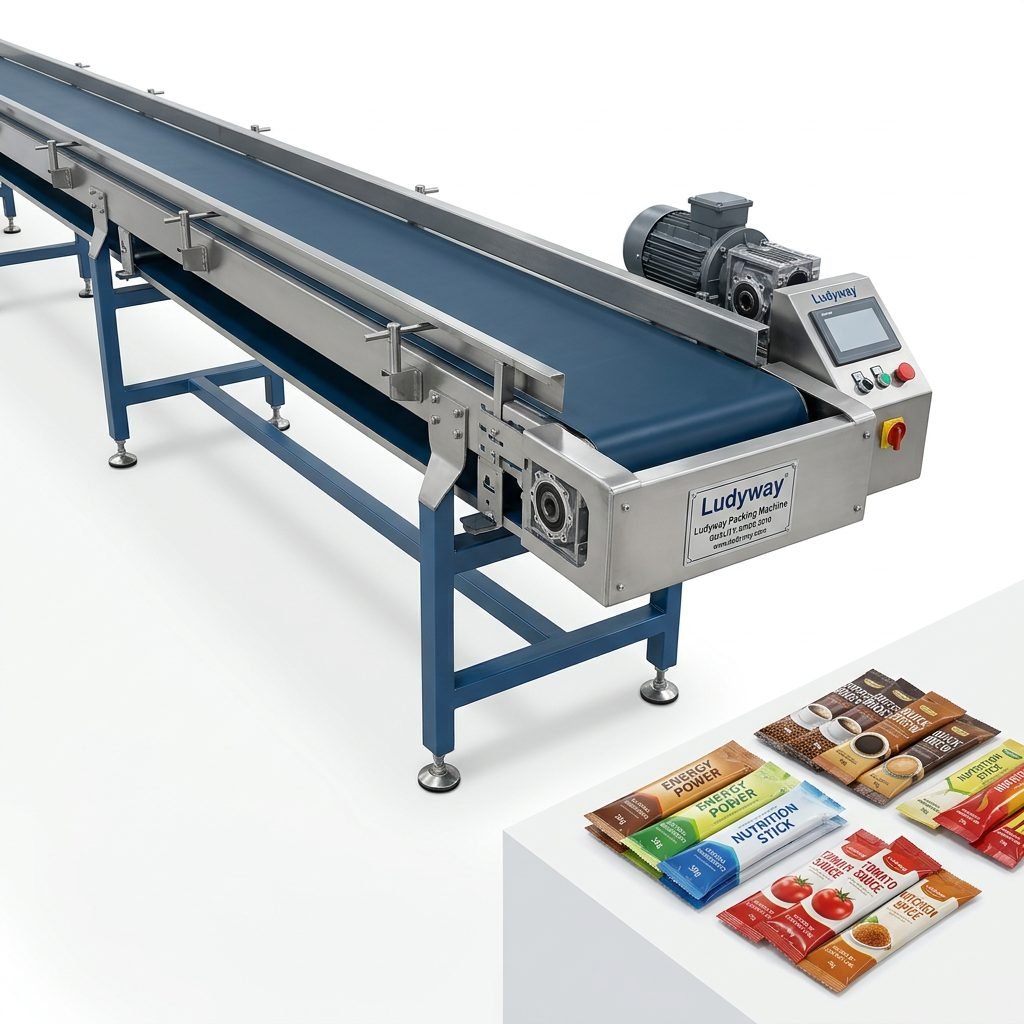
| Infrastructure Element | Specification | Importance |
|---|---|---|
| Floor Space | Minimum 2,000 sq ft for entry-level line | Accommodates granule feeding systems and conveyors |
| Power Supply | 208-480V, 3-Phase | Matches high-speed multi-lane machines |
| Compressed Air | Clean, dry air at 6-8 bar | Critical for pneumatic sealing and actuators |
Selecting the Right Packaging Equipment
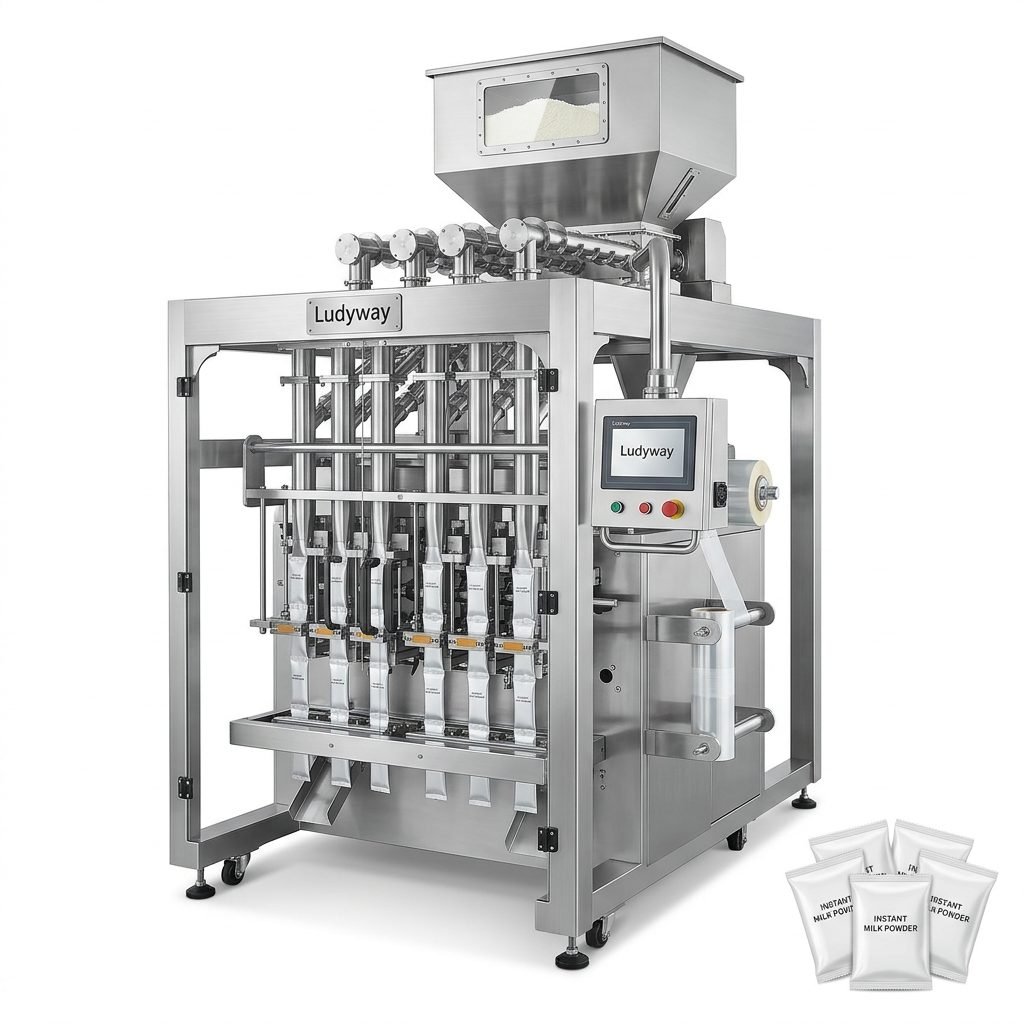
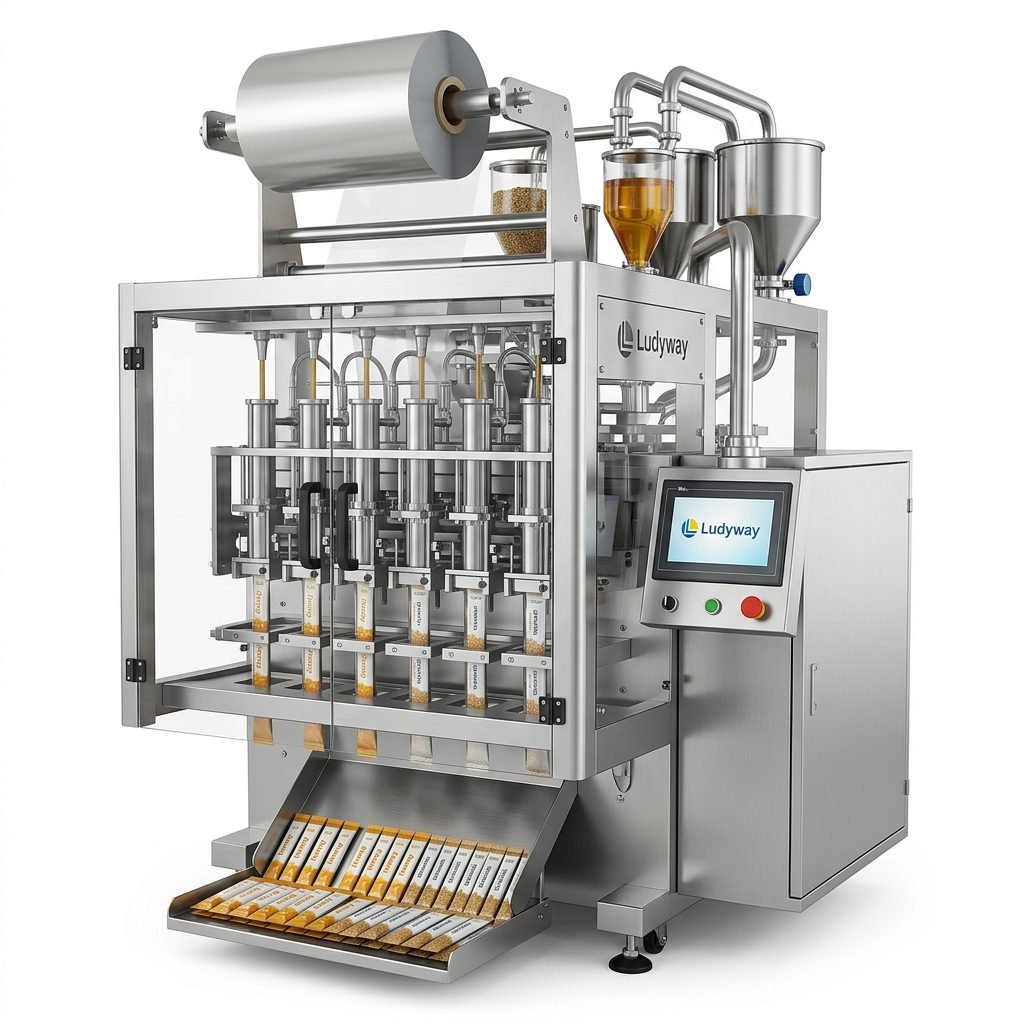
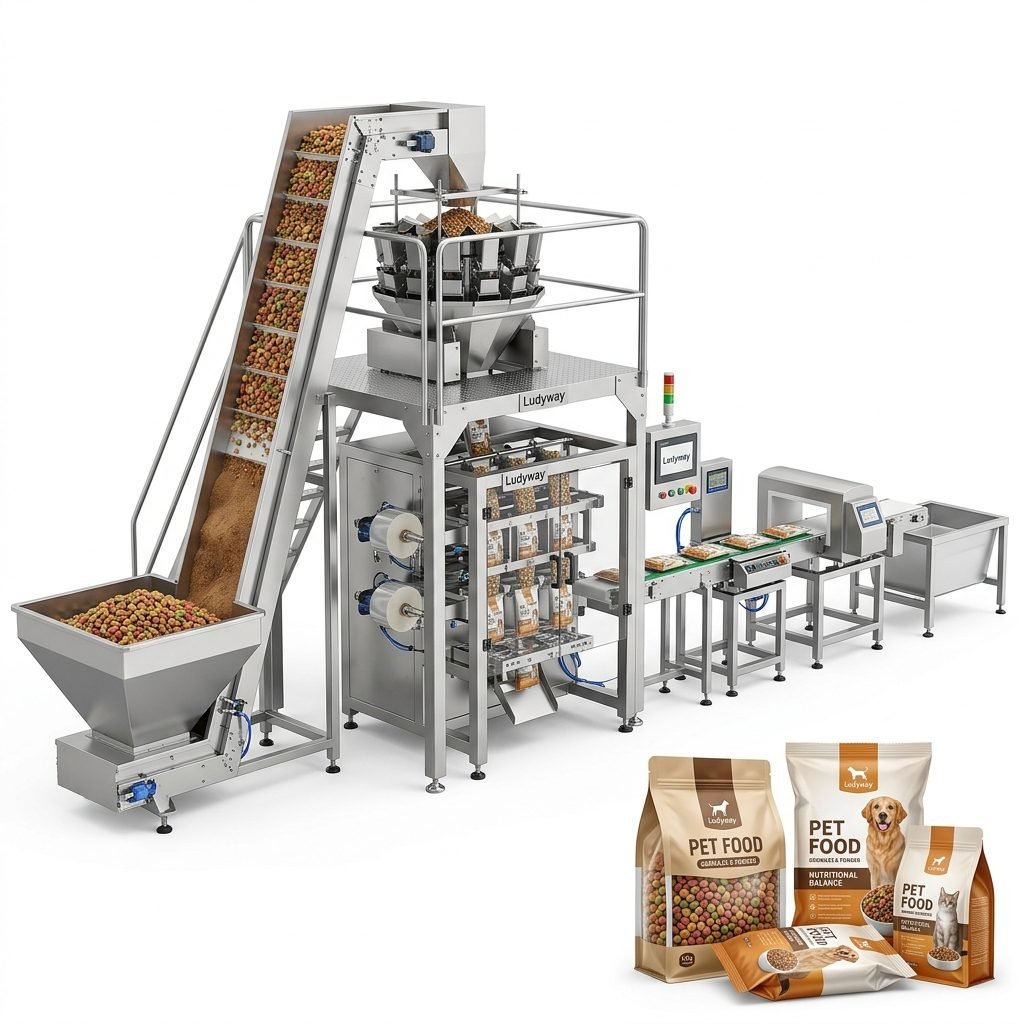
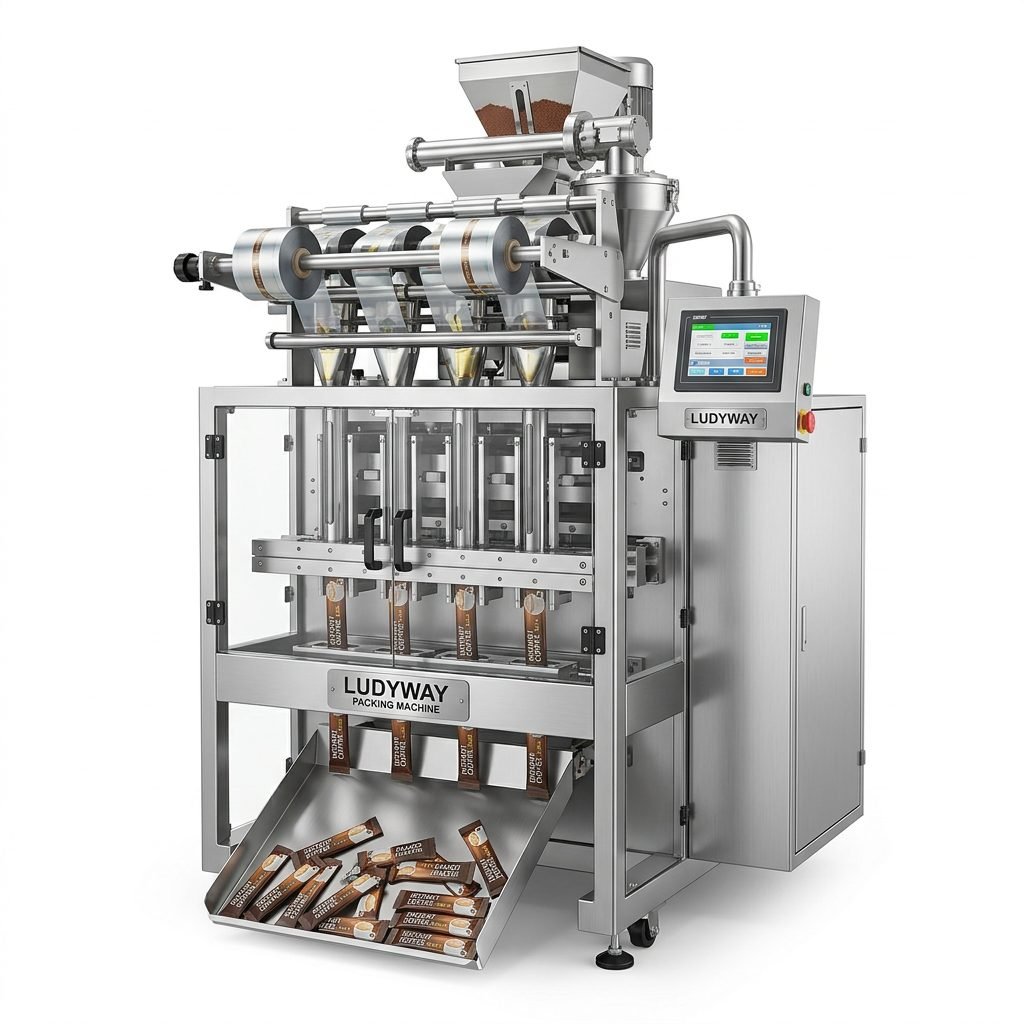
Choosing machinery depends on your product type (powder, granule, or kibble) and packaging format (stick pack, sachet, or pouch). For the competitive U.S. market, multi-lane stick pack machines offer significant throughput advantages. If you are handling pet food, a specialized high-speed dry kibble packaging system can handle both granules and mixed powders efficiently.
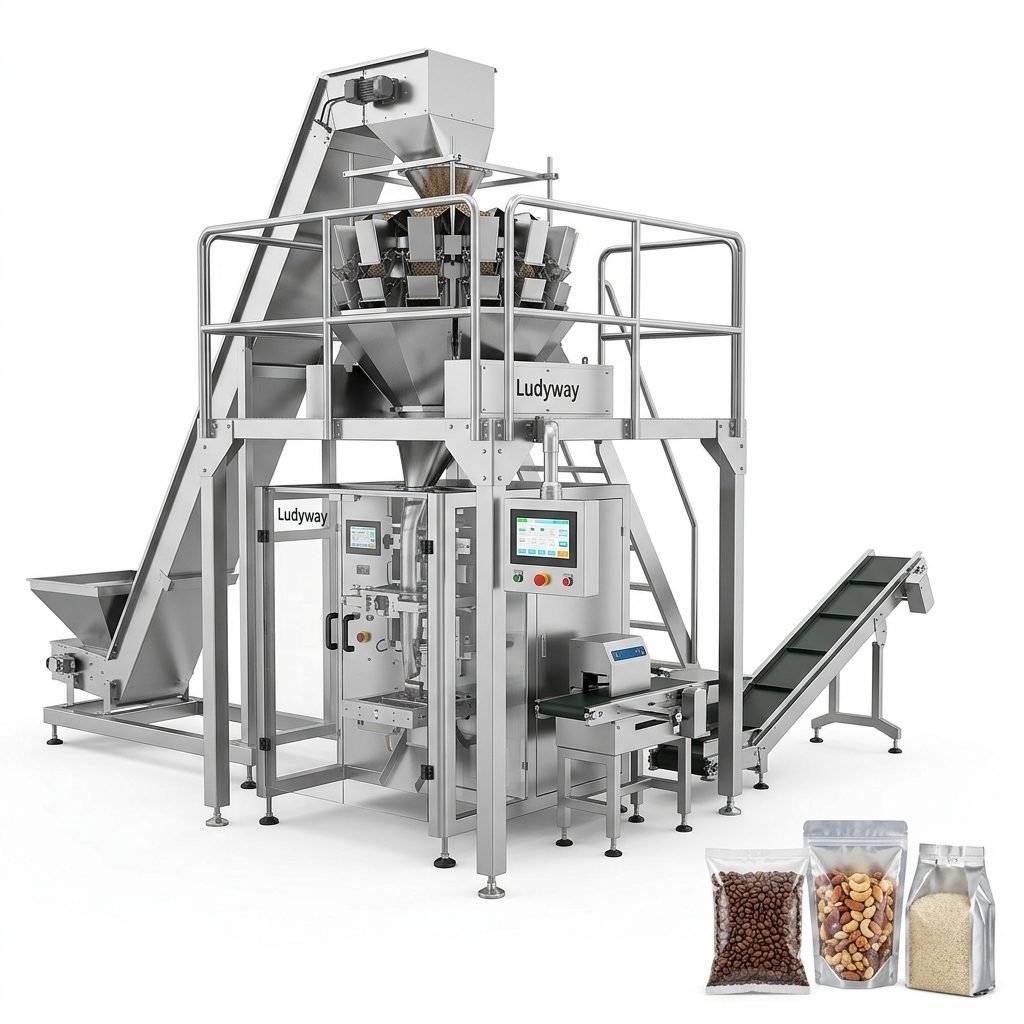
Core Machinery Components
- Feeding System: Bucket elevators or vacuum feeders for gentle product handling.
- Multi-Head Weigher: Ensures precise weight accuracy for granule and powder packaging.
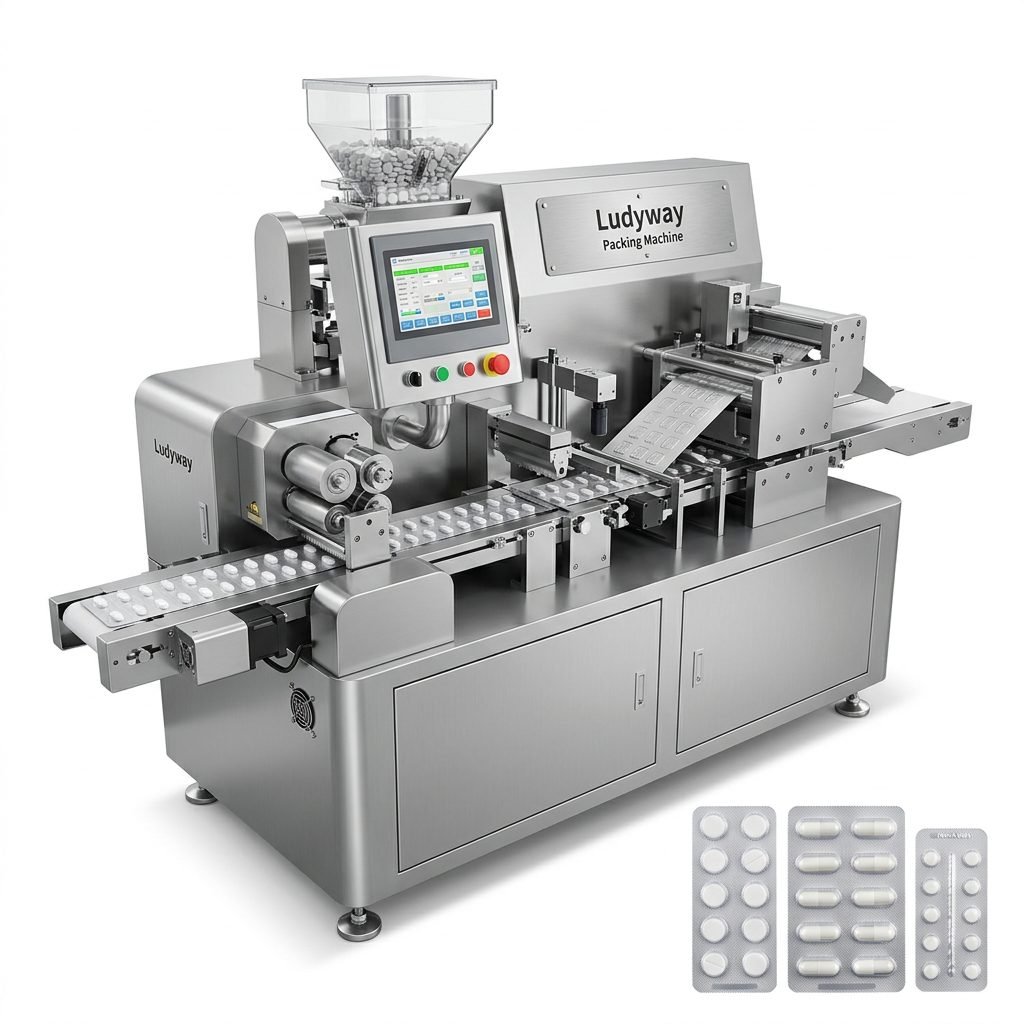
- Vertical Form Fill Seal (VFFS) Machine: The heart of the line, creating bags from roll stock.
- Checkweigher and Metal Detector: Critical for quality assurance and brand protection.
- Cartoning and Palletizing: End-of-line automation to reduce manual labor costs.
Integrating Automation for Efficiency
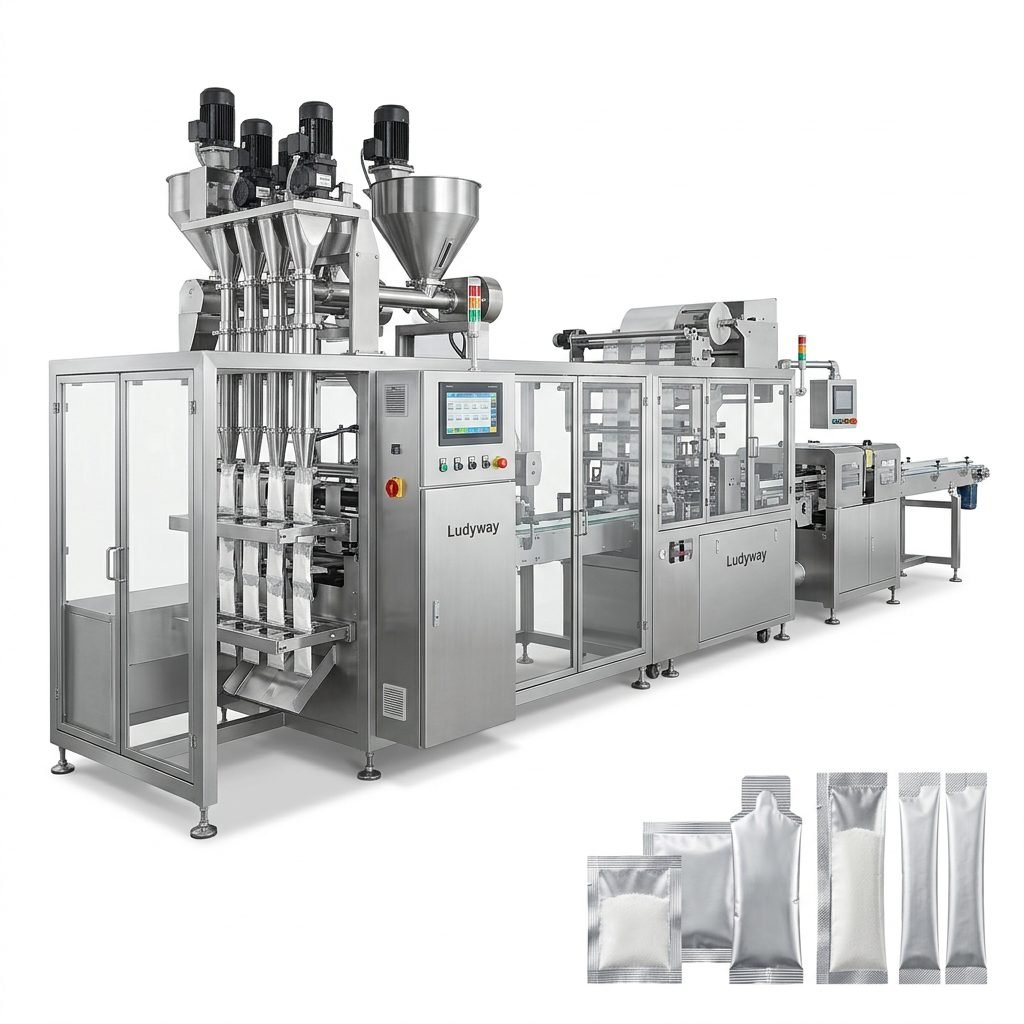
U.S. manufacturers face rising labor costs, making automation a strategic priority. A modern dry food packaging machine production line integrates seamlessly with upstream and downstream equipment. Consider incorporating a granule feeding system for automated packaging lines to ensure a steady product flow. Additionally, automatic case packers and heavy-duty palletizers complete the process without manual intervention.
Benefits of a Turnkey Production Line
- Reduced Waste: Precision filling technology minimizes product giveaway.
- Scalability: Modular designs allow for future capacity expansion, such as adding more lanes.
- Data Integration: Smart sensors track Overall Equipment Effectiveness (OEE).
Installation, Commissioning, and Training
Importing and installing equipment in the U.S. involves logistics coordination and adherence to local electrical codes. OSHA standards for machine guarding must be strictly followed. During commissioning, thorough testing with your specific product is vital. If you are working with complex powders or sticky granules, a customizable flexible packaging line can be fine-tuned to your exact specifications to prevent bridging and clumping.
| Installation Phase | Key Activities | Typical Timeline |
|---|---|---|
| Pre-Installation | Site preparation, utility drops, floor leveling | 2-4 Weeks |
| Mechanical Setup | Machine placement, conveyor alignment, wiring | 1-3 Weeks |
| Trial Runs | Product testing, weight calibration, seal integrity checks | 1-2 Weeks |
Ongoing Maintenance and Spare Parts
Preventive maintenance is critical to avoid catastrophic downtime in a high-speed environment. Maintain an inventory of critical spares such as sealing jaws, belts, and sensors. Many U.S. distributors emphasize the importance of local technical support. Ludyway, one of the largest packaging machine manufacturers in China, bridges this gap by providing comprehensive remote diagnostics and fast global spare parts delivery to keep your lines operational 24/7.
Navigating Industry Standards and Resources
Stay informed by leveraging resources from leading U.S. associations. The PMMI (Association for Packaging and Processing Technologies) provides invaluable business intelligence, including state-of-the-industry reports. For flexible packaging trends, the Flexible Packaging Association offers a wealth of knowledge, including regulatory affairs resources that impact your packaging material choices.
Related Resources for U.S. Manufacturers
- PMMI Business Intelligence Library
- PACK EXPO International Events
- Flexible Packaging Industry Data
- FDA Food Ingredient & Packaging Guidelines
- Ludyway Packaging Machinery Global Growth Trend Report
Common Challenges and Solutions
Dust Management: Fine powders can damage machine electronics and create hazardous conditions. Solution: Integrate a dedicated dust extraction hood at the filling station and use sealed electrical cabinets.
Seal Integrity: Dry food particles often contaminate seal areas. Solution: Machines with vacuum extraction and serrated sealing jaws ensure hermetic seals, critical for long shelf life.
Conclusion
Setting up a dry food packaging machine production line in the United States is a significant undertaking that demands meticulous attention to regulatory compliance, equipment selection, and automation strategy. By partnering with experienced equipment manufacturers and utilizing industry resources like PMMI and FDA guidelines, you can build an efficient, scalable operation ready to compete in the dynamic North American market.