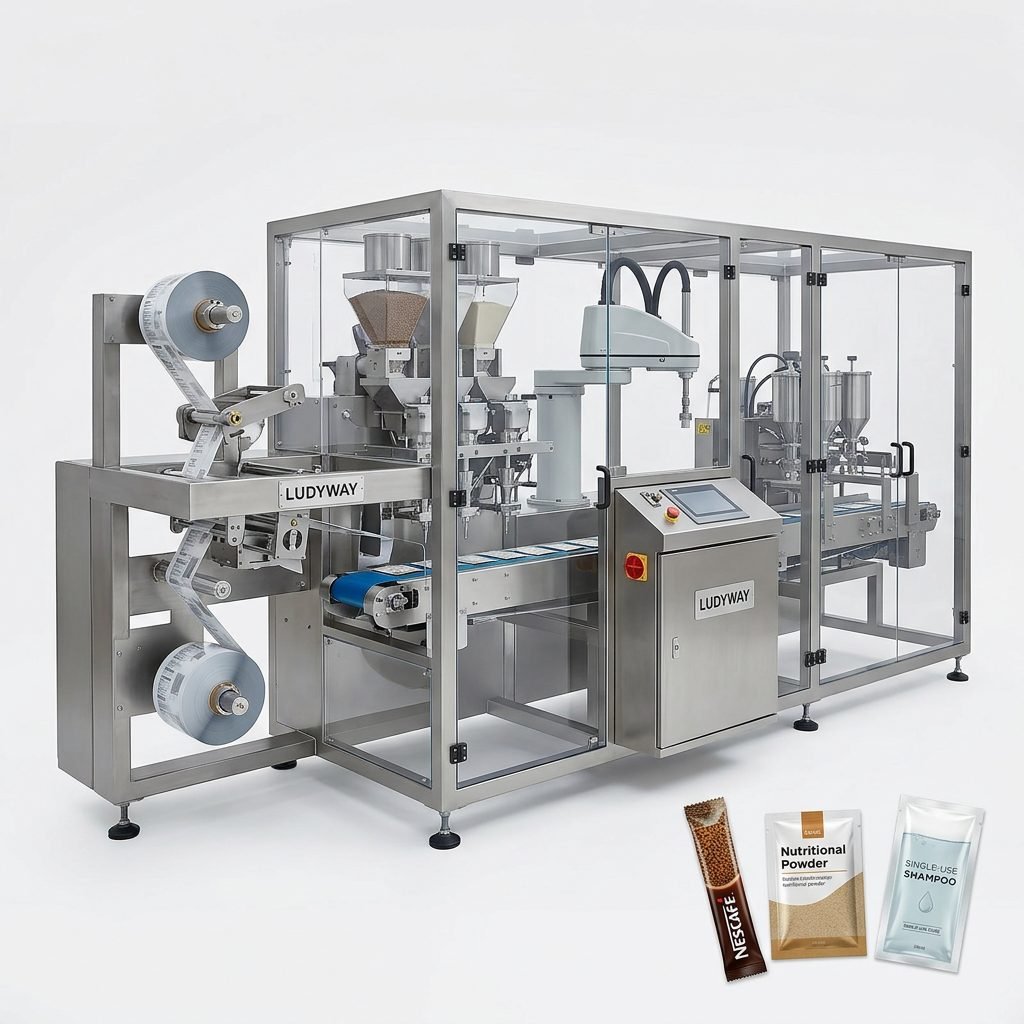
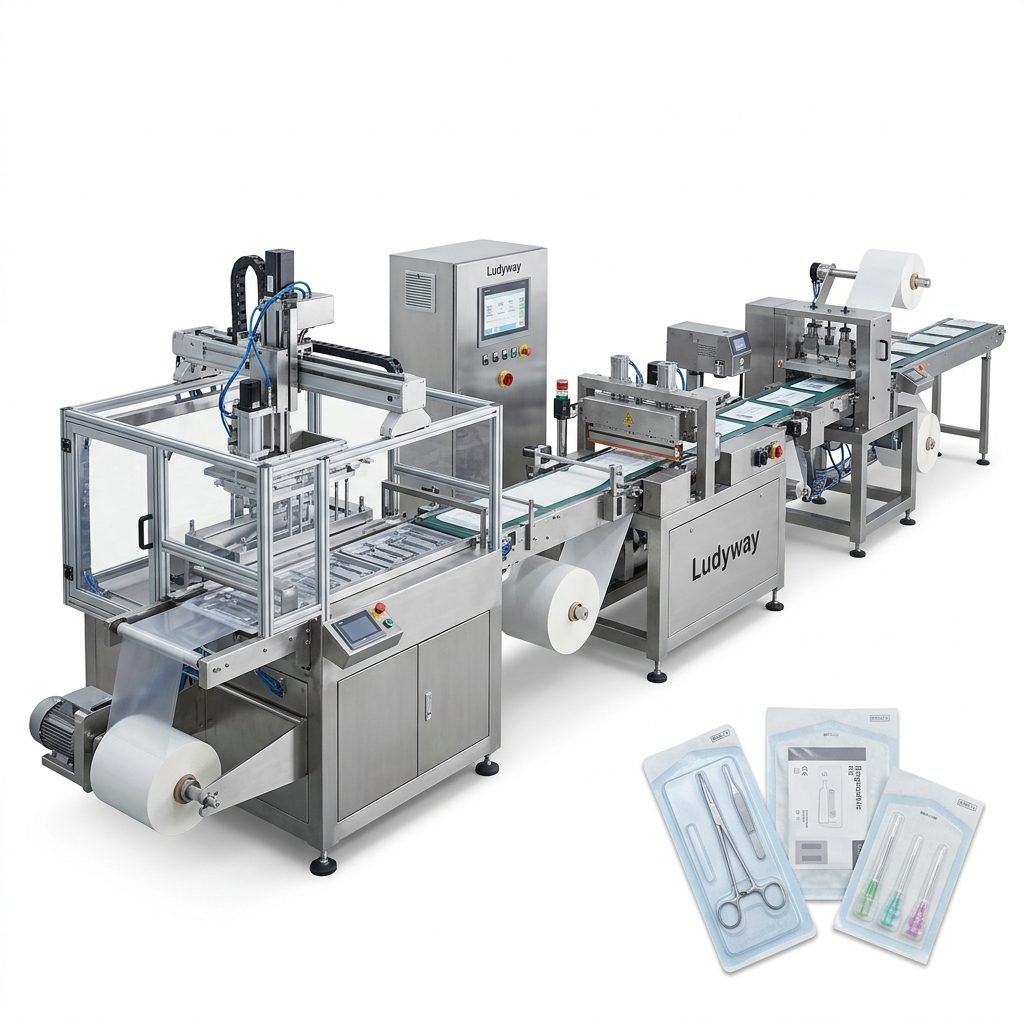
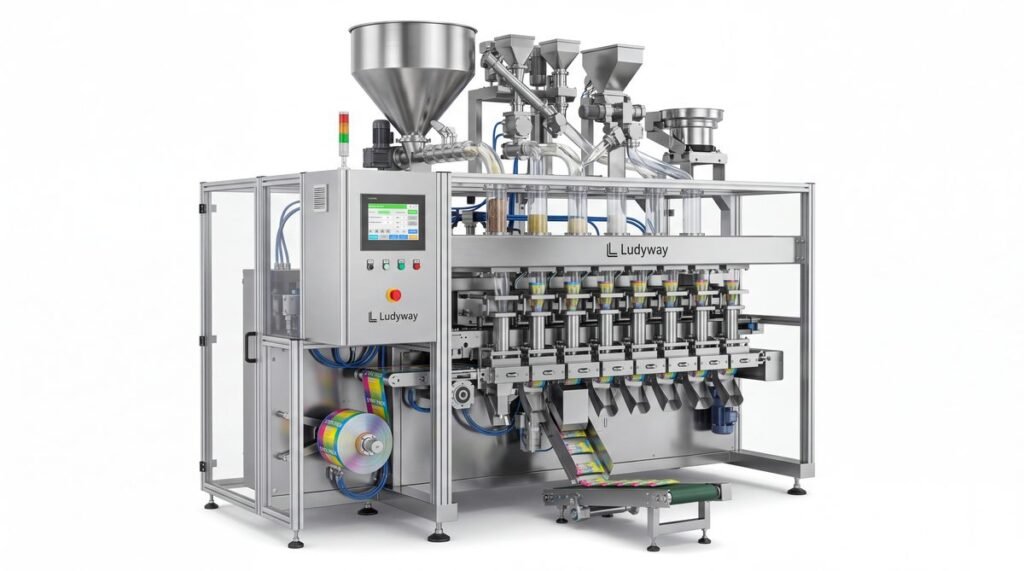
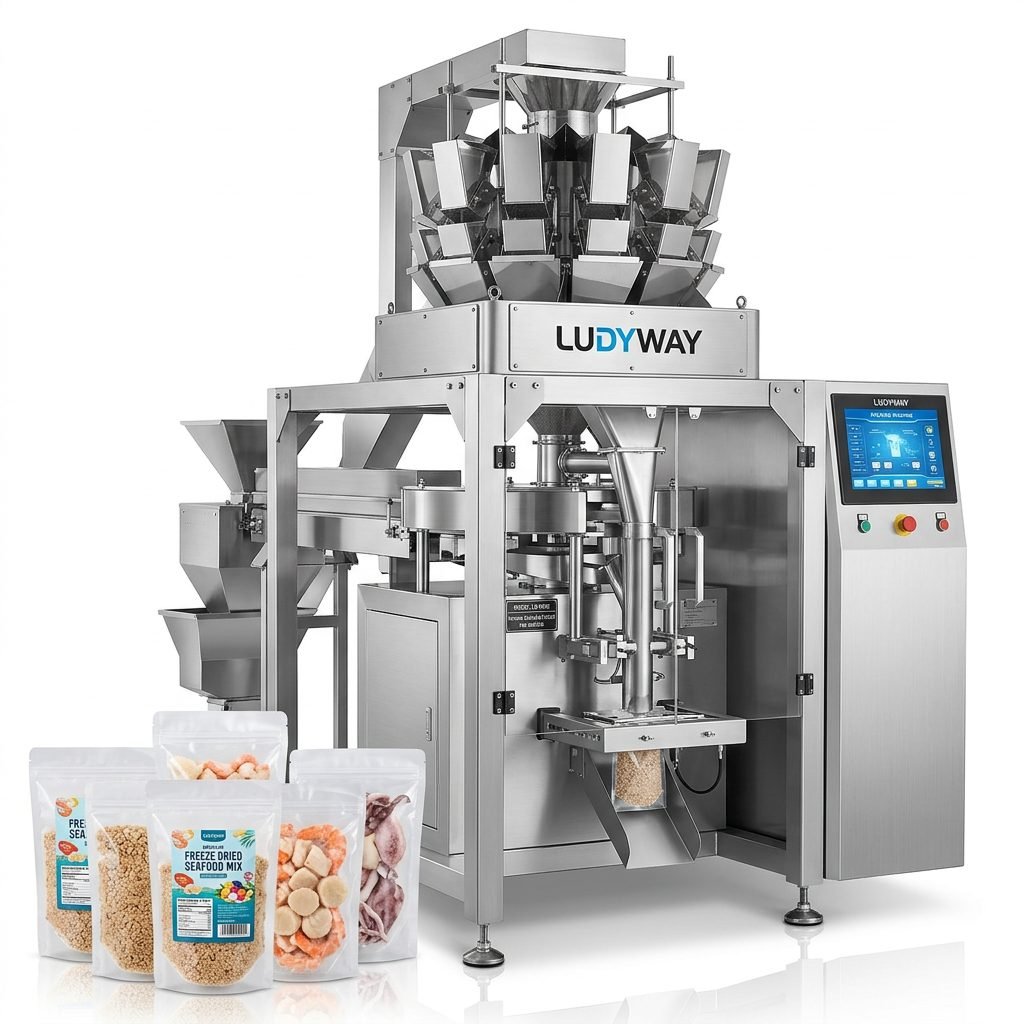
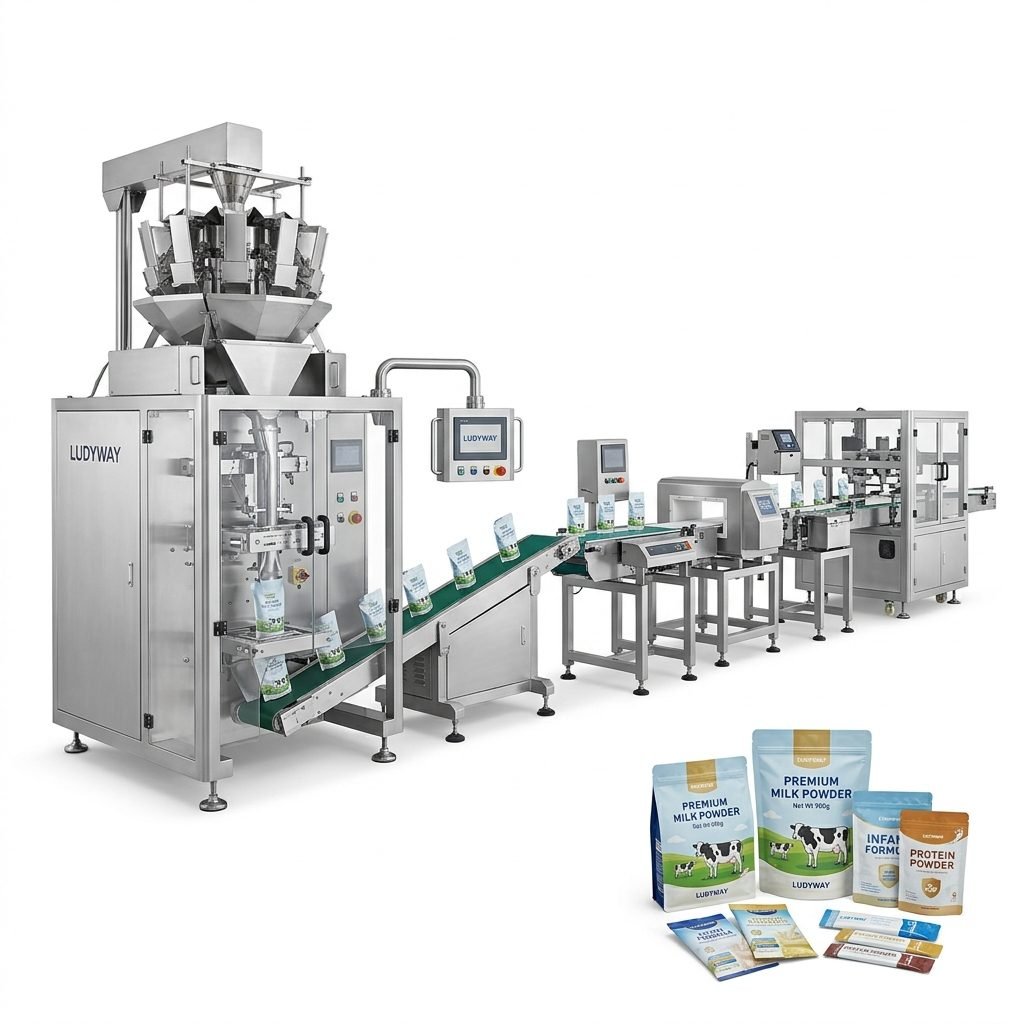
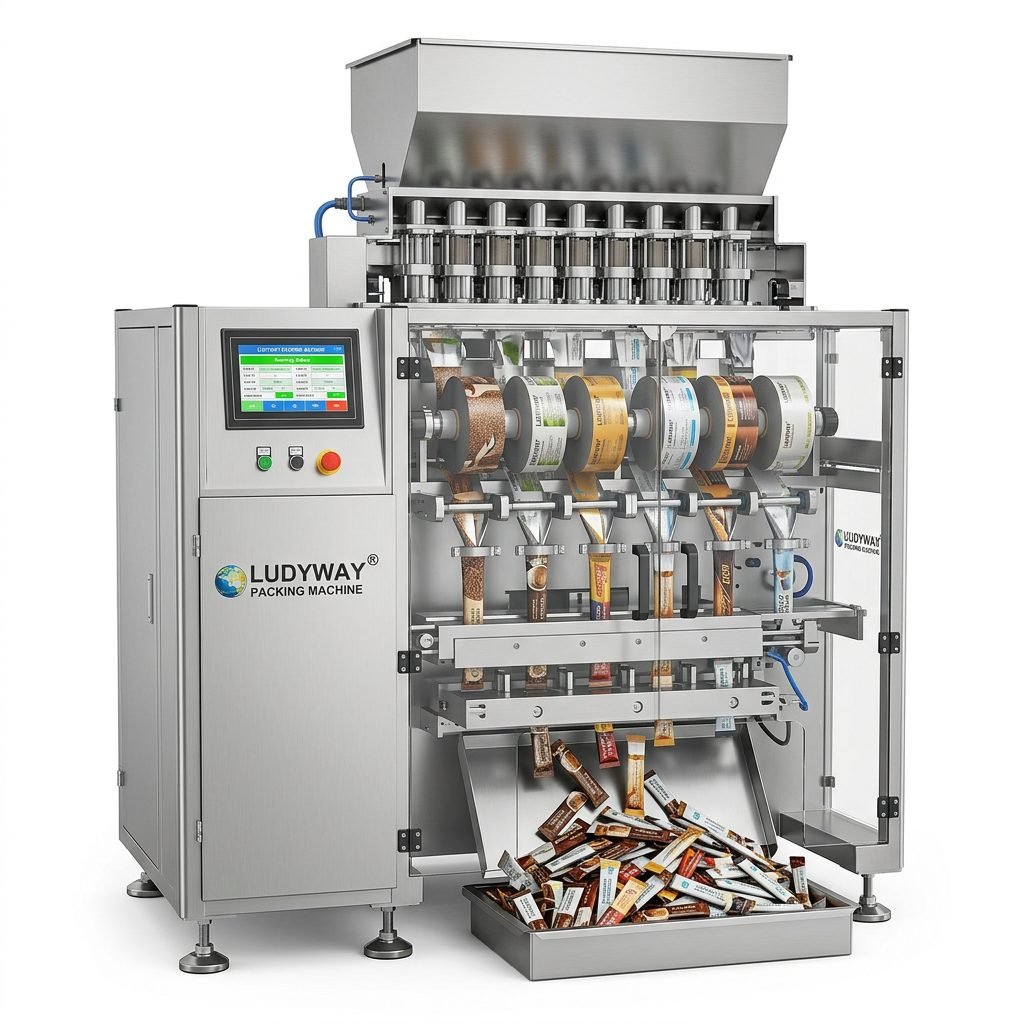
Setting up a tray sealer packaging machine production line requires careful planning, precise integration of equipment, and a clear understanding of your operational goals. Whether you are expanding an existing facility or launching a new packaging operation, following a structured approach ensures efficiency, product integrity, and long-term reliability. This guide walks you through every critical phase, from initial layout planning to final commissioning.
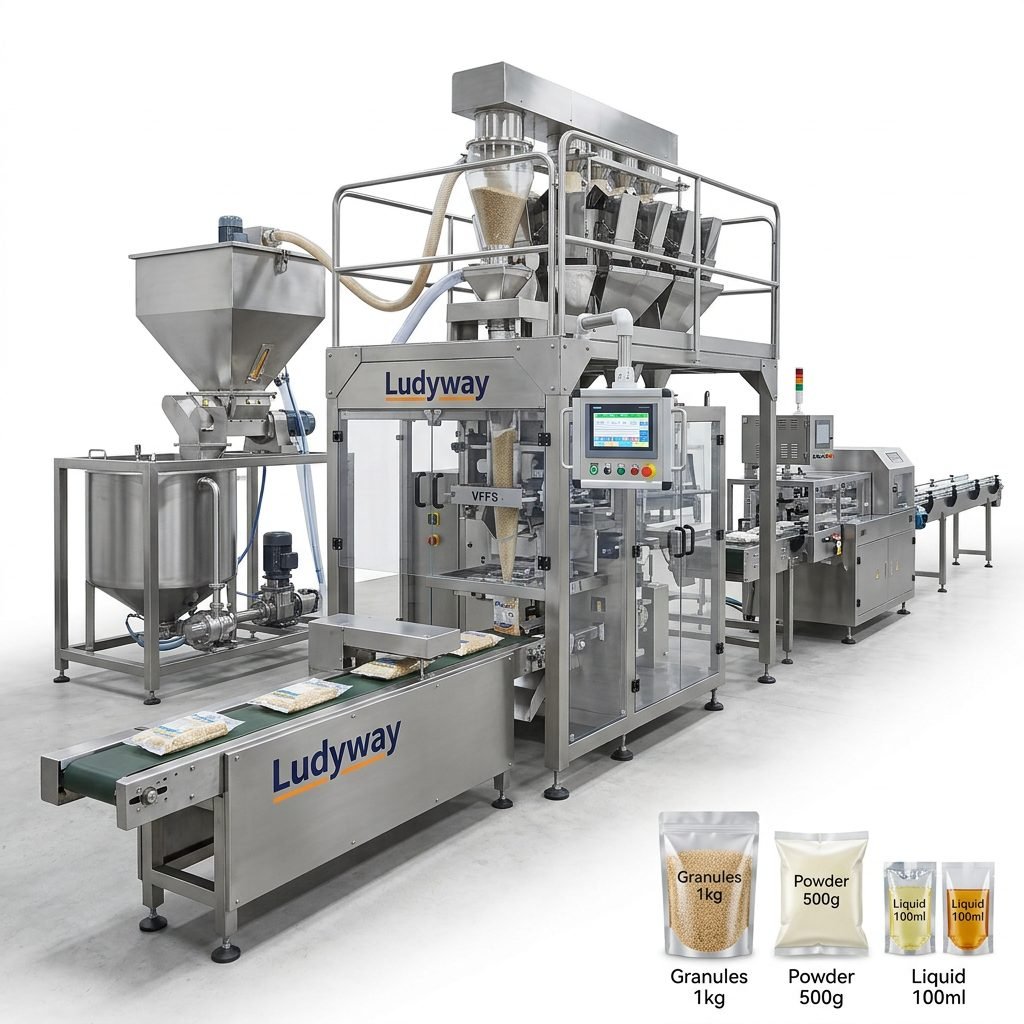
Phase 1: Assessing Production Requirements
Before selecting any machinery, define your production targets. Consider the following key factors:
- Product type: Is it fresh food, ready meals, medical devices, or industrial components? The product dictates the tray material and sealing method.
- Throughput needs: Calculate the required packs per minute. This determines whether you need a semi-automatic or fully automatic tray sealer.
- Tray dimensions and materials: Map out the range of tray sizes and film types (MAP, vacuum, skin pack) your line must handle.
Phase 2: Line Layout and Material Flow Design
An optimized layout minimizes bottlenecks. Map the flow from raw product entry to finished pallet. A typical configuration includes:
| Zone | Equipment | Key Function |
|---|---|---|
| 1. Product Loading | Infeed conveyor, denester | Automatically places trays and fills product |
| 2. Sealing | Tray Sealer | Applies film and seals under modified atmosphere if required |
| 3. Quality Check | Checkweigher, metal detector, vision system | Rejects faulty packs automatically |
| 4. Secondary Packaging | Sleeve wrapper, case packer, palletizer | Prepares finished trays for distribution |
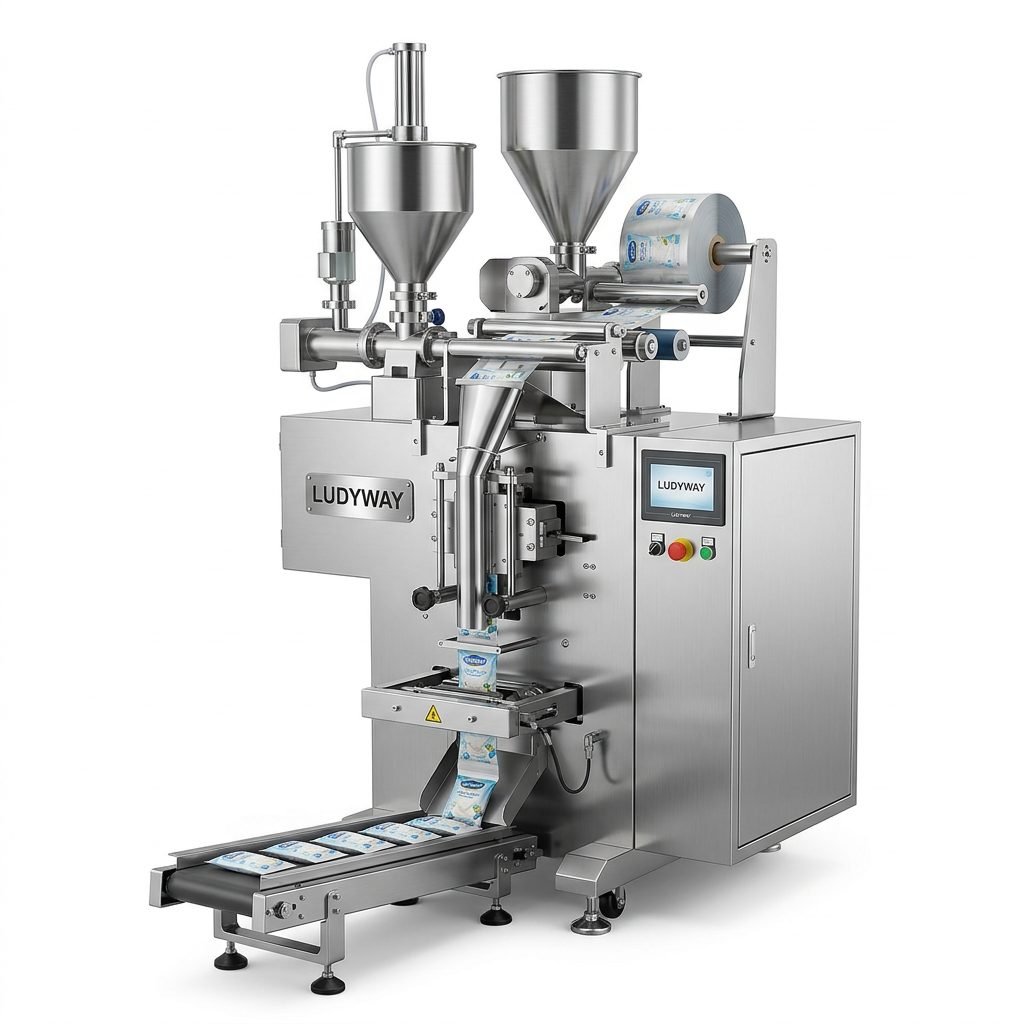
Phase 3: Selecting the Right Tray Sealer
The tray sealer is the heart of the line. When evaluating models, focus on these specifications:
- Sealing speed and film roll changeover time.
- Gas flushing capabilities for Modified Atmosphere Packaging (MAP) to extend shelf life.
- Tool-less changeover features to quickly switch between tray formats.
- Compliance with food safety standards like ISO 22000 or FDA regulations for food contact materials.
For high-volume operations, a multi-lane system integrated directly with upstream filling stations significantly reduces labor costs. Professionals from leading manufacturers, such as Ludyway, often emphasize the importance of modular designs that allow future capacity upgrades without replacing the entire line.
Phase 4: Integrating Auxiliary Equipment
A tray sealer does not operate in isolation. Seamless communication between machines prevents jams and product waste. Critical integrations include:
- Filling and dosing systems: Precision auger fillers for powders or multi-head weighers for granules.
- Printing and labeling: Thermal transfer printers for date codes, and automatic label applicators.
- End-of-line automation: Robotic case packers and palletizing solutions that keep pace with the sealer’s output.
Phase 5: Installation and Safety Protocols
During installation, ensure the area meets the utility requirements. The team should verify:
- Stable compressed air supply with appropriate filtration and drying.
- Adequate electrical load and dedicated circuits for sensitive control systems.
- Guarding and light curtains positioned according to international safety standards.
Following guidelines from organizations like ISO packaging standards helps maintain a safe working environment and regulatory compliance.

Phase 6: Testing, Validation, and Ramp-Up
Begin with dry runs to confirm mechanical functions. Then introduce product to validate seal integrity and gas residual levels. Document the optimal setpoints for temperature, pressure, and dwell time. Train operators on quick troubleshooting and routine cleaning. A structured ramp-up plan, moving from low-speed trials to full capacity, is essential for identifying potential issues early.
Phase 7: Maintenance and Continuous Improvement
Establish a preventive maintenance schedule. Replace wear parts like sealing gaskets and cutting blades proactively. Monitor Overall Equipment Effectiveness (OEE) to identify performance gaps. Upgrading software or adding industry intelligence tools can further optimize line efficiency over time.
Key Takeaways for a Successful Setup
Building a tray sealer production line is a multi-disciplinary effort. The most successful projects prioritize material flow, select scalable equipment, and invest in comprehensive operator training from day one.
- Map out the process flow before purchasing hardware.
- Choose a sealer compatible with your specific film and tray materials.
- Integrate inspection systems to protect brand reputation.
- Plan for future product variations to keep the line flexible.
For more detailed guidance on flexible packaging machinery and industry resources, explore authoritative associations and manufacturer case studies.