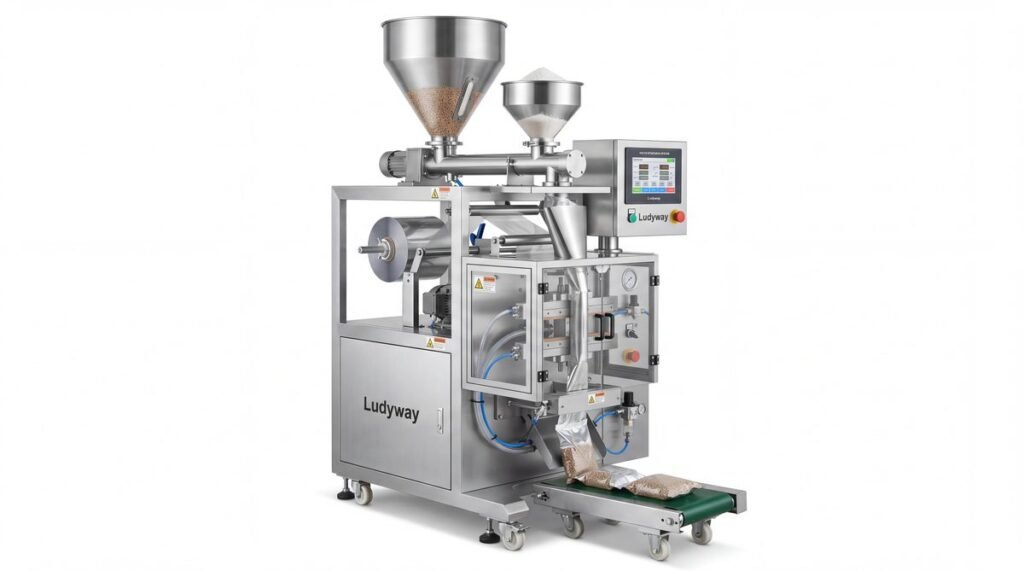
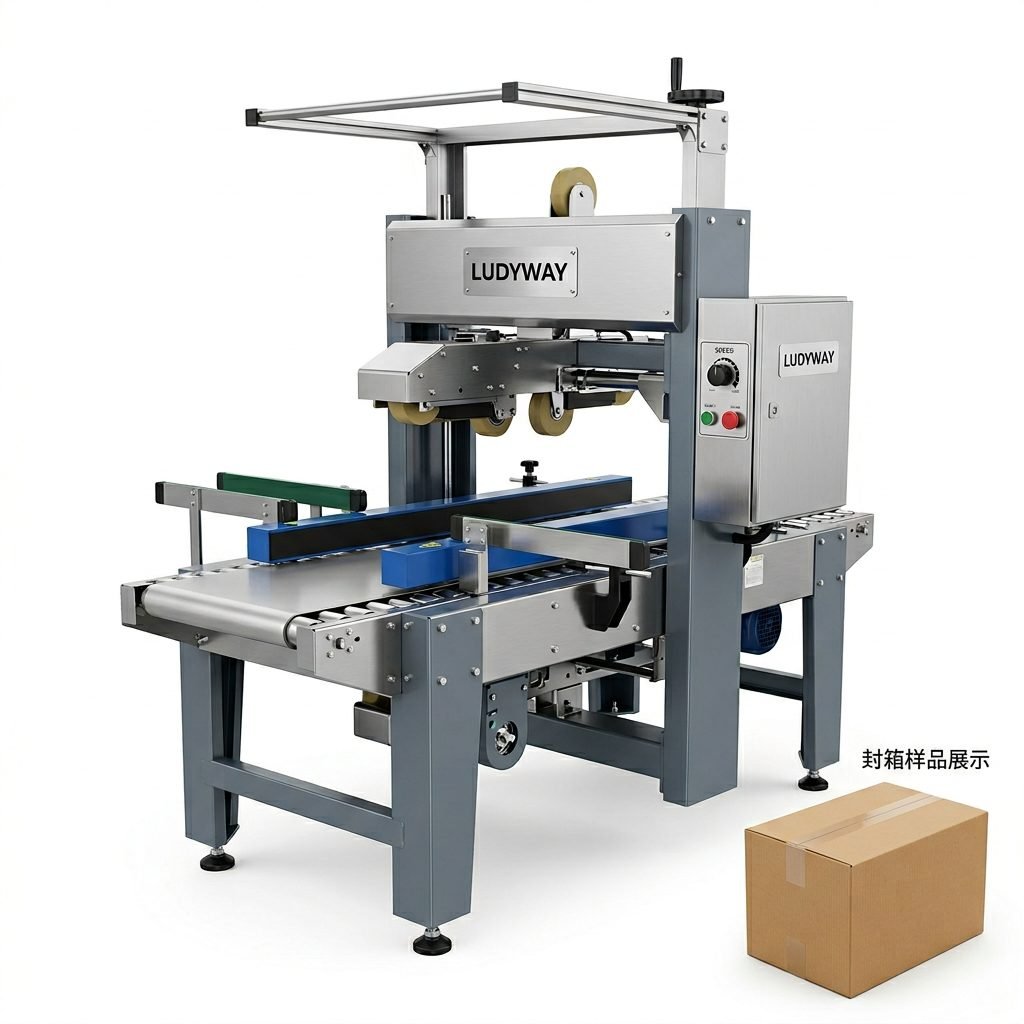
Africa’s food processing sector is undergoing a remarkable transformation. With a population exceeding 1.4 billion and a rapidly expanding middle class, the demand for packaged, shelf-stable food products has never been higher. Setting up a home vacuum packaging machine production line in Africa presents a lucrative opportunity for entrepreneurs and small-to-medium enterprises looking to capitalize on this growth. Vacuum packaging extends product shelf life by removing oxygen, preserving freshness, and preventing spoilage — a critical advantage in regions where cold chain infrastructure may be inconsistent.

Understanding the African Market Opportunity
Before investing in equipment, it’s essential to understand why Africa is primed for vacuum packaging businesses. The continent imports over $50 billion worth of food annually, yet post-harvest losses remain staggeringly high — up to 40% for perishable goods in some regions according to FAO data. Vacuum packaging directly addresses this challenge by significantly extending product shelf life. Key drivers include:
- Rapid urbanization — African cities are growing at 3.5% annually, creating concentrated consumer markets
- Rising disposable incomes — Household spending on packaged foods is increasing across Nigeria, Kenya, Ghana, and Ethiopia
- Retail modernization — Supermarkets and formal retail chains are expanding, demanding professionally packaged products
- Export potential — Vacuum-packed African products like coffee, spices, dried fruits, and fish have strong international demand
Step 1: Defining Your Product Niche and Production Scope
Your choice of vacuum packaging machine depends entirely on what you intend to package. Common vacuum-packaged products in African markets include:
- Dried fish and seafood products
- Processed meats and poultry
- Coffee beans and ground coffee
- Spices, herbs, and seasonings
- Dried fruits, nuts, and grains
- Dairy products like cheese
- Pharmaceutical and herbal products
Clearly defining your product type, target daily output, and packaging format (pouches, bags, or sachets) will guide your equipment selection and production line layout.
Step 2: Selecting the Right Vacuum Packaging Equipment
Vacuum packaging machines come in various configurations. Understanding the differences is crucial for making an informed investment. Below is a comparison of the main types suitable for African production environments:
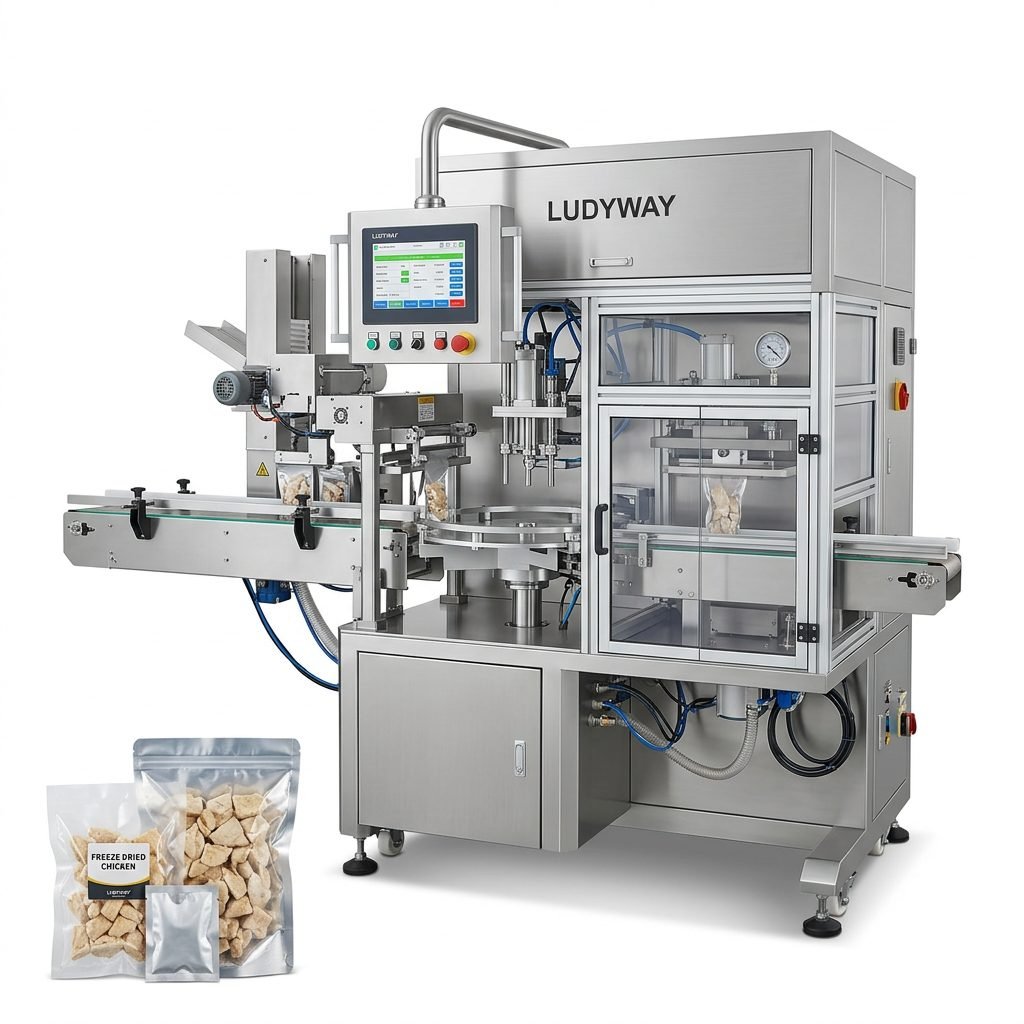
| Machine Type | Best For | Production Capacity | Investment Level |
|---|---|---|---|
| Single Chamber Vacuum Sealer | Small-scale operations, startups, home-based businesses | 50-200 packs/hour | Low ($500-$3,000) |
| Double Chamber Vacuum Machine | Medium-scale production, alternating chamber operation | 300-800 packs/hour | Medium ($3,000-$12,000) |
| Continuous Band Vacuum Sealer | High-volume operations, conveyor-based workflow | 1,000-3,000 packs/hour | Medium-High ($8,000-$25,000) |
| Multi-Lane Automatic Vacuum System | Industrial-scale production, integrated packaging lines | 5,000-15,000+ packs/hour | High ($30,000-$150,000+) |
Step 3: Facility Requirements and Site Preparation
Setting up your production line requires careful attention to your physical workspace. Even a modest vacuum packaging operation in Africa needs specific conditions to operate efficiently and meet food safety standards. Consider the following:
- Clean, dry environment — Humidity can damage packaging materials and compromise seal integrity
- Stable electrical supply — Voltage fluctuations are common in many African regions; invest in voltage stabilizers and backup generators
- Adequate ventilation — Vacuum pumps generate heat during continuous operation
- Food-grade flooring and walls — Easy-to-clean surfaces are essential for hygiene compliance
- Separate zones — Raw material storage, processing, packaging, and finished goods should be clearly separated
- Water access — Required for cleaning and sanitation procedures
Space Planning for Efficient Workflow
A well-designed layout minimizes material handling and maximizes throughput. For a small-to-medium home vacuum packaging line, allocate approximately 50-100 square meters for the complete operation. Larger industrial setups require proportionally more space. The workflow should follow a logical sequence: receiving → preparation → packaging → quality check → storage.

Step 4: Sourcing Quality Packaging Materials
The effectiveness of vacuum packaging depends significantly on the quality of packaging films and bags used. In Africa, sourcing reliable packaging materials requires building relationships with reputable suppliers. Key material considerations include:
- Barrier properties — Multi-layer films (typically PA/PE or EVOH combinations) provide superior oxygen and moisture barriers
- Thickness — Standard vacuum bags range from 70-120 microns; thicker films offer better puncture resistance
- Food-grade certification — Ensure materials comply with relevant FDA food contact substance regulations or equivalent local standards
- Heat-seal compatibility — Films must be compatible with your machine’s sealing temperature range
- Custom printing options — Branded packaging adds significant market value
Step 5: Installation, Calibration, and Testing
Once your equipment arrives, proper installation is critical. While many suppliers offer remote guidance, having a qualified technician on-site can prevent costly mistakes. Key installation steps include:
- Positioning and leveling — Ensure the machine is perfectly level to prevent mechanical stress and inconsistent sealing
- Electrical connection — Verify voltage requirements match your local supply; use appropriate circuit breakers
- Vacuum pump setup — Check oil levels (for oil-based pumps) or ensure dry pumps are properly connected
- Sealing bar calibration — Adjust temperature and pressure settings based on your packaging film specifications
- Vacuum level testing — Use vacuum gauges to confirm the system reaches adequate vacuum levels (typically 1-5 mbar)
- Production trial runs — Run sample batches to verify seal integrity, appearance, and throughput
Step 6: Quality Control and Food Safety Compliance
Maintaining consistent quality is paramount for building consumer trust and meeting regulatory requirements. Implement the following quality control measures in your vacuum packaging production line:
Critical Quality Checkpoints
- Seal integrity testing — Perform regular burst tests and dye penetration tests on sealed packages
- Vacuum level verification — Monitor and log vacuum levels throughout production shifts
- Residual oxygen measurement — Use oxygen analyzers to confirm oxygen levels remain below 1% inside packages
- Visual inspection — Check for wrinkles, contamination at seal area, and proper labeling
- Microbiological testing — Periodic lab testing ensures product safety throughout shelf life
Refer to ISO packaging standards for internationally recognized quality frameworks that can guide your operation.
Step 7: Staff Training and Operational Excellence
Investing in your team’s skills pays dividends in productivity and product quality. Essential training areas include:
- Machine operation and routine maintenance procedures
- Food hygiene and personal protective equipment (PPE) protocols
- Quality inspection techniques and documentation
- Troubleshooting common machine issues
- Inventory management and material handling best practices
- Record-keeping for traceability and regulatory compliance
Step 8: Marketing and Distribution Strategy
With your production line operational, focus shifts to building market presence. Effective strategies for African markets include:
- Local retail partnerships — Establish relationships with supermarkets, grocery chains, and specialty food stores
- Direct-to-consumer channels — Leverage social media platforms like WhatsApp Business, Instagram, and Facebook Marketplace
- B2B supply contracts — Hotels, restaurants, and catering companies are consistent buyers of vacuum-packaged products
- Export market development — Target diaspora communities in Europe and North America who seek authentic African food products
- Brand building — Invest in professional packaging design that communicates quality and builds recognition
Cost Analysis and Return on Investment
Understanding the financial dynamics of a vacuum packaging business in Africa helps in planning and securing funding. Below is a representative cost breakdown for a medium-scale operation:
| Cost Category | Estimated Range (USD) | Percentage of Total |
|---|---|---|
| Vacuum packaging machine | $5,000 – $20,000 | 30-45% |
| Facility setup and renovation | $2,000 – $8,000 | 10-20% |
| Initial packaging material stock | $1,500 – $5,000 | 8-12% |
| Electrical and utility setup | $1,000 – $4,000 | 5-10% |
| Training and consultancy | $800 – $3,000 | 3-7% |
| Working capital (3 months) | $3,000 – $12,000 | 15-25% |
| Total estimated investment | $13,300 – $52,000 | 100% |
Most operators achieve full return on investment within 12-24 months, depending on market penetration, pricing strategy, and operational efficiency.
Common Challenges and How to Overcome Them
Operating a packaging line in Africa comes with unique challenges. Proactive planning mitigates these risks effectively:
- Inconsistent power supply — Solution: Invest in a properly sized generator and voltage stabilizer; consider solar backup for smaller operations
- Supply chain disruptions for packaging materials — Solution: Maintain 2-3 months of inventory; develop relationships with multiple suppliers
- Equipment maintenance and spare parts — Solution: Partner with equipment suppliers who offer comprehensive after-sales support and maintain a critical spare parts inventory
- Regulatory compliance complexity — Solution: Engage local food safety consultants familiar with regional standards and certification processes
- Skilled labor availability — Solution: Develop comprehensive in-house training programs; offer competitive wages to reduce turnover
Equipment Sourcing: Choosing Reliable Partners
When sourcing vacuum packaging machinery for your African production line, prioritize suppliers with proven international experience and robust technical support capabilities. Look for manufacturers who offer:
- Comprehensive warranty coverage and accessible spare parts
- Remote technical support and troubleshooting assistance
- Machines designed for diverse operating conditions, including tropical climates
- Documentation and training materials in accessible languages
- References from other African or developing-market customers
- Flexible payment terms and reliable shipping logistics
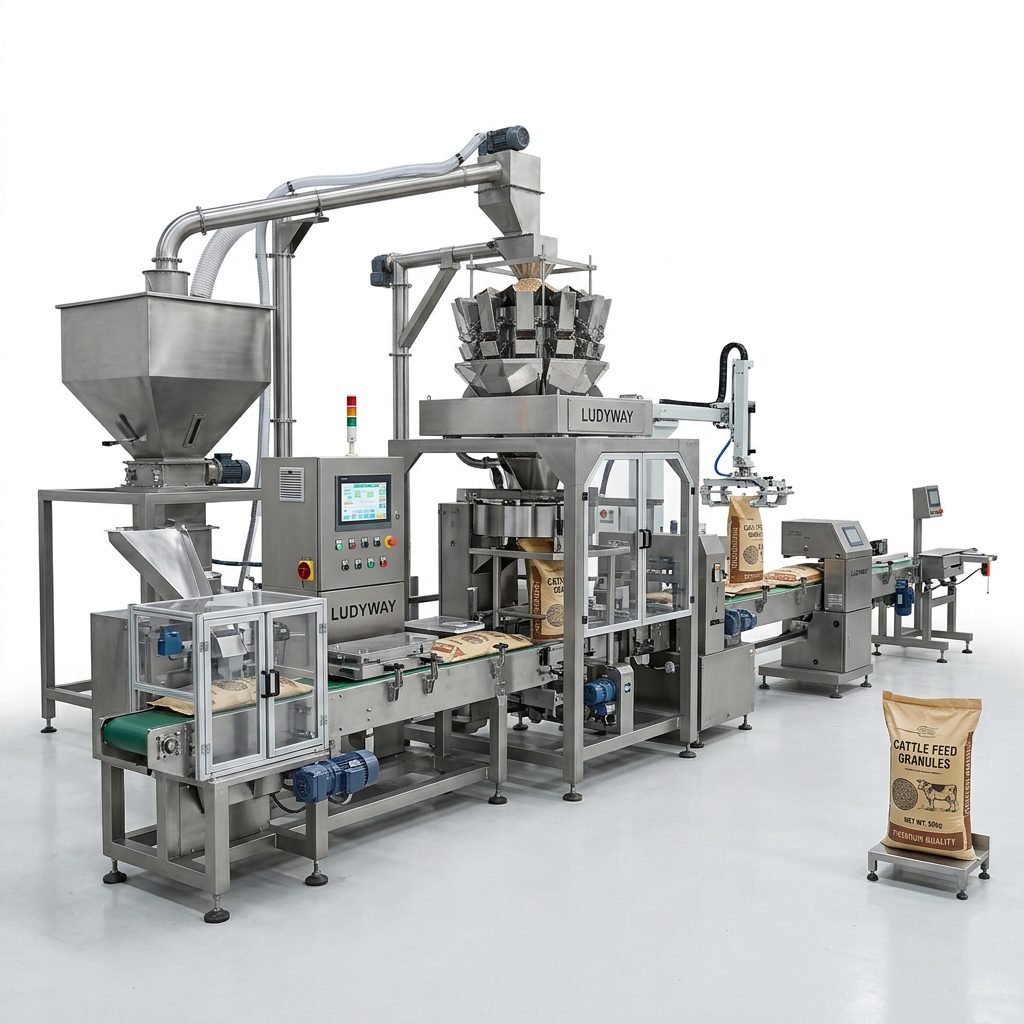
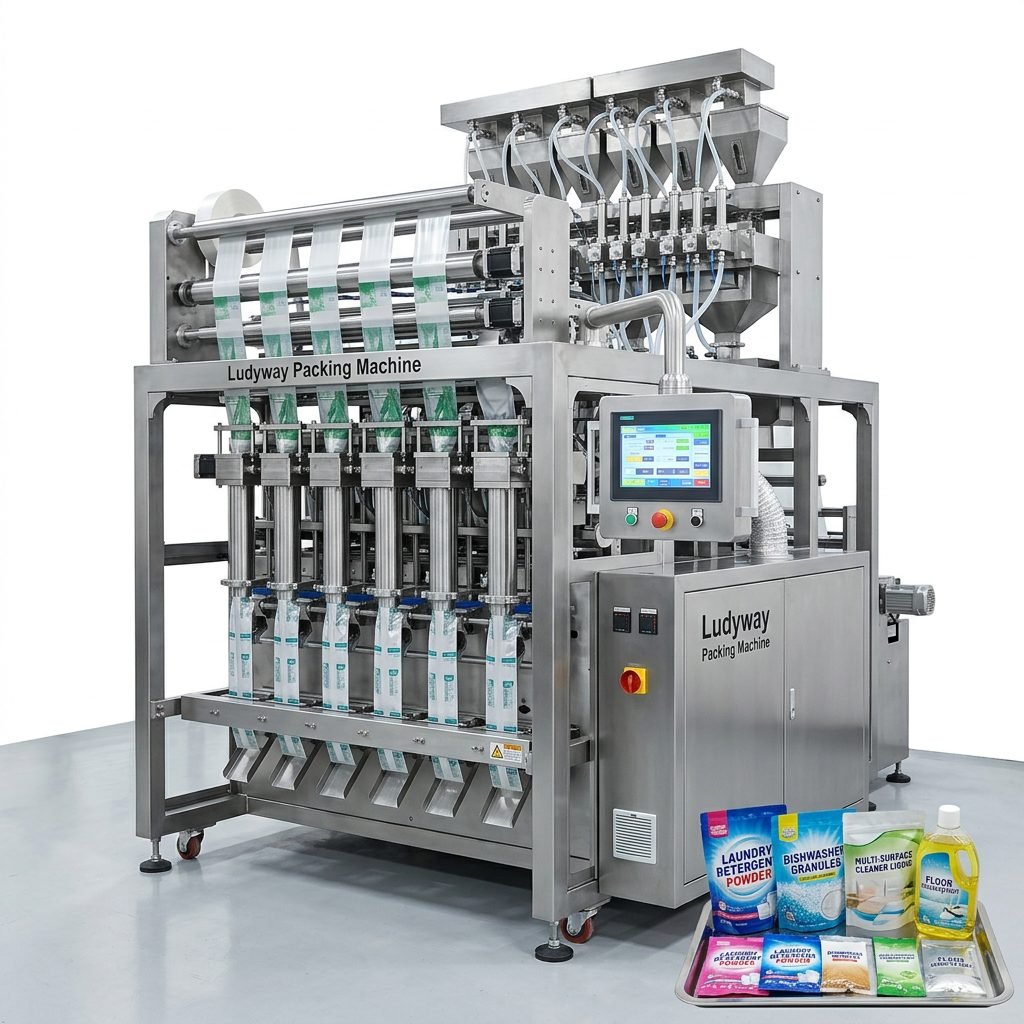
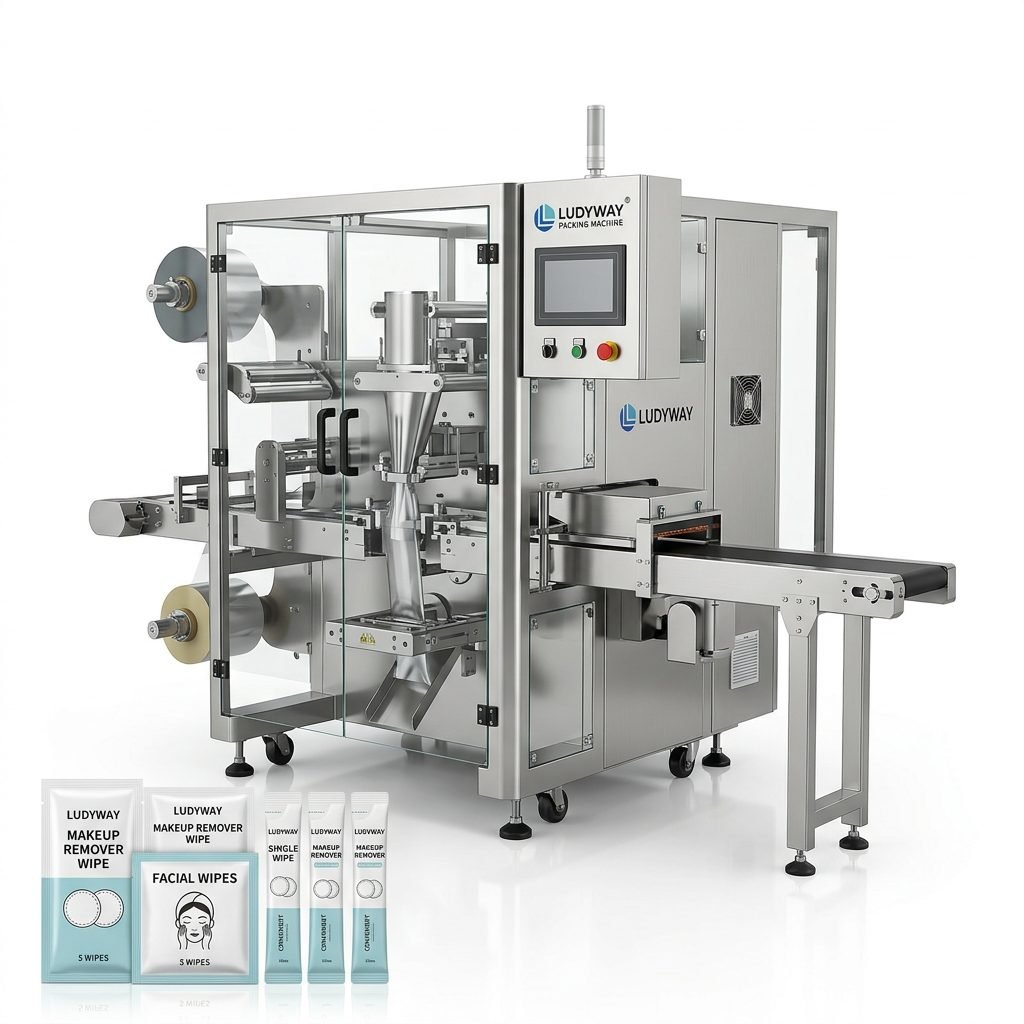
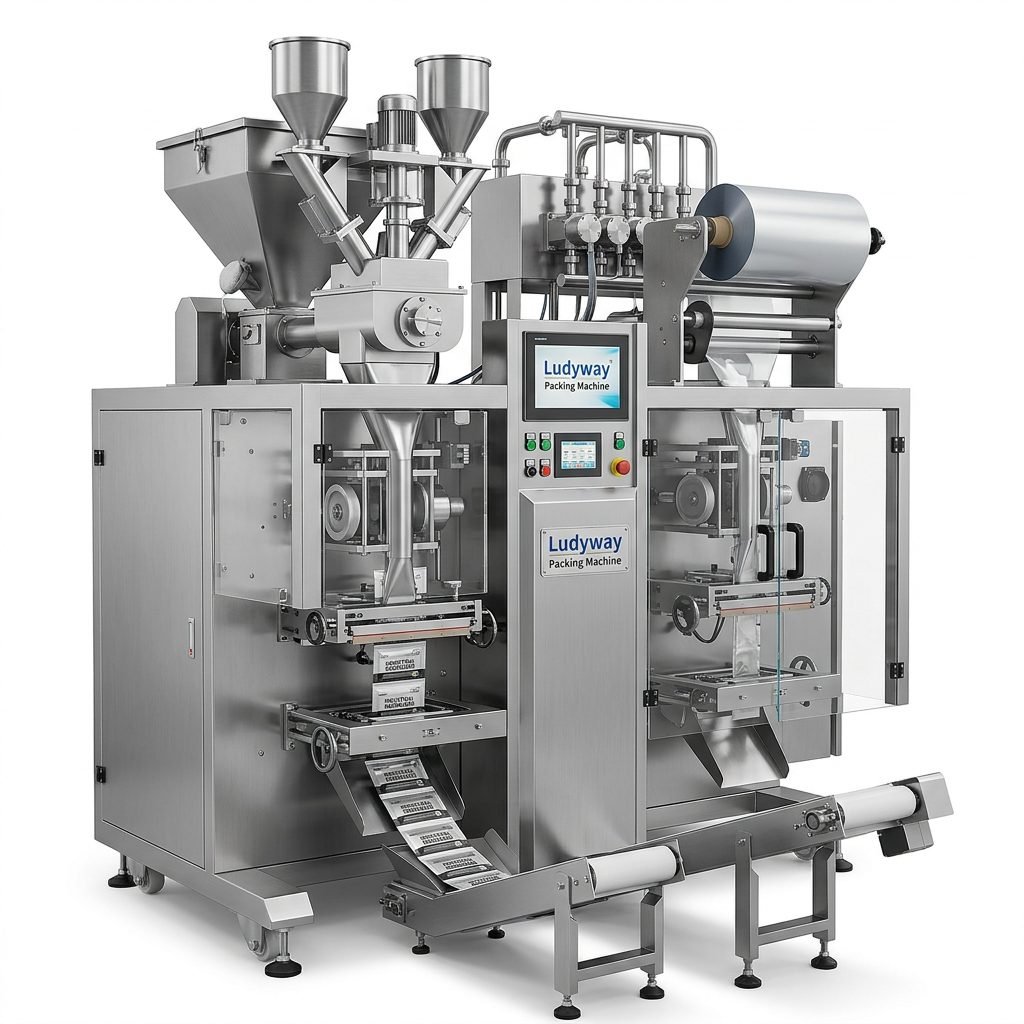
Companies like Ludyway, with over 30 years of industry experience and a 20,000㎡ manufacturing facility, provide turnkey packaging solutions that can be customized for African market conditions. Their extensive range of vacuum packaging machines and automated systems supports operations from small-scale startups to full industrial production lines.

Regulatory Landscape Across Key African Markets
Food packaging regulations vary across African countries, but most align with international standards. Key regulatory bodies to engage with include:
- Nigeria — NAFDAC regulates food packaging and requires product registration
- Kenya — KEBS oversees packaging standards and certification
- South Africa — SABS and Department of Health regulate food packaging compliance
- Ghana — FDA Ghana oversees food safety and packaging standards
- Ethiopia — EFDA manages food and pharmaceutical packaging regulations
Consult the PMMI business intelligence resources for current industry data and packaging trends that can inform your compliance strategy.
Technology Trends Shaping Vacuum Packaging in Africa
Staying informed about technological advancements helps future-proof your investment. Emerging trends include:
- Modified atmosphere packaging (MAP) — Combining vacuum with gas flushing for extended shelf life of fresh products
- Smart packaging sensors — Indicators that monitor freshness and temperature throughout the supply chain
- Sustainable packaging materials — Biodegradable and recyclable films gaining traction in environmentally conscious markets
- IoT-enabled machines — Remote monitoring and predictive maintenance capabilities for industrial equipment
- Energy-efficient vacuum pumps — Dry pump technology reducing operational costs and maintenance requirements
Final Checklist Before Launching Your Production Line
Use this comprehensive checklist to ensure all critical elements are in place before commencing full-scale production:
- Business registration and all required operating licenses secured
- Facility prepared with proper utilities, layout, and hygiene infrastructure
- Equipment installed, calibrated, and tested with sample production runs
- Packaging material supply chain established with qualified suppliers
- Staff trained on equipment operation, safety, and quality procedures
- Quality control protocols documented and testing equipment available
- Product registration and regulatory approvals obtained
- Distribution channels identified and initial purchase orders secured
- Maintenance schedule and spare parts inventory established
- Record-keeping systems in place for traceability and compliance
Setting up a home vacuum packaging machine production line in Africa represents a strategic investment in one of the world’s most dynamic consumer markets. With proper planning, reliable equipment, and consistent quality management, your operation can capture significant market share while contributing to reducing food waste and improving food security across the continent. The opportunity is substantial — and the time to act is now.